City, University of London Institutional Repository
Citation
:
Deutsch, R.M. (2017). Reliability, validity and educational use of the Cognitive Abilities Profile. (Unpublished Doctoral thesis, City, University of London)This is the accepted version of the paper.
This version of the publication may differ from the final published
version.
Permanent repository link:
http://openaccess.city.ac.uk/21479/Link to published version
:
Copyright and reuse:
City Research Online aims to make research
outputs of City, University of London available to a wider audience.
Copyright and Moral Rights remain with the author(s) and/or copyright
holders. URLs from City Research Online may be freely distributed and
linked to.
City Research Online: http://openaccess.city.ac.uk/ [email protected]
1
Reliability, Validity and Educational Use
of the Cognitive Abilities Profile
Ruth Marion Deutsch
Thesis submitted in the fulfilment of the requirements
for the degree of
Doctor of Philosophy
City, University of London
Division of Language and Communication Science
December 2017
Supervisors:Professor Nicola Botting; Dr Bernard Camilleri; Professor Katerina Hilari. Language and Communication Science,
2
Contents
List of Tables ... 9
List of Figures ... 12
List of Appendices ... 13
ACKNOWLEDGEMENTS ... 14
DECLARATION ... 15
ABSTRACT ... 16
Chapter 1 Introduction and overview of the CAP study ... 17
1.1 Rationale ... 17
1.2 Approach ... 19
1.3 Research aims ... 20
Specific research questions (RQs): ... 20
1.4 Structure of the thesis - Overview ... 21
Chapters 2 and 3: The Literature Review ... 21
Chapters 4 and 5: The Cognitive Abilities Profile ... 21
Chapter 6: Method ... 23
Chapter 7: Results ... 23
Chapter 8: Discussion ... 24
Chapter 2: Literature Review (i) Dynamic Assessment ... 25
2.1 Introduction ... 25
2.2 Traditional measurement of cognitive ability and the DA approach ... 25
2.3 DA as a form of testing ... 29
2.3.1 Principles and concepts of standardised and dynamic testing ... 29
2.3.2 Comparison of static and dynamic assessment in practice ... 31
3
2.4.1 Origins of DA: the work of Vygotsky ... 32
2.4.2 The contribution of Feuerstein ... 34
2.5 DA different procedures and models ... 37
2.5.1 Group distinctive characteristics ... 41
2.6 Learning potential and cognitive modifiability, what is DA measuring? ... 43
2.7 Other classifications of DA procedures ... 47
2.8 Issues and limitations of DA ... 48
2.8.1 Training for DA ... 49
2.8.2 Validity and reliability of DA ... 51
2.8.3 Validity issues (i): Generalisability – ‘real world’ validity ... 52
2.8.4 Validity issues ... 55
2.8.5 Reliability issues: (i) internal consistency / reliability ... 56
2.8.6 Reliability issues: (ii) Inter-rater reliability ... 57
2.8.7 Reliability issues: (iii) Test-retest reliability ... 59
2.9 Summary of challenges to DA ... 60
2.9.1 Training issues ... 61
2.9.2 Time issues ... 61
2.9.3 Shared understanding issues ... 62
2.10 Summary ... 62
Chapter 3: Literature review (ii). Consultation in Educational Psychology Practice ... 63
3.1 Introduction ... 63
3.2 Conceptual bases of consultation and definitions ... 63
3.3 Use of consultation by EPs ... 64
4
3.5 Consultation in Practice – what do EP services do? ... 69
3.6 How widely is consultation practised? ... 70
3.7 Evaluating the effectiveness of consultation ... 72
3.7.1 Local (small-scale) studies ... 73
3.7.2 Overview of studies ... 76
3.8 Summary ... 80
Chapter 4: The Cognitive Abilities Profile- Part 1 ... 81
4.1 Introduction ... 81
4.2 Section 1: Rationale for the development of the CAP ... 81
4.2.1 Addressing unmet needs ... 81
4.2.2 Summary of identified needs, which lead to CAP development ... 83
4.3 How is CAP consultation different from other uses of consultation by EPs? ... 86
4.4 Section 2: The Structure of the CAP ... 88
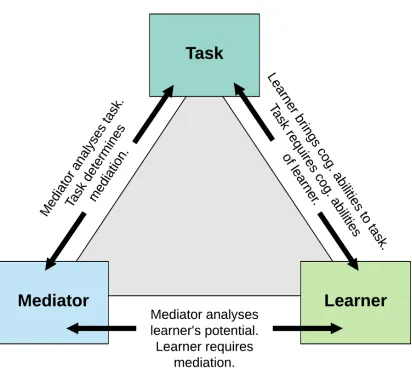
4.4.1 Three sections of the CAP – The learning triangle ... 88
4.4.2 How does the Learning Triangle model translate into the CAP model? ... 90
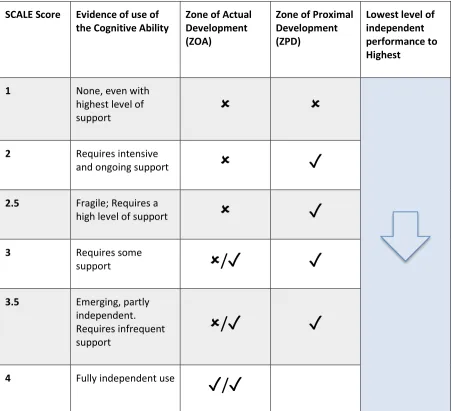
4.5 The CAP Rating Scale ... 91
4.6 Section 3: Cognitive abilities of the CAP – theoretical sources ... 93
4.6.1 From the LPAD phase model of deficient cognitive functions to CAP cognitive domains ... 93
4.6.2 Feuerstein: Concepts influencing the CAP ... 93
4.6.3 Luria’s model – the main principles ... 96
4.6.4 Luria’s work: From clinical origins to educational applications ... 100
4.6.5 Other test applications of Luria’s concepts ... 107
5
4.7 Recent developments in the field of educational psychology and neuropsychology based
on Luria’s concepts. ... 109
4.8 How does the rating of cognitive abilities in domains support assessment? ... 114
4.9 Summary ... 115
Chapter 5: The development of the CAP ... 116
5.1 Domain and item analysis of the CAP ... 117
5.1.1 CAP Domain 1: Attention ... 117
5.1.2 CAP Domain 2: Perception ... 118
5.1.3 CAP Domain 3: Memory ... 119
5.1.4 CAP Domain 4: Language and Communication ... 122
5.1.5 CAP Domain 5: Reasoning/Logic ... 124
5.1.6 CAP Domain 6: Strategic Thinking/Metacognition ... 127
5.1.7 CAP Domain 7: Behaviours Affecting Learning ... 131
5.2 Completing Section A of the CAP Record Form. What happens next? ... 136
5.2.1 Summarising the ratings ... 136
5.2.2 From CAP rating of Section A to the development of the CAP intervention plan. .... 139
5.2.3 Reviewing progress using the CAP’s follow-up stages ... 141
5.3 Pilot research leading to the development of the current version of the CAP ... 144
5.3.1 Pre-CAP trials ... 145
5.3.2 Group trials of the Pre-CAP ... 146
5.4 Summary ... 151
Chapter 6 Method ... 152
6.1 Participants ... 152
6.1.1 Educational Psychologists ... 152
6
6.1.3 Pupil selection criteria for the research project ... 155
6.1.4 Referral concerns ... 158
6.2 Ethical considerations ... 159
6.3 Timetable and stages of the research ... 160
6.3.1 Research procedures and time scale ... 160
6.3.2 Initial training ... 162
6.3.3 Selection of pupils ... 162
6.3.4 The initial (Baseline) consultation ... 163
6.3.5 The period between the Baseline and the Review ... 167
6.3.6 Review of the CAP targets ... 167
6.4 Procedure for independent testing of pupils ... 168
6.4.1 Independent test selection ... 168
6.4.2 Description of tests grouped by association with one or more CAP domains ... 170
6.4.3 The independent tests: Unitary measures or overlapping functions? ... 178
6.5 Procedure and planned data analysis for investigating RQs ... 180
6.5.1 Research questions (i-iii) ... 180
6.5.2 IRR Study 1 ... 181
6.5.3 IRR Study 2 ... 182
6.5.4 Research question (ii) Convergent and known groups validity ... 183
6.5.5 Research question (iii) Rates of change ... 184
6.5.6 Research question (iv) Perceptions of the CAP ... 184
Chapter 7: Results ... 188
7.1 Characteristics of the CAP ... 188
7.2 Psychometric properties of the CAP ... 190
7
7.2.2 Internal consistency within domains ... 193
7.2.3 IRR Study 1 ... 193
7.2.4 IRR Study 2 ... 194
7.3 RQ (ii) Convergent and known groups validity of the CAP ... 195
7.3.1 (iia) Convergent validity ... 195
7.3.2 (iib) Known groups validity ... 198
7.4 Usefulness of the CAP ... 199
7.4.1 RQ (iii) Rates of change ... 199
7.5 Perceptions of EPs – RQ (iv) ... 205
7.5.1 Questions about the consultations across all services ... 206
7.5.2 Implementing targets by the teachers ... 206
7.5.3 Pupil perceived benefits ... 207
7.5.4 Additional comments ... 209
7.5.5 Evaluation of use of the CAP by services A and B ... 210
Chapter 8: Discussion ... 224
8.1 Introduction ... 224
8.2 RQ (i) Does the CAP demonstrate acceptable levels of reliability? ... 224
8.2.1 a) Internal consistency ... 224
8.2.2 (b) Inter-rater reliability (IRR) ... 226
8.3 RQ (ii) Convergent and known groups validity ... 228
8.4 RQ (iii) Rates of change ... 230
8.5 RQ (iv) EP perceptions of the CAP... 231
8.6 Strengths of the study ... 238
8.7 Limitations of the study ... 240
8
9
List of Tables
Table 2.1 Comparison of dynamic and standardised approaches to assessment ….…… 32
Table 2.2 DA: Selected procedures ………... 39
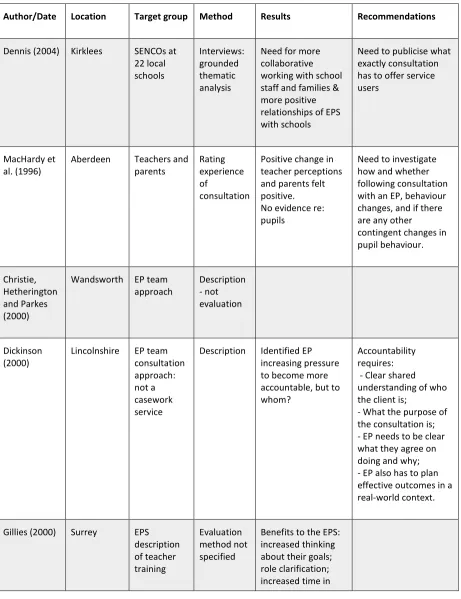
Table 3.1 UK small-scale studies of consultation ………..……….. 74
Table 4.1 The CAP rating scale ………..……….. 92
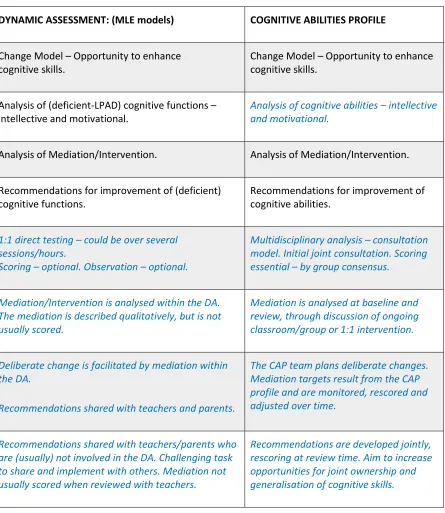
Table 4.2 CAP components – similarities and differences to DA ……….. 97
Table 5.1 Example of an individual’s CAP domain scores ………... 137
Table 5.2 Review of all cognitive domains after one year of intervention ….…………... 143
Table 6.1 Comparison of average length of professional experience of EPs across all three services ….…………... 152
Table 6.2 Demographic features of the three research boroughs ………... 155
Table 6.3 Pupil data for all services participating in the research ………... 157
Table 6.4 Referral concerns of teachers regarding pupils selected for the CAP research ………...………... 158
Table 6.5 Summary of procedures and time scale for research …….………... 161
Table 6.6 Participants in the baseline CAP with the EP ………..….………... 164
Table 6.7 CAP consultations: services A&B, and non-CAP consultations: service C ………... 168
Table 6.8 Summary of independent tests and associated CAP domains ………... 179
10
Table 6.10 EP questionnaire on perception of use of the CAP – services A&B – and use of regular consultation – service C ……….………..………... 186
Table 7.1 Mean baseline CAP scores for the seven domains of the CAP ………. 189
Table 7.2 Total number of CAP targets for all pupils chosen by teachers in each domain ………..….... 190
Table 7.3 Correlation of baseline scores across all domains of the CAP ……….….... 192
Table 7.4 Comparison of intra-class correlation coefficients results for inter-rater reliability: studies 1 and 2 ………..………….….... 194
Table 7.5 Summary of correlations between baseline CAP scores and independent tests ……….………….….... 196
Table 7.6 Comparison of changes in scores on a Semantic Decisions test across all services over time ……….……….. 200
Table 7.7 Comparison of gains over time across services for the Naming test ……... 201
Table 7.8 Comparison of gains over time across all services for the Block Recall test ……….……... 202
Table 7.9 Comparisons of gains over time across services for Raven’s Matrices …... 204
Table 7.10 Comparison of gains over time across all services for Nonword List Recall ………..……. 204
Table 7.11 Comparison of gains over time across services for the D2 test ……...……... 205
11
Table 7.13 Benefits of consultation for pupils across all services, as reported by EPs
……… 207
Table 7.14 Change in CAP scores over time for services A and B (service C did not use CAP) ……… 213
Table 7.15 CAP scores for Child S at baseline with specific targets (sub-items of domains) at baseline and review .……… 215
Table 7.16 Independent test results for Child S at baseline and review ….……… 215
Table 7.17 Child F: Baseline CAP and Review Scores ……….……… 219
12
List of Figures
Figure 1 Model of Intelligence ….…... 28
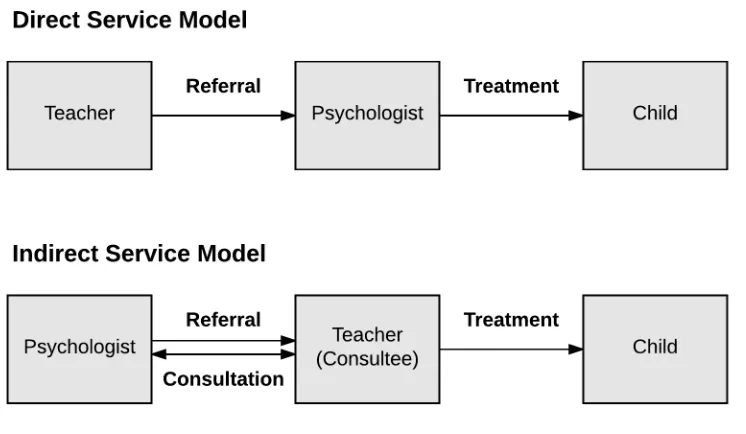
Figure 2 The direct and indirect model of service delivery ….…... 65
Figure 3 The three constituent parts of the Tripartite Learning Partnership ... 89
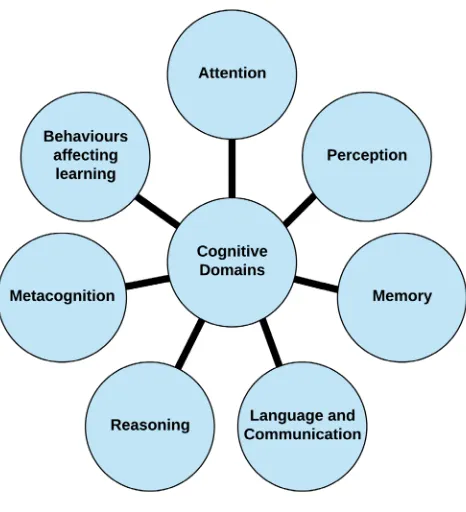
Figure 4 The domain structure of Section A of the CAP and its sources ... 94
Figure 5 Example of a graph of an individual’s CAP domain scores ... 137
Figure 6 Review of all cognitive domains after one year of intervention ... 143
Figure 7 Cognitive Abilities Profile: Example of a CAP baseline and review over three years ………... 144
Figure 8 Extract from d2 test page ... 171
Figure 9 Baseline CAP scores for the seven domains of the CAP ... 189
Figure 10 Semantic test baseline (Time 1) and review (Time 2) test scores for pupils in all services ……….……… 201
13
List of Appendices
Appendix 1 CAP Record form – Section A ………....…. 286
Appendix 2 CAP Summary form ………. 293
Appendix 3 Extract from the CAP Manual (2010), chapter 1: Description of Sections B and C ………. 295
Appendix 4 Participant information sheet ………..……….…. 299
Appendix 5 Participant consent form ……….………….…. 302
14
ACKNOWLEDGEMENTS
I would like to express my sincere appreciation to all of the following and others not mentioned here by individual name, who have contributed to this project and made its completion possible.
To my first supervisor, Professor Nicola Botting, whose unfailing encouragement, support and guidance has been of critical importance in enabling the project to proceed from ideation to reality.
To my supervisors, Professor Katerina Hilari and Dr Bernard Camilleri for sharing their knowledge and experience, giving me the benefit of different perspectives at many junctions along the road.
To the psychologists of the three Educational Psychology Services, who gave of their time and effort to the study of the CAP, in addition to their many demanding professional duties.
To the children and parents, teachers, SENCOs and Headteachers of their schools, for their willing participation in the study.
To Professor Alex Kozulin, for generously sharing his knowledge of several conceptual and historical aspects of this study.
15
DECLARATION
16
ABSTRACT
The Cognitive Abilities Profile (CAP) (Deutsch and Mohammed, 2010) is a collaborative tool for psychologists and teachers. The CAP is based on principles of Dynamic Assessment (DA) and uses a consultative modelfor rating pupils’ cognitive abilities in various cognitive domains and for planning interventions to facilitate pupils’ progress accordingly.
The CAP was developed in response to a perceived need for educational psychologists (EPs) to have access to alternative assessments to standardised psychological tests, particularly in the case of learning disadvantaged and ethnic minority pupils. Using DA as one possible approach creates a need for EPs to have access to training and to receive support with the implementation of DA-based intervention methods within local services. However, surveys of EP use of DA indicate limitations in training, inadequate support and difficulties in wider application of DA.
In the present work, a quantitative methodology has been used to examine the validity and reliability of the CAP in overcoming the above-noted difficulties in the implementation of DA by EPs. The methodology involved the collection and analysis of data from three groups of EPs, two of which conducted consultations with teachers using the CAP and the third group of EPs used its own choice of consultation methodology and functioned as a control group.
The findings of the present work provide evidence of good construct validity of the CAP cognitive domains, adequate inter-rater reliability between CAP users and evidence of advantage for pupilsin some areas of functioning between pre- and post-use of the CAP, as validated by independent standardised tests. Analysis of perceptions of EPs of the utility of the CAP, based on the results of feedback questionnaires, addresses issues of user
friendliness of the CAP. CAP users agreed on the need for initial training for psychologists and support for practitioners. The findings have implications for adoption of a novel approach in EP and teacher related work.
17
Chapter 1 Introduction and overview of the CAP study
1.1 Rationale
The Cognitive Abilities Profile (CAP) (Deutsch and Mohammed, 2010) is a collaborative assessment and intervention tool for Educational Psychologists (EPs) and teachers, as well as other practitioner psychologists and therapists, based on principles of Dynamic
Assessment (DA). The CAP uses a consultative modelfor rating cognitive abilities of pupils and for planning interventions so as to facilitate their progress.
EPs have traditionally assessed cognitive skills and achievement in children and adolescents by means of standardised and norm referenced psychological tests. However, major
demographic changes by which large groups of culturally and linguistically different populations have become part of the UK and many other countries, have increased challenges to the use of such tests (e.g. Howe, 1997), as assumptions of equality of
educational opportunity and experience may not be satisfied. In the case of minority groups, certain standardised tests are not regarded as being culturally fair. Furthermore, research has shown that other populations in addition to minority groups, such as children and young people with learning and emotional difficulties, may be unable to demonstrate a true
picture of their cognitive skills under standardised testing conditions (Hessels, 1997; 2008).
For a number of EP services, the need to find alternative or complementary methods of testing has become increasingly relevant and has led to the implementation of two key additional or alternative approaches, namely DA and consultation practices. Services have begun considering DA in place of, or alongside, traditional tests commonly used by EPs. Briefly, DA comprises an approach based on Vygotskian principles in which support, feedback and discussion within the assessment leads to a fuller picture of ability and learning potential rather than an unaided snapshot of performance. DA is described and discussed fully in chapter 2. Additionally, consultation practices have gained importance in establishing student needs and in setting educational targets.
18
forms part of the statutory duties assigned to EPs and use of such tests is protected and restricted to the profession. A survey of UK EP use of DA (Deutsch and Reynolds, 2000) confirmed findings similar to those found in other countries, (Lidz, 1992; Haney, 1999; Haywood and Lidz, 2005) namely that whilst DA may be appreciated for its concepts and theoretical underpinnings and is a growing subject of research (Lidz and Elliott, 2000; Sternberg and Grigorenko, 2002), DA has not significantly entered mainstream EP practice.
The CAP is a novel attempt to find a way of bringing concepts and methods of DA into the regular practice of psychologists and into mainstream classrooms, via a consultation approach, whilst trying to address some of the challenges to DA practice that various surveys had revealed. The innovation of the CAP lies in the CAP’s use of principles of DA without the CAP necessarily requiring the conduct of a DA itself, i.e. without direct testing of a pupil. The CAP thus attempts to address or bypass some of the barriers to greater use of DA. A further innovation lies in the design of the CAP as a consultative tool. This is
particularly advantageous, since EP use of consultation is presently increasingly popular (Wagner, 1995; 2000), but consultation is an approach that seems to lack clarity in practice. EPs do not have a shared understanding with their clients as to what exactly consultation is (Leadbetter, 2006), how it is defined and how to ensure consistency of practice.
Additionally, as the use of consultation by EPs is currently under-researched, its value to clients has yet to be determined (Kennedy, 2008; Henderson, 2013). The current version of the CAP (Deutsch and Mohammed, 2010) is in use in a number of EP services in the UK and elsewhere but has not been systematically evaluated until now.
19
psychological tests in general use (Büchel and Scharnhorst, 1993). These issues will be central themes of the present thesis.
1.2 Approach
The CAP is designed as a functional tool. It is not a test and it is not a normative assessment. The CAP is a structured collaborative process to be used by those involved with a learner of any age – typically teachers, parents, psychologists and others. The CAP uses a framework of observation and consultation to develop a profile of the student, which is repeated over time, so asto investigate and jointly rate cognitive abilities and jointly plan and monitor agreed interventions. The need to address at least some of the concerns raised by critics of DA is reflected in the choice of research questions that are investigated in this study.
Specifically, aspects of reliability and validity of the CAP are investigated, since the CAP aims to be a rigorous tool.
The main body of the CAP consists of three sections, which are used to (A) rate the pupil, (B) consult with the teacher(s) and (C) observe classroom or other tasks. All three sections are briefly described in chapter 4 of this thesis together with the theoretical and practical rationale for their inclusion in the CAP as a whole. Only Section A is the subject of this study, although, an outline of Sections B and C, may be found in Appendix 3. The rating process of the pupil’s cognitive abilities, which is done by means of a collaborative consultation activity (psychologist, teachers, parents etc.) and is followed by the joint development of an
Individual CognitiveEducation Plan (ICEP) with specific and measurable targets. The ICEP is reviewed and rescored over time. In this study, following the initial rating of the pupil (Section A), an ICEP was developed for each pupil participating in the study. The ICEP was then reviewed 3-4 months later. Teacher interventions following the first (baseline) CAP ratings, were not formally supported or monitored by the EP and the interventions
themselves are not the focus of this study. The main goal of this study is to investigate the properties of the CAP tool itself. The combination of DA and consultation found in the CAP, which has not been developed previously into a working tool, attempts to create a
20
1.3 Research aims
The overall research aim is to investigate aspects of validity and reliability of the CAP and the perceived usefulness thereof.
Specific research questions (RQs):
RQ (i)
Reliability:
A. Does the CAP show adequate internal consistency?
B. Does the CAP have adequate inter-rater reliability i.e. can various independent CAP users achieve substantially similar CAP scores when rating a pupil?
A: Correlations between CAP domains and Cronbach’s alpha were calculated, testing the tool’s internal consistency.
B: Testing levels of interrater reliability:
IRR study 1: The CAP was reused (rescored) for the same pupil and with the same teacher but was administered by a different psychologist blind to the first CAP scores. IRR study 2: The CAP was used for one pupil but scoring was completed by
several teachers or therapists, blind to each other’s scores.
RQ (ii)
Convergent and known-groups validity:
Do the CAP consultation ratings correlate with scores on independent tests? Do the pupils who were targeted as having additional needs using the CAP, also score lower on direct testing?
RQ (iii)
21
One-way ANOVAs compare the services at baseline. Two-way mixed ANOVAs are used to assess whether pupils in the two CAP user groups improved on static tests of cognitive abilities more than pupils in the control group. Where significant differences were found, post hoc tests were used to further examine the direction of change.
RQ (iv)
What are the perceptions of EPs with regards to the usefulness of the CAP? How do the perceptions of these EPs compare to a third (control) group of EPs who undertook consultations without the CAP?
Perceptions of usefulness of the CAP were investigated by means of post-CAP
questionnaires to all EPs and were analysed using Kruskal-Wallis non-parametric tests comparing the CAP consultation experiences with EPs in the control group who used any consultation procedure of their own.
1.4 Structure of the thesis - Overview
Chapters 2 and 3: The Literature Review
These two chapters explore literature pertinent to two core areas of educational psychology practice for which the CAP has been developed and which form the basis of the innovative aspects of the CAP. Chapter 2 discusses theoretical and practical concepts of DA; perceived benefits and challenges in comparison to widely used standardised tests; and in particular critiques of the DA models best known to practitioner psychologists. Chapter 3 focuses on the use of consultation in EP practice, its diverse theoretical roots, practical aspects and challenges to implementation. Consultation is an increasingly popular approach in EP practice and is discussed in relation to its potential as a framework for delivering DA principles.
Chapters 4 and 5: The Cognitive Abilities Profile
22
application of some DA concepts and methods to be used within a framework of EP lead consultation, moves some practices from typical DA use in 1:1 direct work (testing) with children, to inclusion in a broader consultative structure which focuses on joint problem solving with teachers, parents and others. Whilst the CAP was designed to contribute to identification of cognitive needs irrespective of age, the focus of this study is on the use of the CAP with school age children. Hence, in this study, the CAP end users are generally referred to as pupils.
The CAP also aims to bridge the gap between assessment and intervention, which is a commonly noted limitation of traditional testing procedures (Wagner, 1995). This is
achieved in the CAP by operationalising a main principle of DA, which is that assessment and intervention should be directly linked (Haywood and Lidz, 2007). The CAP is also intended to contribute to evidence based practice in the work of educational psychologists, by building in systematic follow up, review and evaluation of effectiveness of interventions for the pupil, which interventions have been agreed upon in the consultation.
The structure of chapters 4 and 5 is set forth below:
Chapter 4:
1. Begins with a brief overall rationale for the CAP’s development.
2. The CAP’s three sections are overviewed, followed by an outline of the seven Cognitive Abilities (CA) domains, which constitute section A of the CAP and an explanation of the CAP’s rating scale.
3. This section explains how the CAP was conceived, drawing on theoretical concepts of Luria (1980) and Feuerstein (2002) and how the parts of the CAP relate to these theoretical constructs.
Chapter 5:
1. The rationale for the CAP, set out in chapter 4, is now followed by a more detailed explanation of each of the cognitive domains and subcomponent items in Section A.
23
selection of targets; setting up the intervention plan and the cycle of monitoring and review, is briefly set out.
3. Reference is made to previous pilot studies of an early version of the CAP, which lead to the development of the current model (Deutsch and Mohammed, 2008). The CAP Record and Summary forms are attached as an appendix.
This completes the discussion of the parts of the CAP used in this study.
Chapter 6: Method
This chapter sets out the methods used for this study and the timescale and order of the research methodology. The methodology focuses on the CAP tool itself, its validity and reliability and its perceived usefulness by EPs and teachers. The present study is not an intervention study; that is, it does not investigate the efficacy or impact of any specific interventions that might be put into place following the initial CAP analysis of a pupil’s needs. Sternberg points to “simple inertia” in psychologists wanting to stay with the
comfortable and familiar, often preferring forms of test administration that are easy to use and easy to understand. For this reason, perceptions of the use of CAP by EPs as potential CAP users, is part of the research study, since even well-known conventional psychometric tests are known to be less used on account of a reputation for being complicated
(Sternberg, 2000, p.xi). A quantitative approachis used to investigate this study’s research questions.
Chapter 7: Results
In this chapter the results of the study are set out. Statistical analysis is provided in response to the research aims above, using the following analyses: correlations and intraclass
24
Chapter 8: Discussion
This chapter brings together the analysis of the research goals and results and suggests some explanations and interpretation. Findings are linked to theoretical concepts
25
Chapter 2: Literature Review (i)
Dynamic Assessment
2.1 Introduction
In this chapter and the next, two interrelated themes are developed, Dynamic Assessment, because the development of the CAP arose from the goal of applying concepts and
principles used in some models of DA to the assessment of cognitive abilities; and
consultation as a framework for EP practice, in relation to practitioner psychologists’ work. Consultation frameworks and methods are examined for clarity, styles of consultation, effectiveness and value for different clients. Both these areas relate to the work of EPs and represent the innovative aspects of the CAP, i.e. its use of DA principles without necessarily conducting direct testing and the structure of the CAP as a consultative model for EP use of DA concepts.
2.2 Traditional measurement of cognitive ability and the DA
approach
Measurement of cognitive ability has been a core goal of many traditional educational psychology tests. From a theoretical perspective, understanding the nature of cognition and how this is actualised in test structures and procedures is an area of fundamental difference between traditional tests of cognition and dynamic assessment.
26
The product-vocabulary score may thus be erroneously interpreted as reflecting the student’s learning ability (Kozulin, 2011, p.170-171).
Sternberg and Grigorenko (2002) state that in some societies including but not limited to the United States, people’s success and failure is largely determined by results of such tests. Those who do not test well lose opportunities whether in regard to grouping in school, college admission or admission to graduate schools. They assert that conclusions are drawn which go way beyond the inferences that should be properly drawn from such test scores (Sternberg and Grigorenko, 2002, p.ix). In contrast DA approaches are based on a learning model, in which it is the capacity for ability, which is of most interest.
There is a tendency to use the terms ‘intelligence’ and ‘cognition’ interchangeably. The two concepts need to be understood in any discussion on the differences between assessment of intelligence and assessment of cognition (Haywood and Lidz, 2007). The most
fundamental difference between intelligence and cognition is that ‘pure’ intelligence (g) is primarily genetic, whereas cognitive processes must be acquired. The corollary assumption is that “whereas intelligence is only modestly modifiable, with great effort, systematic cognition, when acquired, is eminently modifiable” (Haywood, 2007, p.26). Cognitive
functions (or as termed in the CAP, cognitive abilities) can be defined as processes by means of which one perceives, or comprehends ideas. Many cognitive processes are implicit, but they all involve aspects of perception, thinking, reasoning, and remembering.
Most tests of cognitive abilities do not attempt to measure ‘non-intellective’ variables, such as motivation, emotion and attitudes and thus miss an important element of learning. In contrast, emotional and behavioural variables should be combined with the more ‘intellectual’ processes, and this is the model used within the CAP structure. Cognitive processes are conceived of as a mixture of native ability, motives, habits and attitudes toward learning.
27
2008). However, when children’s developmental conditions are not equal, then basic assumptions underlying cognitive measurement are not met. This means that differences in static test scores cannot be seen as the result of differences in children’s learning capacity and therefore may not be good indicators of children’s future academic learning. Hessels (2008) gives examples of situations in which children are disadvantaged in their access to learning. These include children with (severe) learning difficulties, children with mental health issues, children with a different ethnic/cultural background, children with
hyperactivity and impulsivity and indigenous children from families with low socio-economic conditions (and low parental education). These are all ‘at-risk’ children. Sternberg and Grigorenko use a general descriptive term, ‘learning disadvantage’ to make the point that causes of low performance on tests of cognition can be both environmental, internal or both (Sternberg and Grigorenko, 2002).
Beckmann (2003) concludes that operationalisation of constituent elements in all cognitive tests should be in line with a more process-oriented theoretical definition i.e. focused on the child’s capacity to acquire new skills and abilities. This implies that learning should be an integral part of the test and that learning potential measures are the optimal type of
cognitive tests (Hessels, 2008; Beckmann, 2001; 2006). As such, all DA models have a learning (intervention) phase built into their procedures although these vary in nature.
In the subsequent chapter 4, describing the CAP in detail, the implementation of a learning phase within this consultation model based on DA principles, is discussed. The learning phase in the CAP happens between measurements, i.e. between the baseline CAP and the review, but unlike some work, e.g. Hasson (2011); Hasson & Camilleri et al. (2012), the actual learning is not directly controlled or measured in this study. In a classroom setting, the mediated learning/cognitive intervention is happening all the time.
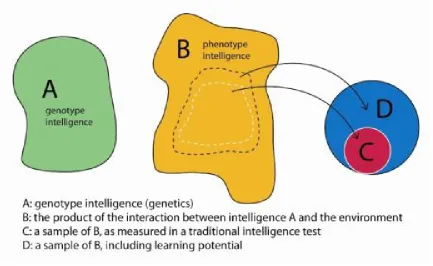
28 Figure 1: Model of Intelligence
(from Guthke and Beckmann, 2003)
The model takes the concept of inborn intelligence A (the genotype) from Hebb (1959) and adds the concept of developed intelligence B (the phenotype) derived from Vernon (1970) and Beckmann (2001). Together these form C, which is the performance factor measured in traditional cognitive tests. The additional element, D, is added which represents the learning potential. The resulting combination comprises an estimate of the child’s intelligence, which is defined in this model, as the child’s potential for change (learning). In the model it is the D, the sampling of learning, which is the focus of Dynamic Assessment.
29
tests. Others, such as Feuerstein (1979, 1995, 2003) and Tzuriel (2001, 2011), have
developed tests to assess a learner’s cognitive modifiability, not limited to changes in test performance. These different approaches demonstrate that the field of Dynamic
Assessment (DA) has a variety of models, methods of administration and analysing data, which will be further discussed below.
2.3 DA as a form of testing
2.3.1 Principles and concepts of standardised and dynamic testing
In this section, some principles underpinning cognitive and standardised assessment are examined and similarities and differences between them are noted.
Assessment is central to the work of all psychologists as it is the data gathering aspect of psycho-educational consultation. Assessment is not the same as any of its procedures, that is assessment is not testing, although testing may be included as part of an assessment (Lidz, 2007, 2011). Different principles and methods are used in the assessment of cognition, by those using static (i.e. unaided) testing procedures and by those using dynamic assessment procedures. The differences affect not only the assessment tools themselves, but also the goals, procedures and interpretations as well as the type of educational and cognitive interventions that may follow from the different procedures used.
Psychologists, especially educational psychologists have traditionally focused on
30
The development of DA in practice began from a theoretical standpoint and a view of the nature of human abilities, which contrasted with the established view that measuring unaided performance on a test, demonstrates cognitive ability as a stable property of those being tested. A fundamental position taken by the theoreticians who were the precursors of DA development, was that cognitive ability should not be measured statically, (i.e. without learning support within the test), but assessed as part of a dynamic learning interaction. This reflects the DA view of testing, being designed to reveal possible responsive changes in performance on tests, because cognitive ability is seen as a combination of genetically determined elements, together with historical and current problem-solving experiences and behaviours. The intervention – the dynamic part – is the means of revealing more varied problem-solving skills and thus more learning potential which, for a variety of reasons, may not be shown in unaided performance. Traditional tests of cognition score current
performance only, which is regarded as evidence of internal and stable levels of intelligence, not readily open to modification and change. Thus, in traditional normative cognitive tests, intervention within a test is an irrelevant concept and is undesirable in practice since it prevents the possibility of norm referencing.
It is important to state that it should not be thought simplistically that the field of standardised educational psychology testing consists only of IQ type cognitive tests,
although they have dominated the educational psychology field, (Howe, 1997; Sternberg & Grigorenko, 2002) nor that DA is ‘opposed’ to static testing as a whole. Static tests are used in many applications, such as in the diagnosis of certain mental health conditions;
assessment of neurological conditions and testing of specific skills which may be diagnostic and whose goal is not overall measurement of cognition, but which may classify the test taker and be used for designing treatments and for prognosis. However as will be seen, there is one concept that does divide most static tests from DA approaches, which is the concept of change. DA is based on a change model of human intellective functioning that stresses proximal modifiability and growth whereas static testing (in the field of
measurement of intelligence at least) is based on a stability model that stresses continuity and linear growth (Jensen, 1992; Jensen, Robinson-Zanartu & Jensen, 1992). Jensen (1992, p.7) contrasts the measurement of the properties of stability with the properties of
31
2.3.2 Comparison of static and dynamic assessment in practice
Comparison of static and dynamic assessment is summarised as follows (see also Table 2.1)
Static assessment:
• Focuses on current performance assumed to be predictive also of an individual’s future performance.
• Implicitly assumes that intellectual functioning and learning ability are stable and resistant to significant change.
• Excludes learning from the assessment procedure.
• Emphasises the product (assessment score) rather than the process (how this score has been achieved).
• The results of static assessment are used predominantly for classification of students and selection of educational settings rather than development of specific educational intervention strategies.
Dynamic assessment:
• Assumes that ‘static’ (unassisted) task performance reveals only a fraction of students’ cognitive and learning skills.
• Aims at evaluating students’ modifiability or learning potential rather than their current performance level.
• Includes a learning phase as an integral element of the assessment procedure. • Focuses on learning processes rather than products of learning.
32
Table 2.1: Comparison of dynamic and standardised approaches to assessment Adapted from Feuerstein (1995), Haywood & Lidz (2007), Lidz (2011), Kozulin (2013)
DYNAMIC STANDARD
Examiner: Interactive (assisted) Neutral (unassisted)
Learner: Active Reactive
Task: Process Product
Assumes: Learner changeable Learner stable
2.4 Theoretical underpinnings of Dynamic Assessment
The term dynamic or interactive assessment is most frequently used to describe tests of learning potential (future oriented) – in contrast to tests of unaided performance (current or historical performance) – on tests. The key element of all DA approaches is the belief that evaluation of individual learning potential is as important as testing the current
performance level of a student and that the best way of doing this is to insert learning and/or interactive elements into the assessment procedure. One of the initial goals of DA was to demonstrate that reliance on static intelligence or achievement tests often results in the erroneous placement of children with high learning potential but low current
performance levels into special educational settings that do not correspond to their true abilities and needs. DA helps to formulate specific recommendations for cognitive intervention aimed at improving individual’s learning strategies and cognitive skills.
2.4.1 Origins of DA: the work of Vygotsky
33
level a person can reach whilst being supported. Within the ZPD the assessor provides mediation of cognitive processes to promote higher order mental functioning of the learner (Lidz, 2007, 2011).
The relationship between thinking and learning constitutes one of the fundamental problems of cognitive psychology. Vygotsky defined the search for the ZPD as (1) active interaction between adults and children during the assessment; (2) emphasis on emerging rather than already established mental functions; and (3) comparison between individual and aided performance as a measure of the child’s ZPD (Chaiklin, 2003). Vygotsky’s goal was not to determine the child’s facility with these learning prompts, but to use them as a means of viewing the child’s emergent mental functions. Functions emergent at one
developmental age under favourable conditions are actualised during the next age (Chaiklin, 2003). In other words, evaluation of the child’s ZPD allows one to imagine his or her
thinking, as it will appear later on. In this sense ZPD is related to the task of exploring children’s mental development or cognitive modifiability, rather than immediate learning potential (Kozulin, 2011).
Vygotsky (1978, 1986) emphasised the central role of context and collaborative interaction for intellectual development. The ZPD builds on the principle that the outcome of social interaction is internalisation of the socio-cultural demands through the development of mental tools such as language (Kozulin, 1998; Kozulin, Gindis et al., 2003) and is a necessary component of development, instruction and therefore, assessment. The ZPD is used both to explore the nature of the learner’s functioning, as well as to determine the next steps of instruction. In Vygotsky’s view, the psychologist or teacher should be looking for and
measuring cognitive abilities, which are in the process of formation, and may be evident only under supported learning conditions, in order to score the potential for movement and change. That is, a cognitive ability (CA) is not either present or not present.
34
development and the nature of the interventions and interactions that seem to promote this enhanced development is analysed within the interaction between the learner and the DA provider, who is referred to as the mediator. Thus, the CA may be potentially available, but not yet actualised. From the perspective of acquiring cognitive skills derives the basic orientation of DA, which is the search for potential development of cognitive abilities not yet fully present in the student’s functioning and under which conditions these can be actualised and crystallised in the student’s repertoire of skills. Traditional (static)
approaches measure the learner’s zone of actual development (ZOA); dynamic assessment creates and explores the zone of proximal development (ZPD) (Haywood and Lidz, 2007; Lidz, 2003, 2011).
For an in depth understanding of the individual’s competencies and needs, Haywood and Lidz suggest that information is needed about both the ZOA and the ZPD. Thus, the need to gain information both about the learner’s unaided skills and knowledge at a point in time, as well as their learning potential under supported learning interventions is also expressed in the model of Guthke and Beckmann (Figure 1).
2.4.2 The contribution of Feuerstein
The second theoretical basis of DA stems from the work of Feuerstein, who developed a theory and model of the specific interactions that promote creation of the ZPD, summarised by the notion of ‘mediated learning experiences’ (MLE) (Feuerstein, 1979, 1995, 2003). The notion of mediation or Mediated Learning Experience expresses the idea that the mediator (typically parent or teacher) places themselves between the learner and the world of experiences, shaping, focusing and directing the learner toward the perception, encoding and utilisation of important learning (cognitive and emotional) processes. MLE’s are descriptions of learning interactions that promote higher mental processes, such as
35
Further elaboration of these concepts will be found in chapter 4, which focuses on the CAP tool itself and which will discuss which elements of Feuerstein’s DA model have been used, adapted or set aside in the CAP.
Feuerstein proposed that MLE works on two levels; from parent to child as a specific
intergenerational form of cultural transmission and on a universal human level as the mode of transmission of culture and knowledge, unique to human society. In his view, when there is a breakdown in social and cultural transmission, i.e. failure to provide or access adequate MLE within a society, culture or family, this can result in deficient cognitive functioning and therefore lessened ability to benefit from the individual’s encounters with successive learning opportunities (Feuerstein, 1995, 2002). The elaboration of Feuerstein’s concept of MLE, its components and its role in the formation of cognitive development has been extensively described and has led to a large body of research both on MLE within some dynamic assessment models and its use in formal and informal learning activities (Deutsch, 2003; Tzuriel, 2000; Lidz, 1991, 2003; Haywood and Tzuriel, 1992; Kozulin, 1998; Burden and Williams, 1998; Deutsch and Mohammed, 2010). It has also been incorporated in specially designed cognitive development programmes, such as Greenberg’s (1992) CEA (Cognitive Education Advantage) programme; Bright Start, an early years cognitive development programme (Haywood, Burns & Brook, 1985); Cébé and Paour’s (2000) and Klein’s (1993) MISC (More Intelligent and Sensitive Child) programme, offering mediational skills to mothers of premature and low birth weight infants. Burden (1998) described MLE as the development of the cognitive tools for ‘learning how to learn’ when analysing Feuerstein’s Instrumental Enrichment (of cognitive functions) programme. The means of shaping the learning capacities of the individual as a humanly driven enterprise is contrasted with the approach of Piaget (1959, 1965), who viewed adult interventions in the cognitive
development of children as peripheral rather than central (Kozulin, 1998; Feuerstein et al. 2003; Haywood et al., 2003).
36
Learning Potential Assessment Device, (the LPAD), was one of the first, if not the first, attempt to elaborate a dynamic assessment procedure, providing a catalyst and model for others (Lidz, 1987; Haywood and Tzuriel, 1992; Lidz, 2007; Tzuriel, 2000; Sternberg and Grigorenko, 1998, 2002). Feuerstein adapted some well-established static tests, such as Raven’s Matrices (Raven, 1938, 2004) and Complex Figure Drawing test (Osterrieth, 1944) for use in a dynamic interaction with the learner. Some of his sources were from Rey’s work, such as the Organisation of Dots test; Rey’s 16 Word Memory test; Plateaux test and others. His choice for the LPAD battery was guided by the need to find materials which were as culture-free as possible and which could be adapted for mediation within the test situation, enabling both teaching to the test and more broadly, attempting to modify the child’s deficient cognitive functions. From this initial work, he developed his theory of Structural Cognitive Modifiability (Feuerstein, 1979, 1980), asserting the potential to structure and restructure inefficient cognitive processes, which may appear as poor intellectual and emotional functioning in unaided tests, but which can be open to active modification.
In DA models, as will be shown below, the mediation within the test can be very varied and there is no universally agreed method of mediating. Feuerstein proposed certain core criteria, which he considered as defining MLE within any social/cultural context, as well as other optional criteria of MLE, which would vary according to need (Feuerstein, Klein and Tannenbaum, 1991; Feuerstein, 2003; Tzuriel, 2001; Lidz, 1987, 2003; Deutsch, 2003).
Although the general features of DA are shared between all DA test developers and users, there are different DA procedures resulting from different ways of interpreting and operationalising the search for learning potential.1 Just as methods of intervention/
1Perhaps because of the diversity of DA models and methods, an agreed curriculum for teaching DA has not been
established to date (Lidz, 1992; Haywood and Lidz, 2005; Deutsch, 2007; Green, 2015). Lidz developed a teaching curriculum for DA within a Masters degree psychology programme in one US college, (2001/2002) but it was not formally implemented (Lidz, 2011, personal communication). Currently in the UK, the British Psychological Society sets out a framework for its qualifying doctoral programmes for Educational Psychologists. In England and Wales, DA is not specifically named, but in the Scottish EP training framework, it is. In most EP training in the UK, specific allocation of time and topics is left to individual courses to decide. Different courses have elected to introduce students to DA very briefly, for example a one day
37
mediation vary within the DA, interpretations of changes resulting from the interventions also vary and these will now be discussed. In chapter 4 of this thesis further elaboration of how the CAP has used, adapted or set aside different elements of DA will be given.
2.5 DA different procedures and models
There are common threads that bind users of the DA paradigm, which can be summarised in three assumptions shared by authors working in different countries and different
educational systems (Grigorenko & Sternberg, 1998; Haywood & Lidz, 2007; Lidz & Elliott, 2000).
• Given the different educational experiences of children brought up in dissimilar cultural circumstances, conventional (static) assessment might not adequately capture their level of cognitive development.
• Psychologists and educators should be interested not in where children are now, given their previous educational experience, but where they can be tomorrow, assuming that they are given adequate educational intervention from now on. • There is little use in assessing for the sake of assessment; assessment should be
carried out as a part of intervention (i.e. being assisted or dynamic in nature) and for the sake of selecting or modifying intervention.
Approaches within the broad field of DA differ in their operationalisation of the three
general principles just noted, practical goals, specific ways of interaction with students (both for purposes of assessment and instruction), amount of accumulated data, and popularity.
38
children with ADD and Autism, (Lidz and Gindis, in Kozulin et al., 2003; Haywood and Lidz, 2007); Traumatic Brain Injury, (Jepsen, 2000; Haywood, 2007); Psychiatric conditions such as DA with schizophrenic patients, (Wiedl et al., 2004); DA of Specific Learning Disabilities, (Swanson, 2005; Swanson and Howard, 2005; Jeltova, 2011); Moderate and severe learning disabilities, (Hessels et al., 2003, 2008); Sensory Impairments, for example DA of deaf learners, Keane (1987); DA in industrial settings, (Embretson and Reise, 2000; De Beer, 2010); and group screening (Jepsen and Lidz, 2000; Lidz and Greenberg, 1997; Feuerstein et al., 1995, 2003).
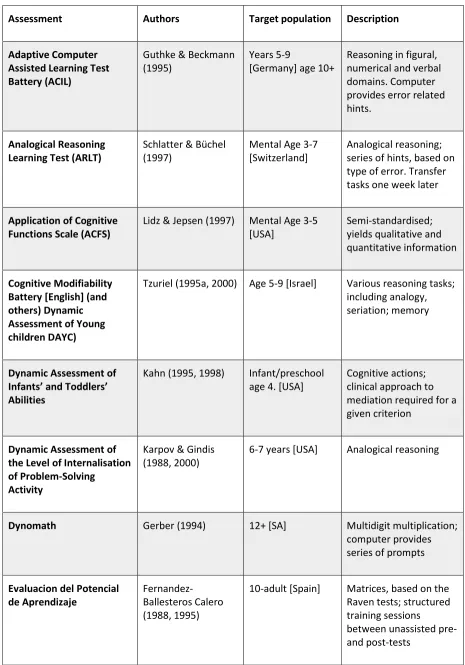
In referring to many applications of DA, Haywood and Lidz (2007) and Lidz (2011) comment that because DA can be so customised and individualised, the nature of the difficulties of the client should not matter. Common to all these applications is the perception of at-risk factors or disadvantaging circumstances for different groups and individuals, either in their limited access to normative educational opportunities, or disabling conditions that would render their static test taking performance as confirming a poor history of acquisition of knowledge and skills, but without insight into future possibilities explored under guided learning conditions. Because DA is not usually age normed, but focuses on cognitive processes, following the same principles, the CAP can be used for those in need at any age and in a wide variety of contexts. Some of these procedures have not been extensively used outside their research contexts, but are shown in the following Table 2.2, to illustrate the diversity of applications.
One way of noting differences between DA models is by labelling one type of DA procedure as a ‘sandwich’ DA, in contrast to a ‘multi-layer’ DA (Sternberg and Grigorenko, 2002; Grigorenko, 2009). The sandwich procedure used in some DA models consists of three distinct phases: test (unaided), teach (mediate), post-test (unaided). Alternatively, when a series of hints is made available, the first response of the learner is noted and further hints are given if required. This second type of procedure corresponds to ‘test, teach, test, teach and test’ and is therefore multi-layered. In some of the latter models, mediation is
39 Table 2.2: DA: Selected procedures*
Assessment Authors Target population Description
Adaptive Computer Assisted Learning Test Battery (ACIL)
Guthke & Beckmann
(1995) Years 5-9 [Germany] age 10+ Reasoning in figural, numerical and verbal domains. Computer provides error related hints.
Analogical Reasoning
Learning Test (ARLT) Schlatter & Büchel (1997) Mental Age 3-7 [Switzerland] Analogical reasoning; series of hints, based on type of error. Transfer tasks one week later
Application of Cognitive
Functions Scale (ACFS) Lidz & Jepsen (1997) Mental Age 3-5 [USA] Semi-standardised; yields qualitative and quantitative information
Cognitive Modifiability Battery [English] (and others) Dynamic Assessment of Young children DAYC)
Tzuriel (1995a, 2000) Age 5-9 [Israel] Various reasoning tasks; including analogy, seriation; memory
Dynamic Assessment of Infants’ and Toddlers’ Abilities
Kahn (1995, 1998) Infant/preschool
age 4. [USA] Cognitive actions; clinical approach to mediation required for a given criterion
Dynamic Assessment of the Level of Internalisation of Problem-Solving
Activity
Karpov & Gindis
(1988, 2000) 6-7 years [USA] Analogical reasoning
Dynomath Gerber (1994) 12+ [SA] Multidigit multiplication; computer provides series of prompts
Evaluacion del Potencial
de Aprendizaje Fernandez-Ballesteros Calero (1988, 1995)
40 Learning Potential Test for
Ethnic Minorities Hessels (1993) 8 years [Netherlands] Inductive reasoning and verbal ability
Learning Potential Test of
Inductive Reasoning Resing (1990,1997) 7-8 years [Netherlands] Inductive reasoning; verbal analogy/visual exclusion
Leipzig Learning Test
(Lerntest) Guthke & Beckmann (1997) 6-8 years [Germany] [France]
Inductive reasoning (classification); standardised set of prompts
Mindladder Computer Assisted Modifiability Enhancement
Jensen (1999) Primary-college
[USA] Wide range of reasoning tests; computer presentation but controlled by mediator
Learning Potential Assessment Device [English]
Feuerstein et al. (1980,
1995) MA 8-Adult [Israel] Wide range of tasks; Individualised mediation
Testing the Limits Carlson & Wiedl (1997) Child-adult [USA;
Germany] Uses pre-existing tests in a dynamic format
Dynamic Assessment of Vocabulary (and other DA tests of language and narrative processes)
Peña and Quinn (2000) Pre-school children
[USA] Semi-standardised Mediation provided between unassisted pre- and post-tests
Swanson-Cognitive
Processing Test (S-CPT) Swanson (1995) 4.5-adult [USA] Working memory; uses standardised prompts
DA of Speech and
Language The DAPPLE: Hasson and Camilleri (2014); The DASS; Hasson, Dodd and Botting, (2012)
Pre-school and Primary and bilingual children [UK]
Semi-standardised
prompts to assess need for intervention
41
Most DA tests fit into one of a number of DA groups. Lidz and Elliott (2000) suggest the following groups, but these are not exclusive categories, as there is some overlap between different models. Most of these have a pre-test and post-test, but what differs is what happens in the middle, i.e. the nature of the mediation. (1) A pre-test and post-test +
Standardised Intervention; (ii) A pre-test and post-test + Graduated Prompts; (iii) Adaptive Testing using computerised tests with an intervention phase-, but no personal interaction. (iv) Mediational Approaches: individualised; intervention is not pre-determined.
2.5.1 Group distinctive characteristics
The distinctive characteristics of these groups are now briefly described, whilst noting that there is some overlap.
2.5.1.1 DA Group (i)
Standardised forms of DA, in which the intervention stage is pre-determined, i.e. the same for all users is demonstrated, for example, in the work of Budoff (1987). His goal was to improve classification of children labelled at that time as ‘mentally retarded’ (today’s UK terminology would be moderate learning disabilities (MLD); or as ‘pseudo-retarded’ (Budoff’s phrase) for describing performance which appears to be learning disabled based on the child’s performance in unaided tests, but is shown to be readily changeable as a result of their response to intervention within the tests, hence the term ‘pseudo’.
2.5.1.2 DA Group (ii)
The graduated prompts model is most clearly associated with the work of Campione and Brown (1987) who attempted to operationalise Vygotsky’s ZPD as a number of steps to reach a specific level of performance. The number of prompts required is used to assess the amount of help the learner requires in a variety of domains, including academic
42 2.5.1.3 DA Group (iii)
Adaptive (computerised) testing has been developed by Guthke and Beckmann (2000) to construct the ‘Lerntest’ and similarly used by Resing (Resing, 2000; Bosma and Resing, 2006). Guthke and Beckmann developed an Adaptive Computerised Intelligence Learning Test battery, the ACIL, using it in one of their studies to assess reasoning ability in students aged 12-16, in three domains: figural, numerical and verbal. These short-term learning tests differ from some expectations of DA, in that a) they use a psychometric approach which emphasises the importance of standardisation to enable comparison and test fairness; b) they are computerised such that there is no presenter/test-taker interaction; c) they do not follow the ‘classic’ DA sandwich design of pre-test – training – post-test; d) they are short term learning tests, as just one test session is necessary (Beckmann, 2006). In the view of some DA proponents the first two aspects would disqualify these tests as examples of DA, (see Tzuriel’s commentary in Sternberg and Grigorenko, 2001, p.242). Other classifications would include these tests, as part of DA, even if at the margins, because there is an
intervention, albeit limited, during the test itself. Swanson (2000) acknowledges that especially those whose work belongs to the Mediated Learning group of test developers, might not consider his work ‘true’ DA.
In practice a number of DA test developers and researchers vary their model according to the goal of the DA investigation. Resing and Hessels, for example, have used both
standardised DA and graduated prompting as well as adaptive tests. Using different methods of DA, standardised and adaptive, Hessels designed an Analogical Reasoning Test (HART) for children age 5-15, which can be group or individually administered, and
administered as a paper and pencil or as a computerised test, (Hessels, 2003, 2005; Hessels, Berger and Bosson, 2008).
2.5.1.4 DA Group (iv)
43
the learner’s cognitive and emotional functioning during the course of the interaction. Using the analogy of a multi-layered cake, the ML approach at its most individualised, would consist of test, teach, test, teach, test and teach, without pre-structured limits. Their distinguishing features from other DA models are:
1. They do not prescribe at the outset the nature and extent of the interventions. 2. The co-construction of the learning experience is developed and expressed by
means of the ongoing teacher/learner relationships with the pupil.
3. The goal of the interventions can be more ambitious than specific task improvement, and would seek to modify the pupil’s cognitive abilities by generalising across a wide range of applications, not limited to the school context. This is the model best known to DA users in the UK and similarly in other parts of the world, as shown in the Haywood and Lidz survey of DA trainers (2005), whose findings are further discussed below when discussing training issues related to DA.
2.6 Learning potential and cognitive modifiability, what is DA
measuring?
44
processes, which he regards as closer to the concept of cognitive modifiability. We may distinguish between people who learn rapidly but may not be considered good thinkers; and those who are considered intelligent thinkers but slower learners (Kozulin, 2011, p.170).
Grigorenko and Sternberg (1998, p.92) make a similar point when they observe that some children may do well on cognitive tests but appear to have a slow rate of learning and vice versa. Lidz (2011) asks whether the concept of learning potential might be more useful if replaced with the notion of responsiveness and transfer. Lidz and Peña (2009) compare DA with certain methods of instruction, such as Response to Intervention (RTI) to explore whether this is what is actually meant by cognitive modifiability or whether the two may share common features, but are not the same.
The majority of DA research has blurred the distinction between changes in thinking and learning. Beckmann (2006, p.36) used all these terms as goals of his DA tests. Haywood and Lidz suggest that learning potential can be described as the child’s response to intervention, whereas cognitive modifiability may be the discussion on how much investment and of what kinds are needed to promote cognitive gains in performance. Feuerstein considered the need to aim for structural change – possibly neurologically, but certainly cognitive structural change in the individual – as a key feature of his model (Feuerstein, 1979, 1997, 2003, p.105) and believed that other DA approaches limit the assessment and modification of intellectual and cognitive processing (Feuerstein et al., 2003, p.107). Thus, whilst discussing the issue of change in DA, the purpose and nature of such change should be clarified. What is supposed to change in a DA?
The nature of ‘cognitive modifiability’, proposed as a trait by Feuerstein in the LPAD, is not easy to define or test. Lidz asks whether modifiability is a trait and to what extent is it, or is it not, generalisable? If the aim of the LPAD, is cognitive modifiability – to change thinking style rather than just changes in test performance – the model would need to establish criteria and demonstrate reliability in measuring such modifiability. It would need to
45
in that the CAP learning phase (targeted interventions) will be more controlled because variables including cognitive targets, modalities of teaching, levels of complexity and specific applications are agreed, monitored and measured over time. Feuerstein’s DA system (LPAD) model has been realised only partially (Kozulin, 2011, p.179) because many of the LPAD tasks do not have sufficient systematic variability in terms of complexity, modality and operations, resulting in greater difficulty in measuring changes and accounting for generalisability.
Another area raised in critiques of DA concepts, in particular in relation to Feuerstein’s LPAD, concerns his theoretical view that lack of mediated learning experience (MLE) is the proximal factor that accounts for deficient cognitive functions (DCFs) and that provision of MLE is what is required for re-mediation of DCF’s.
46
targets – Specific, Measurable, Achievable, Realistic, and Time limited targets2, (see CAP Manual, chapter 6). Thus, although the CAP shares Feuerstein’s conceptual approach to some extent, it differs in methodology and process in important ways.
Furthermore, the individualised, flexible responsiveness of the assessor to the needs of the learner has – to date – precluded the use of computerised intervention in this form of DA, although it is being trialled in research using Mediated Learning (ML) processes (see for example, Passig, Tzuriel and Eshel-Kadmi, 2016). The ML group is represented by
Feuerstein’s LPAD (1980, 1995); Tzuriel’s Dynamic Assessment of Young Children (DAYC) (Tzuriel and Klein, 1985; Tzuriel, 2000; Tzuriel and Galinka, 2000); Lidz’s Pre-School Learning Assessment Device (PLAD, 1991); the Application of Cognitive Functions Scale; (ACFS, 1997; Lidz and Jepsen, 2000) for school readiness and Curriculum Based DA-CBDA, (Lidz in
Haywood and Lidz, 2007). This is the model with which the CAP is most closely associated, because both in theory and practice, the interventions arising from the CAP profile, and assessment of change can be repeated without limits on a regular basis.
Many current DA users regard this conceptual lack of clarity as of more theoretical than practical significance and take a pragmatic functional view of DA in its role of defining learning potential as the next steps of learning and the means to achieve them (Haywood and Lidz, 2007; Tzuriel, 2000; Deutsch and Mohammed, 2010). For the CAP, the term
learning potential is based on the teacher’s knowledge of the pupil’s performance in many and varied curricular tasks undertaken by the pupil over time. In DA use, there is a need to decide what are the goals of the DA and whether the tools being used deliver these chosen goals. For example, in the DA of language undertaken by Hasson and Camilleri et al. (2012),
2SMART is an acronym for Specific, Realistic, Achievable, Measurable and Time-scaled. Developed for business and