Implicit Priming of Conflicting Motivational States in
Heavy Drinkers
Samantha Baker
Supervised by
Dr Joanne Dickson
Professor Matt Field
Date of submission: 6
thJune 2013
Acknowledgements
I would like to give special thanks to my supervisors, Joanne Dickson and Matt Field for being so generous with their time, encouragement and feedback in the preparation of this thesis. I would also like to thank Jim for his considerable support and patience over the past year. Particular recognition goes to my family and friends for their help and backing, especially to my good friend James Hobson for his unwavering support,
Table of Contents
Page Number Introductory Chapter 1-4 Chapter 1: Narrative Review 5-61
Introduction 6-7
Methodology 7-8
Definition of Terms 8-10 Explicit Cognition 8-9 Implicit Cognition 9-10
Motivation 10-14
Implicit Cognition: Theoretical Background 14-16 Research Evidence for Implicit Cognition 16-17 Limitations of Implicit Cognition Research 17-19
Stimuli 17-18
Population 18-19
Measuring Implicit Cognition 19-35 Attentional bias 19-23 Automatic Approach Tendencies 23-27 Uncontrolled Memory Associations 27-35 Manipulation of Implicit Goal States in Addiction 35-36 Review of Masked Affective Priming Studies 36-41
Page Number Recommendations 40-41 Clinical Relevance 41-45
References 46-61
Chapter 2: Empirical Paper 62-97
Abstract 64-65
Introduction 65-69 Methods and Materials 70-79 Participants 70-71
Measures 71-74
Procedure 74-77
Data Analysis 77-79
Results 79-85
Prime Visibility Check 80 Visual Probe Task 80-82
SRC Tasks 82-83
Explicit Motivation 84-85
Discussion 85-91
Future Research 90
Conclusion 90-91
Acknowledgements 91
References 92-97
Chapter 3: Concluding Discussion 98-120
Introduction 99
Page Number Methodological Considerations 102-105 Clinical Implications 105-107 Lay Summary 107-109 Future Research 109-113
Aim 111
Prediction 111
Design 112
Method 112-113
Thesis Summary 114-115
References 116-120
List of Tables
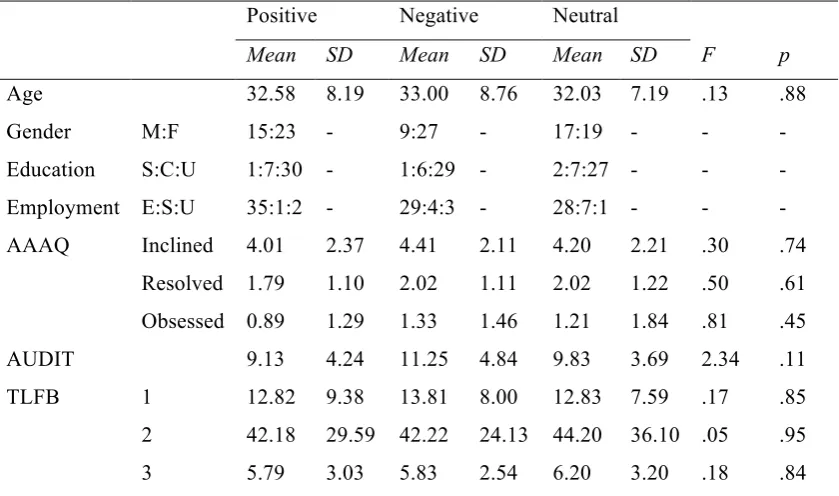
Table 1 - Demographic and Questionnaire Data 79 for Positive, Negative and Neutral Groups
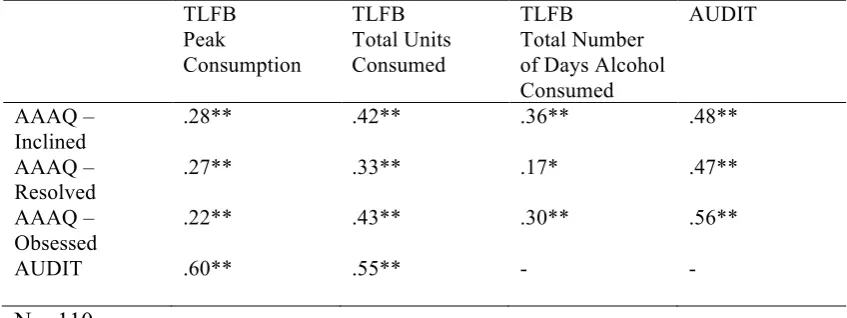
Table 2 - Pearson’s correlations and significance levels 85 between explicit measures for the overall sample
List of Figures
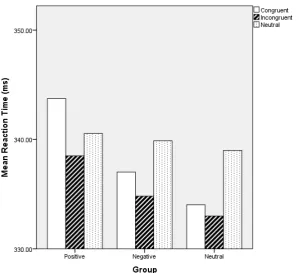
Figure 1 - A bar chart to show mean reaction times to the 81 three trial types of the VP50ms task by group
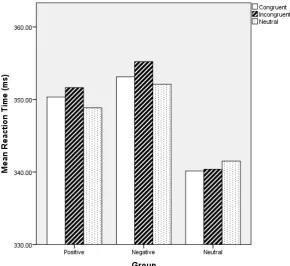
Figure 2 - A bar chart to show mean reaction times to the 82 three trial types of the VP500ms task by group
Introductory Chapter: Thesis Overview
This thesis consists of three main sections: a narrative review, an empirical paper and a concluding discussion. Each section, together with how they are linked, is outlined in this Introductory Chapter.
Chapter 1
The narrative review consists of the largest section of the thesis. This chapter aims to provide the reader with a comprehensive background to the current research in several key areas of implicit cognition in relation to addiction. The background context to the study is set by providing the reader with definitions of the terminology used within addiction literature. A description of the key theories and models of motivation, underlying the hypotheses contained within the empirical paper, is offered. The review then moves on to outline the main theories proposed to explain processes involved in implicit cognition, before examining the research evidence to support these theories.
The following section focuses on limitations of previous studies in this area, and some of these issues are revisited and addressed in the empirical paper and
concluding section of the thesis. Considerable attention is given to methods of measuring implicit cognition, as this area is pertinent to the empirical paper. These methods comprise three main areas: attentional bias, approach and avoidance
suggest that the techniques used for this purpose, for example, masked affective priming, can be used to manipulate goal states in addiction. This evidence will be reviewed. In order to establish the best way in which to combine this technique with more established methods of measuring automatic processes in relation to alcohol motivation, a review of previous studies utilising this method will be presented. Finally, the clinical relevance of attempting to manipulate automatic goal states in regard to alcohol motivation will be outlined. This will set the context for the empirical paper, which follows in the subsequent chapter.
Chapter 2
Chapter 2 contains the empirical paper. The paper is intended for publication and is written in the style of the journal identified for submission (PLOS ONE). The paper consists of an abstract, introduction, method, results, discussion and conclusion.
The introduction identifies the area of focus for the research (i.e. the effect of manipulating implicit goal states in regard to motivation for alcohol cues) and describes why this area is important. Key theoretical concepts and models underpinning implicit cognition are also explained, and an outline of previous research findings, and how these will be extended by the current study, is provided. The clinical implications for the treatment of alcohol-dependent patients are
discussed. Finally, the aims and hypotheses for the study are clearly stated.
methodological rigour and facilitate potential replication. This section concludes with a description of the preliminary data analysis undertaken (although basic aspects of data screening are dealt with in the Appendices) and provides a description of how the main results were analysed. In the results section, the findings as they pertain to the hypotheses are succinctly presented.
The discussion offers an interpretation and further explanation of the research findings in the context of relevant psychological theory and previous research discussed in the introduction of the paper. Concepts explored in the narrative review chapter are also drawn on for this purpose. Methodological considerations of the study are discussed, as well as implications for clinical practice and future research. The conclusion provides a brief summary of the key findings and implications. This section is expanded upon further in Chapter 3.
Chapter 3
This chapter is divided into three main sections consisting of: an overview of the work carried out and an extended discussion of the research findings, a lay summary, and directions for future research.
Within the first section, an explanation of how the main findings of the study relate to psychological theories and models, as well as previous research, will be provided. Following this, consideration will be given to the methodology of the study, in an attempt to explore possible reasons for the results of the research
The second section is comprised of the lay summary. This is designed to provide feedback to participants who took part in the research. The summary offers a simple overview of the study with an emphasis on the importance and relevance of the research.
Chapter 1
Introduction
This narrative review aims to orientate the reader to the key psychological
theories and models underlying current alcohol addiction research. An outline of the methodology used to conduct this narrative review is provided below, following which a definition of terms used within the text, namely ‘implicit’ and ‘explicit’ cognition, is given. Recent motivational models, advanced to explain alcohol addiction, will then be described. The models outlined suggest that a number of factors are instrumental in addiction pathways, the combination and course of which varies between individuals. The main contributing factor explored here is implicit cognition. This factor has attracted increasing interest in addiction research and is thought to play a key role in the process of alcohol-dependence. Although research into implicit cognition in the field of alcohol addiction has only recently gained prominence, this body of literature is already substantial. Therefore, the theoretical background underpinning this subject area will be delineated here, followed by a discussion of the research evidence to support these theories and an exploration of the limitations of the existing research. This will be followed by a critical outline of specific implicit measures; namely the visual probe task, stimulus-response
compatibility task (SRC), and the masked affective priming paradigm. A substantial section of the review will be dedicated to a discussion of the latter paradigm, in order to evaluate the potential of this technique for use in exploring implicit goal states in alcohol addiction research. This will include a brief summary of the theories
alcohol use. Following this, the consequent treatment implications of implicit research will be presented.
Methodology
Implicit cognition is a broad topic within which a vast amount of research has already amassed. Since this review aims to discuss several aspects of implicit cognition it was felt this could be achieved most effectively with a narrative review, as opposed to a systematic review. However, elements of systematic methodology were employed to ensure the search was as thorough and inclusive as possible.
Firstly, the following databases were searched: PsychINFO, Web of Knowledge, Science Direct, Scopus, MEDLINE, PsycARTICLES, and Social Sciences Citation Index. Several different searches were performed for relevant sections of the review. The search terms entered were as follows: ‘implicit cognition AND heavy drink*’, ‘implicit cognition AND alcohol*’, ‘attentional bias AND heavy drink*’, ‘attentional bias AND alcohol*’, ‘stimulus response compatibility AND heavy drink*’, ‘stimulus response compatibility AND alcohol*’, ‘approach AND heavy drink*’, ‘approach tendencies AND alcohol*’, ‘masked affective priming’, ‘subliminal affective priming’, ‘unconscious affective priming’ and ‘implicit affective priming’. Each separate search term yielded results sufficiently narrow to enable a scan of the
also obtained from prominent narrative reviews of relevant areas, for example, attentional bias (Field & Cox, 2008). Finally, eminent addiction researchers were approached by email for any relevant unpublished or ‘in press’ manuscripts.
Definition of Terms
Explicit Cognition
Explicit cognitions can be defined as thinking processes that are within the conscious awareness of an individual. Explicit cognition involves slow, deliberate and effortful processes (Wiers et al., 2007). Traditionally, there has been a focus on exploring explicit cognitions in relation to alcohol use in addiction research. The majority of current psychological treatments for alcohol addiction focus on changing explicit cognitions using techniques such as cognitive behavioural therapy (Magill & Ray, 2009) and motivational interviewing (Miller & Rollnick, 2002). Within this body of research, explicit cognitions are measured using questionnaires such as the Approach and Avoidance of Alcohol Questionnaire (AAAQ - McEvoy, Stritzke, French, Lang & Ketterman, 2004) and the Alcohol Outcome Expectancy
Questionnaire (Leigh & Stacy, 1993).
The Alcohol Outcome Expectancy Questionnaire is a 34-item self-report
questionnaire developed to ascertain whether participants have positive or negative outcome expectancies from alcohol consumption. The questionnaire is comprised of four positive scales (social facilitation, fun, sex, and tension reduction) and four negative scales (social, emotional, physical, and cognitive performance).
The difficulty with the use of self-report measures is twofold. Firstly, self-report methods used to measure explicit cognitions are subject to social desirability biases, and secondly, people may not always be fully aware of the factors driving certain behaviours (Wiers, de Jong, Havermans & Jelicic, 2004). Recently, there has been an increasing emphasis on the role of implicit cognition in the maintenance of addiction processes to investigate why people continue to use substances despite adverse consequences and an expressed desire to stop using.
Implicit Cognition
The term ‘implicit’ has been described as operating “spontaneously, without the need for deliberation, reflection, or awareness of the process responsible for
behavior” (Stacy & Wiers, 2010, pp. 553). However, providing a precise definition of the term ‘implicit’ has proved problematic. Within the literature various terms, which are difficult to distinguish from ‘implicit’, (for example, ‘automatic’) have been used depending on the area of focus for the research. For example, in studies of semantic memory, ‘automatic semantic priming’ has been employed to investigate how the presentation of one stimulus can affect the processing of another stimulus in the absence of strategic processes (Stacy & Wiers, 2010). It has been argued that lack of awareness of stimuli (i.e. subliminal processing) is not a prerequisite for
awareness of the stimuli or the behaviour, but rather of the underlying processes of how one influences the other (Stacy & Wiers, 2010). Moors and De Houwer (2006) describe a variety of ways in which a task could be described as automatic, for
example, lack of intentionality, lack of awareness of one or more parts of the process, and efficiency (effective processing in presence of other cognitive demands),
amongst others. However, the fundamental distinction between this definition of ‘automaticity’ and that of ‘implicit’ provided by Stacy & Wiers (2010) is unclear.
The lack of a common definition for the term ‘implicit’ suggests that it is a complex phenomenon implicating multiple underlying processes. This suggestion is supported by current neuropsychological evidence (Stacy & Wiers, 2006). The most common feature of implicit cognition is the indirect assessment of the concept. For example, researchers have been able to infer participants’ implicit attitudes to alcohol by measuring their reaction times to alcohol-related stimuli. Whilst implicit measures are not subject to the same difficulties as self-report measures, they are not without their own complexities as shall be outlined subsequently.
For the purpose of this review, the definition of implicit cognition suggested by Stacy and Wiers (2010) quoted above will apply. The term ‘automatic’ is also used here with the same meaning although the author acknowledges that debate exists about whether the concepts of ‘implicit’ and ‘automatic’ should be treated as distinct entities. This should be understood as separate from the term ‘subliminal’, which will be used in this text to mean outside conscious awareness in reference to the masked affective priming technique described elsewhere in the review.
Motivation
goal” (pp. 4-5). In general individuals are motivated towards things that bring them positive gain. This may take the form of tangible objects, for example, producing a good thesis to obtain a doctorate, or may relate to emotional states, such as positive affect. People are also motivated to avoid things that may cause them distress, for example, a person with a fear of public speaking is likely to avoid presentations to large numbers of people. It has long been established in psychological literature that goals constitute a key component of motivation, and that having goals affects several cognitive processes; for example, attention, memory recall, and thought content (Klinger, 1996; Van den Broek, Lorch, Linderholm, & Gustafson, 2001). For instance, the goal of dieting can influence an individual’s cognitive processing making them particularly attentive to weight or food-related stimuli.
Breiner, Stritzke and Lang (1999) put forward the ambivalence model of craving, which proposes that whether or not a person consumes alcohol depends on the balance between motivation to use and motivation to abstain. This model proposes that an individual may fall into one of four categories at a given point in time depending on a variety of factors. To elaborate, those with low motivation to both avoid and approach alcohol are likely to fall within the ‘indifferent’ quadrant of the model. Light drinkers might fall into this category. In contrast, people with high motivation to approach alcohol and low motivation to avoid it, are likely to fall within the ‘heavy drinker’ quadrant of the model. Individuals in this group may approach alcohol as they associate it with being relaxed and having a good time. There is research evidence to suggest that this group are quicker to approach rather than avoid alcohol-related cues (Schoenmakers, Wiers & Field, 2008) and this has been shown to correlate with actual drug use (Field, Kiernan, Eastwood & Child, 2008). People with the reverse of this pattern (i.e. high motivation to avoid and low motivation to approach alcohol) may perceive the negative effects of alcohol, for example, calorific content or suffering from a hangover, more strongly than the other groups and are likely to be non-drinkers. Factors which may increase motivation to avoid alcohol have been heavily researched and findings suggest that detrimental effects to the health of heavy alcohol users; both physical (Rolfe, Dalton & Orford, 2005) and emotional (Yeh, Che & Wu, 2009), and alcohol impacting adversely on relationships (Jethwa, 2009), are the most common. Finally, the model suggests a fourth quadrant for those who are said to be ambivalent, that is, highly motivated to both approach and avoid alcohol. There is evidence to suggest that
The motivational model of substance use put forward by Cox and Klinger (1988, 2004) builds on the work of Breiner et al., (1999) to suggest several distal and proximal factors that influence an individual’s motivation to consume alcohol by impacting on the incentive value of alcohol to a person. These factors include, but are not limited to, past experiences (affected by the body’s neurochemical response to alcohol), personality factors (such as levels of inhibition control), cultural
influences of society (for example, social control theory [Reiss, 1951]), and situational factors (such as whether the person is at work or at a party). Several of these factors are thought to operate implicitly.
Taken together, the models posit that non-abstinent heavy drinkers, for example, are likely to have stronger substance-related goals compared to light drinkers, and that these goals are proportionally related to the incentive valence of alcohol. Therefore, heavy drinkers will demonstrate higher attentional bias in relation to alcohol stimuli than light drinkers (Cox and Klinger, 2004), along with stronger approach biases towards alcohol cues as described above.
Research evidence has demonstrated that alcohol-dependent patients show high motivation to both avoid and approach alcohol cues. For example, alcohol-dependent patients display motivation to approach alcohol-related cues on implicit measures whilst simultaneously self-reporting motivation to avoid these cues (Stormark, Field, Hugdahl & Horowitz, 1997). Therefore, in spite of experiencing undesirable
consequences of alcohol use, such as poor health, many individuals continue to drink heavily. A proportion of heavy drinkers may also fall in to this category. For
activated at any one time (Ostafin, Palfai & Wechsler, 2003) and implicit cognition could play an important role in this process.
Implicit Cognition: Theoretical Background
Several theories have been put forward to explain the role of implicit cognition in addiction. Firstly, the incentive sensitization approach (Robinson & Berridge, 1993) posits that the process of alcohol addiction may begin with an initial ‘liking’ of the substance but this turns into ‘wanting’ the substance (despite no longer liking it) with prolonged use. The theory proposes that changes in neurobiological pathways occur with increased substance use via classical conditioning, which has the effect of increasing the salience of alcohol, and alcohol-related stimuli. This theory has been elaborated on by Franken (2003) who also suggests that attentional bias develops through the process of classical conditioning as the substance-related cues become associated with the expectancy of substance availability. This expectancy causes both attentional bias and craving in a mutually excitatory relationship that is likely to result in substance use. It is also possible that the relationship between attentional bias and craving might be mediated by the perceived availability of the substance (Field & Cox, 2008).
Memory network models have also been used to explain automatic processes in addiction (Anderson & Pirolli, 1984). The hypothesis suggests that certain emotional states or environmental cues (for instance, being in a bar) can trigger previous memories associated with the effects of alcohol. It is suggested that this automatic memory retrieval process might then initiate behaviour directed towards obtaining the substance.
may elicit substance-directed behaviour automatically. The theory suggests that this process may occur without the memory retrieval process or presence of the intent to drink alcohol. This differs from incentive sensitization theory in that there is a lack of motivation implicated in automaticity theory (cues automatically elicit the
behaviour), whereas incentive sensitization theory proposes that behaviour is driven by enhanced motivation to seek out the substance as neurobiological changes increase the salience of alcohol cues with increased use.
Dual process theories (Wiers et al., 2007) have been interested in the relative contribution of implicit and explicit processes to heavy drinking. It is suggested that alcohol use may begin as a result of explicit processes but then become more implicit with prolonged use as automatic processes are strengthened and controlled processes are weakened (Ostafin, Marlatt & Greenwald, 2008). These theories are in line with incentive sensitisation theory and also fit with the ambivalence model of craving (Breiner et al., 1999) outlined above. Therefore, the balance of implicit and explicit processes could determine the behavioural outcome, i.e. whether alcohol is
consumed.
Impulsivity is also thought to play an important role in addiction and has been found to be a predictor of future addictive behaviours (de Wit, 2009; Sher, Grekin & Williams, 2005). Furthermore, the process of addiction is likely to weaken executive control (Stacy & Wiers, 2010; Wiers et al., 2007) and strengthen automatic approach tendencies (Grenard et al., 2008), meaning the relative balance between implicit and explicit processes may become altered during the course of addiction and during the course of a single drinking episode (Field, Schoenmakers & Wiers, 2008; Fillmore & Vogel-Sprott, 2006). Specifically, it has been suggested that substance users’
and attentional bias by potentially making them more susceptible to both (Field & Cox, 2008). This in turn may increase their impulsivity leading to a reciprocal relationship that could have implications for alcohol consumption.
Research Evidence for Implicit Cognition
Ostafin et al., (2008) found that the Implicit Association Test (IAT), but not an explicit measure of motivation to drink alcohol, predicted subsequent alcohol consumption more strongly when participants’ self-control strategies had been depleted by experimental manipulation. Other studies have found that implicit measures predict unique variance in alcohol consumption when other variables have been controlled for (Ames & Stacy, 1998; Houben & Wiers, 2007). However, Reich, Below & Goldman (2010) conducted a meta-analysis which found that explicit measures predicted the majority of the variance in alcohol use, with implicit measures accounting for only a small amount of unique variance. This pattern may vary depending on the population being studied. For example, implicit processes may be more salient for individuals attempting to reduce their alcohol consumption than those who are comfortable with their level of alcohol consumption. Finally, there is evidence that implicit measures predict unique variance in prospective as well as cross-sectional drug use (Kelly, Masterman & Marlatt, 2005; Stacy, 1997).
Dual process theories help to explain research findings that alcohol-dependent patients and heavy drinkers display motivation to approach alcohol-related cues on implicit measures whilst simultaneously self-reporting motivation to avoid these cues (Barkby et al., 2012, Stormark et al., 1997).
Many studies have found evidence to support the link between craving and
attentional bias (Field, Munafò & Franken, 2009), although others have failed to find the same pattern (Ehrman et al., 2002; Lubman, Peters, Mogg, Bradley & Deakin, 2000). However, experimental manipulations of craving have been shown to lead to increases in attentional bias (Cox, Brown & Rowlands, 2003; Duka & Townshend, 2004; Field, Hogarth, et al., 2011).
Limitations of Implicit Cognition Research
In addition to difficulties with measures of implicit cognition, which are discussed specifically in a subsequent section, further limitations to implicit cognition studies deserve attention. These are briefly outlined below.
Stimuli
In relation to research investigating alcohol misuse, it is common practice for researchers to use a standard set of stimuli for all participants. This might include, for example, a set of pictures depicting different types of alcohol (beer, wine, and
spirits). The difficulty with this practice is that some types of alcohol will have more salience for certain participants than for others. Therefore, whilst beer drinkers might show pronounced attentional bias or automatic approach tendencies for pictures of beer, these effects will be lost in the overall pattern of data as they respond to a range of other pictures of alcoholic drinks that do not produce the same effects. However, although some studies have attempted to take this variable into account (by
of beer [Ostafin et al., 2008]), there has been a paucity of research in this area in general. Despite this, a study by Houben and Wiers (2009) found that in a group of regular beer drinkers, a standard IAT (with a range of types of alcohol cues) was unable to predict alcohol consumption, whereas an IAT using beer-specific stimuli could. Further research with individualised stimuli is needed to provide clearer insight into this issue. On the other hand, there are clearly problems associated with trying to recruit specific types of drinkers. This could mean the results of the study are less generalizable and it makes recruitment more difficult.
Population
way to achieve this might be to recruit a sample of over the age of 25. Such
participants are more likely to be conflicted regarding heavy drinking behaviour, as there is a higher probability they will have additional responsibilities, such as work and family commitments, compared to an undergraduate sample.
Measuring Implicit Cognition
To date the research on implicit cognition has focussed on three main areas; attentional bias, automatic approach tendencies, and uncontrolled memory
associations. Each of these, along with their limitations, will be discussed in turn.
Attentional Bias
congruent trials, demonstrating an attentional bias for their substance of choice (Field et al., 2004; Field, Mogg & Bradley, 2005). However, this is not the case with non-users (Field, 2006). There is also considerable evidence to suggest that attentional bias displayed may be directly proportional to the frequency and intensity of the substance use (Field & Cox, 2008) This finding is in line with both Cox and Klinger’s motivational model (1988, 2004) and Robinson and Berridge’s (1993) incentive-sensitisation theory.
There are important considerations to be aware of when selecting the stimuli for visual probe tasks. Firstly, alcohol-related pictures and control pictures should be carefully matched to minimise, as far as possible, the chance of any detected attentional biases being caused by the level of complexity or brightness of the picture, as opposed to its substance-relatedness. It has also been suggested that the emotional valence of the stimuli should be controlled for, with the recommendation that control pictures are selected on the basis of emotional neutrality (Bauer & Cox, 1998) for similar reasons. Different versions of this task have employed a technique whereby one picture is presented on the screen at a time (Stormark et al., 1997); however, the effect sizes have been smaller compared to the more popular version of the task using two pictures.
Previous studies have shown mixed findings when varying the length of time the pictures appear on screen before the probe is presented. This is known as the
(2004) found that heavy drinkers showed significant attentional bias for alcohol cues when compared to a control group of light drinkers but only when the pictures were presented for 500 ms. Forestell, Dickter and Young (2012) found attentional bias in a group of ‘escape drinkers’ (that is, students that drank to avoid negative affect) compared to ‘non-escape drinkers’ in a sample of college students but only when alcohol cues were presented for 2000 ms as opposed to 500 ms, when no significant differences were found.
Stormark et al. (1997) hypothesise that the results of their study represent motivational ambivalence in alcohol-dependent patients. They suggest that
attentional biases at shorter SOAs reflect automatic approach tendencies that are in conflict with explicit processes motivating them to avoid alcohol. Therefore, when SOAs are longer, alcohol-dependent patients have the opportunity to consciously process the stimuli, and will be more likely to show avoidance tendencies to these cues (Field & Cox, 2008). Heavy drinkers who are not in conflict regarding their drinking, by contrast, are more likely to be drawn to these cues when presented for longer durations.
is some debate as to whether these subtle differences can be distinguished solely on the basis of varying the SOA.
Koster, Crombez, Verschuere & De Houwer (2004) have addressed these concerns by modifying the visual probe task to enable initial orienting biases to be distinguished from late disengagement biases. They have achieved this by
incorporating trials presenting two pairs of neutral pictures side by side, in addition to the usual congruent and incongruent trials described above. Thus, by comparing reaction times on congruent trails (where the neutral and alcohol pictures appear side by side, and the probe replaces the alcohol picture) with reaction times on neutral-neutral trails, initial orienting bias can be determined; and biases in the
disengagement of attention can be measured by comparing reaction times on
incongruent trials (where the neutral and alcohol pictures appear side by side and the probe replaces a neutral picture) with reaction times on neutral-neutral trials. Koster et al., (2004) found that initial orienting biases did not occur with SOAs of 500 ms or more but slowed disengagement of attention was evident as this SOA. Furthermore, they discovered that the SOA needed to be as short as 100 ms to enable an initial orienting bias to be detected. This study demonstrates the importance of the inclusion of neutral-neutral trials in visual probe tasks. However, the study by Koster et al., (2004) focussed on threat-related information, therefore, further studies must be replicated in the area of addiction research before generalisations can be made.
Reviews of attentional bias tasks such as the visual probe tasks have shown it to have poor reliability in the area of threat-related words (Schmukle, 2005) although this has only recently been investigated in the area of addiction. A study by
measured by a Stroop test when compared to the visual probe task. However, the sample size used in this study was small and these effects may not generalise to alcohol studies. Ataya et al., (2011) investigated the internal reliability of the visual probe and Stroop tasks by conducting a secondary analysis of data amassed from seven independent studies. The authors found poor internal reliability for both measures but particularly poor internal reliability for the visual probe task. Field and Christiansen (2012) suggest this may be due to the non-individualised nature of stimuli used in the studies examined (a problem common to other measures of
implicit cognition as described above). This assertion is supported by the finding that studies using the visual probe task to assess reaction times in smokers (where stimuli, i.e. cigarettes, have less scope for variation) found it to be more reliable (Ataya et al., 2011; Field & Christiansen, 2012). There is evidence that visual probe tasks
measuring eye movements may be more reliable (Field et al., 2009; Field &
Christiansen, 2012; Friese, Bargas-Avila, Hofmann & Wiers, 2010) but necessitate more rigid testing conditions. This is a concern for on-going research and worthy of further investigation.
Automatic Approach Tendencies
for both words related to soft drinks and negatively valenced words. In the second block of the task, these instructions are reversed, meaning alcohol-related words share a response key with negatively valenced words and words in the soft drink category share a response key with words of positive valence. A positive association or attitude towards alcohol is inferred if participants’ reaction times to alcohol-related words on the first block (where alcohol-alcohol-related words share a response key with positively valenced words) are faster than on the second block (where they are paired with words of negative valence). Modified versions of this task have replaced the ‘positive’ and ‘negative’ concepts with ‘approach’ and ‘avoidance’ themes. Such studies have found that, when compared to light drinkers, heavy drinkers show stronger associations between the concepts of ‘alcohol’ and ‘approach’ relative to ‘alcohol’ and ‘avoid’ (Christiansen & Field, 2013).
A difficulty with this task is that it only provides information about the strength of associations between two concepts relative to the other two concepts. For example, stronger associations between ‘approach’ and ‘alcohol’ may reflect strong automatic approach tendencies for alcohol, or they may reflect weak associations between the concepts of ‘alcohol’ and ‘avoid’. For this reason, the unipolar IAT has been developed. In this task, alcohol-related words might share a response key with positively valenced words on some trials and with neutral words on other trials in one block, whilst in another block, alcohol-related words would share a response key with negatively valenced words on some trials and with neutral words on others. This allows the strength of positive and negative alcohol associations to be assessed independently of one another.
make judgements about how to categorise words as on the IAT, participants carrying out an SRC task must categorise pictures by clicking response keys representing movements towards or away from substance-related cues. There have been several variants of this task but commonly a manikin is presented on the screen with a single picture that is either alcohol-related or neutral. The participant is then told to move the manikin according to the instructions. For example, in the first block the
participant might be told to move the manikin towards alcohol-related pictures, and in the second block instructed to do the reverse. An approach bias for alcohol is inferred if participants’ mean reaction times to approach the alcohol pictures are quicker than those to avoid them.
The main difficulty with the version of the task described above is that it only allows the researcher to examine the strength of the approach relative to the avoidance tendencies. Therefore, the approach biases could be indicative of strong approach tendencies for alcohol pictures, a weak avoidance of these pictures or a combination of both. More recent versions of the task have tried to overcome this by introducing a sideways movement, which is supposed to represent a neutral
movement (i.e. neither approaching or avoiding) in each block. For example, in the first block participants might be directed to move the mannequin towards alcohol pictures and left for neutral pictures, in the second block they could be instructed to move the manikin towards neutral pictures and left for alcohol. This allows the speed of approach relative to a neutral movement to be calculated rather than solely
pictures. This allows the speed of avoidance to be calculated independently of approach tendencies. In this way motivational ‘ambivalence’ can be captured as distinct from ‘indifference’.
There is some evidence suggesting that automatic biases to approach alcohol cues exist in heavy drinkers (Christiansen, Cole, Goudie, & Field, 2012) but not in light drinkers (Field, Caren, Fernie & De Houwer, 2011) or non-drinkers (Field, Kiernan, et al., 2008). Similar effects have been found in a group of smokers (Mogg, Field & Bradley, 2005). In a group of social drinkers, Field et al., (2005) found that those scoring high on an explicit measure of alcohol craving displayed stronger automatic tendencies to approach alcohol on the SRC task.
However, the pattern in relation to alcohol-dependent patients appears different to that described above. Given the findings from previous research, it might be
expected that alcohol-dependent patients would display both automatic approach and avoidance tendencies relative to control groups. In a study to explore this, Barkby et al. (2012), contrary to expectation, found alcohol-dependent patients were no quicker to approach alcohol pictures when compared to light drinkers as measured by a SRC task. Furthermore, they found no significant differences in automatic avoidance tendencies, despite alcohol-dependent patients self-reporting both approach and avoidance tendencies indicating motivational conflict. However, Spruyt et al., (2013) used a relevant SRC to explore the relationship between automatic avoidance and approach tendencies and relapse in a group of alcohol-dependent patients and a control group. They found an automatic alcohol avoidance bias in the
research showing that clinical populations display attentional avoidance for cues presented above certain durations (Noel et al., 2006; Townshend & Duka, 2007). However, the link found in the Spruyt et al. (2013) study between automatic avoidance bias and relapse at 3-month follow-up is clearly worthy of further investigation. There is also a need for clarification of the motivational processes underlying approach and avoidance biases before firm conclusions can be drawn (Watson, de Wit, Hommel & Wiers, 2012).
The SRC task is not without interpretation difficulties and different variants of the task can be found in the addiction literature as researchers attempt to improve on the design of the task, which can make findings difficult to compare. Other approach-avoidance tasks are available, for example, the approach-approach-avoidance task (AAT) described by Wiers, Rinck, Dictus, and Van den Wildenberg (2009), Wiers, Rinck, Kordts, Houben & Strack, (2010) and Wiers et al., (2011). The AAT directs
participants to categorise alcohol and neutral pictures based on whether they are tilted to the right or to the left, by making either an approach or avoidance movement in relation to the picture. Although comparisons between irrelevant feature tasks (such as the AAT), and tasks which involve alcohol-related coding (such as the SRC task), are in their infancy in the addiction literature, the current data suggest that SRC tasks are likely to produce better effect sizes more consistently (Christiansen & Field, 2013).
Uncontrolled Memory Associations
difficulties associated with other implicit measures.Importantly, they may also be suitable for use in conjunction with existing measures to study the effects of subliminal manipulation of implicit motivational states. Whilst a fullreview of the affective priming literature is beyond the scope of this text (the interested reader is referred to Klauer and Musch [2003] for a more detailed discussion of this area); a general overview of the affective priming paradigm and theoretical background is provided below.
Affective priming.
In a traditional affective priming task, such as those described by Fazio, Sanbonmatsu, Powell and Kardes (1986), participants complete an evaluative decision task whereby they must make a judgement about whether a target word is positive or negative. The target word is primed by a stimulus with either positive or negative valence. The paradigm is used to infer the underlying attitudes of
participants to the target stimulus (Fazio, Jackson, Dunton, & Williams, 1995). For example, Fazio et al., (1995) used pictures of black and white faces as primes to investigate participants’ racial attitudes. If participants were quicker to categorise positive target words than negative target words when primed by pictures of black faces, a positive attitude towards black faces was inferred. Fazio et al., (1986)
believed that affective priming automatically activated attitudes that had a previously learned set of associations (Otten & Wentura, 1999).
positive and negative evaluative targets). Participants had to categorise the target words as belonging to the ‘approach’ or ‘avoid’ category. The results showed that weak associations between alcohol primes and avoidance motivation were correlated with problem drinking, for example, more binge episodes. However, no strong associations were found between alcohol cues and approach motivation. It is not clear how generalizable these results are since participants were undergraduates and the definition of ‘current drinker’ only stipulated consumption of at least one
alcoholic drink in the last month. Therefore, participants could range from light drinkers to heavy, or even alcohol-dependent drinkers. Furthermore, the primes may not have tapped alcohol-related valence, as they did not focus on the positive effects of drinking. Finally, the study does not provide evidence about how the affective priming paradigm would influence participants’ motivational responses towards alcohol cues. However, the adaptation of the affective priming paradigm to evaluate approach and avoidance categories is an important step forward for addiction research as it facilitates the assessment of affect associations with alcohol cues.
Theoretical background.
However, this explanation is now thought to account for only a small proportion of affective priming effects. This is because subsequent research was expected to demonstrate that the spreading-of-activation account would mean that primes would not only facilitate responses to affectively congruent targets, but also to sematic properties of the targets (for example, is the target an object or an animal?). However, the research failed to demonstrate such semantic priming effects (De Houwer, Hermans, Rothermund & Wentura, 2002; Klinger, Burton & Pitts, 2000).
Following this, response-activation was put forward as an alternative explanation and this theory is currently regarded as the best explanation for affective priming effects. Response-activation theory suggests that primes facilitate responses as a result of their valence by influencing the selection of the response; as opposed to the spreading-of-activation account, which suggests that, the prime facilitates the
processing of the target (De Houwer et al., 2009; De Houwer & Hermans, 1994). For example, if the presentation of a positive target (requiring a positive categorisation) is preceded by a positive prime (i.e. a black face for a person that likes black people) the prime will have a tendency to initiate a positive response, which then facilitates a positive response to the target. However, had the target been negative, this response would be slowed as the participant would have been induced to give a positive response, which they must now inhibit to produce the correct negative response.
Masked priming.
Effects of affective priming have been demonstrated even when the prime has been presented subliminally using a masked priming paradigm (Draine &
Dehaene, 2007; Van den Bussche, Van den Noortgate, & Reynvoet, 2009). Designing masked priming paradigms to measure non-conscious processing has proved challenging to researchers, provoking debates about how to present stimuli, how to measure responses, and how to demonstrate that stimuli were genuinely undetected, amongst other difficulties.
Marcel (1980, 1983) first provided evidence for semantic priming using visual masking. He demonstrated that the processing of a visible stimulus (a word in this case) is facilitated when it is preceded by a congruent (semantically related) masked prime as opposed to an unrelated masked prime. For example, participants were faster to process the word ‘dog’ when preceded by the word ‘cat’ as opposed to being preceded by the word ‘book’ (Van den Bussche et al., 2009). This work was
subsequently replicated with faces and speech perception (Kouider & Dehaene, 2007). However, such studies have been criticised for methodological flaws such as an insufficient number of trials to detect statistical significance (Merikle, 1982), an absence of counterbalancing between control and experimental groups (Fowler, Wolford, Slade & Tassinary, 1981), and the underestimation of prime visibility (Kouider & Dehaene, 2007).
(1998) suggested this was evidence of participants applying task instructions to the subliminal primes as well as the targets.
However, this study used the same stimuli as targets and primes, therefore, effects could have been due to learned stimulus-response mapping (Kouider & Dehaene, 2007). It has also been hypothesised that the effects in the Dehaene et al., (1998) study may be a result of action-triggers. Kunde, Kiesel and Hoffman (2003) propose that in certain experiments that employ a restricted number of target stimuli (i.e. numbers from one to nine) participants may consciously prepare associations with each possible stimuli in advance.
The issue of whether masked priming reflects genuine semantic activation is still debated. However, there is an important distinction to be made between stimulus-response mapping (which can occur during an experiment) and semantic activation (which is a result of association between primes and targets which existed prior to the research study in question [Kiefer, 2007]). Furthermore, these two processes are thought to be associated with differing underlying neural procedures, although it remains unclear whether they are ruled by the same top-down mechanisms (Van den Bussche et al., 2009).
short prime presentation (60 ms), and a longer target presentation (700 ms). This method has yielded more consistent priming effects, however, has again been criticised for the absence of prime visibility checks (Kouider & Dehaene, 2007).
Response window technique.
The response window technique was introduced by Greenwald, Draine and Abrams (1996) and Draine and Greenwald (1998) to improve the sensitivity of masked priming paradigms based on the assertion that the effects of subliminal priming are short lived and thus by getting participants to respond more quickly, effects could be improved. Greenwald et al., (1996) used a SOA of 67 ms between presentation of the prime and the target, and gave participants a small window in which to respond to the target stimulus. This technique causes participants to have similar response times which means the influence of the primes is centred on accuracy, thus increasing the priming effects (Klinger et al., 2000). An additional advantage of this technique is that it forces participants to make judgements about targets before they are fully processed which may lead to a stronger effect of primes on judgements about targets. Research suggests that priming that occurs using the response window technique may be different from priming observed in traditional semantic priming paradigms (Klinger et al., 2000).
Greenwald et al., (1996) also used a procedure known as sandwich masking in their experiment. This involves presenting the participant with a forward mask, which precedes the appearance of the prime, following which a backward mask is also presented. The forward and backward masks typically consist of a string of symbols or a random letter sequence. This procedure is similar to that used by Evett and Humphreys (1981) described above. Sandwich masking is shown to be
This technique has been shown to uncover subliminal priming effects across several areas in social cognition, for example, in-group favouritism (Otten & Wentura, 1999), implicit self-esteem (Wentura, Kulfanek & Greve, 2005), and attitudes (Degner, Wentura, Gniewosz & Noack, 2007; Frings & Wentura, 2003; Wentura & Degner, 2010a). Since participants are unaware that an attitude-related prime will be presented, the masked priming paradigm represents an unobtrusive measurement of automatic attitude activation (Frings & Wentura, 2003). In masked affective priming studies that do not use this technique, it is unclear whether results are a reflection of participants emphasising speed (and sacrificing accuracy) or emphasising accuracy (and sacrificing speed). This makes the effect of priming less controlled (Wentura et al., 2005).
Limitations.
It is important to note that research utilising masked affective priming paradigms to assess implicit attitudes is still at an early stage. The majority of studies conducted to date have focussed on a variety of social cognition domains including prejudice, in-group favouritism, self-esteem, and emotion and it is not known whether the effects found will generalise to addiction research. The ways in which they might be utilised to explore implicit cognition are also unclear. Furthermore, the studies outlined used varying timings and elements within their procedures. For example, some studies utilised the response window technique (Custers & Arts, 2007; Degner & Wentura, 2009), whereas others omitted this (Wentura & Degner, 2010b).
which the largest and most reliable masked affective priming effects might be achieved.
Manipulation of Implicit Goal States in Addiction
This review has examined the emerging evidence for a conflict at the implicit level between approach and avoidance motivation in heavy drinkers and alcohol-dependent patients (Noel et al., 2006; Townshend & Duka, 2007). Previous studies have shown it is possible to manipulate goal states at both explicit (Roefs et al., 2006) and implicit levels (Stroebe et al., 2008). The latter study used a masked priming task to subliminally prime a group of dieters with words that were either neutral or related to eating enjoyment. On a subsequent task, the group who had been exposed to the eating enjoyment primes showed significantly slower lexical decision times for diet-related words compared to the control group. This suggests that subliminally priming approach motivation had the effect of suppressing the
avoidance goal of dieting. However, little is known about the potential effects of the manipulation of one goal state on another goal state in the field of addiction.
Within the addiction literature, the use of masked priming is very much in its infancy with other methods to assess implicit motivation, such as the SRC and visual probe tasks, outlined above, being favoured. However, when the aim of the research is to determine whether implicit goal states can be manipulated, and the impact of such manipulation on motivation and attentional bias must be assessed, clearly additional methods are called for. Masked affective priming offers a suitable method for this purpose.
showed that it was possible for evaluative stimuli to elicit approach and avoidance tendencies in participants. They demonstrated this by asking participants to make a behavioural motor response (flexing the arm to move something closer and extending the arm to move something away). They found that response times were faster for congruent trials (that is, when flexing the arm was paired with a positive stimuli). Taken together, these studies suggest the use of a masked affective priming paradigm to attempt to manipulate approach and avoidance motivation in heavy drinkers, would be an appropriate way to investigate the effects of implicit priming of conflicting motivational states. Particularly, if followed by the administration of visual probe and SRC tasks to measure attentional bias or avoidance, and behavioural approach and avoidance of alcohol-related cues.
Review of Masked Affective Priming Studies
Within social cognition research, there have been a small number of studies to date utilising a masked affective priming paradigm to evaluate a variety of phenomena including implicit self-esteem, in-group favouritism and attitudes. In order to extend the use of this technique into the field of addiction in the most informed way, a critical review of existing studies is necessary. Table 3 (Appendix A) illustrates the studies examined to this end in the narrative below.
primes will be presented. Each of these factors is considered in turn below and recommendations for incorporating the technique into future addiction research are suggested.
Forward Masking
Forward masking, as described above, refers to the practice of preceding the appearance of the prime with the presentation of another stimulus, such as a string of letters. Several masked affective priming studies have used a fixation cross as the forward mask (Bauer & Kugel, 2006; Degner et al., 2007; Frings & Wentura, 2008; Murphy & Zajonc, 2003; Suslow, Dannlowski, Ohrmann, Silvestrini & Gendolla, 2011) and the literature does not highlight any difficulties with this. Timings vary across studies from 100 ms to 1000 ms, however, the reasons for this are not widely reported. Alternatively, the technique of sandwich masking as suggested by
Greenwald et al., (1996) could provide a further option. This would utilise a forward mask preceding the prime and a backward mask following prime presentation. Appropriate stimuli for this purpose include random strings of consonants (Wentura & Degner, 2010a) or a string of ‘@’ symbols (Wentura et al., 2005).
Prime Duration
Greenwald et al., (1996) found effects for primes presented at 17, 33, and 50 ms. In a later study, Draine and Greenwald (1998) found priming effects increase with prime duration, with larger effects found at 50 ms presentation, compared to 33 and 17 ms. However, this study employed the response window technique, therefore, effects may have been caused by forced response times rather than being solely attributable to the prime presentation. Wentura and Degner (2010b) suggest a prime presentation between one to three refresh cycles of the screen, i.e. 12-43 ms. They suggest a random sequence of letters for masking which can arouse less suspicion about the priming event as the participant might assume that the computer is searching for information about the forthcoming trial.
SOA and Response Window
Moors, Spruyt, and De Houwer (2010) report that affective priming occurs with SOAs up to 300 ms but disappears after this (De Houwer, Hermans & Eelen, 1998; Fazio, Lenn & Effrein, 1984, Experiment 2; Hermans, Spruyt, De Houwer & Eelen, 2003). They suggest this may be because prime valence is only active for a restricted amount of time, or it may be because participants do not evaluate the primes with longer SOAs. They also state that short SOAs alone are insufficient; stipulating that studies should have short response times as well, that is, use the response window technique (Draine & Greenwald, 1998). Hermans, De Houwer and Eelen (2001) manipulated the SOA using times of 0, 150, 300, and 450 and found effects only at 0 and 150 ms. Effects disappeared at 450 ms. Based on this, and other independent studies, Hermans at al., (2001) concluded an activation curve of 0 ms, which begins to dissipate at 150 ms.
and 100 ms. They reported that their masked priming effect did not depend on sequence, whereas an explicit control effect did. They found robust priming effects for trials following congruent as well as incongruent trials; however, effects were stronger on trials with congruent predecessors. This points to the use of an SOA of between 67-100 ms, which is in line with the findings above.
Although Draine and Greenwald’s (1998) recommendations, described above, were based on a semantic priming study, others have adopted this technique. For example, Custer and Arts (2007) conducted a masked affective priming study where the task was to evaluate words as either ‘good’ or ‘bad’. This study used a SOA of 50 ms and a response window of 450 ms. Frings & Wentura (2003) adopted a procedure identical to that of Custers and Arts (2007) but with a slightly shorter SOA of 42 ms. Again the task was to evaluate 20 words (10 good, 10 bad) as positive or negative. Wentura et al., (2005) followed the same timings as well using participants’ initials as primes, and 10 positive and 10 negative adjectives to be judged ‘positive’ or ‘negative’ as targets.
Prime Presentation
Silvestrini and Gendolla (2011) reported that exposure to masked sad faces resulted in higher systolic blood pressure, that is, greater effort, during a subsequent attention task than exposure to happy faces. This effect occurred only when faces were presented in a third of the trials, as opposed to when presented in two or three thirds, when the effect disappeared. The authors explain this by the process of habituation. However, they do not report how many trials were administered and 66 of the 75 participants were women, therefore, the findings may not be generalisable. Furthermore, the studies quoted to support their claim are not comparable because they did not use subliminal priming. Wong and Root (2003) also reported that the effect of subliminal facial primes diminished with repetition, however, they had a long backward mask of 3000 ms, which is quite different from the literature highlighting the importance of the SOA.
In contrast, Wentura and Degner (2010b) suggest that masked priming studies should have more trials (100 per block) than studies where the prime is consciously processed as it may take more repetitions of the prime to achieve the effect. They also recommend warm up trials as well as practice trials. Cunningham, Preacher and Banaji (2001) suggest that affective priming experiments should maximise the number of trials included as participants’ response latencies fluctuate over trials, which could lead to low reliability. This might be particularly true of tasks that do not require the participant to categorise stimuli, as is the case in the attentional bias task used in this study.
Recommendations
Taking the above findings into account, the following masked priming
motivational states: A forward mask, in the form of a fixation cross, to be presented on the screen for 500 ms, followed by the prime for 34 ms, a backward mask for 51 ms, giving a SOA of 85 ms in line with the findings presented above. Presentation of the target would then follow, after which a response window could be utilised in line with the response window technique (Draine & Greenwald, 1998). Due to the nature of the visual probe and SRC tasks, the response window will likely vary between the tasks, however, a time-limited response could be required in both cases.
Clinical Relevance
From a review of the current literature, it seems that a full understanding of the term ‘implicit’ is yet to emerge (Roefs et al., 2011). Despite this, and the difficulties with research studies and implicit measures used to date, there is evidence to suggest that processes of implicit cognition make a unique contribution to the variance in drinking behaviour of heavy drinkers and alcohol-dependent patients. Therefore, targeting implicit cognition is likely to form a useful addition to treatment that is currently heavily focussed on techniques such as motivational interviewing (Miller & Rollnick, 2002). The current research, exploring ways to translate existing findings into clinical practice, is reviewed below, with an emphasis on retraining cognitive biases.
drinkers to one of two groups. Both groups completed an attentional bias task. In the first condition the probe always replaced pictures of alcohol, and in the second condition neutral pictures were always replaced by the probe. In this way the participants in the second condition were trained to avoid alcohol cues. The results showed that compared to a baseline assessment, those in condition one had a significantly larger attentional bias for alcohol cues, whereas those in condition two displayed a significantly lower attentional bias for alcohol-related stimuli.
Furthermore, on a subsequent taste test, those in the first condition went on to consume significantly more beer than the other group. This finding suggests that motivation to drink alcohol can be manipulated by retraining attentional bias and this may have important implications for clinical practice if future studies can
demonstrate a link between training attentional bias away from alcohol cues and a reduction in motivation to drink alcohol. However, these findings did not generalize to new pictures that participants had not received training on (Schoenmakers, Wiers, Jones, Bruce & Jansen, 2007) and they failed to replicate this finding when they repeated the experiment introducing a more ‘neutral’ control group relative to the control group used in the first study (Field, Duka, et al., 2007).Furthermore, the motivation for alcohol did not significantly decrease in the second group. However, further research utilising more trials and repeated training sessions may yield more promising results (Wiers et al., 2006).
attentional bias to alcohol stimuli leading to a reduction in consumption of alcohol at three-month follow-up. However, the utility of the study was compromised by the lack of a control group. Similar effects have been reported elsewhere (Schoenmakers et al., 2010) and represent a positive development for potential future treatment of alcohol-dependent patients.
Wiers et al., (2010) trained a group of hazardous drinkers to either approach or avoid alcohol cues using a version of the AAT. Participants moved a joystick either away from or towards themselves according to whether alcohol and non-alcohol pictures were displayed in landscape or portrait format. The experiment was
designed so that those in the ‘approach alcohol’ group had to pull a joystick towards themselves more often in response to pictures of alcohol, whereas those in the ‘avoid alcohol’ condition had to move the joystick away more frequently. Results showed that both groups exhibited changes in their automatic tendencies that corresponded to their experimental condition. Additionally, those trained to approach the alcohol stimuli consumed more alcohol on a subsequent tasting test than those in the avoid condition. These effects generalised to new pictures and a separate test using words. This study provides evidence for a link between automatic processes and drinking behaviour in hazardous drinkers, suggesting that, in the future, it might be possible to reduce alcohol consumption by influencing automatic cognitions.
and found that the training might have had some impact on the likelihood of relapse. However, action tendencies were not measured at follow-up. Nonetheless, this study is particularly promising as it incorporated two control groups and a large sample size of 214 patients.
Eberl et al., (2012) replicated the effects of alcohol avoidance training in a group of 509 alcohol-dependent patients. Half of their sample received treatment as usual and the other half received CBM. Eberl et al., (2012) discovered that older patients, and those with stronger approach biases for alcohol on pre-test measures, benefited most from the CBM. Although in the case of older patients it is difficult to explain these findings, as there were a number of correlated variables. Lower relapse rates at one-year follow-up were also found, suggesting these training effects may be robust. Future research to clarify the optimal conditions for achieving CBM effects is needed, for example, number of training sessions, as well as the length, spacing and intensity of those sessions.
References
Ames, S. L., & Stacy, A. W. (1998). Implicit cognition in the prediction of substance use among drug offenders. Psychology of Addictive Behaviors, 12, 272.
Anderson, J. R., & Pirolli, P. L. (1984). Spread of activation. Journal of Experimental Psychology: Learning, Memory, and Cognition, 10, 791.
Ataya, A. F., Adams, S., Mullings, E., Cooper, R. M., Attwood, A. S., & Munafò, M. R. (2011). Internal reliability of measures of substance-related cognitive bias.
Drug and alcohol dependence, 121, 148-151.
Bargh, J.A., & Morsella, E. (2008). The unconscious mind. Perspectives on Psychological Science, 3, 73–79.
Barkby, H., Dickson, J., Roper, L., & Field, M. (2012). To approach or avoid alcohol? Automatic and self-reported motivational tendencies in alcohol-dependence. Alcoholism: Clinical and Experimental Research, 36, 361-368. Bauer, D., & Cox, W. M. (1998). Alcohol-related words are distracting to both
alcohol abusers and non-abusers in the Stroop colour-naming task. Addiction,
93, 1539-1542.
Breiner, M. J., Stritzke, W. G. K., & Lang, A. R. (1999). Approaching avoidance: A step essential to the understanding of craving. Alcohol Research and Health, 23, 197-206.
Christiansen, P., Cole, J. C., Goudie, A. J., & Field, M. (2012). Components of behavioural impulsivity and automatic cue approach predict unique variance in hazardous drinking. Psychopharmacology, 219, 501-510.
Cox, W. M., Brown, M. A., & Rowlands, L. J. (2003). The effects of alcohol cue exposure on non-dependent drinkers’ attentional bias for alcohol-related stimuli.
Alcohol and Alcoholism, 38, 45-49.
Cox, W. M., & Klinger, E. (1988). A motivational model of alcohol use. Journal of Abnormal Psychology, 97, 168-180.
Cox, W. M., & Klinger, E. (2004). A motivational model of alcohol use:
determinants of use and change. In. W. M. Cox & E. Klinger (Eds.), Handbook of motivational counseling: Concepts, approaches and assessment (pp. 121-138). Chichester, UK: Wiley.
Custers, R., & Arts, H. (2007). In search of the nonconscious sources of goal pursuit: Accessibility and positive affective valence of the goal state. Journal of
Experimental Social Psychology, 43, 312-318.
Cunningham, W. A., Preacher, K. J., & Banaji, M. R. (2001). Implicit attitude measures: Consistency, stability, and convergent validity. Psychological Science, 12, 163-170.
Degner, J., & Wentura, D. (2009). Not everybody likes the thin and despises the fat: One's weight matters in the automatic activation of weight-related social
evaluations. Social Cognition, 27, 202-221.
Degner, J., Wentura, D., Gniewosz, B., & Noack, P. (2007). Hostility-related prejudice against Turks in adolescents: Masked affective priming allows for a differentiation of automatic prejudice. Basic and Applied Social Psychology, 29, 245-256.
Dehaene, S., Naccache, L., Le Clec’H, G., Koechlin, E., Mueller, M., Dehaene-Lambertz, G., … & Le Bihan, D. (1998). Imaging unconscious sematic priming.
De Houwer, J., & Hermans, D. (1994). Differences in the affective processing of words and pictures. Cognition and Emotion, 8, 1-20.
De Houwer, J., Hermans, D., & Eelen, P. (1998). Affective and identity priming with episodically associated stimuli. Cognition & Emotion, 12, 145-169.
De Houwer, J., Hermans, D., Rothermund, K., & Wentura, D. (2002). Affective priming of semantic categorisation responses. Cognition & Emotion, 16, 643-666.
De Houwer, J., Teige-Mocigemba, S., Spruyt, A., & Moors, A. (2009). Implicit measures: A normative analysis and review. Psychological Bulletin, 135, 347-368.
de Wit, H. (2009). Impulsivity as a determinant and consequence of drug use: a review of underlying processes. Addiction Biology, 14, 22–31.
Dickson, J. M., & MacLeod, A. K. (2004). Approach and avoidance goals and plans: Their relationship to anxiety and depression. Cognitive Therapy and Research, 28, 415-432.
Draine, S. C., & Greenwald, A. G. (1998). Replicable unconscious semantic priming.
Journal of Experimental Psychology: General, 127, 286-303.
Duka, T., & Townshend, J. M. (2004). The priming effect of alcohol pre-load on attentional bias to alcohol-related stimuli. Psychopharmacology, 176, 353-361. Eberl, C., Wiers, R. W., Pawelczack, S., Rinck, M., Becker, E. S., & Lindenmeyer, J.
(2012). Approach bias modification in alcohol dependence: Do clinical effects replicate and for whom does it work best? Developmental Cognitive
Neuroscience, In Press, Corrected Proof, Available online 14 November 2012.