THESES SIS/LIBRARY TELEPHONE: +61 2 6125 4631
R.G. MENZIES LIBRARY BUILDING NO:2 FACSIMILE: +61 2 6125 4063
THE AUSTRALIAN NATIONAL UNIVERSITY EMAIL: [email protected]
CANBERRA ACT 0200 AUSTRALIA
USE OF THESES
This copy is supplied for purposes
of private study and research only.
Passages from the thesis may not be
copied or closely paraphrased without the
REDUCING PAIN AND DISABILITY FOR PATIENTS
WITH CHRONIC NECK PAIN
Results Of A Double-Blind Randomised Controlled Trial Comparing
Strength To Endurance Training
Judith Mary Ryan
Decemb
e
r 2001
A thesis submitted for the degree of Doctor of Philosophy of The
I
certify that
this thesis is
the
result
of
my own
research, except
where otherwise
acknowledged, and that
it
(or any part of the
same
) has
not
been submitted
for a
higher degree to
any
other
university or
institution.
J.M. Ryan, B.A. (Hons)
ACKNOWLEDGMENTS
First I would like to acknowledge the help of my supervisory team Professor Don Byrne and Doctor Michael Smithson from the Psychology Department at ANU, and Professor Maria Singh from the School of Exercise and Science, at Sydney University. Without them I would not have succeeded.
I thank Doctor John Corry of Occupational Health and Rehabilitation Services, for providing a supportive environment as my fieldwork location, and for his invaluable support and friendship during difficult times.
I thank Dr Michael McFadden from the Federal Office of Road Safety for having the faith in me to award me a scholarship. I also thank Mr Robyn Anderson of the Road Safety Trust of the NRMA for awarding a research grant for the project.
Thanks to Drs Ted Dreisinger and Barbara Priest for their advice and comments pertaining to the MedX Neck Rotator
Thanks to all the participants of the trial for their patience in completing questionnaires, and for responding in such a friendly manner to my ongoing monthly phone contacts.
I thank my partner Tom for his diligent proof reading of the manuscript.
Methods
One hundred and three patients were randomised to either strength or endurance
training. Training sessions for both protocols involved twice weekly sessions for a
period of 8-10 weeks. Sensitive and affective pain, and disability were measured by
visual analogue scale and validated questionnaire. Secondary outcomes were machine,
and non-machine measures of muscular strength and endurance, and range of
movement. As the treatment therapist could not be blinded, patient's perceptions of the
therapist's enthusiasm and commitment to the treatment were surveyed 2-3 months post
treatment. A post-hoc analysis of the training instructions recorded at each session was
conducted. This facilitated the development of a systematic method of ranking
participants in order of adherence to allocated protocol. Ranked adherence lists for each
group were correlated against traditional measures to ascertain their validity and
sensitivity. The second analysis was conducted on the top seventeen participants in each group as defined by the ranked adherence lists.
Results
There is no significant difference for pain, disability or muscle function between the top
seventeen participants of each group and the other participants at the pre-treatment
measure. There is no inter-group difference for patients' perceptions of the therapist's
attitude ( p = .60), which indicates that there are no placebo affects associated with the
treatments. In terms of validity and sensitivity the ranked adherence system is clearly
superior to both the blinded classification, and the ranked lists of total weight and total
number of repetitions. The results of the Whole Group analysis for most of the measures
are inconclusive, but the Top Adherers analysis shows a consistent trend favouring
strength training. Significant and marginally significant inter-group differences are, (1)
the SF-36 Role-Emotional scale indicates, both in the Whole Group and Top Adherers
analyses that strength training is more effective in reducing the emotional distress
associated with chronic pain (p = .076, p = .029), (2) the SF-36 Physical-Functioning scale indicates, both in the Whole Group and Top Adherers analyses, that regionalised
Conclusions
In an intention to treat analysis the ranked adherence system is a useful tool for measuring adherence to protocol, which facilitates more valid measurement. The results of this double-blind trial indicate that strength training, by comparison to endurance training, produces significantly greater reductions in pain and disability.
Ref
e
r
e
nces
1. Nelson, B. W ., et al., Can Spinal Surgery be prevented by aggressive strengthening exercises? A prospective study of Cervical and Lumbar patients. Arch. Phys. Med. Rehabil., 1999. 80: p. 20-25.
2. Highland, T.R., et al., Changes in isometric strength and range of motion of the isolated cervical spine after eight weeks of clinical rehabilitation. Spine, 1992. 17(6 Suppl): p. S77-82.
TABLE OF CONTENTS
Table of Contents ... 1
Table ofTAbles ... 5
Table of Figures ... 6
Table of Appendices ... 7
Table of Appendices ... 7
Chapter One ... 1
Thesis Overview and Introduction ... 1
Candidates Role in the Trial. ... 2
Chapter Two ... 6 ·
The Evolution of Progressive Resistance Exercise and its Place in Current Conservative Management of Neck Pain ... 6
The Evolution of Progressive Resistance Exercise ... 6
The Place of the Regionalised Strength and Muscular Endurance-Training in Current Conservative Management ofNeckPain ... 8
Chapter Three ... 11
Literature Review ... 11
Overview ... 11
Research into Non Regionalised Progressive Resistance Exercise ... 18
Research into Regionalised Strength and Endurance-training ... 19
The Biological Rationale Supporting the Choice of Regionalised Strength-training as the Intervention and Regionalised Endurance-training as the Alternative Treatment 20 The Methodological Rationale in Support of the Choice of Strength and Endurance-training ... 21
Trials that have no Treatment for the Control Group ... .' ... 22
Trials that Compare to the 'Gold Standard" ... 22
Trials that have Sham Treatments ... 23
Double-Blind Trials ... 23
Designing the Strength and Endurance-training Programs ... 24
Safety ... 25.
Specificity of Training ...
25
Duration and Frequency of Treatment Sessions ... 26
Structure of Sessions, Initial Starting Weight and Percentage Increases for Training Programs ... 27
Primary Outcome Measurement ... 29
Validation and Reliability Assessment Techniques for Multi-Item Scales ... 29
Pain ... 32
The Rationale Supporting the Use of Questionnaires Based On the Cognitive Behavioural Approach ... 33
Which Instrument to Measure Sensory Pain:- First Choice the VAS ... 34
Measuring Sensory Pain by Generic Measures ... 34
Pain Recollection ... 35
Measuring Affe.ctive Pain ... 36
Analgesics Intake ... 3 7 Disability ... : ... 37
Specific Functional Status Measures ... 38
Secondary Outcomes ... :· ... 39
Measuring Muscle Strength ... 39
Measuring Muscular Endurance ... 42
Measuring Range of Movement ... 43
Summary ... 43
Chapter four ... 44
Methods ... 44
Overview ... 44
The Setting and Sample ... 44
The Time Frame and Accrual Procedure ... .44
The Intervention and Alternative Treatments ... .45
The Strength-Training Protocol ... 46
The Endurance-Training Protocol ... 46·
Definition of Withdrawal ... 50
Measuring Adherence to Protocol. ... 50
Outcome Measurement ... 50
Pain ... 50
Disability ... 51
Medication Intake ... 51
Addressing Confounds ... 51
Sample Size and Power Calculations for pain measured by visual analogue scale ... 51
Secondary Outcomes ... 52
Static Muscle Endurance Measure of Neck Flexion ... 52
Med.X Machine Measures of Muscle Strength ... 53
Dynamic Muscle Endurance Measure ... 53
Range ofMovement. ... 53
Randomisation ... : ... 53
Blinding ... 57
Statistical Analysis ... 57
Chapter Five ... 58
Demographics of sample for the Whole Group and top adherers Analyses, and Comparison of Measures of Adherence to Protocol.. ... 58
Overview ... 58.
Participant Flow ... 58
Baseline Demographics ... 60
Loss to Follow-up on Primary and Secondary Outcomes ... 61
Withdrawals from treatment ... 63
Development and Validation of the Points-based Adherence System by Post-hoc analysis of the Training Data ... 64
Results of the points-based ranked adherence method ... 65
Baseline demographics for the Top Seventeen Adherers in each group ... 70
Discussion ... 70
Chapter Six ... 73
Results of the Analysis for Pain ... 73
Overview ... 73
The Analysis ... 73
Evaluating Clinical Meaningfulness···.··· 74
Methodological Problems encountered with Dual Pain Intensity Visual analogue scales ... 75
Whole group analysis of Pain Intensity measured by Visual analogue scale ... 76
Whole group analysis ofMPI Pain Severity Scale ... 77
Analysis for Top Adherers of MPI Pain Severity Scale ... 78
Whole group analysis of the SF-36 Bodily-Pain scale ... 78
Analysis for Top Adherers of the SF-36 Bodily-Pain scale ... 79
Whole group analysis of Frustration Visual analogue scale ... 79
Analysis for Top Adherers of Frustration Visual analogue scale ... 79
Whole group analysis of Anger Visual analogue scale ... 80
Analysis for Top Adherers of Anger Visual analogue scale ... 80
Whole group analysis of Fear Visual analogue scale ... 81
Analysis for Top Adherers of Fear measured by Visual Analogue Scale ... 84
Whole group analysis of Anxiety Visual analogue scale ... 84
Analysis for Top Adherers of Anxiety measured by Visual analogue scale ... 85
Whole group analysis of Depression Visual analogue scale ... 85
Analysis for Top Adherers of Depression Visual analogue scale ... 86.
Whole Group Analysis of the Short-form Beck Depression Inventory ... 86
Analysis of the short-form Beck Depression Inventory in Top Adherers ... 87
Whole group analysis of SF-36 Mental-Health scale ... 87
Analysis for Top Adherers of SF-36 Mental Health Scale ... 88
Whole group analysis ofSF-36 Role-Emotional Scale ... 88
Analysis for Top Adherers of SF-36 Role-Emotional Scale ... 89
Whole group analysis ofMPI Affective Distress Scale ... 90
Analysis for Top Adherers ofMPI Affective Distress Scale ... 90
Analyses of Medication Intake ... 90
Discussion ... 91
Chapter Seven ... 93
Results for Disability ... 93
Overview ... 93
Evaluating Levels of Clinic~! Meaningfulness for Changes in Disability ... 93
Whole group analysis of the Neck Disability Index ... : ... 94 Analysis for Top Adherers of the Neck Disability Index ... 95
Whole group analysis of the Multi-dimensional Pain Inventory General Activity Scale ... 96
Analysis for Top Adherers of the Multi-dimensional Pain Inventory General Activity Scale ... 96
Whole group analysis of the Multi-dimensional Pain Inventory Interference Scale .. 97·
Analysis for Top Adherers of the Multi-dimensional Pain Inventory Interference Scale ... 98
Whole group analysis of SF-36 Physical-Functioning scale ... 98
Analysis for Top Adherers of SF-36 Physical-Functioning scale ... I 00 Whole group analysis of the SF-36 Role-Physical scale ... 100
Analysis for Top Adherers of the SF-36 Role Physical.. ... 101
Discussion ... 101
Chapter Eight ... 102
Results of Physical Measures and Patients' perceptions of the therapist's Attitude ... 102
Overview ... 102
Test-Retest Reliability ... 102
Evaluating Different Levels of Clinical Value for Changes in Physical Measures .. 104
Whole Group Analysis oflsometric Strength ... 107
Analysis for Top Adherers oflsometric Strength ... 107
Chi-Square Analysis of Dynamic Endurance: Whole Group Analysis ... 108
Chi-Square Analysis of Dynamic Endurance: top Adherers ... 110
Whole Group analysis of the Static Muscular Endurance Measure in the Sagittal Plane ... 111 Analysis for Top Adherers of Static Muscular Endurance Measure in the Sagittal Plane ... 111
Whole Group analysis of Range of movement ... 112
Analysis for Top Adherers of Range of movement ... 112
Discussion ... 113
Patients' Perceptions of the therapist's Attitude and Enthusiasm ... 114
Chapter Nine ... 115
Concluding Discussion ... 115
Overview ... 115
Study Limitations ... 115
Psychometric Performance of the Visual Analogue Scales and the Multi-Item Interval Scales ... 115
Most Useful Measures in the PRIMS Trial.. ... 117
Less Useful Measures in the PRIMS Trial... ... 119
Factors Influencing Choices oflnstruments ... 121
First Hypothesis ... 123
Significant Findings Supporting the 1st Hypothesis in the Whole Group Analysis ... 124
Why Does the Trend Cross Over in the Analysis for Top Adherers ... 128
Second Hypothesis ... 129
The Relationship Between the Hypotheses Explored Via the Whole Group Analysis ... 130
The Relationship Between the Hypotheses Explored Via the Analysis for Top Adherers ... 131 Comparison of the PRIMS Results to Those of Other Similar Studies ... 133
Generalisability of Results and Methodological Strategies ... 134
the End ... 139
Glossary ... 140
The Pre Fatigue Response Test ... 163
Dynamic Exercise to Volitional Fatigue ... 163
TABLE OFT ABLES
Table 1 Contribution to the Development of the Trial * ... .4
Table 2 Contributions to the Implementation of the Trial* ... 4
Table 3 Contributions to Outcome Measures* ... .4
Table 4 Uncontrolled Studies On Neck Pain Considered For The Proposed Trial... ... 12
Table 5 Randomised Controlled Trials Considered for the Proposed Trail ... 13
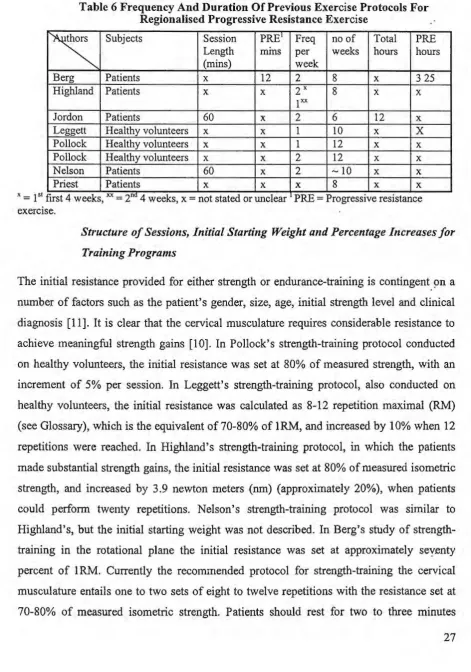
Table 6 Frequency And Duration Of Previous Exercise Protocols For Regionalised Progressive Resistance Exercise ... 27
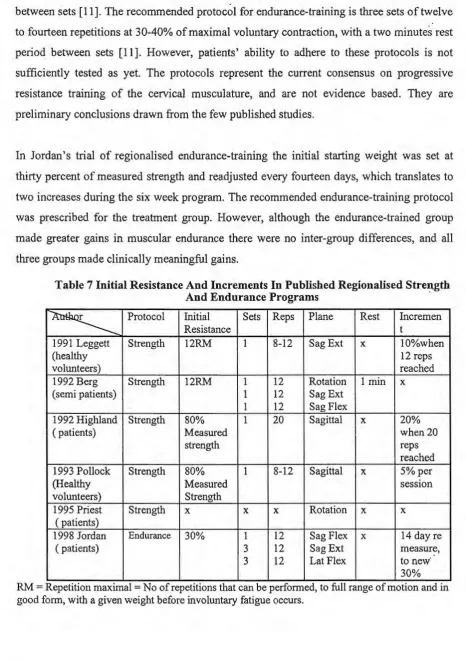
Table 7 Initial Resistance And Increments In Published Regionalised Strength And Endurance Programs ... 28
Table 8 Summary of Instruments Selected for the Proposed trial ... .42
Table 9 Inclusion Criteria ... 48
Table 10 Exclusion Criteria ... 48
Table 11 Instruments used in the PRIMS Trial... ... 49
Table 12 Trials Evaluating Neck Pain Which Used Visual Analogue Scales To Measure Pain ... 52.
Table 13 Lowest Detectable Estimated Clinically Meaningful Differences ... 52
Table 14 Baseline Demographics for Participants and Non Participants ... 60
Table 15 Baseline demographics and Treatment Details of the Strength and Endurance-training Groups ... 62
Table 16 Number of Participants who did not complete one of either the Pre or Post-Treatment Measures ... 63
Table 17 Reasons for Withdrawing from Treatment less than Halfway through the Program ... 63
Table 18 Points-based Adherence Ranking System for Strength-training ... 66
Table 19 Points-based Adherence Ranking System for Endurance-training ... 67
Table 20 Comparison of Ranked Adherence list (TOTPR) to the Blinded Rating of Exercise Sheets (NBLCL) and Total Weight (TOTWT) in the Strength Group .... 68
Table 21 Comparison of Ranked Adherence list (TOTPR) to the Blinded Rating of Exercise Sheets (NBLCL) and Total Number of Repetitions (TOTRPS) in the Endurance Group ... 68
Table 22 Categories of the Blinded Classification ... 69
Table 23 Deviations from Protocol ... 69
Table 24 Baseline Demographics And Treatment Details For Top Seventeen Adherers In Each Group ... 71
Table 25 Demographics Of The Top Adherers And The Other Participants ... 72·
Table 26 Levels of Clinical Meaningfulness for Pain Sensation and Affect Measured by the SF-36 Bodily Pain, Mental Health and Role-Emotional Scales, and the Visual Analogue Scale Measures of Pain Intensity and Depression ... 75
Table 27 Results for Sensory and Affective Pain from the Analyses of the Whole Groups and only Top Adherers Part I ... 82
Table 28 Results for Sensory and Affective Pain from the Analyses of the Whole Groups and only Top Adherers Part II ... 83
Table 29 Levels of Clinical Value Measured by the Neck Disability Index and the Physical-Functioning and Role-Physical scales of the SF-36 ... 94
Table 30 Disability Results from the Analyses of Whole Groups and only Top Adherers ... 99
Table 31 Test-Retest Reliability Results For Med.X Muscle Strength And Range Of Movement, And The Static And Dynamic Muscular Endurance Measures ... 104
Table 33 Physical Measures From The Aiialyses Of Whole Groups And Only Top
Adherers ... 109
Table 34 Number of Items and categories per Item for the Multi-Item Scales used in the SF-36 ... 117
TABLE OF FIGURES Figure l The Proportion Of Regionalised Progressive Resistance Exercise In Conservative Management Strategies For Chronic Neck Pain ... 10
Figure 2 Proportion OfRegionalised Strength-training In Randomised Controlled Trials Evaluating Therapeutic Exercise ... 10
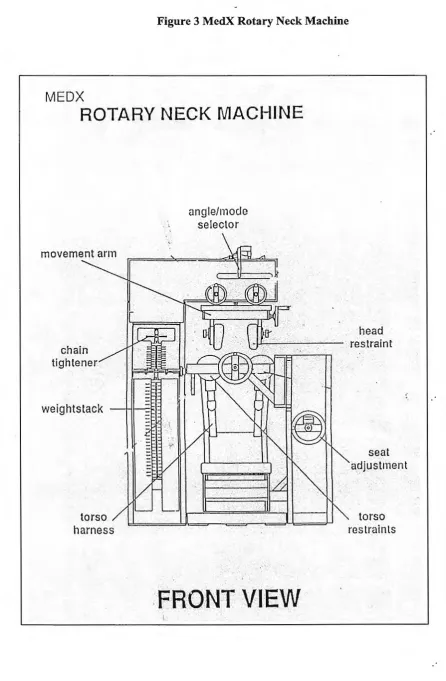
Figure 3 MedX Rotary Neck Machine ... .41
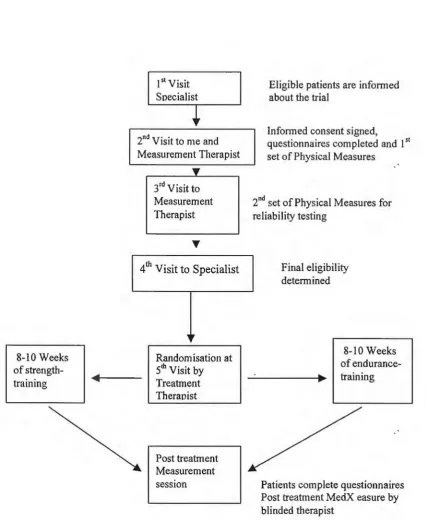
Figure 4 STUDY DESIGN ... 47
Figure 5, (left +24, The left sternocleidomastoid muscle is extended) ... 55
Figure 6 (left 0, Neutral Position) ... 55
Figure 7(left -24, The left sternocleidomastoid muscle is contracted)All figures indicate the patient exerting pressure to the left in the Rotational Plane ... 55
Figure 8(right-24, The right sternocleidomastoid muscle is extended) ... 56·
Figure 9(left 0, Neutral Position) ... 56
Figure lO(right +24, The right sternocleidomastoid muscle is contracted) All figures indicate the patient exerting pressure to the right in the Rotational Plane .. 56
Figure 11 Flow Chart of Patient Participation in the PRIMS Trial... ... 59
Figure 12 All Outcomes Mean of Difference and Confidence intervals ... 125
Figure 13 Comparison of PRIMS Data to Other Studies ... 127
Figure 14 Interpretations Yielded by the Whole Group analysis ... 137
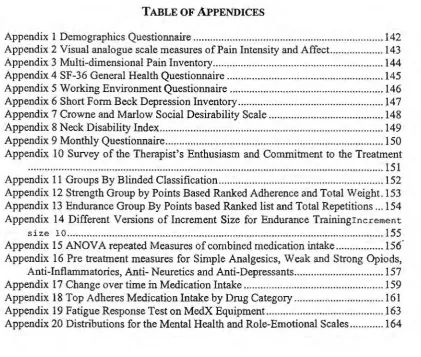
TABLE OF APPENDICES
Appendix 1 Demographics Questionnaire ... 142
Appendix 2 Visual analogue scale measures of Pain Intensity and Affect.. ... 143
Appendix 3 Multi-dimensional Pain Inventory ... 144 Appendix 4 SF-36 General Health Questionnaire ... 145
Appendix 5 Working Environment Questionnaire ... 146
Appendix 6 Short Form Beck Depression Inventory ... 147
Appendix 7 Crowne and Marlow Social Desirability Scale ... 148
Appendix 8 Neck Disability Index ... 149
Appendix 9 Monthly Questionnaire ... 150
Appendix 10 Survey of the Therapist's Enthusiasm and Commitment to the Treatment ... 151 Appendix 11 Groups By Blinded Classification ... 152
Appendix 12 Strength Group by Points Based Ranked Adherence and Total Weight.153 Appendix 13 Endurance Group By Points based Ranked list and Total Repetitions ... 154
Appendix 14 Different Versions of Increment Size for Endurance Trainingincrement size 10 ... 155
Appendix 15 ANOV A repeated Measures of combined medication intake ... 156
Appendix 16 Pre treatment measures for Simple Analgesics, Weak and Strong Opiods, Anti-Inflammatories, Anti-Neuretics and Anti-Depressants ... 157
Appendix 17 Change over time in Medication Intake ... 159
Appendix 18 Top Adheres Medication Intake by Drug Category ... 161
Appendix 19 Fatigue Response Test on MedX Equipment.. ... 163
CHAPTER ONE
THESIS OVERVIEW AND INTRODUCTION
Neck pain is a common musculo-skeletal problem in the industrialised world with fifty
to ninety percent of people experiencing one or more episodes of neck pain during their
lifetime [1, 2]. The majority recover quickly from these episodes, but five percent of all
cases persist for more than three months [ 1 ]. The recurrence rate is high at sixty-percent
[1]. The cost to the individual in tem1s of reduced earning capacity and personal and
family distress is very high. The cost to society in terms of lost productivity and
compensation payouts is reported to be substantial [3]. Thus, there are very compelling·
reasons for finding the most effective therapies for neck pain.
Most whiplash injuries to the neck recover spontaneously within three months, but
chronic symptoms develop in some 25% of individuals, where pain persists more than
three months after the initial injury [ 4
]1.
If associated restricted mobility persists for more than a few weeks, joint immobility becomes progressively more complete. Disuseatrophy, with attendant lowered fatigue resistance, also occurs [5]. The link between muscular weakness and chronic low-back pain is well established [6]. Research also
suggests a correlation between weak cervical musculature and chronic neck pain [7].
Further, as neck muscle strength is shown to be a controlling factor in the stability of the
cervical spine [8, 9] it seems logical to seek safe and effective ways of strengthening it.
However, many clinicians feel that strength-training the cervical spine, where the
emphasis is on exercising slowly with heavy weights, is unsafe and may even aggravate
patients' symptoms [10]. Other clinicians maintain that muscular endurance-training, where the emphasis is on exercising fast with light weights, may be more suitable in the
initial stages of training, the theory being that it facilitates maximal blood perfusion
thereby maximising healing [ 11]. Hence, muscular endurance-training is prescribed
more often because clinicians believe it is less likely to harm patients, but will still
increase their muscular strength.
1
It is also important to establish whether ·physiological changes in muscle size and
structure resulting from different training methods impact differently on people's pain
and disability. Therefore, the research questions of this thesis are, for patients with
chronic neck pain, when compared with muscular endurance-training, (1) does
strength-training result in a greater increase in muscle strength? (2) Does strength-strength-training result
in a greater reduction in pain and disability? The underlying rationale of strength
training the cervical muscles, therefore, is that by strengthening the weakened muscles
of the neck the symptoms of pain and disability that accompany chronic neck pain will
be significantly reduced.
Candidates Role in the Trial
The trial is my own work. In mid 1996 Dr John Corry, a rehabilitation specialist from Occupational Health and Rehabilitation Services (OHRS), which is a private.
rehabilitation centre in Canberra, approached the National Centre for Epidemiology and
Population Health. He sought an independent evaluation of the strength-training
program that he prescribed for his patients. I was offered the chance to review the
literature on strength-training for people with chronic neck pain. As there was so little
literature on the subject, and Dr Corry's preliminary data warranted more rigorous
analysis, I became interested in designing and co-ordinating a randomised controlled
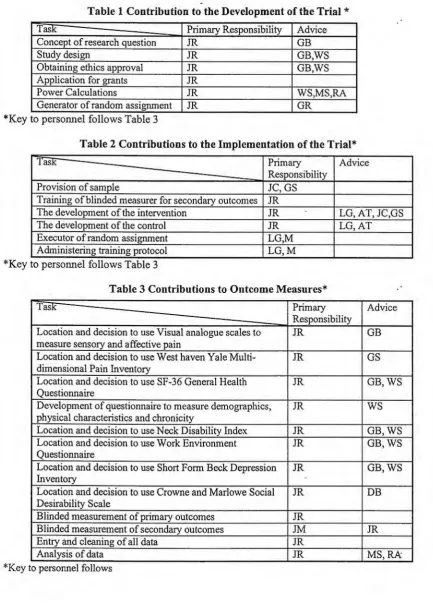
trial to evaluate the strength-training program at OHRS. Table l,,Table 2, and Table 3
summarise the contributions of all collaborators.
Chapter 2 reviews the history of therapeutic exercise and the advent of progressive
resistance exercises. It also categorises conservative management strategies for chronic
neck pain, quantifies those that incorporate some form of regionalised progressive
resistance exercise and gives the reasons for its under utilisation.
In Chapter 3, I review the evidence-based literature on exercise therapy for chronic
neck, and low back pain for, (I) suitable placebo or alternative treatments for the control
group, and (2) appropriate outcomes and measurement methodology.
Chapter 4 outlines the methods and overall research design of the trial, the sample size
calculations, the imbedded reliability study of the MedX Rotary Neck Machine and the
Chapters 5 details the baseline group demographics and describes the development and
validation of the systematic method of measuring adherence to protocol. It then gives the demographic details of the 'Top Adherers'.
Chapter 6 presents the results for the primary and secondary analyses of sensory and
affective pain. Chapter 7 presents the results of the primary and secondary analyses for
disability. Chapter 8 details the results of the test-retest reliability study, and the pre and
post-treatment measures for the machine and non-machine measures of muscular
strength and endurance. The results of patients' perceptions of the therapist's
enthusiasm and commitment to treatment are also discussed· in chapter 8. The
implications of the results are discussed in chapter context. Chapter 9 is an all inclusive
Table 1 Contribution to the Development of the Trial
*
Task Primary Responsibility Advice
Concept of research question JR GB
Study design JR GB,WS
Obtaining ethics approval JR GB,WS
Application for grants JR
Power Calculations JR WS,MS,RA
Generator of random assignment JR GR
*Key to personnel follows Table 3
Table 2 Contributions to the Implementation of the Trial*
'I ask Primary Advice
Responsibility
Provision of sample JC,GS
Training of blinded measurer for secondary outcomes JR
The development of the intervention JR LG, AT, JC,GS
The development of the control JR LG,AT
Executor of random assignment LG,M
Administering training protocol LG,M
*Key to personnel follows Table 3
Table 3 Contributions to Outcome Measures*
TasK Primary Advice
Responsibility
Location and decision to use Visual analogue scales to JR GB
measure sensory and affective pain
Location and decision to use West haven Yale Multi- JR GS dimensional Pain Inventory
Location and decision to use SF-36 General Health JR GB,WS
Questionnaire
Development of questionnaire to measure demographics, JR WS
physical characteristics and chronicity
Location and decision to use Neck Disability Index JR GB,WS
Location and decision to use Work Environment JR GB,WS
Questionnaire
Location and decision to use Short Form Beck Depression JR GB,WS
Inventory
Location and decision to use Crowne and Marlowe Social JR DB
Desirability Scale
Blinded measurement of primary outcomes JR
Blinded measurement of secondary outcomes JM JR
Entry and cleaning of all data JR
Analysis of data JR MS,RA
[image:17.595.106.540.57.669.2]*
Key to personnel AT Ms Anne Tiedmann, Exercise Physiologist (OHRS) DB Professor Don Byrne, School of Psychology, ANUGB Dr Gabriel Bammer, National Centre for Epidemiology and Population Health, (NCEPH)ANU
GR Dr Geetha Ranmuthugula NCEPH ANU
GS Dr Geoff Speldewinde, Occupational Health and Rehabilitation Services (OHRS) JC Dr John Corry, (OHRS)
JM Mr Jim Magill, Occupational Therapist (OHRS) JR Ms Judy Ryan, School of Psychology, ANU
CHAPTER TWO
THE EVOLUTION OF PROGRESSIVE RESISTANCE EXERCISE AND ITS
PLACE IN CURRENT CONSERVATIVE MANAGEMENT OF NECK PAIN
The Evolution of Progressive Resistance Exercise
The first recorded instance of progressive resistance exercise (see Glossary) is said to
have been when the Greek god Milo set himself the daily task of carrying a calf into the
market square. He continued with this task until the calf matured into a full-grown bull
[12]. Understandably this first form of progressive resistance exercise 'weight lifting' became associated with concepts of masochism, machoism and 'muscleism [ 13]. These connotations, unfortunately, have hindered the acceptance of the therapeutic and
rehabilitative properties of progressive resistance exercise by the medical community_.. The record shows that around 1856 Dr Gustav Zander developed machines, remarkably
reminiscent of those used today, to apply progressive resistance exercise to the limbs of
patients [14]. These medico-mechanical machines were used in the medical environment for a few years before being taken over by gymnasiums and used for muscle strengthening exercises in healthy individuals. Therapeutic exercise came to have little significance in the medical environment and was considered largely
irrelevant to post-injury rehabilitation [14]. Progressive resistance exercise came to be
mainly the domain of weightlifters and was practised in the form of strength-training. However, a degree of muscular hypertrophy occurs with strength-training which limits
functional flexibility and speed [15]. Therefore, athletes, such as runners and hurdlers,
who needed to increase their stamina, opted for endurance-training(see Glossary) [16].
It was only with the Second World War and the associated urgency for maximum use of
manpower that the medical community once again became interested in therapeutic· exercise. In 1942 a young orthopaedic surgeon Dr Tom DeLorme took the step of transfening the strength-training version of progressive resistance exercise back into medical practice when he used it to treat the injured limbs of soldiers. For DeLorme the
difficult. He was a professional world-class· weightlifter; therefore, he was convinced of
the benefits of strength-training. Further, his patients were young male soldiers who
were psychologically receptive to the treatment. It was not until the 1960's, however,
that progressive resistance exercise, in the form of muscular endurance-training, (see· Glossary) was prescribed for treating spinal pain [17]. But research conducted in 1970, demonstrated an increase in intra-discal pressure as a result of dynamic exercise [18].
Consequently it was discontinued and isometric exercise (see Glossary) became the
favoured form of therapeutic exercise during the decade of the 70's. [19). During that
time very little evidence-based research was conducted in the field of therapeutic
exercise and none evaluating dynamic exercise [20]. At the close of the 70's, McKenzie
showed that extension exercises had a beneficial effect on chronic low back pain [21]. Thus they were often prescribed during the 80's for low back pain. At this time immobilisation in a soft collar was the accepted form of treatment for neck pain. Early
randomised controlled trials addressing acute neck pain compared passive therapies,
such as physiotherapy or very gentle isometric exercises, to the 'Gold Standard'---collar
and rest [22, 23). Other trials addressing neck pain compared alternate passive therapies
such as mild isometric exercises, stretching, or proprioceptive (see Glossary)
movements, mobilisation (see Glossary), manipulation (see Glossary) or transcutaneous·
electrical nerve stimulation (TENS) [24-27] (See tables of excluded and included trials
in chapter three).
It was not until the late 80's that dynamic intensive exercises again came under
consideration for treating spinal pain. Mayer and Gatchel applied the philosophy of the
'sports medicine' approach from the athletic arena to the other end of the population
spectrum-inactive chronic pain patients. They incorporated dynamic exercises into a
multi-disciplinary package and termed it 'functional restoration' [5). Around this time
researchers commenced evaluating exercise that included non-isolated (see Glossary)
forms of progressive resistance exercise for treating spinal disease, firstly in the lumbar spine [28] and later in the cervical spine [29]. However, the muscular endurance version of progressive resistance exercise was the only form considered suitable for cervical
pain, as clinicians regarded strength-training as unsafe and likely to provoke patients'
symptoms [ 1 O]. This cautious attitude towards strength-training was supported by
organisations such as the American College of Sports Medicine which, up until 1990,
Only in the last decade has iso-equipment (see Glossary) capable of isolating the effect of progressive resistance exercise to the spine become available. Initially it was available only for the lumbar spine, but later became available for the cervical spine with the advent of equipment such as MedX Cervical Extension Machine, the MedX Neck Rotator (see Figure 3) and Nautilus equipment [31]. !so-equipment is not without its critics. During 1993 Newton and Waddell questioned both the reliability and validity of iso-machine [32], but they have since been shown to be safe, reliable and valid [10,
33-35]. However, as there is a lack of evidence for the effectiveness of regionalised progressive resistance exercise for the cervical spine it is rarely prescribed.
The Place of the Regionalised Strength and Muscular Enduranc e-Training in Current Conservative Management of Neck Pain
The terminology of spinal disorder is neither standardised nor validated. Consequently it varies according to the setting, based sometimes, for example, on a radiological diagnosis and sometimes on a physiopathologic hypothesis. This partly explains the heterogeneity of the, sometimes contradictory and confusing, reports in the literature regarding the multitude of therapies advocated for the rehabilitation of patients with cervical pain [36]. Another problem associated with identifying and evaluating therapies.
for cervical pain is the contextualisation of therapies within a management model that recognises the three chronological stages of pain being, acute pain (< 4 weeks), sub-acute pain (4-7 weeks) and chronic pain(> 12 weeks) [36].
Management strategies for neck pain have been categorised into conservative and non-conservative treatments [2, 36]. Based on the Cochrane systematic review of mechanical neck pain (see Glossary) conservative strategies can be further categorised into (1) manual therapy, which incorporates manipulation, massage and chiropractic treatment, (2) drug therapies, (3) patient education, and ( 4) physical medicine modalities (see Figure 1). Physical medicine incorporates physiotherapy, sometimes termed physical therapy and occupational therapy. Physiotherapy includes such therapies as cervical orthoses, therapeutic heat or chill, traction, biofeedback, electrotherapy, laser therapy, acupuncture, and exercise.
hardening, aquatic, postural correction, neuromuscular control, movement awareness, stretching, and non regionalised forms of progressive resistance exercise2. The Cochrane review team found that with the possible exception of electromagnetic therapy, there was insufficient evidence to indicate whether any conservative management strategy, exercise included, was effective, or even innocuous, in treating. cervical pain [2]. But, these findings contradict the results of research into exercise therapy for chronic low back pain [37]. Moreover, the 1998 update to the Cochrane
systematic review preceded the first published randomised controlled trial evaluating regionalised (see Glossary) progressive resistance exercise for cervical pain.
As discussed in chapter one the primary reason for the under utilisation and paucity of research regarding regionalised progressive resistance exercise is that the technology
has only become available within the last decade. Only since then have researchers
turned their attention to regionalised versions of muscular endurance and stre ngth-training. Consequently there is very little evaluation of these new forms of progressive
resistance exercise. The 1996 Cochrane review of conservative management strategies
indicates that about thirty-one percent of treatment packages that have been evaluated in
randomised controlled trials have a substantial component of one or other manual therapy (see Figure 1). Ten percent have patient education and fourteen percent have·
drug therapies as their major components. About forty-five percent of treatments have some form physical medicine. The 1998 update of the Cochrane review and my search of the randomised controlled trials in the literature up until 2000, which totals 28 trials, indicates that the exercise component of physical medicine consists of the following
categories: -eighty-two percent very gentle isometric or stretching type relaxation with
exercises as a major component (see Figure 2). Thirteen percent have more intensive
dynamic exercises that may incorporate a non regionalised (see Glossary) form of
muscular endurance-training. Four percent have regionalised muscular
endurance-training and approximately 1 % have regionalised strength training, as a major
component. (Figure 2). Further research into regionalised strength and muscular
endurance versions of progressive resistance exercise is required to determine if they are
effective treatments, and if so, whether one version is more effective than the other?
1996
1996
[image:23.595.30.533.50.619.2]2000
Figure 1 The Proportion Of Regionalised Progressive Resistance Exercise In Conservative Management Strategies For Chronic Neck Pain
Conservative Management of Mechanical Neck Pain
31%
Manual Therapy
33%
Isometric
Spray & stretch
Non dynamic
45%
Physical Medicine
Exercise
25% 17%
Laser Electro magnetic therapy
14%
Drug Therapy
17%
Acupunc-tu re
10%
Patient
Education
EJ
s
Figure 2 Proportion Of Regionalised Strength Training In Randomised Controlled Trials Evaluating Therapeutic Exercise
82%
Gentle Isometric
Trials Evaluating Therapeutic Exercise (Total 28)
13%
Dynamic Non
Regionalised
Endurance
4%Regionalised Endurance
1%
Regionalised
CHAPTER THREE
LITERATURE REVIEW
Overview
This review addresses the research into non-regionalised and regionalised progressive
resistance exercise. It examines both the biological and methodological rationale supporting the choice of strength-training as the treatment and endurance-training as the
control, or alternative treatment, in the proposed trial. It then goes on to review the literature regarding the design of the two training protocols for the trial. Finally it
reviews the issue of measurement methodology for the primary and secondary outcomes. As there are few published randomised controlled trials evaluating exercise
Table 4 Uncontrolled Studies On Neck Pain Considered For The Proposed Trial
~
Population Purpose Pain Pain Results Physical Measure Physical MeasureMeasure Results
1991 Leggett Healthy Reliability & validity n/a n/a Isometric strength in Strength increased
M&F testing of iso-machine sagittal plane Sig. P< .05
1991 Trinkle Healthy Reliability testing of n/a n/a Isometric strength in Highly reliable, one
M&F iso machine rotational plane practice best for
accurate results 1992 Healthy Evaluating regionalised 10 pt analogue scale Significantly Isometric strength in Significant gains in
Highland M&F strength-training Reduced sagittal plane strength
1992 Berg Patients Evaluating regionalised Single categorical Significantly Isometric strength in Significant gains in M&F strength-training Question Reduced rotational & other plane strength
1993 Pollock Healthy Evaluating regionalised n/a n/a Isometric strength in Significant gains in
M&F strength-training sagittal plane strength
1994 Ylinen Patients Evaluating isometric 10 pt analogue scale Significantly Non regionalised Significant gains in
M&F strength measures Reduced Endurance strength
1995 Priest et Patients Evaluating regionalised Undescribed NSID Isometric Strength Significant gains in
al. M&F strength-training Rotational Plane strength
1999 Nelson Prospective Evaluate effect of Whether or not patient No patient had Non regionalised Significant gains in surgical intensive non Required surgery before requi_red Endurance dynamic
patients regionalised one year surgery Muscular endurance
Table 5 Randomised Controlled Trials Considered for the Proposed Trail
~
Type Population Chronic/ Acute (IT) Intervention Pain /Disability Results (AT) Alternative Treatment Measure(C) Control
( PT) Placebo Treatment
1970 Goldie Single-blind Neck Pain Chronic (IT) Isometric exercises Sick leave NSJD
and Landquist (AT) Traction
(C) No intervention
1981 Single-blind Neck Pain Acute less than (AT) Collar and manual Pain intensity Pain significantly reduced in all
Nordemar and 3 days therapy by VAS. three groups, but NSID
Thomer (AT) Collar and TENS Analgesic Analgesics consumption reduced
(C) Collar only consumption in all three groups, but NSID 1983 Brodin Double-blind Hospital Not provided (!) Manual mobilisation & DT Pain by VAS Group proportions sig different
outpatients ( PT) Mock therapy and DT Tender spots NSID (C) Drug treatment
1983 Loy Unblinded Cervical Sub (AT) Physiotherapy with short Relief of NSID Spondylosis acute/chronic wave diathermy and traction symptoms
(AT) Electroacupunture
1986 Mealy et Single-blind Patients Acute Whiplash (I) Maitland mobilisation and xPain intensity Active group sig better for pain al. attending (see glossary) daily exercises for cervical by VAS (p< .02)
Emergency spine
Clinic with (C) Collar, rest for two weeks
1986 Pennie Single-blind Patients attending Acute (I) Twice weekly traction Pain intensity Pain significantly reduced in
andAgambar Emergency Clinic Whiplash and advice on sleeping by VAS botl1groups,but1'lSID
with 1'leck Injury posture and exercises
(C) 2 weeks rest in collar Sick Leave Sick Leave 1'lS but sig social then taught active exercises class differences
1988 Possibly two LBP patients Chronic (I) Intensive back Pain& Intervention group sig. better Manniche et exercise referred from GP's strengthening exercises disability by
al. programs (AT) Same exercises, but LBP rating
were double- I/5th intensity scale
blind (C) Isometric and stretch
exercises
1989 Hurri Single-blind FemaleLBP Chronic (I) Education and exercise Pain by VAS Pain and disability sig better for
patients (C) 1'lo trealment Disability by intervention group
VQ
1989 Single-blind Patients attending Acute (I) Early mobilising Pain by VAS Intervention group had
McKinney Emergency Clinic Whiplash exercises significantly less pain at two
with 1'leck Injury (AT) Physiotherapy year follow up.
(AT) Initial rest with advice to mobilise at I 0 to 14 days
1990 Deyo et Single-blind Respondents to ChronicLBP (I) TE1'lS Pain by VAS Exercise was more effective
al. newspaper add (AT) TE1'lS & exercise Disability by than TE1'lS
( PT) sham TE1'lS & SIP exercise
( PT) sham TE1'lS
1990 Pennie & Single-blind Patients referred Acute (I) Early traction and Pain by VAS NSID for pain
Agambar from accident Whiplash Physiotherapy Time off work NSD for time off work but
units (C) Collar and rest social class related to time off
1991 Kamendo Single-blind Female clerical Mild episodic (I) Traditional neck school xSick Leave NSID
et al. workers neck pain exercise plus 2 hours
individualised counselling (AT) Traditional neck school exercise
(C) No intervention
1992 Koes et Single- blind Patients attending sub (AT) Manual Therapy MPI NSID
al. GPs acute/chronic (AT) Physiotherapy SIP
(exercise)
(AT) Continued treatment by
GP
(C) Placebo, Detuned ultrasound and detuned short-wave diathermy
1992 Cassidy Single-blind Mechanical Neck pain drawing, (I) Single rotational Pain by Pain significantly reduced by pain patients analgesics manipulation lOINRS and lOlNRS in both groups, but
intake and (AT) localised isometric Pain Disability NSID. Pain disability Index not pressure pain pressure (muscle Index reported
threshold mobilisation technique
1993 Levoska Single-blind Female office Mild, episodic (I) Non-regionalised Painful spots by
workers neck pain Endurance palpation NSID
1994 Fitz- Double-blind Whiplash Chronic (I) Head eye coupling Neck Disability Intervention group improved
Ritson Patients coordinated exercises plus Index significantly more than (AT)
attending chiropractic treatment group, but serious confounds
private rehab (AT) ROM, stretching, identified due to small group
clinic isometric and isokinetic sizes of 15.
exercises plus chiropractic practice
1994 Revel et Single- blind Patients Chronic (I) Eye/head coupling Pain by VAS Intervention group significantly
al. attending exercises plus anti Analgesics more pain reduction ( p<.004)
rheumatology inflammatory and analgesics consumption
clinic (C) Wait List Control
1994 Takala et Cross-over Female light Mild episodic (I) Group gymnastics 45 Pain by VAS NSID, but significant seasonal al. design industry mins once weekly for ten Pressure pain by variation in pain measured by
workers weeks algometry VAS
WLC (cross over control groups)
1994 Timm Single-blind Low back pain Chronic (I) Non regionalised high Treatment Low technology exercises
patients technology exercises efficacy by experience a significantly
(AT) Non regionalised low survival analysis longer pain free interval
technology exercises on no of weeks
(AT) Physiotherapy till return to (AT) joint manipulation treatment
1995 Fitz Attempted Whiplash Sub/acute (I) Phasic exercises and Neck Disability Confounds identified
Ritson et al. double-blind patients chiropractic Index
( PT) Rehabilitation exercises and chiropractic
1995 Constant Single-blind Males and ChronicLBP (I) Spa therapy Pain by VAS Spa treatment more effective
et al. females referred (C) No treatment Disability by VQ
by GP
1998 Randlov Single-blind Females Neck Chronic (I) Intensive non Pain by 11 point Pain and disability significantly
pain patients regionalised endurance- box scale reduced but NSID
referred to training
Rheumatology (C) Same exercises, but less Disability by
clinic intensive CNFDS
1998 Jordan Single-blind Neck pain Chronic (I) Intensive regionalised Pain by 11 point All groups significantly reduced
patients endurance-training box scale for pain and disability, but
(AT) Physiotherapy Disability by NSID (AT) Chiropractic CNFDS
2000Waling Single-blind Volunteers Mild episodic (AT) Non-regionalised Pain by VAS NSID for pain by VAS or
Female workers strength pressure point algometry
(AT) Non-regionalised Pressure point by between exercise groups, but
endurance algometry when combined significantly
(AT) Co-ordination training more pain reduction than
(C) Advice on stress Pain drawing control group ( p<.05).
management NSID pain drawing
2000 Taimela Single-blind Working male Mild episodic, (I) Active general exercises Pain by VAS, vas score significantly lower for
and female (AT) Lecture and home pain drawing, two exercise groups compared
volunteers exercise program analgesics intake with control. Pain drawing,
(C) Lecture and told to and pressure pain analgesics intake and pressure
exercise threshold pain threshold not reported
Research into Non Regionalised Progressive Resistance Exercise
Before the advent of iso-technology for the cervical spine, non-regionalised forms of
progressive resistance exercise were sometimes incorporated into general, therapeutic
exercise based, treatments. The first randomised controlled trial compared a
non-regionalised form of endurance training, incorporated into an active physiotherapy package,
with passive physiotherapy (29]. However, the results for muscular strength and
endurance, whilst they appeared to favour the active group, were ambiguous, and no
inter-group differences were noted. Furthermore, there was no significant increase in pain
threshold levels over time, or inter-group differences for mean number of tender palpation
spots. A later, uncontrolled, study evaluated a non-regionalised endurance training program
which was incorporated into an active physiotherapy program (39]. Ylinen et al. reported
large clinically meaningful and significant reductions in pain, measured by a 10 category
visual analogue scale3, and disability measured by the Oswestry Low Back Pain Disability
Index. They also reported an approximate thirty percent increase in cervical extension
strength (p <.05), measured in the sagittal plane by a commercially available isometric
strain gauge system 4•
A later randomised controlled trial compared non-regionalised endurance-training,
incorporated into an intensive dynamic training program, to light training [41).Both groups
increased their muscular strength and endurance, but there were no significant inter-group
differences. There were significant reductions in pain for both groups at some of the
follow-up measures, but again no significant inter-group differences. Further, there is sound
experimental evidence that the ten point box scale, which was used to measure pain ir1 this
trial, is of questionable validity [ 42) (see page 31 for more details). Therefore, these results
possibly should not be taken at face value. A recent randomised controlled trial compared
non-regionalised strength-training to aerobic endurance-training, co-ordination training,
3
Not clear what this instrument is. Some scales that are termed 1 Opt visual analogue scales to in the literature arc actually adjectival scales with discrete categories 40. Strcincr, D.L. and G.R. Norman, Health Measurement Scales; A practical guide to their development and use. 1989, Hamilton Ontario: Oxford University Press .. They have I cm gradients marked on them, which makes them a confusing instrument to complete as respondents are not sure whether to place a slash through the line or circle one of the gradient marks.
4
The Newtest Incorporated Isometric Strain Gauge system comprises of a strain gauge attached to a metal stand mounted on the wall. The patient is harnessed at the shoulder and knee level to restrict movement lo the cervical spine. They then pull against the measurement gauge while in the standing position with the strap fixed firmly around their head above the level of the eyebrows.
and no exercise (43]. Three lOOmm visual analogue scales were used to measure pre and
post-treatment levels of pain at present, in general and at worst. However, the sample size
of twenty-five in each group was too small to detect pain reductions of less than 20mm. Consequently, although participants in the strength and endurance-training groups appeared
to experience pain reductions in the vicinity of 10-15mm they were not significant. It is possible that in non-regionalised trials of therapeutic exercise, patients' perceptions of their pain and function are influenced by the alleviation of depression, which often results from generalised exercise [ 44, 45]. It is also possible that the two significant inter-group differences for the strength and endurance groups compared to the control group could have occurred by chance, as a multiplicity of tests were conducted. The results of the pressure
pain threshold and pain drawing measures were ambiguous. Muscular strength . and
endurance were not measured.
Research into Regionalised Strength and Endurance.-training
Initially, uncontrolled studies evaluated regionalised strength-training in healthy individuals
using the MedX Cervical Extension machine. Averaged increases in extension strength
were within the range of 6-15% (46, 47]. The first uncontrolled study evaluating regionalised strength-training for patients also used the MedX Cervical Extension machine [l O]. Patients increased their average cervical strength by approximately twenty-two
percent. They also experienced clinically meaningful and statistically significant reductions in pain measured by 10 point visual analogue scale. More recently two small uncontrolled
studies evaluated progressive resistance exercise in the rotational plane for patients with neck pain [ 48, 49]. Rotational strength was increased by more than 30% in both stu~ies.
Pain was not significantly reduced in Priest's study, and it is not clear what measuring instrument was used. Berg et al. reported a clinically meaningful and significant reduction in pain, measured by a single categorical question.
A recent uncontrolled study used MedX and Nautilus equipment to strength train thirteen patients with chronic neck pain, and thirty-three with chronic lumbar pain, in both the sagittal and rotational planes (50]. All patients were being considered for surgical
some differences according to gender, dynamic muscular endurance in the sagittal plane
increased by approximately 63% and in the rotational plane by 110%.
One single-blind randomised controlled trial compared regionalised endurance based
intensive training with physiotherapy and manipulation using the Neck Exercise Unit,
which trains in the sagittal plane [ 51). Patients in all three groups experienced
approximately fifty-percent reduction in pain, measured by a ten-point box scale. But, as
discussed previously the accuracy of the ten point box scale measure of pain is
questionable, therefore, the results for pain in this trial should be interpreted with caution.
(Also see inherent problems with single blind trial trials pages 11 and 12). Surprisingly,
although the inter-group differences were not significant, the endurance group increased
their muscular strength considerably less than the more passive physiotherapy .. and
manipulation groups. This finding contradicts the belief held by some clinicians that
endurance-training will increase muscular strength in chronic pain patients. The authors
" .... expected that patients in the training group would increase relative strength levels more
than the other patients ... " [51, pp 316]. However, the endurance-training group
improved their muscular endurance by 100% compared to 50 and 57% respectively for the
manipulation and physiotherapy groups, but the inter-group differences were not
significant.
One observation from the above research is that, by comparison to healthy individuals,
patients make larger strength gains as a result of strength-training, but not from
endurance-training. This suggests that a degree of disuse atrophy (see Glossary) has occurred, which is
reversed by the strength-training. The second observation is that training in the rotational
plane seems to elicit larger strength gains (see chapter eight for details). Finally; the
variation in pain reduction between studies may be attributable to either a genuine change
over time or the questionable validity of the ten point box scale used in some studies.
The Biological Rationale
Supporting the Choice
of Regionalised
Strength
-
tra
i
ning as the Intervention and
Regionalised
Endurance-t
r
ainin
g
as th
e
Alternative Treatment
Disuse atrophy is noted after only short periods of casting in the limbs, yet, as it is not
readily discernible in the spine, is rarely recognised as a factor in ongoing chronic disability
[5]. It occurs when muscles are immobilised ·or restricted for any reason [52]. It can occur
in the cervical musculature as a result of immobilisation in a soft collar, or even protective
restricted movement by the patient. The physiologic sequelae to disuse atrophy include loss
of muscle weight and atrophy of type II fibres5. It is not dissimilar to the muscular atrophy
that is present in the elderly, which has been shown to be reversed by strength-training [30,
53].
It is well recognised that endurance-training is not as effective as strength-training in
reversing disuse atrophy [ 52, 53]. Its aim is to enhance performance and aerobic power,
through facilitating both oxygen transport and utilisation at the local level, by overloading
specific muscle groups (54]. In patients with chronic neck pain it is aimed at increasing the
capacity of type I muscle fibres, in the cervical musculature, to extract oxygen from the
blood. The rationale is:-(1) it is the type I muscle fibres that are primarily involved iri low
intensity activities such as supporting the cervical spine [7, 39], and (2) the maximal blood
perfusion occurring as a result of the training maximises healing [51]. However, whether
this second point is applicable to chronic pain that, by definition, has extended well past
normal healing time is debatable.
To summarise, theoretically there are plausible biological reasons in support of the
effectiveness of both regionalised strength and regionalised endurance-training. However,
if disuse atrophy accompanies chronic neck pain, and the literature suggests that it does
[5-7, 10], strength-training should be more effective in reducing the pain and disability
associated with chronic neck pain [7].
Th
e
M
et
hodologi
c
al R
a
ti
o
nal
e
in
S
upport of
t
h
e C
h
o
ic
e
o
f Str
ength and
En
dur
a
n
ce-t
r
a
inin
g
From a methodological viewpoint the choice of the intervention and control treatment is
paramount to the success and definitiveness of a trial. The control must be different from
s Human skeletal muscle comprises of two distinct types of muscle fibre, fast twitch or type II, which is associated with power and speed, and slow twitch, or type I, which is characterised as possessing an aerobic endurance quality. the fast twitch fibres produce more force than slow twitch fibres but they fatigue more rapidly. for this reason slow twitch fibres are preferentially recruited during low intensity activities, but as activity and muscle tension requirement increase fast twitch fibres are activated 15. Ackland, T.R. and J. Bloomfield, The Anatomy and Biomechanics of
Sports Performance. The Textbook of Science and Medicine in Sport, ed. J. Bloomfield, P.A. Fricker, and K.D. Fitch. 1992, Carlton: Blackwell Scientific Publications.
the intervention otherwise there is no point to the trial. However, the extent of the difference is problematic as it effects the expected size of the treatment difference, therefore, the sample size calculations [55]. The various trial designs considered and rejected before selecting the double-blind research design are discussed below.
Trials that have no Treatment for the Control Group
The largest difference can be expected if the control group has no treatment. But, how realistic are the results of a trial where the control group has no treatment? Firstly, the participants are not blinded,6 therefore, it is possible that those in the control group will experience a negative placebo effect. Participants in the trial conducted by Koes et al. experienced a negative placebo effect. Those participants randomised to continued treatment by their GP actually scored worse for self reported pain and disability than those randomised to de-tuned diathermy, which was the true placebo group [56]. Second~y, a large treatment effect can be expected in these trials simply because the control group has no treatment. In effect, the trial is merely demonstrating that some treatment is better than nothing. Thirdly, usually there can be no long term follow up in such research because ethical considerations mandate that the control group receive the preferred treatment at or soon after completion of treatment, if the evidence indicates that it is more effective [55, 57, 58]. These compromises distract from the research design of such trials to the extent that their results should be interpreted with caution.
Trials that Compare to the 'Gold Standard"
Many trials attempt to compare a new treatment to the current 'Gold Standard', which is physiotherapy for chronic neck pain. More often than not, when comparing a new treatment to the current 'Gold Standard', the treatments are not of similar nature and it is impossible to conduct a double-blind trial [59]. For example when comparing intensive exercise with physiotherapy the logistics of maintaining blinded conditions whilst also obtaining informed consent are impossible in a single centre trial. Consequently, when comparing a new treatment to the 'Gold Standard' the pragmatically simpler single centre, single-blind
6
Blinded refers to a condition where treatment assignation, or other information is withheld from an individual, or individuals in the study as a means of improving the objectivity of the treatment, data collection and its interpretation.
trial7 is by far the most common in the literatUre (55) and due to the inadequacy of blinding
is open to the critique of bias and other placebo effects [55).
Trials that have Sham Treatments
Research design incorporating sham treatments, usually double-blind trials8 overcomes the
problem of negative placebo and Hawthome9 effects. However, for ethical reasons such trials usually incorporate a common background treatment into the research design. The results of such trials are sometimes difficult to interpret because the effectiveness of the common treatment may swamp, or negate possible effects of the sham or intervention. This was the case in Deyo's(LBP) trial comparing TENS to sham TENS with exercise as the common background treatment [60]. It was the case in Klein's (LBP) trial comparing laser
and sham laser also with a common background exercise program [61). It could also have
been the case to a certain extent in Jordan's trial, comparing endurance-training to physiotherapy, because the physiotherapy group was prescribed the same home ex~rcise
program as the endurance-trained group [51].
Double-Blind Trials
It is also difficult to conduct a double-blind randomised controlled trial comparing different
exercise programs such as regionalised strength and endurance-training. However,
depending on the amount of information given at the time of gaining informed consent it is possible to keep the patient naive to which is the preferred treatment [3 7). The task is to
choose a control treatment that is medically distinguishable from the intervention yet administratively indistinguishable, and acceptable to the patient. It also must be ethically
acceptable and medically justifiable to attending physicians [55]. The proposed trial to compare regionalised strength to regionalised endurance-training meets the criteria for a doubler-blind trial, as the patient is naive to which is the preferred treatment, and ~oup allocation is unknown to those measuring the patient's progress.
7
In a single-blind trial one or other of the interested parties is not blinded, usually it is the patients.
s Double-blind is characterised by (I) participants are blinded to treatment allocation (2) the observer collecting data and measurements is also blinded to treatment allocation.
9
However, to reiterate, the most compelling reason for comparing regionalised strength to
endurance-training is that both treatments are new and have been little researched." The research that has been undertaken, however, indicates that both treatments, but more particularly regionalised strength-training, may be useful in reducing the pain and disability that accompanies chronic neck pain.
In the proposed trial, if regionalised strength and endurance-training are equally effective,
there will be no significant inter-group differences. Therefore, even if both groups make significant and clinically meaningful reductions in pain and disability, it will be impossible
to disprove the notion that both groups are simply demonstrating a Hawthorne or placebo effect of similar magnitude. For this reason trials often include either a waitlist control, or a separate control group, which receives either no treatment, or what is regarded by the researchers, as relatively ineffective treatment. However, the introduction of a control group reduces that component of the trial to single-blind conditions. The results of a trial
that incorporates a waitlist control group, which has no treatment, before receiving either treatment (a) or (b) are still questionable. If pain reductions are similar for both treatments, but significantly more than those experienced during the waitlist control period, where participants could not be blinded to the fact that they were having no treatment, it is still
impossible to disprove a placebo effect. Likewise, especially in a secondary care setting,
participants in a separate control group cannot be blinded to the fact that they are having either no treatment, or a treatment that is different from what they expected to receive. Given the above, and recognising that both waitlist, and separate control groups lengthen the accrual period of a trial the 'questionable' advantages are outweighed by the disadvantages.
Further, if there is a significant difference between treatments, and after all the hypothesis
is that there will be, then for the reasons discussed previously the results of double-blind trials will be robust.
Designing the Strength and Endurance-training Programs
Regarding the design of training protocols, the main considerations are safety, specificity, and the frequency, duration and structure of sessions. Another important consideration is