FORMULATION AND DEVELOPMENT OF
EXTENDED RELEASE DOSAGE FORM OF AN
ANTICONVULSANT DRUG
DISSERTATION
Submitted to
THE TAMIL NADU Dr. M.G.R. MEDICAL UNIVERSITY,
CHENNAI-32
In partial fulfillment of the award of degree of
MASTER OF PHARMACY
IN
PHARMACEUTICS
OCTOBER 2016
PADMAVATHI COLLEGE OF PHARMACY AND
RESEARCH INSTITUTE
FORMULATION AND DEVELOPMENT OF
EXTENDED RELEASE DOSAGE FORM OF AN
ANTICONVULSANT DRUG
DISSERTATION Submitted to
THE TAMIL NADU Dr. M.G.R. MEDICAL UNIVERSITY, CHENNAI-32
In partial fulfillment of the award of degree ofMASTER OF PHARMACY
IN
PHARMACEUTICS
OCTOBER 2016
PADMAVATHI COLLEGE OF PHARMACY AND
RESEARCH INSTITUTE
Prof. Dr. D.C.PREM ANAND. M. Pharm., Ph.D.,
Principal,
Padmavathi College of Pharmacy & Research Institute, Dharmapuri- 635 205.
CERTIFICATE
This is to certify that the dissertation entitled “FORMULATION AND DEVELOPMENT OF EXTENDED RELEASE DOSAGE FORM OF AN
ANTI-CONVULSANT DRUG”was carried out by Mohamed Rafi. A (Reg. No: 261410854), under
the guidance of Dr.R.P.Ezhilmuthu,M.Pharm, Ph.D., Professor & Head in the Department of Pharmaceutics, Padmavathi College of Pharmacy and Research Institute, Dharmapuri, Affiliated
to The Tamilnadu Dr. M.G.R Medical University, Chennai - 32.
Prof. Dr. D.C.PREM ANAND. M. Pharm., Ph.D.,
Place: Dharmapuri
Dr. R.P.Ezhilmuthu, M.Pharm., Ph.D.,
Professor & Head,
Department of Pharmaceutics
Padmavathi College of Pharmacy & Research Institute, Dharmapuri-635 205.
CERTIFICATE
This is to certify that the dissertation entitled “FORMULATION AND DEVELOPMENT OF EXTENDED RELEASE DOSAGE FORM OF AN
ANTI-CONVULSANT DRUG” was carried out by Mohamed Rafi. A (Reg. No: 261410854) in the
Department of Pharmaceutics, Padmavathi College of Pharmacy and Research Institute, Dharmapuri, Affiliated to The Tamilnadu Dr. M.G.R Medical University, Chennai - 32 under my direct supervision and guidance to my fullest satisfaction.
Dr. R.P.Ezhilmuthu, M.Pharm,Ph.D.,
Place: Dharmapuri
DECLARATION
I hereby declare that the matter embodied in the dissertation entitled “FORMULATION
AND DEVELOPMENT OF EXTENDED RELEASE DOSAGE FORM OF AN
ANTI-CONVULSANT DRUG” is a bonafide and genuine research work carried by us under the
guidance of Dr. R.P.Ezhilmuthu, M.Pharm., Ph.D., Professor & Head, Department of Pharmaceutics, Padmavathi College of Pharmacy & Research Institute, Periyanahalli,
Dharmapuri.
MOHAMED RAFI. A
REG.NO:(261410854)
Place: Dharmapuri
Date:
EVALUATION CERTIFICATE
This is to certify that the work embodied in this thesis entitled “FORMULATION AND
DEVELOPMENT OF EXTENDED RELEASE DOSAGE FORM OF AN
ANTICONVULSANT DRUG” submitted to the Tamil Nadu Dr. M.G.R. Medical
University, was carried out by MOHAMED RAFI. A (Reg.No: 261410854 ) in the partial fulfillment of the Degree of “Master of Pharmacy” in Pharmaceutics under the supervision of
Dr.R.P.EZHILMUTHU, M.Pharm,Ph.D., Professor and Head, Department of Pharmaceutics,
Padmavathi College of Pharmacy & Research Institute, Dharmapuri.
This work is original and has not been submitted in part or full for the award of any other degree or diploma of any other University.
CONTENTS
S NO.
CONTENTS
PAGE
NO.
1 INTRODUCTION 1-16
2 REVIEW OF LITERATURE 17-22
3 AIM AND OBJECTIVE OF WORK 23
4 PLAN OF WORK 24
5 DRUG PROFILE 25-26
6 EXCIPIENT PROFILE 27-34
7 MATERIALS AND METHODOLOGY 35-51
8 RESULTS AND DISCUSSION 52-72
9 SUMMARY 73
10 CONCLUSION 74
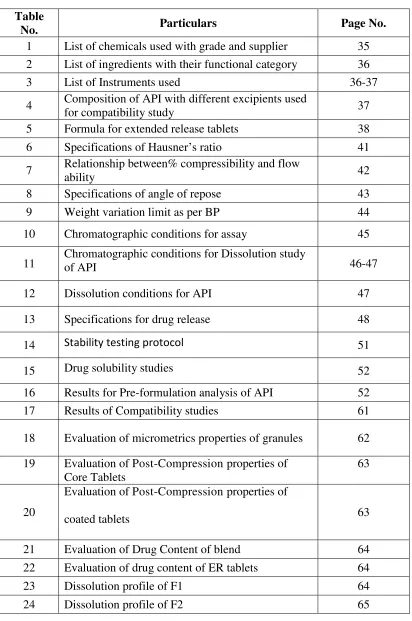
LIST OF TABLES
Table
No. Particulars Page No.
1 List of chemicals used with grade and supplier 35 2 List of ingredients with their functional category 36
3 List of Instruments used 36-37
4 Composition of API with different excipients used
for compatibility study 37
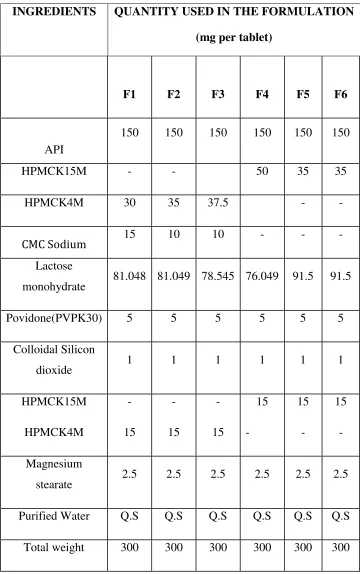
5 Formula for extended release tablets 38
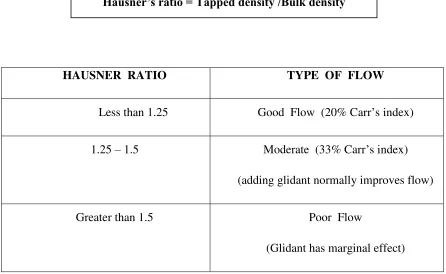
6 Specifications of Hausner’s ratio 41
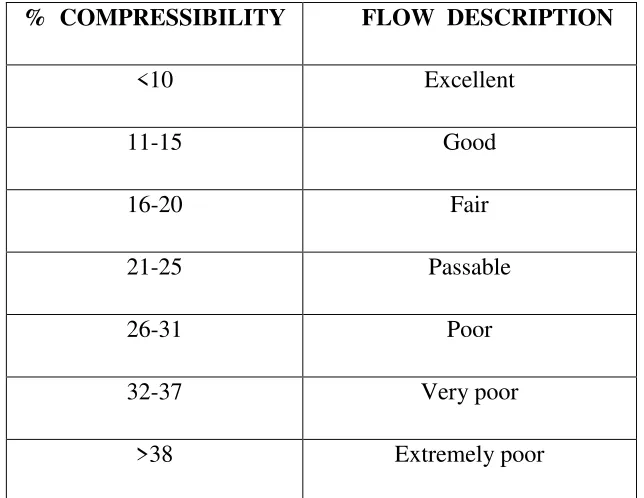
7 Relationship between% compressibility and flow
ability 42
8 Specifications of angle of repose 43
9 Weight variation limit as per BP 44
10 Chromatographic conditions for assay 45
11 Chromatographic conditions for Dissolution study of API 46-47
12 Dissolution conditions for API 47
13 Specifications for drug release 48
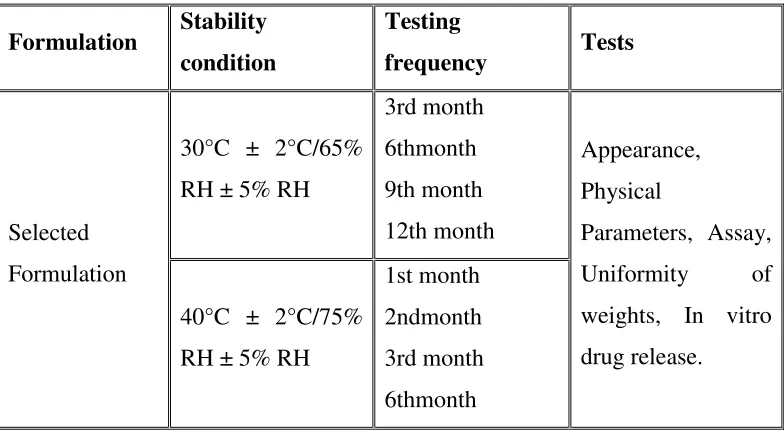
14 Stability testing protocol 51
15 Drug solubility studies 52
16 Results for Pre-formulation analysis of API 52
17 Results of Compatibility studies 61
18 Evaluation of micrometrics properties of granules 62
19 Evaluation of Post-Compression properties of Core Tablets
63
20
Evaluation of Post-Compression properties of
coated tablets 63
21 Evaluation of Drug Content of blend 64
22 Evaluation of drug content of ER tablets 64
23 Dissolution profile of F1 64
[image:8.612.103.515.92.713.2]25 Dissolution profile of F3 65
26 Dissolution profile of F4 66
27 Dissolution profile of F5 67
28 Dissolution profile of F6 67
29 Comparitive dissolution profile from F1-F6 68
30 Different kinetic models 69
31 Regression coefficients from all kinetic model
LIST OF FIGURES
Figure
No. Title Page No.
1 Dissolution Controlled Release Systems 6
2 Diffusion Controlled Systems 7
3 Drug release by diffusion across the insoluble membrane 8 4 Dissolution and Diffusion Controlled Release System 9
5 Internal structure of brain 11
6 Lambda max curve 53
7 FTIR study of API+HPMC K4M PREMIUM 54
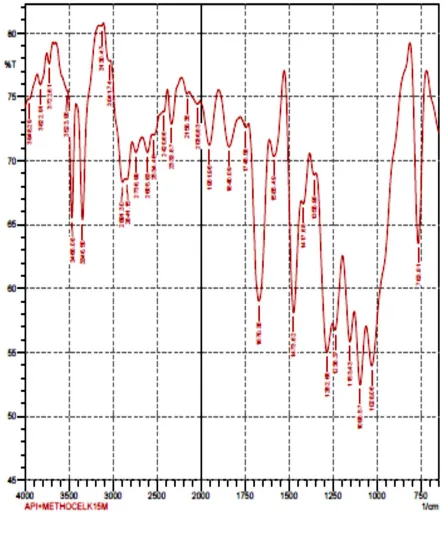
8 FTIR study of API + METHOCEL K15M PREMIUM 55
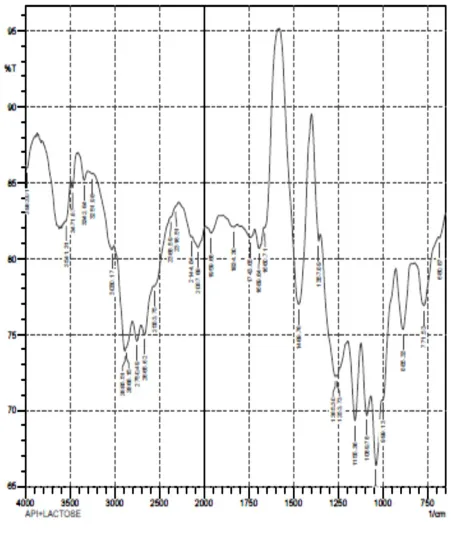
9 FTIR study of API+LACTOSE 56
10 FTIR study of API+POVIDONE 57
11 FTIR study of API+AEROSIL 58
12 FTIR study of API+MAGNESIUM STEARATE 59
13 FTIR study of API+CMC Sodium 60
14 Comparative dissolution profile from F1-F6 68
15 Zero order kinetics 70
16 First order kinetics 70
17 Higuchi model 71
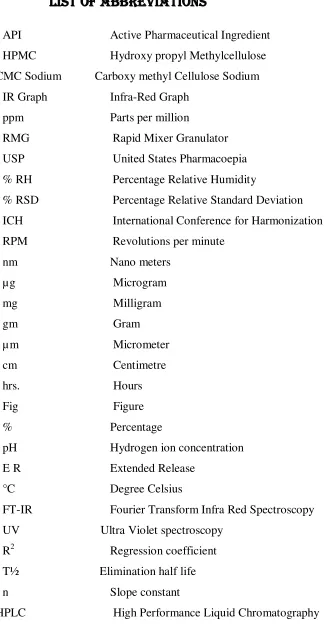
LIST OF ABBREVIATIONS
API Active Pharmaceutical Ingredient
HPMC Hydroxy propyl Methylcellulose
CMC Sodium Carboxy methyl Cellulose Sodium
IR Graph Infra-Red Graph
ppm Parts per million
RMG Rapid Mixer Granulator
USP United States Pharmacoepia
% RH Percentage Relative Humidity
% RSD Percentage Relative Standard Deviation
ICH International Conference for Harmonization
RPM Revolutions per minute
nm Nano meters
µg Microgram
mg Milligram
gm Gram
µ m Micrometer
cm Centimetre
hrs. Hours
Fig Figure
% Percentage
pH Hydrogen ion concentration
E R Extended Release
°C Degree Celsius
FT-IR Fourier Transform Infra Red Spectroscopy
UV Ultra Violet spectroscopy
R2 Regression coefficient
T½ Elimination half life
n Slope constant
[image:11.612.177.508.81.708.2]ACKNOWLEDGEMENT
I thank the God’s Almighty for his blessings on the accomplishment of this venture.
The task of preparing this dissertation has been fascinating experience and it is really a moment of great pleasure for me to express my hearty gratitude to those who have helped me in success full completion of this dissertation.
I take it as a privilege in tendering my deep sense of gratitude and indebtedness to my guide Dr. R.P. Ezhil Muthu, M.Pharm, Ph.D., Head, Department of Pharmaceutics,
Padmavathi College of Pharmacy & Research Institute for his excellent suggestions, in valuable guidance, constant inspiration and sustained interest throughout my work
I would like to express my sincere thanks to our principal, Dr. D.C.Prem Anand, M.
Pharm., Ph.D., Padmavathi College of Pharmacy & Research Institute for her kind co-operation
and encouragement and for providing us with all facilities required to proceed with my study.
My sincere and warm thanks to our Kalvi Kodai Vallal Mr. M.G.Sekhar, B.A.,B.L., Ex.M.L.A.,Chairman,Sapthagiri,Padmavathi & Pee Gee Group of institutions for granting me permission to utilize all the facilities and amenities to successfully achieve this task.
I am very much thankful to Dr. M.Muthukumaran, M.Pharm., Ph.D.,Professor, Mrs. T.Usha, M.Pharm., Asst. Professor, Prof.Mr.Mohanasubramaniam, Department of
Pharmaceutics for his valuable help during my project work.
I express my Sincere thanks to Mr. Saravanan, M.Pharm, (Ph.D)., Professor,
Department of Analysis for her valuable suggestions and inspiration.
I also express my sincere thanks to Mr. V.Palanivel, M.Pharm, Ph.D., Mr.Paneer
Selvam, M.Pharm., Mrs. Gomathi, M.Pharm., Department of Pharmacology for his
valuable suggestions.
I also express my sincere thanks to Prof. Raja, M.Pharm, Mrs.V.Ganambaigai,
I also express my sincere thanks to Mr. Immanual, M.Pharm, Mrs.Lavanya,
M.Pharm., Department of Pharmacy Practice for his valuable suggestions.
I also express my sincere thanks to Mrs.B.E.Rohini, M.Pharm., Department of
Pharmaceutical Chemistry for his valuable suggestions.
My sincere thanks to Non teaching staff for their valuable suggestions and support in completion of my project.
I express my sincere thanks to our friends for their support and help during the work.
Words are not sufficient to express my deepest love and appreciation to my affectionate to my beloved Parents who extended great support, love and care towards me during this great time.
Sincere thanks to all
INTRODUCTION
Padmavathi College of Pharmacy and Research Institute Page 1
1.
INTRODUCTION
The ideal dosage regimen is that by which an acceptable therapeutic
concentration of drug at the site(s) of action is attained immediately and is then
maintained constant for the desired duration of the treatment. If the provided dose size
and frequency of administration are correct, therapeutic steady state plasma
concentration of a drug can be achieved promptly and maintained by the respective
administration of conventional peroral dosage forms. However there are number of
potential limitations associated with this. These limitations are:
The concentration of drug in the plasma and hence at the site(s) of action of the
drug fluctuates over successive dosing intervals, even when the so-called ‘
Steady-state condition’ is achieved. Hence it is not possible to maintain a therapeutic
concentration of drug which remains constant at the site(s) of action for the
duration of treatment.
The inevitable fluctuations of steady-state concentrations of drug in the plasma
and hence at the site(s) of action can lead to a patient being over or under
medicated.
For drugs with short biological half-lives frequent doses are required to maintain
steady state plasma concentrations within the therapeutic range. For such drugs,
the maintenance of therapeutic plasma concentrations is particularly susceptible to
the consequence of forgotten doses and the overnight no-dose period.
Lack of patient compliance, which is more likely in the case of regimens requiring frequent administration of conventional dosage forms.
These limitations and requirements led pharmaceutical scientists to consider
presenting therapeutically active molecules in ‘extended release’ preparations.
Over the years, there has been an enormous amount of work put into
designing drug delivery systems that can eliminate or reduce the cyclical plasma
concentrations seen after conventional drug delivery systems are administered to
INTRODUCTION
Padmavathi College of Pharmacy and Research Institute Page 2
A variety of terms were used to describe these systems.
Delayed release products
Delayed release indicates that the drug is not being released immediately following
administration but at a later time.
E.g., Enteric coated tablets, Pulsatile-release capsules.
Repeat action products
Repeat action indicates that an individual dose is release fairly soon after
administration and second or third doses are subsequently released at intermittent
intervals.
Prolonged release products
Prolonged release indicates that the drug is provided for absorption over a longer
period of time than from a conventional dosage form. However there is an implication
that onset is delayed because of an overall slower release rate from the dosage form.
Sustained release products
Sustained release indicates an initial release of drug sufficient to provide a
therapeutic dose soon after administration and then a gradual release over an extended
period.
Extended release products (ER)
Extended release dosage forms release drug slowly, so that plasma
concentrations are maintained at a therapeutic level for a prolonged period of time
(usually between 8 and 12 hours).
Controlled release (CR)
Controlled release dosage forms release drug at a constant rate and provide
plasma concentrations that remain invariant with time.
Modified release products
Modified release dosage forms are defined by the USP in those whose drug
release characteristics of time course and/or location are chosen to accomplish
therapeutic or convenience objectives not offered by conventional dosage forms.
It is interesting to note that the USP considers that the terms controlled release,
INTRODUCTION
Padmavathi College of Pharmacy and Research Institute Page 3
Extended release dosage form allows a twofold reduction in dosing frequency or
increase in patient compliance or therapeutic performance.
The development of the oral controlled release system has been a challenge to
formulation scientists due to their inability to restrain and localize the system at targeted
areas of the gastrointestinal tract. Matrix type drug delivery systems as carriers for the
active ingredients are interesting and promising option in developing an oral controlled
release system.
SUSTAINED RELEASE DOSAGE FORMS
Conventional drug products like tablets and capsules are formulated to release the
active drug immediately to obtain rapid and complete systemic absorption of the drug.
The conventional dosage form maintains the constant plasma drug concentration for the
long period of time by administering in a particular dose and at particular frequency. The
frequency of administration or the dosing interval of any drug depends upon its half-life
or mean residence time (MRT) and its therapeutic index. In most cases, the dosing
interval is much shorter than the half-life of the drug resulting in a number of limitations.
These limitations can overcome by formulating into Modified-Release dosage forms.
Modified-release products provide either delayed-release or extended-release of the drug.
The terms sustained release, prolonged release or extended release are used to
identify drug delivery systems that are designed to achieve a prolonged therapeutic blood
or tissue levels of the drug by continuous releasing of the medication for an extended
period of time after administration of a single dose.
The basic rationale for controlled drug delivery is to alter the pharmacokinetics
and pharmacodynamics of pharmacologically active moieties by using novel drug
delivery systems and to promote therapeutic benefits while at the same time minimizing
toxic effect. Extended release tablets and capsules are commonly taken only once or
twice daily. Typically extended-release products provide an immediate release of drug
which promptly produces the desired therapeutic effect which then is followed by
gradual and continual release of additional amounts of drug to maintain this effect over a
INTRODUCTION
Padmavathi College of Pharmacy and Research Institute Page 4
release drug products often eliminates the need for night dosing, which provides benefit
to the patient.
Advantages of Extended-Release System
Reduction in drug blood level fluctuations
Frequency reduction in dosing
Enhanced patient convenience and compliance
Reduction in adverse side effects
Reduction in overall health care costs
Disadvantages
Loss of flexibility in adjusting the drug dose and/or dosage regimen.
Increased risk of sudden and total drug release or dose dumping due to failure of
technology of the dosage unit.
Drug candidates suited for extended release dosage forms
The drug and the therapeutic indication must be considered jointly in determining
whether or not to develop an extended release dosage form.
For a successful extended release product, drug must be released from the
dosage form at a predetermined rate, dissolve in the gastrointestinal fluids, maintain
sufficient gastrointestinal residence time and be absorbed at a rate that will replace the
amount of drug being metabolized and excreted.
Drugs having short-biological half lives
Drugs with fairly rapid rate of absorption and excretion
Drugs which are uniformly absorbed in gastrointestinal tract.
Drugs which require relatively smaller dosage for therapeutic effect.
INTRODUCTION
Padmavathi College of Pharmacy and Research Institute Page 5
Drugs which are having good margin of safety. The most widely used measure of
the margin of a drug’s safety is its therapeutic index. The larger the therapeutic
index, the safer the drug.
Rationale for extended release dosage forms
Many drugs are not inherently long lasting and require multiple daily dosing to
achieve the desired therapeutic results.
Multiple daily dosing often is inconvenient for patient and can result in
missed doses, made up doses and patient non-compliance with therapeutic
regimen.
Extended release tablets and capsules are commonly taken only once or twice
daily compared with counterpart conventional forms that may need to be taken
three or four times daily to achieve the same therapeutic effect.
Extended release products provide an immediate release of the drug that promptly produces the desired therapeutic effect, which is then followed by the gradual and
continual release of additional amount of drug to maintain this effect over a
predetermined period of time.
The sustained plasma drug levels provided by extended release drug products
often times eliminate the need for right dosing that provides benefit not only to the
patient but to the caregiver as well. Classification of extended release products
Extended release tablets are often classified according to the mechanism of drug release. The following are the most common means used to achieve a slow, control release of drug from tablets.
Dissolution control
Diffusion control
Dissolution and diffusion control
Erosion control
INTRODUCTION
Padmavathi College of Pharmacy and Research Institute Page 6
Dissolution controlled Release system Most of the products fall into two categories
(a)Encapsulation dissolution controlled systems
Here the drug particles are coated or encapsulated by one of the several
microencapsulation techniques with slowly dissolving materials like cellulose, PEGs,
polymethacrylates, waxes, etc. The resulting pellets may be filled as such in hard gelatin
capsules (popularly called as spansules) or compressed into tablets. The dissolution rate
of coat depends upon the solubility and thickness of the coating which may range from 1
to 200 microns.
(b)Matrix dissolution controlled systems
Matrix systems are also called as monoliths since the drug is homogeneously
dispersed throughout a rate-controlling medium. They are very common and employ
waxes such as beeswax, carnauba wax, hydrogenated castor oil, etc. which control drug
dissolution by controlling the rate of dissolution fluid penetration into the matrix by
altering the porosity of tablet, decreasing its wettability or by itself getting dissolved at a
slower rate. The wax embedded drug is generally prepared by dispersing the drug in
molten wax and congealing and granulating the same. The drug release is often
first-order from such matrices.
INTRODUCTION
Padmavathi College of Pharmacy and Research Institute Page 7
Diffusion controlled Release systems
Diffusion of a drug molecule provides the movement from a zone of high
concentration to that of low concentration. Here, the formulator relies on the diffusion of
the drug through an inert membrane barrier to control the release rate of a drug. The drug
release rate is never zero-order since the diffusional path length increases with time as
the insoluble matrix is gradually depleted of drug.
The two types of diffusion controlled systems.
(a)Matrix diffusion controlled systems
The drug is dispersed in an insoluble matrix of rigid non-swellable
hydrophobic materials or swellable hydrophilic substances. Materials used for rigid
matrix are insoluble plastics such as PVC and fatty materials like stearic acid, bees wax,
etc.
Swellable matrix systems are popular for sustaining the release of highly
water-soluble drugs. The material for such matrices are generally hydrophilic gums and may
be of natural origin (Guar gum, Tracaganth), semi synthetic (HPMC,CMC, Xanthan
gum) or synthetic (Poly acrylamides)
The release of drug from such matrix systems involve simultaneous absorption of
water (resulting in hydration, gelling and swelling of gum) and desorption of drug
via a swelling controlled diffusion mechanism. As the gum swells and the drug diffuses
out of it, the swollen mass, devoid of drug appears transparent.
INTRODUCTION
Padmavathi College of Pharmacy and Research Institute Page 8
(b)Reservoir diffusion controlled systems
These systems are hollow containing an inner core of drug surrounded in a water
&insoluble polymer membrane. The polymer can be applied by coating or
microencapsulation techniques. The drug release mechanism across the membrane
involves its partitioning into the membrane with subsequent release into the surrounding
fluid by diffusion. The polymers commonly used in such devices are HPC, Ethyl
cellulose and polyvinyl acetate.
A disadvantage of all such microencapsulated drug release systems is a chance of
sudden drug dumping which is not common with matrix devices.
Fig.3 Drug release by diffusion across the insoluble membrane Dissolution and diffusion controlled release systems
A combined dissolution and diffusion control of drug release can be
accomplished by coating a drug core with a partially soluble membrane.Usually this
membrane contains a combination of hydrophobic and hydrophilic polymers.
Eg. a mixture of ethyl cellulose and pvp.
The dissolution of the hydrophilic polymer causes the formation of pores through
the membrane
-Permit the entry of aq. medium into the core and hence drug dissolution
INTRODUCTION
Padmavathi College of Pharmacy and Research Institute Page 9
Fig.4Dissolution and Diffusion Controlled Release System
Formulation of extended release system There are three main classes of delivery system
Monolithic or matrix systems
Reservoir or membrane controlled systems
Osmotic pump systems.
There is a basic principle that governs all these systems. In a solution drug diffusion
will occur from a region of high concentration to a region of low concentration. This
INTRODUCTION
Padmavathi College of Pharmacy and Research Institute Page 10
Components of extended release delivery system
These include
Active drug
Release controlling agents (matrix formers, membrane formers)
Matrix or membrane modifier, such as channeling agents for wax matrices and
solublisers/and wicking agents for hydrophilic matrices
Solubiliser, pH modifier and density modifier
Lubricant and flow aid
Density modifiers ( if any)
EPILEPSY
Epilepsy is a neurological disorder characterized by unprovoked, recurring
seizures that disrupt the nervous system and can cause mental and physical
dysfunction.
The structures of the brain include the spinal cord, the brainstem, consisting of
the medulla oblongata, the pons and the midbrain; the cerebellum; the cerebrum
INTRODUCTION
Padmavathi College of Pharmacy and Research Institute Page 11
Fig 5: Internal structure of brain
Criteria for Classifying Epilepsies and Seizures
Seizures are a symptom of epilepsy. Epilepsy types are generally put into two categories, which are based on the specific biologic mechanisms involved in the
seizure and the anatomical location of the seizure. The two types are:
Partial (also called focal or localized) seizures: These seizures are more common
than generalized seizures and occur in one or more specific locations in the brain.
In some cases, partial seizures can spread to wide regions of the brain. They are
likely to develop from specific injuries, but in most cases the exact origins are
unknown.
Generalized seizures:These seizures typically occur in both sides of the brain. Many forms of these seizures are genetically based. There is usually normal
neurologic function.
New classification systems better define specific epilepsies. Some professional
groups now suggest that epilepsies be classified in the following five ways:
Type of seizure (partial or generalized) Description of the seizure onset and evolution
Specific syndromes that are associated with one or more seizure types (however,
not all seizures will be part of a syndrome)
INTRODUCTION
Padmavathi College of Pharmacy and Research Institute Page 12
Partial Seizures (also called Focal Seizures)
These seizures are subcategorized as "simple" or "complex partial."
Simple Partial Seizures:A person with a simple partial seizure (sometimes known
as Jacksonian epilepsy) does not lose consciousness, but may experience
confusion, jerking movements, tingling, or odd mental and emotional events. Such
events may include deja vu, mild hallucinations, or extreme responses to smell and
taste. After the seizure, the patient usually has temporary weakness in certain
muscles.
Complex Partial Seizures: Slightly over half of seizures in adults are complex
partial type. About 80% of these seizures originate in the temporal lobe, the part of
the brain located close to the ear. Disturbances there can result in loss of
judgment, involuntary or uncontrolled behavior, or even loss of consciousness.
They may lose consciousness briefly and appear to others as motionless with a
vacant stare. Emotions can be exaggerated; some sufferers even appear to be
drunk. After a few seconds, a patient may begin to perform repetitive movements,
such as chewing or smacking of lips. Episodes usually last no more than 2
minutes. They may occur infrequently, or as often as every day. A throbbing
headache may follow a complex partial seizure.
Generalized seizures are caused by nerve cell disturbances that occur in more widespread areas of the brain than do partial seizures. Therefore, they have a more
serious effect on the patient. They are further subcategorized as tonic-clonic (or
grand mal) or absence (petit mal) seizures.
Tonic-Clonic (Grand Mal) Seizures:The first stage of a grand mal seizure is called the tonic phase, in which the muscles suddenly contract, causing the patient
to fall and lie stiffly for about 10 - 30 seconds. Some people experience a
premonition or aura before a grand mal seizure. Most, however, lose
consciousness without warning. If the throat or larynx is affected, there may be a
high-pitched musical sound (stridor) when the patient inhales. Spasms occur for
about 30 seconds to 1 minute. Then the seizure enters the second phase, called the
clonic phase. The muscles begin to alternate between relaxation and rigidity. After
INTRODUCTION
Padmavathi College of Pharmacy and Research Institute Page 13
a total of 2 - 3 minutes, after which the patient remains unconscious for a while
and then awakens to confusion and extreme fatigue. A severe throbbing headache
similar to migraine may also follow the tonic-clonic phases.
Absence (Petit Mal) Seizures: Absence or petit mal seizures are brief losses of
consciousness that occur for 3 - 30 seconds. Physical movement and loss of
attention may stop for only a moment. Such seizures may pass unnoticed by
others. Young children may simply appear to be staring or walking distractedly.
Petit mal may be confused with simple or complex partial seizures, or even with
attention deficit. Attention deficit hyperactivity disorder. In petit mal, however, a
person may experience attacks as often as 50 - 100 times a day. About 25% of
patients with petit mal develop grand mal seizures. An electroencephalogram
(EEG) test that shows a specific brain wave pattern can usually identify these
patients.
Other Seizures
Atonic (Akinetic) Seizures:A person who has an atonic (or akinetic) seizure loses
muscle tone. Sometimes it may affect only one part of the body so that, for
instance, the jaw slackens and the head drops. At other times, the whole body may
lose muscle tone, and the person can suddenly fall. A brief atonic episode is
known as a drop attack.
Simple Tonic or Clonic Seizure: Seizures can also be simply tonic or clonic. In
tonic seizures, the muscles contract and consciousness is altered for about 10
seconds, but the seizures do not progress to the clonic or jerking phase. Clonic
seizures, which are very rare, occur primarily in young children, who experience
spasms of the muscles but not tonic rigidity.
Myoclonic: Myoclonic seizures are a series of brief jerky contractions of specific muscle groups, such as the face or trunk.
Epileptic Syndromes:Epilepsy is also grouped according to a set of common characteristics, including:
Patient age
Type of seizure or seizures
INTRODUCTION
Padmavathi College of Pharmacy and Research Institute Page 14
A few syndromes and inherited epilepsies are listed as follows.
West Syndrome (Infantile Spasms): West syndrome, also called infantile spasms,
is a disorder that involves spasms and developmental delay in children within the
first year, usually in infants ages 4 - 8 months.
Benign Familial Neonatal Convulsions: Benign familial neonatal convulsions
(BFNC) are a rare, inherited form of generalized seizures that occur in infancy.
BFNC appears to be caused by genetic defects that affect ion channels in nerve
cells that carry potassium.
Juvenile Myoclonic Epilepsy (Impulsive Petit Mal):Juvenile myoclonic epilepsy,
also called impulsive petit mal epilepsy, is characterized by generalized seizures,
usually tonic-clonic marked by jerky movements (called myoclonic jerks), and
sometimes absence seizures. This accounts for 7% of epilepsies, and usually
occurs in individuals ages 8 - 20.
Adult Myoclonic Epilepsy:Some research suggests that adult myoclonic epilepsy may be a previously un-described and distinct syndrome. It involves the
development of generalized epilepsy of unknown causes in middle-aged adults.
Lennox-Gastaut Syndrome: Lennox-Gastaut syndrome is a severe form of
epilepsy in young children that causes multiple seizures and some developmental
retardation. It usually involves absence, tonic, and partial seizures.
Myoclonic-Astatic Epilepsy: Myoclonic-astatic epilepsy (MAE) is a combination
of myoclonic seizures and astasia (a decrease or loss of muscular coordination),
often resulting in the inability to sit or stand without aid.
Progressive Myoclonic Epilepsy: Progressive myoclonic epilepsy is an inherited
disorder occurring in children ages 6 - 15. It usually involves tonic-clonic seizures
and marked sensitivity to light flashes. Although the disease was previously
considered to be progressive throughout life, current therapies have significantly
improved its outlook.
Autosomal Dominant Nocturnal Frontal Lobe Epilepsy: Autosomal dominant nocturnal frontal lobe epilepsy (ADNFLE) is a rare, inherited syndrome that
usually occurs during childhood, typically around age 11. However, onset varies
INTRODUCTION
Padmavathi College of Pharmacy and Research Institute Page 15
(muscle contractions), or involve thrashing. They are brief, frequent, and occur in
clusters during the night. The seizures often subside with age. ADNFLE appears
to be caused by an alteration in the brain receptor neuronal nicotinic acetylcholine, Landau-Kleffner Syndrome:. Landau-Kleffner syndrome is an epileptic condition
that results in the inability to communicate either with speech or by writing
(aphasia).
Contactin-Associated Protein-Like 2 (CASPR2) Epilepsy: CASPR2 is associated with a childhood epilepsy and autism disorder found in closely related relatives in
Amish communities.
Status Epilepticus
Status epilepticus (SE) is a serious, potentially life-threatening, condition that can lead to chronic epilepsy. It occurs in 100,000 - 150,000 people in the U.S. each
year, over half of whom are children. Permanent brain damage or death can result
if the seizure is not treated effectively.
The condition is defined as recurrent convulsions that last for more than 20
minutes and are interrupted by only brief periods of partial relief. Although any
type of seizure can be sustained or recurrent, the most serious form of status
epilepticus is the generalized convulsive or tonic-clonic type. In more than a third
of cases, status epilepticus occurs with the first seizure. The trigger is often
unknown, but can include the following:
Failure to take anti-epileptic medications (accounts for about a third of status epilepticus events)
Abrupt withdrawal of certain anti-epileptic drugs, particularly barbiturates and
benzodiazepines High fever, poisoning
Electrolyte imbalances (imbalance in calcium, sodium, and potassium) Cardiac arrest, stroke
Low blood sugar in people with diabetes Central nervous system infection
INTRODUCTION
Padmavathi College of Pharmacy and Research Institute Page 16
1.Barbiturate: Phenobarbitone: MOA:GABA facilitatory, GABAmimetic, calcium entry reduction.
2. Deoxybarbitone: Primidone:MOA:deoxybarbiturate,converted by liver to phenobarbitone and phenylethyl malonamide.
3. Hydantoin: Phenytoin:MOA: Prolonging the inactivated state of sodium channel, reduction in calcium influx, inhibition of glutamate, facilititation of
GABA.
4. Iminostilbene: Carbamazepine
5. Succinimide: Ethosuximide:MOA:It selectively suppresses T current without affecting other types of Ca2+ or Na+ currents.It also does not potentiate GABA at
therapeutic concentrations.
6. Aliphatic carboxylic acid: Valproic acid MOA:
i. A phenytoin-like frequency-dependant prolongation of Na+ channel inactivation.
ii.weak attenuation of Ca2+ mediated ‘t’ current (ethosuximide like).
iii.augmentation of release of inhibitory transmitter GABA by inhibiting its
degradation(by GABA-TRANSAMINASE) and increasing its synthesis from
glutamic acid.
7. Benzodiazepine:Diazepam,Clonazepam:MOA: chloride conductance(GABA facilitatory action).
8. Phenyltriazine: Lamotrigine:
MOA:prolongation of Na+ channel inactivation and suppression of high frequency
firing has been demonstrated. In addition ,it may directly block voltage sensitive
Na+ channels thus stabilizing the presynaptic membrane and preventing release of
excitatory neurotransmitters,mainly glutamate and aspartate.
9. Cyclic GABA analogue:Gabapentin:MOA:This lipophilic GABA derivative crosses to the brain and enhances GABA release, but does not act as agonist at
LITERATURE REVIEW
Padmavathi College of Pharmacy and Research Institute Page 17
2. REVIEW OF LITERATURE
1. Tomuţă I and Leucuţa SE reported the development and the in vitro evaluation of extended release multiparticulate dosage forms with carbamazepine, starting from drug crystals of established granulometry as cores and using Eudragit NE aqueous dispersions as coating film polymer in a bottom spray fluid bed coating system. The chosen independent variables, i.e., the quantity of film coating (Eudragit NE) and the % of hydrophilic polymer in film coating that act as pores generating (hydroxypropyl methylcellulose ratio) were optimized. The chosen dependent variables were cumulative percentage values of carbamazepine released after 1, 2, 4, 6, 8 and 12 h and Peppas kinetic release equation parameters (k and n). Based on the experimental design, different carbamazepine formulations were proposed and their release profiles were determined. The dissolution profile of carbamazepine from the coated crystals and tablets prepared with them were similar, and were unchanged after storage for 3 months under controlled conditions.
2. Cameron F et al., Vivus proprietary oral capsule containing phentermine and extended-release (ER) topiramate used for the treatment of obesity. Phentermine is an appetite suppressant, while topiramate is an anti-epileptic medication. The once-daily
formulation, known as Qsymia™, is designed to produce weight loss by decreasing
appetite and increasing satiety. The product is also in clinical development for sleep apnoea syndrome and type 2 diabetes mellitus.
3. Sylvain Rheims and Philippe Ryylin formulated and evaluated once daily lamotrigine extended release for epilepsy management. Once daily XR formulation contains a modified release eroding matix formulation designed to control the dissolution rate of lamotrigine.
LITERATURE REVIEW
Padmavathi College of Pharmacy and Research Institute Page 18
lactose monohydrate and magnesium stearate as lubricant. The influence of hydrophilic and hydrophobic polymer and granulation technique was studied. The formulated tablets were also characterized by physical and chemical parameters. The granules showed satisfactory flow properties, compressibility, and drug content.
5. Ye Huang et al., The purpose of this study was to investigate the effect of three process variables: distribution of hydroxypropyl methylcellulose (HPMC) within the tablet matrix, amount of water for granulation, and tablet hardness on drug release from the hydrophilic matrix tablets. Tablets were made both by direct compression as well as wet granulation method.
6. Sandra Furlanetto and Marzia Cirri., reported the study of formulation variables influencing the drug release rate from matrix tablets by experimental design. Experimental design was utilized to simultaneously investigate the effect of varying the type of diluent (insoluble Calcium phosphate or water-soluble arabic gum) and the diluent/matrix ratio on the drug release behaviour from both lipophilic (glyceryl behenate, Compritolw) or hydrophilic (hydroxypropylmethylcellulose) matrix tablets. Ketoprofen, theophylline and sodium sulphadiazine were selected as model drugs on the basis of their respectively very low, medium and high water-solubility, in order to evaluate the influence of this parameters.
7. Meir Bailer et al., This review analyses the concept of extended-release (ER) formulations in epilepsy and evaluates ER formulations of carbamazepine, valproic acid and a modified-release (MR) formulation of AED. ER formulations are usually designed to reduce dose frequency and maintain relatively constant or flat plasma drug concentration. It is questionable whether flatplasmaconcentrations of an antiepileptic drug (AED) improve antiepileptic efficacy compared with fluctuating plasma concentrations.
LITERATURE REVIEW
Padmavathi College of Pharmacy and Research Institute Page 19
potential, which should yield the formation of a stable emulsion. In vivo and in vitro tests were run to compare the optimized formula, SEDDS II, to a commercially available Dilantin® suspension. The in vitro dissolution indicated a significant improvement in phenytoin release characteristics. The in vivo study using male rats showed a clear enhancement in phenytoin oral absorption from SEDDS compared to Dilantin® suspension.
9. Nimmathotta Madhavi N et al., The aim of this study is to develop sustained release matrix tablet of phenytoin sodium using eudragit- RL100, eudragit-RS100, HPMC-E15, ethyl cellulose (N-14), Chitosan and HPMC as release controlling factor and to evaluate drug release parameters as per various release kinetic models. The formulated tablets were also characterized by physical and chemical parameters and results were found in acceptable limits. Different dissolution models were applied to drug release data in order to evaluate release mechanisms and kinetics. Based on “n” value (0.168) the drug release followed Fickian diffusion. Also the drug release mechanism was best explained in Higuchi order by using this polymer.
10.Rompicharla Bhargavi et al., formulated, developed and evaluated gabapentin matrix tablets. Gabapentin is an anti epileptic drug used for the treatment of epileptic seizures and in treatment of post therapeutic neuralgia. In this study controlled released Gabapentin matrix tablets were prepared by using different matrix forming polymers which include hydrophilic polymers like HPMC K15M, HPMC K100M, Xanthan gum and hydrophobic polymer like Ethylcellulose in various ratios to retard the release of drug upto 12hrs. The formulations containing the combination of hydrophilic and hydrophobic polymer combinations (HPMC K100M with Ethycellulose) and the formulations prepared with the combination of two hydrophilic polymers of synthetic and natural origin (HPMC K100M with Xanthan Gum) exhibited maximum drug release(99%) upto12hrs during in vitro dissolution
studies with optimum swelling characteristics.
LITERATURE REVIEW
Padmavathi College of Pharmacy and Research Institute Page 20
prepared by wet granulation method and one preparation was prepared by direct compression method where different HPMC grades with different ratios were used. Concerning uniformity of weight, hardness and assay; all tablets conformed to pharmacoepial limits. Dissolution of the prepared tablets was done using basket method for 24 hours and paddle method for 4 hours. Drug release kinetics was under zero order.
12.Alfred Fahr et al., reported physicochemical characterization of solid dispersions of three antiepileptic drugs prepared by solvent evaporation method. We have investigated the solid dispersion and dissolution profiles of three antiepileptic drugs (carbamazepine, rufinamide, and an AED) with different aqueous solubilities, prepared by the solvent evaporation method. Solid dispersions of the three drugs in hydroxy-propylmethylcellulose (HPMC), with drug:polymer ratios of 1:4, were prepared and characterized by differential scanning calorimetry (DSC), Fourier transformation infrared (FTIR) spectroscopy, X-ray diffraction (XRD) and scanning electron microscopy. The release mechanism was also investigated and the kinetic order of the solid dispersions was evaluated. Thus, solid dispersions of these drugs had an improved dissolution profile.
13.R. Valarmathi et al., made a review on Lacosamide (LCM) and its analytical methods. Lacosamide, a new antiepileptic drug approved by US-FDA for the treatment of partial onset seizure. Lacosamide has less severe side effects and less drug interactions with other drugs. There are several analytical methods including UV, HPLC, HPTLC have been reported for determination of lacosamide in its pharmaceutical dosage forms. Lacosamide in human and rat plasma is determined using LC-MS. Stability indicating HPLC have also been reported for Lacosamide.
14. Swati Dubey et al., Simultaneous determination of three traditional and two novel Antiepileptic Drugs using Micellar Liquid Chromatography. This paper discussed about the determination of five antiepileptic drugs (carbamazipine, clobazam,
LITERATURE REVIEW
Padmavathi College of Pharmacy and Research Institute Page 21
15. Harshal Pawar et al.,A simple, precise and reproducible reverse phase, isocratic high performance liquid chromatographic (HPLC) method was developed and validated for the quantitative determination of Valproic Acid in the dissolution study of Pharmacosomes. The quantification was carried out using a Zorbax Eclipse XBD- C18 (4.6 × 150mm, 5 μm) column, with a mobile phase consisting of Acetonitrile: Citric acid buffer (50:50, v/v) (pH 3) at a flow rate of 1.5 ml/min and UV detection at 210 nm. The method was validated for specificity, method precision, linearity, recovery, robustness, ruggedness and solution stability. The proposed method was successfully applied for determination of the Valproic Acid in dissolution study of Pharmacosomes
16.Emilio Perucca demonstrated Extended-Release Formulations of Antiepileptic Drugs: Rationale and Comparative Value Extended-release products are designed to prolong the absorption of drugs with short half-lives, thereby allowing longer dosing intervals while minimizing fluctuations in serum drug levels. The relationship between serum drug concentration and clinical effects of antiepileptic drugs (AEDs) can be complex and reducing fluctuations in serum drug levels is not equally advantageous for all AEDs. Extended-release formulations have been shown to be particularly valuable for carbamazepine.
17.Imran Ali et al., compared the pharmacokinetics (PK) of lamotrigine (LTG) when converting from twice-daily immediate-release (LTG-IR) to once-daily extended-release (LTG-XR) in subjects with epilepsy.
LITERATURE REVIEW
Padmavathi College of Pharmacy and Research Institute Page 22
19.Abhay Gupta et al., studied the Development and application of a validated HPLC method for the determination of gabapentin and its major degradation impurity in drug products.
AIM AND OBJECTIVE OF WORK
Padmavathi College of Pharmacy and Research Institute Page 23
3. AIM & OBJECTIVE of work
AIM:
The aim of the work is to design and develop Extended Release (ER) tablets of an anticonvulsant drug and to carry out the in- vitro release study of the drug.
OBJECTIVES:
To carry out preformulation and physicochemical characterization of drug and excipients.
To formulate extended release tablets of anticonvulsant drug.
To optimize the ER formulations based on pre and post compression characterization.
PLAN OF WORK
Padmavathi College of Pharmacy and Research Institute Page 24
4. PLAN OF WORK
Fourier Transform Infrared Spectroscopy (FTIR): To study the possible chemical interaction between the Excipient and drug.
Preparation of extended release tablets of anti-convulsant drug containing matrix releasing polymer by Wet Granulation method.
Evaluation of blend
Angle of repose
Bulk density and tapped density
Compressibility index
Hausner’s Ratio Evaluation of tablets
Weight variation
Hardness
Friability
Thickness
Content Uniformity
Kinetic modeling
Evaluation of in vitro release characteristics using USP dissolution apparatus 2 (paddle).
Intermediate and accelerated stability studies of optimized formulation as per ICH guidelines to be performed.
DRUG PROFILE
Padmavathi College of Pharmacy and Research Institute Page 25
5. DRUG PROFILE
Category: Anti-epileptic drug
Description:
Yellow crystalline powder
Solubility:
Soluble in acetic acid, sparingly soluble in chloroform, practically insoluble in water
Mechanism of action:
The pharmacologic activity is primarily through the active metabolite of the drug, but
the exact mechanism is unknown. It may block voltage-sensitive sodium channels,
resulting in stabilization of hyperexcited neural membranes, inhibition of repetitive
neuronal firing, and diminution of propagation of synaptic impulses.
Pharmacodynamics:
Changing the molecular structure of the drug helps in reducing the impact on the liver
and prevents the serious forms of anemia occasionally associated with the drug. Aside
from this reduction in side effects, it is thought to have the same mechanism as
carbamazepine - sodium channel inhibition - and is generally used to treat the same
conditions.
Pharmacokinetics
Absorption
Completely absorbed and extensively metabolized to active metabolite. Steady-state
concentrations of active metabolite of drug are reached in 2 to 3 days when given
twice daily. For tablet form, T max is 4.5 h. For oral suspension form, T max is 6 h.
DRUG PROFILE
Padmavathi College of Pharmacy and Research Institute Page 26
Distribution
The apparent volume of distribution (Vd) for active metabolite is 49 L.
Approximately 40% of active metabolite is protein bound, predominantly to albumin.
Metabolism
Rapidly reduced by cytosolic enzymes in the liver to active metabolite, which is
primarily responsible for the pharmacologic effect. Active metabolite is metabolized
further by conjugation with glucuronic acid. 4% is oxidized to inactive
10,11-dihydroxy metabolite (DHD).
Elimination
Less than 1% eliminated unchanged through the kidneys. 80% excreted as
glucuronides of active metabolite (49%) or as unchanged (27%); inactive DHD
accounts for 3% and conjugates of active metabolite account for 13%.
Adverse reactions:
The most commonly observed adverse reactions seen in association with drug were
dizziness, somnolence, headache, balance disorder, tremor, vomiting, diplopia,
asthenia, and fatigueness.
Half Life:
The half-life of the parent is about 2 hours, while the half-life of active metabolite
EXCIPIENT PROFILE
Padmavathi College of Pharmacy and Research Institute Page 27
6. EXCIPIENTS PROFILE
A.
HYDROXY PROPYL METHYL CELLULOSE
Synonyms:
Benecel MHPC; E464; hydroxypropyl methylcellulose; HPMC; hypromellosum;
Methocel; methylcellulose propylene glycol ether; methyl hydroxypropylcellulose;
Metolose;MHPC
Official Status: BP: Hypromellose JP: Hypromellose
PhEur: Hypromellose
USP: Hypromellose
STRUCTURAL FORMULA:
where R is H, CH3, or CH3CH(OH)CH2
Functional Category:
Bioadhesive material; coating agent; controlled-release agent; dispersing agent;
dissolution enhancer; emulsifying agent; emulsion stabilizer; extended-release agent;
filmforming agent; foaming agent; granulation aid; modified-release agent;
mucoadhesive; releasemodifying agent; solubilizing agent; stabilizing agent;
suspending agent; sustained-release agent;tablet binder; thickening agent;
EXCIPIENT PROFILE
Padmavathi College of Pharmacy and Research Institute Page 28
Description:
Hypromellose is an odourless and tasteless, white or creamy-white fibrous or granular
powder. HPMC K 15M can successfully be used in mortars and plasters which are
manually applied. The product imparts good workability to mortars and plasters and
enhances water retention. HPMC 15CPS and HPMC K 4M cellulose derivatives also
been used as in these formulation.
Solubility: Soluble in cold water, forming a viscous colloidal solution; practically insoluble in hot water, chloroform, ethanol (95%), and ether, but soluble in mixtures
of ethanol and dichloromethane, mixtures of methanol and dichloromethane, and
mixtures of water and alcohol. Certain grades of Hypromellose are soluble in aqueous
acetone solutions, mixtures of dichloromethane and propan-2-ol, and other organic
solvents. Some grades are swellable inethanol.
Grades:
Higher viscosity grades leading to greater diffusional resistance to water. This
directly reduces the diffusion of drug out of the matrix and indirectly affects the state
of hydration within the gel, thus affecting that component of drug release due to
erosion of the dosage form.Methocel K 4M (4000 Cps), K 15M (15000 Cps) and K
100M (100000 Cps) were similar despite differences in viscosities. Methocel K 100M>Methocel K 15M>Methocel K 4M based on viscosities.
Handling Precautions:
Observe normal precautions appropriate to the circumstances and quantity of material
handled. Hypromellose dust may be irritating to the eyes, so eye protection is
recommended. Excessive dust generation should be avoided to minimize the risks of
explosion. Hypromellose iscombustible.
EXCIPIENT PROFILE
Padmavathi College of Pharmacy and Research Institute Page 29
Hydroxy Propyl Methyl Cellulose powder should be stored in a well-closed
container, in a cool, dry place.
B.
LACTOSE
MONOHYDRATE
Synonyms:
CapsuLac; GranuLac; Lactochem; lactosum monohydricum; Monohydrate;
Pharmatose;PrismaLac; SacheLac; SorboLac; SpheroLac; SuperTab 30GR;
Tablettose.
Official Status: BP: Lactose
PhEur: Lactose Monohydrate
JP: Lactose Hydrate
USP-NF: Lactose Monohydrate
Structural Formula: C12H22O11.H2O
Functional Category:
Dry powder inhaler carrier; lyophilization aid; tablet binder; tablet and capsule
diluent; tablet and capsule filler.
Description:
In the solid state, lactose appears as various isomeric forms, depending on the
crystallization and drying conditions, i.e. lactose monohydrate, b-lactose anhydrous,
and lactose anhydrous. The stable crystalline forms of lactose are a-lactose
monohydrate, b-lactose anhydrous, and stable a-lactose anhydrous. Lactose occurs as
white to off-white crystalline particles or powder. Lactose is odourless and slightly
sweet-tasting; a-lactose is approximately 20% as sweet as sucrose, while b-lactose is
EXCIPIENT PROFILE
Padmavathi College of Pharmacy and Research Institute Page 30
Handling Precautions:
Observe normal precautions appropriate to the circumstances and quantity of material
handled. Excessive generation of dust, or inhalation of dust, should be avoided.
C.
POVIDONE (PVP K-30)
Synonyms:
E1201; Kollidon; Plasdone; poly[1-(2-oxo-1-pyrrolidinyl)ethylene]; polyvidone;
polyvinylpyrrolidone; povidonum; Povipharm; PVP; 1- vinyl-2-pyrrolidinone
polymer.
Official Status: BP: Povidone
JP: Povidone PhEur: Povidone
USP: Povidone
Functional Category:
Disintegrant; dissolution enhancer; suspending agent; tablet binder.
Structural Formula:
Povidone occurs as a fine, white to creamy-white coloured, odourless or almost
odourless,hygroscopic powder. Freely soluble in acids, chloroform, ethanol (95%),
EXCIPIENT PROFILE
Padmavathi College of Pharmacy and Research Institute Page 31
mineral oil. In water, the concentration of a solution is limited only by the viscosity
of the resulting solution, which is a function of the K30 value.
Handling Precautions:
Observe normal precautions appropriate to the circumstances and quantity of material
handled. Eye protection, gloves, and a dust mask are recommended.
Storage:
Povidone may be stored under ordinary conditions without undergoing
decomposition ordegradation. However, since the powder is hygroscopic, it should be
stored in an airtight container in a cool, dry place.
D
.COLLOIDAL SILICON DIOXIDE
Synonyms:
Aerosil; Cab‐O‐Sil; colloidal silica; fumed silica; light anhydrous silicic acid;
silicic anhydride; silicon dioxide fumed.
Official Status:BP: Colloidal Anhydrous Silica JP: Light Anhydrous Silicic Acid
PhEur: Silica, Colloidal Anhydrous
USP-NF: Colloidal Silicon Dioxide
Structural Formula: SiO2
Functional Category:
Adsorbent; anti caking agent; emulsion stabilizer; glidant; Suspending agent; tablet
disintegrant; thermal stabilizer; viscosity‐increasing agent.
EXCIPIENT PROFILE
Padmavathi College of Pharmacy and Research Institute Page 32
Colloidal silicon dioxide is sub microscopic fumed silica with a particle size of about
15nm. It is a light, loose, bluish white‐ coloured, odourless, tasteless, non gritty
amorphous powder.
Solubility:
Practically insoluble in organic solvents, water, and acids, except hydrofluoric acid;
soluble in hot solutions of alkali hydroxide. Forms a colloidal dispersion with water.
Handling Precautions:
Eye protection and gloves are recommended. Precautions should be taken to avoid
inhalation of colloidal silicon dioxide. In the absence of suitable containment
facilities, a dustmask should be worn when handling small quantities of material. For
larger quantities, a dustrespirator is recommended.
E.MAGNESIUM STEARATE
Synonyms:
Magnesium octadecanoate, octadecanoic acid, magnesium salt, stearic acid,
magnesium salt.
Structural Formula: [CH3 (CH2)16COO] 2Mg
Official Status:BP: Magnesium Stearate
JP: Magnesium Stearate
PhEur: Magnesium Stearate
USP-NF: Magnesium Stearate
EXCIPIENT PROFILE
Padmavathi College of Pharmacy and Research Institute Page 33
Magnesium stearate is a very fine, light white, precipitated or milled, impalpable
powderof low bulk density, having a faint odour of stearic acid and a characteristic
taste. The powder isgreasy to the touch and readily adheres to the skin.
Functional Category:
Tablet and capsule lubricant
Solubility:
Practically insoluble in ethanol, ethanol (95%), ether and water; slightly soluble in
warm benzene and warm ethanol (95%)
Handling Precautions:
Observe normal precautions appropriate to the circumstances and quantity of material
handled. Eye protection and gloves are recommended. Excessive inhalation of
magnesium stearate dust may cause upper respiratory tract discomfort, coughing, and
choking. Magnesium stearate should be handled in a well‐ventilated environment; a
respirator is recommended.
Storage:
Magnesium stearate is stable and should be stored in a well closed container in a
cool, dry place.
F.CARBOXY METHYL CELLULOSE SODIUM
Nonproprietary Names: BP: Carmellose sodium
JP: Carmellose
PhEur: Carmellosum natricum
USP: Carboxymethylcellulose sodium
EXCIPIENT PROFILE
Padmavathi College of Pharmacy and Research Institute Page 34
Akucell; Aquasorb; Blanose; cellulose gum; CMC sodium; E466; Finnfix; Nymcel; SCMC;sodium carboxymethylcellulose; sodium cellulose glycolate; sodium CMC;
Tylose CB.
Functional Category:
Coating agent; stabilizing agent; suspending agent; tablet and capsule disintegrant;
tabletbinder; viscosity-increasing agent; water-absorbing agent.
Description:
Carboxymethylcellulose sodium occurs as a white to almost white, odorless, granular
Powder.
Structural Formula:
EXCIPIENT PROFILE
Padmavathi College of Pharmacy and Research Institute Page 35
Carboxymethylcellulose sodium is a stable, though hygroscopic material.Aqueous
solutions are stable at pH 2–10; precipitation can occur below pH 2, and
solutionviscosity decreases rapidly above pH 10. Generally, solutions exhibit
maximum viscosity and stability at pH 7–9.
METHODOLOGY
Padmavathi College of Pharmacy and Research Institute Page 35
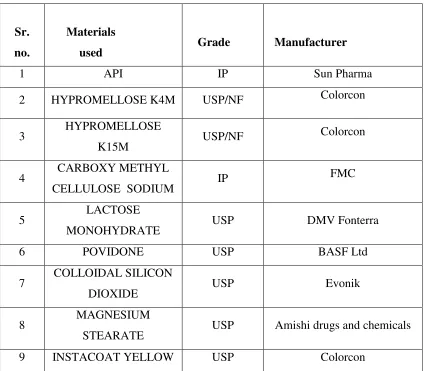
7. MATERIALS AND METHODOLOGY
Sr. no.
Materials
used Grade Manufacturer
1 API IP Sun Pharma
2 HYPROMELLOSE K4M USP/NF Colorcon
3 HYPROMELLOSE
K15M USP/NF
Colorcon
4 CARBOXY METHYL
CELLULOSE SODIUM IP
FMC
5 LACTOSE
MONOHYDRATE USP DMV Fonterra
6 POVIDONE USP BASF Ltd
7 COLLOIDAL SILICON
DIOXIDE USP Evonik
8 MAGNESIUM
STEARATE USP Amishi drugs and chemicals
[image:49.612.95.519.152.523.2]9 INSTACOAT YELLOW USP Colorcon
METHODOLOGY
Padmavathi College of Pharmacy and Research Institute Page 36
Table 2: List of ingredients with their functional category
Sr. no Instrument Manufacturer
1 Analytical Balance Sartorius BT224S
2 Top Loading Balance Sartorius CPA8201
3 Tapped Density Tester Electrolab ETD-1020
4 Vibrator Sifter Gansons engg.pvt.ltd
GMP-LAB Sr no. 236
5 Octagonal blender Ganson engg.pvt.ltd. GMP ,STD
6 TabletCompression machine
16 station
CADMACH, Ahemdhabad.
7 Digital Vernier caliper Mituyutoyo
8 IRMoisture analyser/Balance
(LOD)
Sartorius MA150
9 Tablet hardness tester 8M Dr.Schleuniger pharmatron 8M
10 Friabilator USP Electrolab EF-2
S.NO EXCIPIENTS FUNCTIONAL CATEGORY
1 Drug Active Ingredient
2 HPMC K15M/K4M Matrix forming Polymer
3 Lactose monohydrate Diluent
4 Povidone Binder
5 Colloidal silicon dioxide Glidant
6 Magnesium Stearate Lubricant
METHODOLOGY
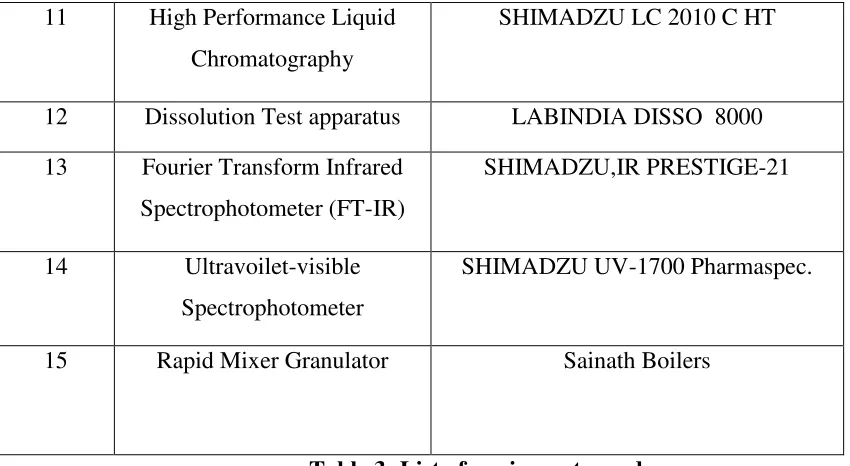
Padmavathi College of Pharmacy and Research Institute Page 37
11 High Performance Liquid
Chromatography
SHIMADZU LC 2010 C HT
12 Dissolution Test apparatus LABINDIA DISSO 8000
13 Fourier Transform Infrared
Spectrophotometer (FT-IR)
SHIMADZU,IR PRESTIGE-21
14 Ultravoilet-visible
Spectrophotometer
SHIMADZU UV-1700 Pharmaspec.
15 Rapid Mixer Granulator Sainath Boilers
Table 3: List of equipments used
DRUG EXCIPIENT COMPATIBILITY STUDY
API and excipients were thoroughly mixed in predetermined ratio as per in the given table and
passed through the sieve No.40. The blend was filled in 10 ml glass vials and closed with gray
rubber stoppers and sealed with aluminum seal and charged in to stress condition at
25ºC/60%RH. Similarly API was also kept at above conditions as like the samples. The samples
were observed for any physical change in 15th and 30th days.
SERIAL NO. COMPOSITION DETAILS RATIO
1 Only API 1
2 API+HPMCK4M Premium 1:1
3 API+HPMCK15M premium 1:0.5
4 API+CMC sodium 1:1
5 API+povidone 1:0.5
6 API+colloidal silicon dioxide 1:0.1
7 API+magnesium stearate 1:0.25
8 API+lactose monohydrate 1:5
[image:51.612.68.493.71.304.2]METHODOLOGY
Padmavathi College of Pharmacy and Research Institute Page 38
FORMULATION DESIGN
INGREDIENTS QUANTITY USED IN THE FORMULATION
(mg per tablet)
F1 F2 F3 F4 F5 F6
API
150 150 150 150 150 150
HPMCK15M - - 50 35 35
HPMCK4M 30 35 37.5 - -
CMC Sodium 15 10 10 - - -
Lactose
monohydrate 81.048 81.049 78.545 76.049 91.5 91.5
Povidone(PVPK30) 5 5 5 5 5 5
Colloidal Silicon
dioxide 1 1 1 1 1 1
HPMCK15M
HPMCK4M
-
15
-
15
-
15
15
-
15
-
15
-
Magnesium
stearate 2.5 2.5 2.5 2.5 2.5 2.5
Pu