Training for impact: Building an
understanding of community development
training and Aboriginal and Torres Strait
Islander community development outcomes
Wontulp Bi-Buya College
2012–2014
Anne Stephens, PhD, BEd(GE), BA Post-Doctoral Senior Researcher
Northern Futures Collaborative Research Network The Cairns Institute
James Cook University
Published by The Cairns Institute, James Cook University, Cairns
Year of Publication: 2014 ISBN 978-0-9941500-0-4
This discussion paper is licenced under a Creative Commons Attribution 3.0 Australia licence. You are free to copy, communicate and adapt this work, so long as you attribute James Cook University [The Cairns Institute] and the author. This report should be cited as: Stephens, A. (2014). Training for impact: Building an understanding of community
development training and Aboriginal and Torres Strait Islander community development outcomes. Cairns: James Cook University.
The views and opinions expressed in this publication are those of the author and do not necessarily reflect those of the Cairns Institute, James Cook University.
November 2014
Personal reflections and acknowledgements by Mr Eddie Turpin
As I'm reflecting back on the Addiction Management and Community Development (AMCD) course delivered by Wontulp-Bi-Buya I'm amazed how the time has flown by while working here. I am into my sixth year of delivering the AMCD course in Cairns and other parts of Australia, and what a journey it has been since the day I started on the 13th July, 2009.
After being an outdoor man working in the mechanical trades, working for Wontulp and delivering the course has been a complete change of lifestyle and mindset, with the scenes and horizons constantly changing and sometimes challenging and testing me to the core. This has helped me become more rounded in personality and people friendly, especially when delivering the courses in class and out on country to different peoples with a variety of backgrounds and cultures from across Australia. I have enjoyed the change and am looking forward to what the future holds for the College and its courses.
Over the last 5 years I have seen a few changes with the course and in the wider social sector, which in turn changed and shaped my life to a great extent. I think the courses we deliver are relevant and empowering to all who sign up to do the course, that through them, it impacts their communities of where they come from. Since 2009, there has been an increase in students and the places they come from.
Some of the highlights of my time here at Wontulp would be, of course, the students’ graduations every year. It is always a joy to participate in these events, and I am proud in knowing that I played a part in changing the direction of their lives. The other highlights would be the travel to different places to promote, recruit and meet the grass roots people, whom the AMCD course is designed for. I also had the privilege of travelling abroad to India and Israel, and was invited by the former Grand Chief of British Columbia, Canada, to speak at one of their pow wow gatherings. Whilst over there I met the Chief Andy and his wife Phyllis Chelsea, of Alkali Lake, who both starred in the movie Honour of All, a DVD that I show students every year. It's a story about Andy and Phyllis tackling the alcohol problems of their reservation and changing their community, which is what the AMCD course teaches.
I would like to acknowledge the many great people who make Wontulp College what it is today. This includes the Board and all staff, past and present including our Principals, David Thomson, Des Rumble and Victor Joseph; teachers Les Baird, Merilyn Clark and Barry Paterson; administration staff, Daniella Crowe, Nola Graham, Davena Munro, Roseanne Naawi, Denise Mackey, and support teachers, Renee Nsengimana, Christine, Melissa Bann and Ann Mohun.
Other important people I want to acknowledge who I consider have played a big part in my life and the success of the course is Prof Komla Tsey, of James Cook University (JCU), Dr Anne Stephens, of JCU, and Barbara Deuchman, of TEAR Australia.
I will continue to work with Wontulp-Bi-Buya because it provides the perfect platform where I have employment, exercise ministry such as evangelism, and enjoy full family life with time for my hobbies and outdoor activities. I will be forever be thankful to Wontulp-Bi-Buya College, and all the people I've mentioned, and all the praise and glory goes to the Lord Jesus Christ, without whom all this would not have been possible.
Eddie Turpin
Table of Contents
List of Tables ... i
List of Figures ... i
List of Boxes ... i
Executive Summary ... 1
Chapter 1. Introduction ... 4
Chapter 2. Methodological framework - A developmental approach ... 8
2.1. Method ... 8
2.1.1. Case studies ... 9
2.1.2. Observational notes ... 9
2.1.3. Interview transcripts ... 9
2.1.4. Enrolment data and survey data ... 10
2.2. Analysis ... 10
2.3. Limitations of the methods ... 10
2.4. Ethical approval ... 11
Chapter 3. Findings ... 12
3. 1. Student motivation to study ... 12
3.1.1. Community issues of concern to students ... 14
3.2. Course delivery: Student satisfaction ... 15
3.2.1. Course materials: Booklets and writing tasks ... 15
3.2.2. Class discussion ... 16
3.2.3. Teacher feedback ... 19
3.3. Course delivery ... 20
3.3.1. Pastoral support ... 20
3.3.2. Pedagogical approach ... 21
3.3.3. Literacy support ... 24
3.3.4. Alternative training settings ... 24
3.4. Retention and course withdrawal ... 26
3.4.1. Prior education... 27
3.4.2. Average age and gender ... 28
3.4.3. Employers and family support ... 34
3.4.4. The impact of a changing cohort ... 34
3.5. AMCD III outcomes: From changing aspirations to personal empowerment ... 35
3.5.2. Literacy and applied skills acquisition ... 37
3.5.3. Course relevance ... 38
3.5.4. Networking and social capital ... 39
3.5.5. Sponsors ... 41
3.5.6. Employment opportunities and leaving community ... 42
3.6. WBBC standing on the national VET stage... 45
3.6.1. Employment ... 45
3.6.2. Further study ... 46
3.6.3. Course satisfaction ... 46
3.6.4. Benefits and relevance of training ... 46
3.6.5. Course withdrawal ... 46
3.7. Concluding comments: WBBC efficiency in the delivery of adult Indigenous VET ... 48
Chapter 4. Sustainability: Stories from past students ... 49
4.1. Introduction ... 49
4.2. Conclusions: Sustainability and lasting impact of community development courses at WBBC 57 Chapter 5. Trainee trainers ... 58
5.1. Orientation ... 58
5.2. Teaching experience ... 58
5.3. Practice sessions in WBBC classrooms ... 59
5.4. Concluding comments: Trainee trainers at WBBC ... 61
Chapter 6. Discussion and recommendation ... 62
6.1. Changing cohorts ... 62
6.2. Sponsors ... 63
6.3. Trainees and WBBC capacity building ... 64
6.4. In-community delivery ... 65
6.5. Governance and enterprise training ... 65
6.6. Alumni networks ... 65
6.7. Professional development for staff ... 66
6.8. Concluding comments ... 66
References ... 68
Appendix 1. Questionnaires 1 - 4 ... 70
Appendix 2. Student satisfaction survey ... 73
List of Tables
Table 1. Terms of Reference ... 7
Table 2. Issue identification ... 14
Table 3. High school education attainment and course completion (n: 120) ... 27
Table 4. Post-secondary qualifications (n: 20) ... 28
Table 5. Completion and withdrawal by age (female n: 86) ... 29
Table 6. Completion and withdrawal by age (male n: 48) ... 29
Table 7. Completion and withdrawal by gender (total n: 141) ... 30
Table 8. Origins of students from around Australia ... 31
Table 9. Futures: Where AMCD III students see themselves following course completion ... 36
Table 10. Completion of COD course of average yearly intake 25 students ... 47
Table 11. Completion of AMCD III course of average yearly intake 47 students ... 47
Table 12. Comments from transcripts of open interview discussions ... 50
List of Figures
Figure 1. Satisfaction with course materials - booklets and writing tasks ... 15Figure 2. Satisfaction with class discussions ... 17
Figure 3. Satisfaction with classroom contribution opportunities ... 18
Figure 4. Satisfaction with teacher feedback ... 20
Figure 5. Course completion and prior educational attainment ... 28
Figure 6. Female completion and withdrawal by age ... 29
Figure 7. Male completion and withdrawal by age ... 30
Figure 8. Origins of students from around Australia ... 32
Figure 9. Enrolment and completion by region ... 33
Figure 10. Relevance of course work - assignments ... 39
List of Boxes
Box 1. Researcher observation of WBBC teaching ... 22Box 2. Case Study 1 ... 26
Box 3. Case Study 2 - J's story ... 43
Box 4. Case Study 3 - P's story ... 44
Box 5. Case Study 4 - Community Garden St Pauls ... 53
Box 6. Case Study 5 - Poruma (Coconut Island) Dance Troupe ... 54
Box 7. Case Study 6 - Aunty Betty, Mossman ... 55
Box 8. Case Study 7 - Aunty Isabel, St Paul’s... 56
Box 9. Researcher observation of classroom teaching by trainee trainer ... 60
Executive Summary
This report is the second evaluation of Wontulp Bi-Buya College (WBBC) commissioned by TEAR Australia to investigate the effectiveness of the Certificate III in Addiction Management and Community Development (AMCD III) training offered to Aboriginal and Torres Strait Islander Australians. The report covers the period 2012–August 2014.
TEAR’s assistance of WBBC continues to be used to great effect. WBBC has developed a responsive and relevant course for training and applied learning of Indigenous community leaders drawn from community sectors including health, education, culture and arts, church and community employment. The demand for the College's services exceeds expectations. Since completing the 2011 report, How are we doing? (Stephens & Tsey, 2011) the researcher and primary author of this report, Dr Anne Stephens, has remained continuously engaged in data collection and analysis. This second report builds upon the findings of the 2011 report, generating deeper longitudinal empirical evidence of WBBC’s outcomes. With the data generated for the 2011 report, researchers published a theoretical perspective to account for the link between community development training and community development practice in the context of the North Queensland Australian Aboriginal and Torres Strait Islander communities in 2012. We found this area to be an under-theorised knowledge gap, and by drawing on the data collated in the TEAR evaluation report, the authors established an emerging framework for understanding the complex nature of community development training and models of successful implementation. The authors attributed the impact the training is having to three key aspects of the WBBC training model. That is:
1. The role of empowerment as a modelled strategy,
2. The pedagogical approach of training delivered at the College, and 3. The importance of social capital ties.
With this background, the objectives of the present evaluation project were refined. The Terms of Reference used to structure the 2011 report remain key categorical organisers of the data collected. However, new evidence was captured concerning the following domains:
1. Evidence of personal empowerment and healing from trauma as a consequence of doing the Certificate III in Addiction Management and Community Development (AMCD III),
2. The strategies and actions individuals took to initiate community development and healing projects within their communities, and
3. The effectiveness of trainee training to build the teaching capacity of the College.
The methods used to collect data remain unchanged from the first project evaluation period. Face-to-face interviews (one on one or small group), written questionnaires, a generic survey and classroom observation and community visitations, were the most effective way to gather data and observe the progress of students throughout their study blocks. However, a key difference between the data collection methods between this research period and the previous report is ongoing researcher engagement with the classes over a three-year period. This has led to familiarity with the classes and a comfortable rapport between students and the researcher that has led to a notable new level of disclosure in students’ responses to questions. However, this does not ameliorate some limitations of the method, principally, skewed or misleading statements by students who aim to please or reinforce a positive viewpoint, reticence of some students to talk to a non-Indigenous woman, and difficulty in interviewing students who may have withdrawn from the course due in unfavourable circumstances. Where this has occurred, a perspective of the college staff (trainers, administrators or support personnel) has been sought.
Key learnings and recommendations from this study are listed below.
• Changes in the student profile can be expected over the next phase of growth of the College, as its reputation, scope and appeal widen to capture a more diverse cohort of students interested in studying at WBBC. Contingency and risk mitigation plans need to be prepared, particularly in the first half of the residential teaching blocks where several issues intersect for students that may make respectful engagement with staff and fellow students difficult. These may include casually employed or volunteer support staff for personal counselling and support, as well as literacy and learning support. At present a heavy burden falls upon current administration and teaching staff.
• Literacy support is very highly regarded and in high demand. However, the College may need to consider providing a second, male, literacy support person and that this person also provide disability support for students with physical impairments. In all teaching blocks a balance of male/female teaching staff should be present.
• Teaching and learning might be enhanced if staff had access to Alcohol and Other Drugs (AOD) props and visual aids. Hands-on educational resources enable trainers to cater across learning styles. Networking with local health and AOD agencies and other service providers will expand the range of teaching resources, including guest speakers, available to the College.
• Sponsorship continues to be a major influence in student success and strategies to foster strong sponsorship needs to be a top priority of the College. Several recommendations concerning sponsorship are made to engage with and educate their community of sponsors.
• The findings of this report demonstrate that students regard the course offerings as relevant to them and their communities, and that the demand to study at WBBC is increasing. Therefore, the need to continue to invest in the future capacity of the College is paramount. The recruitment of four trainee teachers to the College in 2013/2014 has been very successful. A requirement completed their Certificate in Training and Assessment IV prior to undertaking unsupervised trainee-training would improve the skills development and confidence of trainees.
• The College is also commended for its trials of community training ‘hubs’ which fosters stronger relationships with the communities in which they serve. A range of recognised logistical issues have been identified by the College, but, with time, experience and adequate resourcing, these can be overcome. It is believed that the benefits of having a strong community presence outweigh risks to student engagement and retention.
• Opportunities to expand course offerings into business, social enterprise and governance training, would provide students with broader employment and further education pathways.
• WBBC graduates were maintaining active networks with other students they had met during their course. Efforts to strengthen the student alumni through complementary strategies to the WBBC Facebook page, are likely to be well received.
It was noted in the concluding comments of the 2011 report that the connection between education and development has been understood for many decades with education being the largest single factor associated with improving employment outcomes for Indigenous Australians, reducing anti-social behaviours, reducing poverty and stress and improving long-term health (Hunter, 1997; Malin, 2002). With the support of TEAR Australia, WBBC’s work is a testament to these factors, contributing to the long-term positive impacts on students’ personal health, development and incremental wellbeing gains in their communities.
This report is structured in the following way. Chapter 1 is an introductory chapter to establish the background and investigation questions of this report. Chapter two provides an overview of the methodological approach and methods developed to capture empirical evidence and chapter 3 presents the findings organised around key themes: student motivation to study; course delivery; and student outcomes in terms of national Vocational Education and Training (VET) outcomes research. Chapter 4 considers the sustainability and long term impact of TEAR’s funding of WBBC with several projects revisited from the 2011 report. Chapter 5 considers the trainee trainers, and the report concludes with a discussion and set of recommendations geared to strengthen the delivery of training and its outcomes for adult learners.
Chapter 1. Introduction
Wontulp Bi-Buya College (WBBC) has been providing adult education to Indigenous students from across Australia since 1983. From theological courses the College diversified into community development and management themed courses with the following offerings throughout 2012 – 2014:
• The Certificate III in Addictions Management and Community Development (AMCD III) (which evolved from its predecessor the Cert III in Community Organisation and Development (COD III)),
• Certificate IV in Alcohol and Other Addictions Counselling (AOAC IV) (although not offered in 2015), and
• Certificate IV in Indigenous Mental Health (Suicide Prevention).
This report will focus on the outcomes of the AMCD III since 2012 with some enquiry into long-term outcomes of TEAR funded training with visitations and interviews with former COD III graduates.
Since 2012, WBBC has had approximately 140 enrolments in the AMCD III. The course is taught over a one year period with four, two-week training blocks delivered in Cairns or a remote community. Students are provided with workbooks to complement the residential learning experience for the completion of modules containing core course content. These are completed by students in their home communities between residential training.
The course has been adapted to cover a range of issues identified by course participants and trainers as relevant to the specific needs of Australian Indigenous people. The course is both culturally aware and delivered with cultural competence. It offers students opportunities to explore alcohol and drug abuse, community violence, leadership, suicide and mental health, loss of culture and spirit, positive leadership, and the skills and knowledge base within communities, in a safe and supportive environment. Students are given strategies and support to develop and implement projects that respond to community needs.
In 2011 TEAR Australia commissioned researchers Dr Anne Stephens and Prof Komla Tsey to evaluate the community organisation and development course delivery and outcomes from 2008–2010. The authors concluded that WBBC’s delivery of training was having a powerful and empowering impact on community development in the communities where WBBC graduates were strongly represented. Participants reported that studying COD III had a profound and often life-changing effect as a means towards gaining personal empowerment.
The outcomes of student learning were evaluated against the Council of Australian Governments (COAG) Close the Gap (CTG) policy targets. Factors of importance to the
suitability and potential success of Indigenous community development projects correlated strongly with both the course training, and effective understanding and delivery of training to students leading to projects that may have had the potential to lay foundations for long lasting social change. The reference for this article is:
Stephens, A., Baird, L., Turpin, E., & Tsey, K., (2012). Assessing the impact of Indigenous community development training: The case of Wontulp Bi-Buya College. Journal of Australian Indigenous Issues,15(3).
Triggered by an interest to further explore the reasons for WBBC success, the researchers began to theorise how WBBC’s courses have had an impact on community development practice. Published in the high ranking journal Community Development, Stephens, Baird and Tsey (2013) reported that the success of the WBBC approach could be attributed to three aspects of the education and training approach taken by the College trainers. Three elements of the training were found to be vital; the role of personal empowerment to stimulate an outward looking approach to civic engagement with community, a heuristic and holistic pedagogical approach taken by trainers, and the role of interpersonal connections through the building and strengthening of social capital ties. The reference for the second article is:
Stephens, A., Baird, L., & Tsey, K. (2012). Australian Indigenous community development: making the link between community development training and community development practice. Community Development,44(3), 277-291.
Empowerment
Empowerment strategies applied in Indigenous Australian settings increase people’s abilities to manage disease, adopt healthier lifestyles, use health services more effectively, and exert control over the factors that shape their health and wellbeing (Tsey et al., 2010). Empowerment is also an explicitly stated goal of WBBC (Wontulp-Bi-Buya College, 2013). It is the goal of WBBC to produce graduates who possess the characteristics of the empowered person—leadership, empathy and the capacity to work with others towards common goals. In practice, WBBC students may gain a greater sense of control and mastery over their lives and chose to participate purposefully in the life of their community for social change.
Pedagogical approach
Four principles of adult education were found to be modelled by trainers at WBBC. These principles are:
1. Self-direction, 2. Life-long learning,
3. Responsibility and control by the learner, and 4. Planned versus incidental learning.
When applied, the principles place WBBC trainers within the context of the course as learners, rather than teachers or outsiders. The courses were also found to foster collaboration and social learning opportunities. Learning activities require students to talk about themselves, conduct interviews with others, read widely, and report their findings within a safe and supportive class setting. The collective social awareness process develops an individual’s sense of responsibility for enacting change, which is role-modelled through the personal stories and experiences of trainers, Reverend Leslie Baird and Edward Turpin. Their open disclosures were found to promote trusting and respectful relationships and exchange new attitudes and values.
Social capital
Social capital refers to personal, familial and professional networks of individuals and communities and it can be of immense value in helping to build and utilise a network of cooperative relationships between individuals or groups (Dale & Newman, 2010). The benefit of strengthening social capital was found to be two-fold. The building of participants’ social capital ties, both within their communities and to a broader social network of people, could be harnessed to source funding, gain exposure and extend influence. Furthermore, personally belonging to a network was likely to enhance the experience of empowerment felt by individuals and communities. Strengthened social capital established through the training provided:
1. The generation of a critical mass of graduates in communities, 2. Broader community engagement with a student's project, 3. Networking opportunities, and
4. Ties to funding and social development agencies.
The publication concluded with a call for a closer examination of these approaches to community development practice. The opportunities provided by TEAR Australia, through ongoing funding of research activity between 2011–2014, contributes to this effort.
This second evaluation report, Training for Impact: Building an understanding of community development training and Aboriginal and Torres Strait Islander community development outcomes, commissioned by TEAR Australia, documents continuous monitoring and evaluation of the training and learning outcomes of the AMCD III, long-term outcomes of the COD III and occasional reference to the AOAC IV, due to the high number of students progressing their studies. The findings and recommendations of the report will continue to inform course planning and programme design over the next three year funding cycle.
The primary objectives of the evaluation have been to:
• Encourage reflection and analysis of WBBC’s progress toward the stated goal; to train people to lead in community development in their communities,
• Inform TEAR Australia about the outcomes of the course during 2012-2014 to enable its accountability to donors and for satisfaction of TEAR Board requirements,
• Collect supporting evidence to reinforce or dispel the legitimacy and validity of the emerging framework established by Stephens and Tsey (2012), and
• Evaluate the effectiveness of the trainee’s training to build the teaching capacity of the College.
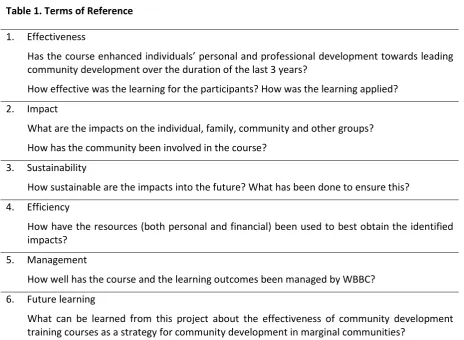
[image:13.595.66.531.316.656.2]A set of Terms of Reference (TORs) that were developed for the 2011 report, form discussion points throughout the report. These are listed below in Table 1.
Table 1. Terms of Reference
1. Effectiveness
Has the course enhanced individuals’ personal and professional development towards leading community development over the duration of the last 3 years?
How effective was the learning for the participants? How was the learning applied? 2. Impact
What are the impacts on the individual, family, community and other groups? How has the community been involved in the course?
3. Sustainability
How sustainable are the impacts into the future? What has been done to ensure this? 4. Efficiency
How have the resources (both personal and financial) been used to best obtain the identified impacts?
5. Management
How well has the course and the learning outcomes been managed by WBBC? 6. Future learning
What can be learned from this project about the effectiveness of community development training courses as a strategy for community development in marginal communities?
Chapter 2. Methodological framework - A developmental approach
The developmental approach to research and evaluation has again been employed to provide a rich picture of the layers of effectiveness, impact and longevity of the training at WBBC. Research participants include students, trainers, trainee trainers, sponsors, auxiliary staff and College administrators. The perspective of ‘local’ and ‘insider’ knowledge was sought. The research plan, implementation, reflection and evaluation is undertaken as a process, or learning journey (Eversole, 2003; Wallerstein & Duran, 2006), with high levels of involvement from key participant/stakeholders of the study in particular the trainers Rev. Leslie Baird and Edward Turpin performed key roles as gatekeepers and co-contributors to the interpretation of data analysis. In this way, the methodological framework resembles an Action Research design, where teacher-researchers are legitimate participant/s of the research process (Kennedy-Lewis, 2012). Action Research is distinctive for its four stages of planning, acting, observing and reflecting (Dick, 2006) and this evaluation is an example of these processes. The research is grounded in the experience of its participants, is action-oriented, and has had some bearing on the establishment of a learning community and culture focused on continual improvement in response to, and reflection upon, the feedback of participants (Balatti, Gargan, Goldman, Wood, & Woodlock, 2004).
One key difference to the data collection methods used for the preparation of this report from the previous report is the continuous observation and data collection over a three and a half year period (effectively throughout 2011 to August 2014). Interviews and survey data collected for the 2011 report were late stage and one-off collections. With TEAR funding commitments to ongoing evaluation, a research presence has been maintained amongst student cohorts with data captured in surveys and interviews throughout 2012, 2013 and 2014. The researcher has observed staff course delivery over many hours across geographical locations, and interviewed students at the commencement, during, and on completion of their certificate. Familiarity and understanding about the purposes of evaluation research has been embedded amongst cohorts, so too trust, as the depth of personal disclosure by some participants to the researcher on several occasions exceeded those normally given to a stranger.
2.1. Method
The methods of collection of material for this study included:
• Desktop review of the literature and Wontulp-Bi-Buya College documents including interim and annual TEAR reports.
• Interviews with current trainers, other relevant staff/stakeholders conducted over 3 years,
• Five focus groups and individual semi-structured, face-to-face or telephone interviews were conducted with 95 students including present, discontinued and graduates of WBBC,
• 4 discreet instruments were developed to correspond to each teaching block (Questionnaires 1–4, see Appendix 1),
• A casual Likert rating scale instrument was developed to gauge levels of satisfaction with various aspects of the course delivery but is not correlated to age, gender etc. 36 respondents at various stages throughout the course responded to the survey (See Appendix 2),
• Interviews with College trainee trainers (see Appendix 3), and • Researcher observation and participation.
Between 2012–2014, the evaluator has undertaken an estimated 20 hours of classroom observation, 8 days of community visits to interview students, and up to 50 hours of interview and focus group discussions with students.
2.1.1. Case studies
Case studies and vignettes are provided to demonstrate particular features of the course delivery or its effectiveness. These include case studies of student’s successful outcomes, experience with alternative training institutions and long-term project outcomes from the previous reporting period. Case studies feature throughout the body of this report.
2.1.2. Observational notes
Observational notes are reproduced from the researcher's field notes. They provide examples of class instruction and are used where appropriate to qualify student or staff interview data.
2.1.3. Interview transcripts
As mentioned above, interviews were conducted over three years to gauge student’s experience at different periods of their study: at entry, mid-way and near completion. Interviews were conducted in an informal yarning manner to maximise the student’s comfort with the researcher and minimise forced responses. On some occasions a student would bring another student to the interview for support. For small cohorts, the interview was conducted as a focus group discussion. The questionnaires guided discussion but did not restrict students from sharing the thoughts that came to mind at the time of the interview. Trainers were not present during interviews and all students' participation was voluntary.
2.1.4. Enrolment data and survey data
An audit of all AMCD III enrolments was undertaken to garner a profile of AMCD students. Median age, educational attainment, gender, place of origin and motivation to study are reported in Chapter 3, Findings.
The introduction of a Likert rating scale instrument was used as another means by which students could express their views of aspects of the course. The tool is limited by the selection of responses possible, but as a yarning tool, this provided the opportunity for the researcher to gauge more deeply what the student was thinking/feeling or experiencing according to the stimuli presented on the survey. The results of the survey are presented in basic graph charts and discussed in the context of the interviews conducted (Chapter 3).
2.2. Analysis
The analytical techniques between the 2011 report and now remain unchanged. Two qualitative techniques, impression analysis and phenomenology, are used. Impression analysis involves observer commentary and observation of the key issues, examined through multiple data set analysis. Phenomenology is the interpretation and evaluation of these findings which has been presented in this report.
The findings together with the relevant literature supporting the key issues contribute to the key recommendations. A draft of this report and key recommendations were presented to the College Principle, Course Coordinators, administration personnel and a representative of TEAR Australia, for comment and the emergent themes were reviewed and incorporated into the current report.
2.3. Limitations of the methods
The methods employed cannot ameliorate for all bias in researcher perception or student responses. The researcher declares an active interest in preserving and enhancing WBBC and as such has been mindful of the constant need to think critically of the College organisation, its course mode of delivery and effectiveness of its outcomes. As an action research project, there have been multiple opportunities for the researcher to reflect upon the issues that have emerged with stakeholders (this includes academic education specialist peers as well as WBBC stakeholders).
There is also the potential for students to answer questions in such a way that conceal criticisms or negative opinions of WBBC, its staff or fellow students. The researcher has attempted to avoid leading interviewees by making suggestive statements or clarifying the question unless asked to do so. Active listening, watching attentively to body language cues and often long periods of silence between asking a question and hearing a response, were strategies used to help interviewees feel comfortable in saying what they wish to say, rather than what they may think they should say. All interviewees gave their informed consent to
be interviewed and an assurance of that their responses would remain anonymous and de-identified to avoid personal harm, was given on every occasion. Furthermore, all interviews were conducted with the primary researcher, in a private location away from other students or staff.
2.4. Ethical approval
This study obtained ethical approval with JCU’s Human Research Ethics Committee, no. H5025 and is compliant with the National Health and Medical Research Council’s “National Statement on Ethical Conduct in Human Research” (2007).
Chapter 3. Findings
This chapter reports on the findings of three years of student interviews, surveys, and observation of WBBC course delivery of the AMCD III. The chapter is organised into three parts:
• Student motivation to study,
• Course delivery: student satisfaction, pastoral support and pedagogy, and
• Outcomes: aspirational changes of students throughout their learning, skills development, course relevance and the findings of post-graduate interviews.
In the discussions to follow, two of the TORs will be addressed:
• Effectiveness: Has the course enhanced individuals’ personal and professional development towards leading community development over the duration of the last 3 years? and,
• Impact: What are the impacts on the individual, family, community and other groups? How has the community been involved in the course?
The discussions will also draw on aspects of the theoretical framework described in Chapter 1, (Stephens et al., 2012), as a further lens to evaluate the effectiveness and impact of the training at WBBC. The three elements of the training to be considered are:
• The role of personal empowerment to stimulate an outward looking approach to civic engagement with community,
• The pedagogical approach taken by trainers, and
• The role of interpersonal connections and social capital ties.
The relevant and latest literature from the community development, adult education and Australian Aboriginal and/or Torres Strait Islander socio-political may be drawn into the discussions in order to substantiate or critique findings.
3. 1. Student motivation to study
The motivation of students to study the AMCD III and the community issues that concern them coming into the course was derived from interviews conducted during the first period of the course in teaching Blocks 1 and 2.
There were two levels of motivation to study. The first is personal motivation—a drive for personal achievement and/or to secure further employment/training. The second is driven by altruistic motivations to serve one’s community or country.
The researcher asked each student in Block 1 of their studies to reveal their motivation for enrolling in the WBBC AMCD III certificate course. It was recommended to many through family and community networks, but when asked further the following list of personal motivators were identified:
• Building of self-confidence and overcoming barriers to participation in learning Make me feel important for once. I was the dumb man. I can’t read/write. I’m useless. I’d say this to myself. Now I’m telling myself I can do it. And I’m actually doing it. I never went to Grade 8. I’m feeling I can do it. I believe in myself. (Int 2, 12 Aug 2014)
• Returning to study
What WBBC did for me was got me into study again. I used to work for DEET. WBBC got me mixing with other communities. I made friends. We shared culture and stories. Talked about family. This encouraged me to work and study, including doing the 2 week blocks. (Int 2, 19 Aug 2014)
• Meeting other Aboriginal and Torres Strait Islanders from other communities for friendship and cross fertilisation of ideas
• To obtain employment, promotion or go on to further training
I went to ATODs to ask for a job. I talked about my story. I want to help people. Hope to be working with them next year with this qualification. (Int 1, 12 Aug 2014)
My goal is to be a Chaplain at the Hospital. This is how I will help my people. Counsel them in language when they are dying. (Int 1, 14 Aug 2014)
University – I want to walk back in with a degree. I can do it. I’m sick of getting knock backs. (Int 1, 5 Mar 2014)
• Reunite family (return children taken into foster care) • Maintain sobriety and abstinence from AOD misuse
For some individuals, studying was a means to self-development and recovery from traumatic events.
It is helping me overcome some issues in life. I lost my first child at 7 months of pregnancy. I was grieving and my partner wasn’t helpful. He blamed me. I was stressed out. The course helped me to not feel alone...I’m more confident. (Int 4, 12 Aug 2014)
Altruistic motivators included:
• A desire to contribute to one’s community in a meaningful way, and
• To encourage and continue community public health campaigns concerning alcohol and drug misuse
I’m concerned about my grand kids. I worry about my people. I want them to be healthy. (Int 1, 12 Aug 2014)
The problems related to AOD and substance abuse is wide-spread, therefore, is a great need for people with the skills ability to help community families. (Int 8, 23 Oct 2013)
This is what I needed. I got no help from others. Others just put the kids down cause they break in and cause trouble... I can go back better equipped to help and encourage them. Not only youth but Elders too. (Int 5, 5 Mar 2014)
3.1.1. Community issues of concern to students
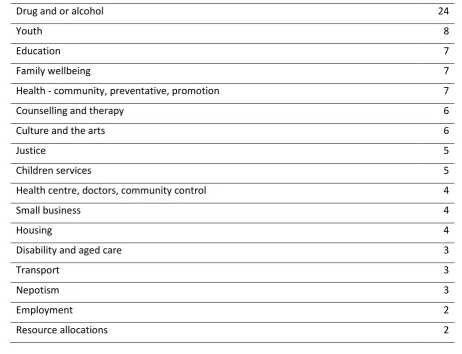
[image:20.595.56.519.416.770.2]At the commencement of training students were asked to identify issues that affect their communities. As the AMCD course has a focus on Alcohol and Other Drugs (AOD) it is unsurprising that addiction and alcohol dependency, misuse or the need for treatment services was prevalent across the cohorts interviewed in Block 1 or 2. However there were 20 other issues named by students. Concern for youth was high, as was the need for education in the community for adults, family wellbeing and community health promotion and programmes. Students came to the course with a recognition that counselling and support services are needed in their communities, and many were keen to see a revival of art, culture and family/community values. Other issues of concern were community justice, which included a desire to deter people from jail, children’s services and community controlled health, small business enterprise, employment, less nepotism and services for the aged and people living with disabilities.
Table 2. Issue identification
Drug and or alcohol 24
Youth 8
Education 7
Family wellbeing 7
Health - community, preventative, promotion 7
Counselling and therapy 6
Culture and the arts 6
Justice 5
Children services 5
Health centre, doctors, community control 4
Small business 4
Housing 4
Disability and aged care 3
Transport 3
Nepotism 3
Employment 2
Resource allocations 2
Sport and recreation 2
Native title 1
Homelessness 1
Lack of role model and leaders 1
3.2. Course delivery: Student satisfaction
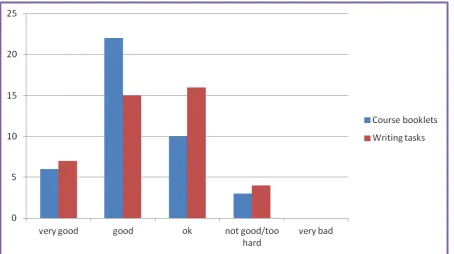
Course satisfaction amongst interviewed participants was high. 36 students completed the survey concerning course satisfaction, the results are in Figures 1–4 below. The interview transcripts and survey outcomes revealed two important themes: course relevance to their lives as employees, Elders or community workers; and satisfaction with the pedagogical and culturally acceptable approach taken by WBBC trainers. A limitation of this study was that identifying and interviewing students who may have not been satisfied with the training course was not possible. Some indication of the causes of course withdrawal are provided by College staff (see Section 3.3 below).
3.2.1. Course materials: Booklets and writing tasks
[image:21.595.73.528.453.707.2]Students were invited to rate the course booklets and the writing tasks contained within. Most students were satisfied with the course booklets and writing tasks. A small number of students were not satisfied, finding the course materials highly repetitive, too hard and in one instance, too easy.
Figure 1. Satisfaction with course materials - booklets and writing tasks
Several students commented on the repetitiveness of the writing tasks. They felt that the questions failed to extend their thinking further, asking them to repeat answers from previous sections/workbooks.
Language of the booklets – I can’t understand the questions. (Focus Group, 6 Sept 13) Repetitious - Fill in the same answer in 3 different books. (Focus Group, 6 Sept 13) The materials of the course needs updating and the teachers need to have a better preparation before the course starts. (Int 8, 9 Sept 2013)
Only one student interviewed could not respond to the survey as he was found the course workbooks and writing tasks too easy.
The pace was a bit too slow. I had to help others. Maybe the class could be streamed? The workbooks need review. Lots of repetition. Include something more challenging for the higher achieving students. It is fine for people who don’t have a good education. (Int 1, 20 August 2014)
Whilst others were challenged...
It’s getting easier. (Int 2, 12 Aug 2014)
It is very interesting and very challenging. (Int 2, 9 Sept 2013)
Enjoyed it? Very much. Even though I had to do a bit of catching up. I used to like doing it. All other students were ahead of me. My eyesight [vision impairment] is very poor. But I still trudge along. I’d catch up at night at the College [in Cairns]. I very very (sic) liked it. Never complained to my teachers or principal. I’d just do it. I aimed to do it. To get it right. Get it completely done. (Int 2, 12 Aug 2014)
However, more typical comments on the course reflected that students felt that the course materials and pace was adequate for their needs and catered to the variety of abilities of the cohort. Students may continue to experience difficulties with the course, but due to the subject matter and/or personal issues arising and the requirements of personal investment. The course coordinators and trainers are acute to students experiencing difficulties. Literacy concerns with the course materials are managed with the support of the literacy support officer, and personal or motivational issues are managed with student pastoral care from the College administration team, Principal and coordinators. An important mantra of the College is that ‘no man or woman is left behind’ (Baird, 2014), and this mantra is adopted by all staff at the College.
3.2.2. Class discussion
Consistent with the reported learning styles of Aboriginal and Torres Strait Islander Australians, students valued class discussion and a ‘two-way’ approach, a learner-centred approach to teaching and learning where a respect for the knowledge and culture that participants bring to the classroom and that learning occurs actively from this platform (Hooley, 2002).
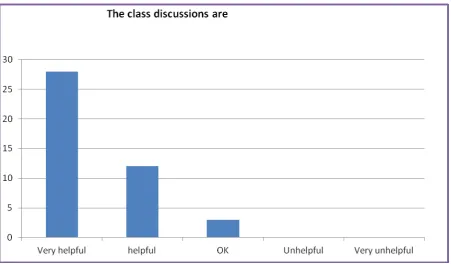
We put all of our experiences on the table and... teachers become the students. I learnt that there at WBBC. It’s the Indigenous approach to teaching things. (Trainee 1, 12 Aug 2014) As the survey results below show (Figure 2), students rated the class discussions as very helpful.
Figure 2. Satisfaction with class discussions
The discussions were highly valued because they provided an opportunity to clarify ideas, consider issues from multiple viewpoints, including Western and Indigenous, check for meanings of the language being presented (most students had a dictionary beside them throughout the residential block) to demystify the ‘secret English’ (Durnan, Beetson, & Boughton, 2013), and share personal stories at these points in time, in a dialogical approach that served to share experience, break down the isolation of singular experience and encourage collective problem solving. Several comments affirmed this approach:
The teaching is good – the way they teach. Boys need help like this. (Int 5, 5 Mar 2013)
Yeah – pretty good. I got a clear understanding of the AOD issues in Aboriginal communities. [The teachers are] very good at explaining things.(Int 2, 20 Aug 2014)
We learn off each other mostly. New terminologies, names and characteristics. (Focus Group, 9 Sept 2013)
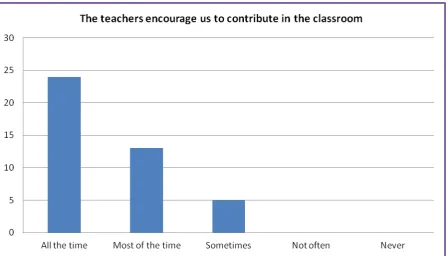
they chose, and that they were actively encouraged to speak by the trainers (Figure 3 below).
[image:24.595.76.525.139.395.2]I feel listened to by the class.(Int 5, 12 Aug 2014)
Figure 3. Satisfaction with classroom contribution opportunities
The heuristic, two-way approach is a deliberate teaching strategy but is open to failure if a trusting and respectful classroom culture is not established (Hooley, 2002). Rev. Les Baird and Eddie Turpin both encouraged student discussion, to question, share, criticise and affirm others. The strategy was intended also to help people overcome shyness, reservation and reluctance to speak, which they see as a skill-development objective of the course. “Public speaking, sharing an informed opinion and challenging others appropriately within a public forum is a needed skill-set of our people” (Baird, 2014). A strongly held view by one student was that more work should be done by the College in terms of public speaking and presentation of ideas.
Interviewer:Do you think the course is teaching you new skills which will be helpful to you after the course? Can you give any examples?
Student:Not really – it’s just teaching us from the book, gaining intellectual knowledge. We have to learn to interact, learn to stand out the front without being embarrassed. We have to have the confidence to speak at meetings. We have to have the confidence to counsel and address issues. And I believe that these needs are not being met. (Int 9, 9 Sept 2013)
Albeit the view of this participant, WBBC recognise that the enrolled students arrive with various traumatic and painful life experiences, educational levels and little experience in working in group settings. Therefore, some students need a little encouragement to join in,
enjoying and appreciating the opportunity to discuss the subject material during classroom time. As one Torres Strait woman stated, “We’re not reading people – we don’t sit down and read things” (Focus Group, 6 Sept 2013).
But it is much harder for others. One woman described being confronted by the demands of the course to speak in public and of having to ‘break down barriers’ to participate in class. This student attributed overcoming her fear to her spiritual faith and stated that:
...but by block 2 I heard a voice and sat up the front. That was breaking down the barriers for me because it was putting me in front of the class. And then I started talking more… (Int 2, 12 Aug 2014)
Other people may have continued to be paralysed by the fear of speaking in front of a group. A very strong sense of shame experienced by many Indigenous people makes it harder for them to speak about damage, loss and personal suffering. Also observed by Durnan et al, (2013) they state that this may be due to people’s internalisation of responsibility and guilt for what may have happened in the past. It is a sensitivity that is well understood by the trainers who exercise professional judgment before pushing individuals beyond their ability to cope, coupled with one-on-one counselling, and if invited, prayer. With gentle and careful coercion, one woman described her gratitude to the course and trainers for taking “all my shame out of my physical body” (Int 4, 5 Mar 2014).
3.2.3. Teacher feedback
It is also useful to reflect on the students’ high regard for the teachers. In the previous report it was noted that “during the community visits, the evaluator/author observed joyous reunions of students meeting with Father Les and/or Eddie Turpin. Communities regard the [College trainers] in very high regard in every community visited” (Stephens & Tsey, 2011, p. 16). This observation has not lessened in recent class observation and interviews. High levels of affection and respect for the College trainers remain long after the training event.
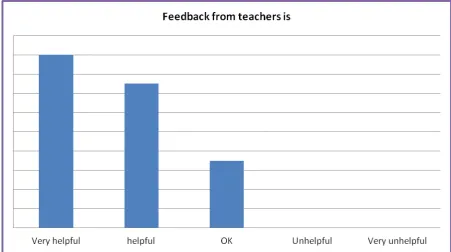
Figure 4 below reports the survey’s ratings concerning the helpfulness of trainer feedback to students throughout the course. The survey did not ask students to differentiate between course coordinators and it does not reflect on trainee teachers or auxiliary support staff. Figure 4 shows that the majority of students rated feedback as helpful and very helpful. This is consistent with the interview discussions had with past and present students.
Figure 4. Satisfaction with teacher feedback
3.3. Course delivery 3.3.1. Pastoral support
Other factors that may contribute to the high level of regard students have for the trainers may include the attention the trainers give to each individual student’s personal issues that often arise during the residential course. Prior to residential blocks, a risk management strategy is made to provide additional counselling and support personnel in place (Joseph, Baird, Turpin, & Munro, 2014). Students made regular comments regarding the role of trainers, the College Principal or support staff in providing much needed one-on-one support during difficult times. Support is also fostered by students themselves supporting other students.
Students supported each other – share ideas. (Int 2, 13 Aug 2014)
Strong peer-to-peer. We relate personal experiences. Counsel others... with joy, healing and happiness. (Int 1, Mar 5 2014)
Yes. I reach out and we all support each other. Aunty J is sharing. We have an issue in common... Partner abuse. I didn’t leave him. So I had to deal with him... Now I see [family/friends] going through similar stuff and they come to me.(Int 14, 12 Aug 2014) Students really supported me all the time now my eyesight is really bad. (Int 1, 14 Aug 2014)
Some people get stressed out by the travel away from home. Women are away from their kids/spouse. This is true for men too. Being away for 2 weeks is hard on them. They get irritable and issues come up. But WBBC deal with them as they arise. Some of those issues might be medical. But they’ll go to Wuchopperen or whatever. (Int 1, 15 Aug, 2014)
3.3.2. Pedagogical approach
The nexus between personal learning and community development practice is attributable to pedagogical practice (Durnan et al., 2013; Ramirez, 1990). Therefore, the pedagogical approach observed at WBBC is a crucial aspect of WBBC’s impact – both on students and trainee teachers (see Chapter 4 for a discussion on trainees). Four principles of adult education have been observed in the pedagogical approach taken by WBBC trainers (see Stephens et al., 2012). These principles are:
1. Self-direction, 2. Life-long learning,
3. Responsibility and control by the learner, and 4. Planned versus incidental learning.
Important implications for learning were found when analysing these principles at play. Firstly, the principles place WBBC trainers within the context of the course as learners, as opposed to ‘the teacher’ an assumed role that places the trainers outside the learning experience of the students. The trainers participate in a two-way learning process as mentioned in (Section 3.2.2. above).
It is also important to note, however, that the College’s responsibilities to its learners to protect the safety of students and set the context of the community of learning is not compromised by a less authoritative positioning of the trainer (see Section 3.3.4. regarding changing cohorts). On the contrary, trainers are afforded higher levels of respect for not assuming a hierarchical position ‘over’ the students that is widely appreciated and differentiates the College from other training organisations.
Personal stories and experiences of the trainers’ role modelled the processes and desirable outcomes of community development. Importantly, as they act as role models for others, they also draw on the skills and capacity of others in the class, acknowledging the age, talents, experiences and cultural importance of the men and women in the room.
The course teachers have the relevant experiences. (Focus Group, 9 Sept 2013)
[The teacher] recognises the skills of people in the room and uses those skills. (Int 1, 15 Aug 2014)
The collective social awareness processes helped to develop the students' sense of responsibility for enacting change. Again, their open disclosures reinforce trusting and respectful relationships and sharing of attitudes and values.
The following student has a university education, but made the following comments about her observations of the teaching and learning process at WBBC.
Interviewer:Can you describe the way the course is taught?
Student: In a culturally appropriate manner – down to earth, but which brings easy learning, teaching, understanding. Due to the fact that not all are on the same comprehension level, the style of teaching brings a commonality to the group’s diversity. It is how a person, individual from a grass roots perspective would easily comprehend, learn and understand. (Int 9, 9 Sept 13)
Box 1 below contains the observational field notes written by the researcher, reproduced to provide further insight into the strategies, skills and approach taken by WBBC trainers. In the example below, the topic was personal and community violence, determined by the class’s place in the module they were completing at the time. A discussion about violence ensued. What is apparent in the observational notes reproduced below is the trainer’s ability to carry a difficult set of topics with compassion, honesty and with an absence of shame.
Box 1. Researcher observation of WBBC teaching
Researcher’s observational notes
Setting: Remote DOGGIT community, Cape York October 2013
Class theme:
Exploring violence - Domestic/family violence and community violence Method:
Trainer introduced topic and scoped students’ familiarity with the concept of violence. Brainstorm/group discussion on whiteboard of types/expressions of violence, symptoms and impacts
Discussion of forms of abuse: sexual, emotional, physical, social, racial etc
Trainer probed participants and generated deeper discussion of sensitive issues. Clear personal association and connections were identified with these concepts. “We all know about it” was a way the trainer was able to suggest that this is collective knowledge rather than personal experience only.
Talking about they do/have deal with forms of violence
Discussion of abuse of substances/other addictions, and that things are ok until abnormally used, therefore, abusive and harmful. Clear lack of blame of individuals. “But the thing isn’t necessarily bad therefore people aren’t bad”.
Avoidance of shame/shaming
Discussion evolved into discussion of rights and breakdown of traditional lore/cultural mores to contain violence and abuse. Participants discussed a return of personal responsibility and
importance of leaders to deal with these issues now that they have an education, and awareness of the issues.
Trainer reiterated the importance of not blaming. Need to stop blame and take responsibility. Practice non-blame/model to youngers/children, educate community
Sexual and child abuse was discussed – inappropriate touching. Any age. One woman talked about her experience as a sexual health worker. Graphic details were shared between 6 people. Others present and write. Trainer and class listened to each story.
Trainer reinforced the need to express experiences towards personal and community healing. He stated: “I asked these questions so you can be clear in your own mind about where you’re coming from.”
Discussion of how normalised verbal abuse is. Cultural pointing the finger, swearing, social media, etc, name calling, criticism. Many stories shared with reference to both whites and blacks “didn’t’ want us. We were right in the middle with all this [verbal abuse]”
Spiritual and cultural abuse: Discussion of black magic and Christianity, familiar spirits of the ancestors/dream time which led to a great deal of discussions about vision being an important aspect of leadership. Participants talked about collective actions and delegation of work amongst their community to enact this vision. Also discussion of
plants/environment/ecosystems to make the vision happen. This was summed up on the white board as a simple graphic:
Leader – vision leads to
Community – plan leads to
Today – do
3.3.3. Literacy support
WBBC students have on average, a formal education up to year 10 (see Section 3.4.1. below). Therefore, literacy levels, that is students' confidence with reading and writing, varied. There is also no clear connection between prior educational attainment and completion of the AMCD III course. Therefore, successful outcomes can also be credited to the presence of WBBC’s dedicated learning support teacher, Ann Mohan.
From student interview data, appreciation for the role of the literacy support teacher was ubiquitous across the cohorts throughout the years of training observed.
This course is very, very, very good. I feel clear minded. In the past, I would always feel stupid... I was so stressed that it was going to be too hard for me. But it’s so good. So easy. Ann is very very good. (Int 4, March 5, 2014)
Tutors – helped me with things I couldn’t understand. (Int 1, 14 Aug, 2014)
The teachers are knowledgeable about the students' problems. I think there’s enough help here. (Int 5, 9 Sept, 2013)
3.3.4. Alternative training settings
In the previous report, research by Balatti et al., (2004) cited attrition rates of Indigenous students from courses delivered within the mainstream TAFE sector, and provided a brief analysis of TAFE training as a comparative experience to WBBC training was reported (see Section 4.4 and Stephens & Tsey, 2011). During this research period, students were again asked throughout the interviews and focus group sessions if they had undertaken training in
Mood of the room:
Remained cordial, open, absence of shame as they went on to complete the relevant section of their workbook. Despite the content being discussed, children played inside the teaching space. Food was cooking in kitchen.
Heaps of laughter, moments of quiet respect, concentration on writing responses in the workbook, and a strong camaraderie and rapport with the trainer.
Despite the difficult subject matter and potential for shame, my presence as an observer seemed to be unobtrusive and unnoticed, which is a testament to the skill of the trainer to have
established a learning environment that is trusting, open, honest and lacking in fear of consequence.
other post-secondary settings to see if the perception of Indigenous-specific or culturally aware training offered in alternative settings to WBBC had changed.
Three interviewees described post-TAFE courses, funded by Queensland Health, as positive experiences. Two interviewees had undertaken business studies with Indigenous Business Australia (IBA) which provided community-setting three-month courses. However, a majority of students continued to compare WBBC favourably to TAFE, as the following comment attests.
[WBBC training]... was very well delivered. I also did justice training (TAFE) which was off campus and suited [Indigenous people]. But within the strict TAFE guidelines, if you drop out, that’s it. WBBC though – they follow up. If you drop out they’ll ask what the problem is etc. Therefore students feel supported. People care. People come back later on. Or they return in the next block. They’ve thought about and realise WBBC really want them to do the course. (Int 5, 15 Aug, 2014)
Case Study 1 in Box 2 below provides an interesting anecdotal insight into the experience of adult Indigenous learners in a mainstream VET setting. It is the personal story of a WBBC graduate who attempted TAFE studies but had difficulties with the system. The story demonstrates the impact and difference of the approaches taken between the two training organisations, and the importance of role modelling and inclusive pedagogy.
Box 2. Case Study 1
3.4. Retention and course withdrawal
WBBC’s primary concern is to approach teaching and learning with cultural competence. However, there are several other influences students bring to bear on the learning experience which may include their prior education, age, student location and gender. An audit of the enrolment files was conducted to collate profiles of the AMCD III cohort across the three years.
Course completion is higher than the data suggests. Fifty-seven percent of students graduate from the course. This figure conceals a higher completion rate. Twenty students across the 2012 and 2013 intake did not pay the course fee, yet had completed the course requirements. Several students have gone on to find employment or further training opportunities, yet due to non-payment of the WBBC course fee, have been unable to graduate and receive their competency-based course accreditation. As this report was being prepared the College was working with 11 students from the 2014 cohort to collect outstanding payments in order to graduate in November (Joseph et al., 2014). Other causes including course expulsion (for inappropriate conduct) or gaining a new employment opportunity, were the primary reasons cited for early withdrawal. Close to ten students
re-“After WBBC I was excited and I had ambitions and goals to study Business Management at University. I had to to do a Cert 3 and 4 and then I could apply to Uni. So I enrolled in the Cert 3 Business Management at TAFE but I had a clash with the teachers there. I lost it. I told ‘em to get stuffed.
It was way different to how Les teaches. He was understanding and open and willing to tutor and teach. TAFE just pick select groups. They stand out the front and talk at you. They send you to the library but we’d spend more time there trying to work out what we were supposed to be doing than studying.
I left WBBC with a clear understanding of what I wanted to do. But at TAFE I had constant arguments with the Teacher. She’d apologise, but in private, after I’d been embraced and shamed in front of others.
My dream of finishing at TAFE and going to Uni – gone. I don’t care now. I have no interest. They really turned me off.
WBBC – I use it in everything I do. I live what I was taught. Still a volunteer counsellor in community. WBBC also taught me how to balance my work and family life. I grew up sleeping under the table of meetings my parents were at to make our community better. Then when my kids were little they were sleeping under the table. But I learnt that, how can you develop a community if you don’t have a family foundation?
But no more studies. TAFE really turned me off."
enrolled in the AMCD III. One student re-enrolled three times, building confidence, skill and resolving serious post-traumatic stress disorder, to graduate in 2014 (Turpin, 2014).
Every student is contacted regarding their progress, particularly if they are falling behind in their course work, or indicating that they will withdraw. Every student is offered supportive, individualised plans, to enable them to complete the modules. Similarly, payment plans are negotiated with students to help them meet the course fee costs. It is suggested that some students lack the financial management skills to make regular repayments (Joseph et al., 2014). From the data collected, the following observations concerning student withdrawal can be made.
3.4.1. Prior education
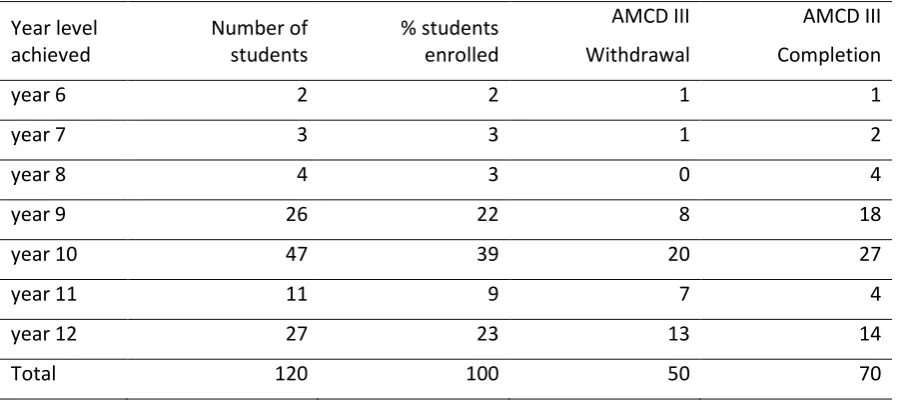
[image:33.595.72.521.457.658.2]The average level of high school education completion for AMCD III enrolees is Year 10. Table 3 below shows the high school educational attainment and percentage of students enrolled in the AMCD III certificate. Data was obtained from student enrolment files. Not all students enrolled declared their educational attainment on the forms, therefore n = 120 students. The data shows, however, that most students enrolling at WBBC have not completed year 11 or 12, with 9% and 23% of students respectively. Nearly 40% of students have completed up to year 10, and 30% of students have up to year 9 or fewer years of high school completed. This is consistent with known national Indigenous schooling completion rates (ABS, 2009).
Table 3. High school education attainment and course completion (n: 120)
Year level
achieved Number of students % students enrolled
AMCD III Withdrawal
AMCD III Completion
year 6 2 2 1 1
year 7 3 3 1 2
year 8 4 3 0 4
year 9 26 22 8 18
year 10 47 39 20 27
year 11 11 9 7 4
year 12 27 23 13 14
Total 120 100 50 70
In terms of completion and withdrawal from the course, Figure 5 below shows that the highest number of students to complete the course had year 9 or 10. Lower levels of formal schooling do not translate into higher levels of withdrawal.
Figure 5. Course completion and prior educational attainment
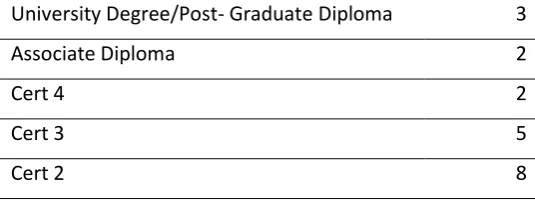
However, prior education does have an important bearing on the mode in which the course is delivered and resources allocated to additional literacy support (see Section 3.3.3. above). Students are also able to disclose on the enrolment forms their post-secondary qualifications. Table 4 below was compiled from that data. Certificate courses named included hospitality, tourism, business, health and safety, childcare, security, IT and trade certificates.
Table 4. Post-secondary qualifications (n: 20)
University Degree/Post- Graduate Diploma 3
Associate Diploma 2
Cert 4 2
Cert 3 5
Cert 2 8
3.4.2. Average age and gender
The average age of WBBC students is 40: men, 38, and women, 41. Several enrolees selected did not disclose their age. From the data provided it can be noted that the oldest student is a woman (74).
[image:34.595.72.340.464.564.2]Table 5. Completion and withdrawal by age (female n: 86)
Age range Completion Withdraw
15 – 25 13 4
26 – 35 5 6
36 – 45 13 8
46 - 55 10 9
56 - 65 9 7
66 - 75 2 0
[image:35.595.71.343.520.642.2]Figure 6. Female completion and withdrawal by age
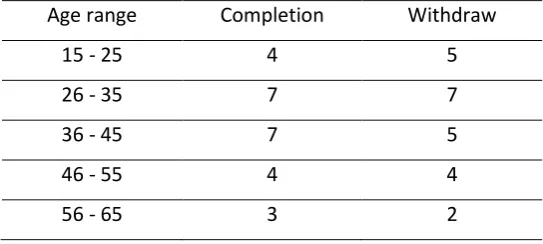
Table 6. Completion and withdrawal by age (male n: 48)
Age range Completion Withdraw
15 - 25 4 5
26 - 35 7 7
36 - 45 7 5
46 - 55 4 4
56 - 65 3 2
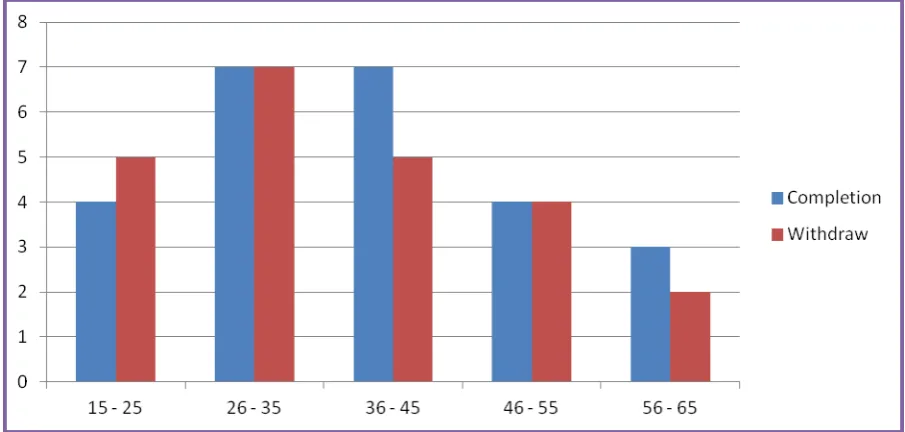
Figure 7. Male completion and withdrawal by age
Since 2012 female enrolees have been nearly double males (94 women to 47 men). Table 7 below shows the percentage of total completions and withdrawals by men and women from a total of 141 students. Fifty-nine percent of women and 53% of men who enrol complete the course.
College staff suggest that the course appeals more to women. The qualifications lead to entry into the female dominated social sector. Men choose to undertake training that leads to a trade (Joseph et al., 2014).
Table 7. Completion and withdrawal by gender (total n: 141)
Completion Withdrawal Total
% of total enrolments
complete withdrawals % of total
Female 55 39 94 59 41
Male 25 22 47 53 47
Another factor that may influence student retention and outcomes is the location from which students are drawn to study at WBBC. Since the 2011 report, there has been an expansion in the regions around Australia to include South East Queensland, areas of northern Western Australia, Sydney, Brisbane and regional NSW and central Queensland (see Table 8 below). Despite this, a high number of students continue to be attracted to the College from the communities of the northern Cape York Peninsular (NPA) and Torres Strait Islands (TS).
[image:36.595.72.524.490.574.2]