A STUDY ON
NEERIZHIVU
The dissertation Submitted by
Reg.No .32101101
Under the Guidance of
Prof.
Dr. K.KANAGAVALLI
M.D(S)HEAD OF THE DEPARTMENT,
POST GRADUATE POTHU MARUTHUVAM DEPARTMENT,
THE TAMILNADU DR. MGR MEDICAL UNIVERSITY
In partial fulfillment of the requirements
For the award of the degree of
SIDDHA MARUTHUVA PERARIGNAR
DOCTOR OF MEDICINE (SIDDHA)
BRANCH-I MARUTHUVAM
POST GRADUATE DEPARTMENT OF MARUTHUVAM
THE GOVERNMENT SIDDHA MEDICAL COLLEGE
CHENNAI -106.
CERTIFICATE
This is to certify that this dissertation work on NEERIZHIVU has been carried
out by Dr.A.CHINNASAMY during the year 2010-2013 in the Post Graduate
Department of Maruthuvam, Government Siddha Medical College, Chennai- 600106
under my guidance and supervision in partial fulfillment of regulation laid by
The Tamilnadu Dr. M.G.R Medical University,Chennai for the final M.D(siddha)
Branch I-MARUTHUVAM examination to be held in April 2013.
This dissertation is a record of original work done and it has not been previously
formed the basis for the award of any degree.
GUIDE
Principal, Professor.Dr.K.KANAGAVALLI M.D(s)
Govt.Siddha Medical College, Branch I, Maruthuvam,
Chennai – 106. Govt.Siddha Medical College,
Chennai – 600 106.
HOD
ACKNOWLEDGEMENT
I have immense pleasure to express my gratitude to Almighty and siddhars to
give the opportunity to be a Siddha student and present this dissertation work.
I express my whole hearted thankfulness to my parents for their valuable
support,patience and encouragement and blessing throughout this life.
It is my duty to acknowledge my gratitude to the respected
Prof.A.M.Abdul Kadhar M.D(s), Join director, Indian medicine and Homeopathy, Chennai -600106, for permitting me to utilize the clinical material of this hospital and
helpful in completing my dissertation.
I express my sincere thanks to respected Prof.V.Banumathi M.D(s), Principal, Government Siddha Medical College, Chennai -600106.
It is my duty to express my gratitude to the respected Prof.P.Parthibhan
M.D(s), Head of the Department, Post Graduate (Maruthuvam) for his guideness,
inspiration, unending patience, and his encouragement throughout the course of my
studies.
I feel pleasure to offer my deep sense of gratitude to respected
Prof.K.Kanagavalli M.D(s), Head of the Department, Under Graduate (Maruthuvam), for her concern suggestion, supervision and helped as a guide for preclinical and clinical
study and submitting this dissertation book with perfection.
I wish to extend my thanks to Dr.M. Manimegalai M.D(s) Lecturer, for her suggestions during the period of my study.
I wish to extend my thanks to Dr.R.Menaka M.D(s) and Dr.U.Chitra M.D(s) Lecturer for their valuable suggestions in completing the dissertation work
I wish to express my profound gratitude to Dr.M.Pitchiah kumar M.D (Siddha) Lecturer,for his suggestions during the period of my study.
I wish to extend my thanks to Dr.K.Gunasekaran, BIM., GK Siddha
Hospital,perampur.
I express my thanks to Prof. Selvaraj, Head of the Department, Bio chemistry, Government Siddha Medical college, Chennai, who helped me for qualitative analysis of
trial medicine.
I express my sincere thanks to Prof.Dr.JAnbu,M.Pharm, Ph.d, Vels College of pharmacy, for their excellent help in Pharmacological study and other guidance to do the
research work.
My special thanks goes to my father C.Arumugam & my mother Mrs.A.Pavayee
and my prother Manju and my sister Minnal kodi & Collegues and my beloved friends for their encouragement and support in completing the dissertation.
My sincere thanks to Dr.G.Baskaran, Dr.D.Sangeetha, N.Govintharaj and A. Thanigainathan for their valuable suggestions regarding the preparation of medicine and dissertation work.
I also express my sincere thanks to all the teaching staffs and P.G students of
pothu maruthuvam.
S. NO
CONTENTS
PAGES NO
1.
INTRODUCTION
1
2.
AIM AND OBJECTIVE
3
3.
REVIEW OF LITERATURE
SIDDHA ASPECTS
4
MODERN ASPECTS
37
TRIAL DRUGS
76
4.
MATERIALS AND METHODS
78
5.
RESULTS AND OBSERVATION
82
6.
DISCUSSION
106
7.
SUMMARY
110
8.
CONCLUSION
111
9.
ANNEXURES
I CHEMICALS ANALYSIS
112
II. TOXICOLOGICAL STUDY
117
III. PHARMACOLOGICAL STUDY
132
IV. BIO STATISTICS
144
V. CONSENT FORM
149
VI CASE SHEET PROFORMA
150
1
INTRODUCTION
fw;wYQhdf; fUj;jwpe;Njhu;fs; fkygjk; ngw;wYQ;rpj;jpg; Ngupd;gf; fy;tp gpwthj Kj;jp itj;jhYk; ntw;wp kUtpatu;gjk; tzq;fTk; ahd; rpj;jhjp rpj;ju; gjpndz;ku; je;j jputpaNk.
%ypif ku;kk; - fz;Zrhkp gps;is g - 1
Evergrace has its own natural system of healing and Tamil culture has very long
history of unbroken tradition of healing system called siddha system of medicine.This
well codified system of medicine is developed by eternal saints called “Siddhars’’ and
hence it has the name as siddha system of medicine .
These spiritual scientist felt that the body is best tool for their spiritual attainment
and they developed this system of medicine to preserve the same from disease, death
and decay.Natural products like plants,minerals,metals and zoological products are
used as medicine.They followed very methodical intricate procedures to prepare these
medicine to convert them to bioavailable form. Many refractory and metabolic
diseases are draft in siddha medicine since oldentime.
Neerizhivu (Diabetis mellitus) is probably the single most important metabolic
disease and wildly recognized as one of the leading causes of death and disability.If
affects everycell in the body and the body’s essential biochemical processes, it is major
public health problem in developing countries like India.
In india alone, the prevalence of diabetes is enpected to increase from 31.7million in
2000to 79.4 million in 2030.In India, faces of paradox of families, in which the children
are under weight.The prevalence of type 2 diabetes is 4-6 times higher in the urban areas
as compared to rural areas.The prevelence of impaired Glucose tolerance (IGT) in the
rural population is also high at 7-8%. This indicates presence of Genetic basis for Type2
diabetes in ethnic Indian population.
Risk factors for developing type 2 diabetes,peculiar to the Indian population are high
familial aggregation,central obesity,insulin resistance and life style changes including non
healthy food habits.Sedantory life style is one of the significant factors associated with
diabetes in this population.The insidious onset of the disease and long duration of
2
complications quite high even at the time of diagnosis of Type2 diabetes like micro
vascular disease and macrovascular diseases. Micro vascular complications like
Retinopathy, Neropathy, Nephropathy and Macro vascular complications are
Atherosclerosis which leads to myocardial infarction and stroke.Though many drugs are
used in contemporary medicine.
The development of complications are also found to be high. The limitation of
currently available oral antidiabetic agents inferms of efficacy and safely created the
need for development of indigenous,natural inexpensive drugs are sought after for the
prevention of disease complication and for better therapeutic effect.In siddha system of
medicine many herbal drugs are indicated for Neerizhivu.disease
Serankottai (Semecarpaus anacardium) is one of the acclaimed kayakalpam drug
mentioned in siddha classical literature extracts or crude drug extract of semicarpus seed
for its antidiabetes effect.(semalty 2010, Jaya aseervatham 2010)
Usually in siddha system, Serankottai is used as Ghee, legium which are called as
serankottai nei or mahawalladi legium.In siddha literature, yakobu vaidhya cinthamani
700 authored by Ramadevar clearly states medicated for various degenerative diseases
including Neerizhivu. Many scientific studies done for these drugs for its
anti-inflammatory, antioxidant coupled with immunomodulatory effects make this drug very
essential as if was termed in siddha classics.The previous studies were also done with
About the Serankottai Thiravagam which is to be prepared by distillation method.
Thiravagam is a special type of acid or alkali distillate prepared with herbal or
herbominerall salts.Thes preparations are generally indicated in chronic,degenerative
diseases like Neerizhivu.This theeneer form makes this preparation unique,palatable,and
easily dispousable one.No scientific study of Serankottai thiravagam is undertaken
sofar.In the present study Serankottai thiravagam is prepared as per Yakobu vaidhya
chinthamani 700 in our lab.This drug was studied for its preclinical, including
Toxicological studies.Also this drug was studied for clinical efficacy on Neerizhivu noi.
3
AIM AND OBJECTIVE
AIM
In my experience that siddha is natural medicine and also to be considered as the
people’s medicine for ever.First I selected the disease Neerizhivu (Diabetes mellitus) one
of the leading disease affected most of the people who are either in rich (or) poor among
the developed and developing countries. So I had decided to select the best medicine
having no side effect and economically low cost for using of all.When I had referred a
book as “Yakobu vaidhya chinthamani 700” written by “Ramadevar”, i selected the
medicines which is “Serrankottai thiravagam” having the ability to control the type 2
Diabetes mellitus- Madhumegam as described in siddha literature.
OBJECTIVE
1. To make a detailed study on the course of the disease, etiology, pathogenesis, treatment and prognosis by making use of siddha concepts based on literature.
2. To study Madhumegam in various literature in comparison with modern science. 3. To carry out a clinical trial with two compound formulations.
4. To understand the incidence of the disease with referece the age, sex, thainaigal,
paruvakalam, socio economic conditions, diet and family history.
5. To explore the utilize,the diagnostic methods envagai thervu,mentioned by
siddhars to know about the manifestation of the disease due to disproportionate
mukkutram,udal thathukkal with specific reference to Naadi,Meerkuri,Neikuri.
6. To use siddha and modern parameters to confirm diagnosis severity and progress
of the disease.
7. To evaluate the biochemical and Microbiological features of the drug.
4
REVIEW OF LITERATURE
SIDDHA ASPECT
The siddha system is originated by LORD SHIVA’’.Agasthiyar is the first disciple
of shiva.nobody deny the fact that Agasthiyar was Guru and pioneer.propagate this siddha
system of medicine.
In siddha system of medicine the NEER NOIKAL has been classified broadly into
two categories.
1. Neerinai perukkum Noi (Adhi moothiram-Exceesive Urination)
2. Neer Arukkal Noi (Neer kattu-Neer Adangal-Retention of Urine)
The same has been described in siddha literature as follows:
நீரிருவினைக் குணத்னை நீயறிவிரித்துச் ச ொல்வவொம் நீரினை செருக்கச ொன்று நீரினை யருக்க ச ொன்று நீரிழிவுடவை சகொல்லும் நீர்க்கட்டு வினைகசென்று
நீணி முனைக்கும் மிந்ை நீர்நினறக் குணத்னைக் வகெொய் நீரினைப் செருக்க ச ன்னும் நீரிழிவி க்கணங்வகள் நீ வொரிைி வெொற்குக்கி நீட்டிக்கு முனை ைள்ெொடும் நீவி கூடொது னககொல் நீ மொவினை வநைொடும்
நீஞ் ச ொணொவுைைின் மூச்சு நீ மொமுயக்கள் கொட்டும்.
Neerizhivu has been described and classified under the Neerinai perukkal Noi’.
The Ayurvedic and Unani system of medicine have entertained similar views
about this disease and postulated paralld views about this origin and management of this
disease.
The Indian outstanding physicians Charaka as early as 300B.C was the first to
give Information to the world about the sweet taste in urine Charaka samhita.
VERUPEYAR-SYNONYMS
Neerizhivu-Excess of urination (T.V.SAMBASIVAM PILLAI Dictionary)
Ennipu Neer - The urine is sweet in taste (Noi Naadal)
Vegu moothiram.
Madhu prameham.
5 Thithippu neer.
Migu neer.
DEFINITION (IYAL)
Neerizhivu is defined as large quantity and high frequency of
urination.Derangement of the seven udal thathukkal and loss of weight.
Noi nadal Part - 1
Urine of the Neerizhivu patients attracts flies and ants in large numbers.when
heated it gives a sweet aroma.
Ïå¥ghd Ïå¥gšy < tªjjhL«
xUJëthŒ é£lh®if¥ ÃâahŒ njh‹W«”
FUeho nehŒehlš ghf« - 135
“Úçid¥ bgU¡fby‹W Úçê éy¡fz§nfŸ
Úythç ngh‰ F¡» Ú£o¡F Kiu jŸshF«
Úé TlhJ if, fhš Úykh éid neuhF«
ÚŸ brhdhÎuå‹ _¢R Úrkh Ka§f¡fh£L«”
njiua® kfh fçrš g-135
Abdomen distends like sea, slurring of speech peripheral neuritis, lassitude,
dyspnoea are the symptoms of Neerizhivu.
“m©ikahao¡ fo¡F Úçw§F
ko¡fo¡F miuehê jåny fhQ«
bt©ikahd joa jå‰wh‹ Ão¡F«
ä¡fhd rl« btS¤J nkåf‹W«”
ô» it¤Âa Áªjhkâ g-117
These lines quotes frequent micturition, more than the normal with large quantity
resulting in detoriation of gradual dimnision of sevan udal thathukkal
As per Athma Rakshmirrtham body becomes weak, weight loss, dryness of skin
and tongue, excessive thirst, tiredness, excess sleep indicate the presence of
6
ntF %j;jpuj;jpd; Fzk;
md;dNk Nfzp khe;ju;
mUe;JeP;u; kpfTk; nghq;fpj; jd;Ds;Ns Rtwh tz;zk;
jq;fpNa kpFjpahfp ,e;epwkpy;yh ehS
kpiltplh jpwq;F khapd; tpd;dKk; nra;Ak; nta;a
ntF %j;jpuj;jpd; thNw
In spite of excessive intake of water for quenching the thirst, it is continuosly
excreted like a spring in the well.
Epidemiology
A detailed study on the basis of geographical variation is also considered to be one
of the important causes for Neerizhivu or Madhumegam.
KURINCHI
Mountain and their adjoining areas. In India, most of the pancreatic diabetes cases
have been reported from the midland and the hilly tracts of the southern districts of
Kerala and Tamil Nadu.
MULLAI
Forest and their adjoining areas.
MARUTHAM
Fertile agriculture land and their adjoining areas near river bed are always healthy.
NEITHAL
Sea and their adjoining areas.
PALAI
Desert and their adjoining areas because of the proverty,they suffer from ill health.
Recent research indicates that the poor were also prone to diabetes. Research was
being conducted to analyse whether rapid changes in their lifestyle or the stress of
7
NOI VARUM VAZHI-AETIOLOGY
“nkfbkD ÚuêÎ tU« éj¤ij
és«ò»nw‹ K‹brŒj f®kªj‹dhš
jhfKl‹ kJgjh®¤j§fŸ e‹whŒ¤
jh‹òÁ¤j yhYŠÁ‰¿d¤Â‹ k§if
nghfk fç¤jyh Y£odªjh‹
nghjnt äŠRjyhš jæ®nkh® beŒghš
VfkhŒ¥ òÁ¤jyh‰ bfhG¤j ñid
ba‹W K©z Yt®Úiu¡ Fo¤jyhny
MirÍl‹ ÁWtGjy§fhŒ j‹id
aÂfkh Í©gjhš fhyªj¥Ãš
nghrd§fŸ brŒjyhš eilaiy¢rš
nghjnt æU¤jèuh f©éê¤jš
njrbk§F Âçjyh äitfshny
Áuªjå‰N lÂf§ bfh©Llnd u¤j«
nrhînj aÂfkhŒ nkfªnjh‹¿¤
bjhšiy brŒÍ« ÚuêΫ ÏUgjhnk.
rungªÂu nkf ãthuz nghÂå
v‹D« ÚçêÎ nehŒ kU¤Jt«. g¡f« - 1
Sexual Indulgence:
“f‹å ka¡f¤jhš f©oL nkfnk
ÂU_y® Á¤j kU¤Jt« g- 485
“epiw g+j;j nfhq;ifahs; ehafd; Nkhfj;jhy; kiw Nghw;Wk; fUg;gj;jpy; tsHe;jJ NkfNk”
; jpU%yH rpj;j kUj;Jtk; g - 485 “»uªÂ¥ ò©âuz nkf¡
Ñrf bd‹Dª J‹ kh®¡f‹
mUªj ba‹D« ghŠrhè a‹idia¡f©Q‰whnd”
8
According to Thirumoolar and Therayar, excessive indulgence in sex causes megaroham.
];jphp Nghfk; nra;jjpdhy; NtTnfhz;L rpuR kl;Lk; nte;JUfpf; fdNy kPwpf; FwpAlNd Nkfe;jhd; nfhLik nra;J Fiwe;J tUk; jhJnty;yhk; Fd;wpg;NghFk;
FUehb nehΠehly; g - 250
Diet Habits
nfhija® fyé nghij bfhG¤jÛ åiw¢Á nghij
ghJthŒ beŒÍ« ghY« gçÎl D©Õ uh»š
nrhjgh© LUt ä¡f R¡»y Ãunkfªjh‹
xJ ÚçêÎ nru t©bld t¿ªJ bfhŸs
(mf¤Âa® 1200) Á¤j kU¤Jt« g- 470
“c‰gé¡F« ghš beŒah èiw¢Á fŸshš
cçirahŒ Û‹w‹dhš tUéU¤j
k‰gé¡F« gjh®¤j¤ jhš kJu t°jhš
kªj§fŸ jå‰ bghÁ¤jš ntfh¥ g©l«
F‰gé¡F§ Fëªj t‹d k§if nfhZo
F¿¤j 㤠Âiujé®j y¡»å kªj«”
ô» it¤Âa Áªjhkâ - g- 146
Excessive intake of food rich in carbohydrate and fat, red meat, sweet food, raw
food and sleeplessness give raise to Neerizhivu quotes Agathiyar and Yogi Munivar.
Psychosomatic Cause:
“Ïa«gnt MWFs« ËdŠ brŒjš
V‰wkhŒ Ãuhkz°Âß r§f« g©zš
ga«gnt ghy®fS¡ bfhë¤J¤ ‹dš
gHit ry« nghw têjid¤ jL¤jš
ma«gnt Nya¤Â‰ ry«é£l nlh®¡F«
MÂah« ntj¤ij ¤öî‰ njh®¡F«
Ja«gnt Nçaid tz§ fhjh®¡F«
RU¡fh nkf« tªJ‰g é¡Fªjhnd”
9
According to Yogi Vaidya Chinthamani, Megaroham may occur due to not giving proper
respect to Guru, Father, Mother, Vedas and suriyan god.
jhsh NkfQ; rhWk; tif jd;idf; NfspH kyf;fl;lhw; Nfshr; rj;jhy;;; fhzhf;fz; Nfl;Lf; fz;Lk; Nghw; Ngrpf; Nfhof; fUj;jpw; wha; je;ij FUitg; gopf;Fe; Njh\j;jhy; Thohf; fd;dpf; fw;gopj;J tuk;G jtwpy; tUnkd;Nw
jd;te;jphp itj;jpak g - 75;.
Obesity:
“j‰Ãé¡FŠ rßuªjh‹ äf¥g U¡fš
ršryªjh‹ ga‹gLjš jç¡F« nehna”
ô» it¤Âa Áªjhkâ g- 146
Obesity is one of the main causes of Neerizhivu or Madhu megam.
Deeds:
“jhnd óUt éÂædhš rhU« Ãâf bsšyh«
khnd® éêahŸ nt£ifædhš tUªJ« ËD« gÁahš
jhnd bghW¤J c©ifædhš jhfªj‹dhš äf¢nrh®ªJ
jhnd fky« ò©zh» brŒÍ« Ãunkf¢ brašjhnd.”
Njiuau; kUj;Jtghujk; g -25 Mkg;gh kdpjH nra;j fUkj;jhNy
Mufuh Nkf nkd;w uhrhthNy fhkg;gh yjpdhy; grpag;gh ehYk; iff;flq;f Neha;fs; tUk; fHkj;jhNy
mfj;jpaHfd;k fhz;lk g-88
From the above poems, the diseases also occur as a result of bad deeds committed
in previous or these births. So yogi, Therayar, Agathiyar, Thirumoolar andothers says that
10
Hereditary:
“Kiwnf£»š x‹gJ Ka‰Áahš tªjJ
Jiw nf£»w fU¥g¤Â‰ Wt§»a nkf§fŸ
ãiw ó¤j bfh§ifahŸ ehaf‹ nkhf¤jhš
kiw ngh‰W§ fU¥g¤Âš ts®ªjJ nkfnk”
- ÂU_y® g - 110.
“R¡»y¤Âš Rnuhâ j§fŸ fy§Fbk‹W
ó§»L« éah _‹W«”
(j‹tªÂç eho) nehŒ ehly; g
“jhNd GUt tpjpajdhw; rhUk; gpzpf sy;yhky”;
Njiuah; thflk; g - 116
Thirumoolar and Dhanvantri have noted in their literatures that Hereditary is one
among the causes of the disease Neerizhivu.present day researchers have found out that
genetic factors play an important role in Neerizhivu.
Excess Stimulation of Moolatharam:
rçahd nkf¤jh yghd thÍ
jh‹ òif¡F nkny¿¡ fghy¢ Nlh«
bgçjhd nkf¤jh y¤Â btªJ
nghk¥gh jirbtªJ u¤j« t‰¿¥
gçth»¤ jr thŒthš kªj§ bfh©L
bgUªÔå kygªj« cjhd thÍ
éçth»¤ njfbkšyh« él % uhny
bkŒaêªj njfbk‹w ÂUgjh¢nr”
nehŒehlš ghf« 1 g- 420
Among the six Atharams the Moolatharam is situated in between recturn and
genitals, just end of sacral plexus.
In the Neerizhivu disease, impaired Abana vayu (excretory junction) inactivate
11
which create excessive appetite (Polyphagia) and constipation. Udanan is also affected.
These changes in turn cause the derangement of seven udal thathukal.
Nkf Neha; cz;lhtjw;F VJ:
“khju; kaf;f kpFjpadhd; kjpap yr;r kpFjypdhhy;
Nghij jUq;fs; sUe;Jjyhw; Gyhd; kPdpiwr;rp nea;ghyhy; rPjTzthw; gjdope;j jpiz tpUk;gpj;jpd; gjdhy;
XJ Kztpd; NkYzthYlk;G gUj;jypdhy;
mUe;J Kztp ypdpg;gjpf khf Twyh y;uhf;fhyk;
nghUe;J Kwf;fe; jtpu;jypdhhw; grpg;Gf; Fiwthd; kpFjpapdhy; jpUe;J klthu; Nghfkw tplyhd; kpfyhw; Nwfkpf
tUe;j ntapypd; kpFeilahy te;JNjhd;Wk; gyNkfk;.”
guuhr Nrfuk g - 3;.
MURKURIGUNAM (PREMONITORY SYMPTOMS):
jhfNk ajpf khfpj; jsh;e;J eh cyh;e;jkpf;f
Nrhfkha;f; fpWfpWj;Jj; njhlh;e;Jif fhYk; Nrhh;e;J Vfkha;g; gfY ky;Yk; tplhJ ePhpwq;Fk; md;wp
Nkhfkha; kio gdpf;F Kjph;e;jpwq; fpLQ;rye;jhNd
. itj;jpa tpsf;fk; g - 49
Premonitory symptoms of Neerizhivu are poly uria, poly phagia, poly dipsia.
Neerizhivu exhibits the following premonitory symptoms from its initial stage of
development itself. The patient experiences voracious hunger, thirst, perspiration,
exhaustion and giddiness. The excessive intake of water to quench his thirst is excreted
as excessive quantity of urine (poly uria). In spite of abnormal consumption of food,
stamina continues to decrease.
12
kJnkf« bghJ F¿Fz« :
Twhd nkfkJ ÏUgJ¡F«
Fzªj‹id¢ Át‹brhšy njé nf£f
jhwhd jhfbkhL nrhfnkfª
jçahkš Úçêj éUkš _¢R
Mwhd mUÁr¤Â Á¤j¥ u«ik
mofo¡fo¡F¤ j©Ù®jh‹ m§nf nf£fš
<whd ÏL¥ò¡FŸ fL¥ò fhzš
vY«òH‰w yH‰wy blçÎ lhnk
vçnthL rßubkšyh kiwg£lh‰nghš
vY«ò nehjš ã¤Âiuæš yhikh
tçnthL khŒébk¤ jΫg¿¤jš
kdJrŠ ry¥gLjš fh‰W nt©lš
bkçnthL nkš _¢R äfΩlhjš
é¡fbyhL ka¡fªjh‹ bk¤j¡ fhzš
bjçnthL njfbk§F« btSU©lhjš
njfbk¤j thnyhg¥ gLjš fhnz”
ô» it¤Âa Áªjhkâ g- 155
Common Symptoms:
Thirst Polyuria
Poly dipsia Cough
Anorexia Dyspnoea
Delirium Pain in the hip and burning sensation
Sleeplessness loss of weight
Hiccough Flatulance
13
NOI VAGAIKAL- (CLASSIFICATION)
Megarogam is classified into twenty varieties to quote from Agasthiar
“c£oz nuhf¤jhY« cW«bgU« gÁædhY§
f£léœ nfhij khj® fyék£oyh ikayhY
K£lwh ehYkhW K« _‹W bkh‹W bkh‹W
£lkhŒ tUtbj‹W ÂUKå aUë¢ brŒjh®”
mf¤Âa® Á¤j kU¤Jt« - g-471.
Yugi Munivar classifies the same as
trå¤j nkfkJ æu©L g¤J
thj¤Â‰ Ãwªjry« ehnyahF«
Ãrå¤j äj¤ÂY ‰wgé¤j
nguhir yªjhD khW khF«
njråªj nr£Lk¤ÂY‰g é¤j
Óuhd ryªjhD« g¤njahF«.
ô» it¤Âa Áªjhkâ g-145.
According to Theraiyar
“fêÍ« thj« eh‹fhY« fhÍ« äj khwhY«
RêÍ« nr¤Jk« g¤jhY« brhšY« ehyŠrhŒ njh‹W«”
njiua® thfl« g-42
NOI VAGAIGAL
Ehy;fs; Neha; vz; tsp moy; Iak;
mf¤Âa® 1200 20 4 6 10
ô» it¤Âa Áªjhkâ 20 4 6 10
njiua® thfl« 20 4 6 10
j‹tªÂç it¤Âa« 20 4 6 10
rungªÂu ÚçêÎ nuhf Á»¢ir 20 4 6 10
14
The above books describe twenty different kinds of megam (urinary disorders)
on the basis of colour, consistency, taste, smell, weight etc.
Out of this twenty different kinds
Four varieties are caused by vali
Six varieties are caused by Azhal
Ten varieties are caused by Iyam
Neerizhivu comes under the classification of Azhal.
Classification of Megam:
According to Yugi Vaidhya Chinthamani
thjÚ® tiffŸ
“jç¤Â£l thj¤Â‹ ryªjh dhY
jåahd ehY¡F« ngnu bj‹åš
mç¤Â£l M¢ÁabfªÂ nkf¤njhL
mj‹ÃwF R‰wkh nkfbk‹W
Ãç¤Â£l Ãuäa nkfbkh‹W
nguhd kh§fué nkfbk‹W
ô» it¤Âa Áªjhkâ g-146.
Vali – 4
1. Neimananeer (Mr;rpafe;jp Nkfk;) 2. Pasumana neer (Rj;j Nkfk;)
3. Seezhmana neer (thjgpukpa Nkfk;) 4. Sathaimana neer (khq;fprrpuhtp Nkfk;)
äj Ú® tiffŸ
Kiwahd äj ry khWkhF«
K®ªj m¥Ãa bk‹W« Ãuäa bk‹W«
Jiwahd rh«Õ®zkJ«g bk‹W«
rh¤Âfnk ahWéjª j‹ndh lhW”
15
Azhal – 6
1. Yanai kozhupu mana neer (mg;gpa Nkfk);
2. Katrazhai mana neer (gpj;jgpukpa Nkfk;);
3. Chunna mana neer (rt;tpuz Nkfk;)
4. Innipu megam (kJNkfk;)
5. Palingu neer (rhe;jpu Nkfk);
6. Muyal kurithi neer (Mu;f;f Nkfk;)
IaÚ® tiffŸ
“Mwhd Ány£gry« g¤J j‹id
mu‹ brhšy M¤jhŸ jh‹ nf£F« nghJ
thwhd trhnkf« c¤rnkf«
k¢Áahnk f¤njhgh Ñj nkf«
öwhd Ruhç R¡y K¤j nkf«
R‰wkh«Ã dhåbahl tyz nkf«
nfwhd bjͤjakh nkf bk‹W
br¥Ãdh® Ány£ g¤Â‹ brY¤J¤ jhnd”
ô» it¤Âa Áªjhkâ g- 151
Iyam – 10
1. Iaya Neer (trh Nkfk;)
2. Thuimai Neer ( cj;jk Nkfk);
3. Moolai neer (kr;ir Nkfk);
4. Ilaneer (Mjpf;f Nkfk);
5. Kal neer (Ruh Nkfk;)
6. Thavala Neer (Rf;fpy Nkfk);
7. Kazhu neer (cjf Nkfk);
8. Then neer (gpur Nkfk);
9. Uppu neer (rhu Nkfk;)
10.Avichi Neer (ijj;jpa Nkfk;)
Yugi described four types under the Vatha premeham, six types under the pitha
prameham and ten types of under Kaba prameham. “Diabetes mellitus” a clinical entity
16
guuhr Nrfuk; Ehypy; $wg;gl;Ls;s ePupoptpd; tiffs;;:
rpNyw;gd Nkfk;-10rpf;fha; Nkfk:
“kpf;f Nrw;gdj; njOe;j NkfePu; gj;Jq; Nfsha;
rpf;fhaq; fyq;f dPuha;r; rpWnfz;ilr;rpd;d Nghw;Nwhd;wp xf;fNt Jtu;gha; Kw;wp Aly; fiue; jpwq;Fk thdPu; tpf;fy; nfhl;lhtp Jk;kd; kpFe;jpLq; Fzq;fshNk”
guuhr Nrfuk; g
– 20Urine is turbid and astrigngent.
Emaciation sets in.
There will be increase in hiccough, sneezing and yawning possibility of respiratory
disorders.
Gyhy; Nkfk:
“Nfl;blha; Gyhd;Nk fe;jhd; nfk;GkPd; fOT ePu;Nghy; Kl;ba tdyha;r; Rl;L %f;FePupwf;f khFk;
Nfhl;bfs; gyT Kz;lhq;Fwpab NehFk; Gz;Nghy; ehl;bdp ypjd; Fzj;ij etpd;wdu; nghpNahh;; jhNk”;;
guuhr Nrfuk; g - 21
Urine resembles fish washed water.
Body temperature increase with rhinitis.Burning micturation with pain in the genitalia.
,ytz Nkfk;:
“tpUk;gpa ytzNkf kpFe;jeP Ug;G iwf;Fk;
JUk;ngd Nkdp tw;We; njhz;ilAq; fd;wp Nehthk; jpUk;gePu; fha;r;rpg; ghh;fpw rpte;JTg; ghfpj; Njhd;Wk; FUk;igapd; Kiyed; khNj NfhrK nkupTz;lhNk”
guuhr Nrfuk; g
– 22Urine is salty with reddish tinge.
Weight loss setsin.
Soar throat occurs due to infection.
kJNkfk;:
17
mjpfkhj; jhfKzlh kah;e;Jly; tyf;F nkd;Nd”
guuhr Nrfuk; g
– 23Bitter taste linger.
Patient became restless.
Urine ferments like milk.
Morbid thrist.
Extreme tiredness. ;
Mde;j Nkfk;:
“jpl;lkh de;j NkfQ; rpWfUk; gpdpw;rh nwLj;J tpl;lePu; Fspu;e;J fhl;Lk; Ntjpiz kaf;f Kz;lhk; Kl;lNk Yise;J ise;J KJfe;jz; nlYk;G Nehthk; ml;lNk jhjp #j;jpu kha;e;jpL nkd;W fhNz”
guuhr Nrfuk; g
– 24Urine resembles sugarance juice and is cold
Patient is exhausted and complains of lumbar pain
kfh Nkfk;;:
“nrg;gpa kfhNk fe;jhd; rpf;fha; kpwq;F ePupd;
Jg;ngdj; njupj;J tPOQ; RUf;nfdf; FWf;fpw; Fj;Jk; Fg;Gwj; js;spf; fhl;Lq; Fzk;tUk; ntF ePUz;lhk; ,g;gbf; Fzq;f shnkd; wpak;gpdhh; Kdpth; jhNk.”
guuhr Nrfuk; g
– 25There is obstruction in the urinary flow.
Intense pain in the lumbar region.
There is excessive urination in Neerizhivu.
fhr Nkfk;:
“,ak;gpa fhr Nkfk; Nkjkha; thapdpf;Fk;
Tpad;ngw Kfq;f Wf;Fk; ntz;Ziu ePNw tPOk; mah;e;J fz; ^f;fKz;lh kbuz;Lq; fhe;jyhFk; eae;Jrw; wpUkh Yz;lh eae;jth; etpd;wthNw.”
guuhr Nrfuk; g
– 2618
Urine becomes white forthy. Patient experiences deep sleep. Burning sensation in the sole of foot. Presence of cough.
ntwpNkfk;:
“ntwpNkfk; gf;f khfp kpfntwp Nghyf; fhl;Lk; mwpAkhl; biwr;rpj; jz;zPuh nkd ePupwq;Fk; ,WfpNa kyk;tp lhjhkpjw;FKw FbePu; jd;dpy; newpajh ag;gp Nuf eprkplj; jPUnkd;Nw.”
guuhr Nrfuk; g
– 27Aggressive mental attitude.
Beef washed water like urine.
Presence of hard stools.
NOIKURI KUNANGAL – (CLINICAL FEATURES) “jz;ikaha;r; rye;jhDk; gRg;G kQ;rs; jhdpwq;Fk; gPrKq;Nfh rKq;f Lf;Fk;
mz;ikah abf;fbf;F ePup wq;Fk;
mbf;fbf;F miuehop jdpNy fhZk;; ntz;ikah abjdpw; whd;gp bf;Fk
kpf;fhd rlk;ntSj;J Nkdp fd;Wk; gz;ikaha;g; gQ;rthz; ljdpw; nfhy;Yk; gfu; fpd;w kJNkfg; ghq;FjhNd”
A+fpitj;jpa rpe;jhkzp g – 127
Poly urea, Poly phagia, poly dipsia, perspiration, exhaustion, insomnia, giddiness
and loss of weight even at normal consumption of food.
Common sign and symptoms of Pitha Prameham
“m¿ant äjry khW¡Fªjh‹m§fk‰ brŒ»‹w Fz¤ij¡ nfshŒ
j¿ant rßu« t‰¿ baçΩlhF«
rl¤ÂYª ÚçYªjh‹ fé¢R©lhF«.
19
nrš nghYª nj‹ nghY« eh‰w K©lh«
bt¿ant Õr¤Â‰ nfhr¤Â‰ Fj¤Âš
äFÛuš ehÃæY« nt¡fh lhnk
nt¡fhlhŒ éuz K©lhŒ thŒjh‹ ehW«
é¡fbyhL mUÁaha¢ RuK©lhF«
Ô¡fhlhŒ¤ njfªjh‹ »ilbfh£lhJ
Âa¡fbkhL _®¢irÍ©lh ka¡f khF«
rh¡fhlhŒ ehtwª j©Ù® jhf«
r¡ÂbahL rßuahF«
jh¡flh kyrŠryªjh‹ äfΩlhF«
rkFzªjh‹ äj ry khW kh¢nr
ô» Áªjhkâ g- 181
As per the above poem, poly uria, poly phagia, Poly dipsia, fever, angular
stomatitis, pruritis vulvae, balano posthtis, burning sensation all over the body, loss of
weight, are common signs and symptoms of pitha prameham.
MUKKUTRAIYAL:
“thjkha; gilj;J,gpj;j mdyha; fhj;J
Nrj;k rPjkha; Jilj;J”
Njiuau; kUj;Jtghujk; g- 81
Vali:
Sites of vali:
BelowNaval, Urinarybladder, intestines, pelvis, umbilicalcord thigh, bone, skin,
Nerve endings, joints, musculature and hair root.
Properties: Dryness, lightness, clearness, coolness, mobile formless.
Functions:
Stimulation, respiration, thinking sensory function, coordination of seven physical
20
In Neerizhivu:
Piranan : Normal
Abanan : Constipation, Noctural polyuria, frequency of micturation.
Viyanan : Symmetrical sensory disturbances, Peripheral neuritis, pain all over
the body. Burning sensation in the sole of foot and palm, skin
infection and carbuncle.
Udanan : Exessive thirst.
Samanan : Poly Phagia
Nagan : Normal
Koorman : Diabetic retinopathy / Cataract
Kirukaran : polyphagia
Devathathan : Normal
Thananjeyan : -
Azhal:
Sites of Pitha:
Between the heart and the naval, sweat, lymph, blood, stomach, urinary bladder,
heart, saliva, eye and skin.
Properties:
Dry, cold, hot, light, subtle, keen, soft, liquid, bitter.
Function:
Body temperature, digestion of food,colouring of the skin, vision,sweat.
In Neerizhivu:
Anala Pitham - Excess hunger
Ranjaga pitham - Pallor sometimes
Alosagapitham - Diminishing of vision
Saathaga pitham - Lassitude
Pirasaga pitham - Dry skin
Iyam:
Sites of Kapha:
Above the heart, stomach, fat, sperm, tongue, uvula, bone marrow, blood, nose,
21
Properties:
Heavy, cold, mild, watery, sweet stable and slimmy.
Function:
Iyam gives streanth, builts the body, gives streanth for joints,gives shiney
appearece to skin, moistens food,cools the eyes,gives a whitish colour to the conjuctiva
skin,urine and faecal matter,softness,firmness the capacity to bear or endure,patience.
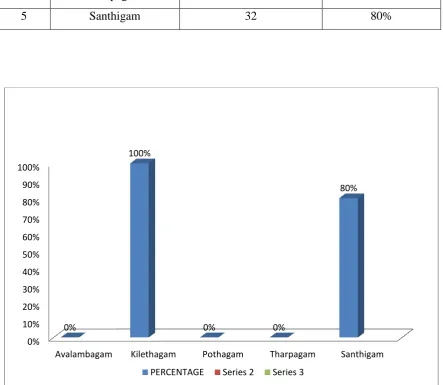
In Neerizhivu
Avalambagam - Normal
Tharpagam - Burning sensation in the eye
Santhigam - Joint pain
Kilethagam - Excessive appetite
Pothagam - Normal
Seven Udal Thathukkal (Physical constituents):
Annamaya kosa is constituted by seven thathus.They are the basic tissues of our body.
Normal functions: Saram:
It is responsible for the growth and development. It keeps the individual in good
spirit and it nourishes the blood.
Senneer:
Blood imparts colour to the body and nourishes the muscle responsible for the
ability, intellect of the individual.
Oon:
It gives shape to the body according to the requirements for the physical activity,
nourishes fat.
Kozhuppu:
It helps in lubricating the different organs and maintains only matter of the body.
Enbu
Supports the system and responsible for posture and movements of the body.
Moolai:
It fills the bony cavity, nourishes semen, imparts strength endurance and shining
22
Sukkilam / Suronitham:
It is responsible for reproduction. In healthy people, they function in a harmony,
while in diseased people, they are deranged.
In Neerizhivu:
Saaram : Tiredness, General weakness
Senneer : Pallor
Oon : Lean and thin
Kozhuppu : Dry skin
Enbu : Later stage due to infection it affects the
bone and sometimes leads to amputation.
Moolai : Affected in Chronic stage.
Sukkilam / Suronitham: Impotence, Sexual urge is reduced.
So, in Madhumegam, Seven Udal Thathukkal are deranged.
MUKKUTRA VERUPADUGAL-(SIDDHA PATHOLOGY): “gfu; gpj;j tpe;ijayhJ Nkfk; tuhJ” –Njiuau;;.
The disease megaroham, due to external (or) internal causes affect balance in the
ratio of vali, Azhal, Iyam. This imbalance affects the Keelnokkukal, which inturn affect
the seven udal thathukkal. Saram gets affected and there is loss of appetite. Seeneer also
get affected with the net result even if the patient eats more nourished food (polyphagia)
there won’t be any improvement in health.
An imbalance in pitham does imply an imbalance in other two kutrams too and
causes derangement of dasa vayu and seven udal thathukkal which cause the disease and
other complications.
“FwpAlNd Nkfe;jhd; nfhLik nra;J
Fiwe;J te;J tUe;jhJ nty;yhq; Fd;wpg; NghFk;”
gjpnzz;rpj;ju ehb Ehy;;.;
PINIARI MURAIMAI- (DIAGNOSIS):
Diagnostic methods in Siddha system are very unique and solely based on clinical
acumen of the physician.
23
2. Pulanal Arithal (or) understanding by the sense objects (Uraithal, Suvaithal, Parthal, Mugarthal, and Kettal).
3. Vinadal (or) Interrogation
The physician using his organs of perception and senses examines the patient
and diagnoses the disease. Apart from this, on effective history taking also helps one to
diagnose property.
Tools used by Siddha Physicians:
(1) Kanndal (Perception)
(2) Karuthal (Inference)
(3) Oorai (The instruction of the inspired)
(njh.».M) g - 46
The application of these three is very extensive in diagnosis and treatment.
“Enn Vagai Thervu (Eight tools of Diagnosis)
juzpAs;s tpahjp jd;id al;lhq;fj;jhy; jhdwpa Ntz;LtJ NaNjh ntd;dpy;
jpuzpaNjhu; ehb fz;fs; rj;jj;NjhL Njfj;jpdJ guprk; tUzk; ehf;F
apuz ky%j;jpukh kpit fnsl;Lk;
apjk; glNtjhd; ghu;j;Jf; Fwpg;Gq;fz;L guzUshy; ngupNahu;fs; ghjk; Nghw;wpg;
gz;G jtwhky; gz;bjQ; nra;tPNu”
Fzthfl ehb. g - 112
Naa:
The tongue is the organ of taste and speech. Naa is one of the Gnanenthirium.
Colour of the tongue, size, shape, anomalies, surface, mobility and local lesion should be
noted. Coating deposition of the tongue, increased salivation, and dryness of the tongue.
Pervested taste, tongue ties must be noted.character of speech is noted in mozhi. Mozhi is
one of 5 kanmenthiriyam.
Neer Bhoothams is related tongue which makes it wet always.
In Neerizhivu the tongue remains dry and at times black.
24
Colour of the skin all over the body, a local region of affection, conjunctiva, tongue, nail
bud, hair etc.
Colour changes in the excretion from Nava thuvaram is noted (i.e) we have to observe
colour changes in malam, muthiram, vomited matter, sputum, saliva, semen, teeth and
face.
Vatha Udal - Black and whitish colour
Pitha Udal - Yellowish (or) Reddish colour
Kapha udal - White or golden colour
Thontha udal - Mix of two udal colours
In Neerizhivu, the colour of skin is different from original complexion, discoloured. Mozhi:
To quote from Agasthiar Vallathi
“th®¤ijia¥ gh®”
Observation of speech and voice.The different components of speech should be
properly as curtained.
Voice is a sound produced by the speech organ and uttered by mouth .In 96 thathuvas vai
(mouth)one of the Gnanethiriyams and Mozhi one of the kanmenthiriyams.it belongs to
Akaya Bootham.
In uncontrolled Neerizhivu which leads to cerebrovascular disorder, speech disorder sets in.
Vizhi:
Colour, character, vision should be observed.Apart from any discharge chronic
diseases can be identified.
In uncontrolled Neerizhivu cataract set in last. In longstanding cases, the Neerizhivu affects retina and causes diabetic retinopathy which is the major cause of blindness.
Sparisam:
Therayar quates “nka;f;Fwp”
Colour of the skin (Vali, Azhal, Iyya udal), Eruption, Hemorrhages, Ulcers, Boils, trophic
changes, in the skin can be identified.
25
In Neerizhivu, increased tendency for fungal infection like moniliasis and
vulvities.
Necrobiosis lipoidica diabeticorum the usual site in pre labial surface of lower limb and non healing ulcers in foot.
In Neerizhivu the skin is dry and pale.
Malam:
To quote from therayar “,Ukyk;” three times evacuation of bowel is must.
Quantity, colour, smell, froth should be observed.
In Neerizhivu, constipation sometimes yellowish loose stool are passed.
Muthiram:
Quantity colour froth smell and specific gravity of urine should be noted.
ePupd; nghJ FwpFzk:
“te;j ePu;f;fup vil kzk; Eiu vQ;rnyd; iwe;jpaYsit aiwFJ KiwNa”;
Urine:
Colour:
In Neerizhivu clear and white.
Specific Gravity:
In Neerizhivu, urine is thick in consistency like honey.
Smell:
Honey like smell, In diabetic keto acidosis,the urine has fruit smell.
Froths:
In Neerizhivu the urine is frothy at the time of urination.
Deposits:
In Neerizhivu few epithelial cells are present in urine.
Normal quantity of adult urine is 750 – 2500 ml in 24 hours.
In Neerizhivu polyuriya is present.Both quantity and frequency of urine are increased.
Disturbing polyuria at night (nocturia) and Glucosuria (the presence of sugar in urine)
are present.
26 Ú® ãw¡F¿:
“mUªJ kh¿ujK« ménuhjkjhŒ
m~fš my®jš mfhyñ‹ j鮪jH‰
F‰wstUªÂ cw§» itfiw
Mo¡fyr¤ jhéna fhJ bgŒ
bjhUKT®¤j¡ fiy¡F£gL Úç‹
ãw¡F¿ beŒ¡F¿ ãUä¤jš flnd”
nehŒ ehlš 1 g – 198
Collection of Sample Urine:
The patient must take well cooked food in the previous day. The intake must be
proportionate to the degree of his appetite. Food intake should be taken, at appropriate
time. We must have sound sleep on the previous night. The urine is collected on the
down of the next day in a glass container and closed immediately to prevent
contamination. This specimen must be examination with in one and half hours. This
procedure should be followed strictly to get accurate observation of Neerkuri and Neikuri.
beŒF¿:
“ãw¡F¿¡ Fiu¤j ãUkhz Úç‰
Áw¡f bt©bzŒnah® ÁWJë eL éL¤
bj‹Dw¤ Âwªjbtë nafh jik¤jÂ
å‹wÂtiy ngh« be¿éêa¿Î«
br‹wJ òfYª brŒÂia Íznu”
nehŒ ehlš 1 g- 209
NEIKURI:
The diagnosis and prognosis of deranged Mukkutrams are studied on the bais of
the behaviour of a drop of gingelly oil gently droped on the surface of the urine kept in a
wide vessel in the sunlight.
“K¤bjh¤J ㉻‹ bkhHtbj‹ fgnk”
nehŒ ehlš 1 g-209.
In Neerizhivu, the oil dropped in urine is like a pearl and if the oil spreads slowly,
the prognosis of the disease is slow and good.
eho:
27 ÏUäna äjK« thjK§ Tooš
kUÎry nkf« thUÂ nghyhF«
cUt« ntwhU K©lÎl‹ fhªÂL«
cUfnt ñndhL c¿ŠÁ Ïå¡Fnk”
ÂU_y® Á¤j kU¤Jt« g- 487
The above poem says that excessive elimination of urine containing sugar are
always primarily due to continued vitiation of Azhal and Vazhi.Functional factors in the
body ,the vitiation of “Azhal vazhi” is indicated clinically by excessive
hunger,thirst,emaciationandpassing of large quantity of urine.
“JhuzKld; ePu;g;ghL Neu;ghlhdhy;
nrhy;Yfpd;Nwd; ehbnay;yhk; jsu;e;J fhZk;”
gupG+uz ehb g - 150
From the above lines,all the three Naadies are feeble and week in Neerizhivu patients.
kJnkf Fz«:
“Ïå¡»‹w thj¤ Âilnrçš Iaªjh‹
gå¡»‹w fŸS¥ gjånghš ÚnuhL«
få¡»‹w nkå fiuªJ btS¥ngW«
jå¡F« kJnkfª j¥ghJ Iand”
ÂU_y® Á¤j kU¤Jt« g- 488
The coupling of the Vali and Iya naadi causes increase tension in azhal Naadi. This
is called “kudila naadi” it causes Neerizhivu urine is like today patient is emerciated.
thj¤Jl‹ Ány¤Jk« To nkf éahÂ
V‰g£lhš fŸSgjå¥ ngh Ú® btë¥gL«
nkY«clš FiyªJ btS¤j ãw«
bfhŸS« Ïj‰F kJnkf« v‹W bga®
gÂbd‹ Á¤j®fŸ eho rh°Âu«- g¡f« 89.
When kabha merges with vadha, glucosuria, emaciation, anaemia, develops.
gh®¤ÂL _‹W« gªJ bkèªJ ㉻š
nj®ªÂL nk tª njh‹¿na bghUªÂbkŒæš
28
When all the three nadis ,runs in low volume,diabetes develops.
“gw;gpj;j Nkf nkd;why gpj;j kPSk; ghyfNd fhq;if nfhz;L ePuhk; ghNu”
From the above lines,it is clearly stated that vitiation of Azhal results in Neerizhivu.
“ePu;Nkf khdtu;f;F ehb jhDk;
ePu;;kakha; ehbnay;yhk gyNk nfl;Lf; fhh;Nkfk; Nghyte; njupNky; Guz;L
tpOg;GOg NghyNt Guz;L fhl;Lk;”;;;;
gupG+uz ehb g - 155
All the three Naadies are felt feeble in these suffering from “Meganoi”. The
chrater of the pulse is compared to that of wrigging movements of a worm that have
fallen in to the fire.
cWjpAs;s gpj;jkJ Njhd;wpy;……..
…………..gpuNkfq;fs;………
rjf ehb.
The above stanzas are indicating vitiation of Azhal, resulting Neerizhivu.
ÚuêÎ nehæš fhQ« mt¤ijfŸ:
The following complication follow gradually. If the disease is not controlled (or) left
untreated.
mt¤ij – 1
“fhznt Kjty¤ij¢ rßuª jhD«
fdkhf¥ gU¤ÂWF Ú®¤J thu«
ntznt bt©lh¡» afy« g©Q«”
-Á¤j kU¤Jt« g- 483
Obesity sets in.
There is obstruction in urinary flow.
29
mt¤ij – 2
“ä¡f Ïu©L lhkt¤ij és«g¡ nfshŒ
_znt _¤Âu¥ ÔilÍkh¢ R¡y
KfkG»¤ nj#Rjh‹ äfnt F‹W«”
Á¤j kU¤Jt« g – 483
Micturation is frequent.
Sexual desire gets.
There is also loss of complexion.
mt¤ij – 3
“ehznt _‹whF kt¤ij¡ Fªjh‹
ehtwS« thÍtJ ÛWªjhnd”
Á¤j kU¤Jt« g – 483
Tongue generally becomes dry.
Abdomen is distended due to flatulence.
mt¤ij – 4
“jhdhd ehyt¤ij a§f jhf«
r‹åaJ ghj K©lh«”
Á¤j kU¤Jt« g- 483
Severe thrist occurs.
Causes delirium
mt¤ij – 5
“IªJ t¤ij¤
njwhd Ú®bgUfª jhJ eZl«
Á¤j kU¤Jt« g- 483
Quantify of urine increased.
Loss of semen (impotence).
mt¤ij – 6
“ãiy ahwh kt¤ijÍl‰ »il bfhŸshJ
_dhd _®¢ir tU«”
Sleeplessness is present.
30
mt¤ij – 7
“VGt¤ij
ä¡ftnuh ÁfŠRthrª njf rh£a«”
Á¤j kU¤Jt« g- 483
Tongue becomes tasteless.
Difficulty in breathing is experienced.
General weakness persists.
mt¤ij – 8
“Vdhd v£lht jt¤ij jhnd
vG»uªÂ Ãsitͪjh‹ äfΩlhnk”
Á¤j kU¤Jt« g – 483
Abscess is formed.
Presence of Carbuncle.
mt¤ij – 9
“c©lhF bkh‹gjh kt¤ij nfshŒ
xG§fhd Mrhu§ »Uä Í©lh«”
Á¤j kU¤Jt« g – 483
Irregularities in daily habits like bowel habits.
Bed soar may occur.
mt¤ij – 10
“g©lhd g¤jhªj it¤ij¡ nfshŒ
ghukh« ra§f©L gu¤J¡nfF«”
Á¤j kU¤Jt« g - 483
Secondary infection like tuberculosis may sets indue to loss of immunity,
Other complication loading to death may occur.
These are the complication at 20 Neerizhivu.
Other complications: Meganeer Kattigal 10.
31 Kadalai katti
Kadugu Katti Vithirathi Katti Nilapoosani katti Magavithirathi katti
ÔU« Ôuhjit (Prognosis)
brŒant t¢rukhª j©l khd
brakhd KJFj©il¥ g‰¿ ã‰F«
bgŒant bgUeu«Ãš nkfªjhD«
Ãw¡Fbk‹nw jhd¿ªJ thjªj‹dhš
ÃŒant Ãwªjfy khwh yrh¤Âa«
äj¤Â‰ Ãwªjry khW« ah¥a«
igant nr£Lk¤Â‰ Ãwªj g¤J«
gukDiu¤ jh® rh¤a« guhgç¡nf”
ô» it¤Âa Áªjhkâ g- 156
“MdJ gpj;je; jd;dp yhwQ; Nrw;gdk; gj; jPdkhk; thj ehd;fh kpjpy; thjk; jPuh ePNu”
guuhr Nrfuk; g- 22 “têÍ« thj« eh‹fhnk khwh jéœjª j‹dhny
bghêÍ« thj« ãšyhJ nghnk kUªij¥ bghŒbadnt”
njiua® thfl« g-42
The four types of megam caused as a result of imbalance of vali are incurable.
The six types of megam arising with disparity of Azhal could be cured with great
difficulty.
But ten types of megam arising due to Iyyam are curable.
vªbjªj nuhf§fëš ÁWÚ® mÂfç¤jhY« FiwªjhY« ÔJ
“bt¥ò Ãâajåš bt«nkf¤jhš tUªÂ‹
j¥ò äif Únu jhåw§»‹ - br¥ò«
»uhâæ‰ gh©oš Fs®Ú® RU§»‰
Ãuhz‹ ÃçÍbkd¥ ngR”
32 Very excess of urination in Megaroham causes death.
“JÂ¥ghd nkf¤Âš ÚçêÎ khfh
njh‹¿a ÚçêÎ j©Ù® thjKkhfh”
(rjf eho) nehŒehlš 1 g – 153
If Megaroham is associated with excessive urination, it is difficult to cure. If megaroham
coexist with vali it is incurable.
“nkf¤Âš ÚçêÎ nkÎkš thj nehŒ
ntf tæ¤JŸ tæ‰WisÎ – nrhf é¡fš
g‹D é¡»š j‹åš gfçis¥ò¥ gh§f jå‰
Ëdis ahfhJ ngR”
nehŒehlš 1 g – 153
In megaroham, if Valinoi, excurating pain in abdomen hiccough and tuberculosis coexist
it is incurable.
“Úç‰ Ãsit ãU«Ãsitæš jhf«
XJ kš njf¤Jiw kdYª – njUkš
nrhU ka¡fKŠ brhš ka¡f¤Âš éa®it
Mç‰Öjh bk‹w¿”
nehŒehlš 1 - g – 154
If in complications of Megaroham with carbuncle, Morbid thrist, excessive body heat,
shock and sweat occurs the prognosis is bad.
“nt®itjå‰ fgK« nkÎkš é¡fš nehŒ
fh®K»š ne® TªjyhŒ f©L nkš – Ó®bfhŸ
kU¤Jt¤Â‰nw®ªj kÂÍilahuhé
jç¤Âuh bj‹g®rç”
nehŒehlš 1 - g – 154
If Iya megam is associated with sweat hiccough, the prognosis is bad.
Maruthuvam:
“itj;jpar; nray; itj;jpakhNk”- jpU%yu; 8000
The treatment in Siddha Medicine is aimed at keeping the three kutrams (Vali,
Azhal and Iyam) in equilibrium and maintenance of the seven udal thathukal.
33
In siddha science, the treatment is not only for removal of the disease, but for the
prevention and improving the body condition after the removal of the disease.
This is classified as
Kaappu -Prevention
Neekam -Treatment
Niraivu -Restoration
Kaappu:
Prevention is better than cure is a proverb. Siddha principles based mainly on
prevention as mentioned in “Theraiyar pini Annuga vithi” by Theraiyar.
The aim of the treatment is to bring the affected thathus and Mukkutram to normal
levels by eyamma, niyamma, diet and medicine.
The rules affecting healthy alliance have been elabourately described in the science of
Astrology.The ideal marriage life should be on the basis of physical, emotional,
intellectual and social compatabilities.
NEEKAM:
The mukkutrams are responsible for organisation, regularisation and integration
of the body structures and their physio psychological functions which are kept in a state
of equilibrium by word, throught, deed and food of the individual. The general
actiological factors for constitutional discomfort is said to be incompatible diet, mentel
and physical activities.
When treating the disease the following principles are noted.
“cw;whd sTk; gpzpasTq; fhyKq; fw;whd; fUjpr; nray;” ;
For the disease neerizhivu, serrankottai thiravagam 10 drops twice daily with
water before food.
Niraivu:
Physical, Psychological, social and economic rehabilitation of individual is known
as Niraivu.
In Madhumegam, Azhal kutram and other two kutrams Vali and Iyam deranged
34
Line of Treatment:
“gf®Ã¤j éªijayhJ nkf« tuhJ”
Neha;ehly;-1 g.254
The aim of treatment in Neerizhivu is to normalize the vitiated mukkutram, vayus
and theaffected seven udal kattugal.As this disease is caused by megam ,suitable effective
medicinal preparations have to be administrated in the beginning itself to neutralize and
eliminate the megam from the body tissue.
Siddhrs aimed at bringing the mukkutram in equilibrium as the basis of the
treatment ofdisease. Initially the patient will be treated with herbs,if is not effective
mineral preparations are used while treating the disease. Siddhars prescribed a minimum
dosage initially and then increased the dose gradually.
“Ntu;ghU jiog;ghU kpQ;rpdf;fhy; nky;ynky;y gw;g nre;Jhuk; ghNu.”
There are many preparations for Neerizhivu and its complications found in
various siddha textbooks, like kudineer, choornam, maathirai, ilagam, parpam,
chendhuram, thiravagam, etc.
Theran maruthuva Bharatham;
“fpue;jpg; Gz;zpuz Nkff; fPr;rf ndd;De; Jd; khu;f;f dUe;jp nad;Dk ghQ;rhyp
ad;idiaf; fz;Zw;whNd” ;
Neerizhivu has been caused by indulgence of sex.It leads to the formation of
meham which gradually all the seven udal kattugal and finally sets in genitourinary
system, resulting in excessive secretion and elimination of urine with sweet taste.
In Theran Maruthuva Bharatham, meham is alluded to keesagam and Neerizhivu
(madhumegam) is alluded to sainthavan. So the pancha pandavas who killed these
keesagan and sainthavan.
In Neerizhivu seven udal thathukkals are affected. In Theran Maruthuva Bharatham
some paadanam and metals are alluded to pancha pandavas for streanthening the seven
35
Saaram;
Abscess, boils, carbuncles, cellulitis, fungal bacterial infections are common when saaram is affected. Gandhagam (sulphur) is alluded to paanchali. To streangthen
the saaram we used to give drug of Gandhagam.
Senneer;
Diabetic foot, gangrene and impotence are common due to vascular insufficiency.
Ayam (iron) is alluded to Dharman. Ayam preparations are given to streangthen the
senneer.
Oonn;
When the oonn is affected diabetic polyneuropathy will occur i.e weakness and
wasting of the proximal muscles, loss of weight (Neuropathic cachexia) hyperasthesia,
parasthesia with pulmonary tuberculosis are seen. To streangthen the oonn velli (silver)
is given velli is alluded to Sagadevan.
Kozhuppu and Enbu
Impotence, pulmonary tuberculosis and emaciation supervene. Pon (Gold)
preparations are given tostreangthen the kozhuppu and enbu.pon is alluded to abimanyu.
Moolai and sukkilam;
Diabetic polyneuropathy and impotence may occur.prepared medicine of
kaareeyam (lead) and sembu is alluded to Arjunan.
Nutritional Approach:
Lifestyle modifications are the cornerstone of management of diabetes mellitus
and include the prescription of a healthy diet, regular exercise, the management of stress,
and avoidance of tobacco
The approach consists of provisions of adequate calories for maintaining or
attaining standard weight for age sex and height.
General consensus on proportion of food constituents are
Carbohydrate 60 – 65 % (complex form have more fibre)
Fat 20 – 25 % (saturated 7.8 % polyunsaturated 7-8% Mono unsaturated 7.7%) Proteins
10 – 15 %
Diet and nutrition has very important role in disease like Neerizhivu. Diseases are
largely due to irregular dietary habits. The body requires no medicine no it new food is
eaten only after the food that has already eaten before is fully digested and the food
36
Diet
The aims of dietary management are to achieve and maintain ideal body weight,
euglycemia and desirable lipid profile, prevent and postpone complications related to
diabetes and to provide optimal nutrition during pregnancy, lactation, growth, old age
and associated conditions e.g. hypertension and catabolic illnesses.
The dietary recommendations should be individualized according to person's
ethnicity, cultural and family background, and personal preferences and associated
co-morbid conditions. It should be flexible in variety and preparation of food choices and
37
REVIEW OF MODERN LITERATURE
MODERN ASPECT
CONCEPTS OF DIABETES:
Diabetes is one of the ancient disease.The history of diabetes is stated in the Ebers
papyrus(1500BC) polyuria and honey urine was noted as early as 400B.C by our Indian
physician “susruta”.He has described this disease as Madhumegam,the honey is the urine.
At present it is commonly known as “sugar in urine”. In older days it was also
known as melting of flesh.In Greek “diabetes”means “pass through” and in Latin
“mellitus” means “honey” i.e presence of sugar in the urine.
This disease has been known to ancient Indian, chinesh, Arabic and Roman
physicians.In 1674 Thomas wllis for the first time distinguish diabetes mellitus by the
taste of urine. In 1688 Brunner removed the pancreas in dogs. In 1773 D0bson established
that the urine sweet in diabetes mellitus because of the sugar in it.
In 1835 discovery of excess sugar in the blood in diabetes mellitus belongs to
Ambrosiami. In 1855 Claude Bernand discovery of glucosuria in animal. In 1869
Langerhans found accumumalations of special cells in the pancrease, which lates were
named “Islets of Langerhans” .Rassian scientist ULezko-stroganova was the first to
emphasize the endocrine role of “Langerhans” is lets in 1881. Insulin affects carbohydrate
metabolism was demonstrated by Mynkowsky and mehring in 1889-1892. In 1892
Mynkowsky first removed pancrease from a dog.
Canadian scientists Banting and Best in 1921 obtaining insulin from the
pancrease of nnew born calf.The first insulin in the USSR was produced in 1922 under
the supervision of Eigorn.
In 1936 Howsay demonstrated for the first time that besides Insulin.other
hormones participate in the pathogenesis of diabetes mellitus.In 1942-1946 Loubatieres
gave a explanation to many facts concerning the mechanism of action of sulphonyhreas
in diabetes mellitus.In 1955 the English man Sanger established the molecular structure
of insulin.
The synthesis of human crystalline insulin was accomplished by kastoyannis in
the USA in 1963, and by zahn and fellow-workers in 1965.In 1972 a group of scientists
leaded by Yudayev and sLvachkin in the USSR accomplished the laboratory synthesis of
38
All the achievement in the past, the present diabetic can almost have a normal life
span with usual activities by their diet.exexise, medicine and hygiene.The mortality was
more due to diabetic coma, but now the longevity has increased by modern medicine.
Now a days the cause of death among diabetes with the onset at young age is due
to diabetic nephrophathy and in adults, it is due to vascular disease.
DEFINITION:
Diabetes mellitus is a clinical syndrome, characterized by hyperglycemia due to
absolute or relative deficiency of insulin.
Lake of insulin affects the metabolism of carbohydrate protein, fat, and causes
asignificant disturbance of water and electrolyte homeostasis.Death may result from acute
metabolic decompensation while long-standing metabolic derangement is frequently
associated with permanent and irreversible functional and structural changes in the cells
of the body, with those of the vascular system being particularly susceptible.
These changes lead to the development of well defined clinical entities the so,
called complication of diabetes.which characteristically affect the eye, the kidney,and the
nervous system.
ANATOMY OF PANCREAS: Definition:
The pancreas(pan=all,kreas=flesh)is a gland that is partly exocrine and partly
endocrine.The exocrine part secretes the digestive pancreatic juice;and the endocrine part
39
LOCATION:
The pancreas lies more or less transversely across the posterior abdominal wall, at
the level of first and second lumbar vertebrae.
SIZE AND SHAPE:
Pancrease is j-shaped or retort, set obliquely.the bowl of the retort represents its
head, and the stem of the retort,its neck,body and tail. It is about 15-20cm long, 2.5-3.8cm
broad and 1.2-1.8cm thick and weights about 90g.
The pancreas is divided (from right to left) into the head,the neck,the body and the
tail.The hedd is enlarged and lies within the concavity of the duodenum.The tail reaches
the hilum of the spleen.The entire organ lies posterior to stomach separated from it by the
lesser sac.
Head of the pancreas:
Definition:
Head is the enlarged flattened right end of the pancreas,situated within the curve
of the duodenum.
External features:
The head has three borders, superior, inferior, right lateral; twosurfaces, anterior
and posterior; and one process, called the urcinate. This projects from the lower and left
part of the head towards the left.
Relations:
The superior border is overlapped by the first part of the duedonum and is related
to the superior pancreaticoduodenal artery.The inferior border is related to the third part
of the duodenum and to the inferior pancreaticoduodenal artery.The right lateral border is
related to the second part of the duodenum, the terminal part of the bile of the bile duct
and the anastamosis between the two pancreaticoduodenal arteries.
The anterior surface is related, from above downwards, to: 1) the gastroduodenal
artery; 2) the transverse colon, and3) the jejunum which is separated from it by
peritoneum.
The posterior surface is related to: 1)the inferior vena cava,2)the terminal parts of
the renal veins,3)the right crus of the diaphragm and 4)the bile duct which runs
40
Uncinate process:
It is related anteriorly to the superior mesenteric vessels, and posteriorly to the
aorta
RELATIONS OF PANCREAS
Neck of the pancreas:
This is the slightly constricted part of the pancreas between its head and body.it is
directed forwards, upwards and to the left.it has two surfaces, anterior and posterior.
Relations:
The anterior surface is related toto:1) the peritoneum covering the posterior wall
of the lesser sac,and 2)the pylorus.At its junction with the head there lie the
gastroduodenal and superior pancreaticoduodenal arteries.
The posterior surface is related to the termination of the superior mesenteric vein
41
Body of the pancreas: Defination:
The body of the pancreas is elongated.it extends from its neck to the tail.It passes
towards the left with a slight upward and backward inclination.
External features:
It is triangular on cross-section,and has three borders(anterior,superior and
inferior).A part of the body projects upwarts beyond the rest of the superior border,a little
to the left of the neck. This projection is known as the tuber omentale.
Relations:
Three borders
The anterior border provides attachment to the root of the transverse
mesocolon.The superior border is related to celiac trunk over the tuber omentale,the
hepatic artery to the right,and the splenic artery to the left.The inferior border is related to
to the superior mesenteric vessels at its end.
Three surfaces
The anterior surface is concave and directed forwards and upwards.It is covered
by peritoneum. And is related to the lesser sac and to the stomach.
The posterior surface is devoid of peritoneum, and is related to
1) The aorta with the origin of the superior mesenteric artery,
2) The left crus of the diaphragm.
3) The suprarenal gland,
4) The left kidney,
5) The left renal vessels,and
6) The spleenic vein.
The inferior surfaces is covered by peritoneum,and is related to the
duodenojejunal flexure,coils of jejunum and the left coliac flexure.
The tuber omentale projects upwards beyond the lesser curvature of the stomach,
and is related to the lesser omentum across the lesser sac.it is the relationship to the
omentum that gives process its name.
Tail of the pancreas:
This is the narrow left end of the pancreas. It lies in the linorenal ligament
together with the splenic vessels.it comes into contact with the lower part of the gastric
42
DUCT OF THE PANCREAS:
PARTS OF PANCREAS
The exocrine pancreas is drained by two ducts, main and accessory.
1) The main pancreatic duct of wirsung lies near the posterior surface of the pancreas
and is recognized easily by its white colour .I t begins at the tail;runs towards the
right through the body;and bends at the neck to run downwards,backwards and to the
right in the head.
2) Its lumen is about 3mm in diameter.
3) It receives numerous small tributaries which join it at right angles to its long axis
forming what has been described as a ‘herring bone pattern’.
4) Within the head of the pancreas the pancreatic duct is related to the bile duct which
lies on its right side.The two ducts enter the wall of the second part of the duodenum
and join to form the hepatiopancreatic ampulla of vater which opens by a narrow
mouth on the summit of major duodenal papilla, 8to10 cm distal to the pylorus.
5) The accessory pancreatic duct of santorini begins in the lower part of the
head,crosses the front of the main duct with which it communicates and opens into
the duodenum aat the minor duodenal papilla.This papilla is situated 6to8 cm distal
to the pylorus.The opening of the accessory duct lies cranial and ventral to the main
duct.The two ducts remind the double origin of pancreas from the ventral and dorsal
43
Arterial supply:
The pancreas is supplied:
1) Mainly by pancreatic branches of the spleenic artery,
2) The superior pancreaticoduodenal artery and
3) The inferior pancreaticoduodenal artery
Like the duodenum the pancreas develops at the junction of the foregut and
midgut, and is supplied by branches derived from both the celiac and superior
mesenteric arteries.
Venous drainage:
Veins drain into spleenic, superior mesenteric and portal veins.
Lymphatic drainage:
Lymphatics follow the arteries and drain into the pancreaticosplenic, celiac and
superior mesenteric groups of lymph nodes.
Nerve supply
1) Sympathetic
a) coliac plexus
b) Superior mesenteric plexus
2) Parasympathetic
a) vagus nerve
Endocrine pancreas
The endocrine part of the gland is formed by the islets of Langerhan’s.
These islets are arranged into irregular plates. Tortuous blood capillaries supply
them the cells are poly hedral in shape. The islemts are surrounded by awnar
cells. There are about 2 million islets in the human pancreas. Each islet is about
200-300 micron in size.
Major cell Types:
1. Beta (β) cells: Comprise about 70% of islet cells and secrete insulin, the
defective response (or) deficient synthesis of which causes diabetes
mellities.
2. Alpha ( ) cells: Comprise 20 % of islet cells and secrets glucagons which induces hyperglycemia.