University of South Carolina
Scholar Commons
Theses and Dissertations
2015
Boundary Stones: Morbid Concretions and the
Chemistry of Early Nineteenth Century Medicine
Edward Allen Driggers Jr.
University of South Carolina
Follow this and additional works at:https://scholarcommons.sc.edu/etd
Part of theHistory Commons
This Open Access Dissertation is brought to you by Scholar Commons. It has been accepted for inclusion in Theses and Dissertations by an authorized administrator of Scholar Commons. For more information, please [email protected].
Recommended Citation
Boundary Stones: Morbid Concretions and the Chemistry of Early Nineteenth Century Medicine
By
Edward Allen Driggers, Jr.
Bachelor of Arts
North Carolina State University, 2008
Master of Arts
University of South Carolina, 2010
Submitted in Partial Fulfillment of the Requirements
For the Degree of Doctor of Philosophy in
History
College of Arts and Sciences
University of South Carolina
2015
Accepted by:
Ann Johnson, Major Professor
Joseph November, Committee Member
Allison Marsh, Committee Member
Christopher Hamlin, Committee Member
DEDICATION
This dissertation is dedicated to my daughter, Mildred Penelope Driggers, who I
joyfully awaited while writing this dissertation. I want this dissertation to be first and
foremost a testament to my wife’s unwavering and dedicated support. She believed in me
every moment of every day, through every surgery, every struggle, and every move. With
time, dedication, and spirit she was with me every page. It is also meant to honor my
father’s memory, my mother’s support, and the many named and unnamed individuals
whose suffering was witnessed in the case histories that were discussed in this
dissertation. Finally, this dissertation is meant to honor the optimism, courage, and
ACKNOWLEDGEMENTS
The writing of this dissertation benefited from generous financial support from a
number of sources. I received the Edelstein Dissertation Writing Fellowship at the
Chemical Heritage Foundation for the 2014-2015 academic year in Philadelphia,
Pennsylvania. My travel to London was supported by the Provost Office’s SPARC Grant
at the University of South Carolina. Archival research was funded by the College of
Physicians in Philadelphia in the form of a two week Wood Institute Fellowship, and the
Chemical Heritage Foundation funded my archival research for two weeks at their
Philadelphia-based archives.
Many librarians were instrumental in the completion of this dissertation, including
my wife Rachel who helped with transcription and editing, all the while asking difficult
questions and arguing opposite points to my poorly constructed ideas. Archivists,
librarians, and historians at the Royal Society of Medicine, the Royal College of
Surgeons, the Waring Museum of Medical History at the Medical University of South
Carolina, South Carolinian Library, and Duke University Rubenstein Rare Books Room
are reason behind anything of quality in this dissertation.
This dissertation has benefited from many helpful discussions and workshops.
The Chemical Heritage Foundation, including its faculty and fellows, allowed me to
present my research, and were gracious enough to workshop one of my chapters. Dr.
Bruce T. Moran offered extensive comments while I was on fellowship at CHF, as did
Dr. Michelle DiMeo, Nadia Berenstein, Daniel Liu, and Britt Dahlberg. Dr. Robert Hicks
of the Mutter Museum at the College of Physicians of Philadelphia offered supportive
words during my time at CHF. My fellow graduate students in the history department at
the University of South Carolina provided support and feedback. Special thanks to Tim
Minella who read chapter drafts, graciously offered housing for two of my research
fellowships, and shared in numerous discussions over bourbon. I’d also like to thank Dr.
David Dangerfield for the good barbeque and conversation. I received several helpful
comments at the Women’s Health Conference at the Pennsylvania Hospital in the spring
of 2015. Feedback was also generously offered at History of Science Society Meeting in
Boston during the winter of 2013, and in Charleston at the Southern Association for the
History of Medicine and Science Annual Meeting in 2013. Finally, immense gratitude is
due to my advisor, Dr. Ann Johnson, who read endless drafts, offered her always
excellent advice, her time, and her honesty and encouragement throughout this project,
and throughout my graduate studies. Without Dr. Johnson, this dissertation would not
exist. I believe it is important to note here that all mistakes are my own, and are in no
ABSTRACT
My dissertation is the story of communities of physicians seeking to understand
the morbid concretion of the body using the new chemistry from the late eighteenth
century. Morbid concretions, or calculi, were occurred in the urinary passages, lungs,
joints, pancreas, uterus, and other areas of the body. At the turn of the nineteenth century,
some physicians saw analytical chemistry, emerging out of the so-called chemical
revolution, as applicable in understanding and treating stone-based diseases. However,
some physicians and surgeons saw the treatment of stones with chemistry as evidence of
the need to return to older practices of medicine, like humoral pathology, or the theory of
health based on the balance of the fluids of the body. My dissertation examines the work
of several medico-chemists and surgeons across the Atlantic cities of Charleston,
London, and Philadelphia. They were united in their desire to understand the morbid
concretions, offer better interventions to their patients, and in the optimism that chemistry
held analytical value to medicine. The medical treatment of the stone intersects with
questions regarding race and gender, as well as a transitory moment in medicine trying to
explain diseases related to fluid blockages, like gout, diabetes, urinary calculi, and skin
TABLE OF CONTENTS
DEDICATION ... iii
ACKNOWLEDGEMENTS ... iv
ABSTRACT ... vi
LIST OF TABLES ... viii
LIST OF FIGURES ... ix
CHAPTER 1: INTRODUCTION: THE MORBID CONCRETIONS OF THE HUMAN BODY ...1
CHAPTER 2: THE REPUBLIC OF MEDICINE: BENJAMIN RUSH’S MEDICO-CHEMISTRY ...31
CHAPTER 3: “[T]HE INFANCY OF HERCULES”: THOMAS COOPER’S MEDICO-CHEMICAL WORLDVIEW ...89
CHAPTER 4: REVISING HUMORAL PATHOLOGY: UROLOGY IN THE SOUTH CAROLINA BACKCOUNTRY ...125
CHAPTER 5: THE ARTIFICIAL LINE: SURGERY, MEDICINE, AND CHEMICAL ANALYSIS ...161
CHAPTER 6: CHEMISTRY, MEDICINE, AND SOCIETIES IN CHARLESTON, PHILADELPHIA, AND LONDON ...201
CHAPTER 7: CONCLUSION ...268
LIST OF TABLES
Table 2.1 Blood Letting ...73
Table 5.1 Lithotomies ...173
LIST OF FIGURES
Figure 2.1 Anthelmintic Substances ...50
Figure 5.1 Plate from the Essay ...151
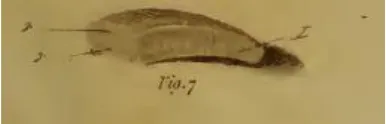
Figure 5.2: A Display of Plates ...162
Figure 5.3 Lithotomies ...166
Figure 5.4 Bone Earth Calculi ...168
Figure 5.5 Triple Calculus ...169
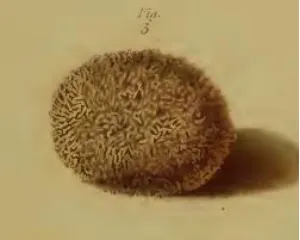
Figure 5.6: Mulberry Calculi ...170
Figure 5.7 Cystic Oxyd ...171
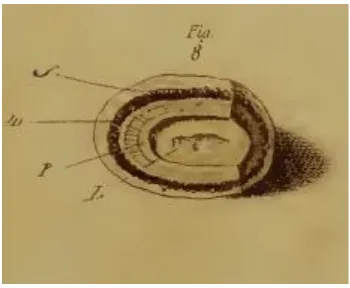
Figure 5.8 Compound Calculi ...172
CHAPTER 1
INTRODUCTION:
THE MORBID CONCRETIONS OF THE HUMAN BODY
1.1 Chemical Constitution and Uterine Calculi
On May 27, 1834 at a meeting of the Medico-Chirurgical Society, an intellectual
society that involved physicians, apothecaries, surgeons, and chemists in greater London,
John Bostock read a paper entitled “On the Chemical Constitution of Calcareous
Tumours of the Uterus.”1 Bostock was a physician with an interest in chemistry, who had
worked with chemists interested in analyzing the fluids of the body, including Jöns Jacob
Berzelius, and Thomas Thomson. Bostock opened his paper by stating, “It is well known
that various parts of the body are liable to have deposits formed in them of an earthly or
bony matter. These bodies have, in a few instances, been made the subject of experiment,
and have been found generally to be composed of the phosphate of lime, combined with a
small portion of the carbonate cemented together by a quantity of animal matter.”2
Bostock wanted to break concretions like these “tumours” down chemically to
understand how the body’s fluids created blockages, or deposits in the body, and how the
1John Bostock, “On the Chemical Constitution of Calcareous Tumours of the
Uterus, and Other Parts,” Medico-Chirurgical Transactions 19 (1835): 81-93.
subsequent blockage of the body’s fluids contributed to disease.3 Physicians interested in
chemistry, or medico-chemists, were inspired to understand concretions in the body, such
as urinary calculi, or in this case stones in the uterus, in order to treat them more
effectively.
Concretions were analyzed through chemical reactions by medico-chemists and
physicians, which led them to draw comparisons between stones of different parts of the
body. Bostock pointed to the chemical similarity of the “tumour” found in the uterus and
a concretion found in the salivary gland. The chemical similarities suggested that the
fluids of the body contributed to stone development, and these stones could cause
diseases in the body. He compared ovarian and salivary stones, and also pulmonary
stones, writing: “I had the opportunity, many years ago, of examining a salivary calculus,
which I found to be composed of phosphate of lime, with a little animal matter, and more
lately I found nearly the same constituents in a pulmonary calculus, and in two
concretions from the ovaries.” 4 Through the Medico-Chirurgical Society, Bostock met
Dr. Richard Lee, a physician and expert in midwifery.5
Lee provided Bostock with seven calculi that were either discharged or removed
from the uterus from several patients. He described the calculi: varying in size from a pin
head to three times larger and yellowish/white, resembling ivory. They were dried after
3Bostock, “On the Chemical Constitution,” 81.
4Bostock, “On the Chemical Constitution,” 82.
5Best known for his work: Clinical Midwifery: Comprising the Histories of Five
Hundred and Forty-Five Cases of Difficult, Preternatural, and Complicated Labour
being exposed to heat and weighed 6.2 grams. The stones’ reaction to various acids had
been tested. Physicians tested concretions to determine their chemical composition, with
the hope that by understanding the composition of a calculus, from any part of the body,
it could be treated with chemical substances that could weaken the stone in the body, and
lead to its easy removal by a surgeon. Some physicians also hoped that they could
prevent or arrest the formation of the stone entirely.
At the same time that chemistry was becoming more quantitatively and
analytically precise in discerning the chemical composition of stones, medico-chemists
like Bostock were still using terminology and ideas from humoral pathology. Bostock
received case notes from other physicians about calculi that he examined: “On
examination, we found the uterus the seat of disease; its substance occupied by a number
of tumours, beneath the peritoneal covering; several the size of an orange, and one very
large one, pendulous, and attached to the back part of the fundus uteri, by a short strong
peduncle.”6 Hippocratic physicians believed that there were “seats” where diseases
originated. The seat could be a fluid (often a humor) or an organ, and the idea of a seat as
being involved with the origin of disease continued into the early nineteenth century.7 In
looking for causes of unfamiliar diseases, physicians like Bostock used familiar theories
of medicine.
6Bostock, “On the Chemical Constitution,” 89.
7Roy Porter, The Greatest Benefit of Mankind: A Medical History of Humanity
Humoral practitioners were also attempting to understand the body’s fluids and
secretions and in addition to his work on calculi Bostock also analyzed blood, hoping for
further insight into the role of fluids in diseases and the formation of stones. While
Bostock’s work had increasing chemical specificity, it also pushed him to retain a belief
in the utility of humoral pathology, and he called for its partial reintegration into
medicine. In his entry on the history of medicine in The Cyclopedia of Practical
Medicine he wrote:
And as we must take the fluids, and the changes proper to the fluids into account
in all attempts at explanation of physiological phenomena, so we must be
prepared to admit Humoral Pathology as essential to the explanation of all the
more important phenomena of disease; but this must be a pathology founded on
observed changes, not simply of the chemical of chemical condition, but of the
strictly vital properties of the fluids, and especially of the blood.8
Perhaps ironically, increasingly sophisticated chemistry seemed to propose a
reconsideration and revision of humoral pathology through the study of the body’s fluids
and the production of concretions in the body.
By 1840, physicians like Bostock still saw humoral pathology, at least in part, as
valuable, and recognized its historical value. In the Medical Times, foreignreports of
physicians’ speeches pointed out that humoral pathology was being improved and
perfected. Gabriel Andral (1797-1876), a famous professor of medicine at the University
8Bostock, “History of Medicine,” pg. 84 in The Cyclopaedia of Practical
of Paris, inspired one of the writers for the Medical Times to proclaim: “…that humoral
pathology, purged of its errors, will once more take a prominent place among medical
theories.”9 Chemistry, humoral pathology, and medicine were entangled with each other
in the first half of the nineteenth century.
Humoral pathology was a topic of wide discussion among some British and
American physicians, chemists, and surgeons. These individuals lived in cities that
included Philadelphia, London, and Charleston. A Google Ngram (figure 1.1) shows high
levels of literature preserved in Google Books digital archive concerning the term
humoral pathology, especially between 1820-1840. The advent of enlightenment
chemistry to medicine drove this renaissance of interest in humoral pathology during
early nineteenth century medical practice in Britain and America.
Figure 1.1 Ngram Results for Humoral Pathology
9Foreign Journals: The Gazette des Medicus Practicus, in a Report of the Lectures
1.2 Humoral Pathology and Chemistry
This dissertation will explain the importance of the chemical analysis of the
morbid concretions (stones) of the body and their effect on medical practice from the late
eighteenth through the middle of the nineteenth century. Some physicians were interested
in analyzing stones to advance the chemical knowledge of their communities, while other
physicians saw stones as evidence that medical attitudes toward humoral pathology at the
turn of the nineteenth century needed to be reconsidered, and argued for a return to some
of the useful aspects of the theory and practice.
Physicians on both sides of the Atlantic believed that stones were one of
medicine’s most pressing questions. Alexander Marcet, another medico-chemist,
estimated that fifteen percent of all patients admitted into the hospital were admitted for
urinary stones, and surgeons and physicians highlighted the difficulty of treating cases of
the stones.10 This dissertation examines the work of physicians in the cities of Charleston,
Philadelphia, and London as representative of the medico-chemical investigations
occurring around the Atlantic. These specific cities were chosen to highlight the
appearance of intellectual societies that either directly discussed, or supported members
who were interested in the chemical analysis of stones. Many of the actors discussed here
were in communication with each other, either through correspondence or citations in
journals, speeches, and books. These physicians were therefore networked together
through publication, friendship, educational institutions, and memberships in similar
societies.
10Alexander Marcet, An Essay on the Chemical History and Medical Treatment of
1.3 The Changing Paradigm of Chemistry
The Chemical Revolution of the late eighteenth century was central to
re-establishing a revised humoral pathology, and therefore some credit for this development
must go to the central figure of that revolution, the French chemist Antoine Lavoisier
(1743-1794). However, chemists before Lavoisier were working on the chemical analysis
of stones. It was while looking for treatments for stones, that another chemist discovered
a new type of gas, fixed air or what is now known as carbon dioxide.
Joseph Black (1728-1799), a physician who later became a chemist, wrote his
doctoral thesis at the University of Edinburgh on urinary stones. Black began his
chemical researches by searching for a proper solvent for stones. Physicians knew that
acids would dissolve stones, but these experiments occurred only once stones had been
removed from the body, since physicians could not find a non-lethal acid that could be
ingested.11 Black tried an experiment in 1755 on magnesia-alba heating it and forcing it
through limewater; It made the limewater turn a thick white color, and the reaction
released a gas. This gas was not the same as atmospheric air. He found that he could
reconstitute the gas by applying acid to the limestone. He thought he had liberated this
“fixed air” from the magnesia. He was able to show that a gas was coming off of the
magnesia-alba later as the “fixed air” was released because the magnesia-alba was
lighter.12 Physicians like Black were involved in important experiments prior to Chemical
11Levere, Transforming Matter: A History of Chemistry from Alchemy to the
Buckyball (Baltimore: Johns Hopkins Press, 2001), 42, 54-56, 75-76, and 123.
12Henry Marshall Leicester and Herbert S. Klickstein, A Source Book in
Revolution. The search to understand solvents, calculi, and urine would continue through
the work of Lavoisier and his peers.
In Lavoisier’s Elements of Chemistry, Lavoisier analyzed the composition of
urine, among other substances. However, in Kerr’s 1802 edition, the translator included a
discussion of bladder stones and biliary stones. Kerr was inspired by the decomposition
of substances into elements and applied that form of analysis to the fluids and products of
the animal body (like blood, milk, cheese, and bile).13 Kerr noted the success of chemical
analysis in regards to biliary concretions: “By chemical analysis, they [biliary
concretions] afford resin of bile, benzoic acid, and small quantities of lime, soda, and
neutral salts, having a basis of ammonia.”14 Lavoisier’s chemistry resonated with
physicians like Kerr because it showed them that they were on the cusp of a
breakthrough, of understanding a mysterious disease.15 Stones as a phenomena were now
something that could be at least measured.
After Lavoisier was executed in 1794 during the French Revolution, many
chemists in Britain and France continued his work. Antoine Francois, Comte de Fourcroy
and Louis Nicolas Vauquelin performed chemical analysis on human urine in order to
determine the cause of stones.16 In Britain George Pearson translated Lavoisier’s work
into English, and also worked on the chemical analysis of urine. He published an analysis
13Antoine Laurent Lavoisier, Elements of Chemistry, trans. by Robert Kerr (Edinburgh: W. Creech, 1802), 214-216
14Lavoisier, Elements of Chemistry, 214.
15Lavoisier, Elements of Chemistry, 214.
of urinary concretions in the Philosophical Transactions.17 He found that concretions
could cause both urinary and arthritic problems. He was a physician-chemist that inspired
the careful analysis of concretions with chemical reagents. William Hyde Wollaston, a
Copley Medal winner and vice president of the Royal Society, inspired a generation of
analyses of concretions found in the body. Wollaston laid out chemical categories of
concretions and extended his analysis to gout. Many of the characters highlighted in this
dissertation praised Wollaston’s work and claimed that Wollaston’s work served as an
inspiration for their work.18
1.4 Humoral Pathology
Humoral pathology was based on a doctrine of medical theory and practice that
originated in the works of Hippocrates and Galen.19 The ideas of the four humors, which
included black bile, yellow bile, phlegm, and blood, were later paired with temperaments
by Persian physicians, like Ibn Sina. These temperaments included: melancholic,
17George Pearson, “Experiments and Observations, Tending to Show the
Composition and Properties of Urinary Concretions,” Philosophical Transactions of the Royal Society 88 (1798): 15-46. Characters in this dissertation also often cited his work on pus: “Observations and Experiments on Pus” Philosophical Transactions of the Royal Society 100 (1810): 294-317. See also N.G. Coley, “George Pearson MD, FRS (1751-1828): ‘The Greatest Chemist in England?’” Notes and Records of the Royal Society 57 (2003): 161-175.
18See the Marcet’s Essay
19Hippocrates, Hippocratic Writings, trans. J. Chadwick and W. N. Mann (New
York: Penguin Books, 1978) and also Siraisi, Nancy G. Communities of Learned Experience Epistolary Medicine in the Renaissance. (Baltimore: Johns Hopkins
University Press, 2013 [electronic edition]) and History, Medicine, and the Traditions of Renaissance Learning (Ann Arbor: University of Michigan Press, 2007), and Roy Porter,
choleric, phlegmatic, and sanguine. These humors were also linked to qualities and
seasons. There was also a system of chemistry linked to humoral pathology, which
included the four elements. The four elements included: earth, fire, water, and air. The
four elements from Greece were linked to a corresponding humor. Blood was linked to
air, yellow bile was linked to fire, black bile was linked to earth, and phlegm was linked
to water.20 However, one of the reasons why humoral theory was overturned by more
anatomically-based theories of disease was that the chemical ideas underlying humoral
pathology were abandoned for newer chemical ideas in the sixteenth century. One point
of departure was the work of iatrochemists, like Paracelsus, advocating for a system of
chemistry that broke substances into different salts and earths. Paracelsus was also
aggressively dismissive against any ancient authorities of medicine.21
Physicians conceived that diseases were linked to an imbalance of or an excess of
one humor or another; therapies consisted of rebalancing the humors, for example by
bleeding and emetics. The ideas of balances and temperaments from the original medical
theory remained, even though the chemical system that originally supported it did not
survive.22 Physicians intervened for fever by drawing blood off to cool the body down.
They inspected the urine of patients, as well as feces, to determine what was going on
inside the body. Discolored feces or odd-smelling urine could signal internal disease and
20Nancy G. Siraisi, Medieval and Early Renaissance Medicine: An Introduction to
Knowledge and Practice (Chicago: University of Chicago Press, 1990)
21Siraisi, Medieval and Early Renaissance Medicine
22Walter Pagel, From Paracelsus to Van Helmont (London: Variorum Reprints,
distress.23 Doctors, even at the turn of the eighteenth century, were “breathing veins” (or
bleeding patients with a lancet) to treat all kinds of health issues.24 At the turn of the
nineteenth century physicians were still using humorally-based interventions into the
body and saw the new chemistry as actually further justifying their practice. Theories of
medicine based solely on anatomical ideas were thought to be impractical or
therapeutically useless. Even physicians who were skeptical of humoral pathology had to
have an accounting of how the body’s fluids operated. Neo-humoral pathologists thought
principally that humoral pathology was useful and offered explanations of diseases and
means of intervention into disease that no other medical theory did.
1.5 Histories of Science, Objects, and Medical Practice
In this dissertation, I argue that morbid concretions, or stones, function as
boundary objects between communities in Philadelphia, Charleston, and London at the
turn of the nineteenth century. The concept of boundary objects was first introduced by
Susan Leigh Star and James R. Griesmemer in their 1989 article “Institutional Ecology,
‘Transitions’ and Boundary Objects: Amateurs and Professionals in Berkeley’s Museum
23Lester S. King, The Road to Medical Enlightenment: 1650-1695 (London: Macdonald, 1970, Susan C. Lawerence, Charitable Knowledge: Hospital Pupils and Practitioners in Eighteenth-Century London (Cambridge, UK: Cambridge University Press, 1996), Cunningham, Andrew and R. K. French, The Medical Enlightenment of the Eighteenth Century (Cambridge, UK: Cambridge University Press, 1990), Lester S. King,
The Medical World of the Eighteenth Century (Chicago: University of Chicago Press, 1958), and Lester S. King, Transformations in American Medicine: From Benjamin Rush to William Osler (Baltimore: Johns Hopkins University Press, 1991).
24There is a museum exhibit that represents this practice in the Chemical Heritage
of Vertebrate Zoology, 1907-39.”25 The authors point to a natural tension between
disciplines and the need for generalization to facilitate conversation between different
groups. Boundary objects serve as communication prompts between different groups.
Boundary objects are very specific. They are defined as, “objects which are both
plastic enough to adapt to local needs and the constraints of several parties employing
them, yet robust enough to maintain a common identity across sites. They are weakly
structured in common use, and become strongly structured in individual site use. These
objects may be abstract or concrete.”26 The authors generally describe the museum as
being viewed by different actors as a place for ecology, an object for preservation, or
product of amateur collection, or a site of economic value for a university.
Work with boundary objects often involves collaboration, translation, negotiation,
debate, triangulation, and simplification between actors who need to reconcile different
meanings of objects. The reconciliation of knowledge about boundary objects often leads
to authority or status as gate keepers of knowledge. Many of the actors in this dissertation
have to work creatively with other fields and translate their knowledge to diverse
audiences. Stones mean different things to different groups, but they also spur their
interactions.27
25Susan Leigh Star and James R. Griesemer, “Institutional Ecology, 'Translations'
and Boundary Objects: Amateurs and Professionals in Berkeley's Museum of Vertebrate Zoology, 1907-39,” Social Studies of Science 19 (1989): 387-420. Star wrote a follow up to the growing body of literature: “This is Not a Boundary Object: Reflections on the Origin of a Concept,” Science, Technology, and Human Values 35 (2010): 601-617.
26Star and Griesemer, “Institutional Ecology, ‘Translations’ and Boundary
Objects: Amateurs and Professionals in Berkeley’s Museum of Vertebrate Zoology, 1907-1939” Social Studies of Science 19 (1989): 393.
For nineteenth century scientists and physicians morbid concretions fit Starr and
Griesemer’s definition of boundary objects. They meant different things to different
characters in the dissertation. For physicians they were bodily products, causing the
blockage of the body’s fluids which, in turn, caused disease. Stones represented a
problem that some physicians considered explainable and treatable using theories and
practices in humoral pathology. Chemists saw stones as objects that Lavoisier’s analytical
chemistry could be used on. Surgeons viewed stones as objects that needed to be
removed and that spurred collaboration with other medical practitioners. Museum
curators collected them in order to compare and categorize them to build knowledge
about them. Of course, members of these groups also overlapped.
John Pickstone offers a different interpretation of material objects in his Ways of
Knowing. Pickstone asserts that there are three ways of knowing: through natural history,
analysis, and experimentation.28 The natural historical way of knowing is about
classifying information or items, while analyzing is about breaking things down into their
elements, and experimenting is attempting to control and create phenomena. Pickstone
argues that science, technology, and medicine can be understood using these three ways
of knowing, and that “making and “work” is linked to ways of knowing. In the case of
medicine, ways of knowing contribute to “mending.” 29 In the case of calculi, many of the
actors in this dissertation use the three ways of knowing that Pickstone describes. Calculi
fit into a similar narrative. Physicians have to classify the stone using natural historical
typologies in order to organize and understand them. Medico-Chemists analyze and
28Pickstone, Ways of Knowing, 1-4
experiment with stones order to classify and understand why they occur. All three ways
of knowing focus on the mending aspect, or the therapeutic goals of the physicians and
surgeons, interested in studying stones of the body.
In The Therapeutic Perspective John Harley Warner pointed out that physicians
often embraced science before they understood its therapeutic benefits. In the case of
American medicine, Warner argued, this was especially true. What counted as science
versus what counted as science to physicians was a shifting target. Warner railed against
both Whig historians and those who cast science out of narratives in order to exclusively
pursue social and professional themes.30 Though he admitted it was impossible to
construct a master narrative of history, Warner calls for complex narratives in medicine.
Historians of medicine must be ready to deal with issues that come up in their work, and
not be myopic in terms of addressing one historical issue or perspective. He cautioned
that, “The task is to supplant an either-or approach with a readiness to acknowledge that
we are looking either at one aspect or another of a more complex issue.”31 Warner
30John Harley Warner, “Grand Narrative and Its Discontents: Medical History and
the Social Transformation of American Medicine,” Journal of Health Politics, Policy and Law 29 (2004): 757-780. Also see The Therapeutic Perspective: Medical Practice, Knowledge, and Identity in America, 1820-1885 (Cambridge, Mass: Harvard University Press, 1986), Against the Spirit of System: The French Impulse in Nineteenth-Century American Medicine. (Princeton, N.J.: Princeton University Press, 1998), “Ideals of
concludes that, “Once we are free from looking for the one meaning of science in
medicine, then the work of the past two decades appears not merely as a fragmentation of
perspectives in need of integration, but as a springboard to posing more refined
questions.”32
The revival of humoral pathology in this dissertation by medico-chemists and
surgeons ignoring the latest scientific theories but embracing them as good evidence.
Humoral pathology returned to practice medico-chemists making very sophisticated
arguments. Warner argued against presentism in the history of medicine. He was
extremely critical of historians of medicine who were very present minded and
privileging scientific as the improvement of medicine: “‘Science’ in American medicine
was never monolithic. It meant different things at various times and to assorted social
groups, including the varieties of medical practitioners…a self-conscious awareness of
the multiplicity of the meanings of science in medicine is one of the most promising
guides to research that can illuminate the place and function of science in medicine and
of medical science in American culture.”33 Arguably humoral pathology could be thought
of as science in the nineteenth century. Many medico-chemists in this dissertation
thought of humoral pathology as a science. Changes in practice could have more to do
with squabbles over authority than best practice, as in Lawrence Principe’s book The
Secrets of Alchemy.34
31Warner, “The History of Science and the Sciences of Medicine,” 177.
32Warner, “The History of Science and the Sciences of Medicine 178.
This dissertation takes place nearly half century before the development and
acceptance of germ theory.35 But the themes and practices here are related to that later
advance. Germs were discovered through the close analysis of fluids. Chemists who
were interested in urology, like Golding Bird, transitioned from the careful analysis of
urinary stones to describing their crystalline makeup.36 Golding exemplifies a shift in
medicine thinking from a holistic interpretation of the body to a reductionist one,
reducing disease to its microscopic, cellular, and chemical elements in the late nineteenth
century. This study is situated in one of the last periods where the patient and the
physician, as Charles Rosenberg argues, see therapy as successful because they can
literally see it work.37 This study reveals the coupling of an ancient theory of disease with
analytical tools that the actors in the study viewed as modern. Rosenberg astutely points
out that changes in science do not happen overnight, and in this study older medical
theories were made newly viable through new scientific ideas.38
34Lawrence Principe, The Secrets of Alchemy (Chicago: University of Chicago
Press, 2013).
35Michael Worboys, Spreading Germs: Diseases, Theories, and Medical Practice
in Britain, 1865-1900 (Cambridge, UK: Cambridge University Press, 2000).
36Golding Bird, Urinary Deposits: Their Diagnosis, Pathology, and
Therapeutically Indications (Philadelphia: Blanchard & Lea, 1859). This was a new edition for America and the fifth edition from London.
37Charles Rosenberg, “The Therapeutic Revolution: Medicine, Meaning, and
Social Change in Nineteenth-Century America,” in The Therapeutic Revolution: Essays in the Social History of American Medicine, eds. Morris J. Vogel and Charles E.
Rosenberg (Philadelphia: University of Pennsylvania Press, 1979), 3-27.
38See note above.
A useful comment on the history of medicine comes from the historian of science,
Andrew J. Lewis, who explores the transition of natural history practitioners from
amateurs to reasoned professionals. He points out that Americans openly questioned the
purpose of natural history, explaining:
Ordinary Americans and naturalists themselves were asking similar questions:
Just what was natural history for? What exactly did it do? Who should be
considered a naturalist and why? Early republic Americans agreed that natural
history could catalog and describe nature, but, as practiced by an orthodox elite in
the United States, it imposed limitations on theorizing about nature’s cases and
emphasized the assemble of individual facts.39
Lewis described these transitions in natural history as a change from a Democracy of
Facts to an Empire of Reason. Medicine, in Charleston, Philadelphia, and London, was
very much a Democracy of Facts. Membership in medical societies and other intellectual
bodies was not limited to experts, or even medical practitioners. Communication in the
Democracy of Facts functioned through the printed word, such as in journals, pamphlets,
books, and published speeches, thus links members across long distances.
The professionalization of medicine in the nineteenth century is parallel to
Lewis’s Empire of Reason. The professionalization of medicine has been a
well-explored and debated question in the history of medicine.40 John Harley Warner argued
39Andrew J. Lewis, A Democracy of Facts: Natural History in the Early Republic
(Philadelphia: University of Pennsylvania Press, 2011), 1.
40Paul Starr, The Social Transformation of American Medicine (New York: Basic
that professionalization in American medicine occurred not through power grabs and
nefarious means, but through a desire to transform and establish a medical culture that
imitated the clinics of Paris.41 Antebellum American physicians did not simply import
French ideas about physiology and bedside interventions, but made “…highly selective
constructions that made the Paris School stand for a celebration of empiricism and
animus against rationalistic systems.”42 Medico-chemists in this dissertation used a
selective construction of humoral pathology from what they knew from the history of
humoral medicine, and then used the new analytical chemistry to support it.
Philip Rieder and Micheline Louis-Courvoisier argue that aspiring physicians
sought to capture some of the medical marketplace by advertising their practice as
informed by Enlightenment science. They wanted to construct an identity for themselves
that was rooted in not only philosophical knowledge, but also gentlemanly culture.43 This
Medicina Nei Secoli 10 (1998): 189-207, S. E. D. Shortt, “Physicians, Science, and Status: Issues in the Professionalization of Anglo-American Medicine in the Nineteenth Century,” Medical History 27 (1983): 51-68, Michael Brown, Performing Medicine: Medical Culture and Identity in Provincial England, ca. 176-1850 (Manchester:
Manchester University Press, 2011), and Eliot Freidson, Profession of Medicine: A Study of the Sociology of Applied Knowledge (Chicago: University of Chicago Press, 1988). Also see the work of John Harley Warner, especially his two monographs mentioned in this introduction. The debate regarding the professionalization of medicine is far from settled.
41Warner, Against the Spirit of System, Michel Foucault, The Birth of the Clinic:
An Archaeology of Medical Perception, trans. Alan Sheridan (New York: Vintage Books, 1994). Erwin Heinz Ackerknecht, Medicine at the Paris Hospital, 1794-1848 (Baltimore: Johns Hopkins Press, 1967).
42Warner, Against the Spirit, 4.
43Philip Rieder and Micheline Louis-Courvoisier, “Enlightened Physicians:
Setting Out on an Elite Academic Career in the Second Half of the Eighteenth Century,”
dissertation focuses a period in which professionalization was not yet on every
practitioners’ radar, but building a culture of chemical knowledge, was a goal for some
physicians and some surgeons. This dissertation takes place when science was part of
gentlemanly culture.44 Many physicians had enough social capital, wealth, institutional
support, royal favor, or status to minimize their interested in consolidating professional
power.
1.6 Historiographical Contributions to the History of Chemistry
The history of chemistry is generally periodized into alchemy, iatrochemistry, the
Chemical Revolution, and examinations of recent chemical practice. The term “Chemical
Revolution” is troublesome because it does not take into account the proceeding chemical
work prior to Lavoisier’s chemical practice. Periodization obscures the continuity of
ideas.
Principe’s Secrets of Alchemy critiques the periodization of alchemy.45 There are
three eras (or the “Standard periodization”) commonly associated with alchemy. These
periods are: Greco-Egyptian, Arabic, and Latin European. He argued for a fourth era that
occurred in the eighteenth century to present, as there were several “revivals” of alchemy.
Periodization is problematic because “…revealing the surprising (and surprisingly late)
44Steven Shapin, The Scientific Life: A Moral History of a Late Modern Vocation
(Chicago: University of Chicago Press, 2008) and Never Pure: Historical Studies of Science As It Was Produced by People With Bodies (Baltimore: Johns Hopkins University Press, 2010).
45Lawrence M. Principe, ed. New Narratives in Eighteenth-Century Chemistry:
origins of many ideas about alchemy widely held today is sufficiently important to
warrant violating chronological order.”46 It is extremely difficult to compartmentalize
historical phenomena into standard chronological periods.
John G. McEvoy, in his 2010 study, The Historiography of the Chemical
Revolution, sketches the historiographical complexities of interpreting the Chemical
Revolution and the actors involved.47 Historians often undermine the idea that modern
chemistry represents a complete break from the past. The tensions McEvoy highlights are
related to these two questions:
Did this act of parturition, which brought forth modern chemistry, hinge upon an
experimental discovery, a theoretical insight, a methodological reform, an
epistemological reorientation, or an ontological purification? Or did it involve the
coming of reason to an arcane corner of experimental knowledge, or merely the
machination of local sociological forces?48
McEvoy surveys the historiography of the Chemical Revolution and new perspectives
from the fields of history, philosophy, and sociology of science.
This study argues that the new chemistry of the Chemical Revolution was used to
advance and revisit older ideas of medical practice, specifically as a substitute for the
46Principe, Secrets of Alchemy, 4-5.
47John G. McEvoy, The Historiography of the Chemical Revolution: Patterns of
Interpretation in the History of Science (London and Brookfield, Vt.: Pickering & Chatto, 2010). Also, see Seymour H. Mauskopf, “Thomas S. Kuhn and the Chemical
Revolution,” Historical Studies in the Natural Sciences 42 (2012): 551-556, Frederic L. Holmes, “The Boundaries of Lavoisier’s Chemical Revolution,” Revue D’Histoire des Sciences 48 (1995): 9-48, and John G. McEvoy, “The Chemical Revolution in Context,”
Eighteenth Century 33 (1992): 198-216.
four element chemistry that had supported ancient humoral medicine. McEvoy’s
metaphor for the appropriation of the chemistry of the late eighteenth century that was
used to explain questions related to blockages is that it is like putting “old wine into new
bottles.” The Chemical Revolution was multi-faceted and applied to different questions,
like the chemical processes of life.
Frederic L. Holmes argues that there was a Chemical Revolution: “If revolutions
really occur in science, then the chemical revolution identified with Antoine Lavoisier is
a classic example.”49 Thomas Kuhn also used the Chemical Revolution as a key example
of a paradigm shift in his The Structures of Scientific Revolutions.50 The Chemical
Revolution, in a general sense, was a signal event in the history of science and medicine.
Using the term Chemical Revolution captures the excitement and optimism of
medico-chemists who were conducting research. Characters in this dissertation felt that they were
doing analytical work that was revolutionary.
Holmes also explores the dependence of the chemical revolution on the study of
life processes, like respiration and digestion, in Lavoisier and the Chemistry of Life.
Holmes argues that Lavoisier’s work was intimately tied with the chemical investigation
into the life processes of plants and animals.51 Lavoisier investigated pneumatic
chemistry in order to get an insight into the “animal economy.” I argue in this
dissertation, that chemists applied Lavoisier’s investigative methods of decomposition to
49 Holmes, “The Boundaries of Lavoisier’s Chemical Revolution,” 9.
50Thomas S. Kuhn, The Structure of Scientific Revolutions (Chicago: University of Chicago Press, 1962).
the body’s fluids and that they were perpetuators of the Chemical Revolution and users of
Lavoisier’s methodology. In short, a medical aspect needs to be written into the history of
the Chemical Revolution.
Lavoisier’s new chemistry provided new methods of examination that could be
readily applied to the concretions of the body and the body’s fluids. In this study, as
medico-chemists became more adept at applying quantitative methods of measurement,
they found that the body was like a hydraulic system. The body could be thought of as
system of pipes, which had pressures and worked well when flowing uninterrupted.
Medico-chemists thought that chemical knowledge about the makeup of concretions and
the ideal composition of the body’s fluids would provide them with insights into how to
rid the body of disease. The Chemical Revolution facilitated moves by actors in this
dissertation to revive humoral pathology.
Chemistry, especially the medico-chemistry discussed in this dissertation, was
further shaped by the value placed on quantifying during the Enlightenment. The
Quantifying Spirit in the Eighteenth Century, edited by Tore Frangsmyr, J. L. Heilbron,
and Robin E. Rider, situates the Enlightenment as a time when quantitative information
from instrumentation grew significantly in both quantity and quality.52 Fields like
meteorology exploded with quantitative information, or “rampaging numbers.”53 The
Royal Society desired to measure everything it could in regards to the weather, and often
52Tore Frangsmyr, J. L. Heilbron, and Robin E. Rider, eds. The Quantifying Spirit
in the Eighteenth Century (Berkley: University of California Press, 1990).
used networks to accomplish this task across the globe. Tables of numbers appeared
through correspondence and close measurements with instruments.54
Governments also valued quantification.55 For instance, the population of a
kingdom was not clearly known until late in the eighteenth century. The number was
thought to be important in assessing the strength and health of a nation state. Heilbron
gives us the following analogy between quantification and population: The population
was instrumental, and its reading an indicator of health or decline. Lavoisier and the
intendant des Poemmelles likened measuring population to a thermometer, “the
thermometer of public prosperity,” a pleasant image since, in French usage of the time,
“temperature” was to the air what “temperament” was to the bodily humors, that is, an
indicator of condition or temper, and climate was a recognized factor in public health.56
The spirit of quantification affected the way philosophes saw the world and their
craft. To improve knowledge about population, intellectuals could perform more intricate
measurements and calculations, for example a detailed census, and they thought they
could improve their knowledge through more careful numbers. Analytical chemistry
applied to stones was no different; it was a deliberate move towards quantification of the
objects and their constituent parts in order to rate one’s health and solve problems.
54J. L. Heiblron, “Introductory Essay,” 10-12.
55J. L. Heiblron, “Introductory Essay,” 10.
Finally, America, as well as Europe, was part of the Longue Durée of the
Enlightenment.57 The editors of the Sciences in Enlightened Europe criticized scholarship
for its dominant view that the Enlightenment was construed with too limited a
geographically, “Too often, the Enlightenment has been seen as a purely mental
construct, granted a geography and a temporality only insofar as it began in a certain
place and diffused elsewhere.”58 The Enlightenment impulse to quantify and collect was
both practiced and communicated back to Europe. Chemical knowledge itself was
communicated to many different types of people in many different places. In Science as
Public Culture, Jan Golinski writes that “The image of chemical knowledge as a
component of general enlightenment also inspired its communication at lower levels of
society.”59 It is unsurprising then that middle and upper class physicians saw chemistry
and quantification as tools of the Enlightenment and were well versed in its ideas.
According to Golinski, Humphrey Davy, a famous chemist and president of the Royal
Society, was able to promote chemistry, “Middleclass audiences clearly appreciated his
57Alexandra Oleson and Sanborn C. Brown, eds. The Pursuit of Knowledge in the
Early Republic: American Scientific and Learned Societies from Colonial Times to the Civil War (Baltimore: The Johns Hopkins University Press, 1976), Joyce E. Chaplin, An Anxious Pursuit: Agricultural Innovation and Modernity in the Lower South, 1730-1815
(Chapel Hill: University of North Carolina Press, 1993), Joyce E. Chaplin, Subject Matter: Technology, the Body, and Science on the Anglo-American Frontier, 1500-1676
(Cambridge, Mass: Harvard University Press, 2001). For the “Longue Durée” see Fernand Braudel, The Mediterranean and the Mediterranean World in the Age of Philip II (New York: Harper & Row, 1972). For the New World’s influence of Europe, see Alix Cooper, Inventing the Indigenous: Local Knowledge and Natural History in Early
Modern Europe (Cambridge: Cambridge University Press, 2007).
58William Clark, Jan Golinski, and Simon Schaffer, ed. The Sciences in
Enlightened Europe (Chicago: University of Chicago Press, 1999), 31.
59Jan Golinski, Science as Public Culture: Chemistry and Enlightenment in
assurances that the progress promised by chemistry posed no threat to the social order.”60
Chemistry was exciting and in line with Enlightenment excitement of possessing “true”
knowledge and rational progress.61
Andrew Cunningham wrote that in the Enlightenment there was “…a renunciation
of authorities: Galen, venerated as the prime medical authority since antiquity, now
ceased to be held in esteem. Instead, every man became his own authority, and there was
a proliferation of people offering new medical ‘systems.’” This dissertation questions
some of the radical changes in the Enlightenment. Though theories might be destroyed by
competing ideas in a general sense, shards of their influence continue and persist into
new theories. Though ancient authorities like Galen, Hippocrates, and other classical
physicians were relegated to the past by the Enlightenment, their influence continued in
medicine. New scientific methods of investigations are also re-applied to fit
interpretations of older theories. Cunningham described the Enlightenment as
characterized as that of “Progress” and “Reason.”62 Humoral pathology’s chemical
revival in the late Enlightenment complicates our notions of reason and progress in
medicine.
60Golinski, Science as Public Culture, 242.
61David Cahan, ed. From Natural Philosophy to the Sciences (Chicago: The
University of Chicago Press, 2003).
62Andrew Cunningham, “Introduction,” in The Medical Enlightenment of the
1.7 Chapter Overview
This opening chapter serves as an introduction to the themes of the dissertation.
The second chapter explores the chemical origins of American medicine through the life
of Benjamin Rush. Rush was educated under Joseph Black and other prominent British
and Scottish chemists while abroad. He returned to America to become professor of
chemistry at the University of Pennsylvania. Rush applied chemical analysis to problems
related to the fluids of the body. Chemistry augmented his belief in a humoral pathology.
Bloodletting and diseases related to the fluids of the body were perfected through a more
intensive chemical knowledge. An ardent abolitionist, Rush used chemistry and humoral
pathology to argue that Africans were not from an inferior race but were, in fact, sick
Caucasians. He explored the chemical and fluid-based nature of other diseases including
cholera and invasive agents like worms during the American Revolution. Rush used
chemistry to carefully measure a key fluid of the body, blood, and carefully establish
proper amounts patients needed to be bled in order to re-establish health. This chapter
seeks to explain the merging of chemistry and humoral pathology in the early Republic
by studying one of its most well-known figures.
The third chapter explores in greater detail the argument for the integration of
chemistry into medical practice. The life of Thomas Cooper and his Discourse on the
Connexion Between Medicine and Chemistry are examined to understand early nineteenth
century physicians’ justifications of the integration of chemistry into medicine. It is also
examined to understand how such an integration re-established humoral pathology as a
viable part of medical practice. Cooper was a British chemist, physician, and political
Revolution.63 Cooper saw the fluids of the body as the vehicle that conveyed diseases,
including yellow fever. He also saw nature and its related miasmas as an active agent in
causing fluid blockages that led to disease. Cooper’s career as a chemist and a physician
collapsed under his controversial religious and political agenda. The third chapter
explores the inter-relatedness of chemistry, medicine, and humoral pathology and the
influence of British practitioners on American medicine.
The fourth chapter explores many of the themes of the first two chapters, but in a
clinical setting in the American backcountry. Edward Darrell Smith was a physician who
decided to become a chemist after treating patients suffering from painful cases of
urinary calculi. Smith and other urologists at the turn of the nineteenth century faced a
changing world in medicine. Underlying theories, professional attitudes, and structures
were in flux. Urologists carefully measured the body’s fluids in the hopes that they could
understand the chemistry of urine and understand what caused urinary stones. Physicians
like Smith hoped that by measuring the acidity of urine and the chemical composition of
stones they could treat or even prevent stones. Smith’s chemical research and case studies
encouraged him to call for revisions in humoral pathology, highlighting its usefulness in
medical practice. The chapter discussing Edward Darrell Smith’s medical practices charts
the persistence of humoral theory and his treatments due to chemistry.
The fifth chapter builds on the British practice of medico-chemistry in examining
two subjects more closely. First, it explores the work of Alexander Marcet and his desire
to improve lithotomies through the improvement of chemical knowledge about the stone.
63 Dumas Malone, The Public Life of Thomas Cooper, 1783-1839 (New Haven: Yale
Marcet published the culmination of his experiences as a physician at Guy’s Hospital and
work as a chemist in An Essay on the Chemical History and Medical Treatment of
Calculous Disorders. The Essay not only chemically categorized and organized urinary
and other calculi in the body by their chemical composition but it also explained to
physicians how to test, identify, and chemically treat stones in the body. The second part
of this chapter focuses on the interest and contributions of surgeons to the chemical
analysis of calculi in the body. The chapter focuses on the close friendship between
Alexander Marcet and Astley Cooper, a relationship made possible by the role of bodily
stones as boundary objects. Cooper was a famous surgeon and leader of the Royal
College of Surgeons. Surgeons were interested in the chemical analysis of stones in order
to improve lithotomies, or surgical procedures to remove calculi from the body, since
physicians like Marcet pointed out how risky the procedure was. Even Hippocrates
includes a caution and prohibition to physicians concerning cutting for the stone: “I will
not use the knife, not even on suffers from the stone, but will withdraw in favor of such
men as are engaged in this work.”64 Cooper provided the specimens that Marcet analyzed
and was involved in the discovery of new chemical typologies of stones. Surgeons, as
well as physicians like Marcet, included references to humoral pathology and its related
ideas in their published works. This chapter highlights the importance of surgery and
collaboration in the chemical study of urinary stones.
The sixth and final chapter explores the societies in which questions about the
fluids of the body and morbid concretions were exchanged. This chapter aims to give the
reader the context to the long-ranging geographies of the morbid concretions and bodily
fluids. The societies examined are grouped by their geographical locations: Philadelphia,
Charleston, and London. In Philadelphia, the Chemical Society of Philadelphia [or
Chymical Society of Philadelphia] is explored through the works of its early leadership
by Felix Pascalis, a French immigrant to Philadelphia who, like Rush, believed that the
changing of the body’s fluids could produce skin changes and who saw disease as
fluid-based. The Columbian Society is also examined, since one its leaders, George F. Lehman
produced work on biliary stones. In Charleston, the Literary and Philosophical Society
was interested in chemistry as a way to bring modernity into a society thought to be
lacking in intellectual life. Several physicians were members and even non-physicians
were interested in chemistry and published literature about pulmonary stones.
In London, some of the actors already mentioned, including Alexander Marcet,
Astley Cooper, and John Bostock, were involved in establishing the Medico-Chirurgical
Society, the forerunner to the Royal Society of Medicine. The Medico-Chirurgical
Transactions contained published papers read before the society. Many of the topics of
these papers included concretions, humoral pathology, and measurements of the fluids of
the body. Through its publication the Society was able to be an active contributor in
medical debates, as many of its publications are mentioned in previous chapters. The
society was interested in recording chemical information about extracted calculi as a
means to determining a link between populations with high rates of lithotomies. John
Yelloly, another founder of the Society, published a collection of analytical chemical
works about stones and attempted to correlate statistical information with chemical
The first curator at the Royal College of Surgeons, William Clift, consolidated
and organized the larger collection of stones from famous surgeons like William Blizard
and John Hunter. Clift attempted to publish detailed catalogues of the college’s holdings.
He, along with Thomas Taylor, and others published A Descriptive and Illustrated
Catalogue of the Calculi and other Animal Concretions Contained in the Museum of the
Royal College of Surgeons in London (1838-1842). The catalogue consisted of three
volumes, with a typology of each stone, along with its constituent chemical-natural
history. The chemical analysis of each stone was outsourced through Clift’s network of
chemist-collaborators. The systematization of chemical knowledge about the stones of
the body comes through collaboration between surgery, chemistry, and medicine.
This dissertation argues that bodily calculi are boundary objects. They were
discussed by different occupations, such as medicine, chemistry, and surgery, in order to
understand why bodies produce calculi and what treatments would work well. Chemistry
was used to measure the fluids of the body in order to determine their relationship to
health and their role in producing calculi. Characters in this dissertation organized stones
by their chemical makeup. The more chemical information that was collected about the
body’s fluids and the stones it produced, the more medico-chemists and surgeons looked
to humoral theory to explain their findings. Treatments that were characteristic of
humoral pathology were validated by analytical chemistry. This dissertation will study
boundary object negotiations and collaborations regarding stones across three cities:
London, Charleston, and Philadelphia.
CHAPTER 2
THE REPUBLIC OF MEDICINE:
BENJAMIN RUSH’S MEDICO-CHEMISTRY
2.1 Introduction
In 1812, the last year of his life, Benjamin Rush responded in writing to his
nomination to the Royal Academy of Madrid, Spain. He retrospectively identified his
public life and medical contributions with Sancho Panza, the main protagonist in
Cervantes’ seventeenth century novel Don Quixote. He begins: “’Where said Sancho
when he retired from Government (and was asked how he liked it) ‘Where are my shoes
and stockin(gs?).[‘]”65 Rush thought that a similar sentiment fit his public life in
medicine, “Should a similar question be asked of a physician when he retires from public
life, his answer should accord in indignation and contempt with that of Sancho’s. It
should be ‘Where is my pestle, and mortar – where is my library – where is my pen and
ink?’” Rush reflected on the virtue of the business of practice over the praise of the
public, and the sentiment that a public figure never retires. He closes by exalting that the
library, pestle, and pen and ink are, “…the only Sources of enjoyment and usefulness to a
man who had once tasted of the pleasures of Service & Benevolence.”
651812 Benjamin Rush to Madrid Royal Society, Benjamin Rush Papers, David M.
Rush’s interest in the analysis involved in medical practice never faded, and was a
crucial part of his practice before retirement. He signed the letter with “Health, respect,
and friendship, from your brother in the republic of Medicine.”66 The republic of
medicine that Rush spoke of was built on shared theories regarding the chemical analysis
of the fluids of the body.
In fourth volume of his Medical Observations and Inquiries, Rush argued that
fevers and fluid irritations were linked, sometimes resulting from stones and the solids of
the body. He wrote that, “The NEPHRITIC state of fever is often induced by calculi, but
it frequently occurs in the gout, small-pox, and malignant states of fever.”67 Rush played
a well-known role in the study and treatment of yellow fever. He explained the cause of
fever through the putrefaction of vegetable matter and its effects on the fluids of the body.
He cites chemists like Joseph Priestley and Joseph Black as agreeing with his chemical
explanations of yellow fever. Rush’s medical work serves as a bridge between older
chemically-based understandings of diseases in the body and the turn of the nineteenth
century’s chemical analysis of the stones of the body. Humoral pathology is evident in his
chemical work as well.
Rush’s theory of humoral pathology built on chemical ideas from the seventeenth
century, which investigated fluid blockages in the body through humoral pathology. In
Inventing Chemistry: Herman Boerhaave and the Reform of the Chemical Arts John
Powers discusses the importance of chemistry in medicine, and its cosmological
66Benjamin Rush to Madrid Royal Society.
relationship to humoral pathology. The blockage of blood or other fluids of the body
disrupted the health of the body. According to Powers, Boerhaave, an early eighteenth
century physician and chemist, believed that, “The proper flow of the bodily fluids
denoted the health and life of the organism. Retarded fluid flow in some part of the body
caused illness, and a complete halt in all fluid flow indicated death.”68 Boerhaave
believed that illness came from irritability, or the spasm. Rush traveled to Europe to study
chemistry under William Cullen, who placed similar importance on chemistry in
medicine as Boerhaave, and on chemistry’s relationship to the humors. But Cullen
departed from Boerhaave’s hydraulic, mechanistic, humoral pathology. Rush’s work was
a combination of the two men’s, with his own additions.69 Still, it is worth noting that
Cullen, Boerhaave, and Rush were all committed practitioners of humoral pathology.70
In this chapter I argue that Rush’s theories about irritability and the fluids of the
body were based on chemistry and humoral pathology. Actual chemical practices were
used to regulate the body’s fluids, by measuring the amount of blood removed from sick
patients. Rush advocated the removal of filth from the city to avoid irritating the body’s
fluids or create blockages. He hoped that epidemics like yellow fever could be prevented
through the application of his chemically based ideas. Rush’s racial and political politics
influenced his chemical understandings of the body, too. He thought that African slaves
were not inferior per se, but were in actuality really sick white people, whose fluid
68John Powers, Inventing Chemistry: Herman Boerhaave and the Reform of the
Chemical Arts (Chicago: The University of Chicago Press, 2012), 109.
69Powers, Inventing Chemistry.