ABSTRACT
HODGES, KATHRYN RENA. Certified Principal Investigator (CPI) Certification as a Predictor of the Number of Major and Critical Protocol Deviations in Clinical Trials: Does Certification Make a Difference? (Under the direction of Dr. Duane Akroyd).
There is an increasing demand for qualified clinical principal investigators to help close the translational gap between basic science discovery and the development of human therapeutics. Though programs to train clinical researchers have grown in quantity and diversity, the number of clinical principal investigators (PI) is still too few to meet the development need, and the quality of work of current clinical PIs requires continued improvement. The purpose of this study is to determine if Certified Principal Investigator (CPI) certification can improve the quality of clinical PI work through a certification and subsequent continuing education requirement that has clear parallels to the certification requirement that has proven effective in medical practice.
The study was a quasi-experimental, single-group interrupted time-series research design using quantitative analytic measures. A sample of clinical PIs was selected from the Quintiles Infosario database. Descriptive statistics summarized participant characteristics. A paired sample t-test was used to determine the difference between mean protocol deviations produced before and after participant CPI examination. Hedges’ g was used to estimate the effect size of the mean protocol deviation difference.
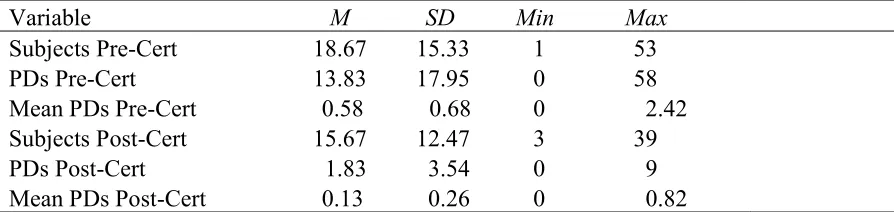
clinical PI’s mean protocol deviation drops an average of 0.4542 major and critical protocol deviations per enrolled clinical trial subject after passing the CPI exam and becoming certified. Hedges’ g for t-tests revealed a large effect size of 0.8588 and demonstrated a strong connection between mean protocol deviations and certification. Future research should include a larger, experimental design that further limits self-selection bias. If further research in this area validates these initial results, both the pharmaceutical industry and
Certified Principal Investigator (CPI) Certification as a Predictor of the Number of Major and Critical Protocol Deviations in Clinical Trials: Does Certification Make a Difference?
by
Kathryn Rena Hodges
A dissertation submitted to the Graduate Faculty of North Carolina State University
in partial fulfillment of the requirements for the degree of
Doctor of Education
Educational Research and Policy Analysis
Raleigh, North Carolina 2017
APPROVED BY:
_______________________________ _______________________________
Dr. Duane Akroyd Dr. Tuere´ Bowles
Committee Chair
_______________________________ _______________________________
BIOGRAPHY
Rena Hodges was born in Gastonia, NC and raised in Clover, SC. After graduation from Clover High School, she entered Duke University, Durham, NC, from 1987-1991, earning a Bachelor of Arts in Economics. Subsequently, she earned a Master of Medical Science from Emory University, Atlanta, GA, in 1994, a Master of Business Administration from Campbell University, Buies Creek, NC, in 1997, and a Master of Clinical Research from Campbell University in 2006. In 2013, she was admitted to the Doctoral Program in Adult and Community College Education at North Carolina State University, Raleigh, NC.
Rena has worked for the past 21 years as a Physician Assistant, primarily in family medicine. For the past 10 years, she has worked full-time in the clinical research industry in project, program, and portfolio management for a large contract research organization (CRO). She also serves as an adjunct faculty member in the Clinical Research and Physician Assistant Programs, College of Pharmacy & Health Sciences, Campbell University, Buies Creek, NC.
Rena retired from the United States Naval Reserve in 2007 after having served as both a Hospital Corpsman and a Medical Service Corps Officer. During this time, she served on active duty during two war campaigns, Operation Desert Storm in 1990/91 and Operation Iraqi Freedom in 2003.
Rena has earned and maintains the Project Management Professional Certification (PMP), as set by the Project Management Institute (PMI), the Regulatory Affairs
TABLE OF CONTENTS
LIST OF TABLES ... viii
LIST OF FIGURES ... ix
CHAPTER ONE: INTRODUCTION ... 1
Statement of the Problem ... 3
Theoretical Framework ... 6
Experiential learning theory in the education and training of clinical PIs ... 6
Dependent Variable ... 10
Independent Variable ... 10
Purpose ... 10
Research Question ... 10
Significance... 11
Chapter Summary ... 12
Definitions... 13
CHAPTER TWO: REVIEW OF THE LITERATURE ... 18
Introduction ... 18
Definition and Responsibilities of a Principal Investigator ... 19
Complexity of the Clinical Research Environment ... 20
Protocol design... 20
Regulatory environment and operational conduct of trials ... 22
Types of Clinical PI Training ... 22
Degrees to train clinical PIs ... 23
MD-PhD and MD ... 23
MS, MPH and MSCR ... 27
Certificate programs ... 27
Mentorship ... 28
Standardized certification ... 29
Experiential Learning Theory in the Education and Training of PIs ... 30
Lewin, Piaget and Schon... 32
Kolb... 33
Self-Directed Learning Theory ... 35
Houle ... 35
Knowles ... 35
Transtheoretical Model ... 36
Need for More and Better Trained PIs ... 37
Primary FDA audit findings... 38
Major and critical protocol deviations ... 39
Continuing Medical Education ... 42
Prevalence, acceptance and requirement for medical practice ... 42
Basis for improved medical practice... 43
Maintenance of certification ... 45
CPI ... 47
As a predictor for regulatory compliance ... 49
As a predictor for protocol compliance ... 49
Summary of Literature Review ... 50
CHAPTER THREE: METHODOLOGY ... 51
Research Question ... 51
Research Design... 51
Population and Sample ... 52
Inclusion Criteria ... 52
Degreed status and experience ... 52
PI record with Quintiles ... 53
Study timelines... 54
Exclusion Criteria ... 54
Prior formal research training ... 54
Commitment to data protection ... 55
Instrumentation ... 57
Study Variables ... 59
Dependent variable ... 59
Independent variable ... 59
Data Collection ... 59
Validity ... 61
Internal threats to validity ... 61
External threats to validity ... 61
Threats to statistical conclusion validity ... 62
Analysis... 63
Demographic Data ... 63
Descriptive Statistics ... 63
Inferential Statistics ... 64
Research Question ... 64
Delimitations ... 64
Limitations ... 65
Chapter Summary ... 66
CHAPTER FOUR: RESULTS ... 67
Response Rate and Evaluable Participants ... 67
Participant Characteristics ... 69
Professional ... 69
Experience... 69
Participant Mean Protocol Deviations ... 71
Analysis of the Research Question ... 73
Chapter Summary ... 74
CHAPTER FIVE: SUMMARY, CONCLUSIONS, & RECOMMENDATIONS ... 76
Conclusions and Discussion ... 82
Implications for Policy and Practice ... 83
Implications for the pharmaceutical industry ... 85
Implications for the regulatory agency ... 86
Implications for patients ... 87
Limitations ... 89
Suggestions for Future Research ... 90
Summary ... 92
Concluding Statement ... 93
LIST OF TABLES
Table 1. Duties of a Principle Investigator ... 19
Table 2. Quintiles’ Categorization of Protocol Deviations ... 41
Table 3. Eligibility Criteria for the CPI Exam ... 58
Table 4. Participants by Medical Specialty... 69
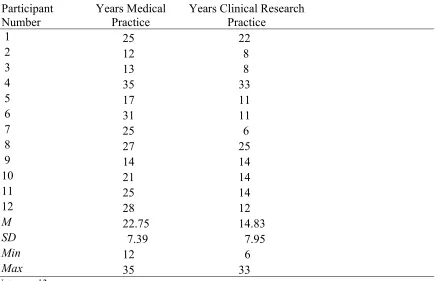
Table 5. Participant Medical and Clinical Research Practice Experience. Means, Standard Deviations, and Ranges for Participants’ Years of Practice Experience ... 70
Table 6. Results Two-Sample t-tests for Mean Protocol Deviations Pre-Certification and Post Certification and Years of Research Experience Using Mean of Years of Research Experience as a Cut-off ... 71
Table 7. Results Two-Sample t-tests for Mean Protocol Deviations Pre-Certification and Post-Certification and Years of Research Experience Using Standard Deviation of Years of Research Experience as a Cut-off ... 71
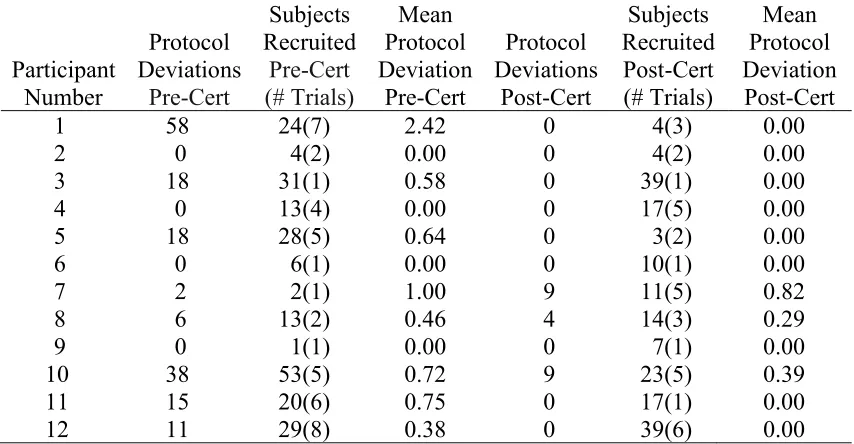
Table 8. Participant Mean Protocol Deviations Pre-Certification and Post-Certification .... 72
Table 9. Means, Standard Deviations and Ranges for Clinical Trial Subjects Enrolled by Participants, Major and Critical Protocol Deviations Produced by Participants and Mean Protocol Deviations Produced by Participants for Each Period of Interest... 73
LIST OF FIGURES
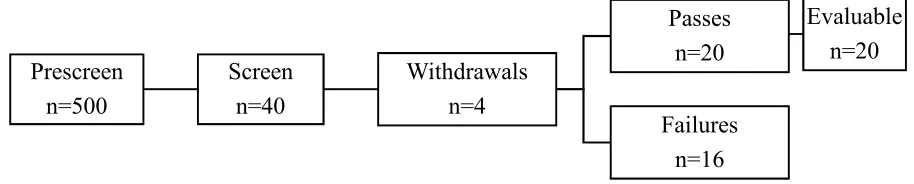
Figure 1. Quasi-experimental, single-group interrupted time-series design ... 51
Figure 2. Projected study procedure ... 56
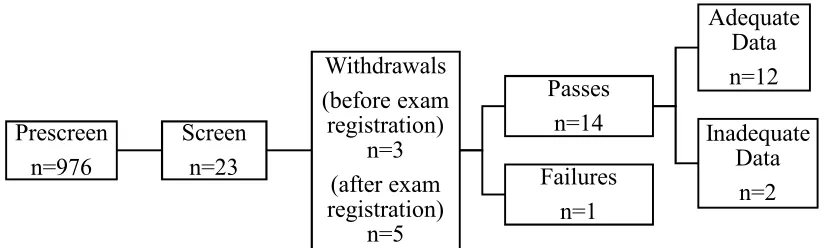
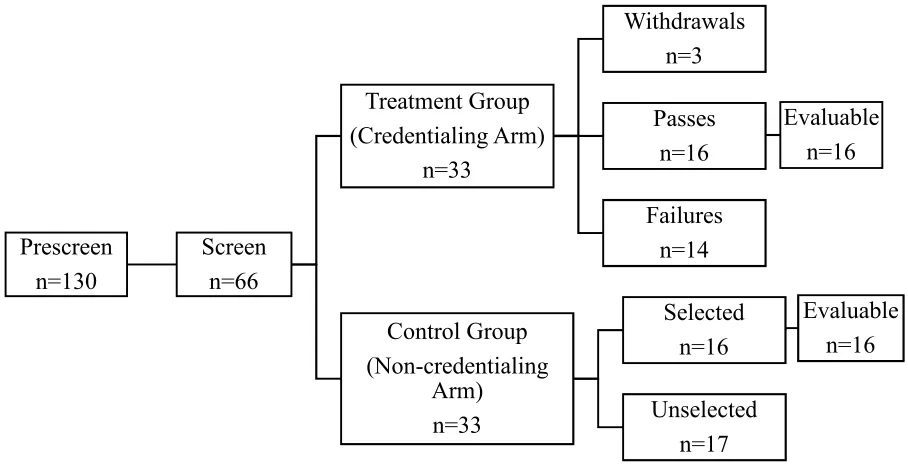
Figure 3. Actual study procedure ... 68
Figure 4. Proposed study procedure... 90
CHAPTER 1: INTRODUCTION
The development of human therapeutics demands the successful completion of clinical trials. In the U.S., clinical trials must be conducted by qualified clinical principal investigators (PI). The Food and Drug Administration (FDA) does not specify minimum training for PIs in clinical research, but clinical PIs should have appropriate training and experience to investigate an investigational product (“United States Food and Drug Administration,” 2015). Most commonly, PIs are educated at the PhD or professional doctorate level. In clinical research, the most common professional degree for clinical PIs is the doctor of medicine (MD). Although certifications like Certified Principal Investigator (CPI) exist, clinical PIs are not currently required to have them. This study seeks to determine if certified PIs produce higher quality clinical trial data than non-certified PIs.
Although programs for clinical PI training have grown and diversified, FDA audits have revealed persistent deficits in data quality (“Association of Clinical Research
Professionals, Annual Conference,” 2010). Since the mid-1990s, clinical PI protocol
deviations have been the top FDA audit findings (Getz & Campo, 2013). Sweetman and Doig (2011) found that protocols deviations, though significant in clinical trials, were actually under-reported which can threaten the internal validity of studies. Protocol deviations, especially those classified as major or critical deviations, can affect the usability of data, which impacts both cost and timely delivery of clinical studies, and subject safety. Therefore, protocol deviations are important because they impact data integrity and subject safety, which are two of the primary tenets at the core of Good Clinical Practice (GCP), the standard for clinical trial conduct (“United States Food and Drug Administration,” 2015).
Continuing Education (CE) for clinical PIs may be part of the solution for resolving persistent deficits. CE has been shown to improve professional practice, including medical practice (Davis et al., 1999). Since CE is generally required to maintain certification, requiring clinical PIs to become certified would logically require a level of CE that could improve practice. Improved practice could improve data quality by reducing key quality indicators such as major and critical protocol deviations.
Statement of the Problem
Even with the increased number and diversity of training programs for PIs in clinical research and the added emphasis on the criticality of clinical PI shortages to conduct clinical studies, there are still not enough PIs to meet development needs (Zerhouni, 2003).
Additionally, there has been a significant shift from clinical PIs operating in academic medical centers to physician practices outside of these centers (Lightfoot, Sanford, &
Shefrin, 1999). This shift is important because the heaviest concentration of formally trained clinical PIs remains in the pharmaceutical industry and academic medical centers (Lightfoot et al., 1999). These numbers suggest that a high percentage of practicing clinical PIs lack formal training. Although clinical PIs are few in number, the quality of practicing clinical PIs is also concerning. Just as there is no standardized training for clinical PIs, there is also no standardized CE requirement. Notably, the top five FDA investigator audit findings have remained unchanged over the years. (“Association of Clinical Research Professionals, Annual Conference,” 2010). These indicate areas of improvement for clinical PI practice, with a primary one being inadequate training (“Association of Clinical Research
Professionals, Annual Conference”).
through clinical research certification could improve clinical research practice (Davis et al., 1999).
Certification is a direct way to confirm base level knowledge in any given profession. To maintain certification, follow-on requirements for regular CE are generally required. Therefore, requiring clinical PI certification could ensure a baseline level of experiential and didactic knowledge and a level of knowledge maintenance through regular, follow-on CE.
Though not required for practice in clinical research, the primary certification for clinical PIs is the certified principal investigator (CPI). CPI, which is accredited by the National Commission for Certifying Agencies and awarded by the Association of Clinical Research Professionals (ACRP), is the only accredited certification for clinical PIs. To attain CPI, a clinical PI must have a doctoral level degree and documented clinical research
experience and must pass a certification exam (“Association of Clinical Research
Professionals, PI Certification,” 2015). Only two studies have been conducted on the CPI to date (Haeusler, 2009; Vulcano, 2012). Although both studies have significant limitations, both studies found a positive difference in certified PIs over non-certified PIs with respect to clinical PI outcomes.
Vulcano (2012) studied both data audits and for cause audits conducted by the FDA at clinical investigator sites. Though Vulcano did not find that statistically fewer for cause audits were performed at sites with certified PIs, he did demonstrate that certified PIs experienced better outcomes in the form of audit result classifications. In Vulcano’s study, certified PIs received more “no action indicated” than “official action indicated”
that warrant official action to correct, may have better standard processes for conducting clinical research, and may produce higher quality, cleaner data. In Vulcano’s study, specific audit findings were not analyzed; therefore, no particular findings associated with data quality, like major and critical protocol deviations, were compared between sites with certified PIs and sites without certified PIs. Vulcano’s work lacks specificity of quality drivers but does suggest that CPI may improve overall quality of clinical trial conduct, which warrants further investigation.
Haeusler (2009) demonstrated fewer mean protocol deviations for sites with certified PIs versus sites without certified PIs. Hauesler compared sites with a certified PI only, a certified PI plus a Certified Clinical Research Coordinator (CCRC), a CCRC only, and sites without CPI or CCRC staff. Hauesler found that sites with both CPI and CCRC had the fewest mean protocol deviations, but sites with only CCRC did not have fewer mean protocol deviations than those without CPI and CCRC staff. CPI-only certified sites had fewer mean protocol deviations than any other grouping except the grouping with both CCRC and CPI staff. The study suggests that CPI, not CCRC, contributes to fewer mean protocol deviations. Based on Haeusler’s findings, a more focused study on sites with CPI-only versus no
Theoretical Framework
Clinical PI training, like other medical training, includes hands-on experience and an application of the didactic material learned. Experiential learning is the educational theory that best accounts for this type of learning.
Experiential learning theory in the education and training of clinical PIs. According to Dewey (1938), education should be grounded in a theory of experience. Clinical PI training, like pre-service medical training, incorporates practical performance of skills or practice, exposure to new experiences, and application of didactic material. Clinical research’s ever-changing environment and fast pace create the need for lifelong learning. Dewey’s theory of experience and its two central tenets, continuity and interaction, parallel clinical PI training. Dewey believed that individuals learn from every experience, and this accumulated learned experience influences future experiences, which creates a continuity of experiences. Most clinical PI training incorporates practical performance of skills that allows for exposure to situations that create new experiences and make application of didactic material. This ongoing exposure to new experiences fits well into the central tenet of Dewey’s theory of experience, continuity.
developed over the years could be interpreted as a result of this need and application of interaction.
Additionally, the direct links between education and work in clinical research are consistent with experiential learning theory (ELT). ELT’s pragmatic approach to learning is what best fits the initial and continuing educational needs of PIs. Experiential learning theorists have attempted to show that experiential learning is not limited to learning facts and skills and then making application of them. Some theorists contends that much more happens when an individual learns something and then applies it to a real world situation. This
transformation through reflection was particularly noted by Donald Schon (1983). Schon’s (1983), reflexive practitioner model introduced knowing-in-action and reflection-in-action to describe the artistry of professional practice. Schon recognized that most professional practice situations are unique and cannot be solved with previously
acquired knowledge; thus, professionals had to generate knowledge in the moment. He called this knowing-in-action. Schon also introduced reflection-in-action to describe how
professionals reshape what they are doing in real-time to negotiate work situations.
required to ensure the safety and efficacy of an investigational product and to protect clinical trial subjects and the public health at large.
Though Schon (1983) emphasized the importance of knowledge acquired in real-time during professional practice, Kolb (1984) with his experiential learning model further
highlighted the importance of experiential learning. Similar to Schon, Kolb determined that experiential learning is not the simple application of didactic learning and rote practice of skills to a set of predetermined experiences. Experiential learning is, instead, highly adaptive and dynamic. Ideas are modified by experiences, and learning is by the process of learning or adaptation, not by outcomes. This process of adaptation in real-time is consistent with
Schon’s model of the reflexive practitioner and the concept of reflection-in-action. Kolb’s process of adaptation translates well to clinical PI training and to clinical research as a whole because it mimics the scientific model which utilizes adaptive experimentation based on observation to create new knowledge. Similarly, Kolb describes an adaptive process by which knowledge is continuously created and re-created rather than just acquired and applied.
Understanding why professionals, like clinical PIs, want to participate in learning, particularly CE, is equally important to understand knowledge acquisition in professional practice. Self-directed learning (SDL), as described by Knowles’ (1975) elements of andragogy, applies to the area of continuing clinical PI education. According to Knowles, self-directed learning is the process by which a learner identifies her own learning needs, sets goals and garners resources to meet these needs, executes learning, and then evaluates
believe will assist them with their practice. Knowles’s theory of self-directed learning assumes that adult learners learn what is required to perform their life’s tasks and that adult learners are task and problem-centered. These assumptions are particularly salient to CE for clinical PIs. As adult learners, clinical PIs use CE to fill knowledge gaps, resolve ongoing problems, and improve professional practice.
The receipt of new knowledge and the application of this knowledge in practice are important to changing clinical PI practice. CE has been the basis for both medical
re-licensure and re-certification (Cervero, 2001) and can improve medical practice (Davis et al., 1999). The CME required for medical practice certification parallels the CE required for clinical research certification for PIs. Therefore, through CE, PI certification may similarly improve the quality of data produced in clinical research trials.
Clearly, medical practice parallels clinical research practice. Yet medical practice has established an effective plan for professional training that clinical research practice has not. Therefore, clinical research practice can benefit from understanding medical CME outcomes and process. Pre-professional training and CME for physicians are informed by experiential learning theory (Dewey, 1938; Schon, 1983; Kolb, 1984) and self-directed learning theory (Knowles, 1975). Davis et al. (1999) showed that CME requirements for medical
Dependent Variable
For this study, the dependent variable is the mean protocol deviations for each study participant during the periods of interest. Protocol deviations are defined as per Quintiles Transnational Corporation (Quintiles) standard operating procedure, CS_WI_PM0231
Handling of Protocol Deviations (“Quintiles Transnational Corporation, Handling of Protocol Deviations,” 2013):
Major Protocol Deviation – deviations from protocol that impact scientific,
ethical, regulatory or business integrity and which, if left unattended, could become critical
Critical Protocol Deviation – deviations from protocol that impact scientific,
ethical, regulatory or business integrity and could invalidate acceptability of a study to a manufacturing sponsor or regulatory body or invoke regulatory action Independent Variable
The independent variable is certified PI versus non-certified PI as determined by the criteria set forth and certificate awarded by ACRP.
Purpose
The purpose of this research is to add to the body of knowledge on the CPI by investigating whether clinical PI’s produce fewer mean protocol deviations on clinical trials after they attain the CPI credential than before they attain the CPI credential.
Research Question
Significance
The growing demand for human therapeutics requires an increasing number of qualified clinical PIs to conduct clinical trials (Zerhouni, 2003). Clinical PI initial and ongoing education is not standardized, and the regulatory definition of a qualified clinical PI remains vague (“United States Food and Drug Administration,” 2015). Additionally, the complexity of clinical trial design has increased significantly, which has led to lower quality clinical data with subsequent increased trial costs (Getz, 2014). Getz estimated the cost related to procedures in protocols performed but not essential to objectives and endpoints to be between $4 and $6 billion USD each year for pharmaceutical companies running FDA-regulated phase II and phase III trials. Although initiatives such as the SPIRIT 2013 checklist and guidelines (“SPIRIT,” 2013) and adaptive trial design techniques have been developed to simplify protocol design and reduce unnecessary procedures in trials, trial sponsors have been slow to change the complexity of trial design (Getz, 2014). Therefore, trial design continues to drive development costs and fuel the need for better trained clinical PIs who could potentially increase data quality. In addition to increased development costs, complexity of clinical trial design can exacerbate subject safety.
protection system (“Association of Clinical Research Professionals, Annual Conference,” 2010).
Clinical trial cost as it relates to research protocol complexity and research subject safety as it pertains to PI safety reporting of adverse events, both highlight the significance of appropriate initial and continuing clinical PI training. Although there is a variety of clinical research training programs for PIs, significant quality deficits persist. Additionally, there has been no significant push by the FDA or the pharmaceutical industry to require PIs to
maintain clinical research skills and knowledge. A positive difference in clinical trial data quality between PIs who are CPI certified and PIs who are not CPI certified could impact the value of clinical PI certification. Positive results would suggest that PI certification improves data quality, which can reduce clinical trial costs (Getz, 2014) and improve clinical trial subject safety (Emanuel et al., 2004). Therefore, positive findings could change the pharmaceutical industry and regulatory certification standards for clinical PIs. Chapter Summary
study could potentially determine if the CPI can have a prospective impact on the quality of clinical trial data as demonstrated through a reduction in mean protocol deviations.
Definitions
Academy of Clinical Research Professionals (Academy): administers certifications offered by the Association for Clinical Research Professionals. The Academy is an
independent affiliate of the Association for Clinical Research Professionals.
Academy of Pharmaceutical Physicians and Investigators (APPI): a professional society for physicians and principal investigators in clinical research. APPI’s mission is to promote and advance excellence and professionalism in pharmaceutical medicine and clinical research, and APPI is affiliated with the Association of Clinical Research Professionals.
Accreditation Council for Graduate Medical Education (ACGME): a private, non-profit organization that reviews and accredits graduate medical education (residency and fellowship) programs, and the institutions that sponsor them, in the United States. American Board of Medical Specialties (ABMS): a professional board for physicians that
works in collaboration with 24 specialty Member Boards to maintain the standards for physician certification. AMBS’s focus is on improving the quality of health care to patients, families, and communities by supporting the continuous professional development of physician specialists.
practices of clinical research by recognizing those professionals who demonstrate a well-defined competency through valid and reliable certification programs.
Certified Clinical Research Coordinator (CCRC): the certificate awarded to a clinical research coordinator who has met eligibility requirements, demonstrated proficiency of specific knowledge and job‐related skills, and passed the standardized Association of Clinical Research Professionals clinical research coordinator certification exam. Clinical Research Coordinator (CRC): an individual who works at a clinical research site,
with study subjects, under the immediate direction of a principal investigator, whose research activities are conducted under GCP guidelines.
Continuing education (CE): education provided for adults after they have left the formal education system, consisting typically of short or part-time courses and often used to support maintenance of professional certification.
Continuing medical education (CME): consists of educational activities which serve to maintain, develop, or increase the knowledge, skills, and professional performance
and relationships that medical professionals use to provide services for patients, the
public, or the professions.
Clinical trial: any research study that prospectively assigns human participants or groups of humans to one or more health-related interventions to evaluate the effects on health outcomes for the purpose of registration to market the intervention.
Clinical Trial Management System (CTMS): a software system used by biotechnology and pharmaceutical industries to manage clinical trials in clinical research.
Contract Research Organization (CRO): an organization that provides support to the
pharmaceutical, biotechnology, and medical device industries in the form of research services outsourced on a contract basis.
Critical Protocol Deviation: deviation from protocol that impacts scientific, ethical, regulatory or business integrity and could invalidate acceptability of a study to a manufacturing sponsor or regulatory body, or invoke regulatory action.
Food and Drug Administration (FDA): the United States federal agency responsible for monitoring trading and safety standards in the food and drug industries.
Good Clinical Practice (GCP): an international quality standard for clinical research that governments can transpose into regulations for clinical trials involving human subjects.
Harvard–MIT Division of Health Sciences and Technology- Medical Engineering Medical Physics (HST-MEMP): a unique venture between Harvard University and
Infosario: Quintiles Transnational Incorporated’s proprietary clinical trial management system.
International Council for Harmonisation of Technical Requirements for Pharmaceuticals for Human Use (ICH): an international council that brings together the regulatory authorities and pharmaceutical industry to discuss scientific and technical aspects of drug registration. ICH's mission is to achieve greater harmonisation worldwide to ensure that safe, effective, and high quality medicines are developed and registered in the most resource-efficient manner.
Institute for Credentialing Excellence (ICE): accredits personnel certifications or certificates. Institutional Review Board (IRB): a committee established to review and approve research
involving human subjects. An IRB’s purpose is to ensure that all human subject research be conducted in accordance with all federal, institutional, and ethical guidelines.
Maintenance of Certification (MOC): the process of physician certification maintenance through one of the 24 approved medical specialty boards of the American Board of Medical Specialties.
Major Protocol Deviation: deviation from protocol that impacts scientific, ethical, regulatory or business integrity and which, if left unattended could become critical.
National Institutes of Health (NIH): the principal Unites States federal agency within the Department of Health and Human Services overseeing health research.
Principal Investigator (PI): an individual who holds a doctoral-level degree, serves as the principal, sub- or co- investigator; monitors, supervises, or designs clinical trials; and accepts responsibility for the safe and ethical conduct of a clinical trial.
Quintiles Transnational Incorporated (Quintiles): the world’s largest provider of
biopharmaceutical development and commercial outsourcing services. Quintiles is a contract research organization focused primarily on Phase II-IV clinical trials and associated laboratory and analytical services.
Quintiles Transnational Incorporated Quality Assurance Department (QA): provides an effective and efficient quality assurance system and counsel for the operational units at Quintiles.
Quintiles Transnational Incorporated Site Identification Department (Site ID): responsible for identifying appropriate clinical principal investigators practicing at clinical
investigator sites who can conduct clinical trials efficiently and with appropriate data quality.
CHAPTER 2: REVIEW OF THE LITERATURE Introduction
The purpose of this study is to determine if CPI certification can improve data quality produced in a clinical trial as indicated when measured by a commonly tracked metric used to indicate data quality, protocol deviations. This literature review opens with the regulatory definition of a clinical PI and the roles and responsibilities a clinical PI assumes in a clinical trial. The status of clinical PI training is discussed and training needs, which are driven by increasing volume in clinical trials, increasing complexity of trial design, and the regulatory environment, are explained. Next, the different types of clinical PI training are outlined and the application of experiential learning theory as central to current clinical PI training is described. The literature review then explores how self-directed learning and the
Definition and Responsibilities of a Principal Investigator
Per the FDA in the Code of Federal Regulations, Title 21, Part 312, Subpart D, an investigator is someone qualified by training and experience as an appropriate expert to investigate an investigational product. Subpart D further outlines the responsibilities of a clinical study investigator as reflected in Table 1.
Table 1.
Duties of a Principle Investigator
Duties
Maintain appropriate qualifications Maintain adequate resources to conduct study
Provide medical care to study subjects
Maintain appropriate communication with ethics committees and institutional review boards (IRB)
Maintain study protocol compliance Maintain control of investigational product
Perform appropriate randomization and unblinding of subjects when needed Perform appropriate consent of subjects
Maintain appropriate records and reports of study
data and reported results are credible and accurate, and that the rights, integrity and
confidentiality of the subjects are protected (“United States Food and Drug Administration,” 2015).
Clinical research relies heavily on the expertise of its PIs. In addition to the primary clinical PI responsibilities outlined by ICH-GCP, some key clinical PIs critique initial trial design and suggest protocol amendments during trial conduct. Key clinical PIs also serve on boards that review interim data and safety signaling. Although some research sites have large support staffs, the clinical PI is ultimately responsible for ensuring that the trial is conducted per protocol, the data collected is accurate, and adverse events are properly reported. The responsibilities are tremendous, yet most clinical investigators have no formal clinical trial training. In a survey of 7300 physicians, Thomson CenterWatch found that only 25% had undergone formal training in clinical trials. Of those surveyed, approximately one-half had no experience in clinical trials. In total, 92% of the inexperienced physicians and 57% of the experienced physicians had no formal training in clinical trials (Space, 2007). Both numbers are staggering as the need for physicians who are willing to participate in clinical trials continues to grow and the clinical research environment utilizes more complex protocol designs, regulatory environments, and operational conduct.
Complexity of the Clinical Research Environment
Protocol design. The complexity of protocol design has increased over the last decade and the reasons are multifaceted (Getz, 2014). Measures of chronic disease
stratified, personalized treatments. Clinical teams collect more data so that information is available for post-hoc analyses if primary and secondary endpoints are not met. Increased data collection can also mitigate the risk of regulatory agencies and payers asking for
additional information after a trial is completed and to inform future research. Lastly, clinical scientists and biostatisticians add procedures and increase complexity to better aid their interpretation of data and inform future development decisions. This pile-on effect is particularly apparent as sponsors attempt to make use of burgeoning basic science.
Secondary to advances in basic science research, trials are able to detect more surrogate markers that demonstrate effects of treatment. Researchers use biomarkers to stratify study arms and increase the trial’s ability to detect treatment effects even if only in a subpopulation. This type of analysis often requires complex adaptive designs to screen and randomize subjects. The majority of this differentiation can be built into automated
Regulatory environment and operational conduct of trials. Regulatory authorities and IRBs are also very concerned with the trial burden that subjects incur. Subjects should be inconvenienced as little as possible during their participation and guidelines such as SPIRIT 2013 checklist should be developed to assist with this (“SPIRIT,” 2013). Such guidelines, along with more streamlined adaptive designs, work to reduce complexity, but industry uptake of these improvements has been slow (Getz, 2014). So, with increased design complexity and greater regulatory scrutiny comes a greater need for trial monitoring to ensure that the trial is conducted per protocol and that the data gathered is accurate. This level of monitoring or audit requires site support and can consume great amounts of staff and primary investigator time. This burden on the investigative staff and the clinical PI can manifest itself in decreased data quality (Getz, 2014) and ineffective and incomplete safety reporting (Emanuel et al. 2004). Clinical PI training has, therefore, been a focus to improve safety reporting (Emanuel et al., 2004) and data quality (Getz, 2014).
It seems reasonable, therefore, that those who participate in initial and continuing clinical research training can move through these complexities with greater success and produce higher data quality as evidenced by fewer major and critical protocol deviations. Types of Clinical PI Training
clinical research without a firm knowledge of the responsibilities that come with it. More recently, formalized cross-training was developed through dual degrees, namely MD-PhD programs, creating the physician scientist. These programs were intended to produce
individuals who could interpret basic science into impactful human therapeutics. Though this model would seem ideal, unexpected forces such as financial realities and exponential
growth of basic science knowledge have de-railed its ability to live up to expectations. Kaushansky (2003) notes that only 10-20% of clinical PIs in the U.S are MD-PhD trained physician-scientists, and the remaining percentage has come to clinical research through other avenues and later in their careers. Further, Lader et al. (2004) found that 75% of physicians in the U.S. practice outside of a hospital setting; whereas, Daye et al. (2015) found that 81% of U.S. MD-PhD program alumni were employed in academia, research institutes, or industry. Further, since the 1980s, U.S. physicians report that direct patient care activities have increased while research activities have decreased. (Daye et al., 2015)
Therefore, it is not surprising that the demand for more patient care and the demand for more trained clinical PIs has spurred the growth of both degreed and non-degreed programs
intended to educate practicing professionals on clinical trial conduct to meet the needs of development.
Degrees to train clinical PIs.
MD-PhD and MD. MD-PhD programs generally require the student to spend 3 to 5
with the increased years of training and study for those pursuing dual degrees. Not only is the increased debt for a dual degree problematic, but students also see this as time that could be better spent working clinically to pay their debt down. MD-PhD students describe faculty mentorship as an instrumental part of their training and development; however, even faculty have little time to conduct their own research because of clinical pressures to see patients and earn revenue instead of working with study subjects. This pressure has worsened with the explosive growth of managed care organizations (Kaushansky, 2003). Consequently, time for mentorship becomes less of a priority. The lack of physician scientist role models results in a decrease in the recruitment of capable and motivated students into clinical research (Sung et al.).
Although the MD-PhD is trained to excel as both a scientist and a clinician, the breadth of knowledge that must be acquired and maintained over time to remain current in these rapidly changing, cutting edge environments is too great. Although MD-PhD graduates can provide leadership to bridge the language differences between scientists and clinicians, they cannot be expected to know the intricacies of scientific techniques or have the skill of clinical practice that either a full-time scientist or a fulltime clinician enjoys.
team specialized in a particular area with a working knowledge of other areas and an ability to communicate effectively with team members.
With the team approach to clinical research in mind, several top ranked research institutions integrated cross-training into their standard biological science and medical doctor curriculum. One of the more well-known programs is the Harvard/MIT joint venture known as the Harvard–MIT Division of Health Sciences and Technology (HST) – Medical
Engineering Medical Physics (MEMP) model (Gray & Bonventre, 2002). The HST has a unique MD program that focuses on medical innovation and boasts a greater percentage of graduates earning MD-PhD dual degrees, 40%, versus other schools with dual degrees whose figures are often less than 10% of the graduating medical school class. Understanding that even these numbers would not keep up with the need for qualified clinical researchers, the MEMP program was developed. It takes students seeking PhDs in engineering and the physical sciences with an interest in resolving human health problems and jointly enrolls them into HST, creating the HST-MEMP Program students (Gray & Bonventre, 2002).
The HST-MEMP program produces graduates in six years, which is consistent among other graduates in collaborating departments at Harvard and MIT. From 1981-1995, the Program could confirm that 25% of its alumni were directly involved in moving scientific discovery into the clinical arena. This demonstrates that non-MD researchers can contribute to clinical research (Gray & Bonventre, 2002).
In 2005, the Howard Hughes Medical Institute provided $400,000 to $1 million each to selected research institutions through its Med into Grad initiative (Hutson, 2009). The initiative was intended to support innovative graduate programs that integrated clinical knowledge into PhD biomedical training to prepare researchers to work at the interface of biological sciences and clinical medicine. Baylor College of Medicine and Cleveland Clinic Case Western Reserve University used this funding to develop new PhD programs in translational biology and molecular medicine. These programs produced graduates within five years (Smith, Jarrett & Bierer, 2013).
The program included two weeks of didactic training in research design and medical writing and four weeks of trial conduct training.
MS, MPH and MSCR. As acknowledged, the need for researchers exceeds the
number of new professionals who are jointly trained. Some universities have attempted to bridge this gap by offering clinical research degrees to currently practicing clinicians that focus more on the conduct and design of clinical trials. Wake Forest University offers an MS in epidemiology and health services research in which graduates gain basic understanding of biostatistics, outcomes research, epidemiology, and public health issues (Moskowitz & Thompson, 2001). Similarly, the University of Puerto Rico offers a postdoctoral master of science in clinical research degree and a graduate certificate program in clinical research. The master of science in clinical research program is only offered to individuals with doctorate levels degrees, such as MD, DO, DMD and PhD, and requires intensive didactic classes with a mentored research project (Estape, Rodriguez & Scott, 2005).
Master’s degree programs have also been effective. Kapoor, Wu and Banks (2011) studied the funding support granted to 25 fellows at Brigham and Women’s Hospital. Those fellows who earned a master’s in public health while performing their fellowship were more successful in obtaining research funding within the three years post fellowship (77%) than fellows who completed a short seven-week research course during fellowship (0%).
Certificate programs. Certificate programs exist for practicing clinicians who do not
(Moskowitz & Thompson, 2001). In addition to its MSCR degree, The University of Puerto Rico offers a certificate program that includes a one-year didactic component intended to increase skills and knowledge in clinical research (Estape et al. 2005).
Shorter, more intensive certificate programs are also available for new MD
investigators. These programs are often institution specific and for specific therapeutic areas such as oncology that are heavily engaged in clinical research. One such example is the eight-day certificate program offered by the Southwest Oncology Group in San Antonio, TX. This program puts new researchers through an intensive didactic curriculum in statistical principles, data collection and analysis, critical decision-making, and protocol development guidelines (Nahleh et al., 2006).
Mentorship. Strong mentorships have been shown to be the key predictor of
Individual professional societies have also sought to improve mentorship in their therapeutic areas. The National Heart Blood and Lung Institute organized a workshop to assess ways to attract and properly train advanced fellows to pursue research careers in lung disease. Recommendations from the workshop included to increase research exposure in early education starting in high school and to increase awareness of physician-scientist role models in the lung community (Choi et al., 2009).
Examples of applied mentorship in clinical research can also be found. Marinac and Gerkovich (2012) describe a much shorter but effective approach to mentoring. The Focused Investigator Training program is a five-day development boot camp for mid-career doctorate of pharmacy professionals. The program formed proposal groups of four mentors and two mentees to review detailed research proposals and provide active feedback through small group sessions, lectures, and panel discussions. The Focused Investigator Training program increased attendee self-efficacy for obtaining external research funding based on the
attendees own previous success.
Standardized certification. Regardless of the types of training clinical researchers
Although the educational routes to become and function as a clinical PI are extremely varied, most clinical PI training, like most physician medical training, include a component of hands-on experience and application of the didactic material learned. The educational theory that best accounts for this type of learning is Experiential Learning Theory. Experiential Learning Theory in the Education and Training of Clinical PIs
Experiential learning theory is clearly applied in the field of clinical research; therefore experiential learning theory can inform improvements in both initial and ongoing training for clinical PIs. It was Dewey (1938) who suggested that education should be grounded in a theory of experience.
Dewey. Dewey’s (1938) theory of experience and its two central tenets, continuity and interaction, are found in clinical PI training. Continuity is the idea that individuals are affected by their experience and rely more on experience than on pre-wired instinct. Dewey believed that individuals learn something from every experience, whether positive or negative, and this accumulated learned experience influences future experiences, which creates a continuity of experiences. Most clinical PI training incorporates some form of practical performance of skills or practice that allows for the exposure to situations that create new experiences and make application of didactic material.
ways based on a clinical PI’s past experiences. Thus, clinical PI training planners do well to understand the past experiences of clinical PIs to develop better educational situations that cater to these experiences.
Because of its pace and complexity, clinical research lends itself to some fundamental premises of experiential learning theory, namely lifelong learning and direct linkages
between education and work. Likewise, the vocationalist feel and pragmatic approach of experiential learning theory fit well with the initial and continuing educational needs of clinical PIs. Some existing programs have parts that even mimic the past roles of
apprenticeships and internships. This type of training is not uncommon in the professions and does seem to be a part of clinical PI training. Charles Sawyer, MD, of the Memorial Sloan-Kettering Cancer Center stated that formal programs dedicated to clinical investigation are a new phenomenon and that a clinical PI’s most valuable training is gained through actual research projects (Morrison, 2008). Jodi Segal, MD, from the Johns Hopkins University School of Medicine, suggested that on-the-job training alone can qualify a clinician to function as a clinical PI (Morrison, 2008). Even the formal education components of clinical PI training are driven by innovations in industry and the pressure industry imposes on educational institutions to meet the demand for professionals who are fit-for-purpose to analyze and synthesize information and progress the body of knowledge.
attempted to show that experiential learning is not limited to learning facts and skills and then applying them. Instead, much more happens when an individual learns something and then applies it to a real-world situation. This transformation through reflection was noted by Kurt Lewin, Jean Piaget and Donald Schon.
Lewin, Piaget and Schon. Lewin’s (1951) Experiential Learning Model emphasized the tension between concrete and abstract concepts and between observations and action (cited in Hickcox, 1990). In a clinical research example, Lewin’s model begins with the clinical PI having a concrete experience in a clinical research environment. The clinical PI then collects data and makes observations about the experience. The PI reflects upon the experience and considers new concepts and new generalizations of previously accepted facts and ways of working. Then the PI applies or tests the new concepts and generalizations on a new experience.
Piaget (1970) used his Model of Learning and Cognitive Development to show that, from infancy to adulthood, an individual moves from a concrete to an abstract view of the world and from an egocentric to a reflective way of knowing. Additionally, this development occurs via a cycle of interaction between the individual and the environment. From a clinical PI perspective, the abstract is the unknown of discovery. The PI moves to a Piaget’s
reflective way of knowing by taking the unknown or what is suspected or hypothesized, and referencing it to what is known to formulate new knowledge.
be solved using knowing-in action. Instead, professionals have to reflect while acting, which reshapes what they are doing in real-time. This allows the practitioner to move from an indeterminate situation to a determinate situation by applying past experiences to a current situation. Therefore, knowing-in-action is described as an application of knowledge acquired in school; whereas, reflection-in-action occurs over time in professional practice. From a clinical PI perspective, the actual conduct of clinical trials over time allows movement from the rote execution of a clinical protocol to an understanding of the necessity for the
prescriptive nature of a protocol to then extrapolate the safety and efficacy of an investigational product and move the clinical PI to reflection-in-action.
Kolb. Informed by both Lewin and Piaget’s learning models, Kolb (1984) developed a new experiential learning model that included learning styles and continuums. The
continuums reflect how a task is approached and the emotional response surrounding a task. Kolb determined that experiential learning is not the static application of learned facts and skills to experiences. Instead it is highly adaptive and dynamic. Ideas are not fixed but are constantly being modified by experiences; thus, learning is not defined by outcomes but by the process of learning or adaptation.
This adaptive process models the scientific method, which represents the very core of clinical research and clinical PI training. The scientific model progresses the body of
Much as Dewey (1938) believed that training should be customized based on a learner’s past experiences, Kolb (1984) believed that training should be based on a learner’s preferred, single learning style. Kolb explains that learning style is influenced by factors such as social environment, educational experiences, or basic cognitive structure and is the
product of two pairs of variables that describe a learner’s orientation towards learning. Kolb’s product was the learning styles inventory, a nine item self-description questionnaire that fits learners into one of four basic learning modes: concrete experience (CE), reflective observation (RO), abstract conceptualization (AC) and active experimentation (AE).
experiential learning model and learning styles inventory, can impact the quality of this training. In addition to adapting training to learning styles, it is important to understand why and under what conditions clinical PIs want to participate in learning and which factors are instrumental to implementing change and incorporate learning into actual practice. Self-directed learning and the transtheoretical model apply to these areas of continuing clinical PI education.
Self-Directed Learning Theory
According to Knowles (1975), self-directed learning occurs when a learner identifies her own learning needs, sets goals and garners resources to meet these needs, executes learning, and then evaluates learning based on desired outcomes. Clinical PIs choosing CE, much like physicians choosing CME, choose learning activities they believe will assist them with their practice. Houle (1961) describes this in terms of orientation of the learner and Knowles described this in terms of andragogy as applied to self-directed learning.
Houle. Cyril Houle (1961) categorized learners as one of three types: Goal-oriented – participates in learning to achieve an end goal Activity-oriented – participates in learning for social reasons
Learning-oriented – participates in learning for the sake of learning
Because CE can be time-consuming and may not always be reimbursed, a clinical PI constantly tries to achieve an end goal, thus he is goal-oriented.
Knowles. Malcolm Knowles (1975) outlined assumptions of self-direction in adult learners:
Experiences are rich resources for learning
Learners learn what is required to perform their life’s tasks Learner is task and problem-centered oriented
Learner is motivated by internal incentives such as a desire to achievement
Clinical PIs use CE in a very pragmatic way to fill knowledge gaps and to resolve ongoing problems that they have.
An important step to changing clinical PI practice is the receipt of new knowledge and the application of this knowledge in practice; however, other factors, such as motivation and learner self-efficacy, are integral for CE to actually change the way a clinical PI
practices.
Transtheoretical Model
Prochaska and DiClemente’s (1983) transtheoretical model informed Williams, Kessler and Williams’ (2014) research on the importance of both motivation and self-efficacy on the intent to implement CME. The transtheoretical model consists of four constructs: stages of change, decisional balance, self-efficacy, and processes of change. The stages of change construct represents motivation ranging from pre-contemplative to a state of maintenance in which the behavior has occurred. Williams, Kessler and Williams found that there is a significant relationship between one’s belief in the capability to change, self-efficacy, and the intent to change. They also found that self-efficacy in the practice
There are not enough clinical researchers who have self-selected and entered formal programs to learn the profession to fill the demand for clinical researchers. A literature search of educational programs for clinical PIs reveals that many institutions of higher learning, professional organizations and clinical organizations attempt to alleviate this deficit through a variety of degrees, training programs and certifications. Additionally, the manner in which clinical PIs are trained may not be conducive to maximize productivity or maintain this much needed skillset. Lack of ongoing training (such as that provided by CE) and
experience may explain some of this deficit. Essentially, exposure does not equal knowledge. Knowledge results from the transformation of experiences (Kolb, 1984). So, the need for more and better trained clinical PIs, although recognized, goes largely unmet.
Need for More and Better Trained Clinical PIs
The need for clinical PIs is ever-growing as the pace of discovery increases through technology and knowledge sharing. Modern medicine has extended average life spans. Our ability to diagnose and treat diseases at earlier stages has contributed to this. This benefit of modern medicine also brings with it later stage, more complicated, chronic disease and new disease that only presents in later life. Better diagnostics are needed to identify disease in earlier states. In addition, new therapeutics are needed to treat chronic, later stage disease and disease in aged populations. The 5-year doubling of the NIH budget from 1987-2003
consequence, patients suffer needlessly while an inefficient system continues to under-produce. It is generally agreed that this requires innovative training programs to meet this need for more clinical PIs (Zerhouni, 2003). According to the literature, a variety of training programs have emerged to try and meet this need. Therefore, it is perplexing that primary FDA audit findings continue to demonstrate a lack of clinical PI compliance with some of the basic principles of ICH-GCP.
Primary FDA audit findings. The top five FDA inspection findings for clinical PIs were revealed at the Association of Clinical Research Professionals, Annual Conference in 2010 (“Association of Clinical Research Professionals, Annual Conference,” 2010):
Failure to follow protocol
Failure to keep adequate and accurate records
Failure to account for disposition of investigational product
Deficiencies with informed consent form or process
Failure to report adverse events and changes in research to sponsor, IRB or EC
These top FDA PI audit findings are also protocol deviations that would be classified as major or critical deviations and would therefore impact the quality of data produced by clinical PIs.
This presentation also noted that the top five FDA inspection findings for clinical PIs have not changed significantly in recent years for the following reasons:
Investigational sites rely on individual site staff performance to ensure
New investigators join the industry each year and may not have a sufficient
understanding of their roles and responsibilities
Experienced clinical PIs lack ongoing training, especially in light of constantly
changing competitive and regulatory environments
An integral part, namely CE in the area of clinical trial conduct, may be missing, which may explain the failure of expanded avenues of clinical PI education to impact these results. It seems evident that without adequate maintenance of training, even basic clinical PI tasks are overlooked. If clinical PIs do not stay up-to-date on their responsibilities and current research trends, they may not consistently produce quality data which comes from knowing and carrying out their responsibilities with a high degree of fidelity. Failure to do this can make important data unusable.
Based on the current, diverse clinical PI training available and persistent FDA clinical PI audit findings, research on CE certification as a potential solution for the performance gap in clinical research is imperative.
Major and critical protocol deviations. Clinical PI protocol deviations are a key
subject’s rights, safety, or well-being. Quintiles standard operating procedure,
CS_WI_PM0231 Handling of Protocol Deviations (“Quintiles Transnational Corporation, Handling of Protocol Deviations,” 2013), uses similar verbiage to describe protocol deviations:
Minor Protocol Deviation – deviations from accepted procedures that will not
adversely affect subject/data
Major Protocol Deviation – deviations from protocol that impact scientific,
ethical, regulatory or business integrity and which, if left unattended could become critical
Critical Protocol Deviation – deviations from protocol that impact scientific,
ethical, regulatory or business integrity and could invalidate acceptability of a study to a manufacturing sponsor or regulatory body, or invoke regulatory action Because both major and critical protocol deviations can impact the integrity of a study, they are the most important to consider in measuring protocol compliance and data quality.
Table 2.
Quintiles’ Categorization of Protocol Deviations
Protocol Deviation Categories Informed consent Eligibility and entry criteria Concomitant medication criteria
Laboratory assessment criteria Study procedures criteria Serious adverse event criteria
Randomization criteria Visit schedule criteria Investigational product compliance
Efficacy criteria Administrative criteria Source document criteria Regulatory or ethics approvals criteria
Other criteria
clinical PI is another etiology for persistent data quality issues. This deficit would apply to all those serving in the clinical PI role, trained and untrained. In other areas of medicine,
physicians have attempted to improve practice and stay updated on new information through CME, often as required to maintain licensure and certification.
Continuing Medical Education
The primary purpose of CME for physicians is to improve medical practice. Although a substantial amount of education is required to become a practicing physician, knowledge and skills must be maintained and expanded over the course of a career which can run 40 to 50 years. Because discovery in human therapeutics is ever increasing, CME has remained the vehicle by which physicians stay abreast of changes (Cervero, 2001). According to Cervero (1992) CE in the professions has a distinct advantage over the other stages of professional education as it comes at a time when professionals are aware of the need to do things better.
has undoubtedly become the default for accountability and basis for certification and licensure, but some question whether CME improves medical practice.
Basis for improved medical practice. Davis et al. (1999) showed that CME can improve professional practice; however, didactic delivery alone is not responsible for improved performance. Instead, Davis et al. found that interactive CME that allows for participant activity and skills practice affects change in performance. Therefore, improved performance may hinge on the type of CME. Robertson, Umble and Cervero (2003) corroborated these results in their evaluation of research syntheses and demonstrated that CME can improve performance, but the improvement driven by the type of CME, namely CME that is interactive, ongoing, contextually relevant, and based on needs assessment impacts practice. Legare et al. (2015) evaluated the objectives of 110 accredited CME activities offered to physicians and other health professionals in Canada using Bloom’s taxonomy (Bloom et al., 1956). They found that the majority were not designed to promote practice change because they focused on the cognitive domain, particularly on knowledge and comprehension, rather than on the psychomotor or affective domains. Cervero, Rottet and Dimmock (1986) determined that other variables, in addition to the type of program, can impact performance change. These were:
Attitudes of the individual professional pertaining to adoption of innovations
Nature of the proposed change and the likelihood that it would be
implemented
The social system in which the professional practices and if the desired
The AMA reiterated its commitment in 2001 to continuous practice improvement by stating that physicians have an ethical obligation to not only continue their studies but also to apply this knowledge (Aparicio & Willis, 2005). With the intent to improve medical practice, the AMA added two new learning platforms, performance improvement and internet point of care, to the existing CME framework. These platforms were intended to better represent the way physicians learn and apply what they learn.
The performance improvement platform was intended to break down the barriers that existed between the quality improvement community and CME and draws from Edward Deming’s model for quality improvement: plan, do, study, act (PDSA) (Aparicio & Willis, 2005). Under the performance improvement platform, physicians establish a performance baseline by tracking and analyzing data according to reference criteria, performing an intervention, and tracking changes over time. Performance improvement credit is given for evaluating the results of the intervention and properly interpreting the data. Building quality improvement into required CME is also being considered outside the U.S. Czabanowska et al. (2012) describe a Quality Improvement Competencies Framework that includes 35 competencies with six domains, one of which is continuing professional education.
The point of care platform is intended to capitalize on the effectiveness of
These new platforms have had a mixed reception in the U.S. Particularly, the discipline of quality improvement is largely unfamiliar to physicians. However, greater integration of CME and quality improvement could position CME to actually accomplish its purpose, improved medical practice and improved patient outcomes. Shojania, Silver and Levinson (2012) recommend four levels of integration of quality improvement into CME:
Highlight clinical areas with quality problems in traditional CME
Explicitly add quality improvement content in CME specific clinical topics Supplement CME with post-event deliverables
Embed CME in larger quality improvement initiatives
According to the literature, the right types of CME improve medical practice.
Therefore, it would stand to reason that modalities, like certification that require CME, would improve medical practice. A recent example that supports this idea comes from the American Board of Medical Specialties and its maintenance of certification process.
Maintenance of certification. According to Cook et al. (2015), there is evidence that
physicians’ knowledge and skill decrease over time and that once-in-a-lifetime certification could not ensure competency throughout a career. The American Board of Medical
Specialties approved the maintenance of certification process in 2000 based on the following evidence (Lipner, Hess, & Phillips, 2013):
Physician ability to independently and accurately self-assess is poor
Greater clinical experience does not always lead to better outcomes of care
Less than 30% of physicians examine their own performance data to improve
The purpose of the maintenance of certification process is to support physician knowledge, skills and quality care through self-directed assessment and quality improvement activities. There is growing evidence that shows an association between maintenance of certification activities and clinical quality measures. Maintenance of certification is comprised of four parts:
Professional standing – maintenance of active licensure
Life-long learning – self-assessment and self-study modules Cognitive expertise – passing an exam
Practice performance – completion of a quality improvement project
In their study of physician perceptions of the maintenance of certification process, Cook et al. note that physicians accept the concept of specialty recertification is a good idea but want to make the process more efficient given the already heavy administrative demands on their time.
The individual professional medical specialty boards have further supported
accepted them as beneficial (Teirstein, 2014). In their literature summary of 78 articles on the effectiveness of maintenance of certification, Lipner, Hess and Phillips (2013) found that board certified physicians do provide better patient care, but the difference is modest and not unequivocal. Though marginal benefit is presumed, member specialty boards of the
American Board of Medical Specialties, whose members account for almost 90% of practicing physicians in the U.S. (Lipner, Hess, & Phillips, 2013), accept maintenance of certification, making it the new professional demonstration for public accountability and transparency (Cook et al., 2015).
Many parallels can be drawn between specialty board maintenance of certification and the CPI. CPI has the potential for improving practice in clinical research as it requires CE.
CPI
The ACRP defines a CPI as a clinical PI who has met eligibility requirements, demonstrated proficiency of specific knowledge and job‐related skills, and passed the
standardized Academy of Clinical Research Professionals PI Certification Exam. CE for CPI is earned on a point system. For a clinical PI to maintain CPI, she must earn and report 24 points or retake and pass the certification exam every two years. Points must be earned in the following categories:
Minimum of eight points from participation in research-related CE programs
Minimum of twelve points from continuing involvement (CI) activities Remaining four points may be supplemented through CE and/or CI activities