ABSTRACT
LEE, ANDY P. The role of processing parameters and fat content on sensory perception and consumer acceptance of fluid milk. (Under the direction of Dr. MaryAnne Drake).
Per capita consumption of fluid milk has declined over the last 40 years despite increases in production. To compete with other beverages such as soft drinks, juices, and plant-based milks, higher quality fluid milks must be produced through a deeper understanding of the factors that impact quality, shelf life, and sensory characteristics. Previous research has discussed the role of processing parameters such as raw milk hold time and quality, and pasteurization temperature and hold time; however, these studies have not examined the role of raw milk cooling rate or the influence of ultra-pasteurization by different techniques on fluid milk quality. The objective of this thesis was to evaluate the role of the aforementioned factors on the sensory perception and consumer acceptance of fluid milks. This research will enable the dairy industry to further improve the quality and sale of fluid milks.
In the first study, the impact of raw milk cooling rate with regard to sensory perception and shelf life was addressed. Three milkings of warm raw milk were collected from the NCSU dairy farm then brought to the NCSU pilot plant facilities and cooled. Cooling was conducted by a plate heat exchanger to quickly cool the raw milk or slowly by jacketed bulk tank cooling. The raw milks were separated and the skim portions for each cooling treatment were pasteurized at 73° or 78°C. Difference tests and a consumer
Consumers could not differentiate between any pairs and did not show differences in liking for any milk treatment. Descriptive analysis did reveal differences between milks pasteurized at different temperatures up to day 7, but no differences were noted between cooling treatments at any time point. Day of sensory failure was not different between milks; all milks reached sensory failure at 44-53 days after processing on average. Neither raw milk cooling rate nor pasteurization temperature had an effect on the sensory perception or the shelf life of pasteurized fluid milks. These results indicate that other factor(s) during processing have greater impacts on the shelf life, quality, and sensory perception of fluid milk.
The role of processing parameters and fat content on sensory perception and consumer acceptance of fluid milk
by Andy P. Lee
A thesis submitted to the Graduate Faculty of North Carolina State University
in partial fulfillment of the requirements for the degree of
Master of Science
Food Science
Raleigh, North Carolina 2016
APPROVED BY:
_______________________________ _______________________________
Dr. Maryanne Drake Dr. E. Allen Foegeding
Committee Chair
DEDICATION
BIOGRAPHY
ACKNOWLEDGMENTS
I would like to thank my parents first and foremost for their constant support throughout my education. I hope I have made you proud 엄마 and 아빠. I would also like to
thank my sister Jane, who I grew closer to by staying nearby. It’s been great watching you grow up and start many firsts. Next, I would like to thank my friends (Scott, Jeff, Abbi, Erin, Kyle, Sarah, Hannah, Meg, Kelsey, and anyone else I missed) for their efforts in keeping me sane through graduate school. Being around you all gave me the energy to keep moving forward. To all my co-workers, both past and present, thank you for teaching me and supporting me on this journey. I have seen generations come and go in the lab; now, it’s my turn to pass on the torch. I believe in each of you that remain and hope you will keep this dysfunctional, yet somehow functioning, lab family going.
TABLE OF CONTENTS
LIST OF TABLES ... vii
LIST OF FIGURES ...viii
CHAPTER 1 ...1
Literature Review ...1
Introduction ...2
Raw Milk ...5
On-Farm Practices ...6
Transportation ...6
Cooling and Storage ...7
Biofilm/Enzymes/SCC ...8
Effect on Pasteurized Milk ...9
Pasteurized Fluid Milk ... 11
Physicochemical Changes ... 13
Heat Indicators ... 14
Shelf Life ... 16
Flavor and Sensory Properties of Milk ... 18
Fat ... 19
Processing ... 20
Storage ... 21
Consumer Acceptance ... 22
Objectives ... 23
REFERENCES ... 24
CHAPTER 2 ... 38
Short communication: The impact of raw milk cooling on sensory perception and shelf life of HTST skim milk ... 39
Interpretive Summary ... 40
Abstract ... 41
Short Communication ... 43
Acknowledgements ... 57
References ... 58
CHAPTER 3 ... 65
The influence of ultrapasteurization by indirect and direct steam injection processing on sensory perception of skim and 2% fat milks ... 66
Interpretive Summary ... 67
Abstract ... 68
Introduction ... 70
Materials and Methods ... 72
Sample Preparation ... 72
Serum Protein Denaturation and Furosine Analysis ... 74
Descriptive Sensory Analysis ... 74
Consumer Acceptance Testing ... 75
Statistical Analyses ... 77
Results and Discussion ... 77
Heat Indicators ... 79
Descriptive Analysis ... 80
Adult and Child Consumer Acceptance of UP Milks ... 83
Conclusions ... 84
Acknowledgements ... 84
LIST OF TABLES
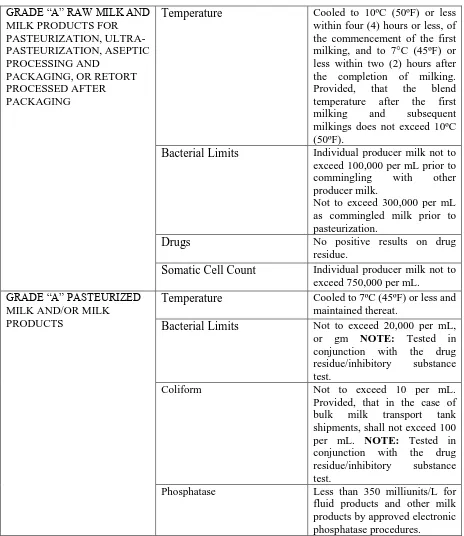
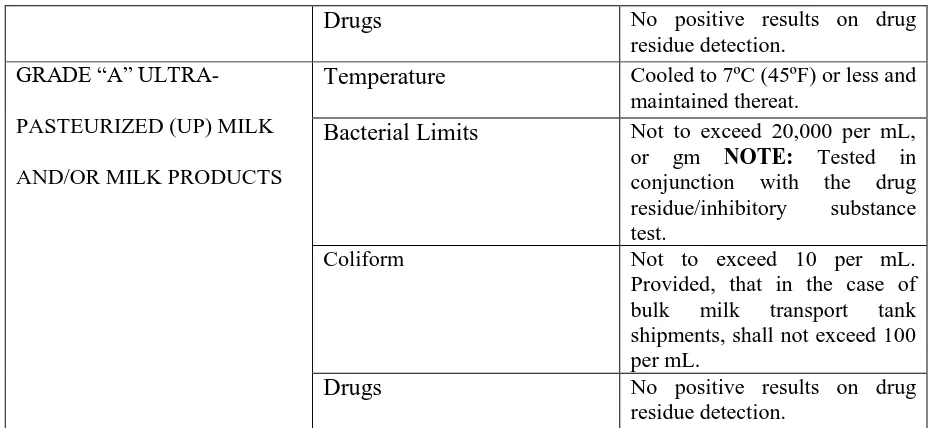
Table 1.1 Standards for Grade “A” raw, pasteurized, and ultra-pasteurized milk ... 32
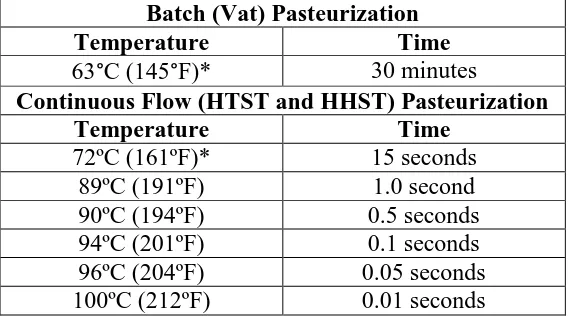
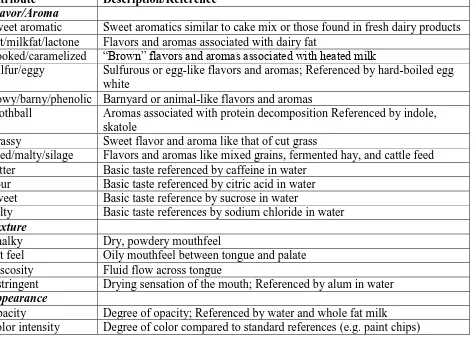
Table 1.2 Minimum time and temperature requirements for fluid milk pasteurization ... 34 Table 1.3 Descriptive lexicon for fluid milks ... 35 Table 2.1 Consumer difference test results for pair-wise comparisons between cooling
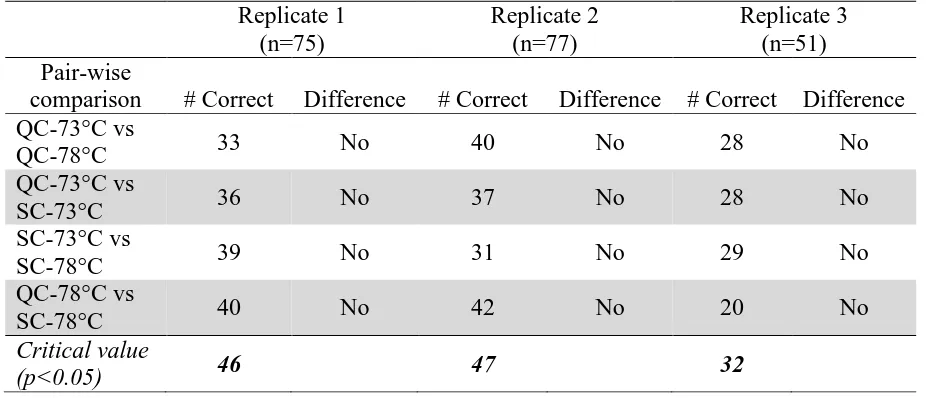
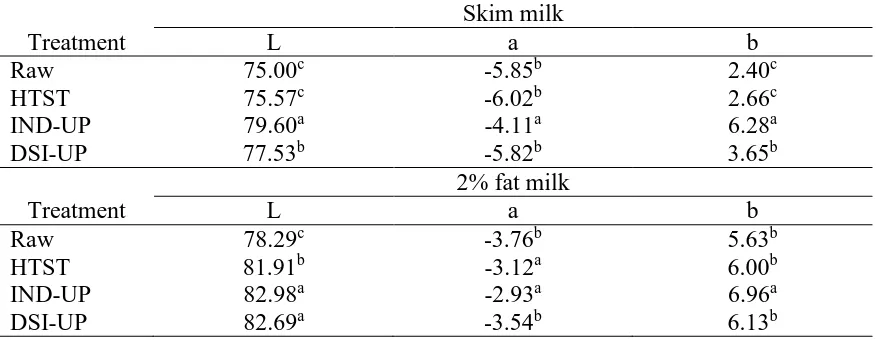
treatment (slow-cooled “SC” or quick-cooled “QC) or pasteurization temperature (73° or 78°C) at four days post-processing ... 62 Table 3.1 Hunter L, a, and b values for skim and 2% fat milks at day 3 after processing ... 89 Table 3.2 Serum protein denaturation and furosine concentration of skim and 2% fat milks processed by HTST pasteurization or UP ... 90 Table 3.3 Adult consumer acceptance results for skim and 2% milks treated by HTST
pasteurization or UP ... 91 Table 3.4 Child consumer acceptance results for skim and 2% milks treated by HTST
LIST OF FIGURES
Figure 1.1 Schematic overview of the early Maillard reaction in milk, leading to the
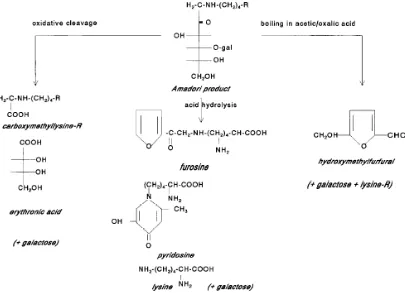
Amadori product ... 36 Figure 1.2 Degradation of the Amadori product via oxidative cleavage, acid hydrolysis, or
boiling in acetic/oxalic acid ... 37 Figure 2.1 Aerobic plate count (APC) of quick-cooled (QC) and slow-cooled (SC) milk
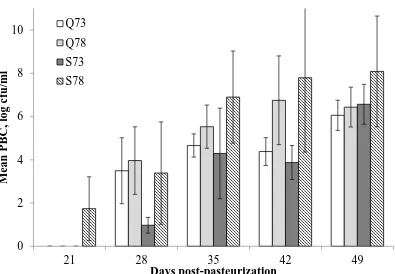
pasteurized at 73° or 78°C and stored at 4°C through shelf life ... 63 Figure 2.2 Psychrotrophic bacteria count (PBC) of quick-cooled (QC) and slow-cooled (SC)
milk pasteurized at 73° or 78°C and stored at 4°C through shelf life ... 64 Figure 3.1 Process flow diagram for a) high temperature, short time and b)
ultra-pasteurization ... 93 Figure 3.2a Descriptive analysis results for skim HTST and UP milks at d 3, 7, and 14
post-processing ... 94 Figure 3.2b Descriptive analysis results 2% milkfat HTST and UP milks at d 3, 7, and 14
Introduction
Milk is, has been, and will continue to be an important food for man. Depending on the geographic location, sources may include cow, goat, sheep, yak, buffalo, camel, and horse (MacDonald, 2010). Regardless of source, milk serves as a nourishing food from infancy through adulthood as a fluid product, in cultured or fermented forms as with cheese or yogurt, or in ingredient applications such as with milk and whey protein powders. In its fluid form, milk provides a good source of protein, minerals, and vitamins.
Milk is defined in 21 CFR 131.110 as “the lacteal secretion, practically free from colostrum, obtained by the milking of one or more healthy cows” (FDA, 2015b). It is
These same technologies can be used on milk, without the prior step of the cheese making process, to create micellar casein concentrate, serum protein concentrate, and milk protein concentrates and isolates (Brans et al., 2004).
The Pasteurized Milk Ordinance (PMO) is the standard guide for Grade “A” fluid
milk in the United States and includes regulations for processing, packaging, and marketing for not only milk, but also other products such as buttermilk, whey, condensed or dry milk and their associated products. Grade “A” milk and milk products are those that meet the “chemical, physical, bacteriological and temperature standards and the sanitization requirements” of Section 7 of the PMO (FDA, 2013). The PMO is considered the basic
standard for the Cooperative State-USPHS/FDA Program for the Certification of Interstate Milk Shippers; however, state regulations for milk can be more stringent than the PMO (FDA, 2013; 1 NYCRR Part 2). According to 21 CFR 1240.61, milk and milk products shipped over state lines must be pasteurized by the guidelines set in paragraph b and c (which are the same as those found in the PMO), or by any other FDA-approved pasteurization process (FDA, 2015a).
Louis Pasteur was the first to patent the pasteurization process and others, such as Franz von Soxhlet, applied this process to prolong the storage time of milk in the 1800s (Westhoff, 1978). Later, pasteurization was applied to destroy pathogens, especially tuberculosis-causing Mycobacterium tuberculosis and bovis. The heating of milk by low
temperatures (between 60-70°C) and long times (10-45 minutes) gained popularity in the late
Ordinance and Code were replaced by the PMO in 1965 (FDA, 2013). With this guidance, states began establishing laws and regulations for milk pasteurization with Michigan being the first in 1947 to legislate a law (Steele, 2000). Over the next several decades, additional technologies arose including those for high temperature, short time (HTST) pasteurization, ultra-high temperature (UHT) pasteurization, and ultra-pasteurization (UP) (Steele, 2000; Westhoff, 1978). Today, HTST pasteurization is by far the most common in the US, but milks processed by other techniques can also be found. These include intermediate heat or non-thermal treatments (e.g. processing by microfiltration or bactofugation) to create extended shelf life (ESL) milks.
acceptance of the milk (Gandy et al., 2008; Chapman and Boor, 2001). The objective of this review is to highlight key understandings of how processing parameters affect the quality of milk, especially with regard to sensory perception, and to identify gaps in the knowledge that need to be filled.
Raw Milk
On-farm Practices
Raw milk safety and quality control begins with on-farm practices. Spore-formers like Bacilluss spp. are a limiting factor on the shelf life of pasteurized milk and can be found ubiquitously at the farm (Meer et al., 1991). These organisms can have proteolytic, lipolytic, or toxinogenic activity that can affect both the raw milk and subsequent pasteurized milk (De Jonghe et al., 2010). Spores can enter into milk a number of ways including by feces, feed contamination, and soil. A two year study by Elmoslemany et al. (2010) reported that microbial counts were associated with the amount of soil on teats before milking, preparation of teats/udders before milking, method of bulk tank cleaning, and presence of a plate cooler (Elmoslemany et al., 2010). Masiello et al. (2014) also reported that farms that had > 25% cows with soiled teats/udders were 3.15 times more likely to have high spore counts of ≥3 log cfu/mL (Masiello et al., 2014). Additionally, herd size, bedding material type, and milking routine (i.e. forestripping, dry massaging, use of a postmilking disinfectant spray) were found to influence the levels of mesophilic and thermophilic spores (Miller et al., 2015). Vissers et al. (2007) estimated that 60% reduction of B. cereus spores could be achieved by reducing spore counts in feed for housed cows. A 99% reduction could be achieved for grazing cattle by minimizing soil contamination of teats (Vissers et al., 2007).
Transportation
hauling (Darchuk et al., 2015). The concern in the aforementioned study was with regard to biofilms which may form in raw milk tankers and which may produce heat-resistant enzymes that can affect the quality of pasteurized milk.
Cooling and Storage
In accordance with the Pasteurized Milk Ordinance (PMO), raw milk must be cooled to 10°C (50°F) or less within four or less hours from the start of the first milking. This milk must then be cooled to 7°C (45°F) or less within two hours after the end of milking. For batches commingled, the temperature of the bulk milk must not exceed 10°C (50°F) (FDA, 2013). Two technologies are approved and commonly employed for cooling milk. Vat cooling utilizes bulk tanks with cooling jackets to slowly cool milk in a batch process. In contrast, instantaneous cooling utilizes heat exchangers to quickly cool the milk in a continuous process before storage in an insulated or refrigerated bulk tank (Guul-Simonsen et al., 1996). Cooling and storage temperature have been shown to affect the microbial quality of raw milk as well as other quality factors including lipolysis.
The PMO requires a minimum cooling temperature of 7°C (50°F) for raw milk (FDA, 2013), but further cooling can be used to extend the storage life of raw milk. The maximum allowable microbial load in the PMO for raw milk is 100,000 cfu/ml for an individual producer and 300,000 cfu/ml for commingled milk. Gebre-Egziabher et al. (1985) found that with good sanitation and proper storage, raw milk could be held for up to three days at 4°C
comparison to raw milk that was cooled to 4°C, which could be stored for up to three days. Instant cooling to 2.5°C by plate heat exchanger before bulk tank storage significantly retarded bacterial growth and decreased the rate of hydrolysis and lipolysis, which extended the time that the raw milk could be stored with good quality (Guul-Simonsen et al., 1996). Lastly, a recent study by O’Connell et al. (2016) found that storage of milk at 2 or 4°C for up
to 96 hours did not significantly affect the microbial quality of the raw milk when fresh milk was added twice daily (O’Connell et al., 2016). The cooling of raw milk also affects the free
fatty acid levels formed by pumping, which disrupts the milk fat globule membrane, allowing lipoprotein lipase activity to increase (Wiking et al. 2005; Dickow et al., 2011). The increased free fatty acids from lipolysis can cause rancid flavors in milk and lipolysis can also affect functionality with regard to foaming, creaming during separation, and butter manufacture (Deeth, 2006). Fortunately, lipoprotein lipase is heat labile, so is easily inactivated during HTST pasteurization.
Biofilm/Enzymes/SCC
Biofilms are composed of microbes and an “extracellular polymeric substance”
The PMO clearly defines limits for bacteria and somatic cells at 100,000 cfu ml-1 from an individual producer or 300,000 cfu ml-1 for commingled milk and 750,000 somatic cells ml-1 (FDA, 2013). Somatic cells are typically composed of leukocytes from blood that enters into milk. Increased somatic cell counts (SCC) are found in milk when cows are affected by mastitis. Hydrolytic enzymes including plasmin and lipoprotein lipase can enter into the milk in conjunction with somatic cells (Barbano and Santos, 2006). These enzymes can lead to bitterness and rancidity in pasteurized milk (Ma et al., 2000).
Effect on Pasteurized Milk
These results indicate that contamination by spoilage bacteria must be further controlled if the shelf life of fluid milk is to be extended.
Interestingly, raw milk microbiological tests (standard plate count, somatic cell count, psychrotrophic bacteria count, coliform count, preliminary incubation count, laboratory pasteurization count, and spore pasteurization count) do not appear to accurately predict pasteurized milk quality as measured by microbial, sensory, or shelf-life analyses (Fromm and Boor, 2004; Martin et al., 2011). The tests can give an indication of the quality of the raw milk, but there lacks a correlation between the raw milk tests and pasteurized milk quality. PPC and plant factors such as pasteurization temperature are hypothesized explanations for the poor correlation between raw milk tests and subsequent pasteurized milk quality (Martin et al., 2011). Ranieri et al. (2009) reported on the effect of pasteurization temperature and found that an increase in pasteurization temperature from 72.9°C to 85.2°C resulted in higher
Pasteurized Fluid Milk
Pasteurization of fluid milk allows milk to be consumed safely and increases the shelf life. The PMO defines pasteurization as “the process of heating every particle of milk or milk
product, in properly designed and operated equipment, to one (1) of the temperatures given in Table 1.2 and held continuously at or above that temperature for at least the corresponding specified time” (FDA, 2013). Thermal processing has been applied since the late 1800s to the
early 1900s to destroy pathogens and reduce spoilage microorganisms. The first Standard Milk Ordinance was developed in 1924 to serve as a model for milk pasteurization, then the
Code in 1927 provided more thorough guidance for compliance (FDA, 2013).
Processing is needed because milk is an excellent growing environment for microorganisms. Milk processing usually follows the following procedure: clarification to remove dirt and body cells, separation by centrifugation to separate cream from skim milk, fat content standardization, then pasteurization, homogenization, and lastly packaging (Goff and Griffiths, 2006). A variety of heat treatments exist including low temperature long time (LTLT), high temperature-short time (HTST), ultra-pasteurization (UP), and ultra-high temperature (UHT) processing. Non-thermal treatments have also been recently proposed as a method of further reducing microbial loads in milk.
The parameters for the LTLT method were established in 1924 with the first pasteurized milk ordinance (Westhoff, 1978). The minimum requirement for this treatment
was 61.1°C (142°F) for 30 minutes to destroy Mycobacterium tuberculosis. Work by North
more quickly process milk. M. tuberculosis was again the microorganism of concern when establishing parameters for what would be known as HTST pasteurization. The work by
North and Park (1927) did not review temperatures higher than 65.6°C for destroying M.
tuberculosis, making it difficult to set minimum requirements. The first HTST standards were publisheds in 1933 in the U.S. Public Health Service Milk Ordinance and Code (Westhoff, 1978). Workman (1941) studied the effects of time and temperature on various pathogenic bacteria, including those that cause tuberculosis and brucellosis, and found that all were destroyed by heating to 71.1°C (160°F) for 15 seconds (Workman, 1941). Based on
these results, a standard of 71.7°C (161°F) for 15 seconds was established as the minimum
for HTST pasteurization. In 1957, the parameters for both LTLT and HTST pasteurization were updated to account for the thermal tolerance of Coxiella burneti, the microorganism which causes Q fever. The new parameters increased the minimum temperature and time of LTLT pastuerization to 62.8°C (145°F) for 30 minutes and 71.7°C (161°F) for 15 seconds for
HTST pasteurization; products with higher solids were recommended to be pasteurized at higher temperatures to account for varying suspensions of the pathogenic microorganism (Enright et al., 1957). Current standards for grade “A” pasteurized milk requires milk to be
cooled to 7°C (45°F) or less, contain less than 20,000 cfu/ml for overall bacteria (less than 10
cfu/ml for coliforms), contain less than 350 milliunits per liter active alkaline phosphatase, and show no positive results for drug residues (FDA, 2013).
pasteurization includes all temperatures greater than 88.3°C (191°F) held for at least one
second whereas UHT sterilization utilizes temperatures between 130 to 150°C and held for
2-10 seconds (Mehta, 1980; Holsinger et al., 1997). UHT sterilization is similar to ultra-pasteurization (UP) in terms of thermal treatment, but UHT sterilized milks are usually packaged aseptically for shelf-stable storage. “Ultra-pasteurization” is defined by the PMO as thermal processing “at or above 138°C (280°F) for at least two (2) seconds, either before or
after packaging, so as to produce a milk and/or milk product, which has an extended shelf-life under refrigerated conditions” (FDA, 2013). UP milks can be packaged aseptically or
under near aseptic conditions to limit post processing contamination. The standards for grade “A” UP milk are the same as for conventional grade “A” fluid milk. Both indirect and direct
forms of heating can be used for UHT and UP processing. Indirect treatments can utilize plate or tubular heat exchangers; direct treatments include direct injection of superheated steam into the product line and steam infusion, where milk is heated by falling through a chamber filled with superheated steam (Datta et al., 2002).
Physicochemical changes
The heat treatment and processing of milk lead to physicochemical changes that can affect the composition, functionality, and sensory characteristics of the milk. Enzymes are denatured by heat, which can inactivate them. This effect can prevent enzymatic spoilage of the milk by proteinases or lipases, inactivate antimicrobial enzymes like lactoperoxidase, and can also be used as an indicator for adequate pasteurization as is the case with alkaline
phosphatase (Walstra et al., 2006). Heat treatment in excess of about 70°C can result in
conditions (Fox et al., 2015). The degree of whey protein denaturation can affect the functionality of UHT milk with a greater percentage denaturation resulting in delayed gelation during shelf life (Datta and Deeth, 2001). Exposure to heat also induces Maillard reactions, the products of which can be used as indicators of heat treatment.
Heat indicators
Heat indicators are described by Pellegrino et al. (1995) as falling into two categories – Type 1 which includes products formed by denaturation, degradation, or inactivation such
as with whey proteins, enzymes, and vitamins; and, Type 2 which includes formation of new or originally minimal substances (Pellegrino et al., 1995). Useful thermal indicators should be robust and easily quantified for a wide range of time/temperatures. Indicators that fit this criteria include denaturation of whey proteins – alpha-lactalbumin, beta-lactoglobuin, bovine serum albumin, and immunoglobulins – and reaction products furosine, hydroxymethylfurfural, and lactulose (Morales et al., 2000).
As previously mentioned, alkaline phosphatase is a useful indicator of pasteurization as it is a native raw milk enzyme that denatures at temperatures slightly above the minimum for destroying pathogens. Lactoperoxidase can be used to determine higher temperature processing as a negative result indicates pasteurization temperatures above 85°C for 20
Beta-lactoglobulin is measured by reversed-phase HPLC after acidic pH adjustment, providing precise and accurate analysis; however, variations of the absolute and relative abundance of beta-lactoglobulin can limit comparisons between samples (Mortier et al., 2000; Datta et al., 2002).
were found to range from ~1.0 µmol/L in raw or minimally heat treated milk up to
22.0µmol/L for in-bottle sterilized milk (Morales et al., 2000). However, HMF can be formed
by both isomeration/degradation and by the Maillard reaction, making it less useful as a heat indicator (van Boekel, 1998). Lactulose is another commonly used indicator of heat treatment. Lactulose is formed by the isomeration of lactose, the process of which is more dependent on temperature and pH than furosine (van Boekel, 1998). Lactulose is measured in mg/L and is only found after higher temperature treatments (Mortier et al., 2000). For each heat indicator, differences can be discerned between indirect and direct modes of UHT treatment with values generally being lower for direct modes of heating (van Boekel, 1998; Elliot et al., 2005).
Shelf life
The effect of pasteurization temperature on shelf life is another important processing consideration. HTST milks typically last two to three weeks under refrigerated storage, UP milks for one to two months refrigerated, and UHT sterilized milks can last one to two years under ambient conditions. The end of shelf life can be determined by microbial count or by sensory analysis upon the loss of product quality. For HTST pasteurized milks, shelf life is typically dictated by the growth of psychrotrophic microorganisms that survive pasteurization and by PPC. In a study by Fromm and Boor (2004) of three commercial plants, the percentage of shelf life samples with >20,000 cfu/ml total bacteria count increased from 8% at day 7, to 58% on day 14, then 92% by day 17. Paenibacillus, Bacillus, and
et al. (1995) reported that milks pasteurized by direct steam injection at 100° or 110°C for 4
seconds had high total (107 and 106 cfu/ml, respectively) and psychrotrophic (106 cfu/ml) counts after 15 days stored at 7°C. Spore-forming Bacillus spp. were identified in milks
pasteurized between 120° and 132°C for 4 seconds, but no organisms were found above
134°C (Blake et al., 1995). These results highlight the importance of these microorganisms as
determinants of shelf life. Adequate processing and appropriate packaging are also very important with regard to the shelf life of milks; any process deviation or post pasteurization contamination can greatly reduce the shelf life of UHT sterilized milks (Mehta, 1980; Ravanis and Lewis, 1995).
quality of the milk tested in this study was high with 75.7% of samples with <10,000 cfu/ml total bacteria count and <50 cfu/ml coliform count (Martin et al., 2012).
Flavor and Sensory Properties of Milk
Typical US market milks (HTST) are characterized by a light and clean, but slightly sweet flavor. A basic lexicon for flavor, aroma, mouthfeel, and appearance terms for milks is given in Table 1.3. The flavor of milks can be influenced by a number of factors including animal source and feed, fat content, processing treatment, storage and storage conditions, and spoilage by enzymes or bacteria. These characteristics will ultimately dictate consumer acceptance and purchase.
between the milk types and that milk type did not affect overall acceptance (Croissant et al., 2007).
Fat
(2016) reported that milk consumers preferred different fat content milks depending on the fat content consumed most often. Skim milk drinkers preferred 1 and 2% milk over skim and whole milks. Low-fat milk drinkers preferred 1%, 2%, and whole milks. Liking decreased for higher fat contents due to flavors and textures associated with milk fat. Whole milk drinkers preferred samples with higher milkfat (McCarthy et al., 2016). These studies support the influence of appearance, texture, and flavor on the sensory perception of milk.
Processing
Processing and packaging conditions are used to impart various shelf life characteristics to milks. However, these conditions can also affect the flavor and sensory attributes in milk, influencing consumer liking and acceptance. Calvo and de la Hoz (1992) reviewed the flavor of heat treated milks and classified compounds as those formed by denaturation of milk proteins which subsequently release sulphydryls and those formed by nonenzymatic browning reactions. Terms to describe the flavors of heat treated milks include cooked, sulfurous, caramelized, and scorched (Shipe et al., 1978). Cooked flavors result from sulfurous compounds released from whey proteins, specifically beta-lactoglobulin, and proteins in the milk fat globule membrane (Mehta, 1980; Calvo and de la Hoz, 1992). These flavors typically decrease over time (Deane et al., 1967; Shipe et al., 1978). For higher heat treatments of milk (i.e. ultra-pasteurized or UHT), the intensities of heat-related flavors are greater than for typical HTST pasteurized milks. Milks processed at 135° to 150°C for
several seconds show strong sulfur or cooked aromatics (Shipe et al., 1978). The compounds identified as contributing to the sulfur and cooked notes include “methyl sulphide, hydrogen
contribute to the sensory characteristics of milk. Over 100 peaks were obtained by gas chromatography-mass spectrometry on skim and whole milks (Francis et al., 2005). Maillard reactions, lactose breakdown components, and flavors from lipids contribute aldehydes, furanoids, lactones, aromatic carbonyls among many other compounds to impart “brown”
flavors like caramelized flavor (Shipe et al., 1978; Calvo and de al Hoz, 1992). Chapman et al. (2001) used quantitative descriptive analysis to characterize commercial ultra-pasteurized milks of varying fat levels from two different dairy plants. Cooked flavor and aroma, dry mouthfeel, lingering aftertaste, sweet flavor, and bitter flavor explained 87.6% of the variability among samples tested (Chapman et al., 2001). Clare et al. (2005) reported that indirectly heated UHT milks exhibited higher caramelized flavor, astringency, fatty/stale flavor, and brown color than those processed by microwave processing (Clare et al., 2005). A study examining UHT milks from different countries suggested that the manufacturing process influenced the sensory characterics of fluid milks the greatest, more so than country of origin or fat content of UHT milk (Oupadissakoon et al., 2009).
Storage
microorganisms, light, and oxygen while preserving the flavor of the milk. ESL, UP, and UHT milks are packaged in hermetically sealed containers which are disinfected or sterilized by hydrogen peroxide, heat, and/or UV rays to prevent contamination by the container (Henyon, 1999). During retail display, milks can form oxidized flavors due to excessive light exposure and lack of light protection from packaging. This results in decreased consumer acceptence of oxidized milk, indicating a need for improved packaging and storage conditions for milk at retail (Walsh et al., 2015). Simon and Hansen (2001) examined several different packaging materials and found that the flavor of UP milks deteriorated with standard packaging (cardboard coated in polyethylene) compared to barrier (low density polyethylene, cardboard, and ethylene-vinyl alcohol) and foil packaging. Polyethylene packaging can adsorb and also allow milk volatiles to permeate through (Czerny and Schieberle, 2007). These studies show how storage and storage conditions affect milk flavor and why they must be monitored to ensure quality through shelf life.
Consumer Acceptance
85ºC) were characterized by greater cooked flavor and aroma on day 0. The lower liking scores for these milks were attributed to these cooked characteristics. These results reflect historical trends seen by Deane et al. (1966) where 78.9ºC milk was most preferred and higher pasteurization temperature milks (82.2ºC and 85.6ºC) was least preferred by adult consumers.
Objectives
REFERENCES
Barbano, D., and Santos, M. 2006. Influence of Raw Milk Quality on Fluid Milk Shelf Life. J. Dairy Sci. E15-E19.
Bendall, J. 2001. Aroma Compounds of Fresh Milk from New Zealand Cows Fed Different Diets. J. Ag. and Food Chem. 49:4825-4832.
Blake, M., Weimer, B., McMahon, D., and Savello, P. 1995. Sensory and Microbial Quality of Milk Processed for Extended Shelf Life by Direct Steam Injection. J. Food Protection. 1007-1013.
Boor, K. 2001. Fluid Dairy Product Quality and Safety: Looking to the Future. J. Dairy Sci. 84:1-11.
Boor, K., and Nakimbugwe, D. 1998. Quality and stability of 2% fat ultrapasteurized fluid milk products. Dairy, Food, and Environmental Sanitation. 18:78-82.
Brans, G., Schroen, C., van der Sman, R., and Boom, R. 2004. Membrane fractionation of milk: state of the art and challenges. J. Membrane Sci. 243:263-272.
Calvo, M., and de la Hoz, L. 1992. Flavour of Heated Milks. A Review. International Dairy J. 69-81.
Chapman, K., and Boor, K. 2001. Acceptance of 2% Ultra-Pasteurized Milk by Consumers, 6 to 11 Years Old. J. Dairy Sci. 84:951-954.
Chapman, K., Lawless, H., and Boor, K. 2001. Quantitative Descriptive Analysis and Principal Component Analysis for Sensory Characterization of Ultrapasteurized Milk. J. Dairy Sci. 84:12-20.
Chojnicka-Paszun, A., De Jongh, H., and De Kruif, C. 2012. Sensory perception and lubrication properties of milk: Influence of fat content. S. Int. Dairy J. 15-22.
Claeys, W., Cardoen, S., Daube, G., De Block, J., Dewettinck, K., Dierick, K., et al. 2013. Raw or heated cow milk consumption: Review of risks and benefits. Food Control. 251-262.
Clare, D., Bang, W., Cartwright, G., Drake, M., Coronel, P., and Simunovic, J. 2005. Comparison of Sensory, Microbiological, and Biochemical Parameters of Microwave Versus Indirect UHT Fluid Skim Milk During Storage. J. Dairy Sci. 88:4172-4182. Croissant, A., Washburn, S., Dean, L., and Drake, M. 2007. Chemical Properties and
Consumer Perception of Fluid Milk from Conventional and Pasture-Based Production Systems. J. Dairy Sci. 90:4942-4953.
Czerny, M., and Schieberle, P. 2007. Influence of the polyethylene packaging on the adsorption of odour-active compounds from UHT-milk. Eur Food Res Technol. 225:215-223.
Dairy, N. Y. 2003, 03. 1 NYCRR Part 2 Requirements for the Production, Processing, Manufacturing and Distribution of Milk and Milk Products. Accessed May 9, 2016. http://www.agriculture.ny.gov/DI/Laws%20in%20PDF/PART2_milk_control_law.pd f.
Darchuk, E., Waite-Cusic, J., and Meunier-Goddik, L. 2015. Effect of commercial hauling practices and tanker cleaning treatments on raw milk microbiological quality. J. Dairy Sci. 98:7384-7393.
Datta, N., and Deeth, H. 2001. Age gelation of UHT milk - A review. Food and Bioproducts Processing. 197-210.
Datta, N., Elliott, A., Perkins, M., and Deeth, H. 2002. Ultra-high-temperature UHT treatment of milk: Comparison of direct and indirect modes of heating. Australian J. Dairy Technology. 211-227.
De Jonghe, V., Coorevits, A., De Block, J., Van Coillie, E., Grijspeerdt, K., Herman, L., et al. 2010. Toxinogenic and spoilage potential of aerobic spore-formers isolated from raw milk. International J. Food Microbiology. 318-325.
Deane, D., Chelesvig, J., and Thomas, W. 1967. Pasteurization Treatment and Consumer Acceptance of Milk. J. Dairy Sci. 50:1216-1220.
Deeth, H. 2006. Lipoprotein lipase and lipolysis in milk. International Dairy J. 555-562. Dickow, J., Larsen, L., Hammershoj, M., and Wiking, L. 2011. Cooling causes changes in
Donlan, R. 2002. Biofilms: Microbial Life on Surfaces. Emerging Infectious Diseases. 8:881-890.
Elliot, A., Datta, N., Amenu, B., and Deeth, H. 2005. Heat-induced and other chemical changes in commercial UHT milks. J. Dairy Research. 72:442-446.
Elmoslemany, A., Keefea, G., Dohooa, I., Wichtela, J., Stryhn, H., and Dingwell, R. 2010. The association between bulk tank milk analysis for raw milk quality and on-farm management practices. Preventive Veterinary Medicine. 95:32-40.
Enright, J., Sader, W., and Thomas, R. 1957. Thermal inactivation of Coxiella burnetii and its relation to pasteurization of milk. United States Public Health Service. Public Health Monograph No. 47.
Euromonitor. 2016. Milk Market Size. Euromonitor Passport Database.
FAO. 2012. Dairy Production and products: Milk production. Acessed July 25, 2014. http://www.fao.org/agriculture/dairy-gateway/milk-production/en/#.U9KPLfldWNA Farkye, N. Y. 2004. Cheese technology. International J. Dairy Technology.
FDA. 2013. Grade "A" Pasteurized Milk Ordinance. Washington, DC: US Department of Health and Human Services. Public Health Service.
FDA. 2015a. 21 CFR 1240.61. Accessed May 9, 2016.
https://www.accessdata.fda.gov/scripts/cdrh/cfdocs/cfcfr/CFRSearch.cfm?fr=1240.61
FDA. 2015b. 21 CFR 131.110. Accessed May 9, 2016.
http://www.accessdata.fda.gov/scripts/cdrh/cfdocs/cfcfr/CFRSearch.cfm?FR=131.110 Fox, P., Uniacke-Lowe, T., McSweeney, P., and O'Mahony, J. 2015. Dairy Chemistry and
Biochemistry, Second Edition. Springer Verlag.
Francis, L., Chambers, D., Kong, S., Milliken, G., Jeon, I., and Schmidt, K. 2005. Serving Temperature Effects on Milk Flavor, Milk Aftertaste, and Volatile Compound Quantification in Nonfat and Whole Milk. J. Food Sci. S413-S418.
Fromm, H., and Boor, K. 2004. Characterization of Pasteurized Fluid Milk Shelf-life Attributes. J. Food Sci. M207-M214.
Gandy, A., Schilling, M., Coggins, P., White, C., Yoon, Y., and Kamadia, V. 2008. The Effect of Pasteurization Temperature on Consumer Acceptability, Sensory Characteristics, Volatile Compound Composition, and Shelf-Life of Fluid Milk. J. Dairy Sci. 91:1769-1777.
Gebre-Egziabher, A., Cheong, A., Blankenagel, G., and Humbert, E. 1985. Extended Storage of Raw Milk. I. Effect on Microbiological Quality. Canadian Institute of Food Sci. and Technology. 247-250.
Gillis, W., Cartledge, M., Rodriguez, I., and Suarez, E. 1985. Effect of Raw Milk Quality on Ultra-High Temperature Processed Milk. J. Dairy Sci. 68:2875-2879.
Goff, H. D., and Griffiths, M. W. 2006. Major Advances in Fresh Milk and Milk Products: Fluid Milk Products and Frozen Desserts. J. Dairy Sci. 1163-1173.
Griffiths, M. W., Phillips, J. D., and Muir, D. D. 1987. Effect of low-temperature storage on the bacteriological quality of raw milk. Food Microbiology. 285-291.
Guul-Simonsen, F., Christiansen, P. S., Edelsten, D., Kristiansen, J. R., Madsen, N. P., Nielsen, E. W., et al. 1996. Cooling, Storing and Quality of Raw Milk. Acta Agriculturae Scandinavica, Section A - Animal Sci. 105-110.
Hantsis-Zacharov, E., and Halpern, M. 2007. Culturable Psychrotrophic Bacterial Communities in Raw Milk and Their Proteolyic and Lipolytic Traits. Applied and Environmental Microbiology. 7162-7168.
Hayes, M. C., and Boor, K. 2001. Raw Milk and Fluid Milk Products. In Applied Dairy Microbiology pp. 59-76. New York: Marcel Dekker, Inc.
Henyon, D. 1999. Extended shelf-life milks in North America: a perspective. International J. Dairy Technology. 95-101.
Holsinger, V., Rajkowski, K., and Stabel, J. 1997. Milk pasteurisation and safety: a brief history and update. Scientific and Technical Review of the Office International des Epizooties. 441-451.
Huck, J., Sonnen, M., and Boor, K. 2008. Tracking Heat-Resistant, Cold-Thriving Fluid Milk Spoilage Bacteria from Farm to Packaged Product. J. Dairy Sci. 91:1218-1228. Ma, Y., Ryan, C., Barbano, D., Galton, D., Rudan, M., and Boor, K. 2000. Effects of Somatic
MacDonald, H. B. 2010. The role of milk in the diet. In H. B. MacDonald, Improving the safety and quality of milk. Volume 2: Improving quality in milk products pp. 3-27. Woodhead Publishing.
Marchand, S., De Block, J., De Jonghe, V., Coorevits, A., Heyndrickx, M., and Herman, L. 2012. Biofilm Formation in Milk Production and Processing Environments; Influence on Milk Quality and Safety. Comprehensive Reviews in Food Sci. and Food Safety. 133-147.
Martin, N., Ranieri, M., Murphy, S., Ralyea, R., Wiedmann, M., and Boor, K. 2011. Results from raw milk microbiological tests do not predict the shelf-life performance of commercially pasteurized fluid milk. J. Dairy Sci. 94:1211-1222.
Martin, N., Ranieri, M., Wiedmann, M., and Boor, K. 2012. Reduction of pasteurization temperature leads to lower bacterial outgrowth in pasteurized fluid milk during refrigerated storage: A case study. J. Dairy Sci. 95:471-475.
Masiello, S., Martin, N., Trmcic, A., Wiedmann, M., and Boor, K. 2016. Identification and characterization of psychrotolerant coliform bacteria isolated from pasteurized fluid milk. J. Dairy Sci. 99:130-140.
Masiello, S., Martin, N., Watters, R., Galton, D., Schukken, Y., Wiedmann, M., et al. 2014. Identification of dairy farm management practices associated with the presence of psychrotolerant sporeformers in bulk tank milk. J. Dairy Sci. 97:4083-4096.
McCarthy, K.S., Lopetcharat, K., Drake, M.A. 2016. Milkfat threshold determination and the effect of milkfat content on consumer preference of fluid milk. MS Thesis. North Carolina State Univ., Raleigh, NC.
Meer, R., Baker, J., Bodyfelt, F., and Griffiths, M. 1991. Psychrotrophic Bacillus spp. in Fluid Milk Products: A Review. J. Food Protection. 969-979.
Mehta, R. 1980. Milk Processed at Ultra-High-Temperatures - A Review. J. Food Protection. 212-225.
Montilla, A., and Olano, A. 1997. Effect of the protein content and dilution on the lactulose/furosine ratio in heat-treated milk. Milchwissenschaft, 52:506-507.
Mortier, L., Braekman, A., Cartyvels, D., van Renterghem, R., and De Block, J. 2000. Intrinsic indicators for monitoring heat damage of consumption milk. Biotechnology, Agronomy, Society, and Environment. 221-225.
Muir, D. D. 1996a. The shelf-life of dairy products: 1. Factors influencing raw milk and fresh products. J. the Society of Dairy Technology. 24-32.
Muir, D. D. 1996b. The shelf-life of dairy products: 2. Raw milk and fresh products. J. the Society of Dairy Technology. 44-48.
North, C., and Park, W. 1927. Standards for milk pasteurization. Am. J. Hyg. 147-154. O'Connell, A., Ruegg, P., Jordan, K., O'Brien, B., and Gleeson, D. 2016. The effect of
storage temperature and duration on the microbial quality of bulk tank milk. J. Dairy Sci. 99:3367-3374.
Oupadissakoon, G., Chambers, D., and Chambers IV, E. 2009. Comparison of the sensory properties of ultra-high-temperature UHT milk from different countries. J. Sensory Studies. 427-440.
Pangborn, R., Bos, K., and Stern, J. 1985. Dietary fat intake and taste responses to fat in milk by under, normal, and overweight women. Appetite. 6:25-40.
Pellegrino, L., Resmini, P., and Luf, W. 1995. Assessment indices of heat treatment of milk. In P. Fox, Heat-induced changes in milk pp. 409-453. Brussels, Belgium: International Dairy Federation.
Phillips, L., and Barbano, D. 1997. The Influence of Fat Substitutes Based on Protein and Titanium Dioxide on the Sensory Properties of Lowfat Milks. J. Dairy Sci. 80:2726-2731.
Phillips, L., McGiff, M., Barbano, D., and Lawless, H. 1995. The influence of fat on the sensory properties, viscosity and color of low-fat milks. J. Dairy Sci. 78:1258-1266. Popkin, B. 2010. Patterns of beverage use across the lifecycle. Physiology and Behavior.
26:4-9.
Ralyea, R., Wiedmann, M., and Boor, K. 1998. Bacterial tracking in a Dairy Production System Using Phenotypic and Ribotyping Methods. J. Food Protection. 1336-1340. Ranieri, M., Huck, J., Sonnen, M., Barbano, D., and Boor, K. 2009. High temperature, short
Ravanis, S., and Lewis, M. 1995. Observations on the effect of raw milk quality on the keeping quality of pasteurized milk. Letters in Applied Microbiology. 20:164-167. Resmini, P., Pellegrino, L., and Batteli, G. 1990. Accurate quantification of furosine in milk
and dairy products by a direct HPLC method. Italian J. Food Sci. 173-183.
Santos, M., Ma, Y., Caplan, Z., and Barbano, D. 2003. Sensory Threshold of Off-Flavors Caused by Proteolysis and Lipolysis in Milk. J. Dairy Sci. 86:1601-1607.
Shipe, W., Bassette, R., Deane, D., Dunkley, W., Hammond, E., Harper, W., et al. 1978. Off Flavors of Milk: Nomenclature, Standards, and Bibliography. J. Dairy Sci. 61:855-869.
Simon, M., and Hansen, A. 2001. Effect of Various Dairy Packaging Materials on the Shelf Life and Flavor of Ultrapasteurized Milk. J. Dairy Sci. 84:784-791.
Song, W., Chun, O., Kerver, J., Cho, S., Chung, C., and Chung, S. 2006. Ready-to-Eat Breakfast Cereal Consumption Enhances Milk and Calcium Intake in the US Population. Journal of the American Dietetic Association. 11:1783-1789.
Steele, J. 2000. History, trends, and extent of pasteurization. Journal of the American Veterinary Medical Association. 175-178.
Teh, K., Flint, S., Palmer, J., Andrewes, P., Bremer, P., and Lindsay, D. 2014. Biofilm - An unrecognized source of spoilage enzymes in dairy products? International Dairy J. 32-40.
Urbach, G. 1990. Effect of Feed on Flavor in Dairy Foods. J. Dairy Sci. 73:3639-3650. USDA. 2015. Estimated Fluid Milk Products Sales Report. USDA.
USDA ERS. 2015. Food Availability Per Capita Data System. USDA, Economic Research Service.
van Boekel, M. 1998. Effect of heating on Maillard reactions in milk. Food Chemistry. 403-414.
Varnam, A. H., and Sutherland, J. P. 2001. Milk and Milk Products. Gaithersburg, Maryland: Aspen Publishers.
Walsh, A., Duncan, S., Potts, H., and Gallagher, D. 2015. Comparing quality and emotional responses as related to acceptability of light-induced oxidation flavor in milk. Food Research International. 293-300.
Walstra, P., Woulters, J. T., and Geurts, T. J. 2006. Dairy Sci. and Technology. Boca Raton, FL: CRC Press.
Weimer, P. J. 2001. Microbiology of the Dairy Animal. In Applied Dairy Microbiology pp. 1-58. New York: Marcel Dekker, Inc.
Westhoff, D. 1978. Heating Milk for Microbial Destruction: A Historical Outline and Update. J. Food Protection. 122-130.
Wiking, L., Bertram, H., Bjork, L., and Nielsen, J. 2005. Evaluation of cooling startegies for pumping of milk - Impact of fatty acid composition of free fatty acid levels. J. Diary Research, 476-481.
Workman, T. 1941. Short time high temperature pasteurization. Bulletin of the International Association of Milk Dealers. 585-588.
TABLES
Table 1.1 Standards for Grade “A” raw, pasteurized, and ultra-pasteurized milk (Taken from the 2013 Pasteurized Milk Ordinance, FDA, 2013)
GRADE “A” RAW MILK AND MILK PRODUCTS FOR PASTEURIZATION, ULTRA-PASTEURIZATION, ASEPTIC PROCESSING AND
PACKAGING, OR RETORT PROCESSED AFTER PACKAGING
Temperature Cooled to 10ºC (50ºF) or less within four (4) hours or less, of the commencement of the first milking, and to 7°C (45ºF) or less within two (2) hours after the completion of milking. Provided, that the blend temperature after the first milking and subsequent milkings does not exceed 10ºC (50ºF).
Bacterial Limits Individual producer milk not to exceed 100,000 per mL prior to commingling with other producer milk.
Not to exceed 300,000 per mL as commingled milk prior to pasteurization.
Drugs No positive results on drug
residue.
Somatic Cell Count Individual producer milk not to exceed 750,000 per mL.
GRADE “A” PASTEURIZED MILK AND/OR MILK PRODUCTS
Temperature Cooled to 7ºC (45ºF) or less and maintained thereat.
Bacterial Limits Not to exceed 20,000 per mL, or gm NOTE: Tested in conjunction with the drug residue/inhibitory substance test.
Coliform Not to exceed 10 per mL. Provided, that in the case of bulk milk transport tank shipments, shall not exceed 100 per mL. NOTE: Tested in conjunction with the drug residue/inhibitory substance test.
Table 1.1 (continued)
Drugs No positive results on drug
residue detection. GRADE “A” ULTRA-
PASTEURIZED (UP) MILK AND/OR MILK PRODUCTS
Temperature Cooled to 7ºC (45ºF) or less and maintained thereat.
Bacterial Limits Not to exceed 20,000 per mL, or gm NOTE: Tested in conjunction with the drug residue/inhibitory substance test.
Coliform Not to exceed 10 per mL. Provided, that in the case of bulk milk transport tank shipments, shall not exceed 100 per mL.
Drugs No positive results on drug
Table 1.2 Minimum time and temperature requirements for fluid milk pasteurization (Taken from the 2013 Pasteurized Milk Ordinance, FDA, 2013)
Batch (Vat) Pasteurization
Temperature Time
63°C (145°F)* 30 minutes
Continuous Flow (HTST and HHST) Pasteurization
Temperature Time
72ºC (161ºF)* 15 seconds
89ºC (191ºF) 1.0 second
90ºC (194ºF) 0.5 seconds
94ºC (201ºF) 0.1 seconds
96ºC (204ºF) 0.05 seconds
100ºC (212ºF) 0.01 seconds
*If the fat content of the milk product is ten percent (10%) or greater, or a total solids of 18% or
greater, or if it contains added sweeteners, the specified temperature shall be increased by 3ºC
Table 1.3 Descriptive lexicon for fluid milks Attribute Description/Reference Flavor/Aroma
Sweet aromatic Sweet aromatics similar to cake mix or those found in fresh dairy products Fat/milkfat/lactone Flavors and aromas associated with dairy fat
Cooked/caramelized “Brown” flavors and aromas associated with heated milk
Sulfur/eggy Sulfurous or egg-like flavors and aromas; Referenced by hard-boiled egg white
Cowy/barny/phenolic Barnyard or animal-like flavors and aromas
Mothball Aromas associated with protein decomposition Referenced by indole, skatole
Grassy Sweet flavor and aroma like that of cut grass
Feed/malty/silage Flavors and aromas like mixed grains, fermented hay, and cattle feed Bitter Basic taste referenced by caffeine in water
Sour Basic taste referenced by citric acid in water Sweet Basic taste reference by sucrose in water
Salty Basic taste references by sodium chloride in water Texture
Chalky Dry, powdery mouthfeel
Fat feel Oily mouthfeel between tongue and palate Viscosity Fluid flow across tongue
Astringent Drying sensation of the mouth; Referenced by alum in water Appearance
Opacity Degree of opacity; Referenced by water and whole fat milk Color intensity Degree of color compared to standard references (e.g. paint chips) Adapted from Clare et al. (2005), Croissant et al. (2007), Oupadissakoon et al. (2009), and McCarthy et al. (2016)
FIGURES
Figure 1.1 Schematic overview of the early Maillard reaction in milk, leading to the Amadori product. (gal = galactose, R = protein chain)
Figure 1.2 Degradation of the Amadori product via oxidative cleavage, acid hydrolysis, or boiling in acetic/oxaclic acid. (gal – galactose, R = protein chain).
CHAPTER 2:
Short communication: The impact of raw milk cooling on sensory perception and shelf life of HTST skim milk
A.P. Lee1, D.M. Barbano2, M.A. Drake1
1Southeast Dairy Foods Research Center, North Carolina State University, Raleigh, NC
27695
2Northeast Dairy Research Center, Cornell University, Ithaca, NY 14850
Interpretive Summary
Abstract
life. These results suggest that pasteurized milk quality is due to other factors. Raw milk cooling rate is not the largest impact on milk quality, when raw milk quality is excellent and cooling is conducted within the limits of the PMO.
Short Communication
Per capita milk consumption has declined steadily from 112.0 kg of fluid milk consumed in 1975 to 72.1 kg in 2014, a 35% decrease (USDA ERS, 2015). To compete against other, more shelf stable beverage offerings, fluid milk must improve product quality and shelf life (Boor, 2001; Caplan and Barbano, 2013). Along with post-pasteurization contamination, the major obstacles for milk shelf life are bacterially related, typically from psychrotrophic bacteria and their heat resistant enzymes, milk somatic cell enzymes and native milk proteases (Ma et al., 2000; Santos et al., 2003a,b), and heat-resistant spore formers (Fromm and Boor, 2004; Huck et al., 2007). Although standards exist for raw milk quality and production of fluid milk in the US, different farms and processing facilities have different management practices, leading to a wide variation in the overall quality and microbial community of the raw milk (Huck et al., 2007; Masiello et al., 2014). Gram-positive Bacillus spp. and Paenibacillus spp. are among the main microorganisms of concern in raw milk that may limit the shelf life of milk (Meer et al., 1991; Fromm and Boor, 2004; Huck et al., 2007; Ranieri et al., 2009; Masiello et al., 2014). These organisms exist as heat-resistant spores in raw milk that can germinate after pasteurization, which can result in early spoilage of fluid milk by proteolysis or lipolysis (Collins, 1981; Meer et al., 1991; Deeth et al., 2002; Santos et al., 2003a,b; Barbano and Santos, 2006; Huck et al., 2007 ). The entire milk processing chain is subject to contamination by these microorganisms, from raw milk procurement to final packaging.
from the start of milking, then to 7°C or less within two hours after the completion of milking. Also, subsequent milk collections added to previously collected milk must not raise the blended bulk milk above 10°C (FDA, 2013). To meet these requirements, dairy producers may utilize plate heat exchangers to rapidly cool the milk before storage or they may use bulk tanks to more slowly cool the raw milk. During the slower cooling process, microbial growth may continue, which can affect the subsequent quality of milk pasteurized by high temperature-short time (HTST) processing due to heat-resistant bacteria or enzymes (Muir, 1996; Barbano and Santos, 2006).
skim, 2%, and whole milk pasteurized at 76.1ºC for 18.25 s were lower than milk pasteurized at the higher 79.4ºC temperature with the same hold time for all time points up to 21 days (Martin et al., 2012).
Pasteurization temperature can not only affect microbial quality, but also sensory quality. Thermal treatment results in the generation of volatile compounds from denaturation of milk proteins which subsequently release sulfydryls and those formed by nonenzymatic browning reactions (Calvo and de la Hoz, 1992). Sulfydryl compounds are responsible for cooked/sulfur/ eggy characteristics of heated milks, which consumers may or may not accept (Shipe et al., 1978). Deane et al. (1967) previously reported that adult consumers preferred whole milk pasteurized at 78.9°C for 17s compared to those at lower (72.2° and 75.6°C) and higher (82.2° and 85.6°C) temperatures; children younger than 13 y were least discriminating of the pasteurization temperatures. Gandy et al. (2008) examined adult consumer preference for HTST 2% fat milks pasteurized at 77, 79, 82, and 85°C and reported that 79°C milk was most acceptable by all consumers. Of these consumers, some consumer clusters were
distinguished by acceptability of cooked flavor in the 82° and 85°C treatments while others
discriminated against these treatments (Gandy et al., 2008).
For this study, 200L of raw milk was obtained from the North Carolina State University (NCSU) dairy farm per milking every 12 h across three milkings. The milk was received at 18-21°C and transported to the NCSU pilot plant facilities in 38L (10 gallon) sanitized milk cans for cooling. Transportation from the farm to the pilot plant facilities took on average 20 min. Chlorine (200ppm, Multi-Chlor II, Diversey, Sturtevant, WI) was used to sanitize all equipment. The three milkings were collected, cooled, and stored before processing. The total mixed rations feed was held constant throughout the weeks of milk collection to minimize influence of feed. Continuously recording thermocouple readers (model HH306A, OMEGA Engineering Inc., Stamford, CT) were used to track all temperatures.
At the NCSU pilot plant, the raw milk collected from a milking was blended together before being partitioned for quick-cooling (QC) by a plate heat exchanger (model T4 RGS-16/2, SPX Flow Technology, Greensboro, NC) or slow cooling (SC) by a jacketed bulk tank (Precision Stainless, Inc., Springfield, MO) with agitator (model XD33VM with 6.0” prop, Lightnin, Rochester, NY). Ninety ± 3kg of each treatment was stored per milking for a total of 270 kg per treatment after the third milk collection. For all milkings, the QC milk was cooled to 6°C within 1 min by the plate heat exchanger then stored in a jacketed bulk tank at 3°C with any QC milk collected previously. The first milking of the SC milk was cooled linearly to 6°C across a 4 hour period and stored at 6°C. For the second and third milk
collections, warm raw milk (17-20°C) was slowly added to the SC bulk tank over the course
Following storage, the cooled milks were warmed to 50°C for separation to skim and cream by a hot bowl centrifugal separator (model SI600E, Agri-Lac, Miami, FL). The skim milk portion was then pasteurized at either 73°C or 78°C for 20s with a Microthermics EHVH pasteurization unit (Microthermics, Raleigh, NC) with a two-stage homogenizer at 13.8 MPa total pressure with 3.4 MPa on the second stage (GEA Niro Soavi, Parma, Italy). The milks were cooled to 15°C by an in-line cooler before packaging in half-gallon light shielding containers (Upstate Niagara Cooperative, Inc., Buffalo, NY). The milks were stored at 4°C over shelf life. The order of processing for the cooling treatments was randomized between replications. The entire experiment was repeated in triplicate across a one month time frame.
Pasteurized milk quality was determined by APC and CC using the same methods as for raw milk. Samples were plated weekly through shelf life. Pasteurization was confirmed by the Scharer Rapid Visual alkaline phosphatase method (Wehr and Frank, 2004) using a Phos-Kit (Weber Scientific, Hamilton, NJ).
Sensory testing was conducted in accordance with the NCSU Institutional Review Board for the Protection of Human Subjects in Research regulations. A trained panel was used to characterize the flavor profiles of the milks across shelf life and to confirm the end of shelf life by sensory failure. Each panelist (4 females, 2 males, ages 21-55 y) had a minimum of 50 h of experience evaluating flavor and mouthfeel/texture using the SpectrumTM method (Meilgaard et al., 2007), and at least 20 h of previous experience with evaluating sensory properties of fluid milk using an established sensory language (Croissant et al., 2007; McCarthy et al., 2016). Due to the general shelf life objective of this study, four attributes were selected for evaluation (sweet aromatic and cooked flavor, sweet taste, and astringency). Milks were evaluated twice a week until the end of shelf life. Samples (30 mL) were dispensed into lidded 59 mL soufflé cups (Dart Container Corp., Mason, MI) with random three digit blinding codes. Samples were prepared with overhead lights off to prevent light oxidation. Milks were tempered to 10°C and evaluated using paper ballots. Each panelist evaluated each milk in duplicate. The trained panel was also used to determine shelf life failure, which was determined sensorially by spoilage aromas and flavors.
balanced reference duo-trio tests (ASTM E2610) on the milks 72 h after processing. A minimum of 50 self-reported milk consumers were recruited from the university community using email listservs for each experimental replicate. Milks (88mL) were served in 177mL Styrofoam cups (Dart Container Corp.) with random three digit blinding codes. Each consumer evaluated the four pairwise comparisons in one seating that lasted approximately 20 m. Samples were served at 10°C and the pairwise duo-trio tests were served in a randomized balanced order. A two minute enforced rest was implemented between difference tests and consumers were provided with unsalted crackers and deionized water to cleanse their palates. Panelists were compensated with a food treat after each test and a $5 gift card after completing two separate test sessions. Data was collected by Compusense Cloud software (ver 6.9, Compusense Inc., Guelph, Canada).
Consumer acceptance testing was also conducted at four days after processing to determine if differences in liking existed. Based on descriptive sensory analysis and consumer difference testing results, two samples were selected for consumer acceptance
testing, SC-73°C and SC-78°C. Milk consumers (n=104) were recruited from the NCSU
each question category, respectively. There was a two minute enforced rest between samples to allow panelists to cleanse their palate using unsalted crackers and deionized water. Lastly, consumers answered demographic questions which included questions on frequency of milk consumption, frequency of purchase, fat contents consumed, and fat content most often consumed. Panelists were compensated with a $5 gift card for participating. Compusense Cloud software was used for data collection.
The study was conducted using a split plot design where the whole plot factor was cooling treatment and the sub plots were one of the two different pasteurization treatments. Least squares means for cooling and pasteurization treatment effects at each time point were determined using the MIXED procedure in SAS 9.4 (SAS Institute, Cary, NC). Response variables measured were log-transformed APC and PBC and descriptive panel attributes. Proximate analyses and consumer acceptance data were analyzed by ANOVA with means separation (Fischer’s least significant difference) using XLSTAT (Version 2015.5.01,
Addinsoft, New York, NY). Just about right (JAR) scores were evaluated using chi-squared tests. Critical values for duo-trio results were taken from Bi (2006). All statistical analyses were performed at the 0.05 significance level.
This study examined the effect of raw milk cooling rate on shelf life and sensory perception of pasteurized skim milk. Our hypothesis was that raw milks quickly cooled by a plate heat exchanger before storage would have improved pasteurized shelf life and sensory quality, whereas milks slowly cooled by bulk tank cooling were thought to encourage microbial growth which would limit both shelf life and sensory quality
between replications (P>0.05). The initial microbial quality of the raw milk was also assessed before processing. The upper limit in the PMO for grade “A” raw milk total
bacterial count is 5 log cfu/mL (100,000 cfu/mL) for a single producer, 5.48 log cfu/mL (300,000 cfu/mL) when the milk is commingled (FDA, 2013). Milk generally considered as high quality contains less than 4 log cfu/mL (10,000 cfu/mL) standard plate count and less than 2 log cfu/mL (100 cfu/mL) coliform count (Martin et al., 2012). With these standards, the raw milk used for this study can be considered high quality, indicating that on-farm practices were well-controlled and appropriate measures were taken against contamination between milk collection at the farm and treatment at the pilot plant facilities. The raw milks quickly cooled to 6°C then stored at 3°C did not differ in microbial counts compared to raw
milks slowly cooled to 6°C then stored at 6°C for 72 h - 3.32 vs 3.25 log APC; 3.48 vs 3.62
log PBC; 1.70 vs 1.72 log CC, respectively (P>0.05). No psychrotolerant spores were detected (<10 spores/mL) from any samples. Our results agree with the study by Miller et al. (2015) which examined 33 dairy farms and found that <1% of samples had ≥10
psychrotolerant spores/mL.
Previous studies have addressed the impact of raw milk storage temperature. Grebre-Egziabher et al. (1985) reported that high quality milks stored at 4°C did not have significant
increases in standard plate count and PBC after 3 d bulk storage. This is consistent with the study by Guul-Simonsen et al. (1996) who compared milks cooled by batch cooling over 1.5 h and instant cooling/continuous process; both milks maintained microbial quality up to 3 d. O’Connell et al. (2016) reported that raw milks cooled to 14.5°C before bulk storage and
stored at 6°C had significantly greater total bacterial growth after 48h (3.43 log cfu/mL at 0h
milks stored at 2° or 4°C. The milks stored at 6°C in our study did not have significantly
different growth however, likely due to the shorter incubation time compared to some previous studies and by differing bacterial populations which have different growth rates (Muir, 1996). Although raw milk bacterial populations were low in our study, recent evidence also suggests that raw milk microbial tests (i.e. standard plate count, PBC, CC, laboratory pasteurization count, direct microscopic count, and preliminary incubation count) do not accurately predict the shelf-life performance of pasteurized milks. These tests were all examined for correlation with pasteurized fluid milk shelf life, but the majority showed R2 values <0.25 with none greater than 0.45 (Martin et al., 2011).
Aerobic plate counts and psychrotrophic bacteria counts for the pasteurized milk samples stored at 4°C during shelf life are shown in Figure 2.1 and Figure 2.2, respectively.
and storage at 4°C, reflecting the historic cleanliness of the NCSU dairy farm. Varying
spoilage patterns in the milk towards the end of shelf life resulted from variation of both APC and PBC. Once all milks from a replicate were deemed spoiled by sensory analysis, microbial data was no longer collected, resulting in fewer data points for the final weeks of shelf life.