University of South Carolina
Scholar Commons
Theses and Dissertations
2016
Progesterone-Only Oral Contraceptive Pill, Breast
Cancer, Heart Disease, and Stroke
Marsha Ema Samson
University of South Carolina
Follow this and additional works at:
https://scholarcommons.sc.edu/etd
Part of the
Epidemiology Commons
This Open Access Dissertation is brought to you by Scholar Commons. It has been accepted for inclusion in Theses and Dissertations by an authorized administrator of Scholar Commons. For more information, please [email protected].
Recommended Citation
PROGESTERONE- ONLY ORAL CONTRACEPTIVE PILL, BREAST CANCER, HEART DISEASE, AND STROKE
by
Marsha Ema Samson
Bachelor of Science Florida State University, 2011
Master of Science in Public Health Barry University, 2013
Master of Science in Health Service Administration Barry University, 2013
Submitted in Partial Fulfillment of the Requirements
For the degree of Doctor of Philosophy in
Epidemiology
The Norman J. Arnold School of Public Health
University of South Carolina
2016
Accepted by:
Swann Arp Adams, Major Professor
James R. Hebert, Committee Member
Jiajia Zhang, Committee Member
Charles L. Bennett, Committee Member
ii
iii
ACKNOWLEDGEMENTS
There are several people I would like to thank for their direct and indirect contributions to this
dissertation. First, I would like to thank my parents, Magalie and Mario Samson. Without their
love, this would not have been possible. Secondly, I would like to thank my siblings, Dayana M.
and Pierre-Richard Samson, for providing me an attentive ear and pushing me forward. Believing
in me throughout this academic journey has given me the courage to complete this dissertation.
A special thank you to Roel Hendrick Joris Feys—
For your patience, support, guidance, and love, throughout this process.
At the Arnold School of Public Health, I would like to thank my dissertation committee (Drs.
James R Hebert, Jiajia Zhang, and Charles L. Bennett) and express my gratitude to my academic
advisor and chair, Dr. Swann A. Adams. These scientists have helped me strengthen my scientific
foundation by providing their unique perspectives and expertise. I would like to further thank K.
Heather, D. Hurley, A. Merchant, S. Vyas, O. Orekoya, T. Trivedi, Lara Hickox, Stephanie
Jean-Pierre, and Mariohn Michel for their support.
Last, but not least, I would like to thank Port-au-Prince, Haïti, for inspiring me and ultimately,
leading me down this path. One could even say that the ‘early childhood exposure to Haïti
iv
ABSTRACT
There is evidence from earlier studies that oral contraceptive pills may be a risk factor for certain
chronic diseases, including heart disease, stroke, and breast cancer. Previous studies mainly focus
on the estrogen component of combined (estrogen+ progestin) oral contraceptives (COCs) due to
their popularity. This focus limits our understanding of progestin-only contraceptives and its
relationship to commonly occurring chronic diseases. To provide insight into alternative methods
of oral contraception, this dissertation explores the relationship between progestin-only oral
contraceptive (POC) pills and heart disease, stroke, and breast cancer. We hypothesize that women
using POCs are less likely to have certain chronic diseases compared to women using COCs.
We conducted a retrospective cohort study using Medicaid data for 2000-2013 to (1) examine
trends in OC medication use over time, (2) determine the association between the type of OC use
and breast cancer mortality, and (3) compare estrogen+ progestin formulations with progestin-only
regimens to understand the association of OC types and cardiovascular disease. We found an
increasing trend of POC and POC+COC use in the Medicaid population from 2000 to 2013, which
could reflect increased knowledge of POCs. However, COCs are still prescribed much more
frequently than any other contraceptive method.
In further investigations, we found evidence that women using POCs had a significantly
reduced risk of breast cancer mortality whereas women using COCs had an increased risk.
Similarly, POCs decreased the risk of heart disease compared to COC use. Conversely, the
relationship between POCs and stroke was more abstruse. All analyses were stratified by race to
v
women in the South Carolina Medicaid registry. We aimed to study a population that is typically
under-represented in the scientific literature.
The findings of this study suggest that there may be beneficial effects of using POCs in lieu of
COCs to reduce estrogen-related complications of oral contraceptives. Additional studies are
vi
TABLE OF CONTENTS
ACKNOWLEDGEMENTS ... iii
ABSTRACT ... iv
LIST OF TABLES ... ix
LIST OF FIGURES ... viii
CHAPTER I. INTRODUCTION ... 1
CHAPTER II. LITERATURE REVIEW. ... 14
CHAPTER III. MATERIALS AND METHODS ... 53
CHAPTER IV. TRENDS . ... 69
vii
LIST OF TABLES
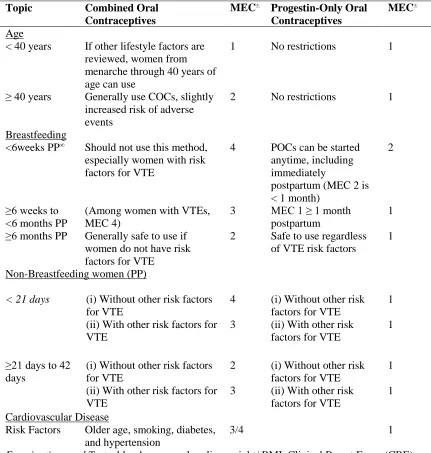
TABLE 2.1. Guidelines for Oral Contraceptive Use ... 53
TABLE 2.2. Comparison of Oral Contraceptives: Efficacy, Mechanism, Timing and Rate ... 55
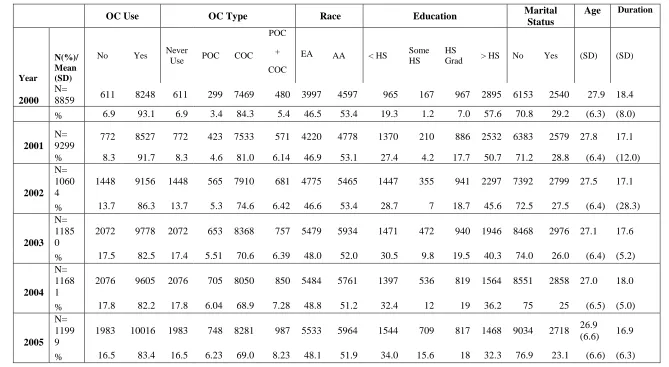
TABLE 4.1. Characteristics of Medicaid Participants, 2000-2013 ... 95
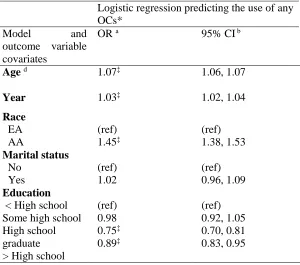
TABLE 4.2. Logistic Regression Predicting ‘Any OC Use’ in Medicaid population 2000-13 ... 97
TABLE 4.3. Percent Change Rate (PCR) between 2000 and 2013, Medicaid Users in SC ... 97
TABLE 4.4. Percent Change per year between 2000 and 2013, Medicaid Users ... 98
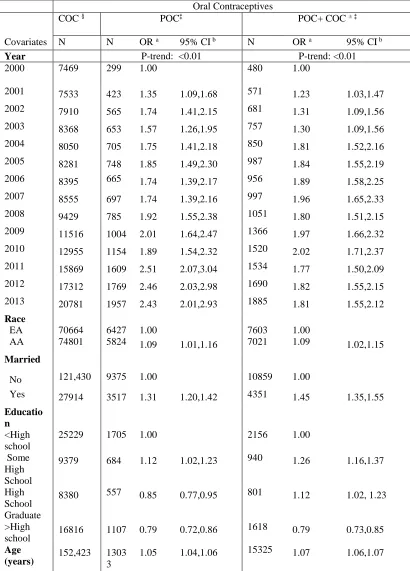
TABLE 4.5. Logistic Regression Predicting ‘Type of OC Use’ in SC Medicaid population ... 99
TABLE 5.1. Baseline characteristics of Medicaid Participants by OC use, 2000-12 ... 124
TABLE 5.2. Competing Risk Analysis for Breast Cancer and other cause mortality by Race .... 125
TABLE 5.3. Competing Risk for Breast Cancer Mortality Using the Population ... 126
TABLE 5.4. Cox regression analysis for all-cause mortality in Medicaid patients ... 126
TABLE 6.1. Characteristics of Population with Heart Disease and Stroke, 2000-13 ... 150
viii
LIST OF FIGURES
FIGURE 2.1. Common features of coronary events ... 55
FIGURE 2.2. Four phases of Clinical and biological progression of heart diseases ... 55
FIGURE 3.1. Retrospective cohort design ... 78
FIGURE 4.1. Association between year and ‘Any OC,’ SC Medicaid Participants, 2000- 13 ... 98
FIGURE 4.2. Trends in Oral Contraceptive use by Race and Type of Oral Contraceptive ... 99
FIGURE 4.3. Association of Year and Type of OC Use, SC Medicaid Participants, 2000-13 .... 100
FIGURE 5.1. Directed Acyclic Graph illustrating the association of POC and breast cancer ... 126
1
CHAPTER I
INTRODUCTION
1.1 Study Objective
The objective of this dissertation is to examine the relationship between oral contraceptive use,
progesterone-only or combined oral contraceptive pills, and the subsequent incidence of heart
disease and stroke, as well as breast cancer mortality, in a cohort of South Carolinian women
participating in Medicaid, a low-cost health care coverage program for individuals meeting income
guidelines. This study will provide additional information about various types of oral
contraceptives and further explain the benefits and drawbacks of progesterone-only contraceptive
pills.
1.2 Statement of the problem
In the United States (US), chronic diseases have a substantial effect on women’s overall health
and quality of life. Cardiovascular diseases (CVDs) and cancer are the leading causes of mortality
in females living in South Carolina (SC) and the US (ISCD, 2015). The predominant causes of
CVD deaths are coronary heart disease (CHD) and stroke (Go et al. 2013), and of cancer deaths:
lung and breast cancer (Torre et al. 2015). A reduction in these fatalities is of great public health
importance.
Public health researchers aim to control chronic diseases by early detection and prevention
methods, and by addressing etiologic causes of the problem. CVDs are one of the most preventable
diseases (Labarthe, 2011) that continue to plague our society. To improve the health of families,
2
of oral contraceptives (OCs) as a possible risk factor for CHD, stroke, and breast cancer incidence
and mortality has long been demonstrated in estrogen-dominant OCs (Marchbanks et al., 2002;
Bousser et al., 2000; Wynn, 1991).
Current guidelines conclude that contraceptive’s benefits outweigh the potential risks (FSRH,
2011; Bousser et al., 2000); yet, these recommendations neglect to thoroughly consider
demographic populations that are at a higher risk for CVD and cancer death. Furthermore, risk
factors for chronic diseases, such as unhealthy diet, sedentary behavior, obesity, and raised blood
glucose, are becoming more prevalent in our society and may cause women to suffer greater disease
burden in the future (Shufelt et al., 2009). Studies show that low-income women are more likely to
experience a negative contraceptive counseling experience, be pressured by a healthcare clinician
to use a contraceptive method, and to feel that the family planning service was not tailored to their
needs and preferences (Becker et al., 2003;, Yee et al., 2011). This perception may cause patients
to share less information with their doctor and increase the chances of combined OC use in women
who smoke, partake in less physical activity, and engage in other unhealthy behaviors. The
prevention of unintended pregnancies through the use of estrogen-containing OCs may have
adverse implications for the incidence and treatment of CVD and breast cancer. Thus, it is important
to identify high-risk populations that may benefit from an alternative contraceptive method.
The effects of exogenous estrogen on the body’s system have been studied in much greater
detail than the effects of exogenous progesterone. The estrogen component of OCs is associated
with nausea, vomiting, and several more severe adverse drug reactions (ADRs): an excess risk of
venous thromboembolism (VTEs) (4.3- 16/ 100,000 woman-years) (FDA, 2015), cardiovascular
death (1.5-4.8/ 100,000) (WHO 1996; Peck, 2012), and an increase risk breast cancers (Vesna et
woman-3
years (Peck, 2012). Total medical ADRs are estimated to cause approximately 1.5 million
hospitalizations and 118 000 deaths in the US (IoM, 2006).
Calculating the intermediate and long-term events related to the use of OCs is challenging.
Health care professionals and federal governing agencies have difficulty detecting, reporting,
and/or analyzing ADRs related to drug use due to incomplete or inaccurate data, cost, and
non-standardized source of data (Darzen, 2007; Thomas et al., 2003) In addition, external factors, such
as biological and environmental factors, may modify the relationship between OCs and the
incidence, prevalence, and death rate of females (STAT, 2000).
The relationship between OC exposure and certain chronic disease outcomes have sparked
research around combined estrogen + progestin OCs. The majority of studies support exogenous
estrogen’s potential to increase the risk of CVDs and breast cancer (Murphy, 2011; Pezzini et al.,
2007). To our knowledge, no studies shown a negative effect of exogenous progesterone on breast
cancer and few studies have examined progesterone-only contraceptive pills (POCs) and these
chronic disease outcomes.
A viable alternative to estrogen-containing pills for preventing unwanted pregnancies is
critically important for women who already suffer from elevated risks. Healthy People (HP) 2020
aims to increase the proportion of sexually active women who receive reproductive health services
to approximately 90% by 2020 (HP 2020, 2015), which, if successful, will further increase the
number of women receiving OCs. With the risk of cardiovascular disease and breast cancer
increasing, it is important to understand the impact that combined OC pills may pose on health for
high-risk groups; estrogen-free pills may be a safer alternative.
In the US, vulnerable populations include women of certain age groups, race/ethnicity,
geographic demarcations, urban-rural classifications, and low socioeconomic (SES) status. In terms
4
US; rural populations; and women who lack access to education, economic stability, safe
neighborhoods, and to adequately built environments (Cole et al., 2007).
SC is a “region of extreme disparities,”(Levin et al. 2001) located in the southeastern part of
the US. Despite a recent 34% drop in CVD mortality rates, SC has a higher age-adjusted mortality
rate than the US (Khosrow, 2010). In addition, SC has more than twice the percentage of African
Americans (AAs) than the US overall (US Census Bureau, 2015). Studying SC can help us
understand why AAs are 30% more likely to die from heart disease than the European American
(EA) population (Khosrow, 2010). As a part of the “Stroke Belt,” SC has a higher percentage of
stroke among adults compared to other states (3.1% vs. 2.4%, excluding people in long-term
facilities) (Khosrow, 2010). Using the SC Medicaid cohort will improve our assessment of
vulnerable populations and help us determine if the type of OC women use poses a great risk for
breast cancer, stroke (Guidetti et al., 2014) and CHD (US Census Bureau, 2015; Cunningham et
al., 2013; Boan et al., 2014; Cooper et al., 2000).
1.3 Significance
Approximately 70 million women in the US are in their childbearing years (15-44) (Dye, 2008)
and more than 99% of women participating in sexual intercourse have used at least one
contraception method; contraceptive pills and sterilization are the most common types of methods
used (Rothman, et al., 2008; Glaser et al., 2009). With the high demand of OCs, researchers must
continue to examine healthier alternatives to estrogen-containing OC pills for pregnancy prevention
and family planning.
The associations between combined oral contraceptive pills (COCs) and breast cancer
(Nguyen, et al., 2007; ,Kumle et al., 2002), venous thromboembolic events (Maxwell et al., 2014; ,Spencer, et al., 2009) , high blood pressure (FSRH, 2011), a temporary reduction in fecundity
5
(Spencer, et al., 2009), heart attack (FSRH, 2011), myocardial infarction (MI) and stroke (Spencer
et al., 2009) have been established previously. To our knowledge, the relationship between POCs,
breast cancer, and CVDs in vulnerable groups has not yet been established in the US. A recent
systematic review of progestin and breast cancer risk published after the 1999 IARC review showed
no overall association of progestin and breast cancer (Samson et al., 2016).
The emphasis on primary prevention in CVD and cancer health is essential for both the
improvement of population health and the advancement of the epidemiologic field. This
dissertation will provide information to fill gaps regarding POC use and specific chronic diseases
among underrepresented groups in SC. This research will consider the benefits and risks associated
with the use of POC for the primary prevention of stroke, CHD and breast cancer for an at-risk
population. Findings may guide us to formulate more appropriate reproduction and sexual health
strategic plans for high-risk populations.
1.4 Specific Aims
SC Medicaid administrative enrollment and claims data (2000-13) from the Revenue and Fiscal
Affairs Office will be used to investigate the association between POCs and breast cancer mortality,
as well as stroke and CHD incidence, respectively. In 2010, the Medicaid Program provided
comprehensive health care coverage to approximately 20% of SC residents (MLTSS, 2015);
Medicaid is one of SC’s largest insurance providers.
The dataset includes information on women between the ages of 18 and 65 during a 13-year
period and their demographic, medical and pharmacy claims. Medicaid is a comprehensive and rich
6
Aim I: Describe and compare secular trends between COCs and POCs among
low-income populations by race/ ethnicity
Aim II: Evaluate the relationship between breast cancer mortality and POCs by race/
ethnicity
Aim III: Evaluate the relationship between heart disease and stroke incidence with POCs
by race/ ethnicity
1.5 Summary
There is an increasing number of Americans suffering from contraindications of combined
OCs. These contraindications are more prevalent in underserved populations (i.e. hypertension,
diabetes, tobacco use, cancer) (Adler et al., 2002) and can be ignored when prescribing a
contraceptive method due to miscommunication between health care providers and patients (Yee
et al., 2011; , Isaacs et al., 2003;, Becker et al., 2003). Although the general population may not
suffer from current prescription practices, many will have an increased risk of ADRs. OCs may
lead to severe arterial hypertension in approximately 5% of women using combined preparations
(Olatunji and Soladoye, 2010) and will elevate blood pressure in the majority of women (Woods,
1988). This study may influence clinician prescription practices related to OC use for high-risk
groups.
Identifying potential risk factors for the predominant causes of death for women will allow
epidemiologists to initiate population-wide scale preventive interventions to reduce the burden of
disease caused by certain background conditions. With the high burden of chronic diseases in the
southeastern part of the US, SC is an ideal environment to study racial disparities associated with
the type of contraceptive pill used, breast cancer, and CVD incidence and mortality. Focusing on
preventive approaches to protect healthy individuals from developing CVD or cancer may be an
7
The ultimate goal of this epidemiologic research is to provide an extensive and rich source of
support for women’s health that will positively impact societal health. This dissertation aims to
inspire more research in POCs to determine which populations require this drug. More
comprehensive oral contraception guidelines are necessary to offer a safe- and effective method of
pregnancy prevention that does not contribute to chronic disease rates for high-risk groups. These
8
References
Adler, N. E., & Newman, K. (2002). Socioeconomic Disparities In Health: Pathways And
Policies. Health Affairs, 21(2), 60–76. http://doi.org/10.1377/hlthaff.21.2.60
Becker, G., & Newsom, E. (2003). Socioeconomic Status and Dissatisfaction With Health Care
Among Chronically Ill African Americans. American Journal of Public Health, 93(5),
742–748.
Boan, A. D., Feng, W. W., Ovbiagele, B., Bachman, D. L., Ellis, C., Adams, R. J., … Lackland,
D. T. (2014). Persistent racial disparity in stroke hospitalization and economic impact in
young adults in the buckle of stroke belt. Stroke; a Journal of Cerebral Circulation,
45(7), 1932–1938. http://doi.org/10.1161/STROKEAHA.114.004853
Bousser, M. G., & Kittner, S. J. (2000). Oral contraceptives and stroke. Cephalalgia: An
International Journal of Headache, 20(3), 183–189.
Cole, B. L., & Fielding, J. E. (2007). Health Impact Assessment: A Tool to Help Policy Makers
Understand Health Beyond Health Care. Annual Review of Public Health, 28(1), 393–
412. http://doi.org/10.1146/annurev.publhealth.28.083006.131942
Cooper, R., Cutler, J., Desvigne-Nickens, P., Fortmann, S. P., Friedman, L., Havlik, R., … Thom,
T. (2000). Trends and disparities in coronary heart disease, stroke, and other
cardiovascular diseases in the United States: findings of the national conference on
cardiovascular disease prevention. Circulation, 102(25), 3137–3147.
Cunningham, J. E., Walters, C. A., Hill, E. G., Ford, M. E., Barker-Elamin, T., & Bennett, C. L.
(2013). Mind the gap: racial differences in breast cancer incidence and biologic
phenotype, but not stage, among low-income women participating in a
government-funded screening program. Breast Cancer Research and Treatment, 137(2), 589–598.
9
Darzen. (2007). Adverse Drug Event Reporting: The Roles of Consumers and Health-Care
Professionals: Workshop Summary. Retrieved April 3, 2015, from
http://books.nap.edu/openbook.php?record_id=11897
Dye, J. (2008). Fertility of American Women: 2008. U.S. Department of Commerce Economics
and Statistics Administration. Retrieved from
http://www.census.gov/prod/2010pubs/p20-563.pdf
FDA. (2011). Drug Safety and Availability - FDA Drug Safety Communication: Safety review
update on the possible increased risk of blood clots with birth control pills containing
drospirenone [WebContent]. Retrieved April 8, 2015, from
http://www.fda.gov/Drugs/DrugSafety/ucm273021.htm
FSRH. (2011). Faculty of Sexual & Reproductive Healthcare Clinical Guidance: Combined
Hormonal Contraception Clinical Effectiveness Unit (pp. 1–19). England: Faculty of
Sexual and Reproductive Healthcare. Retrieved from
http://www.fsrh.org/pdfs/CEUGuidanceProgestogenOnlyPill09.pdf
Glaser, B. G., & Strauss, A. L. (2009). The Discovery of Grounded Theory: Strategies for
Qualitative Research. Transaction Publishers.
Go, A. S., Mozaffarian, D., Roger, V. L., Benjamin, E. J., Berry, J. D., Borden, W. B., … Turner,
M. B. (2013). Heart Disease and Stroke Statistics—2013 Update A Report From the
American Heart Association. Circulation, 127(1), e6–e245.
http://doi.org/10.1161/CIR.0b013e31828124ad
Guidetti, D., Rota, E., Morelli, N., & Immovilli, P. (2014). Migraine and stroke: “vascular”
comorbidity. Frontiers in Neurology, 5, 193. http://doi.org/10.3389/fneur.2014.00193
HP 2020. (2015). Healthy People 2020: Reproductive and Sexual Health. Retrieved March 20,
2015, from
10
Isaacs, J. N., & Creinin, M. D. (2003). Miscommunication between healthcare providers and
patients may result in unplanned pregnancies. Contraception, 68(5), 373–376.
ISCD. (2010). International statistical Classification of Diseases and Related Health Problems,
Tenth Revision (ICD-10). Retrieved February 10, 2015, from
http://www.who.int/classifications/icd/en/
Khosrow, H. (2010). Heart Disease & Stroke Prevention: Strengthening the Chain of Survival.
Columbia, SC: South Carolina Department of Health and Environmental Control.
Kumle, M., Weiderpass, E., Braaten, T., Persson, I., Adami, H.-O., & Lund, E. (2002). Use of
oral contraceptives and breast cancer risk: The Norwegian-Swedish Women’s Lifestyle
and Health Cohort Study. Cancer Epidemiology, Biomarkers & Prevention: A
Publication of the American Association for Cancer Research, Cosponsored by the
American Society of Preventive Oncology, 11(11), 1375–1381.
Labarthe, D. (2011). Epidemiology and Prevention of Cardiovascular Disease: A Global
Challenge (2nd ed.).
Levin, S., Mayer-Davis, E. J., Ainsworth, B. E., Addy, C. L., & Wheeler, F. C. (2001).
Racial/ethnic health disparities in South Carolina and the role of rural locality and
educational attainment. Southern Medical Journal, 94(7), 711–718.
Marchbanks, P. A., McDonald, J. A., Wilson, H. G., Folger, S. G., Mandel, M. G., Daling, J. R.,
… Weiss, L. K. (2002). Oral Contraceptives and the Risk of Breast Cancer. New England
Journal of Medicine, 346(26), 2025–2032. http://doi.org/10.1056/NEJMoa013202
Maxwell, W. D., Jacob, M., Spiryda, L. B., & Bennett, C. L. (2014). Selection of contraceptive
therapy for patients with thrombophilia: a review of the evidence. Journal of Women’s
11
MLTSS. (2012). Total Medicaid Enrollment in Managed Long-Term Services and Supports
(MLTSS). Retrieved from
http://kff.org/other/state-indicator/total-medicaid-enrollment-in-managed-long-term-services-and-supports/
Murphy, E. (2011). Estrogen signaling and cardiovascular disease. Circulation Research, 109(6),
687–696. http://doi.org/10.1161/CIRCRESAHA.110.236687
Nguyen, A., Desta, Z., & Flockhart, D. A. (2007). Enhancing race-based prescribing precision
with pharmacogenomics. Clinical Pharmacology and Therapeutics, 81(3), 323–325.
http://doi.org/10.1038/sj.clpt.6100080
Olatunji, L. A., & Soladoye, A. O. (2010). High-calcium diet reduces blood pressure, blood
volume and preserves vasorelaxation in oral contraceptive-treated female rats. Vascular
Pharmacology, 52(1-2), 95–100. http://doi.org/10.1016/j.vph.2009.12.003
Peck, R. (2012). Significant Risks of Oral Contraceptives (OCPs). The Linacre Quarterly, 41–56.
Pezzini, A., Grassi, M., Iacoviello, L., Del Zotto, E., Archetti, S., Giossi, A., & Padovani, A.
(2007). Inherited thrombophilia and stratification of ischaemic stroke risk among users of
oral contraceptives. Journal of Neurology, Neurosurgery, and Psychiatry, 78(3), 271–
276. http://doi.org/10.1136/jnnp.2006.101675
Preventing Medication Errors. (2006). Retrieved from
https://www.iom.edu/~/media/Files/Report%20Files/2006/Preventing-Medication-Errors-Quality-Chasm-Series/medicationerrorsnew.pdf
Public Law- 106-525. (2000). Retrieved from
http://www.gpo.gov/fdsys/pkg/PLAW-106publ525/pdf/PLAW-106publ525.pdf
Rothman, K. J., Greenland, S., & Lash, T. L. (2008). Modern Epidemiology. Lippincott Williams
12
Samson, M., Swann Adams, Porter, N., Orekoya, O., Hebert, J., & Steck, S. (2016). Progestin and
Breast Cancer Risk: A Systematic Review. Accepted Breast Cancer Treatment &
Research Journal (2015).
Shufelt, C. L., & Noel Bairey Merz, C. (2009). Contraceptive Hormone Use and Cardiovascular
Disease. Journal of the American College of Cardiology, 53(3), 221–231.
http://doi.org/10.1016/j.jacc.2008.09.042
Spencer, A. L., Bonnema, R., & McNamara, M. C. (2009). Helping women choose appropriate
hormonal contraception: update on risks, benefits, and indications. The American Journal
of Medicine, 122(6), 497–506. http://doi.org/10.1016/j.amjmed.2009.01.016
Thomas, E. J., & Petersen, L. A. (2003). Measuring Errors and Adverse Events in Health Care.
Journal of General Internal Medicine, 18(1), 61–67.
http://doi.org/10.1046/j.1525-1497.2003.20147.x
Torre, L. A., Bray, F., Siegel, R. L., Ferlay, J., Lortet-Tieulent, J., & Jemal, A. (2015). Global
cancer statistics, 2012. CA: A Cancer Journal for Clinicians.
http://doi.org/10.3322/caac.21262
US Census Bureau. (2015). South Carolina QuickFacts from the US Census Bureau. Retrieved
March 20, 2015, from http://quickfacts.census.gov/qfd/states/45000.html
Vesna Bjelic-Radisic, E. P. (2010). Hormonal contraception and breast cancer risk. Wiener
Medizinische Wochenschrift (1946), 160(19-20), 483–6.
WHO. (1996). Haemorrhagic stroke, overall stroke risk, and combined oral contraceptives:
results of an international, multicentre, case-control study. WHO Collaborative Study of
Cardiovascular Disease and Steroid Hormone Contraception. Lancet, 348(9026), 505–
510.
Woods, J. W. (1988). Oral contraceptives and hypertension. Hypertension, 11(3 Pt 2), II11.
13
Wynn, V. (1991). Oral contraceptives and coronary heart disease. The Journal of Reproductive
Medicine, 36(3 Suppl), 219–225.
Yee, L. M., & Simon, M. A. (2011). Perceptions of coercion, discrimination and other negative
experiences in postpartum contraceptive counseling for low-income minority women.
Journal of Health Care for the Poor and Underserved, 22(4), 1387–1400.
14
CHAPTER II.
LITERATURE REVIEW
“An ounce of prevention is worth a pound of cure.” - Benjamin Franklin
2.1 History of Oral Contraceptives
Oral contraceptives (OCs) equipped women with an effective means to prevent unwanted
pregnancies and establish autonomy in their relationships. Many people acknowledge the political
and social obstacles that preceded the recent and revolutionary advancements in women’s health.
Prior to the 1920s, the female reproductive cycle was considered sporadic and uncontrollable
(Viterbo, 2004) and many depended on unreliable means of pregnancy prevention. In addition to
the general unawareness of women’s health, females were not allowed to make decisions or control
their bodies. In fact, the United States (US) Comstock Act of 1873 criminalized contraceptives and
the dissemination of birth control information (Cox, 2015). This act was a barrier to understanding
many components of family planning and women’s health.
Margaret Sanger challenged these laws by opening America’s first birth control clinic in 1916
and educating women about pregnancy prevention (Cox, 2015). She is considered a pioneer in the
American birth-control movement. Among the higher socioeconomic classes, the principal
methods of contraception were the rhythm method, requiring abstinence from sexual intercourse
during the “unsafe period,” or two weeks after menstruation (Viterbo, 2004) and the use of
diaphragms, requiring internal fitting by doctors. Among lower classes, performing a
self-administered abortion was not uncommon; it was a less costly alternative to prevent additional
15
Sanger advocated that a simpler and cheaper form of birth control would allow women to have
greater access to birth control and therefore, more control of her own body. She believed: “No
woman can call herself free until she can choose consciously whether she will or will not be a
mother.” Mrs. Sanger allied herself with Drs. Gregory Pincus and John Rock, two scientists
studying progestin, a synthetic progesterone, that could help reduce unwanted pregnancies. After
discovering progesterone’s role in ovulation, these scientists developed an oral birth control agent
that prevented ovulation in 90.0% of their cases (Viterbo, 2004;-Dhont, 2010).
Despite opposition, the pill was an important step in reshaping women’s attitudes towards sex.
It helped erase the foundation supporting gender and sexual inequalities and gave women more
power to enjoy a healthier view of sex (Montagu, 1968) Feminist Sanger, with the assistance of
Mrs. Katherine McCormick and scientists Pincus and Rock, made it possible for women of every
socioeconomic class a more accessible form of birth control (Viterbo, 2004; -Dhont, 2010).
2.1.1 Chemical compound
Since the body absorbs naturally occurring progesterone at very low levels, scientists searched
for a chemical compound with potent progestogenic activity that would maximize its ovulatory
prevention effects. Chemist Carl Djerassi discovered norethindrone, the first progestin that had the
proper effect on the ovulatory system when given orally. Dr. Frank Colton developed
norethynodrel, a close isomer of norethindrone and administered it to women in the first
contraceptive trials. Scientists found it odd that a daily dose of 10 mg of norethynodrel resulted in
no breakthrough bleeding but, when given norethindrone or a more purified version of
norethynodrel, women typically experienced frequent bleeding (Dhont, 2010)
Later, scientists discovered that the original norethynodrel compound was contaminated with
a synthetic estrogen, mestranol. This discovery encouraged the addition of 150 µg of the synthetic
16
contraceptive pill, Enovid® (Dhont, 2010). In 1960, the Food and Drug Administration (FDA)
allowed the use of Enovid® for contraception purposes to married women in addition to menstrual
disorders.
This previous finding also sparked interest in estrogen-only oral preparations because of
estrogen’s ability to suppress ovulation and control frequent bleeding (Viterbo, 2004; de Melo,
2010). Like progesterone, the naturally occurring estrogen was poorly absorbed by the body, and a
synthetic version had to be used (Dhont, 2010). Adverse estrogen-related effects on cardiovascular
health terminated future plans of estrogen-only pills for population-wide use (de Melo, 2010). In
fact, researchers have modified the original pill by reducing estrogen dosages (Dhont, 2010) in an
attempt to provide a safer alternative to women choosing to use OCs as their primary means of
birth control.
Despite progesterone’s critical role in the development of OCs, progesterone-only oral
contraceptives (POCs) were ignored until the late 1960’s, as a response to the growing concern of
estrogen’s side effects. It is important to examine the role of progesterone and estrogen in the
female reproductive system in order for the reader to understand why these two hormones were
targeted for pregnancy prevention therapies and the variations among current OCs.
2.2 Female Reproductive System
2.2.1. The Menstrual Cycle
The menstrual cycle is predominantly characterized by a sequence of follicular development,
ovulation, and the luteal phase; altogether, the three phases typically last 28 days. The follicular
phase may vary in length and is often responsible for the variability in the menstrual cycle.
Ovulation is the midpoint of the cycle and separates the follicular and luteal phases; the latter is
17
disintegration of the corpus luteum, which degenerates if a woman is not pregnant. This leads to a
decline in progesterone levels, which stimulates menstruation (Bartke et al., 1998).
Estrogen and progesterone are responsible for the many changes in the cervix, endometrium,
and vagina that occur during the menstrual cycle. These hormones are also responsible for feedback
regulation of the follicle stimulating hormone (FSH) and the luteinizing hormone (LH) secretion
by the anterior pituitary gland. The follicular and luteal phases are characterized by negative
feedback on the anterior pituitary by estradiol and progesterone, respectively, whereas the
mid-cycle is characterized by positive feedback of estradiol on the anterior pituitary (Davis, 2015).
In each of the phases, the pulsatile activity of the hypothalamic-pituitary axis signals to the
gonadotropin-releasing hormone (GnRH) to stimulate the anterior lobe of the pituitary and secrete
gonadotropins: FSH and LH. Gonadotropins include several hormones that act on the gonads
(ovaries or testes) to regulate normal growth, sexual development and reproductive function. In the
mid-cycle, the secretion is mostly composed of LH to trigger ovulation and the corpus luteum
(Davis, 2015; Wells et al., 2008).
2.2.1. a. Follicular Phase
In conjunction with FSH and LH, a dominant follicle develops and stimulates high amounts of
estradiol. FSH regulates aromatase enzymes that induce conversions of androgens to estrogens in
the follicle. Estradiol will stop the menstrual flow from the previous cycle, change the environment
of the cervix, and thicken the endometrial lining of the uterus. This follicle will continue to grow
and synthesize estradiol, progesterone, and androgen until it ruptures and releases the oocyte. This
phase is dominated by negative feedback effects of estradiol on the GnRH, which inhibit FSH and
18 2.2.1. b. Mid-cycle
As a result of follicular cell proliferation and estradiol synthesis that occurs during the follicular
phase, estradiol levels rise sharply during the mid-cycle. When a critical level of estradiol is reached
(≤ 200 picograms per milliliter of plasma), an ovulatory surge of FSH and LH triggers ovulation of
the mature oocyte. An ovulatory surge occurs due to estradiol’s positive feedback effect on the
anterior pituitary approximately 14 days prior to menses. During ovulation, cervical mucus
increases in quantity and becomes watery and more penetrable by sperm. Conception is most
successful when sexual intercourse takes place two days prior to ovulation until the day of ovulation
(Wells et al., 2008). Estradiol levels decrease soon after ovulation, but they will increase again
during the luteal phase.
The progesterone component of oral contraceptives suppresses ovulation by changing the
cervical mucus environment and making sperm hard to get through the cervix.
2.1.1. c. Luteal Phase
During the luteal phase, the corpus luteum develops and begins synthesizing both estradiol and
progesterone. Progesterone is the major hormonal secretion of the ovaries, and its high levels will
increase the vascularity and the secretory activity of the endometrium. Another action of this
hormone is to inhibit the secretion of FSH and LH through negative feedback loops to the anterior
pituitary. Compared to the follicular phase, where estradiol causes the endometrial lining to
proliferate, progesterone, in the luteal phase, prepares the endometrium to receive a fertilized ovum.
Increased progesterone levels during the luteal phase may lead to noticeable changes in the
body, such as increased hypothalamic temperature set-point (increase basal body temperature) and
thicker and more abundant cervical mucus. During this phase, the sperm can no longer fertilize the
ovum. If fertilization has not yet occurred by then, the corpus luteum regresses and blood levels of
19 2.2.1. d. Ovaries and steroid sex hormones
Female gonads (ovaries) are involved in the production of steroid sex hormones, germ cells
(ova), pregnancy, childbirth, and lactation. Steroid sex hormones are fundamental to normal
development and function of the reproductive organs and differentiation of secondary sex
characteristics. These hormones have both paracrine and endocrine functions: the ovarian steroid
hormones paracrine function is to support the development of the ova within the ovaries and, its
endocrine function, is to act on a variety of target tissues (uterus, breasts, and bones). Ovarian
follicles synthesize female sex hormones through the functions of the theca (cholesterol desmolase)
and granulosa cells (aromatase). In the biosynthetic pathway, these cells are stimulated by LH and
FSH, respectively (Bartke et al., 1998; Davis, 2015).
The three types of male and female sex hormones secreted are androgens, estrogens, and
progestagens. Examples of each are testosterone, 17-β estradiol, and progesterone, respectively.
Ovaries only secrete the female sex steroid hormones: progesterone and estrogen (Bartke et al.,
1998). These sex steroid hormones are a vital part of hormonal contraceptive methods used in the
US.
2.3 Contraception methods
Nowadays, there is a plethora of pharmacologic and non-pharmacologic contraception
methods used to reduce the risk of unintended pregnancies, including diaphragms, condoms,
spermicides, intrauterine devices, and hormonal contraceptions. These vary in effectiveness,
popularity of use, and mechanism of prevention. Due to the widespread use of hormonal
contraception’s, such as oral contraception pills, transdermal contraceptives, contraceptive vaginal
rings, long-acting injectable and implantable contraceptives (Wells et al., 2008), there has been a
20
interest has slightly dwindled despite the constant and relatively high rates of birth control use
among women (OWH, 2014).
Healthy People (HP) was created to improve the health and quality of life of all Americans and
provides 10-year national benchmark for a wide-variety of health issues. Reproductive and sexual
health is one of the leading health indicators (LHI) of HP 2020 and includes unintended pregnancy
prevention. As part of the LHI, HP 2020 aims to increase the proportion of females at risk of
unintended pregnancies or their partners who use contraception at the most recent sexual
intercourse. This requires targeting high-risk populations: females ages 15-44, non-white Hispanic
women, and those whose family income are below the poverty threshold. The goal is to increase
the amount of females from 83.3% to 91.6% (HP 2020, 2015). If this goal is reached, health care
providers must consider unique considerations (e.g. family history, genetic predisposition, lifestyle
factors) faced by women while prescribing the appropriate contraception method.
Young women typically consider OC pills as their preferred method of contraception (NCHS,
2014) and most women using OCs use combined oral contraceptive (COC) pills (Marchbanks et
al., 2002; Hall, et al., 2012). Severe symptoms of COCs may be rare but include blurred vision,
flashing lights, numbness and/or weakness (may be a sign of stroke), hypertension or vascular
problems at many sites; breast mass (may be a symptom of breast cancer); and chest pain or
shortness of breath (may be a sign of pulmonary embolism, heart disease or myocardial infarction
(MI)) (Wells et al., 2008). These risks are much lower in POC formulations.
There is a paucity of literature regarding POCs and thus will be the primary focus of my
dissertation.
2.3.1 Progesterone-only contraception
Progestin-only contraceptives are available in many forms: injections, implants, oral
21
This dissertation will focus on oral preparations, or OC pills. It may be hard to distinguish between
POC and preparations that contain estrogen and progestin, or combined oral contraceptives (COC)
in the current literature because many respondents may not make the appropriate distinctions
between the type of OC pill used when answering about their (any) use of the pill.
In the US, POCs, or the “mini pill,” are all composed of 0.35 mg norethindrone, a progesterone
of the norethisterone family. Brands and generics of the pill include Camila, Errin, Micronor,
Jolivette, Nora-be and Nor-QD (Marchbanks et al., 2002). Compared to COC users, women using
POCs have a much more limited variety of pills to choose from. The current POCs available tend
to have low progestin activity, and range from none-to-low estrogen and androgen activity. Women
using these compositions of pills experience a high percentage of spotting and breakthrough
bleeding in the beginning of pill use; however, these effects attenuate over time (Marchbanks et
al., 2002).
Women who choose POCs must take into account certain considerations that may be less
important for women with COCs. For example, doctors recommend that women using POCs adhere
more strictly to current guidelines (table 2.1) regarding daily intake (within a three hour window)
to maximize the pills effectiveness because the effect on the cervical mucus lessens 20-22 hours
after administration (IARC, 1999). Table 2.1 shows the guidelines for OC use according to the US
Medical Eligibility Criteria for Contraceptive Use (MEC) by OC type (COC or POC) (Curtis, 2010;
CDC, 2013). The pregnancy rate among COC users and POC users is the same among perfect users,
but in typical use (table 2.2), the rate is slightly higher among POC users (0.3-5 per 100 women per
year of use) (IARC, 1999).
Progestin is useful in controlling uterine bleeding and menstrual disturbances, reducing pain
related to dysmenorrhea or menorrhagia and premenstrual syndrome, treating endometriosis, and
22
ovulation can cause them to no longer menstruate. Researchers and health care providers believe
POCs are more suitable for women over the age of 35, heavy smokers, those with a history of
thromboembolism or hypertension, or in women who estrogens are typically not advised (e.g.
diabetic women) (Wells et al., 2008). Scientists find that the small doses of progestin in POCs lead
to minimal disruption of lipid or carbohydrate metabolism (Dhont, 2010;-Wells et al.,
2008;,Marchbanks et al., 2002).
2.3.2 Pharmacoepidemiology
Pharmacoepidemiology is defined as the study of the utilization and effects of drugs in large
numbers of people (Strom et al., 2007). OC’s are recommended for both preventing unintended
pregnancies and for off-label uses; in the US, the use of approved drugs for non-approved
indications is not prohibited (IARC, 1999). OC’s can alleviate menstrual cramps and ovulatory
pain; moderate blood flow and acne; reduce the risk of ovarian and endometrial cancer; and also
reduce the risk of ovarian cysts, ectopic pregnancies, and pelvic inflammatory disease (Wells et al.,
2008) The pill has been used by approximately 200 million women (Gogos et al., 2014) because
of its ability to protect against pregnancy and to reduce menstrual cramps, acne, certain cancers and
other female complications in a convenient way.
Due to the increased prevalence of medication use among women, it is becoming imperative
to analyze the effects of drugs that are currently in the market. The passage of the Patient Protection
and Affordable Care Act (ACA) may continue to play an increasingly vital role in the percentage
of women using OC’s in the future due to less health care barriers. Thus far, ACA has increased
access to contraception methods by requiring health care among all American citizens, which
includes women’s preventive services without cost-sharing. Congress anticipates that more
Americans will continue to sign up for the ACA to avoid penalty and thus use health care services
23
be practiced routinely to understand, detect, assess, and prevent adverse effects or other OC-related
problems (Strom et al., 2007).
Numerous studies have suggested that COCs may lead to certain adverse drug reactions
(ADRs). Known ADRs of COCs are abdominal pain, nausea, vomiting, headaches, breast
tenderness, dysmenorrhea, arterial thromboembolism, hypertension, venous thrombosis,
pulmonary embolus, and cerebral thrombosis (Wells et al., 2008;, Micromedex, 2015; ,FSRH,
2011) Currently, the carcinogenicity of COC use is only confirmed in hepatocellular carcinoma
with long-term use of COCs (Micromedex, 2015). Despite these risks, COCs are prescribed in the
majority of women who use OCs. It is unclear how many women are counseled about the mini-pill
when choosing the right OC for them. The POC may be another alternative, with similar efficacy,
that has been overlooked due to bleeding disturbances in clinical trials in the past (Kovacs, 1996).
POCs have thus far been associated with less ADRs and contraindications than COCs. It may be
more suitable to consider POCs in more cases during contraceptive consultations.
We will now assess the complications related to non-bioidentical or synthetic versions of
estrogen and progesterone, which play an important role in the make-up or composition of the
different pills.
2.3.2. a. Estrogen and Progesterone compounds
Naturally-occurring estrogen and progesterone chemical actions vary from their synthetic
versions in physiology and clinical outcomes (Holtorf, 2009). Due to issues in absorption of
bioidentical hormones (Dhont, 2010), birth control pills use the non-bioidentical versions, which
are associated with increased risks of breast cancer and cardiovascular disease. We must assess
effects of synthetic hormones on women’s overall health if we want to continue prescribing these
24
2.3.2. a. i. Synthetic Estrogen
In the US, ethinyl estradiol (EE) and mestranol are the two forms of synthetic estrogens
typically used (Dhont, 2010;-Wells et al., 2008). Mestranol converts into EE in the liver (Wells et
al., 2008) and contains 67.0% of its estrogenic activity. Researchers found that estrogen and EE
can stimulate the synthesis of several clotting factors and hepatic proteins and through observations
of pregnant women, identified estrogen’s link with thromboembolism(Dhont, 2010). A progressive
reduction from 50 to 15 µg of EE was associated with less side effects, such as breast tenderness,
nausea, and bloating, but did not eliminate prothrombotic effects (Dhont, 2010).
In addition to the aforementioned complications, many estrogen-related side effects of COCs
include, fluid retention, hypertension, leg pains, cramps, reduced sex drive, depression, migraine/
headaches, visual disturbances, decreased tolerance to contact lenses, increased skin pigmentation
and changes in glucose tolerance (diabetic patients) (Wells et al., 2008) Uncommon, but estrogens
increase in blood coagulation can sometimes lead to venous thromboembolism (VTE), cerebral
hemorrhage, embolism, stroke, and MI. Women using COC’s who are older than 35 and who smoke
are at much higher risk for MI.
Due to the number of complications that can result from using this drug, official guideline
recommendations that are based on good and consistent scientific evidence recommend COCs with
35 mcg or less of EE and less than 0.5 mg of norethindrone to women who are younger than 35
years until the ages of 50-55 if they are healthy, after weighing the risks and benefits (ACOG,
2006). Women with a history of benign breast disease or a positive family history of breast cancer
should not be considered contraindicated for COC use. Women with a history of unexplained VTE,
smoking, breastfeeding, hypertension, end-organ vascular disease, focal neurologic signs, and other
certain predispositions should not use COCs. Furthermore, women are highly recommended to
25
this recommendation, or other important considerations of the pill are articulated to women is
undocumented and unknown. Many of these precautions do not exist for women who use POCs. In
fact, based on consensus and expert opinion, POCs may be appropriate for women with CHD, heart
failure, and cerebrovascular disease while COCs are contraindicated in these women (ACOG,
2006).
There are many more options of COCs to satisfy the user: monophasic, biphasic, triphasic, and
extended-cycle pills. The first three types require women to take estrogen and progestin for 21 days
followed by 7 days of placebo, while the extended-cycle pills increase the number of
hormone-containing pills from 21 to 84 days, followed by a 7-day placebo phase. A monophasic combination
tablet has a single synthetic estrogen and progesterone that mimics typical menstruation due to a
decrease in progesterone levels. Many women might prefer this method because “breakthrough
bleeding” can be psychologically reassuring of non-pregnancy. The biphasic and triphasic
combinations have varying hormone levels of estrogen and progesterone as the cycle continues and
tablets must be taken in a particular order throughout the month. The extended method reduces the
yearly amount of menstrual cycles per year to only 4 (Wells et al., 2008; FSRH, 2011).
All pills, despite phasic combination, should be taken at the same time daily and lose
effectiveness if taken late (more than 12 hours) and in conjunction with other drugs that influence
estrogen and progesterone metabolism or certain antibiotics that affect the flora (Wells et al. 2008;
FSRH 2011).
2.2.2. a. i.1. Progestin activity in combined pills
Despite norethindrone being the only progestin used in POC pills, desogestrel, norgestimate,
levonorgestrel, dienogest, and other progestin compounds have been used in COCs, commonly
referred to as “the pill.” The progestin component of COCs is essential for contraceptive efficacy;
26
(Barbieri et al., 2009). The UK committee of safety of medicines found that COCs containing
desogestrel or gestodene were associated with a two-fold increase in thromboembolism compared
to COCs containing androgenic progesterone’s, such as levonorgestrel or norethisterone (Wells et
al., 2008) The progestin activity in COCs is outside the scope of this work but can provide insight
into the role of estrogens when combined with progestin.
2.2.2. a. ii. Synthetic Progesterone or Progestin
Norethindrone is the primary form of synthetic progesterone and alone makes up the
“mini-pill.” Progestins have many chemical structures: estranes, gonanes, and others. Gonanes, the
norgestrel family of progestins, include: desogestrel, gestodene, norgestimate, and etonegestrel.
The estrane family of progestin’s, including norethindrone, norethynodrel, norethindrone acetate,
and norgestimate among others, are converted to norethindrone when metabolized. Gonanes exhibit
a higher progestational effect per unit weight than estranes (Marchbanks et al., 2002; Barbieri et
al., 2009)
The synthetic form of progesterone closely resemble testosterone; may bind to progesterone
receptors or activate other steroid receptors; and can metabolize as estrogenic substances (Dhont,
2010). Thus, progestin can demonstrate estrogenic, anti-estrogenic, and androgenic properties
(Marchbanks et al., 2002).
The current progestin dose used in POCs are lower than in COCs to minimize androgenic
ADRs (de Melo, 2010). In the limited studies about POCs, low androgenic progesterone’s reduced
the increased risk of CVD seen in typical COCs and could reduce blood pressure (Wilson et al.,
1984;, Staffa et al., 1992). The major side effect of POCs are an increased occurrence of bleeding
during the first cycle compared to COCs (excluding triphasic therapies) (Wells et al., 2008; Barbieri
et al., 2009). There is also a weak risk of an ectopic pregnancy in patients who become pregnant
27
of COCs are less prominent or nonexistent in POC users, such as headache, nausea, depression,
acne, fluid retention, and breast discomfort. Furthermore, no significant increased risk of CVD and
breast cancer has been demonstrated with POCs and researchers speculate that POCs may have
fewer long-term consequences on health, including weight gain and increased appetite (FSRH,
2009).
More studies need to examine other contraindications for POCs and examine the types of
progestin structures in OC formulations. Currently, POCs have fewer contraindications than COCs
and are a much safer option for women choosing an OC therapy.
2.3.3 Choice of Oral Contraceptives
Studies assessing women’s knowledge of OCs are outdated (Koch et al., 1993; Smith et al.,
1995; Jones, 1999). With the new HP 2020 goals focusing on increasing contraception use to almost
100% (HP 2020, 2015), researchers should renew their focus on understanding the factors that
promote and discourage women’s choice of OCs. It is also important to examine the efficacy of
healthcare provider’s communication of contraceptive contraindications and alternative choices
with patients.
Studies need to assess awareness of alternative OC types (mono-, bi-, tri-, or extended COCs
or POCs) among past, current and future pill users and health care provider’s ability to consider
family history, genetic predisposition, and other important lifestyle factors with newly imposed
time constraints when prescribing OCs.
Like many other medications, OC prescriptions requires special consideration of the
individual. Contraindications of OCs consider age, behavior, family history, and coexisting
conditions (Wells et al., 2008;, FSRH, 2009). A previous study showed that health care providers
often do not provide the necessary provisions and advice about the best OC to use to women
28
information about other chronic diseases and OC counseling. Currently, we cannot compare the
existence of a parallel relationship between diabetes and other chronic diseases and inadequate
counseling of OCs. The growing prevalence of chronic diseases and their risk factors are putting
high demands on clinicians to prescribe OCs with regards to patient-specific characteristics in order
to increase OC safety among high-risk groups and decrease long-term ADRs.
2.4 South Carolina: Women’s Health
2.4.1 Demographic Characteristics
In 2012, more than half of the 4.72 million people living in SC were females. The racial/ethnic
distribution of the female residents were primarily non-Hispanic white (64.3%) and black (29.1%)
women. Combined, American Indian, Asian/Pacific Islander, and Hispanics made up less than 8%
of the composition. Economically, approximately 20% of females in SC are below the poverty
level. The highest rates of poverty disproportionately affect minority populations: Hispanics
(33.5%), Blacks (31.4%), American Indian (26.3%), and Asian/ Pacific Islander (14.0%). White,
non-Hispanic females (13.7%) have the lowest percentage of women below the poverty line.
Among those women 18 years of age and above, 20% were smokers, 40% were hypertensive,
and 35% had high cholesterol. Of those who smoked, 23.6% were white, non-Hispanic, 14.1%
black, non-Hispanic, and 13.4% Hispanic. Of those who were hypertensive, 31.4% were white and
more than half were black. Of those with high cholesterol, 34.9% were white, and 34.7% were
black (DHHS, 2015). SC is an important region to carefully consider contraindications during OC
prescription. Due to heightened prevalence of chronic disease risk factors and OC contraindications
in this population, women may be more at risk to suffer ADRs related to COCs.
Women in SC typically range between 15-44 years of age (6.2% 15-19 and 32.1% 20-44)
(DHHS, 2015). About 40% of teenage girls living in SC are sexually active and the majority have
29
in the US, more than 99% have used at least one contraception method (DHHS, 2010). From
2011-2013, approximately three-fifths of women 15-44 were using a type of contraception and COC pills
were the most common form (CDC, 2013).
Despite higher use of contraceptives among women aged 24-34 (67.4%), almost half of women
ages 15-24 (47.4%) and the majority of women 35-44 (70.0%) also used contraceptives. Pill use
was higher among younger women (15-24 years of age), with almost 1 in 4 using the pill compared
to older women (35-44 years) with about 1 in 12 women using the pill. Non-Hispanic white women
(65.3%) were the most likely to use contraception’s compared to Hispanic women and
non-Hispanic black women (57.3 vs. 57.9 percent, respectively). The percentage of women aged 15-44
who used the pill is significantly higher than condom, and long-acting reversible contraceptives use
(DHHS, 2015).
The National Survey of Family Growth (NSFG), a nationally representative survey conducted
by the National Center for Health Statistics, collected information on use of contraception from
2006-2010. Among the 88% of women who reported having used a contraceptive (n=10,779), 73%
reported having used an OC. The majority of OC users identified using a COC. Only 2.8% (n=57)
of women who were currently using OCs (n=2032) identified a POC as their current method (Hall,
et al., 2012).
The proportion of women aged 15-44 in the US who used the pill were almost twice as high
among non-Hispanic white women as compared to non-Hispanic black and Hispanic women. The
percentage of women ages 15-44 using a contraceptive method in 2011 to 2013 is similar to
2006-2010 (62.0 vs. 62.2%) (NCHS, 2014) Additionally, the percentage of women who used the birth
control pill the last time they had sex ranged from 12.3% in Oklahoma to 35.7% in Maine. In SC,
black female students in grades 9-12 were significantly more likely to have sexual intercourse than
30
females used a condom, birth control pills, an IUD, or a shot (eg. Depo-Provera, patch, or birth
control ring) before or during the last sexual intercourse among students who were sexually active
but among whites, the majority of the students used a condom (51.8%) and/ or birth control pills
(25.3%). Including male responses, both black and white students in SC high schools used birth
control pills 17.0- 18.4% of times prior to the last time they had sexual intercourse. There was no
significant difference between race and birth control pill use (CDC, 2013).
Due to the high use of OCs noted in women ages 15-44 and high prevalence of chronic disease
risk factors and COC contraindications, the low percentage of women reporting POC use is of
public health concern.
2.4.2 Health disparities
The CDC defines health disparities as the ‘differences in health outcomes between groups
that reflect social inequalities’(Frieden, 2011). Poorer health status can manifest as a result of
marked differences in social economic status and access to care among racial/ ethnic groups.
Other characteristics linked to poorer health outcomes include gender or gender identity,
geographic location, religion, age, mental health, and disability.
Our SC Medicaid cohort of women primarily suffer discrimination by gender (female),
race/ethnicity (black), and geographic location (Southeast US). To increase equality in health care
among different groups, we must increase the information about excluded groups in science and
adhere to quality measures that focus on action plans that aim to reduce disparities in health care.
The Department of Health and Human Services (HHS) has created a few measures to transform
health care and to achieve HP 2020’s goal of assessing health disparities for sub-populations to
31 2.4.2. a. Medicaid
In accordance with the HHS Disparities Action Plan, I will use Medicaid data to assess racial
and ethnic disparities in the state of SC. The HHS plan recommends increasing using administrative
data as a surveillance system to monitor trends in health and quality of care measures (DHHS,
2011). Medicaid is an ideal source because it is representative of underrepresented populations and
provides most medical expenses for low-income women and children.
Since 2014, a massive expansion of Medicaid eligibility for low-income Americans promised
an increase in Medicaid recipients and, with respect to women, the ACA will increase coverage of
preventive services for FDA-approved contraceptive services and supplies as prescribed. SC has
opted out of Medicaid expansion programs; nevertheless, it will see a 16% increase in Medicaid
enrollment and possibly in OC use after the full implementation of the ACA (Galewitz, 2015).
2.4.2. b. Race, gender, and geographic location
SC is one of ten states located in the southeastern region of the US. It is uniquely positioned to
study health disparities because it has a higher percentage (%) of black or African Americans
(27.9), female persons (51.3) and persons below poverty level (18.1) than the rest of the US (13.2,
50.8, and 15.4, respectively) (US Census Bureau, 2015). Thus, an analysis of SC can provide
valuable insight into gaps in health care outcomes between certain populations. In accordance with
HP 2020, we hope that the studies undertaken in this dissertation will help achieve health equity,
eliminate disparities, and improve the health of all underserved populations.
2.5 Chronic Diseases
In the US and SC, the burden of chronic diseases (stroke, heart disease, cancer, diabetes,
arthritis) and their associated risk factors are the leading causes of morbidity and mortality for
women (CDC, 2008). It is estimated that one in three women will die of heart disease, one in six
32
Disease Control and Prevention (CDC) placed SC among the two highest quintiles for the following
age-adjusted death rates: 1) all-cause (700.8-813.8), 2) heart disease (143.3-165.1), 3) all cancer
(150.0-157.6), 4) stroke (43.9-80.6), and 5) diabetes-related illnesses (62.9-71.7) among females
of all ages (per 100,000).
CVD was responsible for 30 percent of all deaths in 2008 and despite a noticeable decline in
mortality rates since 1999, SC mortality rates remain higher than the national rate. In assessing
relevant risk factors for chronic disease occurrence, SC high school students and adults are at a
higher risk compared with the US in 90% of the risk factors (Khosrow, 2010) With the poor
distribution of health status in the state, health care providers should prescribe more take this into
account when considering the best OC formulation for women.
In SC, the distribution of major contraindications, including smoking status, age, hypertension,
cholesterol diabetes, for COC prescriptions are relatively high. More than 20% of women in SC
currently smoke, do not partake in leisure time physical activity (LTPA), are overweight, obese,
hypertensive, have high cholesterol and arthritis. Despite a lower prevalence of diabetes (12.4%)
in SC compared to other risk factors, there is a high prevalence of diabetes among blacks (19.4%)
(DHHS, 2015). Therefore, there is a high prevalence of women in SC who should not be given
COCs as a preferred contraceptive method.
HP 2020 aims to decrease overall morbidity and mortality related to breast cancer and CVDs,
particularly CHD and stroke. Cardiovascular health can be improved drastically through prevention
and treatment of risk factors (HP 2020, 2015). CHD and stroke are among the leading causes of
death in females but also, one of the most preventable diseases. The leading modifiable risk factors
for these CVDs are high blood pressure, high cholesterol, smoking, diabetes, physical inactivity,
and weight. The national target for CHD and stroke rates are 100.8 and 33.8 per 100,000,