Scholarship at UWindsor
Scholarship at UWindsor
Electronic Theses and Dissertations Theses, Dissertations, and Major Papers
2011
Body Mass Index and Body Image Dysfunction as Predictors of
Body Mass Index and Body Image Dysfunction as Predictors of
Women's Perceived Romantic Relationship Quality
Women's Perceived Romantic Relationship Quality
Carolyne LeeUniversity of Windsor
Follow this and additional works at: https://scholar.uwindsor.ca/etd
Recommended Citation Recommended Citation
Lee, Carolyne, "Body Mass Index and Body Image Dysfunction as Predictors of Women's Perceived Romantic Relationship Quality" (2011). Electronic Theses and Dissertations. 231.
https://scholar.uwindsor.ca/etd/231
This online database contains the full-text of PhD dissertations and Masters’ theses of University of Windsor students from 1954 forward. These documents are made available for personal study and research purposes only, in accordance with the Canadian Copyright Act and the Creative Commons license—CC BY-NC-ND (Attribution, Non-Commercial, No Derivative Works). Under this license, works must always be attributed to the copyright holder (original author), cannot be used for any commercial purposes, and may not be altered. Any other use would require the permission of the copyright holder. Students may inquire about withdrawing their dissertation and/or thesis from this database. For additional inquiries, please contact the repository administrator via email
BODY MASS INDEX AND BODY IMAGE DYSFUNCTION AS PREDICTORS OF WOMEN’S
PERCEIVED ROMANTIC RELATIONSHIP QUALITY
by
Carolyne E. Lee
A Thesis
Submitted to the Faculty of Graduate Studies through the Department of Psychology in Partial Fulfillment of the Requirements for
the Degree of Master of Arts at the University of Windsor
Windsor, Ontario, Canada 2011
Body Mass Index and Body Image Dysfunction as Predictors of Women’s
Perceived Romantic Relationship Quality
by
Carolyne E. Lee
APPROVED BY:
Dr. S. Woodruff-Atkinson Department of Kinesiology
Dr. C. Thomas Department of Psychology
Dr. J. Jarry, Advisor Department of Psychology
Dr. A. Scoboria, Chair of Defense Department of Psychology
iii Author’s Declaration of Originality
I hereby certify that I am the sole author of this thesis and that no part of this
thesis has been published or submitted for publication.
I certify that, to the best of my knowledge, my thesis does not infringe upon
anyone’s copyright nor violate any proprietary rights and that any ideas, techniques,
quotations, or any other material from the work of other people included in my thesis,
published or otherwise, are fully acknowledged in accordance with the standard
referencing practices. Furthermore, to the extent that I have included copyrighted
material that surpasses the bounds of fair dealing within the meaning of the Canada
Copyright Act, I certify that I have obtained a written permission from the copyright
owner(s) to include such material(s) in my thesis and have included copies of such
copyright clearances to my appendix.
I declare that this is a true copy of my thesis, including any final revisions, as
approved by my thesis committee and the Graduate Studies office, and that this thesis has
iv Abstract
The purpose of the current study was to assess the extent to which body mass
index (BMI) and body image disturbance predicted perceived romantic relationship
quality. 139 female undergraduate students involved in romantic relationships completed
self-report instruments and had their height and weight measured. Consistent with
hypotheses, women with greater body dissatisfaction reported poorer overall romantic
relationship quality. Body dissatisfaction also predicted lower levels of relationship
satisfaction, trust, and love. Contrary to expectations, the effect of body dissatisfaction on
overall relationship quality was not more pronounced among overweight and obese
women. BMI was unrelated to overall relationship quality; however, BMI did predict
lower levels of passion in romantic partnerships. Similarly, dysfunctional body image
investment was unrelated to overall relationship quality, but predicted lower levels of
intimacy and trust. These findings can inform therapy with distressed couples who may
v Acknowledgements
I would like to express my sincerest gratitude to Dr. Cheryl Thomas for the hours
of hard work she put into this project. Your guidance and support along the way have
been invaluable.
I would also like to thank my proposal committee members and fellow research
vi TABLE OF CONTENTS
AUTHOR’S DECLARATION OF ORIGINALITY ... iii
ABSTRACT... iv
ACKNOWLEDGEMENTS...v
LIST OF TABLES...x
LIST OF APPENDICES... xi
CHAPTER I. INTRODUCTION ...1
Overview...1
Defining and Measuring Romantic Relationship Quality...4
Weight, Weight Stigma, and Romantic Relationships...9
Weight ...9
Weight Stigma ...12
Body Image and Weight ...15
Body Image...15
Body Image and Romantic Relationships...17
Rationale for the Proposed Study ...20
The Proposed Study and Past Methodological Issues...20
Research Questions and Hypotheses ...22
II. METHOD...23
Participants...23
Participant Characteristics ...23
vii
Measures ...26
Demographic Characteristics ...26
Weight Status ...26
Self-Esteem ...27
Social Desirability...27
Eating Attitudes ...27
Romantic Relationship Quality...28
Body Image Evaluation...31
Body Image Investment ...32
Procedure ...34
III. RESULTS ...35
Overview and Sequence of Analyses...35
Data Management ...35
Treatment of Missing Data ...35
Treatment of Outliers and Influential Observations ...37
Internal Consistency of Measures ...38
Calculation of Composite Variables ...38
Descriptive Data...39
Bivariate Correlations ...39
Primary Analysis Predicting Overall Romantic Relationship Quality ...41
Statistical Assumptions...41
Hypothesis Testing...42
viii
Predictors of Satisfaction ...44
Predictors of Commitment...44
Predictors of Intimacy...45
Predictors of Trust...45
Predictors of Passion...45
Predictors of Love...46
Ancillary Analyses...46
BMI Category as a Predictor of Overall Romantic Relationship Quality...46
Comparing Self-Reported and Objectively Obtained Measurements...47
Comparing Participants Who Did and Did Not Self-Report their Weight...48
IV. DISCUSSION...49
Correlations Among Major Study Variables ...49
Predictors of Overall Romantic Relationship Quality ...50
Predictors of the Specific Components of Relationship Quality ...53
Comparison of Objectively Measured and Self-Reported BMI ...56
Importance of the Current Study...58
Limitations and Directions for Future Research ...60
REFERENCES ...64
APPENDIX A: PARTICIPANT POOL ADVERTISEMENT...80
APPENDIX B: SCREENING QUESTIONS ...81
ix APPENDIX D: CONSENT FORM ...86
APPENDIX E: DATA TABLES ...89
VITA AUCTORIS ...100
x List of Tables
Table 1. Basic Descriptive Data about the Sample...89
Table 2. Pearson Product-Moment Correlations Among Major Study Variables ....90
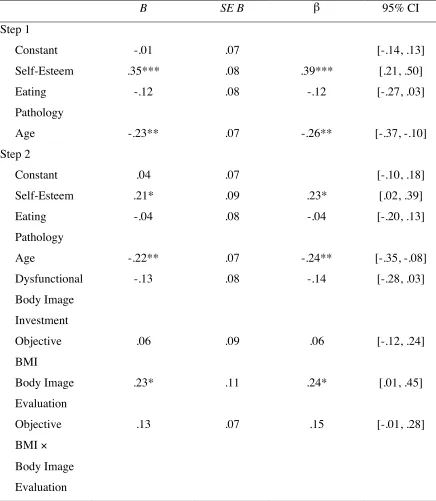
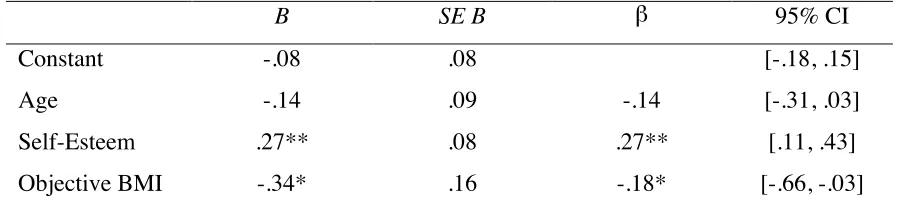
Table 3. Multiple Regression Analysis Predicting Overall Romantic Relationship Quality ...91
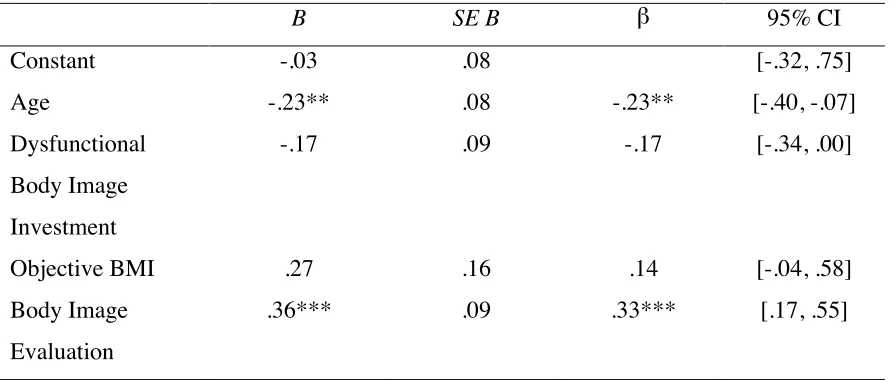
Table 4. Final Regression Model Predicting Relationship Satisfaction ...92
Table 5. Final Regression Model Predicting Relationship Commitment ...93
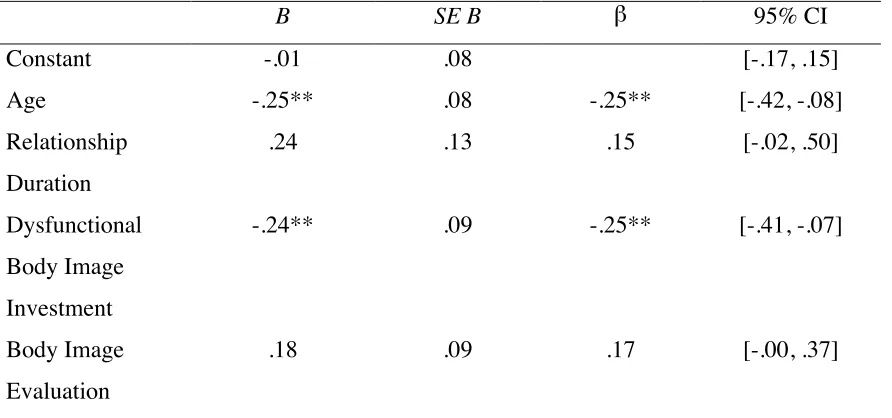
Table 6. Final Regression Model Predicting Relationship Intimacy ...94
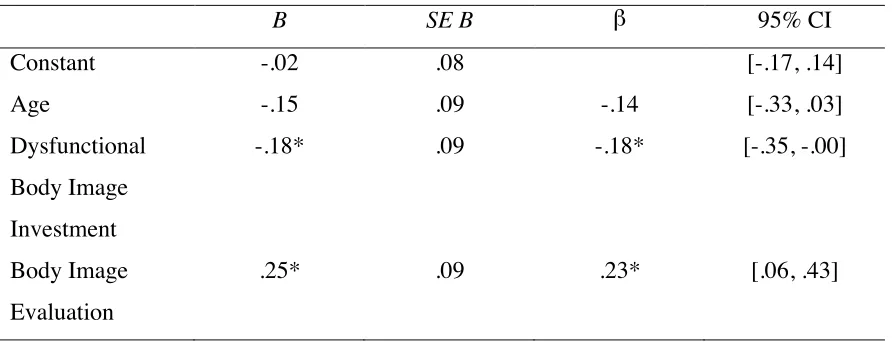
Table 7. Final Regression Model Predicting Relationship Trust ...95
Table 8. Final Regression Model Predicting Relationship Passion ...96
Table 9. Final Regression Model Predicting Relationship Love ...97
xi List of Appendices
Appendix A. Participant Pool Advertisement...80
Appendix B. Screening Questions ...81
Appendix C. Demographic Questionnaire ...82
Appendix D. Consent Form ...86
1 Introduction
Overview
Humans are social beings with an inborn drive to form close, emotional bonds
with other people (Miller, Perlman & Brehm, 2007). Our relationships, particularly our
romantic relationships, can have a profound effect on our physical and psychological
health (Berscheid & Regan, 2005). For example, married individuals experience lower
morbidity and mortality than their single counterparts (Berscheid & Regan, 2005) and
report being happier than those who are not married (Diener, Gohm, Suh, & Oishi, 2000;
Wood, Rhodes, & Whelan, 1989). However, not all relationships are equally healthy or
beneficial; the quality of the partnership is of great importance. Research demonstrates
that successful romantic relationships are associated with happiness and subjective
well-being (Demir, 2008; Dush & Amato, 2005; Gove, Hughes, & Style, 1983; Myers, 2000),
whereas relationships that are characterized by conflict and distress can have harmful
consequences. More specifically, husbands and wives who do not get along are at a
greater risk for depression than those who are single, separated, and divorced (Myers,
2000; Weissman, 1987). Longitudinal research has also revealed a significant association
between marital quality and physical health, after controlling for work stress, education,
and income (Wickrama, Lorenz, Conger, & Elder, Jr., 1997). Interestingly, relationship
quality appears to have a greater effect on the health and well-being of women than men.
For example, marital interaction studies indicate that women’s objective physiological
health suffers more from martial conflict than does men’s (Kiecolt-Glaser & Newton,
2001). Gove et al. (1983) also showed that the relationship between marital happiness
2 In sum, research shows that high quality romantic relationships contribute to the
happiness and health of both partners whereas poor quality relationships are sources of
stress that can have detrimental effects. Consequently, identifying factors that commonly
affect relationship quality is important.
Prior research has shown that the psychological well-being of individual partners
can have powerful effects on romantic relationship quality. Consider the
well-documented association between self-esteem and relationship functioning: people who
hold negative and unfavourable judgments of themselves underestimate their partners’
love for them, feel insecure in their relationships, and defensively distance themselves
following conflicts with their partner (Murray et al., 2000; Murray et al., 2001; Murray et
al., 2002). The purpose of the current study was to investigate the impact of two other
individual characteristics likely to affect women’s romantic relationships: weight and
body image dysfunction.
Attraction is generally the driving force behind relationship initiation (Berscheid
& Regan, 2005) and physical attractiveness plays a particularly crucial role in the
evaluation of a potential romantic partner. Although both men and women value physical
attractiveness in a potential mate, this is especially true for men (Baron, Byrne, &
Watson, 2005). Judgments about body weight have a large bearing on judgments about
the overall physical attractiveness of a potential partner (Baron et al., 2005; Regan,
1996).
Preferences for physical attractiveness and beauty are largely determined by our
social context (Baron et al., 2005). In Western cultures, the feminine beauty ideal
3 Thompson, 2005; Thompson & Heinberg, 1999). The value placed on beauty and
thinness is so ingrained in our culture that people tend to hold negative attitudes and
beliefs about individuals who deviate from the thin ideal (Puhl, Moss-Racusin, Schwartz,
& Brownell, 2007). Consequently, overweight and obese individuals often experience
considerable difficulty in the romantic domain. Compared to their average weight
counterparts, heavier females are considered less attractive (Rothblum, Miller, & Garbutt,
1988), less sexually desirable (Regan, 1996), and less likely to date and marry (Fu &
Goldman, 1986; Sheets & Ajmere, 2005).
Weight seems to interfere with romantic relationship initiation, but the research
literature is less clear regarding the effect of weight on established relationships.
Whereas some research shows that the romantic relationships of overweight and obese
females are of poorer quality (Boyes & Latner, 2009; Markey, Markey, & Birch, 2001),
other studies have reported no such association (Carr & Friedman, 2006; Sobal,
Rauschenbach & Frongillo, 1995). A primary purpose of the current research was
therefore to clarify the impact of weight on romantic relationship quality.
A woman’s weight not only affects how others view her, it also has a substantial
influence on how she views herself. There is a clear link between weight and body image
evaluation, such that heavier females tend to be more dissatisfied with their bodies
(Markey & Markey, 2005; Markey, Markey & Birch, 2004; Schwartz & Brownell, 2004).
A woman’s body image concerns also appear to have a meaningful impact on the quality
of her romantic partnerships, regardless of her weight (Friedman, Dixon, Brownell,
Whisman, & Wilfley, 1999; Morrison, Doss, & Perez, 2009). For example, women’s
4 from levels of trust to feelings of love (Ambwani & Strauss, 2007; Brennan & Shaver,
1995; Markey et al., 2001). The aim of the current study was to replicate the results of
past research showing the harmful effect of body image disturbances on romantic
relationships. Additionally, a new model was tested in order to assess the extent to which
body image dissatisfaction moderates the effect of weight status on relationship quality.
In the review that follows, definitional and conceptual issues related to
relationship quality, weight, and body image are discussed. The empirical literature that
has explored links between these variables is also reviewed, and the rationale for the
current study is described in greater detail.
Defining and Measuring Romantic Relationship Quality
Romantic relationship quality has been defined and operationalized in various
ways by different researchers in the field, as evidenced by the large number of existing
terms that have been used to describe this concept. Relationship “satisfaction”,
“adjustment”, “success”, and “happiness” are some terms that have been used
synonymously with “relationship quality”. Poor conceptualization and articulation of the
relationship quality construct has contributed to the lack of a consistent operational
definition. For example, Locke and Wallace (1959) provide only a vague definition of
marital quality (or what they call “marital adjustment”), referring to it as the
“accommodation of a husband and wife to each other at a given time”.
When a construct has been poorly defined, its measurement is also problematic.
Many of the existing relationship quality measures have been criticized for lacking a
5 of adequate construct validity (Berscheid & Regan, 2005). Another problem is that the
majority of available measures are designed to assess the quality of marital relationships
(Fincham, Beach, & Kemp-Fincham, 1997; Berscheid & Regan, 2005). In studies of
dating samples, researchers often use measures intended to assess marital quality and
modify the items for use with unmarried participants. For example, Katz and colleagues
(1997) reworded items on the Quality of Marriage Index-Revised in order to make them
relevant to dating relationships. It is not known to what extent such changes impact the
validity and reliability of the measures. Lastly, there has been little standardization of
measures across studies, although some measures have enjoyed more widespread use
than others. Among these are the Locke-Wallace Marital Adjustment Test (MAT; Locke
& Wallace, 1959) and the Dyadic Adjustment Scale (DAS; Spanier, 1976).
The MAT is a 15-item self-report measure that was designed to assess the quality
of marital relationships. Its advantages are its brevity, reliability, and ability to
discriminate between maladjusted couples (those who are separated, divorced, or in
treatment) and couples whose close friends judged them to be exceptionally well-adjusted
(Locke & Wallace, 1959). The DAS is another widely used measure of relationship
quality. This 32-item self-report measure has four subscales: Dyadic Consensus, Dyadic
Satisfaction, Affectional Expression, and Dyadic Cohesion. Unlike the large majority of
existing measures, the DAS was designed to assess the quality of romantic relationships
in general. Another advantage of the DAS is that it is psychometrically sound and
supported by factor analytic research (Spanier, 1976).
Although the MAT and the DAS are among the most commonly used measures of
6 developed with little theoretical foundation, and therefore lack construct validity
(Berscheid & Regan, 2005; Fincham & Beach, 2006; Fincham et al., 1997).
Additionally, both the MAT and DAS include items that measure subjective components
(e.g. evaluative inferences about the happiness in the relationship) as well as behavioural
components (e.g. frequency of quarrels in the relationship). Consequently, they have
been called omnibus measures of relationship quality because of the difficulty inherent in
interpreting their resulting scores (Berscheid & Regan, 2005; Fincham & Beach, 2006;
Fincham et al., 1997). Omnibus measures can be distinguished from measures that assess
only feelings about the relationship, such as the Quality of Marriage Index (QMI; Norton,
1983). Critics of the MAT and DAS also argue that both measures inappropriately give
more weight to particular components of relationship quality than to others, without
presenting the rationale for such decisions (Fincham & Beach, 2006; Norton, 1983). For
example, only four of 32 DAS items assess affection in a romantic relationship
(compared to the 13 items that assess consensus), despite the fact that many consider
affection to be a crucial component of relationship quality (Norton, 1983).
An ongoing debate in relationship research concerns whether relationship quality
is unidimensional or multidimensional in nature (Berscheid & Regan, 2005; Fincham &
Beach, 2006; Fincham et al., 1997). The unidimensional approach captures global
evaluations of romantic relationship quality. Examples of unidimensional measures
include the Quality of Marriage Index (QMI; Norton, 1983) and the Kansas Marital
Satisfaction Scale (KMSS; Schumm, Paff-Bergen, Hatch, Obiorah, Copeland, Meens, &
Bugaighis, 1986). The unidimensional approach is desirable in that it is straightforward
7 romantic relationship quality as positive or negative, and as such, providing limited
conceptual understanding (Fowers, 1990). More recently, researchers have viewed
relationship quality as a multidimensional construct. Adherents of this approach believe
that relationship quality is comprised of a number of positive and negative evaluations
that can be separated into distinct but related dimensions. These individual evaluations
can then be combined in order to provide a global measure of relationship quality
(Fincham et al., 1997; Fletcher, Simpson, & Thomas, 2000b; Hassebrauck & Fehr, 2002;
Snyder, 1997). Overall, it appears that unidimensional measures of relationship quality
are best utilized as screening tools or to make decisions about whether or not a couple
may benefit from relationship counseling. However, when relationship quality is a
central research variable, a multidimensional measure is more appropriate because of the
greater breadth of information it is able to provide (Fincham & Beach, 2006).
Another problematic aspect of relationship research is the confusion between the
terms “relationship satisfaction” and “relationship quality”. While some researchers use
the terms interchangeably, others view satisfaction as only one component of relationship
quality. For the purpose of this study, “satisfaction” will refer specifically to an
individual’s feelings of happiness regarding their romantic relationship. “Quality”, on
the other hand, will be conceptualized as a broader construct, which includes satisfaction,
as well as a number of other constructs thought to contribute to the overall quality of the
relationship (e.g. trust, intimacy). This perspective is consistent with contemporary
research and reflects a multidimensional approach to the study of relationship quality
8 When using multidimensional measures, it is possible for overall relationship
quality to be poor even if relationship satisfaction exists. For example, an individual may
self-report satisfaction with a partner, but may also perceive the relationship to be lacking
in passion, love, and intimacy. Intuitively, it might seem that subjective relationship
satisfaction should be the only indicator of perceived relationship quality. However, if a
relationship is lacking in other essential characteristics, the relationship is not likely to be
successful or to endure over time. Relationship satisfaction is perhaps best
conceptualized as a necessary but insufficient component of relationship quality. It is
important to note that this perspective recognizes that the components of relationship
quality are related to each other. Thus, if a relationship has low levels of passion, love,
and intimacy, an individual is unlikely to be satisfied in the relationship. Indeed,
although the scenario described above—where many components of the relationship are
lacking but satisfaction exists—is possible, this would be extremely rare given the
association between the constructs.
If one accepts the multidimensional view of romantic relationship quality, the
next challenge is to identify the specific dimensions that contribute to overall relationship
quality. Here too, researchers have differed in their understanding of the construct.
Spanier (1976) argued that relationship quality has four dimensions: consensus,
satisfaction, affectional expression, and cohesion. Hassebrauck and Fehr (2002) asked
participants to identify features that are typical of a good romantic relationship. Their
factor analytic research identified four different dimensions of relationship quality:
intimacy, agreement, independence, and sexuality, with intimacy having the greatest
9 quality has eleven components: global distress, affective communication,
problem-solving communication, time taken together, disagreement about finances, sexual
dissatisfaction, role orientation, family history of distress, aggression, dissatisfaction with
children, and conflict over child rearing.
One of the more recent attempts to identify the dimensions of relationship quality
was initiated by Fletcher, Simpson, and Thomas (2000b). These researchers conducted a
review of the literature on intimate partnerships and identified six constructs that
commonly represent distinct components of perceived relationship quality and for which
standardized and widely used self-report scales had been developed: satisfaction,
commitment, trust, intimacy, passion, and love. The measure constructed by Fletcher and
colleagues (2000b), the Perceived Relationship Quality Components (PRQC) Inventory,
was selected for use in the current study to obtain both global and specific indicators of
romantic relationship quality. The PRQC Inventory is a relatively recent relationship
quality measure. However, when compared to commonly used unidimensional and
omnibus measures, it has the advantage of allowing for distinctions among couples and
providing a clearer picture of their unique partnership. Use of the PRQC Inventory in the
proposed study will allow specific assessment of how weight and body image variables
affect overall relationship quality, as well as six specific aspects of relationship quality.
Weight, Weight Stigma, and Romantic Relationships
Weight. Research investigating evaluations of female attractiveness have
10 shape or proportion is most often measured using waist-to-hip ratio (WHR) while body
weight status is typically measured using body mass index (BMI).
WHR is a measure of body fat distribution that is calculated by dividing the
circumference of the waist by the circumference of the hips. Singh (1993) found that
men prefer women with a WHR of .7, and the idea of a WHR preference has received
support in some cross-cultural research (Singh & Luis, 1995). Singh (1993) proposes
that the WHR preference has an evolutionary basis, whereby women with a lower WHR
are viewed as more reproductively healthy, and are therefore more attractive to men.
However, more recent research has cast doubt on the significance of the WHR. Critics
point to methodological flaws in Singh’s studies, such as his use of non-realistic line
drawings of female figures, the way in which he derived his attractiveness composite
ratings (which may have exaggerated the effects of his WHR manipulations), and the
likelihood that participants were able to guess the experimental hypotheses (Henss, 1995;
Puhl & Boland, 2001). Furthermore, other researchers have not been able to replicate
Singh’s findings (Puhl & Boland, 2001). Although body proportion does appear to have
some effect on evaluations of female attractiveness, the majority of researchers in the
field agree that body weight status (as measured by BMI) is a better predictor of
perceived female attractiveness than body proportion (as measured by WHR) (Baron et
al., 2005; Puhl & Boland, 2001; Swami & Tovée, 2005; Wilson, Tripp, & Boland, 2005).
BMI, also known as Quetelet’s Index (Garrow & Webster, 1985), is used to
obtain an indirect measure of adiposity, or body fat, and may be used to distinguish
between underweight, normal weight, overweight, and obese body weight status. BMI is
11 in kilograms by their height in metres, squared. The most commonly used definitions of
BMI were published by the World Health Organization in 2000 and Health Canada in
2003. According to these guidelines, a BMI score of less than 18.5 indicates underweight,
a score between 18.5 and 24.9 indicates normal weight, a score between 25.0 to 29.9
indicates overweight, and a score of 30.0 or above indicates obesity.
It is not uncommon for researchers to assess BMI via self-report—that is,
participants report their height and weight, and researchers calculate BMI based on these
values. The use of reported BMI has clear benefits. For example, obtaining
self-reported BMI is much more convenient than obtaining objective BMI measurements.
Often researchers justify the use of self-reported BMI values based on their strong
correlations—often greater than .9—with objectively measured BMI (e.g. Pearce,
Boergers, & Prinstein, 2002). Some researchers acknowledge that self-reports may be
biased, but downplay the effect of the bias as trivial (e.g. Carr & Friedman, 2006). In
contrast, others have reported significant differences between self-reported and objective
BMI. These researchers have observed that participants have a tendency to overestimate
their height and underestimate their weight, resulting in an underreporting of BMI
(Mendelson, Mendelson, & Andrews, 2000; Tienboon, Wahlqvist, & Rutishauser, 1992).
This bias can have serious consequences; for example, research relying on self-reported
BMI data has been shown to underestimate the prevalence of obesity and overestimate
the relationship between BMI and disease (Gorber, Shields, Tremblay, & McDowell,
2008). Given the likelihood of bias inherent in self-reports, the use of objective measures
12 Weight stigma. Weight stigma refers to negative attitudes and beliefs about body
weight. This stigma is pervasive in Western society, and manifests itself through
stereotypes, prejudice and rejection of overweight and obese individuals (Puhl,
Moss-Racusin, Schwartz, & Brownell, 2007). Weight stigma is particularly evident in the
romantic domain. Numerous studies have demonstrated that others view overweight
individuals as less attractive than their ideal partner and less attractive than individuals of
normal weight (e.g. Rothblum, Miller, & Garbutt, 1988).
In a study that highlights the extreme extent of weight stigma, Sitton and
Blanchard (1995) showed that men were more likely to respond to a dating advertisement
when the woman was described as a recovering drug addict than when she was described
as 50 pounds overweight. Similarly, college students rank those with a history of
sexually transmitted infections as more sexually desirable partners than the obese (Chen
& Brown, 2005).
Overweight and obese individuals are also perceived by others to have
fundamentally different love experiences than normal weight individuals. In a study
conducted by Harris (1990), participants viewed a picture of an opposite-sex individual
who was either normal weight or overweight. Participants judged “fat Chris” to have
been in love less often and as more likely to be single than “normal weight Chris”.
Furthermore, heavier individuals were viewed as deserving of less desirable romantic
partners: participants described the ideal partner for “fat Chris” as heavier, less attractive,
and less intelligent than the ideal partner for “normal weight Chris”.
It appears that heavier women are particularly likely to be seen as poor romantic
13 obese women are perceived as less likely to have sexual desire and experiences, less
likely to have a romantic partner, and more likely to have had fewer sexual partners
(Horsburgh-McLeod, Latner, & O’Brien, 2009; Regan, 1996). Others also tend to
perceive obese women as less sexually attractive, desirable, skilled, warm, responsive,
and more likely to be virgins (Chen & Brown, 2005; Regan, 1996). Unfortunately,
perceptions of overweight and obese individuals seem to be born out in reality;
individuals who are overweight and obese often internalize the negative social weight
stigma. For example, regardless of their relationship status, overweight females tend to
self-rate their romantic competence as low (Mendelson et al., 2000).
Overweight and obese females are indeed more likely to experience romantic
failure. Overweight adolescent and young adult females report that their weight
interferes with romantic pursuits, such as initiating dating (Tiggeman & Rothblum,
1988). These findings are supported by a study on adolescent females demonstrating that
obese teens are less likely to date than overweight teens, who are in turn, less likely to
date than their average weight peers (Pearce, Boergers, & Prinstein, 2002). Similar
results have been found with adults: the overweight and obese are less likely to date and
marry than those of normal weight (Fu & Goldman, 1986; Sheets & Ajmere, 2005). In
one longitudinal study, overweight women were 20% less likely to be married at
seven-year follow-up than women of normal weight (Gortmaker, Must, Perrin, Sobol, and
Dietz, 1993).
While the literature indicates that heavier females have difficulty initiating
romantic relationships, less is known about the effect of BMI on romantic relationships
14 intimate partnerships? Some research suggests that BMI can, indeed, negatively impact
relationship quality. For example, Puhl and Brownell (2006) reported that 47% of female
participants recruited from weight loss support groups reported their spouse as a source
of weight stigma. In addition, 12% described their worst stigmatizing experience, which
usually took the form of verbal abuse (e.g., intentional negative comments and
derogatory names), as being enacted by their romantic partner (Puhl et al., 2007).
Compared to average weight women, overweight women perceive their romantic
partners to be less satisfied with their relationship and less satisfied with their body
(Markey, Markey, & Birch, 2004; Stakes & Lauer, 1987). In a recent study, Boyes and
Latner (2009) found that heavier women were more likely to expect that their partners
would end their relationship. Conversely, males in relationships with heavier females
believed that their female partners were more likely to end the relationship. Overweight
and obese women were also more likely to believe that they did not live up to their
partner’s ideal mate, and it turned out that these perceptions were accurate—male
partners of heavier women reported that their mate was less attractive than their ideal
partner (Boyes & Latner, 2009). Heavier women also tend to pair up with less educated
men who rate themselves as lower in mate value—that is, the male partners of heavier
women believe that they are less attractive and have less status and resources to offer
than other men (Boyes & Latner, 2009; Garn, Sullivan, & Hawthorn, 1989; Lipowicz,
2003).
Whereas some researchers have found that heavier women report poorer quality
romantic relationships (Boyes & Latner, 2009; Markey et al., 2001), others have not
15 2006; Sobal et al., 1995). Sheets and Ajmere (2005) are frequently cited as finding a
negative association between women’s weight and relationship satisfaction, when in fact,
the correlation between the two was small and only marginally significant (r = -.13, p <
.10). In another study, weight was found to be related to poorer quality family
relationships, but not significantly related to the quality of marital relationships (Carr &
Friedman, 2006). Another aim of the current study was to investigate whether these
inconsistent findings could be explained by an important third variable moderating the
link between BMI and relationship quality: body image evaluation.
Body Image and Weight
Body image. Body image is currently conceptualized as a multidimensional
phenomenon that includes perceptions and attitudes about the body, particularly its size,
shape, and aesthetics (Cash & Pruzinsky, 1990; Cash, Thériault, & Annis, 2004d).
Attitudes about one’s body include an evaluative and an investment component (Cash,
Melynk, & Hrabosky, 2004b). Body image evaluation refers to positive or negative
appraisals of one’s body (i.e. that is, body satisfaction or dissatisfaction). Body image
investment is a related but distinct concept that refers to the amount of psychological
investment in one’s own appearance (i.e. beliefs about the importance, meaning, and
influence of appearance in one’s life) (Cash, Santos, & Williams, 2004). Cash and
colleagues (2004b) distinguish between two different types of body image investment.
The first type refers to people’s beliefs about how their appearance influences their worth
and sense of self. As such, it is thought to reflect a maladaptive orientation towards one’s
16 attend to, value, and manage their appearance. This type of body image investment may
not necessarily reflect a dysfunctional orientation towards one’s body. The majority of
the body image literature has focused solely on evaluation, while the study of body image
investment is a much more recent research endeavour (Cash et al., 2004b).
Despite a dramatic increase in the amount of body image research that has been
conducted over the past few decades, there is still some disagreement about what exactly
constitutes body image (Cash & Pruzinsky, 2002). Some researchers have argued for a
more inclusive understanding of the construct. For example, some have pointed to the
importance of including affective components (e.g. feelings about one’s appearance),
whereas others have argued that body image should also include behavioural components
(e.g. weight loss attempts) (Banfield & McCabe, 2002; Cash, 2000). In the current study,
the focus was strictly on body image evaluation and investment, because there is
consensus that these reflect central components of body image and because they have
demonstrated or hypothetically probable ties to relationship outcomes.
Preliminary research suggests a weak correlation between BMI and dysfunctional
body image investment (Cash et al., 2004b). That is, overweight and obese women are
slightly more likely to have a maladaptive investment in their appearance and to equate
their appearance with their self worth. The association between BMI and body image
evaluation is much more robust, and has been consistently replicated; the overweight and
obese are more likely to be dissatisfied with their bodies than their normal weight
counterparts. This link is stronger for women than it is for men, with overweight and
obese women reporting the highest levels of body dissatisfaction (Markey & Markey,
17 However, it is important to note that not all obese individuals suffer from body image
dissatisfaction (Schwartz & Brownell, 2004). This stipulation is important because it
could account for the inconsistent findings regarding the link between BMI and
relationship quality. Perhaps only overweight and obese women who also suffer from
body image dissatisfaction are at risk of romantic failure.
Body Image and Romantic Relationships
A growing body of research suggests that body image concerns and romantic
relationships are closely linked and mutually influential. Intimate partnerships may have
either positive and protective or harmful influences on peoples’ feelings about their
bodies. Using qualitative methods, Ambwani and Strauss (2007) found that 35% of men
and 61% of women felt that their romantic relationship boosted their self-esteem and/or
body satisfaction. In another study, men’s relationship satisfaction was predictive of
decreased dieting and greater body satisfaction in their female partners. The researchers
suggest that men’s relationship satisfaction may have a greater influence on women’s
body image than does women’s relationship satisfaction (Boyes, Fletcher, & Latner,
2007).
Relationship perceptions can also have a powerful influence on body image
attitudes. Markey, Markey and Birch (2004) found that women who perceived their
husbands as satisfied with their bodies also reported greater satisfaction with their own
bodies. Conversely, women who perceive their partners to be dissatisfied with their
bodies report lower satisfaction with their own bodies (Pole, Crowther, & Schell, 2004).
18 relationship functioning. For example, the discrepancy between how a woman views
herself and her perceptions of her partner’s ideal woman is predictive of her body image
dysfunction (Tantleff-Dunn & Thompson, 1995). In sum, perceived romantic
relationship functioning can significantly affect how people, particularly women, feel
about their bodies.
It is also increasingly clear that body image concerns, particularly body image
dissatisfaction, can impact romantic relationship functioning. As mentioned earlier,
recent research has subdivided the relationship quality construct into several components:
satisfaction, commitment, trust, intimacy, passion, and love (Fletcher et al., 2000b). The
existing literature suggests that body image dysfunction is related to many aspects of
relationship quality. For example, Cash and colleagues (2004d) found that women who
report body image dissatisfaction, dysfunctional body image investment, and frequent
dysphoric body image emotions report greater fears of emotional intimacy in their
romantic partnerships. Body image dissatisfactionhas also been tied to jealousy and a
lack of trust in relationships (Ambwani & Strauss, 2007; Brennan & Shaver, 1995).
Available evidence indicates that body image evaluation is positively associated
with satisfaction in dating and marital relationships, even after controlling for BMI
(Friedman et al., 1999; Hoyt & Kogan, 2001; Morrison et al., 2009). For example,
women with subclinical and clinical levels of bulimic symptoms who participated in a
31-month longitudinal study reported lower satisfaction in their romantic relationships at
follow-up (Thelen, Kanakis, Farmer, & Pruitt, 1993). More recently, Morrison and
colleagues (2009) reported that women who had high drive for thinness and who reported
19 relationship satisfaction over a two-month period. In this same study, body image
dissatisfaction during physical intimacy was associated with an increase in negative
relationship events (e.g. being criticized or having a disagreement with one’s partner),
suggesting that physical intimacy may be an important mechanism through which body
image disturbances affect relationship functioning (Morrison et al., 2009).
In fact, a number of researchers have reported an association between body image
disturbance and poor sexual functioning (Ambwani & Strauss, 2007; Cash, Maikkula &
Yamamiya, 2004a; Wiederman, 2002). Body image dissatisfaction is commonly
associated with an avoidance of sexual activities (Faith & Schare, 1993). In one study of
individuals involved in long-term relationships, body dissatisfaction, overweight
preoccupation, and a dysfunctional investment in one’s appearance were associated with
an anxious focus on and avoidance of body exposure during sex. This anxious and
avoidant body focus was in turn, associated with less enjoyment of sex, less frequent
desire for sex, and poorer quality experiences of arousal and orgasm (Cash et al., 2004a).
Lastly, body image dysfunction has been found to relate to feelings and attitudes
towards love. For example, in a study of married couples, Markey and colleagues (2001)
found that women’s body image concerns (e.g. perceived fatness, importance of weight)
were negatively associated with their reports about the level of love in the relationship.
Raciti and Hendrick (1992) reported that women with eating disorder characteristics were
less likely to endorse passionate and friendship-based love styles, and more likely to
endorse a love style characterized by possessiveness and jealousy.
In sum, the quality of romantic relationships both influences and is influenced by
20 area is correlational, and therefore cannot establish the direction of causality. Regardless,
the literature provides strong support for an association between body image evaluation
and relationship quality. Existing research suggests that a dysfunctional body image
investment is also related to relationship quality, although significantly fewer studies
have investigated this association.
Rationale for the Proposed Study
A consensus about whether weight is directly associated with the quality of
romantic relationships does not exist in the literature. Past studies have found that,
compared to normal weight women, overweight and obese women are more likely to be
body dissatisfied and to equate their appearance with their self-worth. Furthermore, body
image dysfunction is associated with poorer relationship quality. On the other hand, not
all overweight or obese women are dissatisfied with their bodies. Research to date has
not shed much light on the inconsistent findings regarding the link between weight and
relationship quality. It is possible that these inconsistencies could be explained by the
failure to account for body image dissatisfaction. The current study aimed to clarify the
impact of weight on relationship quality, as well as to investigate whether body image
dissatisfaction moderated this association. The impact of body image evaluation and
investment on relationship quality was also assessed.
The Proposed Study and Past Methodological Issues
A number of methodological problems have been identified that may have
21 conflicting results in this area of research. Several of these were addressed in the current
study. First, objective measures of height and weight were used in the calculation of
BMI, in addition to participants’ self-reported height and weight. This ensured that BMI
reports were accurate across participants, and avoided problems arising from the
observed tendency of participants to overestimate their height or underestimate their
weight. Differences between the two methods of BMI measurement were also assessed.
Second, possible confounds in the association between BMI and relationship
quality have not always been considered in prior studies. In the current study,
self-esteem, age, and eating disturbances were assessed as possible covariates in order to
maintain internal validity.
Third, several studies in this area of research have relatively small samples of
overweight and obese women. For example, one of the major strengths of Boyes and
Latner’s (2009) study was that they were able to obtain measures of relationship quality
from the perspective of both partners in the relationship. However, presumably due to
the difficulty in recruiting couples, their sample size was relatively small (N = 57) and
less than 25% of participants were overweight or obese. In the current study, proactive
recruitment strategies were employed to generate a sample that included a sufficient
number of overweight and obese females.
Finally, as previously discussed, many studies have operationalized relationship
quality in less than optimal ways. Single-item measures are problematic because they are
too simplistic and often have little psychometric support. Omnibus measures of
relationship quality yield results that are difficult to interpret. Unidimensional measures
22 relationships. In the current study, the use of a multidimensional measure of relationship
quality extends the existing literature by examining how weight and body image variables
may differentially relate to specific components of romantic relationship quality.
The current study was correlational in design. In line with the existing research in
this area BMI, body image evaluation, body image investment, and romantic relationship
quality were operationalized as continuous variables. This avoids the problem of creating
artificial categories (e.g. high versus low BMI), which can result in findings with poor
ecological validity.
Research Questions and Hypotheses
The goals of this study were to assess whether BMI, body image investment, and
body image evaluation predicted overall romantic relationship quality, as well as to
assess whether body image evaluation moderates the effect of BMI on relationship
quality. Two specific hypotheses were investigated:
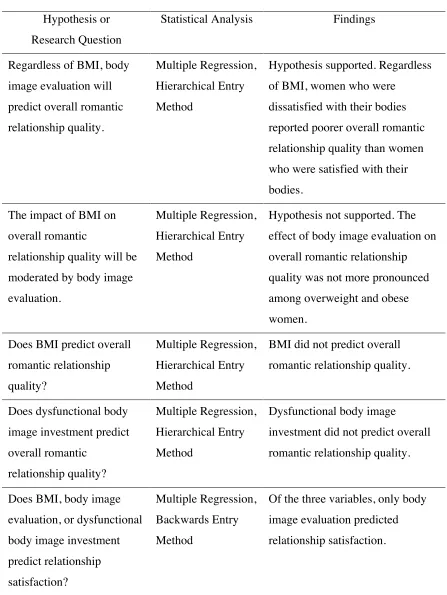
1. Regardless of BMI, women who are dissatisfied with their bodies will report
poorer overall romantic relationship quality than women who are satisfied with
their bodies (main effect of body image evaluation).
2. The impact of BMI on overall romantic relationship quality will be moderated by
body image evaluation (BMI by body image evaluation interaction).
a. Although body image dissatisfaction was expected to impact romantic
relationship quality for all participants, the effect was expected to be more
pronounced among overweight and obese women. Normal weight women
23 quality, whereas overweight and obese women who are body dissatisfied
were expected to have the poorest relationship quality.
No specific hypothesis was made regarding the association between BMI and
romantic relationship quality, given that prior research in this area has yielded
contradictory findings. Similarly, no hypothesis was made regarding the association
between body image investment and romantic relationship quality, as the existing
research in this area is sparse.
The impact of BMI and body image variables on the various components of
relationship quality—namely, satisfaction, commitment, intimacy, trust, passion, and
love—were also evaluated. Differences between BMIs based on objective versus
self-reported height and weight were also examined.
Method
Participants
Participant characteristics. The participants were 139 female undergraduate
students at the University of Windsor. They ranged from 18 to 25 years of age (M =
20.69, SD = 1.86) and reported being involved in an exclusive romantic relationship for a
minimum duration of three months (M = 27.93, SD = 18.08); 89.9% (n = 125) were
involved in dating relationships, 6.5% (n = 9) were engaged, and 3.6% (n = 5) were
married. 11.5% (n = 16) reported living with their significant other. Most identified their
sexual orientation as heterosexual (97.1%, n = 135), 2.2% (n = 3) identified as bisexual,
24 With respect to the racial/ethnic breakdown of the sample, 76.3% (n = 106) of
participants identified as Caucasian/White, 8.6% (n = 12) identified as Asian/Pacific
Islander, 5.8% (n = 8) identified as “Other”, 3.6% (n = 5) identified as
African-Canadian/Black, 3.6% (n = 5) identified as Middle Eastern, and 0.7% (n = 1) identified as
First Nations. Two participants did not report their ethnicity. Of the 139 participants,
18.7% (n = 26) were in Year 1 of their undergraduate degree, 27.3% (n = 38) were in
Year 2, 28.8% (n = 40) were in Year 3, 21.6% (n = 30) were in Year 4, and 2.9% were in
Year 5 (n = 4). One participant did not report her year of study.
Based on objective measures of height and weight, and according to the BMI
classifications established by the WHO (2000) and Health Canada (2003), 5.8% (n = 8)
of participants were underweight (BMI < 18.5), 59.0% (n = 82) were of normal weight
(BMI = 18.5 to 24.9), 21.6 % (n = 30) were overweight (BMI = 25 to 29.9), and 13.7% (n
= 19) were obese (BMI ≥ 30). Data collected from 2007 to 2009 indicated that, in the
general population of women between the ages of 18 and 39, 5.0% were underweight,
52.4% were normal weight, 22.9% were overweight, and 19.7% were obese (Canadian
Health Measures Survey, 2010). Thus, participants’ BMI generally conformed to the BMI
distribution of Canadian women in a similar age range.
Participant recruitment. An a priori power analysis was conducted in order to
determine the sample size necessary for multiple regression analysis. The power analysis
revealed that in order to detect a medium effect (f2
= .15), when alpha is set at .05 and
power is set at .95, 129 participants were required. A total of 151 individuals were
25 be excluded because they did not meet the inclusion criteria, resulting in a final sample of
139.
Participants were recruited through the Psychology Department Participant Pool
at the University of Windsor. Undergraduate students who register for the pool at the
beginning of the term are permitted to earn course credits in eligible psychology courses
through research participation. An online web-based system allows students to register
for the pool, provide demographic information, and respond to screening questions.
The current research was presented to potential participants as a study intended to
assess “personal characteristics that relate to interpersonal relationships” (see Appendix
A). Students were eligible to participate if they were female, between the ages of 18 and
25, and were currently involved in an exclusive romantic relationship for a minimum
duration of three months. Students who met inclusion criteria and who were interested in
participating in the study signed up for prearranged testing sessions.
The proportion of overweight and obese participants who signed up for early
testing sessions was relatively small. Therefore, a proactive recruitment strategy was
employed two weeks into the study in order to sample a greater number of overweight
and obese participants. In particular, two screening questions—“Do you consider
yourself to be overweight?” and “Would most other people describe you as
overweight?”—were used (See Appendix B). Only participants who answered “yes” to
either of these questions were allowed to participate in this study once these restriction
questions were employed.
This study was reviewed and approved by the Research Ethics Board (REB) at the
26 Measures
Demographic characteristics. The Demographic Questionnaire was used to
obtain details about participant age, ethnicity, self-reported height and weight, year of
study, living arrangements, parents’ marital status, psychiatric history, sexual orientation,
relationship status, and relationship duration. Participants were asked a question about
their weight at relationship initiation, as well as a number of other questions about their
romantic partnership (e.g. “Are you involved in a long distance relationship?”). The
Demographic Questionnaire is included in Appendix C.
Weight status. Body mass index (BMI), also known as Quetelet’s index (Garrow
& Webster, 1985), is commonly used to determine whether individuals have an
underweight, normal weight, overweight, or obese body weight status. BMI is calculated
as weight in kilograms divided by square height in metres. The use of BMI as a measure
of weight status has some shortcomings. Notably, its calculation is dependent only upon
weight and height, and does not account for muscle or bone mass. As a result, BMI may
at times be misleading; for example, a muscular athlete who has little body fat may have
a high BMI, although they may be of a healthy body weight. In order to address this
shortcoming, a screening question was included to ensure that high-level athletes—who
are likely to have a higher than average muscle mass—were not included in the study
(see Appendix B).
In the current study, height and weight were both (a) self-reported and (b)
measured objectively. Self-reported BMI was computed based on participants’ height
and weight, as reported on the demographic questionnaire. Objective BMI was computed
27 Self-esteem. The 10-item Rosenberg Self-Esteem Scale (RSE; Rosenberg, 1965)
is commonly used to measure global self-esteem. Items assess participants’ general
feelings about themselves on a 4-point Likert scale (1 = strongly agree to 4 = strongly
disagree). A sample item is, “I am able to do things as well as most other people”.
The RSE has demonstrated adequate to high internal consistency, with
investigators reporting alpha coefficient values ranging from .72 to .88 (Fleming &
Courtney, 1984; Ward 1977). In the current study, internal consistency of the RSE was
.70. Fleming and Courtney (1984) have also reported a test-retest reliability coefficient of
.82 over a one-week period.
Social desirability. The Marlowe-Crowne Social Desirability Scale, Short Form
C (M-C Form C; Crowne & Marlowe, 1960; Reynolds, 1982) is a 13-item scale that
measures participants’ tendency to respond in socially or culturally sanctioned ways.
This scale has a true or false format, and a sample item is, “I sometimes feel resentful
when I don’t get my way”.
The M-C Form C correlates highly (r = .93) with the standard 33-item version of
the scale (Reynolds, 1982). Previous researchers have reported internal consistency
coefficients for the standard scale and its short form as .88 and .76, respectively (Crowne
& Marlowe, 1960; Reynolds, 1982). In the current study, internal consistency of the
M-C Form M-C was .84. The one-month test-retest coefficient of the standard
Marlowe-Crowne is .89 (Marlowe-Crowne & Marlowe, 1960), and the six-week test-retest coefficient of the
M-C Form C is .74 (Zook & Sipps, 1985).
Eating attitudes. The EAT-26 (Garner, Olmsted, Bohr, & Garfinkel, 1982) is an
28 1979), and measures maladaptive eating attitudes and behaviours. It is commonly used as
a screening instrument in order to identify eating disturbances in non-clinical samples.
Questions related to eating patterns are measured on a 6-point Likert scale (0 = never to 5
= always) with higher scores indicating greater eating disturbances. A cutoff score of 20
is typically used to identify those with eating pathology.
The EAT-26 correlates highly (r = .98) with the original instrument, and has
demonstrated good to excellent reliability among both anorexic and non-clinical samples
(Banasiak, Wertheim, Koerner, & Voudouris, 2001; Cash, Phillips, Santos, & Hrabosky,
2004c; Cash, Santos, & Williams, 2005; Garner, Olmsted, Bohr, & Garfinkel, 1982;
Giovannelli, Cash, Jenson, & Engle, 2008). In the current study, internal consistency of
the EAT-26 was .83. Banasiak and colleagues (2001) report a test-retest reliability of .89
over a four to five week period.
Romantic relationship quality. The 32-item Dyadic Adjustment Scale (DAS;
Spanier, 1976) is widely used to measure the quality of marital relationships or similar
dyads. The format for rating items varies; whereas some items are rated on 6-point Likert
scales, others are rated on 4-point scales, and some require Yes/No ratings. The total
DAS score is obtained by summing all items. For items with a dichotomous response
format, “No” responses receive a score of 1 and “Yes” responses receive a score of 0.
Higher DAS scores reflect better relationship quality. The DAS contains four subscales:
Dyadic Satisfaction, Dyadic Cohesion, Dyadic Consensus, and Affectional Expression.
The Dyadic Satisfaction subscale measures the amount of tension in the relationship, as
well as the extent to which an individual has considered ending it [10 items; e.g., “How
29 relationship?” (1 = all the time to 6 = never)]. The Dyadic Cohesion subscale assesses
the common interests and activities shared by the couple [5 items; e.g., “Do you and your
mate engage in outside interests together?” (0 = none of them to 4 = all of them)]. The
Dyadic Consensus subscale (13 items) asks participants to indicate the extent of
agreement between partners on matters of importance to the relationship. Examples of
items on this subscale include “handling family finances” and “religious matters” (1 =
always agree to 6 = always disagree). The Affectional Expression subscale (4 items)
measures an individual’s satisfaction in the expression of affection and sex in the
relationship. For example, items on this subscale ask participants whether “not showing
love” or “being too tired for sex” caused differences of opinions or problems in their
relationship during the past few weeks (yes/no).
In Spanier’s original sample (1976), internal consistency of the DAS total score
was excellent (α = .96). He reported alpha coefficients for the Satisfaction, Consensus, Cohesion, and Affectional Expression subscales of .94, .90, .86, and .73, respectively.
Others have found the Affectional Expression subscale to demonstrate poor internal
consistency, with some researchers reporting alpha coefficient values as low as .53
(Antill & Cotton, 1982; Lim & Ivey, 2000). In the current study, the alpha coefficients
for the Consensus and Cohesion subscales were acceptable, at .85 and .72 respectively.
However, the Affectional Expression subscale had questionable internal consistency (α = .65) and the internal consistency of the Satisfaction subscale was even worse (α = .50).
30 Factor analysis supports the construct validity of the DAS, indicating that it
measures four distinct factors, which load reliably onto a higher second-order factor
reflecting overall relationship quality (Spanier, 1976). Scores on each item are able to
differentiate between married and divorced samples, supporting the criterion-related
validity of the measure. The DAS also demonstrates good concurrent validity with the
Locke-Wallace Marital Adjustment Scale (Lim & Ivey, 2000; Spanier, 1976) and the
Marital Disaffection Scale (Lim & Ivey, 2000).
Despite the aforementioned criticisms of the DAS, it remains the most widely
used measure of relationship quality. Therefore use of the DAS in the current study will
provide a link to previous studies. Another measure of relationship quality was also used
in order to address criticisms of DAS.
The 18-item Perceived Relationship Quality Components Inventory (PRQC
Inventory; Fletcher et al., 2000b) assesses six dimensions of perceived romantic
relationship quality that correspond to the PRQC Inventory’s six subscales: Satisfaction,
Commitment, Intimacy, Trust, Passion, and Love. Each subscale contains three items
that were designed to have high face validity. For example, the three questions used to
assess levels of intimacy within a relationship are, “How intimate is your relationship?”,
“How close is your relationship?”, and “How connected are you to your partner?”
Participants respond to items on a 7-point Likert scale (1 = not at all to 7 = extremely)
with higher scores reflecting higher perceived relationship quality.
In the current study, the alpha coefficient for the PRQC total score was .94, which
is consistent with the coefficient values that have been reported in various studies (Boyes
31 Fletcher and colleagues (2000a) reported that internal consistency for the six subscales
ranged from .74 to .96. Similar values were found in the current study, with internal
consistency values ranging from .80 to .96. Fletcher et al. (2000a) reported one-month
test-retest reliability coefficients of .78 to .96 among the subscales. They also conducted a
confirmatory factor analysis that supports the construct validity of the PRQC Inventory.
This analysis revealed that the measure contains six semi-independent factors, which load
onto one second-order factor reflecting global perceived relationship quality.
Body image evaluation.The Multidimensional Body-Self Relations
Questionnaire (MBSRQ; Brown, Cash, & Mikulka, 1990) is a widely used measure that
assesses self-attitudinal aspects of body image. In the current study, only the five
MBSRQ Appearance Subscales (MBSRQ-AS; 34 items) were administered. The
Appearance Evaluation subscale (7 items) measures feelings of physical attractiveness or
unattractiveness and satisfaction or dissatisfaction with one’s looks. A sample item is, “I
like my looks just the way they are” (1 = definitely disagree to 5 = definitely agree);
higher scores reflect more positive or satisfied feelings about personal appearance. The
Appearance Orientation subscale (12 items) measures the degree of cognitive and
behavioural investment in one’s physical appearance. A sample item is, “Before going
out in public, I always notice how I look” (1 = definitely disagree to 5 = definitely agree);
higher scores reflect greater importance and attention to appearance. The Overweight
Preoccupation subscale (4 items) measures fat anxiety, weight vigilance, dieting, and
eating restraint. A sample item is, “I have tried to lose weight by fasting or going on
crash diets” (1 = never to 5 = very often); higher scores reflect greater concern with one’s
32 labels one’s weight. A sample item is, “From looking at me, most other people would
think I am ____” (1 = very underweight to 5 = very overweight). Finally, the Body Areas
Satisfaction Scale (BASS) subscale (9 items) measures satisfaction with specific aspects
of appearance (e.g., hair, lower torso, weight; 1 = very dissatisfied to 5 = very satisfied);
higher scores on the BASS reflect greater body satisfaction.
In the original sample, alpha coefficients of the five MBSRQ-AS subscales
ranged from .70 to .91. All five subscales also demonstrated acceptable internal
consistency in the current sample, with alpha coefficients ranging from .74 to .89. Cash
(2000) reported that the one-month test-retest reliability of the subscales ranged from .71
to .94 (Cash, 2000). The BASS, Appearance Evaluation, and Appearance Orientation
subscales have demonstrated convergent validity with the Appearance Schemas
Inventory (Cash & Labarge, 1996), and cognitive behavioural interventions targeting
body image dissatisfaction have been shown to lower scores on the Appearance
Evaluation, Appearance Orientation, and Overweight Preoccupation Subscales (Cash &
Lavallee, 1997).
In the current study, only the Appearance Evaluation and Body Areas Satisfaction
subscales—both of which are measures of body image evaluation—were included in the
analyses.
Body image investment. The Appearance Schemas Inventory-Revised (ASI-R;
Cash, Melnyk, & Hrabosky, 2004b) is a 20-item measure that is designed to assess the
nature and degree of psychological investment in one’s physical appearance. Items are
rated on a 5-point scale (1= stronglydisagree to 5 = strongly agree) with higher scores
Self-33 Evaluative Salience (SES) subscale measures individuals’ beliefs about how their looks
influence their personal or social worth and sense of self. A sample item from this
subscale is “What I look like is an important part of who I am”. The 8-item Motivational
Salience (MS) subscale measures the extent to which individuals attend to their
appearance and engage in appearance-management behaviours. A sample item from this
subscale is “Before going out, I make sure that I look as good as I possibly can.
Self-Evaluative Salience is thought to represent a more dysfunctional type of appearance
investment than Motivational Salience, which is not necessarily maladaptive.
Cash et al. (2004a) found internal consistency of the ASI-R to be good to
excellent among a sample of women. They reported values of .88, .82, and .90, for the
ASI-R total score, SES subscale, and MS subscale, respectively. Internal consistency of
the measure was highly similar in the current study with alpha coefficients of .88, .84,
and .84 for the ASI-R total score, SES subscale, and MS subscale, respectively.
Investigators have reported two-week test-retest reliabilities for the SES and MS
subscales of .88 and .78, respectively (Cash & Grasso, 2005).
Factor analytic research has confirmed the two-factor structure of the ASI-R
supporting the construct validity of the measure (Cash et al., 2004a; Rusticus & Hubley,
2005). Consistent with the literature, women report significantly higher levels of
schematic investment than men, as measured by the composite ASI-R score. Women also
report greater self-evaluative and motivational investment than men; this gender
discrepancy is more pronounced for self-evaluative investment (Cash & Grasso, 2005;