Factors affecting paced exercise: how is pacing strategy influenced?
By
Andrew W. Hibbert
Bachelor of Applied Science (Honours)
November 2018
Thesis submitted in fulfilment of the requirements for the degree of
Doctor of Philosophy
Supervisor: Dr Aaron Petersen
Co-supervisor: Professor Remco C. J. Polman
Co-supervisor: Professor François Billaut
Co-supervisor: Dr Matthew C. Varley
College of Sport and Exercise Science
Institute for Health and Sport
ABSTRACT
In recent years exercise pacing research has identified numerous factors that can
influence exercise intensity and improve overall performance. However, the list of factors
that can influence pacing is far from comprehensive or extensively researched.
Subsequently, this thesis aimed to investigate pacing factors which have not yet been
empirically or functionally tested. Specifically, the following aspects were identified for
investigation; the role of exercise experience, exercise-induced pain, and athlete
motivation during competition. These factors were chosen for both the crucial role they
play within theoretical pacing models and for the way they influence different aspects of
exercise pacing (i.e. variables that are internal and external to the athlete during exercise,
as well as prior to exercise). By selecting different factors, this ensured a holistic approach
was taken to investigating the theoretical pacing literature.
The first factor investigated was an athlete's prior experience of the exercise,
which is vital to anticipatory regulation of the task at hand and consequently, the
development of a pacing strategy. Secondly, exercise-induced pain was chosen, as this a
factor that is internal to the athlete during exercise. This sensation is key to the models of
pacing and plays a significant role in exercise regulation. However, transcutaneous
electrical nerve stimulation has not yet been fully tested as a method to reduce
exercise-induced pain and how this can impact performance. Lastly, competition is an external
factor during exercise, which has been known to influence pacing and performance for
many years. However, the physical presence of competitors in ecologically valid
circumstances, as well as interplay of social and physiological factors have not been
rigorously investigated.
Study one. Exercise performance is reproducible in experienced athletes;
To reduce variability, it is common practice to complete a familiarization prior to
experimental testing. However, there are no clear guidelines for familiarizing novice
participants to a cycling time-trial (TT), and research findings from novice populations
may still be influenced by learning effects. Accordingly, the aims of this study were to
establish the variability between TTs after administering differing familiarization
protocols (duration or type) and to establish the number of familiarization trials required
to limit variability over multiple trials.
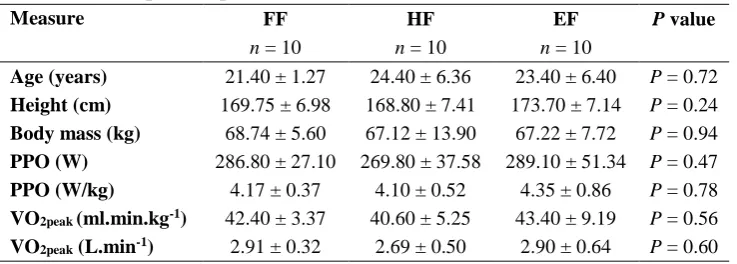
Thirty recreationally active participants, with no prior experience of a TT,
performed a 20-km cycling TT on five separate occasions, after completing either a full
(FF, 20-km TT, n=10), a half (HF, 10-km TT, n=10) or an equipment familiarization (EF,
5-min cycling, n=10).
Variability of TT duration across five TTs was the lowest after completing FF (P = 0.69, ηp2 = 0.05) compared to HF (P = 0.08, ηp2 = 0.26) and EF (P = 0.07, ηp2 = 0.21).
In the FF group after TT2, the effect size for changes in TT duration was small (d < 0.49).
There were large differences between later TTs in HF (d = 1.02, TT3-TT4) and EF (d =
1.12, TT4-TT5). The variability in mean power output profiles between trials was lowest
within FF, with a similar pacing profile reproduced between TT3-TT5.
Familiarization of the exercise protocol influenced the reproducibility of pacing
and performance over multiple, maximal TTs, with best results obtained after a full
experience of the exercise compared to HF and EF. The difference of TT1 to later TTs
indicates that one familiarization is not adequate in reducing the variability of
performance for novice participants. After the FF and an additional TT, performance
changes between TTs were small. However, a reproducible pacing profile was not
minimum of three full familiarizations are necessary for novice participants to limit
systematic error before experimental testing.
Study two. Afferent information from exercising muscle contributes to the
sensation of exercise-induced muscle pain. Transcutaneous electrical nerve stimulation
(TENS) delivers low–voltage electrical currents to the skin, inhibiting nociceptive
afferent information. The use of TENS in reducing perceptions of exercise-induced pain
has not yet been fully explored. This study aimed to investigate the effect of TENS on
exercise-induced muscle pain, pacing strategy and performance during a 5-km cycling
time trial (TT).
On three separate occasions, in a single-blind, randomized and crossover design,
13 recreationally active participants underwent a 30-min TENS protocol, before
performing a 5-km cycling TT. TENS was applied to the quadriceps prior to exercise
under the following conditions; control (CONT), placebo with sham TENS application
(PLAC), and an experimental condition with TENS application (TENS). Quadriceps
fatigue was assessed with magnetic femoral nerve stimulation assessing changes in
potentiated quadriceps twitch force at baseline, pre and post exercise. Subjective scores
of exertion, affect, and pain were taken every 1-km.
During TTs, application of TENS did not influence pain perceptions (P = 0.68, ηp2 = 0.03). There was no significant change in mean power (P = 0.16, ηp2 = 0.16) or
TT duration (P = 0.17, ηp2 = 0.14), although effect sizes were large for these two
variables. Changes in power output were not significant but showed moderate effect sizes
at 500-m (ηp2 = 0.10) and 750-m (ηp2 = 0.10). Muscle recruitment as inferred by
electromyography data was not significant but showed large effect sizes at 250-m (ηp2 =
0.16), 500-m (ηp2 = 0.15) and 750-m (ηp2 = 0.14). This indicates a possible effect for
Yet, overall, these findings do not support the use of TENS to improve 5-km TT
performance.
Study three. The aim of this study was to investigate time-trial (TT) performance
in the presence of one competitor and in a group with competitors of various abilities.
In a randomized order, 24 participants performed a 5-km cycling TT individually
(IND), with one similarly matched participant (1v1), and in a group of four participants
(GRP). For the GRP session, two pairs of matched participants from the 1v1 session were
used. Pairs were selected so that TT duration was considered either inferior (INF) or
superior (SUP) compared to the other pair of participants.
Overall, TT duration (P = 0.86, ηp2 < 0.01) was not different between conditions,
whilst heart rate (HR) was significantly greater in GRP compared to IND (P < 0.01, ηp2
= 0.16). For INF, a large effect size for both mean power (P = 0.07, ηp2 = 0.15) and HR (P = 0.05, ηp2 = 0.16), indicates greatest effort in GRP. Pacing behaviour was affected
by competition but similar in 1v1 and GRP for SUP, whilst large effect sizes indicate an
increased power output in the initial 750-m for INF in GRP. Additionally, for INF, there
was a significant correlation with ego orientation for an increase in TT duration between
the GRP session and both the IND (r = 0.43, P = 0.04) and 1v1 (r = 0.54, P = 0.01)
sessions. For INF participants, the intensity was increased when competing in GRP. Yet,
the presence of the SUP competitors resulted in lesser performance improvements for ego
oriented INF participants.
These findings demonstrate that consideration should be given to the ability of
competitors in a group setting to provide adequate motivation.
Overall this thesis provides novel insight into pacing factors that have previously
not been fully understood. This research is of importance as a greater understanding of
performance. The main results and conclusions of this thesis shed light on the highlighted
pacing factors of experience, exercise-induced pain and competition, and how these can
impact on performance during self-paced cycling time-trials. Accordingly, these findings
provide information to benefit the development of sound experimental protocols as well
as providing a mechanistic understanding of the development of exercise scenarios and
STUDENT DECLARATION
“I, Andrew W. Hibbert, declare that the PhD thesis entitled “Factors affecting paced
exercise: How is pacing strategy influenced?” is no more than 100,000 words in length
including quotes and exclusive of tables, figures, appendices, bibliography, references
and footnotes. This thesis contains no material that has been submitted previously, in
whole or in part, for the award of any other academic degree or diploma. Except where
otherwise indicated, this thesis is my own work”.
ACKNOWLEDGEMENTS
Considering the many obstacles faced along the way, I am very grateful to the
following people for their unwavering support, which has helped in the completion of this
thesis.
Firstly, and most appropriately, I must thank my supervisors for the guidance and
insight over the last five years, but also for the space to become an independent researcher.
Remco, there is not much more to be said than thank you for everything, without you
none of this was possible. François, by identifying my potential and supervising my
honours, you were the catalyst for this thesis. It was that experience that stirred my interest
to pursue this PhD. The same thanks must be said to Matt, for the original insight into
research, and then facilitating my development, especially in the early stages. Aaron, for
being reliable, staying at VU and taking care of business, thank you.
Along the way, I have made many special friends. Specifically, Caitlin, Jarrod,
Ramon and James, thank you for providing much-needed help but also numerous
distractions in the form of fun and laughter. Without your input, I may have finished this
thesis much earlier, but it most definitely would have been a duller experience. I
appreciate all the times you were there for me, and I am very grateful for the lifelong
friendships we have created. To the others that are not specifically named, I am sure you
know who you are and what your friendship means to me.
For all the support and encouragement, I must thank my immediate and extended
family. I may not always express my appreciation, but I am incredibly grateful for all that
you have done for me. Most importantly, thank you Shae for everything, without your
support, this thesis would not have been possible. I love you very much.
Finally, with all the appropriate people recognised, it must be said that since I
PUBLICATIONS AND PRESENTATIONS
This thesis is supported by the following publications and conference presentations:
Publications
Hibbert, A. W., Billaut, F., Varley, M. C., & Polman, R. C. J. (2017). Familiarization
Protocol Influences Reproducibility of 20-km Cycling Time-Trial Performance in Novice
Participants. Frontiers in Physiology, 8(488), 1-10. doi:10.3389/fphys.2017.00488 (Chapter 3. Study 1)
Hibbert, A. W., Billaut, F., Varley, M. C., & Polman, R. C. J. (2017). No Influence of
Transcutaneous Electrical Nerve Stimulation on Exercise-Induced Pain and 5-Km
Cycling Time-Trial Performance. Frontiers in Physiology, 8(26), 1-13. doi:10.3389/fphys.2017.00026
(Chapter 4. Study 2)
Hibbert, A. W., Billaut, F., Varley, M. C., & Polman, R. C. J. (2018). Goal Orientation
and the Presence of Competitors Influence Cycling Performance. Frontiers in Psychology, 9(1212), 1-12. doi:10.3389/fpsyg.2018.01212
(Chapter 5. Study 3)
Presentations
Hibbert, A.W., Varley, M.C., Billaut, F., Polman, R.C.J. Influence of a different
Hibbert, A.W., Varley, M.C., Billaut, F., Petersen A., Polman, R.C.J. Moderating effect
of transcutaneous electrical nerve stimulation on paced exercise. Oral presentation.
Exercise and Sports Science Australia (ESSA) Conference. Melbourne, Australia, April 2016
Hibbert, A.W., Varley, M.C., Billaut, F., Petersen A., Polman, R.C.J. Moderating effect
of transcutaneous electrical nerve stimulation on paced exercise. Oral presentation.
European Congress of Sports Science (ECSS) Conference. Vienna, Austria, July 2016
Polman, R.C.J. Hibbert, A.W., Billaut, F., Varley, M.C. Role of competitors and
motivational orientation on 5 km time trial performance and pacing strategy. Oral
TABLE OF CONTENTS
ABSTRACT ... II STUDENT DECLARATION ... VII ACKNOWLEDGEMENTS ... VIII PUBLICATIONS AND PRESENTATIONS ... IX TABLE OF CONTENTS ... XI LIST OF ABBREVIATIONS ... XIV LIST OF TABLES ... XVI LIST OF FIGURES ... XVII
CHAPTER 1. INTRODUCTION ... 1
CHAPTER 2. REVIEW OF LITERATURE ... 5
2.1 Defining pacing ... 5
2.2 Models to explain fatigue and pacing ... 6
2.2.1 Peripheral model of fatigue ... 6
2.2.2 Teleoanticipation ... 7
2.2.3 Central Governor Model ... 9
2.2.4 Psychobiological model ... 13
2.2.5 Conscious awareness brain regulation model ... 14
2.3 Summary of pacing theory ... 16
2.4 Identification of pacing moderators for investigation ... 17
2.4.1 Prior experience ... 18
2.4.2 Afferent feedback and pain perceptions ... 23
2.4.3 Competition ... 31
2.5 Aims, objectives and hypotheses ... 38
CHAPTER 3. STUDY 1: FAMILIARISATION PROTOCOL INFLUENCES REPRODUCIBILITY OF 20-KM CYCLING TIME-TRIAL PERFORMANCE IN NOVICE PARTICIPANTS ... 40
3.1 Abstract ... 40
3.2 Introduction ... 41
3.3 Methods ... 44
3.3.1 Participants ... 44
3.3.2 Experimental procedures ... 45
3.3.3 Time-trials ... 45
3.3.4 Maximal incremental test ... 46
3.3.5 Statistical analysis ... 47
3.3.5.1 Analysis of between and within groups TT variability ... 48
3.3.5.2 Analysis of pacing profiles ... 49
3.4 Results ... 49
3.4.1 Analysis of between and within groups TT variability ... 49
3.4.2 Analysis of pacing profiles ... 53
3.5 Discussion ... 55
3.5.1 Variability in performance... 55
3.5.2 Variability in pacing profiles ... 58
3.5.4 Practical applications ... 60
3.6 Conclusions ... 62
CHAPTER 4. STUDY 2: NO INFLUENCE OF TRANSCUTANEOUS ELECTRICAL NERVE STIMULATION ON EXERCISE-INDUCED PAIN AND 5-KM CYCLING TIME-TRIAL PERFORMANCE ... 63
4.1 Abstract ... 63
4.2 Introduction ... 64
4.3 Methods ... 67
4.3.1 Participants ... 67
4.3.2 Experimental procedures ... 68
4.3.3 VO2 assessment ... 69
4.3.4 Transcutaneous electrical nerve stimulation (TENS) ... 70
4.3.5 Electromyography ... 71
4.3.6 Peripheral magnetic stimulation ... 72
4.3.7 Perceptual scores ... 74
4.3.8 Algometer ... 74
4.3.9 Statistical analysis ... 75
4.4 Results ... 76
4.4.1 Perceptual scores and pain ... 76
4.4.2 Overall performance ... 78
4.4.3 Pacing ... 79
4.4.4 Fatigue measurements ... 81
4.5 Discussion ... 85
4.5.1 Pacing and performance ... 85
4.5.2 Practical implications ... 87
4.5.3 Limitations ... 89
4.6 Conclusions ... 91
CHAPTER 5. STUDY 3: GOAL ORIENTATION AND THE PRESENCE OF COMPETITORS’ INFLUENCE CYCLING PERFORMANCE ... 93
5.1 Abstract ... 93
5.2 Introduction ... 94
5.3 Methods ... 97
5.3.1 Experimental overview ... 97
5.3.2 Participants ... 97
5.3.3 Participant characterisation... 98
5.3.3.1 VO2 assessment ... 98
5.3.4 Participant matching ... 98
5.3.5 Goal Orientation ... 99
5.3.6 Time-trials ... 99
5.3.7 Motivational orientation and perceptual scores ... 101
5.3.8 Statistical analysis ... 101
5.3.8.1 Preparation for data analysis ... 102
5.3.8.2 Analysis of overall performance ... 102
5.3.8.3 Analysis of goal orientation ... 103
5.3.8.4 Analysis of motivational orientation and perceptual scores... 103
5.4 Results ... 104
5.4.1 Participant matching ... 104
5.4.2 Analysis of overall performance... 104
5.4.3 Analysis of goal orientation ... 107
5.4.4 Analysis of motivational orientation and perceptual scores ... 109
5.4.5 Analysis of pacing profiles ... 110
5.5 Discussion ... 112
5.5.1 Comparison between competition sessions ... 112
5.5.2 Influence of goal orientation ... 115
5.5.3 Limitations ... 116
5.6 Conclusions ... 117
CHAPTER 6. GENERAL DISCUSSION AND CONCLUSIONS ... 118
6.1 Overall aim and main findings ... 118
6.1.1 Chapter 3. Study 1 ... 118
6.1.2 Chapter 4. Study 2 ... 119
6.1.3 Chapter 5. Study 3 ... 120
6.2 Theoretical applications ... 121
6.3 Practical applications ... 124
6.4 Limitations ... 125
6.4.1 Chapter 3. Study 1 ... 125
6.4.2 Chapter 4. Study 2 ... 125
6.4.3 Chapter 5. Study 3 ... 126
6.5 Future research directions ... 126
6.5.1 Chapter 3. Study 1 ... 126
6.5.2 Chapter 4. Study 2 ... 127
6.5.3 Chapter 5. Study 3 ... 128
6.6 Conclusion ... 129
REFERENCES ... 130
APPENDIX A: INFORMATION FOR PARTICIPANTS ... 142
A.1 Study 1 - Information to participants ... 142
A.2 Study 2 - Information to participants ... 146
A.3 Study 3 - Information to participants ... 152
APPENDIX B: CONSENT FORMS ... 157
B.1 Study 1 - Consent form ... 157
B.2 Study 2 - Consent form ... 160
LIST OF ABBREVIATIONS
1v1 Time-trial with another participant
ANOVA Analysis of variance
BASE Baseline measurement
CAR Central activation ratio
CGM Central governor model
cm Centimetre
CNS Central nervous system
CONT Control condition
CV Coefficient of variation
EF Equipment familiarisation protocol
EMG Electromyography
ES Effect size
FAM Familiarisation
FF Full familiarisation protocol
FS Feeling scale
GRP Time-trial with three other participants
HF Half familiarisation protocol
HR Heart rate
IND Individual time-trial
INF Inferior competitor
kg Kilograms
km Kilometres
m Metres
min Minutes
MVC Maximal voluntary contraction
ηp2 Partial eta squared
PLAC Placebo condition
PO Power output
PPO Peak power output
PPT Pressure pain threshold
PRE Prior to exercise measurement
Qtw,pot Potentiated quadriceps twitch
RMS Root mean square
RMSsum Summed root mean square
RPE Rate of perceived exertion
RPM Revolutions per minute
s Second
SD Standard deviation
SUP Superior competitor
TENS Transcutaneous electrical nerve stimulation
TT Time-trial
VO2 Oxygen uptake
VO2peak Peak oxygen uptake
W Watts
W/kg Watts divided by kilograms
LIST OF TABLES
Table 2-1: Summary of studies investigating the reproducibility of cycling TT pacing and
performance ... 21
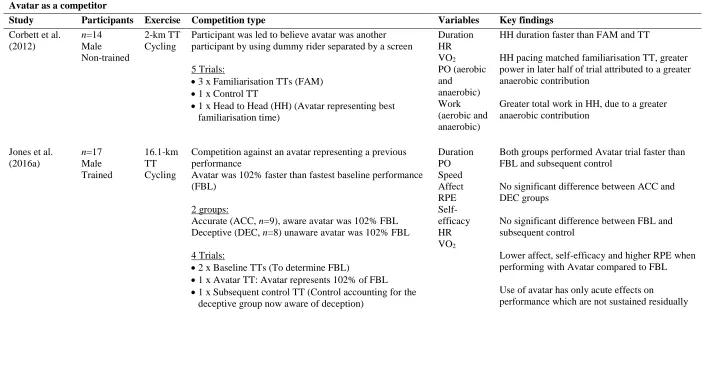
Table 2-2: Summary of studies investigating perception or presence of a competitor .. 33
Table 3-1. Group anthropometric characteristics. ... 44
Table 3-2. Overall performance data for familiarisation session ... 45
Table 3-3. Within-group between TT differences in overall performance, with repeated measures ANOVA comparison and Cohen’s d effect size for between TT differences. 51 Table 3-4. Within-group CV between trials ... 52
Table 3-5. Between-group differences in overall performance, with one-way ANOVA comparison for each trial and Cohen’s d effect size for between-group differences. .... 53
Table 4-1 Participant anthropometric data. ... 68
Table 4-2 Subjective ratings for exertion, affect and pain at each kilometre of TTs ... 77
Table 4-3 Raw changes in PPT, MVC and CAR and Qtw,pot ... 82
Table 4-4 Percentage changes in PPT, MVC and CAR ... 83
Table 4-5 Percentage changes in evoked responses to magnetic stimulation. ... 84
LIST OF FIGURES
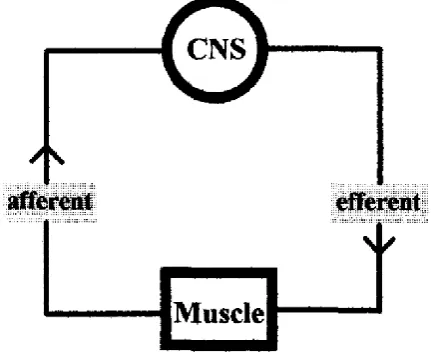
Figure 2-1: Principle of feedback control in the motor system ... 7
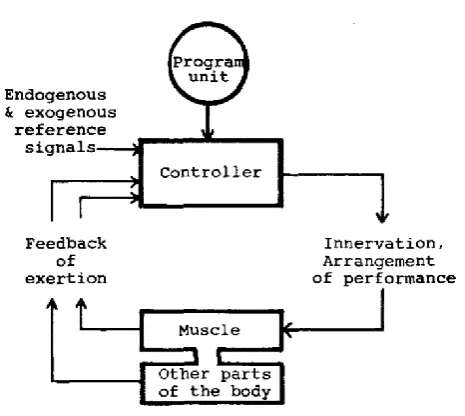
Figure 2-2: Proposed model of a control system for optimal adjustment of intensity during exercise ... 9
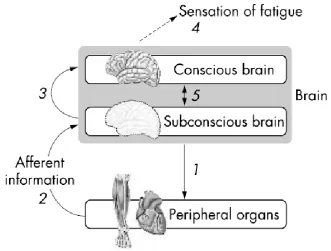
Figure 2-3: The central governor model. ... 10
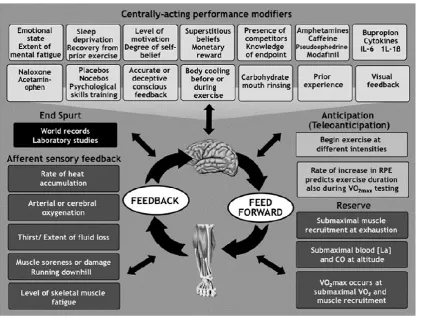
Figure 2-4: Factors that affect pacing and support the central governor model ... 12
Figure 2-5: A comparison of brain regulation models of human movement ... 15
Figure 2-6: Diagrammatic representation of the “chain” involved in voluntary contractions ... 25
Figure 2-7: Schematic illustration of the interaction between afferent feedback from the muscle during exercise and the central nervous system which accordingly adjusts central motor drive. ... 25
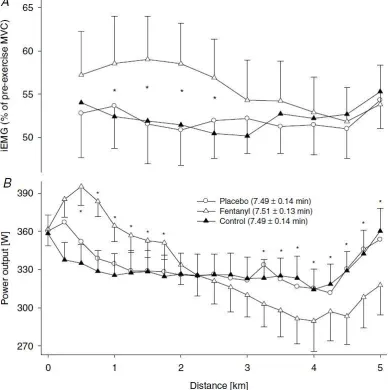
Figure 2-8: Effect of modified afferent feedback (via fentanyl) on neural drive (EMG of vastus lateralis) (A) and power output (B) during a 5-km cycling time-trial ... 28
Figure 3-1 Mean ± SD TT performance measures. ... 50
Figure 3-2 The line of best fit for each 2000-point mean power output profile. ... 54
Figure 4-1 Mean ± SD TENS belief ratings. ... 76
Figure 4-2 Mean ± SD TT performance measures. ... 78
Figure 4-3 Individual changes for TT performance measures. ... 79
Figure 4-4 TT pacing measures. ... 80
Figure 5-1 TT overall performance measures. ... 105
Figure 5-2 Individual changes in TT duration between sessions. ... 106
Figure 5-4 Correlation between task orientation and change in TT duration between
sessions. ... 109
CHAPTER 1. INTRODUCTION
In many endurance events, success is often defined as the ability to complete the
required distance as quickly as possible. Consequently, the ability of the athlete to manage
intensity and fatigue throughout the exercise is an essential factor in performance
(Mauger, 2013). This regulation of intensity throughout exercise is termed ‘pacing’. Pacing has recently been defined as “The goal directed distribution and management of
effort across the duration of an exercise bout” (Edwards & Polman, 2012). Overall, the
purpose of pacing is to manage levels of fatigue to maximise goal achievement but also
to prevent the occurrence of bodily harm (Edwards & Polman, 2013). To appropriately
pace an exercise, information related to the known demands of the exercise and associated
metabolic consequences are considered. Decisions are then made regarding the best way
to manage energy expenditure to minimise the possibility of premature fatigue (Edwards
& Polman, 2013; Lambert, St Clair Gibson, & Noakes, 2005). While pacing relates to
changes in intensity, during an exercise, an athlete will likely plan how they will approach
the task; this deliberate planning is considered a pacing strategy (Abbiss & Laursen,
2008). Together, pacing and pacing strategies have received considerable attention in the
scientific literature in recent years, as previously fatigue was only seen from a
physiological perspective. However, it is now clear that pacing is influenced by both
physiological and psychological factors (Edwards & Polman, 2013).
In fact, pacing can be altered by prior experience as well as by factors that may be
internal (e.g., heat accumulation, pain and mental fatigue) or external (e.g., environment
and competitors) to the athlete. These factors are considered together so that decisions
can be made regarding the best way to manage energy (Edwards & Polman, 2012;
Noakes, 2012). Previous studies have reported results regarding the many variables that
In fact, the investigation of variables has led to the development of theoretical pacing
models, including the Teleoanticpation model (Ulmer, 1996), the Central Governor
Model (Noakes, 2012), the Psychobiological model (Marcora, 2008) and the conscious
awareness brain regulation model (Edwards & Polman, 2013). Yet, uncertainty on the
magnitude and effect on pacing still exists surrounding several variables. For this thesis
to investigate pacing in a holistic fashion, factors were identified for the way they
influence different aspects of exercise pacing (i.e. variables that are internal and external
to the athlete during exercise, as well as prior to exercise). Specifically, the factors chosen
were the role of exercise experience, exercise-induced pain, and athlete motivation during
competition.
Before a task, knowledge of task demands and prior experience are considered to
set an appropriate initial pace. This importance of prior experience has led to an
investigation into the development of an efficient pacing strategy (Foster et al., 2009).
Providing evidence that pacing is a learnt skill, school children with advanced cognitive
development are more skilled at pacing (Micklewright et al., 2012), while a successful
pacing strategy is reliant on experience in the task (Micklewright, Papadopoulou, Swart,
& Noakes, 2010). Although prior experience is recognised as important to pacing, it is
yet to be established what the most efficient process is to develop and retain a pacing
strategy. This is an important issue when studying exercise in experimental settings, as
variability in pacing and performance should be minimised to find the actual effect of
interventions. As in any subsequent bout the individual, environmental or motivational
factors may differ, which will result in an adjustment of this strategy to hopefully replicate
another successful performance.
During an exercise, afferent feedback and the actions of an opponent can lead to
associated with afferent information (i.e., exercise-induced pain) (Cook, O'Connor,
Eubanks, Smith, & Lee, 1997; Mauger, 2013). The conscious awareness of afferent
feedback will lead to the regulation of exercise. In effect, when pain perceptions are above
what an athlete is willing to endure, exercise intensity will be down-regulated. However,
it is possible to minimise the afferent information through pain relief (Amann, Proctor,
Sebranek, Pegelow, & Dempsey, 2009; Mauger, Jones, & Williams, 2010a). The
management and reduction of exercise-induced pain via non-invasive methods have been
studied previously, with exercise training effective in reducing pain over subsequent
cycling trials (Micalos, Marino, & Kay, 2004). Yet, the effect of non-invasive pain relief
and the impact on pacing has not been extensively investigated. Specifically, the use of
transcutaneous electrical nerve stimulation, which can reduce pain non-invasively
(Johnson, Paley, Howe, & Sluka, 2015), has not been thoroughly investigated for its effect
on exercise-induced pain and consequently how this may influence exercise pacing.
Also within an exercise bout, the impact of a competitor has been demonstrated
to influence pacing decisions (Konings, Schoenmakers, Walker, & Hettinga, 2016).
However, most studies have investigated the perception of a competitor, i.e. a virtual
avatar and not the presence of a competitor. Additionally, aside from one study (Tomazini
et al., 2015), the investigation of pacing and competition has only utilised one competitor,
while in a real competitive environment, there is likely to be more than one competitor.
With the presence of multiple competitors, the goal and motivational orientation are likely
to be influenced by numerous inter athlete interactions compared to exercising with only
one competitor (Ryan & Deci, 2017). It is, therefore, of merit to investigate pacing in a
group environment where interpersonal interactions may influence pacing decisions.
To summarise, although a vast amount of literature has identified countless factors
the potential factors have not been empirically tested, or the mechanism on how it might
influence pacing and performance is unclear. Subsequently, this thesis will investigate
how an experience in an exercise forms a reproducible pacing strategy. This information
would then be used to familiarise participants before implementing a pain relief
intervention that has not yet been investigated for exercise-induced pain. Also, this thesis
will investigate the impact of real competition on motivation, goal orientations and
CHAPTER 2. REVIEW OF LITERATURE
2.1 Defining pacing
Performance within exercise is critically defined by the way an individual
distributes work output. This regulation of intensity to increase performance while
managing fatigue has been termed pacing. Any exercise event is controlled by a conscious decision to initiate and cease the bout; therefore, inevitably all exercise has a
beginning and an end (St Clair Gibson et al., 2006). Based on the management of exercise
intensity and how the end of an exercise is determined, an exercise task can be either
considered closed looped or open looped, with goal achievement differing significantly
between these two classifications (Foster, Schrager, Snyder, & Thompson, 1994). Pacing
occurs within exercise tasks that are considered closed looped. Examples of a closed loop
exercise are distance based time-trials or competition-based events where the goal is to
cover the required distance quicker than all other competitors. As closed looped tasks
have a defined start and end to the exercise, precise management of intensity and fatigue
occurs to maximise performance. On the other hand, open looped tasks generally have
the intensity dictated by external factors, for example, exercising for as long as possible
at a constant intensity. Given that intensity is dictated by external factors, open looped
tasks do not allow for pacing. Accordingly, the focus of this thesis will be on tasks that
are considered closed looped.
During exercise, several cues are processed to ensure goal achievement without exhausting the body’s physiological systems. However, there is an almost infinite number
of variables, which can affect a performer’s path to achieve the desired outcome (Edwards
& Polman, 2012; Noakes, 2012; Noakes, St Clair Gibson, & Lambert, 2005; Tucker &
Noakes, 2009). Previously, it was assumed exercise was limited by peripheral
Recently this hypothesis has been challenged with the proposition of alternative exercise
regulation models that explain how the brain plays a role in determining exercise intensity
(Edwards & Polman, 2013; Noakes, 2012; Pageaux, 2014).
2.2 Models to explain fatigue and pacing
Recently, composite theories have arisen to explain how exercise is managed,
considering many processes and differing mechanisms (Edwards & Polman, 2013;
Tucker, 2009). These include the ‘teleoanticipation model’ (Ulmer, 1996), ‘central governor model’ (Noakes, 2011; Noakes, Peltonen, & Rusko, 2001; Noakes & St Clair
Gibson, 2004; Noakes et al., 2005), anticipatory model (Ansley, Robson, St Clair Gibson,
& Noakes, 2004; Kay et al., 2001; Tucker, 2009; Tucker, Rauch, Harley, & Noakes,
2004), psychobiological model (Marcora, 2008; Pageaux, 2014), and the conscious
awareness brain regulation model (Edwards & Polman, 2012, 2013). Fundamentally, all
models suggest that exercise is regulated to manage fatigue within safe levels but also to
achieve the goal of exercise. These models will be explained in the following sections.
2.2.1 Peripheral model of fatigue
Firstly, to understand how pacing has become a prominent topic in exercise
science, it is important to determine how fatigue was perceived before the discovery of a
central component to exercise. Before the influence of central regulation had been
established, it was believed that fatigue in exercise originated solely from peripheral
mechanisms. These beliefs arose from the observations that lactic acid would increase in
skeletal muscle during fatigue, with the reduction of lactic acid restoring muscle function
(Hill & Long, 1925). The primary component of this exercise model is that exhaustion during exercise was due to the limitation of the body’s aerobic system. Effectively, once
the body is no longer able to oxidate lactate, exercise requires termination (Hill & Long,
oxygen delivery to the heart. It was considered that the controller prevented the
development of myocardial ischemia during maximal exercise rather than reducing
fatigue (Hill, Long, & Lupton, 1924). The downfall of this viewpoint is that any exercise
will be conducted at a constant intensity and will cease at an absolute endpoint, and can
only be restarted after a period of rest, in which the fatiguing aspects of exercise are
reversed (St Clair Gibson & Noakes, 2004).
This simple notion of exercise fatigue was considered for many years, with much
of the subsequent research explaining fatigue through the same cause and effect models.
However, it is now known that the cause of fatigue is not only due to the regulation of
oxygen delivery. Instead, the current findings of multiple pacing strategies, muscle
activation properties and the presence of end spurts are all evidence for a central
component to exercise regulation (St Clair Gibson & Noakes, 2004).
2.2.2 Teleoanticipation
The basis of the current understanding of the central regulation of exercise was first described in the investigation of “teleoanticipation” (Ulmer, 1996). It was found that
the current simple feedback loop of motor control could not explain all the phenomena
exhibited in maximal exercise (i.e., the regulation of intensity) (see Figure 2-1).
Specifically, if athletes run too quickly, they will not finish because of early
fatigue, but if they run too slowly, they will not reach their aim (Ulmer, 1996).
Consequently, the limits of the regulation loop of feedback for biomechanical control was
the initiation to first investigate the concept of extracellular regulation by
psychophysiological feedback (Ulmer, 1996).
With the intention of explaining how individuals would limit work rate in the
occasion of exercise being longer in duration or more demanding than expected, a new
model for exercise intensity regulation was proposed (see Figure 2-2) (Ulmer, 1996). The
proposed theory contended that afferent information on the current metabolic rate is
transmitted together with the anticipation of the work required to complete the movement
patterns. This idea stemmed from the situation where work rate would be limited even
with an absence of afferent information, i.e. before exercise has started. As demonstrated
by varying the exercise distance which resulted in pre-set intensities and rates of
perceived exertion (RPE) (Faulkner, Parfitt, & Eston, 2008; Ulmer, 1996). Therefore, the
knowledge of the exercise duration is a reference point to regulate intensity. Additionally,
for the feedback, feedforward and anticipatory mechanisms to work effectively, prior
experience of similar exercise is also considered. Knowledge of the endpoint and
experience provide the information to optimise intensity prior to the exercise and compare
current intensity against past successes and failures during exercise (Ulmer, 1996).
Subsequently, pacing strategies are selected based on the length of the exercise (Abbiss
& Laursen, 2008; Wittekind, Micklewright, & Beneke, 2011). Because of this initial
observation, it was proposed that there must be a component of the body’s feedback
system that acts to access exercise information. Consequently, a hypothetical programmer
was proposed to be located somewhere in the central nervous system (CNS), which acts
intensity and optimise performance (see Figure 2-2) (Ulmer, 1996). This model of control
(see Figure 2-2) regulates performance with a controller that receives feedback on the
levels of exertion from the exercising muscle and other body systems. Once this feedback
is interpreted by the controller, afferent signals are sent back to the periphery so that
intensity can be adjusted appropriately (Ulmer, 1996). However, this concept was never
comprehensively tested by the authors.
Figure 2-2: Proposed model of a control system for optimal adjustment of intensity during exercise (Ulmer, 1996).
2.2.3 Central Governor Model
Expanding on the concept of central programmer as described by Ulmer (1996),
a new model, termed the Central Governor Model (CGM) (Figure 2-3) was proposed and
is perhaps the first pacing model to describe the role of the brain in exercise (Lambert et
al., 2005; Noakes, 2000; Noakes et al., 2001; Noakes & St Clair Gibson, 2004; Noakes et
al., 2005; St Clair Gibson & Noakes, 2004). The CGM was developed from observations
of suboptimal muscle recruitment (Noakes, 2004) and that changes in pace during
led to the proposal of the model that works with feed-forward control to initially
determine the exercise intensity, while afferent feedback provides information within the
exercise, so that muscle recruitment can be regulated to preserve homeostasis (Noakes &
St Clair Gibson, 2004).
Figure 2-3: The central governor model. This model proposes that: 1. The subconscious brain sets the exercise intensity by determining the number of skeletal muscle motor units that are activated throughout the exercise. 2. The extent of skeletal muscle motor unit recruitment can then be influenced by sensory feedback from a variety of peripheral organs. 3. The subconscious brain informs the conscious brain of an increasing neural effort, perhaps related to an increased difficulty in maintaining homoeostasis at that exercise intensity 4. This is interpreted by the brain as the increased sensation of fatigue. 5. The sensation of fatigue may itself control further subconscious brain control processes (St Clair Gibson & Noakes, 2004).
Teleoanticipation is a crucial concept of the CGM, with pace determined by
feed-forward controls prior to exercise (see Figure 2-3). The knowledge of the exercise
endpoint plays a vital role in this process so that an appropriate pace can be selected and
modified (Lambert et al., 2005; Noakes & St Clair Gibson, 2004). In addition to
knowledge of the exercise endpoint, many internal cues are considered, including
metabolic fuel reserves and oxygen saturation to set the initial pace (Noakes et al., 2005).
These internal cues are then referenced against the relevant external cues such as the
Barwood, Ouzounoglou, Thelwell, & Dicks, 2012) and any previous experience in the
task (Paterson & Marino, 2004) (see Figure 2-3). To effectively pace the task, the CGM
will then interpret these cues in the subconscious and accordingly adjust the magnitude
of the efferent neural drive.
During the task, afferent information is important in ensuring that the intensity is
maintained to prevent severe threats to homeostasis or premature fatigue. Afferent
information is transmitted from all body systems, but especially the exercising muscle via
the metaboreceptors, nociceptors and thermoreceptors, back to the CGM to determine if
the current intensity is appropriate (Lambert et al., 2005). If the intensity is too vigorous,
changes in the afferent information are interpreted so that intensity is down-regulated.
Conversely, if the magnitude of afferent information is not as high as expected, exercise
intensity will be increased (Lambert et al., 2005; Rauch, Schonbachler, & Noakes, 2013).
Crucial to this management of intensity, the conscious perception of afferent information is represented as a ‘sensation’ or ‘emotion’ of fatigue (Lambert et al., 2005; St Clair
Gibson et al., 2003). Consequently, the way exercise is perceived is vital in the regulation
of exercise.
The measure of the sensation of fatigue is known as the rate of perceived exertion
(RPE) (Borg, 1982). Adjustment of intensity during exercise of varying lengths supports
the notion that the RPE plays a significant role in the feedback loop for the optimal
intensity (Tucker, 2009). The perceived exertion is used as a mediator between what an
expected sensation of exercise will be and intensity across a task will subsequently be
regulated to match this (Tucker, 2009). Additionally, it has been observed that RPE rises
in a linear function in relation to the duration of exercise and will only reach the maximum
value at the termination of exercise (Tucker, 2009). Because of this, it is suggested RPE
of the anticipatory exercise regulation (Tucker, 2009). Therefore, a ‘template RPE’ is set
in anticipation based on the expected duration of the bout and previous experience in
similar bouts. Any discrepancy between the RPE template and the experienced RPE will
result in a modification of intensity to restore an appropriate RPE trajectory (Joseph et
al., 2008; Tucker, 2009; Tucker, Marle, Lambert, & Noakes, 2006). The effect of this
regulation is that exercise intensity is set in anticipation of the task, so that the increase
in RPE stays the same, even in different exercise conditions (Joseph et al., 2008; Tucker
et al., 2006).
Figure 2-4: Factors that affect pacing and support the central governor model(Noakes, 2012).
After being proposed initially as a simple control mechanism (see Figure 2-3), the
CGM has since evolved to encompass a multitude of exercise regulation scenarios (see
Figure 2-4). However, although this model has been used to explain exercise phenomena
presence of a governor or a specific processing centre within the body is unlikely. Rather
than a specific governor, it is considered that central regulation is more likely to be
controlled by the brain (Edwards & Polman, 2013). Additionally, critics have noted that
the original CGM (see Figure 2-3) paid no attention to the role of motivation and mental
effort to influence exercise performance (Inzlicht & Marcora, 2016). This is important as
motivation can influence performance and perceptions of effort (Blanchfield, Hardy, de
Morree, Staiano, & Marcora, 2013). This oversight has been addressed in the evolution
of the model (see Figure 2-4), but as the primary role of the central governor is to maintain
homeostasis, the introduction of variables that may override this function, question the
foundation of the model (Inzlicht & Marcora, 2016). In fact, by incorporating many
factors into the CGM, the complexity of the model has been increased, which has
consequently made the model unable to be tested and therefore unable to be falsified
(Inzlicht & Marcora, 2016). Based on these limitations, the validity of the CGM has been
questioned with some alternative models proposed which address mental constructs
(Marcora, 2008) and attribute exercise regulation to a conscious process controlled by the
brain (Edwards & Polman, 2013).
2.2.4 Psychobiological model
The psychobiological model proposed by Marcora (2008); see also Pageaux
(2014), contends that regulation of intensity is a conscious process that is determined by
five factors; perception of effort, potential motivation, knowledge of the distance/time to
cover, knowledge of the distance/time remaining, and previous experience/memory of
perception of effort during exercise of varying intensity and duration (Pageaux, 2014).
This model has been based on the motivational intensity theory (Wright, 1996), with
conscious regulation primarily determined by the participant’s perception of effort in
maximum level of effort an individual is willing to exert. This level of effort may be
affected by muscle and mental fatigue which will result in conscious downregulation of
intensity to maintain the desired perception of effort (de Morree & Marcora, 2013;
Pageaux, 2014). Conversely, the presence of external factors (e.g. competitors or
spectators) may also increase the effort an athlete is willing to exert (Pageaux, 2014).
Compared to the CGM, the psychobiological model attributes exercise regulation to a
conscious process rather than a subconscious process, thus removing the need for a
specific processing centre. Also differing from the CGM, this model proposed that
perceived exertion is independent of afferent feedback but rather a consequence of an
increase in central motor command which produces internal signals which are sent
between the motor and sensory areas of the brain (de Morree, Klein, & Marcora, 2012;
Marcora, 2009). However, it is this distinction of the model that has been criticised. The
rate of increase of RPE has been shown to predict the duration of exercise, even under
differing exercise conditions (Crewe, Tucker, & Noakes, 2008). Therefore, it is
considered that afferent feedback must be accounted for so that termination does not occur
prematurely (i.e. afferent information is essential for the sensing levels of fatigue that
may threaten homeostasis) (Noakes & Tucker, 2008; Tucker et al., 2004). Consequently,
by not accounting for the role of sensory information, the psychobiological model is not
able to explain exercise regulation in all scenarios. However, regardless of the origin of
perceptions of exertion, both the central governor and the psychobiological model
consider this an important variable in the regulation of exercise intensity.
2.2.5 Conscious awareness brain regulation model
Similar to the other models outlined in this literature review, the conscious awareness brain regulation model proposes that exercise is regulated using the athlete’s
Polman, 2013). However, differing to the other models, this model is built on the
theoretical basis of brain regulatory control and attributes the pacing to be a
decision-making process (see Figure 2-5).
Figure 2-5: A comparison of brain regulation models of human movement: (a) central governor model; (b) psychobiological model; (c) conscious awareness brain regulation model (Edwards & Polman, 2013).
This model states that sensory information which does not threaten homeostasis
is not transmitted to higher level neural processing centres (Edwards & Polman, 2013).
Therefore, regulation of this low-level exercise is considered to occur in a sub-awareness
state, albeit still maintained by the brain (see Figure 2-5), these tasks are regulated with a
certain level of automaticity (i.e., based on prior experience or expectations of the
requiring conscious regulations when task demands increase and consequently the
magnitude of sensory information (see Figure 2-5) (Noakes, 2012; Swart, Lindsay,
Lambert, Brown, & Noakes, 2012). For example, during high-intensity exercise
metabolic disturbances are likely to be substantial, which in turn will increase afferent
sensations that trigger conscious awareness to change behaviour (Edwards & Polman,
2013; Swart et al., 2012). The conscious attention proposed by the conscious awareness
brain regulation model has since been extended to explain pacing as a decision-making
process (Renfree, Martin, Micklewright, & St Clair Gibson, 2014). Decision making
relates to the ability to select practical actions to achieve a specific task from several
possibilities (Smits, Pepping, & Hettinga, 2014). More specific to pacing, individuals are
required to make decisions to increase intensity to enhance performance, but also to
manage intensity to limit physiological fatigue. This process transpires by determining an
appropriate action (increase or decrease work-rate) based on the available information
(i.e. the magnitude of perceived exertion and knowledge of the task) (Renfree et al.,
2014). Ultimately, during exercise, the bombardment of negative sensory information
causes discomfort which requires a conscious decision to manage intensity. Therefore,
the willingness of the individual to tolerate discomfort is crucial to pacing (Smits et al.,
2014).
2.3 Summary of pacing theory
This review highlighted three main pacing models, the central governor,
psychobiological and conscious awareness brain regulation model, which all differently
explain the processes of how exercise is regulated. The critical differences between these
models are the distinction between how the decisions to manage intensity are made. The
central governor primarily regulates intensity subconsciously, while the psychobiological
regulation model contributes regulation to states of awareness rather than solely in a
conscious or subconscious state. Although different, collectively these models
acknowledge the importance of prior experience, sensory feedback (aside from the
psychobiological model) and situational factors all being able to influence the way
exercise is regulated. However, while there is a plethora of evidence to support each of
these factors, experimental evidence is still missing on many pacing moderators and how
they may impact performance.
2.4 Identification of pacing moderators for investigation
Within all models, exercise intensity is regulated by the sensations of exertion/effort
with decisions always referenced against a template exertion that is developed from prior
experience. However, based on the amount of experience, the previously acquired
template of effort may not always be the most optimal, as this template of effort is likely
developed over several exercise bouts. The theoretical discussion has investigated the role
of experience against no experience (Tucker, 2009). However, it is not yet determined
what role similar experience but not the same experience of exercise has on pacing
decisions. Additionally, as pacing has been demonstrated to be quite impactful on overall
performance, it is surprising that the development and reproducibility of pacing have not
been extensively researched. Therefore, the first pacing moderator to be investigated in
this thesis will be the role of experience in developing a reproducible pacing profile.
Afferent feedback has been demonstrated to be a key mediator in exercise
regulation (Amann et al., 2009). As afferent feedback from exercising muscle is
manifested into the sensation of exercise-induced pain, this feedback plays a significant
role in conscious and subconscious regulation. In fact, in the absence of afferent feedback,
exercise intensity has been increased (Amann et al., 2009). Consequently, research has
capacity and ultimately enhance performance. Reducing afferent feedback and the
sensation of pain has been investigated previously (Mauger et al., 2010a). One possible
intervention that has not been tested is the non-invasive pain relief method of
transcutaneous electrical nerve stimulation (TENS). Subsequently, we will investigate the
use of TENS to reduce exercise-induced pain, and the impact on performance.
The final pacing moderator identified for investigation in this thesis is the influence
of competition on performance. For many years the ability of competition to influence
pacing and enhance performance has been known (Triplett, 1898). In recent years, there
has been an increased focus on the influence of perception of competition, in part due to
the development of technology and the ability to control this in laboratory settings.
Consequently, several avatar based exercise designs have been conducted (Konings et al.,
2016; Williams, Jones, Sparks, Marchant, et al., 2015). However, the actual presence of
competitors has not yet been fully explored. As such, in more ecologically valid
circumstances, social and physiological factors are likely to be of more significant
influence.
2.4.1 Prior experience
As previously stated, pacing during any form of exercise is regulated by the brain
that processes many cues, to ensure maximum performance without exhausting the body’s physiological systems (Edwards & Polman, 2012; Noakes, 2012). Regarding
pacing, a critical variable is knowledge of the task at hand (Billaut, Bishop, Schaerz, &
Noakes, 2011; Paterson & Marino, 2004; Stone et al., 2012). Information from similar
experiences is crucial to successful pacing so that based on the demands of the task a
suitable initial exercise intensity can be determined to limit the possibility of premature
fatigue (Marino, 2004; Tucker, 2009; Ulmer, 1996). The importance of this factor in
experience, as demonstrated with an increased performance in a subsequent bout after
completing a longer than perceived task (Paterson & Marino, 2004). Alternatively, if the
duration is varied or unknown, the role of any previous experience is to ensure task
completion at a minimum, thus resulting in sub-optimal performance (Billaut et al., 2011).
In this scenario, a more conservative intensity is selected to produce an intensity that is
tolerable and will not reach maximum levels before the end of the exercise. In all these
scenarios, sensations of exertion are referenced against mental representations of the
exercise that have been developed by similar previous occurrences (Lambert et al., 2005).
Overall, these demonstrate that previous experience in an exercise is of crucial importance
to successfully pace a task.
Given the role that previous experience plays, it is essential to account for its
influence on exercise testing. Aside from the reliability of testing procedures and
equipment, care is needed with a repeated measures design to minimise within-subject
variability, as this may be increased if the participant does not have suitable previous
performances. Consequently, repeated tests may allow for different pacing strategies
based on familiarity with the exercise task. Therefore, it is suggested to utilise a
familiarisation session before conducting testing. However, there are no clear
familiarisation guidelines to reduce within-subject variability of a pacing strategy.
For trained cyclists, time-trial (TT) mean power and time to completion are
reasonably reproducible (Laursen, Shing, & Jenkins, 2003; Sporer & McKenzie, 2007;
Zavorsky et al., 2007). This is due in part to an increased familiarity to the exercise, with
previous experience allowing the athletes to understand the specific demands of the task
(Mauger, Jones, & Williams, 2010b; Williams, Bailey, & Mauger, 2012). Furthermore,
evidence suggests for the reliability of performance in self-paced tasks, that at least one
Schabort, Hawley, Hopkins, Mujika, & Noakes, 1998). The development of pacing
strategies has been investigated in both cyclists (Thomas, Stone, Thompson, St Clair
Gibson, & Ansley, 2012) and non-cyclists (Foster et al., 2009; Williams et al., 2012).
Concerning those considered novices, improvement is seen in TT duration and
differences of pacing in successive trials (Williams et al., 2012). Pacing strategy
modification is also seen across sessions with adjustment after one trial (Corbett,
Barwood, & Parkhouse, 2009), or after multiple trials (Foster et al., 2009). To specifically
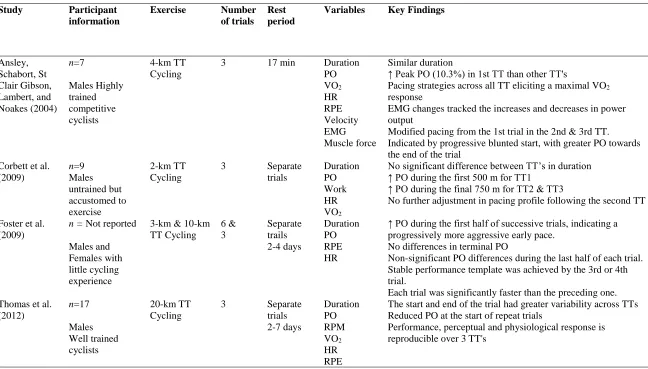
investigate TT reproducibility and pacing development, a search was conducted with the
Scopus database using combinations of the following search terms; “pacing”, “strategy”, “familiarisation”, “experience” “reproducibility” and “time-trial”. Studies were included
that had explicitly investigated changes in pacing and performance over multiple TTs.
Additionally, studies were only included that had been designed without the introduction
of any intervention that may influence performance (for example, the withholding of
21
Table 2-1: Summary of studies investigating the reproducibility of cycling TT pacing and performance Study Participant
information
Exercise Number of trials
Rest period
Variables Key Findings
Ansley, Schabort, St Clair Gibson, Lambert, and Noakes (2004) n=7 Males Highly trained competitive cyclists 4-km TT Cycling
3 17 min Duration
PO VO2 HR RPE Velocity EMG Muscle force Similar duration
↑ Peak PO (10.3%) in 1st TT than other TT's
Pacing strategies across all TT eliciting a maximal VO2
response
EMG changes tracked the increases and decreases in power output
Modified pacing from the 1st trial in the 2nd & 3rd TT. Indicated by progressive blunted start, with greater PO towards the end of the trial
Corbett et al. (2009) n=9 Males untrained but accustomed to exercise 2-km TT Cycling
3 Separate
trials Duration PO Work HR VO2
No significant difference between TT’s in duration ↑ PO during the first 500 m for TT1
↑ PO during the final 750 m for TT2 & TT3
No further adjustment in pacing profile following the second TT
Foster et al. (2009)
n = Not reported
Males and Females with little cycling experience
3-km & 10-km TT Cycling 6 & 3 Separate trails 2-4 days Duration PO RPE HR
↑ PO during the first half of successive trials, indicating a progressively more aggressive early pace.
No differences in terminal PO
Non-significant PO differences during the last half of each trial. Stable performance template was achieved by the 3rd or 4th trial.
Each trial was significantly faster than the preceding one. Thomas et al.
(2012) n=17 Males Well trained cyclists 20-km TT Cycling
3 Separate
trials 2-7 days Duration PO RPM VO2 HR RPE
The start and end of the trial had greater variability across TTs Reduced PO at the start of repeat trials
Performance, perceptual and physiological response is reproducible over 3 TT's
Note: EMG, electromyography. HR, heart rate. PO, power output. RPE, rate of perceived exertion. RPM, revolutions per minute.TT, time-trial. VO2, oxygen
To summarise, competitive cyclists demonstrated a reduced power output at the
start of a 4-km (Ansley, Schabort, et al., 2004) and 20-km (Thomas et al., 2012) TTs.
While similar results have been reported for non-cyclists performing a 2-km TT (Corbett
et al., 2009). Given the importance of previous experience, it is not surprising to observe
an increased performance in each TT repetition for non-cyclists. However, it appears that
the pacing strategy was similar after three trials. This result highlights the need for
adequate familiarisation to a task for those with limited experience.
Familiarisation sessions are utilised as practice trials to learn experimental
protocols to reduce learning effects and systematic error (Hopkins, 2000). However, it is
suggested for those with substantial previous experience (i.e. trained or experienced
participants) a familiarisation may not be required (Sporer & McKenzie, 2007). In
contrast, other investigations recommended at least one familiarisation trial (Abbiss,
Levin, McGuigan, & Laursen, 2008; Laursen et al., 2003; Zavorsky et al., 2007). Specific
to pacing, at least one familiarisation trial would be useful to reduce the variability of
pacing profiles in cyclists (Thomas et al., 2012). Regarding the anticipatory regulation of
exercise, there is evidence to suggest novice participants will most certainly need at least
one familiarisation trial for pacing to be reliable between trials (Corbett et al., 2009;
Foster et al., 2009; Tucker, 2009). Relating to the pacing literature, prior experience and
therefore familiarisation sessions are a key factor in all pacing models as it provides the
anchor point for within exercise pacing decisions in subsequent tasks (Tucker, 2009;
Ulmer, 1996). By having prior experience, a template is developed of how the exercise
can most optimally be performed. Templates for performance have been described for TT
based exercises (Tucker, 2009), but also in team sports (Edwards & Noakes, 2009). In
these pacing theories, calculation by the participant prior to, and within the task, always
exercise anchor point. Explained by Edwards and Noakes (2009), athletes will likely
consider their pacing template in three parts, macro-pacing, meso-peacing and
micro-pacing. Macro-pacing relates to the overall plan for the exercise, meso-pacing splits the
pacing into two halves, while micro-pacing relates to acute periods of intense exercise
based on set point strategies. In this regard, any experience (i.e. a familiarisation) in the
task would assist the participant in making appropriate calculations at each of these levels,
for example, a casual runner not sprinting at the start of a marathon. However, these
previous theories investigate pacing templates when there is either past experience or no
experience at all. What is not clear is how efficient this process would be when the
experience is not exactly the same. It is likely that this may not affect the overall pacing
template, but the micro-pacing decisions may not be as nuanced as those who have more
experience in the task. Therefore, it would be interesting to test if a similar, but not the
same prior experience would also be beneficial in developing an optimal template.
However, this has not yet been considered when familiarising participants to a task.
Additionally, it has yet to be determined the best way to familiarise a participant to an
entirely novel task in order to develop a stable pacing strategy. Consequently, it is
currently unclear if findings from previous investigations using a self-paced exercise
protocol are due to the intervention or are a result of a variable pacing strategy.
2.4.2 Afferent feedback and pain perceptions
The input that the brain receives from the skeletal muscle during exercise is crucial
in determining exercise intensity (see Figure 2-6). Therefore, within central regulation
models, afferent feedback is perhaps the single most important variable. Essentially, prior
to and within the exercise, afferent signalling is responsible for informing on the muscle
state and consequently the generation of the RPE. In turn, the CGM and the conscious
template (CGM) or becomes prominent (conscious awareness brain regulation model)
that exercise intensity will be regulated to optimise pacing in order to fit the
pre-determined template. The importance of afferent feedback has been demonstrated with
the modification of information resulting in exercise intensity changes (Amann, 2011;
Amann et al., 2008; Amann et al., 2009). Afferent Information is transmitted from the
skeletal muscle via four different types of afferent fibres (types I, II, III and IV) (see
Figure 2-6). Specifically, exercise sensitises and activates group III and IV afferent
muscle fibres (O'Connor & Cook, 1999). During exercise, the increased production of
endogenous algesics such as bradykinin, potassium, serotonin and histamine, sensitise or
increase the firing rate of group III and IV fibres, while the production of hydrogen ions
and prostaglandins also indirectly sensitise these nociceptors which results in a
dull-aching or cramping pain (Marchettini, Simone, Caputi, & Ochoa, 1996; O'Connor &
Cook, 1999). This information is then transmitted to the CNS providing insight to the
metabolic state of the muscle based on the current exercise intensity (Amann, 2011;
O'Connor & Cook, 1999) (see Figure 2-7).
The importance of afferent feedback on exercise performance is apparent in cases
where fatigue is augmented via hypoxia or pre-fatigue. With altered arterial oxygen
content during cycling TTs, performance was improved in hyperoxia (mean power output
414.5 ± 17.4 W) and decreased in hypoxia (mean power output 269.3 ± 7.6 W) compared
to normoxia (mean power output 351.1 ± 13.2 W) (Amann et al., 2006). Additionally, it
was also observed that peripheral fatigue measured via the reduction in quadriceps
potentiated twitch force was similar at exercise termination regardless of exercise
Figure 2-6: Diagrammatic representation of the “chain” involved in voluntary contractions (Gandevia,
2001).