THE COMMUNICATION OF VALUES, BELIEFS, AND NORMS IN LIVE ANIMAL INTERPRETIVE EXPERIENCES: A COMPARATIVE CASE STUDY
Susan Charlotte Caplow
A dissertation submitted to the faculty at the University of North Carolina at Chapel Hill in partial fulfillment of the requirements for the degree of Doctor of Philosophy in the Curriculum
for the Environment and Ecology.
Chapel Hill 2014
Approved by: Pamela Jagger Lisa Campbell Charlotte Clark Elizabeth Dickinson Paul Leslie
© 2014
ABSTRACT
Susan Caplow: The communication of values, beliefs, and norms in live animal interpretive experiences: a comparative case study
(Under the direction of Pamela Jagger)
Environmental education (EE) is one of the most important tools available to help promote pro-environmental behavior. However, encouraging pro-environmental behavior requires more than knowledge dissemination alone; EE programs frequently contain messages intended to cultivate environmental values, beliefs, and behavioral norms because these can facilitate the uptake of pro-environmental behavior. In particular, Live Animal Interpretive Experiences (LAIEs) can help encourage these types of shifts because emotional connections with animals can expand one’s sense of moral obligation to include caring for animals and the environment.
ACKNOWLEDGEMENTS
This research was supported by a variety of institutions and individuals who deserve many thanks. Funding for this research was provided by the A.C. and Dot Hall Summer
Research Fellowship (UNC), and support during the academic year was provided by the Carolina Population Center and the Curriculum for the Environment and Ecology at UNC.
I would also like to thank my collaborators at my three field sites, both key informants and educators. I’d like to thank in particular Geoff Horsfield at Carolina Tiger Rescue, Niki Barnett at the Duke Lemur Center, and Wayne Justice at the North Carolina Aquarium at Pine Knoll Shores. I would also like to thank all of my survey participants and learner interviewees for all of the interesting information they so kindly shared with me.
My dissertation committee has also provided invaluable guidance and assistance throughout this entire process. Pam Jagger supported me through a substantive topic transition, and Paul Leslie has provided sage advice starting from day one at UNC. Charlotte Clark and Elizabeth Dickinson’s expertise in environmental education proved invaluable to this project, and Lisa Campbell and Peter White provided helpful feedback and support from other disciplines as well.
support along the way. I also received statistical guidance from Ashton Verdery, Kathryn Stevenson, and the Odum Institute at UNC.
TABLE OF CONTENTS
LIST OF TABLES ... xi
LIST OF FIGURES ... xiii
LIST OF ABBREVIATIONS ... xiv
CHAPTER 1: INTRODUCTION ... 1
1.1. Overview & justification ... 1
1.2. Research questions ... 4
1.3. Background ... 5
1.3.1. Conservation psychology ... 5
1.3.2. Environmental education ... 6
1.3.3. Nature interpretation ... 7
1.3.4. Free-choice learning... 8
1.3.5. Research gaps... 11
1.4. Theory ... 12
1.4.1. Value-belief-norm theory ... 12
1.4.2. Limitations to the VBN framework ... 17
1.4.3. Learning theories ... 18
1.4.4. Summary of background and theory ... 20
1.5. Significance of this work ... 21
1.6. Dissertation structure ... 22
CHAPTER 2: STUDY DESIGN & METHODS ... 23
2.1. Design overview ... 23
2.2. Site selection ... 24
2.2.2. Field sites ... 27
2.3. Methods ... 28
2.3.2. Methods & data for RQ2... 34
2.3.3. Methods & data for RQ3... 40
2.4. Data analysis ... 41
2.5. Reliability and validity ... 43
CHAPTER 3: THE INSTITUTION ... 47
3.1. Chapter overview ... 47
3.2. Institutional Context ... 48
3.2.1. Carolina Tiger Rescue... 48
3.2.2. Duke Lemur Center ... 54
3.2.3. North Carolina Aquarium at Pine Knoll Shores ... 59
3.2.4. Summary ... 62
3.3. Educators ... 63
3.3.1. Staffing structure at each site ... 64
3.3.2. Individual educators ... 66
3.3.3. Educator goals ... 67
3.4. VBN applied ... 74
3.4.1. General VBN Typology ... 75
3.4.2. Specified VBN typology ... 82
3.5. Discussion ... 103
3.5.1. The new VBN typology ... 103
3.5.2. Role of the organization ... 105
3.5.3. Expanding moral obligation ... 109
3.5.4. Limitations ... 110
3.5.5. Connecting to general conservation ... 111
3.5.6. Implications for conservation ... 112
3.6. Conclusion ... 113
CHAPTER 4: THE LEARNER ... 115
4.1. Chapter overview ... 115
4.2. Survey results ... 116
4.2.1. Party characteristics ... 116
4.2.3. Participant demographics ... 117
4.2.4. Attendance motivations ... 118
4.2.5. VBN results ... 120
4.3. Interview results ... 123
4.3.1. General profile of interviewees ... 125
4.3.2. Significant life experiences ... 125
4.3.3. VBN in the interviews ... 137
4.4. Discussion ... 151
4.4.1. Profile of the interviewee ... 152
4.4.2. Comparisons across sites ... 155
4.4.3. Comparisons with other populations ... 157
4.4.4. Norms and behavior ... 159
4.4.5. Contributions to theory ... 160
4.5. Conclusion ... 162
CHAPTER 5: OUTCOMES ... 165
5.1. Chapter overview ... 165
5.2. Survey Results ... 166
5.2.1. Behavioral intention metric ... 166
5.2.2. Free responses ... 172
5.3. Interview data ... 178
5.3.1. Important messages ... 179
5.3.2. Making connections to the the environment ... 184
5.3.3. Outcomes ... 190
5.4. Discussion ... 199
5.4.1. Predictors of behavioral intentions ... 199
5.4.2. Behavioral intentions across sites ... 201
5.4.3. Important messages ... 204
5.4.4. The value of the animal... 207
5.4.5. Preaching to the choir ... 208
5.4.6. Goal-setting and skill-building for environmental care and action ... 210
5.5. Conclusion ... 212
CHAPTER 6. CONCLUSION... 214
6.1. Key messages ... 214
6.2. Contributions to theory ... 215
6.3. Threats to validity ... 216
6.4 Recommendations ... 217
6.5. Future directions ... 218
6.6. Final thoughts ... 219
APPENDIX A: KEY INFORMANT GUIDE ... 221
APPENDIX B: EDUCATOR INTERVIEW GUIDE ... 223
APPENDIX C: INTERVIEW GUIDE 2012 ... 225
APPENDIX D: INTERVIEW GUIDE 2013 ... 227
APPENDIX E: LEARNER SURVEY ... 230
APPENDIX F: FACEBOOK POSTS WITH EXAMPLES ... 237
APPENDIX G: FREE CODES FROM POST-PROGRAM SURVEY ... 239
LIST OF TABLES
Table 2.1: Field sites 26
Table 2.2: Objectives and data for RQ1 29
Table 2.3: LAIE and institutional interview totals by site 30 Table 2.4: Observed educator sample by site, 2012/2013 combined 31
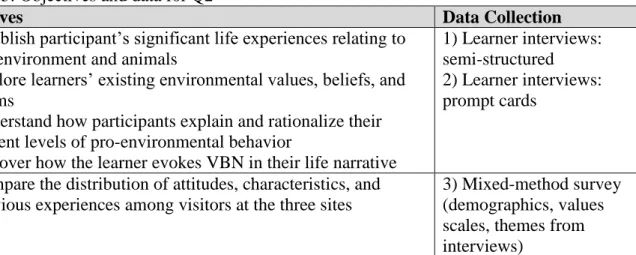
Table 2.5: Objectives and data for RQ2 34
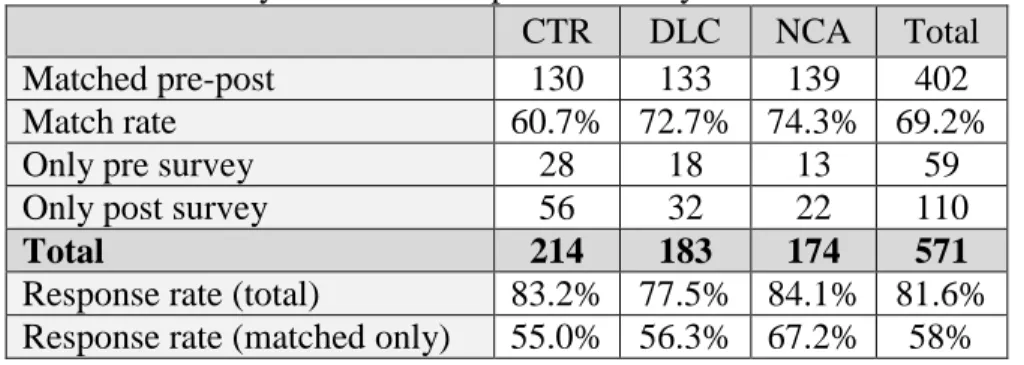
Table 2.6: Summary of interview data by site 35
Table 2.7: Survey counts and response rate by site 37
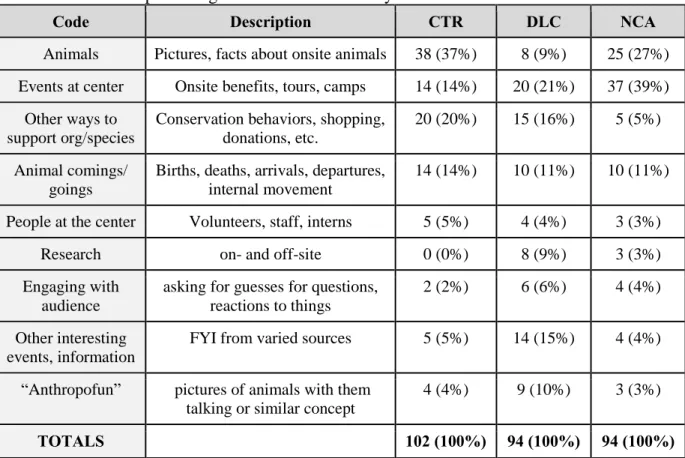
Table 3.1: Facebook post categories by site 51
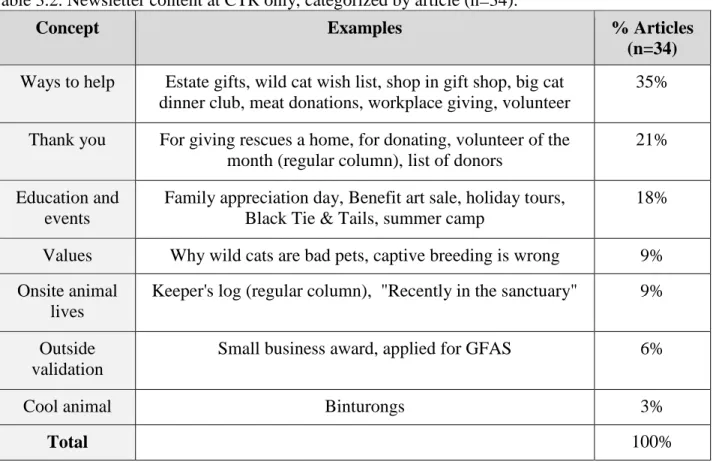
Table 3.2: Newsletter content at CTR only, categorized by article (n=34) 52 Table 3.3: Newsletter content at DLC only, categorized by article (n=54) 57
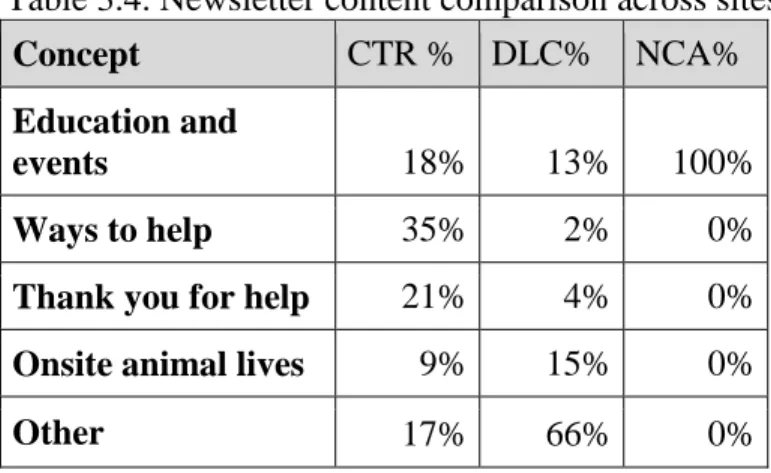
Table 3.4: Newsletter content comparison across sites 63
Table 3.5: Educators in my LAIE sample by site, 2012/2013 64
Table 3.6: Basic classifications of VBN messaging in education programs 84 Table 4.1: Characteristics of the populations across three field sites 117
Table 4.2: Descriptive statistics for VBN variables 120
Table 4.3: Cronbach’s alpha scores for VBN variables 121
Table 4.4: Correlations between VBN variables (only variables with a
correlation of >.3 displayed) 121
Table 4.5: Multiple linear regression models for all VBN variables 124 Table 4.6: Card sorting strategies from Round 2 interviews 126
Table 4.7: Clusters of cards by thematic content 128
Table 4.8: Example of interviewee quotes based on experiences listed on each card 129
Table 4.9: Barriers to environmental behaviors 151
Table 5.2: Ordered logistic regression analysis with behavioral likelihood Likert
scores as the dependent variables 169
Table 5.3: Linear regression model with mean behavioral outcome scores as the
dependent variable 171
Table 5.4: Coded responses to the open question, “What are the three most
important things you learned during your tour?” 173
Table 5.5: Codes and examples for question, “Do you think it’s important for this
facility to exist? Why or why not?” 176
Table 5.6: Codes and example for question, “Do you think it is important to conserve
these animals in the wild? Why or why not?” 178
Table 5.7: Short summaries of the impact of the LAIE on the interviewees 185
13 Figure 1.1: VBN model, from Stern (2000)
Figure 2.1: Conceptual map displaying relationships between constructs and data 29
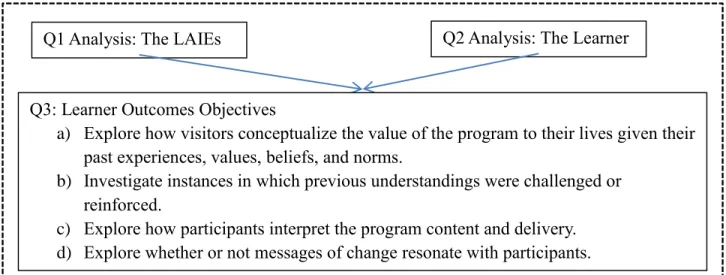
Figure 2.2: Visual diagram of Q3 research objectives 40
Figure 3.1: VBN model, from Stern (2000) 74
Figure 3.2: General VBN typology for LAIE 76
Figure 3.3: Specified VBN typology 84
Figure 4.1: Political affiliation of participants by site 119
Figure 4.2: Participant motivation for attending LAIEs across three sites 119 Figure 4.3 (a & b): Age and political affiliation of interviewees 125 Figure 5.1: Coded free responses to the question, “Do you think it’s important
for this facility to exist? Why or why not?” 176
Figure 5.2: Coded free responses to the question, “Do you think it is important
LIST OF ABBREVIATIONS
CTR Carolina Tiger Rescue DLC Duke Lemur Center EE Environmental Education
LAIE Live Animal Interpretive Experience
NCA North Carolina Aquarium at Pine Knoll Shores NEP New Ecological Paradigm
CHAPTER 1: INTRODUCTION
1.1. Overview & justification
Environmental education (EE) is one of the most important tools available to help promote pro-environmental behavior1 (Hungerford and Volk 1990, Chawla and Cushing 2007, Monroe 2003). EE2 can empower individuals to change their behavior in ways that promote sustainability and conservation3 (Eames et al. 2006). However, the adoption of
pro-environmental behavior requires shifts beyond knowledge acquisition alone (Heimlich and Ardoin 2008, Schultz 2002). Value-Belief-Norm (VBN) theory posits that pro-environmental values shape beliefs that create environmentally friendly behavioral norms, compelling us to align our behavior with those norms (Stern 2000). Because EE focuses on more than just factual gains (such as the exploration of ethics, responsibility, and care), EE can also produce shifts in values, beliefs, and norms in order to promote pro-environmental behavior (Ramsey and Hungerford 2002, Turaga, Howarth and Borsuk 2010).
The use of wild animals as teaching companions in EE can help encourage the
development of environmental values, beliefs, and norms (Myers and Saunders 2003). While animals have long been considered key environmental ambassadors in teaching context, I find
1 Pro-environmental behavior according to Stern (2000) and the VBN model includes environmental activism,
non-activist political behaviors, private environmentalism (such as purchasing decisions and household behavior), and behavior within environmental organizations.
2 EE is a large area of inquiry including diverse programs and philosophies, but I use the most commonly cited
definition outlined at the Tblisi Conference on Environmental Education.
3 I adopt the perspective of Clayton and Myers (2009) on the definition of conservation: it is not the traditional
that no term exists that explicitly refers to education programs using animals as interpretive companions. Thus, I employ the new term Live Animal Interpretive Experiences (LAIEs), which refers to when an educator (either professional or volunteer) presents an animal (or group of animals) to an audience with a verbal presentation. LAIEs can help develop affective interest, which has been shown to help learners stay with content/material longer, remember more details, and better relate the information to personal experiences (Lazarus 1991, Myers, Saunders and Bexell 2009, Webb 2000). Emotional connections with animals can also expand one’s sense of moral obligation to include caring for animals (Archer and Wearing 2003). The extension of one’s sense of moral responsibility to include animals can serve as a gateway to expanding personal care to other aspects of the environment (Vining 2003).
(Odgen and Heimlich 2009), we need a better understanding of how these institutional shifts affect values-based conservation messages in these contexts.
Direct causality between LAIEs and individual behavioral outcomes has been difficult to demonstrate due to the complexity of the links between learning and the individual’s wider experience (Chawla and Cushing 2007). Conceptualizing LAIEs as exhibiting a shaping influence rather than a transformative one facilitates deeper, more nuanced inquiries into the impacts of LAIEs on learners (Rickinson 2001). For example, programs do not typically change people’s values; instead they help people realize their values (Storksdieck, Ellenbogen and Heimlich 2005). Through engaging in LAIEs, people affirm or discover what they care about, and this affirmation process affects how they conceptualize their own experiences and influences what types of experiences they seek in the future (Kahn 1999). This process of considering and realizing one’s values during LAIEs is difficult to measure in the short term, but it can contribute to long-term value changes, leading to more environmentally conscious decision-making (Dietz, Fitzgerald and Shwom 2005).
process-oriented data can inform experimental design to help improve program content and delivery (Heimlich 2012).
1.2. Research questions
I investigate three aspects of LAIEs, all of which address the overarching question: How does the communication of environmental values, beliefs, and behavioral norms vary across institutions with different missions? This research emphasizes the diversity within the practice of using animals in education programs. By exploring how different types of animal-themed
educational experiences contribute in different ways to the development of an environmentally minded citizenry, this research can produce a more nuanced understanding of how animals help humans become more ecologically-minded, and help inform both individual and collective funding decisions.
1) Experiences from the perspective of the institution/educator:
How does the institutional context frame messages on values, beliefs, and norms, and how do educators internalize those messages and articulate them during LAIEs? 2) Experiences from the perspective of the participant:
What experiences, values, beliefs, and behavioral norms do participants bring to the LAIE?
3) The intersection of these two perspectives:
How do learners interpret LAIEs, and what are their post-program behavioral intentions? Using a mixed-methods comparative case study design, I compare LAIEs at three
delivery, and interpretation. My cases include one research institution (Duke Lemur Center), one animal rescue (Carolina Tiger Rescue), and one educational facility (North Carolina Aquarium). My work fills gaps in EE literature and related fields: calls for more in-depth qualitative analysis (Hart and Nolan 1999), calls for a more process-oriented view (Falk, Storksdieck and Dierking 2007b), calls to learn more about the EE learner and how they interact with the material (Falk 2005, Falk et al. 2009), and calls to look at how the process of experiencing these programs impacts the learner and leads to possible behavioral outcomes (Falk et al. 2007b). Through addressing these questions, I contribute to an understanding of how LAIEs can enable (or hinder) the production of an environmentally minded citizenry.
1.3. Background
1.3.1. Conservation psychology
This research lies within the field of conservation psychology. Conservation psychology draws from a variety of disciplines in order to answer values-driven questions surrounding two main outcome areas: the encouragement of conservation behaviors and the development of care for/valuing of nature (Saunders 2003). My research contributes to knowledge accumulation in both major outcome areas of conservation psychology. Specifically, I respond to calls from conservation psychology scholars for research on how education can “reinforce values and beliefs that have a positive effect on nature and change values and beliefs that have a negative effect on nature” (Miller et al. 2004:90).
literature? In the current disciplinary landscape, no field exists that is unified by a focus on animal-themed education while at the same time allowing for diverse contexts. Thus, I contend that LAIEs are informed by three related fields of inquiry: EE, nature interpretation, and free-choice learning. While activities in these areas overlap substantively, they all bring a valuable perspective to my work, and they all inform conservation psychology’s two major outcome areas and drive research and best practices for LAIEs. I describe briefly how these three areas of inquiry relate to LAIEs and how my work contributes to research advancement in these fields.
1.3.2. Environmental education
LAIEs frequently employ EE strategies to promote conservation values and behaviors (Jacobson, McDuff and Monroe 2006). Out of the three areas that inform my work, EE
encompasses the broadest range of theories and practices (Rickinson 2001). While EE enjoys a wide range of applications, the best-known definition comes from the Tblisi Declaration on Environmental Education:
“EE is a process aimed at developing a world population that is aware of and concerned about the total environment and its associated problems, and which has the knowledge, attitudes, motivations, commitments, and skills to work individually and collectively toward solutions of current problems and the prevention of new ones.” (Tbilisi Declaration, UNESCO 1977) According to this definition, EE can be much more than education on environmental topics. EE can also aim to produce environmentally/socially aware and action-oriented citizens by
knowledge acquisition but failing to incorporate these other goals meaningfully into programming (Saylan and Blumstein 2011, Scott 2009).
In my project, EE provides a helpful overarching structure by framing education as a tool to promote the development of environmental values, beliefs, and norms. However, EE is so broad that it does not specify the settings or the subjects of the EE program, whereas LAIEs in my study are specifically defined as educator-led interpretive programs featuring a wild animal as a teaching companion.
1.3.3. Nature interpretation
Nature interpretation best captures the structure of the LAIEs at my field sites. The National Association for Interpretation (NAI) defines interpretation as “a communication process that forges emotional and intellectual connections between the interests of the audience and the inherent meanings of the resource” (Knapp and Benton 2004). Specifically, my focal LAIEs are all “personal interpretation,” meaning that an in-person guide delivers an educational program to a live audience, as opposed to interpretive signage or other pre-recorded interpretation (Brochu and Merriman 2002). Interpretative guidelines encourage educators to focus on making the interpretive object “come alive” by concentrating on its wonder, beauty, and deeper meaning for the audience (Tildman 1957).
The third way interpretive theory informs my work is by emphasizing the importance of program design. Content revolving around a focal theme is considered best practices in
interpretation, and the program also must be enjoyable, relevant to the learner, and
well-organized (Ham 2007, Beck and Cable 2002, Knapp and Benton 2004). Best practices in nature interpretation have been recently analyzed at a large scale within the National Park Service and were found to contribute positively to both visitor satisfaction and behavioral intentions post-program (Stern et al. 2012). If educators establish clear themes in the LAIEs I study, I can better isolate elements of VBN as they relate to key LAIE content and compare programs across sites.
1.3.4. Free-choice learning
Even though LAIEs are structured programs, LAIEs frequently occur within free-choice learning contexts (Clayton and Myers 2009). While the specific borders of learning
Packer 2005). Free-choice learning research also informs my work by emphasizing contextual factors, which include institutional mission, my key variable of interest.
Free-choice learning research has shown that a higher proportion of free-choice learners are white, liberal, female, and highly educated than the general population (Falk et al. 2009). These same demographic groups have shown to be more ecologically minded than the average population as well (Nooney et al. 2003). This fact has led to the criticism that these programs “preach to the choir” (Storksdieck et al. 2005). However, scholars argue that preaching to the choir can reinforce pre-existing values, beliefs, and norms, which is also a positive learning outcome (Ellenbogen 2003). This reinforcement can help move individuals towards new decisions to take action for the environment (Falk 2005).
Within free-choice learning, a subset of work focuses specifically on zoo and aquarium learning (Falk et al. 2007a). Zoos and aquariums have been increasingly called upon to justify the keeping of animals based on the importance of education and conservation efforts in these settings (Hutchins, Smith and Allard 2003), which has led many institutions to rewrite their missions with a more explicit focus on conservation work (Hutchins et al. 2003, Miller et al. 2004, Patrick et al. 2007). However, even though zoo and aquarium characteristics overlap substantively with my field sites (in that they house animals for the purposes of education, conservation, research, etc.), the specialty organizations I selected for my cases do not qualify as a zoo or aquarium, and are excluded from comparative studies featuring animal-themed
education. Thus, I situate my work in a broader framework including several fields of inquiry in order to better capture the unique settings in which I study LAIEs.
thought (Khalil and Ardoin 2011). Thus, animal-themed facilities are well-positioned to deliver environmental messages beyond the choir. Also, while animal-themed entertainment is widely popular, visitors are becoming increasingly uncomfortable with institutions keeping animals for human purposes (Knight and Herzog 2009). Many animal-themed facilities have responded by making efforts to focus on conservation and other goals beyond entertainment, providing justification for their captive populations (Hutchins et al. 2003, Miller et al. 2004). This shift towards a need for justification opens niches for different types of animal-themed facilities, which could serve the function of appealing to different audiences. Understanding differences between audiences at different types of facilities can help redefine the choir as a more diverse and nuanced group, much like work in community-based conservation has broken up the concept of the “community” (Agrawal and Gibson 1999).
Learners in these types of contexts will always be diverse along various gradients, meaning that no education program can perfectly accommodate all learners. However, tailoring messages to audiences can help facilitate behavior change among other shifts in environmental values, beliefs, and norms (McKenzie-Mohr and Smith 1999, Monroe 2003). Well-designed education programs accommodate the learner’s previous experiences and build on them in a meaningful way.
examination, and much of the research on the audiences in these types of settings has been conducted under the free-choice heading.
1.3.5. Research gaps
Falk and his colleagues (2007a) best summarize the synergistic research gaps in these three fields as they relate to LAIEs. As part of a multi-year, multi-institutional NSF-funded study, they conducted an extensive literature review on learning in zoos and aquariums and found that most research focused on perceptions of animals and not on conservation messages. This finding is problematic considering most of the institutions promote conservation as part of their mission. Also, very few studies have been conducted on visitor conservation knowledge, affect, or behavior, nor has this work been studied across sites or contexts (Dierking et al. 2002). They argued that a substantive knowledge gap exists for five overarching questions:
1. How do aquariums and zoos contribute to people’s understanding and perceptions of animals and their conservation?
2. How do aquariums and zoos contribute to people’s personal and emotional connections to animals and their conservation?
3. How do zoos and aquariums contribute to the ways people act and behave towards animals?
4. How do we increase these impacts? What do we do that is successful? 5. Who are our visitors? (Falk et al. 2007a: 5-6)
environment, but the “moral commitment” of each one differs based on the institutional mission (Schervish and Ostrander 1990). I postulate that these different types of organizations fill
fundamentally different niches in the promotion and definition of environmental values, and that these differences must be understood to better know how messages from different types of institutions interact with the learner. Thus, my field site selection includes one AZA4-accredited institution (North Carolina Aquarium), one research facility (Duke Lemur Center), and one wildlife sanctuary (Carolina Tiger Rescue).
I also explore potentially negative outcomes for the environment or animal welfare. LAIEs have the potential to trigger both negative reactions (such an aversion to animal captivity) and negative outcomes (anthropomorphication of the animal, anthropocentric thinking,
commodification of nature, desiring a wild animal as a pet, etc.) (Clayton and Myers 2009, Reade and Waran 1996). Most research questions in EE and related fields focus on positive gains in education, but acknowledging these potentially negative outcomes allows for a more nuanced and balanced understanding of the interactions between program messages and learner outcomes. 1.4. Theory
1.4.1. Value-belief-norm theory
A variety of competing theories conceptualize how individuals become engaged in environmentally responsible behavior (See Jacobson et al. 2006 for a comprehensive list). I selected the value-belief-norm (VBN) theory by Stern and Dietz (Stern et al. 1999) to
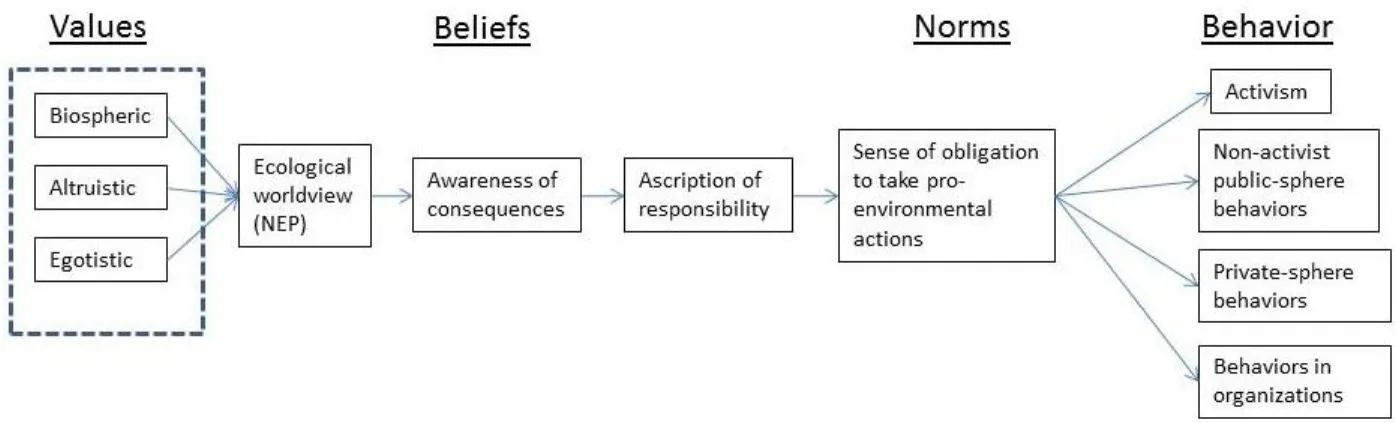
operationalize complex ideas like values and beliefs. VBN is the best framework for my analysis because it explicitly includes values, which are central to my research gap (Figure 1.1). VBN
4 The Association of Zoos and Aquariums is the premier institution providing accreditation to facilities meeting
follows a similar structure to other competing theories5, starting with deeply personal/stable environmental values and moving to understanding consequences, recognizing accountability and responsibility, and then finally to taking action on behalf of the environment (Chawla and Cushing 2007, Hungerford and Volk 1990). Regression analysis has shown support for the idea that VBN provides “the best available social-psychological account of non-activist support for the goals of the environmental movement” (Stern et al. 1999: 91). In-depth qualitative work has also shown that values are tightly linked with environmental concern (Kempton, Boster and Hartley 1995).
Figure 1.1. VBN model, from Stern (2000).
According to the model, values represent the zero-order variable on a causal chain ending in pro-environmental behavior (Stern, Dietz and Guagnano 1995). The definition of values varies substantively by context, but in this case, values includes five key features: “a (1) belief (2) pertaining to desirable end states or modes of conduct, that (3) transcends specific situations, (4) guides selection or evaluation of behavior, people, and events, and (5) is ordered by importance relative to other values to form a system of value priorities” (Schwartz 1994: 20). Empirical research supports the theory that biospheric, altruistic, and egotistic values orientations influence
5 Hines, Hungerford and Volk’s model of environmentally-responsible citizenship provides the closest parallel to
the development of an ecologically minded worldview and engagement in environmentally responsible behavior (Dietz et al. 2005). Biospheric values invoke the intrinsic value of nature, altruistic values frame nature as benefitting humankind, and egotistic values are the self-fulfilling aspects of environmentalism (self-actualization, feeling needed, etc.) (Stern 2000). In all three cases, the valued object is the environment/nature, but the underlying justification for that value differs. Scholars have debated about the dimensionality of these values, as some scholars have argued that the divide is between ecocentric and anthropocentric values only, whereas others have found evidence for these three factors (Milfont and Duckitt 2004). In either case, the egocentric dimension has had the most inconsistent relationship to environmental behavior, leading scholars to conclude that when egotistic values are evoked, contextual factors may be more influential in behavioral decision-making than underlying values (de Groot and Steg 2010, Schultz et al. 2005).
Values lie at the beginning of the causal chain because they develop relatively early in life, remain relatively stable, and because they act as a filter for information pertaining to
variables further down on the causal chain (Stern et al. 1995). While values in this framework are quite abstract, they are frequently operationalized around a “valued object,” which in my case is the animals in the LAIEs; the reason the animals are valued would be for either the individual, humankind, or the biosphere (Stern et al. 1999). Values are also conceived of as a “guiding principle for selecting or evaluating behavior, people, and events” (de Groot and Steg 2008: 331), which again places values at the beginning of a causal change that ends in more targeted actions.
of the social world” (Saldana 2009: 89). While this definition is quite broad, three specific types of beliefs populate the VBN model: ecological worldview, awareness of consequences, and ascription of responsibility.
Worldviews encompass core values, beliefs, and understanding of the world (Storksdieck et al. 2005). The New Ecological Paradigm (formerly New Environmental Paradigm) includes belief in ecological limits, the need for balance in nature, the inappropriateness of human domination narratives, and fear of ecological catastrophe (Dunlap et al. 2000). The New
Ecological Paradigm worldview emerged in contrast to the Dominant Social Paradigm, which in contrast favors individualism, materialism, economic growth, and the concept of progress (Albrecht et al. 1982, Dunlap and Van Liere 1978). The New Ecological Paradigm Scale has been used to measure environmental beliefs in diverse populations (see Hawcroft and Milfont 2010 for a meta-analysis), and while other measurement tools exist, the NEP Scale has been the most widely used metric for overarching environmental beliefs of the last 30 years (Stern et al. 1995, Hawcroft and Milfont 2010).
Norms represent social and personal motivators and prescriptions for behavior that direct change to some specific outcomes. Norms are the “ought-to’s” of the model, and these form in response to the articulation of one’s values in a given social context (Dietz et al. 2005). The sociocultural view of learning emphasizes the importance of norms because it defines learning in terms of the dialogue we engage in with our communities (Falk 2005). As the closest variable to behavior in the VBN chain, norms theoretically have the most direct influence on behavior, but contextual factors and other variables make this relationship difficult to predict (Stern 2000).
Kollmuss and Agyeman provide a succinct overarching definition of pro-environmental behavior as “behavior that consciously seeks to minimize the negative impact of one’s actions on the natural and built world” (Kollmuss and Agyeman 2002: 240). Ideally, pro-environmental behavior results from the development of environmental values, beliefs, and norms. Like the variables preceding it, behavior is a complex construct, and environmental activities are usually comprised of multiple behaviors, each of which might have separate influences (McKenzie-Mohr and Smith 1999). In the VBN framework, pro-environmental behaviors are divided into four categories: activism (actively participating in environmental initiatives), non-activist public-sphere behaviors (joining an organization, voting, etc.), private-public-sphere behaviors (buying green products, recycling, etc.), and behavior in organizations (as part of professional obligations) (Stern 2000). I consider all of these variables in my data collection, as educators at all three sites could promote any type of pro-environmental behavior in their programs.
wrong, namely that our problems can be blamed on selfishness, western values, scientific progress, misperceptions of risk, or a lack of education on environmental issues. In reality, human behavior is subject to many irrational and often subconscious influences (Clayton and Myers 2009). Understanding the relationships between these variables despite significant confounding influences remains a challenging yet critical task, but what the framework makes clear is that attention to a variety of psycho-social factors is necessary in order to understand and subsequently facilitate behavior change.
Scholars often use VBN theory to explain pro-environmental behavior in the absence of intervention, but environmental education has been cited as an important tool for shifting the variables along the chain in order to promote pro-environmental behavior (Chawla and Cushing 2007, Monroe 2003). VBN has even been used with some success to design education
interventions with behavioral change goals (Turaga, Howarth and Borsuk 2014). For my
analysis, I examine how VBN messages are expressed by the institution, educators, and learners. Through this process, I compare how the process of formulating VBN messages in each context differs based on the institutional mission, shedding light on how institutional settings drive educational content and how VBN messages are received by different audiences. While it is likely that no framework is sufficiently complex so as to capture the factors that determine pro-environmental behavior (Kollmus and Agyeman 2002), the VBN framework is sufficiently explicit about key correlates with behavior so as to provide helpful structure for these complex processes.
1.4.2. Limitations to the VBN framework
complex, they afford little opportunity to measure interventions or behavior in isolation (Heimlich and Ardoin 2008). Most importantly, behavior is determined by a variety of contextual factors, including both environmental limitations (as in, a behavior might not be physically possible for an individual) and internal limitations (environmental behaviors are comprised of many individual habits and decisions, some of which may or may not be conscious) (Heimlich and Ardoin 2008). While I do not test causality empirically, I consider causality from the learner perspective. People take up pro-environmental behaviors for many reasons other than the environment (e.g., convenience, frugality) (De Young 2000). However, if participants believe environmental concern/care fostered by an educational experience drives their behavior, this information can help improve the practice of promoting pro-environmental behavior, even if other motives also influence their behavior.
Causality between individual behavior and environmental improvement is also difficult to establish due to the complexity of the relationship between the individual and his/her
environment. One way to deal with this issue is to measure behavior (self-reported or observed) and relate it to existing literature on the relative impacts of various behaviors on environmental outcomes (Brower and Leon 1999). Because I cannot measure direct impacts on the environment or behavior itself, I again focus more heavily on sustainability from the actor’s perspective in my data collection. I then relate their reported behavioral outcomes to existing literature on
environmental sustainability as part of my analysis.
1.4.3. Learning theories
conceptualize the learning process as context-specific, social, and complex. They also place substantive value on the experiences, ideas, and beliefs that learners bring to an LAIE. However, each one provides a particular perspective that informs my work.
The contextual model of learning by Falk and Dierking (2000) provides the most appropriate overview of the process of how LAIEs impact the individual learner. This model defines learning as a contextually driven effort to create meaning and engage in dialogue with surroundings (Falk and Storksdieck 2005). Learning is non-linear, unpredictable, and
idiosyncratic, and it depends on a host of contextual factors like social interactions, temperature, fatigue, lighting, personality type, motivations, and other issues (Falk 2005). These factors all have the potential to enable or hinder learning. My research casts the institutional context as a critical component of the learning process, so this theory helps justify my research questions.
Adult learning theory frames LAIEs as potentially transformative experiences. This theory describes adult learning as voluntary, learner-oriented, building on past experience, and fueled by intrinsic motives (Jacobson et al. 2006). Most adult learning involves justifying current positions or validating communicated ideas, but transformative experiences arise when
participants reflect upon and reassess underlying premises in their values and identities (Eames et al. 2006, Mezirow 1991). This process of transformation as a result of experiencing an LAIE can serve as an important catalyst for shifts in values, beliefs, norms, and behaviors. Even in the majority of cases, where a large transformation does not occur, this theory calls attention to the process of reinforcing pre-existing ideas, which is an important learning process as well
(Storksdieck et al. 2005, Bush-Gibson and Rinfret 2010).
significant events throughout their lives that facilitate certain outcomes and aid in the
development of a cohesive life narrative (Chawla 1998b). Existing literature on SLE illustrates that experiences with wild places and adult mentors help develop environmentalist identities (Chawla 1999). The evidence also suggests that repeated interactions with wild nature, animals, and educational content augment SLEs and can be transformative in and of themselves (Bixler, James and Vadala 2011). SLE theory emphasizes how both affective and cognitive experiences interact with a lifetime narrative of environmental thought (Cachelin, Paisley and Blanchard 2008). SLE also highlights the relative heterogeneity of learners, calling for research that is more sensitive to pre-existing identities and values (Ballantyne and Packer 2005). This theory has been used primarily to study environmental professionals/activists (Tanner 1998), more research is needed examining how life experiences foster pro-environmental behavior in the wider
population (Stevenson et al. 2014). I use SLE prominently in my second results chapter in which I explore previous experiences of LAIE participants.
1.4.4. Summary of background and theory
1.5. Significance of this work
Framing education programs as a complex, nuanced conversation with the learner’s pre-existing characteristics, experiences, and beliefs is a critical component of understanding how educational experiences shape people over time. Understanding these processes across contexts will improve both the internal validity of my results as well as its generalizability. Ideally, my findings can inform future research using quasi-experimental design to help improve program content and delivery in order to better achieve institutional conservation-themed goals (Heimlich 2010).
The information generated by this type of framing can not only help individual
institutions improve the design of their programs to better meet the learner’s needs, but also shed light on relationships between the educational efforts of different institutions, potentially
enabling organizations with similar goals to collaborate on values-based messaging strategies to improve message consistency between sites. I also illuminate how contextual differences might relate to the potential for transformative experiences so that education programs can operate most effectively within their given institutional context.
This work fosters a more nuanced understanding of how animals are used in educational programs. As opposed to arguing that using captive animals in education is either a good or a bad practice, I examine how animals are perceived in different contexts and whether learners in those contexts are feeling motivated to take action on behalf of the environment. This information can inform decisions about which types of institutions should receive public support, as some types of organizations might be more effective at encouraging pro-environmental behavior.
as ambassadors for VBN messaging, including the possibility of both positive and negative influences of LAIEs on learners and the environment. Assessing the ways in which animals are used for educational purposes contributes to the debate about the justification of using animals for educational (or other human-focused) purposes (Hutchins et al. 2003, Oakley et al. 2010). The burden of proof is growing for facilities housing captive animals to demonstrate how this practice is contributing to positive social and environmental change.
In sum, this work contributes to a better understanding of how environmental education professionals can design interventions to compel humans to engage in environmentally
responsible behavior, which can in turn help policy-makers achieve conservation goals. This work is relevant to scholars and practitioners in any field in which they work to facilitate behavior change and foster care for/appreciation of natural resources and the environment. 1.6. Dissertation structure
This work is organized in a modified three-paper format. This chapter provides
background for the entire project, and the second chapter describes the design and methods. The third, fourth, and fifth chapters present a results narrative that moves from the institution through the educator to the learner and finally to learner outcomes. Chapter 3 tracks VBN messaging as it moves from the institutional context through the educators to the LAIEs. Chapter 4 details the learners in terms of their incoming values, beliefs, and experiences. Finally, Chapter 5 explores how learner react to and interpret VBN messages and brings the research full circle by
CHAPTER 2. STUDY DESIGN & METHODS
2.1. Design overview
In order to effectively combine qualitative and quantitative approaches, I adopt a pragmatic epistemological and ontological framework in my work. A pragmatic stance combines elements of positivism and constructivism (Pawson and Tilley 1997). Pragmatism is a form of
postpositivism, in which the researcher believes that phenomena can be measured objectively, but the limitations of our ability to capture an objective “reality” are acknowledged (Guba and Lincoln 1998). Pragmatism recognizes that quantitative and qualitative research exemplify different styles of the same process of inference-making using imperfect theories, research designs, and data (King, Keohane and Verba 1994).
Firestone 1983). Comparing multiple cases sheds light on how the characteristics of each organization and programs interact with the learner experience and outcomes.
2.2. Site selection
I conducted my case study work at three field sites, each representing one case. I selected “maximum variant” cases, in which each case differs along a key variable theorized to play a particularly important role in process and outcomes (Flyvbjerg 2006). In my study, institutional mission/values represent the key variable. More specifically, these three particular organizations provide a meaningful comparison because they all have conservation and education goals, which effectively serve as the outcomes for my project (education is the treatment and conservation is the message), yet they also have additional, more specific institutional contexts that shape how they present educational messages. They are similar on other key metrics: they all offer direct experiences with charismatic megafauna, they all work under the broad mission of animal conservation, they are all in North Carolina, and they all offer reservations-only guided tours lasting 45 minutes to 2 hours. These similarities enable rich comparison across sites. I also limited my analysis to highly reputable organizations, as I did not want reputational issues to interfere with my analysis. Thus, each facility has an affiliation or accreditation that lends them considerable credibility: Carolina Tiger Rescue is a federally recognized wildlife sanctuary as defined by the Captive Wildlife Safety Act (CTR 2014), the North Carolina Aquarium is a member of the Association of Zoos and Aquariums (AZA), and the Duke Lemur Center is affiliated with Duke University.
lemur rescue. In fact, the animal species are so tightly intertwined with the mission, the animals are effectively part of the mission itself. In other words, these organizations are built around the societal framing and value of the animals they care for, and the framing of the animal plays an important role in the communication of values, beliefs, and norms in LAIEs.
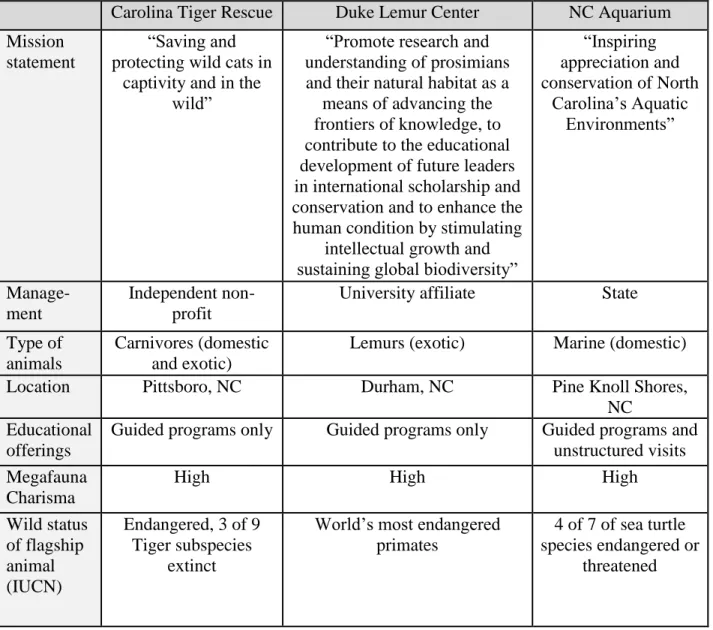
Despite the differences in taxonomical groups at each facility, the animals share some key similarities. Most notably, each site has at least one flagship species, a species that is used as a symbol and motivator for conservation action (Caro et al. 2004). Flagships are selected for their charisma and societal relevance, and an analysis by Czech and colleagues (1998) showed that mammals, fish, and Testudines (turtles) enjoy high levels of political support and positive social construction. These flagship species are also considered to be important conservation targets in their own right. Tigers are listed endangered on the IUCN Red list, and three of the nine
Table 2.1. Field sites
Carolina Tiger Rescue Duke Lemur Center NC Aquarium
Mission statement
“Saving and protecting wild cats in
captivity and in the wild”
“Promote research and understanding of prosimians and their natural habitat as a
means of advancing the frontiers of knowledge, to contribute to the educational development of future leaders in international scholarship and conservation and to enhance the human condition by stimulating
intellectual growth and sustaining global biodiversity”
“Inspiring appreciation and conservation of North
Carolina’s Aquatic Environments”
Manage-ment
Independent non-profit
University affiliate State Type of
animals
Carnivores (domestic and exotic)
Lemurs (exotic) Marine (domestic)
Location Pittsboro, NC Durham, NC Pine Knoll Shores,
NC Educational
offerings
Guided programs only Guided programs only Guided programs and unstructured visits Megafauna
Charisma
High High High
Wild status of flagship animal (IUCN)
Endangered, 3 of 9 Tiger subspecies
extinct
World’s most endangered primates
4 of 7 of sea turtle species endangered or
2.2.2. Field sites
Carolina Tiger Rescue
Carolina Tiger Rescue (CTR) was founded in the early 1980s as a breeding facility for rare carnivores (called Carnivore Preservation Trust). In 2001 they ceased their breeding programs in favor of wild cat rescue. Their mission is “saving and protecting wild cats in captivity and in the wild.” (CTR 2012). While their new name speaks to their tiger population, they house approximately 60-70 animals including tigers, lions, bobcats, leopards, ocelots, kinkajous, binturongs, cougars, servals, and caracals. They offer public tours run mostly on the weekends by volunteers and do not allow individuals to enter the sanctuary unaccompanied.
Duke Lemur Center
Duke Lemur Center (DLC) was founded in 1966 as a collaboration between two
professors, one at Duke and one at Yale. DLC was originally a research facility and only recently has become more publicly visible. They house approximately 250 prosimian (pre-monkey) primates from 21 species, and DLC’s collection is the largest population of lemurs outside of Madagascar in the world. DLC’s mission is, “Promote research and understanding of prosimians and their natural habitat as a means of advancing the frontiers of knowledge, to contribute to the educational development of future leaders in international scholarship and conservation and to enhance the human condition by stimulating intellectual growth and sustaining global
biodiversity” (DLC 2012). DLC conducts research, breeds lemurs for conservation, offers guided education programs, and engages in in-situ conservation efforts in Madagascar.
North Carolina Aquarium
public education, and in 2006 they opened a 90,000 square-foot facility that houses the largest tank in North Carolina at 306,000 gallons. They only keep NC-native species, and their galleries are organized by the theme of “mountains to sea.” Their mission is, “inspiring appreciation and conservation of North Carolina’s Aquatic Environments” (NCA 2012), and almost all of their work focuses on education. NCA’s main in-situ conservation activity efforts are a local sea turtle rescue-and-release program, but while the turtles are housed at NCA they are used in education programs. NCA is the only facility in my study that allows the public to visit without a guide, but they also offer specialty tours that take visitors behind the scenes; these require an additional fee and a guide, making them similar to the programs at CTR and DLC in structure.
2.3. Methods
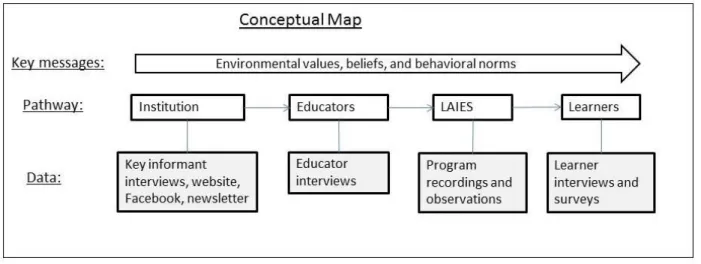
Figure 2.1: Conceptual map displaying relationships between constructs and data.
2.3.1. Methods & data for RQ1
My first research question explores experiences from the perspective of the
institution/educator: How does the institutional context frame messages on values, beliefs, and norms, and how do educators internalize those messages and articulate them during LAIEs? To answer this question, I use data from the institution, the educator, and the LAIEs to understand how VBN messaging moves through this communication pathway (Table 2.2).
Table 2.2: Objectives and data for RQ1
Objectives Data type
a) Analyze how key institutional representatives and written materials present the mission of the organization and the goals of the educational programs.
Institutional data
b) Explore educator intentions and how those relate to the organizational mission.
Educator data c) Identify messages presented as most important or urgent
d) Uncover how VBN-related messages are communicated during LAIEs.
LAIE data
Institutional Data
as any changes the organization has gone through over time. At each site I interviewed the Director/CEO, the Director of Education, and one other person based on recommendations from my first two interviewees. See Appendix A for key informant interview guide.
I also collected materials produced by each organization, including information from the organizations’ websites, Facebook page feeds, and newsletters. These materials display the image each organization wishes to put out to the world – these are most tightly controlled by the organization and thus provide the best window into the institutional styling of each facility. I analyzed all institutional materials produced between the first day of my fieldwork and the last day (June 28, 2012-August 22, 2013). Their Facebook feeds in particular offer a unique
comparative opportunity, as Facebook represents a relatively consistent format. The three
organizations use Facebook with similar frequency: during my study period, DLC and CTR each posted 94 times, and NCA published 102 posts during the same time period.
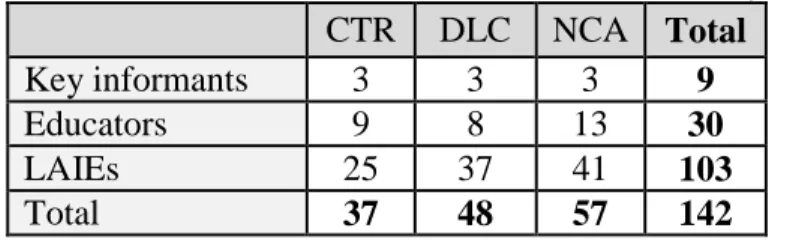
Table 2.3: LAIE and institutional interview totals by site CTR DLC NCA Total
Key informants 3 3 3 9
Educators 9 8 13 30
LAIEs 25 37 41 103
Total 37 48 57 142
Educator Data
I conducted 30 interviews with the volunteers/staff conducting the LAIEs. In these interviews, we discussed the educator’s personal history, motivations, and goals for their education programs. See Appendix B for my interview guide with educators. I used the
Significant Life Experiences (SLE) framework to examine the pathways educators take to arrive at their current level of commitment to animal conservation (Chawla 1999, Chawla 1998b).
(i.e. volunteer, permanent staff, or intern/seasonal staff). Thus, at CTR, my sample was almost all volunteers, at DLC I observed a mix of staff and volunteers, and at NCA I observed all staff6. In Chapter 3, I discuss in more detail the differences between using staff and volunteer
educators.
Table 2.4: Observed educator sample by site, 2012/2013 combined.
CTR DLC NCA
Permanent staff 2 3 4
Seasonal/interns 0 3 7
Volunteers 17 10 0
Total 19 16 11
% present both summers 89% 50% 36%
Average # LAIEs per educator 1.4 2.4 4.2
In order to have limited data on temporal change I interviewed at least one educator both in 2012 and 2013 from each site. All of the educators in my interview sample were recorded at least once conducting an LAIE, and the largest amount of recordings for one educator was 12 in the case of one educator at NCA. I collected the fewest recordings per educator at CTR, followed by DLC, and finally NCA (Table 2.4).
LAIE Data
I conducted participant observation of public programs at all three sites. For this study, participant observation involves both participating in the activities being observed and observing others engaging in the activity alongside the researcher (Spradley 1980). This process allows the researcher to observe others reactions and to produce a first-hand account of the experience.
During the summer of 2012 I attended a minimum of seven programs at each facility, capturing at least six of the “standard” program in each case and attending at least one of the “in-depth” programs at each one. During the 2013 season, I limited my analysis to the standard
programs at each site, capturing 73 programs total. I did not attend every program I recorded, because in the latter part of the 2013 season I had completed learner interviews and was only recruiting for the survey. Because tours overlap during the day at CTR and DLC, I ended up staying at the visitor’s center and capturing all of the tours for the survey instead of attending tours. This means I did not attend 40% of the programs I recorded in 2013. At NCA, while I could have attended all of the programs, I purposefully missed 40% of the programs in order to equalize conditions across all three sites.
At the beginning of each tour, I placed a lapel microphone on the educator and made a brief announcement of my presence as a researcher. This speech changed slightly from 2012 to 2013 as I was not recruiting for surveys in 2012, but generally I informed participants that I was recording the program and taking notes, but that their presence would be anonymous on the tapes. I also recruited for interviewees in 2012 and thanked survey respondent/interviewee volunteers in 2013.
At CTR I limited my analysis to the summer public tours, which run on Saturdays and Sundays at 10, 11, and 1pm. I also attended a twilight tour (same content but for adults only), and one “Feeding with a Keeper” tour, which is the longer, pricier, specialty tour. The standard tour lasts 1.5 to 2 hours. The specialty tour lasts 2.5 hours.
DLC offers a basic “Lemurs Live” tour lasting 1 to 1.5 hours that they run three or four times per day, seven days a week. In 2012, I captured programs on weekends and weekdays, but in 2013 I chose to only observe weekend programs because I had found that many of the weekday programs are booked for large groups of children, which effectively makes them field-trip programs instead of public programs. I also attended one “Walking with Lemurs” tour and one “Painting with Lemurs” tour, each of which lasts one hour but provides opportunities to enter the Natural Habitat Enclosures or watch lemurs paint.
2.3.2. Methods & data for RQ2
My second research question examines the incoming perspective the participant: What experiences, values, beliefs, and behavioral norms do participants bring to the LAIE, and how do learners differ across sites?
Table 2.5: Objectives and data for Q2
Objectives Data Collection
a) Establish participant’s significant life experiences relating to the environment and animals
b) Explore learners’ existing environmental values, beliefs, and norms
c) Understand how participants explain and rationalize their current levels of pro-environmental behavior
d) Uncover how the learner evokes VBN in their life narrative
1) Learner interviews: semi-structured 2) Learner interviews: prompt cards
e) Compare the distribution of attitudes, characteristics, and previous experiences among visitors at the three sites
3) Mixed-method survey (demographics, values scales, themes from interviews)
Learner Interviews
feedback (Burgess, Limb and Harrison 1988b). I allowed participants to organize the cards in whatever way made the most sense to their personal experience. While this meant that
quantifying their responses proved difficult, the purpose of the exercise was mostly to spark conversation and introspection about the shaping influences on one’s environmental values, beliefs, and norms; it proved to be an effective tool for this task.
In both rounds, I recruited interviewees by asking visitors at the beginning of the tours if they’d be willing to volunteer to be interviewed. During Round 1, I was only recruiting for the interviews, and 74% of the people I called were interviewed (23 out of 31; Table 2.6). During Round 2, 378 of the learners who filled out the pre-survey included their contact information (66% of participants). Out of those 378, I contacted 67 people, 24 of which ended up being interviewed (36%). The lower Round 2 response rate is likely attributable to the addition of the survey in Round 2: some participants likely filled out the contact information believing it to be part of the survey (not realizing they would be contacted later), and other participants perhaps became disinterested in participating further after completing the survey.
I aimed to conduct participant interviews within two weeks of the LAIE so that the participant’s memory would be fresh. Most interviews occurred between one and two weeks after the LAIE, although due to scheduling difficulties some happened later; all interviews were completed within one month of the LAIE.
Table 2.6: Summary of interview data by site
CTR DLC NCA Total
Traditional semi-structured 7 9 7 23
Semi-structured with
card-sorting activity 8 8 8 24
Mixed-methods survey
During Round 2, I implemented a mixed-methods survey. This survey primarily consisted of pre-existing VBN metrics and demographic/experiential history information. (Appendix E). I developed the survey using experiences from Round 1 data collection, which helped me decide what data to collect and how to collect it. Most importantly, I learned the majority of the questions for a survey needed to be asked before the program. At the end of the programs people were hot and tired, whereas at the beginning of the programs learners were more alert and engaged. Also, learners were told to arrive anywhere from five to 15 minutes early, so I wanted to take advantage of the loitering time before each LAIE. While the choice to front load the survey had clear benefits, the cost was that my sample did not include people who arrived too close to the program start time. If a party arrived less than five minutes before the program began, I did not administer the survey. Because the survey took five to ten minutes, this choice meant that occasionally people were still filling the survey out when the program started. In these cases, either the guide started a few minutes late (waiting until they were finished), the people finished the pre-survey as the guide was doing the introductory spiel, or they would return incomplete surveys.
The pre-program survey captured the learner’s pre-existing beliefs and previous
experiences in order to explore whether the incoming populations are substantively different at the outset. The first section of the survey asked participants about motivations for attending, previous experiences with animal/environmental facilities, and the characteristics of their party.
Table 2.7. Survey counts and response rates by site.
CTR DLC NCA Total
Matched pre-post 130 133 139 402
Match rate 60.7% 72.7% 74.3% 69.2%
Only pre survey 28 18 13 59
Only post survey 56 32 22 110
Total 214 183 174 571
Response rate (total) 83.2% 77.5% 84.1% 81.6% Response rate (matched only) 55.0% 56.3% 67.2% 58%
The second section of the survey consisted of the Animal Attitudes Scale, or AAS (Herzog, Betchart and Pittman 1991). This metric captures sensitivity to animal welfare issues. This metric does not correspond directly to a variable in the VBN framework, but I chose to include it because the relationship between animal welfare attitudes and environmentalism is not well-studied (Herzog and Golden 2009), but it is possible that animal welfare issues activate a different subset of the population than general environmental topics. The AAS asks participants to rate their level of agreement with 20 animal-rights statements (e.g. “The use of animals in rodeos and circuses is cruel”) on a 5-point Likert scale.
The third section included three different metrics intended to capture different concepts in the VBN framework. First, I used a values orientation scale by de Groot and Steg (2007b)
because it succinctly measures the three dimensions of environmental values (Schultz 2013). De Groot and Steg’s metric is based on Schwartz’s values scale, which consists of 50 or 60 items, but the shortened one only focuses on values dimensions shown to be associated with
three altruistic, and four egotistic, including items like influential, helpful, and unity with nature) and asks participants to rate them on a 9-point valuation scale.
The New Ecological Paradigm (NEP) scale served as the general worldviews metric (Dunlap et al. 2000). The NEP scale is one of the most frequently used environmental metrics in the literature (Stern et al. 1995, Dunlap 2008). While the NEP has been reworked into various different scales, I used the 15-item scale, which is the most reliable scale according to meta-analysis (Hawcroft and Milfont 2010). The items make statements about the relationship between humans and the environment (e.g. “We are approaching the limit of the number of people the earth can support”), and participants are asked rate their level of agreement on a 5-point Likert scale. This scale has four separate dimensions, including the belief in the balance of nature, the idea of ecological limits to growth, fear of ecological catastrophe, and the hierarchy of man over nature (Albrecht et al. 1982, Hawcroft and Milfont 2010).
participants will not view each question as substantively different from the rest. Thus, in my survey design, I did not aim for compatibility across metrics.
I originally planned to include an environmental behavior metric on the pre-program survey, but I eliminated it for two reasons: first, the whole survey was too long during pretesting, and second, the available behavioral metrics were either too long to administer in the time before the program (e.g. Kaiser and Wilson 2004), or they were too short, causing construct validity issues (e.g. Dutcher et al. 2007, Schultz and Zelezny 1998) Thus, I decided not to include a behavior metric on the pre-survey.
The final section of the survey collected demographic information. While this study is not hypothesis-driven, learner demographics are likely to have some explanatory power over the VBN variables, so this effect must also be captured. Past research has shown individuals who are young, female, liberal, educated, white, and higher socioeconomic status tend to score higher on a variety of psycho-social environmental measures (Blocker and Eckberg 1997, Van Liere and Dunlap 1980, Jones and Dunlap 1992, Honnold 1984, Palmer and Suggate 1996).
why not?” These questions were meant to get a sense of how learners ranked the urgency and importance of the information they received on the LAIE, and how perceptions of animal conservation and institutional activities differed across sites.
2.3.3. Methods & data for RQ3
My third and final research question examines how the LAIE interacts with the learner: How do learners internalize, interpret, and make meaning of LAIEs across different organizations, and how do post-LAIE behavioral intentions differ across sites?
Figure 2.2: Visual Diagram of Q3 Research Objectives
In my third results section, I analyze learner interview data focusing specifically on program reactions and interpretations and the post-program survey results. I then interface this data with results from the RQ1 and RQ2 to observe how the program impacts the learner (Figure 2.2). This holistic synthesis allows me to explore how LAIE characteristics interact with the learners’ incoming experiences to create learner outcomes, with specific attention paid to the variables in the VBN theory (while remaining open to other types of outcomes). I also examine outcomes as described by the learner to better understand how these impacts are shaped by the characteristics of their past and current experiences.
Q1 Analysis: The LAIEs Q2 Analysis: The Learner
Q3: Learner Outcomes Objectives
a) Explore how visitors conceptualize the value of the program to their lives given their past experiences, values, beliefs, and norms.
b) Investigate instances in which previous understandings were challenged or reinforced.
2.4. Data analysis
I coded interview and LAIE transcripts according to best practices in qualitative research (Saldana 2009). I also borrow strategies from grounded theory practice (Strauss and Corbin 1990), as I coded for VBN themes as well as emerging themes. First, I coded attributes (Lofland 2006), so that I could organize by field site, type of data, and 2012 versus 2013. Then, I
conducted structural coding in which I isolated elements of the VBN variables (valued object, threat to valued object, etc., through the behaviors), SLE themes, as well as any other areas of interest. For example, I coded for “science/research” and “quality of care” so that I could isolate when those topics were discussed. Once I coded into sections, I engaged in a second cycle of coding, pattern coding, in which I developed major themes based on the clusters of data (Miles and Huberman 1994). After I had developed themes, I selected quotes to display in the results chapters based on their ability to succinctly capture the theme at hand. For themes that were not site-specific, I also selected quotes so that they would showcase all three sites evenly. I coded all of my qualitative data in ATLAS.ti.
messages. During data collection, transcription, and analysis, I kept a field journal and coded that text for the same themes.
Finally, I looked at the interfaces between various types of data to see how the messages flow from one group of agents to another. First, I looked at the relationships between the
different information from the institution: how do the messages from leadership match with the website and the Facebook page? I also looked at the relationship between what the educator says and what the institution tells them to say in their training materials. I also compared educator intentions to the messages in the programs: do educators say what they wanted to say? What messages really came across if not the ones they intended? I used the same codes across LAIE transcripts, educator interview transcripts, and learner transcripts, and I used codes that could be universal to all three sites, avoiding site-specific concepts like “tigers” or “ocean” for example. These coding practices allowed me to more easily compare across different types of data and across institutions.