THE MOLECULAR EPIDEMIOLOGY OF MALARIA IN PREGNANCY
Jaymin Chetan Patel
A dissertation submitted to the faculty at the University of North Carolina at Chapel Hill in partial fulfillment of the requirements of the degree of Doctor of Philosophy in the Department
of Epidemiology.
Chapel Hill 2016
ABSTRACT
Jaymin Chetan Patel: The Molecular Epidemiology of Malaria in Pregnancy (Under the direction of Steven R. Meshnick)
Malaria in pregnancy remains a significant public health problem with an estimated 125 million pregnant women at risk for Plasmodium falciparum malaria globally every year.
Pregnancy associated malaria (PAM) causes several adverse pregnancy and birth outcomes including maternal anemia, low birth weight (LBW), and small-for-gestational age (SGA). PAM also results in 10,000 maternal and 70,000-200,000 infant deaths annually. The key biological mechanism by which the plasmodium parasite infects pregnant women is through sequestration of infected erythrocytes in the placenta. This sequestration facilitated by a large polymorphic plasmodium surface antigen, VAR2CSA. Efforts are underway to develop the first syndrome-specific malaria vaccine against PAM targeting VAR2CSA. The ID1-DBL2x region of VAR2CSA is the minimal binding epitope and has emerged as a lead vaccine candidate.
However, there is limited data on the extent of genetic diversity of ID1-DBL2x in field isolates. Also it is unknown if particular variants are more pathogenic than others.
balancing selection, confirming its role as an important epitope. Importantly, our phylogenetic analyses showed clustering of ID1-DBL2x variants in multiple distinct clades. Two clades containing the vaccine referent strains (3D7 and FCR3) were found in both countries in addition to three unique clades in Benin. Across multiple birth outcomes we consistently identified variants from 3D7-like clade as pathogenic. We did detect LBW and SGA variants in FCR3-like clade. However, compared to FCR3-like clade, 3D7-like clade was associated with LBW, SGA, and lower infant birth weight.
Overall, our results provide strong evidence for developing a polyvalent VAR2CSA-based vaccine against PAM. A vaccine that includes variants from most common and pathogenic clades will be more efficacious than current monovalent vaccines in phase I trials. The
ACKNOWLEDGEMENTS
There are several people I would like to thank for all the help and support they have given me not only during this dissertation work but throughout my time in the doctoral program. The incredible support that I received made my time at UNC a tremendous learning experience.
First, and foremost, I would like to thank my advisor and dissertation chair, Steve
Meshnick, for being best mentor anyone could ask for. Steve has guided my academic career and really fostered my curiosity from day one in the doctoral program. He provided me with
opportunities to do exciting field work, gain valuable lab skills, and work with large datasets. Steve really helped me develop as an independent scientist; he gave me autonomy over one of his NIH grants which turned into this dissertation project, encouraged me to forge new
collaborations, and challenged me to get creative and merge approaches from different fields to answer complicated questions in malaria epidemiology. I am truly thankful for all that he has done for me.
graduate student can ask for; and Steve Taylor, who has been an incredible mentor throughout my time here at UNC. I have learned tremendously from his unique perspective on scientific research, emphasis on a healthy mix of research and applied public health, and his brilliant ability to write and communicate effectively.
I would remiss if I didn’t thank Dr. Udhayakumar and Kim Lindblade from CDC, both of whom have been amazing mentors from the start of my academic career. Working in Dr.
Kumar’s lab as a curious graduate student, I got my introduction into molecular epidemiology research. Kim has just been an incredible mentor and a role model. She exemplifies the perfect scientist who merges the rigors academia and epi methods with public health practice. Working with her on the WASH study in Guatemala was my first exposure to field work and I have learned a great deal from her over the years.
The aid and support I received from Nancy Colvin, Carmen Woody, Jennifer Moore, and Valerie Hudock really made this process go a lot smoother. Their dedication to the students in our department is outstanding.
opportunities to gain valuable experience working on a variety of projects and apply what I learned in class to actual data. My time in the Meshnick lab has been incredibly fruitful.
I have been fortunate to receive financial support during my tenure at UNC, including NIH R56 AI106129 01A1, the National Evolutionary Synthesis Center (NESCent) graduate fellowship, Carolina Asia Center pre-dissertation award, GPSF travel award, David J. Sencer Scholarship and the Koch Travel Award. I am also grateful for our collaborators who agreed to share data and samples with us. Feiko O ter Kuile, who sent us samples and data from Malawi. Nicaise Ndam, who has been an enthusiast collaborator and generously hosted me in Paris to process the necessary samples from their Benin cohort study, which have really strengthen the results of this research. I hope to continue working with them in the future. I also want to thank the field staff and investigators at both field sites in Malawi and Benin. It is because of their hard work and dedication that we were able to complete this project. I am indebted to the women and infants who participated in the study, besides participating in the study; they have provided me a source of motivation to continue working in public health with the goal to improve health and lives of people. Without them, this project would not have been possible.
Having a group of peers and friends with whom you can collaborate with, use as a sounding board, and learn from is vital to a graduate student, and I have been extremely fortunate in that category. I cannot thank Nicholas Hathaway enough for all his support with the
bioinformatics, his help with clustering next-generation sequencing data was absolutely critical to this project. He is a wizard with coding and coming up with new ways to visualize and process large amounts of data. Christian Parobek has been an absolute rock-star, he has helped me
Lesko and Elizabeth Cromwell have been a great sounding board for figuring out the best epidemiologic approaches for this project and beyond. I have learned so much from my peers and colleagues, and I look forward to collaborating with them in the future.
Last but most importantly, I want thank my family for their unconditional love and support - my brother, Hardik, who has been my role model since I was ten and someone I try to emulate every day; my sister-in- law, Jigna, who has been constantly loving and supportive; my nephew, Akhil, who is the best remedy for stress and a constant reminder of the bigger picture. I really want to thank and acknowledge the role of my parents in this; they dropped everything and moved to the United States just so my brother and I could have the best educational
TABLE OF CONTENTS
LIST OF TABLES ... xi
LIST OF FIGURES ... xii
LIST OF ABBREVIATIONS ... xv
CHAPTER ONE: SPECIFIC AIMS ... 1
Aim 1: ... 2
Aim 2: ... 2
CHAPTER TWO: BACKGROUND AND SIGNIFICANCE ... 4
Malaria disease burden ... 4
Malaria in Pregnancy ... 6
Pathogenesis of malaria in pregnancy: role of var2csa ... 8
Key gaps in our understanding of var2csa... 12
Rationale ... 13
Innovation ... 15
CHAPTER THREE: DESCRIPTION OF DATA SOURCES ... 19
Study design... 19
Source population and Study area ... 21
Study population ... 22
Demographic and clinical data ... 23
Outcome assessment ... 25
Exposure ASSESSMENT... 26
CHAPTER FOUR: METHODS ... 28
DNA extraction... 28
ID1-DBL2x PCR assay... 28
PacBio Circular Consensus Sequencing (CCS)... 29
Validation study ... 31
Specific Aim 1 ... 31
Specific Aim 2 ... 37
CHAPTER FIVE: RESULTS. GENETIC DIVERSITY AND POPULATION STRUCTURE OF VAR2CSA ID1-DBL2X IN MALAWI AND BENIN: IMPLICATIONS FOR VACCINE DEVELOPMENT... 41
Study population ... 41
Validation of genotyping approach ... 41
ID1-DBL2x deep-sequencing among clinical isolates ... 42
Within- group (alpha) diversity of ID1-DBL2x ... 42
Phylogenetic clustering... 43
Between-group (beta) diversity of ID1-DBL2x ... 44
Detecting signatures of selection within ID1-DBL2x ... 44
Discussion ... 45
CHAPTER SIX: RESULTS. IDENTIFICATION OF PATHOGENIC VAR2CSA CLADES: ASSOCATIONS BETWEEN ID1-DBL2X CLADES AND BIRTH OUTCOMES ... 63
Study population ... 63
ID1-DBL2x distribution – phylogenetic analyses ... 64
Association between ID1-DBL2x clades and birth outcomes ... 65
Discussion ... 67
CHAPTER SEVEN: DISCUSSION ... 77
Summary of findings ... 78
Conclusions... 80
Future Directions ... 82
APPENDIX A: POWER CALCULATION ... 84
APPENDIX B: LIST OF BARCODED PRIMERS USED ... 86
APPENDIX C: DEVELOPMENT AND OPTIMIZATION OF ID1-DBL2X GENOTYPING APPROACH ... 87
LIST OF TABLES
Table 4.1: ID1-DBL2x hemi- nested PCR primer sequences ... 39
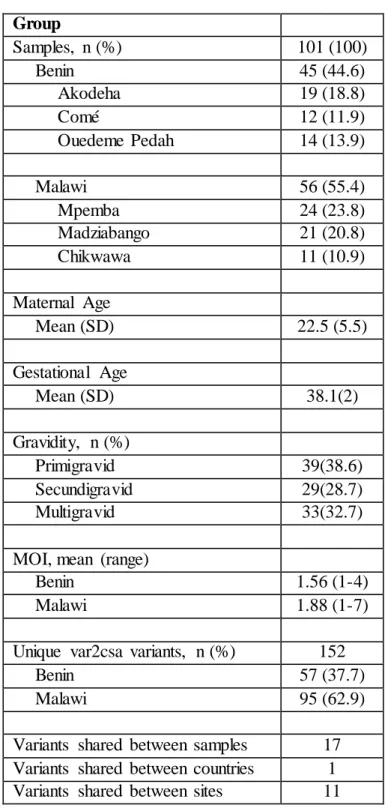
Table 5.1: Description of the study population... 49
Table 5.2: Characteristics of PCR amplified and unamplified samples ... 50
Table 5.3: Nucleotide diversity (π) and Tajima’s D ... 51
Table 5.4: Within- group (alpha) diversity of ID1-DBL2x populations... 52
Table 6.1: Study population characteristics ... 71
Table 6.2: Distribution of infant birth weight and adverse birth outcomes by ID1-DBL2x clades in Malawi and Benin ... 72
Table 6.3: Associations between ID1-DBL2x clades and infant birthweight (grams) ... 73
LIST OF FIGURES
Figure 2.1: Global distribution of malaria deaths – 2010. Size of each country is proportional to the malaria deaths in the respective country. ... 17 Figure 2.2: Schematic representation of the var2csa gene. VAR2CSA consists
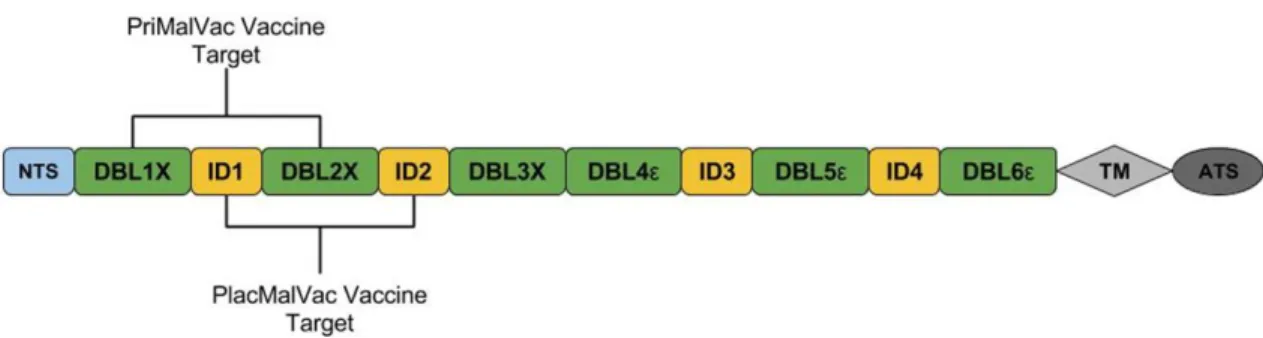
of an N-terminal segment (NTS), six Duffy Binding Like Domains (DBL), four cysteine-rich interdomain regions (ID), a transmembrane domain (TM), and an intra-cellular acidic terminal segment (ATS). Current vaccine
development efforts (PlacMalVac and PriMalVac) are targeting the NTS-DBL2x region. The ID1-DBL2x region has recently been identified as the minimal CSA-binding region that contains major protective epitopes and elicits a strong host immune response ... 18 Figure 3.1: Malawi Study Site ... 27 Figure 3.2: Benin Study Site ... 27 Figure 4.1: Schematic representation of the bioinformatics clustering pipeline
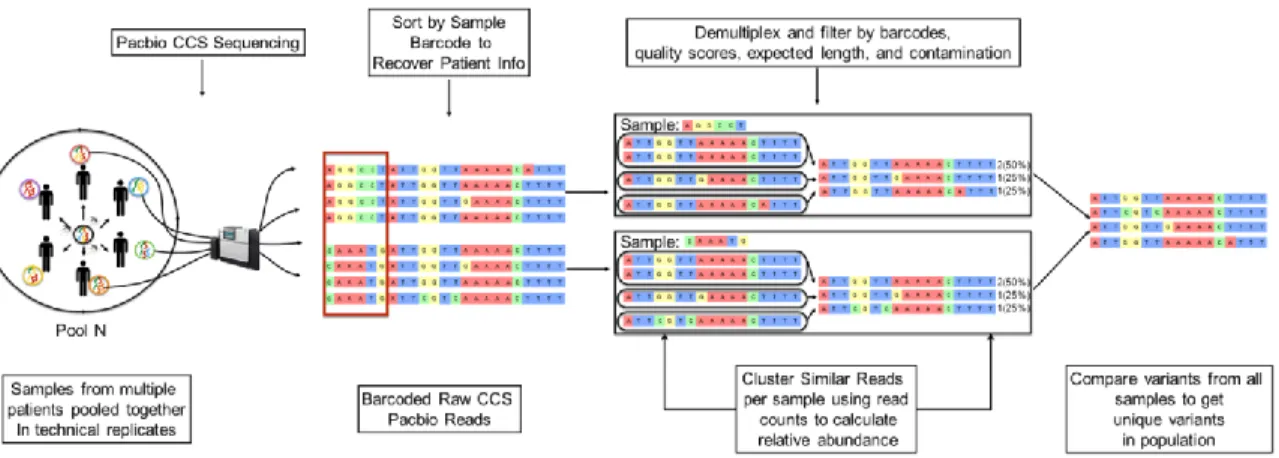
employed in this study. Pools of amplified ID1-DBL2x from individual women in technical replicates using barcoded primers were sequenced on PacBio CCS platform. Reads were clustering using a k-mer algorithm to identify unique ID1-DBL2x variants in the study population. ... 40 Figure 5.1: Results from the validation study - expected and observed frequencies
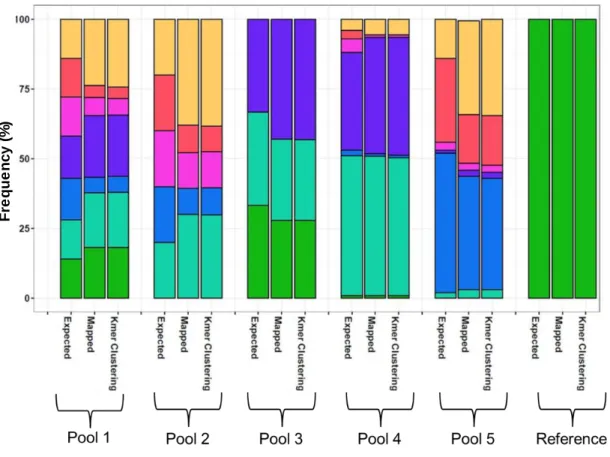
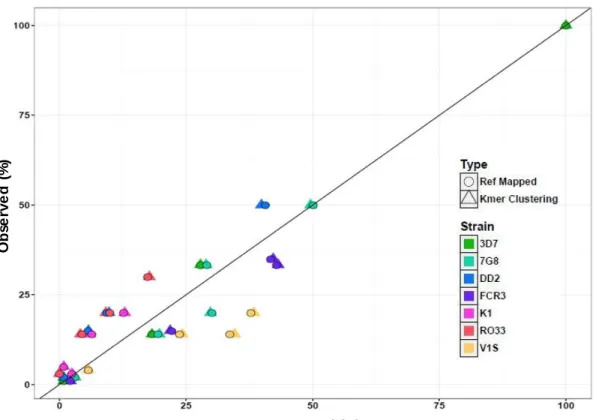
of the seven genomic parasite lines in five pools using referent-based and k- mer clustering. ... 53 Figure 5.2: Scatterplot of expected and observed frequencies of ID1-ID2x haplotypes
in mixtures of reference parasite lines. ... 54 Figure 5.3: Flow chart of the processing and filtering raw reads by barcodes and quality. ... 55 Figure 5.4: Rarefaction curves of ID1-DBL2x variants in Malawi (blue) and
Benin (red). Calculated rarefaction curves are represented by solid lines. Extrapolated curves are depicted by dotted lines. The rarefaction curves were bootstrapped 1000 times to generate the 95% confidence
intervals (CIs), which are represented by lightly shaded red and blue... 56 Figure 5.5: Expected heterozygosity (He) at each amino acid position along the
Figure 5.6: Maximum- likelihood phylogenetic trees of ID1-DBL2x variants in (A) Malawi and (B) Benin. All trees were bootstrapped 1000x and bootstrap values >80 were used as cutoff points for significant branch
differentiation. In Malawi, variants clustered in two distinct clades with the two referent strains (3D7 and FCR3). In Benin, in addition to the 3D7 and FCR3 clades, three other clades were detected. ... 58 Figure 5.7: Principal Coordinate Analysis (PCoA) of ID1-DBL2x variants in the study
population. (A) PCoA plot using principal coordinates 1 and 2 (PC1 & PC2) (B) PCoA plot using principal coordinates 1 and 3 (PC1 & PC3). Each dot represents the unique ID1-DBL2x variants colored according to the clade. The axes indicate which coordinates are being plotted and the percentage of
variation explained by that particular axis... 59 Figure 5.8: FST values using a sliding window approach
(window size = 10bp, step size = 10bp) across the 1.6kb ID1-DBL2x region of var2csa. FST values were calculated between the two major vaccine clades (3D7 and FCR3). FST values range from 0 to 1, where 0 signifies a genetically identical population and 1 signifies completely differentiated populations. Sliding window FST analyses show that scanning across the region, the parasite populations in the two clades are very similar except for a ~100 bp region (highlighted in gray) where the two populations differ substantially. ... 60 Figure 5.9: Tajima’s D using a sliding window approach
(window size = 100bp, step size = 25bp) across the 1.6kb ID1-DBL2x region of var2csa. (A) Tajima’s D calculated for ID1-DBL2x populations in Malawi and Benin and (B) 3D7 and FCR3 clades (dimorphic region highlighted in gray). Tajima D values less than 0 indicate directional selection, equal to 0 indicate genetic drift, and greater than 0 indicate
balancing selection. ... 61 Figure 6.1: Maximum- likelihood phylogenetic trees of ID1-DBL2x variants in
Figure 6.2: Maximum- likelihood phylogenetic trees of ID1-DBL2x variants in (A) Malawi and (B) Benin by small-for-gestational age (SGA). All trees were bootstrapped 1000x and bootstrap values >80 were used as cutoff points for significant branch differentiation. SGA was defined as infant with a birth weight below the 10th percentile for babies of the same gestational age at delivery. 3D7 (green) and FCR3 (purple) were
LIST OF ABBREVIATIONS
ACE abundance coverage estimator
ACT artemisinin-based combination therapy AIDS Acquired Immune Deficiency Syndrome ATS intracellular acidic terminal segment CCS circular consensus sequencing CI confidence interval
ID cysteine-rich interdomain regions CSA chondroitin sulfate A
DBLs Duffy Binding Like Domains DBS dried blood spots
dhfr dihydrofolate reductase dhps dihydropteroate synthetase DP Dihydroartemisinin-Piperaquine EMA European Medicines Agency FST Wright’s Fixation index
H' Shannon index
He expected heterozygosity
HIV Human Immunodeficiency Virus ICE incidence coverage estimator IE infected erythrocytes
IgG Immunoglobulin G
IPW inverse probability weights IQR interquartile range
IRS indoor residual spraying
ISTp intermittent screening and treatment in pregnancy ITN insecticide treated bed nets
kdr Knockdown resistance LBW low birth weight MiP Malaria in pregnancy
MLE maximum composite likelihood MOI multiplicity of infection
MUAC mid-upper arm circumference NTS N terminal segment
OR odds ratio
P. Plasmodium
PAM pregnancy associated malaria PCoA principal coordinate analysis PCR polymerase chain reaction
PfEMP1 Plasmodium falciparum erythrocyte membrane protein 1 RDT rapid diagnostic test
SD standard deviation SGA small-for-gestational age SMRT Single Molecule, Real-Time SP sulphadoxine–pyrimethamine
CHAPTER ONE: SPECIFIC AIMS
Malaria in pregnancy is a significant public health problem with high disease morbidity and mortality. Each year an estimated 125 million pregnant women are at risk of Plasmodium falciparum malaria infection [1]. Malaria in pregnancy causes several adverse pregnancy and birth outcomes including maternal anemia, severe malaria, spontaneous abortions, stillbirth, infant deaths, preterm birth and low birth weight (LBW) and small-for- gestational age (SGA) [2-12]. In Africa, pregnancy-associated malaria (PAM) is responsible for approximately one million cases of infant LBW and of maternal anemia, plus 10,000 maternal and 70,000 to 200,000 infant deaths annually [13, 14].
The adverse consequences of P. falciparum infections on pregnancy are due to the ability of infected erythrocytes (IE) to sequester in the placenta. This sequestration of IE in the placenta is facilitated by VAR2CSA, a specific variant of Plasmodium falciparum erythrocyte membrane protein 1 (PfEMP1).VAR2CSA, a large polymorphic antigen, is expressed on the surface of the IE and binds to the placental chondroitin sulfate A (CSA) on the syncytiotrophoblast [15-19]. Antibodies against VAR2CSA prevent the cytoadhesion and the adverse effects of PAM [20-23]. The N-terminus region of VAR2CSA up to the DBL2x domain is critical to the binding process and able to induce an antibody response with similar inhibitory capacity as that elicited against full- length VAR2CSA [24-26].
dissertation is to characterize the genetic diversity of ID1-DBL2x vaccine target region and determine its association with adverse birth outcomes in order to identify pathogenic clades and inform vaccine development efforts.
Specifically, we will:
AIM 1: Characterize the genetic diversity of the 1.6 kb ID1-DBL2x region of var2csa in Beninese and Malawian pregnant women at delivery according to gravidity and country.
Rationale: As efforts are underway to develop an effective vaccine against malaria in pregnancy, a recombinant ID1-DBL2x of VAR2CSA is one of the lead vaccine candidates and is currently in phase I testing [32, 33]. However, we don’t completely know yet how much diversity is there in ID1-DBL2x. Cloning and sequencing of short regions of ID1-DBL2x as well as other regions of var2csa have shown significant diversity [28, 29, 34, 35]. The gravidity-dependent nature of acquired immunity in pregnant women has shown that multigravid women elicit a stronger humoral response to var2csa than primi- and secundigravid women. It is this acquired immunity that is hypothesized to protect them and the fetus from the harmful effects of placental malaria [2, 3, 10-12, 20, 23, 36, 37]. A more comprehensive understanding on the extent of var2csa diversity will aid in vaccine development.
AIM 2: Identify pathogenic clades of ID1-DBL2x by determining the association between specific clades and adverse birth outcomes.
CHAPTER TWO: BACKGROUND AND SIGNIFICANCE
MALARIA DISEASE BURDEN
Malaria is a disease caused by infection from the Plasmodium parasite transmitted by the female Anopheles mosquito. There are five different species of the Plasmodium parasite that infect humans, namely, P. falciparum, P. vivax, P. ovale, P. malariae, and P. knowlesi. Of these, P. falciparum and P. vivax are the most prevalent and responsible for majority of the global malaria disease burden. While P. vivax has a wider geographic distribution because of its ability to develop in the Anopheles mosquito vector at lower temperatures and survive at higher
altitudes, P. falciparum is the deadlier of the two Plasmodium species [39-42]. Following an infective bite from the Anopheles mosquito, the incubation period varies from 7 to 30 days before development of clinical symptoms. Incubation period also varies by type of infecting Plasmodium species with longer periods observed with P. malariae and shorten periods observed with P. falciparum infections. Typically, clinical manifestation of malaria infection is
Over the last two decades, the world has seen a significant decline in malaria related morbidity and mortality. Globally, since 2000, malaria incidence and mortality has declined by 18% and 48% respectively[42]. Much of the progress made in this time period can be attributed to a concerted effort to scale up effective interventions such as indoor residual spraying (IRS), insecticide treated bed nets (ITNs), prompt treatment with artemisinin-based combination therapy (ACTs), and improvements in diagnosis and case management. Despite the encouraging gains, malaria remains a significant public health problem. According the World Health
Organization (WHO), malaria is endemic in 94 countries with approximately 40% of the world’s population (~3.2 billion people) currently at risk. In 2015, the WHO estimated 214 million cases (uncertainty range: 149 – 303 million) and 438,000 deaths (uncertainty range: 236,000 –
635,000) were due to malaria worldwide [39, 42].
As is the case with many tropical diseases, malaria disproportionately affects the poor and under-developed regions of the world [43]. The heaviest burden of disease is experienced by individuals in Africa (Figure 2.1). In 2015, 88% of all malaria cases and 90% of all deaths due to malaria occurred in Africa alone [39, 42]. Malaria in Africa has not only impacted health of its people but also affected economic and social development in that part of the world. The link between malaria and poverty is a cyclical one. Poverty promotes conditions where malaria transmission is sustained, and in turn malaria hinders economic growth and development, propagating the cyclical relationship between the two [44]. Studies have shown that after
responsible for $67-290 million in productivity loss due to premature death in these countries [48, 49].
MALARIA IN PREGNANCY
While malaria infects all people where the parasite is in transmission, specific
populations are at a higher risk of infection, clinical manifestation of the disease, and death due to malaria than others. Vulnerable populations include infants, children under five years of age, individuals with HIV/AIDS, migrants, mobile populations, and pregnant women [39, 40]. Pregnant women are at a higher risk for malaria infections and its adverse effects than non-pregnant adults. This increased susceptibility for malaria infection is likely due to their suppressed immune system among other factors [2, 3, 10, 11, 39].
Each year, an estimated 125 million pregnant women are at risk of malaria with 56 million of those living in high transmission areas [1, 13, 14]. In areas of stable endemic malaria transmission in Africa, the prevalence of maternal malaria infection (peripheral or placental infection) at delivery is estimated to be around 25% (range: 5-52%) [3].These burden estimates are likely underestimated as they are point-prevalence numbers collected at delivery. Prevalence estimates at delivery do not account for malaria infections before or after the time of ascertaining point-prevalence and would miss infections during pregnancy. Further, these estimates are based on microscopy, which fail to diagnose submicroscopic infections that can be detected readily by more sensitive methods such as polymerase chain reaction (PCR) and placental histology [3, 8, 11, 14].
(SGA) [2-14]. Of these, maternal anemia and LBW are the most frequently observed ill effects of PAM. In sub-Saharan Africa, malaria is estimated to be responsible for approximately one million cases of infant LBW and of maternal anemia, plus 10,000 maternal and 70,000 to 200,000 infant deaths annually [13, 14].
The increased pregnancy-related risk to malaria infection is apparent and higher among pregnant women compared to non-pregnant adults despite acquired immunity due to past exposure to malaria. The risk of malaria infection during pregnancy is highest during second trimester. Little is known about the risk during first trimester; however, susceptibility in first trimester must also increase in order to explain the peak prevalence of malaria observed during the second trimester [2, 3, 9, 50]. There are several factors that affect the risk of PAM. These include age, co-infection with HIV, transmission intensity, use of intermittent preventive
treatment in pregnancy (IPTp) with sulphadoxine–pyrimethamine (SP), ITNs, and gravidity. Age is an important risk factor for malaria in pregnancy. Young pregnant women (especially
adolescent women) have a higher risk of malaria and its adverse effects than older pregnant women. This relationship is observed irrespective of gravidity, implying that age-associated immunity influences a woman’s ability to control an infection during pregnancy [3]. Another factor that modifies the effect of malaria during pregnancy is co-infection with HIV/AIDS. infected pregnant women have shown to have higher prevalence of parasites than
The adverse effects of malaria in pregnancy can be substantially reduced or avoided all together using proven interventions such as IPTp- SP and ITNs along with effective case management that involves prompt and accurate diagnosis of malaria and anemia [5, 51-53]. Currently, the world health organization (WHO) recommends that all women living in stable transmission areas such as sub-Saharan Africa receive one dose of IPTp with SP every month starting in their second trimester [54]. IPTp and ITNs have shown to be significantly associated with reduced odds of delivering a LBW infant (protective efficacy: 21-23%) [5, 55]. One of the most important risk factors for PAM is gravidity. The risk of malaria infection and severity of disease during pregnancy is modified by gravidity. Particularly, primigravid and secundgravid women are at higher risk for adverse effect from malaria infections than multigravid women [2, 3, 10-12, 20, 23, 36, 37]. This indicates that parity-dependent acquired immunity due to past exposures and co-infections with diseases that affect the immune system plays an important role in protection against malaria.
PATHOGENESIS OF MALARIA IN PREGNANCY: ROLE OF VAR2CSA The key mechanism by which malaria infects pregnant women is through the
The sequestration of malaria parasites in the placenta is facilitated by the parasite antigens expressed on the surface of the infected erythrocytes that act as ligands to bind to the placental chondroitin sulfate A (CSA). The CSA is thought to act as a reversible immobilizer of several molecules including hormones and cytokines [10, 58, 59]. The surface antigens involved in placental infection are distinct from other surface antigens in their form and function. The expression of the surface antigens present in the IE that bind to CSA is responsible for eliciting a specific IgG response from the host. The IgG response developed after repeated infections or exposures to the malaria parasites mediates the protective immunity that is seen in multigravid women. The distinction in form and function of antigens expressed during placental infection and the immune response elicited provides an explanation as to why previously clinically
immune women become susceptible to malaria infection during pregnancy, especially women of low gravidities [10, 22, 23, 36].
The major surface antigenic protein in the parasite that acts as a ligand responsible for the cytoadherence of the infected erythrocytes to the CSA belong to a group of proteins called P. falciparum Erythrocyte Membrane Protein-1 (PfEMP1). The PfEMP1s are large proteins, ranging from 200-350 kDa in size. All PfEMP1s share structural similarities: an N terminal segment (NTS); varying numbers of Duffy Binding Like Domains (DBLs); cysteine-rich interdomain regions (CIDR or ID); transmembrane domain (TM); C2 domain; and an intra-cellular acidic terminal segment (ATS). PfEMP1s are expressed during the late erythrocytic stage, form a knob like structure on the infected erythrocytes and bind to different adhesins. In the case of malaria in pregnancy, the PfEMP1s bind to the CSA [59-61].
of the var gene involves a set of regulation mechanisms including activation, switching, and silencing of localization sites. Only a single variant of the var gene family is expressed on the surface of the infected erythrocyte at any given time. This expression mechanism is mutually exclusive meaning that even though there are several var genes, during the course of an infection, P. falciparum massively expresses only one var gene at a time and then switches expression to another var gene, successively. This switch lets the parasite to undergo clonal antigenic variation, allowing the parasite to evade the host immune response and maintain a persistent infection. Genetic recombination between var paralogs is thought to be an important mechanism in the generation and maintenance of the extreme diversity in the antigen repertoire [10, 56, 60, 63-65].
The var genes are located mostly in the subtelomeric regions and share a similar structure [66]. PfEMP1 has a long exon encoding the variable extracellular domain, a conserved intron and a short second exon coding for the acid terminal segment [61]. Initially, transcription of two variants of the var gene was thought to be critical in the pathogenesis of malaria in pregnancy, namely, var1csa and var2csa. Both var1csa and var2csa showed affinity for CSA and
var2csa. Importantly, VAR2CSA was present on the surface of intact PAM infected erythrocytes but absent from the surface of other non-pregnant adults and children [7, 17, 18, 21, 56, 63].
High levels of VAR2CSA-specific IgG plasma levels have also been shown to be
protective against adverse consequences of PAM. In vitro studies using sera from P. falciparum-exposed multigravid pregnant elicited specific immune responses to two or more domains of VAR2CSA. The IgG antibodies targeted the polymorphic rather than the conserved epitopes of VAR2CSA indicating that the domains that are accessible to protective antibodies are under selection pressure that favor polymorphism. This selection pressure is likely due to the host immune response and highlights the significance of VAR2CSA-specific IgG response on PAM outcomes [4, 20-22, 37, 38, 67, 68].
Similar to the other var genes, var2csa comprises of DBL domains and cysteine-rich interdomain regions. Specifically, var2csa has the NTS region along with ATS and TM regions flanking on the two ends of the gene, and in between it consists of six DBL domains and four interdomain regions (Figure 2.2) [16, 19, 21, 24, 63]. Significant effort has been invested to identify the regions of var2csa that play a role in the pathogenesis of malaria in pregnancy and potential targets for vaccine candidates. Several of the individual domains and interdomain regions have shown to bind to the CSA in vitro. DBL2x, DBL3, DBL4, DBL5, and DBL6 along with the NTS and interdomain regions 1 (ID1) and 2 (ID2) have shown to elicit immune
response or be critical in the binding of the infected erythrocytes to the CSA [20, 22, 24, 31, 67-78].
shown that a shorter fragment in the N-terminus region, the ID1-DBL2x region plus 93 amino acids of the ID2 interdomain was critical to pathogenesis of malaria in pregnancy as it binds to the CSA with same avidity as the whole protein. The ID1-DBL2x region is the shortest
VAR2CSA segment that was able to induce immune response which totally abrogated the adhesion of infected erythrocytes with same efficiency and specificity as the full length extracellular part of the protein. Further, in context of vaccine development, the ID1-DBL2x region also elicited cross-reactive immune response making it a promising vaccine target [27-31].
KEY GAPS IN OUR UNDERSTANDING OF VAR2CSA
In little over 10 years since var2csa was identified as being essential to the pathogenesis of PAM, significant progress has been made to characterize the form and function of this var gene. Var2csa has emerged as one of the primary targets for vaccine candidates against PAM [10, 23, 33, 79]. However, large gaps in our knowledge of var2csa remain which must be
addressed before going further with vaccine development. First, even though the var2csa gene is more conserved than the other var genes, some studies have indicated that the binding sites which are exposed to the immune system are highly polymorphic [16, 21, 30, 58, 65, 78]. Knowledge on the extent of genetic diversity of var2csa is very important for vaccine
development, but remains sparse. Second, given that gravidity modifies the effects of malaria infections in pregnancy, very little data is available for specific var2csa variants that are
women will be a polyvalent vaccine; hence, it is critical for vaccine development that the most pathogenic variants are included in the vaccine to maximize the vaccine’s efficacy and
effectiveness. Additionally, studies have only looked at either genetic sequences of var2csa or analyzed immune responses at the protein level. Very few studies have done both. It is very important to identify pathogenic variants of var2csa but it is also essential to determine which of the potentially pathogenic variants are actually being transcribed and eliciting an immune
response from the host. Fourth, the bulk the research so far on var2csa has been in vitro. To truly ascertain the pathogenic variants or clades of var2csa that can be potential important vaccine candidates, analyzing field isolates from different malaria-endemic areas will provide
information on the extent of genetic variation and associations to adverse outcomes that laboratory isolates and in vitro are unable to.
RATIONALE
PAM is a significant public health problem that has a high disease morbidity and mortality. The current preventive measures, IPTp and ITNs are only effective if high levels of coverage are achieved and sustained. Recent monitoring and evaluation reports and studies have found that the protective effect of IPTp and ITNs for pregnant women in Africa is inadequate (24.5-35.3%) [5, 53, 55, 80, 81]. There were several reasons that could explain for the less than ideal coverage of IPTp and ITNs, some of which include unclear policies, healthcare
infrastructure and system issues (i.e. stock outs), confusion over the timing of each dose of SP, women’s poor antenatal attendance, and lack of knowledge about preventive measures [5, 51, 54, 80].
to SP increases with accumulation of mutations with the highest level of SP resistance observed with the dhfr/dhps “quintuple mutant” - dhfr substitutions N51I, C59R, and S108N and the dhps substitutions A437G and K540E [82]. The risk of SP failure is higher and rates of parasite clearance are lower among pregnant women residing in areas of widespread SP resistance [83]. High-resistance areas also experience greater number of reinfections and shorter time to
reinfections, further providing support of reduced efficacy of SP against malaria infections during pregnancy in face of increasing SP resistance. Despite high levels of SP resistance in several areas in sub-Saharan Africa, use of IPTp-SP remains associated with improved
pregnancy and birth outcomes [84, 85]. However, the question is how long will this last before IPTp-SP becomes ineffective at preventing adverse outcomes and necessitate alternate strategies.
Indeed, there are reports that the sextuple mutant - quintuple mutant with an additional dhps mutation, A581G exacerbates malaria infections during pregnancy [86]. The sextuple mutant, which hasn’t been reported frequently yet, is suggested to confer a significantly greater level of SP resistance than the quintuple mutant alone. The sextuple mutant is also linked with worsened pregnancy and birth outcomes, including low maternal hemoglobin concentrations at birth and birth weight [86, 87].
Spread of pyrethroid resistance caused by the kdr mechanism among Anopheles gambiae s.s. and Anopheles funestus vectors in sub-Saharan Africa has raised concerns regarding
Given the barriers of preventing PAM, a VAR2CSA-based vaccine would be an effective intervention that could achieve and maintain high coverage and supplement existing preventive measures easily. The RTS,S/AS01 vaccine designed for the general population showed
suboptimal efficacy (vaccine efficacy = 25.9% - 36.3%) [92, 93], even after a booster dose. It is likely that the effectiveness of the vaccine will be even lower if integrated in routine vaccine campaigns and antenatal care. Indeed, the suboptimal efficacy of RTS,S/AS01 can party be attributed to plasmodium antigenic diversity [94-97].
PAM is curable and preventable, and an effective vaccine for pregnant women at-risk living in malaria endemic areas can help substantially reduce the disease burden. Currently, phase 1 clinical trials are testing two vaccine candidates (PlacMalVac and PriMalVac) that target overlapping constructs in the N-terminus region of VAR2CSA. PlacMalVac targets the ID1-ID2 region of the FCR3 variant [32] while PriMalVac targets the DBL1x-DBL2x region of the 3D7 variant (Figure 2.2) [98].
As ID1-DBL2x region of var2csa is one of the leading vaccine candidate against PAM, the gaps in our knowledge highlighted above illustrate the paucity of data and underscored how far we are from developing a viable vaccine. Key questions and challenges remain in developing an effective vaccine for PAM which include characterization of sequence polymorphism of var2csa, identifying the pathogenic variants or clades and determining number of variants that should be included in the vaccine for optimal efficacy.
INNOVATION
var2csa gene is highly polymorphic and diverse, yet there is very little information on the extent of genetic diversity found in field isolates. This study aims to quantify the genetic diversity of the ID1-DBL2x region of var2csa in two clinically characterized cohorts of P. falciparum-infected pregnant women in Benin and Malawi. Deep sequencing of placental malaria parasites offer a significant advantage over conventional Sanger sequencing methods as it allows for sequencing of mixed and multiple infections, which are prevalent in high malaria transmission areas such in sub-Saharan Africa. Additionally, deep sequencing allows for identification and quantification of variants occurring at different frequencies, especially low frequencies (<10%) [99, 100].
Placental blood samples from delivering women will be deep-sequenced using the PacBio circular consensus sequencing (CCS) platform. Using PacBio CCS over other commonly used deep-sequencing platforms such as Roche-454, Illumina, or Ion Torrent provide the
advantage of being able to sequencing longer fragments (~5kb vs ~800bp). PacBio would allow for sequencing of complete 1.6 kb haplotypes of the ID1-DBL2x region as compared breaking up the fragment in shorter pieces and reassembling haplotypes in silico, a method which may complicate haplotype reconstruction.
CHAPTER THREE: DESCRIPTION OF DATA SOURCES
STUDY DESIGN
The study used existing data and samples collected from two previously completed studies in Malawi and Benin. In Malawi, samples were obtained from a randomized controlled trial aimed to assess the efficacy of intermittent screening and treatment in pregnancy (ISTp) with Sulfadoxine-Pyrimethamine (SP) (Madanitsa et al. 2016). The trial was conducted between 2010 and 2013 where 1,873 HIV-negative pregnant women were randomized to receive either at least three doses of IPTp-SP or at least three screenings with a rapid diagnostic test (RDT) or subsequent treatment of RDT-positive cases with Dihydroartemisinin-Piperaquine (DP). In Benin, samples were acquired from a prospective cohort study conducted to quantify the effects of PAM and investigate immunological responses to malaria infection during pregnancy [50]. 1,037 pregnant women were enrolled starting in June 2008 and the last delivery occurred in September 2010. Follow-up in both studies was done during routine antenatal care visits.
Women in both studies were enrolled after obtaining signed informed consent. Both studies were carefully designed and conducted using expert staff and field workers. Several data quality checks were placed in the protocol to ensure minimal errors associated with data
Liverpool School of Tropical Medicine, Malawian National Health Science Research Committee, and University of North Carolina at Chapel Hill.
Aim 1 of this study used samples collected from pregnant women enrolled in these studies in Malawi and Benin at delivery. Specifically, blood samples collected from the placental tissue of delivering women were used to sequence and characterize the 1.6 kb fragment of the ID1-DBL2x region of var2csa. Aim 2 used genetic sequences generated from Aim 1 as well as clinical and demographic data collected from the pregnant women and infants to identify pathogenic variants and clades of the ID1-DBL2x region that are associated with adverse birth outcomes.
Given, that the sequestration of plasmodium parasites in the placenta is believed to cause the adverse birth outcomes, this study design which uses samples collected at delivery is ideal as it gives confirmatory results of the presence of parasites in the placenta at the time of birth. Additionally, presence of parasites in the placenta is also an indication of malaria infection in the last month of pregnancy, which is a critical period in fetal development.
An alternative study design would be to use placental as well as multiple peripheral blood samples collected throughout the course of pregnancy, specifically early in pregnancy. This would enable characterization of var2csa strains in both peripheral and placental infections and track the changes in frequencies in the most pathogenic variants over time and between the two compartments. However, this alternative study design will be limited in scale given the resources and effort required in deep sequencing each sample. The current study design is a critical first step in identifying pathogenic variants of var2csa in the placenta and its impact on adverse outcomes
SOURCE POPULATION AND STUDY AREA
The source population included all pregnant women and infants born in the districts of Blantyre and Chikwawa in the southern region on Malawi between September 2010 and October 2013 and in the district of Comé in the Mono province in Benin between June 2008 and
September 2010.
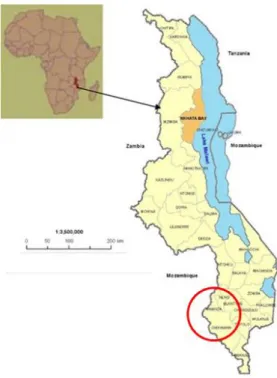
Blantyre and Chikwawa are districts located in the southern region of Malawi with a population of approximately 950,000. The districts have 2 tertiary hospitals (one in each district) where women with high risk pregnancies are referred to for care and delivery. The principal malaria vectors in the study area are Anopheles gambiae s.s., and Anopheles funestus. Malaria transmission is perennial in these districts with peaks observed during the monsoon season (November-March). P. falciparum is the dominant species in circulation as it causes over >90% of all malaria infections (Figure 3.1) [101, 102].
This identified source population is ideal for the proposed analyses as the burden of malaria in pregnancy is highest in sub-Saharan African countries such as Benin and Malawi. Further, malaria in pregnancy has been well characterized in the study area through numerous studies [50, 85, 104-111]. Both studies from which the data for this project will be acquired have prospectively followed pregnant women through delivery and have high quality data. Further, we believe the results from this study are generalizable to pregnant women living in other malaria endemic Saharan African countries and potentially to countries outside the African sub-continent.
STUDY POPULATION
The study population included pregnant women who were residing in Blantyre and Chikwawa districts between 2010 and 2013 in Malawi and in the Comé district between 2008 and 2010 in Benin.
In Malawi, HIV-negative pregnant women were enrolled in the trial starting September 2010 in the antenatal clinics in Mpemba and Madziabango in Blantyre and Chikwawa districts, respectively (Figure 3.1). The inclusion criteria included singleton pregnancy, gestationa l age of 16 to 28 weeks, no history of IPTp use during current pregnancy, resident of the study area, and willing to deliver at the study clinic or hospital. Women who met the inclusion criteria were enrolled in the trial after obtaining informed consent and were randomized to receive either at least three doses of IPTp-SP or at least three screenings with an RDT and subsequent treatment of RDT-positive cases with DP. Newborn infants to the women enrolled in the trial were
birth attendants and birth outcomes along with other relevant information were recorded within two days after the delivery (Madanitsa 2016).
In Benin, women were enrolled starting in June of 2008 in the three dispensaries: Comé, Akodeha, and Ouedeme Pedah (Figure 3.2). The inclusion criteria consisted of gestational age under 24 weeks, living within 15km from the dispensary for >6 months, and having planned to deliver at the hospital. Local midwives performed gynecological examinations and collected clinical information on the pregnant women. Pregnant women who met the inclusion criteria were then enrolled after study objectives were explained twice and informed consent was
obtained. Nurses from the community were recruited and trained as project assistants to complete questionnaires and collect blood samples from the study participants. In addition to the pregnant women, the newborn infants were clinically examined and anthropometric measures were collected. For women delivering outside the study time frame, birth outcomes were collected from antenatal care book or if the women presented at the study center within two days after delivery [50].
For both aims of this study, we included women testing positive for malaria at delivery in their placental blood samples via microscopy or PCR for whom placental blood samples were available for ID1-DBL2x genotyping.
DEMOGRAPHIC AND CLINICAL DATA
randomized to receive the intervention (ISTp-DP) or standard-of-care (IPTp-SP) (Madanitsa et al. 2016).
During routine antenatal visits, clinical symptoms and illnesses experienced in the last month were recorded. The same clinical and biological information as initial visit was collected and changes in the demographic data were noted. As part of routine antenatal care in Malawi, women received ITNs, iron and folic acid supplements, tetanus vaccination if applicable,
praziquantel (40 mg/kg single dose) for schistosomiasis, albendazole (400 mg/kg single dose) for hookworm, trichuriasis and ascariasis, and albendazole (400 mg/kg per day for 3 days) for strongyloidasis (Madanitsa et al. 2016).
At delivery, information on the newborn infants included weight, vital signs, and congenital anomalies. Gestational age was assessed clinically by using the new Ballard sore. After 24 hours, the baby was re-examined for jaundice (Madanitsa et al. 2016).
In Benin, at the initial visit, for each pregnant woman, information regarding
reproductive history, current pregnancy, medical history, socio-economic indicators, and use of malaria preventive measures such as insecticide treated bed nets was collected. Anthropometric measures collected on mothers included axillary temperature, blood pressure, and the mid-upper arm circumference (MUAC). Four ultrasound scans were also performed using a portable ultrasound system to determine exact term of pregnancy and to evaluate intrauterine growth and fetal morphology [50].
delivery, measurements of axillary temperature, weight, blood pressure of the mother were collected [50].
According to national guidelines, pregnant women were given monthly kits that included tablets of iron (200 mg to be taken daily), folic acid (5 mg to be taken daily), and mebendazole (500 mg for 3 days) for deworming along with ITNs. Additionally two doses of sulfadoxine pyrimethamine (SP) (1500 mg of sulfadoxine and 75 mg of pyrimethamine) were administered as IPTp at least one month apart starting in the second trimester of pregnancy [50].
Information collected on the newborn infants included the APGAR score, a method that rapidly assess the health of the newborn immediately after birth [112], indications for icterus and malformations, anthropological measurements that included weight, height, MUAC, head
circumference, abdominal circumference, and foot length. Gestational age was assessed clinically by using the new Ballard score [113].
OUTCOME ASSESSMENT
Birth weight was included in the study as a categorical as well as a continuous outcome. Low birth weight (LBW) was defined according to the WHO’s criteria as infant with a birth weight of less than 2500 grams [114]. Additionally, to account for confounding in birth weight due to gestational age [115-119], small-for-gestational age (SGA) was calculated for each infant using nomograms from previous studies from the study areas. SGA, which takes into account gestational age as well as birth weight give a more accurate representation of fetal growth in the study population [120, 121].SGA was defined as infant with a birth weight below the 10th percentile for babies of the same gestational age at delivery
EXPOSURE ASSESSMENT
The main exposure of interest for this study was the genetic sequence of the ID1-DBL2x region of var2csa. The ID1-DBL2x region was characterized by targeted deep-sequencing using the PacBio consensus deep-sequencing (CCS) platform. Sequences from PacBio were clustered to using a k-mer clustering algorithm to generate a list of unique ID1-DBL2x variants and their relative frequencies infecting the pregnant women in our study population. Phased consensus genetic sequences from each woman were used in the analyses of both aims. Additionally, results of the phylogenetic clustering performed in aim 1 were used to help inform epidemiologic
Figure 3.1: Malawi Study Site
CHAPTER FOUR: METHODS
DNA EXTRACTION
Among samples from the ISTp trial in Malawi, genomic DNA was extracted from dried blood spots (DBS) using 20% Chelex-100 (Bio-Rad, Richmond, CA) [122]. DBS were hole-punched into 96-well plates and incubated overnight at 4 °C in 1ml of 1x PBS and 50 uL of 10% saponin. After a wash with 1x PBS, 50 µl of 20% Chelex was added to each sample and
incubated at 95°C for 12 minutes. Genomic DNA in the solution was aspirated to separate it from the Chelex beads and stored at -20°C for downstream molecular testing and PCR amplifications.
For Benin, genomic DNA was extracted from RBC pellets using Thermo Scientific GeneJET DNA extraction kit (Catalog #K0781) as recommended by the manufacturer. Briefly, packed RBCs were digested with Proteinase K and incubated with ethanol at 56°C for ten minutes. DNA was separated from the lysate via purification column, and eluted in water, and stored at -20°C.
ID1-DBL2X PCR ASSAY
that the primers were indeed in the conserved region. An outer reverse primer was designed for the first round of the hemi-nested PCR (Table 4.1). Barcodes were attached to the forward and reverse primers for the second round PCR (Appendix A). The second round of hemi-nested PCR was a designed to be a touchdown PCR in order to increase the specificity of the DNA
amplification.
The PCR reaction mix for the first round contained: 2.5µl of Roche Hi-Fi buffer, 0.5 µl of 10 mM dNTPs, 20 µM of each primer, 1.2 µl of 25 mM MgCl2, 0.25 µl of Roche Hi-Fi DNA polymerase, 1.25 µl of DMSO, and 5 µl of DNA template in a 25 µl reaction. The first round PCR cycling conditions were as follows: 95°C for 2m, 35 cycles of 95°C for 30s, 52°C for 30s, and 72°C for 3min, and a final extension of 72°C for 7m. PCR products from the primary round were then used as DNA template for the second round PCR. The PCR reaction mix for the second round contained: 2.5µl of Roche Hi-Fi buffer, 0.5 µl of 10 mM dNTPs, 20 µM of each barcoded primer, 0.25 µl of Roche Hi-Fi DNA polymerase, 1.25 µl of DMSO, and 2 µl of primary PCR product in a 25 µl reaction. The second round PCR cycling conditions were as follows: 95°C for 2m, 15 cycles of 95°C for 30s, 67-52°C for 30s (-1°C per cycle during first 15 cycles, then 52°C for 25 cycles), and 72°C for 3m, and a final extension of 72°C for 7m. All second round PCR products were visualized on a 1% agarose gel.
PACBIO CIRCULAR CONSENSUS SEQUENCING (CCS)
mixed in an equimolar fashion for each PacBio Single Molecule, Real-Time (SMRT) sequencing cell. This was done to ensure all PCR products would be sequenced with equal probability. Each PacBio SMRT cell was gel extracted and purified using Qiagen gel extraction kit as per
manufacturer’s protocol. The SMRT cells were quantified again to ensure adequate concentration and quantity of DNA was present before sequencing.
CLUSTERING OF NEXT-GENERATION SEQUENCING DATA
Raw sequences from PacBio were cleaned and clustered using a novel clustering algorithm based on k-mer distances [124]. First, sequences sharing the same barcodes were clustered using the k-mer clustering algorithm. For each sequence, all its k-mers were indexed and k-mer distances were created by counting the k-mers shared between two sequences and dividing by the maximum number of k-mers the two sequences could share. The range of values for k-mer distance is between 0 and 1 with 0 being no k-mers shared and 1 being all k-mers shared. K-mer distances were calculated at several k-mer lengths and the rate at which the k-mer distance decreased with increasing length was compared to monoclonal PacBio samples rates to cluster similar sequences. Second, after within-PCR replicate (same barcode) clustering,
VALIDATION STUDY
As the PCR assay and bioinformatics clustering of a long fragment of var2csa has not been previously reported, we conducted a validation study using pools of reference genomic parasite lines to ensure that our assay and clustering algorithm was appropriate and accurate. We mixed seven reference parasite lines (3D7, FCR3, 7G8, DD2, K1, RO33, and V1/S) in varying frequencies (1-50%) in five pools and deep-sequenced it on the PacBio CCS platform. The sequences derived from deep-sequencing were then clustered using the k-mer clustering
algorithm. We estimated the component parasite lines for each pool and their relative frequency. We then compared the results of de novo clustering to the expected and reference- guided observed frequencies.
SPECIFIC AIM 1 STUDY SAMPLE
The study sample for Specific Aim 1 included pregnant women enrolled in the parent studies in Benin and Malawi whose placental samples collected at delivery were amplified and deep-sequenced successfully and for whom we had clinical and demographic data. To
characterize the genetic diversity of the ID1-DBL2x region, we calculated measures of alpha (within- group) and beta (between-group) diversity. We then compared these measures between the two countries and between women of differing gravidities.
CHARACTERIZING ALPHA (α) DIVERSITY
To estimate species richness of the ID1-DBL2x region of var2csa, we calculated rarefaction curves [125] in Malawi and Benin as well as by gravidity. As observed species richness is highly sensitive to sample size and diversity of the marker being used, a simple ratio of species per sampling unit may distort richness values. Hence rarefaction curves were
calculated taking into account how sampling was conducted. Rarefaction curves of haplotypes were calculated in EstimateS [126] as:
𝑆̃𝑠𝑎𝑚𝑝𝑙𝑒(𝑡) = 𝑆𝑜𝑏𝑠− ∑ [(𝑇 − 𝑌
𝑖
𝑡 )
(𝑇𝑡) ]
𝑌𝑖>0
where, Ssam ple (t) is expected number of species, Sobs is the actual number of species observed, T is the total number of sampling units, t is the incident sample, and Yi is the observed species incidence frequencies. Rarefaction curves were bootstrapped 1000 times with replacement to generate 95% confidence intervals. Since var2csa is highly diverse and we were likely to find many more variants of var2csa through next-generation sequencing, we extrapolated the
rarefaction curves by 100 additional samples to predict how species richness would change if our sample size was larger.
Expected heterozygosity (He) was calculated at each locus within each country and within women of differing gravidities as [127]:
𝐻𝑒 = [ 𝑛
𝑛 − 1] [1 − ∑ 𝑝𝑖2]
𝑛
𝑖=1
where n is the number of isolates sampled and 𝑝𝑖 is the frequency of the ith allele. All calculated estimates of He were then bootstrapped 1000 times to estimate the precision of the estimates and test if He was statistically different between the two countries and different by gravidity.
calculated He at each amino acid position among variants in Malawi and Benin from translated protein sequences.
Shannon index (H’) was calculated for the ID1-DBL2x populations within each country and within women of differing gravidities as [128]:
𝐻′= − ∑ 𝑝 𝑖 𝑙𝑛 𝑝𝑖 𝑅
𝑖=1
where pi is the proportion of individuals found in the ith species. All estimates of H’ were bootstrapped 1000 times with replacement to generate precision estimates.
Abundance coverage estimator (ACE) was calculated for the ID1-DBL2x populations within each country and within women of differing gravidities as [129]:
𝑆𝑎𝑐𝑒 = 𝑆𝑎𝑏𝑢𝑛𝑑 + 𝑆𝑟𝑎𝑟𝑒 𝐶𝑎𝑐𝑒 +
𝐹1 𝐶𝑎𝑐𝑒 𝛾𝑎𝑐𝑒2
where Sabund is the number of abundant species when all samples are pooled, Srare is the number
of rare species (each with 10 or fewer individuals) when all samples are pooled, Cace is the
sample abundance coverage estimator, F1 is the frequency of singletons, and 𝛾𝑎𝑐𝑒2 is the estimated
coefficient of variation of singletons. All estimates of ACE were bootstrapped 1000 times with replacement to generate precision estimates.
Incidence coverage estimator (ICE) was calculated for the ID1-DBL2x populations within each country and within women of differing gravidities as [129]:
𝑆𝑖𝑐𝑒 = 𝑆𝑓𝑟𝑒𝑞+ 𝑆inf𝑟 𝐶𝑖𝑐𝑒 +
𝑄1 𝐶𝑖𝑐𝑒 𝛾𝑖𝑐𝑒2
where Sfreq if the number of frequent species (found in >10 samples), Sinfr is the number of
infrequent species (found in <10 samples), Cice is sample incidence coverage estimator,Q1 is the
All estimates of ICE were bootstrapped 1000 times with replacement to generate precision estimates.
The Chao estimates were calculated for the ID1-DBL2x populations within each country and within women of differing gravidities as [130]:
𝑆𝐶ℎ𝑎𝑜1 = 𝑆𝑜𝑏𝑠+ (𝑛 − 1
𝑛 )
𝐹1(𝐹1− 1) 2(𝐹2 + 1)
where Sobs is the total number of species observed in all samples pooled, n is the number of
samples, F1 is the frequency of singletons, and F2 is the frequency of doubletons. 𝑆𝐶ℎ𝑎𝑜2 = 𝑆𝑜𝑏𝑠 + (𝑚 − 1
𝑚 ) (
𝑄1(𝑄1− 1) 2(𝑄2+ 1))
where Sobs is the total number of species observed in all samples pooled, m is the number of
samples, Q1 is the frequencies of unique species, and Q2 is the frequencies of duplicate species.
Statistically significant differences in alpha diversity metrics between different groups were tested using Kruskal–Wallis test. An α of 0.05 was determined a priori to test for significant differences.
Using genetic sequences from the haplotypes, we constructed phylogenetic trees using the maximum composite likelihood method in MEGA6. Genetic distances in the maximum composite likelihood method were calculated using the Tamura-Nei model [131]:
𝑑 = −𝑏𝑙𝑜𝑔𝑒(1 − 𝑝 𝑏⁄ )
where p is the proportion of sites with different nucleotides and
𝑏 = 1
2[1 − ∑ 𝑔𝑖2+ 𝑝2/𝑐
4
𝑖=1
𝑐 = ∑ ∑ 𝑥𝑖𝑗
2
2𝑔𝑖𝑔𝑗
4
𝑗=𝑖+1 3
𝑖=1
where xij is the relative frequency of the nucleotide pair i and j, gis are the nucleotide frequencies.
The maximum composite likelihood phylogenetic trees were bootstrapped 1000 times to
compute branch support and provide precision in the differences observed in the trees. Bootstrap values of greater than 80% were used as cutoff point to identify significant differentiation
between variants and clusters. All phylogenetic trees were visualized using the APE package for R [132].
CHARACTERIZING BETA (β) DIVERSITY
To characterize genetic relatedness among the ID1-DBL2x variant populations between Malawi and Benin as well as between the different clades, we calculated Wright’s fixation index (FST) [133] as.
𝐹𝑆𝑇 = 𝜋𝐵𝑒𝑡𝑤𝑒𝑒𝑛 − 𝜋𝑊𝑖𝑡ℎ𝑖𝑛 𝜋𝐵𝑒𝑡𝑤𝑒𝑒𝑛
where πBetween is the average number of pairwise nucleotide differences between two variants
from two different sub-populations and πWithin is the average number of pairwise nucleotide
differences between two variants from the same sub-population. The FST index quantifies genetic relatedness based on allele frequencies among population and ranges from 0 to 1, where 0 signifies a genetically identical population and 1 signifies completely differentiated populations. The FST analyses were performed using a sliding window to identify regions along the vaccine target that would account for the genetic relatedness between countries and clades.
phylogenetic clustering. FST values were used as the genetic distance matrix for the PCoA. The top coordinates explaining the most amount of variation were used to visualize the genetic relatedness between the clades.
We calculated nucleotide diversity (π) and Tajima’s D test [134] on the entire ID1-DBL2x region as well as with a sliding window approach to assess the selection pressures acting upon vaccine target[135]. Tajima’s D was calculated on ID1-DBL2x variant populations by country and major clades as follows:
𝐷 = 𝜋̂ − 𝜃̂𝑊 √𝑉𝑎𝑟(𝜋̂ − 𝜃̂ )𝑊
where π is the average number of pairwise differences and ϴw is the Watterson’s estimator of ϴ
calculated as:
𝜃̂ = 𝑊 𝑆𝑛 𝑎𝑛
where Sn is the number segregating sites in a population and an is:
𝑎𝑛 = ∑1 𝑖
𝑛−1
𝑖=1
SPECIFIC AIM 2 STUDY SAMPLE
The study sample for Specific Aim 2 included pregnant women enrolled in the parent studies in Benin and Malawi whose placental samples collected at delivery were amplified and deep-sequenced successfully and for whom we had clinical and demographic data.
PHYLOGENETIC AND STATISTICAL ANALYSES
We examined associations between clades and birth outcomes to identify pathogenic clades. Outcomes of interest were birth weight, low birth weight (LBW), and small-
for-gestational age (SGA). At delivery, infant birth weight was recorded to the nearest gram within 24 hours using a calibrated digital scale. LBW was defined according to World Health
Organization’s criteria as infant with a birth weight of less than 2500 grams [114]. SGA was defined as infant with a birth weight below the 10th percentile for babies of the same gestational age at delivery [120, 121, 136].
Unique variants identified in our study population were analyzed phylogenetically to detect clustering. We constructed phylogenetic trees using the maximum composite likelihood (MLE) method in MEGA6 [123]. Genetic distances in the maximum composite likelihood method were calculated using the Tamura-Nei model [131]. The MLE phylogenetic trees were then bootstrapped 1000 times to compute branch support and provide precision in the clustering detected in the trees. All phylogenetic trees were visualized using the APE package for R [132]. Bootstrap values of greater than 80% were used as cutoff point to identify significant
differentiation between variants and clusters.
Table 4.1: ID1-DBL2x hemi-nested PCR primer sequences
Primer Name 5'→3'
ID1-F* GATCCTTATTCCGCAGAATA
CIDR-R_Heminested TTTCTTTGTTCCACTGTTCAAA
CIDR-R* GTCGTGTATGTTGTCCA
Figure 4.1: Schematic representation of the bioinformatics clustering pipeline employed in this study. Pools of amplified ID1-DBL2x from individual women in technical replicates using