FOR
WOMEN, INFANTS AND CHILDREN (WIC)
FFY 2014
STATE STRATEGIC PLAN
DUNS #806418075
NEW JERSEY DEPARTMENT OF HEALTH
PUBLIC HEALTH SERVICES BRANCH
FAMILY HEALTH SERVICES
WIC SERVICES
50 EAST STATE STREET
6
thFLOOR
PO BOX 364
TRENTON, NEW JERSEY 08625-0364
(609) 292-9560
2014 STATE PLAN SUMMARY
TABLE OF CONTENTS
Page 1.0 EXECUTIVE SUMMARY ... 1-1 1.1 Federal Overview ... 1-1 1.2 State Overview ... 1-5 1.3 Local Agency Overview ... 1-6 1.4 New Jersey WIC Advisory Council Overview ... 1-7 1.5 Division of Family Health Services’ Mission Statement ... 1-8 1.6 New Jersey WIC Services’ Mission Statement ... 1-9 1.7 New Jersey WIC Services’ Goal ... 1-10 1.8 New Jersey WIC Services’ 2014 Objectives ... 1-112.0 ORGANIZATIONAL STRUCTURE OF NEW JERSEY WIC SERVICES
2.1 State Operations ... 2-1 2.2 Local Agency Operations ... 2-16 2.3 New Jersey Advocacy Operations ... 2-17
3.0 FINANCIAL MANAGEMENT ... 3-1 3.1 Federal Funding Process ... 3-1 3.2 State Funding Process ... 3-5 3.3 Preliminary FFY 2013 and FFY 2014 Funding ... 3-8 3.4 Vendor Analysis ... 3-18
4.0 POPULATION ANALYSIS ... 4-1 4.1 New Jersey WIC Services Affirmative Action Plan Statistical Methodology . 4-1 4.2 Estimated Eligible WIC Participants Methodology for FFY 2014 ... 4-21 4.3 Disclaimers and Notes for FFY 2014 WIC Affirmative Action Plan ... 4-31 4.4 New Jersey WIC Services FY 2012 Health Data ... 4-32 4.5 New Jersey WIC Services FY 2012 Breastfeeding Data ... 4-41
5.0 MILESTONES-SIGNIFICANT INITIATIVES FOR FFY 2013 ... 5-1 5.1 Office of the Director ... 5-1 5.2 Health and Ancillary Services ... 5-3 5.3 Food Delivery and Vendor Management ... 5-6 5.4 WIC Management Information Systems ... 5-8 5.5 Monitoring and Evaluation ... 5-10
6.0 STRATEGIES ... 6-1 6.1 Client Services through Technology and Collaboration of Services ... 6-1 6.2 Quality Nutrition Services ... 6-2 6.3 Vendor Cost Containment ... 6-5 6.4 Program Integrity ... 6-6
7.0 APPENDICES ... 7-1 7.1 Organization Charts ... 7-1
8.0 WIC CLINIC SITES by COUNTY ... 8-1 8.1 WIC Clinic Sites by County ... 8-1
1.0 EXECUTIVE SUMMARY
1.1
Federal Overview
The Special Supplemental Nutrition Program for Women, Infants and Children (WIC) was established in 1972 as a pilot project following a national survey that found anemia and inadequate growth to be common among American children in low-income families. In 1974, WIC was established as a discretionary program, available throughout the United States. WIC is a preventive public health nutrition program that provides nutrition and breastfeeding education, nutritious foods, and improved access to regular health care and social services to low and moderate-income pregnant, postpartum and breastfeeding women and young children with, or at risk of developing nutrition related health problems. To address the identified and implement the mandates of the legislation, WIC:
• Provides a WIC food package that is in line with the 2005 Dietary Guidelines for Americans and current infant feeding practice guidelines of the American Academy of Pediatrics to: better promote and support the establishment of successful long-term breastfeeding; provide WIC participants with a wider variety of food; provide WIC State agencies with greater flexibility in prescribing food packages to accommodate participants with cultural food preferences; and, serve all participants with certain medical provisions under one food package to facilitate efficient management of participants with special dietary needs.
• Issues food vouchers containing supplemental foods with essential nutrients found to be deficient or lacking in their diets. The food vouchers are redeemable at approved retail stores in New Jersey.
• Provides health and nutrition screenings for early identification or treatment of existing risk factors that contribute to poor growth rates in infants and children, poor pregnancy outcomes and poor health and nutrition status.
• Conducts nutrition/health counseling designed to improve their dietary habits and eliminate or reduce risk factors. The counseling is provided in both individual and peer/group- sessions.
• Promotes adoption of healthy lifestyles for prevention of diseases, improved birth outcomes and pediatric growth through nutrition education.
• Refers program participants to needed health care, social and other community services for health protection.
• Promotes and supports exclusive breastfeeding.
• Through integration of programs (National Fruit and Vegetable Program, Farmers’ Market Nutrition Program and the Office of Nutrition and Fitness (ONF)) reduces barriers and strengthens the abilities of program participants to adopt lifelong dietary practices for health promotion.
• Provides nutrition education tailored to participants’ risk factors and interests.
Numerous research findings show that WIC contributes to improved health and nutritional status of pregnant women, postpartum and breastfeeding women in low socioeconomic status, infants and children. Also, studies conducted by United States Department of Agriculture (USDA) Food and Nutrition Services (FNS), other non-government entities (Mathematica) and University of Medicine and Dentistry of New Jersey show that WIC is a cost-effective nutrition intervention program. The following summarizes some of the findings that support the effectiveness of WIC Services:
Improved Birth Outcomes and Savings in Health Care Costs
National and statewide studies that have evaluated the cost-benefit of WIC prenatal participation have consistently shown that dollars invested in WIC significantly contributed to savings in medical care costs for infants. Prenatal WIC participation also contributes to improved birth weight, gestational age and infant mortality. (ref. # 1 – 6)
Increased Consumption of Key Nutrients/Increased Nutrient Density of Diet
A healthy diet is associated with a positive health status and can reduce the risk for several chronic diseases, including obesity, heart disease, type 2 diabetes, and come cancers. Consuming a healthy diet during early childhood contributes to adequate growth and development. Studies have shown that WIC children have higher increased intakes of iron, potassium, and fiber. Also participation in WIC dramatically improves Healthy Eating Index scores for the household. (ref # 7 - 8)
WIC reduces obstacles that low-income population encounter in adopting healthy diets. Such obstacles include lack of knowledge and access to nutritious foods. Apart from the vouchers containing the supplemental foods, the WIC program implements the Farmers’ Market Nutrition Program (FMNP) that increases access to a locally grown fresh fruits and vegetables combined. The Farmers Market Nutrition Program also incorporates nutrition education that strengthens the abilities of program participants to adopt lifelong dietary practices necessary to prevent the onset of chronic diseases. Through the New Jersey WIC FMNP, WIC educates the program participants about the
relationship of nutrition to chronic disease prevention, promotes consumption of locally grown produce and contributes to increases in revenues for participating New Jersey farmers. In 2012, 231 New Jersey farmers served as vendors for the FMNP and redeemed vouchers worth over $0.5 million dollars.
Increased Breastfeeding Rates
Breastfeeding helps mothers feel close to their babies, and the breast milk contains all the nutrients infants need to grow and develop. Breastfed infants tend to be healthier since they receive antibodies from the breast milk, which protect them against infection. With increasing breastfeeding education and support services over the years, the WIC breastfeeding initiation rate increased 21.8 percentage points to 63.1% between 1998 and 2010. (ref. #9).
CONCLUSION: WIC is a multi-component, comprehensive, effective, cost-saving intervention public health nutrition program designed to address the specific health and nutrition needs of at risk pregnant, postpartum, and breastfeeding women, and infants and children of low socioeconomic status.
REFERENCES:
1. Khanani, I., Elam, J., Hearn, R., Jones, C., & Maseru, N. (2010). The impact of prenatal WIC participation on infant mortality and racial disparities. American Journal of Public Health, 100(S1), S402-S209.
2. Avruch, S., & Cackley, A.P. (1995). Savings achieved by giving WIC benefits to women prenatally. Public Health Report, 110, 27-34.
3. Kowaleski-Jones, L., & Duncan, G.J. (2002). Effects of participation in the WIC Program on birthweight: Evidence from the National Longitudinal Survey of Youth. American Journal of Public Health, 92(5). 799-804. 4. Abrams, B. (1993) Preventing Low Birth Weight: Does WIC Work? Annals of NY Academy of Sciences 678,
306-318.
5. Breckenridge, M and Gregory, P.M (1998) The Impact of WIC on Selected Pregnancy Outcomes. New Jersey Department of Health Report.
6. Davaney, B., Bilheimer, L., and Schore, J. (1991) The Savings in Medicaid Costs for Newborns and their Mothers from Prenatal Participation in the WIC Program. Princeton Mathematica Policy Research Inc. 7. Yen, S. (2010). The effects of SNAP and WIC Programs on nutrient intakes of children. Food Policy, 35(6),
576-583.
8. Basiotis, P.P., Kramer-LeBlanc, C.S., & Kennedy, E.T. Maintaining nutrition security and diet quality: The role of the Food Stamp Program and WIC. Family Economics and Nutrition Review, 11(1,2), 4 – 16.
9. WIC participant and program characteristics 2010 Report. Retrieved January 5, 20212 from http://www.fns.usda.gov/wic/resources/
1.2
State Overview
The New Jersey Department of Health (NJDOH) was one of the first ten State agencies in the nation to administer the WIC Program. The Department currently provides WIC services to the entire State of New Jersey through health service grants awarded to seventeen local agencies and two Maternal and Child Health Consortia. Nine agencies are local/county health departments, three are hospitals, and five agencies are private/nonprofit organizations. The Maternal and Child Health Consortia provide breastfeeding education and support services for WIC participants in their service areas. As the Department moves forward with initiatives for a healthier New Jersey, WIC Services will play a key role to assure better health and improved nutritional status of low-income women, infants and young children.
It is the goal of New Jersey WIC Services to utilize varied strategies to reduce the risk of poor pregnancy outcomes, facilitate the improvement of nutritional status by identifying and providing services to prevent nutritional problems/challenges that impact on the nutritional and health status of low income pregnant, postpartum, breastfeeding women, infants and children participating in New Jersey WIC program. In 2012, New Jersey WIC Services through the local WIC agencies served 294,587 pregnant, postpartum, breastfeeding women, infants and children up to age five who have low incomes, medical and/or nutrition risk factors. The ethnic distribution of the WIC Program participants was 49.03% Hispanic/Latino and 49.85% Non-Hispanic/Latino. Race distribution of New Jersey WIC participants: 2.89% American Indians and Alaska Native; 3.40% Asian; 27.86% African American; 1.45% Native Hawaiians or Pacific Islander, 65.00% White; and 1.12% Other. According to data from the 2011 Electronic Birth Certificate, 24.4% of all New Jersey live births were by WIC mothers.
1.3
Local Agency Overview
Local WIC agencies in New Jersey serve as a gateway to primary preventive health care for many of the State’s vulnerable pregnant, postpartum and breastfeeding women, infants and children. New Jersey WIC Services provides a unique opportunity through which program participants receive access to primary preventive health care and referrals to human services programs. The State and local WIC agencies continue to work collaboratively to ensure a participant focused delivery system through the promotion and expansion of one-stop service and integration of services at conveniently located facilities.
The local WIC agencies establish accessible WIC clinic site locations throughout their service area in collaboration with health related organizations, community and non-profit organizations, and county and local municipalities. The local agencies employ over 400 staff to certify the WIC participants using the WIC ACCESS computer system on state owned computers. WIC services must be provided by approved nutrition professionals and nurses and support staff. Local agencies provide extended hours for working participants.
One-sixth of the services offered to WIC participants must be in nutrition education. Local agency staff utilize a variety of materials to encourage healthy eating habits.
1.4
New Jersey WIC Advisory Council Overview
The purpose of the WIC Advisory Council is to bring together representatives from statewide organizations and constituencies that have an interest in the nutritional status of mothers and children by performing the following functions:
• Contribute to the promotion of the New Jersey WIC Services;
• Provide support and make recommendations to New Jersey WIC Services for the operation of an effective program;
• Act as a clearinghouse for the exchange of ideas and information; and
• Provide an articulate voice for consumers in areas affecting WIC, nutrition and health.
The responsibility of the Council is to collaborate with and advise the New Jersey Department of Health through the Director of WIC Services in the delivery of quality services to WIC clients. The areas include: Targeting, Caseload Management, Outreach, Coordination of WIC with other community health services, Vendor Operations, Nutrition Policy, Program Planning, and Budgetary Management.
The New Jersey WIC Advisory Council is comprised of member representatives from numerous providers and advocacy areas, such as: Maternal Health, Pediatric Health, Nutrition, Vendors, Participant Representative (Urban), Participant Representative (Rural), the WIC Forum (President/Designee), a Local Agency Representative, a Health Officer, MCH Regional Consortia, WIC Advocates, New Jersey Hospital Alliance, Division of Medical Assistance, New Jersey State Assembly, New Jersey State Senate, and Managed Care.
1.5 The Division of Family Health Services’ Mission Statement:
To improve the health, safety, and well-being of families and communities in New Jersey.1.5.1 Organizational Structure
Organizational charts for WIC Services are contained in Appendix 7.1 and show the functional organization of each of the Service unit program areas. WIC Services is organizationally located within the Division of Family Health Services (FHS). Gloria Rodriguez is the Assistant Commissioner for the Division of Family Health Services.
1.6
New Jersey WIC Services’ Mission Statement:
To safeguard the health of low-income women, infants, and children up to age five (5) who are at nutritional risk by providing nutritious foods to supplement diet, information on healthy eating, breastfeeding promotion and support and referrals to health care agencies.
1.7
New Jersey WIC Services’ Goals
To enhance the quality of life for women, infants and children through a client centered service delivery system.
To improve the nutritional status of all low-income persons eligible to receive supplemental foods, nutrition education and accessibility to health care and other social services; and to ensure the integrity of program operations and maximize the use of funds appropriated by the United States Department of Agriculture (USDA).
The New Jersey WIC Services Strategic priority sections are addressed in 6.0 Strategies. The Strategies are: Client Services through Technology and Collaboration of Services, Value Enhanced Nutrition Assessment (VENA), Breastfeeding Exclusivity, Physical Activity in Conjunction with Nutrition Education, Vendor Cost Containment, and Program Integrity.
1.8 New Jersey WIC Services 2014 Objectives
Objectives
• To improve client services through technology and collaboration of services;
• To provide participant centered services through Value Enhanced Nutrition Assessment (VENA), improved process, content and staff skill, and the use of enhanced nutrition assessment tools;
• To promote, support and protect exclusive breastfeeding for the first six months of life and continued breastfeeding with the addition of appropriate complimentary foods for the rest of the first year and thereafter as long as mutually desired by mother and child;
• To provide fully integrated breastfeeding promotion and support services at all WIC sites;
• To promote regular physical activity in conjunction with nutrition education to aid in the prevention of overweight and obesity in WIC participants and caregivers of WIC participants.
• To continue complying with the Vendor Cost Containment rule; and
• To continue monitoring program integrity through local agency program operation monitoring and evaluations, vendor compliance buys, MIS ad hoc reporting, and program data analysis and evaluations.
• To replace the existing electronic data processing system that employs a distributed model with a new consolidated web based system.
2.0 ORGANIZATIONAL STRUCTURE OF NEW JERSEY
WIC SERVICES
2.1 State Operations
2.1.1 Office of the Director2.1.1.1 Administrative Section
The Office of the Director administers and manages all operations, including the four service delivery units and the 11 USDA functional areas, of New Jersey WIC Services. The four service units are Health and Ancillary Services, Monitoring and Evaluation, Food Delivery and WIC Information Technology. The 11 functional areas identified by USDA are detailed in the WIC Federal Regulations 7 CFR, Part 246. The 11 functional areas are Vendor Management, Nutrition Services, Information Systems, Organization and Management, Administrative Expenditures, Food Funds Management, Caseload Management, Certification, Eligibility and Coordination, Food Delivery/Food Instrument Accountability and Control, Monitoring and Audits and Civil Rights.
The Office of the Director is responsible for the State Plan, monitoring the budget, monitoring and reporting on annual Operational Adjustment and Infrastructure Funding, Civil Rights, USDA State Technical Assistance Reviews (STAR), fiscal reviews of grantees, all state and federal management evaluations and audits , internal controls, efficiency and effectiveness or program operations and responding to all inquiries, complaints or issues from participants, the public, legislators, interest groups, and state and federal agencies.
The administrative tasks include:
1) Performing payroll activities for 36 employees in New Jersey WIC Services;
2) Completing and coordinating the preparation of all personnel actions for New Jersey WIC Services;
3) Providing administrative direction to program staff concerning interpretation of policies and procedures; and
4) Other administrative functions as deemed necessary to ensure the efficiency and effectiveness of program operations.
2.1.2 Health & Ancillary Services (H&AS) Unit
2.1.2.1 Health & Ancillary Services
State WIC nutrition and breastfeeding staff in the Health and Ancillary Services Unit develops policies and procedures and provides technical assistance in nine of the eleven functional areas of the WIC program. The Health and Ancillary Services staff are responsible for nutrition education, the cornerstone of the WIC program; the oversight of breastfeeding promotion and support services; immunization screening; monitoring of local agencies to ensure that they fully perform their WIC regulatory responsibilities; the certification process; food package tailoring; nutrition surveillance; and coordination of services with health and social service agencies.
Staff conducts trainings and provides support to local agencies on health and nutrition topics including: pediatric and prenatal nutrition advances, nutrition techniques, breastfeeding, customer service, income screening, blood work screening, anthropometrics (weighing and measuring) and program regulations. These trainings are eligible for continuing education credits from the American Academy of Nutrition and Dietetics and other relevant credentialing organizations. Staff reviews State and local agency program data and Nutrition Services reports to evaluate the characteristics of the certified population, e.g., level of education, nutritional risk factors, breastfeeding rates and formula usage.
2.1.2.2 Nutrition Education
Health and Ancillary Services assures through time studies that 1/6th of New Jersey's Nutrition Services Administrative funds are spent on Nutrition Education and that two nutrition education contacts per certification period are provided and documented for all WIC participants, including the high risk.
In addition to the Nutrition Education Plan, Health and Ancillary Services reviews, purchases, creates and distributes nutrition education materials for local WIC agencies and translates materials into Spanish and other languages as needed. Nutrition education is provided to individuals and groups, and whenever possible, is based on the individual interests and health needs of the participant.
The three major goals of WIC nutrition education are to:
• Highlight the relationship between proper nutrition and good health with special emphasis on the nutritional needs of pregnant, postpartum, and breastfeeding women, infants, and children under five years of age;
• Assist the individual who is at nutritional risk to achieve a positive change in food habits resulting in improved nutritional status and prevention of nutrition related problems through optimal use of the supplemental foods and other nutritious foods; and
• Provide nutrition education in the context of the ethnic, cultural, and geographic preferences of the participants and with consideration for educational and environmental limitations experienced by the participants.
The Health and Ancillary Services Unit, with local agency input, develops a Statewide Nutrition Education Plan that targets nutritional problems identified in the New Jersey WIC population. Local agencies may adopt this plan, make modifications, or develop an individual plan based on an assessment of the nutritional problems of the participants in their service area subject to the review and approval of the State WIC Agency.
Value Enhanced Nutrition Assessment (VENA) is part of the Revitalizing Quality Nutrition Services in WIC Initiative. The goal is to improve nutrition and health assessment for the purposes of directing client centered nutrition education and services.
In November 2012, Altarum Institute provided a one day introduction to a WIC Services Toolkit. This toolkit is the result of the collaboration between Altarum Institute and the States of Delaware, Maryland, New Jersey, and West Virginia, with funding provided by the Mid-Atlantic Region of the USDA and Food and Nutrition Services. In January 2013, States received 17 WIC Services Toolkit DVDs for distribution to the local agencies. The Toolkit topic areas include: Communication Skills Part 1, Communication Skills Part 2, Strategies for Group Education, Facilities and Use of Space, Service Delivery, Understanding Your WIC Customers and Guide for WIC Mentors. The Toolkit allows local agencies the ability to provide interactive trainings at their location to meet the needs of their staff.
In November 2009, the NJ WIC Program launched an interactive customized nutrition education website, NJWIConline.org. New Jersey WIC participants can utilize this website with internet
access to satisfy their secondary nutrition education contact. In December 2010, KIOSKS were placed at all the WIC local agency administrative offices. These KIOSKS contain the NJ WICOnline.org website for WIC Participants to complete their secondary nutrition contact. See Section 5 Milestones.
2.1.2.3 Breastfeeding Promotion and Support
The State WIC office oversees all breastfeeding promotion and support services provided for WIC participants by the local agencies and two Maternal and Child Health consortia by monitoring, reviewing, and evaluating the services provided. The State is responsible for technical assistance and training; responding to requests for information from the public and organizations both within and outside of State government; developing policies and procedures based on Federal regulations and guidelines from the National WIC Association; coordinating with private and public health care systems and other organizations and programs to promote and support breastfeeding; contributing to the Nutrition Education Plan; tracking and compiling the breastfeeding rates and trends; and purchasing breast pumps.
2.1.2.4 WIC Food Packages
The Health and Ancillary Services Unit identifies and provides local agencies with a list of the foods that are acceptable for issuance to program participants; at least one item from each food group in the WIC food package prescription must be available. The unit monitors local agencies to assure that supplemental foods are made available in the quantity and form necessary to satisfy the individual nutritional needs and cultural preferences of each participant, taking into consideration the participant's age and dietary needs. The authorized WIC foods are limited to those that are allowed by Federal Regulations and which satisfies New Jersey’s food selection criteria. New Jersey WIC Services considers availability, cost, packaging, labeling, nutrient content, sugar and sodium content, adulteration, additives/substances, participant preferences, and variety of each food before including it on the WIC approved food list, and distribution to local WIC agencies.
2.1.2.5 Certification/Eligibility Determination
Participation in the WIC program is limited to pregnant, postpartum and breastfeeding women, infants, and children up to the age of five years from low-income families who are determined to be at nutritional risk by a competent professional authority (CPA). Health and Ancillary Services
oversees the eligibility process (income screening, residency, identity, adjunctive eligibility, nutritional assessment, and risk determination).
2.1.2.6 Access to Health Care
The WIC Program serves as an adjunct to primary preventive health care during critical times of fetal development, and the growth and development of infants and children. This component of the WIC Program functions to prevent the occurrence of health problems and to improve the health status of these vulnerable populations.
Local WIC agencies refer participants to healthcare and, as appropriate, to substance abuse counseling and ensure access at no cost or at a reduced cost. During certification, information is given to participant regarding the type of healthcare services available, where free immunizations can be obtained, how to obtain services, and why these services should be used. Standardized New Jersey WIC referral forms are used by all local agencies to collect screening and healthcare referral data. Federally Qualified Health Centers and prenatal health clinic uses the WIC referral form to facilitate the enrollment of eligible pregnant women in each program and reduce the duplication of services. Pregnant women who are presumptively eligible for Medicaid are adjunctively eligible for WIC. The health and nutrition information provided by Federally Qualified Health Centers and prenatal clinic staff on the referral form facilitates the WIC certification process and this coordination will continue during FFY 2014.
The State and local agencies in New Jersey work in cooperation with healthcare and social service providers, SNAP, Medicaid, New Jersey FamilyCare, federally funded community health centers, county welfare agencies, Head Start, HealthStart, child health conferences in local health departments, private physicians, and managed care providers. The co-location of WIC with other services increases the WIC eligible population’s utilization of both services.
Health and Ancillary Services Unit staff works collaboratively with local agencies to ensure a participant-focused delivery system through the promotion and expansion of one-stop service and co-location of services at conveniently located facilities. New Jersey WIC Services has 111 clinic sites of which 48 are co-located with other health and/or human services programs. Health and Ancillary Services staff monitors and approves the opening and closing of WIC clinic sites. Innovative
initiatives to improve access, provide services, and increase efficiency have been integrated to improve both the health and nutritional status of the "at risk" WIC population.
These initiatives include the following:
• Co-location with preventive and primary healthcare; (Newark WIC Program)
• Utilization of two mobile WIC clinics to provide increased access to services in underserved areas (Tri-County and North Hudson WIC Programs);
• Provision of immunization education and referral to children's medical homes or health departments;
• Provision of breastfeeding promotion and support services through WIC local agencies and regional Maternal and Child Health Consortia;
• Coordination with the New Jersey Chapter of the American Academy of Pediatrics to increase immunization rates;
• Hematological testing of WIC participants without referral data from healthcare providers;
• Coordination with Health Maintenance Organizations;
• Co-location or referral linkages to Federally Qualified Health Centers;
• Initiatives to promote awareness of increased fruit and vegetable consumption; and
• Coordination with Medicaid to improve Early Periodic Screening Diagnosis Treatment rates.
2.1.2.7 Outreach and Coordination Network
New Jersey WIC Services and local WIC agencies annually publicize the availability of WIC Program benefits, including eligibility criteria and the location of local agencies operating the program, through offices and organizations that deal with significant numbers of potentially WIC-eligible people. These health and social service organizations and offices are part of the WIC outreach coordination network. Health and Ancillary Services and local agencies work closely with these groups to assure their understanding of WIC and to promote referrals across programs. State and local WIC agencies develop an annual targeting plan to promote WIC awareness, enhance access to WIC services, ensure continuity of WIC services, and coordinate WIC operations with other services or programs that benefit WIC participants. New Jersey WIC advertised on movie screens throughout New Jersey, in FFY 2012.
2.1.2.8 Voter Registration
New Jersey WIC Services provides voter registration services at all WIC clinic sites in compliance with the National Voter Registration Act of 1993. WIC applicants and participants are asked via a voter registration opportunity form that is available at all clinics if they are eligible to vote and would like to register to vote, assistance is available for completing these forms. New Jersey WIC Services coordinates with the Department of Law and Public Safety, Division of Elections, in submitting the quarterly reports from all New Jersey WIC agencies obtaining voter registration forms and provides relevant information to local WIC agencies on voter registration. Voter registration coordinators at local agencies train local staff and State staff are available for technical assistance.
2.1.2.9 MARWIC TIMES Newsletter
Since 1995, New Jersey WIC Services has produced the MARWIC Times newsletter for the United States Department of Agriculture (USDA) Mid Atlantic Region. This quarterly newsletter captures regional USDA news and the news and activities of the nine WIC states in the region: New Jersey, Pennsylvania, Delaware, Maryland, Virginia, West Virginia, the District of Columbia, Puerto Rico and the Virgin Islands. The newsletter was sent to all the WIC directors, nutritionists and breastfeeding coordinators nationally, all the USDA regional offices, and USDA headquarters. The MARWIC Times is supported by an annual grant to New Jersey WIC from the USDA Mid-Atlantic Regional Office. The Newsletter is available on WIC Works.
2.1.3
Monitoring and Evaluation Services
The Monitoring and Evaluation Services Unit (M&E) ensures the appropriate management, utilization of administrative, and food funds by local grantees.
WIC Nutrition Services Administration (NSA) funds are stringently monitored before, during, and after grants are awarded and when funds are expended. The M&E Unit determines an initial NSA grant amount for grantees consistent with the WIC Federal regulations for the distribution of funds through the fiscal budget process. The Department of Health Financial Services mandates and enforces State and Federal requirements for contracting with local grantees through the Notice of Grant Availability, Spending Plan and the Health Service Grant (HSG) process. USDA dictates specific WIC provisions.
The M&E Unit incorporates all requirements into the annual grant application packet and provides an information session to all interested applicants in March 2013. Staff reviews the grant applications for compliance with both program and fiscal requirements and prepare them for departmental review, approval and award. Staff monitors the grants through the expenditure process and sends a report of expenditures to the USDA monthly. If additional funds become available during the fiscal year, the M&E Unit determines the distribution of funds to local grantees and notifies the agencies to prepare a budget modification. Staff review and process grant modifications the same as initial grant applications. The M&E Unit determines the initial and reallocation of USDA funds for food costs to local grantees. Staff prepare, maintain, and monitor monthly State and local agency spreadsheets for projected and actual food dollar expenditures.
Another area of critical program monitoring is caseload management. Staff charts, updates monthly, and monitors program enrollment and participation data to ensure between 97 and 100 percent expenditure of funds without overspending the grant award. Staff distributes a packet of caseload management charts and policy directives to local agency coordinators monthly. Staff frequently discusses with local agency sponsors and coordinators the issues affecting caseload and food dollar expenditures and specific corrective actions needed. Caseload is an agenda topic for each of the bi-monthly administrative meeting with local agency coordinators. Staff also communicates with local grantees via conference calls and special meetings as needed.
The M&E Unit coordinates the Infant Formula Rebate contract and monthly billing to obtain rebate funds as part of the USDA Federal regulations requirement for infant formula rebate cost containment. Staff charts, monitors, and reports the infant formula rebate dollars to USDA monthly. The unit prepares an invoice and submits it to the infant formula contract vendor by the 15th of each month. The rebate dollars are deposited in the bank by the 15th business day of the month and are used for reduction of food expenditures. The unit is responsible for preparing the infant formula rebate Request for Proposal (RFP) in accordance with State purchasing requirements and USDA Federal regulations.
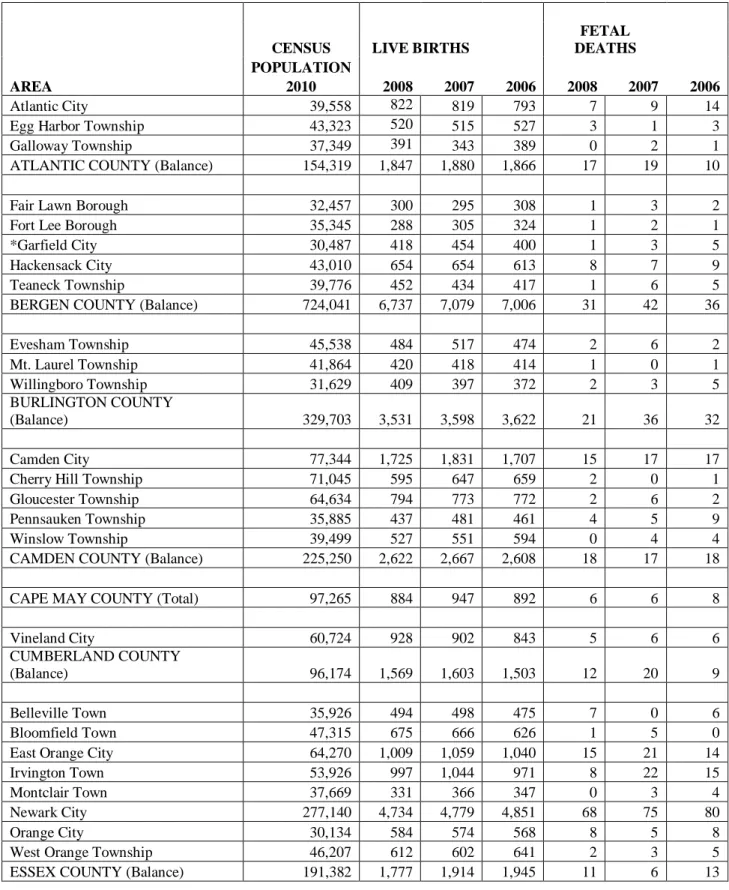
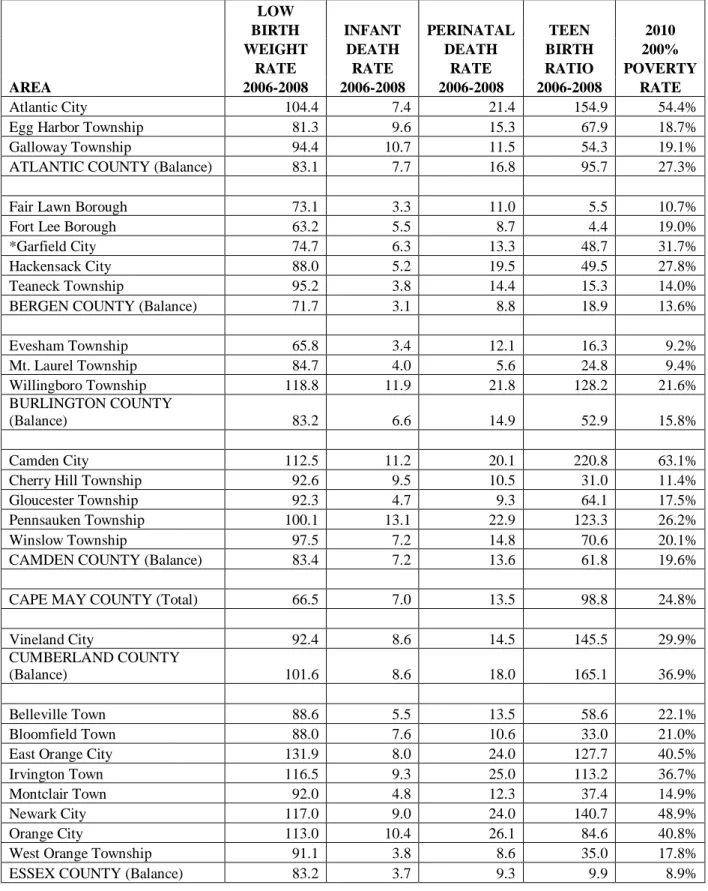
The M&E Unit prepares and issues the Affirmative Action Plan for NJ WIC Services. This plan analyzes health data for the New Jersey WIC eligible population by municipality and county. The unit utilizes the data to develop intervention strategies to improve services to the WIC eligible population.
Another function of the M&E Unit is the preparation of the USDA WIC State Plan Application. Unit staff collects and incorporate all the information relative to management and monitoring of NSA funds and food dollars. In addition, the data on the WIC eligible population is calculated to determine the areas of most need in the State. This information is critical for obtaining approval by USDA for the fiscal year grant award.
2.1.4
Food Delivery Services
The Food Delivery Services Unit (FD) has the primary responsibility to ensure the accountability, payment and reconciliation of 100 percent of all WIC checks distributed, printed, issued, voided, redeemed or rejected. The 17 local agencies have 33 administrative (permanent, fixed) service sites and 81 satellite clinics throughout the state that provide direct benefits to approximately 294,587
women, infants, and children annually. Benefits are delivered through the issuance of checks for specific foods. Checks are cashed at vendors (retail grocery stores) under contract with WIC. WIC Services presently issues over 7,000,000 checks per year and these checks have a value of more than $138 million per year. The FD Unit oversees the operations of all local WIC agencies and their service sites with particular emphasis on check reconciliation and payment. Food Delivery also monitors more than 891 contracted WIC grocery stores (vendors) to ensure compliance with the Vendor Agreement and program integrity.
All new vendors participating in the program for six (6) months must submit their quarterly New Jersey Division of Taxation Sales and Use Tax forms (ST 50 forms or monthly UZ forms) to ensure that the vendors annual WIC food sales are not above-50-percent of their annual food sales. Vendors that are above-50-percent shall be disqualified from the program.
Ensuring compliance is accomplished through a variety of activities including: review of local WIC agencies Program operations; comprehensive review of vendor operations; management and review of the banking contract and procedures for processing checks; and analysis of computer reports from WIC’s Automated Client Centered Electronic Services System (ACCESS) and Solutran, our banking contractor.
The local WIC agency review is a comprehensive assessment of the agency’s total operations that focuses on compliance with regulations regarding the check issuance process, service delivery, customer service, orientation and training for new participants, and one-to-one reconciliation of all checks. The process includes extensive computer report analysis, onsite visits to sites statewide, development and provision of technical assistance and training to local WIC agency staff, and corrective action plans for bringing an agency into compliance.
grantee sponsors and coordinators, and tracking and filing all documents. The onsite review process incorporates 11 Functional Areas that are defined by USDA for the WIC Supplemental Nutrition Program. The methods used by staff include on-site visits, completion of questionnaires by local grantees and State staff, desk reviews of grantee-submitted documents, on-line analysis of electronic data, and desk reviews of electronic reports.
Vendor management activities include collecting, processing, maintaining the paperwork, files and computer database necessary to manage contracted vendors; developing and providing training seminars statewide; conducting extensive computer report analysis; performing onsite monitoring of vendors statewide; collecting and analyzing commodity prices throughout the state; and conducting both training and covert compliance buys.
Food Delivery unit personnel review daily monthly bank reports and have the ability to electronically access and review images of all checks the bank has processed for the past seven years. Staff can also electronically access account information for all New Jersey WIC’s bank accounts for up-to-date activity.
Food Delivery personnel develop ad hoc computer reports to identify, analyze and use as a tool to change and/or develop policies that will have a positive impact on service delivery for WIC participants. They develop and write comprehensive reports on local grantee or vendor operations; evaluate annual grant applications and grant modifications; and develop and provide technical training seminars for vendors.
Food Delivery personnel oversee the ordering, printing and distribution of various program materials, including all check stock used for WIC participant ID folders, participant rights and obligations forms, participant fact sheets, vendor food lists, vendor store signs, vendor stamps, and all forms related to the vendor application process.
Food Delivery personnel co-chair the Food List Committee along with the Health and Ancillary Services Unit. This group evaluates all items chosen for inclusion on the list of WIC approved foods. FD personnel bring their knowledge of statewide availability of items, variations in pricing at vendors across the state, and participant preferences.
Food Delivery personnel oversee the Special Infant Formula purchase system, whereby at-risk infants received medical infant formula shipped either to their homes or to their local WIC Agency. The State has a vendor agreement with a formula warehouse company in Lancaster, PA, for the purchase and shipment of special formula. This system has been in place for several years and has provided a much-needed service to WIC’s neediest population.
Food Delivery personnel are responsible for the semiannual exchange of participant information with the Commonwealth of Pennsylvania. Date files are compared to discern whether any of NJ’s WIC participants are enrolled in the PA WIC Program at the same time (dual participation). Through the efforts of WIC’s computer system contractor, CMA, this data exchange has been enhanced and improved.
Food Delivery personnel are crossed trained to perform FD Unit and Vendor Management Unit functions. The cross training is enhancing the skills and knowledge of the staff, which is needed to maximize productivity.
2.1.5
WIC Information Technology
The WIC Information Technology (IT) Unit is responsible for all data and technology functions for New Jersey WIC Services. IT is responsible for three areas of program concern in support of WIC’s Automated Client Centered Electronic Service System (WIC ACCESS): Operations, Maintenance/Project Management, Field Support and Quality Assurance. In addition to the WIC ACCESS system, the IT Unit supports the computers and associated computing equipment such as printers and scanners used by State WIC staff for program management and operations. The IT Unit is responsible for identification, evaluation, and implementation of a technologically current application to replace WIC ACCESS. The WIC IT unit also administers and is responsible for the Vendor database and application for monitoring and reporting.
2.1.5.1 Operations and Maintenance/Project Management of WIC ACCESS
All automated data processing operations and development is provided and supported by WIC's application service provider (ASP) according to specifications developed by New Jersey WIC Services. A critical role of the IT Unit is to coordinate, monitor and manage current ASP operations and identify issues to improve the efficiency of WIC ACCESS. Areas included in these efforts are monitoring of help desk operations, software “bug” identification, enhancements, application implementation, resource management and liaison for the State and local agencies to the ASP.
The IT Unit provides the necessary evaluation tools and training in use of the Local Agency Service Site Module, System Administration Module, and Central Administrative Module needed by State and local agency management and staff to monitor enrollment participation, food instrument cost, caseload management, food funds issuance, funds reconciliation and Local Agency staff member management. IT Unit also audits local agencies for compliance with Federal regulations that are considered IT in nature.
IT is responsible for identifying emerging technologies that will enhance cost-effective service delivery to WIC participants and improve information management. There are a number of initiatives currently under development that are directly related to implementation of new technologies or the utilization of current technologies in a different solution that will improve the operating efficiency of WIC ACCESS.
The IT Unit, working with other State Office Units, manages the modification of WIC ACCESS to meet the changing requirements of the WIC program. The IT Unit provides business requirements definition support for modifications to the WIC ACCESS application. These modifications are predominately in response to new or modified USDA requirements, in support of normal updates or new WIC initiatives, or to improve efficiency of operations. WIC ACCESS provides automated support for all aspects of WIC and must continuously evolve as WIC evolves.
2.1.5.2 Quality Assurance
The WIC Information Technology Unit utilizes internal resources to test any modifications to the WIC ACCESS application, including regression testing to assure that the modifications do not affect existing functionality. Formal test scripts are developed by Quality Assurance staff to fully exercise each change in the new build and to assure that the entire application continues to operate properly with the inclusion of the changes. Tests are run in a standalone Test Lab using copies of selected Local Agency systems and databases. After testing is complete in controlled conditions, pilot testing is conducted at two local agency administrative sites before any new modification is implemented statewide. The pilot test period is closely monitored by Quality Assurance staff who verify that the new version of the software operates without problems in the production environment.
2.1.5.3 Field Support
The WIC Information Technology Unit provides technical and logistical support to the State and local agency staff and its associated facilities. In conjunction with the ASP help desk, IT staff provides field support hardware and software assistance to local agencies at 33 administrative sites and 111 clinic satellite sites throughout the State of New Jersey. IT also provides the same support to State WIC personnel located at WIC’s State Office facilities.
2.1.5.4.1 General Support of Client
IT staff identifies and develops all specifications and allocations for new hardware and software applications. IT staff researches and processes all purchase orders for necessary equipment and services. The IT Unit also keeps an electronic inventory on all State and local agency hardware and software.
IT will continue to explore new technology that can be tailored to the delivery of WIC services. New generations of hardware and software applications are constantly being tested and reviewed as to their appropriateness for WIC services at both the State and local levels.
New Jersey WIC is in the process of issuing a Request for Proposal for the continued operations and maintenance of WIC ACCESS.
New Jersey WIC is also in the process of issuing a Request for Proposal for a web based replacement system for WIC ACCESS.
2.1.5.5 New Jersey WIC Website
The New Jersey WIC website is an excellent resource for WIC participants, health professionals, and the public in general for information on the New Jersey WIC Program and for links to other public health nutrition programs and information. The site is being regularly updated because it is an effective outreach tool as evidenced by the higher number of visits each month.
2.2
Local Agency Operations
Direct WIC services are provided on a monthly basis to approximately 294,587 women, infants, and children at 111 administrative and clinic sites in the 17 local agencies listed below. The agency sponsors consist of three hospitals, nine municipal/county health departments, and five private/nonprofit organizations.
Local Agency Type of Agency # Of Administrative/Satellite Clinics
Atlantic City Local Government 2/0
Burlington County Local Government 1/10
East Orange Local Government 2/1
Tri-County/Gateway CAP Non Profit 7/6
Gloucester County Local Government 1/2
Newark Local Government 4/3
Jersey City Local Government 1/3
North Hudson Community Action
Corporation Non Profit 1/5
NORWESCAP Non Profit 3/4
Plainfield Local Government 1/0
St. Joseph’s Regional Medical Center Hospital 1/15
Children’s Home Society of Mercer
County Non Profit 1/4
UMDNJ Hospital 1/3
Ocean County Local Government 2/5
Passaic Local Government 1/0
Trinitas Hospital 1/4
Visiting Nurse Association of C-NJ Non Profit 3/13
2.3
New Jersey Advocacy Operations
2.3.1 New Jersey WIC Advisory CouncilThe bylaws of the Council set forth the purpose, organization and council responsibilities, of its membership which are identified in Section 1.4.
3.0 FINANCIAL MANAGEMENT
New Jersey WIC Services receives USDA funding to administer the WIC Program throughout New Jersey as well as funding from other sources to enhance benefits to participants when available. New Jersey WIC Services establishes its financial plan in accordance with federal and State regulations and policies.
3.1 Federal Funding Process
3.1.1 Federal RegulationsSection 17 of the Child Nutrition Act of 1966, as amended, provides payment of cash grants to State agencies that administer the WIC Program through local agencies at no cost to eligible persons. Congress provides an annual appropriation for WIC, usually in the fall, for the current fiscal year. States usually receive official notification of the fiscal year award in February. Congress passes a continuing resolution at the beginning of the fiscal year to temporarily continue the Program until the budget is approved.
Federal Regulations 7 CFR Part 246.16 describes the distribution of the funds. Food funds consist of the current year appropriation plus any amount appropriated from the preceding fiscal year. Nutrition services and administration (NSA) funds consist of an amount sufficient to guarantee a national average per participant grant, as adjusted for inflation. A State agency may spend forward unspent NSA funds up to an amount equal to three percent of its total grant (both food and NSA) in any fiscal year. With prior FNS approval, the State agency may spend forward additional NSA funds up to an amount equal to one-half of one percent of its total grant for the development of a MIS system.
3.1.2 Distribution of USDA Funds to State Agencies
The Nutrition Services Administration (NSA) funding formula incorporates these provisions:
• Base funding level – each State agency shall receive an amount equal to 100% of the final formula-calculated NSA grant of the preceding fiscal year, prior to any operational adjustment funding allocations, to the extent funds are available.
• Fair share allocation – any remaining funds are allocated to each State to bring it closer to its NSA fair share target funding level. This calculation is the difference between the NSA fair share target funding level and the base funding level.
• Operational adjustment funds – up to 10% of the final NSA grant is reserved for FNS regions to allocate to State agencies according to national guidelines and State needs.
• Operational level – level funding from year to year unless State agency’s per participant NSA expenditure is more than 10 percent higher than its per participant NSA grant.
The food funding formula includes the following provisions:
• Fair share target funding – each State agency’s population of persons categorically eligible for WIC which are at or below 185% of poverty proportionate to the national aggregate population of persons who are income eligible to participate in the program based on 185% of poverty criterion.
• Prior year grant level allocation - each State agency shall receive prior year final grant allocation, to the extent funds are available.
• Inflation/fair share allocation - remaining funds are allocated by using an anticipated rate of food cost inflation to all State agencies in proportionate shares, to State agencies with a grant level less than its fair share target funding level and to State agencies that can document the need for additional funds.
Breastfeeding Promotion and Support Funding
• The funding formula is based on the average number of pregnant and breastfeeding women participating in the program in May, June and July of the previous year multiplied by the USDA annual rate to allow for inflation.
• This is the minimum that the State must spend on breastfeeding promotion and support.
• The State may grant additional State administrative funds, which allow for an anticipated increase in the number of pregnant and breastfeeding women served.
The Breastfeeding Peer Counseling (BFPC) funding formula is also based on the average number of pregnant and breastfeeding women participating in the program in May, June and July of the previous year. States are awarded a percent amount based on the total amount allocated by Congress. If the USDA targeted breastfeeding funds and the BFPC funds are not spent in their entirety, the State is subject to a decrease in funding in the following year.
• Recovery - funds distributed to a State agency are returned to the USDA. The USDA determines that the State agency is not expending funds at a rate commensurate with the amount of funds distributed. Recovery may be voluntary or involuntary.
• Reallocation – food funds recovered from State agencies are distributed to State agencies through application of appropriate funding formulas.
• Performance standard of food funds expenditures – 97 percent of food funds allocation. Food funds allocation in a current fiscal year will be reduced if the prior year expenditures do not equal or exceed 97 percent of the amount allocated.
• Reduction of NSA grant – State agency per participant NSA expenditure is more than 10 percent higher than its per participant NSA grant.
• Conversion of food funds to NSA funds – State agency may submit a plan to reduce average food costs per participant and increase participation above the FNS- projected level. “State agency may also earn conversion authority based on actual participation exceeding the Federally-projected participation level calculated in the NSA funding formula.”
• Congress provides a contingency fund to be allocated, as the Secretary of the USDA deems necessary, to support participation should cost or participation exceed budget estimates to avoid waiting lists and to ensure that all eligible women, infants and children receive benefits.
The USDA will grant spendforward requests from states when funds are available. States may request to spendforward unspent prior year grant funds up to 3% of the prior year’s grant. In addition, states may request to spendforward an additional ½ % unspent prior year grant funds to use on MIS projects.
Additional NSA funds can be requested through the prepayment vendor collections. States can report the amount of unallowable food funds that are not paid to a vendor, as identified in a pre-edit check system. The food funds are converted to NSA funds.
3.1.3 Infant Formula Rebate and other Supplemental Foods Rebates
Infant formula procurement – all States are required, unless granted a waiver, to implement infant formula cost containment measures for each of the types and forms of infant formula prescribed to the majority of participants. New Jersey WIC Services awarded a three-year contract to Mead Johnson effective October 1, 2012 to September 30, 2015. Two one-year extensions of the contract by mutual agreement are granted by the terms of the contract. The infant formula rebate funds are used to cover food costs thereby reducing the USDA food grant. USDA encourages states to implement additional food rebate cost containment systems for other supplemental foods, such as infant cereal.
In Consortia with other states in the Mid-Atlantic Region, led by Virginia, New Jersey has an Infant Cereal Rebate with Gerber effective August 1, 2012 through July 31, 2015.
3.1.4 Other USDA Funding
Other USDA funds, which vary from year to year, are allocated to provide for special USDA, State, and LA projects such as the following:
• USDA Operational Adjustment (OA) Projects provide funds to support USDA approved local agency and State agency special projects.
3.2
State Funding Process
3.2.1 State RequirementsNew Jersey State Plan Section II, Policy and Procedures 5.00 through 5.25 and Section V., Administrative Expenditures, provide requirements for local agency administrative expenditures. New Jersey State Plan Section VI, Food Funds Management, describes the State implementation of Federal requirements for food funds management.
3.2.2 Distribution of USDA Funds to Local Agency Grantees
New Jersey WIC Services distributes the Federal funds annually to WIC local agencies. The State advises the local agencies of an initial recommended administrative funding amount each spring to use for completion of the annual Health Service Grant application. The application is due in June and the State provides a provisional grant award October 1. Once the USDA funding award is officially communicated, any additional funding, such as discretionary/operational adjustment funds, is allocated to the local agencies through a grant modification award. Should any other funds become available during the fiscal year they are also awarded to the local agencies through a grant modification.
3.2.3 Funding Formula
The New Jersey WIC Services funding formula is consistent with the USDA funding formula methodology. New Jersey WIC Services appointed a WIC Funding Formula Committee in July 2002, to assess the current funding formula criteria and formulate a new WIC Administrative Funding Formula to most equitably fund the 17 local WIC grantees that provide direct services to WIC eligible applicants in New Jersey. The committee was composed of local WIC agency coordinators, WIC Advisory Council representatives and State staff. The formula was finalized in March 2004, and has been used as a guide to fund the agencies since that time.
The funding formula uses each agency’s most recent closeout year reported participation and the fiscal year base grant to determine each agency’s Administrative Grant per Participant (AGP). The highest, median and lowest AGPs are used to fund three participation bands to provide an “AGP” base grant. The current base funding is compared to the new base grant to determine those over or under. The grants for all agencies are adjusted, either increased or decreased, depending upon the availability of federal funds.
3.2.4 Breastfeeding Promotion and Support
USDA funding supports breastfeeding promotion and support services for WIC participants. Ten local agencies and two Maternal and Child Health Consortia are funded to provide breastfeeding services at WIC sites throughout the State. All USDA breastfeeding funds awarded to New Jersey WIC are distributed to breastfeeding grantees.
Since 2004, Congress has annually appropriated Breastfeeding Peer Counselor Funds (BFPC) to enable State agencies to implement an effective and comprehensive peer counseling program and/or enhance an existing breastfeeding peer counseling program. Breastfeeding peer counseling services are a core service in New Jersey WIC and there is a strong management component. The BFPC funds are provided to agencies to enhance breastfeeding services originally funded with the USDA breastfeeding funds. WIC grantees are required to provide services consistent with Loving Support© through Peer Counseling: A Journey Together – for WIC Managers.
3.2.5 Distribution of Funds to Support Local Agency Operations
New Jersey WIC Services incorporates funding into the State operating budget funding to support LA service delivery to participants. LA operations funded by State budget monies include the following:
• Computer system monthly operational costs, hardware and software costs, and maintenance costs;
• Bank check processing and vendor payment monthly costs;
• Nutrition education materials and supplies that are purchased for participants; and
• A hotline for participants to obtain local agency addresses and telephone numbers.
3.2.6 Distribution of Funds to Support State Agency Operations
A portion of the Federal funds support State agency operations such as salaries, fringe, indirect costs, telephone and computer communication services, equipment, printing, supplies, travel, and training, etc.
3.2.7 Distribution of Other Funds to Support Local Agency Operations
Funding from “other” sources is sometimes available to provide additional services to WIC participants at the WIC sites. These include the following:
• CDC Immunization funds, when available, contain a 10% reserve for WIC and are provided via the CDC Immunization grant to the New Jersey Department of Health (DOH).
• MCH Services funds are State appropriated funds provided to local grantees to enhance services to WIC participants when available.
• COLA (Cost of Living Adjustments) funds provided from the State budget to support grantee services to WIC participants when available.
3.3
Preliminary FFY 2013 and FFY 2014 Funding
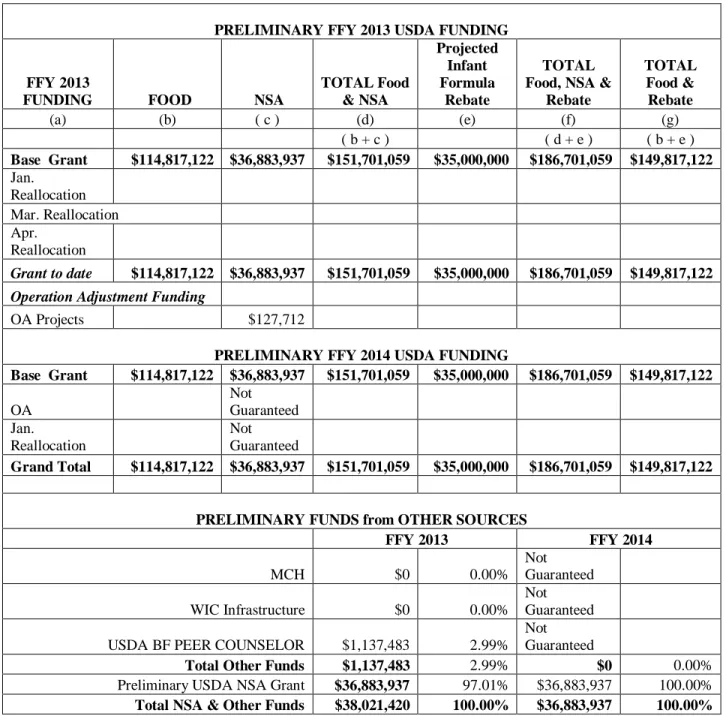
3.3.1 Preliminary FundingThe preliminary budget for FFY 2013 is determined from specific correspondences provided to the State Agency from the USDA. Per federal regulation, the guarantee base grant is based on the previous year base caseload. That preliminary amount is shown in Table 1.
3.3.2 Preliminary Funding Tables andCharts
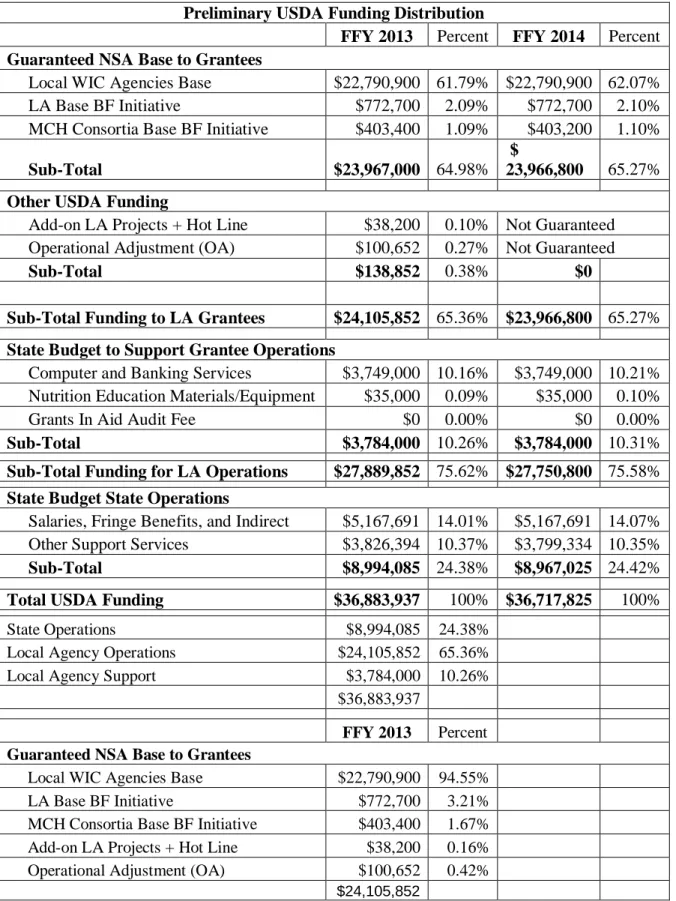
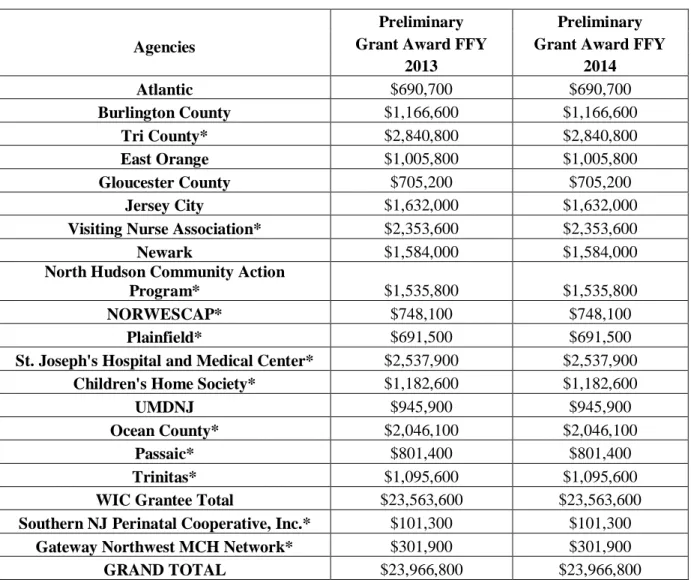
The following tables detail the preliminary FFY 2014 budget and the succeeding FFY 2013 budget with charts depicting the funding sources and amounts in relation to the total pot of funds and the various contributing funding sources.
Table 1. Preliminary FFY 2013 and FFY 2014 Funding Sources Table 2. Preliminary FFY 2013 and FFY 2014 Funding Distribution Table 3. Grantee Preliminary NSA Base Funding
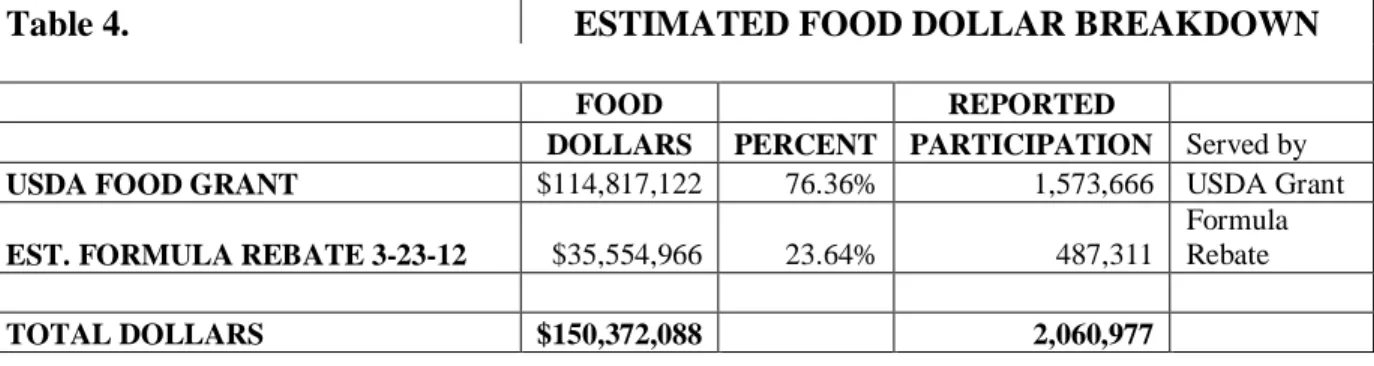
Table 4. Estimated Food Dollar Breakdown
Chart - USDA Food Grant and Estimated Formula Rebate Table 5. New Jersey WIC USDA Participation by Region
Chart - NJ Population in 2010 Census Chart - USDA Participation
Chart 1. Preliminary FFY 2014 Funding Sources
Chart 2. FFY 2013 Preliminary USDA NSA Distribution
Table 1. Preliminary FFY 2013 and FFY 2014 Funding Sources
PRELIMINARY FFY 2013 USDA FUNDING
FFY 2013
FUNDING FOOD NSA
TOTAL Food & NSA Projected Infant Formula Rebate TOTAL Food, NSA &
Rebate TOTAL Food & Rebate (a) (b) ( c ) (d) (e) (f) (g) ( b + c ) ( d + e ) ( b + e ) Base Grant $114,817,122 $36,883,937 $151,701,059 $35,000,000 $186,701,059 $149,817,122 Jan. Reallocation Mar. Reallocation Apr. Reallocation Grant to date $114,817,122 $36,883,937 $151,701,059 $35,000,000 $186,701,059 $149,817,122
Operation Adjustment Funding
OA Projects $127,712
PRELIMINARY FFY 2014 USDA FUNDING
Base Grant $114,817,122 $36,883,937 $151,701,059 $35,000,000 $186,701,059 $149,817,122 OA Not Guaranteed Jan. Reallocation Not Guaranteed Grand Total $114,817,122 $36,883,937 $151,701,059 $35,000,000 $186,701,059 $149,817,122
PRELIMINARY FUNDS from OTHER SOURCES
FFY 2013 FFY 2014 MCH $0 0.00% Not Guaranteed WIC Infrastructure $0 0.00% Not Guaranteed USDA BF PEER COUNSELOR $1,137,483 2.99%
Not
Guaranteed
Total Other Funds $1,137,483 2.99% $0 0.00% Preliminary USDA NSA Grant $36,883,937 97.01% $36,883,937 100.00% Total NSA & Other Funds $38,021,420 100.00% $36,883,937 100.00%
Table 2. Preliminary FFY 2013 and FFY 2014 Funding Distribution Preliminary USDA Funding Distribution
FFY 2013 Percent FFY 2014 Percent
Guaranteed NSA Base to Grantees
Local WIC Agencies Base $22,790,900 61.79% $22,790,900 62.07% LA Base BF Initiative $772,700 2.09% $772,700 2.10% MCH Consortia Base BF Initiative $403,400 1.09% $403,200 1.10%
Sub-Total $23,967,000 64.98%
$
23,966,800 65.27%
Other USDA Funding
Add-on LA Projects + Hot Line $38,200 0.10% Not Guaranteed Operational Adjustment (OA) $100,652 0.27% Not Guaranteed
Sub-Total $138,852 0.38% $0
Sub-Total Funding to LA Grantees $24,105,852 65.36% $23,966,800 65.27%
State Budget to Support Grantee Operations
Computer and Banking Services $3,749,000 10.16% $3,749,000 10.21% Nutrition Education Materials/Equipment $35,000 0.09% $35,000 0.10%
Grants In Aid Audit Fee $0 0.00% $0 0.00%
Sub-Total $3,784,000 10.26% $3,784,000 10.31%
Sub-Total Funding for LA Operations $27,889,852 75.62% $27,750,800 75.58%
State Budget State Operations
Salaries, Fringe Benefits, and Indirect $5,167,691 14.01% $5,167,691 14.07% Other Support Services $3,826,394 10.37% $3,799,334 10.35%
Sub-Total $8,994,085 24.38% $8,967,025 24.42%
Total USDA Funding $36,883,937 100% $36,717,825 100%
State Operations $8,994,085 24.38%
Local Agency Operations $24,105,852 65.36%
Local Agency Support $3,784,000 10.26%
$36,883,937
FFY 2013 Percent
Guaranteed NSA Base to Grantees
Local WIC Agencies Base $22,790,900 94.55%
LA Base BF Initiative $772,700 3.21%
MCH Consortia Base BF Initiative $403,400 1.67% Add-on LA Projects + Hot Line $38,200 0.16% Operational Adjustment (OA) $100,652 0.42%
State Operations, $8,994,085, 25% Local Agency Operations, $24,105,852, 65% Local Agency Support, $3,784,000, 10%
Table 3: Grantee Preliminary NSA Base Funding
Agencies
Preliminary Preliminary
Grant Award FFY Grant Award FFY
2013 2014 Atlantic $690,700 $690,700 Burlington County $1,166,600 $1,166,600 Tri County* $2,840,800 $2,840,800 East Orange $1,005,800 $1,005,800 Gloucester County $705,200 $705,200 Jersey City $1,632,000 $1,632,000
Visiting Nurse Association* $2,353,600 $2,353,600
Newark $1,584,000 $1,584,000
North Hudson Community Action
Program* $1,535,800 $1,535,800
NORWESCAP* $748,100 $748,100
Plainfield* $691,500 $691,500
St. Joseph's Hospital and Medical Center* $2,537,900 $2,537,900
Children's Home Society* $1,182,600 $1,182,600
UMDNJ $945,900 $945,900
Ocean County* $2,046,100 $2,046,100
Passaic* $801,400 $801,400
Trinitas* $1,095,600 $1,095,600
WIC Grantee Total $23,563,600 $23,563,600
Southern NJ Perinatal Cooperative, Inc.* $101,300 $101,300
Gateway Northwest MCH Network* $301,900 $301,900
GRAND TOTAL $23,966,800 $23,966,800
Table 4. ESTIMATED FOOD DOLLAR BREAKDOWN
FOOD REPORTED
DOLLARS PERCENT PARTICIPATION Served by
USDA FOOD GRANT $114,817,122 76.36% 1,573,666 USDA Grant EST. FORMULA REBATE 3-23-12 $35,554,966 23.64% 487,311
Formula Rebate TOTAL DOLLARS $150,372,088 2,060,977 76% 24%
ESTIMATED FOOD DOLLAR BREAKDOWN USDA GRANT-FORMULA REBATE
FOR FFY 2012
USDA FOOD GRANT
Table 5. NJ WIC USDA PARTICIPATION BY REGION DECEMBER 2011
YEAR 2000 %
CENSUS % USDA USDA
REGION POPULATION POPULATION PARTICIPATION PARTICIPATION
NORTH 3,316,853 37.73% 68,764 41.33%
CENTRAL 3,053,000 34.73% 45,862 27.56%
SOUTH 2,422,041 27.55% 51,762 31.11%
STATE 8,791,894 166,388
NORTH CENTRAL SOUTH
LOCALS COUNTIES LOCALS COUNTIES LOCALS COUNTIES
E. Orange Bergen VNA Hunterdon Atlantic Atlantic
Jersey City Essex NORWESCAP Mercer Burlington Burlington Newark Hudson Plainfield Middlesex Test City Camden North Hudson Morris CHS of NJ Monmouth Gloucester Cape May S. Joseph's Passaic Trinitas Somerset Ocean Cumberland
UMDNJ Sussex Gloucester
Passaic Union Ocean
Warren Salem 41% 28% 31% USDA Participation NORTH CENTRAL SOUTH 38% 35% 27% NJ Population in 2000 Census NORTH CENTRAL SOUTH
Chart 1 Preliminary FFY 2013 Funding Sources
0.00% 0.00%
2.99% 2.99%
97.01%
FFY 2013 FUNDING SOURCES
MCH
WIC Infrastructure
USDA BF PEER COUNSELOR Total Other Funds
Chart 2. FFY 2013 Preliminary USDA NSA Distribution State Operations, $8,994,085% (24%) Local Agency Operations, $24,105,852 (65%)