Social and Emotional Support at School: A Qualitative Exploration of the Perspectives of Children Living with Asthma
Stephanie R. McConville
A dissertation submitted to the faculty at the University of North Carolina at Chapel Hill in partial fulfillment of the requirements for the degree of Doctor of Philosophy in the School
Psychology program in the School of Education.
Chapel Hill 2016
Approved by: Rune J. Simeonsson Jill Hamm
© 2016
ABSTRACT
Stephanie R. McConville: Social and Emotional Support at School: A Qualitative Exploration of the Perspectives of Children Living with Asthma
(Under the direction of Rune J. Simeonsson)
This study explored the perceptions of children living with asthma regarding their school experiences, focusing on the social and emotional impact, management of asthma at school, and sources of support at school. This qualitative exploration of children’s
perceptions included a sample of 19 children (8-12 years old) with asthma and their mothers. Data were collected through semi-structured interviews with the children, child drawings based on the Child Drawing: Hospital task (Clatworthy, et al., 1999), and a parent
questionnaire to obtain demographic, asthma, and school data. Transcribed interviews were analyzed using thematic analysis, and drawing and parent questionnaire data supplemented the interview findings. The themes from the interviews were presented across five categories: 1) Living with Asthma [There’s Nothing Good, It Could Be Worse, “When I have
asthma…”] 2) Having Asthma at School [It Gets in the Way, “I Can’t…” ] 3) Social Impact [Peer Support, “People treat me the same,” Negative Consequences] 4) Emotional Impact [Worries, Vigilance, Coping Strategies], and 5) Sources of Support [Gatekeepers, Helpful Adults, Comparing Child and Parent Sources of School-based Support, Shift Toward
Self-Reliance]. Across the themes, child participants described unique experiences and
ACKNOWLEDGMENTS
I would like to thank my committee members, Dr. Jill Hamm, Dr. Melissa Johnson, Dr. Debra Skinner, and Dr. Barbara Wasik for their advice, feedback, and time during this process. I would like to extend special thanks to my advisor and committee chair, Dr. Rune J. Simeonsson, for his guidance and support. Particularly over the last few months, his
feedback, patience, and reassurance has been invaluable.
One of the greatest difficulties I faced during this process was in recruiting participants for my study. There were a number of school professionals and health care providers who were dedicated to helping me by connecting me with families and other professionals. I can truly say that without their help, I would not have reached this point.
Next, I would like to thank all of my friends, old and new, near and far. They have been my cheerleaders celebrating my successes, sharing in my setbacks, and never losing hope in my ability to achieve my goals, even when I doubted.
TABLE OF CONTENTS
LIST OF TABLES.………viii
LIST OF FIGURES.………ix
CHAPTER 1: INTRODUCTION.………1
CHAPTER 2: LITERATURE REVIEW.……….5
Asthma.……….5
Theoretical Framework.………8
Theories of Child Development.………...9
Chronic Illness Frameworks.………...14
Impact of Asthma on Development.………19
Children with Asthma in School.……….22
School Interventions for Children with Asthma.……….28
Rationale for Study.……….34
Rationale for Qualitative Methods.………..37
CHAPTER 3: MEHTODS AND PROCEDURES………..39
Participants.………..39
Characteristics and Criteria.……….39
Recruitment.……….40
Measures.……….………42
CHAPTER 4: RESULTS.………53
Living with Asthma.………55
Having Asthma at School………60
Social Impact.………..63
Emotional Impact.………67
Sources of Support.………..71
CHAPTER 5: DISCUSSION.………..77
Living with Asthma.………77
Emotional Impact.………80
Having Asthma at School.………...81
Social Impact.………..82
Sources of Support.………..84
Connections to the Theoretical Framework.………87
Conclusion.………..89
Limitations.………..92
Future Directions.………93
Practical Applications.……….94
APPENDIX 1: PARENT QUESTIONNAIRE………96
APPENDIX 2: CHILD MEASURES………..99
APPENDIX 3: CHILD DRAWING TASK SCORING RESOURCES………101
APPENDIX 4: CHILD DRAWINGS……..………..103
LIST OF TABLES
LIST OF FIGURES Figure 1 - A Graphical Representation of Bronfenbrenner’s
Ecological Theory of Development……….13 Figure 2 – Drawings of children without and with asthma by a
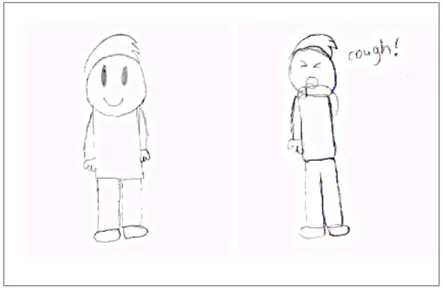
10-year-old boy.………...60 Figure 3 – Drawing of a child with asthma coughing while running
by a 10-year-old girl.………60 Figure 4 – Drawings of children without and with asthma at school
by an 11-year-old-boy.……….63 Figure 5 – Drawings of children without and with asthma at school
by an 8-year-old girl……….………66 Figure 6 – Drawing of a child with asthma in the school nurse’s
CHAPTER 1: INTRODUCTION
Children with chronic illnesses represent a population with growing needs in communities across the United States. The World Health Organization describes chronic diseases, or noncommunicable diseases, as conditions that are not transmitted between people, are often slow to progress, and are long in duration (World Health Organization, 2014). A more descriptive definition by the Chronic Illness Alliance (2015) explains chronic illness as
"…an illness that is permanent or lasts a long time. It may get slowly worse over time. It may lead to death, or it may finally go away. It may cause permanent changes to the body. It will certainly affect the person's quality of life (retrieved December 29, 2015)."
Though chronic conditions such as asthma, diabetes, sickle cell disease, cancer, kidney disease, and chronic heart problems may vary in nature of impact, severity, and duration, they are similar in that they negatively affect quality of life. Improvements in modern medicine have led to an increase in survival rates among individuals diagnosed with chronic conditions, such that, in the US, nearly half of all adults are living with a chronic disease (Ward, Schiller, & Goodman, 2012). By 2006, it was suggested that over 25% of children in the US were affected by a chronic illness (Van Cleave, Gortmaker, & Perrin, 2010).
impact of their illness and/or its treatments. Even with increasingly optimistic outcomes through modern medicine, many of these children are feeling the impact of their disease in their physical, psychological, and academic functioning, with the risk for potential decline.
Among significant chronic conditions, asthma is the most common childhood chronic illnesses worldwide, and one of the most common chronic conditions affecting children in the US, after tooth decay and obesity (WHO, 2014; Centers for Disease Control, 2013). A CDC survey in 2014 determined 8.6% of American children under 18 years of age were living with asthma (Bloom, Jones, & Freeman, 2015). According to the National Asthma Education and Prevention Program’s (NAEPP) Guidelines for the Diagnosis and
Management of Asthma (2011),
“asthma is a chronic inflammatory disorder of the airways…this inflammation causes recurrent episodes of coughing (particularly at night or early in the morning),
wheezing, breathlessness, and chest tightness.” (p 9).
Common symptoms of asthma include wheezing, coughing, labored breathing, and chest tightness, with symptoms often worsening at night, during exercise, and/or with the addition of environmental factors including stress. Although genetic and environmental factors have been identified as potential causes of asthma, the etiology of asthma is uncertain and appears to vary between individuals. There is no cure for asthma and treatments are individualized to reduce symptoms (NAEPP, 2011; Ratcliffe & Kieckhefer, 2011). Environmental risks, or “triggers” that can induce or exacerbate asthma symptoms include poor air quality, allergens, infections, weather changes, and even psychosocial triggers such as anxiety or family stress (Global Initiative for Asthma, 2015).
a number of risks across the illness spectrum, regardless of severity. The sudden and severe onset of asthma-related breathing problems is demonstrated in that asthma is a leading cause of emergency room visits for children (Wier, Yu, Owens, & Washington, 2013). Further, asthma is the 6th most common cause of limited activity among children in the US, following more expected causes of limitation such as intellectual disability, ADHD, learning disability, and other psychological and behavioral problems (CDC, 2007). This is not surprising given that physical activity and indoor and outdoor allergens are common triggers of asthma that children might encounter often or attempt to avoid. There is also evidence to suggest that children with asthma are more likely to be absent from school than healthy peers, which has potential negative ramifications for a child’s schooling and general sense of wellbeing (Mizan, Shendell, & Rhoads, 2011; Pontes, Pontes, & Bonilla-Santiago, 2014).
Chronic illnesses can be associated with social stigma, cause stress and anxiety, and treatments can interfere with cognitive functioning and other aspects of development (Taylor, Gibson, & Franck, 2008; Venning, Eliott, Wilson, & Kettler, 2008; Lightfoot, Wright, & Sloper, 1998). There are a number of needs related specifically to children living with asthma. For example, evidence shows children with asthma are more likely to
experience anxiety and feel socially isolated (Trollvik, Nordbach, Silen, & Ringsberg, 2011; Feldman, et al., 2013). Asthma may also have a negative impact on academic performance (Kohen, 2010).
CHAPTER 2: LITERATURE REVIEW Asthma
The focus of the present study is on the experiences and needs of children with the respiratory condition, asthma. Asthma is a chronic respiratory illness caused by inflammation of the airways characterized by a number of symptoms that impact breathing. Asthma is typically diagnosed by a physician, who reviews patterns of symptoms including coughing, wheezing, shortness of breath, and chest tightness. The physician looks for variability in symptoms, worsening at night or in the morning, and clear triggers of symptoms. They usually confirm a patient’s diagnosis through airflow assessments using peak expiratory flow (PEF) or more accurately using spirometry, which measures the amount of air one can exhale in a forced breath over time (Global Initiative for Asthma, 2015; Wikipedia). Once
diagnosed, asthma severity can be classified as intermittent or persistent with mild, moderate, or severe presentation, based on symptom frequency, spirometry results, impact on normal activities, and level of medical intervention required (National Heart, Lung, and Blood Institute, 2012; GINA, 2015). Follow-up care is designed to help assess level of symptom control characterized as well controlled, not well controlled, or poorly controlled, and to aid patients in improving their asthma control (NHLBI, 2012). Most cases of asthma are sporadic and manageable, but the NAEPP has made it clear that severe and life-threatening
The reasoning behind the choice to explore the impact of asthma for the present study was threefold. First, asthma is the most common chronic illness, affecting over 6 million children in the United States (Bloom, et al., 2015). Asthma is considered heterogeneous in that there are multiple causes and it can affect a wide range of individuals, yet the impact of environmental triggers of asthma has led to a disparity in certain groups of people who are at higher risk of developing the illness (Ratcliffe & Kieckhefer, 2011). In particular, asthma has been found to occur at higher rates among low-income, ethnic minority, and urban
populations, with research citing both genetic and environmental factors as likely
contributors (McQuaid & Abramson, 2009). More specifically, asthma is most commonly found among school-aged children, as it occurs in 10.3% of children ages 5 – 14. Overall, boys are more likely to have asthma at a rate of 10.1%, compared to girls at 7.0%, though this reverses in adulthood. There are also noticeable ethnic/cultural discrepancies in rates of asthma, such that 13.4 % of Black children and 23.5% of Puerto Rican children have asthma diagnoses, compared to 7.6% of White, Non-Hispanic children. Further, asthma is more likely to affect children living below the poverty line, with a rate of 10.5% (Bloom, et al., 2015). Poor air quality, over-crowded living situations, pests, and other allergens such as mold or dust often characterize urban environments, particularly in low-income areas. African American children in particular are at greatest risk for insufficient outpatient care and a disproportionate rate of asthma-related emergency department visits, hospitalizations, and mortality (NAEPP, 2011; Laster, Holsey, Shendell, McCarty, & Celano, 2009).
typical school week, children spend up to a third of their day at school, making it a crucial context for development (Bruzzese, Unikel, Evans, Bornstein, Surrence, & Mellins, 2010; Miller & Wood, 1991). School is about more than academics; it is a prime setting for all types of learning, including social, emotional, and behavioral, in addition to acquisition of reading, writing, and mathematics skills. The school setting creates opportunities to form and navigate social relationships, navigate demands and possible stressors, and adapt to
behavioral expectations from adults and peers. As asthma is most common in the school-age population, particularly elementary-aged children, with about 1 in 10 children having asthma (Bloom, et al., 2015), it is the most commonly found illness in schools. As such, management of asthma at school is substantial and it is therefore important to understand the needs and challenges faced by a large number of children at school as they navigate typical
development with the added challenge of a health issue.
with asthma in the schools, and the potential challenges and barriers to successful outcomes for children with asthma.
Theoretical Framework
The present literature review references a wide base of research, from psychological, sociological, and public health, to medical perspectives, in an attempt to fully define the range of approaches that have been employed to explore the experiences of children with asthma and other chronic illnesses. Children, at any given point, have a history of maturation and experiences that have impacted their development. As with any complex field, to
understand outcomes it is essential to have an awareness of the process by which those outcomes come to be. In order to adjust outcomes, the process must be changed. In this instance, there are a number of outcomes to be examined, but the process of child
development and the impact of asthma on that process must first be understood. The ultimate goal is to use research to strengthen interventions and sources of support throughout child development in an attempt to improve outcomes for children with asthma.
The primary theoretical focus of this study draws from theories of child development from a psychological perspective. This body of literature concentrates on social and
emotional experiences of children and members of their families, often through
framework from a sociological perspective was discovered as being highly relevant to the present study. This approach is based on the field of biographical research, which seeks to define all or part of a person’s life, examining the individual’s construction of their own life history, which includes experiences and social relationships (Miller, 2003).
The current review seeks to discuss both fields of research and their relevance to the topic of interest – children’s experiences with asthma. The following section is aimed first at discussing the history and establishing the rationale behind the author’s developmental ecological approach to children’s experiences with asthma in an educational context. Then, other relevant theories from a biographical sociological perspective will be introduced and compared with the primary psychological theories, to best understand how to answer the research questions.
Theories of Child Development
One goal of this literature review is to begin to identify the ways in which theories of child development can help inform the impact asthma may have on a child’s development and broader outcomes. As children grow, they move between environments and must learn to navigate their changing world while they themselves undergo maturational changes of a physical as well as a cognitive nature. A number of contextual factors have been identified as contributing to developmental outcomes, such as culture, family make-up and functioning, and socio-economic status (Miller & Wood, 1991). Each of these factors can exist as sources of risk and/or resilience for children as they grow, depending on a child’s intrinsic
develop. These elements reflect the complexities of child development as the basis for considering how a chronic illness may impact a child’s developmental trajectory.
A widely held view of child development is the constructivist perspective associated with Jean Piaget. Piaget viewed development as a maturational or stage process in which children learn about their environment through direct interaction. This theory suggests children develop physical cognitive structures that determine their development in each stage. These structures only take the child so far; the child must interact with their surroundings using trial and error to build upon previous skills and construct their
understanding of the world. Development follows a chronological trajectory and children in one stage cannot be expected to gain skills at later stages without first mastering their present stage and undergoing further physical development. For example, infants form
representations of their physical world that set the groundwork for later symbolic
representations through language and other more sophisticated schema (Piaget & Inhelder, 1969).
health issues are unlike from other forms of disability, in that they are less predictable and, particularly regarding asthma, more likely to be affected by the environment.
Though Piaget addressed the relevance of interactions between child and
environment, his theory seems limited in terms of the complexities of context, particularly given the importance of environment when considering an illness such as asthma and the impact it can have on a child’s life. An important starting place for discussing contextual development lies within systems theory. General System Theory (GST), as introduced by Ludwig von Bertalanffy (1950), explains that all living systems share common rules. Such systems exist as open systems in constant interaction with their environments. The
interactions are bidirectional, such that the organism acts on and reacts to its immediate settings. As the environment changes, the organism adapts in an attempt to maintain a state of homeostasis, which drives behavior (von Bertalanffy, 1950). This open system model challenged laboratory-based experimentation that attempted to isolate variables in a
controlled manner through closed systems (stimulus-response), opting for a more naturalistic mode of study. The result was an increased recognition that living things are not isolated, but in constant adjustment and interaction with their surroundings (von Bertalanffy, 1969). General System Theory initiated a new realm of developmental research and set the stage for future researchers to expand on these ideas into current models of human development.
Urie Bronfenbrenner (1979) eloquently merged the tenets of Piaget’s theory of human development with those of GST through his Ecological Model of Human Development. He explained that children follow a biological trajectory, but it is sensitive to the influence of the outside world. Based on his theory, children not only interact with their immediate
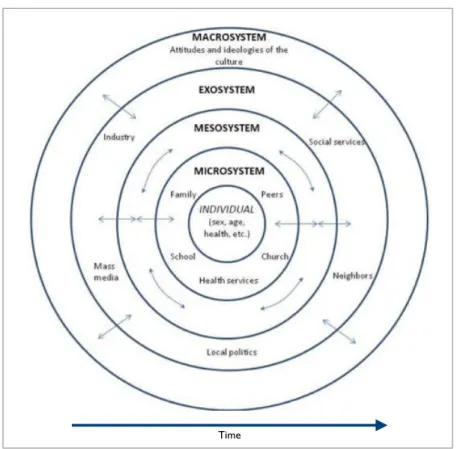
and culture as well. According to Bronfenbrenner, children exist within a series of nested, interconnected contexts that influence their development. This framework is commonly depicted graphically with concentric circles that represent the proximity of each setting to the child, with the individual and their personal characteristics such as age, ethnicity, and health situated at the center of this model (see Figure 1). Each of these environments is a system in itself, in constant motion and seeking balance. As children develop, they act upon, react to, and create concepts of their environments that change as they grow and mature, and further influence their interactions with the world (Bronfenbrenner, 1979). Bronfenbrenner described ecological transitions as important components of development characterized by changes in a child’s immediate environment like starting school or moving. Alterations in an environment change a child’s roles, requiring them to redefine their concepts of self within each context (Bronfenbrenner, 1979).
Figure 1. A Graphical Representation of Bronfenbrenner’s Ecological Theory of Development (Wikipedia, 2015)
Despite his emphasis on the nurture side of the age-old debate of nature versus nurture, Bronfenbrenner never fully lost sight of the importance of biology. He argued that biological characteristics were crucial to development, but would only take the individual so far, and were dependent upon the developmental context. Ultimately, Bronfenbrenner
relabeled his theory a “Bioecological Model,” and he worked on demonstrating the effects of the complicated relationship between heredity and environment on a genetic level
(Bronfenbrenner & Ceci, 1994). This theory argues that environment determines the potential to which heritable traits can be expressed and further developed, making an even stronger case for the interdependence between biology and context.
The theories reviewed above each contribute to the perspective of the present study on the role of both intrinsic and environmental factors on the development of the child with asthma. It is believed that children, with their set of unique inherent characteristics and common physical structures, grow and learn through interactions with their environment. While the environment shapes the child, the child acts upon the environment, as an open system. This relationship is more than bi-directional; it is multi-directional, as characteristics within the child interact (e.g. health, personality) and nested levels of developmental context also interact (e.g. school, home, government), all existing with the passing of time. This can best be imagined as Bronfenbrenner’s concentric circles with arrows connecting each and every level, from genetic to societal and global factors (Bronfenbrenner, 1979).
Chronic Illness Frameworks
In the context of the child with asthma, the child and their environments evolve as they interact with and change in response to one another throughout development. The child must adapt to new environmental demands, which often include making adjustments in social, emotional, and behavioral functioning. Assuming Bronfenbrenner’s model, asthma falls into the center of the design, as health is a quality of the child. The presence of a chronic illness such as asthma results in children having illness and treatment related interactions affecting the microsystem of family, school, and community contexts (such as relationships with doctors). Management of asthma across settings characterizes changes to the
time. A dynamic approach to development allows for the explanation of early risk and adjustment in both short and long term outcomes of student success, which may be applicable to the understanding of how asthma affects development.
In further exploration of literature that supports the focus of this study, it is worthwhile to consider an alternative, yet similar, approach from sociology of illness research. As mentioned previously, a biographical approach appears throughout the
sociological literature on chronic illness experiences, with the seminal work of Michael Bury (1982) discussing the utility of such an approach to address the ways people reacted and adapted to an illness diagnosis. Bury introduced the idea of chronic illness as a ‘biographical disruption’ of the established life of an adult with an unexpected diagnosis of rheumatoid arthritis, which marked clear and individualized changes in one’s perception of their health and sense of identity (Bury, 1982). More specifically, individuals were faced with new problems they needed to define in relation to their own lives. Such problems impacted their interactions with peers, employers, medical professionals, and may have led to changes in their activities. It also seems Bury’s theory was designed to further explain the link between a diagnosis and observed outcomes, such as social withdrawal. His theory provided both an explanation for various outcomes, as well as a means to further explore the trajectory to additional outcomes.
Other researchers have explored the relevance of the biographical disruption model to understanding the impact of illness on children. Pitchforth and colleagues (2011) were
(Pitchforth, et al., 2011). In this instance, the greater burden was placed on the parents, as children were otherwise healthy when not exposed to their allergen, meaning the disruption existed more in the experiences of the parent than the child.
There has been some question as to the applicability of Bury’s perspective to children, particularly when an illness was diagnosed at birth or early in life, in which case, the individual’s biography does not experience disruption in the same sense as an adult with a new diagnosis, as the issue has always been part of the child’s life. By studying the
experiences of children with cystic fibrosis, Williams and colleagues (2009) shed light on how feelings of normalcy can be affected by a congenital condition (Williams, Corlett, Dowell, Coyle, & Mukhopadhyay, 2009). They concluded that children based their understandings of self and normalcy on their personal experiences, which included living with an illness, and therefore many children did not see the illness as being out of the ordinary. Instead of chronic illness disrupting their sense of identity, it seemed the
development of identity into adolescence initiated a disruption, as children’s definitions of self and normalcy began to shift toward more social contexts. Instead of biographical
disruption, children experienced biographical continuity that was interrupted by a redefining of self, inclusive of their illness, during typical and expected development (Williams, et al., 2009). The relevance of these theories to children with asthma is unclear, though based on the models it is expected that experiences might differ depending on the timing of the child’s diagnosis in their development.
(2014) examined how the biographical disruption and continuity models held up when applied to children with a long-standing condition. This study was different from others in that it was longitudinal in nature and followed children with continence problems, and questioned the children and their parents regarding experiences prior to and following a surgery designed to improve ongoing treatment. The authors’ findings suggested that while some families experienced disruption, through complications and expectations that exceeded outcomes, others demonstrated feelings of continuity, as they remained consistent in their routines. Additionally, there was another group of families that expressed something that did not fit either model. In some instances, children and parents expressed positive changes in their routines and activities following surgery that led to better opportunities and attitudes, suggesting what the authors coined ‘biographical enrichment.’ In all cases, the authors emphasized the importance of expectation. Children with unrealistic expectations were more likely to experience disappointment resulting in biographical disruptions whereas children with lower expectations ended up with more positive outlooks on the future course of their condition and overall lives, experiencing biographical enrichment. Other children and parents still felt that things remained roughly the same following surgery, suggesting a sense of biographical continuity. The role of parent-child relationships was also discussed, such that the biographies of parents could have a significant impact on those of their children.
Consider a parent who managed the child’s care, and felt it got easier following the
child expectations has the potential to affect each party’s feelings of success, and could even lead the event to impact parent and child biographies in different ways (Bray, et al., 2014).
In a different approach, Monaghan and Gabe interviewed children with asthma, finding that many of the children minimized their symptoms and the impact asthma had on their lives, while also identifying times of stress or the direct or indirect impact of asthma on other aspects of their lives. Based on their findings, they concluded that asthma does not create a broad biographical disruption, but rather, its impact is dependent on contextual factors. In this sense, asthma does not affect every factor of a child’s life, and for many children, asthma symptoms occur sometimes or rarely. The authors argued children with asthma experience a ‘biographical contingency’ such that asthma leads them to change their thoughts and behaviors, but not all the time (Monaghan & Gabe, 2015).
The previous two studies, citing departures from the original biographical disruption model, namely biographical contingency and the expectation-driven understanding of the impact of illness on biography, are of particular relevance to the present study given their emphasis on context (Bray, et al., 2014; Monaghan & Gabe, 2015). Separately, each
ecological perspective assumed for the present study (Miller, 2003). Drawing on these different schools of thought to consider the effects of an illness on a child’s development, there is convergence of the literature on the sociology of illness in children and an ecological model of child development. The comprehensiveness of the developmental ecological
perspective, as it accounts for the lack of agreement across the biographical models, provides further support for its application in addressing the research questions posed in the present study.
Impact of Asthma on Development
Considering the multitude of factors that contribute to a child’s maturation, how does asthma play into the developmental process? It is suspected that asthma, as well as other chronic illnesses, can create hurdles along the track of typical development as a child navigates and adapts to their world. There is evidence to support this idea in the literature exploring the impact of various chronic illnesses on child development and adjustment, with a growing body of research on asthma specifically.
Assuming the perspective of Bronfenbrenner’s graphical representation of
balance would fall under the umbrella of “normalcy” or the desire to be seen as the same as peers (Lambert & Keogh, 2015).
All children are motivated to be accepted by peers and feel like they ‘fit in,’ but for children with a chronic illness, this can feel more challenging (Lambert & Keogh, 2105). A chronic condition such as asthma creates a disruption of normal life. Though not entirely unrelated, this idea should not be confused with biographical disruption, which suggests an illness changes a person’s entire sense of self and future trajectory. Normalcy is more an ongoing sense of general wellbeing and hope for many people, whereas an interruption in this delicate balance might be an indicator of something negative (Robinson, 1993). A recent review of the literature by Lambert and Keogh (2015) explored the reports of children and adolescents with chronic illnesses on feelings of being different throughout a number of qualitative studies. They found common themes across the different studies between children with asthma, diabetes, and epilepsy. When living with an illness like asthma, children might miss out on activities or have to stop to take medicine. For some, thoughts or worries about their illness might distract them from their usual activities. Asthma management and exacerbations interrupt daily activities, and have the potential to limit a child’s functioning and make them feel different from peers. Further, the fear of peers reacting negatively is a very real concern for many children with chronic health issues, and they might do whatever they can to avoid bullying or other forms of rejection from peers, even at the cost of non-adhering to their treatments (Lambert & Keogh, 2015). The desire to feel normal appears to be a wide-reaching issue for many children with chronic illnesses.
One way to measure an individual’s sense of coping and adjustment, or their
(QOL) is defined as the degree of satisfaction an individual feels in areas of their life such as physical, emotional, and social functioning (Vila, et al., 2003; Sawyer, et al., 2000). Quality of life specific to health examines these domains in the context of living with an illness, including more objective measures of illness-specific symptom severity and functional impact (including limitations and social-emotional functioning), as well as the individual’s subjective perception of overall impact of the condition on their life (Wilson et al., 2011).
Given its complex nature, there is much debate over the construct of QOL and measurement of health-related QOL is generally inconsistent (Wilson, et al., 2011; Clarke & Calam, 2012). Several reviews of asthma-related QOL research have demonstrated some consistent findings in spite of these potential limitations. Asthma severity was linked to QOL inversely, such that increased symptoms correlated with poorer outcomes (Everhart & Fiese, 2009). Similarly, poor management of symptoms, which can be expected to contribute to worsening of symptoms, was found to be a barrier to positive QOL among children and their families (Li, et al., 2013; Clarke & Calam, 2012). Another study concluded that poor quality of life was not predicted by overall asthma severity, but rather recent symptoms (Goldbeck, Koffmane, Lechler, Thiessen, & Fegert, 2007). The idea that asthma management is closely tied with QOL, but is also reliant on factors such as socioeconomic status and family
functioning, which suggests QOL is also dependent on these broader sociocultural elements, is not unexpected when assuming an ecological perspective.
children with asthma than healthy peers (Wood, et al., 2007; Vila, Nollet-Clemencon, de Blic, Mouren-Simeoni, & Scheinmann, 2000). The relationship between asthma and anxiety appears to be complex, with evidence suggesting the causality is bidirectional. Worries of asthma exacerbations can contribute to heightened anxiety, but acute severe stress and chronic stress have also been found to contribute to asthma exacerbations through
physiological pathways (Chen & Miller, 2007). Feldman and colleagues (2013) concluded that both child depressive and anxiety symptoms are linked with asthma symptom severity and they found parent anxiety and depression to be risk factors related to disease severity as well (Feldman, et al., 2013). Family factors such as parental psychological function, as well as socioeconomic status and family functioning, have been found to predict poorer outcomes for children with asthma. Low maternal education and household income, when combined, were linked to poorer attention and social skills among a large sample of children with asthma (Chen, 2014). All of these findings are indicative of a host of potential concerns for children with asthma that tend to be context-dependent and contribute to decreased quality of life.
Children with Asthma in School
Sexson & Madan-Swain, 1993; Shiu, 2001; Worchel-Prevatt et al., 1998). A primary role of children is that of student, and being in school reinforces a child’s value as a member of society (Prevatt, Heffer, & Lowe, 2000). Aside from academics, school represents normalcy and provides structure, which benefits the child emotionally and behaviorally. It provides a social forum for children to interact with peers and gain social support (Shiu, 2001). School also grants children the chance to experience a certain amount of control over their own lives, which can be reduced by an unexplainable, unpredictable illness such as asthma (Sexson & Madan-Swain, 1993). School is a quintessential component of life for a child and, as
ecological development theories explain, disruptions in other areas of life are certain to affect the child within school.
One of the biggest concerns associated with a chronic illness in school is attendance. Children with asthma missed over 14 million days of school collectively in the United States in 2008 (American Lung Association, 2010). For children with asthma, these absences are more likely to occur as short, frequent absences as opposed to extended time away from school that are characteristic of other chronic illnesses (Mizan, et al., 2011). Frequent school absence has been linked to lower achievement outcomes, potentially placing children with asthma at risk for academic difficulties (Gottfried, 2011). One study found evidence that children with severe asthma are at increased risk of lowered academic performance and lower maternal reports of school performance, independent of days of school missed, though other elements like emotional functioning were not accounted for (Kohen, 2010).
and school anxiety is likely to lead to more absences (Sexson & Madan-Swain, 1993). Social concerns have a similar pattern. Being away from school limits social interactions and opportunities to develop social support, while at the same time, lack of social supports and fear of social isolation due to illness can lead to school and social avoidance (Shiu, 2001). Absences from school can reinforce the presence of a problem, perpetuating feelings of helplessness and devaluation of self (Kaffenberger, 2006; Sexson & Madan-Swain, 1993; Shiu, 2001).
One way to reduce asthma-related absences is through regulation of symptoms. Poorly controlled symptoms have the potential to increase the chances of a child missing school, being sent home from school, or ending up in the hospital for more serious
Given the amount of time children spend in school and the presence of physical activity, a good deal of illness management also takes place at school. There are a number of suggestions, guidelines, and policies surrounding the rights of children with asthma at school designed to increase access to medication and improve asthma knowledge (ex: ‘How Asthma Friendly is Your School?’ – NAEPP, 2008; Asthma Action Plan – American Lung
Association, 2008). A study surveyed schools across the US to determine how well they were adhering to the NAEPP’s recommendations for improving the quality of asthma-related accommodations (Jones, Wheeler, Smith, & McManus, 2009). Most schools allowed students to carry and self-administer medication, though it was unclear how many
consistently established and followed individual student plans. Of greatest concern to the authors of the study was the limited access schools had to a school nurse, as less than a third of the schools surveyed had a full time registered nurse (Jones, et al., 2009). School nurses are valuable resources as they help facilitate asthma management and education in schools. Even when school nurses are present, they are not always conveniently accessible or
available to students, and this can create problems when children need quick relief from their asthma symptoms. Teachers are often not well informed or prepared to help prevent,
recognize, or treat the onset of symptoms, though teachers whose students show active symptoms are more likely to possess the information and skills needed (Bruzzese et al., 2010). The burden still seems to fall on the students to recognize and address their symptoms.
similarly (Berg, 2005). Social factors are especially likely to limit adherence in school, in which children are more responsible for taking medications and where peers are more likely to influence behaviors. Some children have cited social reasons for not taking medications such as embarrassment or fear of being perceived as different (Penza-Clyve, Mansell, & McQuaid, 2004; Walker & Reznik, 2014; Lambert & Keogh, 2015). Walker and Reznik (2014) also found that children were not aware of or did not adhere to the use of their inhalers as preventative treatments. Instead the children missed activities to get their medicine or to rest as a means to relive their symptoms (Walker & Reznik, 2014). Well-controlled asthma, with good management at home and at school, has the potential to contribute to greater time spent in school and engaged in both academic and physical activities.
School presence is an important factor of psychological well being, particularly for a child with a chronic illness. School helps children feel more independent and ‘normal’, which reduces feelings of vulnerability (Robinson, 1993). Asthma includes a level of uncertainty as to when and where symptoms and exacerbations might occur, contributing to more internalizing problems in children (McQuaid & Abramson, 2009; Stewart, Masuda, Letourneau, Anderson, & McGhan, 2011). As mentioned previously, strong emotions, such as anxiety, have the potential to contribute to asthma exacerbations (Chen & Miller, 2007; McQuaid & Abramson, 2009; Lehrer et al. 2002). Additionally, symptoms of anxiety can mimic asthma symptoms, such as chest tightness and difficulty breathing. A child
experiencing anxiety may believe they are having an exacerbation and seek medical attention to reduce their symptoms, further reinforcing their feelings of vulnerability over time
perpetuated by an anxious parent who is willing to let their child stay home from school more often for minor symptoms, validating the presence of a problem (Miller & Wood, 1991).
School can provide an environment of structure and normalcy that has the potential to help the child feel empowered by managing their illness at school (Sexson & Madan-Swain, 1993). It is important to note, though, that too much responsibility for illness management can contribute to additional stress and problems of adherence (Laster et al., 2009). Further, there is some evidence to suggest a higher risk of behavioral concerns, primarily attention, among children with asthma, but there is not enough research to understand this link as of yet (Chen, 2014; Hysing, Elgen, Gillberg, & Lundervold, 2009).
School is very important for social development as it provides a natural context for children to interact, practice social skills, and build relationships and support with peers. Asthma has the potential to negatively affect social development in several ways. First is the issue of participation, which includes school attendance and limitations in activities. One main component of asthma management is avoiding triggers, which for most children includes physical activity. Children with asthma are more likely than peers to stop in the middle of a physical activity to rest or seek medical intervention (Walker & Reznik, 2014). Such activity restrictions are potential missed opportunities for children to engage with their peers during the school day during gym, recess, or extracurricular activities like sports teams.
about peers rejecting them based on their asthma when peers are generally accepting (Hayes, Huang, Evans, & Bruzzese, 2013). Social acceptance by peers is more challenging for younger children, who may not understand the illness and be concerned about how it could affect them (Cole, Roberts, & McNeal, 1996; Hayes, et al., 2013). The need to be accepted by peers can have a negative influence on treatment adherence and fears of embarrassment or peer rejection can be strong enough to lead children to hide their illness and even risk their health by ignoring symptoms or avoiding taking medication in front of peers (Walker & Reznik, 2014; Lambert & Keogh, 2015). Interrupting activities is another common reason children do not take their medications, and children find the imposition of treatment schedules to be one of the biggest drawbacks of having asthma (Penza-Clyve et al., 2004).
School provides a crucial context for typical child development, but living with asthma may create barriers to accessing the full social, emotional, and academic learning opportunities. These issues have been linked to limitations in children being present and available in the learning environment, which relies heavily on successful management of asthma in school. Interventions aimed at improving management at school have shown a reduction in asthma-related absences, which is promising for utilizing the context of school to improve illness-based outcomes (Clark, et al., 2004).
School Interventions for Children with Asthma
needed (Sexson & Madan-Swain, 1993; Worchel-Prevatt et al., 1998). Such models are not relevant for the majority of children with asthma who do not typically spend long periods away from school, yet a more recent model of school reentry for children with chronic conditions provides a stronger basis for supporting children with asthma. Shaw and McCabe (2007) demonstrated that trends in health care lead children with chronic illnesses to spend less and less time in the hospital and rely more on outpatient care. This shift from inpatient to outpatient care means that children are spending less time in the hospitals and more time at home and in school, which is already true for children with asthma (Shaw & McCabe, 2007). The transition between healthcare and normal life is less defined than before and more responsibility is placed upon the child’s family and potentially their school to meet the child’s health, academic and social/emotional needs, as shown to be the case for children with asthma.
technology to improve communication, working with the child in the context of their family, parent support, and ongoing evaluation (Shaw & McCabe, 2007). Shaw and McCabe’s revised school reentry plan recognized the need to develop a school-based program given the increased responsibility and lack of preparation of schools to provide for children with chronic illnesses. Though these recommendations may not all apply to children with asthma, specific components, such as good home-school communication and social-emotional supports, may be very useful in improving the overall functioning and adjustment of schoolchildren with asthma.
Shaw and McCabe’s (2007) plan for children with chronic illnesses provided an updated understanding of the unique challenges faced by students with health needs in school and the increased responsibility of schools to provide services and supports to these students. Along those lines, there is a growing literature base addressing interventions specifically for children with asthma to improve illness management, emotional health, and social
interactions, with many emphasizing the utility of school-based programming. While most intervention programs are geared directly for the children with asthma to help them improve symptom management, coping, or academics, some are designed for teachers to aid in management at school or for improving peers’ understanding and social acceptance.
behavioral, and environmental components of asthma management with the goal of improving children’s self-regulation and self-efficacy, to further enhance asthma management. The authors found students missed fewer school days and gained skills to monitor their breathing and avoid triggers. Parents in the study reported reduced smoking in the home and a better understanding of asthma. Both parents and children endorsed
improvements in quality of life (McGhan, et al., 2010).
Other school-based programs have employed various components of asthma interventions including asthma education, relaxation, coping skills, parent education and resources, school staff training, and peer education, to varying degrees of success. The most common effects of these school-based intervention programs appeared to be increase in knowledge of asthma and related management, reduction in missed school days, and higher reports of self-efficacy among children with asthma (Bowen, 2012; Clark, et al., 2004; Tinkleman & Schwartz, 2004). Computer-based programs are also seen as a potential modality for more seamlessly achieving stronger knowledge of asthma in school settings, though there is still uncertainty on the sustained effects of existing programs (Nabors, Kockritz, Ludke, & Bernstein, 2010). Though the link between asthma and academic problems is unclear, some evidence indicates that a program building literacy skills, in addition to asthma management, has potential to improve health, reading skills, and self-efficacy in a high-risk population of students with severe asthma, with stronger self-self-efficacy contributing to both improved management and literacy skills (Robinson, Calmes, &
Bazargan, 2008).
many teachers are unprepared to meet these students’ needs (Bruzzese, et al., 2010). One recent study found improvements in educator knowledge of asthma after a training program was implemented to inform teachers of asthma management and improve their efficacy in working with children with asthma, but no child-based factors were examined, so the impact on students is still unknown (Neuharth-Pritchett & Getch, 2015). Chronic illness literature endorses the need for improved teacher education and training in working with children with special health needs, but this continues to be an area apparently underrepresented in the literature (Bruzzese, et al., 2010; Shaw & McCabe, 2007). There is some potential for pairing teacher programs with student programs. For example, one comprehensive intervention integrated components of counseling and asthma education with academic curriculum and was led by teachers. Study findings suggested such a model promoted student openness to learning about their asthma and sharing with others, as well as stronger feelings of
connectedness to teachers, creating prime opportunities for teachers to learn about asthma and be important sources of support for their students (Kintner, et al., 2014).
intervention helped children to replace possible cognitive distortions about their illness with more adaptive thoughts. These participants demonstrated improved quality of life and a reduction in anxiety and symptoms of panic (Marriage & Henderson, 2012). Such studies support the literature linking emotional regulation with asthma symptoms and, when paired with appropriate medication management, demonstrate the usefulness of emotional
interventions for improving asthma-related quality of life.
Few studies have been found to explore interventions to improve social functioning, despite the needs found among children with asthma (Miller & Wood, 1991). There is evidence to support the use of asthma education and management programs to also improve social functioning, with better knowledge of asthma contributing to effects such as reducing withdrawal and boosting independence (Yang, Mu, Huang, Lou, & Wu, 2012). Based on their findings, Petteway, Valerio, and Patel (2011) recommended interventions focused on strategies for communicating with peers, especially when deciding to disclose asthma information, to improve peer supportiveness. Children have also reported wanting more support from peers with asthma, suggesting potential benefits of a mentor-based intervention (Stewart et al., 2011). Additionally, there appears to be a dearth of research exploring various developmental strategies in improving the social functioning of children with asthma,
providing a fertile area for future research.
skills and academic performance. Continuing to explore the needs of children with asthma will help inform the future of asthma intervention research to best meet the complex challenges of supporting students with asthma and other health conditions.
Rationale for Study
Asthma has been shown to affect the lives of children in complex ways. Based on the presented literature, the areas of illness management, emotional regulation, and peer support appear to be the most significant components of overall asthma-related quality of life and success. All three factors play into school success as well. The previous review has revealed both an area of need and a gap in the existing literature on children’s experiences with asthma at school. The present study attempts to address this gap by providing a voice to schoolchildren with asthma in order to better understand their experiences and needs surrounding having an illness in school.
children as young as 7 can be reliable reporters of their own health (Olson, et al., 2007). Children are, after all, experts on their own thoughts, feelings, health, and beliefs. Comparisons of child and adult reports have demonstrated that parents and teachers as proxies for child experiences do not necessarily overlap with child reports of the same topic (Lara et al., 1998; Riley, 2004). Specifically, Lara and colleagues (1998) demonstrated that children were more reliable reporters of their asthma symptoms than their parents when compared to data on the child’s pulmonary functioning. Further, the concern that children may not be able to describe their experiences in the same way as an adult may not be a limitation at all. Children experience their world differently from adults and how they express their thoughts is an extension of who they are and provides useful information (Brady, Lowe, & Lauritzen, 2015).
As qualitative research with children has gained higher regard, the literature base for seeking the thoughts of children with asthma has grown. Even so, few studies have been found to explore the experiences of having asthma at school. Several studies have
Kozyraskyi, Becker, & Machessault, 2009) and adolescents (Jonsson, Egmar, Hallner, & Kull, 2014). Each of these studies contributes a great deal to the literature on the experiences and perceptions of having asthma, but for the most part, they do not address the issue of context, or do so only briefly.
A handful of studies were found to touch upon the topic of living with asthma at school. For instance, Gabe, Bury, and Ramsay (2002), recognized the importance of the school context, though their approach seemed to lump school into the daily routines of children and adolescents, rather than focus more specifically on the details of the school day itself. Through the interviews, the authors concluded that management of asthma at school was a clear concern for children and adolescents, which included social issues and seeking support from teachers and peers (Gabe, et al., 2002). In their study on the suspected
contingent impact of asthma, Monaghan and Gabe (2015), explored illness experiences with some discussion of contexts like school, particularly on the topic of social interactions. School was considered as one part of the focus on overall effects of living with asthma (Monaghan & Gabe, 2015).
barriers that led children to seek other strategies such as sitting down or drinking water. Many of the respondents also admitted to feeling embarrassed or worried about using their medicine in front of peers, which further limited their effective symptom management. The authors concluded the barriers of access and stigma contributed to poorly controlled asthma among their urban sample of children and they advised improvements in teacher awareness and both child and teacher knowledge of asthma symptoms and treatment to help ratify the issues surrounding in-school illness management (Walker & Reznik, 2014). Though their study addressed crucial issues facing children and the management of their asthma at school, there were some limitations given the narrow focus on illness management. It is the goal of the present study to expand the existing literature base by shedding light on the emotional and social needs and perceived sources of support for children with asthma at school.
Rationale for Qualitative Methods
This study used qualitative methods to explore the experiences and perspectives of elementary school children with asthma. The goals of the study were best addressed by a pragmatic approach to qualitative research. This approach was used to allow the researcher to better examine a phenomenon through practical methods, allowing for a balance of
information using these methods with children (Ireland & Holloway, 1996; Woodgate, 2009; Walker & Reznik, 2014). There is presently a lack of research on the specific area of focus for this study, and therefore qualitative methods would provide a means to initiate theories about the population of schoolchildren with asthma without limiting the scope of what these children may share. Given the information presented, it was decided that interviews with child informants would be the most effective way to begin to establish relevant data on the experiences of children with asthma and what they identify as important regarding the school environment.
The overarching goal of this study was to evaluate child perceptions of having asthma at school, with emphases on social experiences, emotional needs, medication management, and illness stress. The following research questions addressed this goal:
How do children living with asthma perceive their school experience?
• What do children living with asthma experience in the school environment? • How does living with asthma affect children’s social experiences?
• How does living with asthma affect children’s emotional functioning in school?
• How do children living with asthma navigate illness management at school; where do
CHAPTER 3: METHODS AND PROCEDURES
The present study utilized qualitative methods to explore research questions on the needs and experiences of children with asthma. A broad, exploratory qualitative approach was selected to best respond to the research questions, by systematically examining children’s social, emotional, and other needs regarding having asthma in an educational setting. Such an approach allows for examination of naturally occurring events through the lenses of children, allowing a glimpse at the meaning they make of their experiences (Miles, Huberman, & Saldana, 2013). Child perspectives were obtained through semi-structured interviews, based on the idea that children are reliable and important reporters of their health and schooling experiences (Riley, 2004; Olson, et al., 2007).
This chapter describes participant characteristics and recruitment for the present study, as well as the measures developed and selected to answer the research questions, the specific data collection methods, and data analysis procedures, as approved by the
institution’s Internal Review Board. In addition, further information and rationale on the research design is provided to support the methods.
Participants
Characteristics and Criteria
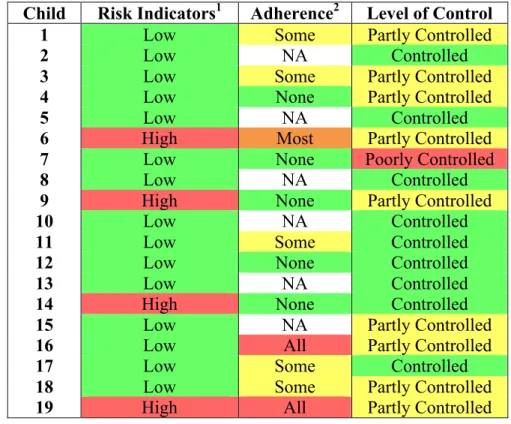
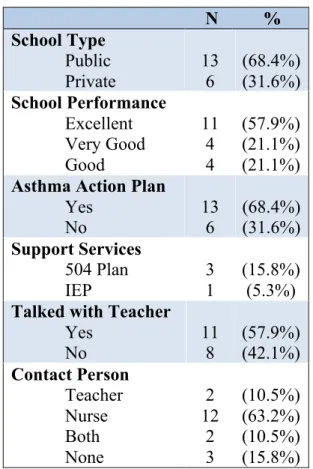
ranged from 2 months to 8 years of age, with a mean age at diagnosis of 3.3 years, such that the average length of time since diagnosis was just over 7 years, ranging from less than one year to 10.5 years (see Table 2). Based on mother report, categorization of asthma severity found nine children had well-controlled asthma, nine children had partly-controlled asthma, and one child had poorly controlled asthma, due to the presence of frequent nighttime symptoms at the time of the interview (see Table 3). Parent report also indicated four children received educational services; three had a 504 plan (one specifically for a food allergy) and one had an Individualized Education Plan for a Learning Disability. Further, when asked to describe their child’s functioning at school, eleven mothers selected “excellent”, four endorsed “very good”, and four reported their child’s functioning to be “good”.
The children and their caregivers were recruited from several settings in a Midwestern metropolitan region: through local private and public elementary schools, a suburban allergy and asthma clinic, and a community mobile health center. Of the
participants, thirteen attended public school and six attended private school (see Table 5). Also, six families were living in urban areas and thirteen were living in suburban areas at the time of the interview. Though urban versus suburban living tended to be indicative of family socio-economic status, this was not true in all cases. Criteria for participation included the child’s age and asthma status as reported by their caregiver.
Recruitment
challenging across the settings, which made purposeful sampling more difficult. The primary barriers to recruitment were gaining access to settings and participant interest and availability to participate, which may have inadvertently created a less representative sample of children with asthma. Of the families who provided consent to participate, seven ultimately did not participate due to family factors, scheduling conflicts, and for at least one, economic barriers (lack of transportation), though several of these non-participant families were suspected to be of middle or higher SES.
Children and their caregivers were recruited in several urban and suburban
Further, an informational incentive was offered to families. This incentive included information on obtaining support for asthma in public schools, specifically on Asthma Action Plans and 504 plans. This information was offered to families regardless of whether they participated in the study, such that the resources were not withheld if families declined to participate.
Measures
The study approach was to collect information from two primary sources, children and parents. One caregiver from each family completed a parent questionnaire comprised of demographic information, a survey on their child’s asthma symptoms and severity adapted from the Pediatric Asthma Control & Communication Instrument (Okelo et al., 2013), and questions on their child’s schooling. Children participated in a one-on-one interview asking about their experiences with asthma in the school setting. Children were also asked to
complete drawings prior to the interviews that were used to help build rapport. The drawings also provided supplemental information on the child’s social and emotional functioning. Table 1 illustrates how the proposed measures were used to answer the research questions. The following sections provide detailed information on the individual measures used in the present study.
attainment and household composition were also included as acceptable measures of family socio-economic status (Entwisle & Astone, 1994).
Section II of the parent questionnaire consisted of an asthma questionnaire adapted from the Pediatric Asthma Control & Communication Instrument (PACCI; Okelo, et al., 2013). The PACCI was designed to evaluate a child’s asthma risk, severity, and symptom control through parent report. It was adapted for the present study by means of omission, addition, and alteration of several questions, to meet the goals of this study, while
maintaining a similar goal of obtaining illness severity and management information. Specifically, three questions were omitted from the original questionnaire: (1) the first asks about recent changes in the child’s asthma, which was seen as irrelevant for the purposes of the present study; (2) the second asked caregivers how “bothered” they were by their child’s asthma, which was viewed as unneeded and difficult to validate; (3) the third omitted item asked about specific medications that, while important, were not crucial to this study, and which the researcher lacked training to evaluate. Two added items included age of asthma diagnosis (Item A) and child’s independence in managing their asthma (Item D), as this may be related to socio-economic stressors (Laster et al., 2009). Questions about hospital visits (Items B1 and B2) were altered to establish a set time frame (i.e. ‘in the past year’ instead of ‘since last doctor visit’). Item C and Items E through I came directly from the PACCI and were designed for use by physicians to establish levels of asthma control and severity.
teachers and other school staff about the child’s asthma (see Appendix 1 for the Parent Questionnaire).
Child drawings. Child drawings have long been used as measures of cognitive functioning and as projective measures aimed at evaluating psychological functioning, including variations of instruments based upon human figure drawings (Goodenough, 1926; Goodenough & Harris, 1950; Manchover, 1953; Koppitz, 1968). Child participants were asked to create two drawings of a person using a variation of the Child Drawing: Hospital (CD:H) task adapted for educational rather than medical settings, though serving a similar purpose (Clatworthy, Simon, & Tiedeman, 1999). The CD:H task was originally developed to measure emotional states of children in the hospital through the children’s drawings. The authors of the CD:H designed a detailed scoring manual with three parts: Part A consisted of 14 components of the drawing rated on a scale of 1 to 10 (low to high anxiety) based on given criteria; Part B was comprised of 8 items based on pathological indices; Part C was an overall judgment of the emotional state of the child’s drawing based on a provided rubric. These three scores were added to obtain a total score that could be interpreted by use of descriptive categories of the child’s anxiety level as provided by the authors in an article published in conjunction with the scoring manual (Clatworthy et al., 1999).
For the present study, children were instructed to create two drawings. First they were asked to draw a child in school, then to draw a child in school with asthma. The purpose of this drawing task was twofold. One, the drawings acted as an icebreaker to help the
the child interviews. Specific instructions used for the drawing task can be found in Appendix 2.
Child interview. Efforts were made to establish rapport with the child participants prior to and during the drawing task, which occurred before the interview. The child
interview asked participants about their experiences of having asthma in school using a semi-structured interview format, which provided a set of questions with some freedom to follow-up in order to gain richer information from the participants (Savin-Baden & Major, 2013). The interview questions addressed the areas of general school functioning, social and emotional functioning, and asthma-related issues such as medication use and exacerbations (see Appendix 2). The interview concluded with a question that gave the child an opportunity to share advice they might provide to a peer with asthma, and the child was also given a chance to provide any information that may have been missed in the interview. The interview questions were designed to be clear, short, and easily understood by the participants. They were also written as open-ended questions to encourage children to elaborate on their experiences in an age-appropriate manner, allowing the researcher to provide prompts as needed.
Procedures
research participants, and they were given the opportunity to assent to their participation in an attempt to ensure the child’s comfort with the research study. Parents were given the parent questionnaire, which took only a few minutes to complete. At the same time, the researcher and child participant began the drawings and interview. In most instances, the parent was present, though not always in close proximity to the child and researcher (such as sitting at a nearby table or in the next room). Discretion regarding parent presence was granted to the family to ensure their comfort. In one case, two siblings were interviewed together at the younger child’s request. It is unclear how parent or sibling presence may have impacted the child’s interview responses, though the researcher has judged the impact to be minimal.
The interviewer spoke with the child initially to build rapport and to ensure the child understood their rights. Then the child was asked to draw the two pictures, as previously described, which further aided the researcher in building rapport with the child. No time limit was given, though the drawings took anywhere from two to ten minutes to complete. The child was then given the opportunity to describe their drawings.
The interview itself lasted between fifteen and thirty minutes, varying with the child’s verbosity. The child was asked nine questions regarding their opinions of school, their
Data Analysis
The analytical approach of the study was designed to address the primary research question, namely, ‘How do children living with asthma perceive their school
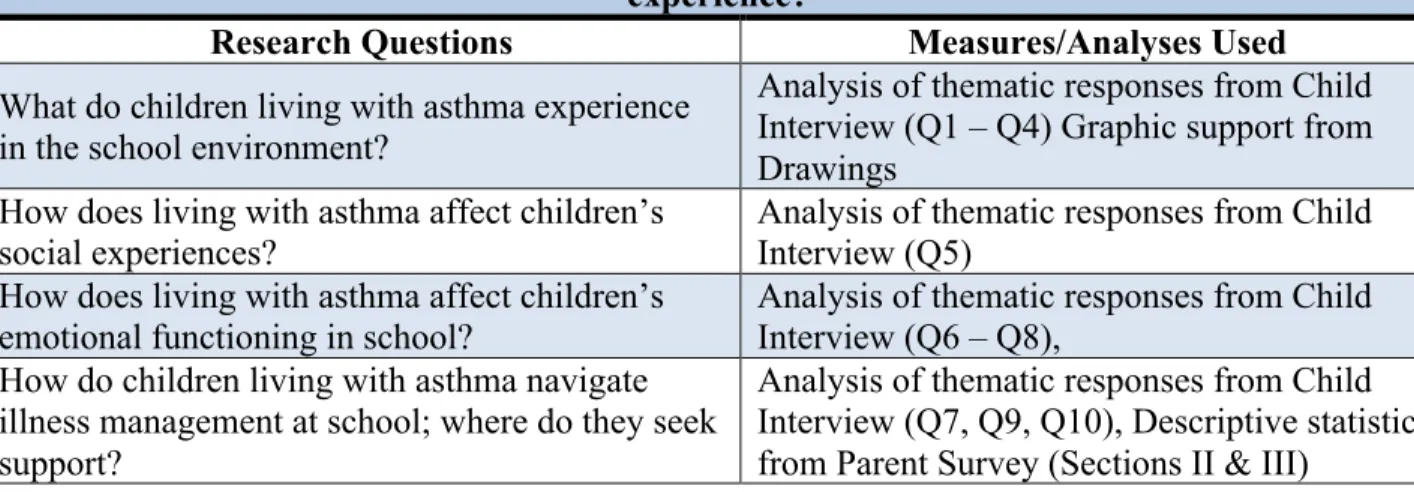
experience?’ To that end, data from each of the measures administered to children and their caregiver were matched to four sub-questions as shown in Table 1.
TABLE 1. Research questions and measures used to approach each question
Primary Research Questions: How do children living with asthma perceive their school experience?
Research Questions Measures/Analyses Used
What do children living with asthma experience in the school environment?
Analysis of thematic responses from Child Interview (Q1 – Q4) Graphic support from Drawings
How does living with asthma affect children’s social experiences?
Analysis of thematic responses from Child Interview (Q5)
How does living with asthma affect children’s emotional functioning in school?
Analysis of thematic responses from Child Interview (Q6 – Q8),
How do children living with asthma navigate illness management at school; where do they seek support?
Analysis of thematic responses from Child Interview (Q7, Q9, Q10), Descriptive statistics from Parent Survey (Sections II & III)
Parent Questionnaires. The parent interviews yielded demographic, asthma, and school-specific information. The PACCI portion of the questionnaire was scored to
determine parent-reported asthma-related risk and level of symptom control. As directed by the PACCI, Item B was an indicator of risk, to be interpreted such that High Risk was