THE EFFECT OF INCREASED IMMERSION AND ITS RELATIONSHIP WITH PRESENCE ON EPISODIC MEMORY PERFORMANCE WITHIN VIRTUAL REALITY
ENVIRONMENTS
S. Adam Smith
A dissertation submitted to the faculty at the University of North Carolina at Chapel Hill in partial fulfillment of the requirements for the degree of Doctor of Philosophy in the Department
of Psychology & Neuroscience (Cognitive Psychology).
Chapel Hill 2019
ABSTRACT
S. Adam Smith: The Effect of Increased Immersion and its Relationship with Presence on Episodic Memory Performance within Virtual Reality Environments
(Under the direction of Neil Mulligan)
Although virtual reality (VR) represents a promising tool for psychological research, much remains unknown about how different properties of VR environments may affect episodic memory performance. Two closely related characteristics of VR are immersion (i.e., the
objective degree to which VR naturalistically portrays a facsimile of an analogous real-world environment) and presence (i.e., the subjective sense of being “mentally transported” to the virtual world). While some research has demonstrated a benefit of increased immersion on VR-based learning, it is uncertain how broadly and consistently this benefit might extend to
individual components of immersion in isolation. Additionally, it is unclear whether immersion itself is what influences memory performance in these instances, or if presence is a mediating factor which explains the relationship between immersion and memory.
To address these issues, the current study assessed how presence and memory were affected by three individual manipulations of immersion: field of view, unimodal (visual only) vs. bimodal (visual and auditory) environments, and the realism of lighting effects (e.g., the occurrence or absence of shadows). Results varied between different manipulations of
ACKNOWLEDGEMENTS
This dissertation could not have been completed without the support of various professors, friends, and family along the way.
I would first like to extend my gratitude to the members of my dissertation committee: Professors Neil Mulligan, Kelly Giovanello, Joe Hopfinger, Mark Hollins, and Jennifer Arnold. I would like to thank you all for your time, expertise, and thoughtful advice – not only with regard to this project, but throughout my graduate training. You have all helped to make me a better writer, researcher, and instructor, and I am grateful to have received such excellent guidance as a student in the Cognitive program.
In particular, I would like to give special thanks to my advisor, Neil Mulligan, for his many years of mentorship throughout both my graduate and undergraduate course of study. I am thankful for his attentive and astute tutelage, and sincerely appreciate his support and belief in me as I delved into this new domain of research.
I would also like to thank my research assistant, Maleek Holmes. Without his efforts, data collection would have been a far more arduous and time-consuming process, and I appreciate his willingness to engage with and learn the techniques necessary for conducting virtual reality research.
into the domain of programming virtual environments. I am grateful that he devoted this time in order to share his coding expertise for the benefit of the project.
I could not have arrived at this point without the love and support of my parents, Carson and Meghann, and my sister, Natalie. I am immeasurably grateful for your constant reassurance and faith in me, and am forever indebted to the sacrifices you have made to ensure I had every opportunity possible to pursue my passions. You have helped to mold me into the man I am today, and I am proud to call you my family.
TABLE OF CONTENTS
LIST OF FIGURES ... ix
INTRODUCTION ...1
What counts as “Virtual Reality”? ...3
Properties of Virtual Reality Immersion and their impact on Episodic Memory ...8
The Relationship between Immersion, Presence, and Episodic Memory ...19
The Current Study ...25
EXPERIMENT ONE ...27
Experiment One – Methods ...29
Experiment One – Results ...38
Experiment One – Discussion ...41
EXPERIMENT TWO ...44
Experiment Two – Methods...45
Experiment Two – Results ...46
Experiment Two – Discussion ...48
EXPERIMENT THREE ...51
Experiment Three – Methods...52
Experiment Three – Results ...53
EXPLORATORY ANALYSES AND DISCUSSION ...61
GENERAL DISCUSSION ...73
APPENDIX A -- The Memory Characteristics Questionnaire ...96
APPENDIX B -- The Video Game Experience Questionnaire ...98
APPENDIX C -- Lists of Critical Objects ...99
APPENDIX D -- Comparing Correlational Analyses (averaged across immersion vs. separate analyses for High- and Low-Immersion) ...101
APPENDIX E -- Exploratory Analyses ...102
E.1 – Video Gaming Experience ...102
E.2 – Simulator Sickness ...103
E.3 – Gender Effects ...104
E.4 – Interexperimental Correlations of Presence and Memory ...107
E.5 – Contrast Effects ...108
APPENDIX F – ITC-SOPI Subscale Analyses (by individual experiment) ...114
F.1 – Experiment One Supplementary Analyses ...114
F.2 – Experiment Two Supplementary Analyses ...117
F.3 – Experiment Three Supplementary Analyses ...120
LIST OF FIGURES
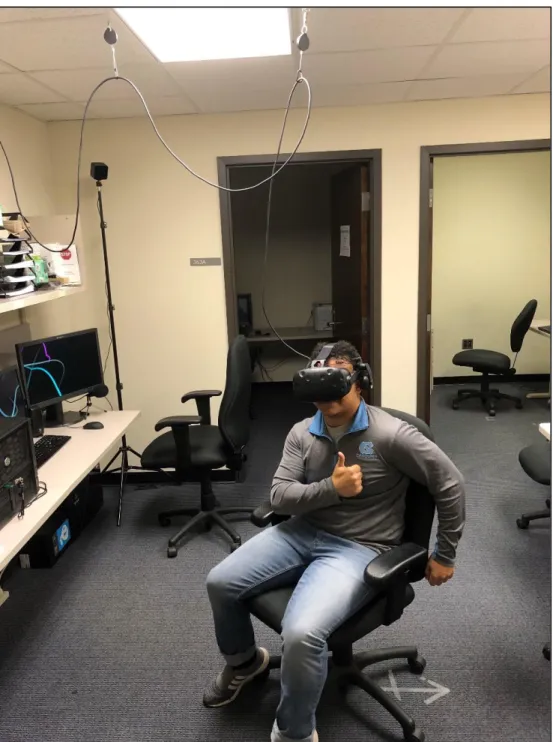
Figure 1 -- Photograph of apparatus in laboratory ...86
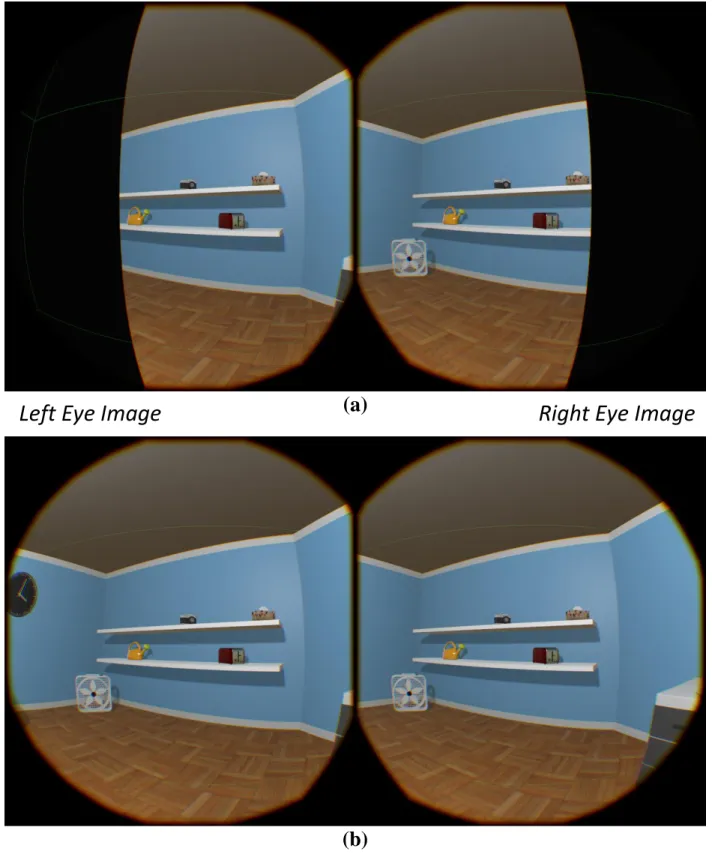
Figure 2 -- Sample image displayed in both Low Field-of-View and High Field-of-View for Experiment One ...87
Figure 3 -- Sample image of virtual environment used in the familiarization phase ...88
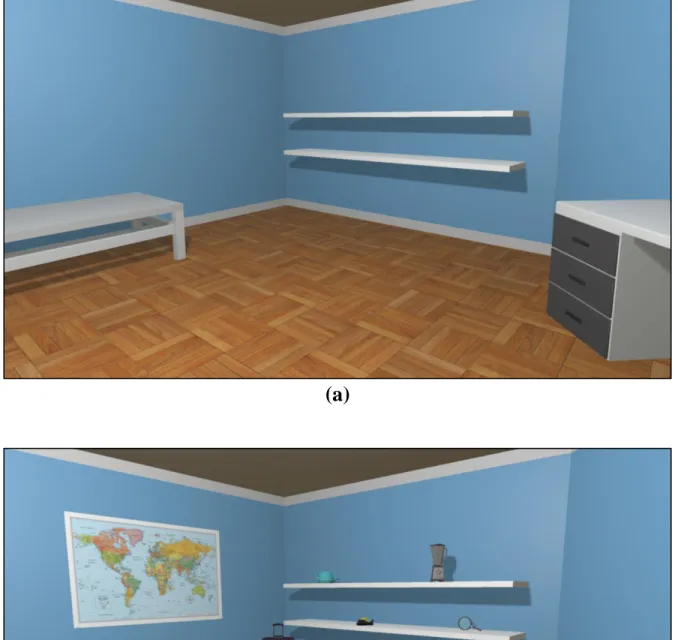
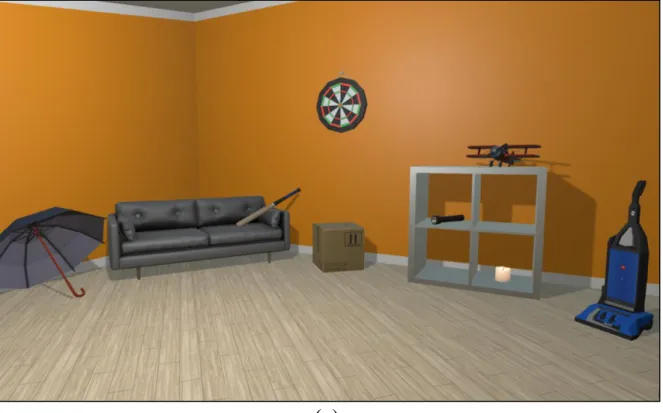
Figure 4 -- Room A (depicted with and without objects) ...89
Figure 5 -- Room B (depicted with and without objects) ...90
Figure 6 -- Sample selection of items from the recognition memory test ...91
Figure 7 -- Room A (depicted with and without the window added for Experiment Two) ...92
Figure 8 -- Room B (depicted with and without the window added for Experiment Two) ...93
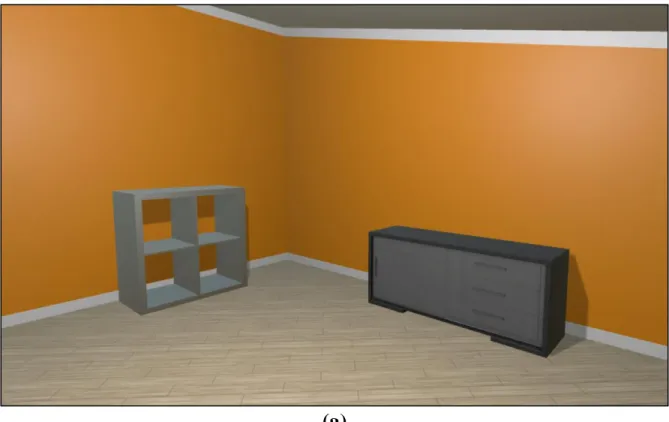
Figure 9 -- Room A (depicted with Low-Quality and High-Quality lighting for Experiment Three)...94
INTRODUCTION
In experimental psychology, researchers often find themselves in the dilemma of creating a study which is sufficient in terms of both its ecological validity and its degree of experimental control (Kvavilashvili & Ellis, 2004). While control is of course necessary for the careful and systematic manipulation of variables under investigation, tasks which lack an adequate degree of ecological validity may be somewhat misrepresentative of the phenomenon of interest, thus threatening the generalizability of results outside of the laboratory. However, the emergence of Virtual Reality (VR) technology presents an exciting opportunity for psychologists to increase the ecological validity of a task in a setting which simultaneously maintains the experimental control necessary to reliably evaluate a given psychological construct. Virtual environments can be created to reflect a theoretically infinite number of situations in a manner which is in many cases drastically more cost-efficient than the creation of its real-world equivalent. As such, researchers have the capability of constructing virtual reproductions of more externally
naturalistic environments in a setting that also allows for the behavioral observation of subjects who engage with the VR system.
studying information in VR relates to episodic memory (defined classically as
“information about temporally dated episodes or events, and temporal-spatial relations among these events.”; Tulving, 1972, p. 385). An understanding of how episodic memory operates in VR is not only of interest to researchers of cognitive psychology, but also has implications for the applied utility of using virtual environments as a platform for learning in both educational and industrial settings.
Although applications of training with VR technology have spanned from fighter jets
(Lele, 2013) to fast food (Vanian, 2017), a firm foundation of basic research on episodic memory
in VR is essential to understanding the overall utility of learning in VR and how it might
compare (or contrast) with real-life training. The extant research on this topic spans a number of
fields, including psychology (cognitive and clinical), human factors, and basic perceptual
research. Each of these fields assesses the construct of memory in slightly different ways, and, in
many instances, there seems to be minimal cross-talk between disciplines concerning
experimental results. Furthermore, there is a wide variety of VR apparatuses in use for this line
of research, spanning from simple desktop computer interfaces to expansive multimillion-dollar
chambers dedicated specifically to the creation of immersive VR environments. The
technological characteristics of different VR systems may likewise result in different levels of
encoding efficiency, thus potentially leading to the appearance of theoretically discrepant results
across studies that might be better explained through an examination of the specific
methodologies employed. These factors have made it somewhat difficult to appraise the body of
research on episodic memory in VR from the perspective of cognitive psychology (for review,
experimental apparatus is determining which characteristics of virtual environments and/or VR
equipment might influence episodic memory performance.
What counts as “Virtual Reality”?
Before delving into the extant body of research on episodic memory using VR, it is important to first clearly establish what sorts of methodologies fall under the umbrella of “Virtual Reality” – a term which is frequently used to refer to a variety of experimental
apparatuses interchangeably (Wilson & Soranzo, 2015). According to Merriam-Webster, VR can be generally described as follows:
An artificial environment which is experienced through sensory stimuli (such as sights and sounds) provided by a computer and in which one’s actions partially determine what happens in the environment. (Virtual Reality, n.d.).
Moreover, having such a large variety of VR systems all classified under the same general term could invite inappropriate comparisons of results across experiments, potentially leading to the appearance of theoretically discrepant outcomes when the true cause of
discrepancy might actually be the nature of the apparatuses being used. For instance, VR systems can vary in terms of their degree of immersion, which can be defined as the level of realism achieved by a virtual environment in terms of its sensory and interactive qualities.1 In general, subjects engaging with more immersive VR systems tend to experience a heightened sense of presence, a related concept which refers to the subjective sense that the user is actually in the virtual environment (see Lessiter et al., 2001). The interrelated nature of these concepts often results in researchers using the terms presence and immersion interchangeably; however, it is important to note the distinction between these concepts. In short, the immersiveness of an environment is determined by objective characteristics of the VR system (e.g., visual detail, field of view, etc.), whereas presence refers to the subjective mental response to immersion (which causes a subject to feel more or less “transported” to the virtual environment; see Slater, 2003). With regard to memory research, a consideration of these topics is relevant because differences in immersiveness between VR systems could potentially impact the results of a study; therefore, it is important to account for the specific properties of different VR systems when seeking to compare results across studies. Although the wide variation in apparatuses makes this task somewhat difficult, recognizing that most VR systems fall into a handful of subcategories can simplify the exercise of drawing such inter-experimental comparisons. Namely, the majority of
1 Note that this differs slightly from some definitions which exclusively define immersion as the level of sensory
VR systems tend to fall into one of the following three sub-types: (1) Desktop-VR, (2) Headset-VR, and (3) Simulator-VR.
Desktop-VR. Desktop-VR refers to any virtual environment which uses a standard computer monitor as its visual display (Furht, 2008). Additionally, interacting in Desktop-VR makes use of the standard computer mouse and keyboard as input devices. As such, this form of VR is quite cost-effective due to the wide availability of the hardware necessary to run it and software packages available for programming these virtual environments. Furthermore, and unlike other forms of VR, the ubiquity of the standard input devices for Desktop-VR make them much more likely to be familiar to subjects prior to their arrival for an experiment, which could make the training phase of a study quicker and more straightforward. Desktop-VR has been used in psychological research for decades, although this specific term (or variations including the word “desktop”) is not consistently applied across studies. However, despite the aforementioned
benefits of Desktop-VR, there are a number of drawbacks to consider as well. First, although the graphical environments of Desktop-VR often exist in 3-D they are presented on a 2-D display, and therefore only monocular depth cues are available to indicate the distance of objects in the environment (i.e., no stereoscopy). Also, the manner in which subjects interface with Desktop-VR is often not motorically analogous to the action being simulated. For instance, to look “up” in this type of virtual environment might require the subject to physically move the mouse
Headset-VR. Unlike Desktop-VR, Headset-VR is characterized by its use of specialized viewing equipment. Specifically, head-mounted displays (or HMDs) are placed on the head and display computer-generated images directly in front of the eyes. Simultaneously, the HMD detects the head motion of the subject in order to update the visual information being presented in a manner that is consistent with the angle and velocity at which the head is turning – in short, you are able to “look around” the virtual environment in a manner that is natural and not
confined to the borders of a conventional computer screen (see Furht, 2008). Moreover, in many Headset-VR programs each eye is presented with images from slightly shifted perspectives such that the virtual environment is viewed stereoscopically, thus providing binocular depth cues for a more comprehensive sense of object distance. In addition to this specialized viewing equipment, many contemporary HMD systems also include hand-held controllers as input devices which allow the user to interact with the environment. The spatial location of these controllers is mapped in the virtual environment, allowing the user to visually observe where the controllers – and, by extension, the user’s hands – are located within the 3-D virtual space. Despite some
drawbacks to these systems (e.g., higher prevalence of simulation sickness relative to other forms of VR; see Sharples et al., 2008), the enhanced sensory and interactive naturalness of virtual environments experienced in Headset-VR (compared to Desktop-VR) suggests generally higher levels of immersion in this type of apparatus.
how the user both views and interfaces with the environment. More immersive Sim-VR
apparatuses feature multiple display panels which are configured such that a user is surrounded by the visual imagery of the virtual environment, thus dominating the subject’s field of view. Arguably the most sophisticated example of highly immersive Sim-VR is represented by systems known as Computer-Aided Virtual Environments (or CAVEs; see Furht, 2008). CAVEs are entire rooms which are dedicated to displaying a virtual environment and often offer features like head-tracking, special glasses that allow the user to view the environment stereoscopically, and ceiling-to-floor graphical displays that completely envelop the user in the computer-generated world (Slater & Sanchez-Vives, 2016).
Properties of Virtual Reality Immersion and their impact on Episodic Memory
Differences in psychological outcomes based upon the type of VR system being used have been demonstrated a number of times in the literature. In what ways might VR systems differ from one another? Perhaps the most obvious difference between VR apparatuses outlined above deals with the relative levels of immersion afforded by different systems. Both Headset-VR and Sim-Headset-VR are generally capable of producing more immersive environments than Desktop-VR, although, as noted above, the immersiveness of Sim-VR can vary quite a bit depending on the complexity of the apparatus. Perhaps unsurprisingly, many studies reveal a general pattern in which more immersive VR systems promote better episodic memory
performance (e.g., Harman, Brown, & Johnson, 2017; Ruddle et al., 2011; Schöne, Wessels, & Gruber, 2017; Wallet et al., 2011; cf. Dehn et al., 2018; Gamberini, 2000). Given the potential mnemonic benefits afforded by immersive environments, a consideration of the factors that contribute to immersion is worthwhile. Some researchers classify VR systems in absolute terms of whether they are “immersive” or “non-immersive” (e.g., Brooks et al., 1999); however, immersion is not an all-or-nothing variable, but rather exists on a continuum (Bowman & McMahan, 2007). Therefore, when one is surveying the impact of immersion on episodic memory, it is important to consider how varying degrees of immersion impact memory
performance. Current evidence regarding the impact of a variety of immersive characteristics on episodic memory will be considered below.
element in understanding the immersiveness of an apparatus. However, just because visual fidelity impacts immersiveness does not necessarily mean that this specific property of
immersion impacts memory. Therefore, one should consider what evidence exists from studies which have manipulated visual fidelity as an independent variable and compared memory performance between conditions.
One quality that contributes to the overall visual fidelity of an environment is its level of detail, including features such as color, texture, lighting effects (e.g., shadows), and other visual properties of objects in the virtual environment. To test the impact of visual detail on memory, Wallet et al. (2011) constructed two versions of a virtual environment that reproduced the spatial layout of an area in an actual city: one without color or texture (resulting in a monochromatic environment composed of more simplistic geometric shapes), and the other with the inclusion of color and textures that more clearly defined the nature of the geometric shapes (e.g., buildings, a road, etc.). Subjects interacted with this environment in a more basic Sim-VR setup, including a single (large) projector screen and a gaming joystick input. After navigating through the city, subjects completed three assessments to determine how well the navigated route was
remembered: (1) a wayfinding task where subjects reproduced the virtual route in the real world, (2) a sketch-mapping task which required subjects to draw the visualized route, and (3) a scene-sorting task in which subjects arranged a set of images taken along the route in chronological order. Subjects who learned the route in the detailed virtual environment performed significantly better on all three assessments when compared to subjects in the undetailed environment.
Headset-VR system to visually explore the office from a stationary location in the center of the room and were later given a recognition memory test to assess memory for the objects in the room.
Although subjects in the mid-quality condition outperformed those in the low-quality condition, recognition in the high-quality group was surprisingly no different from either the low- or mid-quality groups (see also Mania et al., 2010). Such findings reveal that the association between memory and visual detail is unclear and may be dependent upon which properties of visual detail are being manipulated.
Other research suggests that the effect of visual detail on episodic memory might be subtle and could assist memory for certain items more than others depending on environmental context. To assess this, Mourkoussis et al. (2010) created two versions of a virtual environment (an academic office) with extreme variation in their level of visual detail. The low-detail environment was a basic wireframe model that represented the borders and contours of the objects in the scene. Unlike the high-detail condition, these objects were not filled in with their respective shading or texture – in essence, this amounted to a set of items that were simply outlined in their respective colors.2 The items in this environment fell into one of two categories: they were either consistent with the context of an academic office (e.g., a bookcase) or
inconsistent (e.g., a cash register). Subjects viewed the environment from a stationary position in the center of the virtual office using Headset-VR and were then given an old/new item
study distinctiveness effects in memory, as it suggests that lower levels of visual detail may dampen effects which generally result in improved memory for items which are incongruent with their environment (for a review of distinctiveness effects, see Schmidt, 1991).
Visual detail is only one factor which contributes to the overall visual fidelity of a virtual environment. The presence or absence of a stereoscopic display also contributes to visual fidelity by allowing the observer to take advantage of binocular depth cues. Bennet, Coxon, and Mania (2010) explored whether this variable impacted memory performance by manipulating the presence of these cues in a Headset-VR system. Specifically, half of the subjects viewed the virtual environment stereoscopically whereas the other half viewed the scene in a “mono” condition which eliminated stereopsis. At retrieval, memory for the spatial configuration of objects was not found to significantly vary as a function of whether stereoscopic cues were available, although responses on remember/know judgments did vary somewhat (specifically, there were more remember judgments in the stereo condition for objects which were thematically consistent with the environment).3
Another component of visual fidelity is the amount of visual information available to the user at any given time. Ragan et al. (2010) studied the impact of field of view (i.e., the portion of the virtual world the observer can see at any point in time; FoV) and field of regard (i.e., the area surrounding the observer that contains visual information; FoR) on memory performance in a virtual environment. Researchers utilized a Sim-VR CAVE setup where subjects were seated in the center of a cubic room and rotated the environment using a joystick. To manipulate field of view, subjects were given goggles that were either completely transparent (High-FoV) or
3 This procedure was somewhat different from the remember/know paradigm typically used in psychological
research. Although the concept of recollection was defined conventionally and associated with responses of “remember”, subjects were given two different response options (“familiar” and “know”) to indicate familiarity,
contained blinders that limited peripheral vision (Low-FoV). Field of regard was manipulated by altering the number of screens in use – the High-FoR condition used screens to the right, left, and in front of the subject, whereas the Low-FoR group only had the screen directly in front of them. During the task, subjects observed a sequence of events with objects moving on a grid (e.g., a yellow sphere moving to a particular location, followed by placing a red block on top of another object, etc.), and then later had to recall the entire sequence in order. Higher fidelity for both field of view and field of regard contributed to increased memory performance (i.e., fewer errors), and High-FoR even reduced the amount of time subjects needed for the memory assessment. Additionally, the condition with both Low-FoV and Low-FoR was significantly slower and more error-prone than any of the other three combinations of these variables.4
Multimodal sensory information. Although visual fidelity has a large impact on the immersiveness of a virtual environment, non-visual sensory stimuli also contribute to immersion and are capable of supplementing an otherwise unimodal VR system. Does the increased
immersiveness of a multimodal environment translate to increased performance on memory tasks? If so, do all sensory modalities contribute to this benefit, or only certain ones?
Subjects were later given a free recall test in which the high-fidelity audio condition was numerically, but not significantly, better than the no-audio condition (p=0.1). However, a
subsequent forced choice recognition assessment was given to evaluate source memory; subjects had to assign images of each object with the respective room in which they were observed. On this task, there was a significant benefit of audio fidelity, with performance in the high-fidelity condition surpassing the no-audio condition. In contrast, the difference between the low-fidelity and no-audio conditions was nonsignificant. These results indicate that although the mere existence of distinctive audio in a virtual environment may not improve source memory performance, the inclusion of high quality audio may enhance a subject’s ability to effectively encode the context in which an object is observed.
are blind (for a brief survey of non-visual VR systems used in blindness research, see Lahav, 2014).
Can other sensory modalities also contribute to memory performance in VR? A Headset-VR study by Dinh et al. (1999) incorporated several variations of a virtual environment based upon the level of visual detail and the presence or absence of auditory, tactile, and olfactory stimulation. Tactile cues included a fan that turned on in real life when subjects approached the virtual fan and a heat lamp intended to mimic the impression of standing in the sunshine when they walked to the virtual balcony. The olfactory cue was the scent of coffee presented via an oxygen mask when the subject was in the vicinity of a virtual coffee pot. There were no
differences between groups in terms of their memory for the overall layout of the environment; however, when subjects were assessed on their memory for the location of objects in the environment, both olfactory and tactile cues improved recall performance.
Although all of the previous studies on multimodal sensory information have provided non-visual cues during the study phase of the experiment, one might reasonably wonder whether an effect might be observed if such cues were provided in the retrieval phase. Could the presence of an olfactory cue used during study reinstate the context of the encoding episode if presented again during retrieval? Moreover, might an olfactory cue presented only during retrieval affect memory in some way if the scent is contextually appropriate for the setting of the virtual environment? Tortell et al. (2007) sought to answer these questions by constructing a Sim-VR apparatus designed to produce olfactory cues at varying times during the experiment.5 The researchers employed a 2 x 2 design to manipulate the presence and timing of olfactory cues,
5 Arguably, this variant of Sim-VR is simply a modified Desktop-VR system (using a normal computer monitor and
with scent during encoding and scent during retrieval as the two factors. The scent was a custom-designed compound intended to mimic a smell appropriate for the virtual environment, which in this study was “a swampy culvert”. Subjects in all conditions studied the virtual environment and were then given a recognition memory test where they had to indicate which items had not been viewed during encoding. Results indicated a main effect in which the presence of an olfactory cue during the study phase produced a significant improvement in recognition memory. However, no additional benefit was conferred by having the scent presented during both encoding and retrieval. Furthermore, subjects who experienced the scent only during retrieval had worse memory performance than any of the other three conditions. The researchers then performed a subsequent analysis which took into account a subject’s previous exposure to video
games. The analysis revealed that the presence of the olfactory cue during encoding improved memory performance for non-gamers substantially more than it did for gamers, suggesting that previous exposure to virtual environments may moderate the beneficial effects of non-visual cues provided during encoding tasks in virtual environments.
Interactive fidelity. The previous considerations regarding the types of sensory information provided by various virtual environments is integral to understanding the relationship between VR immersion and episodic memory performance. However, a full
movements tracked by an HMD). Is it possible that active engagement within the virtual environment might confer benefits to memory performance when compared to subjects with lower levels of virtual engagement?
Many studies reveal a general benefit of active VR interaction on memory performance (e.g., Wallet et al., 2011; c.f. Gaunet et al., 2001). Hahm et al. (2007) created a virtual
environment consisting of four rooms which were each filled with 15 unique objects. Using a Headset-VR system, subjects either actively navigated around the rooms (using a keyboard) or passively watched as they were moved around the rooms automatically. Accuracy on the old/new recognition task for studied objects was significantly better for subjects who actively explored the rooms, revealing a mnemonic benefit of increased VR interactivity. This basic outcome was later replicated in a similar study by Sauzéon et al. (2012) using Desktop-VR, yet again revealing increased recognition accuracy for objects in the active navigation condition. Benefits of active interaction in a virtual environment have also been found in applied research. Jang et al. (2017) studied the impact of active and passive VR training among medical students studying the anatomy of the inner ear. The specialized Sim-VR apparatus was equipped with a stereoscopic visual display and a free-moving joystick (i.e., one not mounted to a stationary surface) which allowed the user to rotate and zoom in on the virtual model of the inner ear and observe the anatomical substructures contained within. Subjects were instructed to study the physical and spatial configuration of the virtual model through either active manipulation or a passive observation in which the 3D model was moved “on its own”. Unbeknownst to subjects was the
the inner ear from a variety of perspectives with critical substructures missing in each image (e.g., the semicircular canals). Subjects were then tasked with drawing each substructure in its correct location and shape from a given perspective. An analysis of the drawings revealed that subjects in the active condition were more accurate in the angle, size, and placement of the substructures, revealing a benefit to spatial memory performance. The results from Jang et al. (2017) suggest that the benefit of actively interfacing with a VR is not unique to object recognition but may also extend to spatial properties of memory as well.
Although active engagement with a virtual environment frequently improves memory performance relative to passive observation, some studies produce no such benefit (e.g., Gaunet et al., 2001; Sandamas & Foreman, 2003). How might one explain some of the variable episodic memory performance from experiments testing active and passive interaction within a virtual environment? Perhaps some of this discrepancy may be due to a lack of clarity regarding which aspect of interactivity subjects are given control of in VR. Although seldom teased apart, there are actually two distinct components that contribute to a subject’s interactions within a virtual environment: the volitional component which allows a subject to choose how to interact with the environment, and the motoric component in which subjects physically carry out that interaction via the VR system’s input device(s). Is it possible that these two components contribute
To directly test the separable influences of motoric and volitional control during navigation of a virtual environment, Plancher et al. (2013) created three conditions for how subjects navigated a series of roads. Subjects with volitional control instructed the experimenter on which way to turn the car at intersections, subjects with motoric control drove the car
themselves based on the experimenter’s navigational directions, and passive subjects were simply passengers in the car observing the environment as it passed by. The Sim-VR apparatus was characterized by a large screen which included a view of the interior of the car from a first-person perspective. Additionally, the input devices included a physical steering wheel,
accelerator, and brake pedal, resulting in a higher degree of interactive fidelity than driving simulations using more generalized devices like joysticks or game controllers. To ensure that all subjects viewed the same scenes along the route, the virtual world was constructed to be
completely symmetrical, such that the critical objects and their spatial layouts in the scene were identical regardless of which way subjects turned at intersections. During retrieval, subjects were required to complete several tasks assessing memory for the objects they saw and their relative location in the scenes along the route. Item recognition for the previously observed objects was better among subjects with volitional control than subjects with motoric control – in fact, even the passive condition outperformed the motoric control condition on this task. In contrast, spatial memory for the location of objects was equivalent between subjects with motoric and volitional control, with both versions of the active condition outperforming the passive group on
visuospatial memory tasks.
at which the route was observed by using the accelerator and brakes (but not turning the steering wheel), whereas the other group used both the steering wheel and pedals as in Plancher et al. (2013). These conditions were included to determine whether increasing or decreasing a subject’s level of motoric control might produce different memory outcomes. Briefly, high-motoric control led to worse item memory than both low-high-motoric control and volitional control, and visuospatial memory was equivalent for volitional and low-motor control (which were both superior to the high-motor control and passive conditions). In short, increased motor control resulted in worse episodic memory, which the authors suggest may be due to the increased burden on cognitive resources resulting from increased motoric engagement. In general, the results of Plancher et al. (2013) and Jebara et al. (2014) indicate that the influence of VR interaction on memory may not be simply due to the occurrence of interaction, but may vary depending the component (i.e., volitional or motoric) and degree (e.g., high- or low-motor control) of interaction being considered.
The Relationship between Immersion, Presence, and Episodic Memory
immersive environments tend to produce heightened levels of presence in subjects (e.g., Lessiter et al., 2001; Slater, 2003; see also Cummings & Bailenson, 2016; Slater & Sanchez-Vives, 2016). Indeed, the very fact that the literature on this topic sometimes uses the terms immersion and presence interchangeably illustrates a tacit assumption about the relationship between these concepts (see Wilson & Soranzo, 2015).
This relationship would suggest that more immersive virtual environments may induce mental states which are better suited to learning (i.e., heightened presence), and that this
mediating property is what is truly driving any observed enhancements in memory performance. If so, what cognitive processes are associated with increased presence and why might these factors benefit memory performance? Presence is typically thought of as a multidimensional construct, with several factors (e.g., enjoyment, emotional engagement, naturalness of the virtual setting, etc.) all contributing to the overall sense of mental transportation to the virtual
environment (see Lessiter et al., 2001). Perhaps the most critical cognitive mechanism
underlying presence is attentional engagement with the virtual environment. Witmer & Singer (1998) suggest that one’s attention when using a VR-system is always divided between the
the external world (presumably reflected by an increase in the feeling of presence in the virtual world) should lead to improved learning outcomes.
There is some evidence for this prediction in the limited research that has examined immersion, presence, and memory in the same study. Lin et al. (2002) employed a Sim-VR (CAVE-like) apparatus and manipulated immersion by altering the Field of View (FoV) of the virtual environment between conditions. Larger FoVs produced both better memory and higher ratings of presence, and a positive correlation was observed between presence and memory (r = 0.484, p < 0.01). However, there are several issues with this study. Notably, the methods were not reported to a level of detail sufficient to fully understand the nature of the memory task. It seems as though memory was assessed using a series of ordinally-ranked stimuli, such that memory was determined as being either “perfect” “partial” or “poor” (rather than simply correct or incorrect); however, the nature of the test questions and how performance was scored for each item is unclear. Additionally, it is possible that the manipulation of FoV employed in this study affected the number of stimuli that were perceived by subjects in the first place – after all, it would not be surprising to find that FoV affected memory if smaller FoVs prevented subjects from seeing critical to-be-remembered features of the environment in the first place. Moreover, although the researchers did conduct a correlational analysis between presence and memory, there was no mediation analysis which included immersion condition as a factor – as such, the relative contributions of immersion and presence to memory performance cannot be
disentangled. These (and other)6 issues make the results of Lin et al. (2002) inconclusive with
6 There are a few more issues with Lin et al. (2002) which also merit consideration. Memory in this study was
regard to key questions concerning the interplay of immersion, presence, and memory. Nevertheless, it seems reasonable to predict that enhancing immersion (in this instance, increasing how much of a user’s visual field was dominated by the virtual environment) may have decreased the amount of attention subjects paid to the physical (i.e., non-virtual) world surrounding them during the study phase, and that selectively devoting more attentional resources to the virtual environment facilitated encoding.
Despite the fairly intuitive nature of this account, there may also be reason to suspect that increased presence will not necessarily be beneficial for memory performance. Consider that manipulations which make an environment more immersive may also introduce additional task-irrelevant information. For instance, introducing ambient sounds increases immersion (and presumably presence), but could including this audio be distracting for a visual memory task (e.g., object memory) relative to a condition without any sound? In other words, could
manipulations of immersion which increase presence produce no observable effect on memory or even impair memory? Evidence on this point is mixed. Dinh et al. (1999) found that introducing ambient auditory cues resulted in increased levels of presence but had no effect on memory performance, suggesting that presence and memory may not necessarily be associated with one another. In contrast, Davis et al. (1999) found that including ambient audio enhanced both presence7 and source memory performance. However, it is worth noting that Davis et al. (1999) did not report any difference between immersion conditions in free recall performance for object memory, suggesting that the audio cues may only have been helpful inasmuch as they provided distinctive cues which were useful in later establishing the source of where objects were initially observed. As such, these findings raise the question of whether increased presence should be
expected to generally improve memory of a virtual environment, or if this benefit would only occur in instances where the manipulation of immersion impacts elements of the environment which are directly relevant in the subsequent memory assessment. If the latter, the presence-driven benefit of selectively attending to the virtual environment (at the expense of attending to the real-life physical environment) may be mitigated by the distracting task-irrelevant nature of elements which were included to increase immersion (and presence) in the first place. In other words, increased presence resulting from task-irrelevant manipulations of immersion might simply substitute divided attention between real and virtual environments with divided attention within the virtual environment itself, thus resulting in a null effect on memory performance.
When investigating the relationship between immersion, presence, and memory, it is also important to note that immersion is only one factor that influences ratings of presence. Individual differences in reported presence can occur even within the same virtual environment, such that one subject’s experience of presence may be measurably higher than another subject’s even without a corresponding variation in immersion (for discussion, see Wilson & Soranzo, 2015; see also Slater, 2003). Likewise, VR systems with varying levels of immersion could potentially give rise to equivalent levels of presence between subjects. Indeed, this was the case with Makowski et al. (2017), in which subjects watched a movie either in 2D (less immersive) or 3D (more immersive) viewing conditions.8 Interestingly, while no differences in average presence or memory performance occurred as a result of immersion condition, a great deal of variation in ratings of presence was observed between participants. Moreover, ratings of presence were positively correlated with successful memory performance. Results like these suggest that
8 Although frequently studied in relation to VR specifically, the concept of presence has been studied in other forms
interpersonal variability in reported presence between subjects is a potential issue that should be accounted for. How might one accomplish this? Witmer and Singer (1998) developed the Immersive Tendencies Questionnaire (ITQ) as a measure to quantify these individual
differences. Researchers might choose to include the ITQ in their study to ensure that variations in susceptibility to heightened levels of presence between subjects can be statistically accounted for. Alternatively, researchers may instead elect to use a within-subjects design in their
experiment, thus eliminating any potential effects of individual differences from the analysis altogether. With this option, in addition to the general benefits of increasing statistical power, researchers can enjoy a greater degree of experimental control by isolating immersion (the manipulated variable) as the primary factor influencing presence.
Finally, it is worth briefly noting that the term presence (as discussed in research on virtual technology) is conceptually similar to the construct of narrative transportation discussed in fields such as social psychology, communications, and marketing (see Green, Brock, & Kaufman, 2004). Like presence, narrative transportation is also believed to be related to
The Current Study
It is reasonable to suggest that the construct of presence is a factor which may potentially mediate the relationship between immersion and memory. Nevertheless, assessments of presence are seldom incorporated in experiments designed to examine whether enhancing some property of immersion likewise improves memory performance. The small handful of experiments which have simultaneously included a consideration of all three of these components have failed to incorporate a means of analyzing this potential mediating effect and have suffered from important methodological limitations as described earlier. As such, the relationship between immersion, presence, and memory has not yet been investigated in a sufficiently thorough manner. An investigation of this sort would assist in determining the mechanism by which more immersive environments may (or may not) result in superior memory performance. Additionally, understanding the potential mediating role of presence may help to clear up some apparent discrepancies observed in prior research on immersion and memory. For instance, understanding this relationship may help to contextualize whether the occasional null effects of immersion on memory might have been due to a similar null effect of immersion on presence, or if presence might be enhanced by immersion even in the absence of a memory effect.
The current experiments were designed to investigate how presence might mediate the relationship between several manipulations of sensory immersion and episodic memory
and source memory. Considering that factors which influence item memory do not always impact source memory (and vice versa), including both measures allowed for a more thorough and comprehensive assessment of episodic memory in the context of manipulations of
immersion. Instead of creating a measure of presence specific to this study, a reliable
EXPERIMENT ONE
The first experiment was designed to explore the relationship between immersion, presence, and episodic memory by using a manipulation of immersion that has previously been shown to impact memory performance. Specifically, the field of view (FoV) within the virtual environment was manipulated. Previous manipulations of FoV in virtual environments have often revealed a beneficial effect on memory for High-FoV conditions when compared to Low-FoV conditions. This pattern has been demonstrated both in a highly immersive Sim-VR CAVE (Ragan et al., 2010; see also Lin et al., 2002) as well as in a Desktop-VR configuration
(Richardson & Collaer, 2011). In contrast, Buttussi and Chittaro (2018) failed to find a memory effect between Headset-VR systems which produced different levels of FoV. However, it is worth noting that the immersion condition in this study utilized different VR apparatuses which varied not only with relation to FoV, but other immersive characteristics as well (e.g., head tracking and visual resolution). The current study will instead be manipulating FoV in a manner such that all subjects interact with the same apparatus, thus isolating FoV as the specific
manipulation of interest.
diminishes the portion of the virtual environment which can be viewed at any given time. Consequently, subjects in a Low-FoV condition may be exposed to fewer environmental
elements of the virtual scene during encoding. This would reduce performance on a memory test simply by virtue of observing fewer critical stimuli, but could be misinterpreted as an effect of immersion on memory for studied items. To prevent this error, considerations were made in the current study to account for whether all objects were able to been seen in both FoV conditions (discussed in the Methods section). It is worth noting that the methodological features
highlighted above control FoV more rigorously than studies which have not explicitly accounted for these confounding factors. As such, if a previously observed effect of FoV on memory was, in fact, a spurious result of these confounds, it is possible that such controls could diminish or eliminate the effect.
Experiment One – Methods
Participants. Subjects were 32 undergraduate students (23 female) from UNC Chapel Hill participating in exchange for course credit in introductory psychology. Color blindness was included as an exclusion criterion because color was a distinguishing characteristic of the virtual environments for source memory judgments.
To determine the appropriate number of subjects to recruit for this study, power analyses were conducted (using G*Power; Faul et al., 2007) both on the effect of immersion on memory performance as well as the relationship between presence and memory. Averaging the observed effect of sensory immersion on memory across several studies9 resulted in a Cohen’s d value of 1.06. Assuming this effect size and an alpha of 0.05, the power to detect a similar effect of immersion on memory is 0.99 with a sample size of 32 subjects. Previous research (i.e., Lin et al., 2002) has observed a significant positive correlation between presence and memory (r = 0.484). With 32 subjects (and an alpha of 0.05), the power to detect such a relationship in the current study is 0.82. Thus, the sample size of 32 subjects was selected for this experiment as it satisfies the conventional threshold of power (i.e., 0.8) for both individual relationships of interest and is divisible by the total number of counterbalance conditions (detailed below).
Apparatus. A custom-built PC was constructed in order to render the virtual
environments for this set of experiments. Critical system specifications are as follows: CPU (Intel Core i7-7700K 4.2GHz Quad-Core Processor), System RAM (16GB DDR4), and
dedicated graphics card (GeForce GTX 1070 with 8GB GDDR5 VRAM). An HTC Vive HMD was used as the visual display for the virtual environments (see Figure 1). This HMD is capable of tracking head movements in order to update the visual display as a subject looks around the
9 The following studies were included in the calculation of average effect size: Davis et al. (1999), Lin et al. (2002),
virtual setting. The virtual environments themselves were created using the Unity3D game engine (software which is free of cost for non-commercial use).
Questionnaires. In order to assess the construct of presence in this study, the ITC-Sense of Presence Inventory (ITC-SOPI) was administered (Lessiter et al., 2001). This validated questionnaire has been cited hundreds of times and has been applied to a variety of media platforms (including several varieties of VR as well as more traditional forms of media like television and movie theaters). The questionnaire consists of 44 items with responses made on a 1- to 5-point Likert scale. Three of these questions address features which were not present in the current experiment (e.g., the existence of virtual characters) and, as such, were not included in this study (as subjects would have no basis upon which to evaluate and respond to these items). Therefore, the ITC-SOPI administered in this study consisted of the remaining 41 items. These items are split into four subcategories intended to assess specific properties related to presence: (1) Sense of Physical Space, which directly addresses the sense of “being there” experienced by subjects (i.e., the experience of being physically transported to the virtual environment); (2) Engagement, which assesses how interested and involved the subject was in the task of experiencing the virtual environment; (3) Ecological Validity, wherein subjects indicate the extent to which the virtual environment seems believable and lifelike; and (4) Negative Effects, which accounts for adverse physiological reactions such as nausea or dizziness that are common to simulation sickness.10 Each of these subcategories has demonstrated high levels of internal reliability (Cronbach’s alpha), ranging from 0.76 (Ecological Validity) to 0.94 (Sense of Physical Space). Additionally, a set of Pearson correlations revealed strong positive intercorrelations
10 The occurrence of simulation sickness in VR settings is well-documented (particularly in Headset-VR; see
between these first three factors (i.e., all but Negative Effects); therefore, the average scores from each of these categories were combined in order to create a composite measure of presence with scores ranging from 1 (lowest presence) to 5 (highest presence).11
Like most presence questionnaires, the ITC-SOPI is administered after the VR experience has concluded rather than during virtual interactivity. Indeed, it can be reasonably concluded that administration of a presence assessment during a VR experience would necessarily reduce a user’s presence by virtue of directing attention away from the virtual environment. In fact, due to the temporal delay between the experience of a presence-inducing event and its measurement, such assessments might actually be better thought of as measuring memory of presence. This observation suggests an interesting potential link between research on VR presence and episodic memory research more broadly. For instance, the Memory Characteristics Questionnaire (MCQ; Johnson et al., 1988) was developed to quantify several subjective characteristics of a
participant’s memory for an autobiographical event, and has since been adapted by researchers to evaluate certain qualities of mentally simulated events (e.g., De Brigard & Giovanello, 2012). Upon inspection, many of the dimensions measured by the MCQ (e.g., vividness, sensory details, spatial knowledge, and emotional arousal) seem to closely parallel characteristics often measured by presence questionnaires. As such, although it was not specifically designed for VR research, certain elements of the MCQ might be inadvertently tapping into the construct of presence. Therefore, the MCQ was adapted for use in the current study by selecting questions which were applicable to a recent experience in a virtual environment. The adapted questionnaire consisted of 14 questions total, each with a 1- to 7-point Likert scale (see Appendix A). The responses
11 Please note that the ITC-SOPI was not included in the Appendices due to copyright restrictions on reproduction
from 12 of these questions12 were averaged together to create a single score ranging from 1 (lowest presence) to 7 (highest presence).
Previous exposure to virtual environments has also been shown to influence memory performance in VR settings (e.g., Tortell et al., 2007), and as such was assessed in this study via self-report questionnaire. Questionnaires of this sort often use video gaming experience as a proxy for exposure to virtual environments. The specific questionnaire for this study was adapted from Richardson and Collaer (2011) and included the following five questions: (1) “How often do you presently play video games?” (1: Daily, 2: Weekly, 3: Monthly, 4: Yearly, 5: Never); (2) “How many hours per week do you currently spend playing video games?” (1: None, 2: 1–3 hours, 3: 4–6 hours, 4: 7–9 hours, 5: 10+ hours); (3) “When you were most active in playing video games, how often did you play?” (same response options as Question 1); (4) “When you were most active in playing video games, how many hours per week did you play?” (same response options as Question 2); and (5) “How often have you played virtual reality games with 3-D graphics, in which you travel through a life-like environment?” (1: Many times, 2:
Occasionally, 3: Rarely, 4: Never) (see Appendix B). In order to create a composite score of video gaming experience, items 1, 3, and 5 were reverse-coded and the scores for all items were averaged together. The resulting scale ranged from a minimum of 5 to a maximum of 24, with higher scores on the composite metric indicating more frequent exposure to video games.
Additionally, to assess exposure to the specific type of apparatus being used in this study (i.e., an HMD), the following yes/no questions were added: “Prior to this experiment, have you ever used a Virtual Reality headset apparatus?”, and “Do you personally own a Virtual Reality headset
12 Two of the questions (#9 and #11) were designed to measure emotional valence (1 = negative, 7 = positive), and
apparatus?”. Finally, gender effects are sometimes reported in studies of memory in virtual environments (e.g., Plancher et al., 2013; Waller, Hunt, & Knapp, 1998; cf. Sandamas &
Foreman, 2003). Therefore, a final self-report question regarding the subject’s sex was affixed to the previous questionnaire to assess whether any such differences emerged in this study.
Design. FoV was the manipulated property of immersion and resulted in the creation of two conditions: environments with High- and Low-FoV. The High-FoV condition featured the maximum horizontal FoV produced by the HTC Vive headset (~110°), whereas the horizontal field of view was reduced by approximately one-third in the Low-FoV condition (~74°).13 This FoV reduction was achieved by programming a set of “virtual blinders” to eliminate a subject’s view of the left and right periphery while inspecting the virtual environment (see Figure 2). This manipulation took place within-subjects (counterbalanced for order).
Materials. Three virtual environments were constructed for this study. A simple room was designed for use in the familiarization phase to acclimate subjects to the VR headset prior to the study environments (see Figure 3). The study environments took the form of two distinct rooms (Room A and Room B) which were distinguished in terms of both spatial layout and color (see Figures 4 and 5). These distinctions were included as a reference for subjects to perform source memory judgments during retrieval. Moreover, each virtual room was programmed to have either Low-FoV or High-FoV to allow for counterbalancing across subjects. As such, each subject viewed both rooms once with the level of immersion varying between these two rooms. During study, the subjects observed the virtual environment from a stationary viewpoint in the center of the virtual room, thus allowing exploration of the environment via head movements and body rotation but not locomotion. This mode of virtual observation is similar to that used in
13 Horizontal FoV in the Low-FoV condition was calculated by comparing a 2D rendering of the view produced by
previous studies of Headset-VR (e.g., Mania, Robinson, & Brandt, 2005; Mourkoussis et al., 2010).
Critical stimuli consisted of 80 3D objects obtained from online repositories of virtual assets (i.e., the Unity Asset Store, and Google Poly; see Appendix C for object lists). Objects were placed in various locations throughout the virtual rooms. These objects were randomly divided into two equal sets, such that half of the items were designated as old-items in the recognition task, and the other half were assigned as new (i.e., unstudied) items. Each of these sets were then further subdivided into two sets, each assigned to one of the virtual rooms (A or B). The resulting four sets of critical items were counterbalanced such that each appeared equally often in the old and new conditions. In conjunction with the previously stated counterbalancing of immersion condition (Low-FoV then High-FoV vs. High-FoV then Low-FoV), this resulted in a total of eight counterbalance groups.
The recognition test consisted of all 80 items (40 old, 40 new) presented individually and in a randomized order. In order to present each item in isolation and from the same viewing angle as was observed during the study phase, the recognition test occurred outside the virtual environment (specifically, on a standard desktop interface). Test stimuli consisted of images of each of the objects presented in isolation and without any surrounding information about the environmental context in which the item was originally observed (e.g., the color of the wall or spatial location in the room).
(Figure 1). At this point, the experimenter then assisted with placing the HMD on the subject’s head, revealing an initial visual display of a virtual environment which is empty with the
exception of a few non-critical objects (Figure 3). The FoV in this preliminary environment was the same as in the High-FoV condition. This simple preliminary environment was designed to provide subjects with an opportunity to familiarize themselves with the features of the VR apparatus (e.g., the weight of the headset, how to look around using the swivel chair, etc.) prior to the start of the first study phase, thus minimizing the relative novelty of the apparatus between the two study phases.
The first study phase began with subjects viewing the first virtual room (Room A) without any of the critical objects present (Figure 4a). This period lasted for 60 seconds and was intended to both further familiarize subjects with how to look around in the virtual environment as well as to acclimate them to the specific characteristics of the immersion condition and the room itself. Subjects were encouraged to fully explore the environment during this stage and familiarize themselves with the features of the room itself. Immediately following this period, the 20 selected critical objects simultaneously appeared in several predesignated locations throughout the previously “empty” environment (Figure 4b). This period lasted for 120
seconds.14 Subjects were explicitly instructed to use this entire period to carefully study each item and to closely inspect all areas of the room. Subjects were also notified that their memory for the objects placed in the room would be assessed on a later memory test. After this study phase concluded, the experimenter assisted the subjects in removing the HMD. The subjects were then instructed to complete a pen-and-paper copy of the ITC-SOPI and MCQ regarding the virtual environment they just experienced.
14 Pilot testing revealed that this was enough time for subjects to verbally recognize all 20 objects within each set of
The second study phase was identical to the first except with the new virtual room (Room B) and immersion condition. Following the second study phase, the ITC-SOPI and MCQ were once again administered with subjects instructed to respond to these items with regard to the
most recent VR experience (i.e., only the second study phase). Additionally, the virtual environment exposure questionnaire was also administered at this time. To ensure a fixed retention interval, subjects were given 10 minutes to complete these questionnaires with any remaining time spent completing as many items on a sheet of arithmetic problems as possible. As such, the questionnaires and math problems following the second study phase provided a fixed buffer between study and retrieval and, as such, served as the distractor phase of the experiment.
After completing the second set of questionnaires, memory assessments were
administered. First, subjects were tested on their memory for the previously observed objects via a free recall test. Pilot testing revealed that subject performance on the item memory component of the recognition test (i.e., old vs. new) resulted in a ceiling effect. Therefore, a free recall test was included as an additional measure of item memory which was expected to produce more interpretable levels of performance. Subjects were provided with a lined sheet of paper and instructed to write down the names of all of the objects they remembered seeing in the previous virtual environments. Subjects were given a total of five minutes to list as many critical objects as possible.
phase (e.g., Room A was described as “the room with the blue walls”). The subjects were
instructed to press the “1” key if the object was old and in Room A, the “0” key if the object was old and in Room B, and the “N” key if the object was not observed in either of the virtual
environments (i.e., new). The recognition test was self-paced and subjects were encouraged to take their time and be as accurate as possible. After each response, a blank screen occurred for 200ms, followed by the subsequent test item.
To ensure that all objects were actually visible during the study phases, the virtual feed of each session (i.e., what the subjects saw in VR) was recorded and later observed by the
experimenter. This was done in order to determine whether all study items were in the subjects’ FoV at some point during encoding. Specifically, critical items were considered visible to the subject in cases where the entirety of the object appeared in the feed for both eyes
simultaneously (thus excluding more peripheral items).15 This evaluation was included to provide us with the ability to disambiguate between observed objects that were not later
recognized and objects that were never seen in the first place. Data could then be conditionalized such that any items that were not visible to subjects during the study phase were removed from subsequent analyses of memory performance. However, throughout the entire project subjects were found to have successfully observed all objects regardless of which room, critical item set, or immersion condition they occurred in. Therefore, no such conditionalization procedure was necessary during the analysis of any of the experiments included in this project. Consequently, the results of these individual video recordings will not be discussed further in this document.
15 Although pilot testing revealed that subjects were capable of observing all objects in the allotted time, recording
Experiment One – Results
For the overall correlational analyses included in this section (e.g., the correlation of ITC-SOPI Composite scores and MCQ scores), the values were averaged across immersion
conditions such that a single score was computed for each subject on each variable. While computing correlations in this manner makes the results more easily interpretable, we wanted to ensure that the outcomes of such correlations were generally consistent with the results produced when High- and Low-Immersion values were evaluated separately. Appendix D lists all of the correlational analyses for each of the experiments included in this study, both with separate analyses for each immersion condition as well as the correlations which used the averaged values. In 27 out of 30 correlations which evaluated immersion conditions separately, the outcome of significance testing was identical to the analysis which incorporated average values. Moreover, there were no instances in which significance testing for both of the individual correlations was inconsistent with the averaged correlation, nor was there an instance in which significant correlations were produced in opposite directions on a given analysis. Therefore, with the exception of correlational analyses which were specifically designed to evaluate differences in performance between High- and Low-Immersion, the correlations of overall values reported in this manuscript utilized averaged values across immersion conditions.
trend, no significant relationship was found between MCQ and the ITC-SOPI Composite measure of presence (r(30) = 0.309, p = 0.086).
Free Recall. Written responses on the free recall assessment were scored by one of two judges. To ensure a high level of inter-rater reliability, both judges independently evaluated the recall tests of the first 12 subjects for comparison. Scores were strongly correlated between the judges for both High FoV (r(10) = 0.983, p < 0.001) and Low FoV (r(10) = 0.997, p < 0.001) items, indicating a high level of consistency in evaluating the free recall responses.
The average number of intrusions was low (M = 0.250, SD = 0.508), indicating that very few subject responses were identified as not belonging to either virtual environment. The proportion of correct free recall responses did not significantly differ between the High-FoV (M = 0.613, SD = 0.197) and the Low-FoV (M = 0.592, SD = 0.175) viewing conditions, t(31) = -0.523, p = 0.604. The relationship between overall free recall performance and presence was found to be positive for both the ITC-SOPI Composite score (r(30) = 0.483, p = 0.005) and the MCQ (r(30) = 0.387, p = 0.029) presence measures.
A possibility raised by prior research is that increases in presence lead to increases in memory performance. However, the difference in presence scores between immersion conditions (i.e., High-FoV minus Low-FoV presence values for each subject) did not correlate with a
difference in free recall performance, regardless of whether the ITC-SOPI Composite score (r(30) = 0.016, p = 0.931) or the MCQ (r(30) = 0.226, p = 0.215) was used as the measure of presence. So, despite the fact that presence is correlated with memory performance on average, changes in presence were not measurably related to changes in memory.
performance was at ceiling on the recognition test. However, for completeness, we begin by reporting the measure of item memory (i.e., old vs. new) included in this retrieval task.
Consistent with pilot testing, the proportion of hits on the recognition test was high in both the High-FoV (M = 0.942, SD = 0.074) and Low-FoV (M = 0.952, SD = 0.078) conditions, and the false alarm rate was low (M = 0.038, SD = 0.042). Scores were converted to d’ values and compared between immersion conditions, revealing no significant difference in performance (t(31) = 1.077, p = 0.290). Thus, varying a subject’s FoV did not result in improved performance on an old vs. new recognition task. However, it should be noted that the ceiling-level
performance in old/new recognition memory renders this evaluation of item memory less interpretable than the free recall results discussed earlier.
Source memory performance on the recognition test was calculated using the
memory and presence (ITC-SOPI Composite: r(30) = 0.148, p = 0.419; MCQ: r(30) = -0.292, p = 0.106).
Experiment One – Discussion
Experiment One produced no difference in item memory performance between the High- and Low-FoV conditions, regardless of whether it was assessed via free recall or recognition. Additionally, source memory was likewise unaffected by immersion condition. Furthermore, increases in presence between immersion conditions did not correlate with a corresponding change in either item or source memory performance. In consideration of these key findings, the preconditions for a mediation analysis were not met in the current experiment.
It is worth reiterating how several features of the current study were designed to account for potential confounds. These considerations served to isolate FoV as the operative variable more comprehensively than some previous research has done. For instance, the inclusion of pilot testing and subject-specific recording of VR video feed in the current study allowed us to
account for the general ability of subjects to view and identify all of the objects included in the environments in both FoV conditions. These considerations revealed that subjects were indeed able to perceive all critical objects regardless of FoV level. As such, we eliminated the