i
PREVENTION OF HIV TRANSMISSION
Morgan Chateau
A dissertation submitted to the faculty of the University of North Carolina at Chapel Hill in partial fulfillment of the requirements for the degree of Doctor of Philosophy in the Department
of Microbiology and Immunology
Chapel Hill 2014
Approved by:
J. Victor Garcia
Ronald Swanstrom
Kristina Abel
Myron Cohen
iii ABSTRACT
Morgan Chateau: HIV Transmission Prevention (Under the direction of Dr. J. Victor Garcia)
The human immunodeficiency virus (HIV) infects and replicates within individuals for the duration of their life. Initial infection results in little to no symptoms for years or even
decades. These individuals are infectious and capable of further spreading HIV while completely unaware of their own status. This ability to transmit without detection is what lead to the
unknown and thereby unopposed global spread of HIV type one (HIV-1). Once a test was developed to detect HIV, the virus was found in nearly all major countries around the world. Development of a cure has proven to be exceedingly difficult. So far, the only successful tactic to reduce the number of infected HIV individuals has been to prevent HIV transmission.
Traditionally, the most effective way to prevent viral transmission is with a vaccine, but an effective HIV vaccine for wide spread use has not been developed. Therefore, alternative HIV transmission prevention strategies have been used. These strategies largely depend on behavioral modifications and include: 1) utilization of universal precautions in medical settings, 2)
increased emphasis on HIV testing and self awareness of infection status, 3) encouraged use of protective measures such as condoms and male circumcision, 4) prophylactic use of
iv
MTCT. Unfortunately, HIV continues to spread globally largely due to sexual transmission. While condom usage is highly efficient to prevent transmission, their use is limited by acceptability and consent. In this dissertation, I evaluated the potential of topically applied interventions to be a novel, effective form of protection against HIV transmission as well as established a novel line of investigation evaluating microbial contributions to HIV transmission.
Using humanized mice as a model of HIV transmission, I evaluated two antiretroviral drug based topical pre-exposure prophylaxis (PrEP) for efficacy; tenofovir and maraviroc. In both instances, these drugs were found to be protective when used prior to HIV exposure. Concerns regarding the dual use of tenofovir for treatment as well as PrEP prompted me to evaluate transmission of a tenofovir resistant strain of HIV. This study demonstrated a
surprisingly large defect in transmission for tenofovir resistant HIV, which suggests that use of Tenofovir for PrEP may not result in a significant increase of circulating tenofovir resistant strains of HIV.
I also utilized the humanized mouse model to start a completely novel line of
investigation evaluating the effect of microbial populations on HIV transmission. While these studies are ongoing, preliminary results have shown a clear effect of microbiome composition on rectal HIV transmission. These results are significant in two ways. First, this is the first evidence that humanized mice are viable tools for microbiome based studies. Second, commensal
microbiota does affect HIV transmission efficiency.
v
vi
ACKNOWLEGMENTS
The studies presented in this dissertation were carried out under the supervision of Dr. J. Victor Garcia. I am grateful for having worked for a mentor who took such a strong interest in my development into a strong researcher both at the bench and not. I also want to thank my committee members who provided unique insights into the potential directions of my work as well as encouragement towards directions that would strengthen it.
I would also like to thank all of the members of combinational HIV anti-retroviral microbicide (CHARM) program including Peter Anton, Charlene Dezzuti, Lisa Rohan, and the program director Ian McGowan for their intellectual contributions towards this work as well as the program’s financial support.
vii
TABLE OF CONTENTS
TABLE OF CONTENTS ... vii
LIST OF TABLES ... xii\
LIST OF FIGURES ... xiii
CHAPTER I. INTRODUCTION ... 14
HIV PREVENTION: STRATEGIES CURRENTLY IN USE ... 14
Preventing Sexual HIV Transmission ... 14
HIV TRANSMISSION PREVENTION: ANTIRETROVIRAL BASED STRATAEGIES UNDER INVESTIGATION ... 16
Treatment as Prevention ... 16
Oral PrEP ... 17
TOPICAL PREP/ MICROBICIDES ... 18
Topical Microbicides that Failed: what can we learn? ... 19
Topical Microbicides that Succeeded: What can we learn? ... 25
Rectal Microbicide Development ... 25
DRUG DISTRIBUTION FOR ORAL VS TOPICAL ANTIRETROVIRAL ADMINISTRATION ... 26
viii
Topical Administration of PrEP ... 28
Long acting injections for PrEP... 30
Topical vs Oral PrEP ... 31
DRUG SUSCEPTIBILITY AND RESISTANCE... 31
De novo drug resistance and replicative fitness ... 33
Transmitted Drug Resistance ... 35
Effect of PrEP on Transmitted Drug Resistance... 36
MICROBIOTA EFFECT ON HIV TRANSMISSION ... 37
Microbiome may affect HIV transmission and pathogenesis ... 38
ANIMAL MODELS TO TEST HIV PREVENTION ... 40
SIV/Non-human Primate Models ... 40
Humanized Mouse Models ... 41
SIGNIFICANCE AND OBJECTIVES ... 43
CHAPTER II – RECTAL TRANSMISSION OF TRANSMITTED/FOUNDER HIV-1 IS EFFICIENTLY PREVENTED BY TOPICAL 1% TENOFOVIR IN BLT HUMANIZED MICE1 ... 46
AUTHOR SUMMARY ... 46
INTRODUCTION ... 47
RESULTS ... 49
ix
Topical tenofovir prevents rectal HIV-1JRCSF transmission. ... 49
Rectal transmission of transmitted/founder HIV-1THRO is prevented by topical tenofovir. ... 50
DISCUSSION ... 51
MATERIALS AND METHODS ... 54
Preparation of BLT mice and characterization of human reconstitution. ... 54
Topical application of tenofovir and rectal exposure of BLT mice to HIV-1. ... 54
Analysis of HIV-1 infection of BLT mice. ... 55
Statistics. ... 55
CHAPTER III. INEFFICIENT VAGINAL TRANSMISSION OF TENOFOVIR RESISTANT HIV-1 2 ... 64
AUTHOR SUMMARY ... 64
INTRODUCTION ... 64
RESULTS ... 67
The K65R mutation in viral reverse transcriptase increases resistance to TFV ... 67
HIVJRCSF K65R replicates in vivo but fitness defects result in reversion to wild type ... 67
DISCUSSION ... 69
MATERIALS AND METHODS ... 71
Preparation of BLT mice and characterization of human reconstitution. ... 71
IP andVaginal exposure of BLT mice to HIV-1. ... 71
x
Statistics. ... 72
CHAPTER IV. EVALUATION OF AN ENTRY INHIBITOR FOR USE AS PREP3 ... 77
AUTHOR SUMMARY ... 77
INTRODUCTION ... 77
RESULTS ... 79
Daily oral Maraviroc prevents vaginal transmission of HIV ... 79
Single pre-exposure application of 1% Maraviroc prevents vaginal transmission of HIV ... 80
Single pre-exposure application of 1% Maraviroc prevents rectal transmission of HIV ... 80
DISCUSSION ... 80
MATERIAL AND METHODS ... 82
Preparation of BLT mice and characterization of human reconstitution. ... 82
MVC solution preparation... 83
Oral dosing of Maraviroc and vaginal exposure of BLT mice to HIV-1 ... 83
Topical application of tenofovir and vaginal or rectal exposure of BLT mice to HIV-1... 83
Analysis of HIV-1 infection of BLT mice. ... 84
Statistics. ... 84
CHAPTER V. EFFECT OF MICROBIOTA ON HIV TRANSMISSION4 ... 90
AUTHOR SUMMARY ... 90
xi
Microbiome may affect HIV transmission and pathogenesis ... 91
Small animal model to study effect of microbiota on HIV transmission... 91
RESULTS ... 92
Different rates of HIV transmission occur at different animal housing locations ... 92
Humanized mice with human microbiota have optimal rectal HIV transmission ... 93
DISCUSSION ... 94
MATERIALS AND METHODS ... 95
Derivation of germ free NSG mice ... 95
Colonization of germ free mice with human microbiota ... 96
Preparation of BLT and NSGhu mice and characterization of human reconstitution. ... 96
Rectal exposure of HuMb BLT mice to HIV-1. ... 97
Analysis of HIV-1 infection of BLT mice. ... 98
CHAPTER VI. DISCUSSION AND FURTHER DIRECTIONS ... 101
xii
LIST OF TABLES
xiii
LIST OF FIGURES
Figure 1: Experimental design and timeline ... 59
Figure 2: Analysis of peripheral blood and tissues for the presence of HIV-1JRCSF after rectal exposure in the presence or absence of topical tenofovir ... 60
Figure 3: Topical tenofovir prevents rectal HIV-1JRCSF transmission in BLT mice ... 61
Figure 4: Analysis of peripheral blood and tissues for the presence of HIV-1THRO after rectal exposure in the presence or absence of topical tenofovir ... 62
Figure 5: Topical tenofovir prevents rectal transmission of HIV-1THRO, a T/F virus, in BLT mice ... 63
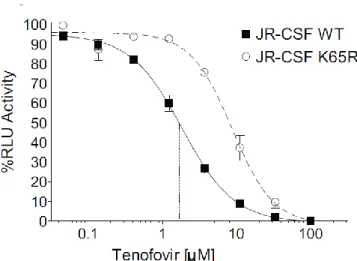
Figure 6. Introduction of K65R mutation into HIVJR-CSF results in a 4.7 fold increase of in vitro IC50 using a luciferase based assay in TZM-bl indicator cells... 73
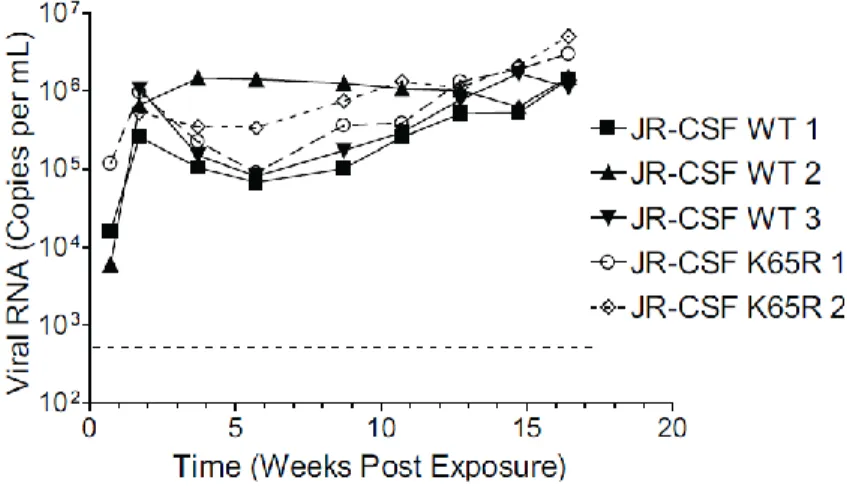
Figure 7. In vivo replication of HIVJR-CSF and HIVJR-CSF K65R after IP injection into humanized mice shows no overt difference in replication capacity ... 74
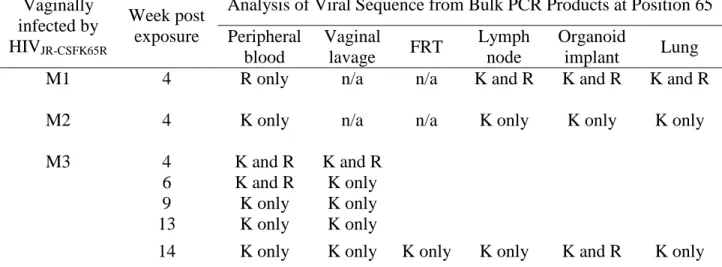
Figure 8. The K65R mutation reduces vaginal transmission efficiency of HIV-1 by 75% ... 75
Figure 9. Characterization of humanization for BLT mice used in vaginal exposure studies ... 85
Figure 10. Daily oral doses of Maraviroc prevents vaginal transmission of HIV ... 86
Figure 11. A single application of 1% Maraviroc prevents vaginal transmission of HIV ... 87
Figure 12. Characterization of humanization for BLT mice used in rectal exposure studies ... 88
Figure 13. A single application of 1% Maraviroc prevents rectal transmission of HIV ... 89
14
CHAPTER I. INTRODUCTION
HIV PREVENTION: STRATEGIES CURRENTLY IN USE
The greatest progress to stemming the HIV/AIDS epidemic has been to prevent HIV transmission. There are three main routes HIV transmission can occur: 1) wound/intravenous, 2) mother-to-child, and 3) sexual contact. Of these routes, sexual transmission of HIV is the
greatest driving force of the epidemic.
Preventing Sexual HIV Transmission
There were 2.3 million new HIV infections in 2012 [1]. The majority of these
transmissions were the result of sexual exposure to HIV. Preventative methods such as the use of condoms, male circumcision, and attempts to modify behavior through awareness and education have been used to help limit HIV transmission through sexual contact [1-3] .
15
sexual encounter, incorrect sizing or placement resulting in slippage, and failure to use a condom for every sexual encounter [6]. Availability of quality, non-expired condoms at an affordable price is a major concern in underdeveloped nations [8]. Ultimately, condom use in both under developed and fully developed nations requires male partner acceptance . A study done at an urban clinic in the U.S. reported that 33% of male patients receiving treatment for a STD did not feel motivated to use a condom consistently [7]. Studies investigating condom usage among sex workers have shown an increase in consistent condom usage with clients but a disappointing lack of condom usage with non-paying, regular partners such as boyfriends and husbands [9].
An additional biomedical intervention found to help reduce the HIV transmission risk is male circumcision. The ANRS 1265 trial done in South Africa reported a 60% protection in men who underwent circumcision [10]. A second trial of 2784 men in Kenya found the same level of protection [11]. A third clinical trial in Uganda also found male circumcision to be 55%
protective for men with circumcisions [12]. The results of these three trials in addition to other studies prompted the WHO and UNAIDS to jointly recommend male circumcision as an effective prevention for HIV transmission to men although consistent, proper condom use strongly encouraged [13]. Unfortunately, male to female transmission is not reduced by male circumcision.
16
HIV TRANSMISSION PREVENTION: ANTIRETROVIRAL BASED STRATAEGIES UNDER INVESTIGATION
For several years, abstinence, condom use, and male circumcision were the main methods available to prevent sexual transmission of HIV. Over the past decade, several
antiretroviral dug based strategies have been under investigation for effective HIV prevention. In general, these strategies can be divided by route of administration; oral, topical, or injectable.
Treatment as Prevention
Current NIH guidelines support the initiation of ART at any stage of HIV infection but places especially strong recommendation to start ART when CD4 cell counts drop below 500 cells/mm3. An HIV infected individual could delay starting ART for years so long as their CD4+ T cell count remains high enough to result in an effective immune response, thereby delaying the inevitable pill burden and possible complications of being on ART. This makes sense from the individual treatment perspective, but in terms of public health, initiating ART early could help reduce the number of HIV transmissions in the population.
17 Oral PrEP
In 2012, the first drug-based HIV prevention option, Truvada, was approved for prophylactic use in the U.S. [17]. Truvada is a single pill containing two drugs; tenofovir disoproxil fumarate (TDF) and emtricitabine (FTC). Truvada has been and still is heavily prescribed to HIV-infected patients as part of their first-line therapy. Its approval for
prophylactic use was based on results of the iPREX, Partners PrEP, and TDF2 clinical trials where oral use of Truvada in HIV-negative individuals resulted in reduced transmission of HIV [18-20]. Rates of protection increased when adherence was taken into account [18, 21]. In the iPREX clinical trial, Truvada prevented 47% of infections when given to high risk HIV negative men who have sex with men [19]. This protection rose to 90% when investigators excluded participants who did not have detectable drug in their blood samples collected during study visits [19]. Therefore, participants who actually took the drug as prescribed had a very high level of protection from HIV infection. Partners PrEP reported a 75% protection when Truvada was prescribed to the HIV-negative individual in a serodicordant couple [22]. Adherence was very high in this study, 97%, which investigators attribute to co-counseling of the couples, awareness of partner’s HIV infection, and the tendency for individuals in a relationship to encourage dosing [22, 23]. The TDF2 trial enrolled sexually active men and women in Botswana and reported a 62% protection for those who were instructed to take daily Truvada [24]. A fourth major clinical trial evaluating Truvada for PrEP, FEM-PREP, did not show protection but was terminated early due to poor adherence [25].
18
drug levels in blood samples, was highest in the Partners PrEP study (≈90%) and lowest in FEM-PREP (≈30%) [22, 24]. One theory to explain this vast difference in adherence is that
participants had a very different perception of the possibility of HIV infection. Participants in the Partners PrEP study were chosen because they were sexually active with a partner who was known to be HIV positive. Participants believed themselves to be at high risk of HIV acquisition. This is a stark contrast to the FEM PREP study where 70% of the participants felt they were “at little to no risk” of acquiring HIV [26].
The efficacy found in iPREX, Partners PrEP, and TDF2 was sufficient for the FDA to approve Truvada for use as PrEP. Unfortunately, prescription of Truvada for use as PrEP has been disappointingly low. Reports have suggested several factors limiting the number of
prescriptions for Truvada as PrEP. Despite the release of guidelines by the CDC, clinicians have demonstrated considerable variability in their opinions and decision to prescribe [27]. Despite the availability of official sources of information, at risk individuals may be unaware of the availability of Truvada for PrEP, miss-informed regarding its prescription, or simply unaware that they are “at-risk”. In addition, stigma also plays a strong role. Critics of Truvada as PrEP have argued that prescribing HIV PrEP will result in greater promiscuity. Supporters of Truvada as PrEP argue that prescribing HIV PrEP is an act of being responsible for one’s own health. It may take several years for the medical and general population to support Truvada as PrEP.
TOPICAL PREP/ MICROBICIDES
19
(iv) microbicides are predicted to be cost-effective [29, 30] local administration of an antiretroviral gel at the site of exposure will result in higher drug levels at the intended anatomical location than can be achieved using oral PrEP [28, 31-33] while reducing the
likelihood of experiencing systemic dosing-associated toxicities [33, 34]; (ii) the reduced toxicity associated with topical microbicides is expected to increase adherence [35]; (iii); (v) topical microbicides can be developed with combinations of viral inhibitors [36]; (vi) an ideal
microbicide would be safe and effective in both rectal and vaginal compartments [37-39]; and (vii) antiviral microbicides may also protect against viruses other than HIV (e.g. herpes simplex) [40, 41].
Topical Microbicides that Failed: what can we learn?
Clinical trials evaluating the use of topical microbicides to prevent HIV transmission have shown mixed results. Initial clinical trials were focused on utilizing spermicidal agents to prevent vaginal transmission of HIV while also preventing pregnancy. Nonoxynal-9 (N-9) is a detergent-type vaginal spermicide available without a prescription. Clinical trials of N-9 found an average 75% effective at preventing pregnancy [42-44]. N-9’s mechanism of action for preventing impregnation is to destroy a lipid membrane, the acrosome, of sperm cells thereby rendering them immobile. In theory, investigators believed this same ability to break down lipid membranes would affect the lipid membrane surrounding the HIV virion thereby rendering the particle unable to bind/merge with a target cell [45]. In 1985 and 1988, N-9 was reported to be effective at reducing HIV infection in in vitro [46, 47]. Based on these results, several
20
had a 10% higher rate of HIV acquisition compared to the placebo group [51]. This increase in HIV acquisition may have been due to the epithelial damage experienced with N-9 use resulting in increased frequency of genital ulcers and vulvitis reported with N-9 use [51, 52]. This
exfoliating effect of N-9 was also observed when N-9 containing products are applied rectally and also results in increased viral transmission [53-56]. Therefore, N-9 has been discarded as completely unsuitable for topical HIV prevention [55]. This study has made it clear that future microbicides must not induce breaks in epithelial integrity or induce an inflammatory response.
Alternative "first-generation" microbicides that have undergone Phase I/II safety and tolerability studies in HIV-uninfected and/or HIV-infected volunteers include polymeric viral fusion inhibitors (dextran sulfate/Emmelle, carrageenans [PC-213, PC-503, PC-515/Carraguard], cellulose sulfate/Ushercell, polystyrene sulfonate, naphthalene sulfonate [PIC 024-4/PRO
2000/5], acidifying gel [Carbomer 974P/BufferGel], Lactobacillus (L. crispatus) suppository/CTV-05, detergent-type dual-function barriers [ACIDFORM, GEDA Plus, SURETE, Glyminox/C31G/Savvy, Invisible Condom], and herbal extracts [Praneem] [57]. While all of these microbicides were proven effective in vitro or in cell culture, none of them passed human efficacy trials.
Much like N-9, cellulose sulfate based microbicides, like Ushercell, were developed to act as both a birth control and protection against STD acquisition [58]. Unlike N-9, Ushercell did not induce epithelial sloughing or ulcers. Cellulose sulfate is a polyanionic compound from the carrageenan family that binds charged surfaces in a non-specific manor. These types of
21
contraceptive capable of preventing 95-100% of pregnancies [58]. This same paper reported Ushercell to be non-toxic to host cells or to Lactobacilli growth [58]. In vitro, Ushercell had several anti-microbial effects on herpes viruses, IC50 = 59ng/mL for HSV-1 and IC50= 24 ng/mL for HSV-2, on HIV, IC50 between 3 and 78 ug/mL for various HIV strains, on Neisseria
gonorrhoeae, IC50= 2 ug/mL, and on Chlamydia trachomatic, IC50 = 78 ug/mL [58]. Multiple phase I and II safety trials were done for vaginal application of Ushercell and reported no safety concerns [61, 62]. One study evaluated Ushercell use in HIV infected women. While the
investigators concluded there to be no safety issue, it should be noted that 70% of study
participants reported minor to mild adverse events in both the experimental and the control arms of the study [62]. Another study evaluated the safety of Ushercell when applied to the penis of HIV infected men [63]. In this study, the investigators reported the gel to be “well tolerated” despite 42% of Ushercell users reporting adverse events such as itching, burning, testicular pain, dysuria, and warm/cold feelings [63]. In 2007, two phase III trials evaluating cellulose sulfate based microbicides were terminated early due to an increased risk of HIV acquisition in
participants using the cellulose sulphate gel, Ushercell. In one of these studies, the Ushercell gel was being tested on 1333 women in Benin, India, South Africa, and Uganda as collaboration with Conrad, the Eastern Virginia Medical School, and the US Agency for International
22
Dextran/dextrin sulfate is another polyanionic compound that was found effective in cell culture HIV protection assays [66]. Unfortunately, it is not absorbed well when given in oral dose [67]. To investigate the anti-HIV potential of dextran sulfate, one study administered the drug via continual intravenous dosing to HIV positive patients [68]. Despite achieving plasma drug levels 200 fold greater than the in vitro IC50, the patients exhibited an increase in
detectable viral p24 [68]. In addition, continual dosing resulted in high toxicity [68]. Topical gel formulation of dextrin sulfate (Emmelle) was found to be safe when applied to the vagina or the penis of healthy volunteers [69-71]. Before starting a Phase III efficacy trial under the UK’s Microbicides Development Programme (MDP), ML laboratories , the makers of Emmelle, announced that they would abandon development of Emmelle in favor of a newer, more potent microbicide, PRO 2000 [72].
PR0 2000 was a naphthalene sulfonate polymer containing gel developed by Interneuron. This polyanionic compound had been shown to bind directly to the HIV gp120 protein and interfere with viral attachment/fusion [73]. In tissue culture studies PRO 2000 was found to be highly potent and did not generate a cytotoxic effect [74]. As mentioned above, PRO 2000 was evaluated for efficacy in a MDP clinical study [75]. MDP-301 was a three arm study performed in South Africa, Tanzania, Uganda and Zambia. Women were randomly assigned to receive either a 0.5% PRO2000, 2.0% PRO2000, or a placebo gel and instructed to use the gel (available in single use applicators) within one hour before sexual intercourse [75]. Participants were followed for 52 weeks and evaluated for HIV status. While the gel was well tolerated, it was completely ineffective at preventing HIV transmission and the trial was terminated early [75, 76]. Despite this, interesting data was collected regarding adherence. Adherence to orally
23
administered interventions may not result in detectable levels of drug in the blood stream. In this clinical trial, in addition to self-reporting gel use, women were asked to bring one used applicator to each study visit. These applicators were then stained using a 1% trypan blue solution and evaluated for whether or not they were vaginally inserted [77]. This test had previously been found to be fairly accurate and offered a novel aspect to the MDP-301 study [77]. Participants in the MDP-301 study were only considered to have used the gel consistently if they filled three criterion i) self-reported consistent gel use, ii) presented a used vaginal applicator at each study visit, and iii) attendance of at least half of all study visits. Adherence, and how it is determined, will play a large role in clinical study design and interpretation of results. MDP-301 was one of the first topical microbicide trials to measure adherence using a criterion beyond self-reporting and applicator count.
Carraguard (PC-515) was developed by the Population Council in New York and, much like PRO2000, was designed to inhibit viral binding/fusion to target cells. In 2008, the results of a clinical trial involving over 6,000 participants found Carraguard to be safe but ineffective at preventing HIV transmission [78]. While this study did not find efficacy, it provided useful information regarding acceptance and adherence. In this study, self-reporting of gel use was very high (96.2% Carraguard arm, 95.9% placebo arm) but analysis of used applicators estimated a far lower adherence (41.1% Carraguard arm, 43.1% placebo arm) [78]. This is a lower adherence that what was reported for the previous MDP-301 study. It has been suggested that adherence was higher in MDP-301 due to the recruitment of sero-disordant couples where the study participant is fully aware of their partner’s HIV infection.
24
pathogens. During sexual acts, the alkalinity of semen may temporarily raise the pH thereby removing some of the antimicrobial protection. BufferGel was tested for safety and efficacy in multiple animal models. When used in rabbits, BufferGel was an effective contraceptive and reduced transmission of rabbit papillomavirus [79]. When used in mice, BufferGel prevented vaginal transmission of Chlamydia trachomatis but did not prevent transmission of Neisseria gonorrhoeae [79]. When tested vaginally and rectally in macaques, Buffer Gel was found to be overall safe and did not affect microflora but did result in epithelial desquamination when used rectally [80]. This same study reported that BufferGel did not prevent cervical or rectal
chlamydial infection.[80] A safety study found daily administration to the penis of HIV negative or HIV-positive men resulted in no serious adverse events which supported progressing to efficacy trials in women [81] A safety study in India, Thailand, Malawi, and Zimbabwe asked participants to apply BufferGel vaginally twice per day for two weeks [82]. In this trial, BufferGel did not disrupt the vaginal epithelial layer and treatment resulted in reduced
prevalence of bacterial vaginosis from 30% at enrolment to 6% [82]. Unfortunately, BufferGel was found to have no effect on HIV transmission to women [83].
25
effort to discover factors affecting adherence (housing conditions), this information should be part of every microbicide trial.
Topical Microbicides that Succeeded: What can we learn?
The greatest successes have been with antiretroviral based topical microbicides. Of the antiretroviral drugs being evaluated, tenofovir based microbicides have shown the greatest promise. The CAPRISA004 study evaluated the use of a 1% tenofovir gel to prevent
transmission of HIV in women who were instructed to apply the gel vaginally within twelve hours before sex and to apply a second dose within twelve hours after exposure. Overall
protection was 39% and this increased to 53% in women with high adherence [40]. This was the first clinical trial to demonstrate protection using a microbicide.
Rectal Microbicide Development
26
This new, rectal safe gel is currently under investigation for HIV prevention efficacy in the MTN-017 clinical trial.
Further trials are needed to evaluate dosing strategies and optimal formulations as well as potential alternative antiretroviral drug candidates, but the future for microbicide development is encouraging. Evaluation of potential antiretroviral drugs with various dosing strategies and optimization can be evaluated, pre-clinically, using animal models.
DRUG DISTRIBUTION FOR ORAL VS TOPICAL ANTIRETROVIRAL ADMINISTRATION
PrEP is being evaluated in three main routes of administration 1) oral, 2) topical, and/or 3) injection. While several antiviral compounds have been investigated, the ones furthest along in development are antiretroviral drugs that have been approved for use as ART. Of these drugs, tenofovir (TDF or TFV) and emtricitabine have been characterized the most and will be the focus of the following sections.
Oral administration of PrEP
27
healthy volunteers took 300mg of Maraviroc twice a day for seven days [87]. The area under the drug concentration curves reported a 1.9 fold increase in vaginal tissue and a 2.7 fold increase in cervicovaginal fluid compared to blood plasma levels [87]. The integrase inhibitor raltegravir has similar levels, multiple dosing resulting in CVF drug concentrations two fold greater than plasma [88].
As mentioned in a previous section, Truvada has been approved for use as oral PrEP. Maraviroc is also under evaluation for both oral and topical PrEP. Therefore, this section will describe the reported drug distributions of tenofovir, emtricitabine, and maraviroc. For oral administration, tenofovir (TFV) is formulated as a tenofovir disproxyl fumerate (TDF). This prodrug form of tenofovir is readily absorbed and disassociates into TFV which is then converted to the active drug form within the cell. Under steady-state conditions (regular oral dosing), the area under the curve values for TFV are 4 fold higher in vaginal tissue and 33 fold higher in rectal tissues than in blood plasma [89]. Under steady-state conditions, emtricitabine reaches values 4 fold higher in vaginal tissues and 4.4 fold higher in rectal tissues than in blood plasma [89]. Maraviroc reaches 4 fold higher in vaginal tissues and 27 fold higher in rectal tissues [89].
28 Topical Administration of PrEP
Topically administered PrEP comes in several forms 1) gels, 2) liquids, 3) disovable sheets, 4) dissolvable pills/suppositories, 5) vaginal rings, 6) drug containing sponges,
7)aerosols/nebulizers, 8) powders, and other creative options. For this section, I will focus on the forms which have been most frequently studied: gels, liquids, dissolvable solids, and vaginal rings.
Gels and liquids are popular options due to their ease of use and similarity to sexual lubricants and spermicides. They have the potential to release a large amount of drug in a short period of time (ideal for peri-coital dosing) or can be designed to slowly release a constant amount of drug over longer periods of time (ideal for daily dosing). MTN-001 was a three arm clinical trial evaluating the pharmacokinetics of a 1% tenofovir gel applied vaginally (40mg) and/or orally administered tenofovir (300mg) [90]. Results from this study reported that serum concentrations after vaginal dosing were 56-fold lower than oral dosing but that vaginal tissue tenofovir diphosphate was 130-fold higher than in oral dosing [90]. Another curious result was that rectal fluid tenofovir concentrations in vaginally dosed participants were higher than concentrations measured in the orally dosed arm. This would suggest that vaginal application of tenofovir results in some drug migration to the rectum. A similar effect was measured in
29
[33]. The pK data gathered from this study demonstrated that topically applied gel resulted in maximum tissue drug levels in less than 30 minutes and these levels were 6-10 times greater than the maximum levels oral drug administration achieved [84].
Dissolvable solids such as sheets and pills have been used previously for distribution of contraception (vaginal) or laxatives or opiates (rectal). These devices are designed to release a large amount of drug in a short period of time. A study done in pigtail macaques showed that a vaginally applied rapidly disintegrating tablet containing tenofovir (10mg/pill) or tenofovir and emtricitabine (10mg each) was able to dissolve in less that 30mins with no effect on local inflammatory cytokines, pH or microbiota [92]. Investigators found peak vaginal concentration around the 10^4-10^5 ng/g tissue (147-571 uM) range at 4hr post dose with sustained levels 24hrs post dose [92]. Similar levels were reported for FTC. These concentrations are predicted to be protective based on previous studies [93, 94].
Vaginal rings are commonly used for contraception and function by the device slowly releasing a constant amount of drug for several days (usually a month). Unlike gels and dissolvable solids, drug releasing rings may not be practical for rectal use. While vaginal rings designed to elute antiretroviral drugs have not been tried in humans, they have shown very promising results in macaque models [95]. Smith et.al. tested TDF-eluting vaginal rings in macaques [95]. Each ring eluted TDF continuously for 28 days and was then replaced with a new ring for a total of 4 months of drug/ring exposure. After 16 weekly vaginal exposures to
30
rings to be highly acceptable once initial concerns such as the ring “getting lost inside the body” (20% of participants) were addressed [96].
In general, topical administration of antiretroviral drugs results in highest drug levels where the PrEP is administered. Depending on adsorption, some drugs applied topically can be detected in plasma and other tissues but these levels may not offer protection. There are many options for topical administration of PrEP which may improve adherence.
Long acting injections for PrEP
31 Topical vs Oral PrEP
Topically administered PrEP can achieve higher tissue drug levels than has been achieved with oral PrE . Topically administered PrEP is most effective at the site of application.
Formulations for topically administered PrEP need to be designed to function in both vaginal and rectal compartments.
Drug formulations for oral PrEP is much simpler since the oral preparations used for ART already have passed safety evaluations and gained FDA approval. Orally administered PrEP can provide systemic distribution of drugs which may result in HIV protection from multiple routes of exposure including from injection drug use.
Overall, it is unknown what concentration of drug is needed for protection at the different sites of mucosal exposure. More detailed studies will be needed to determine what the minimum amount of drug presence is needed to provide significant protection. The only assumption that can be inferred is that “more is better”. In other words, we know that a complete absence of drug presence will not provide protection. On the other hand, several clinical trials correlate drug presence with protection.
Ideally, topical, oral and injectable forms of PrEP should be developed and approved for use. Having multiple options available for PrEP may encourage adherence to use at least one if not more methods to prevent HIV transmission.
DRUG SUSCEPTIBILITY AND RESISTANCE
32
number, fluorescent indicator, etc). The concentration of inhibitor needed to prevent 50% of in vitro replication is the IC50. The choice of culture cells, viral inoculum, indicator for viral
replication, and other parameters can result in different IC50 values unique to that particular assay and to the specific viral inhibitor used. Therefore, comparisons of IC50 values can only be done if the assay used to generate them are similar.
While drug susceptibility testing cannot be used to predict the amount of drug needed for
in vivo treatment, it is a powerful tool for evaluating relative drug susceptibilities for genetically different viral strains. These differences in susceptibilities (often expressed as fold change or “shift” in IC50) have been used to determine which genetic mutations contribute to drug
resistance. For example, the K65R mutation in HIV’s reverse transcriptase protein will result in a 2 to 4 fold increase in tenofovir IC50. This means, a virus containing the K65R mutation is
expected to require 2 to 4 times more drug to reach the same suppression seen in a virus with the original lysine residue. It should be noted that drug resistance is usually referring to fold changes in IC50 as a result of one or a few mutations difference from an original “wild type” sequence. This is different from the natural variation in IC50 values observed between strains of HIV who would each be considered “wild type”. This concept will be explored more in the following sections.
Drug Resistance Based on Genotype
As mentioned before, HIV has an incredible amount of natural diversity and variation in genetic sequence which makes defining a “wild type” sequence difficult. Fortunately, advances in gene sequencing technology and the creation of large sequence databases such as those
33
compile phenotypic information as they relate to specific genotypic sequences. Not only have consensus sequences been developed for all major HIV clades, specific variations from these consensus sequences have been identified as contributing to drug resistant phenotypes. Using the same example from the previous section, the K65R mutation represents a single amino acid variation from consensus sequence that has been shown to decrease susceptibility to tenofovir. Therefore, sequence data obtained from patients can be compared to the consensus (wild type) sequences available for each HIV clade.
Variations between patient sequence and wild type sequence, also known as
polymorphisms, are common but not all variations contribute to drug resistance. To simplify matters, the WHO and the IAS publish yearly updates listing which mutations are considered to be “drug resistance” mutations. It should be noted thought that variation in viral polymorphisms can often reduce or increase the effect of a known drug resistance mutation [102].
De novo drug resistance and replicative fitness
HIV can develop resistance to all drugs currently available for treatment [103, 104]. The mechanism for development drug resistance lies in the high error rate of HIV’s reverse
transcriptase. Each round of viral replication can result in one or more nucleotide
misincorperations. Some misincorperations will result in a defective viral genome and the progeny virus will be non-infectious or have a reduced replicative capacity. These viral lineages will be rapidly out competed by viral lineages that do not have a defect [105, 106]. Other
34
accumulation of more than one drug resistance mutation. In the absence of antiretroviral drugs, drug resistant viral genomes do not have an advantage and are therefore unable to out compete the general viral population. In the presence of antiviral drugs, the relative fitness of drug
resistant virus is greater than that for drug susceptible virus and the resistant virus will be able to out compete and dominate the infection [105, 106, 108-111]. Therefore, the use of antiretroviral drugs does not create drug resistance mutations in HIV. The mutations occur randomly and selective pressure provided by the presence of an antiretroviral drug is what allows a drug resistant HIV to dominate the infection.
35
Polymorphisms at other nucleotide locations may also affect the selection of drug resistance mutations [102, 117-119].
Transmitted Drug Resistance
For this section, “drug resistant virus” will be defined as HIV with at least one of the genetic mutations listed on the WHO or IAS drug resistance surveillance reports [103, 120]. Drug-resistant viruses can be transmitted from person to person [121-124] . The inherent ability of replicating HIV to revert to a drug sensitive genotype in the absence of drug pressure makes it difficult to study in patients especially if: (1) the time/duration/route of infection are unknown, (2) there is no way to prove ART naïve status, and (3) the HIV sequence in the infecting partner is unknown. Despite these difficulties, genotypic analysis of ART naïve patients has provided evidence that drug resistant HIV-1 is being transmitted and can result in treatment failure [125-131].
As mentioned before, drug resistant HIV can only be selected for by the presence of antiretroviral drugs. Proper prescription and adherence to ART can prevent out growth and spread of drug resistant HIV. Therefore, it is no surprise that the regions with greatest
transmitted drug resistance are areas where antiretroviral drugs have only recently been made available and adherence is not consistent. For example, the past decade has seen a dramatic increase in ART availability in resource limited areas in eastern and southern regions in Africa. along with this increase in ART, there has been an increase in transmitted drug resistant HIV [132].
36
antiretroviral drugs are used in the region where transmission is occurring. For example, the most commonly transmitted drug resistance mutations tend to be NRTI or NNRTI mutations due to the high use of these drugs for ART [103, 120, 123, 124, 128, 129, 132]. Of these mutations, K65R and M184V are of specific interest since they confer resistance to the two drugs most heavily investigated for PrEP (tenofovir and emitracitabine).
Effect of PrEP on Transmitted Drug Resistance
The use of first line therapy drugs for both protection and treatment has raised concerns that there will be an increase in transmission of drug resistant HIV. An example of this would be a patient who is taking Truvada as a PrEP but who experiences a break through infection and continues to administer Truvada. Truvada is a dual drug formulation that may not be sufficient to fully suppress HIV infection and the end result is rapid de novo development of drug resistant HIV which can then be passed to future individuals. This exact scenario has occurred in at least one of the oral PrEP clinical trials [22]. While this is a real concern for individuals, it may not result in an increase in transmitted drug resistance at the population level.
37
is based on the fact that “drug resistance” is merely a shift in drug susceptibility resulting in only a reduction in drug efficacy rather than a complete immunity to drug effect.
Most models assume that the PrEP being used is an orally administered antiretroviral drug. As described in the previous section, drug distribution patterns are very different between oral and topical administration. How these differences in drug distribution can affect the de novo
or transmission of drug resistance in a PrEP/microbicide situation will require more study. There is as of yet, no evidence that topically administered antiretroviral PrEP can result in generation of drug resistant HIV. Animal studies could be very useful to evaluate the safety of topical PrEP in infected individuals.
MICROBIOTA EFFECT ON HIV TRANSMISSION
The term “microbiota” refers to a collection of microbial species while the “microbiome” specifically refers to the genetics of those microbial species. There is no realistic way to measure the “microbiota” since most commensal microbiota cannot be cultured and microscopic
classification of every species in an individual’s microbiota would take decades, but there are ways to evaluate the “microbiome” through high throughput, deep sequencing [134]. Deep sequencing platforms such as the Illumina series and 454 Life Sciences systems allow
researchers to determine the composition of a sample’s entire microbiome down to the single genome level [135]. These technologies have been used to highlight the importance and involvement of the human microbiome in wellness and disease.
38
networks for the microbiota present [136]. The composition of the microbiome can fluctuate greatly and in a short period of time [137-139]. The intestinal tract and reproductive tract of mammals are initially colonized by microbiota from their mother during birth, nursing, and interactions with the environment [140-142]. Through life, the microbiota of the intestinal tract is greatly influenced by host diet [143]. The microbiota of the female and male reproductive tracts are greatly influenced by sexual activity, changes in hormones, as well as cleaning practices [144-146]. Biomedical interventions such as antibiotic treatments, use of diuretics, use of laxatives, anti fungal medications, use of drug based birth controls, and circumcision all have an impact on microbiota composition [147-149]. Majority of the changes to the microbiome go un-noticed by the host organisms, but occasionally changes can result in symptoms. Changes in intestinal microbiome have been associated with irritable bowel disorders such as colitis and Crohn’s disease [143, 150]. Patients using large amounts of antibiotics may see rapid out growth of Clostrida difficile, which is best treated by re-introduction of commensal organisms who then compete with C. difficile for resources [148, 151-153]. Changes in vaginal microbiome can result in a condition known as bacterial vaginosis or yeast infection [154-156].
Microbiome may affect HIV transmission and pathogenesis
39
Given the inherent tendency for commensal microbiota to rapidly fluctuate in composition within the same individual, studies to evaluate microbial contribution to HIV
transmission in humans are often difficult and can only estimate the microbial composition at the estimated time of HIV transmission. Despite this large difficulty, commensal microbiota has been indicated as affecting sexual HIV transmission in several studies [145, 159-162] . A study done in Thailand looked at both HIV negative and HIV positive sex workers [162]. This study found a correlation between vaginosis and HIV infection but could not determine which condition came first. A different study of 657 HIV negative, female sex workers in Kenya
examined the relationship between vaginal colonization with lactobacilli, bacterial vaginosis, and poteintial acquisition of HIV [161]. Women who did not vaginal lactobacillus species had an increased risk of acquiring HIV and gonorrhea. Women who had abnormal vaginal flora had an increased risk of both HIV and Trichomonas infection. In general, bacterial vaginosis is
presumed to increase acquisition of HIV while lacto bacilli are presumed to decrease acquisition of HIV.
40 ANIMAL MODELS TO TEST HIV PREVENTION
SIV/Non-human Primate Models
The safety and efficacy of antiretroviral drugs can be evaluated in animal models before their use in human clinical trials. HIV represents a unique difficulty due to its limited tropism. In 1986 the etiological agent for AIDS was isolated and its discovery gave scientists the ability to start empirical transmission studies. One year after the discovery of HIV-1, chimpanzees were utilized as a model to study HIV-1 transmission because they are the only animals, other than humans, naturally capable of sustaining an HIV infection. Chimpanzee studies improved our knowledge of HIV-1 transmission and pathogenesis but had noticeable differences from human pathogenesis including an absence in cytotoxic T-cell lymphocyte response to HIV
infection[164-167] . In addition, many regions consider chimpanzees to be an endangered species which greatly restricts their availability for research. Therefore, scientists turned to alternative models to represent HIV-1 transmission; SIV and SHIV. SIV is the most similar virus to HIV. Therefore many of the aspects of SIV infection in simians could provide insight on HIV infection in human.
41
the way how humans respond to HIV infection. SIV-infected RMs will progress to AIDS, lose peripheral CD4+ T-cells, develop mucosal immune dysfunction, have increased microbial translocation, develop chronic immune activation, and can readily pass SIV through MTCT replication [169-174]. These dramatic differences in how host species respond to SIV infection has led to great insights into understanding the human response to HIV infection [168]. The mechanisms by which natural hosts limit the effects of SIV infection may be useful for developing novel HIV therapeutic strategies.
To further enhance the usefulness of the non-human primate models, investigators have developed viral strains that mix the genes of SIV with HIV to create chimera SHIVs. Multiple SHIVs have been created with varying mixtures of SIV and HIV genes. In general, SHIVs must contain a SIV env gene to enable the virus to infect simian cells. SHIVs have been used to evaluate the species specificity of viral proteins such as vif and vpu.
Humanized Mouse Models
Twenty years after the discovery of HIV, a novel model became available for transmission studies: the humanized mouse. Initially, this model was limited to genetically immune deficient mice (SCID and Bg/Nu/XID) who received a human peripheral blood
42
a bone marrow transplant with autologous hematopoietic stem cells. BLT mice harbor a de novo
generated human immune system distributed throughout each animal [178-200].
BLT mice recapitulate nearly all of the features of HIV transmission and infection. BLT mice are capable of mucosal transmission of HV via vaginal, rectal, or oral routes and sustain HIV infection for the duration of their lifespan [201-205]. Studies utilizing these animals have demonstrated the presence of a viral reservoir much like that of human HIV patients [179]. HIV-infected mice respond to ART and can develop drug resistant HIV infections when ART is given in suboptimal doses [179, 206]. Therefore, BLT mice provide an excellent small animal model for testing the efficacy of HIV transmission prevention strategies where enough animals can be used to generate statistically meaningful results.
43
TDF and 28uM FTC , 3) C5A, a membrane-disrupting amphipathic peptide inhibitor at 200uM concentration, and 4) PIE 12-Trimer, a trimeric D-peptide fusion inhibitor at 100uM
concentration. Of the six topical microbicides tested, a thioester compound (TC247) at 500uM concentration one was found to only offer partial protection (50%) and a small molecule Rac inhibitor (NSC23766,Calbiochem) at 10mM concentration was found to have no protection at all.
Humanized mice have also been useful for evaluating effective ART for HIV treatment. In one study, BLT mice were infected with HIV and treated with daily injections of ART (200mg/kg body weight FTC, 208mg/kg TDF, and 80mg/kg RAL) resulting in viral load
suppression to undetectable levels within two weeks [207]. Interruption o f ART resulted in viral rebound [208].
In summary, humanized mice provide a reliable small animal model to evaluate novel HIV transmission interventions. They are susceptible to HIV transmission through vaginal, rectal, wound/intravenous, and/or oral exposure. Previous studies with humanized mice have shown them capable of evaluating both systemic and topical PrEP strategies.
SIGNIFICANCE AND OBJECTIVES
44
reduced mother-to-child transmission rates in regions with access to antiretroviral drugs. To date, sexual transmission of HIV is the greatest driver of the HIV/AIDS epidemic. Consistent condom usage and male circumcision have both proven to be effective at reducing HIV transmission but require the penetrating partner to consent and accept these practices.
Topically applied interventions or microbicides, on the other hand, may have higher acceptability due to their similarity to already available sexual products/lubricants, their possible availability over-the-counter, and local administration of product may not result in as many side effects or complications. Therefore, the main objective of my dissertation is to explore factors affecting mucosal transmission of HIV and evaluate forms of HIV prevention that are applied topically.
45
46
CHAPTER II – RECTAL TRANSMISSION OF TRANSMITTED/FOUNDER HIV-1 IS EFFICIENTLY PREVENTED BY TOPICAL 1% TENOFOVIR IN BLT HUMANIZED
MICE1
AUTHOR SUMMARY
Rectal microbicides are being developed to prevent new HIV infections in both men and women. We focused our in vivo preclinical efficacy study on rectally-applied tenofovir. BLT humanized mice (n = 43) were rectally inoculated with either the primary isolate HIV-1JRCSF or the MSM-derived transmitted/founder (T/F) virus HIV-1THRO within 30 minutes following treatment with topical 1% tenofovir or vehicle. Under our experimental conditions, in the absence of drug treatment we observed 50% and 60% rectal transmission by HIV-1JRCSF and HIV-1THRO, respectively. Topical tenofovir reduced rectal transmission to 8% (1/12; log rank p = 0.03) for HIV-1JRCSF and 0% (0/6; log rank p = 0.02) for HIV-1THRO. This is the first demonstration that a human T/F virus rectally infects humanized mice and that its transmission can be efficiently blocked by rectally applied 1% tenofovir. These results obtained in BLT mice, along with recent ex vivo, Phase 1 trial and non-human primate reports, provide supportive evidence to promote the development of tenofovir-based rectal microbicides.
_________________________________________________________ 1
This chapter previously appeared as an article in the journal of PLoS One. The original citation is a follows: M.L. Chateau, P.W. Denton, M.D. Swanson, I. McGowan, and J.V. Garcia. Rectal transmission of transmitted/founder HIV-1 is efficiently prevented by topical 1% tenofovir in BLT humanized mice. PLoS One. 2013;8(3):e60024.
47 INTRODUCTION
Efficacious biomedical HIV prevention interventions could dramatically reduce the number of new HIV infections globally [209-216]. Microbicides (also referred to as topical pre-exposure prophylaxis [topical PrEP]) represent one of several classes (e.g. oral PrEP, treatment-as-prevention) of such interventions currently being developed [34, 217-222]. There are multiple reasons why microbicides are attractive as tools for HIV prevention: (i) local administration of an antiretroviral gel at the site of exposure will result in higher drug levels at the intended anatomical location than can be achieved using oral PrEP [28, 31-33] while reducing the
likelihood of experiencing systemic dosing-associated toxicities [33, 34]; (ii) the reduced toxicity associated with topical microbicides is expected to increase adherence [35]; (iii) microbicides are user controlled [28]; (iv) microbicides are predicted to be cost-effective [29, 30]; (v) topical microbicides can be developed with combinations of viral inhibitors [36]; (vi) an ideal
microbicide would be safe and effective in both rectal and vaginal compartments [37-39]; and (vii) antiviral microbicides may also protect against viruses other than HIV (e.g. herpes simplex) [40, 41].
48
241]. Of these three candidates, only tenofovir 1% gel has advanced to Phase 2 rectal testing and could be considered for Phase 3 efficacy trials in the future [35]. Therefore, our in vivo
preclinical efficacy study in bone marrow-liver-thymus (BLT) humanized mice was designed to determine the efficacy of topical tenofovir for the prevention of rectal HIV-1 transmission.
BLT mice are the experimental platform of choice for this study for several reasons. For example, BLT mice harbor a de novo generated human immune system distributed throughout each animal [178-200]. In the context of this study, an important characteristic of BLT mice is their susceptibility to rectal HIV-1 transmission [184, 187] due to the presence of human CD4+ T cells, macrophages and dendritic cells found throughout BLT mouse intestines, including the rectum [178, 187], previously both topical [180] and systemic [183, 184] HIV prevention interventions have been extensively tested in BLT mice for their ability to block vaginal transmission of HIV-1. The results obtained from these studies were highly predictive of the clinical trial outcomes [180, 183, 184, 217, 221, 242].
An important and novel aspect of this study is the use of a MSM-derived
49 RESULTS
Human PBMC reconstitution of BLT mouse pre-exposure.
This study was designed to determine the in vivo efficacy of topical tenofovir for the prevention of rectal HIV-1 transmission. Prior to HIV-1 exposure of the BLT mice, their peripheral blood was characterized by flow cytometry to confirm reconstitution with human cells. All BLT mice used herein (n=43) had high peripheral blood reconstitution levels of human lymphoid (CD45+) cells (67% mean ± 17 SD) and human CD4+ T cells (80% mean ± 6 SD) (Summarized in Tables 1 and 2).
Topical tenofovir prevents rectal HIV-1JRCSF transmission.
50
blood. The breakthrough infection mouse and the infected vehicle control mice had peripheral blood CD4+ T cell levels similar to the HIV-1 negative mice (Figure 2B).
Prior to defining topical tenofovir treated BLT mice as protected from rectal HIV-1 transmission, we tested tissues harvested from these mice for the presence of cell-associated HIV-1 DNA. All mice without plasma viral RNA were also found to be negative for viral DNA in all tissues evaluated (e.g. bone marrow, spleen, human thymic organoid and lymph nodes) confirming the lack of HIV-1 transmission in these animals (Figure 2C; Table 1). The HIV status and time to plasma viremia were then combined to generate a Kaplan-Meier plot of the
protection from rectal HIV transmission provided by topical tenofovir (Figure 3). Log rank analysis (p=0.03) confirmed that topical tenofovir prevents rectal HIV-1JRCSF transmission in BLT mice.
Rectal transmission of transmitted/founder HIV-1THRO is prevented by topical tenofovir.
HIV-1THRO is a CCR5-topic, MSM-derived T/F virus [243]. A total of 14 BLT mice were exposed rectally to HIV-1THRO (Figure 4). Eight mice received vehicle and six mice received tenofovir. Five of the mice receiving vehicle were infected as determined by the presence of plasma virus RNA (Figure 4A). In contrast, none of the tenofovir treated BLT mice (0/6) exposed rectally to HIV-1THRO exhibited plasma viremia (Figure 4A). In addition to plasma viremia, we also monitored the levels of human CD4+ T cells in the peripheral blood of all the HIV-1THRO exposed mice. The levels of human CD4+ T cells in the infected mice did not change throughout the course of infection (Figure 4B).
51
mice. None of the mice treated with tenofovir had detectable levels of viral DNA in any of the tissues examined (Figure 4C; Table 2). In contrast, the presence of viral DNA in tissues from infected animals was readily confirmed (Figure 4C; Table 2). Log rank analysis of these results presented in a Kaplan-Meier plot (Figure 5) revealed that topical tenofovir administered prior to exposure to BLT mice prevents rectal transmission of the physiologically relevant T/F virus, HIV-1THRO (p=0.02).
DISCUSSION
Mucosal infection after sexual intercourse is the most common route of HIV-1 transmission worldwide which makes the cervicovaginal and rectal mucosa the two most important anatomical sites for viral exposure [246]. Receptive anal intercourse has the highest risk of HIV-1 infection and accounts for most new infections in the US [247, 248]. Nevertheless, the vast majority of past and ongoing clinical trials for HIV prevention using topical
52
pharmaceutical ingredient around which a specifically engineered microbicide can be designed for rectal [32, 33, 35] or dual compartment use [38, 39].
Our goal was to evaluate the in vivo efficacy of a viable candidate for inclusion into a rectal microbicide to prevent HIV-1 acquisition. We focused on rectal HIV transmission because this route of virus spread continues to be a major contributor to the number of men and women becoming infected with HIV [228-234]. We chose a topical intervention because of the many potential benefits associated with this drug delivery route [28-30, 33-41]. BLT mice were chosen as the experimental platform for this evaluation because previous studies have shown that FDA approved drugs prevent mucosal HIV transmission of the human primary virus isolate HIV-1JRCSF in this model [180, 183, 184]. Here when BLT mice were pretreated with topical tenofovir (or vehicle) and then rectally exposed to HIV-1JRCSF, we found that topical tenofovir efficiently prevents rectal transmission of HIV-1JRCSF (Figures 2 and 3; Table 1).
To extend and expand on this observation we also evaluated the protective effect of tenofovir using a second virus, HIV-1THRO. HIV-1THRO is a MSM-derived T/F virus and therefore its evaluation in the context of rectal transmission is of significant relevance [243]. T/F viruses represent the one or few founder viruses that undergo amplification in local T cells and
53
Analysis of the data from two HIV-1 isolates indicates that 1 of 18 BLT mice became infected despite treatment with topical 1% tenofovir prior to rectal HIV-1 exposure, while 13 of 25 vehicle treated BLT mice became infected (p=0.002 Fisher’s exact test) (Tables 1 and 2). In an in vivo study using non-human primates (NHP), 2 of 6 macaques became infected despite treatment with topical 1% tenofovir 15 minutes prior to rectal SIV exposure, while 3 of 4 vehicle treated macaques became infected [239]. The conclusion reached by the authors of the macaque study and our conclusion of the study presented here are that topical tenofovir can inhibit rectal transmission of SIV [239], primary HIV-1 (Figure 3) and T/F HIV-1 (Figure 5).
54 MATERIALS AND METHODS
Preparation of BLT mice and characterization of human reconstitution.
BLT mice were prepared essentially as previously described [178-185, 187, 200]. Briefly, thy/liv implanted [250] and preconditioned NOD/SCID-gamma chain null (NSG) mice (Jackson Laboratories, Bar Harbor, ME) were transplanted with autologous human fetal liver CD34+ cells (Advanced Bioscience Resources, Alameda, CA) and monitored for human reconstitution in peripheral blood by flow cytometry [183, 185, 187]. Mice were maintained at the University of North Carolina at Chapel Hill Division of Laboratory Animal Medicine in accordance with protocols approved by the Institutional Animal Care and Use Committee.
Topical application of tenofovir and rectal exposure of BLT mice to HIV-1.
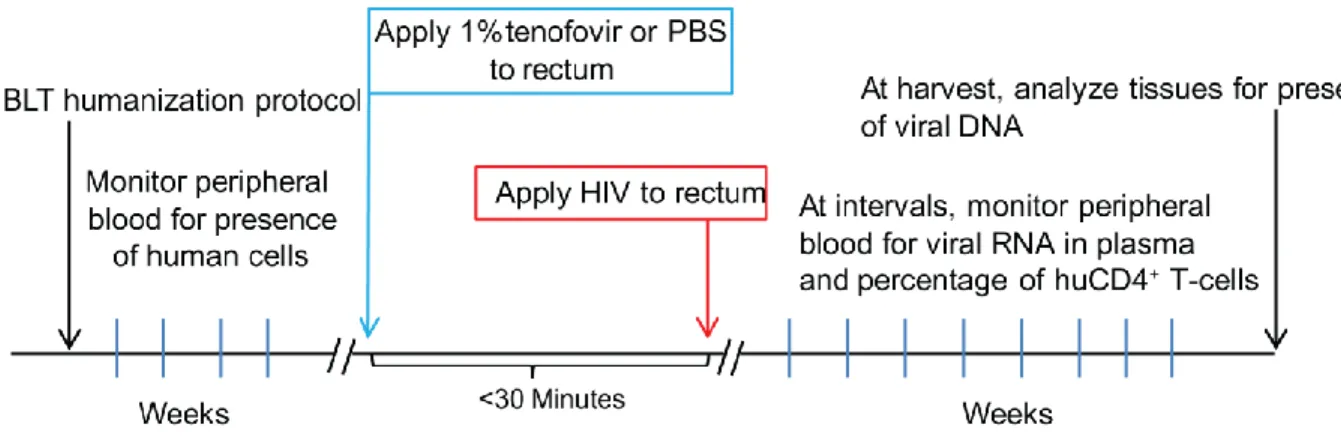
Stocks of HIV-1JRCSF [251] and HIV-1THRO [243] were prepared and titered as we have previously described [181, 252]. Mice were exposed rectally using 0.6 g p24 of HIV-1JRCSF (4x10⁶ TCIU, tissue culture infectious units) and 0.7 g p24 of HIV-1THRO (5x10⁶ TCIU). Topical tenofovir consisted of 1% tenofovir (PMPA; 9-(2-phosphonyl-methoxypropyly)-adenine) in PBS. The vehicle (placebo) control was PBS.
55
intercourse [253]. All rectal applications of vehicle or inhibitor as well as virus were performed while mice were anesthetized [184, 187]. After viral exposure, mice were returned to their housing to recover and were then monitored longitudinally for evidence of HIV-1 infection as indicated below.
Analysis of HIV-1 infection of BLT mice.
Infection of BLT mice with HIV-1 was monitored at the indicated time intervals in peripheral blood by determining plasma levels of viral RNA using real time PCR (limit of detection 750 copies/ml) [179, 180] and by monitoring CD4+ T cell percentages by flow cytometry [183, 184]. At necropsy, tissues were harvested and mononuclear cells isolated as previously described [178, 180, 183, 185, 187]. Mononuclear cells were washed, enumerated and tested using real time PCR for the presence of HIV-1 DNA (limit of detection 10 copies) [180, 181, 183, 184].
Sequence analysis was performed on plasma RNA samples in the sole case of breakthrough infection of a tenofovir-treated, HIV-1JRCSF-exposed BLT mouse. The entire reverse transcriptase gene from plasma HIV-1 RNA amplification products was sequenced. No resistance mutations in reverse transcriptase were present [103, 115, 116, 254].
Statistics.
56
57
Table 1. BLT mice used to test the efficacy of topical tenofovir to prevent rectal HIV-1JRCSF transmission.*
Mouse
% human CD45+
in PB at exposure
% hCD45+ hCD3+
hCD4+ in PB at exposure
Tissue Cell associated viral DNA^ HIV Status T o p ica l Ten o fo vi r
J01 78 87 B, S, O, LN Neg
J02 69 86 B, S, O, LN, Neg
J03 67 79 B, S, O, LN Neg
J04 39 83 B, S, O, LN Neg
J05 78 67 B, S, O, LN Pos
J06 54 84 B, O, LN Neg
J07 69 71 B, S, LN Neg
J08 73 68 BM, S, O, LN Neg
J09 86 69 ND Neg
J10 65 88 BM, S, O, LN Neg
J11 79 86 B, S, O Neg
J12 80 86 BM, S, O, LN Neg
Mean (+/- SD) 70% (+/-13) 80% (+/-8) V ehic le
J13 73 88 B, S, O, LN Pos
J14 52 79 ND Neg
J15 32 85 ND Neg
J16 84 73 B, S, O, LN, Pos
J17 68 86 ND Pos
J18 56 85 ND Neg
J19 31 79 B, S Pos
J20 83 72 B, O, S, Neg
J21 61 71 S, O, LN, Pos
J22 71 83 ND Neg
J23 79 88 B, S, O, LN Neg
J24 62 84 B, S, O, LN Neg
J25 72 84 ND Neg
J26 60 80 S, O, LN Pos
J27 75 82 B, S, O, LN Neg
J28 76 88 B, S, O, LN Pos
J29 77 87 ND Pos
Mean (+/- SD) 65% (+/-16) 82% (+/-6)
*The data shown in the table includes analyses performed on both infected and uninfected mice with the text in bold used to highlight that HIV-1 was found in the indicated tissues.
58
Table 2. BLT mice used to test the efficacy of topical tenofovir to prevent rectal HIV-1THRO transmission.*
Mouse
% human CD45+ in PB at exposure
% hCD45+ hCD3+ hCD4+ in PB at exposure
Tissue Cell associated viral DNA^ HIV Status T o p ica l Ten o fo vi
r T01 56 83 B, S, O, LN Neg
T02 81 81 B, S, O, LN Neg
T03 82 77 B, S, O, LN Neg
T04 87 82 B, S, O, LN Neg
T05 24 80 B, S, O, LN Neg
T06 29 80 B, S, O, LN Neg
Mean (+/- SD) 60% (+/-28) 81% (+/-2) V ehic le
T07 61 82 B, S, O, Pos
T08 85 81 B, S, O, LN Neg
T09 70 76 B, S, O Pos
T10 86 78 B, S, O Pos
T11 42 83 B, S, O Pos
T12 56 77 ND Neg
T13 83 75 B, S, O,LN Neg
T14 73 78 ND Pos
Mean (+/- SD) 70% (+/-16) 79% (+/-3)
*The data shown in the table includes analyses performed on both infected and uninfected mice with the text in bold used to highlight that HIV-1 was found in the indicated tissues.
59
Figure 1: Experimental design and timeline
60
Figure 2: Analysis of peripheral blood and tissues for the presence of HIV-1JRCSF after
rectal exposure in the presence or absence of topical tenofovir (A-B) Longitudinal analyses of peripheral blood plasma viral RNA (A) and the
61
Figure 3: Topical tenofovir prevents rectal HIV-1JRCSF transmission in BLT mice.
Kaplan-Meier plot indicates the time to detectionof viral RNA or DNA following rectal HIV-1JRCSF exposure in BLT mice pretreated with either vehicle or topical tenofovir. Log-rank (Mantel Cox) analysis reveals a statistically significant difference in rectal HIV-1JRCSF
62
Figure 4: Analysis of peripheral blood and tissues for the presence of HIV-1THRO after
rectal exposure in the presence or absence of topical tenofovir (A-B) Longitudinal analyses of peripheral blood plasma viral RNA (A) and the
63
Figure 5: Topical tenofovir prevents rectal transmission of HIV-1THRO, a T/F virus, in BLT
mice
Kaplan-Meier plot indicates the time to detection of viral RNA or DNA following rectal HIV-1THRO exposure in BLT mice pretreated with either vehicle or topical tenofovir. Log-rank (Mantel Cox) analysis reveals a statistically significant difference in rectal HIV-1THRO