The impact of enhancing the effectiveness of
interdisciplinary working. Section 1
NANCARROW, Susan, ENDERBY, Pam, ARISS, Steven, SMITH, Tony,
BOOTH, Andrew, CAMPBELL, Michael, CANTRELL, Anna and PARKER,
Stuart
Available from Sheffield Hallam University Research Archive (SHURA) at:
http://shura.shu.ac.uk/7265/
This document is the author deposited version. You are advised to consult the
publisher's version if you wish to cite from it.
Published version
NANCARROW, Susan, ENDERBY, Pam, ARISS, Steven, SMITH, Tony, BOOTH,
Andrew, CAMPBELL, Michael, CANTRELL, Anna and PARKER, Stuart (2012). The
impact of enhancing the effectiveness of interdisciplinary working. Section 1. Project
Report. National Institute for Health Research.
Copyright and re-use policy
National Institute for Health Research
Service Delivery and Organisation Programme
The Impact of Enhancing the
Effectiveness of
Interdisciplinary Working.
SECTION 1
Prof Susan Nancarrow,
1Prof Pam Enderby,
2Dr Steven Ariss,
2Mr Tony Smith,
3Mr Andrew Booth,
2Prof Michael Campbell
2, Mrs
Anna Cantrell
2and Prof Stuart Parker
21
Southern Cross University, Australia
2
The University of Sheffield, UK
3
Sheffield Hallam University, UK
Published August 2012
Address for correspondence:
Professor Pam Enderby The University of Sheffield
School of Health and Related Research Regent Court
30 Regent Street Sheffield S1 4DA
Email: [email protected]
This report should be referenced as follows:
Nancarrow, S.A., Enderby, P.M., Ariss, S.M., Smith, S.A., Booth, A., Campbell, M.J., et al.
Enhancing the effectiveness of interprofessional working: cost and outcomes. Final report. NIHR Service Delivery and Organisation Programme; 2012.
Relationship statement:
This document is an output from a research project that was funded by the NIHR Service Delivery and Organisation (SDO) Programme based at the National Institute for Health Research Evaluations, Trials and Studies Coordinating Centre (NETSCC) at the University of Southampton. The management of the project and subsequent editorial review of the final report was undertaken by the NIHR Service Delivery and Organisation (SDO) Programme. From January 2012, the NIHR SDO Programme merged with the NIHR Health Services Research (NIHR HSR) Programme to establish the new NIHR Health Services and Delivery Research (NIHR HS&DR) Programme. Should you have any queries please contact [email protected].
Copyright information:
This report may be freely reproduced for the purposes of private research and study and extracts (or indeed, the full report) may be included in professional journals provided that suitable acknowledgement is made and the reproduction is not associated with any form of advertising. Applications for commercial reproduction should be addressed to:
Health Services and Delivery Research Programme National Institute for Health Research
Evaluation, Trials and Studies Coordinating Centre University of Southampton
Disclaimer:
This report presents independent research funded by the National Institute for Health Research (NIHR). The views expressed are those of the authors and not necessarily those of the NHS, the NIHR or the Department of Health. If there are verbatim quotations included in this publication the views and opinions expressed by the interviewees are those of the interviewees and not necessarily those of the NHS, the NIHR or the Department of Health.
Criteria for inclusion:
Reports are published if (1) they have resulted from work for the SDO programme including those submitted post the merge to the HS&DR programme, and (2) they are of a sufficiently high scientific quality as assessed by the reviewers and editors. The
Contents
Contents 4
List of tables 9
List of Figures 10
Glossary of terms/abbreviations 12
Acknowledgements 17
Executive Summary 19
Background 19
Aims 19
Methods 19
Analyses 20
Results 21
1 Morale and motivation 23
2 Role mix and professional role 23
3 Management, leadership and decision making 23
4 Joint working 23
5 Service development activities 23
6 Communication and relationships 23
7 Clarity of vision 23
8 Shared vision of patient treatment 23
9 Facilities and resources 23
10 Professional development 23
Discussion 23
Conclusions 24
The Report 25
1 Introduction 25
1.1 Background 25
1.2.2 Objectives: 27
1.3 Research Activities 28
1.4 Report Outline 30
2 Methods 32
2.1 Introduction 32
2.2 Data Analysis and Diagnosis 33
2.2.1 Literature review 33
2.2.2 Secondary analysis of data derived from SDO 08/1519/95 34
2.3 Service user involvement 34
2.4 Planning and negotiating the intervention: Development of an
Interdisciplinary Management Tool 35
2.5 Taking action: Implementing the IMT 35
2.5.1 Recruitment of teams 36
2.5.2 Eligibility criteria 36
2.5.3 Participants 36
2.5.4 Training facilitators to implement the IMT 36
2.5.5 Search evaluation conference and team learning sets 38
2.6 Evaluating the impact of the interdisciplinary management tool 38
2.6.1 Quantitative Data collection 39
2.6.2 Interviews with participants 47
2.6.3 Facilitator Focus Group 48
2.6.4 Individual feedback reports 48
2.7 Analysis and synthesis of findings 49
2.8 Conclusions 50
3 Literature Review 51
3.1 Introduction 51
3.2 Objectives 51
3.3 Methods for the Literature Reviews 51
3.3.1 Methods common to all three literature reviews 51
3.3.2 Methods specific to Concept Analysis (LR1) 52
3.3.4 Methods specific to Systematic Review of Workforce Tools (LR3) 54
3.3.5 Methodological limitations of the literature reviews 55
3.4 Findings specific to the Concept Analysis (LR1) 55
3.4.1 Teamwork 55
3.4.2 Collaboration 57
3.4.3 Interprofessional Teamworking 57
3.4.4 Interprofessional versus Interdisciplinary 60
3.4.5 Multiprofessional, Interprofessional and Transprofessional 61
3.4.6 Tools for assessing team functioning 66
3.5 Outcomes from the Concept Analysis (LR1) 66
3.6 Review of NHS workforce change instruments (LR2) 70
3.6.1 Conclusion 71
3.6.2 Outcomes from the Systematic Review of Workforce Tools 74
3.7 A systematic review of Interprofessional Teamworking (LR3) 75
3.7.1 Findings from the Systematic Review of Processes and Outcomes of
Interprofessional Teamworking LR3 77
3.7.2 Team Coordination (including Meetings) 79
3.7.3 Leadership 81
3.8 Thematic analysis of qualitative evidence 83
3.8.1 Method of analysis 83
3.8.2 Themes identified from the qualitative literature 83
3.8.3 Findings from the three literature reviews (LRs 1-3) 86
4 Development of the IMT and Interventions 89
4.1 Introduction 89
4.2 Defining the IMT 89
4.3 Overview of the IMT Development Process 90
4.4 Preparation for IMT Implementation 94
4.5 Implementation and adaptation of the IMT 95
4.6 The IMT Implementation process 95
5 Results 97
5.2 Participants and response rates 97
5.2.1 Duration of participation 98
5.2.2 Data collected from the teams 102
5.2.3 Staff characteristics 103
5.2.4 Patient characteristics 106
5.3 The Implementation of the IMT 112
5.3.1 Issues and actions identified by teams 112
5.3.2 Actions carried out around each of the issues 119
5.4 Impact of the IMT Intervention 119
5.4.1 Introduction 119
5.4.2 Impact of the IMT – case studies combining SEC and TLS reports
with WDQ outcomes 119
5.4.3 Impact of the IMT - Interview results 121
5.4.4 Impact of the IMT – Results of the facilitator focus group 128
5.4.5 Impact of the IMT - Team feedback reports 130
5.4.6 Impact of the IMT - Quantitative findings 138
5.4.7 Summary of outcomes for all teams 138
5.4.9 The patient characteristics and outcomes (TOMs, EQ-5D) 153
5.4.10 Staff outcomes 155
5.4.11 Synthesis of the Impact of the IMT 158
5.5 Processes of implementation of the IMT 161
5.6 Discussion 175
6 Discussion 180
6.1 Introduction 180
6.2 Review of research objectives 180
6.3 Overview of key findings 182
6.4 Reflections on the IMT 184
6.5 The key characteristics of an interdisciplinary team 186
6.6 Relevance to the NHS 192
6.7 Limitations of the study 192
6.8.1 Recommendations for future research 194
6.8.2 Recommendations for practice 195
6.9 Conclusions 196
List of tables
Table 1 Contextual data ... 42
Table 2 Sources of data for the prospective study ... 42
Table 3 Outcome measures ... 43
Table 4 Operational codes and descriptors for TOMs rating scale ... 45
Table 5 Summary of questionnaire-based outcome measures ... 45
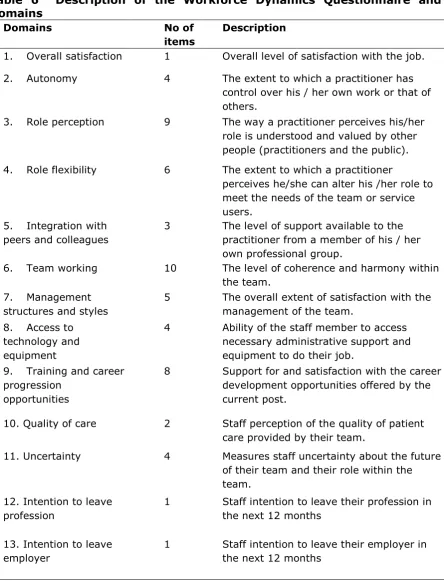
Table 6 Description of the Workforce Dynamics Questionnaire and Domains ... 46
Table 7 Databases used for all three literature reviews ... 52
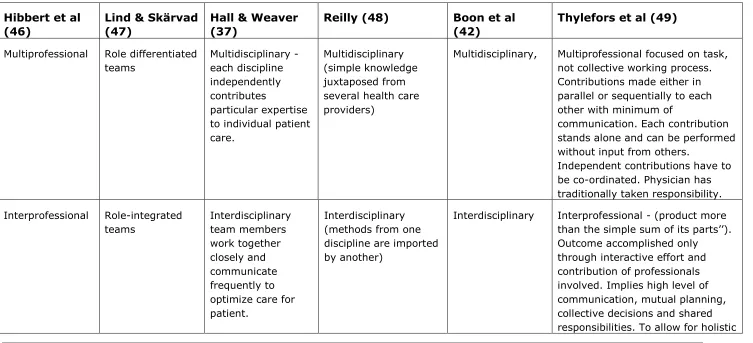
Table 8 Cross-mapping of models of crossprofessional teamwork ... 62
Table 9 Six themes of team functioning ... 65
Table 10 Evidence from Randomised Controlled Trials ... 77
Table 11 Evidence from Systematic Reviews ... 79
Table 12 Elements of Leadership ... 81
Table 13 Characteristics of participating teams ... 99
Table 14 Duration of involvement and recruitment rates of participation teams ...101
Table 15 Feedback reports received from teams ...102
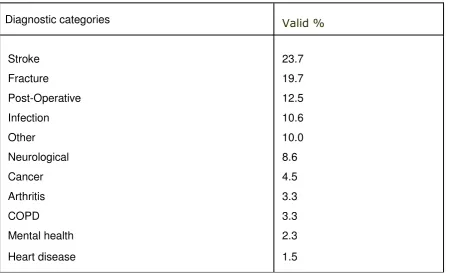
Table 16 Summary of staff characteristics of participating teams (from WDQ) .105 Table 17 Diagnostic categories at admission (n=2449) ...107
Table 18 Purpose of the intervention (n= 3394) ...108
Table 19 Normal living arrangements prior to admission (n=5732) ...108
Table 20 Place where patient received care from service (n=5680) ...109
Table 21 Level of care need at admission (n=5465) ...110
Table 22. Summary of admission status of all patients by team...111
Table 23 Summary of issues and actions identified by teams ...113
Table 24 Topics Recorded in SEC Reports: challenges and actions ranked by frequency ...117
Table 25 The Professional Role of Interview Participants ...122
Table 26 Outcome of episode of care ...140
Table 28 Patient Satisfaction Results – all teams ...143
Table 29 Mean patient satisfaction scores by team ...145
Table 30 Mean change scores in TOMs, EQ-5D and Length of Stay across all teams. ...146
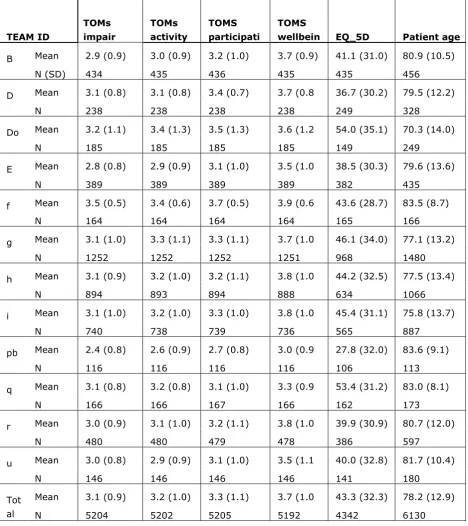
Table 31 Changes in EQ-5D, TOMS and length of stay by team. ...147
Table 32 Factors associated with EQ-5D change ...154
Table 33 Factors associated with change in TOMS impairment ...154
Table 34 WDQ scores for all teams at T1 and T2. Highlighted scores demonstrate improvement ...157
Table 35 Overview of the impact of IMT ...159
Table 36 Triangulation of characteristics of a good interdisciplinary team ...187
Table 37 Characteristics of a good interdisciplinary team ...190
List of Figures
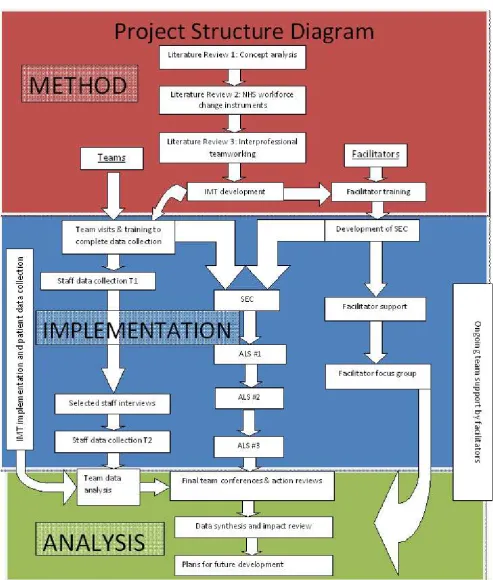
Figure 1 Diagram of (Action) Research Design ... 29Figure 2 Project Structure Diagram ... 31
Figure 3 Outline of the Action Learning Approaches ... 33
Figure 4 The processes of development of the IMT ... 35
Figure 5 Data collection activities ... 41
Figure 6 Walker & Avant's approach to Concept Analysis ... 53
Figure 7 Relationship between -professional and -disciplinary terms ... 60
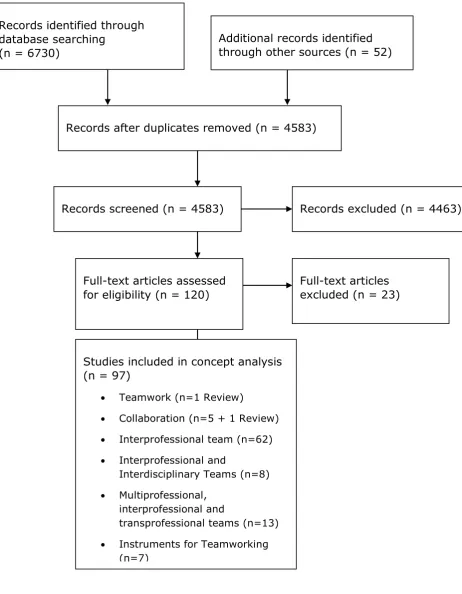
Figure 8 PRISMA Flow Diagram for Literature Review One (LR1) ... 68
Figure 9 Six general aims of the Workforce Tools ... 72
Figure 10 Elements included in one or more of the tools: ... 73
Figure 11 PRISMA Flow Diagram for Literature Review Three (LR3) ... 76
Figure 12 Themes identified from the qualitative literature ... 84
Figure 13 Staff involved in the IMT intervention (n=253) ...104
Figure 14 Patient recruitment by team (n=6215) ...106
Figure 15 Summary of action plans and challenges faced by the teams ...118
Figure 16 Variations in changes in EQ-5D outcomes between teams ...148
Figure 18 Change in TOMS Participation scores across all teams ...149
Figure 19 Change in TOMS Wellbeing scores across all teams ...149
Figure 20 Variations in Length of Stay by team ...150
Figure 21 Loess Curves of Change in EQ-5D score against date of admission for each team ...151
Figure 22 Change in WDQ scores, all teams for team outcomes (n=84) ...155
Glossary of terms/abbreviations
ADL Activities of daily living
ALS Action Learning Sets
Allied Health Professional (AHP)
Allied health professional refers to professions aligned to medicine, excluding nurses. These professions include: Arts Therapists,
Chiropodists, Dietitians, Occupational Therapists, Orthoptists, Paramedics,
Physiotherapists, Prosthetists and Orthotists, Psychologists, Psychotherapists, Radiographers and Speech and Language Therapists
CAICS Community and Intermediate Care Services
Care provider Any person employed in formal care delivery for a service user, either professionally trained staff or non professional staff
Community rehabilitation Community-based services including a range of professions and support workers
(physiotherapists, occupational therapists, nurses, speech and language therapists, dieticians, psychologists and pharmacists etc) aimed at increasing and promoting
independence and autonomy of persons with disabilities
CRAG Community Rehabilitation Advisory Group
CRAIC Community rehabilitation and intermediate care services
CRT Community Rehabilitation Team
Education A formal process, normally undertaken by tertiary institutions, which leads to a
qualification that is normally a prerequisite for entry to a health profession
EQ-5D A generic, patient-reported, standardised health related quality of life measure, formerly called the EuroQOL
Extended scope practitioner
professionals who develop an additional expertise which enables them to expand their clinical practice in a defined area
GMC General Medical Council
HPC Health Professions Council
HSC Health Service circular – Department of Health policy guidance document for health services
IC Intermediate care
IdTL Interdisciplinary team learning
IMT Interdisciplinary management tool
Interdisciplinary A team of individuals including professionals, support workers and administrative staff frequently from different agencies (health and social care) working with common policies and approaches focused on a clear goal
Interdisciplinary working Outcomes can only be accomplished through the interactive effort and contribution of the disciplines involved; this implies a high level of communication, mutual planning, collective decisions and shared responsibilities. These independent contributions have to be co-ordinated
Intermediate care Community-based services provided, mostly for older people, aiming at avoiding unnecessary admission to hospital and/or facilitating early discharge from hospital and preventing
admission to long term residential and nursing care
Interprofessional team A group of professionals working closely
together with blurred boundaries of their roles
Interprofessional working Team collaboration which involves coordination of expertise to optimise the care of the service user. An inter-professional team will have regular meetings, formalised systems for the exchange of information and work to a joint treatment plan with common goals for the service user
IPE Inter-professional education
MLQ Multi-factor Leadership Questionnaire
Multidisciplinary team A group of practitioners with different training who meet regularly to coordinate their work providing services to one or more service users in a defined area. Each team member brings expertise to address problems separately
Multidisciplinary working In multidisciplinary teams members of different professions or disciplines assess or treat a client/patient independently and share only information with each other. The team is focused on the task, not the collective working process, and contributions are made either in parallel or sequentially to each other with minimum communication. Each contribution stands alone and can be performed without the input from others.
Multi-professional team A group of professionals working closely alongside each other but maintaining professional boundaries
NHS National Health Service
NLU Nurse Led Unit
NMC Nursing and Midwifery Council
NSF National Service Framework
NVIVO Software package for qualitative data analysis
NVQ National Vocational Qualification
PCG Primary Care Group
PCT Primary Care Trust
PPI Patient and Public Involvement
Professional An individual belonging to a group which has a clear definition of the elements of work over which the individual has autonomy or control; legislative recognition of the profession by the state, protecting the profession from
encroachment by another profession and
ownership over an exclusive body of knowledge and skills and a code of ethics that protects their legitimacy
RCT Randomised Controlled Trial
Role A function designed to achieve a defined output or outcome
Role substitution The ability of a worker from one discipline to adopt the roles of a worker from another discipline
SAP Single Assessment Process
SEC Service Evaluation Conference
Service user A recipient of health or social care services. Depending on the context, the service user may include the family and / or carers of the person directly receiving the service
Skill A level of knowledge or competence that is required to successfully perform a work-related function or role
Skill mix Can refer to the mix of disciplines involved in care, the mix of skills within a disciplinary group or the skills possessed by an individual worker
Support worker / support staff (SS)
An individual who works with professionally qualified staff who may have health &/or social care training such as National Vocational
Qualifications (NVQ) but who do not have tertiary or equivalent qualifications and who does not have legislative recognition of
professional status by the state. Titles included under this category include: Technical
instructors, Rehabilitation assistants, Social work assistants, Physiotherapy assistants, Rehabilitation technicians, Psychology
assistants, Occupational Therapy technicians, Carers, Intermediate care technicians, Care management assistants, Therapy assistant, Technician & Home Enablers
TLS Team Learning Set
TOM Therapy Outcomes Measure
Training A learning process that is used to augment vocationally acquired skills or to upgrade and enhance skills obtained through prior
Transdisciplinary working The transdisciplinary team operates at the opposite end of the continuum compared to the multidisciplinary team. The team uses an
integrative work process and disciplinary boundaries are partly dissolved
UK United Kingdom
USA United States of America
WDQ Workforce Dynamics Questionnaire
Workforce configuration The combination of skill mix, training,
delegation, substitution and specialization and role overlap
Workforce development Activities that increase the capacity of individuals to participate effectively in the workplace. It incorporates components of workforce planning, education and training and management
Workforce planning A component of workforce development that aims to ensure that there are sufficient staff with the appropriate skills to deliver quality care to patients and secondly, to predict and plan for the future workforce needs
Acknowledgements
Contributions by authors:
Prof Susan Nancarrow: Co chief investigator Prof Pam Enderby: Co chief investigator
Dr Steven Ariss: Project Manager/qualitative elements data analysis Mr Tony Smith: Development of methodology and author of IMT Mr Andrew Booth: Responsible for literature reviews and synthesis
Prof Michael Campbell: Statistical advice and analysis of quantitative data Mrs Anna Cantrell: Conducted searches for literature reviews
Prof Stuart Parker: Contributed to the design of the study/clinical and research advice
Project Team: this report and the study as a whole were made possible
through the hard work and dedication of team members who helped organise activities and input and manage the large quantities of data:
Adele Blinston Sam Cooke
Steering Group: we appreciate the guidance and support of the steering
group:
David Quinney (Chair) Fiona Shield
Frances Gordon Daniel Mason
Bhanu Ramaswamy Ros Eve
Facilitators: we would like to thank all of the individuals who gave of their
time so willingly to be trained and act as facilitators within this project:
Edmund Cross (Lead) Fiona Shield
Iain Snelling
Bhanu Ramaswamy Tony Ryan
John Kawalek
Team Members: the project would not have been possible without the
PPI and CRAG: the project team are indebted to the patients and public and particularly members of the CRAG for their involvement and guidance.
Executive Summary
Background
The increasing number of people surviving to old age but requiring health and social care support, along with financial pressures and patient
preference has led to policy drivers encouraging an expansion of community-based rehabilitation and intermediate care. These services require interdisciplinary teams to work closely and effectively together to prevent avoidable admission to hospital and facilitate early discharge. Our previous research ‘The impact of workforce flexibility on the costs and outcomes of older peoples’ services’ (SDO 08/1519/95) indicated variation in the skill mix within teams, their ways of working and impact on patient outcomes.
Aims
This study aimed to examine the impact of an intervention to improve
interdisciplinary working and explore the relationship between team working and impacts on staff and patients.
The study objectives included: exploration of the relationship between different models of interdisciplinary working and related outcomes; description of a range of service models identifying strengths and
limitations; and the exposition of characteristics and attributes of effective interdisciplinary team working. These objectives were facilitated by the development, implementation and evaluation of an Interdisciplinary Management Tool (IMT) with 10 teams aiming to optimise outcomes for patients, staff, and services.
Methods
This is a complex mixed methods study requiring the collection of both quantitative and qualitative data, triangulated to address the research objectives.
Development of intervention
implementation tools; and a review of process and outcome information from RCTs of interdisciplinary team working.
Recruitment of teams and facilitators
12 teams from across England were recruited to take part in the study with the aim of 10 being likely to complete. Seven independent facilitators were recruited and trained to support the teams.
Data collection-quantitative
Team Data: all members of the teams provided individual information using the Workforce Dynamics Questionnaire (WDQ) at the beginning and end of the study.
Patient Data: patient data were collected on admission and discharge using the Client Record Pack three months prior to the intervention starting, throughout the intervention and for three months after. The client record pack included: demographic data, Levels of Care, Therapy Outcome Measure, EQ 5D and patient satisfaction survey.
Data collection- qualitative
Each team met for a facilitated Service Evaluation Conference prior to and following the intervention period (SEC1 & SEC2). SEC1 explored issues effecting team working and developed action plans. SEC2 presented preliminary results and reflected on the intervention.
During the intervention each team participated in three half day Teaching Learning Sets (TLS) at two monthly intervals. Notes and exercises from the SECs and TLSs were transcribed.
The facilitator took notes which supported their involvement in the final facilitators’ focus group which was tape-recorded and transcribed.
We undertook 15 interviews with staff from 3 of the participating teams to explore their perceptions of the impact and implementation of the IMT
The final dissemination conference was attended by 100 individuals and included members from each team. Data from the study were discussed. The audience considered what analyses would be of assistance to them in taking intermediate care forward.
Analyses
Literature Review: Following Walker and Avant’s approach to concept
working,identified relevant randomised controlled trials and the impact of change-management approaches.
Quantitative data: All data were entered into SPSS 18.0 which was used for descriptive analyses and to explore change over time. Further multivariate analyses were undertaken using STATA.
Qualitative Data: Data from the facilitators’ focus group and interviews were tape-recorded, transcribed and thematically analysed. Data from the SEC and TLS events were analysed thematically using NVIVO 8.0. Data from event feedback reports were transcribed into MS Excel using pre-coded categories and then thematically analysed in NVIVO.
Results
1. Literature Reviews
LR1- The principal outcome from LR1 was identification of the framework and empirical research conducted by Thylefors et al (1). This represents a significant contribution to the conceptualisation of the differences between multiprofessional, interprofessional and transprofessional teamworking. It also identifies six specific variables that help to define or characterise interprofessional teamworking. The review team critiqued the study and considered it fit for purpose as a framework for subsequent development of the (IMT)
LR2- Identified 20 workforce change tools, with 14 common elements, which have been used within the structure of the IMT.
LR3- Identified several papers with components of interdisciplinary team working. However, the links between process and outcomes were poorly established. Sixteen qualitative themes around interdisciplinary team working were identified, which have informed the principles of
interdisciplinary team working.
2. Development of Interdisciplinary Management Tool
The Interdisciplinary Management Tool was developed based on the literature and informed by iterative development by the steering group.
The literature and discussion with the steering group, research team and other experts concluded that the intervention (IMT) should incorporate factors: affecting interdisciplinary team performance e.g. motivation, job satisfaction and career development; affecting performance e.g. team size, integration, team meetings; and leadership e.g. clarity and style of
3. Information on Teams
253 team members from 11 intermediate care teams participated with the average team size being 29 wte. There were large differences in size of team (8.3- 44 staff members). The average ratio of professionals to support workers was 1:0.7 and team leaders on average had responsibility for 40 staff. The length of care by the teams varied between 22 and 128 days with a mean of 41 days.
4. Impact of the IMT
Overall, the integrated qualitative and quantitative findings showed that IMT was seen to positively influence team communication, leadership, personal development, focus on goals and outcomes, team working, team clarity, team reputation and team understanding of the change processes. The qualitative data indicated a positive impact on team integration, but this was not reflected in the quantitative data, which may have been due to the lack of the specificity of the chosen tools. The negative aspects of
involvement were the time taken away from patient care, the time required to complete the documentation, lack of goal completion by teams, and the uncertainty affecting team direction and morale.
Staff Outcomes
84 members of staff completed the WDQ before and after the intervention. Improvement was in the areas of: role flexibility, team working (p<0.05), quality and management. No change was detected in role perception and access to resources. Over the period of the study deterioration in outcomes was noted in career progression, autonomy, uncertainty, overall
satisfaction, intention to leave employer and intention to leave profession. This was significant (p=<0.05) in career progression and uncertainty.
Patient Outcomes
Four teams showed an improvement in the amount of change in the EQ-5D experienced by patients over the duration of the intervention; four teams showed little or no change; and the amount of change in EQ-5D in three teams declined. We are unable to attribute these changes to the
intervention.
Primary Outcomes of Research
This study has three primary outcomes. The first is an evidence-based and empirically tested Interdisciplinary Management Tool. The tool addresses the key factors which influence team working: 1) communication, 2)
The second outcome of this project is an enhanced conceptualisation of the concept of interdisciplinary team working, which we have presented as 10 principles.
1 Morale and motivation
2 Role mix and professional role
3 Management, leadership and decision making
4 Joint working
5 Service development activities
6 Communication and relationships
7 Clarity of vision
8 Shared vision of patient treatment
9 Facilities and resources
10 Professional development
A further outcome is detailed information which can be used for benchmarking purposes.
Discussion
Our previous published research in the area of intermediate care indicated substantial differences in team make up and patient outcomes across
England. We hypothesised that some of this variation could be attributed to the effectiveness of team working.
The IMT tool, based on the conceptual framework that we developed which incorporated ten themes, aimed to bring together different types of
knowledge to implement an evidence-based approach with local applicability to the needs and requirements of the intermediate care team. The approach in general was appreciated and had positive outcomes. However, the staff found it difficult to make time available and frustrating when they could not influence factors beyond their control. Our study was particularly
constrained by substantial changes to the provision of NHS care in the community causing anxiety and lack of certainty. In the three months after the end of the study, one team had been disbanded and substantial
changes have taken place for two further teams.
activities has had an impact in improving coherence in several areas of work.
Appropriate leadership can improve team cohesion, clarity and staff
satisfaction. This was recognised by those attending the SECs and TLSs. It was also recognised that team members had a role to play in supporting their leaders.
Conclusions
The Report
1
Introduction
The research presented in this report draws together the relatively new concepts of interdisciplinary team working and intermediate care for older people within the NHS in England. However, the term ' intermediate care' has been subsumed into 'community rehabilitation' in some settings and these terms are now being used interchangeably. Intermediate care is characterised by interdisciplinary and sometimes, across sector working between health and social care. Approaches and structures used by
different teams vary greatly with previous research identifying variation in the outcomes associated with care of older people in the community. The purpose of this research was to develop and implement an evidence-based, Interdisciplinary Management Tool and explore the impact of this tool on patient, staff and team outcomes.
1.1
Background
As a result of the National Service Framework (NSF) for Older People (2) intermediate care for older people has grown substantially and is set to expand further, as acute care services are progressively moved to primary and community care settings (3). The services that we are studying
(community rehabilitation and intermediate care) provide rehabilitation and care for mostly people over 60 to prevent admission to hospital or to
facilitate discharge. They also provide services to improve independence and self care. These services have an emphasis on patient centred care, interdisciplinary working and the push for workforce flexibility (3-4) coupled with patient choice(5) and new financial arrangements (3, 6). This has introduced new complexities in the planning and delivery of community rehabilitation and intermediate care services. At the same time, NHS employers are required to improve the working lives of staff, address recruitment and retention issues and to maximise staff and service performance (7).
Interdisciplinary team working is a complex concept which is concerned with the way that different types of staff work together to share expertise,
knowledge and skills to impact on patient care. Despite the increasing emphasis on interdisciplinary working over the past decade, and in
one or a few of these aspects, rather than examining the relationship between several components on a range of staff and patients outcomes.
The introduction of new models of service staffing and organisation, by definition, involve changes to current ways of working. Therefore, it is
essential to consider the principles of change management. The Department of Health, through the NHS Modernisation Agenda has developed numerous approaches to facilitate workforce change, such as the Accelerated
Development Programme, the NHS Workforce Balanced Scorecard. To date, there is no systematic analysis of the range of change management
approaches used to facilitate workforce change, and these need to be examined to determine the best vehicle for the implementation of interdisciplinary practice and other related changes.
Previous research undertaken by our team (‘the impact of workforce flexibility on the costs and outcomes of older peoples’ services’) explored the relationship between different staffing models and patient outcomes in intermediate care services. We found evidence of a relationship between staffing models and patient outcomes, although there was a great deal of variation in the structure and organisation of teams, and the patient, staff and team outcomes. Building on the previous study this research provides an evidence base for decision making for configuring the workforce in order to optimise outcomes in a range of health care settings, and so further the NIHR’s research aim of promoting and advancing the science of workforce configuration and the educational and training needs of managers and professionals. Key to achieving this aim is the methodology selected.
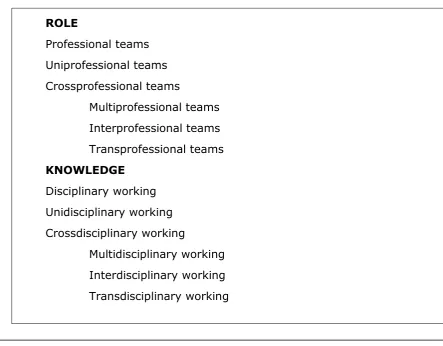
A wide range of terms are used to describe collaborative working
arrangements between professionals (Xyrichis and & Lowton (8)). Terms such as: interdisciplinary, interprofessional, multiprofessional,
multidisciplinary, are often used interchangeably in the literature to refer to both different types of teams and different processes within them (9). They are also often used in conjunction with the term team working.
However, there are some consistent distinctions that are useful to
understand. The terms inter/multi-professional are generally narrower than the terms inter/multi-disciplinary (10-13) referring to teams consisting exclusively of professionals from different professions or disciplines, or at least to the relationships between these professionals. The terms
settings (15). The terms multi/inter-disciplinary are broader and include all members of healthcare teams. However, as Maister (16, p.208) points out, an interdisciplinary team is a largely professional group.
For the purposes of this report, the focus will be on inter/multi-disciplinary teams, as all team members were included in the interventions and data gathering activities. The term interdisciplinary team is used as a generic term of reference for healthcare teams included in the study, which include a range of health service workers, both professionals and non-professionals, but which are likely to be largely professional groups. However, where referenced authors have used the terms inter/multi/trans-professional or inter/multi disciplinary the authors’ terms are used.
1.2
Research Questions
1.2.1
Aims
This study aimed to examine the relationship between interdisciplinary team working and outcomes for patients and carers, staff, and services; and to use this information to develop an Interdisciplinary Management Tool which can be used to optimise outcomes for patients, staff and the service.
1.2.2
Objectives:
a. To use existing data to explore the relationship between different models of interdisciplinary working and outcomes, specifically;
Identify models of interdisciplinary working that are associated with better staff outcomes (satisfaction, retention, autonomy, career development opportunities).
To explore the relationship between different models of
interdisciplinary working and patient outcomes (measured by the EQ-5D, TOMs and patient satisfaction data).
Measure the relationship between different models of interdisciplinary working and the costs of service delivery.
Determine the relationship between different models of interdisciplinary working and the duration of care.
b. To describe a range of different models of interdisciplinary team working and their strengths and limitations.
c. Define the characteristics, attributes and dynamics of effective interdisciplinary team working.
d. To examine systematically the existing workforce change tools.
e. To develop an Interdisciplinary Management Tool which can be used by service managers, commissioners and staff to optimise outcomes in a range of settings for older peoples’ services.
g. To evaluate the impact of the application of the Interdisciplinary Management Tool on key outcomes
1.3
Research Activities
Action research requires the identification of an initial problem. We had identified substantial variation in team working and associated staff and patient outcomes in our previous study. Thus having interrogated existing data from previous studies to explore the relationships between different models of work and the outcomes, we undertook a focused and detailed review of the literature. This review informed the development of an Interdisciplinary Management Tool (IMT) which was implemented with 11 intermediate care teams using a supported learning, iterative, knowledge translation approach (action research). The impact of the IMT
implementation on patients, staff and team outcomes was captured using a suite of data collection tools before and after the implementation. The IMT was revised in light of the findings from the research and feedback from the teams.
Identify Critical Factors
Findings from literature review and secondary analysis combined to develop an Interprofessional Management Tool
Planning and Negotiating Interventions
a. Search conferences
Evaluate current situation
Desired future states
Options for change
Action planning and task allocation
Data Gathering, Analysis & Initial Diagnosis
1. systematic review (objectives 1 - 4) 1. typology of interprofessional practice 2. review of workforce change tools
3. care outcomes of different interprofesional models 2. secondary analysis of data from SDO/95/2005 (objective 1)
analyse relationships between interprofessional work factors and patient, staffing & org variables
Taking Action
a. Teams implement agreed changes b. Team learning sets support changes
Analysis & Evaluation
a. Final Search Conference b. Analysis of Evaluation Data c. Evaluation of project
d. Dissemination of Final Results
Institutionalisation
Baseline Data
Gather data on current performance of
ICT’s
Impact Data
Gather quantitative data on final performance of
ICT’s
Termination of
Project
Formative Data
Gather data on change process and challenges
of ICT’s Evaluation
[image:30.595.72.533.66.726.2]Data Gathering
1.4
Report Outline
The report is structured in 6 chapters:
Chapter 2 provides an overview of the methodologies used for the various research components, including the literature review, development of the IMT, implementation of the IMT and the action research approach used throughout the project
Chapter 3 presents the findings from the 3 literature reviews, and describes the methods used in more detail.
Chapter 4 describes the Interdisciplinary Management Tool (IMT), its development and evolution.
Chapter 5 presents the results of the implementation of the IMT, including the way teams implemented the approach; the impact on patient, staff and services; and the processes of implementation.
2
Methods
2.1
Introduction
This study aimed to develop, implement, and evaluate an evidence-based approach to change management fostering interdisciplinary team working. Therefore, it was important to utilise a research approach that could
integrate published research evidence with the contextual knowledge, expertise and experience of teams to translate this evidence into practice.
Consequently, the research design is structured around an action research framework. Action research is defined as “a period of inquiry that describes, interprets and explains social situations while executing a change
intervention aimed at improvement and involvement”(17). It combines the processes of data gathering and interpretation with action (18), to intervene in social systems to "solve problems” and “improve conditions" (19). There is an emphasis on rigorous scientific study to analyse a problem
systematically and ensure that any intervention is informed by theoretical considerations. An important principle of action research is that it involves stakeholders intimately in the research process as this ensures maximum ownership understanding of the problems and commitment to solutions, which is vital in facilitating change.
Originally used in education, action research is now becoming more popular in health care settings. Waterman et al (17) define action research as ‘a period of enquiry that describes, interprets and explains social situations while executing a change intervention aimed at improvement and
involvement’ (p11). It is problem focused, context specific and future oriented. The strengths of action research are that it can help to develop practice and because it directly involves those for whom the change is very relevant, it is more likely to succeed in a health care context where role boundaries are increasingly blurred and the contribution of individual team members largely context dependent.
The action research approach used in this study drew on empirical data from a previous study (‘The Impact of Workforce Flexibility on Costs and Outcomes of Older Peoples’ Services’) and published literature to develop an intervention in consultation with stakeholders. This was implemented and evaluated with 11 teams delivering community and intermediate care services for older people.
Figure 3 Outline of the Action Learning Approaches
2.2
Data Analysis and Diagnosis
Data analysis and diagnosis involves the gathering of data to inform the intervention. In this case, we drew on existing literature and our previous research findings.
2.2.1
Literature review
Systematic review of the literature on interdisciplinary staffing models, outcomes and workforce change tools (Objectives 1-4).
The systematic review was undertaken in three parts:
1. Literature review 1 -explored qualitatively the different approaches to interdisciplinary working to develop a typology of interdisciplinary practice. 2. Literature review 2 -examined the different approaches to implementing
workforce change by exploring and comparing the different tools that have been introduced to aid workforce planning and change (eg the NHS
workforce scorecard).
3. Literature review 3- involved a systematic review of the outcomes of different interdisciplinary staffing models for patients, staff and services. The review strategy is described in detail in Chapter 3. Specific emphasis was placed on literature relating to IC services, and the relevance of the different contextual factors to workforce change and user outcomes. 1. Data gathering,
analysis and initial diagnosis
•Secondary analysis
•3 literature reviews
2. Planning and negotiating interventions
•Development of the IMT
3. Taking action
•Implementing the IMT
4. Analysis and evaluation
•Final search conference
•Analyse evaluation data to capture impact
2.2.2
Secondary analysis of data derived from SDO
08/1519/95
This project was informed by, and drew on the findings from our previously funded SDO research (‘The Impact of Workforce Flexibility on the Costs and Outcomes of Older Peoples’ Services’), completed in July 2008. This research involved the collection of comprehensive, longitudinal and cross sectional data on service staffing, organisation and outcomes from IC services. In addition, we were part of a collaboration with two other projects that have used our WDQ and service proforma in health and social care settings in Scotland, Wales and England (SDO 08/1619/114 and DoH 035/0087). Neither of these projects were completed in time to inform the initial development of the IMT, however their findings have been incorporated into the discussion, and further analysis of the comparable data are proposed.
The quantitative findings from ‘The Impact of Workforce Flexibility on the Costs and Outcomes of Older Peoples’ Services’ were summarised into a ‘production function’ which is a mathematical function used by economists to link inputs to outputs in any process of delivering goods and services
(Appendix 1) and discussed further in the discussion
The findings from the secondary analysis and literature review were combined to develop a 'good practice guide' for interdisciplinary working in intermediate care services (Objectives 1-4).
2.3
Service user involvement
In November 2009, prior to the start of data collection for this project the methodology, information leaflets and consenting procedure were discussed with the Public and Patient Involvement (PPI) group based at Barnsley Hospital (Barnsley Consumer Research Advisory Group - CRAG). Their advice and comments were taken into account and led to minor
amendments of documentation. It was agreed that we should return to discuss results at the end of the project.
A follow up meeting was held on 3rd of May 2011. Initial results were presented by Professor Pam Enderby to the Barnsley CRAG group. Three individuals had been at the initial meeting. The group found the results interesting and not surprising. They expressed concern at the lack of any national standards informing the skill mix, data collection and procedures of community rehabilitation and intermediate care. Much discussion focused on the lack of certainty and the destabilisation of teams given the changes to the provision of community-based services. (Appendix 2)
groups. Their views have been incorporated in the discussion and recommendations in this report.
2.4
Planning and negotiating the intervention:
Development of an Interdisciplinary Management
Tool
The evidence from the literature reviews and previous studies was used to produce a theoretical framework from which to develop a tool that captures the domains of interdisciplinary team working alongside those factors
contributing to best practice. The IMT was designed to be used by managers and team members to enhance interdisciplinary working with a view to improving outcomes. The tool integrated the evidence base with a suite of practical exercises, and was developed in partnership with the end users and recipients of the service, namely service users, providers, managers and commissioners. Structured stakeholder consultation was undertaken to develop the format of the IMT, the outputs and the type of interface. The development of the tool is described in full in Chapter 4 (Objective 5).
Figure 4 The processes of development of the IMT
2.5
Taking action: Implementing the IMT
Ethics approval was granted by the Salford and Trafford local research ethics committee on the 11th September 2008 (see Appendix 3). We had
aimed to implement the IMT with 10 community and intermediate care services to explore the way that services apply the tool; test the
appropriateness of the interface; obtain user perceptions of the tool (using focus groups and interviews); and measure the impact of the
1. Secondary analysis of previous data
2. Three literature reviews
3. Framework development
4. Framework population (reflective exercises)
implementation of the tool on patient, staff and service outcomes. In addition, we trained facilitators to support the implementation of the IMT and to increase the diffusion and sustainability of the IMT approach. These are described below.
2.5.1
Recruitment of teams
To address the objectives of this component of the research, we aimed to recruit 11 older peoples’ community based teams to participate in a prospective study, which would include patient outcomes data. No formal sample size calculation was determined. However, based on the previous study we calculated that this would enable us to recruit approximately 2000 patients.
One result of our previous study ‘The impact of workforce flexibility on the costs and outcomes of older peoples’ services’was the establishment of, and engagement with, a network of intermediate care teams nationally. All of the teams that participated in the previous study were invited to take part in this project. In addition, we accessed the wider service network via the dissemination conference related to that project, and through the Community Therapists’ Network.
2.5.2
Eligibility criteria
Community based rehabilitation or intermediate care services, where the delivery of care is deemed to be transitional (i.e. clients receive a package of care which aims to make them more independent), and whose primary client group is older people.
2.5.3
Participants
The study participants included all of the staff involved in delivering services with the selected teams (Appendix 4), and a consecutively recruited cohort of patients who were admitted into the service over a minimum of a three month recruitment period.
2.5.4
Training facilitators to implement the IMT
To ensure that the IMT could be implemented effectively, it was recognised that skilled facilitators would be required. According to Kaner (20) the core skills of facilitation are about presiding over good meeting practices. These include timekeeping, developing and following an agreed agenda, and keeping a good record of the events. There are however, higher order skills required as facilitation involves working with group dynamics and can involve issues dealing with intra-group conflict. It therefore requires
engage with group proceedings in a way that promotes creativity and helps to bring about the constructive outcomes desired.
The research team recruited the necessary facilitators from two sources. The first source was from other academic colleagues with previous
experience and an interest in facilitation. The second source was colleagues working in health services with whom the team had previously collaborated and with experience of, or an interest in group facilitation.
Eleven facilitators were initially recruited, seven from academic
backgrounds, five of whom were in the project research team, and four employed as either clinicians or managers within healthcare organisations. All four had been previously involved either in research or health service improvement projects with members of the core research team.
To ensure that the IMT was implemented consistently the research team organised a facilitator training programme. A business consultant who specialises in group facilitation was employed to develop and deliver the training.
The facilitator training began with a one-day event in February 2009. Prior to the training session, participants were sent copies of the IMT booklet and asked to familiarise themselves with the overall structure and the evidence behind the IMT. During the training, the facilitators were guided through the IMT process step-by-step playing the role of participating team members. This allowed the facilitators to experience the IMT process first hand and develop a close understanding of how to facilitate the team exercises. After each exercise, discussions took place to clarify issues and deepen
understanding.
As the final part of the training, the facilitators were given an electronic copy of the script for the Service Evaluation Conference, the one-day facilitated event that began the IMT intervention process. They were asked to familiarise themselves further with the script by re-writing it in their own words.
Due to delays receiving research governance approval in several sites, some of the facilitators had to wait a significant period before they were able to engage with their teams. The delays meant that some facilitators had changed roles or jobs before they had commenced working on the IMT implementation and could no longer take part. As a result, only seven from the original 12 facilitators were able to participate in the delivery of the IMT.
occur at bi-monthly intervals. At other sessions, the facilitators took part in general facilitation exercises, which were aimed at both increasing skills and facilitating discussion about their experiences implementing the IMT.
2.5.5
Search evaluation conference and team learning sets
The first stage of engagement with each team involved a structured Service Evaluation Conference (SEC). These semi-structured events facilitated the teams to evaluate their practice within the framework of the IMT. The aim was for operational transformation to occur by consensus (Objective 6).The facilitator worked with the teams, capturing their feedback from the process and input, using flip charts and ‘post-it’ notes and personal note-taking.
At the end of each SEC, the teams produced an action plan, which formed the basis of the subsequent Team Learning Sets (TLS). These were
scheduled to take place every two months for the subsequent six months. The facilitator responsible for working with each team presented the findings of the SEC and TLS using a structured report format. These structured reports were used in the subsequent evaluation of the IMT process.
Action learning support was provided to the teams throughout the
implementation stage to maximise learning at all stages and increase the likelihood of changes occurring. The TLSs were half-day events with teams, which utilised a semi-structured facilitation framework similar to that
developed for the SEC, but working with teams specifically around the actions identified by them in the initial action plan, and capturing the team feedback on issues, implementation, outcomes and impact. At the end of each event, staff were asked to complete a structured feedback form to provide their perceptions of the individual event and the wider IMT processes (Appendix 5).
2.6
Evaluating the impact of the interdisciplinary
management tool
The IMT evaluation involved formative and summative components. Quantifiable outcomes were measured by each of the teams over a 12 month period using a suite of data collection tools to capture patient, staff and service outcomes (Objective 6).
Qualitative data were captured from the following sources;
the SEC and TLS reports prepared for each of the teams,
interviews with participating staff,
focus group with the facilitators.
(see Figure 5)
2.6.1
Quantitative Data collection
All new consecutive referrals for a twelve-month period were followed until discharge, or for a maximum period of 3 months. This enabled us to
examine the outcomes for older people in relation to a range of different staffing configurations.
For each team we obtained data on workforce variables; the systems of service organisation and management; and the outcomes for staff, the service users and the service;
Organisational context data were collected using the ‘service pro-forma’ (Appendix 6). This was completed by the team leader or a senior team member.
Staff level data were collected from each staff member using the Workforce Dynamic Questionnaire (Appendix 7).
For each patient recruited into the study, staff members completed a “Client / service user record pack” which captured information about service use and change in patient health status (using the EQ-5D and TOMS) for the duration of the study (Appendix 8).
A number of different tools and approaches were required to access these data, which are summarised from
Figure 5 Data collection activities
Baseli e
Data
Staffi g,
Structure,
Leadership,
Tea
Dy a ics
Collect Patie t Data
Severity of complaint, wellbeing and satisfaction
(referral & discharge), Care Received (type, length),
Post
I terve tio
Data
Staffi g,
Structure,
Leadership,
Tea Dy a ics
I ple e t IMT
Service
Evaluatio
Service
Develop e t
Activities
Evaluate
i pact
Table 1 Contextual data
Data collection tools
Description
The Service Pro-forma
The Service Pro-forma was developed through a systematic literature review as part of the larger workforce study (SDO 08/1519/95). It describes the 'inputs' that can have an impact on service delivery and outcomes, such as, setting of care, host organisation, and case mix of patients. (See Section 2 and Appendix 6)
The Levels of Care
The Levels of Care tool is a matrix describing eight possible categories of patient need. It has been used in this study as one proxy for the severity of patient illness, and to help identify potential groups of patients based on their level of service requirement (Appendix 9).
Table 2 Sources of data for the prospective study
Domain Findings Source of data Workforce
configuration
Skill mix Service proforma
Substitution, specialisation, delegation
WDQ, case study analysis
Training WDQ
Role overlap WDQ
Organisation and management
Team structures Service proforma and focus group with team
Setting of care Service proforma Supervision / accountability Service proforma,
group with team
Staff outcomes Satisfaction WDQ
Autonomy WDQ
Recruitment and retention Intention to leave (WDQ)
User outcomes Patient satisfaction Patient satisfaction survey
Change in health status TOMs measured at start and end of episode of care, EQ-5D
Service outcomes Costs Budget analysis using service staffing
Table 3 Outcome measures
Outcome Measures/
tools Description
Service outcomes
Length of stay Date of discharge - date of admission
Discharge destination
Location where patient was
discharged:eg. home, residential care, supported housing, acute hospital. Costs of service
delivery
See description below
Patient outcomes
The Therapy Outcome Measure (TOMS)
definitions of these ratings are given in (21).
The EQ-5D The EQ-5D is a generic measure used primarily by economists to calculate quality adjusted life years (QALYs). It uses a single question to assess each of five health domains; mobility, self-care, usual activities, pain/discomfort and anxiety/depression. The EQ-5D has a complex scoring system, which ranges from 1 which indicates full health, through to -0.59 (22).
Patient Satisfaction
The patient satisfaction instrument used for this study was developed and validated in the context of the National Evaluation of Intermediate Care (23) (Appendix 9)
Staff outcomes
The Workforce Dynamics Questionnaire
The WDQ is a validated, 58 item, Likert scale questionnaire, which is self-completed by staff members. It explores 11 domains: management; team working; training and skills development; access to support and equipment; autonomy; role perception; satisfaction, integration with team members; and role confidence. The WDQ and TLS explore closeness of working and role overlap of the staff member to provide an 'interdisciplinary' score. It was developed and validated in the context of older peoples'
services(24). Staff turnover
rates
Staff intention to leave in the next 12 months, which has been demonstrated to be a strong proxy for staff turnover.
Table 4 Operational codes and descriptors for TOMs rating scale
Rating code
0.0 – 0.5 1.0 – 1.5 2.0 – 2.5 3.0 – 3.5 4.0 – 4.5 5
Description Profound Severe
Severe/ Moderate
Moderate Mild Normal
Reference: Enderby P, John A, Petherham B. (2006) Therapy outcome measures for rehabilitation professionals, Chichester, John Wiley and Sons Ltd
Table 5 Summary of questionnaire-based outcome measures
Range of scores
Measure Sub-scales Worst Best
EQ-5Dvas n/a 0 100
EQ-5Dindex n/a -0.594 1.000
TOM
Impairment Activity Participation Wellbeing
0 0 0 0
5 5 5 5
Patient satisfaction questionnaire
Affective Cognitive Coordination of discharge Timing of discharge Pain
0 0 0
0
0
100 100 100
100
100
WDQ Overall
Table 6 Description of the Workforce Dynamics Questionnaire and Domains
Domains No of
items
Description
1. Overall satisfaction 1 Overall level of satisfaction with the job.
2. Autonomy 4 The extent to which a practitioner has
control over his / her own work or that of others.
3. Role perception 9 The way a practitioner perceives his/her
role is understood and valued by other people (practitioners and the public). 4. Role flexibility 6 The extent to which a practitioner
perceives he/she can alter his /her role to meet the needs of the team or service users.
5. Integration with
peers and colleagues
3 The level of support available to the practitioner from a member of his / her own professional group.
6. Team working 10 The level of coherence and harmony within
the team. 7. Management
structures and styles
5 The overall extent of satisfaction with the management of the team.
8. Access to
technology and equipment
4 Ability of the staff member to access necessary administrative support and equipment to do their job.
9. Training and career
progression opportunities
8 Support for and satisfaction with the career development opportunities offered by the current post.
10. Quality of care 2 Staff perception of the quality of patient care provided by their team.
11. Uncertainty 4 Measures staff uncertainty about the future of their team and their role within the team.
12. Intention to leave profession
1 Staff intention to leave their profession in the next 12 months
13. Intention to leave employer
1 Staff intention to leave their employer in the next 12 months
[image:47.595.82.527.82.664.2]2.6.2
Interviews with participants
A series of semi-structured interviews were also conducted as part of the evaluation of the EEICC intervention. These had the following objectives;
To describe the transfer of learning from the IMT intervention on staff working in participating teams.
To explore the various mechanisms by which learning from the IMT intervention had been transferred into practice within the service.
To explore the relationship between the IMT intervention and Interdisciplinary Team working practices.
Interviews were held with 15 staff members from 3 of the 11 teams participating in the IMT intervention. A range of staff took part in the interviews including team leaders, team managers, allied health professionals and support workers. The interviews were held after completion of the IMT intervention process.
The interviews covered the following topics:
The effect of participation in the EEICC project on productivity
The impact of the EEICC project on commitment to the Interdisciplinary Team working
The impact of the EEICC project on commitment to the teams’ mission and goals.
The impact of the EEICC project on leadership within the team.
Whether participation in the EEICC project has changed understanding of interdisciplinary team working.
Whether participation in the EEICC project has changed understanding of leadership within interdisciplinary teams.
Whether changes made were sustainable after the project ceased. The interviews were digitally recorded and transcribed verbatim. They were analysed using a thematic analysis approach (25). Data was entered into the software NVIVO (version 8.0). A preliminary data coding framework was inductively developed, from which a set of themes were identified. To
minimise bias in the process, two other team members sample coded
interviews. The three staff then discussed their finds and reached consensus on preliminary themes. A final coding glossary was then developed to define all of the codes and to help increase consistency of the coding.
2.6.3
Facilitator Focus Group
During the IMT implementation the facilitators experienced the implementation process firsthand. Many had also developed strong relationships with the teams they were working with. Therefore, the decision was taken to organise a focus group with facilitators to capture their perspectives on the IMT implementation process. The focus group took place on the afternoon of 9 September 2010
The focus group included some reflection on the role of the facilitation in the implementation process, as distinct from the application of the evidence that was included in the IMT; it explored facilitators’ views of the outcomes of the process (in terms of the effectiveness of team development). The aim was that this data could be synthesised with the outcome data, to provide greater understanding of what contexts and mechanisms either facilitated effective change, or proved to be barriers to it.
The focus had three specific objectives:
To provide some additional data for the project to help contextualise the outcomes data.
To evaluation of the impact of the IMT from the facilitators’ perspective
To explore the processes of implementing the IMT.
The focus group was facilitated by the professional facilitator who had co-designed the IMT intervention exercises with members of the research team. It was digitally recorded and the audio was then transcribed
verbatim. A detailed transcript was made from a tape-recording of the final discussion. Once complete, the transcript was uploaded into Nvivo 8 where it was analysed using a content analysis approach. This involved inductively establishing a set of coding categories that derive from the data (26). In order to ensure the robustness of coding, a coding check was undertaken. This involved another researcher independently coding a sample of the transcript. The coding check revealed a high level of consistency. Where differences were identified, these were discussed and coding labels agreed.
2.6.4
Individual feedback reports
In order to help inform the further development of the intervention, participants at the ‘Service Evaluation conferences’ (SECs) and the ‘Team Learning Sets’ (TLSs) were asked to complete a feedback form at the end of each session. As well as asking participants to rate the practical aspects of the events the feedback form asked the following six questions:
What was most challenging about the workshop?
In what ways has the event given you insight into the process of change in your service?
Do you have a clear understanding of future actions for team improvement as a result of the event?
In what ways did it help having a facilitator?
Any other comments?
In addition to these questions, the final ‘Service Evaluation Conference’ feedback