A provisional annotated checklist of
saproxylic Coleoptera.
The beetles of decaying wood in Ireland. A provisional
annotated checklist of saproxylic Coleoptera.
Keith N. A. Alexander
1& Roy Anderson
21 59 Sweetbrier Lane, Heavitree, Exeter EX1 3AQ; 2 1 Belvoirview Park, Belfast BT8 7BL, N. Ireland
Citation: Alexander, K. N. A. & Anderson, R. (2012) The beetles of decaying wood in Ireland. A provisional annotated checklist of saproxylic Coleoptera. Irish Wildlife Manuals, No. 65. National Parks and Wildlife Service, Department of the Arts,Heritage and the Gaeltacht, Dublin, Ireland.
Keywords: beetles; saproxylic; deadwood; timber; fungal decay; checklist
Cover photo: The Rhinoceros Beetle, Sinodendron cylindricum © Roy Anderson
The NPWS Project Officer for this report was: Dr Brian Nelson; [email protected]
Irish Wildlife Manuals Series Editors: F. Marnell & N. Kingston
© National Parks and Wildlife Service 2012
Contents
Executive Summary... 2
Acknowledgements ... 2
Introduction ... 3
Aims and methods... 3
Analysis of status ... 4
Special features of the Irish saproxylic fauna... 8
Important sites... 9
The checklist of Irish saproxylic Coleoptera ... 16
Structure of the checklist... 16
Species accounts ... 17
References ... 131
Appendix 1 Recorders and list of abbreviations... 144
Appendix II Taxonomic checklist of species ... 146
Executive Summary
A full list is provided of the saproxylic (wood-decay) beetles known to have been resident in Ireland in modern times, together with information about their ecology and distribution, with site records organised by vice county.
For each of the 274 species an estimation of their current status is suggested, and species with an apparent association with old growth (ancient woodland and/or ancient wood pasture conditions) are also identified. At least 208 species appear to be native to Ireland, while 9 of these may have become extinct within the past 100 years. Only 25 species appear to be common and widespread, in contrast to the 104 species (50% of the natives) which have been assessed as ‘rare’. This suggests a serious imbalance in species status, reflecting the overall rarity and fragility of saproxylic habitats across Ireland. A list of important sites is included.
Acknowledgements
Introduction
Saproxylic and other woodland invertebrates have a reputation for being very poorly represented in Ireland (Speight 1986, 1989b) although Alexander (2003) suggests that this merely reflects the overall species representation in Ireland in comparison with Britain and continental Europe – a factor of Ireland’s biogeographic relationships – rather than saproxylics being rarer than any other habitat grouping. However, what may be true is that the background fauna – the common and widespread species which can be found very widely across Ireland – is a relatively small range of species, while the more restricted species form a greater proportion of the fauna than might be expected. Species richness is certainly greatest in sites which are almost certainly ancient woodlands and ancient wood-pastures (including historic demesne parklands), and it is suggested that the species which are virtually exclusive to these relatively rich sites are the remains of Ireland’s old growth fauna (Alexander et al., 2002). Ancient tree-scapes do appear to be relatively scarce across Ireland, although probably not as scarce as many people assume – the historic demesnes have hardly been studied at all. The definition of saproxylic used for the purposes of this list is the one proposed by Alexander (2008b) as it emphasises fungal decay of wood and does not require trees to be senescent or dead (Speight, 1989c): Species which are involved in or dependent on the process of fungal decay of wood, or on the products of that decay, and which are associated with living as well as dead trees. Conventionally two further groupings of organisms are included within the definition: i) sap-run associates, ie species dependent on fluxes of sap and its decomposition products, and ii) organisms other than fungi that feed directly on wood.
This checklist is presented in order to provide a complete statement of where we are with knowledge of the current Irish saproxylic beetle fauna. Subfossil records have not been included. It is hoped that this baseline data will provide a framework for developing an Irish Red List of saproxylic beetles and enable the development of site quality statistics along the lines of those already in use in Britain (Alexander, 2004; Fowles et al., 1999).
Aims and methods
The data is primarily derived by extraction from published literature and contact with the active recorders that are known to the authors. The record is almost certainly not complete however, as unpublished information will largely remain uncollated for the time being.
Analysis of status
274 species are listed of which at least 208 are native – see Table 1. Nine of these species may now be extinct, having not been reported since Johnson & Halbert (1902) – see below. This is clearly a rich fauna, despite the various opinions which have been expressed over the years – see Introduction. However, only 25 species can be considered common and widespread, in contrast to the 104 (50%) species which have been assessed as rare in Ireland. This suggests a serious imbalance in species status, reflecting the overall rarity and fragility of saproxylic habitats across Ireland.
Eight additional species are thought to be doubtfully Irish as only old records have been reported and no supporting voucher specimens are available, while the status of a further 8 have proved impossible to assess on the scant information available. 35 species are established non-natives, largely accidentally brought in by commercial forestry activities. There is also a clear trend of recent arrivals making first landfall in Northern Ireland, presumably carried from Scotland on air currents – 8 species have first appeared in the north-eastern counties and have proceeded to spread.
The species presumed to be extinct in Ireland are: Nossidium pilosellum (Marsham), Amphicyllis globus (F.), Agathidium rotundatum Gyllenhal, Euplectus punctatus Mulsant, Cypha seminulum (Erichson), Calambus bipustulatus (L.), Malthodes dispar (Germar), Anthocomus fasciatus (L.) and Conopalpus testaceus (Olivier). These represent a wide variety of saproxylic habitat types.
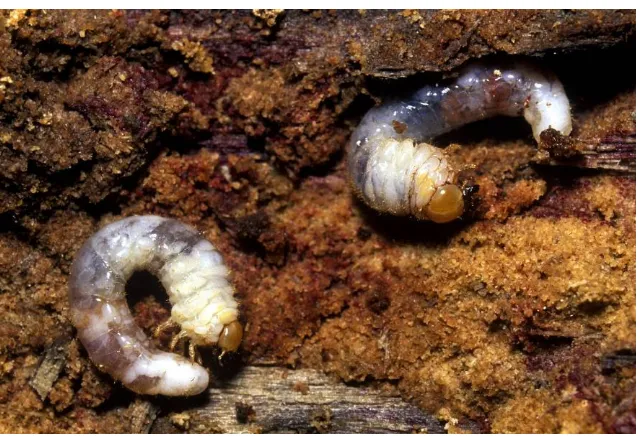
Figure 2: Larvae of Sinodendron cylindricum bore in decaying heartwood of broad-leaved trees © Roy Anderson
TABLE 1 The Irish status of saproxylic beetle species grouped by family (and subfamily for selected groups). (For heading codes see ‘Structure of Checklist’ below.)
Family/subfamily All Ex R Sc Un Wi Cm Est Ca Re Do Ucl
Histeridae 1 1
Ptiliidae 9 1 5 3
Leiodidae 8 2 3 2 1
Scydmaenidae 1 1
Staphylinidae
• Omaliinae
12 6 4 2
• Pselaphinae
7 1 6
• Phloeocharinae
1 1
• Tachyporinae
1 1
• Aleocharinae
32 1 15 2 7 4 1 1 1
• Scaphidiinae
2 1 1
• Piestinae
1 1
• Staphylininae
6 4 1 1
Lucanidae 1 1
Clambidae 1 1
Scirtidae 1 1
Eucnemidae 1 1
Elateridae 6 1 1 1 2 1
Lycidae 1 1
Cantharidae 10 1 1 5 1 1 1
Bostrichidae 1 1
Anobiidae 11 4 2 1 1 3
Lymexylidae 1 1
Phloiophilidae 1 1
Trogosittidae 1 1
Family/subfamily All Ex R Sc Un Wi Cm Est Ca Re Do Ucl
Dasytidae 1 1
Malachiidae 2 1 1
Aspidiphoridae 1 1
Nitidulidae 19 6 1 4 2 2 2 1 1
Monotomidae 7 1 2 1 2 1
Laemophloeidae 1 1
Cryptophagidae 5 3 1 1
• Atomariinae
2 1 1
Erotylidae 2 1 1
Cerylonidae 3 1 2
Endomychidae 1 1
Corylophidae 1 1
Latridiidae 1 1
Mycetophagidae 2 2
Ciidae 12 4 2 1 1 3 1
Tetratomidae 3 2 1
Melandryidae 6 1 4 1
Mordellidae 1 1
Colydiidae 3 2 1
Tenebrionidae 4 1 1 2
Oedemeridae 2 1 1
Pyrochroidae 1 1
Salpingidae 9 5 1 1 1 1
Scraptiidae 7 2 1 2 2
Cerambycidae 22 9 1 2 2 2 2 2 1 1
Anthribidae 1 1
Curculionidae 17 4 2 1 1 5 2 2
• Scolytinae
19 1 2 1 2 11 1 1
About 50 species appear to have an association with ancient woodland and ancient wood pasture conditions (old growth species) – nearly 25% of the natives. This emphasises the great importance of these habitats for saproxylic beetles, and also provides an opportunity for developing conservation quality statistics for site evaluation and comparison.
Figure 4: Caledon Deer Park, Co. Tyrone © Keith Alexander
Special features of the Irish saproxylic fauna
Europe from the British Isles to the Azores, taking in coastal north-west France and southern Portugal (eg in driftwood at Rio Arade, Portugal, 24.vi.1994, RA).
The presence of the red click beetle Ampedus pomonae in Ireland but not Britain is another interesting feature of the Irish saproxylic beetle fauna. However, it is widespread on the near Continent and its absence from Britain is the curiosity rather than its presence in Ireland.
A third species is also of note, Quedius lyszkowskii, as it is only known globally from Ireland and Scotland. It was described new to science only recently (Lott 2010), having previously been overlooked within Q. aetolicus by modern workers and historically with Q. puncticollis in Irish collections. Its earliest known record is from 1905 and so it seems reasonable to assume that it is long-established native – at least until evidence to the contrary is forthcoming.
Important sites
As already stated, the saproxylic beetle fauna of Ireland is not well-studied and undoubtedly important sites remain overlooked. The situation has been made worse by the spurious notion that rare and threatened species are primarily associated with semi-natural vegetation and therefore the parklands of historic demesnes would not be expected to be of special interest. In reality many of the historic demesnes actually protected and maintained more features of earlier Irish landscapes than did the average area of countryside. Saproxylic interest is focused on trees rather than woodlands, and sites which retain relatively large concentrations of veteran trees over time support the richest variety of saproxylic beetles. Such sites tend to be the historic demesnes rather than the ancient woodlands – themselves relatively rare in Ireland anyway. Most historic demesnes have not been assessed for their saproxylic interests – the compilation of an inventory of such sites and an investigation into the fauna present should be a high priority for invertebrate conservation in Ireland. Recent work in Northern Ireland has demonstrated the great value of historic parklands for Ireland’s wood-decay invertebrates (Alexander et al., 2007).
The sites are listed in order of known importance for saproxylic beetles. Only eight areas are currently known to support more than one species of great rarity:
Killarney National Park area, Co. Kerry
Six-spotted Longhorn Beetle Anoplodera sexguttata (1859 & 1879); one of only two known sites for the Fire-winged Beetle Pyropterus nigroruber (discovered in 1866 & still there in 1989). The majority of the records stand merely as ‘Killarney’ making it impossible to allocate particular records to particular locations within the area. Derrycunihy and Tomies Woods are well-known to be good examples of the habitat, but equally the open parkland areas are also notably important for saproxylic beetles, especially Muckross Park. The whole area forms a mosaic of ancient woodland, ancient wood pasture and historic parkland, which in turn forms the largest extent of veteran tree habitat anywhere in Ireland. Greater attention to its saproxylic beetle importance is needed as this will greatly inform site management for conservation objectives.
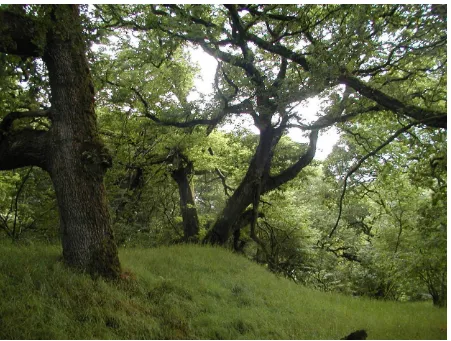
Figure 5: Glena Wood, Killarney National Park, Co.. Kerry © John Cross
Powerscourt Deer Park and area, Co. Wicklow
Glengarriff Woods, Co. Cork
[image:15.595.86.536.231.573.2]Only known Irish site for Mordellistena neuwaldeggiana (1924); one of only two known sites for the false click beetle Melasis buprestoides (1985); best Irish site for Hornet Longhorn Beetle Leptura aurulenta; one of very few known sites for the ambrosia beetle Hylecoetus dermestoides. Glengarriff Castle Demesne is of especial note for its veteran oaks; it was here that the ambrosia beetle was found and this is also a good area for the longhorn beetle.
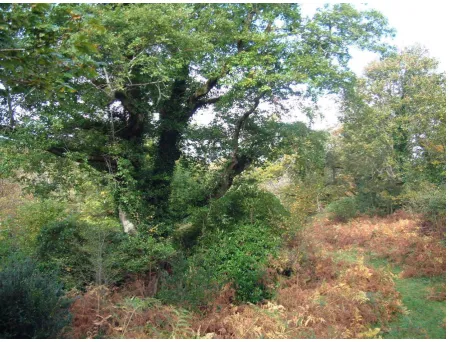
Figure 6: Glengarriff, Co. Cork © Keith Alexander
Glencar area, Co. Kerry
Crom Castle Demesne, Co. Fermanagh
[image:16.595.57.508.188.530.2]Accessible for recording only since 1987 and with a steady increase in notable finds: first Irish site for the false darkling beetle Abdera flexuosa, the fungus beetle Agathidium confusum and the bracket fungus beetle Dorcatoma dresdensis; one of few modern localities for the fungus beetle Anisotoma orbicularis and the short-winged mould beetle Bibloporus bicolor. An important and unusually large concentration of old parkland, as well as having areas of more typical ancient wood pasture and ancient woodland.
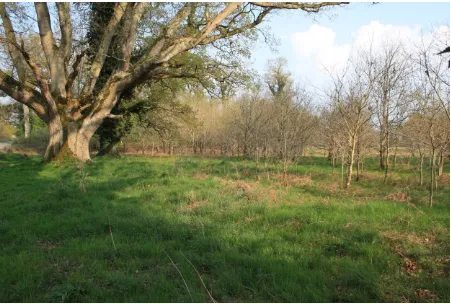
Figure 7: Veteran trees on Inisherk, Crom Castle Estate, Co. Fermanagh © Keith Alexander
Charleville Park and Woods, Co. Offaly
Figure 8: A mature tree and regeneration at Charleville, Co. Offaly © John Cross
Belvoir Park, Co. Down
Has received a lot of attention in recent decades: the only Irish site for the old forest spider beetle Ptinus subpilosus (1992 onwards) and also with one of the Killarney rarities, the rove beetle Atheta pilicornis. This site contains many old parkland trees especially oak – of 130 native oaks with a girth of 3m or more, 55 have girths in the range of 4-6m (Simon, 2005).
St John’s Wood, Co. Roscommon
First investigated in any detail in 2010 (Alexander 2011); notably, one of few Irish sites for the short-winged mould beetle Euplectus piceus and the stone beetle Stenichnus bicolor; first known site in the Republic for the bracket fungus beetle Dorcatoma dresdensis. This wood is said to be the largest and most natural woodland in the Irish midlands. Its coppice-with-standards structure means that it contains a large number of veteran trees, particularly oaks, as well as old hazels and alders.
The Great Deer Park, Glenarm, Co. Antrim – one of only two known sites for the fungus beetle Agathidium confusum. This site has a notably large extent of semi-natural ancient wood pasture and is an outstanding site in the context of Northern Ireland (Alexander et al., 2007).
Figure 9: The Great Deer Park, Glenarm, Co. Antrim © Keith Alexander
Slish Wood, Co. Sligo – one of only two sites for the Fire-winged Beetle Pyropterus nigroruber. Remnant ancient oak woodland.
Shane’s Castle Park, Co. Antrim – an important modern site for another Killarney rarity, the sap beetle Epuraea terminalis. Parkland and broad-leaved woodland.
Castle Coole Park, Co. Fermanagh – one of the few modern sites for the rove beetle Hapalaraea pygmaea; a large expanse of historic parkland with many veteran oak, etc.
It is very obvious that historic parklands and ancient wood pastures feature very strongly in this short list, while conventional ancient woodland is relatively poorly represented. However, the detailed survey of St John’s Wood (Alexander, 2011) has demonstrated that ancient woodlands may also be rich in saproxylic invertebrates. The overwhelming majority of ancient woodland sites listed by Perrin and Daly (2010) have not yet been assessed for their saproxylic beetle interest.
The checklist of Irish saproxylic Coleoptera
Structure of the checklist
The checklist of species considered saproxylic is given in Appendix II. The listing in this and the species accound section below follows the current taxonomic checklist order (Duff, 2008), with species name, proposed Irish status (see below), and a short account of its ecology. The records follow and are ordered by vice county, with locality name, grid reference (where readily available), recorders name, date of record, and source. The sequence is in date order, the earliest record first. Where a historic record is ambiguous to county then the record is placed in the most likely vice county.
The Irish status in bold is provided as a starting point, based on existing evidence, to stimulate thought and discussion. This is very likely to be modified as knowledge progresses. The expressions used are as follows:
Extinct (Ex) – no records since about 1900
Rare (R) – only a few modern records
Scarce (Sc) – known from only about ten modern localities
Uncommon (Un) – known from many counties, some with many records
Widespread (Wi) – known from most counties and plenty of records; only the year of records are provided for the most widely recorded species
Common & Widespread (Cm) – only VC distribution provided
Established introduction (Est) – species believed to have been brought into Ireland incidentally through commerce; a few have first been found only very recently
Casual Introduction (Ca) – an occasional record only, no established populations known
Recent arrival (Re) – believed to have arrived naturally
Doubtful (Do) – only a single report but no evidence of a resident population
Unclear (Ucl) – too little information for meaningful assessment of status
many paraphrased as vice-county records for common species) have been uploaded to the Recorder database held by CEDar LRC, Ulster Museum and to the National Biodiversity Data Centre (NBDC), Waterford.
A full list of references is appended.
Species accounts
FAMILY HISTERIDAE Hister Beetles
Predatory, especially on larvae of other deadwood inhabiting insects, also on mites and springtails. The following species is the only Irish one found associated with wood decay, but others are occasionally found in this situation although more strongly associated with other habitat types.
Abraeus perpusillus (Marsham, 1812) syn. globosus (Hoffman, J., 1803) – Rare
In moist rotten wood of various broad-leaved trees; usually within ancient woodland, wood pasture, or historic parkland in Britain. A curious distribution in Ireland – in the central eastern counties, but perhaps favouring the relatively warmer and drier districts.
H19 Kildare: Louisa Bridge, Royal Canal, in Polyporus squamosus on poplar, viii.1942, AWS (O’Mahony, 1943b).
H21 Dublin: St. Annes Park (O2037), rot hole in beech, 19.v.1994, JAO (Owen, 1997).
H38 Down: Hollymount NNR, under bark on beech by Ganoderma bracket, 25.iii.2012, RA.
FAMILY PTILIIDAE Feather-winged Beetles
Mould-feeders, living between the bark and sapwood of dead trees or in rot-holes, where conditions are slightly moist and mouldy.
Nossidium pilosellum (Marsham, 1802) – Extinct
Develops in decaying wood, particularly rotten stumps and damp, rotten, fungus-colonised timber, and especially elm and beech in Britain. Ireland: ‘very rare, on rotten stumps (Haliday, 1855)’ (Johnson & Halbert, 1902) – no details provided.
Ptenidium laevigatum Erichson, 1845 – Rare
H2 North Kerry: Kenmare Demesne (V99), a few specimens taken together in a damp, decaying tree stump, between 18 & 25 July 1913, OEJ (Janson, 1914).
Ptinella aptera (Guérin-Méneville, 1839) –Rare old growth species
Under bark of decaying oak and beech wood.
H2 North Kerry: Killarney, EFB (Bullock, 1928).
Ptinella cavelli (Broun, 1893) – Established introduction
Under tight bark of dead broad-leaves and conifers; native to New Zealand, widespread in Britain and the north of Ireland where first found in 1975 (Nash, Anderson & O’Connor, 1997).
Ptinella denticollis (Fairmaire, 1858) – Rare old growth species
Under tight bark of dead broad-leaved timber. Only a single record reported.
H2 North Kerry: Killarney, EFB (O’Mahony, 1929a).
Ptinella errabunda Johnson, 1975– Established introduction
Under tight bark of most species of dead trees; probably native to New Zealand. Found abundantly by RA in decaying wood in several parkland sites west of Belfast (Nash, Anderson & O’Connor, 1997).
H38 Down: Lagan Meadows, under bark of Scots pine, 27.xi.1992, RA.
H39 Antrim: Newforge, R. Lagan, under bark of rotting Japanese larch with fruiting decay fungus Coniophora puteana, 20.x.1992, RA (Nash, Anderson & O’Connor, 1997); Ballyskeagh, Belfast, under beech bark, 8.xii.1992, RA.
Ptinella limbata (Heer, 1841) –Rare old growth species
Under bark of various dead broad-leaved trees and conifers; old forest areas. This record may possibly be an early observation of the tiny yellowish Antipodean species P. errabunda which RA finds occasionally under pine bark in Northern Ireland but which is otherwise unreported from the south.
H21 Dublin: Tolka Valley, under bark on pine logs, JNH (Halbert, 1924).
Ptinella taylorae Johnson, 1977 – Established introduction
Under tight bark of dead trees; native to New Zealand; not uncommon in W. England & Ireland (Johnson 1977).
H39 Antrim: Rea’sWood, Antrim, under alder bark, 21.x.2006, RA.
Pteryx suturalis (Heer, 1841) – Rare
Under bark and in rotten wood of dead broad-leaved trees, rarely in conifer.
H39 Antrim: Rea’s Wood, Antrim, 17.iv.1974, AGI, det CJ.
FAMILY LEIODIDAE
All species of Anisotoma have an obligate association with slime fungi, with adults and larvae feeding on the spores. Species of Agathidium are most likely primarily associated with slime fungi but the evidence is less clear – not all species appear to be associated with decaying wood. The species appear typical of shady woodlands rather than more open situations.
Anisotoma humeralis (Fabricius, 1792) – Uncommon old growth species
Modern sites almost invariably ancient woodlands and ancient wood pastures.
H1 South Kerry: Kenmare, JRH (in Halbert, 1898c) (Johnson & Halbert, 1902); Rossbehy, 1902, HSJD (Donisthorpe, 1902).
H2 North Kerry: nr. Killarney, 1910-1914, EFB; Ross Castle, Killarney, 22.v.1995, PJH.
H16 West Galway: Connemara National Park (L75), 1994, MCDS (Speight, 2004).
H18 Offaly: Charleville Wood (N315226), v. 2003, RA (Regan & Anderson, 2004)
H20 Wicklow: (Halbert, 1898c, in A.H. Haliday collection, Dublin Museum); Powerscourt Deerpark (O1912), swept along R. Dargle, 9.vi.1919, JNH (Halbert, 1922); 19.vi.1993, KNAA; Clara, iv.1929, AWS (O’Mahony, 1929b); Devil’s Glen, 9.vi.1934, EO (O’Mahony, 1934).
H23 Westmeath: Lough Derravaragh, JNH (Johnson & Halbert, 1902).
H25 Roscommon: St John’s Wood (M9956 & N0055), 6.viii. & 8.x.2010, KNAA.
H29 Leitrim: Acres Lake (G966100), two knocked from dead Pinus, 23.iv.2011, MC.
H30 Cavan: Cloverhill, vi.1916, GWN (Nicholson, 1917).
H33 Fermanagh: Reilly Wood, Crom (H32), 28.v.1992, KNAA; Inisherk, Crom, FIT, 1.vii.1992-7.vii.1992, APF; Florencecourt, 24.viii.2010, RA.
H36 Tyrone: Brookend NR, Lough Neagh, 8.v.2007, RA.
H38 Down: Stormont, Belfast, 17.ix.1994, RA; Tollymore Forest Park, 27.vi.1998, RA.
H39 Antrim: Shane’s Castle, vi.1902, CWB (Halbert, 1910b); 1.vii.2010, RA; Great Deer Park, Glenarm (D2911), 20.v.2006, KNAA.
H40 Londonderry: Banagher Glen (C6704), FIT, 8.vii.2007, KNAA.
Only known from two of Ireland’s richest areas for saproxylics.
H20 Wicklow: Powerscourt, 15.viii.1927, AWS (O’Mahony, 1927).
H33 Fermanagh: Inisherk, Crom, 1.vi.1992, 7.vii.1992, 5.viii.1992, 4.ix.1992; Inishfendra, Crom, 15-16.vii.1993, FIT samples, APF.
Amphicyllis globus (Fabricius, 1792) – Extinct
In decaying timber, mostly in ancient woodland areas in Britain. No modern reports.
H11 Kilkenny: Thomastown, one swept “in a marshy place on the banks of the Nore, July, 1901", JNH (Johnson & Halbert, 1902).
Agathidium confusum Brisout, 1863 – Rare old growth species
First noted in Ireland in 1993 but regarded as an overlooked native.
H33 Fermanagh: Inishfendra Island, Crom, FIT, 16.vi.1993 – 15.vii.1993, APF.
H39 Antrim: Great Deer Park, Glenarm (D2911), in numbers from the twigs of a fallen large oak branch, 20.v.2006, KNAA (Alexander, 2008a).
Agathidium nigripenne (Fabricius, 1792) – Scarce
Only reported across the more northern counties; not northern in Britain.
H15 South-east Galway: Coole Park (M433043), several swept, 22.v.2010, PJH.
H25 Roscommon: St John’s Wood (M9956), various dates in 2010, KNAA.
H27 West Mayo: Westport, JJW (Fowler, 1891).
H33 Fermanagh: Inisherk Island, Crom, FIT, 1.vi.1992 – 7.vii. 1992, APF.
H34 East Donegal: Rathmullan, JJW (Fowler, 1891) (Johnson & Halbert, 1902); Foyle district, 1900, CWB.
H37 Armagh: Armagh, WFJ (Johnson & Halbert, 1902); Annagarriff NR, Peatlands Park, 29.v.2000, RA (Anderson, Simms & Nelson, 2000).
H38 Down: Stormont, 7.v.1994, 13.v.1994, RA; Belvoir Forest, 23.iv.1998, RA; Hillsborough, 9.viii.2000, RA; Shooter’s Island, Quoile (J494470), 23.ii.2012, MDB.
H39 Antrim: Farr’s Bay, Randalstown, 4.vii.1986, RCW (Welch, 1986); Belfast Castle, 11.vii.2004, 9.iii.2008, RA.
H40 Londonderry: Ness Wood (C528118), 19.v.2007, KNAA.
H33 Fermanagh: Belleisle (Porter, 1898) (Johnson & Halbert, 1902).
H37 Armagh: Palace Demesne, in moss, WFJ (Johnson, 1892a); Coney Island, Lough Neagh, WFJ (Johnson & Halbert, 1902).
H39 Antrim: Murlough, GWC, det. JNH (Johnson & Halbert, 1902).
Agathidium seminulum (Linnaeus, 1758) – Rare
H2 North Kerry: near Killarney, pre-1914, EFB (Bullock, 1914).
H33 Fermanagh: Munnilly Bridge, Old Ulster Canal, 19.vii.2011, RA.
H39 Antrim: Cranmore Park, Belfast, 18.iv.2005, RA.
Agathidium varians Beck, 1817 – Scarce
H20 Dublin: The Dingle (Waterstown Park), v. 1935, JNH (1937).
H33 Fermanagh: Inisherk, Crom, FIT, 1.vi.1992 – 7.vii.1992, APF; Castle Coole Park (H2643), FIT, viii-14.ix.2007, KNAA.
H38 Down: Belvoir Forest, Belfast, 24.ii.1999, RA.
H39 Antrim: Shane’s Castle, CWB, 1902, det. JNH (Johnson & Halbert, 1902: Suppl. List); Rea’s Wood, Antrim, 3.xii.1994, RA; Great Deer Park, Glenarm (D2911), FIT, vii-19.viii.2007, KNAA.
H40 Londonderry: Drenagh Estate (C6923), FIT, viii-15.ix.2007, KNAA.
FAMILY SCYDMAENIDAE Stone Beetles
Predatory on mites, in moist situations; a few frequent decaying wood.
Stenichnus bicolor (Denny, 1825) – Rare old growth species
Under bark and in moist crumbly decaying timber of various dead trees; widespread in moister areas of Britain; mostly in ancient wood pastures.
H2 North Kerry: near Killarney, pre 1914, EFB, det GCC.
H3 West Cork: Glandore (W23), one under a stone close to the shore, JNH, det GCC (Johnson & Halbert, 1902).
FAMILY STAPHYLINIDAE Rove Beetles
A small number are restricted to decaying wood, but many are associated with fungal fruiting bodies and the degree of association with wood-decay fungi is often unclear.
STAPHYLINIDAE SUBFAMILY OMALIINAE
Phyllodrepoidea crenata (Ganglbauer, 1895) – Rare old growth species
Adults and larvae occur under bark of relatively freshly dead trees or branches, usually broad-leaved trees in England, pines in the relict pine forest of Scotland; they feed on fungal decay. A speciality of the hill country of the N and W of Britain, presumably also submontane in Ireland. Hammond (1980) refers to the Killarney population and the date of the first report but does not comment on whether or not there have been any subsequent records.
H2 North Kerry: Killarney district, “fairly common in decaying fungi on trees in woods throughout the whole district, occurring frequently in the late Autumn months”, Bullock (1928); Deliphrum crenatum in O’Mahony (1929a).
Coryphium angusticolle Stephens, 1834 – Rare old growth species
Lives beneath bark of dead oak and other trees, and in red-rotten oak, mostly in wooded areas, possibly only ancient sites; widespread in Britain.
H2 North Kerry: Killarney (Bullock 1914).
H37 Armagh: Derryadd Lough, Peatlands Park, 16.iii.2002, RA.
H38 Down: Holywood, sea coast (Haliday, 1841, 1855; in a rotten stump, Haliday ms.) (Johnson & Halbert, 1902); Belvoir Forest, Belfast, 12.iv.1995 & 17.iii.1998, RA.
H40 Londonderry: Culmore, CWB (Buckle, 1900) (Johnson & Halbert, 1902).
Acrulia inflata (Gyllenhal, 1813) – Rare old growth species
Adults and larvae under fungoid bark on sound timber of various dead broad-leaved trees, where moist interface; general scavengers, feeding on insect material; adults also feed on fungal spores. In Britain confined to hill country of N and W; similarly submontane in Ireland.
H2 North Kerry: Killarney, EFB (Bullock 1914), ‘the single Irish record’ (Hammond, 1980).
Genus Dropephylla
Adults and larvae are found under the bark of dead wood, although the adults of some (perhaps all) are attracted to blossom in early summer. Adults and larvae are cannibalistic and feed on small insects or other arthropods living under bark.
Dropephylla devillei Bernhauer, 1902 syn. grandiloqua Luze, 1910 – Scarce old growth species
Under bark of broadleaves and conifers in old forest areas in Britain; widespread but rare in Europe as a whole. Hammond (1980) regards the species as having spread into England recently from Scotland – the evidence for such mobility does not bear close scrutiny however. Most Irish records are from the classic saproxylic sites.
H18 Offaly: Charleville Wood (N315226), v. 2003 (Regan & Anderson, 2004)
H19 Kildare: Curragh Camp (H774118), Scots pine bark, 17.iii.2012, RA.
H33 Fermanagh: Castle Coole Park, 17.viii.2006, KNAA.
H36 Tyrone: Baronscourt Park, 15.vi. & 12.ix.2006, KNAA.
H37 Armagh: Peatlands Country Park, 17.iii.1993, 23.x.1993, RA; Slieve Gullion Forest (J039197), conifer bark, 8.iii.2012, RA.
H39 Antrim: Cave Hill, in numbers under bark of Scots pine, RA (Hammond, 1980); Great Deer Park, Glenarm, 13.vi., 19.viii. & 16.ix.2006, KNAA.
Dropephylla gracilicornis (Fairmaire & Laboulbène, 1856) – Scarce
Under bark and in rotten wood of dead branches of broad-leaved trees, especially oak.
H2 North Kerry: Killarney (Bullock, 1930).
H9 Clare: specimens seen (Hammond, 1980).
H21 Dublin: Lucan Demesne, under bark, coll. JNH, det. D. Sharp (Johnson & Halbert, 1902: “Omalium brevicorne” probably refers to this species).
H36 Tyrone: Baronscourt Park, 15.vi.2006, KNAA.
H38 Down: specimens seen (Hammond, 1980); Donard Park, Newcastle, 31.xii.2011, RA.
H39 Antrim: Lady Dixon Park, Belfast, 21.v.1980, RA; Great Deer Park, Glenarm, 19.viii.2006, KNAA.
Dropephylla ioptera (Stephens, 1832) – Scarce
Occasional under bark of dead branchwood; broad-leaved trees; adults visit flowers of rowan, etc; widespread in Britain, “probably very local” in Ireland (Hammond, 1980).
H18 Offaly: Charleville Wood (N315226), v. 2003, RA (Regan & Anderson, 2004).
H19 Kildare: Liffey bank at Celbridge, AWS.
H22 Meath: Balrath, ix.1910, GWN (Nicholson, 1911).
H25 Roscommon: Mote Park (Halbert, 1898a, as Omalium iopterum).
H33 Fermanagh: Castle Coole Park, 17.viii.2006, KNAA; Garrison, Lough Melvin, 30.v.2007, DAL; Knockninny Hill, 1.vi.2007, RA; Filbert Hill, Castle Coole, 15.viii.2010, RA; Old Crom Castle (H364239), 24.v.2012, MDB.
H36 Tyrone: Baronscourt Park, 24.x.2006, KNAA; Wood Lough (H759602), 24.v.2012, RA.
H37 Armagh: Peatlands Park, 29.v.2000, RA.
H38 Down: Hillsborough Forest, 20.vi.1995, RA; Morelands Meadow, Belvoir, 22.v.2004, RA. Donard Park, 31.xii.2011, RA.
H39 Antrim: Lady Dixon Park, 21.v.1980, RA; Barnett’s Park, 19.v.1994, RA; Dungonnell dam, 21.vi.1995, RA; Great Deer Park, Glenarm, 22.v.2007, KNAA.
H40 Londonderry: Ness Wood, 19.v.2007, KNAA.
Dropephylla koltzei Jászay & Hlavac, 2006nec vilis (Erichson, 1840) – Scarce
Under bark of dead broad-leaved trees and conifers; widespread in Britain, “probably local” in Ireland (Hammond, 1980).
H22 Meath: Balrath, 26.ix.1913, GWN (Nicholson, 1914).
H30 Cavan: Cloverhill, ix.1913, GWN (Nicholson, 1914).
H33 Fermanagh: Trory, Lower Lough Erne (H225483), under bark on dead sallow, 23.v.1995, KNAA.
H36 Tyrone: Ballybriest, Lough Fea, 5.vi.1994, RA.
H37 Armagh: Moyrourkan Lough, 18.x.1980, RA; Derryadd Lough (H914604), 11.v.2012, RA.
H38 Down: Donard Demesne, Newcastle, under bark of felled beech, vi.1923, OEJ (Janson, 1924); Leitrim Lodge, Mournes, 1.iii.1980, RA; Morelands Meadow, Belvoir, 15.iv.2004, RA.
H39 Antrim: Carr’s Glen, CWB (Johnson & Halbert, 1902); Belfast Castle, 26.i.1980, RA; Barnett’s Park, 19.v.1994, RA.
Hapalaraea pygmaea (Paykull, 1800) – Rare old growth species
H2 North Kerry: Kenmare Demesne (V98), ‘Bolitophagus pygmaeus’ in decaying tree stumps, 18-25.vii.1913, OEJ (Janson, 1914).
H33 Fermanagh: Rossyvullan Hill, Castle Coole, one in Polyporus squamosus on dead standing sycamore, 20.vii.2010, RA.
H37 Armagh: Tynan Abbey, three in Polyporus squamosus on elder, 26.vii.2011, RA/MDB.
H39 Antrim: near Belfast, R. Templeton (Johnson, 1889), ‘now in collection of Belfast Nat. Hist. & Philosophical Society’ (Johnson & Halbert, 1902); Hammond (1980) regards this record as unconfirmed.
Phloeonomus punctipennis Thomson, C.G., 1867 – Common & Widespread
Adults and larvae under bark of various dead broad-leaved wood; a fungal feeder; under-recorded due to past confusion with P. pusillus; “probably widely distributed…. generally distributed” in Ireland H2, H4, H13, H21, H25, H30, H36, H33, H37, H38, H39 (Hammond, 1980).
Phloeonomus pusillus (Gravenhorst, 1806) – Common & Widespread
Adults and larvae live under bark, mostly of dead conifer wood; widespread in Britain; “apparently less generally distributed in Ireland than P. punctipennis” H1, H2, H15, H17, H19, H20, H34, H36, H37, H38, H40 (Hammond, 1980).
Phloeostiba plana (Paykull, 1792) – Rare old growth species
Adults attracted to fresh sap of broad-leaved trees – they feed on the sap; larvae develop under dead bark, feeding on sap as well as insects; mostly in areas of ancient woodland.
H1 South Kerry: Glencar, vii.1924, OEJ (Janson & Bonaparte-Wyse, 1924).
H2 North Kerry: Flesk and Killarney, “seen specimens” (Hammond, 1980).
H20 Wicklow: Ballard Wood (T1495), 14.vi.1993, KNAA.
H22 Meath: Balrath, vi.1916, GWN (Nicholson, 1917).
H36 Tyrone: Baronscourt Park (H3682), 12.ix.2006, KNAA.
Xylostiba monilicornis (Gyllenhal, 1810) – Rare
Confined in Britain to ancient broad-leaved woodland and pasture woodland, mainly in the midlands and north. Found in gill fungi and in Piptoporus betulinus on birch, also reported from oak, beech and pine. Appears during winter and in early spring. Only recently found in Ireland but presumed to be an overlooked native.
H38 Down: Donard Demesne, Newcastle (J373301), 1 pair under fungoid bark of veteran beech on the ground, 9.i.2012, RA; Leitrim Lodge (J223256), 1 under bark of dead standing Scots pine, 29.ii.2012, RA.
STAPHYLINIDAE SUBFAMILY PSELAPHINAE Short-Winged Mould Beetles
Predatory, particularly on mites; a number associated with deadwood.
Euplectus bescidicus Reitter, 1881 – Rare
Lives amongst insect borings and frass in old trees.
H2 North Kerry: near Killarney, in burrows of wood-wasp Sirex in an old tree, v.1928, EFB (O’Mahony, 1929a).
Euplectus infirmus Raffray, 1910 – Rare
In rotten wood and under bark, especially willow. Ireland (Pearce, 1957).
H6 Waterford: Waterford, JAP (Power, 1878).
H33 Fermanagh: Castle Coole Park (H2643), from FIT in hollow horse chestnut, 14.ix.2006, KNAA.
H38 Down: Hillsborough Estate (J243576), 1 in pitfall in parkland, 5.vi.1992, RA.
Euplectus karstenii (Reichenbach, 1816) – Rare
H20 Wicklow: Ashford, ARF (Johnson & Halbert, 1902).
H21 Dublin: Dublin unlocalised, ARH det. AHH (Hogan, 1854); Dundrum, FHB det. JNH (Johnson & Halbert, 1902).
H33 Fermanagh: Castle Coole Park (H2643), from FIT in hollow horse chestnut, 14.ix.2006, KNAA.
Euplectus mutator Fauvel, 1895 syn. fauveli Guillebeau, 1888 – Rare
In bird nests, under dead bark and in rotten wood; oak and beech. Ireland (Pearce, 1957).
H2 North Kerry: Bullock’s house at Flesk, Killarney, EFB (O’Mahony, 1929a).
Euplectus piceus Motschulsky, 1835 – Rare old growth species
Under bark of oak and beech, and in red-rotten heartwood decay in oak.
H2 North Kerry: near Killarney, EFB (Bullock, 1914).
H25 Roscommon: St John’s Wood (M9956), under bark on fallen oak branch, 14.iv.2010, KNAA.
In moist crumbly rotten wood; primarily a relict species of old growth forest; Ireland (Pearce, 1957).
H2 North Kerry: ‘Kerry’, JAP (Power, 1878).
Bibloporus bicolor (Denny, 1825) – Rare old growth species
Under bark and in rotten wood of a wide variety of trees, broad-leaves and conifers.
H2 North Kerry: Killarney, Bullock (1914).
H20 Wicklow: Powerscourt, Heasler (O’Mahony, 1929a).
H33 Fermanagh: Inishfendra, Crom, FIT, 16.vi-15.vii.1993, APF.
STAPHYLINIDAE SUBFAMILY PHLOEOCHARINAE
Phloeocharis subtilissima Mannerheim, 1830 – Scarce
Amongst debris under beech bark, in moss on trees, on bracket fungi especially Daedaleopsis confragrosa on Salix, etc.
H1 South Kerry: Valentia Island (V47), taken commonly by Miss M.J. Delap, in decaying Fuchsia sticks and in moss (Halbert 1898b) (Johnson & Halbert, 1902).
H2 North Kerry: Kenmare Demesne (V99), in some numbers beneath the bark of dead firs, between 18 & 25 July 1913, OEJ (Janson, 1914).
H9 Clare: Kilrush, v.1914, EFB.
H34 East Donegal: Milford, ix.1906, Halbert (1937).
H37 Armagh: Peatlands Park (H904606), 23.v.2007, RA; Derryadd Lough (H911606), in Piptoporus on birch, 11.v.2012, RA.
H38 Down: Rostrevor, 15.iv.1974, CAMR; Rostrevor Oakwood, 2000 (Anderson, Simms & Nelson, 2000); Tollymore Park, 6.iv.2011, MDB; Donard Park (J372298), 9.i.2012, RA.
STAPHYLINIDAE SUBFAMILY TACHYPORINAE
Sepedophilus littoreus (Linnaeus, 1758) – Scarce
Mycetophagous species, feeding on fungal hyphae not fruiting bodies - rarely away from dead and decaying wood of some kind; occasionally found amongst leaf and other vegetable litter. Generally distributed in Britain, largely in ancient woodlands. Although not known prior to 1977, it seems probable that the species is an old woodland relict in Ireland (Anderson, 1978).
H6 Waterford: Dunkitt Castle meadow, pitfall in riverine grassland, v.-vi, 1999, JAG.
H19 Kildare: Pollardstown Fen, pitfall in fen, vi.1998, v.-vii.2002, JAG.
H33 Fermanagh: near Inishteige, Upper Lough Macnean (H0242), female from roadside grass cuttings bordering freshly felled scrub woodland, 12.iv.1977, RA (Anderson, 1978); Inisherk, Crom, FIT, vi.-vii.1992, APF.
H34 East Donegal: Dunkineely, from Polyporus squamosus on stump, 6.vi.1999, KNAA.
H38 Down: Tollymore Forest, under piled up Douglas fir bark, 9.iv.1993, RA.
H39 Antrim: near Portmore Lough (J119686), pair from under bark around fruiting fungus Phlebia merismoides on a rotting alder log in marginal old alder woodland, 24.xi.1984, RA (Anderson, 1985); Bucklebrook House, Upper Ballinderry, 31.iii.2011, MDB.
H40 Londonderry: by Toneduff Bridge, R. Faughan (C5107), male in basidiomycete fungi on beech logs, 31.x.1977, RA (Anderson, 1978).
STAPHYLINIDAE Subfamily ALEOCHARINAE
Alaobia pallidicornis (Thomson, C.G., 1856) – Uncommon
At sap, bracket fungi, and under fungoid bark in forest trees. Local and mainly south-eastern in Britain, but more generally distributed in Ireland. Possibly not an obligate saproxylic.
H18 Offaly: Charleville Wood, Tullamore, in bracket fungus on horse chestnut, 24.v.2003, RCW (Regan & Anderson, 2003).
H19 Kildare: Louisa Bridge, Royal Canal, in ‘Polyporus’ on poplar, viii.1942, EO (O’Mahony, 1943).
H30 Cavan: Cloverhill, at sap of damaged oak, vi.1916, GWN (Nicholson, 1920).
H37 Armagh: Tynan Abbey Estate, in Polyporus squamosus on birch, 26.vii.2011, RA; Tynan Abbey, in Trametes on ash, 17.viii.2011, RA.
H38 Down: Hydebank Woods, under fungoid bark of sycamore log, 25.x.2007, RA; Mount Stewart, in Russula under beech, 11.viii.2010, RA; Dundrum Castle (J406371), a pair in fungi on dead wood, 14.iii.2012, MDB.
H39 Antrim: Glenarm Nature Reserve, in Piptoporus on birch, 8.vi.2011, RA.
Atheta basicornis (Mulsant & Rey, 1852) – Scarce
Under bark on periodically inundated dead branches and trunks along fast-flowing rivers; feeds on fungal material.
H15 South-east Galway: Lough Coy Turlough, Ardrahan, pitfall, 6.v.1996, JAG.
H18 Offaly: Bullock Island, Shannon, under willow bark, 24.v.2003, RCW (Regan & Anderson, 2003).
H30 Cavan: Cloverhill, under pine bark, vi.1916, GWN (Nicholson, 1920).
H33 Fermanagh: Rossyvullan Hill, Castle Coole, under fungoid bark on oak, 28.v.2010; Munilly Bridge, Old Ulster Canal, under willow bark, 19.vii.2011, RA.
H37 Armagh: Oxford Island (J047621), in fungus on willow, 25.iii.2012, MDB
H38 Down: Murlough NNR, in Agaricus campestris, dunes, 23.ix.2006, RA.
H39 Antrim: Portmore Lough, under bark of willow and alder, 19.vi.2009, 26.vi.2009, RA.
Atheta pilicornis (Thomson, 1852) – Rare
Chiefly subcortical, often with scolytids; adults also reported from wood-decay and terricolous fungi, moss and among dead leaves, but larval habits not known; damp woodlands.
H2 North Kerry: near Killarney, in dead leaves, vi.1932, EFB det. Ste. Claire Deville (Bullock, 1932).
H38 Down: Belvoir Forest (J339696), 1 male in bolete Xerocomus chrysenteron under oak, 11.ix.1997, RA; Dundrum Castle woods, 1 female on Polyporus squamosus on horse chestnut, 20.vii.2009, RA.
Bessobia fungivora (Thomson, 1867) – Rare
In rotting fungi or on fungoid wood in forests; probably not an obligate saproxylic. Historically known only from a record of R.E. Dillon for Clonbrock, a specimen having been determined by J.N. Halbert (Johnson & Halbert, 1902). Dillon has become notorious for some of the outlandish records claimed for Clonbrock which, but for a modern record, would have made the species doubtfully Irish.
H38 Down: Hollymount NNR (J465440), in Stereum bracket fungi on beech logs, 18.i.2011, RA (Anderson, 2011).
Dadobia immersa (Erichson, 1837) – Rare
Under bark, usually pine, but also reported from decaying alder trunks and Nothofagus.
H1 South Kerry: Glencar (V78), several shaken from the chippings of felled trees, 8.vii.1924, OEJ (Janson & Bonaparte-Wyse, 1924).
Dinaraea aequata (Erichson, 1837) – Common & Widespread
Under bark of various trees, usually near fungoid growths. H2, H4, H5, H15, H18, H19, H20, H23, H33, H36, H37, H39, H40.
Dinaraea linearis (Gravenhorst, 1802) – Rare old growth species
Under bark.
H2 North Kerry: Killarney, Bullock (1914) and collection specimens, EFB (Good, 1990); Ballyseedy Wood, xi.2001, JAG.
H4 Mid Cork: Curraghabinny Wood, near Crosshaven, in frass on oak log, 20.vii.2000, RA.
H37 Armagh: Derryadd Lough (H911606), in Piptoporus on birch, 11.v.2012, RA; Loughgall Country Park (H909513), under bark, dead alder, MDB.
Traumoecia picipes (Thomson, 1856) – Uncommon
In fruit bodies of wood-decay fungi such as Piptoporus betulinus, Meripilus giganteus & Hypholoma; overwintering in tussocks, moss, compost, etc. Identified as an indicator species of “well-developed woodland habitat” (Good & Butler, 1995).
H2 North Kerry: Ballyseedy Wood, xi.2001, JAG; Muckross Woods, 2.ix.2011, RA.
H6 Waterford: Lismore, 13.iii.2011, RA.
H12 Wexford: Johnstown Castle, 14.viii.2009, SM.
H20 Wicklow: Powerscourt Demesne, Sept/Oct, 1990, JAG (Good & Butler, 1995).
H31 Louth: Bellurgan Foresty (J095099), 22.iii.2012, RA.
H33 Fermanagh: Inisherk Island, 31.iii.1997, RA; Florencecourt, 16.iii.2011, RA.
H36 Tyrone: Baronscourt Estate, 16.v.2006, RA.
H38 Down: Belvoir Forest, 16.iv.2004; Mount Stewart, 13.ix.2003, 17.x.2009, 13.viii.2010, RA; Killynether Wood, 11.viii.2007, RA; Helen’s Tower, 26.vii.2008, 10.ii.2011, RA; Rostrevor Oakwood NNR, 7.iii.2011, MDB.
H39 Antrim: near Lough Neagh (O’Mahony, 1929a); Shane’s Castle, vi.1902, CWB (Halbert, 1910b); Barnett’s Park, 2.x.1996, RA; Belfast Castle, 11.vii.2004, RA.
Thamiaraea hospita (Märkel, 1844) – Rare
At exuding sap on tree trunks, especially oak.
H21 Dublin: Lucan Demesne, in borings of the goat moth on oak, 1909, JNH (Halbert, 1910a).
Bolitochara lucida (Gravenhorst, 1802) – Rare
In fleshy fungus on old stumps.
H21 Dublin: Glencullen, AWS (Stelfox, 1924) (O’Mahony, 1929a).
H39 Antrim: Fair Head & Murlough Bay, 15.vi.1992, KNAA.
Bolitochara obliqua Erichson, 1837 – Common & Widespread
Under bark of dead wood of various deciduous trees, especially associated with the small bracket fungus Trametes versicolor; adult is a fungal feeder, larvae also feeding on phloem and dead larvae. Common in Britain and Ireland: H9, H18, H19, H20, H21, H22, H28, H32, H33, H34, H36, H37, H38, H39.
Leptusa fumida (Erichson, 1839) – Common & Widespread
Under bark on dead wood of various trees, also in rot holes; feed mostly on detritus and fungi, but will eat insect larvae and eggs. Widespread in Ireland: H1, H2, H4, H13, H18, H19, H20, H21, H30, H33, H36, H37, H38, H39, H40.
Leptusa norvegica Strand, A., 1941 – Established Introduction
Lives under bark in the runs of ambrosia beetles, etc, on conifer logs.
H39 Antrim: Portglenone Forest, in Tomicus burrows, Scots pine, SC (Anderson & Clawson, 2004).
H38 Down: Donard Park, under loose bark of silver fir, 31.xii.2011, RA.
Leptusa pulchella (Mannerheim, 1830) – Status unclear
Under dead bark on a wide variety of tree species. Mainly in ancient woodlands in Britain, especially where wet. ‘Leptusa analis’ in Johnson & Halbert (1902). Only reported from the northernmost counties, where widespread.
H36 Tyrone: Caledon Deer Park (H7543), 16.viii.2006, KNAA.
H38 Down: Rostrevor Oakwood, under bark of oak logs, 13.v.2000 (Anderson, Simms & Nelson, 2000); Murlough NNR, under dying elm bark, 15.xi.2010; Hollymount Wood NNR, in Trametes versicolor, ash log, 18.i.2011, RA; The Drinns, Tollymore Forest, under bark, 6.iv.2011, MDB; Mallard plantation, Castleward, under bark of Pseudotsuga log, 21.viii.2010, RA; Shooter’s Island, Quoile (J494470), 1 in deer dung(!), 23.ii.2012, MDB; Tullyframe Wood (J264169), under bark on beech, 27.iii.2012, RA.
H39 Antrim: Murlough Bay, one under bark, ix.1901, GWC det. JNH; Great Deer Park, Glenarm (D2911), 20.v.2006, KNAA; Glenarm Nature Reserve, under bark of oak log, 8.vi.2011, 14.vi.2011, in Piptoporus on birch, both RA.
H40 Londonderry: Altnaheglish Forest, Banagher, Sitka spruce stump, 6.viii.2005, RA.
Leptusa ruficollis (Erichson, 1839) – Recent arrival
Under bark on deadwood; favours thin fibrous-barked woody plants notably Tilia & frequently Clematis; ancient woodlands in Britain, but appears to be a recent arrival in Ireland.
H38 Down: Mount Stewart House, 1 in rotting Russula under beech, 13.viii.2010, RA; Temple of the Winds, Mount Stewart, 1 under fresh bark on fallen beech bough, 5.x.2010, RA.
Gyrophaenini are associated with fungal fruiting bodies, generally wood decay fungi but not exclusively so; larvae spore-feeding.
Agaricochara latissima (Stephens, 1832) – Uncommon
H2 North Kerry: Killarney, Bullock (1914) (O’Mahony 1929); Ballyseedy Wood, ix.2001, JAG.
H30 Cavan: Cloverhill, 13.ix.1913, GWN (Nicholson, 1920; O’Mahony 1929).
H36 Tyrone: Baronscourt Park, 15.vi.2006, KNAA, det. RA.
H37 Armagh: Ardress House, 25.ii.2011, RA.
H38 Down: Dane’s Wood, Clandeboye, 21.x.1973, CAMR; Stormont, 18.ix.2004, RA; Castle Espie, 19.viii.2007, RA; Belvoir Forest, 22.xi.2007, RA; Murlough NNR, 15.ix.2010, RA; Hollymount NNR, 18.i.2011, RA.
H39 Antrim: Ballycastle, GWC (Johnson & Halbert, 1902); Barnett’s Park, 29.ix.1993, RA; Portmore Churchyard, 29.ix.2009, RA; Belfast Castle, 23.i.2011, RA; Glenarm Nature Reserve, 1.xi.2011, RA.
Gyrophaena affinis Mannerheim, 1830 – Uncommon
H20 Wicklow: Powerscourt Deerpark, 20.vi.1928, EO (O’Mahony, 1929a).
H23 Westmeath: Shurock House, pitfall, vi.2007, P. O’Connell.
H25 Roscommon: St John’s Wood (M9956 & N0055), Armillaria on oak roots, 1.ix.2010 & frequent in FITs, 2.xi.2010, KNAA.
H32 Monaghan: Castle Leslie, Glaslough, 18.vii.2009, RA.
H36 Tyrone: Gortin Glen Forest (H484819), 21.vii.2012, RA.
H38 Down: Barnett’s Park, 29.ix.1993, RA; Hillsborough Forest, 28.iv.1995, RA; Tollymore Forest, 27.vi.1998, RA; Stormont Estate, 18.ix.2004, RA; Castle Espie, 19.viii.2007, RA; Newforge, Belfast, 23.vii.2008, RA; Helen’s Tower, Clandeboye, 26.vii.2008, RA; Killynether Wood (J475722), 29.vi.2012, RA.
H39 Antrim: Shane’s Castle Demesne, Lough Neagh, “only recorded from Galway in the Irish list”, vi.1923, OEJ (Janson, 1924); Rea’s Wood, Antrim, 3.xii.1994, RA; Portglenone Forest, 28.viii.2004, RA; Glenarm Nature Reserve, 14.vi.2011, RA.
Gyrophaena bihamata Thomson, C.G., 1867 – Rare
H2 North Kerry: near Killarney, EFB (Bullock, 1928; O’Mahony, 1929a).
H32 Monaghan: Castle Leslie, Glaslough, in Polyporus squamosus on ash, 18.vii.2009, RA.
H39 Antrim: Rea’s Wood, in Clitocybe under spruce, 30.vi.1986, RCW (Welch, 1986); in Hirneola auricula-judae on sycamore, 3.vii.2004, RA.
Gyrophaena fasciata (Marsham, 1802) – Common & Widespread
H2,H6,H9,H17,H20,H24,H25,H30,H32,H33,H36,H37,H38,H39.
Gyrophaena gentilis Erichson, 1839 – Uncommon
H20 Wicklow: Powerscourt Demesne, 1 with Daedalea quercina on an oak stump, ix-x.1990, Good & Butler (1995).
H34/40: Foyle district, CWB (Buckle, 1900; Johnson & Halbert, 1902. Suppl. List).
H32 Monaghan: Castle Leslie, Glaslough, 18.vii.2009, RA.
H33 Fermanagh: Lough Fadda, Blessingbourne, 27.vii.2011, RA.
H39 Antrim: Ballycastle, in fungi, “obtained commonly in woods near Ballycastle by G.W. Chaster” (Johnson & Halbert, 1902); Shane’s Castle, vi.1902, CWB (Halbert 1910); Rea’s Wood, 12.ix.2007, RA.
Gyrophaena manca Erichson, 1839 syn. angustata (Stephens, 1832) – Rare
Larvae feed especially on spores of Polyporus squamosus. A Palaearctic species, widespread in Europe, but very local in Britain and rare in Ireland.
H15 South-east Galway: near Aughrim (M825268), 3m & 10f in bracket fungus Polyporus squamosus on cut mature ash stump in a hedge in an area of esker ridge scrub, old pasture and hedgerows, JAG (Good, 1997).
H37 Armagh: Tynan Abbey Estate (H715414), abundant in Polyporus squamosus on elder, 26.vii.2011, RA/MDB.
H38 Down: Killynether Wood (J475722), in Polyporus squamosus on sycamore, 29.vi.2012, RA.
Gyrophaena minima Erichson, 1837 – Rare
H28 Sligo: Glencar, GWC, det. GCC (Johnson & Halbert, 1902).
H38 Down: Belvoir Forest, 5 from Stereum hirsutum on a Prunus laurocerasus log, 1.ix.1997, RA.
H39 Antrim: Ballycastle, GWC, det. JNH (Johnson & Halbert, 1902).
Gyrophaena nana (Paykull, 1800) – Rare
H22 Meath: Balrath, new to Irish list, ix.1910, GWN (Nicholson, 1911) (O’Mahony, 1929a)
Gyrophaena poweri Crotch, 1867 – Rare
H2 North Kerry: Ross Castle Lakeside, Killarney, in fungi, EFB (Bullock, 1935).
Gyrophaena pulchella Heer, 1839 – Rare
H2 North Kerry: Killarney, Bullock (O’Mahony, 1929a).
H22 Meath: Balrath, new to Irish list, 26.ix.1913, GWN (Nicholson, 1914) (O’Mahony, 1929a).
H36 Tyrone: Drum Manor, a pair in fungi, 18.x.2010, MDB det. RA.
H38 Down: Belvoir Forest, 6 in fresh fungus Clitocybe geotropa under beech, 27.x.1993, RA (Anderson, Simms & Nelson, 2000).
Gyrophaena strictula Erichson, 1839 – Rare old growth species
“well-developed woodland habitat” (Good & Butler, 1995); widely distributed and not uncommon in N Europe.
H20 Wicklow: Powerscourt Demesne (O221172), 8m, 3f, in Daedalea quercina on oak stump, ix-x.1990, JAG (Good, 1991a; Good & Butler, 1995).
Anomognathus cuspidatus (Erichson, 1839) – Scarce
Under fungoid bark of dead beech, oak, etc.
H2 North Kerry: near Killarney, 1914, EFB (Bullock, 1914).
H15 South-east Galway: Ardfry, under bark, vi.1921, JNH (Halbert, 1937).
H20 Wicklow: Ballyward Bridge, under bark, vi.1921, JNH (Halbert, 1937).
H21 Dublin: Grand Canal bank, near Lucan, under bark of felled elms, larvae extremely abundant but adults rather scarce, May, JNH (Johnson & Halbert, 1902. Suppl. List).
H37 Armagh: Tynan Abbey Estate, 21.vi.2011, RA.
H38 Down: Morelands Meadow, Belvoir, 18.xi.1992, 15.iv.2004, RA; Stormont Estate, 7.v.1994, 13.v.1994, RA; Hydebank Woods, 25.x.2007, RA; Mount Stewart, 16.viii.2010, RA; Temple of the Winds, 5.x.2010, RA.
H39 Antrim: Lagan Meadows, Belfast (J334699), decaying Bjerkandera adusta bracket fungi on a sycamore stump, 11.iv.1993, Anderson (1995); Portmore Lough, RSPB Reserve, 19.vi.2009, RA; Moss Plantation, Randalstown, 16.vii.2010, RA.
Homalota plana (Gyllenhal, 1810) – Uncommon
Under bark on dead beech etc; adult feeds on detritus and fungi.
H2 North Kerry: Deer Park, Killarney, one under bark, EFB (Bullock, 1935).
H25 Roscommon: St John’s Wood (M9956), 14.iv. & 12.v.2010, KNAA.
H37 Armagh: Annagarriff NNR (H902616), sycamore bark, 9.v.2000, RA; Peatlands Park, 2000 (Anderson, Simms & Nelson, 2000); Tynan Abbey Estate (H755414), bark, beech, 26.vii.2011, RA.
H38 Down: Morelands Meadow (J337697), beech logs, 18.xi.1992, RA; Belvoir Forest (J341695), bark Scots pine, 11.iv.1995, RA; Hydebank woods (J342677), bark, sycamore, 25.x.2007, RA; Mount stewart (J550699), in rotting Russula, 11.viii.2010, RA; Castle Ward (J572502), bark, ash, 19.iii.2011, RA; Shooter’s Island, Quoile (J494471), under sycamore bark, 23.ii.2012, RA.
Cypha seminulum (Erichson, 1839) – Extinct
In rotting wood, fungi, under bark and in moss; elm and sycamore. Ireland (Haliday collection).
H34/40: Foyle District, CWB (Buckle, 1900; Johnson & Halbert, 1902).
Oligota apicata (Erichson, 1837) – Rare
Occurs in bracket fungi on trees: reported from Stereum hirsutum, Polyporus squamosus, Trametes versicolor; possibly preys on Cis beetle larvae; also recorded in leaf litter inside a hollow oak, under beech bark, etc.
H15 South-east Galway: Coole Park (M433043), 22.v.2010, PJH.
H38 Down: Helen’s Tower, Clandeboye, in rotting Trametes/Bjerkandera on beech logs, 10.ii.2011, RA.
H39 Antrim: Shane’s Castle Demesne, Lough Neagh, two sifted from debris, vi.1923, OEJ (Janson, 1924).
Ischnoglossa prolixa (Gravenhorst, 1802,) – Rare
Found beneath bark on freshly dead timber; widespread on the Continent.
H15 South-east Galway: Ardfry, under bark, vi.1921, JNH (Halbert, 1937).
H16 North-east Galway: Clonbrock (M7439), collected by R.E. Dillon, det JNH (Johnson & Halbert, 1902).
H19 Kildare: Curragh camp (M774118), 2 under bark of Scots pine, 17.iii.2012, RA.
H20 Wicklow: Ballyward Bridge, under bark, vi.1921, JNH (Halbert, 1937); Powerscourt Demesne, 16 under Pseudotsuga bark, Sept/Oct, 1990, JAG (Good & Butler, 1995).
H21 Dublin: Dundrum, 1900, EFB (Halbert, 1900; Johnson & Halbert, 1902).
H37 Armagh: Slieve Gullion Forest Park (J037194), 1 under bark of dead standing Scots pine, 8.iii.2012, RA; Loughgall (H909513), under bark of dead alder, 3.v.2012, MDB.
H38 Down: Belvoir Forest (J342694), in Bjerkandera adusta on oak stump, 23.iv.2004, RA; Leitrim Lodge (J223256), under bark of dead standing Pinus contorta, 29.ii.2012, RA.
Phloeopora testacea (Mannerheim, 1830) – Uncommon
Predatory, beneath bark on deadwood of various broad-leaved trees. Phloeopora reptans (syn.) reported from Ireland by Haliday and there are Irish-taken specimens in his collection (Johnson & Halbert, 1902).
H19 Kildare: Curragh camp (N774118), 17.iii.2012, RA.
H20 Wicklow: Powerscourt Deerpark, 18.ii.2007, RA.
H21 Dublin: Clontarf, date unknown, OE (O’Mahony, 1938).
H33 Fermanagh: Florencecourt, 31.vii.2010, RA.
H37 Armagh: Annagarriff NNR, 29.v.2000, RA.
H38 Down: Belvoir Forest, 28.ix.1993, 12.iv.1995, RA; Redburn Country Park, 6.ix.2006, RA; Hydebank Woods, 25.x.2007, RA; Castle Espie, 26.viii.2009, RA.
H39 Antrim: Barnett’s Park, 19.v.1994, RA; Belfast Castle, 11.vii.2004, RA; Ram’s Island, L. Neagh, 4.vi.2005, RA; Shane’s Castle Estate, 1.vii.2010, RA; Moss Plantation, Randalstown, 16.vii.2010, RA.
H40 Londonderry: Leganannon Pot, 4.iv.1999, RA.
STAPHYLINIDAE SUBFAMILY SCAPHIDIINAE – shining fungus beetles
Scaphisoma agaricinum (Linnaeus, 1758) – Uncommon
Amongst decaying wood and at fungal fruit bodies.
H14 Laois: Glendine Valley, Slieve Bloom, 1907, JNH (Halbert, 1907a).
H15-17 Galway: Woodford, JNH (Johnson & Halbert, 1902); Derryclare Wood (L8249), in birch polypore, 20.v.1988, KNAA.
H20 Wicklow: Powerscourt Deer Park (O1912), 19.vi.1993, KNAA.
H21 Dublin: 1878, JAP (Power, 1878); Woodlands, JNH (Halbert, 1894; Johnson & Halbert, 1902).
H23 Westmeath: Derravaragh, JNH (Johnson & Halbert, 1902).
H30 Cavan: Cloverhill, vi.1916, GWN (Nicholson, 1917).
H33 Fermanagh: Inishfendra, Crom, FIT, 15.vii.1993-24.viii.1993, APF; Molly Mountain, 23.vi.1995, RA; Castle Coole Park, 2.vi.1992 & 18.v.2006, KNAA.
H36 Tyrone: Caledon Park, 16.viii.2006, KNAA; Brookend NR, L. Neagh, 8.v.2007, RA.
H37 Armagh: Lowry’s Lough, sweeping gorse, WFJ (Johnson, 1892a) (Johnson Halbert, 1902); Derryadd Lough (H914609), in old Piptoporus, 11.v.2012, MDB.
H38 Down: Dundrum Castle (J406371), in fungi on dead wood, 14.iii.2012, MDB.
Scaphisoma boleti (Panzer, 1793) – Scarce
H2: North Kerry: Ardagh (W9788), near Killarney, vii.1927, JNH (Halbert, 1937).
H16 North-east Galway: Clonbrock (M7439), coll R.E. Dillon, det. JNH, (Johnson & Halbert, 1902); Ardfry, vi.1916, JNH (Halbert, 1937).
H21 Dublin: Dundrum, JNH (Halbert, 1895b) (Johnson & Halbert, 1902).
H33 Fermanagh: Summerhill Lough, xii.1905, WFJ (Johnson, 1906); Florencecourt, 21.vi.2010, RA; Filbert Hill, Castle Coole, 26.vi.2010, RA.
H34 East Donegal: St. Ernan’s island (G9278), 30.vi.1908, WFJ (Johnson, 1909).
H37 Armagh: Tynan Abbey, 1.vii.2011, RA.
H39 Antrim: Rea’s Wood, Antrim, 30.vi.1986, RCW (Welch, 1986).
STAPHYLINIDAE SUBFAMILY PIESTINAE
Siagonium quadricorne Kirby, 1815 – Scarce
Saprophagous beneath moist sappy bark on the freshly dead wood of various broad-leaved trees, especially elm. Old records from southern counties, where still present; recently appeared in north.
H5 East Cork: Fota Wildlife Park, 1 adult, 1 larva under bark of Scots pine, 11.vii.2001, RA.
H13 Carlow: Borris, under bark of moist decaying ash stump, iv.1895, JNH (Halbert, 1895e) (Johnson & Halbert, 1902)
H19 Kildare: Leixlip, “seen specimens taken in August 1942” (Hammond, 1980).
H37 Armagh: Tynan Abbey, in Polyporus squamosus on elder, 26.vii.2011, RA; under oak bark among lumber, 29.ix.2011, RA.
Figure 11: Siagonium quadricorne © Roy Anderson
STAPHYLINIDAE SUBFAMILY STAPHYLININAE
Atrecus affinis (Paykull, 1789) – Common & Widespread
Under dead bark and in rotten wood of various trees, conifers & broad-leaved trees. Widespread and locally common throughout Ireland. Baptolinus alternans in Johnson & Halbert (1902). H1,H2,H4,H5,H15,H20,H27,H29,H32,H33,H35,H36,H37,H38,H39,H40.
Gabrius splendidulus (Gravenhorst, 1802) – Status unclear
Under dead bark, especially of beech. The Furlong record below is from very atypical habitat and may be due to a misidentification. The Mount Stewart record has been verified and suggests a recent arrival in the north.
H1 South Kerry: Glenbeigh (V69), sea weed, ARF (Johnson & Halbert, 1902).
H38 Down: Mount Stewart, 19.v.1992, APF.
Quedius brevicornis (Thomson, 1860) – Rare
Lives within nests of birds inside tree cavities; also found in tree rot holes and fungi.
H39 Antrim: Collin Glen (J270720), 6.ix.2002, KNAA.
Quedius lyszkowskii Lott, 2010 – Rare
A recently described species, previously overlooked within Q. aetolicus Kraatz by modern workers and historically with Q. puncticollis in Irish collections (Lott, 2010). So far known only from Scotland and Ireland; may be endemic to the British Isles. Of the historical Irish records of ‘Q. puncticollis’ only material from Killarney and Portmarnock have so far been examined. Summer and autumn records are typically associated with decaying wood, but one winter record is from atypical habitat and may have been a dispersing individual.
H2 North Kerry: Killarney, 22.vi.1927, LHBW (BMNH) (Lott, 2010).
H21 Dublin: Portmarnock, 7.vi.1905, collector unknown (BMNH) (Lott, 2010).
H36 Tyrone: Baronscourt Park (H3682), under dead bark on veteran beech, 12.ix.2006, KNAA.
H38 Down: Hydebank Woods, under fungoid sycamore bark, 25.x.2007, RA.
H39 Antrim: Barnett’s Park, under sycamore bark, 12.xii.1979, RA; Belfast Castle, under fungoid bark on beech, 11.vii.2004, RA; Bucklebrook House, Upper Ballinderry, in hen litter, 6.xi.2010, MDB.
H40 Londonderry: Roe Valley Country Park, under bark of stacked conifer logs, 16.vii.2011, RA.
Quedius plagiatus Mannerheim, 1843 syn. laevigatus Gyllenhal, 1810 – Rare old growth species
Lives beneath loose bark and amongst moist well-rotted timber; broad-leaved trees & conifers.
H1 South Kerry: Lickeen Wood, Glencar (V78), one in an oak stump, July 1924, OE Janson (Janson & Bonaparte-Wyse 1924)
H2 North Kerry: Rossbeigh Dunes, no date, EFB (O’Mahony, 1929a); near the base of Torc Mountain (V98), 2 in a much decayed fir-log, vi.1919, OEJ (Janson, 1920); Derrycunihy Wood (V9181), 18.viii.1990, KNAA; Muckross Woods, 2.ix.2011, 4.ix.2011, RA.
H20 Wicklow: Powerscourt Demesne, 2 under Pseudotsuga bark, Sept/Oct, 1990, Good & Butler (1995); Ballard Wood, Glendalough (T1495), 14.vi.1993, KNAA.
H21 Dublin: Glendhu, Heasler (O’Mahony, 1929a).
H30 Cavan: Cloverhill, Nicholson (O’Mahony, 1929a).
Quedius truncicola Fairmaire & Laboulbène, 1856 syn. ventralis (Aragona, 1830) – Rare
In wet, very rotten timber, often with dense, clay-like blackish mould, in tree holes and hollow trunks, generally beneath bird nests; also reported from rotten fungi and at sap.
FAMILY LUCANIDAE Stag Beetles
Sinodendron cylindricum (Linnaeus, 1758) Rhinoceros Beetle – Widespread
Bores in decaying heartwood of large broad-leaved trees, and also pine, including stumps. Irish hosts include alder, birch, oak and sweet chestnut (Speight, 1985). Has been reported from floating timber in both freshwater and seawater.
H1 Kerry South: remains in ash stump in large pine wood near Glenbeigh (V69), vi.1902 (Donisthorpe, 1903) (Bouskell, 1904).
H2 North Kerry: Muckross Demesne, June 1924, OE Janson (Janson & Bonaparte-Wyse 1924); Reenadinna (V9586), 28.iv.2002, MC.
H10 North Tipperary: Ballyvillane (R8681), 24.iv.2002, MC.
H14 Laois: Abbeyleix, 1901, JMB (Johnson & Halbert, 1902).
H15 South-east Galway: Clarinbridge (M4119), 20.x.1996, MC; Garryland Wood, 24.ix.2007, RA.
H20 Wicklow: Bray, GCC; Powerscourt, 1900, JSS (Johnson & Halbert, 1902); Powerscourt Deerpark (O1912), in decayed trees, 9.vi.1919, Halbert (1922); 15-19.vi.1993, KNAA.
H21 Dublin: Dollymount, 1900, JSS (Johnson &Halbert 1902); Killiney Hill, pair, 23.v.1983, leg. R Mulcahy, det JAG (Good, 2002); Waterstown Park, 21.v.2011, RA.
H23 Westmeath: Hare Island in Lough Ree, Halbert (1900) (Johnson &Halbert 1902); Crookedwood (N4662), 25.iv.1996, MC.
H25 Roscommon: Mote Park (M86), on willow, Halbert (1898a; Johnson & Halbert, 1902); Rindoon Wood (N05), adults & larvae in moist rotten wood in dead trunks of alder and ash, JAG (Good, 2002); galleries in dead ash, 14.iv.2010, KNAA. St John’s Wood (M9956), many dates, 2010, KNAA.
H28 Sligo: Rathcarrick (G6334), 18.ii.1993, MC; Templehouse (G6218), remains in faeces (?pine marten), 23.vi.1993, MC; Union Wood (G680285), 14.vi.1999, KNAA.
H29 Leitrim: Curraun (H103006), vi.2004, TG.
H30 Cavan: Lough Oughter, 1893, WFJ (Johnson, Halbert & Carpenter, 1894).
H36 Tyrone: Caledon Deer Park (H7543), many dates, 2006, KNAA.
H37 Armagh: Tynan Abbey Estate, 21.vi.2011, 1.vii.2011, 26.vii.2011, RA.
[image:46.595.148.420.136.340.2]H39 Antrim: Portmore Lough, 8.x.2009, RA; Shane’s Castle, 1.vii.2010, RA.
Figure 12: Sinodendron cylindricum © Keith Alexander
FAMILY CLAMBIDAE
Clambus pallidulus Reitter, 1911 – Rare
Has been reported in Britain from a hollow apple tree, in debris in a rotten elm stump, and from moss among rotten logs, implying a saproxylic association.
H2 North Kerry: Killarney district, identified at the time as Clambus minutus, male & female, ii.1918; male, Flesk, iv.1939, EFB (Johnson, 1997).
FAMILY SCIRTIDAE
Prionocyphon serricornis (Müller, P.W.J., 1821) – Uncommon
Figure 13: Prionocyphon serricornis larva © Roy Anderson
H20 Wicklow: Powerscourt Deerpark, a male, viii.1927, AWS (O’Mahony, 1927, 1928a); two larvae & some exuvial fragments in tree holes of mature beeches beside the new club-house of the golf course, 5.xii.2007, GNF & JD Reynolds (Foster & Reynolds, 2008).
H33 Fermanagh: Finlane, Florencecourt, 6.iii.2011, pools on stand of beeches, BN, GNF, MDB, RA.
H36 Tyrone: Drum Manor (H757776), larvae on beech, 19.i.2008, RA (Anderson, 2008a).
H37 Armagh: Slieve Gullion Forest (J039195), 8.iii.2012, MDB/RA.
H38 Down: Minnowburn Beeches (J326686), larvae plus numerous exuviae in several pools on beech root bases, 10.xii.2007, RA, (Anderson, 2008a); Killynether Wood, 2.ii.2008, RA; Temple of the Winds, Mount Stewart, 8.iii.2008, RA; Donard Demesne (J373302), 31.xii.2011, RA.
H39 Antrim: Barnett’s Park (J323686), one small colony on a large beech, 16.xii.2007, RA (Anderson, 2008a); Donard Demesne, 31.xii.2011; Lady Dixon Park, Belfast, 17.i.2008, RA.
H40 Londonderry: Springhill Estate (H866824), several colonies on mature beech, 17.xii.2007, RA (Anderson, 2008a).
FAMILY EUCNEMIDAE False Click Beetles
Melasis buprestoides (Linnaeus, 1761) – Rare old growth species
H1 South Kerry: Lickeen Wood, Glencar (V78), one female on a dead portion of a standing oak, 9.vii.1924, Janson & Bonaparte-Wyse (1924).
H3 West Cork: Glengarriff Woods (V920565), one on bracken under an oak near Lady Bantry’s Lookout, 12.vii.1985, JPOC. & MAOC (O’Connor & O’Connor 1987).
FAMILY ELATERIDAE Click Beetles
Calambus bipustulatus (Linnaeus, 1767) – Extinct
Larvae a predator, living in relatively soft rotten wood in stumps, trunks and hanging boughs of oak & other broadleaves; adult reported nectaring at blackthorn and hogweed in daylight.
H6 Waterford: H. Tempest took it near Waterford; specimen in NMI (Johnson & Halbert, 1902).
Denticollis linearis (Linnaeus, 1758) – Common & Widespread
Larvae develop under bark on dead wood and in decaying heartwood; broad-leaved trees and pine; omnivorous, feeding on live larvae as well as dead phloem tissues, etc. Also develops on moorlands, where larvae are active in the upper peat and moss layers. ‘Very local’ in Ireland (Johnson & Halbert, 1902) although more widespread than then appreciated once the larvae are recognised. H1, H2, H3, H9, H20, H25, H33, H34, H36, H38, H39, H40.
Figure 14: Denticollis linearis © Roy Anderson
Ampedus balteatus (Linnaeus, 1758) –- Doubtful