Information System
• IT- 4th A+B
Principles and Learning Objectives
• The value of information is directly linked to how it helps decision makers achieve the organization’s goals
– Discuss why it is important to study and understand information systems
Principles and Learning Objectives
(continued)
• Computers and information systems are constantly making it possible for organizations to improve the way they conduct business.
Principles and Learning Objectives
(continued)
• System users, business managers, and information systems professionals must work together to build a successful information system
Why Learn About Information
Systems?
• Information systems used in most professions
– Sales reps – Managers
– Corporate lawyers
Introduction
• Information system (IS)
– A set of interrelated components that collect, manipulate, and distribute data and information, and provide feedback to meet an objective
Information Concepts
• Information is one of an organization’s most valuable resources
Data, Information, and Knowledge
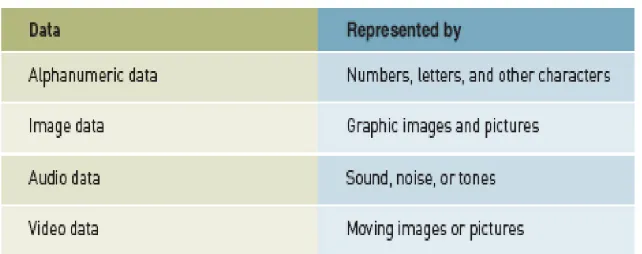
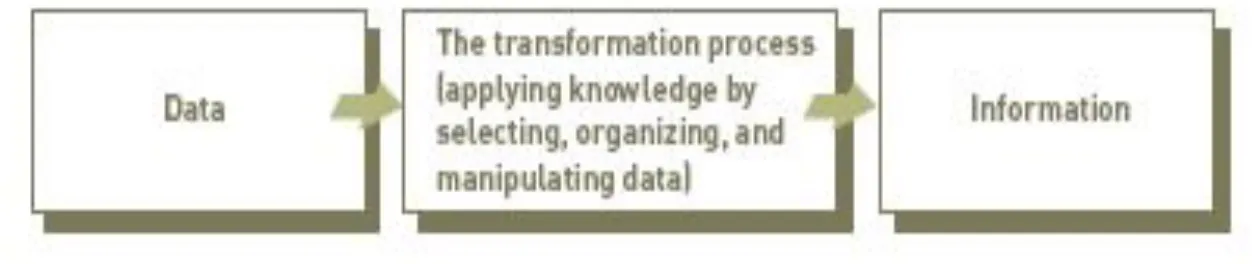
• Data: raw facts
• Information: collection of facts organized in such a way that they have value beyond the facts
themselves
• Knowledge: awareness and understanding of a set of information and ways that information can be
Data, Information, and Knowledge
(continued)
Figure 1.2: The Process of Transforming Data into Information
The Characteristics of Valuable Information
(continued)
The Value of Information
• Value of information is directly linked to how it helps decision makers achieve their organization’s goals • For example, value of information might be
measured in:
System Concepts
• System
– A set of elements or components that interact to accomplish goals
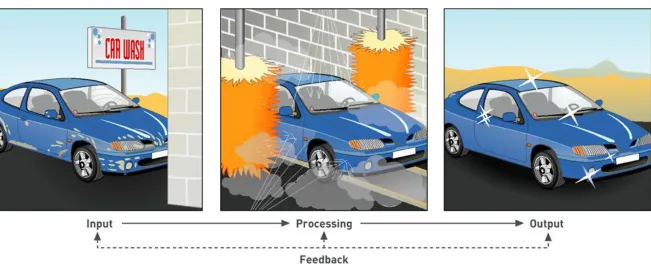
• Components of a system – Input
– Processing – Output
System Concepts (continued)
System Performance and Standards
• Efficiency: measure of what is produced divided by what is consumed
• Effectiveness: extent to which system attains its goals
What Is An Information System?
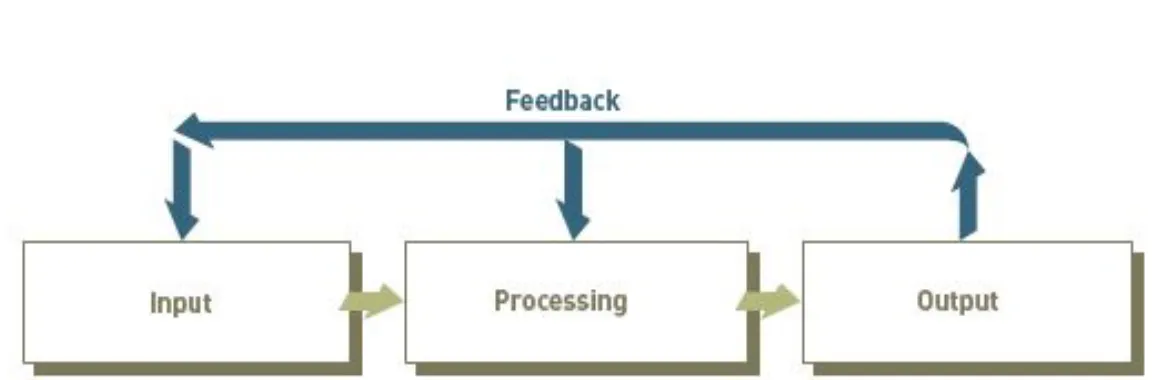
Input, Processing, Output, Feedback
• Input: activity of gathering and capturing raw data
• Processing: converting or transforming data into useful outputs
• Output: production of useful information, usually in the form of documents and reports
Manual and Computerized Information
Systems
• An information system can be:
– Manual
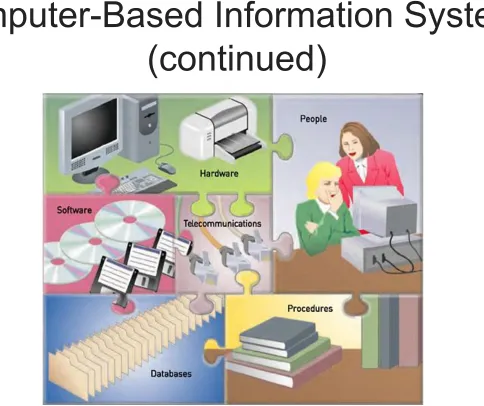
Computer-Based Information Systems
• Computer-based information system (CBIS) – A single set of hardware, software, databases,
Business Information Systems
• Most common types of information systems used in business organizations
– Electronic and mobile commerce systems – Transaction processing systems
Electronic and Mobile Commerce
• E-commerce: any business transaction executed electronically between parties such as:
– Companies (business-to-business, B2B)
– Companies and consumers (business-to-consumer, B2C)
– Consumers and other consumers (consumer-to-consumer, C2C)
Enterprise Systems: Transaction
Processing Systems and Enterprise
Resource Planning
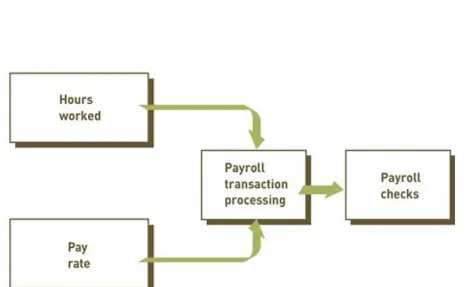
• Transaction: any business-related exchange, such as payments to employees, sales to customers,
and payments to suppliers
• Transaction processing system (TPS): an organized collection of people, procedures,
Transaction Processing Systems
Enterprise Resource Planning
21-7-17• A set of integrated programs that manages the vital business operations for an entire multisite, global organization
Information and Decision Support
Systems
• An effective TPS provides a number of benefits to a company
• A TPS can speed business activities and reduce clerical costs
Management Information Systems
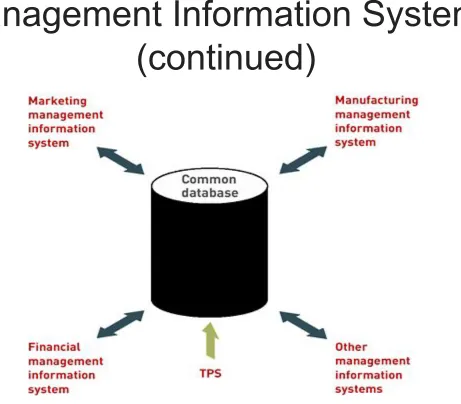
• Management information system (MIS): an organized collection of people, procedures,
software, databases, and devices that provides routine information to managers and decision makers
Decision Support Systems
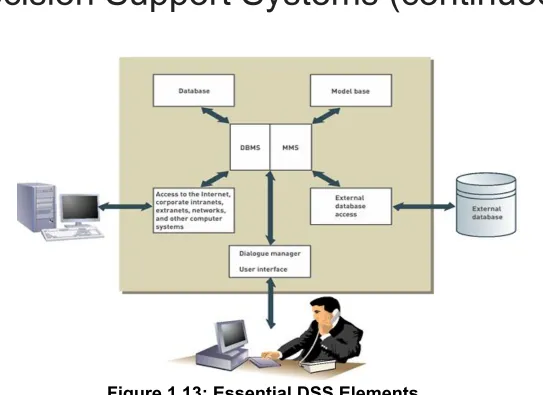
• Decision support system (DSS): an organized collection of people, procedures, software,
databases, and devices used to support problem-specific decision making
Specialized Business Information
Systems: Knowledge Management,
Artificial Intelligence, Expert Systems,
and Virtual Reality
• Knowledge management systems (KMSs): an organized collection of people, procedures,
software, databases, and devices to create, store, share, and use the organization’s knowledge and experience
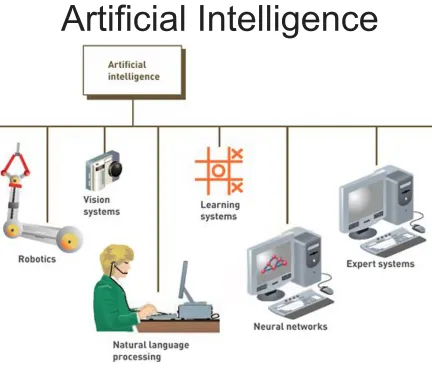
• Artificial intelligence (AI): field in which the
Expert Systems
• Give the computer the ability to make suggestions and act like an expert in a particular field
• Allow organizations to capture and use the wisdom of experts and specialists
• The knowledge base contains the collection of
Virtual Reality
• Simulation of a real or imagined environment that can be experienced visually in three dimensions • Immersive virtual reality
• Applications that are not fully immersive
Systems Development
• Systems development: the activity of creating or modifying existing business systems
• A systems development project can be:
– Done by people within the company – Outsourced
Systems Investigation and Analysis
• Systems investigation: gain a clear understanding of the problem to be solved or opportunity to be addressed
Systems Design, Implementation, and
Maintenance and Review
• Systems design: how the new system will work to meet the business needs defined during systems analysis
• Systems implementation: creating or acquiring the various system components defined in the design step, assembling them, and putting the new system into operation
Information Systems in Society,
Business, and Industry
• Information systems must be implemented thoughtfully and carefully
Computer and Information Systems
Literacy
• Computer literacy: knowledge of computer
systems and equipment and the ways they function • Information systems literacy: knowledge of how
Information Systems in the Functional
Areas of Business
• Finance and accounting
• Sales and marketing
• Manufacturing
• Human resource management
Information Systems in Industry
• Airline industry
• Investment firms
• Banks
• Transportation industry
Information Systems in Industry
(continued)
• Healthcare organizations
• Retail companies
Global Challenges in Information
Systems
• Cultural challenges • Language challenges
• Time and distance challenges • Infrastructure challenges
Global Challenges in Information
Systems (continued)
• Product and service challenges • Technology transfer issues
Summary
• Data: raw facts
• Information: collection of facts organized in such a way that they have value beyond the facts
themselves
• System: a set of elements that interact to accomplish a goal
Summary (continued)
• Computer-based information system (CBIS): a single set of hardware, software, databases,
telecommunications, people, and procedures that are configured to collect, manipulate, store, and process data into information
• Transaction processing system (TPS): an organized collection of people, procedures,
Summary (continued)
• Management information system (MIS): an organized collection of people, procedures,
software, databases, and devices that provides routine information to managers and decision makers
• Decision support system (DSS): an organized collection of people, procedures, software,
databases, and devices used to support problem-specific decision making