R E S E A R C H
Open Access
A randomized, controlled trial on the
effects of almonds on lipoprotein response
to a higher carbohydrate, lower fat diet in
men and women with abdominal adiposity
Paul T. Williams
1†, Nathalie Bergeron
1,2†, Sally Chiu
1and Ronald M. Krauss
1*Abstract
Background:Almonds have been shown to lower LDL cholesterol but there is limited information regarding their effects on the dyslipidemia characterized by increased levels of very low density lipoproteins (VLDL) and small, dense low-density lipoprotein (LDL) particles that is associated with abdominal adiposity and high carbohydrate intake. The objective of the present study was to test whether substitution of almonds for other foods attenuates carbohydrate-induced increases in small, dense LDL in individuals with increased abdominal adiposity.
Methods:This was a randomized cross-over study of three 3wk diets, separated by 2wk washouts: a higher-carbohydrate (CHO) reference diet (CHOhigh), a higher-CHO diet with isocaloric substitution of 20% kcal (E) from almonds (CHOhigh + almonds), and a lower-CHO reference diet (CHOlow) in 9 men and 15 women who were
overweight or obese. The two CHOhighdiets contained 50% carbohydrate, 15% protein, 35% fat (6% saturated, 21% monounsaturated, 8% polyunsaturated), while the CHOlowdiet contained 25% carbohydrate, 28% protein, 47% fat (8% saturated, 28% monounsaturated, 8% polyunsaturated). Lipoprotein subfraction concentrations were measured by ion mobility.
Results:Relative to the CHOlowdiet: 1) the CHOhigh + almondsdiet significantly increased small, dense LDLIIIa (mean difference ± SE: 28.6 ± 10.4 nmol/L,P= 0.008), and reduced LDL-peak diameter (−1.7 ± 0.6 Å, P = 0.008); 2) the CHOhighdiet significantly increased medium-sized LDLIIb (24.8 ± 11.4 nmol/L,P= 0.04) and large VLDL (3.7 ± 1.8 nmol/L,P= 0.05). Relative to CHOlow, the effects of CHOhighon LDLIIIa (17.7 ± 10.6 nmol/L) and LDL-peak diameter (−1.1 ± 0.6 Å) were consistent with those of CHOhigh + almonds, and the effects of CHOhigh + almondson LDLIIb (21.0 ± 11.2 nmol/L) and large VLDL (2.8 ± 1.8 nmol/L) were consistent with those of CHOhigh, but did not achieve statistical significance (P> 0.05). None of the variables examined showed a significant difference between the CHOhigh +
almondsand CHOhighdiets (P> 0.05).
Conclusion:Our analyses provided no evidence that deriving 20% E from almonds significantly modifies increases in levels of small, dense LDL or other plasma lipoprotein changes induced by a higher carbohydrate low saturated fat diet in individuals with increased abdominal adiposity.
Trial registration:Clinicaltrials.govNCT01792648.
Keywords:Almonds, Triglycerides, Lipids, Lipoprotein size, High carbohydrate
© The Author(s). 2019Open Access This article is distributed under the terms of the Creative Commons Attribution 4.0 International License (http://creativecommons.org/licenses/by/4.0/), which permits unrestricted use, distribution, and reproduction in any medium, provided you give appropriate credit to the original author(s) and the source, provide a link to the Creative Commons license, and indicate if changes were made. The Creative Commons Public Domain Dedication waiver (http://creativecommons.org/publicdomain/zero/1.0/) applies to the data made available in this article, unless otherwise stated. * Correspondence:[email protected]
†Paul T. Williams and Nathalie Bergeron contributed equally to this work.
Background
Almonds appear to promote healthy blood lipid and lipopro-tein levels [1]. A recent meta-analysis of randomized con-trolled clinical trials found that almond consumption reduced plasma total cholesterol concentrations by 0.15 mmol/L , LDL-cholesterol concentrations by 0.12 mmol/L, and triglyceride concentrations by 0.07 mmol/L [2]. Moover, a meta-analysis of prospective epidemiologic studies re-ported that increased consumption of almonds and other nuts was associated with a substantial reduction in CVD mortality (RR 0.73; 95% CI 0.68–0.78) for the highest vs low-est quintile of intake [3].
Low density lipoproteins include multiple subclasses that range from small, dense, lipid-depleted LDL parti-cles to large, buoyant, cholesterol-enriched LDL partiparti-cles [4]. Small LDL particles have been shown to be more strongly associated with increased CVD risk than larger LDL [5–7]. High plasma concentrations of small LDL particles and triglyceride, and low HDL-cholesterol con-centrations define atherogenic dyslipidemia [8]. This dyslipidemia is one component of metabolic syndrome, which also includes abdominal obesity (defined by in-creased waist circumference), and/or dysglycemia, and/ or high blood pressure.
The optimal dietary macronutrient distribution for im-proving blood lipids and overall CVD risk may differ across individuals. Replacement of dietary total and satu-rated fat with carbohydrates effectively lowers total and LDL-cholesterol [9]. However, we have shown that in most healthy individuals, low fat, high carbohydrate diets do not result in overall improvements in lipoprotein profiles and can instead increase plasma triglycerides and small, dense LDL particle concentration [10–12]. Analysis of combined data from several dietary interven-tion studies, in which carbohydrate and fat intakes var-ied inversely over a broad range and where protein intake was constant, revealed a strong linear relationship between increasing carbohydrate intake and the athero-genic lipoprotein phenotype defined by high concentra-tions of small dense LDL particles [9].
A triglyceride-lowering effect of almonds may be es-pecially beneficial to the approximately one-third of Americans with metabolic syndrome [13], particularly if levels of small LDL are also reduced with almond supplementation (triglycerides and small LDL being concordantly related [8]). While increasing evidence supports the cardiometabolic benefit of restricting dietary carbohydrates in individuals with the athero-genic dyslipidemia of metabolic syndrome, for those unwilling to do so, we sought to test whether al-mond consumption can reduce levels of small and medium LDL particles without the need to restrict dietary carbohydrates to levels below those currently recommended.
Methods
Participants and recruitment
The study was conducted between July 2012 and January 2016 at the Cholesterol Research Center (Berkeley, CA). Twenty four men and women were recruited from par-ticipants in our previous dietary studies and from the local community through internet and newspaper adver-tisements, outreach programs, bulk mailing and referrals through collaborations with other academic or corporate institutions. Participants who passed a self-administered web-based pre-screening questionnaire were contacted by a recruiter to review the eligibility requirements and study protocol, and by the study nutritionist to discuss the dietary requirements. Those who agreed to the study protocol received a clinical assessment and blood draw during their initial screening visit. This study was con-ducted according to the guidelines laid down in the Dec-laration of Helsinki and the procedures involving human subjects were approved by the Children’s Hospital and Research Center Oakland Institutional Review Board. Written informed consent was obtained from all sub-jects. This clinical trial was registered on ClinicalTrials.-gov under the identifier NCT01792648 (https:// clinicaltrials.gov/ct2/show/NCT01792648).
Our initial intent was to study individuals with athero-genic dyslipidemia of the metabolic syndrome, defined by triglycerides ≥1.69 mmol/L, HDL-cholesterol < 1.03 mmol/L (men) or < 1.29 mmol/L (women), and with at least one additional characteristic of metabolic syndrome (waist circumference > 102 cm (men) or > 88 cm (women), blood pressure≥130/≥85 mmHg, or fasting glucose ≥6.1 mmol/L) [14]. Of the screened participants who had tri-glycerides > 1.69 mmol/L, only ~ 65% had low HDL-cholesterol levels consistent with atherogenic dyslip-idemia. Of these, less than 10% had one additional criter-ion for metabolic syndrome and were willing to take part in the study. Such low prevalence of atherogenic dyslipid-emia with features of the metabolic syndrome may be a consequence of our stringent enrollment criteria which excluded individuals taking lipid- or glucose-lowering medications, smokers, and the presence of comorbidities. As such, and after sustained difficulty identifying partici-pants who met these criteria, only abdominal obesity (waist circumference > 88 cm for women and > 102 cm for men) was retained as the selection criterion. Of the 24 participants who completed the study, 2 did not meet the waist criterion but had other characteristics of metabolic syndrome. Exclusion of these two participants from data analysis did not affect any of the parameters measured (lipids, lipoproteins, blood pressure, insulin, glucose, in-flammatory markers). Changes to the enrollment criteria were approved by our Institutional Review Board.
cerebrovascular disease, peripheral vascular disease, bleeding disorder, liver or renal disease, diabetes, lung disease, HIV, or cancer (other than skin cancer) in the last 5 years; 3) not pregnant or breast feeding, and agree-ing to use appropriate barrier contraception throughout the study for women of childbearing potential; 4) no current use of hormones or drugs known to affect lipid metabolism or blood pressure; 5) no current use of nico-tine products or recreational drugs; 6) willingness to ab-stain from alcohol or dietary supplements during the study; 7) systolic blood pressure < 160 mmHg and dia-stolic blood pressure < 95 mmHg; 8) body mass index (BMI)≤38 kg/m2; 9) total- and LDL-cholesterol < 95th percentile for sex and age, 10) fasting triglycerides > 0.56 mmol/L and < 5.65 mmol/L, 11) fasting blood sugar < 7.0 mmol/L ; 12) thyroid stimulating hormone (TSH) within normal range; and 13) weight stable for > 3 months.
Experimental design and setting of the study
The diet intervention was carried out on an outpatient basis with careful monitoring of compliance. In a ran-domized crossover design, each participant consumed the three experimental diets (a higher-carbohydrate (CHO) reference diet (CHOhigh); a higher-CHO diet with
almonds (CHOhigh + almonds); and a lower-CHO reference
diet (CHOlow)) for 3 weeks each, separated by 2-week
washout periods during which participants consumed their habitual diet (see Additional file1: Table S1). Diet assignments were kept in sequentially numbered sealed envelopes and assigned to the participant by the clinic staff 1–2 days before starting the intervention. Investiga-tors and laboratory staff were blinded to diet assignment, while clinic staff were not. Participants were not informed of their diet assignment, but due to the nature of the ex-perimental diets, they were likely able to identify them. The three experimental diets consisted of a higher carbo-hydrate reference diet (CHOhighdiet: 50% E carbohydrate;
15% protein; 35% total fat); an almond-supplemented (20% E) diet with similar macronutrient composition to the higher carbohydrate reference diet (CHOhigh + almond
diet: 50% E carbohydrate; 15% protein; 35% total fat); and a lower carbohydrate reference diet (CHOlow: 25% E
carbohydrate; 28% protein; 47% total fat). The CHOhigh
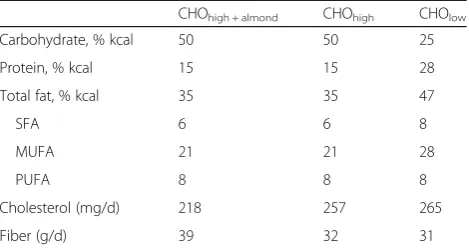
diet followed current dietary recommendations that focus on restricting saturated fat and increasing intake of unsat-urated fat (Table 1). The CHOhigh + almond diet provided
20% E from almonds in partial replacement for cooking oils and other fat sources (avocados, olives, etc.), with all other foods being otherwise comparable among the stand-ard reference and almond-supplemented diets. Almonds (nonpareil variety) were provided by the Almond Board of California. They were distributed to participants in pre-weighed packets when consumed as raw whole
unsalted almonds (10% E), with the remaining al-monds (10% E) consumed as raw almond meal inte-grated in customized unit foods (a choice of either roasted pepper almond spread, almond soup or al-mond cake). For both the CHOhigh and CHOhigh +
al-mond diets, the ratio of starch to total sugars was 60/
40, with fruit and dairy products constituting the bulk of total sugars, and added sugars representing 6% of daily calories. The composition of the CHOlow
diet was based on our earlier findings that more ex-treme carbohydrate restriction, from 54% E to 26% E, is required to significantly reduce LDL-cholesterol as well as small and very small LDL particles, whereas more moderate carbohydrate restriction (39% E) failed to significantly reduce LDL-cholesterol or its component subclasses [15]. For the CHOlow
diet, the ratio of starch to total sugars was 70/30, with fruit constituting the bulk of total sugars and added sugars representing < 3% of daily calories. During the washout period the participants consumed their usual home diets. Comparable amounts of total fat in the standard reference and almond-supplemented diets were achieved primarily by limiting intake of foods rich in unsaturated fat and par-tially replacing cooking oils with almonds.
Participants were provided ~ 65% daily energy in the form of two frozen entrees (lunch and dinner) and snacks. In addition, participants received detailed dietary instructions, standardized menus, checklists, and shop-ping lists for home preparation of breakfast and sides for the remaining food items on the menu. Itemized grocery receipts were collected regularly from participants to verify their purchase of perishable foods on their shop-ping list. Participants were instructed to eat all food items provided/prescribed, and to report any deviations from the protocol. A compliance score (1–5-point scale, where 5 is indicative of high compliance) was assigned to each study participant by the staff nutritionist, based on menu checklists, itemized grocery receipts and infor-mation gathered from weekly interactions.
Table 1Composition of experimental dietsa
CHOhigh + almond CHOhigh CHOlow
Carbohydrate, % kcal 50 50 25
Protein, % kcal 15 15 28
Total fat, % kcal 35 35 47
SFA 6 6 8
MUFA 21 21 28
PUFA 8 8 8
Cholesterol (mg/d) 218 257 265
Fiber (g/d) 39 32 31
a
The nutrient composition of the diets was assessed using ProNutra software (Viocare Technologies, Inc.) and the Nutrition Data System for Research (University of Minnesota). Three-day rotating menus were provided at four calorie levels (2000, 2500, 3000, 3500 kcal) for each of the diets, and snacks (200–350 kcal) similar in nutrient composition to the experimental diets were provided for individuals whose calorie needs were inter-mediate to the 4 calorie levels available. The participants’ energy requirements for maintaining stable weight were estimated using the Institute of Medicine equation [16]. During the study, participants were required to maintain their body weight within ±3% of their initial weight over the course of any consecutive two weeks.
Height and weight were measured during the clinic visits. Participants wore a pedometer to monitor daily steps. Baseline steps per day were measured during the study run-in period and participants were asked to maintain this level of activity throughout the study. Number of steps and other physical activities were re-corded in logs and reviewed during weekly diet visits. Fasting blood samples were collected at the end of each dietary period for measurement of plasma lipids, lipo-proteins, lipoprotein subfractions, and apolipoproteins B and AI, as well as markers of insulin resistance and in-flammation after fasting overnight for 12–14 h. Plasma was separated immediately by centrifugation at 4 °C. In-cluding the screening visit, participants visited the clinic for a total of 7 blood draws and met with the research nutritionist weekly on 14 separate occasions.
Laboratory measurements
Plasma triglycerides, total- and HDL-cholesterol were measured by enzymatic endpoint analysis on a clin-ical chemistry analyzer (Liasys 330) using method-ology previously described [17–19]. Triglyceride and cholesterol measurements are standardized through the CDC-NHLBI lipid standardization program. LDL-cholesterol was calculated from the Friedewald equation [20]. ApoB and apoAI were determined by immunoturbidimetric assay using the ITA reagent kit [21, 22]. Plasma particle concentrations of VLDL, intermediate density lipoprotein (IDL), LDL and HDL subfractions were analyzed by gas-phase elec-trophoresis (i.e., ion mobility [23, 24]). Inter-assay variations of the subfraction measurements were minimized by the inclusion of two in-house controls in each preparatory process and by duplicate analysis (CV < 15%).
Fasting glucose was measured by enzymatic endpoint analysis and fasting insulin by ELISA (EZHI-14 K Hu-man Insulin ELISA kit; Millipore, Billeria, MA, USA), with two in-house quality control standards. HOMA-IR was calculated as a marker of insulin resistance (insulin
(μU/mL) x glucose (mg/dL)/405) [25]. Plasma samples were assayed for a multi-analyte panel of inflammatory biomarkers (interleukins 1, 6, 8, and 10, resistin, TNF-alpha, PAI-1, leptin, MCP, SAA, lipocalin, and BAFF) using a multiplex immunoassay method through a CLIA certified commercial laboratory (Rules Based Medicine Austin, TX).
Statistical analyses
Randomization of the dietary sequence within random size blocks was performed by the statistician assigned to the study using a uniform random-number gener-ator. Treatment, sequence, period and carryover ef-fects were calculated using ANOVA for a cross-over design with the statistical package Stata (version 11, Austin, TX). The primary hypotheses were tested by comparing the effects of the almond-supplemented diet (20% E) with those of the two reference diets that did not contain almond products: one with similar content of carbohydrate, protein, and total, saturated, monounsaturated, and polyunsaturated fat (CHOhigh), and the other in which carbohydrate
con-tent was substantially reduced by substitution of pro-tein and monounsaturated fat (CHOlow). The CHOhigh
diet was compared to the CHOlow diet to ensure that
the study design, interventions and duration of the experimental diets and washout periods produced the expected diet-induced changes. The primary hypoth-esis was that almond supplementation would signifi-cantly attenuate the increase in small, dense LDL and apolipoprotein B relative to the CHOhigh standard
ref-erence diet while maintaining or enhancing the reduc-tion in total cholesterol and LDL-cholesterol relative to a CHOlow diet. Secondary hypotheses included the
effects of these dietary interventions on total: HDL-cholesterol ratio, LDL peak particle size, triglyc-erides, HDL measures (HDL-cholesterol, HDL sub-classes, apoAI), and insulin resistance as estimated by HOMA-IR, as well as a panel of inflammatory bio-markers. The study was initially designed to detect a 5.3 mg/dL difference in LDL-cholesterol reduction between the CHOhigh + almond diet and CHOhigh
difference between diets which the study was de-signed to detect.
Results
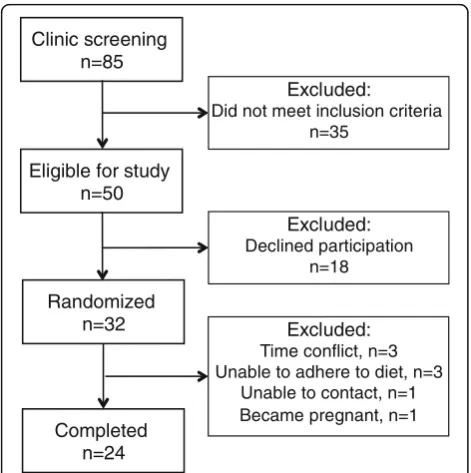
Figure1shows the details of participant recruitment and enrollment. Table 2 presents the baseline characteristics of the study participants. Fifteen participants (62.5%) had total cholesterol ≥5.17 mmol/L, 17 (71%) had LDL-cholesterol ≥2.59 mmol/L, 9 patients (37.5%) had triglycerides ≥1.69 mmol/L, 7 patients (29.1%) had HDL-cholesterol < 1.03 mmol/L if male and < 1.29 mmol/L if female, and all but 1 patient had at least one screening lipid value outside the desirable range accord-ing to the National Cholesterol Education Program-III guidelines. One-third of the participants had fasting plasma glucose > 6.1 mmol/L.
Participants were compliant with the dietary protocol, with nutritionist-rated scores, on a scale of 1 to 5, aver-aging 4.5 ± 0.9 (SD); 4.6 ± 0.8 and 4.4 ± 0.8, for the
CHO-high, CHOhigh + almondand CHOlowdiets, respectively.
The overall significance levels for the effects of treat-ment, period, sequence, and carryforward are presented in Additional file 1: Table S2. Overall treatment effects were significant for diastolic blood pressure (P= 0.01) and medium-sized LDLIIb (P= 0.02). Period and carry-forward effects were significant for diastolic blood pres-sure (p= 0.02 for both), large LDLIIa (P= 0.03 and P= 0.02, respectively), and large LDLI (P= 0.05 andP= 0.02, respectively). There were no significant sequence effects.
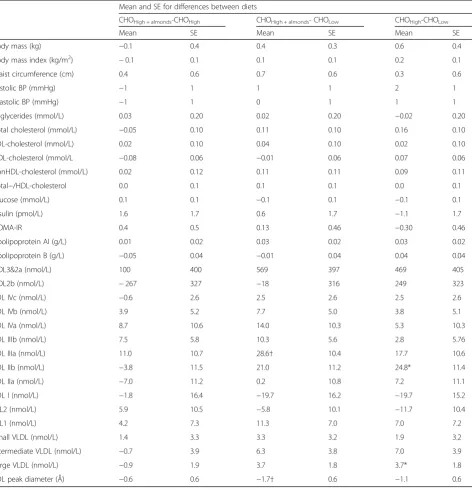
Table 3 presents the differences in the primary out-come variables after completing each diet (the mean
levels after each diet are presented in Additional file 1: Table S3). There were no significant weight changes on any of the diets. There were no significant differences in LDL-cholesterol or small to medium LDL subclasses be-tween the CHOhigh + almonds diet and the CHOhigh diet
(the primary hypothesis). With 95% confidence, the difference between the CHOhigh + almondsvs. CHOhighdiet
was between −0.18 and 0.23 mmol/L for LDL-cholesterol and between −11.08 and 33.07 nmol/L for LDL IIIa.
With respect to secondary hypotheses, relative to the CHOlow diet: 1) the CHOhigh + almonds diet significantly
increased plasma concentrations of small, dense LDLIIIa (mean difference ± SE: 28.6 ± 10.4 nmol/L, P= 0.008), and reduced LDL-peak diameter (−1.7 ± 0.6 Å, P= 0.008); and 2) the CHOhigh diet significantly increased
plasma concentrations of medium sized LDLIIb (24.8 ± 11.4 nmol/L,P= 0.04) and large VLDL (3.7 ± 1.8 nmol/L,
P= 0.05). While not achieving statistical significance, the effects of CHOhigh on LDLIIIa (17.7 ± 10.6 nmol/L, P=
0.10) and LDL-peak diameter (−1.1 ± 0.6 Å, P= 0.08) were consistent with those of CHOhigh + almonds, and the
effects of CHOhigh + almond on LDLIIb (21.0 ± 11.2 nmol/
L, P= 0.07) and large VLDL (2.8 ± 1.8 nmol/L, P= 0.13) were consistent with those of CHOhigh, when compared
to CHOlow. None of the lipoprotein variables showed
significant differences between the CHOhigh + almondsand
CHOhigh diets (p> 0.05). The results in Table 3 also
show no significant differences among the diets for standard plasma lipid measurements, glucose, insulin, HOMA-IR, apolipoproteins A1 and B, and HDL particle concentrations.
The corresponding analyses for differences in interleu-kin, resistin, tumor necrosis factor alpha (TNF-α), plas-minogen activator inhibitor-1 (PAI-1), leptin, monocyte chemotactic protein (MCP), serum amyloid A (SAA), lipocalin, B lymphocyte activating factor (BAFF), and
Clinic screening n=85
Excluded:
Did not meet inclusion criteria n=35
Eligible for study n=50
Excluded:
Declined participation n=18
Randomized n=32
Completed n=24
Excluded:
Time conflict, n=3 Unable to adhere to diet, n=3
Unable to contact, n=1 Became pregnant, n=1
Fig. 1Participant enrollment
Table 2Screening characteristics of the study participants
Males (N= 9) Females (N= 15)
Mean SD Mean SD
Age, y 41 15 52 9
Body mass index (kg/m2) 31.7 4.2 31.0 3.3 Waist circumference (cm) 106.8 10.0 99.4 7.9
Systolic blood pressure (mmHg) 130 13 122 17
Diastolic blood pressure (mmHg) 75 8 71 10
Triglycerides (mmol/L) 1.76 0.34 1.39 0.68
Total cholesterol (mmol/L) 4.61 0.50 5.29 0.61
LDL-cholesterol (mmol/L) 2.79 0.43 2.92 0.60
HDL-cholesterol (mmol/L) 1.01 0.21 1.73 0.47
Total−/HDL-cholesterol 4.6 0.6 3.2 0.8
hepatocyte growth factor (HGF) between diets are pre-sented in Additional file 1: Tables S4-S6. Among these inflammatory measures, only a borderline significant in-crease in interleukin-1 was observed for the CHOhigh +
al-monds diet compared to the CHOlow diet (4.6 ± 2.3, P=
0.05).
Discussion
Numerous studies have shown significant lowering of plasma and LDL-cholesterol levels when almonds are
substituted for carbohydrates in the diet, but little is known of their metabolic effects in the context of higher carbohydrate intake. In the present study we tested whether lipoprotein measures of CVD risk are re-duced by almond supplementation in the context of a diet higher in carbohydrate, and with fat and protein content that conform to current guidelines. Our ana-lyses provided no evidence that modifying the stand-ard reference diet (50% E carbohydrates, 15% protein, 35% total fat) with 20% E derived from almonds
Table 3Mean differences in weight, blood pressure, lipoproteins and insulin resistance between diets
Mean and SE for differences between diets
CHOHigh + almonds-CHOHigh CHOHigh + almonds- CHOLow CHOHigh-CHOLow
Mean SE Mean SE Mean SE
Body mass (kg) −0.1 0.4 0.4 0.3 0.6 0.4
Body mass index (kg/m2) −0.1 0.1 0.1 0.1 0.2 0.1
Waist circumference (cm) 0.4 0.6 0.7 0.6 0.3 0.6
Systolic BP (mmHg) −1 1 1 1 2 1
Diastolic BP (mmHg) −1 1 0 1 1 1
Triglycerides (mmol/L) 0.03 0.20 0.02 0.20 −0.02 0.20
Total cholesterol (mmol/L) −0.05 0.10 0.11 0.10 0.16 0.10
LDL-cholesterol (mmol/L) 0.02 0.10 0.04 0.10 0.02 0.10
HDL-cholesterol (mmol/L −0.08 0.06 −0.01 0.06 0.07 0.06
nonHDL-cholesterol (mmol/L) 0.02 0.12 0.11 0.11 0.09 0.11
Total−/HDL-cholesterol 0.0 0.1 0.1 0.1 0.0 0.1
Glucose (mmol/L) 0.1 0.1 −0.1 0.1 −0.1 0.1
Insulin (pmol/L) 1.6 1.7 0.6 1.7 −1.1 1.7
HOMA-IR 0.4 0.5 0.13 0.46 −0.30 0.46
Apolipoprotein AI (g/L) 0.01 0.02 0.03 0.02 0.03 0.02
Apolipoprotein B (g/L) −0.05 0.04 −0.01 0.04 0.04 0.04
HDL3&2a (nmol/L) 100 400 569 397 469 405
HDL2b (nmol/L) −267 327 −18 316 249 323
LDL IVc (nmol/L) −0.6 2.6 2.5 2.6 2.5 2.6
LDL IVb (nmol/L) 3.9 5.2 7.7 5.0 3.8 5.1
LDL IVa (nmol/L) 8.7 10.6 14.0 10.3 5.3 10.3
LDL IIIb (nmol/L) 7.5 5.8 10.3 5.6 2.8 5.76
LDL IIIa (nmol/L) 11.0 10.7 28.6† 10.4 17.7 10.6
LDL IIb (nmol/L) −3.8 11.5 21.0 11.2 24.8* 11.4
LDL IIa (nmol/L) −7.0 11.2 0.2 10.8 7.2 11.1
LDL I (nmol/L) −1.8 16.4 −19.7 16.2 −19.7 15.2
IDL2 (nmol/L) 5.9 10.5 −5.8 10.1 −11.7 10.4
IDL1 (nmol/L) 4.2 7.3 11.3 7.0 7.0 7.2
Small VLDL (nmol/L) 1.4 3.3 3.3 3.2 1.9 3.2
Intermediate VLDL (nmol/L) −0.7 3.9 6.3 3.8 7.0 3.9
Large VLDL (nmol/L) −0.9 1.9 3.7 1.8 3.7* 1.8
LDL peak diameter (Å) −0.6 0.6 −1.7† 0.6 −1.1 0.6
significantly lowers plasma LDL-cholesterol or total cholesterol. Moreover, increases in small and midsize LDL concentrations and reductions in LDL-peak diameter were essentially the same for the higher carbohydrate reference diet with or without the inclu-sion of almond-derived products. Both renditions of the higher carbohydrate diet increased LDLIIIa and LDLIIb plasma concentrations and reduced LDL par-ticle diameter relative to the lower-carbohydrate higher-fat diet.
The present findings differ from that of a recent study in 31 overweight and obese individuals in which diets providing almonds (42.5 g/d) or almonds and dark choc-olate (42.5 g/d almonds, plus 43 g/d dark chocchoc-olate and 18 g/d cocoa powder) reduced LDL-cholesterol, and low-ered large LDL (almond diet) and small LDL (almond plus dark chocolate diet) in comparison to an average American diet [27]. Discrepancies with the present find-ings may reflect differences in the comparator diet which was low in saturated fat (8% E) and high in fiber (31 g/d) in the present study, but high in saturated fat (13% E) and low in fiber (23 g/d) in the study by Lee et al. [27]. These findings suggest that the high unsaturated fatty acid profile of almonds may contribute, at least in part, to their lipid-lowering effects.
Almonds have been found to promote healthy blood lipid levels, manifest as reductions in total cholesterol, LDL-cholesterol and triglycerides [2]. To date, their effects on plasma lipoprotein concentrations have been investi-gated in eighteen publications that encompass 27 almond vs. control group comparisons, 17 from parallel trials and 10 from cross-over designs [2]. These included studies in healthy subjects, subjects with high cholesterol, and in dia-betic patients. Reductions in total- and LDL-cholesterol are reported to be greatest for almond intake ≥45 g and in studies of individuals with non-optimal baseline lipid levels as defined by the National Cholesterol Education Program Adult Treatment Panel III guidelines (total cholesterol ≥200 mg/dl; LDL-cholesterol≥100 mg/dl) [28]. In the current study, all but one patient had at least one screening lipid value outside the desirable range according to the Na-tional Cholesterol Education Program-III guidelines. Never-theless we cannot rule out an effect of almond consumption in patients with metabolic syndrome who dis-play a greater degree of atherogenic dyslipidemia.
Several of the studies that contributed to the above meta-analyses of almonds and lipoproteins [2] included significant weight loss, although they were not among the studies showing the most significant decreases in total cholesterol, LDL-cholesterol, or plasma triglyceride concentrations. In the present study, the subjects were closely monitored to maintain stable weight, which could have diminished improvements in LDL and other lipoproteins.
In accordance with the initial protocol, the study was terminated early when interim analyses showed no indi-cation that almond mitigated the increases in small LDL and triglycerides on a high carbohydrate diet. The 3-week interventions were also shorter than other al-mond feeding studies (≥4 weeks) [2]. Nevertheless, a 3-week intervention in 24 subjects was sufficient to pro-duce the expected increases in medium- and small-sized LDL particle concentrations associated with increased carbohydrate intake (Table 3). Significant carry forward effects for diastolic blood pressure, LDL-cholesterol, total cholesterol/HDL-cholesterol, apo B, and larger LDL (Supplemental Table 2) suggest that the design could have benefitted from a longer than 2-week out period, although prior crossover studies had wash-outs of 2 weeks or less.
Limitations of the study include the small sample size, relatively short feeding duration, and significant carryfor-ward effects which may have contributed to the nonsig-nificant almond effect on the primary endpoints. In the 24 subjects who completed the study, we showed that the LDL-cholesterol difference between the CHOhigh +
al-mondsdiet and CHOhighdiet without almonds was 0.02 ±
0.20 mmol/L (mean difference ± 95% confidence inter-val) which excludes the 0.25 mmol/L average reduction in LDL-cholesterol for 20% E from almonds reported by Sabate et al. [26]. The LDL-cholesterol difference was nonsignificant when adjusted for carryforward effect (P= 0. 38) and the carryforward effect did not prevent the ex-pected increase in LDLIIb for the high vs. low fat diet. Addition of the 24 participants studied here to the 837 in-cluded in a meta-analysis of almond effects on plasma li-poproteins [2] would be unlikely to alter the conclusion that“consumption of nuts as part of a healthy diet should be encouraged to help in the maintenance of healthy blood lipid levels and to reduce the risk of heart disease”.
Conclusion
The absence of differences in plasma LDL-cholesterol and small dense LDL (primary endpoints), and other li-poproteins (secondary endpoints) with CHOhigh + almonds
vs. CHOhigh diets provides evidence that in men and
women with abdominal obesity, almond supplementa-tion in amounts representing 20% E does not attenuate features of atherogenic dyslipidemia induced by higher carbohydrate feeding. Thus, consumption of almonds should not be considered a means of improving this dys-lipidemia in the setting of higher CHO intake.
Additional file
Additional file 1:Table S1.Habitual dietary intake of study participants.
and women.Table S3. Mean weight, blood pressure, lipoproteins and insulin resistance at the end of each diet.Table S4.Statistical analyses of interleukin, resistin, tumor necrosis factor alpha (TNF-α), plasminogen activator inhibitor-1 (PAI-1), leptin, monocyte chemotactic protein (MCP), serum amyloid A (SAA), lipocalin, and B lymphocyte activating factor (BAFF) during a crossover study in 24 men and women.Table S5. Mean differences in interleukin, resistin, tumor necrosis factor alpha (TNF-α), plasminogen activator inhibitor-1 (PAI-1), leptin, monocyte chemotactic protein (MCP), serum amyloid A (SAA), lipocalin, and B lymphocyte acti-vating factor (BAFF) between diets.Table S6. Mean interleukin, resistin, tumor necrosis factor alpha (TNF-α), plasminogen activator inhibitor-1 (PAI-1), leptin, monocyte chemotactic protein (MCP), serum amyloid A (SAA), lipocalin, and B lymphocyte activating factor (BAFF) at the end of each diet. (PDF 377 kb)
Abbreviations
CHO:Carbohydrate; CHOhigh + almonds: Higher-CHO diet with isocaloric substitution of 20%E from almonds; CHOhigh: Higher-carbohydrate reference diet; CHOlow: Lower-CHO reference diet; HDL: High density lipoproteins; IDL: Intermediate density lipoproteins; LDL: Low density lipoproteins; MUFA: Monounsaturated fatty acids; PUFA: Polyunsaturated fatty acids; VLDL: Very low density lipoproteins
Acknowledgements
We thank the staff of the Cholesterol Research Center for their help with conducting the study. We also thank the staff of the Bionutrition Core of the University of California, San Francisco Clinical and Translational Science Institute for their help preparing study unit foods.
Funding
Almond Board of California. The funding body had no role in the design of the study or the collection, analysis, interpretation of data, and writing of the manuscript.
Availability of data and materials
The datasets used and/or analysed during the current study are available from the corresponding author on reasonable request.
Authors’contributions
The authors’contributions were as follows: NB, SC and RMK designed the study. PW, NB and RMK analyzed the data, performed statistical analysis and wrote the manuscript. NB, SC and RMK conducted the human study. PW, NB and RMK had primary responsibility for the final content. All authors reviewed and accepted the final content of the manuscript. All authors read and approved the final manuscript.
Ethics approval and consent to participate
This study was conducted according to the guidelines laid down in the Declaration of Helsinki and the procedures involving human subjects were approved by the Children’s Hospital and Research Center Oakland Institutional Review Board. Written informed consent was obtained from all subjects.
Consent for publication
Not applicable.
Competing interests
RMK and NB are recipients of a grant from Dairy Management Inc., but this grant is not for the submitted work; RMK holds licensed patents for ion mobility analyses.
Publisher’s Note
Springer Nature remains neutral with regard to jurisdictional claims in published maps and institutional affiliations.
Author details
1Children’s Hospital Oakland Research Institute, Oakland, California, USA. 2College of Pharmacy, Touro University California, Vallejo, California, USA.
Received: 26 November 2018 Accepted: 21 March 2019
References
1. Berryman CE, Preston AG, Karmally W, Deckelbaum RJ, Kris-Etherton PM. Effects of almond consumption on the reduction of LDL-cholesterol: a discussion of potential mechanisms and future research directions. Nutr Rev. 2011;69(4):171–85.
2. Musa-Veloso K, Paulionis L, Poon T, Lee HY. The effects of almond consumption on fasting blood lipid levels: a systematic review and meta-analysis of randomised controlled trials. J Nutr Sci. 2016;5:e34.
3. Mayhew AJ, de Souza RJ, Meyre D, Anand SS, Mente A. A systematic review and meta-analysis of nut consumption and incident risk of CVD and all-cause mortality. Br J Nutr. 2016;115(2):212–25.
4. Krauss RM, Burke DJ. Identification of multiple subclasses of plasma low density lipoproteins in normal humans. J Lipid Res. 1982;23(1):97–104. 5. Musunuru K, Orho-Melander M, Caulfield MP, Li S, Salameh WA, Reitz RE, et
al. Ion mobility analysis of lipoprotein subfractions identifies three independent axes of cardiovascular risk. Arterioscler Thromb Vasc Biol. 2009; 29(11):1975–80 PMC2772123.
6. Mora S, Szklo M, Otvos JD, Greenland P, Psaty BM, Goff DC Jr, et al. LDL particle subclasses, LDL particle size, and carotid atherosclerosis in the multi-ethnic study of atherosclerosis (MESA). Atherosclerosis. 2007;192(1): 211–7.
7. St-Pierre AC, Cantin B, Dagenais GR, Mauriege P, Bernard PM, Despres JP, et al. Low-density lipoprotein subfractions and the long-term risk of ischemic heart disease in men: 13-year follow-up data from the Quebec
cardiovascular study. Arterioscler Thromb Vasc Biol. 2005;25(3):553–9. 8. Austin MA, King MC, Vranizan KM, Krauss RM. Atherogenic lipoprotein
phenotype. A proposed genetic marker for coronary heart disease risk. Circulation. 1990;82(2):495–506.
9. Siri-Tarino PW, Chiu S, Bergeron N, Krauss RM. Saturated fats versus polyunsaturated fats versus carbohydrates for cardiovascular disease prevention and treatment. Annu Rev Nutr. 2015;35:517–43. 10. Dreon DM, Fernstrom HA, Miller B, Krauss RM. Low-density lipoprotein
subclass patterns and lipoprotein response to a reduced-fat diet in men. FASEB J. 1994;8(1):121–6.
11. Dreon DM, Fernstrom HA, Williams PT, Krauss RM. LDL subclass patterns and lipoprotein response to a low-fat, high-carbohydrate diet in women. Arterioscler Thromb Vasc Biol. 1997;17(4):707–14.
12. Dreon DM, Fernstrom HA, Williams PT, Krauss RM. A very low-fat diet is not associated with improved lipoprotein profiles in men with a predominance of large, low-density lipoproteins. Am J Clin Nutr. 1999;69(3):411–8. 13. Aguilar M, Bhuket T, Torres S, Liu B, Wong RJ. Prevalence of the metabolic
syndrome in the United States, 2003-2012. JAMA. 2015;313(19):1973–4. 14. Expert Panel on Detection E, Treatment of High Blood Cholesterol in A.
Executive summary of the third report of the National Cholesterol Education Program (NCEP) expert panel on detection, evaluation, and treatment of high blood cholesterol in adults (adult treatment panel III). JAMA. 2001;285(19):2486–97.
15. Krauss RM, Blanche PJ, Rawlings RS, Fernstrom HS, Williams PT. Separate effects of reduced carbohydrate intake and weight loss on atherogenic dyslipidemia. Am J Clin Nutr. 2006;83(5):1025–31 quiz 205.
16. Institute of Medicine of the National Academies. Dietary reference intakes for energy, carbohydrate, Fiber, fat, fatty Acids,Cholesterol, Protein,and amino acids. The: National Academies Press; 2005.
17. Allain CC, Poon LS, Chan CS, Richmond W, Fu PC. Enzymatic determination of total serum cholesterol. Clin Chem. 1974;20(4):470–5.
18. Nagele U, Hagele EO, Sauer G, Wiedemann E, Lehmann P, Wahlefeld AW, et al. Reagent for the enzymatic determination of serum total triglycerides with improved lipolytic efficiency. J Clin Chem Clin Biochem. 1984;22(2): 165–74.
19. Warnick GR, Nguyen T, Albers AA. Comparison of improved precipitation methods for quantification of high-density lipoprotein cholesterol. Clin Chem. 1985;31(2):217–22.
20. Friedewald WT, Levy RI, Fredrickson DS. Estimation of the concentration of low-density lipoprotein cholesterol in plasma, without use of the preparative ultracentrifuge. Clin Chem. 1972;18(6):499–502.
22. Smith SJ, Cooper GR, Henderson LO, Hannon WH. An international collaborative study on standardization of apolipoproteins A-I and B. Part I. Evaluation of a lyophilized candidate reference and calibration material. Clin Chem. 1987;33(12):2240–9.
23. Caulfield MP, Li S, Lee G, Blanche PJ, Salameh WA, Benner WH, et al. Direct determination of lipoprotein particle sizes and concentrations by ion mobility analysis. Clin Chem. 2008;54(8):1307–16.
24. Otvos JD, Rudel LL, McConnell JP. Author reply to: concerns regarding lipoprotein particle measurement by ion mobility analysis. Clin Chem. 2008; 54(12):2086–7 author reply 8-9.
25. Bravata DM, Wells CK, Concato J, Kernan WN, Brass LM, Gulanski BI. Two measures of insulin sensitivity provided similar information in a U.S. population. J Clin Epidemiol. 2004;57(11):1214–7.
26. Sabate J, Oda K, Ros E. Nut consumption and blood lipid levels: a pooled analysis of 25 intervention trials. Arch Intern Med. 2010;170(9):821–7. 27. Lee Y, Berryman CE, West SG, Chen CO, Blumberg JB, Lapsley KG, et al.
Effects of dark chocolate and almonds on cardiovascular risk factors in overweight and obese individuals: a randomized controlled-feeding trial. J Am Heart Assoc. 2017;6(12).