2-1-2018
High-Performance Flexible All-Solid-State
Asymmetric Supercapacitors Based on Vertically
Aligned CuSe@Co(OH)2 Nanosheet Arrays
Jiangfeng GongHohai University
Yazhou Tian
Hohai University
Ziyuan Yang
Hohai University
Qianjin Wang
Nanjing University
Xihao Hong
Nanjing University
See next page for additional authors
Follow this and additional works at:https://lib.dr.iastate.edu/ameslab_manuscripts
Part of theMaterials Science and Engineering Commons,Nanoscience and Nanotechnology Commons, and thePhysical Chemistry Commons
This Article is brought to you for free and open access by the Ames Laboratory at Iowa State University Digital Repository. It has been accepted for inclusion in Ames Laboratory Accepted Manuscripts by an authorized administrator of Iowa State University Digital Repository. For more information, please [email protected].
Recommended Citation
Gong, Jiangfeng; Tian, Yazhou; Yang, Ziyuan; Wang, Qianjin; Hong, Xihao; and Ding, Qing-Ping, "High-Performance Flexible All-Solid-State Asymmetric Supercapacitors Based on Vertically Aligned CuSe@Co(OH)2 Nanosheet Arrays" (2018).Ames Laboratory Accepted Manuscripts. 126.
Abstract
The developments of electrode active materials provide the opportunities for next-generation energy storage devices. The arrangement of electrode materials on the substrate has recently emerged as a promising strategy for preparing high-performance supercapacitors. Herein, we demonstrate a novel vertically aligned
CuSe@Co(OH)(2) nanosheet arrays electrode for supercapacitor application. The materials are thoroughly characterized by structural and spectroscopic techniques. Electrochemical performance of
CuSe@Co(OH)(2) nanosheet arrays are investigated in detail, which exhibit a specific capacitance as much as 1180 F g(-1) at a current density of 1 A g(-1). A flexible asymmetric all-solid-state supercapacitor is fabricated using CuSe@Co(OH)(2) nanosheet arrays as the positive electrode and activated carbon as the negative electrode. The device delivers a volumetric capacitance of 441.4 mF cm(-3) with maximum energy density and maximum power density is 0.17 and 62.1 mW cm(-3), as well as robust cycling stability (similar to 80.4% capacitance retention after 10 000 cycles), excellent flexibility, and mechanical stability. The excellent electrochemical performance can be attributed to its unique vertically aligned configuration.
Keywords
CuSe@Co(OH)2, vertically-aligned, nanosheet arrays, all-solid-state, asymmetric supercapacitor
Disciplines
Materials Science and Engineering | Nanoscience and Nanotechnology | Physical Chemistry
Authors
Jiangfeng Gong, Yazhou Tian, Ziyuan Yang, Qianjin Wang, Xihao Hong, and Qing-Ping Ding
1
High Performance Flexible All-Solid-State Asymmetric
Supercapacitors Based on Vertically-aligned CuSe@Co(OH)
2Nanosheet Arrays
Jiangfeng Gonga,*, Yazhou Tiana, Ziyuan Yanga, Qianjin wangb,Xihao Hongb, Qingping
Dingc
a College of Science, Hohai University, Nanjing 210098, P. R. China
b Nanjing National Laboratory of Solid State Microstructures, Nanjing University, Nanjing
210093, P. R. China
c Ames Laboratory, US DOE, Ames, Iowa 50011, United States
* To whom correspondence should be addressed. E-mail: [email protected]
Abstract: The developments of electrode active materials provide the opportunities for
next-generation energy storage devices. The arrangement of electrode materials on the substrate
has recently emerged as a promising strategy for preparing high performance supercapacitors.
Herein, we demonstrate a novel vertically-aligned CuSe@Co(OH)2 nanosheet arrays
electrode for supercapacitor application. The materials are thoroughly characterized by
structural and spectroscopic techniques. Electrochemical performance of CuSe@Co(OH)2
nanosheet arrays are investigated in detail, which exhibit a specific capacitance as much as
1180 F g-1 at a current density of 1 A g-1. A flexible asymmetric all-solid-state supercapacitor
is fabricated using CuSe@Co(OH)2 nanosheet arrays as positive electrode and activated
carbon as negative electrode. The device delivers a volumetric capacitance of 441.4 mF cm-3
2
mW cm-3, as well as robust cycling stability (~80.4% capacitance retention after 10000
cycles), excellent flexibility and mechanical stability. The excellent electrochemical
performance can be attributed to its unique vertically-aligned configuration.
Keywords: CuSe@Co(OH)2, vertically-aligned, nanosheet arrays, all-solid-state, asymmetric
3
1 Introduction
With the progress of the relevant science and technique, portable or wearable electronics,
as a new and fast growing technology, has been greatly developed in recent years.1-2 The
demand for energy storage is expected to grow substantially well into the foreseeable future.
Supercapacitors (SCs) act as an emerging class of energy storage devices, have attracted great
attentions due to their high power density, fast charge–discharge rate and long cycling life.
For conventional SCs, two solid electrodes are directly immersed into the electrolyte
containing Na2SO4, H2SO4, KOH, et.al, which inherently have the risk of liquid leakage and
integrity problems. As a result, all-solid-state (ASS) SCs are excellent alternatives because
the gel electrolyte used in ASS-SCs is not as mobile as liquid solution and can be easily
separated and encapsulated. Moreover, the fabricated ASS-SCs can be easily bended or to be
twisted to meet the growing demands for thin, flexible, lightweight and even roll-up portable
electronic devices, which is the focus of the present and future researches.3-4
Electrode active materials are key component to constructing high performance ASS-SCs.
Based on the energy storage mechanism, two types of materials have been widely studied.
One kind is carbon-based materials, they store electrical energy by electrostatic accumulation
of charges in the electric double layer (EDL) near the electrode/electrolyte interfaces.5-8 They
are very stable during the charge/discharge (CD) process, but suffer from relatively low
specific capacitances. The other kind is transition metal oxides/hydroxides, such as MnO2,9-15
RuO2,16-19 Co(OH)220-23 et.al., the energy stored by reversible Faradic reactions occurring at
the electrode surface. They have high theoretical capacitance, whereas their electrical
conductivity and mechanical properties are poor. Great achievements had been achieved by
designing singular electrode material or even their composited materials.24-30 In recent years,
4
factor for high performance ASS-SCs.31-36 In the ASS-SCs, polymer gels were used as solid
electrolyte, which is not as mobile as liquid electrolyte. It is difficult to ensure that the gel
absorbed on entire surfaces of the electrode materials, this will lower the utilization levels of
the electrode materials and thus reduce their energy storage capacity. The best solution is
assembling the active materials on the well-arranged backbone with large open channels. For
examples, Yang and co-authors fabricated single-crystal ZnO@amorphous MnO2 core-shell
nanocable arrays based ASS-SCs, the device show achieved very high total areal capacitance
of 26 mF cm-2.31 The method provides new strategy to enhance electrochemical performance
of ASS-SCs.
There is another hurdle has to be overcome for high performance SCs, they suffer from
limited energy density compared with lithium ion battery and lead–acid battery. Working
voltage is a key parameter related to its energy density according to energy density equation,
E= 1/2 CV2, C is the device capacitance and V is the working voltage. This equation
indicates that the enhancement of energy density can be achieved by improving the device
capacitance and/or by widening the potential window. Based on theoretical capacity limit of
active materials, increasing the operating voltage is an efficient way to improve energy
density. The asymmetric design is an effective way to extend the operating voltage by
making use of different potential window of the two electrodes. In which, one electrode
consists of a battery-type active material as energy source, and the other electrode a
capacitor-type electrode as power source.14, 37-39 The configuration ensures high energy
density without sacrificing cycle life and power density.
Based on the above consideration, we design and fabricate vertically-aligned
CuSe@Co(OH)2 nanosheet arrays on Au coated polyethylene terephthalate (PET) substrate
5
hierarchical CuSe@Co(OH)2 nanostructures composed of vertically-aligned CuSe nanosheet
arrays severed as the backbone, and ultrathin Co(OH)2 nanosheets used as the outer shell
layer. The vertically-aligned electrode materials show great advantage: 1) The synthesized
CuSe@Co(OH)2 nanosheets cross each other, such configurations can inhibit the re-stacking
of electrode materials and fully utilize their surfaces. 2)a lot of open channels were formed
between the hybrid nanosheets, which benefit the diffusion of electrolyte ions and transfer of
electrons, enable fast redox reaction and consequently enhance the specific capacitance of the
electrode. 3) The CuSe shows good electrical conductivity and excellent electrical contact
with the Au/PET substrate, which would serve as direct electrical pathways involving in
electrochemical reactions. Benefit from the synergetic contribution from nanostructured
Co(OH)2 and electrically conductive CuSe, the composited CuSe@Co(OH)2 nanosheet
arrays exhibit a specific capacitance as much as 1180 F g-1 at a current density of 1 A g-1,
which is much higher than those of reported results. Furthermore, asymmetric ASS-SCs with
CuSe@Co(OH)2 nanosheet arrays as the positive electrode and activated carbon (AC) as the
negative electrode were fabricated. The device can deliver a high volumetric capacitance of
441.4 mF cm-3 with the maximum energy density and the maximum power density are 0.17
mWh cm-3 and 62.1 mW cm-3, which is much higher than recent reported Cu(OH)2 SSCs,40
Bi2O(OH)2SO4 MSCs,41 TiN SSCs,42 Carbon nanotube (CNT) SSCs,43 Activated-Carbon
SSCs,44-45 all carbon SSC,45 ZnO/MnO2 SSCs31, MnO2 nanotube(NT) SSCs,33 or comparable
to Amorphous NH3NiPO4 ASCs.46 In addition, the asymmetric ASS-SCs show robust cycling
stability, excellent flexibility and mechanical stability.
2. Experimental
6
All chemicals were analytic grade from commercial sources. Co(NO3)2 (97%) 0.1M KNO3
(99%), CuCl2·2H2O (99%), SeO2 (99%), KCl (99%), KOH(99%), and HCl (37%) were
purchased from Alfa Aesar. Polyethylene terephthalate (PET) pieces and polyvinyl alcohol
(PVA) were purchased from Zhuhai Kaivo Optoelectronic Technology Co. and Chengdu
Kelong Chemical Reagent Co., respectively.
2.2 Synthesis of CuSe@Co(OH)2 Nanosheet Arrays
Vertically-aligned CuSe@Co(OH)2 nanosheet arrays were synthesized by electrodeposited
Co(OH)2 on the pre-prepared CuSe nanosheets. The synthesized of CuSe nanosheets were
described elsewhere in detail.47 Electrodeposited Co(OH)2 nanosheets were carried out in the
traditional three-electrode system under a potentiostatic mode. CuSe nanosheets were used as
working electrodes, the Pt plate and saturated calomel electrode (SCE) were used as counter
electrode and reference electrode, respectively. The potentials were measured with respect to
SCE. The distance between anode and cathode was 8 cm.
The electrolyte was prepared by dissolved 0.1M Co(NO3)2 and 0.1M KNO3 in aqueous
domain. The pH value of the electrolyte was adjusted to 5 by addition of H2SO4. To obtain
high performance SCs device, various deposition parameters (deposition potential, deposition
time and electrolyte temperature) were investigated through orthogonal test. After the
reaction, the product was rinsed out with distilled water and dried at room temperature on
standby.
2.3 Materials Characterizations
The morphologies of CuSe@Co(OH)2 nanosheet arrays were characterized with scanning
7
products were detected by TEM and high-resolution TEM (Tecnai F20, FEI) were operated at
an acceleration voltage of 200 kV. Energy dispersive X-ray spectrums (EDS) were collected
by the EDS spectroscopy (EDAX Co.) equipped on TEM. XPS were performed on an XPS
system (ESCALAB 250 Xi, Thermo Fisher Scientific). The binding energies were calibrated
using C1S peak (BE = 284.6 eV) as a standard.
2.4 Assembly of Asymmetric ASS-SC Device
For preparation of the flexible asymmetric SC devices, vertically-aligned CuSe@Co(OH)2
nanosheet films and active carbon (AC) thin films were used as anodic and cathodic electrode
respectively. The AC thin films were fabricated as previous work. AC (YP-50F, Kurary)
(80%), conductive carbon black (10%) and polytetrafluoroethylene (PTFE) (10%) were
added in N-Methy pyrrolidone(C5H9NO) under vigorous stirring. The suspension was coated
on the Au/PET substrate and dried at 100 oC for 24 h. The PVA/KOH gel electrolyte was
used as binder and hydrate cellulose was used as separator. The PVA/KOH gel was prepared
as following: 6 g KOH of and 6 g PVA were dissolved in 60mL deionized water, the mixture
was heated to 85℃ under stirring until it became transparent.
2.5 Eletrochemical Measurements
The electrochemical tests of the electrode active materials were carried out in the
three-electrode measurements. In which, CuSe@Co(OH)2 nanosheet arrays and AC thin films were
used as the working electrode, Pt network as the counter electrode, and SCE as the reference
electrode. 1 M KOH solution was used as electrolyte for electrochemical measurements. The
asymmetric ASS-SCs devices were tested in the two-electrode mode. The electrode loaded
8
negative electrode. Cyclic voltammetry (CV), galvanostatic charge/discharge (GCD) and
Electrochemical impedance spectroscopy (EIS) was carried out in frequency range of 10
-2~105 Hz in an electrochemical workstation (CHI 660D, Chenghua Co. Shanghai).
3 Results and discussion
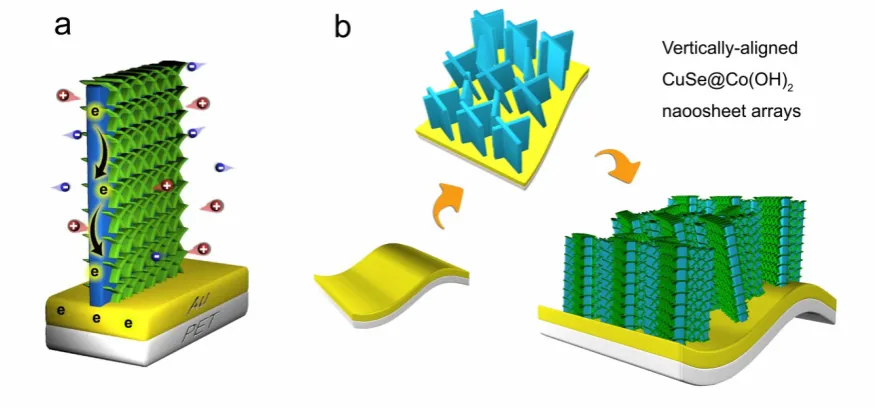
Fig. 1. (a) Design of hybrid core/shell nanostructures based supercapacitors. (b) Schematic
illustration of the formation process of vertically-aligned CuSe@Co(OH)2 nanosheet arrays.
To achieve enhanced electrochemical properties, one of the effective ways is to construct
vertically aligned core/shell nanostructures as illustrated in Fig. 1a. In which, the “core”
materials have low electric resistance, they can serve as direct electrical pathway to the
collection of electrons during charge-discharge process. However, the decorated “shell”
materials should have large surface area and provide larger specific capacitance. Our strategy
for preparing such hierarchical core-shell nanostructures through a two-step approach was
shown in Fig. 1b. First, the interconnected CuSe nanosheet arrays was deposited on flexible
Au/PET substrate. Due to its special configuration and high electric conductance (The hole
[image:10.595.76.514.224.428.2]9
be employed as an ideal backbone. The second step was to grow Co(OH)2 nanostructures on
surfaces of CuSe through simple electrodeposition method. The advantage of the treatment is
that we can control nanosheets density and loading amount by adjusting the electrodeposition
parameters. (The details of the experiment are shown in the experiment section). Finally, the
vertically aligned CuSe@Co(OH)2 nanosheet arrays were built on flexible Au/PET substrate.
Fig. 2. (a) Low magnification SEM image of the CuSe@Co(OH)2 nanosheet arrays obtained
at -0.68 V (vs SEC) for 10 minutes. The insert is naked CuSe nanosheet. (b) High resolution
and (c) cross-section SEM image of the CuSe@Co(OH)2 nanosheet arrays (d) TEM image of
the typical CuSe@Co(OH)2 nanosheets and the corresponding SAED image (e). (f) High
resolution TEM image of the Co(OH)2 nanostructures. (g) EDX mapping of the elements Cu,
10
The insert in Fig. 2a shows the scanning electron microscopy (SEM) images of naked
CuSe nanosheet arrays, it is clearly that the CuSe nanosheets were uniformly aligned
vertically on Au/PET substrate at a large scale and formed large open framework between its
intersections (Fig. S1). The CuSe@Co(OH)2 core/shell nanostructures were fabricated
through the secondary growth of Co(OH)2 on CuSe nanosheets using electrodeposition. The
growth processes of the Co(OH)2 “shell” is initiated by the reduction of NO3+, which
generated OH- ions at the surfaces of CuSe nanosheets by sacrificed electrons (Eq. S1). Then
the Co2+ ion moved to the negative charged CuSe nanosheets and forming Co(OH)2 directly
on its surface (Eq. S2). In this process, CuSe delivered electrons to its surface for reduction
reaction successfully, showing its great electronic transmission capacity, which indicated that
the CuSe nanosheets not only serve as backbones but also work as a current collector to
enhance the capacitive performance of Co(OH)2. To optimize the capacitance performance of
the active materials, various electrodeposition parameters were adjusted. Fig. S2 show the
SEM images of CuSe@Co(OH)2 core/shell nanostructures deposited under different
deposition potential. When the deposition potential is -0.6 V (vs. SEC), the density of
Co(OH)2 nanosheets is very low and the edge length is relatively large. With increasing the
deposition potential, the density of Co(OH)2 nanosheets increased obviously. When the
deposition potential is -0.75 V (vs. SEC) or more, Co(OH)2 nanosheets completely covered
the CuSe films. Furthermore, deposition durations were also studied systematically as shown
in Fig. S3, which would influence the loading amount of Co(OH)2. To obtain highly
uniformed nanostructures, the Co(OH)2 were deposited on CuSe nanosheets at -0.68 V (vs.
SEC) as shown in Fig. 2a. Obviously, the Co(OH)2 nanostructures were grown
perpendicularly on the surface of CuSe nanosheets, forming a scales-like surface morphology.
11
gel electrolytes fully penetrate into the active materials when constructing SCs device, and
thus improve its specific capacitance. Fig. 2b shows the high magnification SEM image of
the Co(OH)2 nanosheets, the measured thickness is about 3.72 nm. Fig. 2c exhibits the
cross-section SEM image of CuSe@Co(OH)2 nanosheet arrays, which reveals that Co(OH)2
nanostructures were covered on inner surface of the CuSe nanosheets. The thickness of the
hybrid films were about 5.5 µm. The loading amount was 0.152 mg cm-2 estimated from
Faraday’s law (Eq. S3).
TEM investigations were performed to study the morphology and microstructure of
CuSe@Co(OH)2 nanosheets. Fig. 2d shows the typical low magnification TEM image of the
samples. We can see that the central “core” is covered with plenty of tiny nanosheets on its
surface, forming typical hierarchical core/shell nanostructures. Fig. 2e is the selected area
electron diffraction (SAED) pattern corresponding to the area labelled with circle in Fig. 2d.
The concentric rings show its poly crystal nature. The measured d-spacings from inside to
outside are 0.247 nm, 0.210 nm, 0.161nm, 0.128nm and 0.101nm,which can be indexed to
the planes of (100), (102), (104), (106), and (108) of Co(OH)2 respectively (JCPDS no.
26-1107). High resolution TEM were also performed to study its lattice information, the
measured lattice fringe is 0.253 nm and can be indexed to the (100) of hexangular Co(OH)2,
which is consistent well with the SAED results. We further employed energy dispersive
X-ray spectroscopy (EDS) mapping to study the elemental distribution (the area marked with
square in Fig. 2d) of CuSe@Co(OH)2 core/shell nanostructure as shown in Fig. 2g. The EDS
elemental mapping images correspond to the K-edge signals of Cu, Se, Co, and O,
respectively. The distributions of the Cu and Se are almost the same and show a sharp edge,
12
uniform deposition of the Co(OH)2 nanostructures, which further confirms the successful
preparation of the CuSe@Co(OH)2 core/shell hybrid nanostructures by electrodeposition.
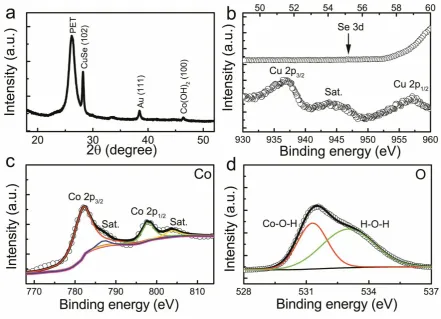
Fig. 3. (a) XRD pattern of CuSe@Co(OH)2 nanosheet arrays. (b-d) High resolution XPS
spectrum of Cu 2p, Se 3d, Co 3p and O 1s.
XRD were used to characterize the crystal phase of as-synthesized samples as shown in
Fig 3a. Due to the vertically-aligned configuration of CuSe and little amount of Co(OH)2,
only (102) diffraction peak of CuSe (JCPDS no. 34-0171) and (100) diffraction peak of
Co(OH)2 (JCPDS no. 26-1107) were detected, peaks located at 25.94°and 38.24°were
originate from the Au-coated PET substrate. The accurate composition and atomic oxidation
[image:14.595.78.520.148.467.2]13
spectroscopy (XPS) technique. The full XPS spectrum (Fig. S4a) and high-resolution XPS
spectrum (Fig. 3b) indicate that the signals of Co and O were much higher than that of Cu
and Se. According to is emission theory, the detection depth of XPS is only several
nanometers, which further demonstrated its core/shell structure. The spectrum of Co 2p was
shown in Fig. 3c, which exhibits two peaks located at 782.1 eV and 798.1 eV with satellite
peaks due to Plasmon losses and final state effects. The peaks were assigned to the electronic
states of Co 2p3/2 and Co 2p1/2, respectively. The multiplet splitting energy (∆E=16 eV)
indicated that Co is existed as a Co(OH)2 version.49-50 The O 1s spectrum and its fitted curves
was shown in Fig. 3d, the main peak at binding energy of 531.3 eV corresponds to the
Co-O-H bond, and the shoulder peak can be ascribed to structural water (532.8 eV). The shape and
peak positions of the O 1s XPS spectrum are in good agreement with that of the previously
14
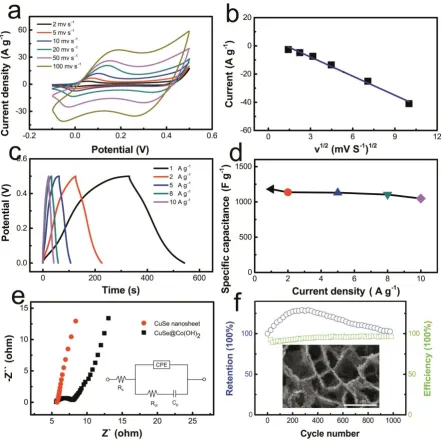
Fig. 4. The electrochemical performance of the CuSe@Co(OH)2 nanosheet arrays electrode
measured in 1 M KOH solution. (a) CV curves of the sample at different scan rate. (b)
Relationship of specific current peaks versus the square root of sweep rates. (c) GCD curves
and (d) Specific capacitances of the sample at different current densities. (e) Electrochemical
impedance spectrum of the CuSe and CuSe@Co(OH)2. Insert are equivalent circuit of
CuSe@Co(OH)2. (f) Cyclic stability of CuSe@Co(OH)2 at current density of 10 A g-1. Insert
[image:16.595.80.523.84.527.2]15
The electrochemical performance of CuSe@Co(OH)2 nanosheet arrays were evaluated in 1
M KOH electrolyte. Fig. 4a shows the cyclic voltammetry (CV)curves of the electrode at
different scan rate, all of the CV curves display a pair of redox peaks, which demonstrates the
Faradic-capacity behaviour of the CuSe@Co(OH)2 electrode. The redox peaks are shifted
and more separated accompanied with an increase of the specific current with the sweep rates,
these results reveal the quasi-reversible nature of the redox reactions, suggesting the good
charge storage at high sweep rates. The presence of broad anodic peaks at approximately 0.17
V (100 mV S-1) can be attributed to the redox reactions related to Co2+/Co3+/Co4+ involving
OH− as below:
Co(OH)2+ OH− ↔CoOOH + H2O + e− (1)
CoOOH + OH− ↔CoO2+ H2𝑂𝑂+𝑒𝑒− (2)
The charge storage mechanisms of the CuSe@Co(OH)2 nanosheet arrays were further
studied. Fig. 4b shows the cathodic peak current densities vs. the square root of the sweep
rates, the linear dependence demonstrated that the capacitive behaviour is dominated by
diffusion-controlled ion intercalation process. Notably, due to its porous morphologies,
double layer storage mechanisms may also contribute to the total storage capacity of the
hybrid electrodes, we used a kinetic model described in Fig. S5 to study the contribution of
both charge storage mechanism, the results indicated that the contributions of the double
layer capacity is only 16% to the total capacity of the CuSe@Co(OH)2 films. This is
attributed to characteristics of Co(OH)2 layered structure, which favours proton or OH- ions
insert/extract reversible to its crystal lattice. To determine the specific capacitance values,
galvanostatic charge/discharge (GCD) measurements were performed at different current
16
reversible charging and discharging process. The specific capacitance values were calculated
according to Eqs. S4-6. The maximum specific capacitance of the CuSe@Co(OH)2
nanosheet film is 1180 F g-1 at the current density of 1 A g-1 (Fig. 4d), which is higher than
reported Co(OH)2 electrode 20-21 and much higher than those of other electrode17, 52-53. The
superior electrochemical properties of Co(OH)2 are attributed to the porous Co(OH)2 shell
which could greatly increase the contact interface between electrode and electrolyte. In
addition, numerous inter-spaces of the Co(OH)2 nanoflakes also facilitate the electrolyte ion
transport and thus enhanced the electrochemical properties. Electrochemical impedance
spectroscopy (EIS) was also performed to investigate the electrochemical performance of the
electrodes in the frequency range of 0.01~105 Hz. The Nyquist plots of the CuSe,
CuSe@Co(OH)2 electrodes were presented in Fig. 4e. The EIS of CuSe exhibits a Warburg
behavior, indicating fast ion transport with its porous micro-pores configuration. Additional
with the low equivalent series resistance (5.5 ohm) further confirmed that the CuSe nanosheet
arrays could act as a good substrate for Co(OH)2 loading. The EIS of CuSe@Co(OH)2
electrode shows a semicycle at high frequency region followed with a straight line at low
frequency denoted excellent capacitive behavior. The fitted equivalent circuit were also
presented in Fig. 4e, where Rs represents the total ohmic resistance of electrolyte resistance,
Rct is the charge-transfer resistance, and Cp is the capacitive element due to the redox process
of electrode. The result of Rct is 4.9 ohm, which revealed that the porous CuSe@Co(OH)2
electrodes own high electronic conductivity and electrochemical reactivity, and were suitable
to being electrode active materials. Fig. 4f presents the cycling retention of the
CuSe@Co(OH)2 nanosheet arrays at a current density of 10 A g-1. It is clearly that the
micro-pore structure still remained after 1000 cycles, which demonstrate that the CuSe@Co(OH)2
17
capacitance maintains 98.8% of initial capacitance, suggesting its steady electrochemical
performance.
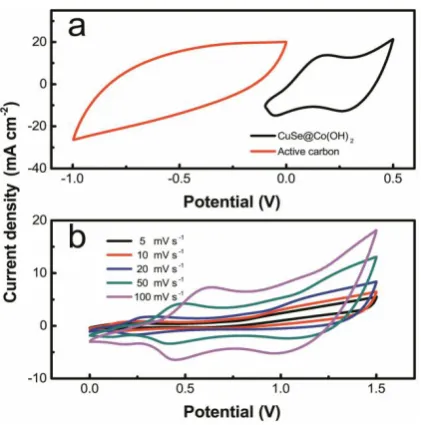
Fig. 5. Evaluation of electrochemical performance of asymmetric SC with CuSe@Co(OH)2
as positive electrode and porous AC as negative electrode: (a) CV curves for evaluating the
operational window, (b) CV curves of the asymmetric SC.
The capacitances of porous AC were evaluated in a potential window of 0.0 V to -1.0 V as
shown in Fig. S6. The porous AC exhibited capacitance 84.2, 69.7, 61.6, 57.1 and 49.5 F g-1
at the current density of 0.5, 1, 2, 3, and 5 A g-1. Based on its CV results, they store energy
followed electron double layer mechanism, which makes porous AC an ideal negative
electrode material, especially heavy load charge-discharge performance when building the
asymmetric SC device. An asymmetric SC was assembled by using CuSe@Co(OH)2
nanosheet arrays as positive electrode and porous AC as negative electrode. In order to obtain
[image:19.595.193.404.185.398.2]18
electrode should be optimized based on the individual capacitive performance (Eq. S7). The
electrochemical potential windows of the electrodes were estimate in 1 M KOH electrolyte.
Because the porous AC was measured within a stable voltage window of – 1.0 to 0.0 V, while
that of the CuSe@Co(OH)2 electrode was tested from 0.0 to 0.5 V (Fig. 5a), the asymmetric
CuSe@Co(OH)2//AC SC device can extend the operating voltage window in aqueous
electrolyte up to 1.5 V by taking advantage of the maximum applied voltage as shown in Fig.
5b. The operating voltage of asymmetric SC is much higher than the conventional symmetric
SCs. In this case, the anodic micro-porous CuSe@Co(OH)2 nanostructures provide easy
access channels for the ions to penetrate inside the porous nanosheets, while in the cathode,
the AC suffer high electron density due to EDL storage mechanism, the synergistic effect of
two electrode materials makes the asymmetric CuSe@Co(OH)2//AC SC to conduct ions and
electrons at higher rates. Fig. S7 shows the GCD curves and the calculated specific
capacitance of the CuSe@Co(OH)2//AC ASC at the current density from 10 A g-1 to 50 A g-1,
The asymmetric SCs exhibited maximum capacitance of 386 F g−1 at current density of 40 A
g−1 for single electrode, which is significantly higher than most of the reported asymmetric
19
Fig. 6. (a) Schematic illustrations of assembled asymmetric ASS-SC. (b) CV curves at
different sweep rates. (c) GCD curves and (d) specific capacitance at different currents
density. (e) long-life cycle stability of the ASS-SC device. (f) Ragone plot of energy density
20
The experimental results indicated that the fabricated CuSe@Co(OH)2//AC have excellent
electrochemical properties in aqueous solution. To test the feasibility of
CuSe@Co(OH)2//AC based all-solid-state SCs, the devices were assembled using
CuSe@Co(OH)2 as positive electrodes and porous AC as negative electrodes with
PVA/KOH gel as solid-gel electrolyte (named as CuSe@Co(OH)2//AC ASS-SCs). The
schematic illustration was shown in Fig. 6 a. The assembled CuSe@Co(OH)2//AC
asymmetric ASS-SCs were shown in Fig. S8a. The average thickness of the well-assembled
ASS-ASCs device is 0.30 mm and the test area is 2 cm2. The asymmetric ASS-SCs devices
show excellent flexibility and mechanical properties, and can endure high-angular winding as
shown in Fig. S8b. The CuSe@Co(OH)2//AC ASS-SCs were tested in a two electrode
system to verify its electrochemical performance. The delicate CV curves of the ASS-SC
device were shown in Fig. 6b scanned from 2mV/s to 200mV/s. The CV plots have distinct
redox peaks, indicating the enhanced electrochemical performance and the ability to conduct
ions and electrons at high rates. The GCD curves of the asymmetric ASS-SCs at various
current densities were presented in Fig. 6c, a slight potential drop during the initial
discharging result from the low resistance. Besides, there are two mild platforms at about 0.8
V and 0.3 V, demonstrating a Faradaic capacitance property. The calculated volumetric
capacitance is shown in Fig. 6d. The capacitances have a regular decline with the increased
current densities, which was attributed to the decreasing the electrolyte ion diffusion and
migration of the electrode material under high current density. The Co(OH)2@CuSe//AC
ASS-SCs exhibit the maximum volumetric capacitance reached 441.4 mF cm-3 at 0.3mA cm-2.
The long-term cycling stability of the ASS-ASCs was evaluated by galvanostatic charge–
discharge at 1 mA cm-2. As shown in Fig. 6e, the specific capacitance shows very slow
21
activation process of the electrode materials. Then, the device was tested continuously under
90°, 180° bending state and normal state in turn under equal intervals. After 10000 cycles, the
Co(OH)2@CuSe//AC ASS-SCs show 80.4% retention of the initial capacitance , indicating
excellent cycling performance and flexibility. Fig. 6f shows the Ragone plot of the
CuSe@Co(OH)2//AC ASS-ASC device with some of the recently reported devices
(Calculation details were shown in Eqs. S8-9 ). The as-fabricated device can achieve a
maximum volumetric energy density of 0.17 mWh cm-3 at a current density of at 0.3 mA cm-2,
further verifying the good electrochemical performance of the as-prepared device. Compared
to other ASS-SCs, the obtained maximum volumetric energy density is much higher than
recent reported ZnO/MnO2 SSCs,31 Cu(OH)2 SSCs,40 Bi2O(OH)2SO4 MSCs,41 TiN SSCs,42
CNT SSCs,43 Activated-Carbon SSCs,44 all carbon SSC,45 MnO2-NT SSCs,33 and
comparable to Amorphous NH3NiPO4 ASCs.46 In addition, the as-prepared device can
deliver a maximum power density of 62.1 mW cm-3 at a current density of 3 mA cm-2. These
results again confirmed that the vertically-aligned CuSe@Co(OH)2 core/shell configuration
was very promising as an anode material for high energy-density devices.
Fig. 7. GCD curves for the CuSe@Co(OH)2 ASS-SCs with different configuration. Single
[image:23.595.193.400.510.684.2]22
was detected at a current density of 2 mA cm-2. Inset: red LED was powered by the tandem
devices.
In some practical situation, the SCs would be used in series or in parallel to meet the
energy and power requirements. For this consideration, Fig. 7 shows the GCD curves of two
CuSe@Co(OH)2//AC ASS-SCs and their combinations in series and parallel. The CD curve
of the tandem devices kept the same trend with the single ASS-SC, which indicates excellent
capacitive properties with minimal internal resistance. More important, the voltage window
was extended by a factor of 2 compared with a single SC. While in the parallel mode, the
output current was two times as that of a single device. To demonstrate the potential
application of the as-prepared device, the tandem devices were employed to power a red
light-emitting-diode (LED 1.6 V) in the inset of Fig. 7 and Video S1. The device can power a
red LED for about 130 seconds after being charged at 1 mA cm-2 for 40s.
4 Conclusion
In summary, vertically-aligned CuSe@Co(OH)2 nanosheet arrays were successfully
synthesized on flexible Au-coated PET substrate, and used as active electrode materials in
electrochemical supercapacitor. The CuSe@Co(OH)2 electrode exhibited the specific
capacitance of 1180 F g-1 at the current density of 1 A g-1. Asymmetric ASS-SCs were
fabricated by using CuSe@Co(OH)2 and porous AC as positive and negative electrodes
respectively. The CuSe@Co(OH)2//AC ASS-SC shows a volumetric specific capacitance
441.4 mF cm-3 at 0.3mA cm-2 with maximum energy density of 0.17 mWh cm−3 additional
with good cycling stability (80% capacitance retention after 10000 cycles), excellent
flexibility, and desirable mechanical stability. This work developed an efficient way to
23
can be attributed to its micro-porous vertically-aligned configuration, which increase the
contact interface area between electrode and electrolyte and facilitate the electrolyte ion
transport. Further integrating other electroactive materials with the CuSe nanosheet array to
fabricate advanced hybrid electrodes is under way in our laboratory.
Supporting Information
This information contains electrochemical reaction for the formation Co(OH)2 nanostructures,
calculation details of the capacitance, energy density and power density; SEM images and
XPS spectra of the CuSe@Co(OH)2 nanosheet arrays, electrochemical data of active carbon,
additional electrochemical data for asymmetric supercapacitors and photos of
CuSe@Co(OH)2//AC ASS-SC at different bending state.
Acknowledgement
This work was supported by the Fundamental Research Funds for the Central Universities
(Grant Nos. 2015B22314 and 2016B46014) and the Funds for Basic Energy Sciences of
Ames Laboratory (Grant No. DE-AC02-07CH11358).
Reference
Reference
1. Mai, L.; Tian, X.; Xu, X.; Chang, L.; Xu, L., Nanowire Electrodes for
Electrochemical Energy Storage Devices. Chem. Rev. 2014, 114, 11828-11862.
2. Zhang, Q.; Uchaker, E.; Candelaria, S. L.; Cao, G., Nanomaterials for Energy
Conversion and Storage. Chem. Soc. Rev. 2013, 42, 3127-3171.
All-in-24
One Shape-Adaptive Self-Charging Power Package for Wearable Electronics. Acs Nano
2016, 10, 10580-10588.
4. Chen, S.; Ma, W.; Cheng, Y.; Weng, Z.; Sun, B.; Wang, L.; Chen, W.; Li, F.; Zhu, M.;
Cheng, H.-M., Scalable Non-Liquid-Crystal Spinning of Locally Aligned Graphene Fibers for
High-Performance Wearable Supercapacitors. Nano Energy 2015, 15, 642-653.
5. Dai, L., Functionalization of Graphene for Efficient Energy Conversion and Storage.
Accounts Chem. Res. 2013, 46, 31-42.
6. Chen, T.; Dai, L., Flexible Supercapacitors Based on Carbon Nanomaterials. J. Mater.
Chem. A 2014, 2, 10756-10775.
7. Zheng, S.; Tang, X.; Wu, Z.-S.; Tan, Y.-Z.; Wang, S.; Sun, C.; Cheng, H.-M.; Bao, X.,
Arbitrary-Shaped Graphene-Based Planar Sandwich Supercapacitors on One Substrate with
Enhanced Flexibility and Integration. Acs Nano 2017, 11, 2171-2179.
8. Zhang, L.; Shi, G., Preparation of Highly Conductive Graphene Hydrogels for
Fabricating Supercapacitors with High Rate Capability. J. Phys. Chem. C 2011, 115,
17206-17212.
9. Hu, P., et al., Single-Nanowire Electrochemical Probe Detection for Internally
Optimized Mechanism of Porous Graphene in Electrochemical Devices. Nano Lett. 2016, 16,
1523-1529.
10. Le, M.; Liu, Y.; Wang, H.; Dutta, R. K.; Yan, W.; Hemminger, J. C.; Wu, R. Q.;
Penner, R. M., In Situ Electrical Conductivity of Lixmno2 Nanowires as a Function of X and
25
11. Mai, L.; Dong, F.; Xu, X.; Luo, Y.; An, Q.; Zhao, Y.; Pan, J.; Yang, J., Cucumber-Like
V2o5/Poly(3,4-Ethylenedioxythiophene)&Mno2 Nanowires with Enhanced Electrochemical
Cyclability. Nano Lett. 2013, 13, 740-745.
12. Wang, J.-G.; Kang, F.; Wei, B., Engineering of Mno2-Based Nanocomposites for
High-Performance Supercapacitors. Prog. Mater.Sci. 2015, 74, 51-124.
13. Yuan, L., et al., Flexible Solid-State Supercapacitors Based on Carbon
Nanoparticles/Mno2 Nanorods Hybrid Structure. Acs Nano 2012, 6, 656-661.
14. Zhao, Y.; Ran, W.; He, J.; Huang, Y.; Liu, Z.; Liu, W.; Tang, Y.; Zhang, L.; Gao, D.;
Gao, F., High-Performance Asymmetric Supercapacitors Based on Multilayer
Mno2/Graphene Oxide Nanoflakes and Hierarchical Porous Carbon with Enhanced Cycling
Stability. Small 2015, 11, 1310-1319.
15. Chen, K.; Noh, Y. D.; Li, K.; Komarneni, S.; Xue, D., Microwave-Hydrothermal
Crystallization of Polymorphic Mno2 for Electrochemical Energy Storage. J. Phys. Chem. C
2013, 117, 10770-10779.
16. Wang, J.; Li, X.; Zi, Y.; Wang, S.; Li, Z.; Zheng, L.; Yi, F.; Li, S.; Wang, Z. L., A
Flexible Fiber-Based Supercapacitor-Triboelectric-Nanogenerator Power System for
Wearable Electronics. Adv, Mater, 2015, 27, 4830-4836.
17. Peng, Z.; Liu, X.; Meng, H.; Li, Z.; Li, B.; Liu, Z.; Liu, S., Design and Tailoring of the
3d Macroporous Hydrous Ruo2 Hierarchical Architectures with a Hard-Template Method for
High-Performance Supercapacitors. Acs Appl. Mater. Inter. 2017, 9, 4577-4586.
18. Ferris, A.; Garbarino, S.; Guay, D.; Pech, D., 3d Ruo2 Microsupercapacitors with
26
19. Lee, S.; Jin, X.; Kim, I. Y.; Gu, T.-H.; Choi, J.-W.; Nahm, S.; Hwang, S.-J., Superior
Additive of Exfoliated Ruo2 Nanosheet for Optimizing the Electrode Performance of Metal
Oxide over Graphene. J. Phys. Chem. C 2016, 120, 11786-11796.
20. Hercule, K. M.; Wei, Q.; Khan, A. M.; Zhao, Y.; Tian, X.; Mai, L., Synergistic Effect
of Hierarchical Nanostructured Moo2/Co(Oh)(2) with Largely Enhanced Pseudocapacitor
Cyclability. Nano Lett. 2013, 13, 5685-5691.
21. Pang, H.; Li, X.; Zhao, Q.; Xue, H.; Lai, W.-Y.; Hu, Z.; Huang, W., One-Pot Synthesis
of Heterogeneous Co3o4-Nanocube/Co(Oh)(2)-Nanosheet Hybrids for High-Performance
Flexible Asymmetric All-Solid-State Supercapacitors. Nano Energy 2017, 35, 138-145.
22. Zheng, X.; Yan, X.; Sun, Y.; Li, Y.; Li, M.; Zhang, G.; Zhang, Y., Band Alignment
Engineering for High-Energy-Density Solid-State Asymmetric Supercapacitors with Tio2
Insertion at the Zno/Ni(Oh)(2) Interface. J. Mater. Chem. A 2016, 4, 17981-17987.
23. Tang, Y.; Liu, Y.; Guo, W.; Chen, T.; Wang, H.; Yu, S.; Gao, F., Highly Oxidized
Graphene Anchored Ni(Oh)(2) Nanoflakes as Pseudocapacitor Materials for Ultrahigh
Loading Electrode with High Areal Specific Capacitance. J. Phys. Chem. C 2014, 118,
24866-24876.
24. Zhu, B.; Tang, S.; Vongehr, S.; Xie, H.; Meng, X., Hierarchically Mno2-Nanosheet
Covered Submicrometer-Feco2o4-Tube Forest as Binder-Free Electrodes for High Energy
Density All-Solid-State Supercapacitors. Acs Appl. Mater. Inter. 2016, 8, 4762-4770.
25. Wu, X.; Han, Z.; Zheng, X.; Yao, S.; Yang, X.; Zhai, T., Core-Shell Structured
Co3o4@Nico2o4 Electrodes Grown on Flexible Carbon Fibers with Superior
27
26. Jiang, W.; Hu, F.; Yao, S.; Sun, Z.; Wu, X., Hierarchical Nico2o4 Nanowalls
Composed of Ultrathin Nanosheets as Electrode Materials for Supercapacitor and Li Ion
Battery Applications. Mater. Res. Bull. 2017, 93, 303-309.
27. Zhang, G.; Xia, B. Y.; Wang, X.; Lou, X. W., Strongly Coupled Nico 2 O 4-Rgo
Hybrid Nanosheets as a Methanol- Tolerant Electrocatalyst for the Oxygen Reduction
Reaction. Adv. Mater.s 2014, 26, 2408-2412.
28. Wang, J., et al., 3d Self-Supported Nanopine Forest-Like Co3o4@Comoo4 Core-Shell
Architectures for High-Energy Solid State Supercapacitors. Nano Energy 2016, 19, 222-233.
29. Zhang, Y.; Ouyang, B.; Xu, J.; Jia, G.; Chen, S.; Rawat, R. S.; Fan, H. J., Rapid
Synthesis of Cobalt Nitride Nanowires: Highly Efficient and Low-Cost Catalysts for Oxygen
Evolution. Angew. Chem. Int. Edit. 2016, 55, 8670-8674.
30. Jabeen, N.; Xia, Q.; Yang, M.; Xia, H., Unique Core-Shell Nanorod Arrays with
Polyaniline Deposited into Mesoporous Nico2o4 Support for High-Performance
Supercapacitor Electrodes. Acs Appl. Mater. Inter. 2016, 8, 6093-6100.
31. Yang, P., et al., Hydrogenated Zno Core-Shell Nanocables for Flexible
Supercapacitors and Self-Powered Systems. Acs Nano 2013, 7, 2617-2626.
32. Han, J.; Liu, Z.; Guo, K.; Ya, J.; Zhao, Y.; Zhang, X.; Hong, T.; Liu, J.,
High-Efficiency Agins2-Modified Zno Nanotube Array Photoelectrodes for All-Solid-State Hybrid
Solar Cells. Acs Appl. Mater. Inter. 2014, 6, 17119-17125.
33. Lu, X.-F.; Wang, A.-L.; Xu, H.; He, X.-J.; Tong, Y.-X.; Li, G.-R., High-Performance
Supercapacitors Based on Mno2 Tube-in-Tube Arrays. J. Mater. Chem. A 2015, 3,
28
34. Yang, Z.; Gong, J.; Tang, C.; Zhu, W.; Cheng, Z.; Jiang, J.; Ma, A.; Ding, Q.,
Vertically-Aligned Mn(Oh)2 Nanosheet Films for Flexible All-Solid-State Electrochemical
Supercapacitors. J. Mater. Sci.-Mater. El., 2017, 28, 17533–17540.
35. Lo, I. H.; Wang, J.-Y.; Huang, K.-Y.; Huang, J.-H.; Kang, W. P., Synthesis of
Ni(Oh)(2) Nanoflakes on Zno Nanowires by Pulse Electrodeposition for High-Performance
Supercapacitors. J. Power Sources. 2016, 308, 29-36.
36. Sarkar, D.; Singh, A. K., Mechanism of Nonvolatile Resistive Switching in
Zno/Alpha-Fe2o3 Core-Shell Heterojunction Nanorod Arrays. J. Phys. Chem. C 2017, 121,
12953-12958.
37. Zeng, Y.; Han, Y.; Zhao, Y.; Zeng, Y.; Yu, M.; Liu, Y.; Tang, H.; Tong, Y.; Lu, X.,
Advanced Ti-Doped Fe2o3@Pedot Core/Shell Anode for High-Energy Asymmetric
Supercapacitors. Adv. Energy Mater. 2015, 5, 1402176- 1402183.
38. Yang, J.; Yu, C.; Fan, X.; Liang, S.; Li, S.; Huang, H.; Ling, Z.; Hao, C.; Qiu, J.,
Electroactive Edge Site-Enriched Nickel-Cobalt Sulfide into Graphene Frameworks for
High-Performance Asymmetric Supercapacitors. Energ. Environ. Sci. 2016, 9, 1299-1307.
39. Tang, P.-Y.; Han, L.-J.; Genc, A.; He, Y.-M.; Zhang, X.; Zhang, L.; Ramon
Galan-Mascaros, J.; Ramon Morante, J.; Arbiol, J., Synergistic Effects in 3d Honeycomb-Like
Hematite Nanoflakes/Branched Polypyrrole Nanoleaves Heterostructures as
High-Performance Negative Electrodes for Asymmetric Supercapacitors. Nano Energy 2016, 22,
189-201.
40. Lei, S.; Liu, Y.; Fei, L.; Song, R.; Lu, W.; Shu, L.; Mak, C. L.; Wang, Y.; Huang, H.,
29
Supercapacitors. J. Mater. Chem. A 2016, 4, 14781-14788.
41. Liu, Z.; Teng, F.; Chang, C.; Teng, Y.; Wang, S.; Gu, W.; Fan, Y.; Yao, W.; Zhu, Y.,
Charge Storage Performances of Micro-Supercapacitor Predominated by Two-Dimensional
(2d) Crystal Structure. Nano Energy 2016, 27, 58-67.
42. Lu, X.; Wang, G.; Zhai, T.; Yu, M.; Xie, S.; Ling, Y.; Liang, C.; Tong, Y.; Li, Y.,
Stabilized Tin Nanowire Arrays for High-Performance and Flexible Supercapacitors. Nano
Lett. 2012, 12, 5376-5381.
43. Kang, Y. J.; Chung, H.; Han, C.-H.; Kim, W., All-Solid-State Flexible Supercapacitors
Based on Papers Coated with Carbon Nanotubes and Ionic-Liquid-Based Gel Electrolytes.
Nanotechnology 2012, 23, 065401-065407.
44. Wang, G.; Wang, H.; Lu, X.; Ling, Y.; Yu, M.; Zhai, T.; Tong, Y.; Li, Y., Solid-State
Supercapacitor Based on Activated Carbon Cloths Exhibits Excellent Rate Capability. Adv.
Mater. 2014, 26, 2676-2682.
45. Viet Thong, L.; Kim, H.; Ghosh, A.; Kim, J.; Chang, J.; Quoc An, V.; Duy Tho, P.;
Lee, J.-H.; Kim, S.-W.; Lee, Y. H., Coaxial Fiber Supercapacitor Using All-Carbon Material
Electrodes. Acs Nano 2013, 7, 5940-5947.
46. Pang, H.; Zhang, Y.-Z.; Run, Z.; Lai, W.-Y.; Huang, W., Amorphous Nickel
Pyrophosphate Microstructures for High-Performance Flexible Solid-State Electrochemical
Energy Storage Devices. Nano Energy 2015, 17, 339-347.
47. Li, L.; Gong, J.; Liu, C.; Tian, Y.; Han, M.; Wang, Q.; Hong, X.; Ding, Q.; Zhu, W.;
Bao, J., Vertically Oriented and Interpenetrating Cuse Nanosheet Films with Open Channels
30
48. Liu, Y.-Q.; Wang, F.-X.; Xiao, Y.; Peng, H.-D.; Zhong, H.-J.; Liu, Z.-H.; Pan, G.-B.,
Facile Microwave-Assisted Synthesis of Klockmannite Cuse Nanosheets and Their
Exceptional Electrical Properties. Sci. Rep.-UK 2014, 4, 5998-6006.
49. Chen, C.; Cho, M.; Lee, Y., Electrochemical Preparation and Energy Storage
Properties of Nanoporous Co (Oh) 2 Via Pulse Current Deposition. J. Mater. Sci. 2015, 50,
6491-6497.
50. Chang, J.-K.; Wu, C.-M.; Sun, I.-W., Nano-Architectured Co (Oh) 2 Electrodes
Constructed Using an Easily-Manipulated Electrochemical Protocol for High-Performance
Energy Storage Applications. J. Mater. Chem. 2010, 20, 3729-3735.
51. McIntyre, N.; Cook, M., X-Ray Photoelectron Studies on Some Oxides and
Hydroxides of Cobalt, Nickel, and Copper. Anal. Chem. 1975, 47, 2208-2213.
52. He, W.; Wang, C.; Zhuge, F.; Deng, X.; Xu, X.; Zhai, T., Flexible and High Energy
Density Asymmetrical Supercapacitors Based on Core/Shell Conducting Polymer
Nanowires/Manganese Dioxide Nanoflakes. Nano Energy 2017, 35, 242-250.
53. Zhang, C.; Higgins, T. M.; Park, S.-H.; O'Brien, S. E.; Long, D.; Coleman, J.;
Nicolosi, V., Highly Flexible and Transparent Solid-State Supercapacitors Based on