Walden University
ScholarWorks
Walden Dissertations and Doctoral Studies Walden Dissertations and Doctoral StudiesCollection
2018
Creating Revenue Diversification Among
Nonprofits
Christopher James Pembleton
Walden University
Follow this and additional works at:https://scholarworks.waldenu.edu/dissertations Part of theBusiness Commons
This Dissertation is brought to you for free and open access by the Walden Dissertations and Doctoral Studies Collection at ScholarWorks. It has been accepted for inclusion in Walden Dissertations and Doctoral Studies by an authorized administrator of ScholarWorks. For more information, please [email protected].
Walden University
College of Management and Technology
This is to certify that the doctoral study by
Christopher Pembleton
has been found to be complete and satisfactory in all respects, and that any and all revisions required by
the review committee have been made.
Review Committee
Dr. Steve Roussas, Committee Chairperson, Doctor of Business Administration Faculty Dr. Janice Garfield, Committee Member, Doctor of Business Administration Faculty
Dr. Rocky Dwyer, University Reviewer, Doctor of Business Administration Faculty
Chief Academic Officer Eric Riedel, Ph.D.
Walden University 2018
Abstract
Creating Revenue Diversification Among Nonprofits by
Christopher J. Pembleton
MBA, Kansas Wesleyan University, 2015 BS, Emporia State University, 2005
Consulting Capstone Study Submitted in Partial Fulfillment of the Requirements for the Degree of
Doctor of Business Administration
Walden University June 2018
Abstract
Creating revenue diversification forces nonprofit leaders to create innovative programs and services, build resilience against adverse conditions, and establish a sustainable future. The problem is that some nonprofit managers lack strategies for developing a diversified financial portfolio to achieve sustainability. The purpose of this single-case study was to explore the revenue diversification strategies used by 3 leaders of a nonprofit organization in the eastern region of the United States through the conceptual lens of Markowitz’s modern portfolio theory and Thaler’s behavioral finance theory. Data were collected using purposeful sampling,
semistructured interviews, and analysis of organizational documents, social media platforms, and online databases. Four categories were used to organize the data: process strengths, process opportunities, results strengths, and results opportunities. The key themes that emerged from process strengths and results strengths were utilizing volunteers, collaborating with local partners, developing diverse revenue streams, strong fiscal management, program innovation, and evaluating the market. The key themes that emerged from process opportunities and results opportunities were the lack of written processes and procedures, the lack of process improvement strategies and performance measurement outcomes, the lack of knowledge about donor attrition and retention, and high turnover in the executive director position. Organizational leaders who focus on diversifying revenue streams can serve the mission instead of chasing funding streams that have become more competitive. The social change implication of these findings is that nonprofit leaders could create sustainability through diverse revenue streams, ensuring long-term employment, and sustaining positive social impacts.
Creating Revenue Diversification Among Nonprofits by
Christopher J. Pembleton
MBA, Kansas Wesleyan University, 2015 BS, Emporia State University, 2005
Consulting Capstone Study Submitted in Partial Fulfillment of the Requirements for the Degree of
Doctor of Business Administration
Walden University June 2018
Dedication
To my wife, Katie, you are the source of my inspiration, gratitude, and determination in life. Your presence in my life has influenced me more than I could ever begin to explain. Just because I do not say it enough; thank you for everything you have done, currently do, and continue to do for our family. To my children, Jocelyn and Greyson, I am honored to have such amazing and open-minded children. Always remember, whatever your path in life, you are in control of it and can achieve anything you want. Do not listen to all the noise in the world, focus on what makes you happy and do that for the rest of your life. With great honor and humility, I love all of you and thanks again for everything you did during this process; I am truly blessed.
Acknowledgments
There are so many people who I would like to express my greatest appreciation and gratitude for helping in this process. First off, I would like to thank my wife, Katie, and our children, Jocelyn and Greyson. Your love, support, understanding, and flexibility allowed me to pursue this degree. To my in-laws, thank you for always being so supportive, eager, and willing to help. To my chair and mentor, Dr. Roussas, thank you for your expertise, encouragement, willingness, patience, and constant motivation during this process. I cannot imagine doing this without you as my chair; you are a blessing. To Dr. Garfield, thank you for your added layer of expertise, motivation, and strict reviews that forced me to be a better writer. To Dr. Dwyer, thank you for all your help, encouraging emails, and support along the way. To Dr. Turner and all other faculty members that developed this alternative capstone, thank you for all your efforts and commitment to positive social change. This experience has shaped my future and made me realize that nonprofits need more help than they can afford, and this is where I want to spend my career. To Mr. Fred Walker, thank you for sitting with me during my second residency and encouraging me to persevere through this program, you are always so inspiring. To my cohort, thank you for all the insight, motivation, encouraging words, and genuine care for each other; I will miss our interactions. Lastly, I would like to thank all my former teachers, professors, coaches, and mentors for teaching me about work ethic, mental stamina, and selflessness. I promise to pay it forward with the doors this degree will open. I am forever grateful for all of you.
i
Table of Contents
List of Tables ...v
List of Figures ... vi
Section 1: Foundation of the Study ...1
Background of the Problem ...1
Problem Statement ...1
Purpose Statement ...2
Nature of the Study ...2
Research Question ...3
Interview Questions ...3
Conceptual Framework ...4
Operational Definitions ...6
Assumptions, Limitations, and Delimitations ...6
Assumptions ...6
Limitations ...7
Delimitations ...7
Significance of the Study ...8
Contribution to Business Practice ...8
Implications for Social Change ...8
A Review of the Professional and Academic Literature ...9
Portfolio Diversification ...12
ii
Performance Measurement Tools ...32
Organizational Structure ...37
Transition ...41
Section 2: The Project ...43
Purpose Statement ...43
Role of the Researcher ...43
Participants ...44
Research Method and Design ...46
Research Method ...46
Research Design...47
Population and Sampling ...48
Ethical Research...49
Data Collection Instruments ...50
Data Collection Technique ...51
Data Organization Techniques ...52
Data Analysis ...53
Reliability and Validity ...55
Reliability ...55
Validity ...56
Transition and Summary ...56
Section 3: Organizational Profile ...58
iii
Organizational Description ...59
Organizational Situation ...69
Leadership Triad: Leadership, Strategy, and Customers ...72
Leadership ...72
Strategy ...75
Customers ...79
Results Triad: Workforce, Operations, and Results...82
Workforce ...82
Measurement, Analysis, and Knowledge Management ...90
Collection, Analysis, and Preparation of Results...93
Product and Process Results ...93
Customer Results ...95
Workforce Results ...96
Leadership and Governance Results ...98
Financial and Market Results ...100
Key Themes ...107
Section 4: Executive Summary of Key Themes ...112
Project Summary ...112
Contributions and Recommendations ...112
Implications for Social Change ...112
Recommendations for Action ...113
iv
Appendix A: Recruitment Letter ...138
Appendix B: Interview Protocol ...139
Appendix C: List of Exhibits ...140
Appendix D: Pictures of Exhibits ...142
Appendix E: List of Summer Camps ...145
v List of Tables
Table 1. Literature Review Source Content ... 10
Table 2. Memberships per Year ... 58
Table 3. Number of Visitors per Year ... 60
Table 4. Workforce Profile ... 62
Table 5. Staff Members per Year ... 63
Table 6. Volunteers per Year ... 63
Table 7. Exhibits per Year ... 65
Table 8. Organization X's Shareholder Design ... 67
Table 9. Corporate Membership Levels and Benefits ... 69
Table 10. Organization X’s Strategic Challenges ... 71
Table 11. Committees of Organization X BOD, Community Members, and Staff ... 74
Table 12. Communication Strategies used by Organization X ... 75
Table 13. Short-term Action Plans... 77
Table 14. Long-term Action Plans ... 77
Table 15. Key Performance Indicators of Organization X ... 79
Table 16. Strategies to Improve Workforce Engagement ... 98
Table 17. Revenue Streams of Organization X ... 101
Table 18. Fundraising Events per Year... 101
vi List of Figures
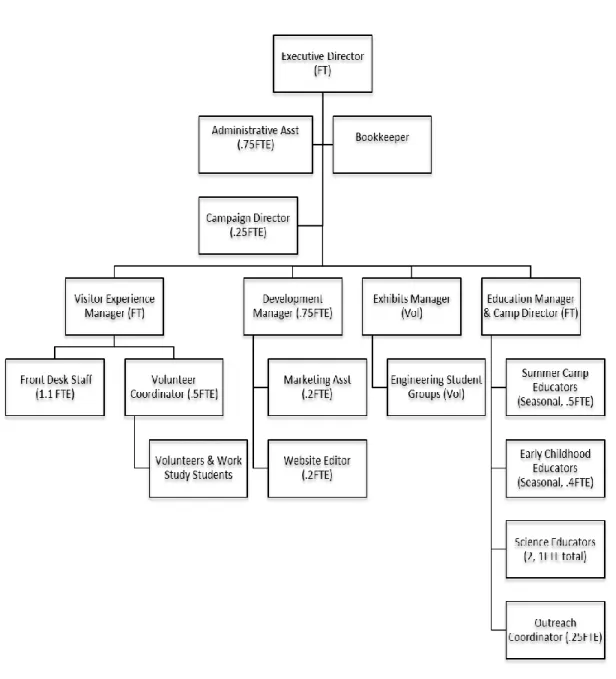
Figure 1. Organizational chart - October 2017 ... 64
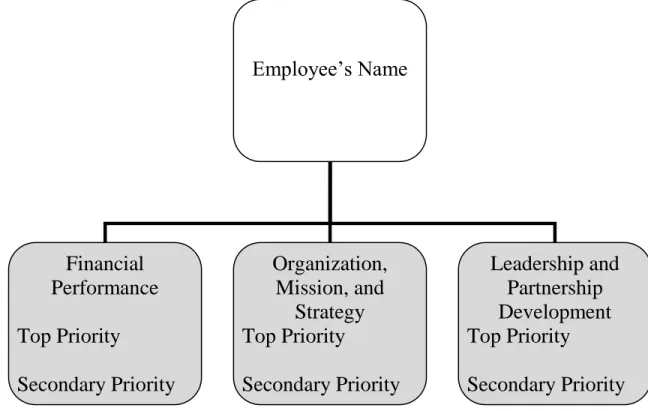
Figure 2. Organization X’s evaluation of employee performance ... 85
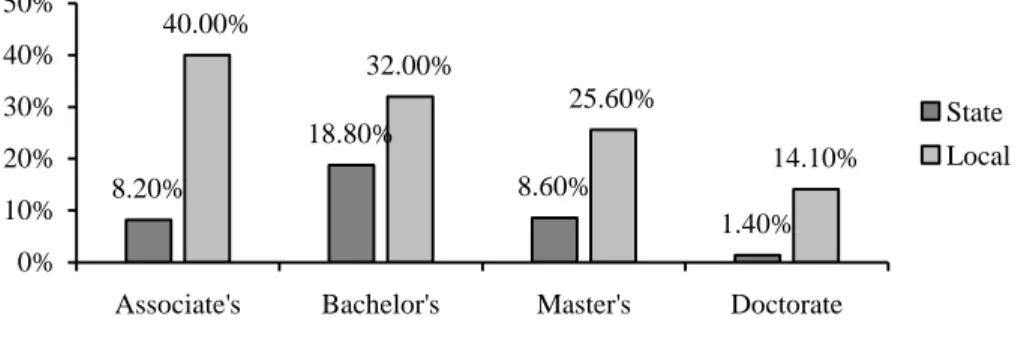
Figure 3. College degree holder comparison for the state and local community ... 86
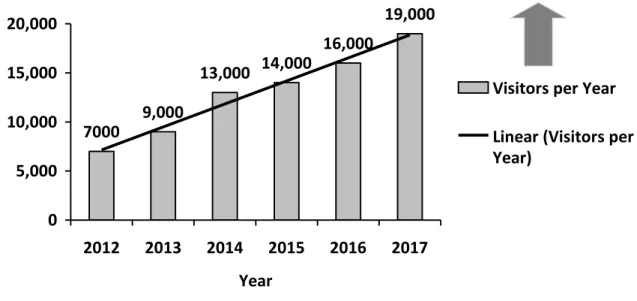
Figure 4. Visitor attendance per year from 2012 to 2017 ... 94
Figure 5. Facebook reviews of Organization X from 2012 to 2017 ... 95
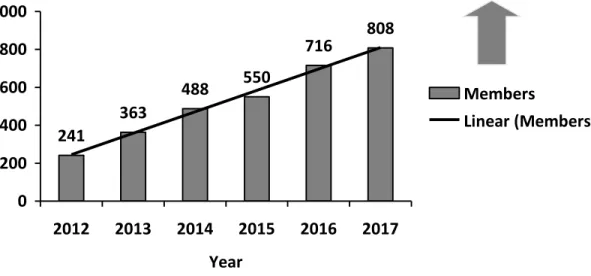
Figure 6. Memberships sold per year from 2012 to 2017 ... 96
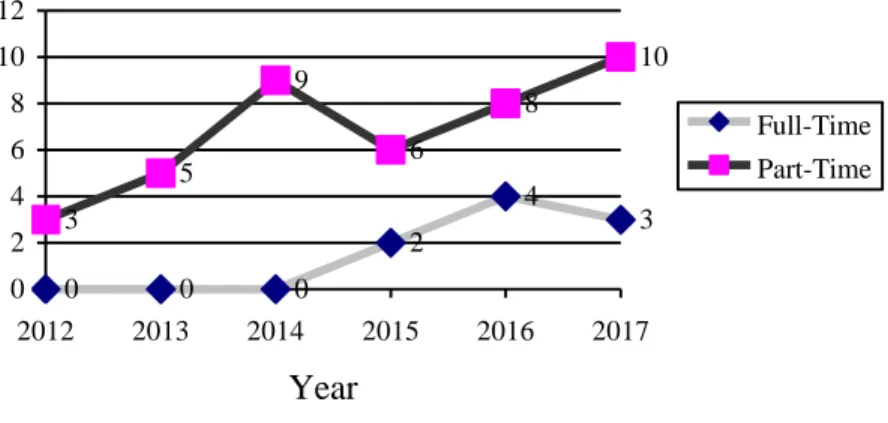
Figure 7. Organization X’s full-time and part-time employment per year, 2012 to 2017 ... 97
Figure 8. Organization X’s volunteers with more than 120 hours per year, 2012 to 2017 ... 97
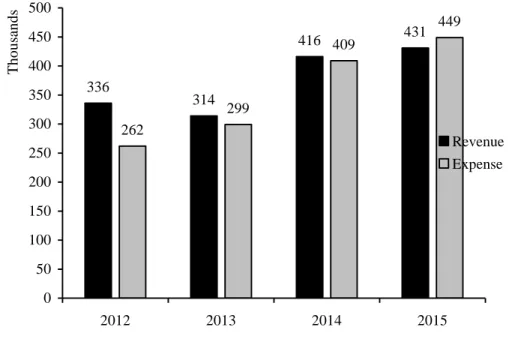
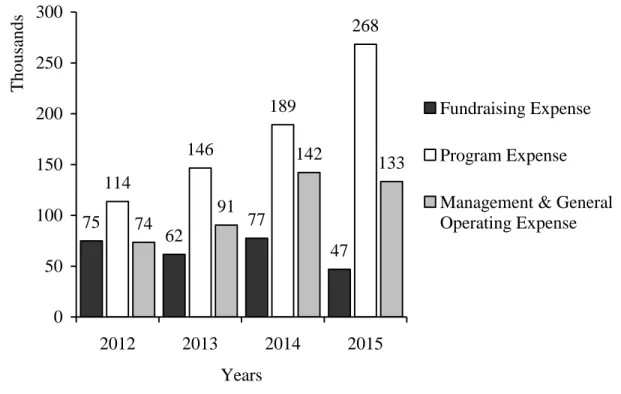
Figure 9. Revenue and expenses from 2012 to 2015 ... 103
Figure 10. Major expense breakdown: 2012 to 2015 ... 104
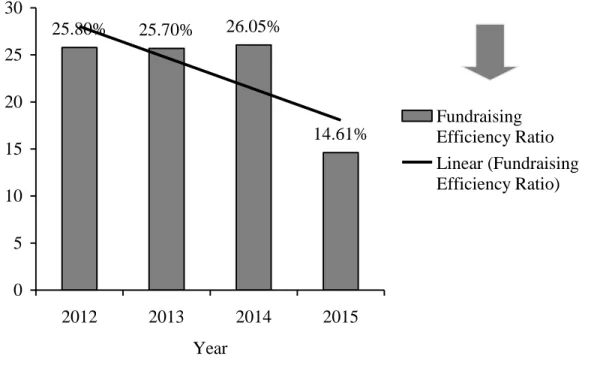
Figure 11. Organization X’s fundraising efficiency ratio, 2012 to 2015 ... 105
Figure 12. Organization X’s memberships and program services revenue, 2012 to 2015 ... 106
Figure 13. Organization X’s revenue streams for 2015 ... 107
Section 1: Foundation of the Study Background of the Problem
In the United States, the nonprofit sector has increased to 1.56 million tax-exempt organizations fighting for limited resources that include a decrease in government funding (NCCS, 2016). While striving for those limited resources, nonprofit managers fail in several categories: low absorptive capacity of knowledge, inability to identify social innovations, and failure to increase efficient fundraising (Unceta, Castro-Spila, & Garcia, 2016). Business leaders who do not increase the efficiency of their fundraising efforts will have a hard time becoming financially sustainable and will waste precious resources (Iwu, Kapondoro, Twum-Darko, & Tengeh, 2015).
Nonprofit organizations that are not financially sustainable have negative cash flows and low accounts receivable, high debt, are over-reliant on a few donors, lack budgeting analysis, lack risk assessment processes, lack the ability to attract new revenue streams, and have
inefficient board oversight (Rottkamp & Bahazhevska, 2016). Rowe (2014) stated that mission is more important than margin, but without margin, there is no mission. McDonald, Weerawardena, Madhavaram, and Sullivan Mort (2015) stressed that the metric for measuring mission and margin is known as the double bottom line. The triple bottom line requires nonprofits to become more professional and business-like to gain competitive market space, obtain financial stability, and achieve their social missions (Haigh, Kennedy, & Walker, 2015; McDonald et al., 2015).
Problem Statement
Failure and stagnant growth of nonprofit organizations are due to the low absorptive capacity of knowledge, inability to identify social innovations, and failure to increase effective
fundraising (Unceta et al., 2016). Understanding nonprofit financial management, diversifying a portfolio, and knowing what to do with limited resources is important because the National Center for Charitable Statistics (NCCS) recorded that more than 1.5 million tax-exempt
organizations in the United States are competing for the same limited resources (NCCS, 2016). The general business problem is that nonprofit business managers fail due to the lack of
diversified financial revenue streams. The specific business problem is that some nonprofit managers lack strategies for developing a diversified financial portfolio to achieve sustainability.
Purpose Statement
The purpose of this qualitative single-case study was to explore the strategies nonprofit managers use for developing a diversified financial portfolio to achieve sustainability. The sample population comprised three managers of a nonprofit organization in the eastern region of the United States. The implication for positive social change included the potential to increase and diversify funding and enhance the managers’ ability to fulfill the organization’s mission (Ebrahim, Battilana, & Mair, 2014). Managers of financially strong organizations have more flexibility and more opportunities to influence their local community through increased services to their recipients (Stecker, 2014).
Nature of the Study
To conduct research, the researcher choses among three methods: qualitative, quantitative, and mixed. Researchers use the quantitative method to test objective theories
between variables, measuring the data so it can be quantified and coded through statistical means (Thamhain, 2014). I did not use a quantitative method for this study because my intent was to explore managers’ behavioral decisions that lead to revenue diversification. The mixed method is
a combination of both quantitative and qualitative methods and requires great knowledge of both methods to perform effectively (Griensven, Moore, & Hall, 2014). I did not use a mixed method for this study because my research does not require the quantitative method. Qualitative research is an exploration of meaning that subjects assign to social or human problems (Yin, 2018). Because I explored the strategies nonprofit leaders use for developing a diversified financial portfolio, I used the qualitative method.
The qualitative method has the following designs: phenomenological, ethnographic, and case study (Yin, 2015). Researchers use a phenomenological design to find common meaning within a phenomenon through lived experiences of a group (Moustakas, 1994). Researchers use ethnography to describe and interpret patterns of value that are learned and shared within a group (Harris, 1968). I did not use either of these two designs because I explored the strategies
nonprofit managers use to diversify their financial portfolio. Researchers use case study design to explore a case or cases over time through an assortment of data collection tools (Yin, 2012). Researchers also use the case design to explore a single phenomenon among a group, company, or location through a variety of data collection methods (Yin, 2015). I used the single-case study design to explore the strategies nonprofit managers use to develop a diversified financial
portfolio.
Research Question
What strategies do successful nonprofit managers use for developing a diversified financial portfolio to achieve sustainability?
Interview Questions
2. What are the financial sustainability initiatives of your organization?
3. How has performance outcomes affected implementation of financial strategies? 4. How did you assess the effectiveness of your strategies for developing a diversified
financial portfolio?
5. What barriers or challenges did you face when implementing financial strategies? 6. How did you overcome those barriers?
7. How did you assess the effectiveness of overcoming those barriers? 8. What else could you share that could be important to the leadership of this
organization to maintain long-term financial viability?
Conceptual Framework
The two conceptual frameworks I used were Markowitz’s modern portfolio theory (MPT), developed in 1952, and Thaler’s behavioral finance theory, developed in 1985 (Markowitz, 1952; Thaler, 2015). A portfolio is the collection of assets from an investment opportunity set (IOS) and the distribution of profits from those investments; it can be stocks, fund-raising campaigns, donations, service fees, grants, and many other revenue streams (Peylo, 2012; Mosley, Maronick, & Katz, 2012). A key concept of Markowitz’s MPT is analyzing investment portfolios to evaluate the relationship between the return and risk of revenue streams (Grasse, Whaley, & Ihrke, 2016). Peylo (2012) explained that MPT accounts for the rational investments in a portfolio of securities. Simaan (2014) explained the main idea behind MPT is to create revenue diversification through securities that correlate with each other through a
quantitative tool called mean-variance optimization (MVO). A key concept of Thaler’s
interpret the facts involved in making rational investments (Curtis, 2004). The behavioral finance theory explains the irrational behavior of the investor, while MPT explains the rational behavior of the market (Thaler, 2015).
Nonprofit managers may choose to invest in other nonprofit corporations that integrate corporate social responsibility into their mission, or social entrepreneurial start-ups (Mosley et al., 2012; Stecker, 2014). Merging the two theories could aid in developing a portfolio with social responsibility in mind, generating bigger returns, developing an operating reserve, and creating a sustainable future for the nonprofit manager and organization (Sloan, Grizzle, & Kim, 2015). More specifically, the two theories created a guideline on how nonprofit managers should build their portfolio based on market information, emotional awareness, loss aversion of time and money, and a strategic pursuit of future opportunities to help move closer to sustainability. Joining the two theories also shows how once opposing economical viewpoints are aligned and integrated they can help explain the whole picture of economics and finance (Curtis, 2004).
Behavioral finance and MPT were selected for this study because of how they hold each other accountable in the decision-making process. Using Markowitz’s MPT explains the rational decisions of the market information while Thaler’s behavioral finance theory explains the irrational decisions based on human behavior (Curtis, 2004; Markowitz, 1952; Thaler, 2015). The conceptual framework using both theories is a complementary approach, designed to maximize the advantages and minimize the disadvantages of each. The findings of this study could offer important insight into how the theories could be used mutually to gain better perspectives into the financial decision-making process of business managers.
Operational Definitions
Organizational mission: Traditionally the focus of nonprofit or charitable organizations has been to achieve a social or environmental mission sustained through donations (Ebrahim et al., 2014).
Portfolio diversification: Investors seek multiple investment options to reduce risk and increase the combined return on all assets (Biwas, 2015). Seeking multiple revenue streams to decrease over-reliance, increase the stability of unforeseen market shifts, and expand the donor-related network to increase social impact and overall reach.
Revenue streams: The number of revenue types the organization has given to their mission (Mayer, Wang, Egginton, & Flint, 2014). Examples would include all types of donors, grants, membership fees, merchandise sales, special events, crowdfunding, and bequests.
Sustainability: Nonprofit sustainability is centered on two operations: mission-related activities and donation acquisition. The organization must show mission achievement to retain current donors as well as demonstrate responsible resource allocation to secure future donors (Iwu et al.,2015).
Assumptions, Limitations, and Delimitations Assumptions
Shugan (2007) defined assumptions as the approximation, limitations, conditions, or premises that researchers predict to be true without formal proof. I believe there to be three basic assumptions to this study. First, I assumed that a qualitative method is the best methodology to explore this business problem. Second, I assumed that the participants provided honest and
truthful answers. Third, I assumed that the selected population is the best source to study revenue diversification among nonprofit managers.
Limitations
Yin (2015) characterized limitations as circumstances beyond the control of the
researcher. There were three limitations that impacted this study. First, using a single-case study design limited the population that could be studied. However, the sample, three nonprofit leaders, had an extensive background in the area studied. Second, the scientific community does not understand a qualitative methodology as well as a quantitative methodology study. Third, the presence of a researcher can influence the behavior and data gathered from the client. Because this study was part of the doctorate in business administration, the client may have acted more business savvy when they were not, which may have altered the data and results.
Delimitations
Delimitations are the researcher’s conscious choice to exclude or include parameters or boundaries (Yin, 2015). The parameters of the study were industry, location, population, and sample size. The nonprofit industry was chosen to add a benefit to the research effort and help a nonprofit organization detect potential problems. The chosen location was through an evaluation process performed by Walden University. The single-case study design was chosen to improve the results and focus of the Baldrige Excellence Framework. The sample size limited the ability to transfer the findings to larger populations in the nonprofit sector.
Significance of the Study Contribution to Business Practice
The findings of this study could impact area nonprofit business practices by providing nonprofit managers strategies to diversify their financial portfolios to achieve success now and in the future. The nonprofit manager’s ability to achieve success, now and in the future, would positively affect their social mission (Ebrahim et al., 2014). Many nonprofit leaders closed their businesses during the 2008 recession because they were not equipped to handle government funds being cut and declines in their major funding source (Mosley et al., 2012). Without revenue diversification, nonprofit managers could go out of business; but worse, they would not be giving basic needs to a society that needs those (Chelliah, Boersma, & Klettner, 2015). Once nonprofit managers can sustain the organization, they could invest in other nonprofit ventures through collaboration efforts, start new services, promote educational grants, start community awareness programs, and start other social change efforts (Mosley et al., 2012). The findings of this study could enable a nonprofit team to accomplish its mission.
Implications for Social Change
This study has implications for social change: nonprofit managers could adopt better financial procedures to secure a successful future so that they could fulfill their mission.
Recipients of nonprofit services are typically people who are in search of basic needs that are not being met (Chelliah et al., 2015). The findings could lead to nonprofit services for the
A Review of the Professional and Academic Literature
The literature review has several purposes. They help demonstrate the framework the researcher has taken to understand, investigate, and add to the body of knowledge for that research problem (Marshall & Rossman, 2010). The researcher used the literature review to explain how their research fits into the bigger picture, help fill the gaps in the literature, and extend prior studies (Cooper, 1984). When a researcher performs a significant investigation of the literature, composed of a thorough combination of various sources, the researcher helps develop future research topics, and a deeper understanding of the current problem (Cooper, 1984). The researcher may use sources such as peer-reviewed journals, reports, and seminal scholarly books to convince readers of the level of examination undertaken by the researcher (Cooper, 1984; Marshall & Rossman, 2010).
The Doctor of Business Administration (DBA) program at Walden University requires that 85% of all academic sources referenced in the literature review to have a publication date within 5 years of the anticipated chief academic officer (CAO) approval date. I used multiple keyword searches, Boolean search techniques, and other tips and techniques obtained from previous educational institutions and information gathered from the Walden Library. I searched online databases such as EBSCOHost, ScholarWorks, Google Scholar, and ProQuest. With access to these databases, I gained a deep insight into financial sustainability in the nonprofit sector, developing an understanding of modern portfolio theory and behavioral finance, as well as researching all types of nonprofit funding and non-traditional revenue streams nonprofit managers use to create financial stability. The terms used to obtain peer-reviewed articles were modern portfolio theory, behavioral finance, donor retention strategies for nonprofit, portfolio
diversification, revenue streams for nonprofit, nonprofits sustainability, social innovation, social entrepreneurship, nontraditional revenue streams, financial stability, and organizational
development. After selecting an article, I checked to ensure the journal was a peer-reviewed journal by using Ulrichsweb Global Serials Directory; an online database of more than 300,000 academic and scholarly journals. I then inserted the information into my literature review matrix, a master list of references, and categorized it according to the subsections of the literature
review. Table 1
Literature Review Source Content Literature review
content
Total Within 5-year range; 2014 - 2018
% total peer-reviewed and within 5-year range
Books 7 3 42.86
Peer-reviewed articles 102 91 89.21
Dissertations 0 0 0.00
Total 109 94 86.24
To shape the literature review sources, I used the purpose statement and central research question as a guide to search and extract related sources. The purpose of this qualitative single-case study was to explore the strategies nonprofit managers use for developing a diversified financial portfolio to achieve sustainability. I achieved this by (a) exploring a nonprofit client organization, (b) providing a consultant–client relationship, (c) improving business processes, (d) assisting in initiating strategic plans, and (e) offering an in-depth evaluation of their current internal processes.
Nonprofit managers face increased competition for limited resources in the nonprofit sector (Mataira, Morelli, Matsuoka, & Uehara-McDonald, 2014). Traditional funding sources
such as government grants both at federal and state level are declining and more nonprofits are entering the market, making it more difficult to obtain funding from the government and other traditional revenue streams (Honeyman, 2014; Mataira et al., 2014). Because the nonprofit landscape has become increasingly more competitive, nonprofit managers must learn how to obtain funding through multiple revenue streams as well as utilize the limited resources they currently have (Charles & Kim, 2016). Nonprofit managers need to view each revenue stream as an investment, understand how to make that investment grow, and how to use the revenue towards the social mission. Furthermore, nonprofit managers cannot afford to focus only on financial stability and growth but must fulfill the social mission of the organization through brand imaging, donor stewardship, and long-term sustainability (Charles & Kim, 2016; Mataira et al., 2014).
I present the following topics in the literature review: portfolio diversification, modern portfolio theory, behavioral finance, revenue streams, performance measurement tools, and organizational structure. I explored the strategies nonprofit managers used to develop a
diversified financial portfolio to achieve financial sustainability. I applied the lenses of modern portfolio theory and behavioral finance to aid in better decision-making skills for unskilled nonprofit managers and to develop more diversified financial portfolios. A more diversified financial portfolio will create sustainability and stability against the uncertainty of the economy and aid in the resilience of the increasingly volatile landscape of nonprofit donor attrition (Kolm, Tutuncu, & Fabozzi, 2014).
Portfolio Diversification
Portfolio diversification has a different meaning in the nonprofit sector. Within the nonprofit sector, portfolio diversification means actively seeking different and unrelated revenue streams to hedge the risk of an unforeseen economic uncertainty and build an adequate operating reserve (Grizzle, Sloan, & Kim, 2015). The traditional meaning of portfolio diversification is acquiring assets, securities, and other investment options to improve overall wealth generation or maximize profits (Hinton & Maclurcan, 2017). Nonprofit managers have a responsibility to ensure there is enough revenue acquired to make an impact on the social mission while covering all administrative and operating costs (Charles & Kim, 2016). The nonprofit manager’s ability to evaluate which revenue streams to pursue is vital to the financial stability and future of their nonprofit business (Charles & Kim, 2016). Poor understanding of the market and letting personal biases intervene will lead nonprofit managers to make poor decisions and ultimately waste limited resources (Ebrahim et al., 2014).
In portfolio management, there are two main concepts to wealth generation: modern portfolio theory and behavioral finance theory (Curtis, 2004). The two concepts have been opposing ideas for many years but using them together managers can make the most informed decision possible (Curtis, 2004). In the following sections, I explained how each theory can generate revenue and how they can be used to examine revenue stream selection in the nonprofit sector. The increase in revenue is the main bottom-line, but it should not be the only bottom-line considered when evaluating a revenue stream. If a fundraiser does not increase revenue, other performance measurements can be measured such as social awareness, potential donor buy-in, or increasing brand image for long-term sustainability (Michaelido, Miceevski, & Cadogan, 2015).
Modern portfolio theory. Modern portfolio theory was developed and presented by Harry Markowitz in 1952. Markowitz (1952) stated that diversifying revenue streams will mitigate unsystematic risks over a long-term investment period. Biswas (2015) defined diversification as the reduction in portfolio volatility, which reduces the portfolio risk. Peylo (2012) defined a portfolio as the collection of assets from an investment opportunity set (IOS) and the distribution of profits from those investments. Simaan (2014) explained the main idea behind MPT is to create revenue diversification through securities that correlate with each other through a quantitative tool called mean-variance optimization (MVO). In the nonprofit sector, revenues or securities can be stocks, fund-raising campaigns, donations, service fees, grants, unrelated business income, and many other forms of revenue streams (Mosley et al., 2012; Peylo, 2012). Under MPT diversification decreases market volatility among revenue streams and
increase potential to increase capital over a long-term investment period (Biswas, 2015; Peylo, 2012). Investors that practice MPT concepts are thought to be rational decision makers and seek the maximum return with minimal risk. (Markowitz, 1952; Shipway, 2009).
There are three basic assumptions when understanding MPT: the expected return of each asset, the expected risk of each asset, and how each will react to each other in the market
(Markowitz, 1952; Shipway, 2009). Shipway (2009) explained the expected return as the annualized value expected when holding the asset over time. The next measure is risk, which is the assumption of how much the return will deviate over one year also known as volatility (Peylo, 2012; Shipway, 2009). The third basic assumption is reactivity between assets or the correlation, which compares the ups and downs in value between two investments; creating a positive or negative correlation (Shipway, 2009).
Nonprofit managers who are selecting revenue streams can incorporate MPT principles by looking at the returns, risks, and how each revenue streams react to each other (Grasse et al., 2016).Major donors are investors that have donated a substantial amount of money and believe that the nonprofit business is striving towards its mission (Khodakarami, Petersen, &
Venkatesan, 2015).While seeking other revenue streams, the nonprofit manager must account the possibility of a negative correlation between the new revenue stream and a major donor (Charles & Kim, 2016; Shipway, 2009). The correlation between revenue streams is known as reactivity and understanding this volatile relationship is a nonprofit manager’s duty (Shipway, 2009). A nonprofit manager that understands this reactive relationship between donor’s belief systems will create noncompetitive positive relationships and increase the amount of total revenue (Charles & Kim, 2016; Khodakarami et al., 2015; Shipway, 2009).
Efficient frontier. The efficient frontier is an elegant and simplistic representation of the combination of a range of revenue streams that factor in risk and return and produces optimal results (Peylo, 2012; Shipway, 2009). The exact point where the investor has maximum returns with minimal specified risks is known as the efficient frontier (Markowitz, 1952). Wise (2017) claimed that adding more assets will result in lower returns and higher risk while taking away risks will result in lower returns. Peylo (2012) noted that not all portfolio managers build portfolios to obtain the same level of return and associated risk; the efficient frontier is the line that represents the level of risks and returns for that specific investment opportunity set (IOS). Shipway (2009) explained that reaching the efficient frontier is not possible in real life because of the risk, return, and correlations are constantly changing. Volatility is the standard deviation of risk, the higher the risk, the higher the investment’s volatility (Shipway, 2009). With all things
being equal it is better to have a portfolio with low volatility, which means that the investors would choose investments that have a lower standard deviation on expected risk (Biswas, 2015; Peylo, 2012; Shipway, 2009)
Systematic risk and unsystematic risk. Biswas (2015) defined systematic risk as the amount of risk caused by the economic systems changes to the market. Changes to the market include interest rates, money supply, taxation, exchange rates, commodity prices, government spending, and the like (Biswas, 2015). Depending on the beta analysis of the fund or stock it will have a different reaction to the market index (systematic risk). A low beta will result in little effects from the market variations while having a fund or stock with a high beta will respond strongly to the market fluctuations (Babenko, Boguth, & Tserlukevich, 2016; Biswas, 2015). Biswas (2015) explained beta value as the average sensitivity the fund or stock has with the market return. Systematic risks affect the entire portfolio and not just one fund or stock, it is risk at the macroeconomic level and diversifying a portfolio will not eliminate market risk (Babenko et al., 2016; Kolm et al., 2014).
Biswas (2015) defined unsystematic risk as the amount of risk not related to the market. Examples of unsystematic risk are diversified risk, new competitors, regulatory changes,
avoidable risk, and non-market risks. Wise (2017) defined unsystematic risks as changes within a company, industry, or investment type. An investor can reduce the unsystematic risks by
investing in diversified securities, industries, and different types of companies (Shipway, 2009). A well-diversified portfolio at the microeconomic level will yield more returns while hedging the unsystematic risks of each investment type and industry (Wise, 2017).
of the investor to invest in the lower risk associated fund or stock when all else is equal. When the expected return is equal, investing in the lower risk security is the rational choice (Conlon, Cotter, & Gençay, 2016). Before purchasing the security, the investor will have studied the systematic and unsystematic risks of the securities and market and formed an opinion of which stocks are more risk averse (Conlon et al., 2016). Markowitz (1952) assumed that all the information about systematic and unsystematic risk is the same for each investor with no inside information on an individual level.
The premise of MPT is that the representative agent makes unbiased forecasts about the future and makes decisions based on expectations from the market (Markowitz, 1952; Thaler, 2009). Investors utilizing MPT are thought to always make the right choice based on market information and will not deviate from the obvious choice based on personal preferences, bias, or the behavior of others (Markowitz, 2014; Thaler, 2009). If an investor does deviate and make an irrational choice, it will not impact the market equilibrium because of all the other investors counter it with the correct choice (Gokhale, Tremblay, & Tremblay, 2015). Nonprofit managers can use MPT to gather market information, evaluate revenue streams that mitigate risks, collect revenue stream risks and returns, and design a development strategy that aligns with a long-term return with low risk to hedge the unpredictable industry of nonprofits (Sloan et al., 2015).
Behavioral finance theory. Richard Thaler, the founder of behavioral finance, rejects the belief system that all investors make rational and well thought out decisions based on data
represented by the market (Thaler, 1999). Thaler (1999) explained that people make decisions based on opinions, biases, gut feelings, fear and hope (Curtis, 2004), and other psychological factors (Huang, Shieh, & Kao, 2016) in addition to market information (Markowitz, 2014).
Behavioral financiers consider the human element of decision-making (Thaler, 2015). There are two types of behavior that impact portfolio decision making; rational (market information) and irrational (human behavior) (Markowitz, 1952; Thaler, 1999). Rational and irrational can be interpreted as low and high risk (Thaler, 2015). Rational behavior over a long period will result in a portfolio that has low unsystematic risks and steady growth (Shipway, 2009). Building a portfolio with irrational behaviors creates a volatile IOS with high unsystematic risks (Peylo, 2012).
Managers or investors develop biases based on previous life experiences through learned behavior, taught behavior, social dynamics, and the behavior of peers (Gokhale et al., 2015). Nonprofit managers who understand their irrational behaviors will build stronger more financially stable and sustainable portfolios (Huang et al., 2016). In addition to understanding personal biases, nonprofit managers will understand potential donor biases and gain a better understanding on how to treat that relationship (Charles & Kim, 2016; Khodakarami et al., 2015; Shipway, 2009).
Anchoring bias. Ramiah, Zhao, Moosa, and Graham (2016) defined anchoring as a bias
that makes people rely on probability-based decisions even if the market or rational choice states otherwise. When investors display the anchoring bias, they assume greater risk in hopes the asset or revenue will return to its original market price (Astorino, 2015). Jahedi, Deck, and Ariely (2017) concluded that the further someone strays from a rational mindset (less risk-taking) the more they will rely on biases such as anchoring to help make decisions. Nonprofit managers can associate anchoring bias to how much money they have allocated to obtain a revenue stream versus the actual money the revenue stream returns to the organization; not the historical return
but the current return on investment (Ramiah et al., 2016). Constant evaluation of all revenue streams, resource management strategies, and investments will help reduce anchoring biases (Sigala, 2015).
Mental accounting. Chhering (2016) defined mental accounting as the coding,
categorizing, and evaluation of financial decisions managers use. There are three components of mental accounting; how outcomes are perceived and experienced, assignment of activities to specific accounts, and how frequent the accounts get evaluated (Chhening, 2016). East (2016) explained mental accounting as the separation of knowledge and activity into different fields or accounts. Perren, Faseruk, and Cooper (2015) defined mental accounting as an individual’s tendency to handle portions of wealth differently based on predetermined criteria. The segregation is in the form of type, time, and place; which can lead to failure to connect the
rationality between the two (East, 2016).An annual expected donation and an unexpected hard to close donation should fall into the same account; revenue (Chhening, 2016). However, easily obtained and accounted for donations are often viewed as easy money that will be used for normal expenditures like paying salaries or services. While the hard to close or unexpected donations are often viewed as a bonus and likely be spent buying equipment or other larger items that are not in the fiscal budget (Sloan et al., 2015). Every dollar is equal to the next dollar and accounted for in the same way; big purchases need to be planned and budgeted for, operating reserves created with unexpected donations, and debt alleviated (Sloan et al., 2015). The nonprofit manager needs to have a procedure in place for unexpected donations to hedge the immediate want to replace, buy, overhaul, or otherwise deplete the unplanned funds (Yang & Lee, 2017).
Confirmation bias. Cipriano and Gruca (2014) explained confirmation bias as the ignoring of information that is not consistent or supportive of one’s beliefs and the tendency to enhance the information that does support their beliefs. Perren et al. (2015) described
confirmation bias as cognitive dissonance; the state of using selective perception. Leaders who practice confirmation bias can create filtered perceptions, a one-way view of the situation, and not take a holistic approach to critical thinking which will lead to subpar choices (Bleaney, Bougheas, & Li, 2017). Managers who do not gather information that supports the whole picture and make decisions out of fear and hope can affect the macro level of economics because of confirmation bias (Peylo, 2009).Nonprofit managers who become transformational adaptive leaders can avoid this bias by seeking information that contradicts and supports their beliefs, strategies, styles, and other major decision-making models (Mataira et al., 2014).Another similar bias is gambler’s fallacy, which is the irrational thinking that all small samples characteristics will reflect that of a larger sample (Bleaney et al., 2017).
Herd behavior and overconfidence bias. Financial managers who practice under
behavioral finance understands herding or herd behavior as following others without personal knowledge of the market (Huang, Lin, & Yang, 2015). Deshmukh (2017) stated that herd
behavior happens when individuals trust the actions of a larger group rather than relying on their instincts and knowledge. There are several reasons why herd behavior happens and
understanding those tendencies will help minimize the risk of acting irrational (Balcilar & Demirer, 2015). Deshmukh (2017) claimed that humans are sociable, self-conscious, seek the acceptance of peers, and will choose to follow a larger group instead of making individual choices. Another preconception of herd behavior is how can such a large group of people can be
incorrect (Balcilar & Demirer, 2015).
Uneducated or new nonprofit managers will fall into herd behavior and follow organizational norms to protect their insecurities and become accepted by the organization (Bonilla, 2015). Conversely to herd behavior is the phenomenon of overconfidence bias.
Deshmukh (2017) recognized overconfidence bias as one of the major reasons investors’ damage their portfolios. Investors that display overconfidence can destroy portfolios and organizations similar to confirmation bias; the manager ignores evidence that is contradictory and
overemphasizes information that supports their beliefs (Cipriano & Gruca, 2014). Perren et al. (2015) explained that overconfidence bias would result in undiversified portfolios,
underestimated risks, excessive trading, and grossly overestimating one’s abilities. Nonprofit managers with little experience and an overconfidence bias can bankrupt an organization if they are headed down the wrong path and deplete resources with little to no return if they do not change strategies in a reasonable amount of time (Bonilla, 2015).
Prospect theory. Similar to risk aversion under MPT, investors do not prefer to take an unneeded risk or assume a loss when it is not necessary (Lee & Li, 2016). Prospect theory, developed by Daniel Kahneman and Amos Tversky in 1979, claimed that investors are more sensitive to losses than gains; even if the outcome is equal (Perren et al., 2015). The association of a gain or loss is anchored on the point of reference, which will provide the value of the transactions (Perren et al., 2015). The gain or loss only has value because of the reference point, without the anchored reference point the outcome has no meaning (Droj, Iancu, & Popovici-Coita, 2016; Lee & Li, 2016).
An example provided by Droj, Iancu, and Popovici-Coita (2016) stated an investor started (reference point) with $1,000 and gained $1,000 then lost $500 to make a net gain of $500 versus starting with $1,000 and only gaining $500 with no losses. The investor would have more emotion attached to the first scenario based on prospect theory because of the loss
associated with the gain. According to MPT, an investor would choose the second scenario every time to avoid unnecessary risk, however, according to behavioral finance it would depend on the behavior of the investor; risk versus return (Droj et al., 2016).
Revenue Streams
Nonprofit managers annually provide funding for their organizations and traditional methods are becoming scarcer as more nonprofit organizations enter the sector (Charles & Kim, 2016; Khodakarami et al., 2015; Mataira et al., 2014). For nonprofit managers to succeed and work on achieving the mission, they must retain current donors and find new innovative ways to acquire more funding (Thomas, Feng, & Krishnan, 2015). The management team at most
nonprofit organizations are not business professionals and may not understand business models such as branding, social media advertising, portfolio management through diversification, market-based opportunities, and other for-profit concepts (Dobrai & Farkas, 2016; Gras & Mendoza-Abarca, 2014). Charles and Kim (2016) argued that successful nonprofit organizations will spend more on funds for administrative cost because they tend to hire business
professionals.
With the increased volume of nonprofit companies entering the landscape, it is vital to survival that fund raising extends beyond traditional methods and integrates concepts such as social innovation, social entrepreneurship (Choi & Majumdar, 2014), special events,
investments, branding, merchandise sales, and organizational development (Khodakarami et al., 2015; Michaelido et al., 2015; Mosley et al., 2012; Santos, Pache, & Birkholz, 2015). In addition to fundraising, managers with a background in business or degrees related to business are
becoming sought after by board members looking for executive directors to target donors like investors of a for-profit company (Charles & Kim, 2016; Haigh et al., 2015). Boesso, Cerbioni, Menini, and Parbonetti (2015) proclaimed that the sum of the human capital of board members (board capital) and the board members’ direct ties to their external environment (social capital) might predict the board’s ability to provide effective strategies and resources to the firm. Without proper board members, organizations will not have the industry insight, financial strategies, revenue generation knowledge, and the understanding of complex business relationships (Boesso et al., 2015).
Revenue generation or fund obtainment is essential to the success of nonprofit
organizations; however, this should not be the sole measurement of their success (McDonald et al., 2015). Martin (2015) discovered that revenue diversification might lead to mutually
exclusive revenue streams through a crowding out effect. Simply put, the nonprofit management must understand fund optimization, which is the correlation between donors, social impacts, asset allocation, and the ability to measure success beyond profit (Charles & Kim, 2016; Hinton & Maclurcan, 2017; Kolm et al., 2014; Shipway, 2009).
Financial sustainability for nonprofit organizations comes in the form of revenue diversification instead of revenue concentration (relying on one or two funding sources). Managers of nonprofit organizations can benefit from developing other revenue streams and building those relationships to create success for the future (Gras & Mendoza-Abarca, 2014).
Donors want to give to responsible companies that have visionary goals and missions that are mutually supportive (Minciullo & Pedrini, 2015). Another way to obtain donations is called strategic philanthropy, which is a strategy used by corporations to increase their return on philanthropy and bottom line (Liket & Maas, 2016). If the nonprofit manager can explain how a major donation will positively impact a company’s financial bottom line, he or she is more likely to invest in the mission (Liket & Maas, 2016).
Leaders who are transparent about how the mission is impacting the intended target will increase the brand image and reputation for being a consensus organization, which will translate to a responsible organization (Michaelido et al., 2015; Minciullo & Pedrini, 2015). Like for-profit managers, nonfor-profit managers need to advertise their impacts, products, goals, missions, needs, and start becoming a proactive member rather than a reactive member to social problems (Boesso et al., 2015; Charles & Kim, 2016). Nonprofit managers should seek problems that they provide a niche in and excel at that mission (Valentinov & Vacekova, 2015). Establishing successful funding sources will enable nonprofit managers to be better equipped to compete for more revenue streams (Martin, 2015).
Branding. Michaelido et al. (2015) described the nonprofit brand image as for how the consumers perceive the organization, their mission, and that shapes the motive for donations. Brand image is a collection of ideas, consumer attitude toward the brand, mental representation, and a consumer’s connectivity to the organization (Michaelido et al., 2015). Galan Ladero, Galera Casquet, and Singh (2015) called this socially focused branding cause-related marketing; the building of consumer attitudes toward a social consensus marketing campaign. Given the increased number on nonprofits entering the marketplace, nonprofit managers who focus on
building their brand, identity, reputation, and new ways to differentiate from the competition will attract more donors (Michaelido et al., 2015).
Chenavaz (2017) studied consumer behavior relative to the quality perceived by the consumer. Like the dichotomy between modern portfolio theory and behavioral finance,
branding or marketing considers the rational and irrational assumptions (Chenavaz, 2017). More specifically in prospect theory under the behavioral finance concept, everything has a reference point to measure quality or expected quality (Perren et al., 2015). When designing a branding campaign, it is important to understand that consumers will set a reference point based on your design and the nonprofit manager must deliver the expected value to gain new donors
(Chenavaz, 2017). Having an extensive understanding of behavioral finance will aid in the development of an appropriate branding campaign (Chenavaz, 2017). Each potential donor has a combination of the ability to give and reference to quality about the organization; disposable income and consumer attitude toward the mission (Chenavaz, 2017). Branding a high-quality reference point and maintaining its value is fundamental to fund obtainment in the nonprofit sector since giving is motivated by the donor’s perception of the organization’s ability to achieve the mission (Ebrahim et al., 2014).
Branding on a social media platform can play an important role in shaping consumer behavior toward the brand, promoting positive impacts about the brand, sharing branded content, and creating consumer-generated advertising through shares and likes as the consumer strives for self-identity through brand association (Bernritter, Verlegh, & Smit, 2016). Social media
branding gives the nonprofit manager the ability to share images, stories, social impacts, and partnerships for an extremely low price and in real time to a large population (Bernritter et al.,
2016). Chenavaz (2017) reinforced the idea of focusing on a quality reference point that the consumer can gauge their interpretation of the organization on and build a self-identity to promote the brand.
Membership and service fees. Nonprofit managers charge a membership fee to join their newsletter, use their services, facilities usage, or other creative ways to obtain a
membership fee in exchange for a small incentive (Richardson, 2016). Program service revenue which includes government fees and contracts accounted for 72% of the public charity finances in 2013 (NCCS, 2016). Nonprofit managers who grow a large membership base approximate secured funds and apply those funds to fixed overhead costs (Mitchell, 2017; Richardson, 2016). Examples of fixed costs are administrative fees, operating expenses, and costs of goods or services accrued from doing business (Richardson, 2016). Nonprofit managers who operate with low fixed costs can cover those costs with membership and service revenue as well as other renewable annualized revenue streams (Mitchell, 2017; Richardson, 2016; Sargeant & Shang, 2016).
Mitchell (2017) explained that service fees are paid for as they are needed, unlike
membership fees that are paid in advance.Having a robust membership and service fee plan can help a nonprofit manager cover their fixed costs and survive an economic downturn (Ferreira & Proença, 2015; Richardson, 2016). Boesso et al. (2015) explained that board development could lead to innovative services, which can lead to financial stability and cover fixed costs. Charles and Kim (2016) argued that the current performance measurement tools for program and services used by managers do not take quality and effectiveness into account. With the increase in
business-like approach to obtaining membership and service fees (Charles & Kim, 2016). Harris (2014) noted that nonprofit organizations with increased ability to measure their performance outcomes would grow their planned revenue and improve their ability to acquire better board selection.
Donors. Seeking donors and major donors is a great way to build long-lasting
relationships with people who share the same vision and mission as the nonprofit management (Khodakarami et al., 2015). Successful nonprofit managers are very transparent with their financing to display what they are doing with the donations (Michaelido et al., 2015; Minciullo & Pedrini, 2015).Donors like to see what is developing, being built, and taking place because of their infusion of cash (Charles & Kim, 2016). Understanding the donor’s expectations and shared vision is critical to developing the relationship (Charles & Kim, 2016). While searching and obtaining other revenue streams, the nonprofit manager must keep in mind the donor’s viewpoint and why they have given in the first place (Khodakarami et al., 2015).Creating a negative
correlation when trying to obtain more funding from a different source can cause more harm than financial good (Charles & Kim, 2016; Shipway, 2009).
A general rule in the nonprofit industry is that 20% of the total donors will contribute 80% of the total revenue, which is also known as Pareto’s principle (Serrano-Cinca & Gutiérrez-Nieto, 2014). The nonprofit development team must understand the donors that contribute the 20%, what makes them give to the mission, who else are they supporting, what is their capacity for giving, and what can be done to encourage more giving from them (Serrano-Cinca & Gutiérrez-Nieto, 2014). Developing a major donor relationship requires a lot of delicate and purposeful attention (James, 2015). Nonprofit managers who treat major donors only as an
investment will lose out on a long-term relationship to capitalize on a short-term gain; if treated properly major donors will give throughout their life and beyond in their will (Sloan, Charles, & Kim, 2016).
Bequests and endowments. Long-term supporters of nonprofit organizations will sometimes bequest a gift in their will or set up an endowment (Sloan et al., 2016). A bequest is a one-time gift of property or money given to a beneficiary through a will (James & Routley, 2016). An endowment is a perpetual gift that is set up to offer an annual gift for a nonprofit organization (Sloan et al., 2016). These types of donations are not often given and are the result of years of building social capital with the donor (James, 2015). The goal is to make such an impression on donors through mission alignment and success that they want to bequest a gift in their will or set up an endowment for the organization (Sloan et al., 2016).
Grants. Martin (2015) defined grants as funds distributed from one entity to another without any repayment or expectations. Grants are typically project specific, last 3-5 years, are expensive to obtain, and usually require professional administrative staff to write and source the grant opportunities (Martin, 2015). Government grants are a major revenue resource for many nonprofit organizations and typically a key component in development strategies (Lu, 2016; Martin, 2015; Minciullo & Pedrini, 2015). With government grants being such a dependent resource for many nonprofit organizations there is much literature on the compromising of autonomy and mission drift (Lu, 2016). Becoming over-reliant on one funding source could cause a loss of independence as external pressures start to influence management, governance, and civic engagement (Lu, 2016). Having government grants as part of the revenue
stated that US government grants were more than $137 billion a year to nonprofits for services. Unlike other funding types, government grants often require performance measurement reports to continue with additional funding (Lu, 2015). Smaller nonprofit organizations may have
trouble with the extra administrative tasks of measuring and generating reports to reflect their use of funds (Martin, 2015).
Special events. An often-underutilized revenue stream is special events, which integrate a cause with an activity to entertain a wide range of donors (Inoue, 2016). The participants that are attracted to the special event are often donors, and those interested in becoming a donor and the special event will develop social capital with current donors and new networks of donors (Citroni, 2015; Ihm & Castillo, 2017; Inoue, 2016). Special events can range from sports
participation, concerts, workshops, conferences, sports spectatorship, or similar activities (Ihm & Castillo, 2017; Inoue, 2016). Another plus to hosting a special event is the opportunity to
collaborate with other nonprofit organizations and develop professional relationships that foster around shared goals (Ihm & Castillo, 2017).
The key reasons to host events are to give thanks and appreciation to current donors, revive an old donor relationship, and to develop new relationships with potential donors (Citroni, 2015; Ihm & Castillo, 2017; Inoue, 2016). Nonprofit managers need to have a system in place during events to make new contacts and gather their information, refresh old relationships, and nurture current donor relationships (Ihm & Castillo, 2017; Inoue, 2016). Many nonprofit organizations fail to engage new relationships at special events beyond the participation at the event (Inoue, 2016). Nonprofit managers with an understanding of intrinsic and extrinsic rewards
will gain a better perspective of why participants turn into donors and retain an interest in their nonprofit organization (Inoue, 2016).
Unrelated business income (UBI). Even though most nonprofits organizations are classified as tax-exempt, the administration staff may need to pay taxes for unrelated business income (IRS, 2017). Unrelated business income is income from a trade or business, which is regularly carried on and is not mostly related to the mission, vision, or overall goal of the
organization (IRS, 2017). Organizations practicing in unrelated business income will need to file a Form 990-T in addition to other annual forms (IRS, 2017). Examples of unrelated business income are charging rents, developing a for-profit business that is controlled by the nonprofit organization, or selling products that do not align with the overall mission of the nonprofit (IRS, 2017).
Crowdfunding and capital campaigns. Crowdfunding and capital campaigns are similar in the fact that both aim to raise money for a specific reason or project (Inoue, 2016; Margareta & Constantin, 2015). Nonprofit managers can use online crowdfunding platforms to explain their small project and reach thousands of potential small donors throughout the online communities and constituents (Margareta & Constantin, 2015). Capital campaigns use
preexisting relationships with donors and other collaborators to raise significant amounts of money throughout the internal community already established within the nonprofit business (Inoue, 2016). Crowdfunding may be implemented to relieve the constant asking of revenue from dependable donors, extend the network of smaller donors, and market the organization’s mission to the online communities the nonprofit manager decides to deploy the crowdfunding campaign (Yang, Wang, & Wang, 2016). Nonprofit managers use crowdfunding to introduce
their mission to new online communities and grow their donor base (Gleasure & Feller, 2016). The authors concluded that warm glow and altruism are important in the role of online donations. The reason being is that most donors from crowdfunding are not in the same geographical area, the donor will not be a recipient of the social impact, and donations are anonymously given, giving no public reward for giving (Gleasure & Feller, 2016).
Donor stewardship. Donor stewardship is the action nonprofit leaders take to care for their donors. It is the nurturing that is done to show the donors how much the organization appreciates their philanthropy and generosity (Goldseker & Moody, 2017). Nonprofit leaders who take a proactive approach to donor stewardship are setting up long-term relationships and building strong foundations with donors (Sloan et al., 2016).An organization and donor relationship should not be a one-time exchange but become mutually beneficial throughout the years (Minciullo & Pedrini, 2015). Nonprofit managers must realize the importance of donor stewardship because without donations most nonprofit organizations would be out of business (Richardson, 2016). Because the nonprofit landscape is becoming more competitive, it is
essential that nonprofit managers cater to the current donors while continuing to recruit potential donors through various events, publications, social media platforms, and the like (Charles & Kim, 2016; Gras & Mendoza-Abarca, 2014).
Strategic philanthropy. Strategic philanthropy is often referred to as corporate
philanthropy—giving to local communities to fulfill their social responsibilities (Liket & Maas, 2016). Instead of that definition, Charles and Kim (2016) proposed that strategic philanthropy is nonprofits showing exactly how a program would operate, the goals to be met, how much funding is required if the program existed, and how that program would help the donor.
Nonprofit managers can proactively set up programs to enhance the understanding of potential corporate partnerships (Charles & Kim, 2016). Society constantly pressures corporations to show their level of social responsibility in their local community (Charles & Kim, 2016). Explaining the immediate social benefits ready to launch model makes it easy for corporate leaders to invest (Charles & Kim, 2016). Corporate philanthropy accounted for 5% of the total of charitable giving in 2013 (Liket & Maas, 2016).
Donor retention. Shehu, Langmaack, Felchle, and Clement (2015) explained that donor retention is simply keeping the donor active in giving to your organization within a certain timeframe. The giving can be in the form of money or time depending on the relationship with the donor (Shehu et al., 2015). Retaining current donors is easier than seeking new donors to replace the ones nonprofit management lost throughout the year (Thomas et al., 2015). There are several strategies nonprofit managers can use to increase and retain donors. Thomas et al. (2015) emphasized the importance of a retention strategy as well as a strategy to increase the current giving of all donors.
Donors stray from nonprofit organizations for many reasons but having a retention strategy in place will help them feel connected to the mission and continue their giving practices (Thomas et al., 2015). A personal connection to the organization through direct contact is at the top of retention strategies (Thomas et al., 2015). Epstein and Yuthas (2014) explained that the nonprofit landscape has become more competitive and topics such as donor retention and donor attrition have become strong strategies for fund obtainment. Nonprofit managers who can create a strong social media presence that displays their social impacts will retain more donors
and self-identify with the nonprofit association through social media (Bernritter, 2016). The goal of donor retention is developing donors that become recruiters and promoters for your
organization and find potential donors within their network and explain to them why they give (Hart, 2016).
Performance Measurement Tools
The number of organizations has increased in the nonprofit sector and the number of government resources has decreased (Charles & Kim, 2016; NCCS, 2016). Given the decrease in funds and increase in the competitive landscape, it is vital that nonprofit managers implement and measure performances to secure funding and add competitive advantages that the
competition does not offer (Epstein & Yuthas, 2014). Harris (2014) noted that nonprofit leaders with increased ability to measure their performance outcomes acquire better board selection and enhance their ability to attract more revenue. Michaelido et al., (2015) concluded that there are many outcomes to improve performance measurement tools such as potential donor buy-in, increased social awareness, and improved brand imaging. Boateng, Akamavi, and Ndoro (2016) noticed the difficulty of measuring performance as a nonprofit organization because there is no owner with an equity stake in the organization, finding a bottom line other than financial or profit, and it is not easily quantifiable between the many differing nonprofit entities. Charles and Kim (2016) discovered that performance measurement tools do not measure the quality and effectiveness of program and service organizations. Shu-Hui, Nuryyev, and Aimable (2014) argued that financially weak organizations are limited to the quality and quantity of their services and the managers of financially weak organizations are dependent on the efficient management
of limited financial resources. Nonprofit managers use internal and external factors to aid with performance measurement (Boateng et al., 2016).
Internal factors. Internal factors are a focus on the health of the organization through the internal process and administrative decisions (Boateng et al., 2016). Boateng et al. (2016)
described the internal factors as financial indicators such as fundraising efficiency, the absence of repeated financial deficits, cost and growth positions, and fiscal performance. Shu-Hui, Nuryyev, & Aimable (2014) offered internal factors such as donor attraction, donor stewardship, financial ratios (ratio analysis: fiscal performance ratio, fundraising efficiency ratio, and public support ratio). There are many internal factors and isolating which ones to improve is vital to improving performance metrics (Williams-Gray, 2016). Nonprofit leadership teams need to evaluate which areas need to be improved or measured for improvement during the strategic management processes (Williams-Gray, 2016).
There are three ratios common in performance measurement and reporting practices in the nonprofit industry (Boateng et al., 2016; Shu-Hui et al., 2014). Boateng et al. (2016) explained that the fundraising efficiency measurement is the total amount of acquired funds minus the cost of acquiring those funds. Shu-Hui et al. (2014) described the fiscal performance ratio as the total revenues plus total reserves divided by total expenses. The third performance measurement ratio is public support ratio, which is the total contributions divided by total
revenues (Shu-Hui et al., 2014). When nonprofit manager’s report how donated funds are used it increases donor stewardship, trust through transparency, and attracts donors from competing organizations that may not be so transparent (Cope, 2014; Michaelido et al., 2014).