“I Might Talk Slow but I Think Fast”:
Changing Contexts and Lessons Learned from Community-based Organizations undergoing Long-term Recovery on the Mississippi Gulf Coast
A Thesis Submitted to the Graduate Division at the University of Hawai‘i at Mānoa in Partial Fulfillment of the Requirements for the Degree of
Master of Arts in Psychology By Anna R. Smith December 2016 Thesis Committee: John P. Barile, Chairperson
Charlene Baker Ashley Maynard
Acknowledgments
This research was supported by the National Science Foundation under Grant CMMI-0623991 and by the University of South Carolina Office of the Provost internal grant program. Any opinions, findings, and conclusions or recommendations expressed in this material are those of the author and do not necessarily reflect the views of the
Abstract
This study sought to understand the role that community-based organizations (CBOs) play in long-term recovery by examining the ways in which CBOs on the Mississippi Gulf Coast (MSGC) transitioned into long-term recovery from Hurricane Katrina. Using thematic coding of 36 in-depth interviews conducted in both 2007/8 and 2013/14 with 21 CBO leaders from 15 different CBOs, this study found that CBOs must navigate a complex and often challenging political and economic context complicated by national policies and attitudes and local historical patterns. Despite these challenges, CBOs participated in LTR by acting as funding conduits, intermediary community-government actors, cross-sector collaborators, advocates, grassroots organizers, researchers, and government watchdogs. The most successful CBOs were those that developed CBO and cross-sector collaborations, diversified their funding, and added an advocacy component to their mission. The study concludes with a discussion of its implications for long-term disaster recovery research and policy.
Table of Contents Acknowledgements………..ii Abstract………...iii List of Tables………..vi List of Figures………vii Chapter 1. Introduction…...………..…..……….1
Chapter 2. Literature Review………...….…..…..……...3
CBOs’ Value in Response and Short-term Recovery………..3
CBOs’ Roles in Katrina Response and Recovery………...5
CBO Challenges………...8
Gaps in the Literature………...12
Chapter 3. Theoretical Framework………...…...15
Chapter 4. Current Investigation……….…..…….10
Research Questions………21
Chapter 5. Methods………..……..22
Data and Units of Analysis………....23
Researcher’s Positionality………...27
Analysis………...28
Chapter 6. Results……….…...33
Context and Macrosystem Influences………...34
Changes in Context………53
Ideology and Power………...66
Long-term Recovery and Funding Challenges………..91
CBO Strengths………...97
Chapter 7. Discussion………...101
Chapter 8. Future Directions………105
Dissemination of Findings………...105 Chapter 9. Limitations……….107 Chapter 10. Conclusion………108 Appendices………...……109 A: HUD Brief………...109 B: 2008 Interview Instrument ………...110 C: 2008 Informed Consent………...114 D: 2013 Interview Instrument ………...116 E: 2013 Informed Consent………...121 F: Codebook……….123 References………...127
List of Tables
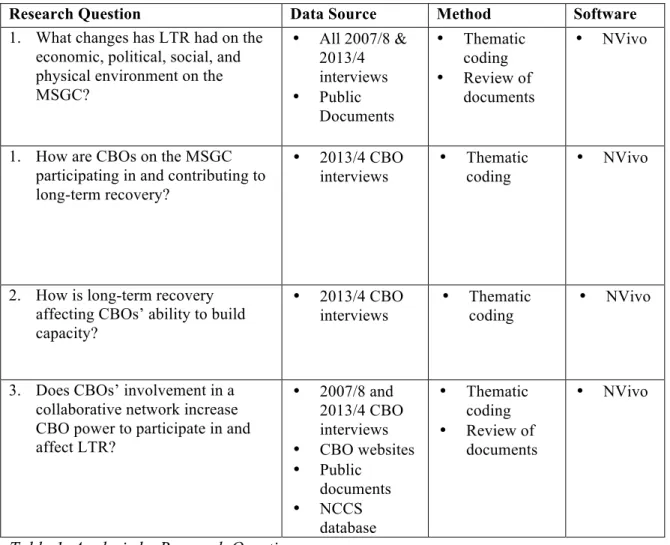
Table 1. Analysis by Research Question………...29
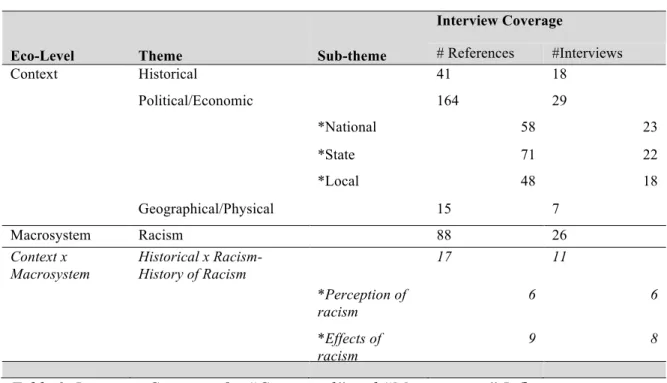
Table 2. Interview Coverage for “Contextual” and “Macrosystem” Influences ………..34
Table 3. History of Racism Effects on CBOs………36
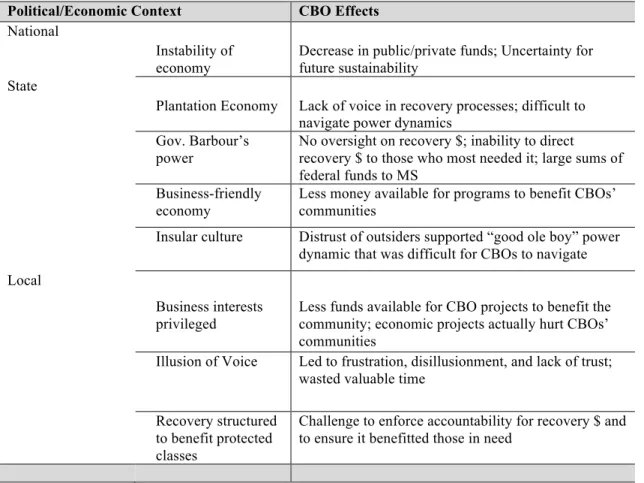
Table 4. Political/Economic Context Effects on CBOs……….42
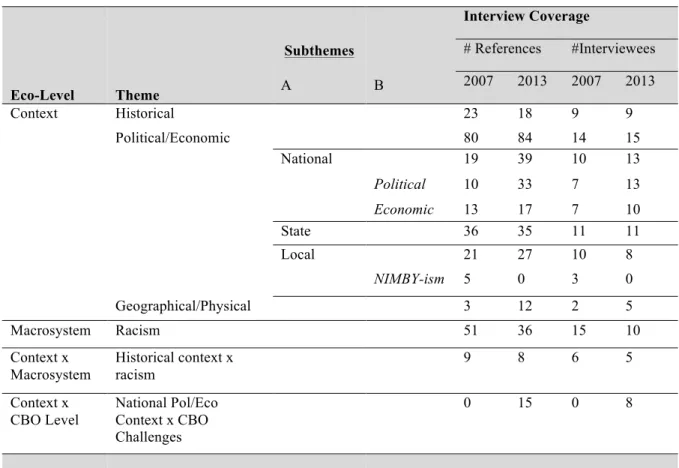
Table 5. Comparison of interview Coverage for “Context” Codes from 2007/8 to 2013/4………..53
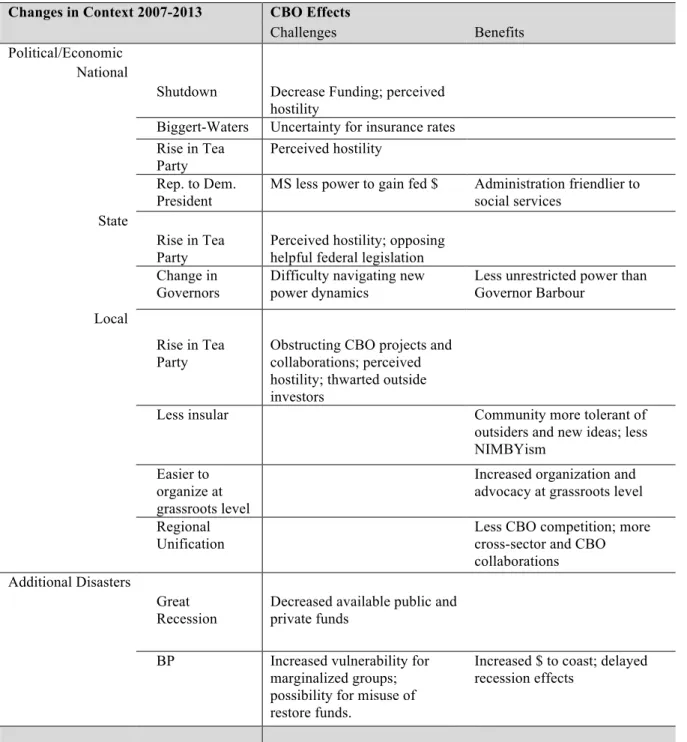
Table 6. Changes in Context and Implications for CBOs………..64
Table 7. Interview Coverage for “Power” and “Ideology” Codes……….66
Table 8. CBO Challenges and Effects by Ecosystems Level………73
Table 9. Interview Coverage for “CBO Roles” Codes………..74
Table 10. Interview Coverage for “CBO Strengths” Codes………..97
List of Figures
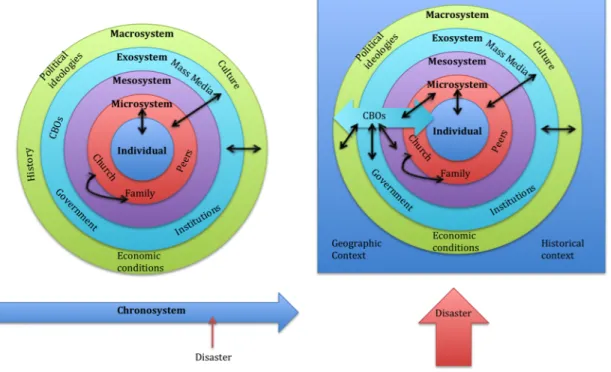
Figure 1. Ecological Systems Framework……….18
Figure 2. CBOs Disaster Ecological Model………...18
Figure 3. Mississippi Gulf Coast Damage Estimates……….23
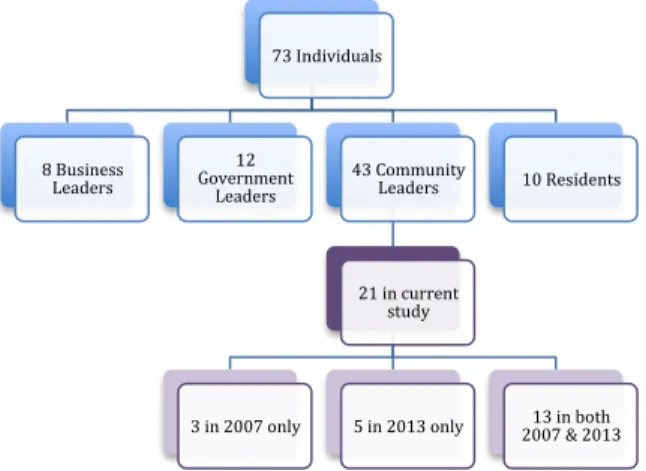
Figure 4. Individuals from 2007/8 and 2013/4 Interviews Included in Current Study...24
Figure 5. Participant Racial Percentages (n=21)………...25
Figure 6. Biloxi Racial Percentages (US Census, 2010)………...25
Figure 7. CBOs from 2007/9 and 2013/4 Interviews Included in Current Study………..26
Figure 8. Timeline of Events and CBO Changes………...65
Figure 9. CBO Disaster Ecological Systems Model of Long-term Recovery Challenges……….101
Chapter 1. Introduction
In the wake of recent national disasters, such as 9/11, hurricanes Katrina and Sandy, and the Joplin tornadoes, community-based organizations (CBOs) have become crucial actors in disaster preparedness, response, and recovery in the United States (Pipa, 2006). CBOs deliver immediate disaster relief, providing communities and residents with basic necessities, such as food, water, and shelter (De Vita, 2006; Smith, 2012). As the affected area transitions into the recovery phase, CBOs become important distributors of recovery information and funds (Gajewski et al., 2011; Pipa, 2006). CBOs’ value in immediate disaster relief (IDR) and short-term recovery (STR) is well established (Pipa, 2006). In fact, some researchers to argue that immediate disaster relief resources, as well as recovery funds and programs, should be handled by CBOs – “people on the ground” – rather than by disengaged, politically-motivated policy-makers at the federal level
(Chamblee-Wright, 2007), while others caution that this bottom-up approach may lead to less federal government involvement in the disaster arena which may negatively impact CBOs’ ability to function effectively in response and short-term recovery (Angel et al., 2012; Gajewski et al., 2011; Lein et al., 2009; & Smith, 2012). Despite these debates, most researchers and policy-makers agree that it is imperative to understand how increased reliance on CBOs during IDR and STR affects CBO operation and capacity.
However, this increased reliance on CBOs also has implications for long-term disaster recovery (LTR) – a time in which new community needs emerge as destabilized pre-disaster social and physical structures are reconstructed in unpredictable ways (CITE). Therefore, it is critical to understand the unique challenges and roles that CBOs play in LTR (Chandra & Acosta, 2009). Unfortunately, disaster research has been slower
to study CBO roles in LTR and how the increased reliance on CBOs during IDR and STR impacts CBOs’ ability to transition from STR to long-term recovery (Chandra & Acosta, 2009). As CBOs continue to play more extensive roles in disaster relief and recovery, disaster researchers must strive to understand how organizations handle these roles while navigating long-term recovery.
The purpose of the proposed study is to understand the role that CBOs play in LTR by examining the ways in which CBOs on the Mississippi Gulf Coast (MSGC) have transitioned into LTR from Hurricane Katrina while simultaneously responding to and recovering from subsequent, consecutive disasters. This study uses network analysis, content analysis, and thematic coding of in-depth interviews to explore the ways in which CBOs on the MSGC are participating in, contributing to, and aaffected by long-term recovery. In particular, this study hopes to determine what challenges CBOs on the MSGC continue to face and what strategies have proven successful or not in responding to these challenges. In other words, just as it is important to understand the challenges, it is also important to identify key strategies and sources of successes. Conducted almost a decade after Hurricane Katrina, this study contributes to LTR research by examining one of the most important actors in disaster response and recovery – CBOs. Additionally, this study will demonstrate the value a community psychology approach can offer to disaster research, particularly with regard to CBOs in areas undergoing long-term recovery.
Chapter 2. Literature Review CBOs’ Value in Response and Short-term Recovery
CBOs have long filled service provision gaps where government social programs fall short (Steinberg, 2006). Recently, after some of the deadliest and costliest disasters in American history, CBOs also have filled gaps left by an overwhelmed national disaster response system, participating in both the immediate response and the subsequent recovery periods. Because they are well positioned to respond quickly and efficiently when disaster strikes, CBOs and their staff are often among the first responders (De Vita, 2006; Smith, 2012; Weber & Messias, 2012). They are quite literally the people closest to ground zero, making them essential players in the immediate response period. During STR, CBOs also provide connection to services, dissemination of information, and new services or programs to meet unmet needs. For example, CBOs on the MSGC as well as CBOs in communities receiving Katrina evacuees responded quickly and innovatively by developing new programs to help clients, who had fallen between the cracks, meet their emergent needs (Smith, 2012, Angel et al., 2012). Research suggests that in addition to being valuable assets in disaster response and recovery, CBOs also may be useful in community disaster preparedness (Nilsen, 2012) by disseminating information and providing disaster kits to clients. Thus, CBOs become valuable assets at many stages of disaster – preparedness, response, and short-term recovery.
CBOs are valuable assets because they have local knowledge of and are in close proximity to disaster-affected communities and often have the trust of community
members. CBO staff consists of community members and leaders who work directly with the most vulnerable populations in the community and therefore, are keenly aware of
specific (and often complex) needs within the community (Smith, 2012). Not
surprisingly, CBOs are also the entities most knowledgeable about existing community strengths and resources. Frequently, CBOs are connected to these resources or are directly providing them to the community. This local expertise allows for quicker and more efficient resource allocation by preventing spending time and resources
“reinventing the wheel” or duplicating services (Pipa, 2006). Not only does CBOs’ local knowledge make them valuable experts on their communities’ strengths, needs, and resources, but it also can make CBOs experts on their constituents’ culture. Therefore, CBOs can be helpful in identifying and communicating with hard-to-reach populations, which are often the most vulnerable residents. Distributing information to these hard-to-reach populations is one of the major struggles in disaster response and preparedness (Nilsen, 2012). CBOs can be used to distribute critical information to groups of people who are typically overlooked and who may be suspicious of outsiders and can also be used to make sure that the distributed information is culturally appropriate. Receiving culturally appropriate information from a trusted source increases the chance of community buy-in (Trickett, 2011). Receipt of information and buy-in can lead to increased community disaster preparedness and increased access to recovery resources. This advantage is incredibly important given that after Hurricane Katrina, the people who needed help the most, did not receive it, in part, because they were unaware of programs for which they were qualified (GAO, 2008).
In addition to their local knowledge, CBOs often have the trust of community residents. In fact, research shows community residents seem to trust CBOs more than governmental agencies. Along the Gulf Coast, many people – including some
government leaders – perceived NGOs and CBOs to be more effective in responding to Hurricane Katrina than local, state, and federal agencies (De Vita & Kramer, 2008; Pipa, 2006; & Weber & Messias, 2012). In part, this perception is due to the fact that CBOs are less bureaucratic (in Gajewski et al., 2011) and more flexible (Smith, 2012) –
characteristics which allow CBOs to work faster and more efficiently than government agencies who are restricted by rigid policies and complicated bureaucratic processes. Speed and efficiency are especially important during the initial response period. CBOs also build community trust because as the disaster area moves into the recovery phase, CBOs remain invested in the community long after government programs end and
national disaster relief organizations leave to attend to the next disaster (Pipa, 2006). This trust, along with CBOs’ local knowledge and close proximity to the disaster area and the combination of rising needs and ineptitude of governmental response, has led
communities and local and federal governments to continue to increasingly rely on CBOs during multiple phases of a disaster.
CBOs’ Roles in Katrina Response and Recovery
Increased reliance on CBOs is perhaps most apparent in Katrina IDR and STR. A review of Katrina disaster literature illuminates three distinct roles that CBOs, on MSGC in particular, have played or can play in disaster preparedness, response, and short-term recovery: cross-sector collaborators, funding conduits, and intermediary actors. These roles are not mutually exclusive and often overlap. Notably, these roles all rely on CBOs’ position at the intersection between the community and the institutional systems that impact individuals and communities. Though not without its challenges, this
knowledge, close proximity, and community trust) to channel funds and information across sectors in order to benefit communities undergoing response and recovery from disaster.
Not surprisingly, this intersectional position allows CBOs to participate in and develop cross-sector collaborations, which are “partnerships involving government, business, nonprofits and philanthropies, communities, and/or the public as a whole” (Bryson, Crosby, & Stone, 2006, p. 44). In disaster contexts, these collaborations increase coordination among entities involved in disaster response and recovery, and coordination between government and nongovernment agencies is essential to a successful response and recovery (Angel et al., 2012; Lein et al., 2006; Pipa, 2006). Additionally, cross-sector collaborations allow CBOs to combine their local knowledge with expert knowledge and monetary resources, and they enable CBOs to have access to policy/decision-makers, increasing CBOs’ influence on decisions that affect the communities and the clients they serve. Therefore, including CBOs in cross-sector collaborations can arguably lead to increased community buy-in to disaster preparedness procedures and recovery processes. In other words, when CBOs have a seat at the table, they can better advocate for the community, and community members can be more confident that their interests are being represented. Ultimately, a government response to disaster is incomplete and ineffective without the help of CBOs, and CBOs cannot persist without access to government resources during times of extreme need (Angel et al., 2012) and cannot affect systems-level change without access to the key players. Cross-sector collaborations are good opportunities to combine expert knowledge and local knowledge in order to arrive at better solutions that are a good fit for each community. While cross-sector collaborations
have become essential, CBO involvement in long-term cross-sector collaborations in an “underspecified and under-researched area” (Simon and Bies, 2007, p. 140).
CBOs’ intersectional position also encourages private and government agencies to use CBOs as funding conduits. During the aftermath of Hurricane Katrina, international humanitarian relief organizations began funneling funds and resources to CBOs who were on the ground and could distribute funds quickly with limited bureaucracy (Gajewski et al., 2011; Pipa, 2006). Using CBOs as funding conduits also works as a checks and balances for the allocation of recovery resources, rendering resource and funds allocation more transparent and increases the chance that these resources will be directed to the community. Without accountability, recovery funds may not be used to benefit communities in need. In Mississippi, many federal funds were funneled through the governor’s office, and when HUD funneled $5.481 billion through the governor’s office (Defense Appropriations Act, 2006), much of this money went to fund the governor’s economic development projects that did not directly benefit the most
vulnerable populations for whom the money was originally dedicated (Weber & Smith, 2013). Using CBOs as funding conduits can lead to more equitable and efficient
allocation of resources.
One of the most important ways that CBOs function is as intermediate actors that communicate important information across multiple sectors. CBOs can communicate federal and state regulations to the local community and educate residents on the recovery processes and disaster preparation. In addition to transferring information “down” from “experts,” alternatively, CBOs also can transfer local information and concerns “up” to policy-makers. In this capacity, CBOs advocate for community
concerns as they arise during the recovery process. On the MSGC, CBOs who began as service providers became explicitly involved in advocacy in addition to their service provision either by adding advocacy to their mission or by joining advocacy
collaborations. For example, the STEPS Coalition formed in 2008 in response to the dire housing need on the Coast and the coalition consisted of CBOs (Weber, 2014). One of its biggest successes includes forcing the state to return some of the money it had reallocated to a failed economic project to housing, resulting in a new housing program. Then,
STEPS helped inform the community about the program. Their position at the intersection between system and community levels not only makes CBOs effective advocates but also makes them key conveyers of important information.
CBO Challenges
CBOs face multiple challenges that arise during IDR and STR that inhibit their ability to fill service gaps and function in both new and existing roles in disaster contexts. For example, CBOs must continue to meet clients’ continuing and increasing needs while recovering themselves. In Mississippi, 93% of CBOs reported a loss of programs and services because of Hurricane Katrina (Mississippi Center for Nonprofits, n.d.). In the emergency phase of recovery (Kane, 1977), staff members and their families are in recovery and may be unable to return home and to work, resulting in staff shortages (CITE), burnout, and nefarious mental health effects (Weber & Messias, 2012).
Additionally, CBOs must respond to and enact policies that they have little say or power in developing or changing, and progress is hindered by the lack of opportunity to take part fully in decision- and policy-making that effect CBOs and the communities that they serve. Both of these challenges often lead to staff disillusionment and burnout.
One of the biggest challenges that CBOs face during IDR and STR is lacking the organizational capacity and expertise necessary to respond to the increased demands that arise in IDR and STR. Disasters often demand changes in nature of services or
development of new services altogether in order to meet emergent needs. Organizational capacity includes access to resources and funding and availability of staff. Lack of capacity coupled with increased demands limit CBOs’ ability to carry out their main functions – service provision and/or advocacy – as well as their ability to engage in new roles, such as cross-sector collaborators, funding conduits, and intermediate actors. Cumulative effects of carrying out new services indefinitely without the capacity to do so in IDR can lead to negative and cumulative effects in STR and LTR. Often, those CBOs that do attempt to meet these demands without the capacity and expertise to do so, end up suffering long-term. Not only are CBOs unable to carry out primary functions or service provision and advocacy, but they also are unable to continue functioning as an
organization. In New Orleans, after Hurricane Katrina, the number of CBOs dropped. Many cited lack of capacity and increased needs as contributing factors.
The nature of services change during a disaster context and CBOs do not have the expertise and resources to adapt to this change. Taking on new and crucial roles in both immediate disaster response and short-term recovery efforts (Pipa, 2006) often involves CBOs serving new types of clients and providing services that fall outside of their areas of expertise and for which they do not have the capacity to provide. Many CBOs are woefully unprepared for the roles they end up playing in disasters (Nilsen, 2012), and being organizationally prepared for disaster – i.e., having a disaster plan – does not mean that CBOs are prepared to provide disaster services outside the realm of their expertise
and capacity. For example, in the immediate response to Hurricane Katrina, CBOs on the Gulf Coast provided shelter and emergency disaster relief despite the fact that few of these organizations included disaster relief in their missions or had appropriate resources available for this type of disaster response (Pipa, 2006). In fact, as of October 5, 2005, Louisiana and Mississippi CBOs were sheltering almost as many people as the American Red Cross (ARC) (Pipa, 2006) but with arguably fewer resources and training than the ARC or other government organizations charged with disaster response (Smith, 2012). Because CBOs find themselves with a new client base and often meeting basic needs that are outside of the CBO’s mission (Smith, 2012), CBOs also find themselves changing the nature of their services permanently (Auer & Lampkin, 2006; De Vita & Morley, 2007). This type of change can influence funding sources and staff. In addition to not having adequate training in disaster response (e.g., triage, working in hazardous conditions), CBOs lack the funding and staff to respond to the vast needs that arise. Even in-kind donations and managing volunteers are difficult without the capacity. Capacity and expertise are essential to CBO function in IDR and STR.
CBOs’ degree of capacity and expertise in IDR has implications for their ability to engage in STR. Even those CBOs who have the capacity and expertise to successfully integrate disaster response into their mission, many CBOs often lack the capacity to carry out these new services indefinitely (Pipa, 2006). In the subsequent short-term recovery period, CBOs on the MSGC continued to provide services for individuals and
communities who did not qualify for federal and state recovery programs without any compensation for these new services. Additionally, CBOs faced many and, often, unanticipated challenges in the initial response phase of a disaster that affected CBO
service provision in later short-term recovery. Despite being stretched beyond their initial capacity, many CBOs on the MSGC were not reimbursed for their services by FEMA or governments that greatly relied on these CBOs, which affected ability to CBOs’ ability to provide disaster-related and regular services during the short-term recovery phase (GAO, 2008). Unfortunately, little research shows the effects on LTR.
Recognizing capacity limitations, disaster researchers and practitioners – including emergency responders, policy–makers, and government entities – agree that CBOs should be incorporated more explicitly and comprehensively into disaster preparedness, response, and recovery and that CBO capacity must be cultivated before and after a disaster (De Vita, Kramer et al., 2008; De Vita & Morley, 2007; Gajewski et al., 2011; GAO, 2008; & Pipa, 2006). For instance, in the aftermath of Hurricane Katrina, a GAO report (2008) recommended that FEMA increase their coordination with CBOs and contribute to capacity and to address funding issues of reimbursement. In a report for the Aspen Institute, Pipa (2006) recommended that policymakers increase funding and activities to include CBOs in decision-making and disaster training. Recognizing this limitation in the aftermath of Hurricane Katrina, a 2008 GAO report recommended that funders allocate operational grants to keep local CBOs functioning during a disaster. Building CBO capacity pre-disaster and continuing to invest in capacity building post-disaster is crucial because during and after a post-disaster, CBOs must continue to serve constituents as well as recovery themselves – both on an institutional and individual level. Researchers and practitioners, alike, agree that CBOs have multiple advantages to offer at all stages of disaster and to multiple levels, including the individual, community, and governmental levels.
Gaps in the Literature
Despite recognizing that capacity affects the ability of CBOs to respond to disaster challenges and that continuing to provide services without the capacity to do so can lead to unresolved challenges in STR and LTR, disaster research has been slow to research CBOs’ roles in long-term recovery and how CBOs continue to engage disaster recovery while negotiating their organization’s identity in light of the new disaster context. For example, though we know that initially, CBOs offer services outside of their stated mention, scant research exists on if and how CBOs continue offering these services during long-term recovery. Knowing this information is crucial because donors during disasters are usually more interested in short-term recovery and relief and less interested in long-term recovery or administrative costs (in Gajewski et al., 2011) – both of which organizations cite as necessary (Nilsen, 2012). Additionally, despite the influx of
volunteers during periods immediately after a disaster, these volunteers often decrease as time goes on (Smith, 2012) and are unequipped to deal with long-term recovery services, like job training (in Gajewski et al., 2011). Gawjewski et al. (2011) recommend that local nonprofits begin advocating at the federal level for long-term recovery and should
encourage donors and the general public to donate to long-term recovery (Gajewski et al., 2011, USHCHS Democratic Staff Report, n.d.). First, research on how to best use these funds is necessary. Researchers and practitioners need an understanding of how CBOs continue to build capacity, the struggles they experience, and the roles that they play in long-term disaster recovery before we can develop best practices for CBOs serving areas undergoing long-term recovery.
In addition to navigating the effects of disasters on CBO mission and functioning, CBOs must also navigate changing socio-political contexts. Unfortunately, little research exists on this process in LTR. Disasters occur within a pre-existing socio-political context that can hinder or hurt certain CBOs agendas. The pre-existing context affects capacity building at individual, organizational, and community levels. Context determines who is affected by a disaster and who recovers and who does not recover (Weber, 2014).
However, it is important to consider what happens when a disaster occurs and the context changes. Certain groups at these multiple levels stand to benefit or lose when familiar structures are no longer in place. Of course, disasters are necessarily political events (Klein, 2007). Disaster can be an opportunity to revise harmful structures in a way that is more advantageous to those groups previously disadvantaged. However, often what happens is that those who are already in power are able to achieve agendas that may be further harmful to disadvantaged populations by taking advantage of the momentary lapse in accountability and dismantling of the social structure (Klein, 2007).
Renegotiating Identity/mission for LT within this context and often politically charged environment. It is important to understand the impact that the sociopolitical context has on long-term recovery efforts, and unfortunately little research is available.
Furthermore, scant research exists on how CBOs operate in areas that have experienced (or are at risk for experiencing) multiple disasters of various types. This gap is unfortunate given the fact that research shows that LTR is more complicated and takes longer after multiple disasters (Chandra & Acosta, 2009; Public Entity Risk Institute, 2009). Multiple disasters slow the recovery process because they often result in increased competing priorities with limited resources and prevalence in mental illness, which can
become compounded (Chandra & Acosta, 2009). It is important to understand how CBOs continue to make progress in areas that experience multiple disasters because many disaster-affected communities exist in geographic locations that increase their
vulnerability to disasters, and therefore, the same community may experiences various types of disasters almost simultaneously. Because disaster risk is a combination of geographic, social, and political factors, many times the same geographic location or group of people are most vulnerable to disasters (Cutter, 2003). Disaster is not a static event but a continuation of ongoing inequalities and new struggles arise that can impede recovery. In other words, many communities will likely experience multiple disasters in a short amount of time, and these communities are often the most vulnerable and least capable of responding successfully. They will rely disproportionately on CBOs in their area.
In a rare investigation of long-term recovery and CBOS in Louisiana, Chandra and Acosta (2009) found that little federal support existed for CBOs working toward long-term human recovery. Instead, the federal government focused mostly on
infrastructure and economic recovery. Additionally, CBOs struggled to find guidance and protocol for long-term case management. Chandra and Acosta (2009) concluded: “more investigation is warranted to determine NGOs’ roles during recovery and to outline how government can better support NGOs in human recovery efforts” (p. 10). This study takes on this challenge and explores if CBOs in long-term recovery experience challenges similar to challenges faced in STR and examines new challenges and roles that emerge in LTR.
Chapter 3. Theoretical Framework
This study relies heavily on an ecological systems framework to explore and conceptualize CBOs’ roles in long-term disaster recovery. Ecological frameworks recognize the interaction between the individual and his or her environment, arguing that human behavior is influenced by physical, social, economic, and political environments (Dalton, Elias, & Wandersman, 2001; Trickett, 1996). These environments function in terms of systems that interact with each other, and these systems include the micro-, meso-, exo-, macro-, and chronosystems that fan out concentrically from the individual. In Brofenbrenner’s model (1979) this individual is the child and the systems make up the child’s social ecology. Where the microsystem typically includes individuals and groups who have direct contact with the child (e.g., parents, friends, church, and school), the mesosystem includes interactions between multiple entities in the child’s microsystem (e.g., parent-teacher and family-church interactions). The exosystem includes institutions, agencies, and structures that indirectly affect the child and his or her microsystems but with which the child does not have direct contact. Similarly, the child has no direct contact with the macrosystem, which consists of social, cultural, and political systems that affect other systems and levels within the model. Because of the nested nature of these levels, changes in one level produce changes in another level (Brofenbrenner, 1979). While Brofenbrenner’s social ecological theory originally described a child’s interaction with his or her environment, this model has been used by multiple disciplines to understanding how different systems affect each other across multiple levels and how they impact communities and individuals.
I build upon existing ecological systems frameworks by adapting them to more accurately reflect CBO involvement in disaster contexts. First, I augment
Brofenbrenner’s (1979) frameworks by incorporating aspects of Weber’s (2010) feminist intersectionality framework – particularly its emphasis on power as a unit of analysis. This intersectionality framework describes social systems as power relationships that are simultaneously expressed at multiple levels. Because ecological systems are necessarily power-laden, power is an essential unit of analysis in intersectional frameworks (Weber, 2010). Without understanding the function of power, an analysis may miss important contextual and environmental factors that impact an individual or community. Therefore, research stemming from an intersectionality framework often uses discourse analysis to deconstruct ideologies and uncover power dynamics and political interests. A power analysis is especially useful in a disaster context, because disasters temporarily or permanently disrupt systems at multiple levels, and this disruption can be used to restructure the power relationships to benefit marginalized groups – or to further bolster those people and systems in power (Klein, 2007). Community organizations play an important role in this restructuring but do not operate outside these systems, placing them both in a potentially powerful or potentially vulnerable position simultaneously. Because they operate at the nexus of many of these systems and serve as the nexus between the community and the “powers-that-be,” CBOs can be powerful advocates for marginalized groups. They also rely on resources and funds dependent upon these other levels.
Therefore, understanding power dynamics among and between ecological systems is incredibly important when examining CBO’s operating in a disaster context.
In addition to encouraging power as a unit of analysis, this intersectionality framework also emphasizes that systems across multiple levels are simultaneously expressed and are geographically and historically situated. Both ecological systems and intersectional theories recognize the importance of context; however, intersectionality framework emphasizes the historical and geographical contexts’ influence on all relationships among and across systems. In other words, historical and geographical contexts are not located within a systems level. Rather, they impact the system’s ecology (See Figure 1). This difference is important for understanding CBOs in a disaster context because it allows for studying how disaster changes these contexts and influences the relationships among systems. Within this framework, disaster is not an event in time that merely affects systems; it’s a context or state within which ecological systems are
situated.
My model attempts to capture this nuance, to represent CBOs’ unique intersectional roles, and to create the opportunity to study the function of power and ideology within these systems. The model seeks to capture the disaster context as it gives rise to CBOs’ cross-level roles by removing the chronosystem as a separate system operating outside of the model. Instead, the model is situated within historical and geographical context. Similar to Pfefferbaum and colleagues (2012) who noted that disasters “activate” the mesosystem to form linkages, I argue that disasters create a special context in which systems become unstable and CBOs emerge as entities that link and mediate across levels, functioning as cross-sector collaborators, funding conduits, and community-government liaisons and operating at the intersection of multiple levels of analysis. Perhaps the most notable difference is the model represents CBOs as cutting
across levels. Most ecological models locate CBOs within one level. For example, within Brofenbrenner’s model, community-based and service organizations typically fit within the exosystem level of the framework. Some adaptations of the model include a
“community-level” within which CBOs often fit (Kelly, 1968; Perkins, Silberman, & Brown, 2003). Others categorize CBOs as entities that facilitate mesosystem interactions (Pfefferbaum et al., 2012). In order to more accurately reflect CBOs’ unique
intersectional roles in a disaster context, my model conceptualizes CBOs as entities that cut across levels rather than as firmly located within any one system. Therefore, my framework represents CBOs in disasters as intersecting multiple levels, part of and influenced by power relationships among and across systems, and placed within a geographically and historically situated context defined or marked by disaster.
Chapter 4. Current Investigation
Employing this framework, this applied research study sought to understand CBOs’ experiences with long-term recovery in an effort to inform policy and research. It concentrated on CBOs on the Mississippi Gulf Coast (MSGC) because the MSGC is currently undergoing LTR from Hurricane Katrina, has experienced multiple disasters of varying types, and has a unique political context, offering the opportunity to address gaps in research. Less than a month after Hurricane Katrina made landfall in 2005, Hurricane Rita struck the MSGC, followed by Hurricane Gustav in 2008, and Hurricane Isaac in 2009. In addition to hurricanes, the housing and economic crisis of 2008 critically affected the Coast. Because the area was already impoverished, the economic crisis effects were even more significant. In 2010, the Deepwater Horizon (BP) Oil Spill, though causing little structural damage, further suppressed the economy by hindering the tourism and Vietnamese fishing industries, leading to rising unemployment and
decreased tax revenue. Despite these multiple disasters, preliminary analysis of 2013 qualitative interviews suggested that CBOs on the MSGC have managed to continue to grow and build capacity. In fact, more CBOs exist on the Coast today than pre-Katrina (NCCS, 2014). Additionally, data suggested that the Coast has more cross-sector
collaborations post-Katrina than before the storm. Given the number and severity of these disasters and the effects that they have had on an already impoverished area,
understanding how these CBOs have continued to thrive can inform how researchers and practitioners approach and manage other domestic disasters.
In addition to thriving despite multiple disasters, CBOs on the MSGC are
the opportunity to explore the effects of socio-political context on LTR and how power dynamics affect CBO operation. Situated within a republican state, the MSGC considers itself more “liberal” and “cosmopolitan” than the rest of the state. CBO leaders on the MSGC felt that the Coast’s more moderate political leanings put it at odds with the state’s conservative government and rising Tea Party movement (Weber & Smith, 2013). Additionally, the Coast considers itself to be different from the rest of the state socio-economically, racially, and educationally. Indeed, it is more racially diverse than the rest of the state, and despite being a “working coast,” with socio-economic and education levels well below the national averages, the Coast does have much higher
socio-economic status and education levels than the rest of the state (US Census, 2010). Despite these differences from the rest of the state, in some ways, the conservative government worked to advantage the Coast because Governor Barbour, who had close ties with President Bush, managed to secure a disproportionate amount of federal money for Mississippi in the period following Katrina (Weber & Smith, 2013). Focusing on CBOs on the MSGC not only allowed me to explore how this unique context changed after subsequent disasters, but it also allowed me to examine if and how CBOs navigated the complex power dynamics in this recovery process.
Research Questions
Because this study is one of the first to examine CBOs undergoing LTR, the research approach was largely exploratory. In order to address gaps in current research, this study explored the following questions concerning CBOs on the MSGC:
1. What changes has LTR had on the economic, political, social, and physical environment on the MSGC, and how have these changes affected CBOs’ operation?
2. How are CBOs on the MSGC participating in and contributing to LTR?
3. How is LTR affecting CBOs’ ability to build capacity and provide services and to the community?
4. Does CBOs’ involvement in a collaborative network increase CBO power to participate in and affect LTR?
Based on existing research, I expected that CBOs on the MSGC would have experienced significant changes in operation due to changes in the economic, political, social, and physical environment. Furthermore, I predicted that CBOs on the MSGC would continue to be important players in LTR from Hurricane Katrina by serving as cross-sector
collaborators, funding conduits, and community-government liaisons. Additionally, those CBOs that have continued to be players would be those organizations that have been able to overcome challenges associated with short-term recovery and long-term recovery. Ultimately, I anticipated that CBOs who have continued to be players in LTR would be those CBOs who were more involved in both pre-disaster and post-disaster collaborations and who were highly connected to other organizations and sectors.
Chapter 5. Methods
This study involved two phases of data collection, including data from an original study conducted in 2007 and 2008 as part of a 2007 National Science Foundation grant looking at inequalities in recovery on the Mississippi Gulf Coast (Grant CMMI-0623991) as well as a follow-up study in 2013 and 2014 (USC Provost Grant, 2012). The first study took an exploratory approach, gathering data across multiple groups involved in recovery from Hurricane Katrina. Using purposeful sampling and snowballing techniques,
researchers identified and interviewed 56 key leaders and residents involved in disaster recovery in Gulfport, Biloxi, Diamond Head, Pass Christian, Waveland, and Bay St. Louis from Hancock and Harrison County. These towns were chosen because of their proximity to landfall and the amount of damage incurred (Figure 3). Though all within thirty miles of each other, these towns varied in terms of size and socio-economic makeup. Key findings from this initial study included:
• Because of their insider/outsider status, NGOs and CBOs played a crucial role in multiple stages of recovery: as first responders and as community members invested in long-term recovery. However, CBO workers experienced physical and mental distress because of insufficient resources and capacity to deal with
emerging and exacerbated needs and the difficulty of navigating socio-political processes (Weber & Messias, 2011).
• Power dynamics benefitting a government/business alliance governed decision-making and kept needed resources out of local communities (Weber, 2014). • CBOs leveraged their collective power to affect decision-making by forming an
Figure 3. Mississippi Gulf Coast Damage Estimates. *Retrieved 15 Jun 2015 from:
http://www.southernspaces.org/sites/southernspaces.org/files/images/2008/1a-002-ss-08-katrina_lg.gif
The second phase involved a 2013/14 follow-up study that attempted to reconnect with previous participants in order to examine the long-term recovery experiences of CBOs on the Gulf Coast after subsequent disasters. Based on findings from the previous study, researchers chose to focus more intensely on the experiences of community-based organizations. In addition to CBOs, the follow-up study, using snowballing and
theoretical sampling, recruited organizations not represented in the first study and new organizations that had emerged in the previous three years. Unlike the original study, the follow-up study emphasized depth over breadth, focusing on the CBO sector.
Data and Units of Analysis
The data used in the present study consisted of 721 transcribed semi-structured interviews, public documents, and field notes collected from both the original and follow-up studies.2 Zooming in on organizations and their context, the present study focused on the CBOs who participated in both 2007 and 2013 follow-up studies, resulting in 21 unique participants from 15 organizations. These data allowed for inquiry at individual,
1 Includes 6-month follow-ups in 2008 for 3 participants. Also, considers interviews with two participants
as one interview.
organizational, and socio-political environment levels of analysis. The following sections describe the data used to inform each level of analysis.
Individuals. A total of 73 unique individuals participated in the 2008 and 2013 studies. These individuals included key leaders in recovery from the business community, local and state governments, university community, and nonprofit community. Fifty-six percent (56%) of participants were women (n=41). Forty-three (43) of these key leaders worked for CBOs. Of these 43 CBO leaders, 13 participants were interviewed in both 2008 and 2013, allowing for a longitudinal analysis of the process of recovery for those individuals. This study also includes 8 interviewees whose organizations participated in both studies, but they themselves only participated in either 2007 only (n=3) or 2013 only (n=5). Because of staff turnover, the same representatives/interviewees from each CBO was not always possible. Figure 4 illustrates the breakdown of individuals.
Figure 4. Individuals from 2007/8 and 2013/14 Interviews Included in Current Study
Of the 21 participants, 62% were female (n=13) and 38% were male (n=8). The majority (62%) of participants were White (n=13). African American and Latino/a participants each made up 14% of respondents respectively (nAA=3, nLat=3). These
breakdowns were similar to Census Bureau data at that time that shows Biloxi to be 64% 73 Individuals 8 Business Leaders 12 Government Leaders 43 Community Leaders 21 in current study
3 in 2007 only 5 in 2013 only 2007 & 2013 13 in both 10 Residents
White, 19% African American, and 9% Latino/a. Therefore, this sample had slightly more Latino/a representation and slightly less African American representation (2010). See Figures 5 and 6 below. Twelve of the 21 participants were executive directors of their organizations. The other 9 interviewees had overlapping roles that included advocacy, organizing, and service provision.
Figure 5. Participant Racial Percentages Figure 6. Biloxi Racial Percentages (n=21) (US Census, 2010)
Organizations. A total of 43 people were interviewed from 32 organizations in both 2007/8 and 2013/14. Of these organizations, 46.9% participated in both studies (n=15); 37.5% participated in the first study only (n=12); and 15.6% participated in the second study only (n=5). The majority of the 12 previously interviewed organizations that did not participate in the second study were either no longer viable organizations (n=5); no longer had a presence on the Gulf Coast (i.e., were located elsewhere and had temporary branches on Coast only immediately after Katrina, n=5); or were unable to meet with interviewers due to scheduling conflicts (n=2). Researchers made extensive efforts to contact these 12 organizations and/or their former leaders because their
perspective would greatly enhance the study. However, many former leaders had left the coast, and research assistants were unable to locate them. Thankfully, the follow-up study
62% 14% 14% 5% 5% White African American Latino/a Asian 64% 19% 9% 4% 4% White African American Latino/a Asian
did include the perspective of organizations representative of these two types of organizations – defunct or removed.
Figure 7. CBOs from 2007/8 and 2013/14 Interviews Included in Current Study
The 15 organizations that participated in both studies included both pre-Katrina and post-Katrina organizations. Eight organizations were primarily service organizations and six were primarily advocacy organizations (one organization was a
lender/educational organization). However, seven organizations were explicitly involved in both advocacy and service, and many others engaged informally in both, even though their mission statements may privilege one or the other focus. The majority of the participating organizations was housing organizations or at least involved a housing component (n=9). Additionally, most CBOs were located in Biloxi (n=11) or Gulfport (n=4).
Relying on variations of existing definitions for CBOs, the study considered CBOs to be organizations that are: 1) non-profit; 2) non-governmental; 3) secular or faith-based; and 4) provide either direct services and/or advocacy for individuals (Austin, 2012). The classification included advocacy organizations because these organizations know the needs of various niche groups in the community and may connect individuals to
32 CBOs 12 CBOs 2007 only 5 CBOs relocated/left area 5 CBOs defunct 2 CBOs scheduling conKlict 15 CBOs in 2007 & 2013 15 CBOs in Current Study 5 CBOs 2013 Only
extensions of national organizations that did not have a permanent presence in the community.
Socio-political environment. In tandem with conducting interviews, research assistants collected and examined numerous public and government documents and newspaper articles and observed community meetings in an effort to understand the context and political dynamics within the community. The majority of documents included the state’s recovery “Action Plans” published on the Mississippi Development Authority’s (MDA) website, United States Housing and Urban Development (HUD) documentation available on the HUD website, and state and local newspaper articles. Along with interviews, these documents helped reconstruct the socio-political
environment within which CBOs were operating at multiple levels, including local, state, and national levels.
Researchers’ Positionality
Keeping with my commitment to feminist intersectionality, I recognize the impact of my own positionality on data collection and analysis. In the spirit of self-disclosure and reflexivity: I am white female from the American South. At the time of the study, I was in my late twenties and had lived in the South all of my life. Therefore, I was well acquainted with southern rural culture and had a heavy accent, making me easily accepted into the community of interest. I was drawn to this study, in part, because of a commitment to social advocacy and also because I had a traumatic experience with a natural disaster as a child. In 1989, Hurricane Hugo devastated my hometown, a rural impoverished area in South Carolina. Unlike the MSGC, this area had little assistance from CBOs because no CBOs or formal service networks existed. The area received little
government assistance and, arguably, is still recovering. This study also interested me because of the high amount of women working in CBO leadership roles on the MSGC. I feel a commitment to show the often under-appreciated work of women in their
communities and the power they garner through collaboration.
The other two interviewers for the 2013 study were white women in their sixties. One of these interviewers was born and raised in the South, and the other interviewer had lived in the South for over 20 years. The interviewers from the 2008 study included two white male graduate students and two white females – one graduate student and one professor – all from the University of South Carolina. While I collaborated with some of these researchers in brainstorming themes and initial coding in 2013/4, the following analysis is my own.
Analysis
This study examined interviews and documents using thematic coding informed by my CBO Disaster Ecological Systems Framework. This qualitative method was useful for examining data at multiple levels – individual, organizational, community, and socio-political levels – as well as for understanding the operation of power across and within these levels. To address the first research question regarding context, I focused on codes dealing with context and power in all interviews and public documents from 2007/8 to 2013/4. Because I was interested in the overall context, I included interviews from all respondents, including business and government interviewees at this initial step. To understand CBOs’ roles and operation in long-term recovery (research questions 2 and 3), I focused primarily on the CBO interviews from 2013. However, I compared codes on CBO operation and roles in 2008 with 2013 in order to understand how these changed.
Finally, in order to examine the nature of CBO collaborations and CBOs’ ability to garner power in LTR (research question four), I examined codes from both 2007/8 and 2013/4 concerning ties to other CBOs and entities across sectors. I also examined public documents to a get a sense of their visibility in the community. See Table 1 for a
breakdown of research questions and methods.
Research Question Data Source Method Software
1. What changes has LTR had on the economic, political, social, and physical environment on the MSGC? • All 2007/8 & 2013/4 interviews • Public Documents • Thematic coding • Review of documents • NVivo
1. How are CBOs on the MSGC participating in and contributing to long-term recovery? • 2013/4 CBO interviews • Thematic coding • NVivo
2. How is long-term recovery affecting CBOs’ ability to build capacity? • 2013/4 CBO interviews • Thematic coding • NVivo
3. Does CBOs’ involvement in a collaborative network increase CBO power to participate in and affect LTR? • 2007/8 and 2013/4 CBO interviews • CBO websites • Public documents • NCCS database • Thematic coding • Review of documents • NVivo
Table 1. Analysis by Research Question
I began the analysis by reading through all interview transcripts for both 2007/8 and 2013/4, including business leader and government leader interviews, taking notes of emerging themes and questions in my project journal. I sketched a rough coding
framework that contained broad themes, filling them in with sub-nodes as I went along. Then using NVivo software, I coded 2007/8 CBO interviews, starting with a couple of
“typical” interviews that contained many of the themes I identified in the first read-through. I used an open coding, coding in vivo for emergent themes. I also used a priori
codes developed from the research questions, interview schedule, and my initial read-through. After coding 2007/8 interviews, I moved to 2013/4 interviews using a similar strategy. I created memos as I coded to help generate ideas and potential frameworks and also to help track the coding process. I coded by interview rather than by theme/code because this strategy helped me keep the “big picture” in the forefront of my mind during coding. This strategy also assisted analysis in highlighting for me where certain processes and issues that were affecting CBOs (and that they were affecting) were “located”. In other words, this strategy helped me “define the problem” more contextually.
As codes became saturated and new codes stopped emerging, I collapsed both emergent codes and a priori codes into themes that I arranged into a paradigm that reflected my proposed CBOs Disaster Ecological Model. Therefore, about halfway through coding the 2007/8 interviews, I organized the codes based on the different levels within the model. Initially, I grouped existing codes into 6 levels – or “parent nodes” in NVivo: “Context,” “Macrosystem,” “Exosystem,” “Mesosystem,” “Microsystem,” and “Individual.” I also included a “CBO” level. I soon realized that codes might belong to more than one level or parent node. For example, while mental health may be expressed at an individual level, many interviewees discussed it as a community-level phenomenon and affected by micro-, meso-, and macro-level phenomena, showing that this code exists at multiple levels. Additionally, “Feelings and Attitudes” can work across levels such that an individual can have attitudes about government and CBOs; communities can have attitudes about and toward government and individuals; and governments can have
attitudes about certain communities and individuals. Finally, interviewees referred to certain events that impacted every level. For example, the Great Recession, the 2008 housing crisis, and the Deepwater Horizon Oil Spill. Therefore, I added “Multiple Levels,” “Across Levels,” and “Events” codes to capture themes that cut across, exists between, or impacts all levels. By organizing codes this way, I hoped to illustrate the usefulness of my model. This strategy also helped me begin to think contextually at the early stages of analysis.
Analysis of public documents from HUD, the MDA, local and national
newspapers, legal records, and CBO website content proceeded a bit differently. While I did not engage in systematic coding of these documents, I did use them to track
government funds and to inform my understanding of the political context. For example, in the interviews, discrepancies emerged between community leaders in different sectors (i.e., government, business, and CBOs). One discrepancy regarded the diversion of money from a housing recovery program to an economic development project at the Port of Gulfport. CBO leaders, while not necessarily opposed to the Port, did not approve of the diversion of funds from a housing program to an economic development project because of widespread unmet housing needs. Business leaders insisted that the money was always earmarked for the Port and that CBO leaders “just did not understand the way funds were allocated.” An (extensive) investigation of public documents between MDA and HUD revealed that the money was indeed diverted from the Housing Assistance Program (MDA, 2006a; MDA 2007; & Weber & Smith, 2012). While the goal of this project was not necessarily to investigate recovery funds and allocation, having access to these documents helped me understand the intense research process that CBO leaders
went through to keep on top of recovery processes as well as helped me to understand the ways in which certain stories about recovery were being perpetuated and what purpose they served and for whom.
Therefore, the majority of analysis involved thematic coding and content analysis of interviews and documents by the primary researcher. While analysis is based on one coder, a research assistant did assist with checking the reliability of my final coding structure based on the Disaster Ecological Systems model. She coded some of the more representative interviews using the coding framework. When comparing our coding, we achieved high agreement for sections coded (with a Kappa > 96 for all codes). Although the codes were mine, this finding implies that multiple users using this codebook can produce reliable codes. Please see Appendix I for codebook.
Chapter 6. Results
Results are presented much like the analysis, with a focus on context first. In order to investigate the way CBOs operate in LTR, I first needed to understand the context within which CBOs were working and simultaneously impacting. Understanding this context was pivotal to understanding the challenges and successes of the CBOs on the Mississippi Gulf Coast and the LTR processes in which they were participating. Therefore, the results section begins with a detailed analysis of the socio-political, economic, historical, and geographic context and its implications for CBOs and then proceeds to examine CBOs’ roles in LTR situated within this context. I address the remaining research questions pertaining to LTR impacts on CBOs by discussing CBOs’ challenges and successes throughout these sections. Most of these challenges, and subsequently, CBOs’ strengths, emerged in relation to the disaster context and the roles they played. I emphasize CBO collaborations as they emerged as one of the strengths of CBOs. While interviewees brought up many important and complex themes, particularly with regard to context and their roles in it, I discuss only those that have the strongest implications for understanding CBO operation in LTR.
Context and Macrosystem Influences
Eco-Level Theme Sub-theme
Interview Coverage # References #Interviews Context Historical 41 18 Political/Economic 164 29 *National 58 23 *State 71 22 *Local 48 18 Geographical/Physical 15 7 Macrosystem Racism 88 26 Context x Macrosystem Historical x Racism- History of Racism 17 11 *Perception of racism 6 6 *Effects of racism 9 8
Table 2. Interview Coverage for “Contextual” and “Macrosystem” Influences
* Child nodes can overlap.
To examine changes in the socio-political and economic context within which CBOs are located, I reviewed text coded for “context” in both 2013 and 2007 interviews, looking for similarities and differences. I divided “Context” into three main “child nodes”: “Geographical/Physical Context,” “Historical Context,” and “Political/Economic Context.” The “Political/Economic Context” code had by far the most coded references (n=343 across 29 different interviews), followed by “Historical Context” (n=42 across 19 interviews), and then “Geographical/Physical Context” (n=15 across 7 interviews). Upon review, “Political/Economic Context” also could be divided into three child nodes: “National,” “State.” and “Local.”3 Often, these nodes overlapped and intersected. For example, “National,” “State,” and “Local” political/economic context child nodes were
3 The same local, state, and national division arguably could apply to “Historical Context” and
dependent on each other even while they diverged. The change in presidential
administrations from Republican to Democrat in 2008 illuminated the ways in which Mississippi state politics were both dependent on and diverged from national politics. Similarly, historical context impacted present-day geographical context and
political/economic context. Also, these nodes overlapped with other levels; for example, racism, located in the macrosystem level of my coding structure, overlapped with all three context sub-nodes. In order to establish relevant context, first, I present themes that ran across both time points and then discuss the contextual changes between the two time points, relating these data back to CBO operation on the Gulf Coast, beginning with historical context.
History of racism/segregation. One of the most common themes throughout all of the interviews concerned racism, and this theme often overlapped with historical context. In fact, forty-three percent (43%) of historical context references were also coded as racism. Of course, “racism” can refer to many different discriminatory behaviors, attitudes, and practices, which are all important, but I am interested in the references in which racism and historical context overlap. Throughout the interviews, leaders emphasized that Mississippi’s history of racism4 was relevant to the Coast’s recovery from Hurricane Katrina. Analysis highlighted two themes that describe the ways in which a history of racism impacted the Coast. These themes include outsiders’
perception of racism and the effects of racism. In other words, Mississippi’s racial history
4 Interviewees did not elaborate on specific details of this history. Often the interviewees assumed the
interviewer was acquainted with Mississippi’s history. Several interviewees did mention the history of segregation but only vaguely. Therefore, this study analyzes perceptions (and perceptions of perceptions) and not actual historical events.
led to an outsider perception of racism as well as to institutionalized racism that had impacts for CBOs and the community.
History of Racism CBO Effects
Outsiders’ perceptions
Difficulty retaining and recruiting staff; decreased funds from national foundations; emotional distress Effects of
history of racism
Segregation led to discriminatory practices in recovery; CBOs struggle to fill service gaps for those minorities left out of recovery.
Table 3. History of Racism Effects on CBOs
Perception of racism. One of the more common themes that emerged under historical context dealt with how Mississippi’s history affected outsiders’ perceptions of the state and how these perceptions impacted CBOs. For example, CBO leaders felt that outsiders – including national funding foundations, international and national nonprofits, and even individuals professionals and volunteers – perceived Mississippi to be
“backwards,” “racist,” and “uneducated.” Interviewees blamed these perceptions on Mississippi’s history of racism and the state government’s devaluing of public education, social services, and healthcare. Regardless of the current state of racism on the Coast (many interviewees asserted that the Coast was “less racist” and “more educated” than the rest of the state), the perceived impact of this public perception loomed large in the interviews. Interviewees emphasized that these perceptions had real-world consequences on present-day Mississippi Gulf Coast CBOs by limiting access to funding and
discouraging recruitment of professional staff. The history of Mississippi both in terms of racism and its reputation for its low national rankings in healthcare and education made it difficult for organizations to retain employers and to recruit employers from out-of-state. For example, one community health center executive director explained:
It’s very difficult for us and everyone else down here, to recruit. When you say Mississippi, that takes about half of them out right there because they’ve heard for years about Mississippi being number one or number fifty, whatever it is you want to talk about. So that stops about half of them, and then you get to coastal Mississippi, and they think of hurricanes. Then you have a very small pool to recruit from that want to come down here. Then the ones here, as I mentioned the mental health and all these other issues, we have trouble retaining staff.
- Community Health CBO, Executive Director, White male, 2013 Given that CBOs increasingly must rely on external support and outside expertise to be sustainable, this finding is troubling. Additionally, this quote, in particular, illustrated the intersection of geographic location with historical context. In this case, they intersected to produce negative perceptions of the Coast as a geographically vulnerable location still plagued by racism. However, many interviewees pointed out that once outsiders visited the Coast, they found their perceptions inaccurate and often chose to stay.
Interviewees explained that Mississippi’s history also affected how large funding organizations decided to allocate their funds. For example, one national funding
organization refused to fund any organizations that existed prior to Katrina. They reasoned that pre-Katrina CBOs had been unable to respond successfully to racism and therefore, were ineffective at best and “part of the problem” at worst. Not only did this punitive response restrict access to much-needed funds for CBOs who were well established and well positioned to help the community, but it also caused emotional distress for leaders already experiencing burnout and mental health issues (Weber & Messias, 2011). As one CBO leader put it in 2007:
…we were shut out of any funding from these major funders. They won’t even, because we’re, you know – what they’re really focused on is structural racism. Well, that’s what our organization is about. As a matter of fact, that’s what we’re doing. We’re breaking down these barriers. I mean, you know? So it’s been very difficult. I have cried actually nights about this because to sit in these meetings and on the [CBO] board and have [International Organization] and [National Funding Organization] come and tell us we’re not aware of structural racism, and
we must have been part of the problem since things were so bad before, sit there. It’s embarrassing. It’s really hurtful.
- Housing/Advocacy CBO, Community Organizer, White female, 2007 This organization was having the same problem in 2013 with different funding
organizations, showing the persistence of this mentality over time and the demoralizing effect it had on CBO leaders.
You had those large – we saw a lot of money go to brand new nonprofits because the assumption was those of us who had been around and had achieved some really good things, that we were racist, and we had not been successful in the past.
- Housing/Advocacy CBO, Executive Director, White female, 2013 Outsiders’ assumptions based on Mississippi’s racial history continued to have harmful impacts throughout STR and LTR, presenting problems for CBOs trying to recruit outside professionals and secure external funding.
Effects of racism. CBO leaders noted that Mississippi’s history of racism impacted more than just outsiders’ perceptions – it had present-day impacts on the Coastal communities. Interviewees noted that the Coast was still very segregated. Interviewees explained that African Americans and White people continued to occupy different spaces in the community, allowing for the inequitable distribution of resources and discriminatory practices along these lines. For instance, one of the themes that emerged during coding was the perception that the (predominantly white) Biloxi
government was consistently disinvesting in historically African American communities, like East Biloxi. An often-cited example included the closing of a high performing East Biloxi school. In 2010, the Biloxi School Board, facing decreased enrollment citywide, decided to close several of its schools. One of the schools it chose to close was Nichols Elementary School, the highest performing school in the state that had just been rebuilt and equipped with new technology (MCJ, 2016). Public perception on the Coast was that