Exploring medication errors and
doctors’ and nurses’ perceptions of
them in the Paediatric Intensive Care
Unit (PICU)
By
JOANNE JOHNSTON
A thesis submitted in partial fulfilment for the requirements for the
degree of MSc (by Research) at the University of Central Lancashire
STUDENT DECLARATION FORM
I declare that while registered as a candidate for the research degree, I have not been a registered candidate or enrolled student for another award of the University or other academic or professional institution.
I declare that no material contained in the thesis has been used in any other submission for an academic award and is solely my own work.
Signature of candidate ...
Type of Award ...
School ...
ABSTRACT
Despite the introduction of numerous strategies to improve medication safety, error rates over the last 5 years have not reduced. Moreover, some errors are being repeated. This suggests that staff may not learn from their errors or individual learning is not being shared across the PICU.
The aim of this study was to gain a more accurate understanding of medication error (ME) occurrence in one large Paediatric Intensive Care Unit (PICU) and to explore the paediatric intensive care (PIC) team’s perceptions of MEs and how they perceive that they learn from them.
An exploratory study using a parallel convergent mixed methods approach was chosen using both qualitative and quantitative methods involving focus groups, interviews, content analysis of reflective learning tools and observations of nurses administering medication on the PICU.
The focus groups and interviews generated three overlapping core categories, which were linked by a meta-category, the reality of practice, which provides a means of synthesising the range of participants’ perceptions and practices. The three core categories were: perceived culture on PICU, factors affecting ME reporting and learning from MEs. Interruptions and distractions were observed to increase violations of policy and protocol. Three MEs were observed out of 59 medication administration episodes; none of these errors were reported formally, suggesting that MEs remain underreported. The content analysis of the reflective learning tool highlighted a lack of detailed, self-analysis and reflection following an error to demonstrate learning.
Since there is still underreporting of MEs, clearer definition and ongoing
guidance of what constitutes a ME may have the potential to improve reporting practices. Individual learning and shared learning does not automatically take place following a ME on the PICU. The current reflective learning tool does not facilitate useful reflection on the error and is unlikely to promote learning across the unit. More detail is needed about when to ask staff involved with a
medication error to complete tools to aid learning from MEs. Staff engagement should be sought at all levels to promote learning. Staff need to see the
relevance of any new safety processes that are implemented; this could be achieved through positive feedback.
TABLE OF CONTENTS
! !
!
!
!
!
Page
... ACKNOWLEDGEMENTS! xi ... ABBREVIATIONS! xii ... CHAPTER 1: INTRODUCTION! 1 ...1.1 Background and significance! 1
...
1.2 The scale of the problem! 1
...
1.3 Medication errors! 2
...
1.4 Definition! 2
... 1.5 Critical care: The PICU environment, culture and perspective! 3
...
1.6 Reporting of medication errors! 4
... 1.7 Nurse perspective! 5 ... 1.8 Medical perspective! 5 ... 1.9 Error prevention! 5 ...
1.10 The study site! 6
...
CHAPTER 2: THE LITERATURE REVIEW! 7
... 2.1 Introduction! 7 ... 2.2 Data sources! 7 ... 2.2.1 Inclusion criteria! 7 ... 2.2.2 Exclusion criteria! 7 ...
2.3 Learning from medication errors! 9
... 2.4 A medical perspective of medication errors! 10
... 2.4.1 Awareness! 11 ... 2.4.2 Reflection! 13 ... 2.4.3 Responsibility! 15 ... 2.4.4 Discussing with senior doctors! 16
...
2.4.5 Conclusion! 17
... 2.5 Nurses’ perspectives on medication errors! 18
... 2.5.1 Learning climate in nursing! 18
... 2.5.2 Team learning and nursing! 19
...
2.5.3 Learning mechanisms! 20
... 2.5.4 Integrated or nonintegrated learning! 21
...
2.5.5 Supervisory learning! 22
... 2.5.6 Nurses’ emotional response to errors! 23
... 2.5.7 Work environment and ward learning! 24
... 2.5.8 Conclusion! 26 ... 2.6 Organisational learning! 26 ... 2.6.1 Conclusion! 29 ... CHAPTER 3: METHODS! 30 ... 3.1 Introduction! 30 ... 3.2 Aims and objectives of the study! 30
...
3.3 The study setting! 31
... 3.4 The study design and theoretical framework! 34
...
3.4.1 Focus groups! 35
... 3.4.2 Semi-structured interviews! 40
... 3.4.3 Observation of nurses administering medication on PICU! 40
... 3.5 Target population! 43 ... 3.5.1 Inclusion criteria! 43 ... 3.5.2 Exclusion criteria! 44 ... 3.6 Sampling! 44 ... 3.7 Recruitment! 45 ... 3.7.1 Recruitment of participants for focus groups and interviews! 45
... 3.7.2 Recruitment of participants for observations of medication! 45
...
administration! 45
...
3.8 Data analysis! 46
... 3.8.1 Focus groups and semi-structured interviews! 46
... 3.8.2 Content analysis of Reflective Learning Tools! 48
... 3.8.3 Data analysis of observations! 50
...
3.9 Ethical approval and issues! 50
...
3.10 Maintaining confidentiality! 51
...
3.11 Consent! 52
... 3.12 Reliability and validity of the observations! 52 3.13 Trustworthiness - credibility, dependability, confirmability and
... transferability! 53 ... 3.14 Reflexivity! 54 ... 3.15 Conclusion! 56 ... CHAPTER 4: FINDINGS! 57 ... 4.1 Scenarios – staff perceptions of MEs and error reporting! 61
... 4.2 Observations of medication administration on PICU! 63
... 4.3 Results of the content analysis of reflective learning tools! 67
... 4.3.1 Emotional impact of the error and coping! 68
... 4.3.2 Rationalising and external excuses! 68
...
4.4 Perceived culture on PICU! 69
... 4.4.1 Human error! 69 ... 4.4.2 External distractions! 72 ... 4.4.3 Communication! 75 ... 4.4.4 Operating theatre culture versus PICU culture! 78
... 4.4.5 Challenging senior nursing staff! 79
...
4.4.6 Routinisation! 81
...
4.5 Factors affecting ME reporting! 82
... 4.5.1 Inconsistencies and misconceptions! 83
... 4.5.2 Nurses’ compliance with and perceived barriers to reporting! 84
. 4.5.3 Doctors’ noncompliance with and perceived barriers to reporting!85
... 4.5.4 Nurses’ noncompliance with protocols! 88
...
4.6 Learning from MEs! 89
... 4.6.1 The engagement of staff in the learning process! 89
...
4.6.2 Training about MEs! 91
...
4.6.3 Learning styles! 92
... 4.6.4 Dissemination and fragmented learning! 96
...
4.6.5 Management of MEs! 99
...
4.6.6 Changes in practice! 100
... 4.7 Conclusion and summary of results! 101
...
CHAPTER 5: DISCUSSION! 103
...
5.1 Introduction! 103
5.2.1 How do self-reported medication administrations error rates by ... PICU nurses compare to those observed in practice?! 103 5.5.2 How do doctors and nurses who work in the PICU perceive MEs,
... the management of errors and how they learn from them?! 104 5.2.3 What is the quality of the ME reflective learning tools submitted in
...
the PICU?! 106
... 5.3 Integrated discussion and theoretical framework! 107
... 5.4 Observation of medication administration on PICU! 108
...
5.5 Perceived culture on PICU! 110
... 5.6 Factors affecting medication error reporting! 118
...
5.7 Learning from MEs! 122
... 5.8 Content analysis of reflective learning tools! 130
...
5.9 Limitations of the study! 131
...
5.10 Summary of findings! 132
... 5.10.1 Recommendations for practice! 133
... Tackling the climate/culture of PICU! 133 Reducing blame and fear of punishment, by promoting constructive support from senior staff. This should include tackling the culture of gossip and the consequences to the nurses following involvement with a
...
medication error.! 133
... 5.10.2 Recommendations for research! 134
... CHAPTER 6: CONCLUSION! 135 ... REFERENCES! 137 ... APPENDICES! 151 ... Appendix 1 Topic guide for focus groups and interviews! 151
... Appendix 2 Scenario’s for focus groups and interviews! 154
...
Appendix 3 Observation template! 155
... Appendix 4 Focus group and interview invitation to participate! 156
... Appendix 5 Participation information sheet for Doctors and ANP’s! 157
... Appendix 6 Participation information sheet for nurses! 159
... Appendix 7 Participation information sheet for managers! 162
... Appendix 8 Participation information sheet for consultant’s! 165
... Appendix 9 Consent form for focus groups and interviews! 167
... Appendix 10 Invitation to participate in observations! 168
... Appendix 11 Information sheet for observations for nurses! 169
... Appendix 12 Final NVivo audit trail! 172
... Appendix 13 Analysis of data from focus groups and interviews! 174 Appendix 14 Table 8: Data collected for medication administration error
...
episodes! 178
... Appendix 15 Approval letter from PICU! 179
... Appendix 16 Current reflective learning tool! 180
.... Appendix 17: New E-learning tool for learning from errors on PICU! 181 Appendix 18 List of propositions within Chuang et al. theoretical
...
List of tables and illustrations
!
!
page
Tables
Table 1: ! Table of contents ...v
Table 2:! Relation of objectives to data collection methods ...31 Table3: ! Burnard’s framework (1991) for analysis of focus! !
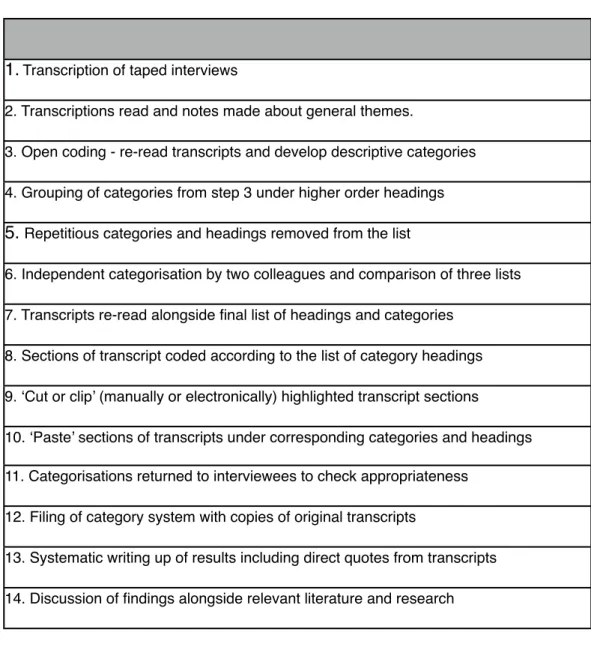
! ! groups and interviews ...47
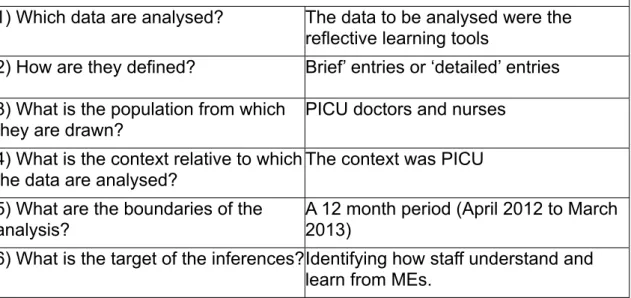
Table4: ! Questions to guide content analysis (Holsti, 1969) ...49
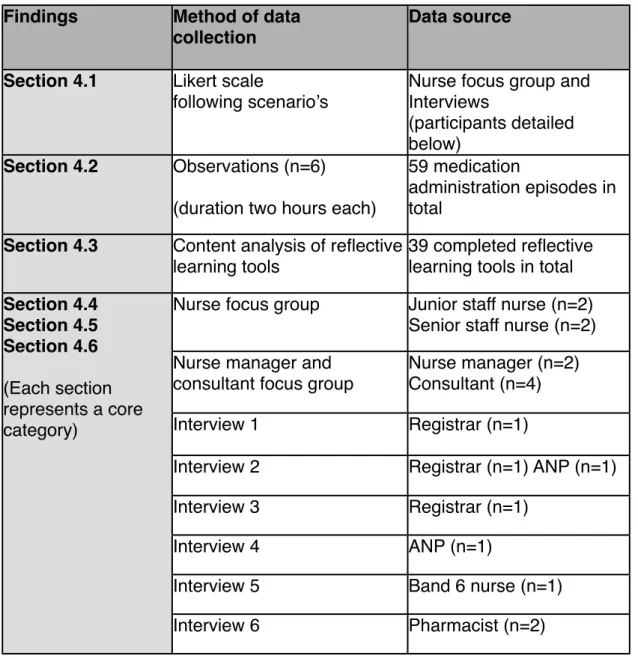
Table5: ! Breakdown of participants and data collection ...57
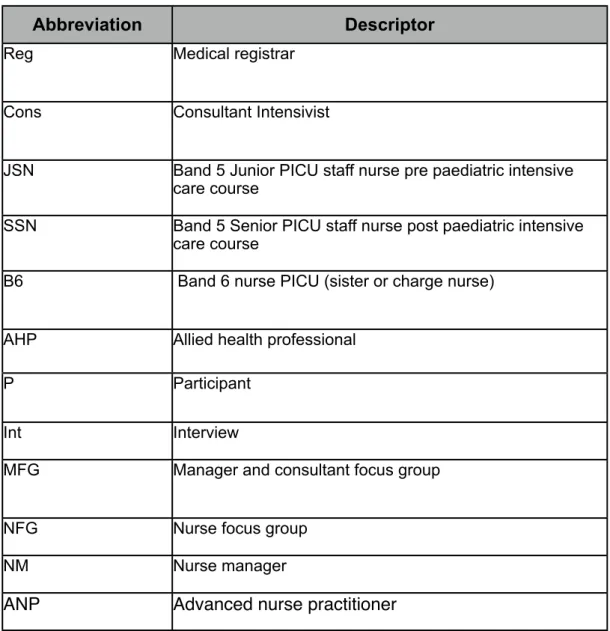
Table6: ! Descriptor abbreviations for direct quotes in focus groups
! ! and interviews ...59
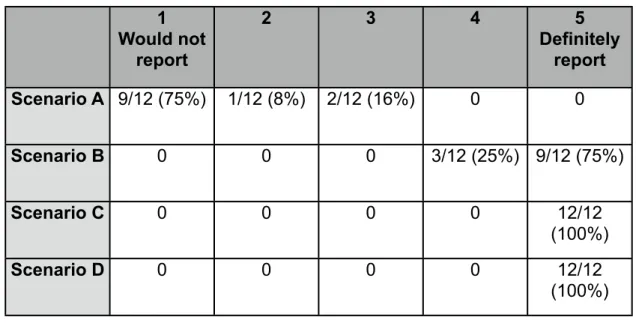
Table7: ! Staff likelihood of reporting the ME ...61
Table8: ! Data collected for medication administration error
! ! episodes ...178
Table9: ! Incidence of MEs during observation period ...63
Diagrams
Diagram1:! Results of database search ...9
Diagram2:! Exploratory convergent mixed methods study ...30
Diagram3:! Floor plan of PICU ...33
Diagram4:! Model of the ‘Reality of practice’ and its association
! ! with MEs ...58 Diagram 5:! Overview of the meta category, core categories
! ! and subcategories from focus groups and interview
! ! analysis ...60 Diagram 6:! Chuang et al. (2007) theoretical model of learning
! ! from preventable adverse events in health care ...108
ACKNOWLEDGEMENTS
A special thank you to both my supervisors Professor Bernie Carter and Doctor Lyvonne Tume for their enthusiasm, encouragement and support throughout this degree. They have shared their vast knowledge unstintingly and given generously of their time. I would also like to thank the PICU team for
contributing to this study and so willingly sharing their views. Finally, thank you to my family for your faith in me, nonstop support and love.
ABBREVIATIONS
ANP! ! Advanced nurse practitioners DH! ! Department of Health
ECMO! Extra corporeal membrane oxygenation ICU! ! Intensive care unit! !
ME! ! Medication error MEs! ! Medication errors
MAE! ! Medication administration error MAEs!! Medication administration errors NPSA!! National Patient Safety Agency NAO! ! National Audit Office
NCCMERP! National Co-ordinating Council for Medication Error Reporting and
! ! Prevention
NHS! ! National Health Service
NRLS!! National Reporting and Learning Service UK! ! United Kingdom
US! ! United States
WHO! ! World Health Organisation
CHAPTER 1: INTRODUCTION
1.1 Background and significance
Patient safety by reducing error is a key priority for major health services around the world and continues to be a major challenge (Kohn et al., 1999; WHO, 2005; NCCMERP, 2005, NHS England, 2014). In 2000, the UK government put forward a report called an “Organisation with a Memory” stating that in the past there had been little systematic learning form adverse events. The Chief
Medical Officer identified three problems within the NHS that impeded learning from error: blame culture, which inhibits reporting; inattention to near misses; and insufficient individual self-appraisal when involved with an error. Whilst patient safety has always been at the forefront for health professionals, in the last decade MEs have become an increasing concern, having been identified as the single most ‘preventable’ cause of patient harm (NAO, 2005).
1.2 The scale of the problem
The National Patient Safety Agency (NPSA) have calculated that ME is
estimated to cost the NHS more than 750 million pounds a year in preventable harm, from prolonged hospital stays, legal claims and readmissions to hospital, although the vast majority of MEs, result in no harm to patients (NPSA, 2007). However, research has shown that MEs are under estimated and remain underreported (Wilde and Bradley, 2005; Vincent, 2006; Sari et al., 2007; Armitage et al., 2010).
1.3 Medication errors
MEs can occur at each stage of the cycle from prescribing, transcription, dispensing to administration. This means that all health care professionals, including doctors, nurses and pharmacists should be involved in an approach to preventing the problem of MEs (Williams, 2007). Reason (1997) states that MEs stem from ‘human errors’ and ‘latent failures’ within the organisation and the administrative processes and systems. It is widely acknowledged now that MEs occur when human errors and system factors interact with this cycle, so rather than just focusing on the individual, the conditions within the organisation and clinical practice are important causes of error (Armitage et al., 2010). As these types of errors are deemed to be preventable, there is the opportunity to learn from any failures and respond in order to prevent them in the future (Chuang et al., 2007).
1.4 Definition
MEs that are stopped before harm can occur are known as near misses, close calls or a potential adverse medication events (VHA, 2006). In order to
understand MEs and to add context to the literature discussed in this review, it is necessary to define the term ME. Definitions of MEs vary across the
literature (Brady et al., 2009). A study by Yu et al. (2005) searched 160 medication safety websites, finding 119 different definitions, using different terminology, with 33 of these sites giving reference to more than one definition per site. This plethora of definitions does not allow for a quick and easy
classification of MEs (Allen and Barker, 1990; Franklin et al., 2005; Ghaleb and Wong, 2006; Valentin et al., 2009).
Lisby et al. (2010) concluded from a systematic review of the literature that the wide ranges of error rates reflect the differing definitions of error and the
methods of data collection used in different settings. As this study was based in an NHS hospital the most up to date definition of a ME and patient safety incident, currently adopted by the NHS England and the NRLS were used as reference points:
‘Medication errors are any Patient Safety Incident where there has been an error in the process of prescribing, preparing, dispensing,
administering, monitoring or providing advice on medicines.’
A patient safety incident’ (PSI) is, ‘any unintended or unexpected incident, which could have or did lead to harm for one or more patients receiving NHS care.’ (NHS England, 2014:2)
In summary, the multiple definitions, terms and meanings can hamper the understanding and comparison of the literature around MEs. This leads to different approaches to interpreting or detecting MEs and as such requires close scrutiny when reviewing the literature.
1.5 Critical care: The PICU environment, culture and perspective
In paediatrics the potential for errors to cause harm is three times more likely compared to adults, with children under four being at particular risk (Bates et al., 1995; Kaushall et al., 2004; NPSA, 2007). Anderson and Ellis (1999) advise that there are numerous reasons that put children at higher risk of MEs. The majority of medication doses in paediatric intensive care (PICU) are calculated by a child’s age, individual body weight (kilograms) or body surface area as well as their clinical condition. There is a large variance in weight and body area within
the paediatric population. In PICU, the weights of paediatric patients may change dramatically over a short period of time requiring frequent recalculation of medication doses (Chua et al. 2009). Also, off-label usage [medication prescribed for other than their intended use] of medications leads to adult formulations being diluted or reformulated for children’s use (Budetti, 2003). Chua et al. (2009) advise that children have limited response capabilities and communication skills, to warn carers about the side effects they may experience from medication errors. On PICU there is also a reduced patient ability to
communicate due to unconsciousness and these children, especially neonates, do not have the internal reserves to buffer MEs when compared to adults (Sullivan & Buchino, 2004; Dickinson et al., 2012.)
Critically ill patients are prescribed twice as many medications as patients outside the intensive care unit, putting them at a higher risk of a ME (Moyen et al., 2008). Studies on adult ICU’s have shown that on average, patients
experience 1.7 errors per day (Donchin et al.,1995), whilst nearly all ICU patients suffer a potentially life threatening error at some point in their stay (Provonost et al., 2005).
1.6 Reporting of medication errors
It has been suggested that 96% of the 1.7 errors per ICU patient day are never officially reported (Wild and Bradley, 2005). A further study has shown that routine incident-reporting systems may report as few as 5% of medication errors compared to those detected by case review notes (Sari et al., 2007). Barriers to reporting MEs include shame, fear of litigation, lengthy reporting systems, fear of punishment and an unsupportive culture on the ward or in the organisation (Wolf et al., 2000; Evans et al., 2006; Armitage et al., 2010). Armitage et al.
(2010) expands on this further, advising that resourceful staff used to multi-tasking, may normalise interruptions and organisational weakness, therefore not seeing the need to report critical incidents or near misses. Johnson (2007) advises that incident reporting does not always take into account the
contributory factors, questioning whether frontline staff believes such factors are inescapable when working in demanding situations, or whether staff have a lack of knowledge on error causation. Armitage et al. (2010) concluded that incident reporting needs to capture a range of contributory factors to facilitate learning and put supportive actions in place.
1.7 Nurse perspective
As nurses administer the bulk of the medications on PICU, it is therefore vitally important that we understand how PICU nurses perceive MEs, look at the accuracy and quality of their report rates and their perceptions of learning from medication errors.
1.8 Medical perspective
Prescribing errors account for 26% of errors in critical care (Thomas & Panchagnula, 2008), although Taylor et al. (2004) advise of the high level of underreporting of errors by doctors. Prescribing errors are frequently (75% of the time) detected by the pharmacist or nurse before administration to the patient (Sullivan and Bochino, 2004).
1.9 Error prevention
The majority of literature up to now has focused on descriptive reports of incidence rates and identifying factors that promote and improve safety medication in health care organisations (Hoff et al., 2004; Chang and Mark, 2011). An organisation with a memory (DH, 2000) concluded that there had
been insufficient research on how we learn from failure in health care in the UK. Similarly, Hoff et al. (2004) advised the need to gain further insight into the mechanisms for reducing errors and that there was a lack of theoretical
foundation. More recent reports have concluded that healthcare still has a lot to learn, with regard to patient safety, implying that the last 10 years represents a “lost decade” (Wynia and Classen, 2011). The focus of research on identifying personal or organisational predictors of MEs, aimed at prevention of errors occurring, has led to a gap between awareness of MEs and the knowledge of how to manage and learn from errors when they do occur (Chang and Mark, 2011).
1.10 The study site
On the PICU, where this study took place, despite the introduction of numerous strategies to improve medication safety over the past five years, ME rates had not reduced; moreover the same errors continue to be repeated. In addition to this, the error reporting from both the medical and nursing staff does not contain enough detail to establish the causative factors relating to the medication error. This suggests that staff may not be learning from their errors or that individual learning experiences are not being shared cross the unit. It is hoped that by gaining an insight into the process and culture of MEs on this PICU, that
problems specifically associated within this setting will be highlighted to enable meaningful feedback to be given to the management and staff so as to target interventions to improve safety and prevent errors. The following literature review will look to identify the relevant research around how doctors and nurses working on a PICU perceive MEs, the management of these errors and how they learn from them.
CHAPTER 2: THE LITERATURE REVIEW
2.1 Introduction
This literature review is based on the approach described by Polit and Hungler (1997). The research question underpinning this review is ‘how do doctors and nurses working on a PICU perceive MEs, the management of these errors and how they learn from them?’
2.2 Data sources
The databases searched were CINAHL, Medline, PychINFO and Pubmed and the search included articles from 1990 – 2015 so as to include the literature 10 years pre and post publication of ‘An Organisation with a Memory’. The
following key words were used; Medication error* (ME), perception*, understanding, critical thinking, attitude, learn*, management, pediatric, paediatric, neonatal, and critical care.
2.2.1 Inclusion criteria
Studies included in the review were those that identified how doctors or nurses perceived MEs in relation to the management of errors and learning from them. The aim was to obtain high quality evidence of the characteristics of how
doctors and nurses actually learn from MEs, particularly in relation to the PICU. However, the search returned very few articles that were specific to PICU, with some generalisability to pediatrics, as opposed to just within the remits of PICU. Therefore the inclusion criteria were broadened to include studies which at least identified the learning and management of MEs, within a hospital setting.
2.2.2 Exclusion criteria
· Studies or reviews not performed in a hospital setting.
· Studies involving the psychiatric setting
· Studies purely measuring incidence rates
· ME studies based on health technology improvements
· Studies involving only measurement of safety and quality indicators
· Studies measuring incidence rates pre and post intervention strategies that did not include learning or management of MEs.
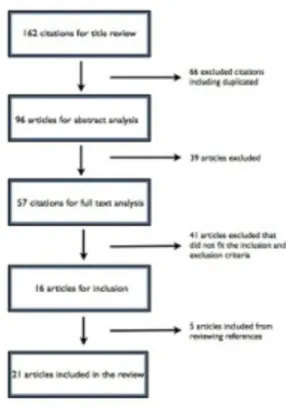
In the papers identified, a general content analytic approach was used to review the abstracts and articles for pertinent information, according to the inclusion and exclusion criteria. Additionally, a manual search of the reference lists of the articles selected in the review was conducted. All duplicates between databases or papers that could not be obtained were excluded. Only original studies
published in English were considered for inclusion as there was no facility for translation. The Critical Appraisal Skills Program (CASP) Tool relevant to the methodology used in the paper was used to critically appraise and assess the trustworthiness and relevance of the papers included in the review. A total of 21 studies met the inclusion criteria, these form the basis of this literature review (see Diagram 1).
Diagram 1 Results of database search
2.3 Learning from medication errors
This review will be presented under learning from MEs from a medical
perspective, from a nursing perspective and from an organisational perspective. Research has identified that a positive learning climate leads to reduced rates of error (Edmondson, 2004). Whilst studies advocate that the attributions of a learning climate include detecting and handling errors, communicating about errors and sharing knowledge (Chang and Mark, 2011). It is not always clear how these interventions should be absorbed into the everyday practices of a ward. Moreover, some studies have presumed that learning is something that just develops naturally and does not need nurturing (Vashdi et al., 2007). Popper and Lipshitz (2000) proposed that without the necessary practices in place, the learning potential of the team is lost. Hence their definition of learning
below is used as a guide, as whilst it has relevance to the context of learning from preventable adverse events in the healthcare setting it also considers the setting - the ‘ward’ and the ‘information relevant’ to the staff:
“Institutionalised structural and procedural arrangements, and informal systematic practices, which allow the ward systematically to collect, analyse, store, disseminate and use information relevant to its performance and its members” (Popper & Lipshitz, 2000)
Therefore, this review will critically analyse the literature on how doctors and nurses perceive learning and management from MEs. This will be done by examining their perceptions of the formal and informal practices that are in place on the wards in hospitals and their relevance to learning and
management of MEs.
2.4 A medical perspective of medication errors
There still remains little research evidence demonstrating how doctors respond to errors and how they engage with the formal reporting of errors (Kroll et al., 2008). Whilst prescribing mistakes are inevitable because of the complex nature of medicine, time pressures and clinical decision making, little is known of how doctors can learn better from their mistakes (Wu et al., 1991). Learning from errors can be complex. Many barriers to learning were identified in this literature review, these barriers include awareness of making a ME, reflection following a ME, taking responsibility for a ME and discussing MEs with senior medical staff. These will now be discussed in more detail.
2.4.1 Awareness
Doctors first need to be made aware that they have made an error. A qualitative single site study based in an Australian teaching hospital by Nichols et al. (2008) interviewed 26 staff (15 doctors; six interns, four resident medical officers and five registrars) using semi structured interviews, to determine the contributory causes of MEs. They found that ten of the doctors interviewed, did not know they had caused a ME until approached by the research team; the doctors related this to being asked to see patients after hours by senior doctors who were not in their primary team. There seems to be some agreement about this lack of awareness in similar studies in the UK and the USA (Dean, 2002; Fischer et al., 2006; Kroll et al., 2008). This inherent lack of feedback inhibits learning, the exception being the most serious of errors, which are identified because of their outcome (Dean, 2002). The study by Nichols et al. (2008) aimed to address learning from error by looking at the contributory causes of ME. However, a weakness of the study is that the majority of doctors
interviewed were junior, and the views of more senior doctors and consultants were not included. As communication barriers between doctors were clearly identified as an issue, the inclusion of senior doctor accounts could have provided a more in-depth perspective. Participants were recruited by
convenience sampling, whereas purposive sampling may have increased the likelihood of gaining a more varied sample of the team. In addition, as
previously discussed the medication process involves many different people and prescribing errors are often discovered by the pharmacist or nurse later in the process (Dornan et al., 2009). The actual interviews were between 1 and 60 days following the error, as such, some of the interviews may have been
conducted with staff before senior doctors could speak to the more junior doctors regarding the error, due to shift patterns. Thus these 10 doctors who were not aware of having made an error, may have discovered this later on. However, previous research has suggested that interviews should be held as close to the error actually occurring to aid recall of what happened (Dean, 2000).
The EQUIP study (Dornan et al., 2009) was an in-depth investigation into causes of prescribing errors by foundation year doctors (FY1) concentrating on the interplay between their educational backgrounds and factors in their
practice environments. This mixed methods study in the UK, utilised a large empirical evaluation of prescribing errors, followed by in-depth qualitative interviews, exploring the causes of the errors using a critical incident approach. Following this, telephone interviews with leaders of the undergraduate
program’s in which the FY1 trainees had been educated were conducted. The study included data collection from 19 trusts in the North West of England. In contrast to the Nichols et al. (2008) study, Dornan et al (2009) used purposeful sampling, which has been shown to be more robust (Wood and Ross-Kerr, 2006) in ensuring maximum variability of doctors interviewed. Dornan et al. (2009) found doctors rely heavily on nursing and pharmacy staff to identify and correct their errors, and possibly do not take as much care, because of this perceived ‘safety net'. Whilst Dean (2002) emphasises this is one of the strengths of the system in picking up errors, it also inhibits the medical staff from learning. Indeed, doctors have reported that they would learn better from errors they have made themselves, although open discussion of other people’s errors is also conducive to learning (Fischer et al., 2006). These studies
highlight that the lack of communication, poor reporting of errors and poor feedback to those involved, does not facilitate doctors to learn from their own errors, because they are not made aware of them.
2.4.2 Reflection
A prospective qualitative single site study in the UK by Dean (2002) utilised pharmacists to identify and interview doctors about their perceptions of the causation of their prescribing errors, when involved in a potentially serious ME. This study found that the medical staff did not reflect upon prescribing errors unless prompted to do so. This conflicts with findings from Fischer et al.’s (2006) study in the US in which nearly all 58 trainee doctors reported using reflection as the normal learning process following being involved in an error. Whilst the UK study included consultants, specialist registrars, senior and junior house officers (a more varied selection of participants), comparison between the two studies suggests a different approach to learning styles. NHS trusts are expected to provide feedback following an error and to allow time for reflection and learning (DH, 2013). Indeed, reflection is now part of the new medical curriculum (DH, 2008). However, medical supervisors acknowledge there are limited opportunities for reflection and no protected time for one to one
supervision (Brown et al., 2007). Ideally, some individuals will develop through experiencing an error, observing the consequences and considering how to do it better next time (Dean, 2002). Dean (2002) suggest that the cost of time required for reflection is small compared to the financial and personal costs of MEs.
Kroll et al. (2008) carried out a qualitative study, using semi-structured telephone interviews, to look at the experiences and perceptions of MEs
amongst junior doctors in the UK. These 38 doctors worked in 10 different UK hospitals, who had all graduated from the same medical school and therefore had similarities in training. Kroll et al. (2008) report that the learning
opportunities from MEs amongst doctors are lost as a consequence of ‘informal reporting.’ This conflicts with an earlier study that found that discussing errors with colleagues informally facilitated effective learning and accountability (Wu et al., 1991). However, the methodological approaches used in these two studies were very different. Wu et al. (1991) undertook a quantitative study using internally validated questionnaires to learn how medical errors made by house officers relate to subsequent changes in practice. Participants were approached on three different internal medical training programs, but no further details of sampling were provided. Random selection is a critical element for this type of questionnaire research in that generalisation is a primary goal (Edmonds and Kennedy, 2013.) The Wu et al. (1991) study had a response rate of 45%,
indicating some response bias. The study by Kroll et al. (2008) used a computer generated random sample, 38 doctors were approached from a pool of 317 doctors and all consented to participate and be interviewed by telephone. The study by Wu et al. (1991) indicated that whilst only 54% of house officers discussed their mistakes with supervising physicians, 88% of house officers discussed their mistakes with colleagues. They advocate that learning could be improved by encouraging house officers to take responsibility and then discuss their mistakes with physicians in a supervisory role (Wu et al., 1991). Kroll et al (2008) attempted to identify the form in which supervisory feedback should be given. Interestingly, their study did not recommend supportive reassurance following an error, although they clearly indicated that blame is an inhibitor to learning as well. Instead, they recommended the need for specific, constructive
feedback, with training and protected time to do this. As previously discussed, NHS trusts are now expected to provide feedback and time for reflection and learning following a ME (DH, 2013).
Formal reporting of MEs by doctors is selective, although doctors may be angry or indignant when their colleagues have made an error, they do not usually report their colleagues (Kroll et al., 2008). This is not new. A previous study has described this as a ‘conspiracy of tolerance’, where young doctors learn to be non-accountable for their mistakes starting in medical school (Lester and Tritter, 2001). Fischer et al. (2006) report that doctors adopt this culture of not reporting colleagues in medical school, where their own individual ethic may have been superseded, changing how they would have responded before medical training. In addition, there is the fear of criticising senior colleagues (Wu et al., 1991). Historically, medical hierarchies have been shown to be integral to the way in which error is managed (Irvine, 1997; Tritter, 2001; Walton, 2006), but how this is actually played out on a daily basis in response to a ME and how doctors learn from errors is not clear. However, it does seem apparent from the literature that norms exist, such as discouraging the reporting of errors that inhibit learning. Kroll et al. (2008) propose the need to assess the impact of reflective learning, but no literature to date was found on how this had an impact on how doctors learn from MEs.
2.4.3 Responsibility
Fisher et al.’s (2006) qualitative study in the US used semi-structured telephone interviews to identify the major factors and areas of tension in doctors’ learning from MEs. The interview schedule of seven questions was developed following a literature review; to identify how doctors’ disclose and reflect as part of the
learner’s cognitive and behavioral response to MEs. This study also highlighted the need for the learner to take responsibility as this was shown to be an
important step in learning from a ME; defending a mistake is a barrier to an individual learning from it. Other studies have reported that doctors who accept responsibility for an error report constructive changes in practice (Wu et al., 1991; Kroll et al. 2008). Taking responsibility may be selective, as the majority of doctors have said that they learn best and take responsibility from errors that have a good outcome (Dean, 2002; Fisher et al., 2006; Kroll et al., 2008). In contrast, in cases of severe harm, the responsibility may have been denied and attributed to the patient’s condition (DH, 2000). However, the longevity of
learning from errors with the worst outcomes is questionable, as people become lax and fall back into bad habits (Fischer et al., 2006). Kroll et al. (2008)
highlight that further opportunities for taking responsibility can be missed within the team by an inappropriate response from senior colleagues such as, “it’s not a matter of life or death” (Kroll et al., 2008: p986). In this context it has been described as normalising as reassurance from senior colleagues impedes further discussion and therefore learning opportunities are missed (Brown et al., 2007).
2.4.4 Discussing with senior doctors
A senior doctor’s personality and response to a more junior doctor’s ME has been reported to affect the opportunity to learn, if chastisement has taken place (Fisher et al., 2006). Indeed, some doctors’ report being forced to handle
difficult situations and receiving ineffective supervision from staff not trained to give it (National Survey of Trainee Doctors, 2006). However, the DH (2008) maintains that clinical supervision is key to learning from errors. Kroll et al.
(2008) advocate the need and usefulness of discussion with more senior doctors to obtain specific and constructive feedback. Wu et al. (1991) reported that when doctors seek advice from their senior colleagues and are encouraged to discuss their mistakes, 98% reported at least one constructive change in practice and only 18% reported one or more defensive changes. Furthermore, clinical supervision has led to the detection of near misses, which then allows further discussion and learning (Engel et al., 2006).
Kroll et al. (2008) describe “the learning moment” when the most learning occurs, when the error was discussed, feedback was constructive and
supportive, even if there was chastisement, as long as it was structured. This has long been a recommendation of the General Medical Council (GMC, 1993). In contrast, humiliation by a senior doctor can lead to doctors never
understanding their own errors (Kroll et al., 2008). Burack et al. (1999) have previously suggested that the increased awareness of MEs, causes
‘desensitisation’ preventing learning. In line with supervision, doctors have reported that formal teaching, involving small group discussions, focused on real errors, presented by senior doctors who have been involved with MEs provides important support and learning (Fischer et al., 2006).
2.4.5 Conclusion
A lack of reporting and communication of MEs to the doctors involved in prescribing errors, does not allow doctors to learn from their own errors,
because they are not made aware of them. Informal reporting of MEs amongst colleagues is common, but this may limit learning from errors, especially when doctors are not able to reflect and receive constructive feedback from senior colleagues and interpret this and make changes in practice to improve safety.
2.5 Nurses’ perspectives on medication errors
Previous research has suggested that a ward with a positive learning climate can effectively use their safety information systems to evaluate and reduce MEs (Edmondson, 1996; Hoffman and Mark, 2006; DH, 2000; Chuang and Mark, 2011). However, despite this, there has been little research around the learning climate in nursing and the mechanisms involved to improve safety around MEs (Chuang and Mark, 2011).
2.5.1 Learning climate in nursing
A quantitative cross sectional study by Chang and Mark (2011) looked at how the learning climate moderates the relationship between error producing conditions and MEs occurring. This study used unvalidated questionnaires to provide a snapshot of the frequency and characteristics of 279 nurses in 146 hospitals across the United States. It partly focused on the learning climate in nursing in terms of willingness to reveal errors, degree of open communication around errors and the extent to which nurses actually identify the causation of errors. It also examined how the learning climate affected the skill mix within the team. It concluded that when the learning climate was good, the number of MEs was not dependent on the number of staff or the skill mix of the team. Argote et al. (2000) concluded that in a positive learning climate, where learning from errors is encouraged, nurses will share their learning experiences. However, learning will only occur if the nurse actually perceives this process of learning is effective in the first place, which then increases the likelihood of passing this learning onto other nurses. Additionally, nurses are often responsible for
supervising other nurses to share their clinical skills, so over time knowledge of error management may be transferred across the unit, so that group learning
will take place (Chuang et al., 2007). Within nursing, informal linkages between staff (such as an individual’s personal relationship with colleagues) may also affect how nurses learn from errors, especially when needing advice regarding improving practice (Chang et al., 2007). A weakness in the design of this study by Chuang and Mark (2011) was that the data collection relied on medication administration error’s (MAEs) identified through incident reports alone, as such, the results may not be generalisable, as a true representation of the causative factors of all MEs (Flynn et al., 2002). Another limitation of this study is the lack of formal measurement around the role of leadership within the nursing context. From an organisation learning model context, leadership is key to successfully creating a positive learning climate (Edmondson, 2004). The role of leadership within this study was not measured and as such the study may rely too heavily on the accounts of more junior nurses. Future work could include the role of leadership, as it would be interesting to see how the nurse manager’s role influences the creation of a positive learning climate.
2.5.2 Team learning and nursing
Research around adopting a team learning approach to reducing MAE’s is not new (Edmondson, 2004). Previous studies have shown that there are fewer errors, when the team engages in a cyclic learning process of data collection to discover errors, analyse, reflect and implement changes (Tucker and
Edmondson, 2003). Whilst Edmondson (2004) advises that data collection is a prerequisite for team learning to take place and without it the reflective process would be incomplete and happen less often. West (1996) states that gathering information is not enough, advising that further reflection is needed in order for teams to learn. West (1996) attempted to define team learning, putting forward
that the way in which group members reflect and adapt to new processes, will be related to the environment in which an individual is working. However, Edmondson (2004) outlines that reflection alone may be insufficient; it does not provide evidence on how the team has actually learned and the team must also introduce changes in the way that they perform their job. Whilst Edmondson’s (2004) study favors the superiority of using the full cycle of learning, in reality, this practice may lead to ‘patchy learning’ where the steps of this cycle are used separately and unsystematically leading to a lack of shared knowledge and little change in practice (Drach-Zahavy and Pud, 2010). Research has shown that team structure, productivity and perceptions of power relations can shape collective learning (Edmondson, 2004).
2.5.3 Learning mechanisms
Drach-Zahavy and Pud (2010) conducted a cross-sectional sequential mixed method study using observations and interviews, to identify and test the effectiveness of learning mechanisms applied by nursing staff as a means of limiting MAE’s. This study was conducted in three large hospitals in Israel, across 33 wards, with 173 nurses participating. This study explores learning mechanisms from a descriptive and theoretical point of view with the aim to make a practical contribution to team learning. This is a novel approach,
because how errors are discussed and reflected on and who is actually involved in this process - inside or outside of the team - has not previously been
specified (Wilson et al., 2007). As previously discussed, if the appropriate learning mechanisms are not in place, the teams’ learning potential may be lost (Popper and Lipshitz , 2000).
Drach-Zahavy and Pud (2010) suggested that learning mechanisms are
designed at team level, that these differ between teams and that, some of these mechanisms are ‘effective’ at promoting learning with in the team, whilst others are ‘ineffective.' They identified four types of learning mechanisms namely ‘integrated', ‘nonintegrated’, ‘supervisory’ and ‘patchy'. Wilson et al. (2007) offer an explanation for this pointing out that the effectiveness of team learning mechanisms is dependent on who operates them. Drach-Zahavy and Pud (2010) concluded that effective mechanisms are those that facilitate systematic gathering of information, rather than concentrating on singular medication errors. They also recommended that effective team learning mechanisms are those that engage and utilise all nurses on the ward with the learning process (integrated learning), rather than attributing learning to risk management or ward managers (nonintegrated learning). Whilst they observed bedside nurses to gain data on medication administration, they based their interviews solely on discussions with the head nurses. This would seem at odds with their findings, and not considering the bedside nurses’ voices and may have impacted on their findings.
2.5.4 Integrated or nonintegrated learning
Popper and Lipshitz (2000) had previously classified learning mechanisms as ‘integrated’ and ‘nonintegrated’. Advocating that for a learning mechanism to be integrated, the same people will be responsible for generating and applying the lessons learned, that is, the inclusion of all staff involved in a ME in a team meeting. In contrast, when a risk management unit collects and analyses data and implements changes in practice, this would be classified as nonintegrated (Drach-Zahavy and Pud, 2010). Nurses administer the bulk of medications and
are therefore well placed to recognise problems within the medication process (Tucker et al., 2002). Evidence suggests that when staff participate in the learning process, there is less resistance to integrated learning mechanisms and better acceptance (Edmondson, 2004). Additionally, there is the need to develop a positive safety culture at unit level, because while system level mechanisms have shown to be effective in improving medication safety, in the face of a poor local safety culture, these may be ineffective (Abstoss et al., 2011).
2.5.5 Supervisory learning
Drach-Zahavy and Pud (2010) propose ‘supervisory learning’ as a type of learning mechanism, that may develop in wards. This is more complex, in that it is integrated (it operates at ward level), but nonintegrated in that the ward manager has responsibility for the cycle of learning. They describe this as ‘imposing’ learning on nurses. In contrast, a study by Karga et al (2011) conducted across five hospitals in Greece, used an externally modified questionnaire to investigate the emotional responses of nurses and the perceived senior staff response to errors and how these are associated with constructive or defensive changes in nursing practice. Karga et al (2011) highlighted the importance of senior staff responding positively to an error, where this correlated well with constructive changes in practice; advocating the need to support staff to overcome their initial negative feelings, by managing them in a constructive way that led them to focus on correcting error producing behaviors. Karga et al (2011) also reported that defensive changes were more likely if the nurse felt unfairly treated and that the nurse was then less likely to take responsibility for the error. There is some evidence to suggest that when
responsibility of learning is given to the ward manager, the nurses will shift attention to the actions being supervised, cutting corners elsewhere where they are not (Edmondson, 2004), therefore true learning and changes may not take place. Furthermore, supervisory learning can emphasise power differences and limit team learning (Edmondson, 2004). Whereas when team leaders
encourage staff to speak openly and freely, learning rates increase (Pisano et al., 2001).
2.5.6 Nurses’ emotional response to errors
Relatively few researchers have actually used nurse’s own voices to
conceptualise the problem of MEs (Stetina et al., 2005). A qualitative study by Treiber and Jones (2010) investigated the perceived causes of MAE’s to better understand how nurses deal with them. They used nurses’ accounts of error to explain how they learnt from errors. They performed an interpretive analysis of written accounts made by 158 nurses who had been involved with a MAE. Embedded within these accounts was a ‘lessons learned’ theme which reflected how nurses developed their own personal rules as a result of an error. However, there were a number of processes that the nurse needed to pass through to reach the point of learning. Initially the accounts could be separated into either justifications or excuses. The concept of justifications and excuses stems from work carried out by Scott and Lyman (1968) in which they developed and used these statements to explain untoward behavior and bridge the gap between actions and expectations. They claimed that a justification in an account was where the person accepts responsibility for their action but denies the act was wrong. Whereas with an excuse, the person accepts the action was wrong but denies full responsibility. Treiber and Jones (2010) concluded that a ‘blame
effusion’ must take place in order to survive an error, more simply, nurses will make excuses and justifications to make sense of the events and allow them to continue to work after a mistake. This study reported that the lessons learned were individualistic in nature, thus adding to the understanding of personal behaviors following an error.
Similarly, Rassin et al. (2005) conducted a qualitative single site study in Israel using in-depth interviews with 20 nurses to examine the influence of MAEs on the mental state of the ‘erring’ nurse. They too identified from the participants the theme of ‘personal lessons’ learnt. However, more worryingly they found that errors can have a severe emotional effect on nurses, such as fear, guilt, shame and even mental ill health lasting for months, suggesting symptoms likened to post traumatic stress disorder. Previous studies have found similar findings of blame and guilt (Scott et al., 2009; Wolf, 2005; Wu et al., 1991), which can then lead to underreporting of errors. This study by Rassin et al. (2005) concluded that risk management relies solely on reporting, with the presumption that this is a form of error prevention that is linked to learning from errors. In reality this suggests that the first step of learning is reporting the error, but if nurses are not supported, feelings of guilt and shame that may develop will inhibit this. This highlights the importance of emotional support to aid learning individually and at the organisational level.
2.5.7 Work environment and ward learning
Initially, research looked at the nurse’s perspective of MAEs, by concentrating on their personal characteristics such as experience or knowledge of
medication (Chang and Mark, 2011). Further studies have also looked at nurses’ perceptions of how the work environment (e.g., such as interruptions,
distractions and workload) can contribute towards MAEs (Tucker et al., 2002, Donchin and Seagull, 2002). Whilst this research has highlighted the
importance of the personal characteristics of nurses, and the environment that they work, in preventing errors, there is very little research on how the ward level learning is managed in relation to the learning practices used following an error (Drach-Zahavy and Pud, 2014).
The US report ‘To err is human’ (Kohn, 1999:p94) highlighted that the work environment within health organisations is ‘anything but conducive to recognising and learning from errors’. Where organisation learning theory outlines that organisations do not seek to change things, unless there is an obvious ‘mismatch’ between the routines currently used and the environmental conditions on the ward (Levitt and March 1988). A weakness of organisational learning, is that early warning signs from ‘smaller failures’ are not always identified as worthy of analysis and learning, and it is only when catastrophic failures become known, that early weaknesses are noted (Cannon and Edmondson, 2005).
A mixed method study by Drach-Zahavy and Pud (2014) used surveys, observations and self-questionnaires in four hospitals, across 76 wards in Israel, including 360 nurses, to look at how ward level practices are used to learn from MAEs. This study tested the effectiveness of the four different
learning types identified in their previous study (Drach-Zahavy and Pud, 2010). They found that ward-situated learning practices are important in reducing MAEs, the study highlighted that personal, organisational and technological factors will limit MAEs. However, the only learning practice associated with reducing MAEs was ‘supervisory learning.' This contrasts with their earlier
findings, which concluded that for MAEs to reduce, learning needed to be ‘integrated,' rather than attributing learning to the head nurse. Whereas their later research found that integrated learning practices was associated with increased MAEs, their findings that ‘nonintegrated’ and ‘patchy’ learning were not associated with MAEs was found to be consistent with their earlier work. They concluded that head nurses can facilitate learning from errors, by ‘management walk-arounds’, thereby imparting a clear message to nurses of the importance of medication safety and encouraging learning on the ward. However, the argument that demanding greater vigilance does not always result in greater safety improvements means there is the need to understand and improve human performance within the medication process (Moyen et al., 2008).
2.5.8 Conclusion
A positive learning climate in nursing affects the willingness to reveal errors, communicate openly and identify causation of errors. Team learning goes beyond the traditional cycle of learning early evidence suggests that ward level learning requires senior nurses to respond positively, with constructive support to negate the feelings of guilt and shame that may inhibit nurses’ learning.
2.6 Organisational learning
The interest in organisational learning in relation to healthcare in the UK has increased since the DH’s ‘An organisation with a memory’ published in 2000 (Chang et al., 2007) that followed the US key paper to ‘Err is Human’ (Kohn, 1999). Most organisational learning theories stem from Argyris and Schon’s (1978) book on the process of organisational learning, which looks at how the cognitive and interpersonal factors of learning behavior lead to effective
organisational learning. Effective learning occurs when an organisation is able to retain and transfer its knowledge, ideally spreading it out within all the divisions of the organisation (Dutton and Thomas, 1984). Thus, ideally within healthcare, learning from MEs should be shared and retained across the different wards.
Tamuz et al. (2004) undertook a single site qualitative study in the US at one teaching hospital using semi-structured interviews with 86 staff, which included 36 pharmacists, 36 nurses and physicians and 14 key hospital administrators to examine how the definition and classification of MEs affects a hospitals ability to learn from its experience. The effect of the definition of MEs and reporting of them has previously been discussed. However this study also found that the classification of MEs can enhance or impede organisational routines, when analysing data and learning from it. A classification scheme that is meaningful to managers and front line workers will highlight those events that need to be studied (Ginsburg et al., 2009). There appears to be a lack of research relating to how managers or staff categorise MEs with respect to learning from errors. Tamuz et al. (2004) indicated that without these formal classifications in place, MEs can be ‘defined away’ and as such reduce an organisation’s opportunity to learn from it. A weakness of the study by Tamuz et al. (2004) was that the findings were based on a preliminary analysis of the interview data and a systematic analysis of the data was not reported.
A qualitative study by Ginsburg et al. (2009) in the US based in five different hospitals aimed to clarify what types of errors should be the focus of learning by exploring how staff understand and categorise errors. This study used ten focus groups with 6-8 staff, with a total of 74 participants. They conducted two focus
groups in each organisation; one with patient safety officers, patient care managers and pharmacy managers and the second focus group with front-line nurses and allied health professionals. They identified that staff do not adhere to the standard definitions and classifications adopted by their healthcare organisation, but instead rely on the degree of harm, the rarity of an event and their own perceived judgment of an actual error having taken place. Ginsburg et al. (2009) advocated that organisations need to work hard to maximise learning from minor near misses that are defined away, highlighting that staff find current taxonomies of errors too wordy and complex.
Chang et al. (2007) proposed a multilevel theoretical model of learning from failure, which aimed to address the gap between awareness of preventable adverse events and the knowledge that relates to how we respond and learn effectively. Using theories of organisational learning and organisational behavior they proposed that to improve patient safety in health care, organisations
required consideration of the individual, group and organisation experience, in how they translate and transfer knowledge and learn to prevent errors in the future. Whilst individual learning can contribute to the group or organisational learning, institutionalised norms of the group and organisational level will also affect individuals’ attention, thinking and actions (Crossan et al., 1999). Crossan et al. (1999) describe this as a circular process, although they highlight that ‘institutionalised’ practices will always be favored, unless there are unfavorable outcomes. Chang et al.’s (2007) model of learning led them to suggest that managers at group level need to encourage open communication and information sharing to create a positive culture of safety. Furthermore, organisations should ensure that team units have people supporting their
learning practices, with a diverse amount of knowledge and experience, such as full time pharmacists. Within this model they advocated the need for
appointing formal safety leaders, within the organisation. In the UK, it has now become common practice within larger hospitals, including the hospital where this study took place, to have a ‘medication safety officer’ to maximise reporting and learning from errors.
2.6.1 Conclusion
Effective organisational learning aids the transfer and retention of knowledge gained from MEs, where there is a clear definition and guidance for reporting MEs. The literature suggests that organisational learning is complex and multilevel in nature, where individual, team, and organisational learning influence and affect each other. As such the importance of leadership in promoting open communication and information sharing has been highlighted.
CHAPTER 3: METHODS
3.1 Introduction
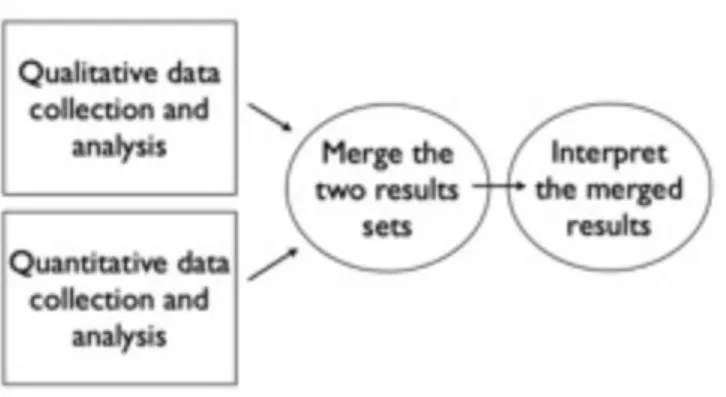
An exploratory study using a parallel convergent mixed methods approach was chosen to answer the research questions and is illustrated in diagram 2.
(Creswell et al., 2011). This method used both qualitative and quantitative methods involving focus groups, interviews, content analysis of reflective learning tools and observations of nurse administering medication on the PICU.
! !
Diagram 2 Exploratory convergent mixed methods study (Creswell et al. 2011.)
3.2 Aims and objectives of the study
The aim of this study was to gain a more accurate understanding of ME occurrence in one large Paediatric Intensive Care Unit (PICU) and to explore the paediatric intensive care (PIC) team’s perceptions of MEs and how they perceive that they learn from them. The intent of this study was to gain an insight into the processes and culture of MEs on this PICU, identify problems specifically associated within this PICU setting, enable meaningful feedback to
the management and staff and target interventions to improve safety and prevent errors.
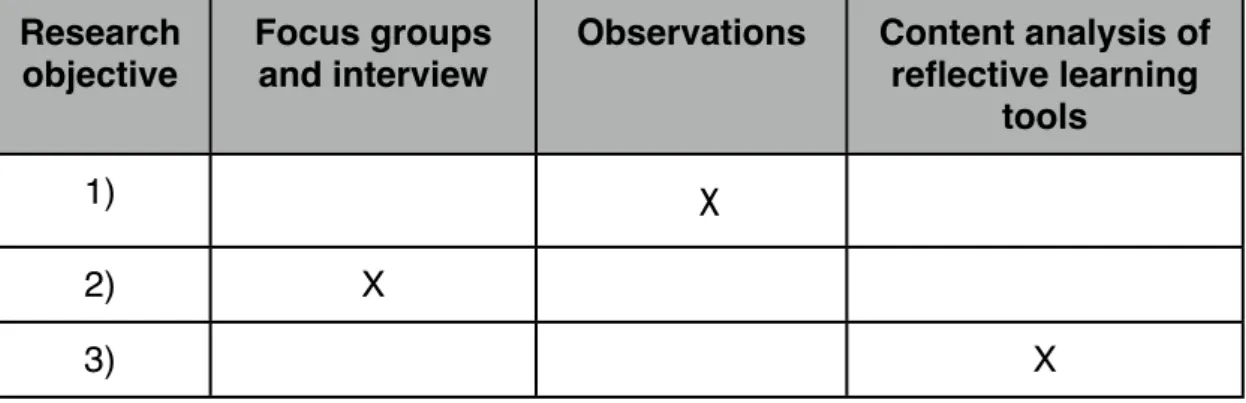
The specific research objectives were to:
1) Examine how self-reported MAE rates by PICU nurses compare to those observed in practice.
2) Explore how doctors and nurses who work in the PICU perceive MEs, the management of errors and how they learn from them.
3) Examine the quality of the ME reflective learning tools submitted in the PICU.
Table 2 Relation of objectives to data collection methods
Research objective
Focus groups and interview
Observations Content analysis of reflective learning
tools
1) ✔️X
2) X
3) X
3.3 The study setting
This study took place in a 23 bed paediatric intensive care unit, based in a large specialist children’s hospital in the North West of England. It cares for children up to 16 years old from all specialties including cardiac surgery, neurology and neurosurgery, burns, trauma, infections and oncology. The unit accepts over 1000 admissions per year and is one of the largest PICUs in Europe. The unit provides all forms of therapy including haemofiltration, nitric oxide, high
frequency oscillation and cardiac extra corporeal membrane oxygenation (ECMO); providing care for level four intensive care children. The unit is predominantly open plan with eight single rooms, as illustrated in diagram 3 below.
The nursing team consists of over 160 nurses including a ward manager, eight nurse managers, a nurse consultant, three advanced nurse practitioners, a senior nursing research fellow, a clinical educator, an audit nurse and a lecturer-practitioner who runs the specialist PICU course. Other members of the PICU team include ten consultant intensivists, three specialist physiotherapists and PICU pharmacists. There is a team of 16-20 middle grade doctors; some of these are on six month rotation (paediatrics and anaesthetics) and some are training in the speciality work on PICU. The nurse to patient ratio on PICU is 1:1 for invasively ventilated children, but can be 2:1 in children who are very ill.
3.4 The study design and theoretical framework
It has long been acknowledged that there is a gap between awareness of MEs and the knowledge required about how to respond to them effectively (Chuang et al., 2007.) The literature review highlighted the gap in the literature in how learning takes place following a ME in PICU. Quantitative research alone does not always answer the complex questions about the facts, measurable
behaviors and cause and effect (Holloway and Wheeler, 2002). Qualitative research methods were chosen to explore the behaviors, experiences, feelings and perspectives of the participants involved in the medication process on the PICU study site. The mixed method approach was chosen for this study as it allows a focus on real-life contextual understandings, with multilevel
perspectives and cultural influences (Creswell et al., 2011).
Whilst it is the intention of mixed methods research to integrate and combine qualitative and quantitative research, this can often lead to diverse philosophical positions and tensions (Greene, 2007). However, mixed methods research also represents an opportunity to challenge those tensions, giving precedence to the importance of the problem and research question, whilst valuing the positivist and constructivist approach (Morgan, 2007).
Whilst there is a growing acceptance of the use of mixed methods in research, there does not appear to be a set way of using a theoretical framework to guide inquiry (Evans et al., 2011). However, optimally all studies should draw upon one or more theoretical frameworks and mixed methods allow the opportunity for the integration of a variety of theoretical frameworks (Creswell et al., 2011). This study draws on the theoretical framework identified within the literature
review developed by Chuang et al.’s (2007) multi-model of learning from failure, which constitutes the theory of the research and will form the basis for the discussion. The framework was chosen as it aims to address how individuals, groups and organisations translate and transfer knowledge. The problem identified at the beginning of this study was that whilst individual learning may or may not take place following an error, errors were still being repeated and as such did not suggest shared learning was taking place. This theoretical
framework was chosen as a best fit to explore this.
3.4.1 Focus groups
Focus groups (Kitzinger, 1984) were chosen as one of the methods, with the aim to use group interaction to explore doctors’ and nurses’ perceptions of MEs and how they learn from them on the PICU. The benefits of focus groups
include the way they stimulate exchange of ideas, as individual opinions are formed and shaped through talking and arguing with colleagues about events and issues in everyday work life, focus groups tap into the ordinary social processes and everyday social interchange (Wilkinson, 1998). However, it would be naive to assume that focus groups produce data that are completely ‘natural’ as focus groups artificially set up a situation for the purposes of the study (Kitzinger, 1994). The focus groups allowed me to set up an environment in which the participants could discuss their views, listen to the views of others and reflect on what others were saying. Holloway and Weaver (2002) describe this as empowering participants to more easily express their views. This
opportunity for discussion meant that focus groups were my preferred method of collecting data. Kitzinger (1994) refers to focus groups as being more naturalistic compared to semi-structured interviews. However, despite their
strengths there are some drawbacks to using focus groups including the researcher having difficulty managing the debate and less control of the
process than in one to one interviews (Holloway and Weaver, 2002). One or two individuals may dominate the discussions, which may lead to group conformity or convergent answers (Carey and Smith, 1994). As such it cannot be assumed that there is conformity or group consensus between the members of the group, even if it appears so (Holloway and Wheeler, 2002), as some people may not be comfortable at expressing their views in front of other people (Polit and Hungler, 1997). It was acknowledged that nurses, doctors, pharmacists and managers would differ in their experiences of MEs and that there could be different levels of power in play between different professions and individuals. Krueger and Casey (2000) advise that focus groups are not suitable where a hierarchical relationship exists; for this reason the researcher arranged to conduct separate focus groups; one focus group for the nurses and one for the doctors, consultants and managers.
Focus groups require a topic guide (Kreuger, 1998). The topic guide was developed (Appendix 1) to guide discussion around MEs in general on the PICU, but not individual events that people had been involved with. The topic guide was designed to incorporate the main themes identified within Chang et al.’s (2007) theoretical framework of learning from failures. The questions were presented in a logical order to generate and guide discussion around the research aims and objectives. The researcher was aware that although the topic guide was a cue to guide my discussion with the participants, it was important to listen attentively, to determine the flow of the discussion and pick up areas of consensus or confrontation.