Worcester Polytechnic Institute
DigitalCommons@WPI
Computer Science Faculty Publications
Department of Computer Science
8-1-2003
An Evaluation of the Run-Time Performance of the
Model-Tracing Algorithm of Two Different
Production Systems: JESS and TDK
Sanket Choksey
Worcester Polytechnic Institute
, [email protected]
Neil T. Heffernan iii
Worcester Polytechnic Institute
, [email protected]
Follow this and additional works at:
http://digitalcommons.wpi.edu/computerscience-pubs
Part of the
Computer Sciences Commons
This Other is brought to you for free and open access by the Department of Computer Science at DigitalCommons@WPI. It has been accepted for inclusion in Computer Science Faculty Publications by an authorized administrator of DigitalCommons@WPI.
Suggested Citation
Choksey, Sanket , Heffernan, Neil T. (2003). An Evaluation of the Run-Time Performance of the Model-Tracing Algorithm of Two Different Production Systems: JESS and TDK. .
Technical Report: Worcester Polytechnic Institute < WPI-CS-TR-03-31 >
An Evaluation of the Run-Time Performance of the Model-Tracing
Algorithm of Two Different Production Systems: JESS and TDK
Sanket Choksey, Neil Heffernan
{sanket, nth}@cs.wpi.edu
Computer Science Department
Worcester Polytechnic Institute, Worcester, MA, USA
Abstract
The Cognitive Tutor Authoring Tools
are intended to make Tutor development easier
and faster. The model-tracing algorithm is used
in the Authoring Tools to trace the student
actions and provide appropriate feedback to the
student. In this paper we describe our
implementation of the model-tracing algorithm
in JESS
1and also present an experimental
evaluation of the run time performance of the
model-tracing algorithm in two different
production rule systems, JESS and TDK
2.
According to our study the implementation of
the model-tracing algorithm in JESS is slower
than that in TDK but is acceptable for most of
the tutoring purposes. Also, the implementation
of the model-tracing algorithm using JESS’s
native backward chaining outperforms that in
TDK.
Introduction
The Cognitive Tutor Authoring Tools
(CTAT) [Koedinger, K. R., Aleven, V.,
Heffernan, N. T., 2003], are intended to
drastically reduce the tutor development time.
CTAT uses a production system to create and
encode a cognitive model of the student. A
production system consists of a set of rules, a set
of facts (also called working memory elements in
the ACT-R language) the rules operate on, a
control strategy and a rule applier. The rules
determine the actions to be performed when a set
of conditions are met. The facts constitute the
knowledge base. The control strategy determines
the order in which the rules will be compared
and also determines which rule to fire in case
multiple rules can be fired. The student model,
which is based on the ACT-R theory, is encoded
1 – JESS – Java Expert system shell developed by Ernest Friedman-Hill at Sandia National Laboratories in Livermore, CA, USA.
2 – TDK – Tutor Development Kit developed by Ray Pelletier at Carnegie Mellon University, PA, USA.
as a set of production rules and the working
memory elements or facts. CTAT consists of the
following tools [Figure 1]:
1. Interface builder: Used for rapid prototyping
of the Tutor interface.
2. Behavior recorder: Records the solution
paths in the problem scenario as the author
demonstrates them.
3. Working memory editor: A visual interface
for editing the working memory elements.
4. Production rule editor: Used for writing the
production rules for the problem and
creating a cognitive model for the problem.
5. Cognitive Model visualizer: A debugging
tool.
Description of the Model Tracing algorithm
Model tracing algorithm as developed by
Anderson & Pellietier (1991), Pelletier (1993)
[And described in Koedinger, Anderson, Hadley
& Mark (1997)] is a plan recognition technique
that interprets the student behavior by comparing
the student actions with the student model and
provides appropriate feedback and advice to the
student when necessary. This model-tracing
algorithm has been used in several different
tutoring projects including the Cognitive Algebra
Tutor (Koedinger, Anderson, Hadley & Mark,
1997, now sold by
www.CarnegieLearing.com
),
the LISP Tutor (Corbett & Anderson, 1995) and
the Ms. Lindquist Tutor (Heffernan &
Koedinger, 2001) among many others.
In model tracing, the cognitive model is
used to interpret each student action and follow
the student’s step-by-step path through the
problem space. The primary goal in this process
is to provide whatever guidance is needed for the
student to reach a successful conclusion to
problem solving.
The model-tracing algorithm is given three
inputs:
1. The state of working memory: represented
by a group of working memory elements.
Figure 1: The prototype Cognitive Tutor
Authoring Tools
2. A set of productions. Each production
represents a cognitive step, which may, or
may not, have observable actions.
3. The student’s input that we wish to "trace".
The
student model
consists of the working
memory elements and the production rules. If the
student input can be traced, the algorithms output
is a set of interpretations. Each interpretation is a
list of productions that are chained together. An
interpretation can be though of as the list of
mental steps that the student just performed to
generate the given student input. Each list of
productions represents a different set of steps
that could have resulted in the student’s action.
TDK
Tutor development kit (TDK) uses Tertl
(Anderson & Pellietier, 1991, Pelletier, 1993),
which is a production rule system that is written
in LISP and is optimized for building cognitive
tutors. Pellietier (1993) choose not to use the
Rete (Forgy, C. L., 1982) pattern-matching
algorithm because he said it had the following
drawback:
In order to reduce the number of
comparisons that should be made during rule
testing Rete compiles a data structure for the
rule base and stores the partial instantiation
for the rules. Hence the space usage can
increase exponentially over time.
Other production systems do not allow
explicit control over the order in which the rules
should be compared and fired. Tertl addresses
these
weaknesses
by
restricting
the
expressiveness of the production rule conditions
and allowing parameter passing in the rules. Also
in the production rules of Tertl, in order for a
working memory element to be in a production,
it must either have been passed in as a parameter,
or referenced already earlier in the production.
(i.e., a variable must be bound to the working
memory element before it can be used). Thus the
bound variable uniquely identifies the working
memory element to be tested. This reduces the
number of working memory elements that need
to be tested in order to check whether the
condition on the rule LHS is satisfied or not.
Without parameter passing all the instances of
that particular wme type have to be tested for a
Behavior Recorder
WME Editor
Production Rule Editor
Cognitive Model Visualizer
Interface Builder
match. Hence parameter passing increases the
efficiency of the Tertl production system
considerably.
The need for a different production system
The tutors developed using TDK are
hard to deploy on the web and are not portable.
Hence we have ported the system to support a
more common production system called JESS
(Java Expert System Shell), which is based on
the Clips production rule system. The tutors thus
developed using JESS as the production system
can be easily deployed on the web and are also
portable across multiple platforms.
The implementation of Model Tracing in
JESS
Model tracing can be implemented in
JESS in two ways: (a) Using forward chaining or
(b) Using native backward chaining in JESS. We
first implemented (a) and then later tested both
(a) and (b).
(a) Implementation of model tracing algorithm in
JESS using forward chaining:
A special wme called
selection-action-input has to be created in the working memory. It
has three slots: selection – defines the current
wme, action – defines the action performed on
the current wme and input – the current input.
The selection, action and input should be set on
the RHS of the rule. The model tracing algorithm
starts from the current working memory and fires
one rule at a time from the list of activated rules
and compares the current selection, action, input
with that of the students selection, action, input.
If a match is found then the search is terminated
or else the working memory is restored back to
the previous state and the next possible rule is
fired and the search continues. If the student
input cannot be traced using the rules in the rule
base then one buggy rule is added to the rule
base and the search is performed again. Each
time one new buggy rule is added and the search
is repeated until the student action is traced or 4
buggy rules have been added to the rule base.
When the student input is traced the algorithm
returns the list of rules i.e. the steps required to
model the student behavior.
Pseudo
code
for
the
algorithm
is:
(i) perform an iterative deepening search until no
more successors can be generated or required
student selection, action and input is found
(a) For each depth d, do the following:
Get the list of rules that can be fired for the
current working memory state.
Save current working memory
For each rule in the list
o
Restore the working memory to the
state so that the rule can be fired.
o
Fire the rule.
o
Add the current rule to the list of rules
or steps.
o
Compare the selection-action-input
wme with the student
selection-action-input. If both match then terminate the
search and return the list of rules or
steps.
o
If the student selection, action and input
do not match then make a recursive call
to iterative deepening search with depth
(d+1).
(b) Implementation of model tracing algorithm in
JESS using native backward chaining:
JESS provides support for backward
chaining. In order to use backward chaining in
JESS, the deftemplates (wme types) have to be
declared as backward chaining reactive. Also the
LHS of the rules have to be modified so that they
now react in a backward chaining manner.
Whenever a rule asserts some wme (fact) then a
(need-XXX) pattern should be placed on the
LHS of that rule. JESS rules for the addition
tutor using forward chaining and backward
chaining are given in the appendix. A special
wme called selection-action-input has to be
created in the working memory for
model-tracing algorithm. The selection-action-input
wme has three slots (i) selection, which defines
the current wme the student is working on (ii)
action, which defines the action being performed
by the student on the selected wme (iii) input,
which defines the value entered by the student.
Pseudo code for the model-tracing algorithm
using backward chaining:
(i)
Assert a “need-selection-action-input” fact
with the selection, action and input slot
values equal to the students selection,
action and input.
(ii)
Fire one rule from the list of activated
rules and add the rule to the rule sequence.
(iii) If the student action cannot be traced then
no rules will be fired.
(iv) When the student selection, action and
input are traced return the rule sequence.
Experiments
We knew the run time performance of
the model-tracing algorithm would depend upon
the average branching factor and depth of the
goal node in the search tree. Branching factor is
the average number of rules that can be fired at
any working memory state in the search tree.
The depth of a goal is the number of rules that
need to be chained together to generate the
student’ s input. So we ran a series of
experiments where we varied the branching
factor and the depth of a solution and measured
the time that model tracing took for 1) TDK, 2)
forward chaining in Jess and 3) Jess’ s native
backward chaining.
For each of the experiments we took an
already existing rule set (happened to be for
multi-column addition) and modified it to be
able to vary the branching factor and the depth at
which the goal node was reached. In order to
modify the branching factor we simply
duplicated rules (giving them different names),
thereby causing the production system to branch
on each instance. In order to create a branching
factor of 2 we duplicated each rule in the rule set.
Similarly to create an example with branching
factor 4, we create 4 rules for each rule in the set.
In order to vary the depth, we inserted a
counter on the LHS of the productions so that we
could set a depth easily. Initially the counter is
set to 0 and the first rule fires when the counter
value is 0 and it increases the counter by 1.The
second rule fires when the counter value is 1 and
it sets the counter value to 2 and so on.
The following experiments were run on
a Macintosh 867MHz PowerPC G4 machine
running OSX operating system. The Jess
versions were run within the sun JRE v1.4.
Experiment 1:
Figure 2 shows the runtime evaluation of
Model-tracing in TDK:
Figure 2: model-tracing using TDK
The x-axis starts at depth 4, because the
base rule sets required 4 productions to be
chained together. “BF” stands for branching
factor. In figure 2 we see the highest point is
labeled with “BF-5” and represents when the
experiment was run with a branching factor of 5,
and a depth of 6, it took 50.235 seconds (or
50235 milliseconds). If we follow the line from
that point down and to the left we see that when
the depth was 5, it took about 12 seconds
(12.784 seconds). You will see that we do not
report a value for BF-5 at depth 7. This is
because the runtimes for the search were
exponential in both the depth and the branching
factor, so we could not complete many of the
searches within 125 minutes. Due to this it has
not been done yet.
The run time of the
model-tracing algorithm using TDK increases
with increase in branching factor and depth of
the goal node.
Experiment 2:
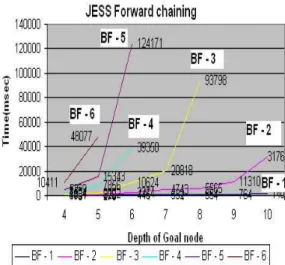
Figure 3 shows the run time evaluation of
Model-tracing using JESS forward chaining.
Figure 3: model-tracing using JESS forward
chaining
The run time of the model-tracing
algorithm increases exponentially as the
branching factor and depth of the goal node
increases. Hence this implementation is useful in
cases where the branching factor and chain
length are not large.
Experiment 3:
Run time evaluation of model-tracing using
JESS backward chaining:
Figure 4: model-tracing using JESS backward
chaining
The run time of the model-tracing
algorithm using JESS backward chaining does
not depend heavily on the branching factor and
the depth of the goal node in the search tree. This
implementation is suitable for very complex rule
sets with large branching factor and depth of
goal node.
Following is a graph comparing all
three implementations of the model-tracing
algorithm. The branching factor is fixed at 3 and
the depth of the goal node is varied linearly.
Figure 5: comparison of all three methods
TDK is faster but not by a great deal.
The model-tracing algorithm using forward
chaining in JESS did good enough for most
purposes, but if you wanted something very
complicated you would get a faster response
from TDK.
Conclusions
Though the Jess implementation of the
Rete pattern matching is slower, and we
understand why, it is probably fast enough for
many tutoring purposes. In the future we will
use Jess’ s native backward chaining in our
Authoring Tools project.
References
Ernest Friedman-Hill-
Jess in Action Java
Rule-based Systems
Manning Publications Co.
http://www.manning.com/friedman-hill/index.html
Forgy, C. L., 1982, Rete: A fast Algorithm for
the Many Pattern/Many Object Pattern Matching
Problem, Artificial Intelligence 19:17-37.
Heffernan, N. T., & Koedinger, K. R.(2002)
An
Intelligent Tutoring System Incorporating a
Model of an Experienced Human Tutor
International Conference on Intelligent Tutoring
System 2002. Biarritz, France.
Koedinger, K. R, Anderson, J. R, Hadley, W. H.,
Mark, A. A., 1997,
Intelligent Tutoring Goes To
School in the Big City,
International Journal of
Artificial Intelligence in Education (1997), 8,
30-43.
Koedinger, K. R., Aleven, V., & Heffernan, N.
T., 2003,
Toward a Rapid Development
Environment for Cognitive Tutor,
12th Annual
Conference on Behavior Representation in
Modeling
and
Simulation,
Simulation
Interoperability Standards Organization.
Pelletier, Ray (1993)
The TDK Production Rule
System.
Master Thesis. Carnegie Mellon
University.
(http://cs.wpi.edu/~sanket/JessAuthoringTools/p
apers/Production_System.pdf)
Appendix
Addition Rule set:
1. JESS forward chaining rules:
(deftemplate selection-action-input (slot selection)
(slot action) (slot input))
These rules are based upon porting the TDK rules given below, written by Aleven and Koedinger.
Rule 1:
(defrule focus-on-first-column (addition (problem ?problem))
?current-prob <- (problem (name ?problem) (interface-elements $?_blank_mf8 ?table $?_blank_mf9) (subgoals nil))
(table (name ?table) (columns $?_blank_mf10 ?rightmost-column-name))
?right-column <- (column (name ?rightmost-column-name) (cells $?_blank_mf11 ?first-addend ?second-?first-addend ?result))
(cell (name ?first-addend) (value ?num1)) (cell (name ?second-addend) (value ?num2)) (cell (name ?result) (value nil))
?counter-wme <- (counter (value ?val)) (test (eq ?val 0))
=>
(bind ?new-val (+ ?val 1))
(modify ?counter-wme (value ?new-val)) (printout t "Focus-on-first-column." crlf)) (defrule focus-on-first-column-02
(addition (problem ?problem))
?current-prob <- (problem (name ?problem) (interface-elements $?_blank_mf8 ?table $?_blank_mf9) (subgoals nil))
(table (name ?table) (columns $?_blank_mf10 ?rightmost-column-name))
?right-column <- (column (name ?rightmost-column-name) (cells $?_blank_mf11 ?first-addend ?second-?first-addend ?result))
(cell (name ?first-addend) (value ?num1)) (cell (name ?second-addend) (value ?num2)) (cell (name ?result) (value nil))
?counter-wme <- (counter (value ?val)) (test (eq ?val 0))
=>
(bind ?new-val (+ ?val 1))
(modify ?counter-wme (value ?new-val)) (printout t "Focus-on-first-column." crlf)) (defrule focus-on-first-column-1
(addition (problem ?problem))
?current-prob <- (problem (name ?problem) (interface-elements $?_blank_mf8 ?table $?_blank_mf9) (subgoals nil))
(table (name ?table) (columns $?_blank_mf10 ?rightmost-column-name))
?right-column <- (column (name ?rightmost-column-name) (cells $?_blank_mf11 ?first-addend ?second-?first-addend ?result))
(cell (name ?first-addend) (value ?num1)) (cell (name ?second-addend) (value ?num2)) (cell (name ?result) (value nil))
?counter-wme <- (counter (value ?val)) (test (eq ?val 1))
=>
(bind ?new-val (+ ?val 1))
(modify ?counter-wme (value ?new-val)) (printout t "Focus-on-first-column." crlf)) (defrule focus-on-first-column-12
(addition (problem ?problem))
?current-prob <- (problem (name ?problem) (interface-elements $?_blank_mf8 ?table $?_blank_mf9) (subgoals nil))
(table (name ?table) (columns $?_blank_mf10 ?rightmost-column-name))
?right-column <- (column (name ?rightmost-column-name) (cells $?_blank_mf11 ?first-addend ?second-?first-addend ?result))
(cell (name ?first-addend) (value ?num1)) (cell (name ?second-addend) (value ?num2)) (cell (name ?result) (value nil))
?counter-wme <- (counter (value ?val)) (test (eq ?val 1))
=>
(bind ?new-val (+ ?val 1))
(modify ?counter-wme (value ?new-val)) (printout t "Focus-on-first-column." crlf)) (defrule focus-on-first-column-2
(addition (problem ?problem))
?current-prob <- (problem (name ?problem) (interface-elements $?_blank_mf8 ?table $?_blank_mf9) (subgoals nil))
(table (name ?table) (columns $?_blank_mf10 ?rightmost-column-name))
?right-column <- (column (name ?rightmost-column-name) (cells $?_blank_mf11 ?first-addend ?second-?first-addend ?result))
(cell (name ?first-addend) (value ?num1)) (cell (name ?second-addend) (value ?num2)) (cell (name ?result) (value nil))
?counter-wme <- (counter (value ?val)) (test (eq ?val 2))
=>
(bind ?new-val (+ ?val 1))
(modify ?counter-wme (value ?new-val)) (printout t "Focus-on-first-column." crlf)) (defrule focus-on-first-column-22
(addition (problem ?problem))
?current-prob <- (problem (name ?problem) (interface-elements $?_blank_mf8 ?table $?_blank_mf9) (subgoals nil))
(table (name ?table) (columns $?_blank_mf10 ?rightmost-column-name))
?right-column <- (column (name ?rightmost-column-name) (cells $?_blank_mf11 ?first-addend ?second-?first-addend ?result))
(cell (name ?first-addend) (value ?num1)) (cell (name ?second-addend) (value ?num2)) (cell (name ?result) (value nil))
?counter-wme <- (counter (value ?val)) (test (eq ?val 2))
=>
(bind ?new-val (+ ?val 1))
(modify ?counter-wme (value ?new-val)) (printout t "Focus-on-first-column." crlf)) (defrule focus-on-first-column-3
(addition (problem ?problem))
?current-prob <- (problem (name ?problem) (interface-elements $?_blank_mf8 ?table $?_blank_mf9) (subgoals nil))
(table (name ?table) (columns $?_blank_mf10 ?rightmost-column-name))
?right-column <- (column (name ?rightmost-column-name) (cells $?_blank_mf11 ?first-addend ?second-?first-addend ?result))
(cell (name ?first-addend) (value ?num1)) (cell (name ?second-addend) (value ?num2)) (cell (name ?result) (value nil))
?counter-wme <- (counter (value ?val)) (test (eq ?val 3))
=>
(bind ?new-val (+ ?val 1))
(modify ?counter-wme (value ?new-val)) (printout t "Focus-on-first-column." crlf)) (defrule focus-on-first-column-32
(addition (problem ?problem))
?current-prob <- (problem (name ?problem) (interface-elements $?_blank_mf8 ?table $?_blank_mf9) (subgoals nil))
(table (name ?table) (columns $?_blank_mf10 ?rightmost-column-name))
?right-column <- (column (name ?rightmost-column-name) (cells $?_blank_mf11 ?first-addend ?second-?first-addend ?result))
(cell (name ?first-addend) (value ?num1)) (cell (name ?second-addend) (value ?num2)) (cell (name ?result) (value nil))
?counter-wme <- (counter (value ?val)) (test (eq ?val 3))
=>
(bind ?new-val (+ ?val 1))
(modify ?counter-wme (value ?new-val)) (printout t "Focus-on-first-column." crlf)) (defrule focus-on-first-column-5
(addition (problem ?problem))
?current-prob <- (problem (name ?problem) (interface-elements $?_blank_mf8 ?table $?_blank_mf9) (subgoals nil))
(table (name ?table) (columns $?_blank_mf10 ?rightmost-column-name))
?right-column <- (column (name ?rightmost-column-name) (cells $?_blank_mf11 ?first-addend ?second-?first-addend ?result))
(cell (name ?first-addend) (value ?num1)) (cell (name ?second-addend) (value ?num2)) (cell (name ?result) (value nil))
?counter-wme <- (counter (value ?val)) (test (eq ?val 4))
=>
(bind ?current-sub-goal (assert (process-column-goal (name "proc-right-most-col-goal") (column ?rightmost-column-name) (carry nil) (first-addend ?num1) (second-addend ?num2) (sum nil) (description nil))))
(modify ?current-prob (subgoals "proc-right-most-col-goal")) (printout t "Focus-on-first-column." crlf))
(defrule focus-on-first-column-52 (addition (problem ?problem))
?current-prob <- (problem (name ?problem) (interface-elements $?_blank_mf8 ?table $?_blank_mf9) (subgoals nil))
(table (name ?table) (columns $?_blank_mf10 ?rightmost-column-name))
?right-column <- (column (name ?rightmost-column-name) (cells $?_blank_mf11 ?first-addend ?second-?first-addend ?result))
(cell (name ?first-addend) (value ?num1)) (cell (name ?second-addend) (value ?num2)) (cell (name ?result) (value nil))
?counter-wme <- (counter (value ?val)) (test (eq ?val 4))
=>
(bind ?current-sub-goal (assert (process-column-goal (name "proc-right-most-col-goal") (column ?rightmost-column-name) (carry nil) (first-addend ?num1) (second-addend ?num2) (sum nil) (description nil))))
(modify ?current-prob (subgoals "proc-right-most-col-goal")) (printout t "Focus-on-first-column." crlf))
(defrule add-carry
(addition (problem ?problem))
(problem (name ?problem) (subgoals $?_blank_mf19 ?subgoal $?_blank_mf20))
?current-subgoal <- (process-column-goal (name ?subgoal) (carry ?num0) (first-addend ?num1) (second-addend ?num2) (sum ?sum))
(test (neq ?num0 nil)) (test (neq ?sum nil)) =>
(bind ?new-sum (+ ?sum 0))
(modify ?current-subgoal (sum ?new-sum) (carry nil)) (printout t "Add carry." crlf))
(defrule add-addends
(addition (problem ?problem))
(problem (name ?problem) (subgoals $?_blank_mf17 ?subgoals $?_blank_mf18))
?current-goal <- (process-column-goal (name ?subgoals) (column ?column) (carry ?carry) (first-addend ?num1) (second-addend ?num2) (sum nil))
(test (neq ?num1 nil)) (test (neq ?num2 nil)) =>
(bind ?sum (+ ?num1 ?num2)) (modify ?current-goal (sum ?sum)) (printout t "Add addends." crlf))
(defrule add-addends-2
(addition (problem ?problem))
(problem (name ?problem) (subgoals $?_blank_mf17 ?subgoals $?_blank_mf18))
?current-goal <- (process-column-goal (name ?subgoals) (column ?column) (carry ?carry) (first-addend ?num1) (second-addend ?num2) (sum nil))
(test (neq ?num1 nil)) (test (neq ?num2 nil)) =>
(bind ?sum (+ ?num1 ?num2)) (modify ?current-goal (sum ?sum)) (printout t "Add addends." crlf)) (defrule write-sum
(addition (problem ?problem))
?current-problem <- (problem (name ?problem) (subgoals $?sg1 ?subgoal $?sg2))
?current-subgoal <- (process-column-goal (name ?subgoal) (column ?column) (carry nil) (sum ?sum))
(test (neq ?sum nil)) (test (< ?sum 10))
(column (name ?column) (cells $?_blank_mf27 ?result) (position ?pos)) ?cell <- (cell (name ?result))
?selection-action-input <- (selection-action-input) =>
(modify ?cell (value ?sum))
(modify ?current-problem (subgoals $?sg1 $?sg2))
(modify ?selection-action-input (selection ?result) (action UpdateTable) (input ?sum)) (retract ?current-subgoal)
(printout t "Write sum1." crlf)) (defrule write-sum-2
(addition (problem ?problem))
?current-problem <- (problem (name ?problem) (subgoals $?sg1 ?subgoal $?sg2))
?current-subgoal <- (process-column-goal (name ?subgoal) (column ?column) (carry nil) (sum ?sum))
(test (neq ?sum nil)) (test (< ?sum 10))
(column (name ?column) (cells $?_blank_mf27 ?result) (position ?pos)) ?cell <- (cell (name ?result))
?selection-action-input <- (selection-action-input) =>
(modify ?cell (value ?sum))
(modify ?current-problem (subgoals $?sg1 $?sg2))
(modify ?selection-action-input (selection ?result) (action UpdateTable) (input ?sum)) (retract ?current-subgoal)
(printout t "Write sum1." crlf)) (defrule write-carry
(addition (problem ?problem))
?current-problem <- (problem (name ?problem) (subgoals $?sg1 ?subgoal $?sg2)) ?carry-goal <- (write-carry-goal (name ?subgoal) (carry ?num) (column ?column)) (column (name ?column) (cells ?carry $?_blank_mf30) (position ?pos))
?carry-cell <- (cell (name ?carry) (value nil)) ?selection-action-input <- (selection-action-input) =>
(modify ?carry-cell (value ?num))
(modify ?current-problem (subgoals ?sg1 ?sg2))
(modify ?selection-action-input (selection ?carry) (action UpdateTable) (input ?num)) (retract ?carry-goal)
(printout t "Write-carry." crlf)) (defrule must-carry
(addition (problem ?problem))
?current-problem <- (problem (name ?problem) (subgoals $?_blank_mf21 ?subgoal $?_blank_mf22))
?current-subgoal <- (process-column-goal (name ?subgoal) (column ?column) (carry nil) (sum ?sum))
(test (neq sum nil)) (test (numberp ?sum)) (test (> ?sum 9))
(problem (name ?problem) (interface-elements $?_blank_mf23 ?table $?_blank_mf24) (subgoals $?subgoals))
(table (name ?table) (columns $?_blank_mf25 ?next-column-name ?column $?_blank_mf26)) ?next-column <- (column (name ?next-column-name) (position ?next-pos))
=>
(bind ?new-sum (- ?sum 10))
(modify ?current-subgoal (sum ?new-sum))
(assert (write-carry-goal (name "write-carry") (carry 1) (column ?next-column-name) (description nil)))
(modify ?current-problem (subgoals "write-carry" ?subgoals)) (printout t "Must carry1" crlf))
(defrule must-carry-2
(addition (problem ?problem))
?current-problem <- (problem (name ?problem) (subgoals $?_blank_mf21 ?subgoal $?_blank_mf22))
?current-subgoal <- (process-column-goal (name ?subgoal) (column ?column) (carry nil) (sum ?sum))
(test (neq sum nil)) (test (numberp ?sum)) (test (> ?sum 9))
(problem (name ?problem) (interface-elements $?_blank_mf23 ?table $?_blank_mf24) (subgoals $?subgoals))
(table (name ?table) (columns $?_blank_mf25 ?next-column-name ?column $?_blank_mf26)) ?next-column <- (column (name ?next-column-name) (position ?next-pos))
=>
(bind ?new-sum (- ?sum 10))
(modify ?current-subgoal (sum ?new-sum))
(assert (write-carry-goal (name "write-carry") (carry 1) (column ?next-column-name) (description nil)))
(modify ?current-problem (subgoals "write-carry" ?subgoals)) (printout t "Must carry1" crlf))
JESS backward chaining rules:
Declaring the wme types as backward chaining reactive.
(do-backward-chaining problem) (do-backward-chaining selection-action-input) (do-backward-chaining write-carry-goal) (do-backward-chaining process-column-goal) Rules: Rule 1: (defrule focus-on-first-column (need-problem
(subgoals ?ss&:(neq ?ss nil))) (need-process-column-goal
(name ?n&:(neq ?n nil))) (addition
(problem ?problem)) ?current-prob <- (problem
(name ?problem)
(interface-elements $?_blank_mf8 ?table $?_blank_mf9) (subgoals nil))
(table
(name ?table)
(columns $?_blank_mf10 ?rightmost-column-name)) ?right-column <- (column
(name ?rightmost-column-name)
(cells $?_blank_mf11 ?first-addend ?second-addend ?result)) (cell (name ?first-addend) (value ?num1)) (cell (name ?second-addend) (value ?num2)) (cell (name ?result) (value nil)) => (bind ?current-sub-goal
(assert (process-column-goal (name "proc-right-most-col-goal") (column ?rightmost-column-name) (carry nil) (first-addend ?num1) (second-addend ?num2) (sum nil) (description nil)))) (modify ?current-prob (subgoals "proc-right-most-col-goal")) (printout t "Focus-on-first-column." crlf)) Rule 2: (defrule focus-on-next-column (need-problem
(subgoals ?ss&:(neq ?ss nil))) (need-process-column-goal
(name ?n&:(neq ?n nil))) (addition (problem ?problem)) ?current-prob <- (problem (name ?problem) (interface-elements $? ?table $?) (subgoals )) (table (name ?table)
(columns $? ?next-column ?previous-column $?)) (column
(name ?previous-column) (cells $? ?previous-result)) (cell
(name ?previous-result) (value ?val&:(neq ?val nil))) (column
(name ?next-column)
(cells ?carry ?first-addend ?second-addend ?result) (position ?pos)) (cell (name ?result) (value nil)) (cell (name ?carry) (value ?num0)) (cell (name ?first-addend) (value ?num1)) (cell (name ?second-addend) (value ?num2)) => (bind ?current-sub-goal (assert (process-column-goal (name "process-col-goal") (column ?next-column) (carry ?num0) (first-addend ?num1) (second-addend ?num2) (sum nil) (description nil)))) (modify ?current-prob (subgoals "process-col-goal")) (printout t "Focus-on-next-column." crlf)) Rule 3: (defrule add-carry (need-process-column-goal (carry ?n&:(neq ?n nil))) (addition
(problem ?problem)) (problem
(subgoals $?_blank_mf19 ?subgoal $?_blank_mf20)) ?current-subgoal <- (process-column-goal (name ?subgoal) (carry ?num0) (first-addend ?num1) (second-addend ?num2) (sum ?sum))
(test (neq ?num0 nil)) (test (neq ?sum nil)) =>
(bind ?new-sum (+ ?sum 0)) (modify ?current-subgoal
(sum ?new-sum) (carry nil)) (printout t "Add carry." crlf))
Rule 4:
(defrule add-addends
(need-process-column-goal (sum ?s&:(neq ?s nil))) (addition
(problem ?problem)) (problem
(name ?problem)
(subgoals $?_blank_mf17 ?subgoals $?_blank_mf18)) ?current-goal <- (process-column-goal (name ?subgoals) (column ?column) (carry ?carry) (first-addend ?num1) (second-addend ?num2) (sum nil))
(test (neq ?num1 nil)) (test (neq ?num2 nil)) =>
(bind ?sum (* ?num1 ?num2)) (modify ?current-goal (sum ?sum)) (printout t "Add addends." crlf))
Rule 5:
(defrule must-carry (need-write-carry-goal
(name ?n&:(neq ?n nil))) (addition
(problem ?problem)) ?current-problem <- (problem
(name ?problem)
(subgoals $?_blank_mf21 ?subgoal $?_blank_mf22)) ?current-subgoal <- (process-column-goal
(name ?subgoal) (column ?column) (carry nil) (sum ?sum)) (test (neq sum nil)) (test (numberp ?sum)) (test (> ?sum 9)) (problem
(name ?problem)
(interface-elements $?_blank_mf23 ?table $?_blank_mf24) (subgoals $?subgoals))
(table
(name ?table)
(columns $?_blank_mf25 ?next-column-name ?column $?_blank_mf26)) ?next-column <- (column
(name ?next-column-name) (position ?next-pos)) =>
(bind ?new-sum (- ?sum 10)) (modify ?current-subgoal
(sum ?new-sum)) (assert (write-carry-goal
(carry 1)
(column ?next-column-name) (description nil)))
(modify ?current-problem
(subgoals "write-carry" ?subgoals)) (printout t "Must carry" crlf))
Rule 6: (defrule write-carry (need-selection-action-input (selection nil) (action nil) (input nil)) (addition (problem ?problem)) ?current-problem <- (problem (name ?problem) (subgoals $?sg1 ?subgoal $?sg2)) ?carry-goal <- (write-carry-goal (name ?subgoal) (carry ?num) (column ?column)) (column (name ?column)
(cells ?carry $?_blank_mf30) (position ?pos)) ?carry-cell <- (cell (name ?carry) (value nil)) ?selection-action-input <- (selection-action-input) =>
(modify ?carry-cell (value ?num)) (modify ?current-problem (subgoals ?sg1 ?sg2)) (modify ?selection-action-input (selection ?carry) (action UpdateTable) (input ?num)) (retract ?carry-goal) (printout t "Write-carry." crlf)) Rule 7: (defrule write-sum (need-selection-action-input (selection nil) (action nil) (input nil))
(addition (problem ?problem)) ?current-problem <- (problem (name ?problem) (subgoals $?sg1 ?subgoal $?sg2)) ?current-subgoal <- (process-column-goal (name ?subgoal) (column ?column) (carry nil) (sum ?sum)) (test (neq ?sum nil)) (test (< ?sum 10)) (column
(name ?column)
(cells $?_blank_mf27 ?result) (position ?pos))
?cell <- (cell (name ?result))
?selection-action-input <- (selection-action-input) =>
(modify ?cell (value ?sum)) (modify ?current-problem
(subgoals $?sg1 $?sg2)) (modify ?selection-action-input
(action UpdateTable) (input ?sum))
(retract ?current-subgoal) (printout t "Write sum." crlf))
TDK rules:
Cognitive Tutor Tutorial Examples
Example 5: Multi-Column Addition with Hints Copyright © 2001
All Rights Reserved
Vincent Aleven, Kenneth R. Koedinger HCI Institute
School of Computer Science Carnegie-Mellon University ;; FOCUS-ON-FIRST-COLUMN ;; IF
;; The goal is to do an addition problem ;; And there is no pending subgoal
;; And there is no result yet in the rightmost column of the problem ;; THEN
;; Set a subgoal to process the rightmost column
(defproduction focus-on-first-column addition (=problem) =problem> isa problem subgoals NIL interface-elements ($ =table $) =table> isa table columns ($ =rightmost-column) columns $columns =rightmost-column> isa column
cells ($ =first-addend =second-addend =result) name =name =first-addend> isa cell value =num1 =second-addend> isa cell value =num2 =result> isa cell value NIL
!eval! (or =num1 =num2) ; check if there really is a number in this column ==> =process-column-goal> isa process-column-goal column =rightmost-column first-addend =num1 second-addend =num2 =problem> subgoals (=process-column-goal) !chain! addition (=problem)
:messages (help
(when (> (length $columns) 1) ; only give this message when ; there is more than 1 column `(Start with the column on the right #\.
This is the #\space "\"ones\"" column #\.) ))
)
;; FOCUS-ON-NEXT-COLUMN ;; IF
;; The goal is to do an addition problem ;; And here is no pending subgoal
;; And C is the rightmost column with numbers to add and no result ;; THEN
;; Set a subgoal to process column C
(defproduction focus-on-next-column addition (=problem) =problem> isa problem subgoals NIL interface-elements ($ =table $) =table> isa table
columns ($ =next-column =previous-column $) =previous-column> isa column cells ($ =previous-result) =previous-result> isa cell - value NIL =next-column> isa column
cells (=carry =first-addend =second-addend =result) name =name position =pos =result> isa cell value NIL =carry> isa cell value =num0 =first-addend> isa cell value =num1 =second-addend> isa cell value =num2
!eval! (or =num0 =num1 =num2) ; check if there is work to do in this column ==> =process-column-goal> isa process-column-goal column =next-column carry =num0 first-addend =num1 second-addend =num2 =problem> subgoals (=process-column-goal) !chain! addition (=problem)
:messages (help
‘(Now move on to the #\space ,=pos column from the right #\. ~n ~n
This is the #\space ,=name column #\.)) )
;; ADD-ADDENDS ;; IF
;; There is a goal to process column C ;; THEN
;; Set Sum to the sum of the addends in column C
;; And set a subgoal to write Sum as the result in column C ;; And remove the goal to process column C
(defproduction add-addends addition (=problem) =problem> isa problem subgoals ($ =subgoal $) =subgoal> isa process-column-goal carry =carry first-addend =num1 second-addend =num2 sum NIL ==>
!eval! =sum (+ (or =num1 0) (or =num2 0))
=subgoal> sum =sum
!chain! addition (=problem)
:messages (help ;; These messages are coordinated with those of ADD-CARRY.
(cond ((and (numberp =num1)(numberp =num2))
‘(You need to add the two digits in this column #\. Adding ,=num1 and ,=num2 gives ,=sum #\. ))
;; This message may be followed by one attached to ADD-CARRY. ((and (or (numberp =num1)(numberp =num2))
(not (numberp =carry)))
‘(There is only one number in this column #\, so you can just write that number #\. )))) ;; This message will not be followed by one attached
;; to ADD-CARRY (since there is no carry).
;; If there is one number in the column plus a carry, ;; this is handled by messages attached to ADD-CARRY. ;; (For no particular reason other than that it worked.) )
;; ADD-CARRY ;; IF
;; There is a goal to write Sum as the result in column C ;; And there is a carry into column C
;; And the carry has not been added to Sum ;; THEN
;; Change the goal to write Sum+1 as the result ;; And mark the carry as added
(defproduction add-carry addition (=problem) =problem> isa problem subgoals ($ =subgoal $) =subgoal> isa process-column-goal sum =sum
- sum NIL ; redundant? - carry NIL
carry =num0 first-addend =num1 second-addend =num2 ==>
!eval! =new-sum (+ =sum =num0) =subgoal>
sum =new-sum carry NIL
!chain! addition (=problem)
:messages (help ;; See comments on the hints of ADD-ADDENDS. (cond ((not (or (numberp =num1)
(numberp =num2))) ; no addends, just a carry ‘(There are no digits to add in this column #\,
but there is a carry from the previous column #\. )) (t
‘(There is a carry into this column #\, so you need to add the value carried in #\.
This gives ,=sum + 1 equals ,=new-sum #\. )))) )
;; MUST-CARRY ;; IF
;; There is a goal to write Sum as the result in column C ;; And the carry into column C (if any) has been added to Sum ;; And Sum > 9
;; And Next is the column to the left of C ;; THEN
;; Change the goal to write Sum-10 as the result in C ;; Set a subgoal to write 1 as a carry in column Next (defproduction must-carry addition (=problem)
=problem> isa problem subgoals ($ =subgoal $) =subgoal> isa process-column-goal - sum NIL sum =sum carry NIL column =column !eval! (> =sum 9) =problem> isa problem subgoals $subgoals interface-elements ($ =table $) =table> isa table
columns ($ =next-column =column $) =column> isa column position =pos =next-column> isa column position =next-pos ==>
!eval! =new-sum (- =sum 10) =subgoal> sum =new-sum =write-carry-goal> isa write-carry-goal column =next-column carry 1
=problem> ; =add the new write-carry-goal to the set of subgoals subgoals (=write-carry-goal $subgoals)
!chain! addition (=problem) :messages (help
‘(The sum that you have #\, ,=sum #\, is greater than 9 #\. ~n ~n So you need to carry 10 of the ,=sum
into the #\space ,=next-pos column #\. And you need to write the rest of the ,=sum at the bottom of the #\space ,=pos column #\. )) )
;; WRITE-SUM ;; IF
;; There is a goal to write Sum as the result in column C ;; And Sum < 10
;; And the carry into column C (if any) has been added ;; THEN
;; Write Sum as the result in column C ;; And remove the goal
(defproduction write-sum addition (=problem) =problem> isa problem subgoals ($sg1 =subgoal $sg2) =subgoal> isa process-column-goal - sum NIL sum =sum column =column carry NIL !eval! (< =sum 10) =column> isa column position =pos cells ($ =result) =result> isa cell ==> =result>
isa cell value =sum =problem>
subgoals ($sg1 $sg2) ; the remaining subgoals :nth-selection 0 =result
:action ’UpdateTable :input =sum #’equal-value-p :messages (help
(let ((column-description (if (equal "first" =pos) ’(the rightmost column)
‘(the #\space ,=pos column from the right)))) ‘(Write ,=sum at the bottom of
#\space ,@column-description #\. ))) )
;; WRITE-CARRY ;; IF
;; There is a goal to write a carry in column C ;; THEN
;; Write the carry in column C ;; And remove the goal
(defproduction write-carry addition (=problem) =problem> isa problem subgoals ($sg1 =subgoal $sg2) =subgoal> isa write-carry-goal carry =num column =column =column> isa column position =pos cells (=carry $) =carry> isa cell
value NIL ; redundant, presumably =problem>
isa problem
interface-elements ($ =table $) =table>
isa table
columns ($ =column =previous-column $) =previous-column> isa column position =pos-previous ==> =carry> value =num =problem>
subgoals ($sg1 $sg2) ; the remaining subgoals :nth-selection 0 =carry
:action ’UpdateTable :input =num #’equal-value-p
:priority 800 ; so that write-sum has priority :messages (help
‘(You need to complete the work on the #\space ,=pos-previous column #\. )
;; TO DO: make sure this message is displayed also ;; when you write the carry (but not the result) ;; and then ask for a hint.
‘(Write the carry from the #\space ,=pos-previous to the next column #\. )
‘(Write ,=num at the top of the #\space ,=pos column from the right #\. )))