DigitalCommons@University of Nebraska - Lincoln
Educational Administration: Theses, Dissertations,and Student Research Educational Administration, Department of
Summer 7-2016
Comparison of Nebraska Accreditation Options
and Effect on Student Achievement: A Mixed
Methods Study
Tami Sue Eshleman
University of Nebraska - Lincoln, [email protected]
Follow this and additional works at:http://digitalcommons.unl.edu/cehsedaddiss Part of theEducational Administration and Supervision Commons
This Article is brought to you for free and open access by the Educational Administration, Department of at DigitalCommons@University of Nebraska - Lincoln. It has been accepted for inclusion in Educational Administration: Theses, Dissertations, and Student Research by an authorized administrator of DigitalCommons@University of Nebraska - Lincoln.
Eshleman, Tami Sue, "Comparison of Nebraska Accreditation Options and Effect on Student Achievement: A Mixed Methods Study" (2016).Educational Administration: Theses, Dissertations, and Student Research. 273.
Comparison of Nebraska Accreditation Options and Effect on Student Achievement: A Mixed Methods Study
by
Tami Eshleman, Ed.D.
A DISSERTATION
Presented to the Faculty of
The Graduate College at the University of Nebraska In Partial Fulfillment of Requirements For the Degree of Doctor of Education
Major: Educational Administration (UNL-UNO)
Under the Supervision of Professor Barbara Y. LaCost
Lincoln, Nebraska
Comparison of Nebraska Accreditation Options and Effect on Student Achievement: A Mixed Methods Study
Tami Eshleman University of Nebraska, 2016 Advisor: Barbara LaCost
The purpose of this study is to determine if and how each of the two accreditation options in Nebraska may influence student achievement outcomes. A mixed-methods study was developed. Phase I quantitative analysis determined whether a significant difference existed in the ACT composite scores and the NeSA reading and math assessments in schools accredited by either the Nebraska Frameworks or AdvancED. The analysis revealed that NeSA math was influenced by accreditation choice. Based on the quantitative results, school superintendents were identified for Phase II qualitative methods to survey and interview to share (a) attributes that contributed to their academic success, (b) how accreditation influences best teaching practices, and (c) what challenges affect student achievement.
Respondents did not attribute their success to accreditation process. The districts’ successes were based on processes that were developed by the district leaders. Personnel contributed to the success according to the respondents. Policymakers should focus on reducing the requirements for accountability and accreditation that would allow districts to focus on improving student achievement.
Table of Contents
List of Figures ... vi
List of Tables ... vii
List of Appendices ... viii
Chapter 1—Introduction ... 1
The Problem ... 1
Context of the Problem ... 2
Nebraska Frameworks ... 3
AdvancED ... 4
Restatement of Purpose of the Study ... 5
Research Questions ... 5 Method ... 6 Definition of Terms... 7 Assumptions ... 10 Limitations ... 11 Delimitations ... 11
Significance of the Study ... 11
Chapter 2—Review of Related Literature ... 13
Purpose Statement ... 13
Overview ... 13
Accreditation ... 13
State and Federal Accountability ... 15
Student Achievement ... 21
Chapter 3—Methodology ... 31
Purpose and Design... 31
Research Questions ... 32
Method ... 32
Study Participants ... 33
Instrumentation ... 34
Data Collection Procedures ... 34
Data Analysis Procedures ... 35
Validation Procedures ... 35
Role of Researcher ... 35
Ethical Considerations ... 36
Chapter 4—Results ... 37
General Observations and Results ... 38
Data Analysis and Research Questions... 38
Question 1 ... 39
Question 2 ... 40
Question 3 ... 40
Question 4 ... 40
Note on Effect Size ... 41
Participant Identification ... 42
Response Rate ... 43
Results of the Survey Sample Demographics ... 43
Survey Question 8 ... 43
Qualitative Analysis ... 48
Theme I: District Demographics ... 49
Subtheme IA: Student and Community Demographics ... 49
Subtheme IB: Personnel ... 51
Subtheme IC: Barriers... 52
Subtheme ID: Expectations... 53
Theme II: Teaching and Learning... 55
Subtheme IIA: Curriculum ... 55
Subtheme IIB: Assessment ... 58
Subtheme IIC: Teacher Collaboration and Professional Development ... 60
Subtheme IID: Resources ... 62
Research Questions ... 63 Research Question 1 ... 63 Research Question 2 ... 63 Research Question 3 ... 64 Chapter 5—Discussion ... 66 Limitations ... 69 Future Research ... 70
Accreditation Variances by State ... 70
Accreditation and Federal Mandates ... 70
Accreditation and State Initiatives ... 71
Impact of Demographics on Student Achievement ... 71
Conclusion ... 72
References ... 75
List of Figures
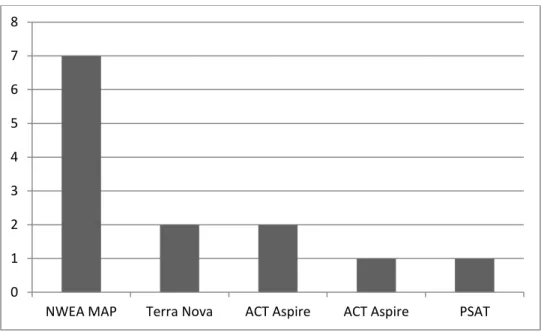
Figure 1 Identification of Norm Referenced Tests Responses by All
Respondents ... 46 Figure 2 Themes and Sub-themes ... 48
List of Tables
Table 1 Descriptive Statistics for Assessment Data 2013-2014 ... 39
Table 2 Number of Districts with 3-Year NeSA Math Proficiency
(86%) Data ... 42 Table 3 Summary of Responses for Questions 1 -7 of Survey ... 45
List of Appendices
Appendix A Rule 10, 009 ... 80
Appendix B Comparison of Nebraska Accreditation Option and Race to the Top ... 83
Appendix C IRB Approval Letter ... 86
Appendix D Survey Questions ... 88
Appendix E Interview Protocol ... 95
Chapter 1 Introduction The Problem
Schools are failing. This is the message that can be inferred from daily news reports. A Google news search of failing schools resulted in over 60,000 links. The media and external community focuses on failing states, districts, schools, and students. The internal educational community reacts to legislative regulations to meet the ever-changing mandates. “Terms like fault and failure obscure a clear view of the problem and, in fact, are part of the problem” (Wagner & Kegan, 2006, p. 8). School
improvement is the driving force to any successful school district. Companies market their solutions to school districts aggressively. National and state legislation has allocated funding specifically targeting low-performing schools. Media reflect the emphasis on the issue of poor performance in schools. Examples of this media attention include major cover pages in education magazines: “What Works in Raising Student Achievement?” (Corwin), “Unleash the Power” (Read 180), “Solutions that can take students to the head of the class --And perhaps even further” (Verizon), and “Our School Improvement Partnership is about GETTING IT RIGHT” (Houghton Mifflin Harcourt).
Nebraska Department of Education Commissioner Matt Blomstedt addressed the improvement in his September 30, 2014, Annual Yearly Progress Letter:
We are committed to continuous improvement. Gains in student achievement are due to the collaborative efforts of teacher, staff, parents, and community members through high-quality instruction, effective leadership, and partnerships. We know that tests are an important part of teaching and learning, but we also understand that basing a student’s achievement on a single assessment does not capture everything that is important for our children’s learning journey.
Jenkins (2008) asked, “Do the superintendent and board accept the belief that 94 to 97 percent of the school district’s issues are system problems” (p. 4). School leaders must first acknowledge the need to recognize the systems problem. As directed in Title 92, Nebraska Administrative Code, Chapter 10, Section 009.01A: “The school system develops and implements a continuous school improvement process to promote quality learning for all students. This process includes procedures and strategies to address quality learning, equity, and accountability”. (92 NAC 10, 2015, p. 29).
School improvement efforts can be further divided into programs or processes. For purposes of this study, programs and processes are defined. Programs target specific achievement gaps. Programs may be adopted to support instructional, curricular, or operational functions. School improvement programs are only one cog in the wheel of school improvement. Processes focus on systems and are not limited to one academic deficiency. The school improvement process is the comprehensive management of several programs to improve student learning.
Whitaker (2010) advised, “Only when we knew the goal could we come up with a solution” (p. 8). Whitaker explained three levels of change; procedural, structural, and cultural. DuFour et al. (2010) recognized the struggles of school improvement.
Many teachers and administrators prefer the familiarity of their current path, even when it becomes apparent that it will not take them to their desired destination. We recognize it is difficult to pursue an uncharted path, particularly when it is certain to include inevitable bumps and potholes along the way. (p. 7)
Context of the Problem
Quick and easy school improvement solutions do not garner long term
Education and is defined in Rule 10 (NDE, 2015) that requires a district commitment to a five-year cycle for either of two accreditation options, Nebraska Frameworks or
AdvancED. School districts have the autonomy to select one of the two choices.
Nebraska Frameworks
School districts that choose Nebraska Frameworks accreditation provide the improvement plans for all schools within the district. The accreditation team then validates the goals and makes recommendations during site visitations.
The Nebraska Framework: A Handbook for Continuous Improvement in Nebraska Schools (2015) defines the alignment process for school districts as:
The Nebraska model for continuous improvement is intended to assist Nebraska schools in aligning and coordinating the various school improvement initiatives that may be in progress in each district. These may include for example,
Improving Learning for Children with Disabilities (ILCD), Title I Improvement Plans, technology plans, curriculum development activities, and plans for other local, state, or federal programs. Schools are encouraged to merge or align their various plans and goals so that local improvement activities will be mutually supportive and consistently aimed toward achieving school improvement goals. Therefore, it is crucial that representatives of special projects and programs be frequent participants in continuous improvement planning.
In addition, local standards, curriculum, assessment, and professional
development should be developed and implemented through the involvement of all staff members to provide quality learning experiences for all students and to provide a solid foundation for developing and implementing school improvement plans. Ongoing committees for curriculum, assessment, and professional
development should, therefore, communicate frequently with the school improvement steering committee to assure that these important activities are indeed mutually supportive.
Research has identified the following four areas critical to high performance schools:
• Curriculum alignment
• Appropriate instructional strategies • Family and community engagement
The responsibility of individual school districts is to facilitate school improvement through a systematic process.
AdvanceED
Districts that elect AdvancED accreditation may accredit entire district, single buildings and multi-buildings with the district. Multi-building districts may choose AdvancED accreditation for all buildings or may option for individual building accreditation, usually districts choose to accredit only high schools if district-wide accreditation is not chosen. While the district’s other buildings – such as elementary or middle schools – may accredit through the Nebraska Frameworks standards. AdvancED accreditation includes five standards with multiple indicators for the accreditation team to evaluate compliance. The accreditation team is required to submit at least two required actions. There are annual fees for districts and buildings for AdvancED accreditation.
School improvement is a social obligation of the state of Nebraska as implicitly noted in Amendment Ten of the nation’s Bill of Rights (U.S. Const. amend. X) that states, “The powers not delegated to the United States by the Constitution, nor prohibited by it to the states, are reserved to the states respectively, or to the people.” This social obligation is based on the assumption that school districts are responsible for the learning of all students. Nebraska Department of Education (NDE) has drafted documents to meet state legislation, specifically LB 438, The Quality Education and Accountability Act, in establishing an accountability system. Accountability for a Quality Education System Today and Tomorrow (AQuESTT) is a state-wide systematic endeavor to address quality,
accountability, and school improvement. Commissioner Blomstedt further explained the new accountability system in his September 2014 AYP letter:
As a state, our biggest challenge is finding better ways to engage and support the learning of every student, every day. Nebraska is developing a system for Accountability for a Quality Education System, Today and Tomorrow (AQuESTT). The State Board of Education believes that Nebraska citizens-through the Constitution, the Nebraska Legislature, the State Board of Education, the Commissioner of Education, and other policy makers-are responsible for the total design of this education system. While acknowledging that this education system will be influenced by others, (federal government, other state leaders, and local policy makers) this system will be dependent on and driven by local boards of education, administrators, teachers, parents, communities and students. This belief requires that we listen well, communicate better, and engage leaders and stakeholders across the state. The goal is to build a quality accountability system that is meaningful to Nebraska.
What is school improvement in Nebraska and how can Nebraska Department of
Education best support the process? Commissioner Blomstedt’s statement acknowledged the responsibility of the Nebraska Department of Education to design an educational system that addresses school improvement as required by Rule 10 (NDE, 2015).
Restatement of Purpose of the Study
The purpose of this study was to determine if and how each of the two accreditation options in Nebraska may influence student achievement outcomes.
Research Questions
Phase I analysis in the quantitative section concentrated on four questions. 1. Is there significant statistical difference between ACT composite scores for
Frameworks school districts and AdvancED school districts?
2. Is there significant statistical difference between NeSA reading assessments for Frameworks school districts and AdvancED school districts?
3. Is there significant statistical difference between NeSA mathematics
assessments for Frameworks school districts and AdvancED school districts? 4. To what degree is the accreditation system associated with enrollment? The study’s qualitative emphasis focused on three questions.
1. How do superintendents of high achieving districts explain sustained academic success?
2. How do superintendents of high achieving districts link accreditation procedures to best practices in teaching students?
3. What challenges do superintendents of high achieving districts face in Nebraska as they work to sustain their progress in academics?
Method
A quantitative analysis of public data available from the Nebraska Department of Education was completed prior to beginning the qualitative section of the study. I first determined whether a significant difference existed in the ACT scores and the NeSA reading and math assessments in high performing schools accredited by either the Nebraska Frameworks or AdvancED. I also determined the degree of association between accreditation process -- Nebraska Frameworks or AdvancED – and student enrollment.
These results provided a basis for selection of participants for the qualitative approach, which provided opportunity for Nebraska superintendents of high achieving school districts to share (a) how accreditation might be linked to student achievement in their districts and (b) what best practices were in place for sustaining annual growth.
Definition of Terms
ACT – For the purpose of this study, ACT is the college readiness assessment.
AdvancED Accreditation– For the purpose of this study, AdvancED Accreditation is an international accrediting agency. Districts and schools pay an annual fee. Schools and district are accredited based on five standards that are evaluated every five years by an external team. Membership is available to all schools who meet the five standards.
Accreditation – Rule 10, Regulations and Procedures for the Accreditation of Schools -For the purpose of this study, accredited schools must comply with 92 NAC 10, the rules and regulations that govern standards and procedures for the
accreditation of all public schools and any nonpublic schools that request state accreditation. Districts/schools may also choose to be accredited by the
AdvancED/North Central Association accrediting body. (Accreditation and School Improvement, n.d.).
AYP – For the purpose of this study, AYP means Adequate Yearly Progress.
Common Core Standards – For the purpose of this study, the Common Core is a set of high-quality academic standards in mathematics and English language
arts/literacy (ELA). These learning goals outline what a student should know and be able to do at the end of each grade. The standards were created to ensure that all students graduate from high school with the skills and knowledge necessary to succeed in college, career, and life, regardless of where they live. (About the Standards, n.d.).
District– For the purpose of this study, district is defined as entire educational entity, usually serving residents from birth to 21.
District Accreditation- For the purpose of this study, District Accreditation uses AdvancED criteria to define district standards that must be met.
NCLB – For the purpose of this study, NCLB refers to No Child Left Behind federal legislation. (No Child Left Behind Executive Summary,
http://www2.ed.gov/nclb/overview/intro/execsumm.html )
Nebraska Administrative Code – For the purpose of this study, all Nebraska state agency regulations are compiled in the Nebraska Administrative Code (NAC). Each agency is assigned certain titles of the Code for its rules and regulations. The Nebraska Department of Education uses Titles 92 and 93. The Nebraska
Department of Education administration regulations are contained in Title 92 of the NAC, and each of the Department of Education's "rules" are actually
"chapters" of Title 92 of the NAC. Thus, the formal legal citation to the
Department's "Rule 1" is "Title 92, Nebraska Administrative Code, Chapter 1", or "92 NAC 1" when abbreviated. In addition, Title 93 is used for the Department's Personnel regulations for its state employees. (NDE Rules and Regulations, n.d.) Nebraska Frameworks – For the purpose of this study, Nebraska Frameworks is the
internal accreditation process that schools within Nebraska may elect to use to meet Rule 10 accreditation requirements. (Nebraska Framework: A Handbook for Continuous Improvement in Nebraska Schools, 2015)
NeSA- For the purpose of this study, NeSA is the Nebraska State Accountability assessments that measure state standards and determine student proficiency on those standards. Scores include all students tested.
Race to the Top – For the purpose of this study, Race to the Top refers to competitive grants awarded to states that met criteria set by the United States Department of Education.
Rule 10 – For the purpose of this study, Nebraska Administrative Rule for Accreditation of Schools.
School - For the purpose of this study, school can be defined as elementary, middle or high school only.
School Improvement – For the purpose of this study, accredited schools must have a systematic on-going process that guides planning, implementation, and evaluation and renewal of continuous school improvement activities to meet local and
statewide goals and priorities. The process includes a periodic review by visiting educators who provide consultation to the local school/community in continued accomplishment of plans and goals. (Accreditation and School Improvement, n.d.)
School or Unit Accreditation- For the purpose of this study, School Accreditation through AdvancED which meets school standards.
Statutory Authority – For the purpose of this study, the Administrative Procedures Act (Sections 84-901 to 84-920 of the Revised Statutes of Nebraska) contains the main statutory provisions detailing how state agency rules and regulations are
adopted. Under state law, the terms "rules" and "regulations" may be used interchangeably. The State Board of Education has the authority to adopt state rules and regulations for carrying out the State Board's constitutional
responsibilities and those responsibilities assigned to the State Department of Education by the Legislature. State regulations that are properly adopted and filed with the Secretary of State have the effect of statutory law (See Nucor Steel v. Leuenberger, 233 Neb. 863 (1989). (NDE Rules and Regulations,n.d.)
Student Achievement - For the purpose of this study, student achievement is success as measured by state achievement tests and reported as proficient.
School Improvement Program - For the purpose of this study, program is a specific, targeted intervention or strategy for school improvement.
School Improvement Process - For the purpose of this study, process is a specific, targeted multi-year procedural course of action for evaluating, defining, monitoring, and adapting.
Assumptions
One underlying assumption of this study was that schools have autonomy in choosing their own method of accreditation -- Frameworks or AdvancED. A second assumption is that, in this study, I relied on data integrity as shared by the Nebraska Department of Education State of the Schools report. A third assumption is that the interviewees were truthful in their responses.
Limitations
The results of the study may have limitations. First, the investigation was limited by the student achievement data collected by the Nebraska Department of Education. The investigation was limited to two methods of accreditation in Nebraska. The survey developed may have limited the responses received from participants. Interpretation of interview data may have limited the conclusions. Moreover, districts may have been hindered by financial resources in their opportunity to select AdvancED accreditation.
Delimitations
I included only data from Nebraska public schools in this study. Furthermore, I examined only student achievement data and enrollment for one year, the 2013-2014 school year, and then compared that data to limited data from the 2012-2013 and 2014-2015 school years. Finally, I did not take into account demographics of the students in the school districts examined.
Significance of the Study
The results of the study may contribute to the field of education by shedding light on the relationship between methods of school improvement and student achievement outcomes. Superintendents and the state department might benefit in multiple ways. First, the process provided a procedure to assess outcomes of two accreditation options by partitioning achievement data by the two accreditation options, allowing differences between the two accreditation methods to emerge. Second, quantitative data analysis demonstrated possible differences between Frameworks and AdvanceED districts regarding ACT scores and NeSA Reading and Mathematics state assessment scores.
Third, the analysis addressed enrollment data as a factor in distinguishing between the two accreditation methods. The school superintendents revealed relevant practices that resulted in sustaining high student achievement. Results provided possible predictors that school leaders and policy makers may use to establish school improvement methods for Nebraska schools.
Chapter 2
Review of Related Literature Purpose Statement
The purpose of this study is to determine if and how each of the two accreditation options in Nebraska may influence student achievement outcomes.
Overview
In this chapter, I provide a review of the research literature that provides context for this study of Nebraska accreditation and student achievement. Sources included statutory rules and regulations, and materials from selected professional journals, educational resource books, and dissertations. Four main topics are addressed in this review: (a) accreditation, (b) state and federal accountability, (c) student achievement, and (d) perception and roles of key stakeholders.
Accreditation
Limited independent research has been done on the impact of AdvanceED accreditation in comparison to other accreditation models. Limoges (2001) studied the history of Nebraska Public School Accreditation and identified three major periods of accreditation in Nebraska: Organizational Period (1855-1929), Regulatory Period (1930-1951) and Leadership and Service (1953-1990). During the Organizational Period, the state supervised Nebraska districts directly. County superintendents were charged with conducting annual visits to schools. In the 1900s, there was increased oversight from the state level into the governance of schools. Courses of study and methods of teaching were evaluated according to certain standards based on performance and requirements. Three levels of standards included: approval, accreditation, and AA accreditation. Each
level of standards embodied increased requirements. Schools were required to have a comprehensive visit every seven years. In 1951, the Approval and Accreditation of Nebraska Schools identified the purpose of the accreditation plan as “to maintain adequate school programs and to provide better instructional opportunities for Nebraska youth”. (Limoges, 2001, p. 167) Historically, there have been two Nebraska options for accreditation for school districts. The first Nebraska option was the self-study model in which local school district committees evaluated their own school district. This was replaced by Rule 10’s continuous school improvement model that required an external team visitation. School districts now have the option of Nebraska Frameworks or AdvancED. Nebraska Department of Education monitors the accreditation process and has allowed accreditation options to school districts to fit their local initiatives and directives.
Boles (2012) examined the perceived strengths and limitations of the AdvanceED/ NCA accreditation option within the state of Indiana. The study surveyed
superintendents, principals, and teachers on four accreditation variables: (a)
vision/leadership, (b) collaboration, (c) engagement, and (d) implementation integrity. Boles had a 38% (78 of 207 responses) return rate for the survey. Analysis of the data determined no significant difference on the perceptions of vision/ leadership,
collaboration, and implementation integrity among the superintendents, principals, and teachers. However, significance difference among the three groups of participants was established with respect to engagement.
Nebraska Department of Education and legislative statutes have historically guided district functions. Worrell (2015), in researching the reorganization of Nebraska schools in a mixed methods study, examined the impact of reorganization on student opportunities, enrollment, staffing effects, and community. In the quantitative research portion, Worrell surveyed 199 Nebraska superintendents and conducted qualitative interviews with eight experts in public school education. Worrell found no negative impact on the schools due to reorganization, whether it was mandated by legislative action or initiated by districts.
State and Federal Accountability
States were granted autonomy to accredit their public primary and secondary schools through the United States Constitution as defined by the Tenth Amendment (U.S. Const. amend. X). The United States Department of Education (DOE) has increased their jurisdiction in accountability through federal mandates, including No Child Left Behind and Race to the Top measures. Although states were initially granted autonomy in delivery and monitoring of education, the federal government has become more involved in evaluating success in schools since the release of “A Nation at Risk” in 1983. Federal funding requires accountability for funds allocated to schools for specific purposes, historically these funds were limited to Special Education and Title I funding.
Now, 30 years later, the Equity and Excellence Commission calls on the federal government to take a more active role in public education, and advocates
universal preschool – which President Barack Obama championed in his January [2013] State of the Union address – desegregating schools, equalizing funding, and improving teacher training. (DeNisco, 2013, p. 34)
A new report released by the United States Department of Education in 2011, “For Each and Every Child” provides an action plan with strategies to address the achievement gaps throughout the nation. The Common Core State Standards were published in 2010 and adopted by 42 states to meet the requirements of federal mandates. “Looking to the future, the Common Core State Standards is expected to help close the achievement gap by holding states accountable for preparing students for college and the workforce.” (DeNisco, 2013, p. 34)
In 1973, Martin examined accountability through accreditation for the United States Department of Education. He identified two definitions of accountability in the different states. Some states used approval while other states used the term accredited. Accreditation meant that there was some form of judgment usually. Approval meant that schools met a certain requisite such as teacher qualifications, course of study, textbooks, or adequacy of facilities. Martin defined approval and accreditation:
Approval is defined as the official act of the State Department of Education certifying that a school or a school system complies with laws, rules and regulations for administrative approval (p. 3).
The State Department of Education that, in the judgment of the department, a school or school system has met the standards of quality established by the state defines accreditation as an official decision. (p. 4)
Martin made clear that the United States Department of Education (DOE) should define its role in accountability for not only business and financial management, but also for student learning. His research examined practices from the 1960s, and he recognized the increased public pressure for schools to identify the responsibilities by the DOE for involvement and leadership in the accountability of student learning for all school
districts. The present role of the DOE is no longer focused solely on compliance, but now includes leading school districts to improve student learning. (Martin, 1973)
President George W. Bush served as the Texas governor prior to being elected President of the United States. While he served as Governor, the Texas education system was overhauled with a new accountability system. President Bush initiated No Child Left Behind Act at the federal level based upon the Texas system. The Act allowed States to develop accountability systems based upon State standards in reading and math with annual testing that ensures proficiency for all students. The assessment results must be disaggregated by various subgroups. States must meet adequate yearly progress (AYP) or be faced with sanctions for not making progress. (No Child Left Behind Executive Summary, http://www2.ed.gov/nclb/overview/intro/execsumm.html)
President Barack Obama initiated competitive grants to states to improve their educational systems. States were encouraged to apply for lucrative grants to fund their initiatives. Race to the Top initiatives focused on preparing students for college and career readiness, providing funds for educators, focusing on lowest-performing schools, and mining data for decision-making. States were rewarded for innovative platforms which addressed the Race to the Top agenda. (Setting the Pace, March 2014, p. 1)
There have been three phases of grants since the inception of Race to the Top. The initial program was funded through American Recovery and Reinvestment Act (ARRA) of 2009. ARRA focused on four reform areas: college and career readiness, building data systems, effective teachers and principals, and turn round schools. States were to be rewarded for:
creating the conditions for education innovation and reform; achieving significant improvement in student outcomes, including making substantial gains in student achievement, closing achievement gaps, improving high school graduation rates, and ensuring student preparation for success in college and careers; and
implementing ambitious plans in four core education reform areas.”(Race to the Top Executive Summary, November 2009, p. 2)
Nebraska Frameworks is based on Rule 10 requirements. Rule 10 further outlines the legal requirements for staff, programs, school improvement process, curriculum and assessments for accredited schools. Rule 10 identifies the technical requirements of an accredited school system in Nebraska. Rule 10 states:
001.02 Accreditation Classification. Accredited school systems shall comply with all the numbered provisions of this Chapter except that the items identified as Quality Indicators are not requirements. No violations will be cited under Section 014 for any Quality Indicator. School systems will be classified as accredited if they meet all of the applicable requirements of this Chapter. All of the statements herein, with the exception of the Quality Indicators, are requirements of
accredited school systems. Quality Indicators may be used by school systems to help in designing local programs. Nonpublic schools that are classified as accredited shall meet all of the requirements of this Chapter except when specifically excluded or when a requirement is for districts only.
001.03 Accreditation Requirement. All public school districts in Nebraska that provide elementary and/or secondary instruction to children of compulsory attendance age are required to be accredited under the provisions of this Chapter. Accredited school systems are also considered to be approved for legal operation for purposes of state law. Approved private or parochial schools are eligible to apply for and maintain accreditation under the provisions of this Chapter. (Rule 10, September 2015, p. 1).
Rule 10 clearly defines the process through the following specific requirements. Schools are required to have a 5-year continuous improvement process that includes (1) mission and vision, (2) data on student performance, demographics, learning climate, and former high school students, (3) improvement goals, (4) plan, including professional
visitation team visit is required once every five years. (Rule 10, 2015, p. 30) See Appendix A for 009 Continuous School Improvement.
AdvancED Accreditation is based on five standards. The AdvancED website professes the following in distinguishing AdvancED Accreditation from other accreditation models:
With a balanced, systemic approach combining Standards, stakeholder feedback and student performance to measure quality programs, relationships and results, our systems-oriented Accreditation Process helps institutions make the most of their talents and resources. Our process aligns accreditation with accountability, emphasizing learner outcomes when evaluating institutional quality. However, it is not the outcome but the course taken over time that yields the greatest return on investment. (https://www.advanc-ed.org/services/accreditation, n.d. )
AdvancED Accreditation accredits through a balanced approach. The five quality standards are identified as Standard 1: Purpose and Direction, Standard 2: Governance and Leadership, Standard 3: Teaching and Assessing for Learning, Standard 4: Resources and Support Systems, and Standard 5: Using Results for Continuous Improvement
(AdvancED Standards for Quality School Systems, 2011). “For too many years, institutions have been judged based upon disparate and unrelated test scores and other summative data points that fail to paint an accurate, holistic picture of the quality of an institution,” said Dr. Mark A. Elgart, Ed.D., president and CEO of AdvancED (2011). He continued, “These scores have been used to target schools for punitive interventions but provide no useful information to help them make needed changes.” (p. 1)
Regarding the federal government education initiatives, the similarities are evident when comparing the Race to the Top reform areas and Nebraska accreditation options; Frameworks and AdvancED. Compared to AdvancED, Rule 10 focuses more on
the process than developing a continuous process and evaluating results. When
comparing the strategies of Race to the Top with AdvancED Standards and Rule 10, it is evident the match between the measures. See Appendix B for comparisons.
Nebraska schools reference Bernhardt’s book, “Data Analysis for Continuous School Improvement” during statewide trainings. She identifies school improvement questions based on W. Edwards Deming’s four-step plan-do-check-act cycle (Bernhardt, 2013, p. 11). She enhances the cycle by identifying four questions to implement the vision of school improvement:
Where are they now, through comprehensive data analysis;
How they to where they are right now, through deeper study of the results of current processes;
Where they want to be, by creating or revisiting the vision and placing it at the center of everything they do, and
How they are going to get to the vision, through short-term and long-term plans. (Bernhardt, 2013, p. 19-20)
Bernhardt (2013) further identifies best practices in continuous school improvement processes, she stated that
. . . schools committed to using comprehensive data analysis to continuously improve their learning organization are able to blend creativity with discipline to create their future. Schools focused only on gaps and compliance can neither innovate nor create a future that looks different form the status quo. Such an approach inhibits systemic improvement and limits progress towards excellence and real equity. (p. 3)
Schools must shift from compliance to process. Accreditation models and federal and state requirements align with continuous improvement processes. Bernhardt
continued
. . . most schools think they are already doing it. However, many schools skip the first three components of the continuous school improvement framework and begin their school improvement plans by looking at the gaps between where they
are now and where they want to be with respect to summative student learning results, only. While these data provide valuable information, starting here does not give schools a complete picture. By starting and ending with the gaps, schools miss the opportunities to innovate, rethink, and improve these systems. By starting and with the summative testing gaps, schools tend to add interventions to ‘fix the kids.’ By starting with comprehensive data analysis, schools see how they are getting their current results. Then with their vision, they can determine what they need to do to get different results for all students. (Bernhardt, 2013, p. 20)
Accountability at the state and federal levels focuses on summative assessments, such as ACT, SAT, state assessment and other national tests. Schools that have a clear plan on continuous improvement are adept at identifying their resources and processes in relation to their current data. Summative assessments are analyzed in the continuous school improvement process.
Student Achievement
Student achievement can be analyzed through several assessments ranging from (a) standardized assessments administered annually, (b) summative assessments done at designated times throughout the school year, and (c) formative assessments given on a frequent basis in the classroom.
A summative assessment is used to determine whether a student has acquired the intended learning by a specific deadline so that the teacher can assign a final grade or score. State tests are examples of assessments that are used for
summative purposes. Formative assessments are part of a process to inform both teachers and students of an individual student’s progress toward mastery of an essential skill. These assessments present the teacher and student with
information on the status of student learning so that steps can be taken to improve on that learning. Students are then given another opportunity to demonstrate that they have learned. One way to distinguish between summative and formative assessment is that the former is used so students can prove that they have learned while the latter is used so that students can improve upon what they are learning. (Dufour, 2012, p. 40-41)
States have approached accreditation through either state or regional accreditation. The role of regional accreditation was researched by Ross (2008) to
compare the role of accreditation on rural, town, urban, and suburban public schools. Her hypothesis was SACS accreditation would be an equalizer for all sized public school across the state of Virginia. She used graduation rates, dropout rates, college enrollment, and passed course standards over a four-year period as the data points. Ross found significant differences in student performance between public high schools that
maintained SACS accreditation and those that did not. Ross identified that the Virginia endorsement model was not as in-depth as the established regional accreditation. (2008, p. 3-4)
The state system focuses mainly on ongoing yearly assessment of student performance and comparing assessment scores from one year to the next. The NCLB legislation also uses this method of yearly assessment. Regional accreditation on the other hand focuses on continuous improvement across all standard areas, as well as how all activities within the school focus on the school mission and improving student learning from one year to the next. According to Hilda Kelly, the Associate Director of SACS in the Richmond, VA office, regional accreditation focuses on the continued improvement of school using research, and SACS accredited schools are expected to meet all state and federal guidelines as well as SACS standards in order to achieve and maintain SACS accreditation (H. Kelly, personal communication, June 11, 2007; SACS, 2004). Regional accreditation supports both federal and state accreditation through its mission of high standards, quality assurance, and continuous improvement (“The Unification of NCA CASI, SACS CASI, and NSSE”, 2006). (Ross, 2008, p. 3-4) Ross identified the concern of costs to districts seeking regional accreditation. Increasing state and federal mandates, such as NCLB, may limit the financial resources school have for regional accreditation. It is not only the cost of regional accreditation but also the associated costs of meeting the standards. Regional accreditation includes the following
components: self-reflection, visiting committee, evaluation/ final report. The purpose of accreditation is ultimately to hold districts accountable for demonstrating student success.
Nebraska accountability for school improvement was examined in relation to the School-based, Teacher-led Assessment Reporting System (STARS) (Riibe, 2008). Riibe surveyed second and fourth grade Nebraska teachers for their perceptions of how the STARS process (a) impacted student achievement, (b) improved school curriculum, (c) improved school climate, (d) improved classroom instruction, (e) improved assessment practice, and (f) improved image of the teaching profession. There was no statistical significant difference between the responses of the two teacher groups. Riibe was able to discern that teachers do perceive accountability as part of the school improvement
process.
Collins (2010) assessed parent, teacher, and student responses on the climate component of Missouri School Improvement Program (MISP) AdvanceED Questionnaire (AQ) with the schools ACT scores. Only schools who were participating in the 2004-2005 MSIP review were examined. Significance was found between the parents’
responses and student ACT scores. Collins determined that a predictive model could be created based on parent perceptions for students ACT scores. Missouri Department of Elementary and Secondary Education (DESE) has an accreditation evaluation cycle of every five years. Schools are responsible for collecting data and reporting on all school programs. DESE sends out a team of evaluators to interview teachers and observe district programs. There is a weighting system of 10 student performance measures. Accreditation level determination is based on points earned from Northwest Evaluation
Association (NWEA) MAP scores, ACT scores, dropout rates, average daily attendance (ADA), percentage of students enrolled in AdvancED courses, percentage of students enrolled in vocational courses, percentage of credit earned in AdvancED and vocational courses combined, percentage of students placed in college, percentage of students placed vocationally, and percentage of students placed in college and vocationally combined. The number of points earned determined schools being recognized as accredited,
provisionally accredited, or unaccredited. DESE recognizes the importance for schools to meet the minimum standards of performance and adequate yearly progress.
Langevin (2010) conducted a quantitative study to determine differences between AdvanceED accredited high poverty middle and high schools and affluent AdvancED accredited middle and high schools in a five-state region. Langevin examined if there were differences between the poverty and affluent schools on reading and math state assessments. The author identified one purpose was to provide predictors to focus on improving test scores. Data were collected from 449 schools in the five-state region of Illinois, Indiana, Kentucky, Michigan, and Ohio. Schools with poverty between 36% and 44% were not included in the analysis in order to establish a distinction between poverty and affluent schools. Assessment scores were collected from the respective Department of Education for each state. Langevin found significant differences in scores between accredited poverty school and non-accredited poverty schools. Schools of poverty were not rated as high as affluent schools in the accreditation process. The author determined that schools of poverty were rated significantly lower in (a) governance and leadership, (b) teaching and learning, (c) resources and support systems, and (d) stakeholder
communications and relationships standards. Langevin also noted that there was negative relationship of poverty schools test results in reading and math and their continuous school improvement standard rating.
Perceptions and Roles of Key Stakeholders
The responsibility of school improvement has been examined through different lenses of responsibility. Heckathorn (1996) examined the role of school board members and school improvement. The purpose of her study was to describe the expectation for school improvement through the perspective of school board members. This case study focused on two primary questions: What is the nature of school improvement? What role should the local board of education have in developing and implementing school
improvement? (p. 7). The case study data were collected from school board members of six rural Class III Nebraska school districts with enrollments between 200 and 600 students. School district superintendents recommended the board members to the researcher to be interviewed. One board member from each of the selected school districts was interviewed. The selected board members were required to have at least five years of board experience; gender was distributed equally among the interviewees. Heckathorn concluded that the board members described their roles as supportive and relied upon school personnel for developing and implementing school improvement. A research element that was included in this study was first and second-order change. The school board members viewed their role as initiating second-order change and relied on school personnel for first-order change. This qualitative study of school improvement
focused on non-educators and not educators who are involved in the day-to-day school setting.
Heckathorn (1996) asked sub questions within the study that included: (a) How should best practices be incorporated into school improvement? (b) What is your local public’s expectation for school improvement? (c) What factors (if any) are impeding school improvement? (d) Should the state and federal government have a role in school improvement? Heckathorn concluded that board members recognized the strategic plan as their sphere of influence within a school setting. The board members expressed a desire to support school improvement initiatives but were cautious if the initiatives would require more funding and consequently increase taxes. Heckathorn noted that members were content to maintain their current roles; board members expressed the current training available for school board members was sufficient.
Sieh (2009) researched the role of Nebraska superintendents in school improvement. Sieh sought to determine the degree to which superintendents were involved in administering the school improvement process. The factors that Sieh included in his study were “formal training in school improvement; AdvancED degree focused on curriculum, assessments, and/or instruction; external team leader experience; student enrollment at the superintendent’s district; experience in education; and
experience as a superintendent” (2009, p. 5-6). Sieh asked superintendents about their perceptions of their role and the phases of school improvement and their opinion of the factors of the study. The survey was sent to 244 Nebraska superintendents with valid email addresses during the 2008-2009 school year. The survey had a return rate of
80.7%, 197 out of 244. The results of the research noted that the majority of the superintendents (a) delegated the leadership of the school improvement process but (b) did participate on some level and (c) were aware of the process. Sieh concluded that the more involved the superintendent was in the entire school improvement process, the more likely the superintendent understood the impact of the process on student achievement. Sieh identified the process as both systemic and systematic. Sieh concluded that a school district with failing students is a district with a failing superintendent.
Hoehner (1997) studied the restructuring process of one rural Nebraska district. The study was a qualitative historical study where the researcher utilized documents collected prior to study. Her general problem statement was “Who controls the quality of education in our schools? Are you satisfied with the quality of education your child receives at McCook Public Schools? Will involvement in the restructuring process result in an improved quality of education?” (Hoehner, 1997, p. 2). The general questions guiding the study focused on (a) school restructuring, (b) stakeholder’s perception of school improvement, (c) stakeholder’s definition of school restructuring, (d) if school district improvement goals were realistic, (e) if staff members were open to change, and (f) if school improvement was driven by data. The analysis of documents in relation to the general questions produced three themes: (a) common language helped staff
understand the school improvement process. (b) Strong leaders and cadre of teachers were the impetus for school restructuring and improvement. (c) School improvement is dependent upon educator’s agreement to accountability for results.
A more current case study of one rural turnaround school in one district examined the experiences of administrators and teacher leaders. Habrock (2015) used a qualitative case study to examine a rural turnaround school. Turnaround schools are identified as schools that improve student achievement in a short period of time. The purpose was to study the challenges of reaching high levels of performance of high poverty and high minority students. Five teachers, a principal, a district administrator, a State Department of Education official, and private educational consultant from one school were
interviewed. The participant interview results revealed that school leaders must address (a) low morale, (b) principal leadership, (c) community and family specialist, (d)
collaboration, (e) district support, (f) literacy priority, (g) interventions and expectations, and (h) standards and assessments. Habrock concluded that the results of the study identified the call for policy makers and departments of education to “implement a common-sense approach that incentivizes continuous school improvement model” (p. 104). Two outcomes emerged: (a) the need for teacher preparation programs to establish a strong pedagogical foundation and (b) the district must provide an avenue for a
guaranteed, viable curriculum that includes formative and summative assessments. Collins (2010) included parents, students, and teachers in his study of the relationships between school climate and ACT performance for Missouri public high schools. The inclusion of the perceptions of parents and students provided unique
perspectives in the school improvement process. The relationship between student-school and parent-school is critical to understanding the influences on school improvement effectiveness.
AdvancED requires surveys as part of the accreditation process. The surveys are included in the overall evaluation of a school district. AdvancED produced a white paper that explain why and how AdvancED implemented the Index of Education Quality. Excerpts are noted below.
For too many years, institutions have been judged based upon disparate and unrelated summative data points that fail to paint an accurate, holistic review of the quality of an institution. The scores have been used to target schools for punitive interventions as opposed to providing a formative assessment that guides sustainable progress and improvement. In 2013, AdvancED introduced an
innovative and state-of-the-art framework to measure institutional performance that offers a deeper understanding of organizational effectiveness. The Index of Education Quality (IEQ) provides a holistic measure of an institution’s overall performance based on a comprehensive set of indicators and evaluative criteria. As a formative tool for improvement, it pinpoints areas of strength as well as those in need of support or focus.
In the past, labels such as accredited, advised, warned or on probation described the status of an institution after an accreditation review relative to a set of static standards. These labels, with the exception of accredited, were often times
perceived as a retributive classification and not as a formative measure by which a school or system could improve. Given the most critical aspect of an institution’s work is optimizing student learning, each institution's initial IEQ establishes a starting point to assess and guide the institution on the journey of continuous improvement. Institutions can use the IEQ as a benchmark to focus their attention, activities and actions, unleashing student potential through positive impacts and measurable improvements.
The IEQ score is generated by combining the ratings of the performance indicators within each AdvancED Standard, the evaluative criteria from the Student Performance Diagnostic, and results from the Stakeholder Feedback Diagnostic (surveys of students, parents, and staff/teachers). To better leverage the information obtained from an institution’s score, the IEQ composite score may be segmented into three sub-scores of performance, called “domains:”
Teaching and Learning Impact
Leadership Capacity
Resource Utilization
The comprehensive requirements for AdvanceED accreditation take into account self-reflections of a district, student achievement, stakeholder feedback, and evaluation by an external visitation team. The roles and perceptions of different stakeholders are taken into consideration.
Chapter 3 Methodology
In this chapter, I present the rationale and methodology for conducting this mixed methods study, which provides for a quantitative inquiry that precedes, and directs, a qualitative inquiry (Creswell, 2015).
Purpose and Design
The purpose of this study was to determine if and how each of two accreditation options for public school districts in Nebraska may influence student achievement outcomes. The literature reviewed supported both quantitative and qualitative approaches to link accreditation methods and student achievement in public school districts. Thus, I used both approaches in this study.
I first sought Institutional Review Board approval for this mixed methods study (see Appendix C). Then I conducted a quantitative analysis of public data available from the Nebraska Department of Education prior to beginning the qualitative section of the study. I first determined whether a significant difference existed in the ACT scores and the NeSA reading and math assessments in high performing schools accredited by either the Nebraska Frameworks or AdvancED. I also determined the degree of association between accreditation process – Nebraska Frameworks or AdvanceED – and student enrollment.
These results provided a basis for selection of participants for the qualitative approach, which provided opportunity for Nebraska superintendents of high achieving
school districts to share (a) how accreditation might be linked to student achievement in their districts and (b) what best practices were in place for sustaining annual growth.
Research Questions
Phase I analysis in the quantitative section concentrated on four questions. 1. Is there significant statistical difference between ACT composite scores for
Frameworks school districts and AdvanceED school districts?
2. Is there significant statistical difference between NeSA reading assessments for Frameworks school districts and AdvanceED school districts?
3. Is there significant statistical difference between NeSA mathematics
assessments for Frameworks school districts and AdvanceED school districts? 4. To what degree is the accreditation system associated with enrollment?
The study’s qualitative emphasis focused on three questions.
1. How do superintendents of high achieving districts explain sustained academic success?
2. How do superintendents of high achieving districts link accreditation procedures to best practices in teaching students?
3. What challenges do superintendents of high achieving districts face in Nebraska as they work to sustain their progress in academics?
Method
This research, essentially, follows the structure of a mixed-method study. The quantitative section was completed prior to launching a qualitative inquiry. I collected and analyzed data from the 2013-2014 Nebraska State of the Schools report for
enrollment, ACT, and NeSA reading and mathematics scores. District information regarding accreditation method was available from the Nebraska Department of Education website. I used t-tests to determine an answer to the first three quantitative research questions and Pearson correlation analysis for the fourth question.
For the qualitative portion of the study, I identified the highest-achieving schools in Nebraska for further analysis. Superintendents from school districts that maintained 86% district proficiencyscores over a three-year period from 2012-2013 through 2014-2015 were surveyed and interviewed so they might share their perspectives on the association between accreditation and achievement and on best practices and challenges faced.
Study Participants
All accredited public school districts from the 2013-2014 school year in Nebraska were included in the quantitative data collection. Nineteen school districts were
identified as maintaining top scores over the three-year period from 2012-2013 (the year prior to the scores collected for analysis) through 2014-2015 (the year subsequent to the scores collected for analysis). The 19 superintendents or district’s curriculum directors were surveyed, and interviews were requested from each to gather qualitative data about practices. The survey sent to superintendents focused on identifying best practices and processes for high student achievement. The interviews focused on the three qualitative research questions.
Instrumentation
An eleven question researcher-created survey was reviewed for face validity and was piloted for usability. The survey consists of open-ended questions asking for direct responses from the participating superintendents. Feedback from the pilot effort was used to amend the survey before actual implementation. (See Appendix D for copy of survey distributed through Survey Monkey).
I developed an interview protocol addressing best practices, and I piloted that protocol with superintendents of districts not included in the initial pool of participants. Adjustments and additions were made to the interview protocol before administration. See Appendix E for a display of the interview protocol.
Data Collection Procedures
Quantitative data were collected from Nebraska Department State of the Schools (NDE) 2013-2014 report available on the NDE website. The survey and qualitative questions were approved by the University of Nebraska-Lincoln Institutional Review Board. The survey was distributed electronically. The 19 selected superintendents were sent an invitation to participate through postal mail. The survey was opened in Survey Monkey one week after letter was posted. Two email reminders were sent to participants that had not responded to the request to complete the survey.
Ten of the 19 superintendents responded to the request to complete the survey resulting in a 52.6% return rate. Nine of the 19 superintendents agreed to participate in an interview. Seven actually committed to the interview. Those were asked to sign an informed consent form before commencing the interview (See Appendix F).
Data Analysis Procedures
The initial data were analyzed with the assistance of the NEAR Center on the campus of University of Nebraska-Lincoln. The research questions were addressed using t-test and Pearson correlation analysis. Survey results and transcribed interview data were analyzed for emerging themes using in vivo techniques. Summary statements addressed the three qualitative research questions.
Validation Procedures
The numerical data collected from the Nebraska Department of Education and subsequent analysis were reviewed by consultants in the NEAR Center on the campus of the University of Nebraska – Lincoln. Survey data were peer reviewed. Qualitative interview data were peer reviewed and I asked for member checking.
Role of Researcher
The researcher collected the quantitative data from the Nebraska Department of Education State of the Schools reports for 2012-2013, 2013-2014 and 2014-2015. I had to consciously avoid bias based upon my current role as Associate Superintendent for a Nebraska school district. My role as district lead for accreditation was also taken into consideration when developing the survey and interview questions. The current accreditation model in my district was identified as a potential bias and set aside during collection and analysis of the study. The role of the researcher was not one of participant but one of observer and analyst.
Ethical Considerations
The researcher examined possible personal biases throughout the research process. The potential issues to be considered would be from the interviewees to misrepresent their school’s achievement. Participants signed an informed consent letter to include a confidentially agreement prior to submitting to interview responses. IRB approval was obtained for this study (See Appendix C). Access to collected data was limited to the principal and secondary investigators. IP addresses were not collected. Only one submission per computer was permitted. Access to results on SurveyMonkey were password-protected.
The purpose of this study was to determine if and how each of the two
accreditation options in Nebraska may influence student achievement outcomes. This study followed the format of a mixed methods study. School superintendents of high achieving schools shared their best practices for sustaining annual growth. Standard verification and ethical considerations were adhered to throughout the study.
Chapter 4 Results
The purpose of this study was to determine if and how each of the two
accreditation options in Nebraska may influence student achievement outcomes. Data were collected in a two-step process relying on a mixed method approach. First, a
quantitative analysis of public data available from the Nebraska Department of Education was completed. Data were collected from the 2013-2014 Nebraska State of the Schools report for the variables (a) enrollment, (b) district ACT scores, (c) district NeSA reading scores, (d) district NeSA mathematics scores, and (e) district accreditation method, which was available on the Nebraska Department of Education website. The NeSA reading and math assessments included all student data, including all subgroups such as Special Education, English Language Learners, Free/ Reduced Price Meals, Gender, Highly Mobile, and Migrant.
For this study, the quantitative analysis established whether a significant difference existed in the 2013-2014 ACT composite scores and the NeSA reading and math assessments in schools accredited by either the Nebraska Frameworks or
AdvanceED. I also determined the degree of association between accreditation process -- Nebraska Frameworks or AdvanceED – and student enrollment. I used t-tests and
Pearson correlation analysis to answer four quantitative research questions.
The second step focused on collection and analysis of qualitative data collected through a survey and subsequent follow-up interviews with leaders in selected school districts. In order to determine the pool of selected districts, I relied on the quantitative data to determine eligible districts. I compared the results from the state data analysis for
2013-2014 to the district scores from the 2012-2013 and 2014-2015 reporting years. Districts that maintained a three-year rating of highly successful, defined as 86% district proficiency in math scores, resulted in a pool of 19 districts that I subsequently surveyed and from which I selected interview participants. Thus, superintendents from school districts that maintained high scores in math over the three-year period were surveyed and interviewed so they might share their perspectives on the association between accreditation and achievement and on best practices and challenges faced.
General Observations and Results
For the quantitative analysis, data were collected from the Nebraska Department of Education’s State of the Schools reports. All Nebraska Public Schools were reported in the data. During the 2013-2014 school year, there were 245 public schools in
Nebraska. Schools were identified as Frameworks or AdvanceED accredited districts. District enrollment, ACT Scores, NeSA reading and math scores were collected for all 245 schools. ACT scores were masked for schools with limited number of students participating. The NEAR Center (Nebraska Evaluation and Research Center) on the campus of University of Nebraska-Lincoln was consulted to conduct statistical analysis to determine significance of results.
Data Analysis and Research Questions
The researcher utilized the Explanatory Sequential Design. The first two procedures define the quantitative phase for the mixed-method project. The third
procedure was the qualitative phase. First, the researcher collected and analyzed data for the quantitative analysis. Second, I examined the results to determine “(a) what results
will need further exploration in the . . ., qualitative phase and (b) what questions to ask participants in the qualitative phase.” (Creswell, 2015, p. 38) Third, I conducted a survey with open-ended questions and conducted interviews with superintendents that
volunteered to participate after completing the survey. Quantitative research questions focused on all Nebraska Public School districts and did not sample for collection analysis.
The quantitative analysis was focused on four questions. Each question is provided and followed by a description of the analysis and the results. Table 1 displays the means and standard deviations for three assessments partitioned by accreditation of districts from which data were collected.
Table 1
Descriptive Statistics for Assessment Data 2013-2014
Nebraska Frameworks AdvancED
Assessment N M (SD) N M (SD)
ACT Composite 80 21.70 (1.47) 121 1.46 (1.53)
NeSA Reading 116 79.45 (7.98) 130 77.9 (12.17)
NeSA Math 116 76.23 (10.00) 130 72.88 (15.35)
Question 1. Is there significant statistical difference between ACT composite
scores for Frameworks school districts and AdvanceED school districts? An
independent-samples t-test was conducted for ACT composite scores between Frameworks and AdvanceED Accredited Schools. Levene’s test for homogeneity of