ScholarWorks
Walden Dissertations and Doctoral Studies Walden Dissertations and Doctoral Studies
Collection
2018
Effects of Transformational Learning on Student
Nurses' Perceptions and Attitudes of Caring for
Dying Patients
Kristina McCall
Walden University
Follow this and additional works at:https://scholarworks.waldenu.edu/dissertations
Part of theEducation Commons, and theNursing Commons
This Dissertation is brought to you for free and open access by the Walden Dissertations and Doctoral Studies Collection at ScholarWorks. It has been accepted for inclusion in Walden Dissertations and Doctoral Studies by an authorized administrator of ScholarWorks. For more information, please [email protected].
Walden University
College of Health Sciences
This is to certify that the doctoral dissertation by
Kristina McCall
has been found to be complete and satisfactory in all respects, and that any and all revisions required by
the review committee have been made.
Review Committee
Dr. Leslie Hussey, Committee Chairperson, Nursing Faculty Dr. Janice Long, Committee Member, Nursing Faculty Dr. Eileen Fowles, University Reviewer, Nursing Faculty
Chief Academic Officer Eric Riedel, Ph.D.
Walden University 2018
Abstract
Effects of Transformational Learning on Student Nurses’ Perceptions and Attitudes of Caring for Dying Patients
by Kristina McCall
MSN, Gardner-Webb University, 2010 BSN, Lees-McRae College, 2005
Dissertation Submitted in Partial Fulfillment of the Requirements for the Degree of
Doctor of Philosophy Nursing Education
Walden University May 2018
Abstract
Nurses spend more time with patients than members of any other discipline in the hospital setting, and most nurses will provide care for dying patients. However, nurses tend to feel uncomfortable providing care to dying patients, which may be due to a lack of education and knowledge about care for dying patients. The purpose of this
quasiexperimental 1-group pretest-posttest study was to determine the effect education had on nursing students’ attitudes and perceptions about the care they give to their patients at the end of life. The End of Life Nursing Education Consortium (ELNEC) education modules were used for quality training in end of life care. The study was guided by the transformational learning theory, which holds that one’s beliefs can change from what was previously learned to what is newly learned. For the pretest, 49
participants completed the Frommelt Attitude Toward Care of the Dying questionnaire. One week after the ELNEC training, 46 participants took the posttest. Because matching of scores was not possible, an independent t test was used that indicated there was a significant difference in the pre- to posttest perceptions and attitudes of the participants (p
= .01). Specific end of life education did have an impact on the student nurse regarding end of life care. The results show that end of life education in nursing school curricula can make a difference in the attitudes of nursing students about caring for the dying. Recommendations for future studies include a longitudinal study to determine the lasting effects of end of life education. By providing more education on end of life care in the nursing school curricula, future nurses will be prepared to provide dying patients and their families with quality care.
Effects of Transformational Learning on Student Nurses’ Perceptions and Attitudes of Caring for Dying Patients
by Kristina McCall
MSN, Gardner-Webb University, 2010 BSN, Lees-McRae College, 2005
Dissertation Submitted in Partial Fulfillment of the Requirements for the Degree of
Doctor of Philosophy Nursing Education
Walden University May 2018
Dedication
I would like to dedicate this dissertation and any acclaim to almighty God. It is my faith in God that has brought me through this incredible journey. I truly believe all things are possible with God by my side. To my husband, Mark, you have been a true blessing in my life. I cannot imagine taking on such a task in education without you, this project belongs to both of us, together we have been strong. You are my true soul mate and I will be forever grateful to you for your love and support. Words cannot express my feelings about such an awesome person. You are the best person I know, and I am forever grateful to have such a man in my life. To my mother who cannot be here on earth to share in this accomplishment, I hope you know how much you are missed. Every part of this writing is because of your upbringing. I hope I have made you proud and you are dancing in heaven.
Acknowledgments
I would like to acknowledge Dr. Leslie Hussey for her unrelenting patience in the process of this dissertation. Her guidance is immeasurable, and I will be forever in her debt. Dr. Janice Long for her guidance as well in helping me to not only understand the writing process, but the statistical measures. Her help in this project has been greatly appreciated. Dr. Zin Htway for his excellent guidance of statistical analysis. Not only did you help me learn, but you also gave me positive motivation that I could get to the finish line. Marty Terhune for not only being my true best friend but listening to me through hours of venting of frustration. You have made me laugh and see the lighter side of life. You are the best! To Glenda McCall, you are such a blessing my life. Your friendship has helped me through some tough times. I appreciate and love you. To Jason Maher for your willingness to help in the study as well as your frequent mental checks to see if I was okay. You are an amazing nurse and one I am proud to work with in the profession. To Mr. Terry McCall and Mrs. Rosalie McCall (Mr. and Mrs. Andy) for your unconditional love in my eternal walk through education. You have seen me through my nursing educational journey and your love and support was never ending. I love you both more than you know. To Monica Smith, Kara Reuther and, my other nursing colleagues and workplace family, I offer my sincerest gratitude for your support.
i
Table of Contents
List of Tables ... iv
List of Figures ...v
Chapter 1: Introduction to the Study ...1
Introduction ...1
Background ...2
Problem Statement ...3
Purpose of the Study ...5
Research Question and Hypothesis ...6
Theoretical Framework ...6
Nature of the Study ...7
Definitions...8
Assumptions ...9
Scope and Delimitations ...9
Limitations ...10
Significance...12
Summary ...13
Chapter 2: Literature Review ...15
Introduction ...15
Literature Search Strategy...15
Theoretical Foundation ...15
ii
Palliative Care ...21
End of Life Care...22
Palliative Care Versus End of Life Care ...24
Education in End of Life Care ...24
Summary and Conclusions ...36
Chapter 3: Research Method ...38
Introduction ...38
Research Design and Rationale ...38
Methodology ...39
Population ...39
Sampling and Sampling Procedure ...39
Procedures for Recruitment, Participation, and Data Collection ...40
Intervention ...41
Instrumentation and Operationalization of Constructs ...41
Figure 2. Study timeline. ...42
Data Analysis ...42 Threats to Validity ...43 Ethical Procedures ...45 Summary ...45 Chapter 4: Results ...47 Introduction ...47 Data Collection ...47
iii
Results...50
Summary ...59
Chapter 5: Discussion, Conclusions, and Recommendations ...61
Introduction ...61
Interpretation of Findings ...61
Incidental Study Findings ...64
Study Findings and Theoretical Framework ...68
Limitations of the Study...68
Recommendations ...70
Implications...72
Implications for Positive Social Change ...72
Theoretical Implications ...73
Recommendations for Practice ...73
Conclusion ...74
Appendix A: ELNEC Modules ...85
Appendix B: Demographics ...86
Appendix C: FATCOD Questionnaire...88
iv List of Tables
Table 1. Demographics ...…….54
Table 2. Subscale: Fear ... 59
Table 3. Subscale: Care of the Family………...60
Table 4. Subscale: Care of Family ... 61
Table 5. Subscale: Communication ... 62
Table 6. Subscale: Family as Caring... 63
v List of Figures
Figure 1. Transformational learning theory ...22
Figure 2. Study timeline ...47
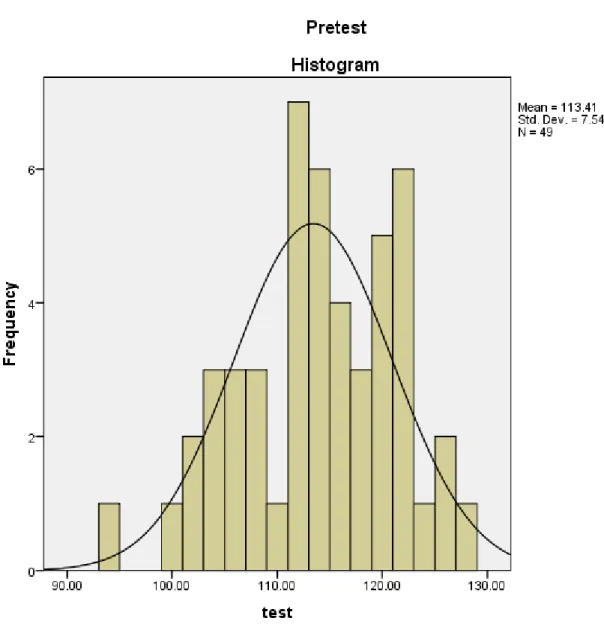
Figure 3. Histogram of pretest ... 56
Chapter 1: Introduction to the Study
Introduction
At no point during nursing care is the nurse’s ability to demonstrate caring more important than at the end of life. The act of nursing may be synonymous with caring but providing care that meets diverse patient needs at the end of life requires specialized education to prepare the nurse for experiences with death and dying (Pattison, Carr, Turnock, & Dolan, 2013). However, few nurses receive end of life education (Barrere & Durkin, 2014). Additionally, student nurses have minimal exposure to end of life care even though this early training could help to prepare them for the patients they may serve on any nursing unit where they will work in the future (Barrere et al., 2014). It is
therefore critical that end of life education be brought to the forefront of nursing school curricula to ensure quality care at the end of life.
In this chapter, I present the background, problem statement, purpose for the research, the research question and theoretical framework, the nature of the study, relevant definitions, assumptions, the scope and delimitations, limitations, and significance of this research study. In this study, I examined the effects of the transformational learning theory on student nurses’ perceptions of caring for dying patients.
Participants in this study were first-semester nursing students at a community college in western North Carolina. The students were given the Frommelt Attitudes Toward Care of the Dying (FATCOD) questionnaire about end of life care before and after an educational component to determine a change in attitude or perception about
caring for dying patients. Care for a dying patient can be challenging for any nurse but is especially challenging for the new nurse. By addressing the learning needs of student nurses, nurse educators may help them build confidence to care for the dying patient (Bassah, Cox, & Seymour, 2016). In this study, I show that there is a need for more education in end of life care. While most nursing school curricula address basic concepts from a systems approach, few address the needs of the dying patient (Schlairet, 2009). The implications for social change lie in ensuring that end of life needs is met to ensure a peaceful end of life.
Background
By the year 2030, people over the age of 65 will make up 19% of the U.S. population compared to 12.9% in 2009 (Youssef, 2016). In addition, most people born today will live past the age of 65 years, and many will survive past the age of 85 years (Rowe, Fulmer, & Fried, 2016). The increase in life expectancy is, in part, due to
advances in public health, socioeconomic development, and medical technology. People are living longer, and diseases are controlled for longer periods. However, even though death comes at a more advanced age, the need for care at the end of life remains as a health care need (Rowe et al., 2016).
End of life care is defined as the care given to a patient who is dying of a terminal illness. End of life care involves the physical care of the patient, which not only includes managing the symptoms and stress that the family and patient may experience, but also the psychosocial and spiritual concerns that extend to the family during the bereavement process (Izumi, Nagae, Sakurai, & Imamura, 2012).
Providing end of life care can cause emotional exhaustion for nurses, which results from emotional attachment to the patient and family and not knowing the right words to use during the dying process. Nurses may find it difficult to deal with family members who are in denial of impending death of a loved one (Lewis, Reid, McLernon, Ingham, & Traynor, 2016). Many nurses will work less than 5 years in the nursing profession or in end of life care due to burnout from feeling inadequate or unprepared in how to provide end of life care. This inadequacy may be due to a lack of adequate training in how to provide end of life care (Jafari, et. al., 2015). Indeed, there is an alarming lack of nurses prepared to provide end of life care. It is estimated that 7,500 nurses work in end of life care, but this is only half of the number needed (Rowe et. al., 2016).
Problem Statement
Nurses spend more time with patients than members of any other discipline in the hospital setting (Barrere et al., 2014). Most nurses will provide care for a dying patient at some point in their career. Nurses tend to feel uncomfortable in the end of life care setting (Barrere et al., 2014). Research has shown that there is a lack of education for nurses who care for dying patients (Wilson, Avalos, & Dowling, 2016). One researcher noted that this lack of education and knowledge can affect nurses’ attitudes and
perceptions about caring for dying patients (Wilson, et. al., 2016). These findings were supported by Robinson and Epps (2017), who showed that anxiety affected the attitudes and perceptions nurses have while caring for dying patients. After receiving specific education on end of life care, nurses’ anxiety levels decreased, and they demonstrated a
more positive attitude about caring for dying patients (Robinson et al., 2017).
Reserachers have found that nurses who receive at least a 2-day course on end of life care have a more positive perception and attitude about caring for end of life patients
(Whitaker, 2016). In their study of emergency room nurses who cared for dying patients, Beckstrand et. al. (2017) found that nurses who had more knowledge about end of life care were more confident and had a positive attitude about caring for dying patients than those nurses who did not have any end of life care training.
Providing end of life care can be a challenge not only for the professional practicing nurse who has experience, but also and especially for nursing students who may be ill-prepared due to lack of experience and knowledge (Doucette, et. al., 2014). Because health care is focused on curing, end of life care education is not an immediate priority. A study by Barrere and Durkin (2014) showed that nursing students have negative attitudes or are fearful of providing care to dying patients. Specialized content on end of life care is not usually offered in nursing curricula; therefore, new nurses are less knowledgeable and skilled to provide end of life care after graduation (Barrere et al., 2014). Furthermore, without knowledge and training, student nurses cannot fully address the concerns of dying patients. End of life care education may also provide student nurses with confidence, which can help them have a better outlook on the care they will provide to dying patients (Grubb & Arthur, 2016).
Few researchers, though, have conducted studies to determine if specific end of life care education will affect nursing students’ attitudes and perceptions about proving end of life care. Wheeler, Anstey, Lewis, Jeynes, and Way (2014) found that offering end
of life care education in a nursing school curriculum changed student nurses’ perceptions and attitudes about the care they offer dying patients from a negative to a more positive outlook. These researchers also found that student nurses were better prepared to care for dying patients upon graduation. Barrere and Durkin (2014) likewise found that offering student nurses specific education on end of life care increased their understanding of what is needed to provide end of life care, increased their confidence levels in providing care, and lessened fear as a patient died. Attitudes and perceptions about caring for dying patients became more positive as the students gained further knowledge about the care needed for dying patients. When nursing students received specialized education about end of life care, their anxiety levels and fears lessened, and their attitudes about caring for dying patients became more positive (Lewis, et al., 2016). Further research is needed to determine effects of specialized end of life care training in nursing school curricula to determine if this training has an impact on the student nurses’ attitudes and perceptions about caring for dying patients.
Purpose of the Study
The purpose of this quasi-experimental pretest posttest one group quantitative study was to determine the effect that end of life care education had on nursing students’ attitude and perception about the care they give to their patients at the end of life. I measured student nurses’ perceptions to determine the impact of the education on their attitudes toward dying patients.
Research Question and Hypothesis
Research Question: What effect will an educational component on end of life care have on student nurses’ attitudes and perceptions about caring for dying patients?
Ho: There will be no difference in the student nurse’s attitude and perception after the educational component on end of life care is offered.
H1: There will be a difference in the student nurse’s attitude and perception after the educational component on end of life care is offered.
Theoretical Framework
The transformative learning theory provides a framework for understanding the transformation of individuals’ beliefs, ideas, and views as they integrate what had been previously learned with what is newly learned. This theory is designed to demonstrate the link between positive growth and knowledge. Some students will have a prior belief system about death and dying. Providing enhanced education about care for dying patients may change the student nurses’ knowledge base and cause either a positive or negative outcome. In transformational learning, one’s values, beliefs, and expectations compose the lens through which personal experience is organized. When previous learning is insufficient in accommodating some life experience, it can be replaced with a new perspective through transformational learning (Merriam, 2004). Transformation and change occur as learners join their new learning with their belief structure and convert or discard their old beliefs (Mezirow, 1997).
The transformational learning theory has three dimensions: psychological, convictional, and behavioral. Psychologically, the students will experience an
understanding of themselves. The convictional process causes students to revise their belief system and through behavior, the student will make changes in their lifestyle. In the context of this study, students will be able to make behavior changes based on what they learn from the enhanced education on end of life care. A transformation of beliefs prior may result from the new knowledge that the students will learn
Nature of the Study
In this quantitative study, I used a quasi-experimental pretest posttest one group design. The study involved a pretest and posttest design to determine if there was a change in a nursing students’ perceptions about end of life care for patients after an educational component on end of life care. The independent variable was the End of Life Nursing Education Consortium (ELNEC) training. The dependent variable was the student nurses’ attitudes and perceptions about end of life care. The educational component was derived from the eight core modules of the ELNEC material. The ELNEC was founded in 2000 to provide content for quality training in end of life care that covers the entire life span from pediatric to adults (ELNEC, n.d.). I have included the content of these modules in Appendix A. The educational component included areas of (a) pain management; (b) palliative nursing care; (c) symptom management; (d) ethical, cultural, and communications issues; and (e) the final hours experienced by the dying patient and the bereavement process of the family. The students’ perceptions were
measured using the FATCOD questionnaire (Frommelt, 1991). This questionnaire has 30 items using a 5-point Likert scale that measures perception about caring for an dying patient.
Definitions
Definitions for this study are as follows:
Care: The process of performing what is needed for health, and welfare of someone or something; it is the watchful or protective measure of one person to another (Morales et al., 2016).
End of life: Life in the year immediately before the death of a patient who has an advanced disease or illness (Anstey et al., 2016). During a patient’s end of life, focus should be placed on a peaceful end of life.
End of life care: The care given to a patient who is dying of a terminal illness. End of life care involves not only the physical care of the patient, but also the
psychosocial and spiritual concerns (Izumi, et al., 2012). The care extends to the family during the bereavement process.
Nursing students: Individuals who are attending nursing school for training to be a nurse (Gibbs & Kulig, 2017).
Nursing student perception: Being able to see, hear, or become aware of something through senses. Perception requires understanding to better interpret something (Schecter, Gallagher, & Ryan, 2017).
Nursing student attitudes: The thinking or feeling about someone or something. It is reflected in a person’s behavior. Attitudes have been shown to influence the quality of care that older adults receive (Gibbs et al., 2017). It is crucial to gain understanding of what influences nursing students’ attitudes toward the older adult or dying patient.
Assumptions
In this study, I assumed that students would answer the FATCOD questionnaire honestly, but with the ideation of what nursing students should feel about end of life care. Further, I assumed that nurses desire to provide competent end of life care to patients. Finally, I assumed that some students may have answered the questions based on a previous negative experience in their own life, despite the enhanced educational element that is offered.
Scope and Delimitations
This study focused on nursing students in the first semester to determine if
education early in nursing school can change what the nurses perceive as they begin their clinical rotations. I chose the transformation learning theory as the framework because it offers a context for understanding how previous learned experiences will change with the new education that is learned. Other theories, such as the peaceful end of life theory, was not selected because the structural setting is the family and not the education of the student nurse (Tomey & Alligood, 2006).
I used the FATCOD questionnaire to measure attitudes and perception about end of life care because it is specific to end of life issues and has been used in several other studies. The questionnaire took about 30 minutes to complete and was given at the beginning of class, rather than at the end, so that the students were not tempted to rush through the survey to finish class. The participants were provided a link to the survey rather than using paper so that the students could easily scroll through the process and to
protect anonymity. Nurses who have already graduated and are practicing were not included in the study because this study was focused on student nurses.
This design limits the study to one group of first semester students—as opposed to a two-group design—because it would not have been ethical or possible to place students in a control group since they would not be receiving the end of life care education. Variables in this study included the educational component (IV) using the ELNEC core modules (see appendix A), and the perceptions and attitudes (DV) of the nursing students at a community college in western North Carolina. I conducted a
statistical analysis compared the results of the FATCOD questionnaire before and after an educational component was offered to nursing students in the first semester of nursing school. My goal was to determine a positive or negative change in perception and attitude of the student nurses. Previous research by Youssef (2016) showed that education about end of life care can promote a positive change in nurses’ perceptions about caring for dying patients.
Limitations
Limitations of the study were related to the research method, which was a one group pretest, posttest design. This design limited the study to one group of first semester students, as opposed to a two-group design of students in second, third, or fourth
semesters. The one group pretest, posttest design presented several types of threats to validity. The threat of history involves the emotional state of the students at the time of data collection because students may be anxious at the beginning of nursing school and uncertain of their abilities as a student. A second threat to validity was students’ past
experiences with end of life, which may influence the student’s overall perception of the study because the student may have already formed a positive or negative connotation about end of life care. Other threats of history may have included religious beliefs, fear, and the student’s ethnicity. Religious beliefs may have affected the student’s response to end of life care. Although the survey was anonymous, the students may have been afraid of confidentiality. The ethnicity of the student may have had an effect on responses to the survey, as cultural differences and views may vary about end of life. The threat of
maturation was possible because the student’s age may have had an effect as older participants will have had more life experience and have encountered the death of a family member or other support person (Grove, Burns, & Gray, 2013).
The threat of testing and instrumentation did exist as the pretest was given one week prior to the educational component. After the educational component, the
questionnaire was given again to the nursing students 1 week later. Students may have recalled previous answers to the questionnaire. The study was conducted over three weeks; therefore, the threat of testing may have existed due to the short time of data collection. Also, the instruction the students received may have altered the outcome based on the teaching style used by the nurse practitioner teaching the educational component. The threat of selection was not an issue because the participants were all nursing students in the first semester of nursing school. The threat of attrition was minimal because the study was conducted over a 3-week period, although some participants may have dropped out of nursing school and therefore not completed the study. There was no threat of interaction since this study was a one group study design. Generalizability was limited to
groups similar to the group of nursing students that participated in the study (Grove et al., 2013).
Significance
Literature and previous research has shown that student nurses have difficulty dealing with death and will feel anxiety and stress when caring for dying patients. One study showed that after end of life education, nurses’ anxiety diminished (Jafari et al., 2015). Another study showed that education in a specialized area such as end of life care can adequately prepare the nurse for the challenge of caring for a dying patient (Noome, Dijkstra, Leeuwen, & Vloet, 2016). There is a need for improved quality end of life care education for students in nursing programs in colleges and universities (Wallace et al., 2009).
Many patients will receive care in a hospice facility in the United States (Martin, 2011); and over 5,000 hospice facilities are currently licensed to provide care for dying patients in the United States. These data show that caring for dying patients is in high demand and experienced providers are needed. Because new nurses often feel
overwhelmed and inadequate when caring for dying patients (Barrere et al., 2014), it is crucial that comprehensive education on end of life nursing care is provided to all nurses and particularly to those who work in hospice settings. With education, this inadequacy may be overcome, and nurses may look at care of dying patients with a different
perspective. End of life nursing care can be an emotional challenge, but the nurse must be acclimated to such a challenging endeavor. Nurses’ perceptions and attitudes about end of life care are formulated most often during the first few weeks of nursing school (Jafari
et al., 2015). The American Association of Colleges of Nursing (AACN) has recently recommended that the amount of time/course content on end of life care be reassessed in nursing school curricula to better prepare nurses prior to graduation. The AACN also suggested that end of life nursing education be offered in an online format (Rooster, 2016). However, this is a future goal, and end of life nursing education content is currently lacking in nursing school curricula (Jafari et al., 2015).
Enhanced end of life care can create positive social change for both the patient and the family of the dying patient. The patient and family can feel overwhelmed with the terminal outcome of death and may need added care and support (Barrere et al., 2014). It is imperative that nurses become adequately prepared before caring for this type of patient (Barrere et al., 2014). Enhanced education in nursing school curricula can aid nurses in becoming familiar with the special care that an dying patient may need, as well as steps on how to support the grieving family (Jafari et al., 2015). Specialized education in end of life care may create a powerful social change, in that nurses will no longer feel inadequate in caring for dying patients.
Summary
Because of the growing population of older people with chronic illnesses, the need for end of life care is increasing. Nurses need to be prepared to provide quality care at the end of life. This may be achieved through advanced education. The purpose of this quasi-experimental pretest posttest one group quantitative study was to determine the effect that end of life care education has on nursing students’ attitudes and perceptions about the care they give to their patients at the end of life. I measured the student nurses’
perceptions to determine the impact of the education and their attitudes toward the dying client. In Chapter 2, I will address the literature regarding end of life care and the specific variables I examined in this study.
Chapter 2: Literature Review
Introduction
The purpose of this literature review was to examine the scope of end of life care and transformational learning in nursing education. Care for a dying patient can be challenging for any nurse, but it is especially challenging for the new nurse. By addressing the learning needs of student nurses, nurse educators may help them build confidence to care for the dying patient (Bassah, Cox, & Seymour, 2016). In this literature review, I distinguished end of life care from palliative care, reviewed nurses’ attitudes about end of life care, discussed ethical concerns about the dying patient, and addressed patient and family views about end of life care.
Literature Search Strategy
I searched CINHAL, Google Scholar, and other databases available through the Walden University Library for the following keywords and phrases: end of life, nursing education in end of life, palliative care, nursing attitude, and ethics in end of life care and the dying patient. The search was limited to articles published in the last 5 years. This literature review focused on end of life education for nurses and nursing students, and on the perceptions and attitudes of nurses who care for patients at end of life.
Theoretical Foundation
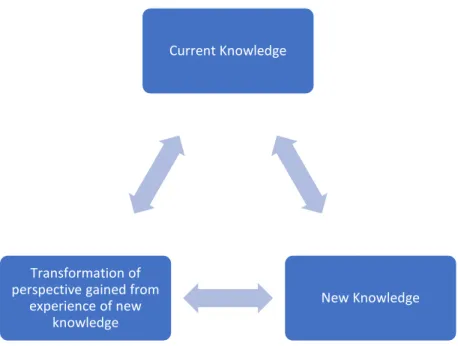
The study incorporated the transformational learning theory. The transformational learning theory (see Figure 1) is a theory about how learners integrate what is previously learned and what is newly learned (Merriam, 2004). Nursing students will experience a change in their perceptions about the dying patient as they learn more about end of life
care. The relationship of caring for the dying patient and the student nurse’s perception is that there is a potential change as the student begins nursing school. Most students will have preconceived ideas regarding dying patient care. The transformational learning theory and offers a frame for understanding the link between development and learning. Mezirow’s (1997) assumptions when developing this theory were that changes in self-understanding and changes of belief systems and lifestyle will occur through a learning experience. For transformational learning to occur, one must be able to analytically reflect and take part in rational dialog. Both activities are distinctive of higher levels of cognitive functioning (Merriam, 2004). This theory links growth and knowledge. In transformational learning, one’s values, beliefs, and expectations compose the lens through which personal experience is furthered and understood. Through
transformational learning, one’s belief can be replaced with a new perspective—one that is broader, more open and discerning, and developed (Merriam, 2004).
Figure 1. Transformational learning theory. Adapted from “Transformative Learning: Theory to Practice,” by J. Mezirow, 1997, New Directions for Adult and Continuing Education, 1997(74), pp. 5-12. Copyright 1997 by John Wiley & Sons.
Mezirow (1997) describes 10 phases within the theory:
• A disorienting dilemma
• A self-examination with feelings of guilt or shame
• A critical assessment of epistemic, sociocultural, or psychic assumptions
• Acknowledgement that one’s dissatisfaction and the process of transformation are shared and that others have negotiated a similar change
• Exploration of options for new roles, relationships, and actions
• Planning of a course of action
• Gaining of knowledge and skills for applying one’s plan
• Provisional trying of new roles
• Building of competence and self-confidence in new roles and relationships
Current Knowledge
New Knowledge Transformation of
perspective gained from experience of new
• Reintegration into one’s life based on conditions dictated by one’s perspective The first theme of disorienting dilemma is one of three key themes of Mezirow’s (1997) transformational learning theory which states that experiences may be suitable within a person’s existing meaning structures and one may not be able to engage in transformative learning. However, one may discover a gradual recognition over time of a disconnect between the meaning structure and the environment. The next two themes are where critical reflection takes place. After experiencing a confusing problem, one may reconsider their feelings through the experience. The third theme is rational discourse that includes exploring with others the newly discovered beliefs regarding one’s principles and environment (Mezirow, 1997). A specific emphasis of the transformational learning theory is that discontent and the process of transformation are shared, and that others can adopt a similar change and search for options for new roles, relationships, and actions.
Transformational learning theory includes the transformation of an individual’s beliefs, ideas, and views. Educators can create an environment in which students are encouraged to assess their beliefs and views using self-reflection. Transformation and change occurs as learners join their new learning with their belief structure and convert or discard their old beliefs. Educators can enable transformational learning in several
education arenas (Merriam, 2004). End of life care provides an excellent example of an arena that lends itself to transformational learning. Throughout the literature review, I suggest that transformational learning offers a great advantage for understanding the transformation of student nurses’ perceptions when caring for the dying patient.
Transformational learning theory relates to end of life education since nursing students may experience a change in their beliefs and form new perceptions after receiving an educational component specific to end of life care. In a qualitative study with doctoral nursing students, Wassef, Tuomi, Finn, and Sullivan-Bolyai (2016) noted that evaluating reflection and affective learning in nursing can be a challenge.
Transformational experiences can help nursing students form a professional identity and specifically prepare them for caring for an dying patient. Nurse educators can use
transformational learning theory to assess the student’s affective learning process. Wassef et al. used Mezirow’s transformation learning theory and a coding system to assess affective learning by having student participants keep reflective clinical journals. In these journals, the students examined their thoughts and feelings about end of life care.
Educators may use reflective journaling as a teaching strategy to help students process their experiences, in this case, in a clinical setting. The results of 75 clinical journals showed that nursing students enjoyed keeping a journal of their clinical experience and found it to be useful in reflecting on what they learned throughout the clinical experience. A theoretically based coding system for evaluating affective learning offers a basis for developing and evaluating learning outcomes by assessing reflective behaviors in a clinical setting (Wassef et. al., 2016).
Mastroianni et al. (2015) conducted a study for which they translated the FATCODscalefrom English to Italian. The authors postulated that nurses’ attitudes toward care of the dying patient would have an impact on the patient’s quality of life and education using the transformational learning theory. The authors found that the
transformational learning theory can be used as a tool to improve the knowledge levels and attitudes of the nurses. The FATCOD scale is a 30-item scale used to measure nurses’ attitudes toward end of life care. In their study, Mastroianni et al. completed a two-stage design with a convenience sample of 465 nurses. Descriptive statistics were collected for every item on the FATCOD scale. Using Pearson correlation, the test-retest reliability of the FATCOD scale was found to have a reliability scale of .08. The authors noted that the FATCOD scale has six specific dimensions: fear, care of the family, communication, family as caring, relationship, and active care. They emphasized that these six dimensions should be included in nursing education.
Review of Literature
Over the course of this literature review, I came to better understand the current state of nursing education regarding end of life care, better identify the differences
between end of life care and palliative care, and better understand the effects of education on the attitudes of nurses caring for the dying patient. Focused education can enhance any learning process (Shifrin, 2016). The educational component I used for this study was developed from the ELNEC modules that have been used to educate currently practicing nurses.
I conducted the study to determine if there is a change in nursing students’ attitudes regarding care of dying patients after a specific educational component is offered. Before beginning the study, it was imperative that I determine the scholarly consensus regarding care of the dying patient and how education could affect nurses’ attitudes. Using the six dimensions from the FATCOD questionnaire (fear, care of the
family, communication, family as caring, relationships, and active care) as frames for organizing the results of the study, I could determine the aspects of participants’ perceptions and attitudes that changed from before and after receiving the educational component.
Palliative Care
Palliative care is the care of a patient who has a terminal illness and may have anywhere from months to years to live (Kalogeropoulou, Evanthia, Kostagiolas, & Dimitris, 2016). The World Health Organization (WHO) defines palliative care as an approach to providing patients and families with quality of life when diagnosed with a terminal illness (WHO, 2016). Palliative care involves management of the disease process to provide comfort and a peaceful end of life. Because palliative care is a precursor to end of life care, it will be included within this literature review (see Kalogeropoulou et al., 2016).
By the year 2050, a quarter of the world’s population will be over 65, and there is a great need for palliative care as people are living longer with chronic illnesses (Wilson et al., 2016). The central goal of palliative care is to promote comfort and quality of life for patients and families (Goldman, Hain, & Liben, 2006).
Caring for the dying patient is not only a skill but, more importantly, it is a learned idea. Moir, Roberts, Martz, Perry, and Travis (2015) explained that it is not enough to have nursing skills; one must also have redeeming qualities such as morals and ethics. Furthermore, the authors noted that nursing is a profession of great honor, and
patients may have differing ideals about palliative care, so nurses may revise their morals and ethics to address cultural differences (Moir et. al, 2015).
End of Life Care
End of life is defined as life in the year immediately before the death of a patient who has an advanced disease or illness (Anstey et al., 2016). Focus of the dying process is needed to promote a peaceful end of life. The Centers for Disease Control (CDC) defines quality of life as a multidimensional concept with many aspects, and health is one of the most important domains because having adequate health supports an excellent quality of life (Centers for Disease Control [CDC], 2016).
Quality of life is affected when a patient becomes terminally ill and is nearing the end of life, and quality of life can be both subjective and objective. (Barrere et al., 2014). One common consensus is that everyone has an excellent quality of life until something terrible happens which could be physical or emotional (Register & Herman, 2006). Quality of life is an opinion or perception that can be positively or negatively enhanced by every day occurrences. In addition, how a person reacts to life could affect the idea of quality of life (Plummer & Molzahn, 2009). However, Plummer and Molzahn (2009) noted that there is a lack of clarity regarding the differences between health and quality of life and the connections between the two concepts, both in social science and nursing theory literature (Plummer et al., 2009).
Boudreau and Dube (2014) conducted a concept analysis using Walker and Avant’s framework. The purpose of the study was to define quality of life and to offer a collection of objective and empirical data for practical nursing application. Quality of life
has three attributes: the ability to engage in rigorous activities, the ability to perform activities of daily living, and the ability to engage in family, social and occupational roles. The study found that quality of life was enhanced with active engagement in daily activity, despite a chronic illness.
It is important to consider not only the patient in end of life care, but also the family members. McLeod-Sordjan (2013) explained that the characteristics that define the major concepts for the dying patient are communication, acceptance, awareness, change of attitude, and acknowledging a need for end-of-life decisions. The way in which one thinks about death is influenced by the connection with the caregivers, prognosis, culture, educational level, morality, society and law (McLeod-Sordjan, 2013). Care givers must assess a readiness to learn and/or change before the concepts of death and dying can be implemented. A patient may also have preconceived ideas and fears about death and dying so the patient’s spiritual or cultural beliefs should be considered (McLeod-Sordjan, 2013).
Downar, Barua, and Sinuff, (2014) conducted a study using a bereavement screening and support program for family members of the ICU patients to determine the needs of the caregiver. A survey and questionnaire using telephone interviews were conducted with 32 family members. The researchers identified the feelings of stress a family member encounters in the ICU setting. The researchers also found that nursing staff readily gave emotional support during the dying process, but this support was missing afterwards. The researchers identified a need for follow-up with the family after
the loss of a loved one. In addition, the study noted that education is a key factor in helping the nurses know what factors to implement during the bereavement process.
A qualitative phenomenological study to explore the meaning of end of life care was conducted with 37 participants including patients, family and health care
professionals (Pattison, et. al., 2013). The researchers focused on the concepts of comfort, dignity, privacy and a home-like environment. Results revealed that healthcare providers could enhance the process by involving the family and patient in the decision-making process. Data were analyzed using a framework that involved a six-step process useful in determining and clarifying perceptions of the dying process. Pattison et. al. (2013) noted that a gap in literature remains because the health care workers feel uncomfortable when dealing with family of a dying patient who is unable to communicate
Palliative Care Versus End of Life Care
Palliative care is begun when a patient is diagnosed with a terminal illness. The patient will need specialized care to address care issues that may arise as the illness or disease progresses (Kalogeropoulou et al., 2016). It is essential that end of life care needs be addressed early in the diagnoses to plan for quality care prior to the end of life.
Whereas palliative care addresses the needs of the dying patient in the beginning of the disease process, end of life care will address the immediate needs at the end of the disease process.
Education in End of Life Care
It is important to educate nurses on the meaning of quality of life throughout nursing school, but particularly with end of life education (Barrere et al., 2014). A nurse’s
perception or attitude about quality of life can differ, but a standard ideal is necessary when offering education to student nurses (Barrere et al., 2014).
Education of health care providers should include programs that aim for specific competences in palliative care and end of life care as the number of patients with terminal illnesses is increasing due to an overall rise in the world population (Mastroianni et al., 2015). Attitudes play a key role in competence development because of their influence on care quality. The measurement and the development of student’s attitude toward care of the dying patients are essential to achieve effective end of life education results (Conner, Loerzel, & Nizam, 2014).
A quantitative study by Wilson, Avalos and Dowling (2016) examined palliative care knowledge and attitudes when caring for the dying patient in Ireland. A cross-sectional survey design was used combining two questionnaires: the palliative care quiz for nurses (PCQN) and the thanatophobia scale (TS) using 61 registered nurses. There was a significant relationship between the level of knowledge and attitudes towards palliative care (p=0.007), noting that as the nurse’s level of palliative care knowledge increased, their attitudes became more positive. While palliative care training did not affect the mean overall scores, there was a significant difference in the PCQN scores of those who had completed the European Certificate in Essential Palliative Care (ECEPC). In addition, increasing years as a registered nurse enhanced palliative care knowledge and attitudes toward caring for the dying patient. Nurses who completed the ECEPC had better knowledge of palliative care when compared with nurses who had not taken the program. (Wilson et al., 2016).
A study done by Moir et. al. (2015) was conducted at a small hospital in Idaho on an oncology unit with the goal to explore what were the comfort levels and/or educational needs of the nurses when caring for a dying patient. A non-experimental survey design was used, and the surveys were either sent by email or flyers were used to attract participants. The data were collected over a 1-month period in a 378-bed hospital. Both handwritten and online survey options were available, and it was anonymous. A
multivariate analysis of variance (MANOVA) was used to determine overall effects of the nurses age, the unit in which he or she worked and years of experience. The findings suggested that less experienced nurses had some discomfort in communicating with the patient and families regarding end of life care, however, oncology nurses scored higher in all domains (Moir et al., 2015). The authors recommended that future studies should focus on assessing specific education about end of life care for all nurses and more emphasis placed on the care of the family as well as the patient.
A qualitative study was conducted in nursing homes in central Korea to determine if end of life care differed among nursing homes for the elderly population over 75 (Kim, et al., 2014). Twenty-one experienced nurses in end of life care were interviewed three times by intervals of three weeks on end of life care. Data were analyzed using
conventional content analysis. The results revealed five themes: Recognizing change in the resident’s symptoms, nesting, (meaning the resident could be with their family during the dying process), room ready for death, comfort, fulfillment, and presence. The study was valid as Korea has six regions and nursing homes were used in all six regions for the study. A total of 11 nursing homes were used across this study. The authors
recommended that future research needs to focus in settings where geriatric populations are highest, such as nursing homes and not limited to hospitals or acute care settings (Kim et al., 2014). Furthermore, the authors suggest that there is a need to offer more education to the nursing students, so they not only recognize impending symptoms but can prepare the family for the death of their loved one.
Another study noted the use of pathways to improve the standard of care in palliative nursing. A literature review of over 90 publications was conducted that conclude there is a lack of confidence and awareness in staff providing palliative care (Dunkley & Sales, 2014). Dunklye and Sales (2014) postulate that palliative care will precede end of life care and, so it is essential to begin an education regimen with nurses to better prepare them for caring for the dying patient. Education regarding both palliative care and end of life care should begin in nursing school during the first year so that the student nurse can become prepared for care of the dying patient upon graduation from nursing school (Barrere et al., 2014).
A study was conducted to determine the student nurse’s perspective of caring for a dying patient. Second year nursing students were assigned a clinical rotation in an ICU setting in an acute care hospital in Canada. Twenty percent of patients will die (Doucette et al., 2014). Interviews with the students found that many students had difficulty
accepting the view of death, the act of a patient dying and had never dealt with a dying patient. After the interviews, a survey was given to the nursing students with a list of possible feelings. The students were asked to select the term that most represented their feeling when caring for the dying patient. The results revealed that 50 percent of the
student nurses experienced the feelings of compassion, sadness, uncertainty, empathy, and unpreparedness while caring for the dying patient. The researchers than conducted a literature review to investigate methods that would support the students through their feelings. A common theme found throughout the literature review was lack of education in end of life care which indicated nurses are not prepared to provide care for people at the end of life. The authors explained that clinical experiences and end of life care education with reflection opportunities can enhance the care of the dying patient, as the nurse is prepared and knowledgeable of the care needed for the dying patient (Doucette et al., 2014).
A phenomenological study was conducted to explore the experiences of 10 nursing clinical instructors in educating student nurses in a Baccalaureate program in caring for a dying patient (Jeffers, 2014). The study by Jeffers, (2014) produced six major themes: Transforming students’ perspectives on end of life care, wondering if the
students understand end of life care, molding faculty experiences into teaching practices, advocating for students, patients, and family, developing a balance between cure versus care, and trying to integrate end of life learning opportunities. Results indicated that educating nursing students on end of life care is essential to the future of nursing practice and that students who are well prepared with the knowledge on end of life care will be adequately prepared to enter the profession of nursing. Enhanced education can prepare nurses for care of the dying patient and dealing with the emotional strain of the family. Perceptions of new nurses on end of life care is shaped by the education they receive in nursing school. By offering addition education end of life care, new nurses will be
prepared when they meet a dying patient. Communication is one factor that promotes quality care to the dying patient and support to the family (Doucette et al., 2014).
Because the life expectancy has risen, palliative and end of life care has become a serious concept of nursing and education in palliative and end of life care must be
adequately taught to future nurses. Many nurses feel inadequate in caring for a dying patient (Leombruni, Miniotti, Bovero, Castelli, & Torta, 2012). The ELNEC developed eight modules that have the core basis of care of the dying patient: “Nursing care at the end of life, pain management, symptom management, ethical/legal issues, cultural consideration in end-of-life care, communication, loss, grief, bereavement, and preparation for the care at the time of death” (Barrere et al., 2014, p. 35). These eight modules cover several aspects.
The end of life nursing Education Consortium aims to offer enhanced end of life training for nurses. The ELNEC began in the year 2000 and continues to provide quality training in end of life care that spans the entire life span from pediatric to adults at the end of life.
The eight modules by the ELNEC are:
• Palliative nursing care
• Pain management
• Symptom management
• Ethical issues
• Culture
• Loss, grief, and bereavement
• Final hours
Module one is an overview of the need to improve palliative care and the role of the nurse as a team member of health care providers in giving quality care. In this module, basic definitions and principles of hospice and palliative care are explained within a quality of life framework. Module two explains the basic standards of pain assessment and management with a focus on pain at the end of life. Symptom management is explained in module three to help the nurse learn what is needed in managing symptoms that occur at the end of life. Modules four, five, and six address the ethical, cultural, and communications standards needed in end of life care. There are key ethical issues and cultural concerns for the dying patient; the nurse must learn the
resources to use for a patient at the end of life, such as a clergy or other cultural member important to the patient and family. Communication is key at the end of life, especially with the family and these modules offer suggestions in dealing with the family in a crisis. Module seven addresses the challenging issues of grief, loss and bereavement of patients and families, as well as the loss experienced by the nurse. Module eight focuses on the care at the actual time of death, highlighting the preparation necessary to guarantee the best care during this course of the illness (End of Life Nursing Education Consortium [ELNEC], n.d.).
Barrere and Durkin (2014) explored the thoughts of recent nurse graduates with a Bachelor’s degree regarding end of life care who had received the ELNEC education during their first year of nursing. The phenomenological study used open-ended questions
and taped interviews with a convenience sample of 12 recent graduates. The results noted that the nurses found that quality of life at the end of life is important by making an impression and maintaining a balance. The nurses in the study indicated that by using ELNEC education in clinical practice patients and family felt they had received support with quality care.
In addition, Barre and Durkin (2014) displayed the interview sessions so that the reader could note that the recent graduates were highly impressed with what they had learned during the ELNEC educational component. Although, the study was conducted only at one university, the results showed that nurses need support when caring for end of life patients as new nurses will face challenges when caring for patients at the end of life. Another study conducted in Iran, noted that education about caring for the dying patient could be effective in changing nursing students’ attitude toward caring for the dying patient (Jafari et al., 2015). The aim of the study was to examine the nursing
students’ attitude toward caring for dying patients and the effect education would have on the attitude of the nursing student. A pretest and posttest quasi-experimental method was used. The student’s attitude was measured using the Frommelt Attitude Toward Care of the Dying (FATCOD) scale before and after education was offered. Data were analyzed using a SPSS program. Thirty students took part in the study. Six reported previous experience in caring for the dying patient. Students showed moderately negative to neutral attitudes toward care of the dying patient, however, education was shown to change the student’s attitude. One limitation to the study was that the study was conducted over the last year of nursing school.
A study by Edo-Gual, Tomas-Sabado, Bardallo-Porras, and Monforte-Royo, (2014) explored the experience of the student nurses in a clinical setting. The authors noted that student nurses often find it difficult to cope with patients who are dying. A qualitative, descriptive and hermeneutic study was conducted using 12 students. Interviews were 60-90 minutes in length and were analyzed and transcribed using the Colizzi’s seven step procedure. Five themes emerged including, impact, training in end of life care, ethical issues, and coping with healing connections. These results indicated a significant emotional impact on a nursing student caring for a dying patient. The study was conducted in one geographical area, which limits transferability. The authors
determined that exposure to the dying patient was important because the first experience the student nurse has will determine the kind of protective mechanisms they adopt for future encounters (Edo-Gual et al., 2014). Since caring for dying patients poses a great emotional impact on the nurses, Edo-Gual et al. (2014) recommended that future nurses be better prepared to care for patients who are dying by receiving more specific education on end of life care.
A quantitative study (Chow, Wong, Chan, & Chung, 2014) compared groups of nursing students based on their demographics, clinical experience, knowledge, perceived competency, and attitude towards end-of-life care. The sample consisted of 253 nursing students who completed a survey on death and dying and found there were differences noted in the nurse’s perceptions and that clinical experience did offer a positive attitude on end-of-life care. A one-way ANOVA test showed that there was no significant difference in knowledge for the three clusters (knowledge, perceived competency, and
attitude). Clinical experience was found to be a crucial benefit in providing competence and enhanced attitudes about caring for the dying patient. In addition, the study found that nursing students need to be prepared to care for dying patients and their families, particularly in the introductory courses of nursing school. The researchers recommended that nursing students receive quality end of life education to provide a firm foundation of knowledge and that more emphasis be placed on the teaching quality end of life
education within the clinical setting (Chow et al., 2014).
Conner, Loerzel, and Nizam, (2014) conducted a quantitative study that used a pretest and posttest design to determine attitudes of 123 nursing students regarding death and dying after taking an online course on end of life care. The study took place over two semesters. The findings revealed that the intervention group showed negative attitudes toward death and dying showing there is a need to include added educational
interventions focused on affective learning. The findings from the study also indicated that online presentations improved nursing students’ attitudes toward care of the dying and in attitudes toward death.
A pretest, posttest quasi-experimental study was conducted by Lewis et al., (2016) using the FATCOD questionnaire. The study had 19 undergraduate and medical students completed the questionnaire both before and after an educational component on end of life patients using simulation. They found that simulated end of life care has a positive impact on the attitudes of the students towards end of life care (p <0.001). The authors indicated that active and learning through experience with the simulation exercise helped
to improve the attitudes and was a valuable tool to help prepare students for their professional role regarding end of life care.
The effect of education on student nurse’s perception and attitude regarding end of life care for a dying patient can vary. Studies done by Youssef (2016) and Doucette (2014) noted that there is a need for increased education for future nurses as palliative and end of life care needs are growing. While Youssef (2016) performed a study with only female participants in a simulation lab regarding their perception about caring for the dying patient, Doucette (2014) performed a study of nursing students within a clinical ICU setting. Both authors found the same results, student nurses were affected positively with enhanced education in end of life care. A commonality between the two authors was that palliative and end of life care should be a fundamental of nursing education within the curricula of nursing schools.
Typically, nurses will pursue education on end of life care once they graduate. Two studies were conducted with registered nurses working in a community care setting. Each study offered education to the nurses. The results showed that their attitudes and perception on caring for the dying patient changed once the nurses received an
educational component specific to end of life care. While both studies used a well-known national end of life educational model, the study by Wheeler et. al. (2014) was conducted online. The results of both studies remained the same, nurses felt better prepared to care for the dying patient after taking the education on end of life care using the nationally recognized modules.
Throughout this literature review, I found that what remains to be studied are the effects of new nurses working alongside more experienced nurses to determine the overall effects of the change in perception for the new nurse when caring for the dying patient (Wilson et al., 2016). Wilson et. al (2016) found that new nurses may need further guidance after graduating nursing school, even after receiving specific end of life
education during nursing school.
Nurses believe the current curriculum does not adequately prepare students for the experience of end of life care (Cavaye & Watts, 2010; Cooper & Barnett, 2005). A
classroom or online setting that provides the specific context of end of life care and decision making at end of life are valuable in preparing students for these experiences that they will certainly face in their nursing career. According to Cavaye and Watts (2010) palliative care and end of life education are not adequately addressed in the classroom settings or the textbook. Wilson et. al (2016) found that learning outcomes are significantly enhanced through a multimodal approach when theoretical concepts are combined with empirical learning. In addition, Wheeler et. al. (2014) found that clinical experience is a profound source of learning for all students. Unfortunately, students are seldom assigned to palliative or end of life patients, because these learning experiences are not considered a positive learning experience. Deliberately assigning students to dying patients with a preceptor could help students learn how to provide care for patients and their families who are actively entering the end of life path (Wheeler et al., 2014). In addition, students can learn from collaboration with classmates where they can be
challenging situations. Learning activities such as, journal writing or role playing can help the student understand the experience of care for the dying patient. (Wheeler et al., 2014).
Summary and Conclusions
This literature review has examined the need for specific end of life education with the nursing school curricula to better prepare future nurses to care for an dying patient. Using the Transformational Learning Theory can help the student develop a new perception about care of the dying patient after what is previously known and what is newly learned. The theory links growth and knowledge and may change the perception and attitudes of what has been learned or experienced.
Because life expectancy is increasing, and the geriatric population continues to grow, there will be a need for nurses with enhanced end of life education. The focus may begin with understanding quality of life and providing not only the patient with emotional support, but the family as well. Enhanced education is needed to prepare nurse for the care of patient needing palliative care and/or end of life care. Research has shown that education on end of life care can provide positive outcomes and that nurses attitudes and perceptions transition from a negative outlook to a positive outlook when caring for the dying patient. Confidence levels increase when students are given enhanced education in end of life care (Barrere et al., 2014). The ELNEC modules have been used over the past decade and have aided in giving currently practicing nurses an increased confidence level. The following study will use the ELNEC modules as an education component to
determine a change in perception for the student nurse regarding care of the dying patient.
Chapter 3: Research Method
Introduction
This purpose of this study was to determine the effect that end of life care education had on nursing students’ attitudes about the care they give to their patients at the end of life. I measured the student nurses’ perceptions using a 5-point Likert scale to determine if the educational component had an effect on student nurses’ perceptions of end of life care. I used the ELNEC modules (Appendix A) to offer the student nurses insight into the essential elements of caring for a dying patient. The transformational learning theoryguided the study to determine if there was a change between what was previously learned to what was newly learned about end of life care (Merriam, 2004). Enhanced education on end of life care may better prepare student nurses to care for the dying patient.
Research Design and Rationale
The dependent variable was the perceptions and attitudes of the students as they moved through the first semester. The independent variable was the educational
component, with mediating variables of work experience and clinical experience. For this study, I used a quasi-experimental one group pretest and posttest design to determine if there was a change in a nursing student’s perception about care for patients at the end of life after an educational component on end of life care.
This one group research design was consistent with research that others have conducted using student nurses because using one group is an ethical approach when providing end of life care education. A one group design was appropriate to use for
nursing students in the same class, and in the same semester. Using nursing students in the first semester helped me determine a need to begin education on end of life care early in the nursing school curricula. I used the ELNEC modules as the intervention because they are the standard education tool for end of life care education (ELNEC, n.d.)
Methodology Population
The target population was nursing students in their first semester of nursing school at a local community college in western North Carolina. The target population was approximately 90 nursing students. All enrolled nursing students were given the
opportunity to participate in the study, although there was attrition. Twenty students (22%) of the ninety students matriculated in the course dropped out of the program in the 2017 academic year and a similar attrition occurred for this study period, as thirteen students dropped out of the program before the data collection began. The sample size for the study was limited to the number of students allowed to register for the nursing
program.
Sampling and Sampling Procedure
Associate degree nursing students in their first semester at a local community college in western North Carolina made up the convenience sample for this study. Students were able to opt out if they did not wish to participate in the study.
Demographics I collected included gender, age, educational level, ethnicity, and religion. The nursing instructor in the fundamentals of nursing class instructed the participants