e-Publications@Marquette
Dissertations (2009 -) Dissertations, Theses, and Professional Projects
Relating Methanogen Community Structure to
Function in Anaerobic Wastewater Digesters
Rachel MorrisMarquette University
Recommended Citation
Morris, Rachel, "Relating Methanogen Community Structure to Function in Anaerobic Wastewater Digesters" (2011).Dissertations (2009 -).Paper 138.
by
Rachel L. Morris
A Dissertation submitted to the Faculty of the Graduate School, Marquette University,
in Partial Fulfillment of the Requirements for the Degree of Doctor of Philosophy
Milwaukee, Wisconsin August 2011
RELATING METHANOGEN COMMUNITY STRUCTURE TO FUNCTION IN ANAEROBIC WASTEWATER DIGESTERS
Rachel L. Morris Marquette University, 2011
Anaerobic wastewater treatment is an environmentally and economically beneficial biotechnology in which the degradation of organic compounds in industrial and municipal wastewaters results in the production of methane, an alternative energy source. The degradation of organic waste is carried out by an interdependent microbial community; and the Archaea known as the methanogens complete one of the final steps, producing methane. However, the contribution of methanogens and the community ecology of anaerobic digesters are just beginning to be understood. Specifically, links between methanogen community structure and the successful transformation of organic pollutants to methane have not been clearly defined. In order to examine the relationship between anaerobic digester function and methanogen community structure, anaerobic biomass samples were obtained from anaerobic hydrogen/carbon dioxide enrichment cultures, lab-scale anaerobic digesters, and industrial-scale digesters. DNA and cDNA clone libraries using the methanogen-specific gene mcrA were generated from the enrichment cultures and two industrial digester samples, and quantitative polymerase chain reaction (qPCR) was used to quantify the mcrA genes and transcripts in all of the biomass samples. Phylogenetic analysis of the mcrA sequences found in the clone libraries showed differences in the methanogen communities from different anaerobic biomass samples, even from enrichment cultures started with the same seed sludge. Furthermore, comparison of mcrA genes and transcripts from the enrichment cultures revealed that some methanogens were more active than others. However, no direct links were found between methanogen diversity and digester function. Tandem qPCR and specific methanogenic activity (SMA) assays showed positive correlation between mcrA gene copy number and methane production rates against specific substrates. This result indicates a relationship between the number of methanogens and digester function. Positive correlation was determined between mcrA transcript number and SMA only under certain conditions. This study represents the establishment of a direct link between the microbial community in anaerobic biomass and digester function. The data obtained from these studies provides a better understanding of methanogen communities in digesters which can be applied to develop better assays for monitoring the function of anaerobic biomass, and to engineer better microbial communities that produce more methane for use as renewable fuel.
ACKNOWLEDGEMENTS
Rachel L. Morris
I would like to thank my mentor James Maki for all of his support and advice. Working with Dr. Maki has made me a better scientist and a better person. I would also like to thank my other committee members: Dr. Noel for encouraging me to think before talking, Dr. Courtright for the writing advice and the cool t-shirt, Dr. Zitomer for the great discussions, and Dr. Wimpee for the advice about techniques and life in general.
I would also like to thank my Maki lab mates past and present: Nick Konkol, Jack Boyle, Rachel Minerath, Jackson Soresen, Colleen Kearney, Keerthi Cherukuri, and Prince Mathai for all of their help and encouragement. Special thanks to my “other” lab mates from the Water Quality Center: Anne Schauer-Gimenez, Vaibhav Tale, Mike Dollhopf, Ujwal Bhattad, Nava Navaratnam, Ben Bocher, Steve Graziano, and Kaushik Venkiteshwaran for helping me to understand the engineering and for doing all those SMAs.
Thanks to Dr. Craig Struble, Byron Galbraith and Praful Aggarful for their help in bioinformatics. Because of them, I can use the command line and understand what the software is doing with my
sequences. I would also like to thank Dr. Krassimira Hristova for giving constructive advice.
Special thanks to Dr. Peter Milligan for all of his encouragement before and during graduate school. Thank you to the Smart Girls for listening, encouraging, and making sure I took time out for fun.
Finally, I could never have finished the course without the steadfast support of my husband and my children. Leonard, Hallie, Samuel, and Liam, you are all amazing. Your encouragement has meant the world to me over the past four years. Thanks for the cleaning, cooking, and filling all those pipette tip boxes. You are the best!
TABLE OF CONTENTS
ACKNOWLEDGEMENTS………...……i
LIST OF TABLES……….…..vii
LIST OF FIGURES………viii
CHAPTER 1. BACKGROUND AND SIGNIFICANCE………...1
1.1 Introduction………..1
1.2 Anaerobic Wastewater Treatment………..…….3
1.3 Microorganisms in Anaerobic Wastewater Treatment………….6
1.3.a Microbial Community Diversity………9
1.3.b Temperature……….……..13
1.3.c Microbial Communities and Stability of Digester Function………14
. 1.3.d Physical Differences in Anaerobic Digester Configurations……….17
1.3.e. Temporal changes……….18
1.3.f. Granulation……….19
1.4 Methanogens in Anaerobic Wastewater Treatment……….21
1.4.a Methanogens………21
1.4.c mcrA………..24
1.4.d Methanogen Diversity in Anaerobic Digesters………….24
1.4.e Methanogens and pH……….26
1.4.f Methanogens and Temperature………26
1.4.g Methanogens and Oxygen Tolerance…………...……….27
1.4.h Recently Described Methanogen Species………28
1.5 Introduction to Specific Aims………..28
1.6 Specific Aim I: Diversity of methanogens in anaerobic enrichment cultures and industrial digesters……...29
1.6.a Introduction………...………..29
1.5.b Aims and Hypothesis………..29
1.7 Specific Aim II: Quantification of methanogens in anaerobic enrichment cultures and digesters………30
1.7.a Introduction……….30
1.7.b Aims and Hypothesis………..30
1.8 Specific Aim III: Diversity of methanogens which are actively transcribing mcrA in anaerobic enrichment cultures..31
1.8.a Introduction………31
1.8.b Aims and Hypothesis………..32
1.9 Specific Aim IV: Quantification of mcrAtranscripts in anaerobic enrichment cultures and digesters……….33
1,9.a Introduction……….33
1.9.b Aims and Hypothesis………..33
2. MATERIALS AND METHODS………...…35
2.2 Nucleic Acid Extractions………...38
2.3 Polymerase Chain Reaction Amplification of mcrA………..……39
2.4 Cloning………40
2.5 Restriction Fragment Length Polymorphism Analysis……..……41
2.6 Sequence Analysis……….……….41
2.7 Computer Simulation of Restriction Fragment Length Polymorphism Analysis………...………42
2.8 Phylogenetic Analysis………...………42
2.9 Statistical Analysis of Clone Libraries………..………..43
2.10 Nucleotide Sequence Accession Numbers…………..…………..44
2.11 Reverse Transcriptase (RT)-PCR………45
2.12 Quantitative PCR………45
2.13 Denaturing Gradient Gel Electrophoresis (DGGE)………47
2.14 Volatile Solids (VS) and Volatile Suspended Solids (VSS)……48
2.15 Specific Methanogenic Activity Assays………49
3. APPLICATION OF RESTRICTION FRAGMENT LENGTH POLYMORPHISM ANALYSIS OF mcrA FOR DETERMINATION OF METHANOGEN DIVERSITY………...………..51
3.1 Introduction………51
3.2 Results………55
3.2.a Restriction Fragment Length Polymorphism (RFLP) Analysis………..55
3.2.b Operational Taxonomic Units (OTUs)……….55
3.2.c Shannon Index………..56
3.2.e In silico RFLP analysis………...………60
3.2.f Methanogen Community Diversity………64
3.3 Discussion……….………..64
4. COMPARISON OF METHYL COENZYME M REDUCTASE ALPHA SUBUNIT (mcrA) GENES AND TRANSCRIPTS PRESENT IN ANAEROBIC BIOMASS REVEALS THE ACTIVE METHANOGEN COMMUNITY……….……69
4.1 Introduction………..……..69
4.2 Results……….72
4.2.a Genus Assignments of mcrA Clones……….….……72
4.2.b Specific Methanogenic Activity Assays Against H2/CO2………74
4.2.c Statistical Analysis of Clone Libraries………….………74
4.2.d Phylogenetic Analysis………..80
4.3 Discussion………...………90
4.3.a Genomic mcrA Compared to Transcribed mcrA………90
4.3.b Community Structure and Function………91
4.3.c Implications for Bioaugmentation……….91
5. LINKING mcrA GENE COPY NUMBER AND TRANSCRIPT NUMBERS AND METHANE PRODUCTION IN ANAEROBIC BIOMASS……….95
5.1 Introduction………...…….95
5.2 Results………...…..97
5.2.a Quantitative PCR………97
5.2.c Comparison of qPCR and SMA………..104
5.2.d Denaturing Gradient Gel Electrophoresis……….105
5.2.e Nucleic Acids and Volatile Suspended Solids………..107
5.3 Discussion……….108 CONCLUDING REMARKS ………...………112 BIBLIOGRAPHY……….…….114 APPENDIX I………..………127 APPENDIX II……….129 APPENDIX III………...………131 APPENDIX VI………...………147
LIST OF TABLES
2.1-Descriptions of the Cultures and Digesters……….37
2.2-Nucleic Acid Extraction Methods……….………..39
3.1-Description of Restriction Endonucleases………...…………53
3.2-Comparison of Restriction Enzyme Combinations……….………58
4.1-Enrichment Culture OTUs, Shannon Indices, Evenness, and Coverage Estimates....75
5.1-Critical Parameters for qPCR Standard Curves……….….98
5.2-Specific Methanogenic Activity Assay Results……….………104
5.3-Specific Methanogenic Activity Assay and qPCR Correlations………..…….105
LIST OF FIGURES
1.1-The Anaerobic Food Chain………2
1.2-Pathways of Methanogenesis……….…8
1.3-Phylogenetic Relationships of Methanogens to Other Organisms………..23
2.1-Schematic Drawings of Industrial Digesters……….…..36
3.1-Representative Restriction Digests Gels……….….…57
3.2- Sample Rarefaction Curves……….……...59
3.3-Neighbor-joining Phylogenetic Trees from In Silico Digests………....61-63 3.4-Relative Abundance of mcrA Clones………..…64
4.1-Methanogen genus assignments for mcrA Clones………...…73
4.2-Specific Methanogenic Activity Assays………..74
4.3-Rarefaction curves for DNA and cDNA clone libraries………..…77
4.4-Comparison of OTUs from DNA and cDNA mcrA clones………....78-79 4.5-Neighbor-joining Phylogenetic Trees from DNA and cDNA Sequences………..81-88 5.1-Results of qPCR for Enrichment Cultures………..100
5.2-Time-course qPCR experiments for M………..…101
5.3- Results of qPCR for Lab-Scale Digesters………..102
5.4-Results of qPCR for Industrial Digesters………..103 5.5-DGGE of mcrA from Industrial Digesters...106-108
Chapter One
Background and Significance
1.1 Introduction Methanogens are important members of anaerobic microbial communities in many natural environments, including marine (Colwell et al. 2008, Kormas et al. 2008, Nercessian et al. 2005, Wilms et al. 2007) and freshwater sediments (Banning et al. 2005, Whitby et al. 2004), microbial mats (Orphan et al. 2008), rice paddies (Chin et al. 2004, Lueders et al. 2001), peat (Freitag and Prosser 2009, Freitag et al. 2010, Galand et al. 2005a), the digestive system of ruminants (Guo et al. 2008), the hindgut of termites (37), and the human gastrointestinal tract (Scanlan et al. 2008). Methanogen communities in these environments are critical facilitators of the
decomposition of organic matter, as well as global carbon cycling and climate change, because they complete the degradation of organic wastes to carbon dioxide and methane, which are important greenhouse gases.
Methanogens are also important members of communities within the engineered environment of anaerobic waste digesters. Anaerobic wastewater treatment is an established, environmentally and economically beneficial process in which the
degradation of organic compounds in industrial and municipal wastewaters results in the production of methane, which can then be used as an alternative energy source. The degradation of waste is carried out by an interdependent microbial community; and methanogens complete the final step, producing methane (Figure 1.1). However, the microbial community in anaerobic digesters has been a black box throughout most of the history of anaerobic waste treatment research (Rivière et al. 2009). Although several
Figure 1.1. The Anaerobic Food Chain.
degradation of organic waste in anaerobic environments
Adapted from White, Physiology and Biochemistry of Prokaryotes Anaerobic Biotechnology
.1. The Anaerobic Food Chain. A schematic representing the step
degradation of organic waste in anaerobic environments, including anaerobic digesters Physiology and Biochemistry of Prokaryotes (2000)
Anaerobic Biotechnology for Industrial Wastewaters (1996).
the step-wise , including anaerobic digesters.
studies have examined the microbial ecology of anaerobic digesters, the microbial communities upon which this biotechnology depends are still not fully understood.
Determining what constitutes a “healthy” methanogen community in anaerobic wastewater digesters operated under different conditions is critical when optimizing treatment systems and biogas production because methanogens play such an important role in the process. In the following chapters, the results of experiments designed to examine the structure and function of methanogen communities in hydrogen/carbon dioxide enrichment cultures, lab-scale anaerobic digesters, and industrial digesters are presented.
1.2 Anaerobic Wastewater Treatment
Recently, concerns about the effect of greenhouse gases on climate and the extent of fossil fuel reserves have generated an increased interest in research that supports the development of renewable sources of energy that have low environmental impacts. Several of the technologies that are being explored utilize microbial communities to generate energy, such as microbial fuel cells (Huang et al. 2011) and the use of
cyanobacteria to produce ethanol (Luo et al. 2010). Most of these new technologies do not yet have wide-spread, real world applications. However, anaerobic wastewater treatment is an established process in which a microbial community degrades organic compounds in industrial and municipal wastewaters and produces methane, which can then be used as an alternative energy source.
According to the United Nations World Water Assessment Programme report (2003), every year approximately 1.5 X 10¹⁵ L of wastewater are produced worldwide.
As the world’s population grows and industry continues to expand, clean water will become an increasingly precious resource. Thus, wastewater treatment is an essential technology, and the potential for energy production from anaerobic wastewater treatment is substantial.
Although there are numerous configurations of wastewater plants, water treatment, even in its simplest forms, can be divided into two types: aerobic and anaerobic. As the names indicate, aerobic treatment requires aeration while anaerobic treatment prevents exposure of the biomass to air. Both have specific advantages and disadvantages, and some facilities combine both types of treatment. The advantages of aerobic treatment include fast startup, rapid growth of biomass (the microbial
community), and adaptability (Speece 2008). However, aerobic treatment plants can be very expensive to operate due to electricity demands from pumping and aeration
equipment.
Anaerobic waste treatment has several advantages over aerobic systems. First, a large percentage of costs required by aerobic systems can be avoided when anaerobic technology is employed. Anaerobic wastewater treatment obviously does not require aeration of the biomass, which represents a considerable cost reduction (Eckenfelder et al. 2009). Higher organic loading rates are possible in anaerobic systems because physical restrictions on the transfer rate of dissolved oxygen in the biomass, a limiting factor in aerobic treatment, are not a consideration (Eckenfelder et al. 2009).
Furthermore, much less excess biomass is produced, reducing disposal costs such as handling, trucking, and landfilling (Ghosh and Pohland 1974). Decreased biomass production and higher loading rates together allow design of anaerobic plants as smaller
facilities than aerobic plants, again representing a considerable cost reduction (Speece 1996) .
Another advantage of anaerobic wastewater treatment is the ability of stored biomass to remain viable for long periods of time without added substrate which is beneficial for industries, such as juice processing or wine making plants, which may only require treatment at certain times of the year (Speece 1996). Furthermore, certain toxic substances, such as
tetrachloroethylene, a dry cleaning solvent, can only be degraded anaerobically (Prakash and Gupta 2000, Speece 2008).
As an added benefit, biogas is produced by the anaerobic biomass as the microorganisms degrade the waste. This biogas consists of methane and carbon dioxide, and the methane
component can be burned to heat the digester to the necessary operating temperature (usually ~35°C) and to generate electricity (Speece 1996). Thus, biologically produced methane can be used as a renewable alternative to fossil fuels. Furthermore, the burning of methane produces an amount of carbon dioxide which is similar to the amount fixed from the atmosphere to produce the biomass being degraded, making anaerobic wastewater treatment a carbon neutral technology (Zitomer et al. 2008a). Therefore, anaerobic treatment is a “win-win” situation because as wastewater is economically treated, a renewable fuel with low environmental impact is created.
However, while anaerobic treatment is an established technology, it has not yet been optimized and has certain disadvantages as well. One serious disadvantage is the length of time required for the establishment of digester function. Most of the microorganisms which make up the anaerobic digester community are slow growing, and this limits the development of
functioning biomass at startup. Slow growth of the organisms is also a factor in the recovery of function when systems fail, which happens because of stress on their microbial community. Both
the establishment of function and recovery from upsets take much longer in anaerobic digesters than in aerobic systems (Speece 1996).
However, despite these problems, the advantages of anaerobic treatment outweigh the disadvantages in many treatment situations. In fact, as of September 2008, there were over 3,300 anaerobic treatment plants successfully dealing with industrial wastewaters all over the world (Dennis Totzke, Applied Technologies, Inc., speaking at Anaerobic Treatment of High Strength Industrial Wastes, Milwaukee, WI, September 2008); and, according a report published in 2002, 3,450 municipal digesters are operated in the United States alone (SAIC 2002).
1.3 Microorganisms and Anaerobic Wastewater Treatment.
Understanding the microbial community is central to optimizing and expanding the use of anaerobic wastewater technology because the microorganisms are ultimately responsible for the success of treatment. Without healthy biomass, all the pipes, pumps, and holding tanks would have little positive effect on degrading pollutants in wastewater. However, although successful treatment depends on microorganisms, historically anaerobic wastewater treatment research has focused on engineering better physical plants, and much less study has been devoted to the organisms which make the process possible. Since the late 1980s, however, both greater interest in the microbial community and the advent of molecular microbiology techniques have led to numerous studies of the microbial community ecology of anaerobic wastewater systems.
Successful anaerobic treatment of organic wastes requires the stable function of a complex, interdependent microbial community (McMahon et al. 2004) (Figure 1.1). The degradation of the organic compounds to carbon dioxide and methane occurs in four discrete steps and is therefore sometimes referred to as the anaerobic food chain or series metabolism
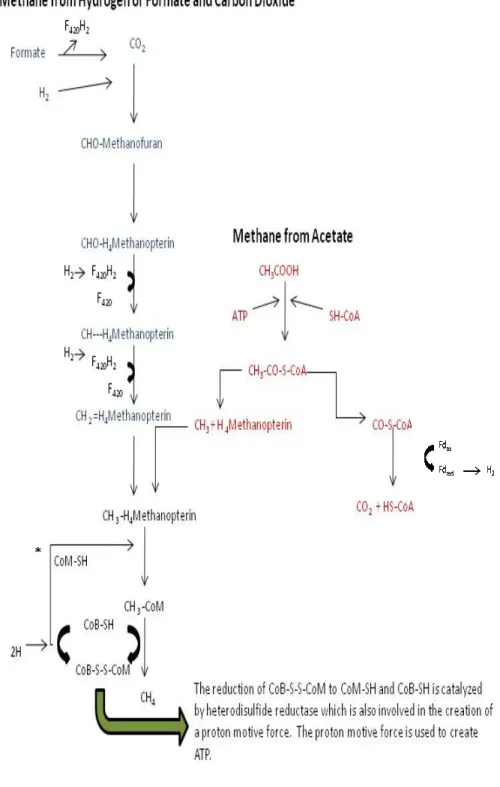
(Speece 1996, White 2000). Each step is carried out by a different group of microorganisms. First, polymeric organic molecules such as complex carbohydrates, proteins, and lipids are hydrolyzed into their components (Speece 1996). Then, the resulting monomers and oligomers such as amino acids, simple carbohydrates, and fatty acids are fermented into organic alcohols, volatile fatty acids such as acetate, propionate, butyrate (acidogenesis), hydrogen, and carbon dioxide (White 2000). Then, the fermentation products are further degraded to acetate, hydrogen, and carbon dioxide (acetogenesis) (White 2000). Methanogenesis is the final step, typically producing methane and carbon dioxide from either acetate or hydrogen/formate and carbon dioxide (White 2000) (Figure 1.2).
The complexity and variation in metabolism found in the microbial communities in anaerobic digesters is really not as simple as a four-step food chain would suggest (Stams and Plugge 2009). In fact, after hydrolysis and fermentation, the food “chain” becomes quite complicated, as several pathways for degradation are possible depending on the products of the fermentations. For example, hydrogen and carbon dioxide may be directly converted to methane by hydrogenotrophic methanogens or converted to acetate by the homoacetogenic bacteria (White 2000). If sulfate is present in the wastewater, hydrogen may also be consumed by the sulfate-reducing bacteria (SRB) in competition with methanogens (Abram and Nedwell 1978). If acetate is produced during fermentation then two options for its degradation exist: acetate
oxidation to hydrogen and carbon dioxide or conversion to methane by acetoclastic
methanogensis (Karakashev et al. 2006, Schnürer et al. 1999). Some organic alcohols and other methyl-containing compounds, such as methanol and methylamine, may be directly utilized for methanogenesis (Dianou et al. 2001, Hutten et al. 1980, Tonouchi 2004) while others must be further oxidized into acetate, hydrogen, and carbon dioxide. The importance of each of these
Figure 1.2 .Pathways of M carbon dioxide or acetate. Microorganisms (Madigan
just before the final step (*) as the methyl group from these compounds is transferred to CoM-SH and then to CH
Figure 1.2 .Pathways of Methanogenesis. Methanogenesis from hydrogen/formate and carbon dioxide or acetate. Adapted from Liu and Whitman (2008) and Brock Biology of
(Madigan et al. 2003). Methanol and methylamines enter the pathway just before the final step (*) as the methyl group from these compounds is transferred to
SH and then to CH3-CoM. *
hydrogen/formate and Brock Biology of Methanol and methylamines enter the pathway just before the final step (*) as the methyl group from these compounds is transferred to
metabolic options is not clearly understood, although their value is probably dependent upon several factors including the type of organic waste being degraded.
However, one metabolic pathway following fermentation to volatile fatty acids (VFAs) has been shown to have important implications for the complete degradation of organic waste to methane and carbon dioxide. When propionate and butyrate are the products of fermentation, the conversion of these volatile fatty acids to acetate and hydrogen depends upon syntrophic
interactions with hydrogen-utilizing organisms (Schink 1997). Unless the hydrogen produced by these organisms is continually removed so that the local concentrations remain low, the oxidation of these fatty acids is not thermodynamically favorable (Schink 1997). This process is referred to as interspecies hydrogen transfer (Bryant et al. 1967, White 2000). Without it, propionate, butyrate, and other acids accumulate in the digester and may cause the degradation of waste to slow or cease (McCarty and Smith 1986) resulting in digester failure.
1.3.a Microbial Community Diversity. A microbial community is generally described as the populations of microbes which interact within a specific environment (Konopka 2009). Diversity includes the measure of the number of taxonomic units present (richness) and their relative abundance (Konopka 2009). Community structure is often used to describe richness and abundance determinations which include identification of the detected taxons (Fuhrman 2009). Although it is difficult to detect rare organisms in very diverse communities such as those in anaerobic digesters, defining community structure can provide valuable information regarding the functional potential of the community (Fuhrman 2009, Konopka 2009).
Some of the earliest studies of anaerobic digester communities utilized fluorescent polyclonal antibody probes to examine the diversity of methanogenic microorganisms (Macario and De Macario 1988, Visser et al. 1991). Using this technique, Macario et al. (1988)
demonstrated that the diversity of methanogens was greater than previously believed. Visser et al. (1991) used this type of immunological study to demonstrate that microbial diversity was reduced in a digester whose temperature was increased from 37°C to 55°C.
Soon after these studies, radioisotope and fluorescent- labeled oligonucleotide probes based on 16S rRNA sequences were developed for the quantification of methanogens and
sulfate-reducing bacteria by Raskin et al. (1994a, 1994b). These probes were used to identify and quantify specific groups of methanogens and sulfate reducers in chemostats, single tank and two-stage digesters (Raskin et al. 1994a, Raskin et al. 1995). Oligonucleotide probes continue to be used to follow community dynamics in anaerobic digesters. They have the advantage of being directly applied to samples without the need for gene amplification by polymerase chain reaction (PCR) (Amann et al. 2001). However, targeted genes must be present in high copy numbers, and quantification using probes must include careful use of controls to insure accurate measurements (Amann et al. 2001, Dahllöf 2002).
In further studies of diversity, PCR and 16S rRNA or DNA specific primers have been used to examine microbial community structure within digesters. In 1997, Godon et al. (1997a, 1997b) studying both bacterial and archaeal 16S rRNA gene clone libraries from a digester treating wine distillery waste revealed that a large number of the bacterial operational taxonomic units (OTUs) found in the digester were unrelated to any cultured species. This was supported by a later study which reported that 95.6% of the bacterial OTUs found in another digester were novel phylotypes (Chouari et al. 2005). These studies illustrate the need for continued molecular analysis possibly combined with cultivation and physiological studies of organisms in anaerobic biomass so that the function of the community as a whole may be better understood.
A second study by Godon et al. (1997b) estimated that the wine distillery digester community had an Archaea to Bacteria ratio of 1 to 4. A later study using quantitative PCR (qPCR) of 16S rRNA genes in a biogas plant digester reported a ten-fold difference between the Archaea and Bacteria sequences (Nettmann et al. 2008). However, bias may have occurred in both these studies because of unequal numbers of 16S rRNA genes in different species of
Bacteria and Archaea detected in these digesters. For example, the average number of 16S rRNA genes in the twenty-three sequenced methanogen genomes found in the rrnDB (a database which catalogs 16S, 23S, and 5S rRNA genes) is 2.56 (Klappenbach et al. 2001, Lee et al. 2009). However, the average number of 16S rRNA genes in other bacteria detected in the study varied widely. For example, the average 16S rRNA copy number in the sequenced genomes of the Proteobacteria found in rrnDB is 4.12, and the average for sequenced Clostridium species is 9 (Lee et al. 2009). Although some of the bacterial species detected had fewer 16S rRNA copy numbers than the methanogens (such as the Cloroflexi, 1.67 average 16S rRNA copy number (Lee et al. 2009)), the variation in copy numbers for these genes makes the clear determination of an Archaea to Bacteria ratio difficult at best.
Most studies of microbial communities in anaerobic digesters have focused on less than five digesters, and many have sampled only one or two digesters. This approach is limiting because anaerobic digesters treat waste of widely varying composition and different physical plant configurations exist as well, both of which may influence microbial community structure. There are two notable exceptions to this trend, however. The first attempt at gaining a wide view of the archaeal diversity found in anaerobic digesters was a study of 44 full-scale digesters from 8 countries (Leclerc et al. 2004). Using single strand conformation polymorphism and
rRNA gene sequences from the Archaea. Two OTUs were found most often, and sequence analysis showed them both to be methanogens. One was determined to be Methanosaeta concilli and the other was related to Methanobacterium. The breadth of samples included in the study covered all basic physical configurations of anaerobic digesters, allowing the investigators to determine the most common microorganisms found in each type. They were able to associate particular microbial community characteristics with specific types of digesters. For instance, they observed increased diversity of the microbial community in continuously stirred tank reactors (CSTRs) when compared to other digester types. They also demonstrated that the abundance of Methanosaeta concilii was increased in upflow anaerobic sludge blanket (UASB) reactors. They did not, however, uncover a relationship between the type of wastewater treated and the archaeal community.
Another broad study of microorganisms in anaerobic digesters was undertaken by Riviere et al. (2009). They sequenced a total of 9, 890 bacterial and archaeal 16S rRNA genes from seven different mesophilic digesters. After phylogenetic analysis, they were able to determine that one third of the bacterial OTUs formed a core common to all digesters, another third of the OTUs were shared among a few digesters, and the final third of the bacterial OTUs were specific to certain digesters. The bacterial 16S rRNA genes that they found were primarily from uncultivated species, which agreed with an early finding by Chouari et al. (2005) which found 95.6% of the bacterial 16S rRNA gene sequences from one digester were novel phylotypes. Among all the digesters, the archaeal sequences represented fewer OTUs than the bacterial sequences, and most of them were related to the Methanosarcinales, the Methanomicrobiales, and a novel lineage which was designated the Arc I group.
These two broad studies have provided valuable information regarding the microbial communities of anaerobic digesters; however, other factors besides the type of reactor or the substrate treated have been studied to ascertain affects on digester communities.
1.3.b Temperature. Temperature is an important environmental factor in the growth of most microbes, with the majority having a range of temperature in which optimal growth occurs while higher or lower temperatures are inhibitory. Most anaerobic digesters are operated at around 35 °C (mesophilic), although thermophilic digesters (~55°C) are also in use. Therefore, certain studies have explored the effects of temperature on microbial communities in digesters. As mentioned above, Visser et al. (1991) used polyclonal antibody studies to demonstrate that microbial diversity was reduced in a digester whose temperature was increased from 37°C to 55°C. Sekiguchi et al. (1998) compared mesophilic and thermophilic digesters, finding
decreased diversity of 16S rRNA gene clone libraries in the thermophilic digesters. McHugh et al. (2003) used amplified ribosomal DNA restriction analysis (ARDRA) and 16S rRNA gene sequencing to study the microbial communities in psycrophilic (10-14°C), mesophilic, and thermophilic digesters, reporting high methanogen diversity and dominance of the acetate-utilizing genus Methanosaeta in samples from a set of six digesters with operating temperatures varying from 10-55°C. In a further study of digesters that were operated at temperatures
between 16 and 37°C, this same group reported a shift from acetoclastic to hydrogenotrophic methanogens in the microbial community as temperatures increased (see below for further discussion of methanogen community dynamics).
In summary, the above results suggest that methanogen diversity is reduced in digesters with thermophilic operating temperatures. They also suggest that acetoclastic methanogens are
able to function better than hydrogenotrophic methanogens when digester temperatures are below 37°C.
1.3.c Microbial Communities and Stability of Digester Function. The stability of digester function (process stability) is defined as “the capacity to achieve efficient pollutant reduction under varying environmental conditions (Speece 1996).” Two terms may be used to further describe stability: resistance and resilience (Konopka 2009, Pimm 1984). Functional resistance refers to the ability of the community to continue to function (i.e., achieve efficient pollutant reduction) when environmental conditions are perturbed, and resilience describes how fast the community can return to function after a perturbation that disrupts function (Pimm 1984).
Several studies have examined how the stability of digester function is linked to the structure of the microbial community. Anaerobic digesters are sometimes subjected to overloads of substrate, and these overloads may cause digester function (i.e., organic waste degradation coupled to methane production) to slow or fail. A study by Delbes et al. (2001) showed that recovery of a digester overloaded with acetate required a community shift from
hydrogenotrophic to aceteclastic methanogens. Fernandez et al. (2000) using oligonucleotide probes, ARDRA, and sequencing of 16S rDNA studied digester communities both before and after perturbation caused by an overload of glucose. Their results linked stability of function to flexibility within the digester microbial community. Digesters that had more profound changes in their community structure upon perturbation had better functional stability than those whose communities showed less change (resilience) (Fernandez et al. 2000). Concurrent observations of the degradation products generated from the glucose suggested that the shifts in community structure reflected the ability of the more stable digester communities to use multiple metabolic pathways. Similarly, Hashsham et al. (2000) further demonstrated that if microbial communities
possessed the ability to degrade substrates in multiple, parallel ways versus a single pathway for linear processing, the community with the ability to utilize parallel processing was more stable. Stability in this case was defined as the ability to continue to function with an overload of substrate, in this case of glucose (resistance (Pimm 1984)). Although these studies analyzed relatively small data sets, the results of these studies suggest that digester microbial communities with more metabolic options are more functionally stable than those with limited metabolic pathways for the degradation of organic substrates.
Other studies have also focused on the microbial community during high toxicant loads. A study of a digester with high ammonia concentrations (e.g., 3,500 mg/L) showed that the hydrogenotrophic methanogens, which use hydrogen and carbon dioxide for methanogenesis, were more abundant in digesters with high ammonia than in digesters with lower ammonia concentrations (Angenent et al. 2002). Another study in which the free ammonia nitrogen content of the digester was gradually increased from 160 mg/L to 750 mg/L showed an interesting shift in the microbial community using microscopy. At lower ammonia
concentrations, filamentous Methanosaeta were the dominant organisms, but as ammonia concentrations increased Methanosarcina species were observed, with their clusters of cocci being the dominant organisms (Calli et al. 2005). The authors proposed that the formation of clusters provided protection from the higher concentrations of ammonia for the Methanosarcina, allowing them to thrive as the more exposed, filamentous Methanosaeta became less common.
Interestingly, McMahon et al. (2004) demonstrated that digesters whose communities had struggled with stability of function in the past were more tolerant of an overload or shock
(resilient) than communities which had always functioned well. The comparison of microbial communities in several digesters over time led them to conclude that digester communities with
difficulties in consistent function developed microbial consortia that were able to cope with future overloads. Therefore, digesters which struggle during start up may, in fact, have better functional stability over time.
Recently, Werner et al. (2011) used pyrosequencing, generating >400,000 16S rRNA gene sequences from 112 samples, to examine the microbial communities in nine anaerobic digesters treating brewery waste over the course of twelve months. They were particularly interested in the resilience and resistance of the microbial community and the relationship between those characteristics and digester function. Using Unifrac, they showed that each of the nine digesters had a unique bacterial community (Werner et al. 2011). When they compared the structure of the bacterial communities to the digester operating conditions and digester function, they found stronger relationships between community structure and function than between structure and conditions (Werner et al. 2011). The functional parameters most closely related to community structure were methanogenic activity (reported as grams of chemical oxygen demand of methane per gram of volatile suspended solids per day) and the efficiency of the removal of the substrate (reported as %) (Werner et al. 2011). Greater community evenness was related to higher methanogenic activity, which the authors suggested was related to the existence of greater numbers of parallel metabolic pathways for the degradation of organic compounds as described previously by Hashsham (Hashsham et al. 2000). This study provided an important link between bacterial community structure and function in anaerobic digesters.
1.3.d Physical Differences in Anaerobic Digester Configurations. Certain studies have examined how differences in the physical operation of anaerobic digesters may affect the structure of the microbial community. Digesters are operated under various conditions and several variations on the structure of the physical plant are utilized in full-scale operations.
For example, the biomass in continuous stirred tank reactors (CSTRs) is, as the name suggests, constantly mixed. In these reactors, mixing speed may affect the microbial community by creating an environment which is too turbulent for the formation of close interactions which are important for certain steps in the degradation of organic compounds by the community, specifically propionate degradation and methanogenesis. Hoffman et al. (2008) studied CSTRs with different mixing rates in order to examine how mixing speed might affect microbial community structure. They observed that while the bacterial community was unaffected,
increasing the mixing speed in lab-scale digesters altered the structure of the archaeal community over time, with a change from Methanosaeta-related organisms at lower speeds to
Methanosarcina at higher mixing intensities. Their conclusion was that mixing speed and the resulting shear of increased mixing rates could influence archaeal community structure but not bacterial. However, this shift in community structure did not result in differences in digester function as evidenced by methane production. Reasons for the observed community shift were not apparent. However, Methanosarcina are capable of utilizing multiple substrates for
methanogenesis while the Methanosaeta can only utilize acetate which may begin to explain the stability of methane production under more turbulent conditions (see section 1.2.c.).
Another configuration, two-stage anaerobic digestion, compartmentalizes the biomass, aiming to create separate environments that are more amenable for acidogenesis (pH 4-5) and methanogenesis (pH 7) respectively (Ghosh and Pohland 1974). Two-stage digesters treat waste somewhat more quickly and have better organic removal rates (Speece 1996). When Raskin et al. (1995) used fluorescent and radio-labelled oligonucleotide probes based on 16S rRNA sequences to identify and quantify specific groups of methanogens and sulfate reducers in single tanks and two-stage digesters, they found methanogens in the first stage of the reactor where conditions for
methanogenesis were not optimal. However, upon comparison the first stage to the second stage, the methanogen communities in the compartments were determined to be different. This finding suggests that certain methanogens are capable of surviving in what might be considered sub-optimal conditions.
Certain types of biomass pre-treatment can also be incorporated into anaerobic treatment. Zhang et al. (2009) used pyrosequencing and qPCR to examine changes in microbial
communities when pre-treating a mix of primary and waste activated sludge by exposing it to a pulsed electrical field which causes nutrients in biomass to become more available and therefore more digestible (Rittmann et al. 2008). This method, called Focused-Pulsed sludge
pre-treatment, was used on anaerobic biomass, and then analyses of the sequences obtained before and after treatment showed that the dominant Archaea genus in the biomass changed from the hydrogenotrophic Methanoculleus to acetoclastic Methanosaeta. Higher bacterial diversity was also observed post-treatment. These findings were most likely related to the differences in availability of nutrients in the sludge.
1.3.e Temporal Changes. Temporal changes have also been observed in the microbial communities of anaerobic digesters. Fernandez et al. (1999) concluded that while both the dominant members and diversity of the bacteria and archaea in a lab-scale digester changed rapidly within short periods (3.3 day retention times), the dominant organisms in the bacterial community in digesters fluctuated more over time than those in the community of Archaea. Another study which followed the microbial community for two years supported their
conclusions by demonstrating Archaea community structure remaining relatively stable while rapid shifts occurred in the bacterial community of a wine-distillery anaerobic digester (Zumstein et al. 2000).
Fernandez et al. (1999) also observed a change in the relative abundance of certain archaeal OTUs over time using ARDRA. This was supported by the observation of methanogen succession in another study which followed a lab-scale digester from start up to day 107 (Leclerc et al. 2001). The dominant methanogen genus switched from acetoclastic (utilizing acetate for methane production) Methanosaeta in the early stages to hydrogenotrophic Methanobacterium as the biomass in their digester developed. This switch from acetoclastic to hydrogenotrophic methanogen dominance suggests that methanogen community structure may be related to the substrates which are available for methanogenesis over time during the development of
anaerobic biomass. For example, hydrogenotrophic methanogens may become more important members of the community as the concentration of volatile fatty acids (VFAs) like propionate and butyrate increase. Without the removal of hydrogen by the methanogens (or other
organisms), propionate and butyrate oxidation are thermodynamically unfavorable (Schink 1997) and an increase in VFA concentrations can result in digester failure (McCarty and Smith 1986). Therefore, as VFAs increase, a shift in the abundance of organisms capable of hydrogenotrophic methanogenesis would be beneficial in the development of a stable community.
1.3.f Granulation. The formation of granules which facilitate the syntrophic relationships between propionate-oxidizing bacteria and their hydrogen-utilizing methanogen partners within biomass is especially important for upflow anaerobic sludge blanket (UASB) reactors and similar technologies (Schmidt and Ahring 1996). Several studies have examined the microbiology of the granules that form in the biomass of this type of anaerobic digester. Diaz et al. (2006) used cloning, denaturing gradient gel electrophoresis (DGGE), fluorescent oligonucleotide probes, and electron microscopy to discover that the color of the granules (black, gray or brown) in a brewery digester were related to both their age and microbial composition. They observed that
the lighter the color, the older the granules were and that these granules had fewer living cells than the younger ones. Using oligonucleotide probes, they also observed differences among the microbial communities of granules of different colors. Black (young) granules had microbial communities dominated by Gram-positive bacteria and Methanosaeta. Gray (middle-aged) granules were similar to black granules in microbial community composition except there were no Methanosarcina, which were present in small amounts in brown and black granules. Brown (old) granules were dominated by Proteobacteria instead of Gram-positives; however, the dominant methanogen genus observed was also Methanosaeta.
Keyser et al. (2006) used DGGE to identify differences in granules from winery, brewery and peach-lye canning wastewaters. They found that granules from wastewaters treating
differing substrates had different methanogen communities, leading them to the conclusion that substrate affected granule community composition. Finally, Zheng et al. (2006) used fluorescent oligonucleotide probes to follow the microbial progression in the formation of anaerobic
granules, and found that Methanosaeta concilii was important for initiating granule formation. They also found that a layer of syntrophic bacteria form the outside of granule aggregates. These studies demonstrated that microbial community structure can be related to granule function and formation.
Taken together, the above studies provide much valuable information regarding the microbial community in anaerobic digesters. The existence of certain guilds of microorganisms can be confirmed and used to construct a simple food chain (Fernandez et al. 1999, Liu and Whitman 2008, White 2000) (Figure 1.1). While it is helpful to visualize the anaerobic degradation of organic waste in this way, this food chain is probably too simplistic to account for all the complexities of digester communities and the possible variations of microbial metabolism
(Hashsham et al. 2000). Because of the complexities of metabolism and physiology of the community of organisms found in anaerobic biomass, further studies are required to better understand the role of and the interactions between microorganisms in anaerobic wastewater treatment.
1.4. Methanogens in Anaerobic Wastewater Treatment.
The above studies have established that the microbial community in anaerobic digesters is very diverse. It is also clear that several different groups of organisms are required for the completion of waste degradation (Figure 1.1). However, the methanogens are especially important because they are the last link the anaerobic digester food chain, and because
methanogenesis is often the rate limiting step in anaerobic treatment of wastes (Liu and Whitman 2008).
1.4.a Methanogens. Methanogens are strict anaerobes which belong to the phylum
Euryarchaeota; and within four classes, there are five orders of methanogens: Methanobacteriales, Methancoccales, Methanomicrobiales, Methanosarcinales, and Methanopyrales (Figure 1.3) (Liu and Whitman 2008). From these orders (except Methanopyrales), the genera Methanobacterium, Methanobrevibacter, Methanoculleus, Methanogenium, Methanocorpusculum, Methanospirillum, Methanolinea,
Methanothermobacter, Methanosarcina, and Methanosaeta have been found in anaerobic
digesters (Chaban et al. 2006, Hori et al. 2006, Imachi et al. 2008, Rastogi et al. 2008). These can be further categorized according to their substrate requirements for methanogenesis as the
acetoclastic methanogens and the hydrogenotrophic methanogens, although this classification is somewhat oversimplified as some methanogens are capable of utilizing other compounds with methyl groups and Methanosarcina can use both hydrogen and acetate (Liu and Whitman 2008).
In general, however, members of the Methanosaeta and Methanosarcina are considered acetate-utilizing methanogens; the other genera found in digesters require hydrogen and carbon dioxide, although some are capable of using formate and certain alcohols (Liu and Whitman 2008, Madigan et al. 2003). Certain members of the Methanosarcinales can also utilize methanol and/or methylamine (Madigan et al. 2003). A more detailed description of the methanogenic genera detected in this study may be found in Appendix I.
1.4.b Metabolism. Metabolically, methanogens use a version of the acetyl CoA pathway which is similar to that of bacteria, but the electron carriers (tetrahydrofolic acid is replaced by tetrahydromethopterin) and the treatment of formate vary from the bacterial pathway (White 2000). Methanogenesis occurs as an offshoot of this pathway, linking it to an electron transport chain which provides a proton motive force for ATP production (Figure 1.2). The pathways for methanogenesis from acetate and from
methanol/methylamine initially differ from the pathway used to produce methane from hydrogen and carbon dioxide. However, the pathways all converge near the end (Figure 1.2).
Figure 1.3. Phylogenetic Relationships of M
Distances are estimated. Methanogenic orders are circled. Adapted from Schleper al.(2005) and Chaban et al.
When hydrogen is required for methanogenesis, it is often provided via interspecies hydrogen transfer (Stams 1994, White 2000)
digestion because if methanogens fail to draw off hydrogen produced by syntrophic fatty acid oxidizing bacteria, then fatty acid oxidation becomes energetically unfavorable for the s
(Stams 1994). The break down of this important syntrophic interaction can cause digester failure characterized by the rise in concentration of volatile fatty acids such as butyrate and propionate (Hori et al. 2006). Methanogens’ role in this syntrophy as well as their production of methane
Phylogenetic Relationships of Methanogens to Other Organis Distances are estimated. Methanogenic orders are circled. Adapted from Schleper
al.(2006).
When hydrogen is required for methanogenesis, it is often provided via interspecies (Stams 1994, White 2000). This process is very important in anaerobic digestion because if methanogens fail to draw off hydrogen produced by syntrophic fatty acid
fatty acid oxidation becomes energetically unfavorable for the s
. The break down of this important syntrophic interaction can cause digester failure rized by the rise in concentration of volatile fatty acids such as butyrate and propionate
. Methanogens’ role in this syntrophy as well as their production of methane rganisms.
Distances are estimated. Methanogenic orders are circled. Adapted from Schleper et
When hydrogen is required for methanogenesis, it is often provided via interspecies . This process is very important in anaerobic digestion because if methanogens fail to draw off hydrogen produced by syntrophic fatty
acid-fatty acid oxidation becomes energetically unfavorable for the syntrophs . The break down of this important syntrophic interaction can cause digester failure rized by the rise in concentration of volatile fatty acids such as butyrate and propionate
which may be used as a renewable fuel make them vital members of the microbial community in anaerobic digesters.
1.4.c mcrA. Methanogenesis is catalyzed by a unique set of enzymes (Figure 1.2). Methyl coenzyme M reductase is the enzyme which catalyzes the final reaction in both types of methanogenesis, the reduction of CH3-CoM to CH4 (Figure 1.2) (Ermler et al. 1997). The operon encoding this multi-subunit enzyme is specific to the known methanogens and the anaerobic methane-oxidizing archaea (Hallam et al. 2003, Luton et al. 2002). Previous studies have established that the gene which encodes the alpha subunit (mcrA) can be used to detect methanogen presence in the environment and that it is a suitable gene for phylogenetic comparison of methanogen diversity (Hales et al. 1996, Luton et al. 2002, Springer et al. 1995). Amplifying an approximately 460 base pair segment of the mcrA sequence, the PCR primer set developed by Luton, et al. (46) has been shown to consistently amplify a wide range of methanogenic groups (Banning et al. 2005,
Juottonen et al. 2005, Juottonen et al. 2006, Luton et al. 2002). Only one or two copies of mcrA have been found in sequenced methanogen genomes, making it a better tool for estimating the numbers of methanogens in biomass than 16S rRNA which has copy numbers ranging from 1-4 copies per genome (Lee et al. 2009).
1.4.d Methanogen Diversity in Anaerobic Digesters. Uncovering methanogen community diversity has been the object of several studies. Griffin et al. (1998) used family or genus-specific fluorescent oligonucleotide probes to follow the dynamics of the
methanogen communities in a mesophilic digester and a thermophilic digester over time. They found a shift in abundance between Methanosarcina and Methanosaeta related to
acetate levels. They also determined that the Methanobacteriaceae were the most common hydrogenotrophs in the digesters they studied.
Steinberg and Regan (2008) compared the methanogen communities in an acidic fen and an anaerobic digester using both mcrA and 16S rRNA genes. They found almost no overlap between the sequences of either gene from the digester and the fen, and the majority of the sequences they found were unrelated to any cultured methanogen species. Similarly, 16S rRNA genes and mcrA were used to study the archaeal community in a biogas plant using cattle manure and corn silage as substrates (Nettmann et al. 2008). Many of the sequences in this study were also related to uncultured archaeal species; however, assignments at the genus level were possible for most.
During the development of 16S rRNA-based microarray for methanogen detection and classification called ANAEROCHIP, Franke-Whittle et al. (2009) found Methanoculleus to be the dominant (84.1%) species in a 16S rDNA clone library.
Methanosarcina, Methanobrevibacter, Methanobacterium, and Methanosphaera- related clones were only detected in small quantities (<5.8%). Goberna et al. (2010) utilized the ANAEROCHIP assay along with qPCR to study the methanogen communities of
anaerobic digesters treating olive mill wastes and cattle manure. In a mesophilic digester, they were able to determine that Methanosarcina, the dominant methanogen, was able to rapidly increase in number six-fold when the digesters substrate availability was changed from treating only cattle manure to cattle manure plus olive mill waste (Goberna et al. 2010). In a digester operated at 55°C, hydrogenotrophic methanogens
Methanobacterium, Methanoculleus, and Methanothermobacter were all detected (along with a clade unrelated to known methanogens) (Goberna et al. 2010).
1.4.e Methanogens and pH. An increase in fatty acids (e.g., propionate, butyrate) in an anaerobic digester can lead to a decrease in pH (Liu and Whitman 2008). A pH decrease can be detrimental to methanogenesis as most methanogens have a pH tolerance range of 6-9 (Liu and Whitman 2008, Slonczewski and Foster 2009). Hori et al. (2006) used genus-specific qPCR to demonstrate that the composition of the methanogen community in a thermophilic anaerobic digester changed as the concentration of volatile fatty acids (VFAs) shifted. When VFAs were absent, Methanoculleus species dominated, but when the VFA concentration increased there was a 10,000 fold increase in
Methanothermobacter-related 16S rRNA genes (Hori et al. 2006). However, known Methanothermobacter species have pH tolerances (6.0-8.8) similar to other methanogens (Zeikus and Wolfe 1972). For more information regarding specific pH tolerance for different methanogen genera, see Appendix I.
1.4.f Methanogens and Temperature. Most methanogens are mesophilic or thermophilic (See Appendix I). Using mcrA instead of 16S rRNA genes, Rastogi et al. (2008) found that in a digester degrading cattle manure located in a temperate climate, seasonal shifts occurred in the methanogen community and suggested that these shifts were most likely related to temperature requirements. They reported increase in the percentage of
Methanocorpusculum-related sequences in the winter samples. This may indicate that this genus has higher tolerance for cold than others (e.g., genera found in the orders
Methanosarcinales and Methancoccus) that represented higher percentages of the sequences in the summer samples, although it is reported to experience optimal growth rates at mesophilic temperatures (Zellner et al. 1989). However, O’Reilly et al. (2010) reported similar dominance of Methanocorpusculum in lab-scale digesters operated at
15°C using qPCR. Further information regarding the temperature requirements of methanogens can be found in Appendix I.
1.4.g Methanogens and Oxygen Tolerance. The sensitivity of strict anaerobes to oxygen is believed to be due to the accumulation of oxygen radicals (OH· and O2-) and hydrogen peroxide (White 2000). Aerobes and other microorganisms which can tolerate oxygen are protected by superoxide dismutase and catalase, enzymes which convert oxygen radicals and hydrogen peroxide to oxygen and water (White 2000).
Methanogens are considered strict anaerobes (Liu and Whitman 2008), unable to grow or produce methane in the presence of oxygen (Zinder 1993). There is, however, some evidence that methanogens can tolerate oxygen exposure to varying degrees. For example, previous studies have shown that methanogens in anaerobic digester sludge can cope with exposure to oxygen (Conklin et al. 2007, Zitomer and Shrout 2000, Jenicek et al. 2010, Kato et al. 1993, Stephenson et al. 1999). In fact, Zitomer and Shrout (2000) reported increased methane production in fluidized bed reactors that were exposed to air. However, the ability of methanogens to cope with air exposure is believed to be
dependent upon facultative microorganisms also present in the biomass community which scavenge the oxygen before it causes damage to the methanogens (Jenicek et al. 2010, Kato et al. 1993).
Examination of all of the sequenced methanogen genomes in Genbank® reveals putative superoxide dismutase and/or catalase genes, and an active superoxide dismutase has been isolated from Methanobacterium bryantii (Kirby et al. 1981). However, it is unknown whether these enzymes are functional in other methanogens. Furthermore, as superoxide dismutase and catalase reactions only convert oxygen radicals and hydrogen
peroxide back to more oxygen, it is unclear how much protection active superoxide dismutase and catalase would provide.
1.4.h Recently Described Methanogen Species. Multiple reports of sequences which cannot be assigned to a particular methanogen species or even genus (see above) support the idea that there are other undescribed methanogens in anaerobic digesters whose physiology has not yet been studied. In the past five years, three new methanogen species isolated from anaerobic digesters have been described, Methanobacterium beijingense, Methanolinea tarda, and Methanoregula formicica (Imachi et al. 2008, Ma et al. 2005, Yashiro et al. 2011). Based on the number of unknown methanogens reported in the literature, the identification of other new species is likely in the future. 1.5 Introduction to Specific Aims.
Although much is known about the reactions of methanogenesis (Figure 1.2), there is still much to be learned about the role that methanogens play in anaerobic wastewater treatment. For example, questions such as “Do specific conditions contribute to the enhancement of the methane-producing ability of certain methanogens?” and “Does the number of methanogens present in digesters accurately project the ability of the biomass to make methane?” remain unanswered in the literature. The data obtained from the experiments performed in the course of this study attempt to answer these and other questions, while providing important information regarding the function and community structure of methanogens in anaerobic wastewater treatment facilities which can be used to optimize anaerobic biotechnology.
1.6 Specific Aim I: Diversity of methanogens in anaerobic enrichment cultures and industrial digesters.
1.6.a Introduction. Anaerobic digesters are operated under varying influent substrates and conditions. Because they complete the final transformation of organic wastes to methane, methanogen communities are essential to the proper function of digesters. Therefore, understanding how varying conditions and substrates relate to methanogen community structure is important for engineers and digester operators who wish to optimize digester function and methane production.
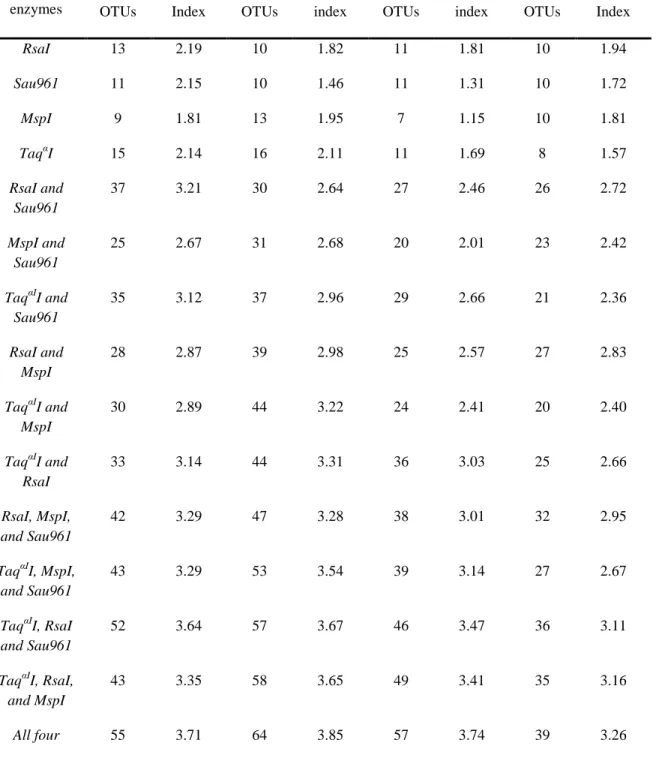
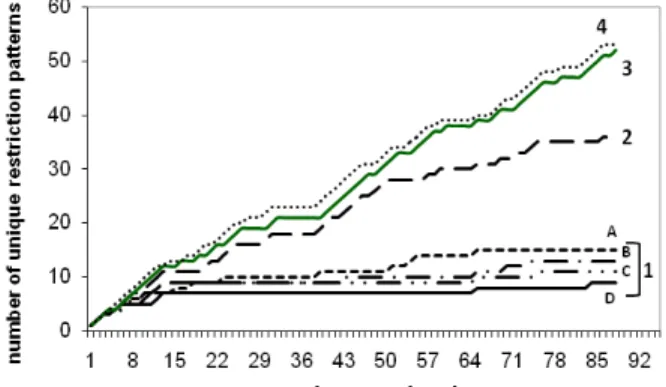
1.6.b Aims and Hypothesis. It was hypothesized that varying the conditions or available substrates would result in distinct differences in methanogen communities in anaerobic digesters. This hypothesis was tested by generating clone libraries from DNA extractions from four hydrogen- and carbon dioxide- enriched cultures (R1,R2,R3,and R4) and two industrial scale digesters (CH and CB) using the methanogen-specific gene mcrA. (For a complete description of the operation parameters of the cultures and digesters see Table 2.1.) Restriction fragment length polymorphism (RFLP) analysis of the clone library from each digester was used to identify unique mcrA clones (Chapter 3) or the clones were directly sequenced (Chapter 4). The RFLP analysis included determining the best restriction enzymes for use in RFLP with mcrA sequences amplified using the primers designed by Luton et al.(2002). No consensus could be found in the literature as to which or even how many restriction enzymes would provide adequate coverage of the
methanogen community using RFLP analysis with mcrA (Chapter 3). mcrA clones were sequenced, and phylogenetic and statistical analyses were performed using the RFLP data and unique sequences from each clone library (Chapter 3 and 4).
The data supported the hypothesis, demonstrating that digesters and enrichment cultures (even those started at the same time with the same seed sludge) operated under varying conditions or substrates did have different methanogen communities as shown by phylogenetic and statistical analysis of mcrA sequences (Chapters 3 and 4). However, the data had little predictive value regarding digester function when compared to the
digesters known functional parameters.
1.7 Specific Aim II: Quantification of methanogens in anaerobic enrichment cultures and digesters.
1.7.a Introduction. The four H2:CO2 enrichment cultures, several lab-scale digesters, and industrial scale digesters were observed to have differing rates of methane production against specific substrates as determined by specific methanogenic activity (SMA) assays (Coates et al. 2005, Coates et al. 1996). One explanation for the different rates of
methane production was that more methanogens were present in the digesters that had greater methane production rates.
1.7.b. Aims and Hypothesis. It was therefore hypothesized that the abundance of
methanogens in the anaerobic biomass of a digester would positively correlate to a higher rate of methane production against specific substrates. This hypothesis was tested by performing quantitative PCR (SYBR Green method (52)) on DNA extracts from each of the four cultures, the lab-scale digesters, and the industrial digesters using the Luton primer set (43) with the thermocycler program tested by Goffredi et al. (Goffredi et al. 2008, Luton et al. 2002, Ponchel et al. 2003). The results were compared to values determined for a standard curve to quantify the mcrA gene copy number for each
enrichment culture. The standard curve and the samples were included in the same run, as recommended by Smith et al. (2006). Gene copy number of mcrA was then used to estimate the numbers of methanogens present in the cultures. All twenty-nine sequenced methanogen genomes in GenBank® contained only one or two copies of mcrA and sequenced genomes of representatives of the genera found in the clone libraries from Specific Aim I only contained one copy of mcrA. The number of methanogens in each culture was compared to specific rates of methane production (SMA assays) for each culture or digester biomass (Chapter 5).
The data supported this hypothesis showing positive correlation between the number of mcrA genes present in biomass and the SMA results for the same biomass sample (Chapter 5).
1.8 Specific Aim III: Diversity of methanogens in anaerobic enrichment cultures which are actively transcribing mcrA.
1.8.a Introduction. Little is known about the transcription rates, mRNA half-life, and protein half-life for the enzymes necessary for methanogenesis, including methyl coenzyme M reductase. However, transcription of mcrA has been used to demonstrate that methanogens are metabolically active (Juottonen et al. 2008). Furthermore, the organisms in anaerobic biomass have been shown to be capable of dormancy when conditions are not optimal (Speece 1996). Thus, identifying the members of the methanogen community which are metabolically active could provide valuable insight into digester function.
1.8.b Aims and Hypothesis. Therefore, it was hypothesized that only certain methanogens detected in the mcrA clone libraries from DNA extracts were actively contributing to methane production as demonstrated by their transcription of mcrA. To test this hypothesis, mcrA clone libraries were created from RNA extracts taken from the aforementioned enrichment cultures to determine which members of the methanogen communities were actively transcribing this critical gene and compared to clone libraries created from DNA extracted from the same samples.
Cloned sequences were then compared to known sequences in GenBank® using blastn (Altschul et al. 1990, Altschul et al. 1997), and each library of clone sequences was also submitted to DOTUR for statistical analysis, including the Shannon Index, rarefaction curves, Schao1, and number of OTUs (Schloss and Handelsman 2005). The percentage of clones related to different methanogen genera was calculated for each library, and phylogenetic trees (including reference sequences) were created from the sequences obtained from each digester. For each clone library, the methanogen community revealed in the sequences amplified from the DNA was compared to the community uncovered in the sequences amplified from the RNA extractions (Chapter 4). This was accomplished by using phylogenetic and statistical analyses of sequences to determine differences among the cultures’ methanogen communities which were present in the biomass (i.e., DNA) versus those that were actively transcribing mcrA (i.e., RNA) at levels detectable by the assay.
Phylogenetic and statistical analyses showed that the methanogens that were actively transcribing mcrA did not represent all of the methanogen community detected within the digesters using DNA extracts to generate clone libraries (Chapter 4).