Th
No
wi
M
He
he
su
o
ith
en
ea
upp
He
ho
nta
alt
ortin
ea
out
al
th
ng
e
alt
t
evide
th
ence
e
Contents
Introduction 5
Recommendations 7
Part 1: The link between physical and mental health
• Overview 9
• Mental health needs of older aged adults 13
• Mental health needs of children and adolescents 15
• Mental health and primary care 17
• Medically unexplained symptoms (MUS) 19
Part 2: The mental health of people with long term physical conditions
• Overview 23
• Coronary heart disease 25
• Cancer 28
• Diabetes 32
• Chronic obstructive pulmonary disease (COPD) 35
• Neurological or brain disorders 37
Part 3: Mental healthcare in the general hospital
• Overview 39
• The acute medical setting and mental health 40
• The role of the liaison psychiatry team 44
• Maternity services and mental health 52
• Mental healthcare in the emergency department 54
• Palliative care services 58
Part 4: The health needs of people with mental illness 61 Part 5: The health needs of people with learning disabilities 65
Acknowledgments 69
Introduction
The aim of this report is to draw attention to the close links between physical and mental well being. The report is primarily concerned with mental health problems that are associated with, or arise from, physical illness, and the general interface between mental and physical health.
In part one of the report, the needs of elderly people and young people with physical and mental health problems are discussed. Both groups have particular age related needs that require consideration. There is an extremely high rate of mental illness in older people with physical health problems, and severe physical illness in children or young people impacts on young people themselves, their emotional development, and their families.
Part one also includes primary care, as the majority of patients with physical and mental health problems are managed in primary care, and GPs play a vital role in the detection and treatment of psychological problems in those who are physically unwell. A more detailed description of the interface between physical and mental health problems in primary care can be found in the Joint Working Report between the Royal College of Psychiatrists and the Royal College of General Practitioners.1
Part one concludes with a discussion of medically unexplained symptoms; one of the most common physical health problems that GPs and hospital clinicians see on a regular basis. The role of psychological factors in the development and
persistence of medically unexplained symptoms is described and the efficacy of psychological treatment is reviewed.
Part two of the report focuses upon the particular mental health problems that arise in the context of long term physical conditions. Instead of trying to cover every long term physical condition, four exemplar conditions have been chosen (cancer, coronary heart disease, diabetes, and chronic obstructive pulmonary disease). All four conditions carry enormous health burdens. The cost of
healthcare for patients with Type 2 diabetes will rise by 25% over the next 30 years and the economic burden of the disease will rise by 40%.2 The total annual cost of
all coronary heart disease was £7.6 billion in 1999, the highest of all diseases in the UK for which comparable analyses have been conducted.3 Chronic obstructive
pulmonary disease is the fifth leading cause of mortality worldwide and is the most costly adverse health outcome caused by tobacco smoking.4
For each condition, the emotional burden of the disease is described; the
prevalence of mental health problems is reviewed and discussed, along with the appropriate treatment and management. Where relevant, evidence from
randomised controlled trials or systematic reviews is presented. Although each condition is different and poses unique physical challenges for patients, the mental health problems discussed in relation to these conditions are similar to those encountered by patients with other long term conditions, and the information provided should be useful to clinicians involved in the management of patients with any enduring illness. A further section covers neurological disorders as these conditions are associated with particularly high rates of mental health problems.
6 Part three of the report focuses on the general hospital and covers specific
departments or services where mental health problems may be of particular concern. This section includes obstetric services, because of the high rates of pre and post-natal mental health problems. There are also special sections on the emergency department and palliative care services.
The final sections of the report address the physical health needs of patients with mental illness and those with learning disability. Although there are problems in the detection and treatment of mental health problems in the physically ill,
paradoxically, the physical well being of patients with major mental illnesses is also often poorly managed. People with severe mental illness have significant physical morbidity due to a range of factors, including the side effects of psychotropic
medication (which may cause weight gain and increase the likelihood of developing diabetes), as well as lifestyle issues, such as a tendency to smoke heavily. People with severe mental illness may also have problems accessing appropriate medical care because of difficulties such as the inability to arrange and attend the necessary appointments. For individuals with learning disabilities there are also major
barriers to accessing physical healthcare, such as communication difficulties and a lack of awareness in staff or carers of the need to screen for, and attend to,
physical health problems. Physical health problems are much more common in people with learning difficulties than the general population.
Overall, it is hoped that this report will provide useful information about the link between physical and mental health and provide a much needed impetus for the development of better care for people with both physical and mental health needs. Notes about the report
• This document presents key findings regarding the link between physical and mental health and does not represent an exhaustive literature review into every existing physical and mental health issue.
• The report generally refers to legal frameworks and organisational structures in healthcare services in England. However, the statement of the importance of recognising the link between physical and mental health and the call for better services is likely to resonate across all countries of the United
Kingdom.
• Where relevant, we have referred to guidance provided by the National Institute of Health and Clinical Excellence (NICE) and the Scottish
Intercollegiate Guidelines Network (SIGN). For a more detailed report on the mental health content of NICE and SIGN guidelines, please click here or visit www.rcpsych.ac.uk
Recommendations
A
wareness
1. All national guidelines about medical conditions – including those issued by NICE and SIGN- should include specific advice about the detection and treatment of mental health problems associated with medical conditions. 2. Screening for depression in specific long term conditions in primary care
should be continued and extended under the Quality and Outcomes Framework (QOF).
3. Screening for depression and other common mental health problems should be routinely introduced in the acute hospital setting.
4. People with learning disabilities and people with severe mental illness should receive relevant annual physical health checks.
L
iaison Mental Health Services
5. Each general hospital should have an adequately funded liaison mental
health service to provide mental health care throughout the entire hospital to all who need it, including those with learning disabilities.
6. Liaison services should include specified and appropriate provision for older people, as well as children and young people.
7. Patients in general hospitals with mental health problems should have the same level of access to a consultant psychiatrist as they would from a consultant specialising in physical health problems.
E
ngaging patients and carers
8. Information and education should be developed and provided in appropriate ways for patients, carers and the public to develop community awareness of the psychological aspects of physical conditions.
9. Patients should be better informed about, and involved in, decisions about their treatment, discharge and self-care.
10.Patients and carers should be involved in designing and improving mental health services to general hospitals and primary care settings, through audit, research and training. Full support should be provided.
R
e-organisation, commissioning and quality standards
11.Liaison mental health services should be commissioned and reviewed against agreed specific service standards, to ensure they provide effective, evidence based interventions to treat mental health problems in the general hospital. 12.All care pathways for delivering physical healthcare should have a mental
health component. There should be a counterpart pathway for
commissioning practice to ensure the services are in place to deliver this.
T
raining
13.All health practitioners should have training in mental health.
14.The curricula of all doctors in training and the continuing professional development of qualified doctors should reflect the relationship between mental and physical health, both in general and in specific conditions.
Part 1: The Link between
Physical and Mental Health
Overview
What is the psychological impact of physical illness?
Severe physical illness is stressful and frightening, but the relationship between depression and physical disorder is complex. People react to illness in many different ways, but most go through a dynamic process which changes over time. There may be an initial worry about a symptom and its possible cause, followed by the shock/reality of a diagnosis (e.g. cancer), followed by a period of adjustment as information is assimilated, and ways of coping are formulated. In many physical conditions, this process of adjustment has to be repeated as the illness progresses or enters a new phase. Families and carers are often as distressed as the person with the illness, and they too have to go through a process of adjustment. Most people, given time and appropriate help and support, can adjust to even the most serious, disabling and life threatening conditions.
How many people develop mental health problems as a consequence of their physical condition?
Approximately one quarter of people with physical illness develop mental health problems as a consequence of the stress of their physical condition. In these cases, the process of adjustment fails, and people develop depression, anxiety, panic or some other form of mental disorder. Depression is characterised by a persistent and severe low mood which is qualitatively different from ‘normal distress’. Anxiety is characterised by severe agitation and apprehension which is qualitatively
different from ‘normal worry’. Both have major effects on the ability of the
individual to function, including the ability to sleep properly, concentrate, socialise, care for others, work and carry out normal daily activities.
Does depression increase the risk of physical illness?
It is clear from numerous studies in many different physical conditions that patients with chronic medical illness, compared to those without, have an increased risk of depression5. This is so for virtually any long term condition6. It is also true that
depression itself is a risk factor for physical illness. Major depression doubles one’s Box 1: What happens when depression and anxiety develop in the
context of a physical illness?
• Recovery from the physical condition is impeded • Pain can become more difficult to control
• Confidence to participate in rehabilitation programmes is reduced
• In extreme cases, the patient can come to believe that they are a burden on their family or the hospital and would be better off dead. For example, physical illness in the elderly is a major risk factor for suicide.
10 lifetime risk of developing type 2 diabetes7 and depression has also been proven to
be a risk factor for the development of heart disease.8
How is the relationship between depression and physical illness best understood?
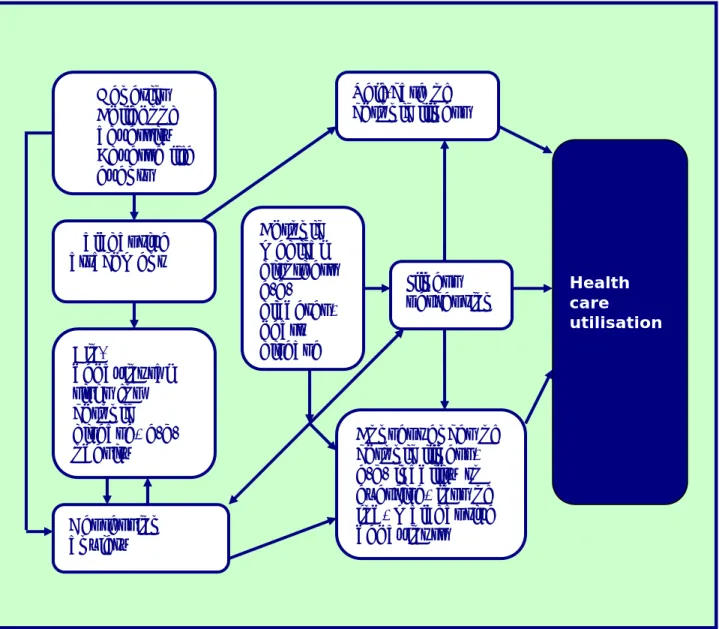
A conceptual model of the relationship between depression and physical illness has been developed9 and an adapted model which includes illness perception is shown
in Figure 1. The model describes three known risk factors for the development of depression: genetic vulnerability, childhood adversity (abuse or neglect) and stressful life events.
Figure 1: A conceptual model of interaction between major depression, medical illness and health care utilisation (adapted from Katon, 2003)
What is the relationship between adversity, depression and medical illness?
Childhood adversity may lead to maladaptive patterns of attachment (difficulty in forming trusting social relationships) which may result in social isolation and difficulty in accessing health care and collaborating with doctors and health
professionals.10 Both childhood adversity and depression are also associated with
behavioural risk factors for medical illness, such as obesity, smoking, excessive alcohol consumption, sedentary lifestyle etc. Once chronic illness develops, it can cause deterioration in health, inability to exercise, poorer quality of life, job loss and financial insecurity, increased worry, family strain, maladaptive health
behaviours (such as increased alcohol consumption) and brain changes (both early and late). Each of these factors, separately or in combination, can increase the risk of depression. Depression in turn can then adversely affect many of the factors
• Genetics • Childhood adversity • Adverse life events Bio-behavioural risks for chronic disease, e.g. obesity Chronic medical disorders e.g. diabetes, heart disease Maladaptive attachment Depression anxiety Illness perception Self-care of chronic illness Consequences of chronic illness, e.g. inability to exercise, loss of job, maladaptive behaviours Health care utilisation
previously mentioned, leading to a vicious cycle of poor physical and mental health and poor function.
Why is perception of illness so important?
The way that people perceive illness is a powerful predictor of depression, with those who perceive illness as more threatening than others being at higher risk of depression. Self care and management of chronic illness can also be adversely affected by depression, while some factors which predispose a person to depression also increase the likelihood of poorer self care (for example, childhood adversity, maladaptive behaviours and maladaptive patterns of attachment).10
Even relatively mild mental health problems in patients with physical illness can have major effects on the physical condition. For example, a mild eating disorder in a patient with diabetes will have potentially serious long term consequences of a disproportionate nature to the severity of the eating disorder itself.
How well detected are mental health problems in long term conditions? Over half of all cases of depression in the general hospital setting go unrecognised by physicians and nursing staff.11 For example, a large scale study of people with
diabetes found that only half the cases of depression were detected.12
There are similar problems with detection in primary care.13,14,15. Mental health
problems are particularly hard to detect when there is an overlap of symptoms. For instance, people with chronic obstructive pulmonary disease may experience
decreased appetite, tightness in the chest and fatigue – symptoms which are also associated with depressive or anxiety disorders. Depressed people attending
general practices usually present with non-psychological symptoms, such as pain or poor sleeping.16 When a chronic physical disease is found to be present, there is
the risk that attention will shift to this disease, and the depression may then be overlooked.16
Clinical barriers, such as short appointment times, a lack of knowledge about
depression and treatment, or a lack of time to talk to the patient about these issues can also prevent detection of mental illness. Some healthcare professionals may not think to enquire about psychological symptoms, or may feel uncomfortable doing so. Even if these symptoms are discussed, practitioners might, quite reasonably, regard depression and anxiety as understandable reactions to being physically unwell. As such, the patient’s symptoms are normalised and the practitioner might not realise the mental health problem could be treatable. In turn, patients may be reluctant to seek help because of stigma around mental health issues, or perhaps guilt about ‘bringing the disease onto themselves’ through lifestyle habits.
Box 2: Questions that may be used to elicit symptoms of depression
• Have your symptoms got you down at all?
• Do you ever get the feeling that you can’t be bothered to do things? • Is there anything you look forward to (or does your illness stop you)? • Has this illness affected your confidence?
12 The use of screening tools
Since the introduction of the Quality Outcomes Framework (QOF), general
practitioners (GPs) receive a financial incentive to perform regular health checks on patients with diabetes and coronary heart disease that include screening for
depression.17 Generally GPs use the 2 question screen*. If the patient answers
positively to either question, this is followed up with a more complete assessment using tools such as Patient Health Questionnaire (version 9) or the Hospital Anxiety and Depression Scale. This screening strategy has been successful in many well-organised practices. The challenge in primary care is to extend such screening to all long term conditions and to provide (or have access to) appropriate
interventions for people when their depression is detected. Screening for
psychological distress is also performed in other settings, for example as part of cardiac rehabilitation for patients with coronary heart disease, though the practice is patchy and uptake of rehabilitation remains disappointingly poor. Healthcare professionals from various settings have reported that they find the various
screening tools for depression confusing and time consuming for routine practice.18
The NICE guideline for Supportive and Palliative Care recommends routine
assessment of psychological needs among patients and their carers at key stages of the illness. Brief mental health assessments should also be made routinely for people admitted to acute hospital beds. This could identify those with mental disorders or those at high risk of developing them. In all settings, it is important that patients and carers are fully involved in discussions around the person’s care, and provided with sufficient information and support.
Conclusion
Mental health problems are common in people with medical conditions and develop because of a complex interplay between psychological, physical and social factors. Mental health problems have an adverse effect on a variety of health outcomes in patients with medical conditions, but detection rates are low, so many people do not receive appropriate treatment for their mental health problems.
* 2 question depression screen: “During the last month have you been feeling down, depressed or hopeless?” and
“During the last month have you often been bothered by having little interest or pleasure in doing things?”. Yes to either question has 96% sensitivity and 57% specificity compared to research interview
The Mental Health Needs of Older aged Adults
How common are mental health problems in older aged adults?
Mental health is a major issue for people over the age of 65, and the problem is growing. In the UK, it is estimated that the number of older people with mental health problems will increase by a third over the next 15 years to 4.3 million, which is 1 in every 15 older person.19
There is a strong link between physical and mental health in this age group. Two-thirds of NHS beds are occupied by older people, and up to 60% ‘have or will develop a mental disorder during their admission’, with dementia, depression and delirium being most common.20 In contrast, 16% of older people in the general
population have mental health disorders.21
What impact do mental health problems have on older people with physical illness?
Mental disorder in older people is an independent predictor of poor outcome, such as ‘increased mortality, greater length of stay, loss of independent function and higher rates of institutionalisation…the cost to sufferers and carers is substantial’.22
These outcomes are exacerbated by the inadequate funding of mental health services for older people, and the fact that general hospital staff often lack the specialist knowledge and support required. For example, acute staff may not recognise delirium in up to 50% of cases. At the same time, it is estimated that preventative interventions can reduce incidence of delirium by 30-40%, meaning that valuable opportunities to improve patient outcomes are frequently being missed.20 Other potentially treatable conditions such as depression are also
commonly overlooked. The ‘Who Cares Wins’ report20 describes attempts of acute
services to treat mental disorder as ‘inconsistent’ and other literature describe similar concerns, such as the fact that older people can be ‘particularly susceptible to the adverse effects of drugs and be subjected to polypharmacy’.23
Aside from causing unnecessary suffering to patients and their loved ones, poor detection and treatment of mental health problems has serious cost implications. Dementia and delirium can increase the length of stay by up to 10 days24 and
psychiatric liaison interventions have been shown to reduce length of stay by on average 2 days following hip surgery.25
How could better detection of mental health problems improve outcome? The introduction of routine mental health assessments of all older age admissions could identify those at high risk of dementia, delirium and depression, allowing opportunities for care plans to include strategies for preventing and managing these conditions as soon as possible. It is also important that carers are involved in early discussions around the patient’s care, and provided with sufficient information and support. The National Dementia Strategy, ‘Living well with dementia’ recommends improving care for people with dementia in general hospital by providing leadership through a nominated senior clinician, and developing a care pathway for people with dementia that is supported by a specialist liaison service26.
14 Conclusion
The mental health needs of older people in general hospitals urgently need to be better understood and more adequately addressed. This is most likely to be achieved via a multi-disciplinary liaison mental health team with specialist
knowledge of older people.20 A liaison team that is well integrated with the general
hospital will be ideally placed to work with acute colleagues, providing advice, support and training, and increasing the confidence and competence of all staff working with older people who have mental health problems.
Box 3: Key recommendations from the ‘Who Cares Wins’ Report (Royal College of Psychiatrists 2005)
• All must ensure that older people admitted to general hospitals are not disadvantaged but have timely access to quality specialist mental health assessment and treatment.
• All must fully understand how common mental disorders among older people in general hospitals are, the adverse impact this has on
outcome and the evidence that these disorders can be prevented and treated.
• Commissioners need to ensure that all acute hospital trusts have clear plans to meet the mental health needs of older people. This will require the provision of specialist liaison mental health services, attention to skill mix and improved training of general hospital staff.
• Acute hospital trusts and mental health services must retain the principle that good mental health for older people is based in multidisciplinary team working.
The Mental Health Needs of Children and Adolescents
How common are mental health problems in young people with medical conditions?
According to a national survey of child and adolescent mental health around 10% of 5–15 year olds has a mental disorder, including 4% with anxiety and depression.27
Children with medical conditions have a higher incidence of mental health problems than the average population, and a higher incidence of learning disabilities,
developmental disorders and autistic spectrum disorders.28
Another group of young patients seen in the general hospital and paediatric wards are children and adolescents with psychosomatic presentations27 and those where
there is significant psychological impact of chronic physical illness. Children with
developmental delay and learning disabilities have a much higher mental health morbidity than children without, and are more likely to be admitted to paediatric wards because of a higher prevalence of physical problems.29
How can mental health professionals help care for children and young people with physical and mental health problems?
Paediatricians rarely have the time or expertise to address the wide spectrum of mental health needs in hospitalised children30 and most paediatric departments are
still without any meaningful child and adolescent mental health service (CAMHS) input,31 which is likely to be a major obstacle to the timely diagnosis of mental
health problems.
Mental health professionals can play a key role in the care of young hospital
patients. A lack of compliance to treatment plans, for example in diabetes, may be related to coping, stress, trauma and anxiety – in which case support and
psychological intervention may be crucial.32
Aside from the paediatric wards, where a CAMHS presence is essential, joint working between mental health and acute colleagues has been recommended in joint clinics such as in diabetic, asthma33 nephrology34 as well as oncology and
epilepsy/neurology.35 Some CAMH liaison teams also provide input to clinics in
rheumatology, dermatology, gastroenterology, cystic fibrosis, haematology, and ante and postnatal clinics. This allows not only work with vulnerable children and
those with mental health problems but also facilitates preventive work, liaison, joint psychosocial meetings and consultation.
Other useful input may include working into perinatal services, intervening early to prevent the effects of antenatal anxiety and postnatal depression, which have damaging developmental effects on babies and children.36 Children whose parents
or siblings die in the hospital may also need support.37 In practice little of this is
available in most hospitals and services are often ad hoc rather than planned or strategically commissioned.
Risk assessment and intervention of all urgent and complex cases, including self-harm, remain key elements of liaison work.28 Patients may be any age from birth
to 18th birthday and present with problems in the management of a physical
16 paediatric staff development and training.40 Child health staff need to know how to
manage the experiences and anxieties of their patients and to identify mental disorders.
Conclusion
In order to prevent, diagnose and treat mental health problems, every hospital requires a critical mass of multidisciplinary CAMHS staff, with sufficient numbers to cover others on annual, study, maternity or sick leave. Psychiatry, psychology, nursing and social work are the core professions, but others may be co-opted.
Mental Health and Primary Care
How common are mental health problems in primary care?
Around fifteen percent of adults in the UK have been assessed as having a neurotic
disorder.41 Ninety percent of people with mental health problems are cared for
entirely in primary care.42 Many of these are patients with depression and anxiety
symptoms. Good mental health is important to everybody’s daily functioning and relevant to patients’ ability to be involved in the care provided by GPs. It is hard to define, but is more than the absence of mental illness and includes concepts such as self-efficacy, self-worth and empowerment.
What is the GP’s role in the management of people with both physical and mental health problems?
Primary care is charged with providing care for ‘common mental health problems’ and contributing to health promotion, but there is a lack of clarity about who should lead on the care of those with chronic, complex and disabling non-psychotic
problems. GPs require a good understanding of the healthcare needs of all these groups. In addition, GPs have a responsibility for the management of physical problems of patients with severe and enduring mental health problems, sharing share care with mental health services.
Depression and anxiety frequently co-exist with long term physical conditions43 and
such co-morbidity is associated with physical limitation, greater functional
impairment, increased use of health services, and higher mortality.44 Major health
problems can lead to worry and distress and the degree of stress caused by an illness is more closely related to the patient’s perception of the illness than the severity of the illness itself. Problems with anxiety and depression in the medically ill are commonly missed,45, 14, 46 which results in unnecessary suffering and
disability. GPs have a key role in helping people to cope with physical illness and facilitating a natural psychological adjustment. In addition, GPs need to recognise when patients with physical illness are becoming depressed and treat accordingly. They also need to feel confident in managing patients whose physical symptoms remain unexplained.47
How can treatment help?
There is good evidence from studies conducted in primary care that collaborative treatment for depression, including appropriate use of antidepressants, is beneficial for both adults of working age and older people who are suffering from a depressive disorder.48
Conclusion
The continued splitting of mental from physical functions perpetuates the stigma, discrimination and exclusion associated with having a mental illness. The core of the generalist’s role is to help patients make sense of often paradoxical symptoms in the context of their whole life story.
18 Box 4: Key recommendations from the Royal College of General
Practitioners position statement (Royal College of General Practitioners, 2004)
• Primary Care Practitioners become skilled at bringing into view the diverse factors that will affect a patient’s mental health, including their physical health and be aware of the full range of interventions and resources available to address mental health problems (including the range of voluntary, community and specialist mental health
organisations).
• Primary Care Practitioners develop skills of multi-disciplinary team working to provide adequate support for patients, mindful that patients also often value the continuity afforded by one-to-one relationships.
• Primary Care Practitioners improve the physical care of patients with mental health problems, through understanding the latest evidence and by evaluating and acting on the physical health needs of patients with severe mental health problems.
• Educators ensure that the training and educational needs of all primary care clinicians regarding mental health are identified and met, including becoming skilled at identifying symptoms of depression, anxiety,
cognitive impairment, and lifestyle issues, in people with chronic physical illnesses.
• Educators provide appropriate training for reception staff.
• Primary mental health care developments include timely availability of specialist mental health advice or support for patients with complex non-psychotic conditions; systems for review of physical health needs of patients with long-term mental health problems and systems for review of the mental health needs of those patients with chronic physical problems.
Medically Unexplained Symptoms
How common are physical symptoms which do not have an apparent underlying organic cause?
Physical symptoms unexplained by an identifiable disease or organic process are extremely common. At present the preferred term to describe this phenomenon is ‘medically unexplained symptoms’ (MUS). An estimated 20% of new inceptions of illness in primary care - and as many as 30-40% of all new medical outpatient referrals - are accounted for by patients with medically unexplained symptoms.49
Although a small proportion of patients with MUS are eventually found to have an underlying organic disorder, in the majority of cases no underlying reason for their symptoms is identified.
What is the link between medically unexplained symptoms and psychological factors?
There is a close association between MUS and psychological factors.50 The more
bodily complaints a person reports, the more likely they are to also report psychological distress.51 A similar relationship exists between number of bodily
complaints and degree of impairment and frequency of healthcare use.52
Approximately 40% of outpatients with MUS will have diagnosable anxiety and depression.53 However, this is not to suggest that all patients with MUS have
identifiable mental health problems.
Many different ‘functional syndromes’ have been developed over the last 30 years with clear diagnostic criteria (such as irritable bowel syndrome or fibromyalgia). There is considerable overlap in symptoms between different functional
conditions,54 yet most of these syndromes are studied as if they are discrete
conditions within particular medical specialties. In primary care there is actually little evidence to support the existence of discrete somatic syndromes.55 Recent
work by Fink and colleagues, who studied over 1000 patients with somatic symptoms, suggests that functional syndromes are not discrete entities but are manifestations of underlying phenomena of bodily distress.56
The way symptoms are presented to doctors is shaped by four factors:
1. The social context in which the symptom is experienced (such as intolerable job, marital discord)
2. The context in which it is presented (e.g. primary care, psychiatrist) 3. The patient’s beliefs and expectations
4. The diagnostic language of the physician
Initial consultations with GPs can be pivotal, yet most patients with MUS perceive the explanations of GPs as being at odds with their own thinking.1 Patients
perceive their symptoms as being caused by something malfunctioning in the body and require a causal explanation.57 The majority also raise issues related to
20 What factors contribute to the development of medically unexplained
symptoms in adult life?
For each individual, different combinations of factors will be of importance. The main factors are listed below:
• Childhood abuse
• Childhood neglect
• Childhood experience of physical illness
• Familial transmission of worries or concerns about illness and health seeking behaviour
• Life events and chronic stress
• Insecure relationship styles
In some cases physiological and psychological factors are equally important. Irritable bowel syndrome is more likely to develop following a gut infection in
individuals who are depressed or anxious than those who are not.59 In this scenario,
both an inflammatory process within the gut and stress at the time the infection, are required for the somatic symptoms to develop.
Patients with medically unexplained symptoms show an abnormal amplifying
perceptual style,60 restrictive assumptions about health and body functions,61 and a
tendency to over-interpret physical sensations as possible signs of organic disease.62 Causal beliefs have been found to be associated with dysfunctional
abnormal illness behaviour,63 and patients show a memory bias for illness-related
stimuli.64 In other words, patients with medically unexplained symptoms have a
tendency to worry and focus upon their symptoms which may not be helpful and may result in an increase in the severity of symptoms.
What treatments can help?
There is a substantial evidence base which supports the treatment of MUS with either brief psychological treatments or antidepressants.51,52 The best evidence is
for cognitive behavioural therapy as most studies have used this intervention.51
There is also good evidence for the benefits of psychodynamic interpersonal therapy, and hypnosis for patients with MUS.65 Tricyclic antidepressants used in
small dosages have been shown to produce significant beneficial treatment effects in patients with chronic pain and MUS.66 Less evidence exists for newer
antidepressants; partly because fewer published studies to date used these drugs. Box 5: How can GPs help people who have MUS during the initial
consultation?
Patients come away feeling empowered:
• If they feel understood and respected, and not dismissed
• If they receive an explanation of their symptoms which makes sense to them
Certain treatment interventions (psychodynamic interpersonal therapy) have been shown to result in reduced health care costs following treatment so can be
delivered at no additional cost provided the right infrastructure is in place.67
The most sensible approach to treatment involves a staged care approach (see Figure 2). For patients with relatively mild or recent onset symptoms, low intensity treatments should be considered. If the symptoms do not improve or show
evidence of becoming prolonged, more intensive treatments may be required, such as antidepressants or brief psychological treatment. Appropriate investigation of the patient’s physical symptoms should occur but excessive investigation should be avoided. Patients with very severe MUS may require a shared care approach with multidisciplinary team involvement.
Figure 2: The Staged Care Approach to Medically Unexplained Symptoms (Henningsen at al, 2007)68
22 Conclusion
At present, healthcare services are generally split into providing treatment for mental health problems or physical health problems. Patients with physical and mental health problems find it difficult to access appropriate services and this is particularly the case for patients with MUS. The amount of treatment available for such patients should be proportionate to their physical and mental health needs. In other words, individuals with chronic and severe symptoms will need more intensive treatments than those with mild or moderate symptoms.
The Mental Health of People
with Long Term Physical
Conditions
How do long term medical conditions impact on the individual?
Long term physical conditions impose a considerable emotional burden on patients and carers, and this can change over time, as the example below illustrates:
How do mental health problems in chronic disease affect outcome? The presence of mental health problems in long term physical conditions is
associated with increased healthcare use and expenditure. For example, patients with depressive disorder are twice as likely to use emergency department services as those without depression.69
In diabetes, total health expenditure is 4.5 times higher for individuals with
depression than for those without depression.70 In chronic heart disease, depressed
patients have higher rates of complications and are more likely to undergo invasive procedures.7172 In chronic obstructive pulmonary disease, co-morbid depressive
symptoms are associated with longer hospitalisations and increased symptom burden.73
Box 6: Example of the challenges faced by someone with diabetes
In the early stages of type I diabetes individuals are essentially physically well, however they have to comply with diet and treatment, and these restrictions on a ‘normal lifestyle’ in a person can be difficult. Later as complications develop, individuals with diabetes experience a range of gradual or sudden deteriorations in health, such as impaired vision, poor renal function, peripheral vascular disease and so on.
The loss of physical function can result in unemployment, financial hardship, stress within the family, loss of sexual function, loss of social activities, and threat to life. Severe physical illness is a threat to the self, and patients often lose the ability to perform a range of activities which previously maintained their ‘sense of themselves’ as human beings, whether this is as parent, worker,
24 Which treatments are effective?
Antidepressant treatment is often helpful in improving mood in patients who are suffering from depression. In addition, however, many people require psychological help to adjust to a particular phase of their illness and the restrictions it imposes on themselves and their families. This doesn’t necessarily have to involve formal
referral for specific psychological treatment, but may involve discussions with a specialist nurse or counsellor or brief discussions with a liaison psychiatrist or nurse. Referral for specific psychological treatment would be indicated if there is a continued difficulty to adjust to the illness, or persistent symptoms of depression or anxiety.
In this section of the report, the mental health problems associated with four common long term conditions are described and a further section on mental health problems in neurological disease is included.
Coronary Heart Disease (CHD)
The British Heart Foundation estimate that in the UK around 3.4 million adults are living with coronary heart disease (CHD). Approximately 150,000 individuals will suffer a myocardial infarction (heart attack) and 117,000 people are estimated to die from CHD each year in the UK.74
Within the UK there is significant geographical variation, with prevalence of CHD being highest in Scotland and lowest in the South East of England. The prevalence of CHD is greatest in men and increases with age.74 There are marked variations
across ethnic groups, particularly in men, with the prevalence of CHD being higher in Indian and Pakistani men than men in the general population. The prevalence of all CHD in Black Caribbean and Chinese men is much lower than in the general population.
How common are mental health problems in coronary heart disease? There is evidence from observational studies that that CHD and mental health problems are associated. Most of the published evidence concerns the co-occurrence of depression and CHD.
Conservative studies using rigorous methods indicate that approximately 20% of patients have clinically significant depression following myocardial infarction (MI) or at the time of diagnostic cardiac catheterisation.75 A similar proportion of patients
have raised symptoms of depression that do not meet criteria for major depression75.
In approximately half of patients detected to have depression following MI, the depression will have pre-dated the MI; in the remainder depression begins after the MI.76 Depression that pre-dates the MI is associated with the same risk factors as
seen in the general population, namely, female sex, past psychiatric history, lack of social support and chronic life difficulties, and is more likely to be persistent.77 Post
MI depression is not associated with the usual risk factors seen in the general population, but is associated with negative illness beliefs at the time of the MI (anticipating a chronic disease course with little chance of cure) and with ongoing cardiac symptoms.78
Anxiety is common among CHD patients and often co-morbid with depression. Increased symptoms are evident in about 20% of individuals admitted following MI.79, 80
Post-traumatic stress disorder occurs in about 15% of individuals following an episode of acute coronary syndrome (such as after unstable angina or MI) and is associated with poorer health and quality of life outcomes, reduced adherence to treatments and increased likelihood of readmission.81, 82, 83
26 Do mental health problems affect the heart?
There is evidence from systematic reviews that depression increases the risk of developing CHD.84, 85 Depression also increases the risk of adverse outcomes among
those who already have CHD; mortality and morbidity are increased among those with CHD and health-related quality of life is worse.86, 72. However, it should be
noted that many studies do not control adequately for potential confounding factors and there is evidence of publication bias.87
Has screening for depression in primary care helped?
Since the introduction of the Quality Outcomes Framework (QOF), general
practitioners receive a financial incentive to perform regular health checks on CHD patients that include screening for depression. However, despite this screening, the majority of depressed CHD patients do not receive adequate treatment for their depression.88 This may be due to prioritisation of physical health problems,
perceived lack of expertise among GPs, or reluctance by patients to engage in mental health services.88
Specific guidelines for the treatment of anxiety or depression in people with CHD have not been developed, though guidance is available for the treatment of anxiety and depression in primary and secondary care in the general population.89 This
guidance advocates screening for individuals at high risk of anxiety or depression, including those with physical illnesses such as CHD. Treatment follows the principle of stepped care, where the intensity of treatment varies depending on the severity of the symptoms (see Figure 2 on page 21).
Which treatments are helpful?
Available evidence, though somewhat sparse, suggests that conventional
psychological and antidepressant treatments are effective at improving depression in people with CHD.90 Specifically efficacy has been demonstrated in Citalopram,
Mirtazapine, with some evidence of benefit shown for Sertraline.91,92
In the absence of guidance for the treatment of depression specific to patients with CHD, it seems reasonable that conventional guidance for the treatment of
depression in the general population should be followed. Whilst depression improves with psychological and psychiatric treatment, no studies have
demonstrated convincingly that medical outcomes improve if depression is treated. Conclusion
Mental health problems are common amongst people with CHD and these problems are associated with worse medical outcomes. Routine screening is in place in
primary care, though many depressed CHD patients do not receive adequate treatment for depression. More opportunistic screening when CHD patients come into contact with medical services, in addition to routine screening in primary care, would increase detection of mental disorders. Conventional psychiatric and
psychological treatments are effective, though specific clinical guidelines are required to direct clinicians in their use in patients with CHD.
Box 7: Recommendations from the National Institute of Health and Clinical Excellence guideline on Coronary Heart Disease (2003)
• Carers and relatives of patients who are cognitively impaired should be made aware of treatment regimes for the patients they care for and be encouraged to identify any need for clinical support.
• The diagnosis of depression should be considered in all patients with heart failure.
• Where depression is likely to have been precipitated by heart failure symptoms, reassessment of psychological status should be undertaken once the physical condition has stabilised following treatment for heart failure. If the symptoms have improved no further specific treatment for depression is required.
• Where it is apparent that depression is co-existing with heart failure, then the patient should be treated for depression following the NICE guideline.
• For patients with heart failure, the potential risks and benefits of drug therapies for depression should be considered carefully.
• Patients with heart failure should consult a healthcare professional
before using over-the-counter therapies for depression such as St John’s wort (Hypericum perforatum). Healthcare professionals should be
aware of the potential interaction with prescribed medication, and always ask about self medication, including the use of herbal products.
• Issues of sudden death and living with uncertainty are pertinent to all patients with heart failure. The opportunity to discuss these issues
should be available at all stages of care.
Box 8: Summary from the Scottish Intercollegiate Guideline Network on Chronic Heart Failure (2007):
• Further research recommendations: Does the identification of depression or anxiety in patients with heart failure lead to treatment interventions which improve quality of life?
• The studies which exist in this area demonstrate high rates of unmet needs in the areas of symptom management, communication, decision-making, emotional support, co-ordination of care and quality end-of-life care.
28
Cancer
Background
Each year, more than a quarter of a million people are diagnosed with cancer in the UK, and 1 in 3 people will develop cancer during their lifetime.93
Cancer can affect people of all ages, but the risk for most types increases with age. Two-thirds of all newly diagnosed cancers occur in people aged 65 years or older. Less than 1% of cancers are diagnosed in children aged 0-14 years. 94
Recent UK statistics from the Office for National Statistics94 show that for men the
most common cancer is prostate cancer (24%), followed by lung cancer (15%), and colorectal (14%). For women the figures are breast cancer (32%), colorectal
(11%), and lung cancer (11%).
How common are mental health problems in cancer?
There is strong evidence to suggest that rates of mental health problems are higher in people who develop cancer compared to the general population. Rates of specific mental health problems vary considerably between studies, reflecting different research methods and the clinical dilemma of distinguishing between adjustment disorders and depressive and anxiety disorders in patients faced with overwhelming stress.95,96, 97 Depression is considered to be one of the most common mental
health disorders affecting people with cancer.98 Adjustment disorders, anxiety and
delirium are also common syndromes. A large population-based epidemiological study reported higher suicide risk linked with cancer.99
Which types of cancer are most closely associated with mental health problems?
Depression is most highly associatedwith cancers such as oropharyngeal (22%– 57%), pancreatic (33%–50%),breast (1.5%–46%), and lung (11%–44%) cancers, and also prevalent in patients withcancers such as colon (13%–25%),
gynaecological(12%–23%), and lymphoma (8%–19%).100
Rates of distress among patients with cancer are as high as 35%.101 Distress is
defined by the National Comprehensive Cancer Network as: ‘A multifactor
unpleasant emotional experience of a psychological, social, and/or spiritual nature that may interfere with the ability to cope effectively with cancer, its physical symptoms and its treatment’.
Distress extends along a continuum, ranging from common normal feelings of vulnerability, sadness, and fears to problems that can become disabling, such as depression, anxiety, panic, social isolation, and existential and spiritual crisis”.102
Prevalence of such distress varies according to the type of cancer with rates of 43% among patients with lung cancer; 33% among patients with breast cancer; and 31% in patients with colorectal cancer. Distress is associated with poorer
prognosis, younger age, lower income and less social support. It is more common at key points in the cancer journey such as diagnosis, finishing treatment and at recurrence.103
Do mental health problems affect physical outcomes?
There is reasonable evidence to suggest that people with mental health problems face a higher risk of developing cancer. Mental health problems appear to be associated with an increased death rate from cancer.104 The mechanisms for this
are unclear but various possibilities have been postulated.105, 106 These include:
• Confounding health behaviours such as smoking and drinking
• Lack of help-seeking behaviour
• Poorer adherence to cancer treatment
Should all cancer patients be screened for psychological distress?
Detection of mental health problems among oncology patients is low. Patients often do not discuss their low mood with their general practitioner and even among those who do, most receive no potentially effective therapy.107 Given this low detection
rate, it has been suggested that all cancer patients should be screened for psychological distress. Several brief screening tools, such as the Distress
Thermometer, have been developed.108 Unfortunately such instruments have poor
predictive value. If 100 people were screened using the Distress Thermometer and the cutoff point currentlyrecommended, distress would be correctly ruled outin 51 of 60 patients, but correctly confirmed in just 22 out of 40 patients.109 Clinically,
such instruments might be best used as a tool to help open up a dialogue with the patient about their levels of distress, rather than as a sole diagnostic tool.
Which treatments can help?
The NICE guidelines for supportive and palliative care recommend routine
assessment of psychological needs among patients and their carers at key stages of the illness.110 They propose a four tiered model of care in proportion to the level of
need, emphasising psychological approaches above pharmacological ones. Please see page 57 for more details.
There have been over 150 randomised controlled trials examining psychological interventions in patients with cancer. However, because patients with different types or at different stages of the disease will have different needs, unequivocal recommendations have not been made.111 Two recent meta-analyses concluded
that psychological interventions in cancer patients may have a moderate clinical effect on anxiety, but not depression.112
Despite the complexity of the issue, some general conclusions can be drawn.113, 114, 115 Interventions should be targeted at those at risk or already experiencing
significant symptoms rather than at all patients. Both group and individual
interventions have had positive results, with psychosocial interventions leading to improved quality of life and enhanced coping. Involving a multi-disciplinary team and the work of specialist nurses also appears to contribute positively to physical and psychological functioning. These last two interventions are now routine in most UK cancer settings but the provision of specific psychological interventions at tiers 3 and 4 remain very patchy.
There are few controlled trials of antidepressants in patients with cancer. A recent meta-analysis (of all trials which assessed four new-generation antidepressant drugs and were submitted to the US Food and Drug Administration) showed that the benefit of these drugs may have been overestimated, particularly in mild to
30 clinical practice, though several studies suggest that patients may be slow to take them.107 Several antidepressants, including tricyclics and paroxetine, may reduce
the active metabolites of tamoxifen and caution needs to be exercised in this area.116
Conclusion
The diagnosis of cancer is frightening for the majority of people so it is not
surprising that it is associated with high levels of distress. The 2004 NICE guideline for supportive and palliative care has been helpful in outlining the psychological support that should be provided to people with cancer and their families.
Implementation of the guideline has however been patchy. Screening is the exception rather than the rule; services for carers are often scanty, and specific psychological and psychiatric interventions are not consistently available.
Box 9: Key recommendations from the National Institute of Health and Clinical Excellence guideline on Referral for Suspected Cancer (2005)
• [There should be] appropriate assessment for presence of anxiety or depression.
• [There should be] appropriate assessment of current life stresses and past trauma and abuse
• Persistent parental anxiety should be a sufficient reason for referral of a child or young person, even when the primary healthcare
professional considers that the symptoms are most likely to have a benign cause.
Box 10: Key recommendations from the Scottish Intercollegiate Guideline Network on Lung Cancer (1998)
• All patients should undergo psychosocial assessment and have access to appropriate psychosocial and spiritual support.
Box 11: Key recommendations from the Scottish Intercollegiate Guideline Network on Head and Neck Cancer (2006)
• Head and neck cancer patients should be offered emotional support, which may be provided by clinical nurse specialists and non-clinically trained counsellors.
• Early diagnosis clinics should be provided where possible for the
investigation of patients with suspected lung cancer, because they are associated with…less patient anxiety
Box 12: Key recommendations from the National Institute of Health and Clinical Excellence guideline on Familial Breast Cancer (2006)
• Care of women in secondary care should include access to psychological assessment and counselling.
• Support mechanisms (for example, risk counselling, psychological counselling and risk management advice) need to be identified and should be offered to women not being offered mammographic surveillance who have ongoing concerns.
• In services offering risk-reducing surgery, psychological assessment and counselling should be available.
• Counselling about psychosocial and sexual consequences of bilateral risk-reducing mastectomy/bilateral oophorectomy should be
undertaken.
• Women considering bilateral risk-reducing mastectomy/bilateral oophorectomy should be offered access to support groups and/or women who have undergone the procedure.
• Any discussion of bilateral oophorectomy as a risk-reducing strategy should take fully into account factors such as anxiety levels on the part of the woman concerned.
Box 13: Additional recommendations from the Scottish
Intercollegiate Guideline Network on the Management of Breast Cancer in Women
• Supportive expressive therapy is recommended for patients with advanced cancer and cognitive behavioural therapy for patients with localised, locoregional or advanced disease.
• Choice of psychological treatment modality in advanced breast cancer should be based on patient preference.
• All women with a potential or known diagnosis of breast cancer should have access to a breast care nurse specialist for information and
support at every stage of diagnosis and treatment. Contact details and information about the role of the breast care nurse should be available to patients, families, multidisciplinary team members, including the primary care team.
• Breast cancer services should routinely screen for the presence of distress and risk factors for very high levels of distress from the point of diagnosis onwards (including during follow up review phases).
• Multidisciplinary teams should have agreed protocols for distress assessment and management.
32
Diabetes
Background
Diabetes is one of the most common chronic diseases worldwide. The prevalence of detected diabetes is around 3-4% in the general population. Cases of diabetes are set to double by 2030, largely due to the epidemic of obesity and to improved survival rates.117 The incidence of both type 1 and type 2 diabetes in childhood and
adolescence is increasing. Diabetes and its complications impose significant economic consequences on individuals, families, health systems and countries. How common are mental health problems in people with diabetes?
Depression is associated with diabetes at various stages of its natural history. There is emerging evidence that depression may be a risk factor for type 2 diabetes; in several prospective studies, depression predates the onset of type 2 diabetes by many years.118 The prevalence of depressive disorders is around two fold higher
than in healthy controls, with a prevalence of 9%. Depression and depressive symptoms are associated with poorer glycaemic control, diabetes complications and increased risk of death.119, 120, 121
Anxiety disorders often coexist with depression and diabetes.122 Phobic symptoms
and anxieties related to self-injection of insulin and self-monitoring of blood glucose are common and associated with difficulties in adhering to diabetes self care. This can result in further distress and increased glycaemic levels.123, 124, 125
Some form of disturbance of eating habits may affect up to 10-15% of adolescent and young adult females with diabetes, who are able to reduce their weight by the under use or omission of insulin to promote glycosuria. Disturbance of eating habits is a hidden problem in type 2 diabetes. Eating problems are strongly associated with poor self-care and the increased risk of complications.126, 127
The prevalence of diabetes in schizophrenia is approximately 10%but rises with age, and up to 20-25% of patients over the age of 60 years may have clinically important glucose dysregulation. Antipsychotics - in particular, atypicals or second generation - are implicated in the increased risk of metabolic dysfunction, especially in people with schizophrenia. It is also important to consider the role of substance misuse, mental state, socioeconomic deprivation and social support in people with mental health problems and obesity.128 This is described in more detail in the later
section ‘Physical Health Problems Associated with Mental Illness’. How often is depression detected in diabetes?
Despite their high prevalence, mental health problems in diabetes mostly go undetected and untreated. One large study found that only half the cases of depression were detected - of which less than a half received any treatment for depression.129
Which treatments can help?
The two main aims for offering psychiatric treatments to people with diabetes are to improve their diabetes control and to reduce their psychological distress. Generic mental health interventions are as applicable to people with diabetes as they are to others, but the evidence that they are effective in treating both the mental health problem and the diabetes control is still poorly researched. A potentially exciting approach is to consider managing the two conditions concomitantly.
Diabetes is unique in that patient education is one of the cornerstones of diabetes care. In recent years, the importance of psychological factors associated with diabetes has become increasingly understood. In recognition of this, diabetes
education now incorporates psychological techniques such as social learning theory. Recent systematic reviews have found that psychological therapies can be more effective in improving glycaemic control in type 2 diabetes and in young people, but less so in adults with type 1 diabetes. It should be noted that the interpretation of these findings are limited to a small number of studies from highly selected
samples.130 Future studies should aim to further develop diabetes-specific
psychological models.
To date, there have been 11 randomized control trials comparing different treatments for depression in diabetes but the generalisability of these results is restricted by methodological limitations. The strongest evidence appears to be for psychological treatments, in particular cognitive behavioural therapy, which is effective for both diabetes and psychological outcomes. Most antidepressants treated the depression but failed to improve diabetes outcomes. Stepped care or managed care that includes combinations of psychological and
psychopharmacological approaches, provides the best scientific evidence for
successful treatment of depression, but not for glyceamic control. Regardless, it is of course advisable to treat the depression because doing so will improve the quality of life for the patient and reduce healthcare costs.
Conclusion
Mental health problems are common in diabetes and are associated with poor diabetes control, complications and increased mortality. They are disabling, poorly detected and inadequately treated. The emphasis on diabetes education as a solution for impaired adherence is giving way to a more psychological
understanding of the person living with diabetes as a chronic disease. There is a growing awareness that diabetes services need to be provided by professionals who are skilled in providing psychological care. This involves working with the patient to mange any depression and supporting the individual to improve their self care.
34 Box 14: Key recommendations from the National Institute of
Health and Clinical Excellence guideline on Type 1 Diabetes (2004)
• Children and young people with type 1 diabetes should be offered an ongoing integrated package of care by a multidisciplinary paediatric diabetes care team with appropriate training in mental health.
• Children and young people with type 1 diabetes and their families should be offered appropriate emotional support following
diagnosis, which should be tailored to emotional, social, cultural and age-dependent needs.
• Diabetes care teams should be aware of the risk that young people with type 1 diabetes have of emotional and behavioural problems and anxiety and/or depression, and of the negative impact this can have on outcomes, including glycaemic control and self-esteem.
• Children and young people with type 1 diabetes and their families should be offered timely and ongoing access to mental health professionals because they may experience psychological
disturbances (such as anxiety, depression, behavioural and conduct disorders and family conflict) that can impact on the management of diabetes and well-being.
• Diabetes care teams should have appropriate access to mental health professionals to support them in the assessment of
psychological dysfunction and the delivery of psychosocial support.
• For adults with erratic and unpredictable blood glucose control (hyper- and hypoglycaemia at no consistent times), rather than a change in a previously optimised insulin regimen, psychological and psychosocial difficulties should be considered.
• Members of professional teams providing care or advice to adults with diabetes should be alert to the development or presence of clinical or sub-clinical depression and/or anxiety, in particular where someone reports or appears to be having difficulties with
self-management.
• Diabetes professionals should ensure that they have appropriate skills in the detection and basic management of non-severe psychological disorders in people from different cultural
backgrounds. They should be familiar with appropriate counselling techniques and appropriate drug therapy, while arranging prompt referral to specialists of those people in whom psychological difficulties continue to interfere significantly with well-being or diabetes self-management.
• Professionals should be alert to the possibility of bulimia nervosa, anorexia nervosa and insulin dose manipulation in adults with type 1 diabetes with over-concern with body shape and weight; low body mass index; poor overall blood glucose control.
Chronic Obstructive Pulmonary Disease (COPD)
Background
In 1998, the World Health Organisation estimated that COPD was the fifth most common cause of death worldwide, responsible for almost 5% of all mortality, and prevalence is rising.131 Allowing for under-diagnosis, the true number of patients
with COPD in England and Wales is likely to be around 1.5 million, and up to 1 in 8 emergency hospital admissions may be due to COPD.132
How common are mental health problems in people with COPD?
People with COPD are 2.5 times more likely to experience depression and anxiety than the general population, especially if they are hypoxic or severely dyspnoeic.133
A recent review of the literature suggests that in stable COPD, the prevalence of depression ranges between 10% and 42%, while that of anxiety ranges between 10% and 19%.134 The risk of depression is higher in patients with severe COPD
compared to control subjects, with the highest rates found in oxygen-dependent patients. Panic attacks are also common in 8 to 37% of patients with the
disease.131
Even when the severity of COPD has been adjusted for, depression has been found to predict breathlessness, fatigue and disability in patients with COPD.134 Depressed
patients with COPD are less likely to comply with treatment, which in turn can result in increased hospital visits, longer lengths of stay and poorer outcomes. People with COPD and depression have an increased rate of mortality135 and when
faced with end-of-life decisions, are more likely to opt for ‘do not resuscitate’.136
According to the British Lung Foundation, the overall quality of life for people with advanced COPD i