A COMMUNITY OF PRACTICE FOCUSED ON RESILIENCY IN GRADUATE NURSING STUDENTS
Megan Wildes
A DNP project submitted to the faculty at the University of North Carolina at Chapel Hill in partial fulfillment of the requirements for the degree of Doctor of Nursing Practice in the
Family Nurse Practitioner Program in the School of Nursing.
Chapel Hill 2016
© 2016 Megan Wildes
ABSTRACT
Megan Wildes: A Community of Practice Focused on Resiliency in Graduate Nursing Students
(Under the direction of Carol Durham)
The purpose of this project was to create a Community of Practice (CoP) focused on resiliency in graduate nursing students. CoPs are networks of people who collectively learn and share in learning as a social experience. By engaging a CoP that focused on resiliency in graduate nursing students, the aim was to positively support students’ sense of community and ability to care for themselves as well as others despite exposure to stressors.
Stress, a normal physiological response, becomes a problem when coping behaviors result in poor mental and physical health. Stress is widely reported in healthcare students, and students exposed to many academic and professional stressors may increase their risk for mental and physical exhaustion and poor patient care. A potential solution is to focus on student resiliency, the ability to adapt in healthy manners to a variety of stressors. Resiliency may be developed and practiced with healthy stress reduction techniques such as sleep, a healthy diet, exercise, social support, relaxation, and meditation/mindfulness.
Participants were graduate nursing students at the University of North Carolina at Chapel Hill School of Nursing, who were recruited through promotional flyers, email, and word-of-mouth. The project included a one-hour face-to-face workshop, seven emailed bulletins focused on a specific resiliency theme, weekly texts, and lastly, a CoP Facebook site. The entire project occurred over 8 weeks. Pre-and post- surveys assessed the
measure stress (DASS-21) and coping (Brief COPE) and incorporated additional questions based on project content. Demographic information was also collected. As a follow-up on the applicability of the weekly information, participants received an optional, short survey
specific to the week’s topic. Quantitative and qualitative data were compared and thematically summarized.
ACKNOWLEDGMENTS
Special thanks to my parents Bob and Elisa, siblings Charissa and Sheena, brothers-in-law Jared and Tim, and other family members for their support and love. Deep gratitude to my chair, Dr. Carol Durham, for believing in me, and to the members of my committee, Dr. Jennifer Leeman and Dr. Victoria Soltis-Jarrett, for their feedback and support. To my graduate school friends and colleagues Fadumo Abdi, Usha Cherian, Dr. Marie Lina
Excellent, Shawna Kennedy, Derek Miller, Heather Perry, Brenda Pun, Anne Reinert, Laura Wasserman, Dawn Winter, and Jessica Zook: The road to degree completion would have been much emptier without you.
Much appreciation to those teachers, present and past, such as Dr. Diane Caruso and Dr. Deborah Smith, who are a living example of the finely honed craft, caring attitude, ethical decision making, and mentoring spirit our profession may encompass. Love and gratitude to Kathy and Michael Fladland, Sharon Huang, Dave and Dawn Olsen, Kirsten Lagerlof, Danni Li, and Laura Lindell, who consistently believed in my abilities and capacity to succeed. To Uncle George and the others who repeatedly proved I was loved in places close and far: Thank you. Aunt Doris, you would have been proud.
I owe a huge debt of gratitude to the faculty and staff at the University of North Carolina at Chapel Hill’s Gillings School of Global Public Health and at Ben-Gurion
University of the Negev, Be’er Sheva. My perception of health and humanity was broadened and improved by your wonderful support and training. To the friends and colleagues
time to know me as a person, beyond my student role. Additional acknowledgement to Ariel Adams for donating her skills with marketing and visual effects in support of this project.
PREFACE
TABLE OF CONTENTS
LIST OF TABLES ... xii
LIST OF FIGURES ... xiii
LIST OF ABBREVIATIONS ...xv
CHAPTER 1: A COMMUNITY OF PRACTICE FOCUSED ON RESILIENCY ...1
Background and Significance ...3
CHAPTER 2: REVIEW OF THE LITERATURE ...5
Populations at Risk for Stress ...5
Stress in Graduate Students ...6
Stress in Graduate Nursing Students...8
Stress on College Campuses ...10
Stress Reduction/Resiliency ...11
Stress Reduction/Resiliency in Graduate Students ...12
Stress Reduction Training and Strategies ...13
Stress Reduction in Community ...15
Resiliency and Professional Implications ...15
Nursing Values and Stress ...16
Communities of Practice ...17
Policy and Health Interventions ...18
CHAPTER 3: PROJECT PROPOSAL ...21
Conceptual and Theoretical Framework ...21
Purpose ...24
Clinical Questions ...24
Project Design ...24
Methods ...25
Setting ...25
Participants ...25
Data Collection Instruments ...26
Intervention Components ...28
DEAL Model ...31
Resources ...33
Data Analysis Plan ...35
Data Collection ...35
Data Confidentiality ...36
Statistical Analysis ...37
Scope of Practice and Safety Measures ...38
CHAPTER 4: RESULTS ...40
Demographics ...41
Gender, Age, Race, and Personal Information ...41
Work Experience ...42
Education ...42
Intervention Impact ...44
Stress Levels ...46
Coping Strategies and Resiliency ...48
Likelihood of Practicing Resilient Behaviors ...56
Themes Identified by Participants ...64
Discussion ...66
Limitations ...68
Conclusion ...70
Future Research ...72
APPENDIX A: MARKETING MATERIALS ...76
APPENDIX B: IRB CONSENT FORM ...80
APPENDIX C: SURVEYS ...86
Resiliency and You Pre-Survey ...86
Demographics ...94
Weekly Survey ...96
Resiliency and You Post-Survey ...97
Certification of Project Completion...107
APPENDIX D: DASS-21 ...108
APPENDIX E: DASS-21 PERMISSION TO USE ...110
APPENDIX F: BRIEF COPE ...112
APPENDIX G: BRIEF COPE PERMISSION TO USE ...116
APPENDIX H: PROJECT OUTLINE...119
APPENDIX I: WORKSHOP AND BULLETIN OUTLINE ...122
APPENDIX J: SELF-CARE WORKSHEET ...124
APPENDIX K: WORKSHOP CONTENT ...125
APPENDIX L: BULLETIN AND FACEBOOK CONTENT ...126
APPENDIX M: TEXT CONTENT ...131
LIST OF TABLES
Table 1. UNC-CH Student Self-Reported Health (n=978) ... 11
Table 2. Types of Stress Reduction Studies Among Healthcare Students and Professionals ... 14
Table 3. The DEAL Model Applied to a Graduate Nursing Student Community of Practice ... 32
Table 4. Budgetary Costs ... 34
Table 5. Participant Reported Value of Intervention (n=16, PS2) ... 46
Table 6. Baseline Stress Reported by Participants (n=22, PS1) ... 47
Table 7. Change in Stress Reported by Participants, DASS-21, PS1 and PS2 ... 47
Table 8. Participant Report of Intervention Impact, Mean Value (n=16, PS2) ... 48
Table 9. Differences in Perception of the Intervention’s Mean Value, PS1 and PS2 ... 62
Table 10. Change in Participant View of Values of Intervention Elements, PS1 and PS2 ... 63
Table 11. Weekly Reports of the Mean Value of the Bulletins ... 63
LIST OF FIGURES
Figure 1. Sample Ethnicity Distribution ... 41
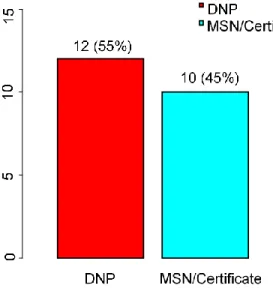
Figure 2. Participant Degree Enrollment ... 43
Figure 3. Participant Program Focus ... 43
Figure 4. Enrollment Year for Participants ... 43
Figure 5. Expected Graduation Year and Month for Participants ... 44
Figure 6. Change in Perceived Value of Sleep as a Coping Strategy ... 50
Figure 7. Change in Perceived Value of a Healthy Diet as a Coping Strategy... 50
Figure 8. Change in Perceived Value of Exercise as a Coping Strategy ... 51
Figure 9. Change in Perceived Value of Social Support as a Coping Strategy ... 51
Figure 10. Change in Perceived Value of Coaching/Goal Setting as a Coping Strategy ... 52
Figure 11. Change in Perceived Value of Mindfulness as a Coping Strategy ... 52
Figure 12. Change in Perceived Value of Breathing/Relaxation as a Coping Strategy ... 53
Figure 13. Contrast of Stress Awareness and Resiliency Behavior ... 55
Figure 14. Contrast of Coping Awareness and Resiliency Behavior... 55
Figure 15. Contrast of Personal Resiliency Awareness and Resiliency Behavior ... 56
Figure 16. Sleep: Contrast of Perceived Importance Versus Likelihood of Sleep ... 58
Figure 17. Healthy Diet: Contrast of Perceived Importance Versus Likelihood of a Healthy Diet ... 58
Figure 18. Exercise: Contrast of Perceived Importance Versus Likelihood of Exercise ... 59
LIST OF ABBREVIATIONS
ACHA-NCHA American College Health Association National College Health Assessment
ANA American Nurses Association APRN Advance Practice Registered Nurse Brief COPE Brief Coping Inventory
CAPS Counseling and Psychological Services
CoP Community of Practice
DASS-21 Depression Anxiety and Stress Scale 21 DEAL Detect, Evaluate, Act, Learn Model DNP Doctor of Nursing Practice
ID Identity
IHI Institute for Healthcare Improvement
MBI Maslach Burnout Inventory
MSN Masters of Science in Nursing
NP Nurse Practitioner
NSM Neuman Systems Model
OSA Objective Self-Awareness
PI Principal Investigator
POMS Profile of Mood States
PSS Perceived Stress Scale
PS1 Pre-Survey
PS2 Post-Survey
RN Registered Nurse
SON School of Nursing
STAI State-Trait Anxiety Inventory
UNC-CH University of North Carolina at Chapel Hill
CHAPTER 1: A COMMUNITY OF PRACTICE FOCUSED ON RESILIENCY The promotion of health and well-being, in part by coping with the normal stresses of life, is one of the World Health Organization’s (2013) main foci. Stress, as defined by Selye (1976), is a normal, non-specific physiological response to demands. Stress involves the response of endocrine and neurological systems to environmental stimuli (Kravits,
McAllister-Black, Grant, & Kirk, 2010; Rice, 2012). Physiological ways of describing stress include Canon’s flight or fight response and Selye’s generalized adaptation syndrome; a cycle of alarm, resistance, and exhaustion (Rice, 2012).
Stress triggers physiological changes, influences emotional and behavioral responses, and may be perceived as negative or positive (Khamisa, Peltzer, & Oldenburg, 2013; Lim, Bogossian, & Ahern, 2010; Nakata, 2012; Roy et al., 2014; Selye, 1976; Walker, Nilsson, & Jones, 2013). How a person responds to the experience of stress has a significant impact on whether they are able to reduce or exacerbate it (Chao, 2012; Kravits et al., 2010; Li & Nishikawa, 2012; Tachè & Selye, 1985). If stress is seen as a positive (eustress), it may motivate, excite, and improve focus; and by contrast, stress that is high, chronic, and/or perceived as a negative may have long-term, distressing health repercussions (Rodríguez, Kozusznik, & Peiró, 2013).
activity, and situational avoidance (American Psychological Association, 2014; Dyrbye, Thomas, & Shanafelt, 2005; Dyrbye et al., 2010; Kravits et al., 2010; Nahm, Warren, Zhu, An, & Brown, 2012; Roohafza et al., 2014). Common symptoms of stress include
irritability/anger, nervousness/anxiety, lack of interest/motivation, fatigue, feeling
overwhelmed, and depression/sadness (American Psychological Association, 2014). Stress is also associated with a variety of costly and comorbid illnesses such as cardiovascular disease, diabetes, obesity, and depression (American Psychological Association, 2014; El Ansari, Oskrochi, & Haghgoo, 2014; Ho, Neo, Chua, Cheak, & Mak, 2010; Khamisa et al., 2013; Lim et al., 2010; Nakata, 2012; Shiralkar, Harris, Eddins-Folensbee, & Coverdale, 2013). Additionally, high stress levels (particularly those linked with long work hours and a heavy workload) may lead to exhaustion, depersonalization, and a low sense of accomplishment, which are classified by Maslach as ‘burnout’ (Leiter & Maslach, 2009; Maslach, 1976; Maslach & Jackson, 1981; Maslach & Jackson, 1982; Romani & Ashkar, 2014; Sanchez-Reilly et al., 2013).
Since the individual perception of the positive and negative effects of stress is related to either the level and duration of stress or the presence/absence of targeted coping
Glancy, & Pitts, 2013; Shiralkar et al., 2013; Warnecke, Quinn, Ogden, Towle, & Nelson, 2011).
Behaviors that heighten mental health and well-being and manage stress are described as resilient (Kinman & Grant, 2011; Mealer et al., 2012; Southwick, Bonanno, Masten, Panter-Brick, & Yehuda, 2014). Individuals who employ resilient coping strategies are able to manage stress in a psychologically healthy way (Mealer et al., 2012; Neuman & Fawcett, 2010; Tachè & Selye, 1985). Coping strategies, which lower unhealthy stress-related symptoms and behaviors, may be taught and reinforced (Abel et al., 2012; Kravits et al., 2010; Regehr et al., 2013; Regehr, Glancy, Pitts, & LeBlanc, 2014). Recognition and awareness of high stress levels and one’s subsequent coping strategies are an important first step in promoting resiliency (Regehr et al., 2013; Regehr et al., 2014; Shiralkar et al., 2013; Yusoff & Esa, 2014).
Background and Significance
Graduate students, including those in health related programs, report higher levels of stress than the general population, for a variety of reasons (Boren, 2013; Dyrbye et al., 2014; Payakachat, Gubbins, Ragland, Flowers, & Stowe, 2014). Multiple barriers have been reported in the literature and include: 1) situational barriers, such as multiple life roles of the adult learner, financial challenges, and lack of time; 2) institutional barriers, such as class location and geographical distance; and 3) dispositional barriers such as negative self-perception of one’s learning abilities or unfamiliar technology (El-Ghoroury, Galper,
recognized or not by the individual, are concerning because they may impair students’ ability to succeed academically and professionally (Regehr et al., 2013; Yusoff & Esa, 2014).
Graduate nursing students may also be at higher risk for stress-related harm because as healthcare professionals, they belong to a population that reports high stress in general (Aiken et al., 2011; American Nurses Association, 2011; Boren, 2013; Dyrbye et al., 2014; Fiabane, Giorgi, Musian, Sguazzin, & Argentero, 2012; Khamisa et al., 2013; McHugh, Kutney-Lee, Cimiotti, Sloane, & Aiken, 2011). Stress that is experienced by clinicians is widely researched and studies report that if it is not addressed, stress may lead to burnout that has the potential to negatively impact patient care through poor care delivery (Dyrbye et al., 2010; Gramstad, Gjestad, & Haver, 2013; Maslach & Jackson, 1982; Sanchez-Reilly et al., 2013; Van Bogaert, Kowalski, Weeks, Van Heusden, & Clarke, 2013; Yusoff et al., 2013b). As a result, it is important to be sure that health care professionals are educated in being more aware of stress and are familiar with personalized resources for resiliency. It is also essential that health care professionals have an opportunity to practice and learn these new coping mechanism in supportive environments.
CHAPTER 2: REVIEW OF THE LITERATURE Populations at Risk for Stress
The conceptualization and understanding of stress is significant and relevant for all individuals. In America alone, the population at large reports stress as a significant health risk, with 74% of the Americans polled by the Robert Wood Johnson Foundation and Harvard’s School of Public Health stating that stress adversely impacted their health
(National Public Radio/Robert Wood Johnson Foundation/Harvard School of Public Health, 2014). These numbers are mirrored in nursing populations, with 74% percent of respondents to the 2011 American Nurses Association (ANA) health and safety survey reporting stress as their top safety concern. American nurses have reported their concern over experiences of acute and chronic stress for over a decade (from 2001 to 2011), and during this time the trend has risen from 70 to 74% (American Nurses Association, 2011).
Different stress responses are notable by gender. Females consistently report higher stress levels than males (Cohen & Janicki-Deverts, 2012; Jungbluth, MacFarlane, Veach, & LeRoy, 2011). The American Psychological Association (2010) released a report
highlighting a few key gender-related facts. In a study (n=1134) respondents reported: 1. Females were more likely than males to report high stress levels (28% versus 20%)
and to report that their stress levels were increasing (49% females versus 39% males). 2. Females were more likely than males to report physical symptoms associated with
3. Females were more likely than males to highlight the importance of sleep in reducing stress (75% versus 58%).
4. Few females (35%) reported success in their efforts to manage stress; however this percentage was higher than the 30% of male respondents who reported success (an interesting contrast with the first point)
These gender-related data have important ramifications for nursing since 91.3% of registered nurses in America are female (United States Department of Labor, 2014). Stress, which poses health concerns for many people, is equally important to nurses, affecting both their self-care and professional care. Stress is also a concern for nursing students at the graduate level.
Stress in Graduate Students
Graduate education in general poses stressful challenges that may be linked to
individual responses to new roles, multiple responsibilities, and fiscal and relationship strains (Khamisa et al., 2013; Leineweber et al., 2014; Shepherd & Nelson, 2012). As graduate students, medical students are a well-studied population and particularly prone to reporting high levels of stress, anxiety, and depression (Boren, 2013; Dyrbye et al., 2014; Payakachat et al., 2014). However, researchers have questioned why this is the case, when medical students should seem to be healthier than the general population, given their high
socioeconomic status and education level (Dyrbye, Thomas, & Shanafelt, 2006; Gramstad et al., 2013).
Upon further examination, graduate student stress arises from factors beyond
to contemplate suicide and/or seriously consider leaving their educational programs (Dyrbye & Shanafelt, 2011). Overall student stress may be underestimated, as few students report seeking help (Leahy et al., 2010), though many note diminished quality of life when responding to research studies (Mazerolle et al., 2012; Paro et al., 2014; Paro et al., 2010). Interestingly, warning signs such as academic struggles are not necessarily a good marker of student burnout, given the fact that conscientious individuals are at risk for being burned out while still performing at high levels (Doherty & Nugent, 2011; Tyssen et al., 2007).
mitigate stress during graduate training and professional activities (Dyrbye & Shanafelt, 2011; IsHak et al., 2013; Riise, 2012).
Stress in Graduate Nursing Students
Although medical and dental students’ stress has been well documented, there are limited studies investigating stress in graduate nursing students (Alzahem, Van der Molen, Alaujan, Schmidt, & Zamakhshary, 2011; Boren, 2013; Dyrbye et al., 2014; Payakachat et al., 2014). This gap in the literature exists despite the fact that employed registered nurses widely report experiencing high levels of stress that subsequently can lead to poor health and professional burnout (Aiken et al., 2011; Ho et al., 2010; Khamisa et al., 2013; Lim et al., 2010; McHugh et al., 2011; Nakata, 2012; Toh, Ang, & Devi, 2012; Tucker, Harris, Pipe, & Stevens, 2010; Van Bogaert et al., 2013). Surveys of these nurses have reported that stress has been linked to lower self-reported health including irregular eating patterns, low physical activity, higher weight than is considered healthy, and increased substance use/abuse (Nahm et al., 2012; Tucker et al., 2010). These outcomes are relevant to graduate nursing students, since entrants to clinical graduate nursing programs are often required to have at least one year’s experience in nursing (University of North Carolina at Chapel Hill School of Nursing, 2015a) and so belong to a population that reports baseline high stress and poor wellness/self-care behaviors (Khamisa et al., 2013; Nahm et al., 2012; Tucker et al., 2010; United States Department of Health and Human Services, 2008). Without a thorough assessment of student reasons for attending graduate training, it is useless to speculate on how potential burnout could impact these students. However, the gap in the literature regarding stress and resiliency status in graduate students entering nursing programs merits further research.
time, unfamiliarity with technology, and new, academic roles (Cohen, 2011; Reilly & Fitzpatrick, 2009; Shepherd & Nelson, 2012; Veal et al., 2012). Research by Cohen (2011) found that students agreed on several key themes: 1) conflicting roles; 2) difficult transitions into the academic setting; and 3) delays in academic progression. Reilly and Fitzpatrick (2009) measured stress and belonging in (n=89) Doctor of Nursing Practice (DNP) students who reported stressors such as changes in relationships with family/friends, finances, and personal health. These stressors negatively correlated with individual’s sense of personal investment and belonging in the program. The study was limited by the fact that the majority of participants were females with a mean age of 40-50, who worked in nursing education and were part-time students. A separate study of (n=16) ethnically diverse female nursing
students qualitatively described their stressors: 1) A sense of disconnect due to multiple life roles and their perception that graduate students had a marginal campus voice; 2) lack of social integration, especially with peers who had many years of nursing experience; and 3) frustration with unfamiliar technology (Veal et al., 2012). Kulesa (2014) looked at
compassion fatigue in DNP students and found that of 59 participants, nearly three quarters reported burnout and stress. Maville, Kranz, & Tucker (2004) examined stress in (n=12) Nurse Practitioner (NP) students during their final year of graduate studies and ninety-two percent (91.6%, n=11) reported either above average stress or the highest stress ever in their lives. The same students also reported multiple life responsibilities and time management challenges, challenging curriculum, financial strain, and a sense that the student
responsibilities associated with potential roles as a parent, spouse and/or caretaker. The opportunities offered by an advanced degree do not prevent nurses from having to work long hours that are also often associated with declines in health provider functioning and patient safety. In 2008, there were 250,527 advance practice registered nurses in the United States (United States Department of Health and Human Services, 2010b). The majority of this sub-population identified as nurse practitioners; of these, 63.5% reported working more than 40 hours a week, with more than a quarter working 48 or more hours a week (United States Department of Health and Human Services, 2010b). Given these long hours, there is an ongoing need to promote and actively develop resiliency in future practitioners.
Stress on College Campuses
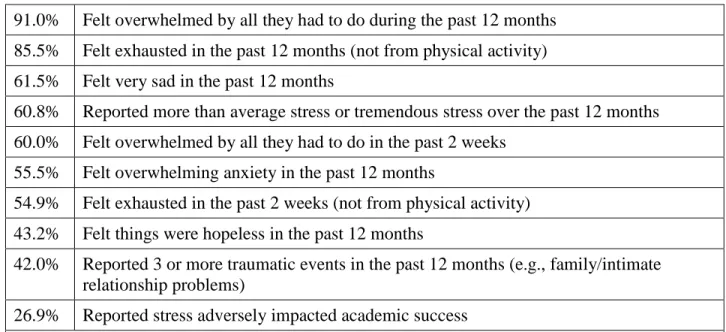
Stress is widely reported among university students (Regehr et al., 2013) and occurs frequently on the University of North Carolina at Chapel Hill (UNC-CH) campus, according to 2013 data provided by the American College Health Association (ACHA, 2013). In fall 2013, the ACHA surveyed 32,964 American college students, of which 978 were from UNC-CH (constituting 13.1% of the UNC-UNC-CH student population). Responses provided
Table 1. UNC-CH Student Self-Reported Health (n=978)
91.0% Felt overwhelmed by all they had to do during the past 12 months 85.5% Felt exhausted in the past 12 months (not from physical activity) 61.5% Felt very sad in the past 12 months
60.8% Reported more than average stress or tremendous stress over the past 12 months 60.0% Felt overwhelmed by all they had to do in the past 2 weeks
55.5% Felt overwhelming anxiety in the past 12 months
54.9% Felt exhausted in the past 2 weeks (not from physical activity) 43.2% Felt things were hopeless in the past 12 months
42.0% Reported 3 or more traumatic events in the past 12 months (e.g., family/intimate relationship problems)
26.9% Reported stress adversely impacted academic success
Note. This data was obtained through the American College Health Association (2013) National College Health Assessment (ACHA-NCHA II).
Stress Reduction/Resiliency
2013; Yeager & Dweck, 2012). Resiliency can also be developed and practiced and may be viewed as the ability to harness resources to promote well-being (Panter-Brick, 2014; Southwick et al., 2014).
Stress Reduction/Resiliency in Graduate Students
Overcoming stress necessitates understanding key factors to success in resilient graduate students. Nurses who have succeeded in graduate school noted the importance of faculty and peer support, celebrating personal growth, and self-care in overcoming stress-inducing challenges such as compassion fatigue, role conflict, lack of sleep, faculty conflict, and isolation (Cohen, 2011; Kenty, 2000; Kulesa, 2014). In 2006, the Yale School of Nursing developed weekly peer support groups for graduate nursing students (n=100) and found that students valued and learned from interpersonal stress reduction meetings (Hamrin, Weycer, Pachler, & Fournier, 2006). Besides networking and social support, persistence is key (Cohen, 2011; Shepherd & Nelson, 2012; Veal et al., 2012). The importance of perceived personal investment and accomplishment in regulating stress are also important (Gramstad et al., 2013; Rice, 2012; Romani & Ashkar, 2014).
In the fields of psychology and medicine, researchers suggest assessing entry-level graduate students to identify their current coping skills and to provide possible supportive measures where deficits exist (Regehr et al., 2014; Ying & Han, 2009; Yusoff, Yaacob, Naing, & Esa, 2013). Coping-related interventions undertaken during the course of training, especially mindfulness and meditation, have been effective in reducing stress (Barbosa et al., 2013; Shiralkar et al., 2013; Warnecke et al., 2011) According to the Robert Wood Johnson Foundation and Harvard’s School of Public Health, a sense of control over stressors
reflect on and potentially change their views of their perceived stressors may be an effective means of reducing stress. However, stress reduction interventions should not focus
exclusively on academic achievement but instead on overall student health and well-being (Galbraith & Brown, 2011).
Stress Reduction Training and Strategies
The research on stress reduction training for healthcare students and professionals over the past 30 years has been characterized by successful results that are limited by moderate to low quality research and non-standardized methods (Regehr et al., 2014; Shiralkar et al., 2013; Yusoff, 2014). Twenty-nine (n=29) of the best-designed studies over the last three decades report small numbers, limited randomization, and inconsistent outcome measures (Regehr et al., 2014; Shiralkar et al., 2013; Yusoff, 2014). Since stress reduction trainings have few consistent methodologies or outcomes, replicating stress reduction trainings has been further complicated by factors such as non-standardized training length (four hours to more than eight weeks) and content. In spite of the need for more rigorous research, there is strong evidence that stress reduction is effective.
Yusoff, 2014). Interventions longer than eight weeks did not report measurably better outcomes than shorter interventions, and significant stress reduction occurred with a variety of interventions: pass/fail courses, mindfulness, self-hypnosis, and stress-management training (Yusoff, 2014). Table 2 provides a synopsis of the type of stress reduction interventions commonly provided to healthcare students and professionals.
Table 2. Types of Stress Reduction Studies Among Healthcare Students and Professionals Curricular Changes (5 studies) Individualized Strategies (24 studies) Course Grading (Pass/Fail versus Scaled)
Academic Year Length (42 versus 47 weeks) Curriculum Length (2 versus 3 years)
Emotional Analysis
General Stress Management Meditation
Mindfulness Self-Care
Self-Development Self-Hypnosis
Note. Adapted from Regehr et al., 2014; Shiralkar et al., 2013; Yusoff, 2014
high-quality research utilizing stress reduction interventions, as they positively impact student health (Regehr et al., 2014; Shiralkar et al., 2013; Yusoff, 2014).
Stress Reduction in Community
A supportive community is also important for stress reduction. Social support, in general, is linked to mental health (Thoits, 2011) and helping one with life’s challenges, specifically with change and achieving goals (Westaby, Pfaff, & Redding, 2014).
Additionally, positive interpersonal interactions are important to academic success and are reported by a variety of graduate students, including medical students, as key stress-relievers (Cohen, 2011; Jungbluth et al., 2011; Shepherd & Nelson, 2012; Veal et al., 2012). By contrast, psychosocial stress negatively impacts the immune system (Nakata, 2012). Using community-based interventions to raise awareness of and support individualized coping is an effective strategy in regulating stress (Abel et al., 2012; Regehr et al., 2013).
Communal focus on individual health goals may create an atmosphere that utilizes positive peer pressure to enable change (Mann, de Ridder, & Fujita, 2013; Westaby et al., 2014). Group-based efforts and cohesion may reduce stress, independent of specific chosen intervention (Boren, 2013; Li, Early, Mahrer, Klaristenfeld, & Gold, 2014; Romani & Ashkar, 2014). Relationships may also support continued behavior change (Thoits, 2011).
Resiliency and Professional Implications
Learning how to manage stressors is a useful skill in any chosen career field (Lent & Brown, 2013). Reducing stress that could lead to burnout is especially important in
experience burnout more frequently than the general population (Dyrbye et al., 2014) and that this burnout adversely impacts clinical-decision making (Dyrbye et al., 2010; Romani & Ashkar, 2014; Sanchez-Reilly et al., 2013). Burnout is also linked to unprofessional
behavior, working while ill, and high workplace overturn (Dyrbye & Shanafelt, 2012; Gramstad et al., 2013; Shanafelt et al., 2012; Toh et al., 2012; Van Bogaert et al., 2013; Yusoff, Esa et al., 2013). Knowing how to be resilient in the workplace is therefore a useful professional skill.
Nursing Values and Stress
Stress management and reduction are top nursing values. According to Nightingale (1860), the goal of nursing is to “put the constitution in such a state as that it will have no disease, or that it can recover from disease” (para. 1). This includes primary prevention efforts to reduce stress before it leads to disease. Additionally, the American Nurses Association (ANA, 2014) has made stress-management a priority, and this organization recommends that clinicians use good communication, self-care, and mentoring. Addressing potential ill health from an environmental perspective is a theme found throughout the ANA’s Code of Ethics (American Nurses Association, 2013, provisions 3 & 6).
Three nursing theorists who specifically address caring in terms of health are
adequately cope with stress (Günüsen, Ustün, & Gigliotti, 2009). By implication, wellness and prevention efforts may focus on efforts to cope with stress resiliently.
Solutions to stress may also be understood in terms of Jean Watson’s theory, Caring Science (Watson, 2009). According to Watson’s idea of Caritas, caring is integral to nursing and may utilize care plans that support and restore health (Nelson & Watson, 2011).
Watson’s theory has been studied in concert with burnout in nursing populations (Johnson, 2011) and may be applied practically when nursing populations prioritize self-care and support it through policy, environment, and training changes. Additionally, individuals themselves may formulate a self-care plan (Sanchez-Reilly et al., 2013).
Swanson (1993) developed a middle range level theory of caring, which begins by assessing if the nurse has the capacity for caring. Stress which leads to exhaustion and cynicism diminishes one’s capacity to care (Maslach, 1976). It is important to note that nurses are directed by the ANA’s Code of Ethics to practice self-care, as the “nurse owes the same duty to self as to others” (American Nurses Association, 2013, provision 5). Low personal resiliency and high stress must be addressed because the nurse has the duty to practice “with compassion and respect for the inherent dignity, worth, and uniqueness of every individual” (American Nurses Association, 2013, provision 1). We should therefore prioritize integrating self-care as stated by the ANA, Neuman, Watson, and Swanson into professional training.
Communities of Practice
Communities of practice (CoPs) are one way to incorporate evidence-based resiliency strategies into student training. CoPs are networks of people, often practitioners, who
communal relationships developed around this domain, and a shared practice or tools (Wenger, McDermott, & Snyder, 2002). CoPs may exchange information and facilitate the implementation of evidence-based practice through face-to-face interaction, email and/or online communication (Ranmuthugala et al., 2011; Swift, 2014).
In creating knowledge networks, CoPs may support the individualized experience of both community members and the individuals who these members serve (Jagasia, Baul, & Kumari, 2014). Creating a community of practice focused on resiliency and stress reduction strategies should allow members to focus on personal health and well-being while learning skills that may be passed on to patients (Regehr et al., 2014; Sanchez-Reilly et al., 2013; Yusoff, 2014; Yusoff & Esa, 2014). CoPs also promote positive interpersonal interaction and group-based efforts and cohesion, which are also stress-relievers (Boren, 2013; Boren & Veksler, 2015; Cohen, 2011; Jungbluth et al., 2011; Kulesa, 2014; Li et al., 2014; Shepherd & Nelson, 2012; Veal et al., 2012).
Policy and Health Interventions
health and well-being. Well-being, a positive experience of daily life, is reflective of perceived quality of life (United States Department of Health and Human Services, 2010a). This makes addressing stress and resiliency crucial in meeting the standards raised by national policy.
The Triple Aim is an example of a strategic initiative that is healthcare specific and may be used to support resiliency interventions. Developed by the Institute for Healthcare Improvement (IHI), the Triple Aim is a framework for improving health care systems by focusing on three measures: population health, patient experience, and cost (Institute for Healthcare Improvement, 2014). These aims may be incorporated into a focus on resiliency and stress reduction in graduate students who will be healthcare providers. One goal of the IHI is that the experience of care should include safe, timely, effective, and efficient interventions, which will impact the individual experience of quality and satisfaction (Institute for Healthcare Improvement, 2014). Resiliency may arguably positively impact patient experience of care, as providers who do not care for themselves and those in poor work environments are at greater risk of experiencing burnout (mental and physical
CHAPTER 3: PROJECT PROPOSAL Conceptual and Theoretical Framework
Originally proposed by Duval & Wicklund in the 1970s (Duval & Wicklund, 1972), Objective Self-Awareness (OSA) is a theory rooted in social psychology. According to OSA, self-awareness of a personal state of being, behavior, and/or values is possible; such
awareness may be developed and allow for directed change (Silvia & Duval, 2001). While changes in behavior may occur without self-awareness and in response to focused
attentiveness, self-awareness among individuals and populations may lead to desired changes (Silvia & Phillips, 2013). OSA has been adapted by various thinkers and used to influence outcomes in emotional training, self-assessment, behavior change, and group dynamics (Silvia & Duval, 2001). It has also been utilized as a research tool for analyzing stigma, mood, and intention (Pinel & Bosson, 2013; Yang & Chang, 2010).
a natural comparison against standards, which then allows for both self-focus and a rational comparison to influences (Taylor, 2010).
A further development of the OSA theory is that awareness of discrepancies between self and standard leads to either avoidant or change behaviors (Silvia & Phillips, 2013). In using self-awareness as a method to distinguish between change intention and behavior, OSA simplifies some of the complexity inherent in assessing change-readiness. By this theory, change is individualized: the likelihood of avoiding or choosing change is dependent upon individual assessment of the probability of being able to address the problem and the anticipated rate of change (Silvia & Duval, 2001). Such a clear method of predicting individual behavior makes OSA relevant to projects which seek to promote participant self-analysis and behavioral change. Additionally, OSA provides methodological guidance; that the intervention should incorporate strategies to promote self-awareness.
Recent years have brought the distinction between the terms awareness and attentiveness (Silvia & Phillips, 2013). One study showed that changes in behavior may occur without self-awareness, in response to attentiveness to the desired behavior (Silvia & Phillips, 2013). In this example, participants learned a task after being directed in ways that focused their attention upon it without being able to verbalize full awareness of what it was they were learning. This might seem to challenge the idea of focus leading to self-awareness; however, attentiveness which has not yet reached self-awareness has been
incorporated into OSA as complimentary to it and worthy of further study (Silvia & Phillips, 2013).
observation, as OSA assumes? If so, will one’s observations and reflections be accurate? Another is that since change can be undertaken without self-awareness, it may be preferable to do so (Silvia & Duval, 2001). To answer the first, whether or not one’s observations about oneself are accurate or objective, self-perception impacts one’s response to stimuli.
Becoming more self-aware would allow one to notice one’s stress-linked responses and would be a likely effect of any stress-assessment survey (Silvia & Duval, 2001). That is, if one becomes aware of comparing oneself to standards, one is utilizing dialectic judgment (a comparison of the current state against the various possibilities for that state, given self-perception of influences, etc. (Silvia & Duval, 2001). Thus, surveys lead to an increased comparison against external and internal standards regarding stress (Silvia & Duval, 2001). Truthfully, this may not always be a positive. For example, using OSA, an individual who has anegative perception of self may take more responsibility for poor outcomes than is truly objective; by contrast, someone with an inflated opinion of self may avoid claiming
responsibility for the negative consequences of their actions (Pinel & Bosson, 2013). Either one of these factors would then impact individual willingness to undertake change. Despite these concerns, OSA appears to be a theory which could be successfully adapted to measure stress and to implement a resiliency-focused solution.
Problem Statement
Graduate students are an example of a population (and sample of convenience) in which to explore this issue further. In this proposed study, graduate nursing students are the focus, with the notion that they are health care professionals whose development of self-awareness about self-care and resiliency may occur within community.
Purpose
The purpose of this project was to create a CoP focused on resiliency in graduate nursing students. By engaging this CoP, we hoped to positively support students’ sense of community and ability to care for themselves as well as others. Ideally, these clinicians-in-training will pass on their resiliency knowledge and skills to future colleagues and patients through informal discussions and formal education.
Clinical Questions
Do SON graduate students who engage in a CoP focused on resiliency report a change in resiliency from pre-training to post-training?
Has the designed intervention reached the targeted population, and do individuals report intent to continue practicing resilient self-care behaviors?
Project Design
Methods
In establishing a community of practice, a variety of methods and measurements were used. The following section will discuss setting, participants, instruments, intervention components, and resources.
Setting
The project site was the UNC-CH SON, a public school of nursing whose mission statement is “To enhance and improve the health and well-being of the people of North Carolina and the nation . . . through its programs of education, research, and scholarship, and through clinical practice and community service” (University of North Carolina at Chapel Hill School of Nursing, 2015b, para. 1). The SON reported a total of 258 enrolled graduate students and 276 undergraduates during the 2014-2015 academic year (University of North Carolina at Chapel Hill School of Nursing, 2015c). The majority of graduate classes are online, hybrid, or meet only once a week (University of North Carolina at Chapel Hill School of Nursing, 2015b). Although stress-related data are unavailable specifically for graduate students at the SON, data published from the overall university community (See Table 2) shows that UNC-CH students could benefit from resiliency training.
Participants
The targeted sample were clinically-focused (MSN, DNP, or certificate) graduate nursing students at UNC-CH SON. Inclusion criteria were enrollment as a clinically-focused (MSN, DNP, or certificate) graduate nursing student at UNC-CH SON and signature of the consent form. Exclusion criteria included failing to complete the pre-survey or dropping out the program.
information provided during fall 2015 student orientation). Examples of the flyer, emails to incoming and current students, and the group script are found in Appendix A. Participants were given written information about the program and its potential benefits and risks as well as the opportunity to drop out at any point in time (See Appendix B). Participants’ privacy and confidentiality were maintained with no adverse effects if they left the study.
As an incentive, at the end of the research study, a drawing based on chance was held in which each participant who completed the entire research study had an equal chance at winning 1 of 5 $10 gift cards. Since the surveys had an anonymous code, the honor system was used and participants were sent an email with a link in which they were asked to state that they had completed the pre- and post-surveys and to provide their email and name for the drawing.
Data Collection Instruments
This section provides an overview of the instruments used to measure changes in participant’s awareness, stress levels, behavior, and perception of the CoP (see Appendix C). Instruments used in the pre- and post-survey included a Likert scale to measure stress as well as validated questionnaires to measure stress (DASS-21 [Depression, Anxiety and Stress Scale 21]) and coping (Brief COPE [Brief Coping Inventory]. Two other sections of questions were incorporated into the pre- and post-survey: 1) Questions on change in
participant awareness and behavior related to stress, coping, and resiliency, and 2) Questions on participant value of the intervention (See Appendix C). Optional electronic weekly surveys, which asked questions on the value of the weekly bulletins, were also administered.
Questionnaires. Questionnaires provide a consistent method to collect data, although their reliance on self-report means that questionnaires are subject to participant’s
questionnaires fits the study design to measure the participant’s overall state of resilience. The questionnaires selected for this project were the DASS-21 and Brief COPE, which are well-validated instruments that have been used to measure health, wellness, and disease in a variety of populations, including healthcare professionals and wellness workshop participants (Regehr et al., 2014; Shiralkar et al., 2013; Yusoff, 2014). At the present time, scales to measure resiliency do not enjoy the same literature support or widespread application as instruments such as DASS-21 and Brief COPE, and so were not included.
DASS-21 is a measurement in the public domain and is often used to measure stress (Antony, Bieling, Cox, Enns, & Swinson, 1998; Henry & Crawford, 2005; Mahmoud, Hall, & Staten, 2010). DASS-21 has strong internal consistency and is valid, with alpha reliability coefficients ranging from .87 to .94 (Antony et al., 1998; Mahmoud et al., 2010). DASS-21 is a questionnaire that uses Likert measurements and three 7 item sub-scales to identify and assesses mental health in terms of: 1) Depression, 2) Anxiety, and 3) Stress. DASS-21 is scored by multiplying the total score by two (Lovibond & Lovibond, 1995). A score less than 26 is considered normal stress; 26-60 is mild to moderate, 61-126 reflects high to severe stress (Lovibond & Lovibond, 1995). The DASS-21 questionnaire is included in Appendix D and the permission to use it is located in Appendix E.
Changes in Participant Awareness and Behavior. The pre- and post-survey
included questions on changes in participant awareness and behavior related to stress, coping, and resiliency (See Appendix C). In addition to general awareness and behavior questions regarding stress, coping, and resiliency, participant value and use of various coping strategies were measured in the pre-survey and post-survey. These values were measured with a Likert scale (1-5).
Participant Value of the Intervention. Additionally, questions were asked in the post-survey as to what participants perceived worked well, what would be removed, and what could be added. Participants were also given the chance to rate the value of intervention components on a Likert scale of 1-5 (See Appendix C).
Intervention Components
The intervention was designed using sequential methods to focus on and support graduate nursing students’ resiliency by 1) discussing stress in a community; 2) raising awareness of current coping behavior and resiliency; and 3) providing strategies so that students may apply resiliency behavior to future stressors (See Appendix H). Intervention components coupled a targeted brief intervention (face-to-face workshop) with follow-up weekly bulletins including a link to a weekly electronic survey, the optional Facebook site, and with opt-out texts reminders (technology). During this process, participants were asked to:
Attend a one-time, 1-hour workshop, during which they interacted, learned, and completed a short self-care/resiliency plan (See Appendices I, J, and K)
Optionally join a Facebook site and/or receive weekly text as reminders to practice resiliency (See Appendices L and M)
Complete a pre-survey (week 1) and post-survey (after week 8) that included
questionnaires (DASS-21 and Brief COPE) as well as additional survey questions (See Appendix C)
Complete optional weekly short surveys (See Appendix C)
The following section describes these components in greater detail.
Workshop. A one-hour workshop that used the DEAL (detecting, evaluating, acting on, and learning from stressors) method was employed (Yusoff & Esa, 2012; Yusoff, Yaccob et al., 2013; Yusoff & Esa, 2014). This model was adapted to fit a 1-hour time slot, using data addressed to nursing students (rather than medical students) and incorporating UNC-CH specific resources (See Appendix K). The workshop was offered at four distinct times during the first week of the semester to accommodate varied schedules, and it defined stress and resiliency, discussed stress reduction techniques and current coping strategies, and allowed participants to create a self-care/resiliency plan (See Appendix I). Campus-specific resources were provided, and students were challenged to develop a short resiliency plan that included practicing one or more stress reduction strategies consistently for eight weeks.
recordings available online (from Student Wellness and other sources). Additionally, each bulletin included a link to an optional survey on the usefulness of that week’s content and to the project’s Facebook site, where data was uploaded that was open to all participants (See Appendix L).
Technology. Technology is an effective means of developing community. Student success in graduate school is very dependent upon informational and interactive networking (Cohen, 2011; Kulesa, 2014; Shepherd & Nelson, 2012; Veal et al., 2012). Online project delivery overcomes geographic challenges while providing peer support and is effective in teaching stress reduction (Davies, Morriss, & Glazebrook, 2014; Frazier et al., 2015; Maher et al., 2014). Online social communities may help with decisional empowerment but may not provide effective support for behavioral change (Korda & Itani, 2013). This may be
ameliorated by optional text-based reminders that promote interaction with the intervention and support change (Korda & Itani, 2013). Interventions utilizing social media must realize that effectiveness is influenced by participant age and readiness to change (Davies et al., 2014; Korda & Itani, 2013). An optional weekly text reminder was sent to students who opted-in to the text option, thereby integrating technology into the entire intervention. Besides the use of email to deliver bulletin content and optional weekly texts, technological components included electronic surveys in Qualtrics, and a Facebook site that contained content and provided a platform where participants could interact.
Brühl, 2010; Santarnecchi et al., 2014). Eight weeks of interventions such as mindfulness is common and results in neural changes (Britton, Shahar, Szepsenwol, & Jacobs, 2012;
Davidson & McEwen, 2012; Kemeny et al., 2012), and abbreviated on-site interventions with follow-up are effective as well (Fortney, Luchterhand, Zakletskaia, Zgierska, & Rakel, 2013).
DEAL Model
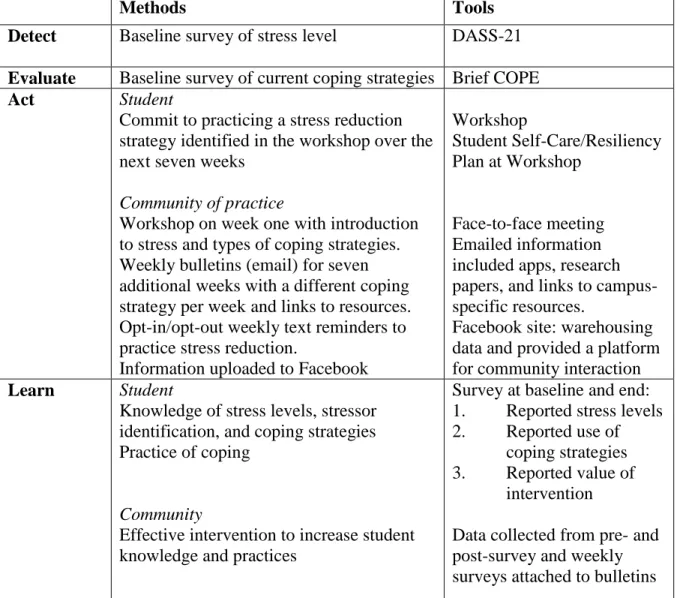
Table 3. The DEAL Model Applied to a Graduate Nursing Student Community of Practice
Methods Tools
Detect Baseline survey of stress level DASS-21 Evaluate Baseline survey of current coping strategies Brief COPE
Act Student
Commit to practicing a stress reduction strategy identified in the workshop over the next seven weeks
Community of practice
Workshop on week one with introduction to stress and types of coping strategies. Weekly bulletins (email) for seven additional weeks with a different coping strategy per week and links to resources. Opt-in/opt-out weekly text reminders to practice stress reduction.
Information uploaded to Facebook
Workshop
Student Self-Care/Resiliency Plan at Workshop
Face-to-face meeting Emailed information included apps, research papers, and links to campus-specific resources.
Facebook site: warehousing data and provided a platform for community interaction Learn Student
Knowledge of stress levels, stressor identification, and coping strategies Practice of coping
Community
Effective intervention to increase student knowledge and practices
Survey at baseline and end: 1. Reported stress levels 2. Reported use of
coping strategies 3. Reported value of
intervention
Resources
Initial project development occurred in a resource-rich environment and thus incurred limited costs. The workshop and bulletins included in this project were developed by the principal investigator (PI), with additional resources provided by email and located on the Facebook site. UNC-CH Student Wellness provided feedback on UNC-CH specific content for weekly bulletins (J. Radhakrishnan, personal communication, March 31, 2015). The UNC-CH SON clinically oriented graduate program directors (PD) approved of the PI promoting the project to their students, and the Assistant Dean of the Office of Student Affairs facilitated promotion of the project to current and incoming students.
Table 4. Budgetary Costs
Item Average
Cost
Number Total Cost
Funding Source Office Supplies (printing paper,
worksheets, folders, flyers)
Black and white copies 0.13 655 85.15 PI (Office Depot)
Pack of Sticky Notes 1.99 1 1.99 PI (Office Depot)
Pack of blue folders (5 count) 9.99 4 39.60 PI (Office Depot) Paper and copies, UNC-CH
printers
- - 27.00 PI (UNC-CH One
Card) Validated Instruments
(DASS-21 and Brief COPE) and Survey
0 2 0.00 -
Technological tools (e.g. Qualtrics, Facebook)
Qualtrics 0 1 0.00 -
Facebook 0 1 0.00 -
Mighty Text subscription 4.99 monthly
2 9.98 PI (Mighty Text)
Flash drive 12.99 1 12.99 PI (Office Depot)
Food items for workshop attendees
- - 70.75 PI (Food Lion)
Gift Card for completing the entire project (raffle item)
10 5 50.00 PI (Food Lion)
Statistical Analysis (hourly) 20 Hourly
7.5 150.00 PI (Bank of America)
Poster Printing - 1 94.57 PI (FedEx)
Project sustainability was enhanced by partnering with UNC-CH Student Wellness and the SON Office of Student Affairs. UNC-CH Student Wellness, which offers health-related workshops on campus, including at the Schools of Medicine and Dentistry, offered to assist with future health-related workshops for the SON and expressed interest in discussing the application of project results to other graduate student populations (J. Radhakrishnan, personal communication, March 31, 2015). The SON Office of Student Affairs was approached to share student-related outcomes and to facilitate content warehousing upon project completion. SON faculty champions will be essential to the sustainability of this community of practice, and dissemination of project-related information will be key, as will accessibility to project content. A toolkit was developed to warehouse content specific to this project and to assist in promoting a wider dissemination of the resiliency methodology (See Appendices I, J, and K for content of the workshop, bulletins, Facebook site, and texts).
Data Analysis Plan
Baseline success was measured by the quantity and quality of data gathered and the reach and effectiveness of the intervention. Data included the demographics of participants, paired surveys, quantitative data (from the pre-, post-, and weekly surveys), and qualitative themes identified through workshop discussions, Facebook posts, and select questions on the pre- and post-survey. This pilot project expanded the body of knowledge regarding a CoP focused on stress reduction and resiliency in graduate nursing students.
Data Collection
were reviewed weekly. The second administration of the DASS-21, Brief COPE, and additional questions (the post-survey) occurred electronically after eight weeks.
Qualitative Data. Qualitative data from group discussions at the workshop and on Facebook were summarized thematically and added to data from the qualitative questions on the survey.
Data Confidentiality
Participants created an anonymous code using the procedure described by Damrosch (1986), and this code known only to the participant was used on all survey results, data storage and analysis (See Appendix N). Demographic questions were limited to lessen the risk of identifying participants. All identifiable information that was collected for this
research study remained confidential and will be disclosed only with student permission or as required by law and/or UNC-CH policy. The consent forms, with student names, emails, and phone numbers, were collected and stored separately from survey results in a secure, locked cabinet.
The face-to-face meeting and Facebook site were, by design, not
anonymous. Participants were reminded at the meeting, on the Facebook site, and in the
consent form that researchers would do their best to retain confidentiality; however, anything
participants state in person or post online would not be anonymous. Additionally, the
participants were required to sign the UNC-CH SON Social Media Form before being sent a
Statistical Analysis
Data analysis was attempted using a paired t-test analysis to assess changes in the pre- and post-survey scores. Initially, a power analysis was performed to provide the needed number of samples; a power analysis of 80% would have been required to detect a moderate effect size of 0.5; this value was based upon a paired t-test with a 0.05 two-sided significance level. At these values, the optimal minimum sample size was 34 for a two-sided t-test and 27 for a one-sided t-test. Given the expected loss to follow-up (with reduction in effective sample size), the initial sought sample size was 40-50 participants.
Given the low number of recruited participants, both a paired two-sided and one-sided t-test were performed, along with a test of normality. The null hypothesis for the two-sided t-test was H0: change in stress scores between pre and post were equal to zero. The alternative hypothesis for the one-sided t-test was H1: change in stress scores between pre and post were larger than zero. With a small number of enrollees and limited
retention/pairing, the t-tests did not yield overall statistically significant comparisons. Raw data was aggregated and mean values and percentages reported. Descriptive statistics were used to describe the demographic distribution in participants, while reach, retention, and participant feedback were also compiled in order to measure the
implementation process.
those who completed the final survey. Satisfaction was measured by participant response to survey questions.
Scope of Practice and Safety Measures
The use of interventions to promote wellness is within the scope of practice of registered nurses in North Carolina. Registered nurses (RNs) are able to promote health and wellness and provide, disseminate and use educational tools to facilitate learning to
individuals, groups, families and communities. Such preventive measures fit within the nursing scope of practice in North Carolina, where the Nurse Practice Act includes “caring, counseling, [and] teaching... in the maintenance of health” as well as “care given to maintain the optimum health levels of individuals, groups, and communities” (North Carolina Board of Nursing, 2009). In doing so, nurses at all levels (advance practice RNs and RNs) are actively participating in the United States’ government’s aims of Healthy People 2020: to improve health and enhance quality of life (United States Department of Health and Human Services, 2015b). Advanced practice nurses, such as Nurse Practitioners in Primary Care, would also be able to plan and implement a similar project and program, using skills focused on specific populations and health issues (e.g. individuals with Diabetes Mellitus and
Safety measures. We expected that most participants would find this research study to be a positive experience. However, a small possibility existed that during the course of this project, a participant may identify and express distress. Although standardized measures were used to measure stress (DASS-21), the anonymous ID associated with surveys meant that there was low likelihood of associating a participant survey response with the
participant, while the greatest likelihood of associating participant comments with
CHAPTER 4: RESULTS
This section provides participant information and demographics in addition to the data analysis and quantitative data. Twenty-two (n=22) people attended the initial workshop; of these, sixteen were retained (n=16) with an attrition rate of 27%. One participant left the graduate program and as such was lost to the project; five (n=5, 23%) participants failed to complete the post-survey. Twenty individuals (n=20, 91%) signed up to receive weekly text reminders. Three participants (n=3, 13%) chose to join the Facebook site. All participants received the weekly bulletin, sent to a closed email listserv each Tuesday morning.
Demographics Gender, Age, Race, and Personal Information
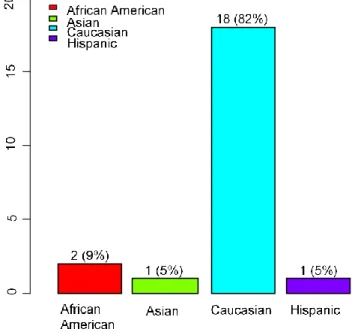
All participants (n=22, 100%) were female, with a majority being Caucasian (n=18, 82%) (See Figure 1). They ranged in age from 25 to 56 years.
Figure 1. Sample Ethnicity Distribution
Many participants reported a lengthy campus commute, and more than a third
Work Experience
Participant’s mean experience working in nursing prior to current degree enrollment was 7.9 years, with a minimum of one year of nursing experience (n=1, 5%) and maximum of thirty (n=1, 5%). Although a majority reported four or less years of nursing experience (n=13, 59%), seven individuals (32%) reported a decade or more of experience. There was also a wide variety in hours currently worked per week, with participants reporting working a mean of twenty-five hours, a minimum of zero (n=1, 5%), and maximum of fifty (n=1, 5%). Education
* One participant’s data was NA as it was not entered as a year
Figure 4. Enrollment Year for Participants
Figure 5. Expected Graduation Year and Month for Participants
Intervention Impact
After 8 weeks (August-October 2015), participants were asked to report on the impact of the intervention. To recap, the research questions were as follows: Did SON graduate students who engaged in a CoP focused on resiliency report a change in resiliency from pre-training and post-pre-training? Did the designed intervention reached the targeted population, and did individuals report intent to continue practicing resilient self-care behaviors?
Given the low number of recruited participants, both a two-sided and one-sided t-test were performed, along with a power analysis and a test of normalcy. With small numbers of enrollees and limited retention/pairing, the t-test results did not yield statistically significant comparisons, nor did the normalcy test yield meaningful results. Further data analysis, however, provided information on participant response to the intervention, providing a summary of changed awareness, strategies, and abilities (See Table 5).
Dec17 May18
3 (14%) 3 (14%) Dec15 May16 May17
2
4
2 (9%)
5 (23%)
9 (41%)
Dec_17 May_18 Dec_15 May_16 May_17
0
6
8
Table 5. Participant Reported Value of Intervention (n=16, PS2) Value of Impact (Scale of 1-5) Awareness of Stress (Q2.51.1) Awareness of Coping Strategies (Q2.51.2) Awareness of Resilient Behaviors (Q2.51.3) Awareness of Community Resources (Q2.55) Sense of Community (Q2.56) Positive Coping Strategies/ Resiliency (Q2.52) Ability to Care for Self and Others (Q2.57)
Not at all 6% 13% 13% 6% 25% 6% 13%
A little 13% 13% 6% 19% 13% 19% 25%
Moderately 25% 13% 19% 25% 25% 31% 0%
A great deal 50% 74% 74% 44% 25% 38% 44%
Completely 6% 19% 19% 6% 13% 6% 19%
Since the majority of participants (n=15, 94%) who completed this resiliency-focused CoP reported a change in resiliency following the intervention, the project met its objective in this area. Additionally, demographic data revealed that the intervention reached graduate nursing students at the SON from a variety of years and programs, although only recruiting 22 of 258 (9%) of the target population, without controlling for PhD students (University of North Carolina Chapel Hill School of Nursing, 2015c).
Before discussing the final objective, that of discovering participants’ intent to continue practicing resilient self-care behavior, it is important to expand on reported changes in perspective and behavior, beginning with stress and progressing through coping strategies and resiliency.
Stress Levels
Two measurements provide information on stress: the validated DASS-21
and Likert scale (n=12; 55%). Neither the years of nursing experience, age of participants, nor weekly hours worked were significant in relation to perceived stress levels (See
Appendix P). Additionally, part-time and full time student status did not significantly impact perceived stress level.
Table 6. Baseline Stress Reported by Participants (n=22, PS1)
Level of Stress DASS-21 Likert Scale (1-5)
Low/Normal Stress 27% (n=6) -
Mild to Moderate 59% (n=13) 55% (n=12)
High to Severe 14% (n =3) 46% (n=10)
In both DASS-21 and Likert scales, means of recorded values of stress were lower on the post-survey than the pre-survey, with results varying slightly. Following project
completion, the number of participants who reported low/normal stress as measured by the DASS-21 increased (See Table 7). This was mimicked in part by the Likert scale measure, where overall mean stress diminished (3.44 from 3.50), and where two participants reported low/normal stress (as opposed to no participants reporting low/normal stress in the pre-survey). When comparing DASS-21 scores among paired participants (n=11), the majority (55%, n=6) reported lower stress scores, although two (18%) reported higher stress. Table 7. Change in Stress Reported by Participants, DASS-21, PS1 and PS2
Level of Stress (Based on DASS-21) Baseline (n=22)* Post-Intervention (n=16)*
Low/Normal (<26) 27% (n=6) 63% (n=10)
Mild to Moderate (26-60) 59% (n=13) 19% (n=3)
High to Severe (61+) 14% (n =3) 19% (n=3)
*Differences in participant numbers reflect attrition between pre-survey and post-survey
participants reported that the intervention increased awareness of stress, coping strategies, and resilient behaviors and promoted positive coping strategies/resiliency. The mean Likert values for each of these targets are reported in Table 8 (1 indicates no increase and 5 indicates the greatest possible increase).
Table 8. Participant Report of Intervention Impact, Mean Value (n=16, PS2). Reported Impact on Mean Value (of 5) Variance Mean (SD)
Stress Awareness 3.38 1.05 1.02
Coping Strategies Awareness 3.44 1.73 1.31
Resilient Behavior Awareness 3.50 1.60 1.26
Positive Coping/Resiliency 3.19 1.10 1.05
The specific changes in awareness of coping and resilient strategies may be expanded by discussing the particular coping strategies measured by the intervention. In both the pre- and post-survey, participants recorded their perceived value of selected coping strategies in handling stress and their likelihood of using each individual strategy in the next eight weeks. Coping Strategies and Resiliency
50
Figure 6. Change in Perceived Value of Sleep as a Coping Strategy
Figure 7. Change in Perceived Value of a Healthy Diet as a Coping Strategy
0 1 2 3 4 5
0
1
2
3
4
5
Relationship of getting enough sleep
Post survey
P
re
su
rve
y
0 1 2 3 4 5
0
1
2
3
4
5
Relationship of eating a healthy diet
Post survey
P
re
su
rve
y
51
Figure 8. Change in Perceived Value of Exercise as a Coping Strategy
Figure 9. Change in Perceived Value of Social Support as a Coping Strategy
0 1 2 3 4 5
0
1
2
3
4
5
Relationship of exercising
Post survey
P
re
su
rve
y
0 1 2 3 4 5
0
1
2
3
4
5
Relationship of using social support
Post survey
P
re
su
rve