TESTING A THEORETICAL MODEL FOR SEVERE MEDICATION ERRORS
by
YunKyung Chang
A dissertation submitted to the faculty of the University of North Carolina at Chapel Hill in partial fulfillment of the requirements for the degree of Doctor of Philosophy in the School of Nursing.
Chapel Hill 2007
ABSTRACT
YUNKYUNG CHANG: Testing a Theoretical Model for Severe Medication Errors (Under the direction of Barbara Mark)
There were three purposes of this dissertation. The first was to develop a theoretical framework for severe medication errors in acute care hospitals by integrating the human error model and the organizational learning model. The second purpose was to examine direct effects between nursing units’ error-producing conditions and severe medication errors. The third purpose was to test the moderating role of learning climate in the relationships between error-producing conditions and severe medication errors in acute care hospitals. The human error model guided the identification of error-producing conditions, which included work environment factors, team factors, person factors, patient factors and medication-related support services. The organizational learning model was used to introduce the concept of learning climate and hypothesize its moderating role between error-producing conditions and medication errors. It was hypothesized that when learning climate was positive, the
relationship between error-producing conditions and medication errors would be weaker, and when learning climate was negative the relationship between error-producing conditions and medication errors would be stronger.
units with 40-50% of BSN-prepared nurses had the lowest rate of severe medication errors. The study also found that nursing units with a positive learning climate had higher rates of severe medication errors than those with a negative learning climate, implying potential under-reporting and under-detection of medication errors.
These results suggest several policy and practice implications. From a policy perspective, 40-50% of BSN-prepared nurses at the nursing unit may be the optimal proportion to minimize severe medication errors. Further, development of a better
TABLE OF CONTENTS
Page
LIST OF TABLES ... xii
LIST OF FIGURES ... xii
Chapter I. INTRODUCTION ... 1
Background and Significance ... 1
Prevalence... 3
Cost ... 4
Future Trends ... 5
Definition of Medication Errors... 7
Research Problems... 10
Theoretical Models on Safety ...11
Human Error Model... 13
Organizational Learning Model... 14
Summary and Study Purposes ... 16
Dissertation Organization ... 17
II. REVIEW OF THE LITERATURE ... 19
Medication Errors ... 20
Incidents... 25
Unit of Measurement ... 26
Sources of Data ... 27
Summary ... 31
Etiology of Medication Errors ... 32
Work Environment... 33
Team Factors... 35
Personal Factors... 37
Patient Factors... 39
Summary ... 40
Prevention and Management Strategies... 41
Unit-Dose Systems... 42
Computerized Physician Order Entry Systems... 42
Other Support Services ... 45
Summary ... 46
Human Error Model... 47
Basic Premises ... 47
Human Fallibility... 47
Systems approach... 48
Key Concepts... 50
Active Failures ... 50
Latent Failures ... 51
Summary... 55
Safety Culture, Safety Climate, and Learning Climate... 57
Organizational Learning Model... 58
Key Concepts... 59
Learning from Failure ... 59
Single-Loop vs. Double-Loop Learning ... 60
The Error Management Approach and a Learning Climate... 62
Summary... 64
III. LITERATURE REVIEW AND HYPOTHESES DEVELOPMENT ... 65
Error-Producing Conditions... 65
Work Environment... 65
Team Factors... 67
Person Factors... 69
Patient Factors... 71
Support Services ... 71
Learning Climate as a Moderator ... 72
Learning Climate and Work Environment ... 74
Learning Climate and Team Factors ... 76
Summary ... 80
IV. RESEARCH METHODOLOGY... 82
ORNA II Study ... 82
Research Design... 83
Data... 86
Data Collection Procedure ... 87
Current Study ... 91
Measures ... 93
Medication Errors ... 93
Error-Producing Conditions... 97
Work Environment Factors... 97
Team Factors... 98
Person Factors... 100
Patient Factors... 102
Support Services Availability ... 102
Learning Climate ... 103
Model Building ... 103
Data Analysis ... 104
Unit of Analysis and Approaches to Data Aggregation ... 104
Rwg Statistics ... 105
Intraclass Correlation... 106
Eta-Squared... 108
Poisson Distribution... 109
Violation of Independence Assumption...110
Statistical Analysis ...111
Summary ... 112
Description of Study Variables ... 114
Multicollinearity ...117
Model Building Procedures ... 119
Model Fit... 122
Results of the Final Model... 125
Work Environment Factors ... 127
Team Factors... 132
Person Factors... 133
Patient Factors... 134
Support Services ... 135
Summary ... 135
VI. DISCUSSION... 138
Hypotheses Testing ... 139
Care Complexity ... 139
Work Dynamics ... 141
RN Hours ... 145
Communication with Physicians/Pharmacists ... 148
Education ... 150
Experience ... 152
Previous Hospitalization ... 153
Medication-related Support Services... 153
Theoretical Implications ... 155
Practice Implications... 159
Limitations ... 160
Future Research ... 163
APPENDICES ... 166
LIST OF TABLES
Table 1. Comparison of the Selected Studies ... 22
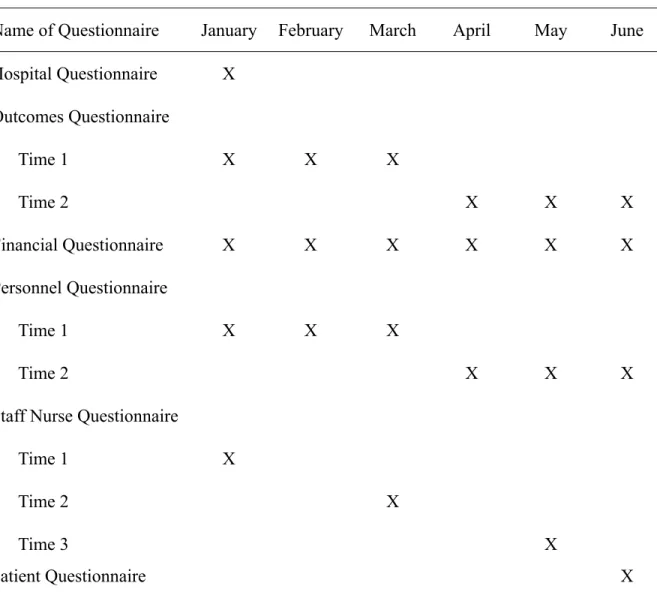
Table 2. Calendar for Data Collection ... 90
Table 3. Sources of Selected Variables... 92
Table 4. Definitions and Measurement of Selected Variables... 95
Table 5. Statistics for Data Aggregation... 107
Table 6. Descriptive Statistics and Correlations for Study Variables... 115
LIST OF FIGURES
Figure 1. Trends of the Number of Publications... 2
Figure 2. Relationship between ADEs, ADRs, and medication errors... 8
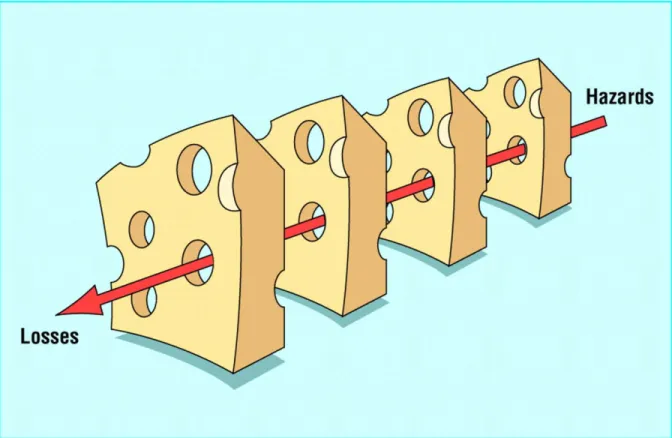
Figure 3. Reason’s (1990) Stages in the Development of an Organizational Accident ... 52
Figure 4. Swiss Cheese Model by Reason (2000) ... 73
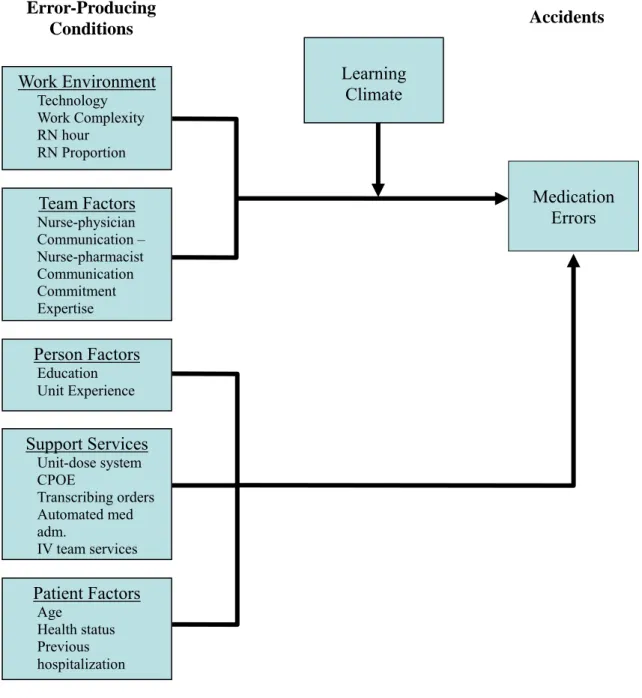
Figure 5. Theoretical Framework and Proposed Hypotheses ... 81
Figure 6. Outcomes Research in Nursing Administration Conceptual Framework ... 84
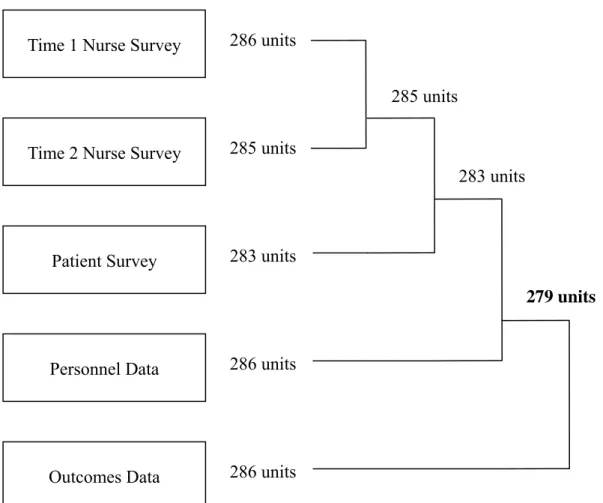
Figure 7. Creation of Data ... 88
Figure 8. Creation of Sample ... 94
Figure 9. Model Building Procedures... 120
Figure 10. Residual Plots ... 124
Figure 11. Moderating Effects of Learning Climate in the Relationship Between Work Dynamics and Medication Errors... 130
Figure 12. Moderating Effects of Learning Climate in the Relationship Between RN Hours and Medication Errors... 131
Chapter 1 INTRODUDCTION Background and Significance
Attention to patient safety has never been greater than in recent years, fueled mostly by the publication in 2000 of the Institute of Medicine’s (IOM) report “To Err is Human:
Building a Safer Health System.” In particular, the eye-opening figures on medical errors
reported in this book were alarming enough to prompt a number of legislative and regulatory initiatives designed to document errors and begin the search for solutions (Kohn, Corrigan, & Donaldson, 2000; Shojania, Duncan, McDonald, & Wachter, 2001). In terms of medication errors, for example, thousands of publications ensued since the IOM report in 2000: While only 1,018 papers were published on this topic during the six-year period from 1994 to 1999, more than 2,456 papers (more than a two-fold increase) were published during the
comparable six-year period from 2000 to 2005 (Figure 1).
Figure 1. Trends of the Number of Publications
0 1000 2000 3000 4000 5000 6000
1990 1991 19921993 1994 19951996 1997 199819992000 2001 20022003 2004 2005
YEAR
NUM
B
E
R
O
F P
UB
L
IC
AT
IO
NS
NO. OF PUBLICATION
safety research in 2002. Although it is less than half of 1% of the National Institutes of Health budget that funds research for technical and other important medical advances, it is a first step in patient safety becoming one of the most crucial issues in the U. S. healthcare system (Leape, Berwick, & Bates, 2002).
Prevalence
What most captures both the public and health care providers’ attention is probably the prevalence of medication errors. Medication errors are commonplace. According to the Harvard Medical Practice Study in 1991, adverse drug events (ADEs), defined as injuries resulting from medical interventions related to a drug, were the single most frequent cause of all types of adverse events, accounting for 19.4% of all disabling adverse events (Bates, Boyle, Vander Vliet, Schneider, & Leape, 1995; Brennan et al., 1991; Leape et al., 1991). Specifically, in 1995, Bates, Boyle et al. reported that 2 to 14% of patients experienced at least one medication error during hospitalization, which is equivalent to 0.3 errors per patient-day. Eleven years later, the Institute of Medicine (2006) reported that at least one medication error occurs every day for every hospitalized patient, implying that the error rate has not abated over the last decade. In the case of medication administration errors
committed by nurses, one observational study found that one of every five doses administered by nurses was in error (Barker, Flynn, Pepper, Bates, & Mikeal, 2002). Consequently, continued research to better understand factors that contribute to the prevention of medication errors remains a priority.
year (Kohn et al., 2000). In fact, the increased risk of death associated with ADEs is almost twofold compared to that not associated with ADEs, and researchers have estimated adverse drug reactions (ADRs) to be responsible for more than 100,000 deaths nationwide each year (Classen, Pestotnik, Evans, Lloyd, & Burke, 1997; Lazarou, Pomeranz, & Corey, 1998). Furthermore, ADEs rank fifth, after congestive heart failure, breast cancer, hypertension, and pneumonia, among the leading causes of preventable threats to the health of older Americans (Fink, Siu, Brook, Park, & Solomon, 1987).
Cost
In addition to prevalence, the costs associated with medication errors are also of concern. Almost ten years ago, the Adverse Drug Events Prevention Study Group at Harvard and researchers at Latter Day Saint hospital reported that ADEs lengthened hospital stay by 1.91-2.2 days and that the estimated excess costs of hospitalization were $2,013-2,595 (Bates et al., 1997; Classen et al., 1997). Similarly, drug-related morbidity and mortality in the U.S. have been estimated at $76.6-$136 billion annually, a figure far greater than the cost of all diabetes care, $45.2 billion (Johnson & Bootman, 1995). These costs do not include the psychological costs (e.g., pain, suffering, grief, and loss) or the damage to an organization’s reputation that might influence recruiting and other efforts negatively. Further, they do not include malpractice claim costs or the costs of injury to the patient, which often account for the highest total expenditure of any type of procedure-related injury. Rothschild and
colleagues (2002) estimated that the mean costs of defending malpractice claims due to ADEs were $376,500 for preventable inpatient ADEs and $64,700-74,200 for
Commissioners, 2005).
Future Trends
Continued growth in the number of medication errors is expected due to an aging population, the complexity of the current health care system, and seemingly ironically, advanced technology. First, although some studies have not found a link between age and medication errors, in general, the elderly have more ADEs than other age groups because they consume the greatest quantity of medications and their exposure to a greater number of medications provides more opportunities for medication errors and drug-drug interactions. In fact, they have the highest rate of death from medication errors followed by patients between birth and two years of age (Phillips et al., 2001). Since the elderly population continues to increase in number, the number of medication errors and ADEs may also continue to increase (Leape et al., 1991).
In addition, modern hospitals and other health care settings are becoming more complex than ever and the complex systems provide multiple opportunities for errors. For example, a multi-stage process of ordering, transcribing, verifying, and transmitting medication orders from order book to pharmacy offers several opportunities for error. Moreover, complex, tightly-coupled systems have increasingly become so opaque to the people who manage, maintain, and operate them that these people may not know what is happening or may not understand what the system can do (Perrow, 1984; Reason, 1990). As such, the causes of failures in complex systems are sometimes not apparent to frontline workers, who may therefore be unable to take corrective action.
studies have found support for the effectiveness of CPOE in error reduction, others reported that implementation of CPOE often facilitated medication error risks and high rates of ADEs (Nebeker, Hoffman, Weir, Bennett, & Hurdle, 2005). For example, CPOE may provide the dosages based on the pharmacy’s warehousing and purchasing decisions, not clinical
guidelines, and house staff often rely on CPOE displays for normal dosage ranges (Koppel et al., 2005). In a different way, while technology renders diseases that previously were not able to be diagnosed or cured, curable now, new procedures and approaches may create the
possibility of errors. Similarly, technological advances have increased the number and potency of drug products being developed and used. Therefore, the chance for medication errors has increased.
considered as the quick and correct approach to error management. Now, with a growing understanding of human fallibility and the limitations of medical science, a need for new approaches to error management has arisen.
Definition of Medication Errors
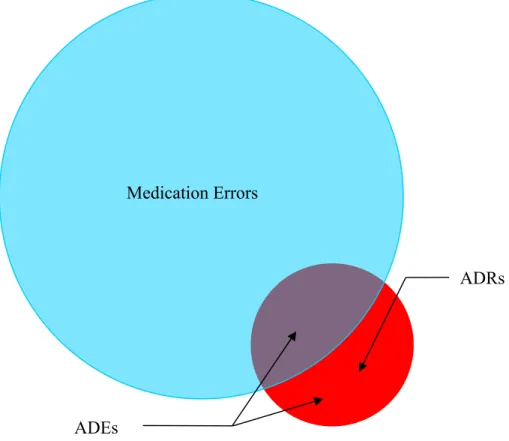
The three terms most frequently used in the literature to denote drug related mishaps are medication errors, adverse drug reactions (ADRs), and adverse drug events (ADEs). The
relationship among the three terms is depicted in Figure 2.
Medication error is the broadest concept among the three. The National Coordinating
Council for Medication Error Reporting and Prevention (NCC MERP, 1998) defines a medication error as follows:
A medication error is any preventable event that may cause or lead to inappropriate medication use or patient harm while the medication is in the control of the healthcare professional, patient, or consumer. Such events may be related to professional practice, healthcare products, procedures, and systems, including prescribing; order
communication; product labeling, packaging, and nomenclature; compounding; dispensing; administration; education; monitoring; and use.
Figure 2. Relationship between ADEs, ADRs, and medication errors
ADRs
ADEs
definitions, some have further classified medication errors by two types: errors of
commission and errors of omission, each of which can be subdivided into intentional and unintentional errors. For example, while errors of omission involve failing to give the prescribed medication, errors of commission involve wrong drug, wrong patient, wrong medication, wrong dose, or wrong route, etc (Wolf, 1989).
Meanwhile, the World Health Organization defines an ADR as “noxious and
unintended, and which occurs at doses used in man for prophylaxis, diagnosis, therapy, or modification of physiologic function” (Classen, Pestotnik, Evans, & Burke, 1991). On the other hand, the ADE Prevention Study Group defines an ADE as an injury resulting from
medical intervention related to drugs (Bates, Cullen et al., 1995). The difference between ADRs and ADEs is that while ADRs include only the appropriate use of drugs (excluding therapeutic failures, poisonings, and intentional overdoses), ADEs embrace both appropriate and inappropriate use of drugs. In other words, ADRs are non-preventable (Morimoto, Gandhi, Seger, Hsieh, & Bates, 2004). While ADEs and medication errors overlap to a very small extent, ADRs and medication errors are mutually exclusive because all ADRs have a detrimental effect resulting from properly used medications. Although ADEs and ADRs have
different meanings, researchers have used them interchangeably (e.g., Classen et al., 1991; 2003).
unplanned recovery. These two terms provide a rich source of useful information. The importance of including events without harm and near misses within an error classification scheme derives from their similarity to, and greater frequency than, events that cause harm. Specifically, near-miss events are conducive to learning about why something did not happen and providing a means to study human recovery. In addition, they are conducive to knowing what actions were taken to prevent harm or to prevent the event from escalating to the point of harm (Kaplan & Fastman, 2003).
Research Problems
As shown in Figure 1, the literature on medication errors is abundant. Extensive discussions regarding the organizational variables that might have affected patient safety have existed, and researchers and practitioners have advocated the systems approach as the ideal way of error prevention. Yet, as pointed out by Hoff, Jameson, Hannan, and Flink (2004), despite numerous publications, only a handful of articles are empirical and use medication errors as a dependent variable. Specifically, most studies are descriptive case studies (e.g., Benjamin, 2003; Joiner, 1994; Meisel, Sershon, & White, 1998),
non-experimental pre-post comparison studies (e.g., Cordero, Kuehn, Kumar, & Mekhjian, 2004; Kuperman, Teich, Gandhi, Bates et al., 2001), or retrospective chart review studies (e.g., Bates, Boyle et al., 1995; Bates, Leape, & Petrycki, 1993; Jha et al., 1998), frequently
investigated in a single organization. Few have investigated the interrelationships of different organizational variables or tested a multilevel model of organizational factors on the
errors and enhancing patient safety, little empirical evidence has tested the effectiveness of such variables. Above all, what is most important is the lack of studies employing a
theoretical approach (e.g., Anderson & Ellis, 1999; Ansari, Collopy, & Brosi, 1995; Gilliand, Stanislav, Constantin, & Schwinghammer, 1992; Kuperman, Teich, Gandhi, & Bates, 2001). Without a theoretical framework, researchers are unable to make predictions a priori or provide explanations of the effects of selected organizational variables on medication errors. In what follows, therefore, I will describe several theoretical models and discuss which framework will best serve the understanding of medication errors.
Theoretical Models on Safety
The health care literature reports several schools of thought in the relationship between organizational safety and medical errors. Although all are concerned with human failures in organization, they originated from different disciplines and their target organizational failure is often distinct. For example, normal accident theory and high-reliability organization theory have been good sources of explaining why errors occur and suggesting what safe
organizations should be like (Perrow, 1984; Roberts, 1990). These theories are particularly interested in catastrophic disasters occurring in high-hazard industries such as nuclear power generation plants, chemical processing plants, and commercial aircraft companies. Because of such exclusive interest in catastrophic disasters, however, applications of these theories to the patient safety literature have been often limited to rare sentinel events, which usually result in death or deadly results.
safety-related problems than in errors and has a specific focus on violations, defined as deliberate deviations from acceptable and necessary practices (Hofmann & Stetzer, 1996; Zohar, 2000). Despite its concentration on organizational safety, however, this stream of research has not been adopted in the health care literature. This may be due to health care researchers’ assumption that, rather than violating rules or procedures they are supposed to follow, individuals try to do the right thing but, for various reasons, simply do not do it successfully. In other words, it has been thought that patient safety issues are more likely to be the result of errors, rather than violations.
Independently but not mutually exclusively, an error-oriented research effort has been developed along with the safety-oriented research stream. Contrary to the safety-oriented literature, the error-oriented research camp is interested in unintended but failed actions due to a mistakenly faulty plan or a miscue in the execution of the correct plan (Heimbeck, Frese, Sonnentag, & Keith, 2003; Van Dyck, Frese, Baer, & Sonnentag, 2005). This approach seems more accepted in the medication error research than the safety-oriented, violation-focused approach and many medication errors are actually viewed as “errors” because health care providers are not likely to intentionally try to harm the patient. Still, some medication errors do result from violating rules or standard protocols (i.e., violating the rule that requires double-checking before administrating a high-alert drug) and a thorough understanding of medication errors should need consideration of both safety-oriented and error-oriented approaches. However, due to the complexity of investigating the role of both safety climate and error climate, the current study focuses only on the error-oriented approach, the one more suitable to understanding why medication errors occur and how they can be reduced.
within the error-oriented approach. One focuses in the prevention of errors, the other is in the management of errors after they have occurred. Along with the IOM report’s (Kohn et al., 2000) emphasis on finding and correcting system failures, health care researchers have preferred the prevention-oriented approach. Specifically, Reason’s human error model (1990; 2000) that stresses the prevention of errors by using a systems-based approach has dominated the discussion of patient safety and particularly of medication errors. In contrast, patient safety research has paid little attention to the management-oriented approach, although it has been actively developed in the organizational-psychology literature including the
organizational learning model. In what follows, typical models of prevention-oriented and management-oriented approaches will be briefly introduced, and why none of them is sufficient and how they complement to each other will be discussed.
Human Error Model
The human error model is the most commonly used prevention-oriented framework. An underlying assumption of the human error model is that errors can be prevented by creating error-proof working environments. This model acknowledges that, although individuals make errors, characteristics of the systems within which they work can make errors more likely and also more difficult to detect and correct (Leape et al., 1995).
Despite broad applications of the human error model to medication error research, previous studies have not addressed several important issues. First, as noted previously, the human error model pays relatively less attention to post-hoc error management than to error prevention. Errors occur even in the best organizations employing the most advanced error-proof technological innovations. Hence, strategies for coping with errors are also needed. Second, although Reason’s later work (1998; 2000) acknowledges that effective error management depends crucially on establishing a reporting culture and, in turn, trust as key elements of a reporting culture, he did not show how trust and a reporting culture would be incorporated within his pre-existing human error model. Finally, despite abundant discussion about the human error model, few studies have attempted to test this model or examine causal relationships between system factors and medication errors. As a result, not enough evidence has been accumulated to provide a solid explanation of which human or system factors will contribute most to error prevention. Rather, essentially what this model has
contributed is to identify latent system factors retrospectively that might have caused an error.
Organizational Learning Model
The error management approach assumes that human errors can never be completely prevented; thus it is necessary to ask the question of what can be done after an error has occurred (Van Dyck et al., 2005). The organizational learning model can be considered as a prototype of the error management approach in the sense that its premise is that
questioning and changing governing conditions. Problem-solving strategies resulting from single-loop learning typically create new problems in the long run because they allow work to continue but do nothing to prevent a similar problem from occurring. Such approaches to the problem prevent an organization from learning because short-term success reduces both an organization’s ability to take corrective action to detect and its motivation to remove underlying causes of recurring problems (Tucker, Edmondson, & Spear, 2002). In contrast, second-order problem solving employing double-loop learning investigates and seeks to change underlying causes. The organizational learning model suggests that, if an organization is to benefit consistently from learning, the critical issue is not how to solve a particular problem but how to create conditions that facilitate people’s ability to detect and correct problems (Lipshitz, 2000).
While applications of the organizational learning model reported in health care studies have been limited, several distinct features of this model may complement the human error model. First, while the human error model tends to focus on accidents with consequential results, Edmondson (2004) suggests that an important part of learning from failure in
complex organizations such as hospitals, is attention to small, everyday process failure rather than only to sentinel events and formal investigations. She further argues that an
organizational learning to be successful, familiarity among group members is critical because it facilitates effective interaction and coordination (Edmondson, 1999). Third, with regard to effective interpersonal interactions, the organizational learning model argues that leaders play a crucial role in shaping a safety climate. For example, in certain groups, leaders establish a climate of openness that facilitates discussion of error, which is likely to have an important influence on detected error rates (Edmondson, 1996). Similarly, leaders have an essential role in providing support for members who speak up and attempt to improve their work systems and in valuing them as motivated employees (Tucker & Edmondson, 2003).
Summary and Study Purposes
As reviewed previously, both models introduced in this section may have the benefit of accounting for different types of errors and management strategies. For example, the human error model can be particularly conducive to the prevention of errors by correcting for poor work conditions or faulty system design because it is primarily interested in identifying system factors that may result in errors. In contrast, the organizational learning model has the benefit of allowing people to learn from errors and eventually to prevent the same error from reoccurring by creating a learning climate in which people are not afraid of sharing
information about their errors.
culture, it does not fully explore the role of safety culture within its theoretical framework. As a result, little is known about how a safety culture plays a role in various organizational conditions.
Therefore, the purpose of the dissertation is to develop and test a theoretical model integrating the human error model and the organizational learning model. In doing so, it will seek to examine the conditions under which the effectiveness of strategies for error
prevention and management can be maximized. Specifically, the current study only focuses on severe medication errors to minimize potential under-reporting problems that are inherent in most medication error studies, because severe medication errors may be less likely to go unnoticed and unreported. Severe medication errors were defined in this study as those resulting in increased nursing observation, increased technical monitoring, laboratory testing, radiographic testing, medical intervention, or transfer of the patient to another unit. The specific questions to be answered are as follows:
1. What nursing unit characteristics are associated with a higher likelihood of severe medication errors?
2. How does a learning climate moderate the relationship between error producing conditions and severe medication errors?
Dissertation Organization
Chapter 2
REVIEW OF THE LITERATURE
This chapter presents a review of the literature on medication errors, the human error model, and the organizational learning model. The medication error section is organized into three sub-sections according to the topics that are studied most commonly and considered most important in the medication error literature: 1) the classification of medication errors, 2) the etiology of medication errors, and 3) prevention and management strategies. Complexity and the wide scope of medication errors have led early researchers to concentrate on the issue of error classification, such as definition, prevalence, preventability, potentiality, stages, or types (e.g., Bates, Cullen et al., 1995). However, the different methods each study employs (i.e., settings, error types and definitions, unit of measurement, and sources of data) make it difficult to compare results across studies. In the first sub-section, therefore, several classical studies are selected and their study settings, type of incidents of interest, unit of measurement, and the source of data will be reviewed and compared. Through the review of contributing factors to medication errors, the following sub-section on etiology seeks to answer the question of why and under what circumstances medication errors occur. This sub-section is followed by a discussion of strategies that are most commonly used in hospital settings as a way to prevent or manage medication errors.
evolution of the human error model that Reason and other researchers have suggested. This section closes with a discussion on limitations particularly focusing on the lack of research on the role of safety culture.
The final section of this chapter begins with the introduction of the organizational learning model. Instead of aiming to grasp the whole picture of the model, the literature review will be made around several key constructs that health care researchers have found most useful. In the last part of this section, I will discuss the organizational learning model as an error management approach.
Medication Errors
Classification of Medication Errors
The two most significant motivators that have fueled medical error research for the last 15 years are the Harvard Medical Practice Study (Brennan et al., 1991; Leape et al., 1991) and the Utah and Colorado Medical Practice Study (Classen et al., 1997; Thomas, Studdert et al., 2000). One common result from these two distinct studies is the recognition that
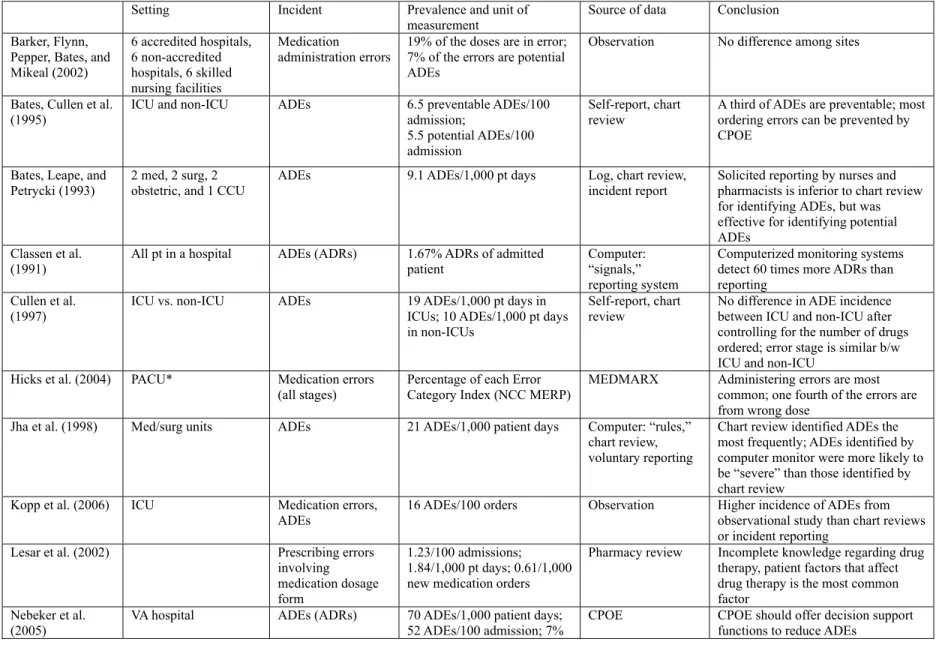
investigation was used, and such methodological variation makes it difficult to compare study results and draw a single conclusion on what type of errors occur in what frequency. Therefore, the purpose of this sub-section is to review several classic studies on medication errors performed in acute care settings and compare their study settings, type of incidents, unit of measurement, and sources of data.
Table 1. Comparison of the Selected Studies
Setting Incident Prevalence and unit of measurement
Source of data Conclusion
Barker, Flynn, Pepper, Bates, and Mikeal (2002)
6 accredited hospitals, 6 non-accredited hospitals, 6 skilled nursing facilities
Medication
administration errors
19% of the doses are in error; 7% of the errors are potential ADEs
Observation No difference among sites
Bates, Cullen et al. (1995)
ICU and non-ICU ADEs 6.5 preventable ADEs/100 admission;
5.5 potential ADEs/100 admission
Self-report, chart review
A third of ADEs are preventable; most ordering errors can be prevented by CPOE
Bates, Leape, and
Petrycki (1993) 2 med, 2 surg, 2 obstetric, and 1 CCU ADEs 9.1 ADEs/1,000 pt days Log, incident report chart review, Solicited reporting by nurses and pharmacists is inferior to chart review for identifying ADEs, but was effective for identifying potential ADEs
Classen et al. (1991)
All pt in a hospital ADEs (ADRs) 1.67% ADRs of admitted patient
Computer: “signals,” reporting system
Computerized monitoring systems detect 60 times more ADRs than reporting
Cullen et al.
(1997) ICU vs. non-ICU ADEs 19 ADEs/1,000 pt days in ICUs; 10 ADEs/1,000 pt days in non-ICUs
Self-report, chart
review No difference in ADE incidence between ICU and non-ICU after controlling for the number of drugs ordered; error stage is similar b/w ICU and non-ICU
Hicks et al. (2004) PACU* Medication errors (all stages)
Percentage of each Error Category Index (NCC MERP)
MEDMARX Administering errors are most common; one fourth of the errors are from wrong dose
Jha et al. (1998) Med/surg units ADEs 21 ADEs/1,000 patient days Computer: “rules,” chart review, voluntary reporting
Chart review identified ADEs the most frequently; ADEs identified by computer monitor were more likely to be “severe” than those identified by chart review
Kopp et al. (2006) ICU Medication errors,
ADEs 16 ADEs/100 orders Observation Higher incidence of ADEs from observational study than chart reviews or incident reporting
Lesar et al. (2002) Prescribing errors involving medication dosage form
1.23/100 admissions; 1.84/1,000 pt days; 0.61/1,000 new medication orders
Pharmacy review Incomplete knowledge regarding drug therapy, patient factors that affect drug therapy is the most common factor
Nebeker et al. VA hospital ADEs (ADRs) 70 ADEs/1,000 patient days; CPOE CPOE should offer decision support
* N.S: not specified; All: all error stages included; A: administration; P: prescription; PACU: Peri-anesthesia care unit
of ADEs are preventable Rolland (2004) VA hospital Dispensing errors Wrong drug and wrong
patient dispensing errors accounted for 67% of all reported errors
Reported errors Wrong drug and wrong patient errors are most common
Rothschild et al. (2005)
ICU, CCU ADEs 12.8 preventive ADEs/1,000 pt days; 116.8 potential ADEs/1,000 pt days
Observation No difference in medication error rates between ICU and CCU
Rozich et al. (2003)
? ADEs (ADRs) 2.47-2.81 ADRs/1,000 doses “Trigger tools”
Tissot et al.(1999) ICU, France Administration errors (own definition)
6.6% of observed events Observation 41 dose errors; 29 wrong rate; 24 wrong preparation; Nurses aware of the study goal?
Van den Bemt et al. (2002)
ICU, The Netherlands Administration errors
33% of drug administrations excluding wrong time errors
Observation Presence of FT specialized intensive care physicians reduce error rates; no. of drugs or doses per pt per day are not associated with more errors; nurses not aware of the study goal Dean et al. (1995) U.K vs. U.S. 6.9% (U.S.) vs. 3.0% (U.K.) Chart review but
different methods? US hospital with unit-dose system had higher med error rates than UK hospital with ward-based supply system
Cousins et al.
(2005) U.K., Germany, France IV administration errors Observation Wrong labeling, wrong rates, wrong diluents are common
Study Setting
Although the selected studies were all performed in acute care hospitals, some varied in terms of unit types. When the primary purpose of the study was to investigate the overall incidence of medication errors in a hospital, data were usually collected from all available units regardless of their types. However, when the study was performed in a particular type of unit, intensive care units (ICUs) were the most popular settings, used in seven of the studies. This may be because that ICUs were expected to have more medication errors than other units because they administer more medications due to the gravity of patient conditions, more high-risk medications, and a greater variety in the types of medications, so the chance of identifying errors in ICUs was greater (Bates, Cullen et al., 1995).
different unit types, and possibly different hospital types.
Compared to the number of studies on unit types, few studies on inter-hospital
comparisons have been performed and only one study compared error rates among a sample of hospitals. Barker, Flynn, Pepper, Bates, and Mikeal (2002) examined 36 health care facilities including both Joint Commission on Accreditation of Healthcare Organizations (JCAHO) accredited and non-accredited hospitals and skilled nursing facilities and found no difference among these facilities. Similarly, although some studies examined error rates across countries, most of them used very rudimentary methodologies, for example, sampling only one hospital from each country (e.g., Cousins, Sabatier, Begue, Schmitt, & Hoppe-Tichy, 2005; Dean et al., 1995). Inter-country studies especially should take into account of the possible effect of different health care systems.
Incidents
Overall, ADEs, ADRs, and medication errors are the most frequently investigated types of incidents. As noted in the first chapter, studies use the terms ADEs and ADRs
interchangeably, even when they denote different types of incidents. Specifically, several studies used the definition of an ADR yet designated it an ADE (e.g., Classen et al., 1991; Nebeker et al., 2005; Rozich et al., 2003). Such interchangeable use of terms may cause one to think that results from the studies employing different types of incidence are comparable, when they actually are not because all ADRs are a detrimental effect resulting from properly used medications and thus are not preventable whereas ADEs are sum of both medication errors and ADRs.
some studies focused on a specific stage of medication errors. Unlike the studies on ADEs and ADRs that involved retrospective methods of data collection, with some exceptions (e.g., Hicks, Becker, Krenzischeck, & Beyea, 2004; Rolland, 2004), these stage-specific studies commonly used prospective data collection methods such as observation (e.g., Barker, Flynn, Pepper et al., 2002; Cousins et al., 2005; Tissot et al., 1999; van den Bemt et al., 2002) or pharmacists’ review (Lesar, 2002). Studies focusing on administration errors were most common, possibly because administration of drugs is a critical step, the chance of correcting errors at this stage is limited and errors at this level may directly harm the patient (van den Bemt et al., 2002).
Unit of Measurement
The measurement of medication errors varies also across studies. No single measure predominated and sometimes such inconsistent usage caused researchers to report several different measures of medication errors, allowing the comparison of results across studies. The unit of measurement has been used to standardize the incidence of medication errors and compare the incidence in a “fair” way across studies by taking into account the volume of patient admission/discharge, number of drugs administered, or the length of stay, which all are expected to be associated with the number of medication errors.
incidence per 1,000 patient days, because this measure is easy to calculate and also
influences the number of medications used (e.g., Cullen et al., 1997; Jha et al., 1998; Lesar, 2002; Nebeker et al., 2005; Rothschild et al., 2005). Examples of other measures are the percentage of incidents of admitted patients (e.g., Classen et al., 1991); number of incidents per 100 admissions (e.g., Bates, Cullen et al., 1995; Lesar, 2002; Nebeker et al., 2005); and percentage of medication errors from all observed events (e.g., Hicks, Becker et al., 2004; Rolland, 2004; Tissot et al., 1999; van den Bemt et al., 2002).
Sources of Data
The studies selected used four sources of data -- computer programs, chart reviews, observation, and reporting systems -- and depending on the data source the incidence of medication errors varies a great deal. Because each source of data has advantages to a particular type of research study, no single method can be said to be better than the others. This section describes each data source and reviews the potential strengths and weaknesses of each.
Computer Programs
method was the use of multiple computerized medication ordering and administration systems. For example, Nebeker, Hoffman, Weir, Bennett, and Hurdle (2005) performed a prospective daily review of electronic medical records using CPOE systems and bar code-controlled medication deliveries.
While computer-aided methods can markedly increase detection of ADEs or ADRs compared to traditional voluntary reporting systems, they have several weaknesses. First, computer programs have the problem of a high number of false-positive values. Often, therefore, as Classen and colleagues (1991) did, a clinical pharmacist is needed to review the potential ADEs detected by the computer programs and determine causality by reviewing medical charts, contacting physicians and nurses, and interviewing the patient. The false-positive value problem can be also resolved to some extent by making signals or rules more sensitive to practice guidelines, but because each hospital has different practice guidelines, it is difficult to cross-compare the results from different hospitals. Second, because of the lack of a clear “gold standard” for comparison, little is known about the validity of the number of events detected (Classen et al.). In fact, Nebeker et al. (2005) argued that most errors detected by their computer program were actually ADEs that would have been caught had more sophisticated methods been used previously, implying that the validity of the errors caught before the computer program was implemented is questionable. Further, and most
importantly, due to its high cost, the utility of computer-aided methods is still limited and only a small number of hospitals actually use computer programs to detect medication incidents.
Chart Review
reviewing and physicians’ confirming), and depending on thoroughness, it can use screening of medication orders and certain laboratory values to identify possible ADEs (e.g., Bates, Cullen et al., 1995; Cullen et al., 1997; Jha et al., 1998). Compared to computer programs, chart review methods have fewer false-positive values and show increased sensitivity (Classen et al.). Further, intensive chart review is more effective than computer programs in finding ADEs. For example, Jha et al. found more ADEs using chart review (65%) than the computer monitoring they created (45%).
In spite of increased sensitivity and effectiveness, however, chart review is extremely time- and labor- intensive. Jha and colleagues (1998) reported that, for example, while the computer program required 11 person-hours per week, chart review required 55 person-hours per week, suggesting that chart review is not suitable when the number of patients to review is large. Further, because more than two reviewers are often involved, checking the degree of consensus and confidence among the reviewers is critical in chart review. For these reasons, chart review has been used mostly for studies performed in a single hospital.
Observation
Observational methods have been used specifically when medication administration errors are the target incidents (e.g., Barker, Flynn, Pepper et al., 2002; Cousins et al., 2005; Tissot et al., 1999; van den Bemt et al., 2002). These methods require trained observers to record what the subject (i.e., a nurse) did, including all details about the medication, and to witness the administration to the patient within limited time.
Bates, and Mikeal (2002) reported that direct observation was more successful in identifying erroneous doses and produced more accurate results in terms of identifying the actual number of medication errors than chart review or incident reporting systems. Similar results are also found in Kopp, Erstad, Allen, Theodorou, and Priestley’s study (2006). In a direct
observation study performed in ICU settings, these authors found a higher incidence of ADEs compared with that reported by the ADE Prevention Study, which was also performed in ICUs but used chart review methods (Cullen et al., 1997). Further, observation methods are particularly advantageous when identifying the causes of medication errors (Barker, Flynn, & Pepper, 2002). For example, observers can collect data on factors that may contribute to errors, such as poor work environment (i.e., interruptions, distractions, insufficient light, and noise) and the unavailability of drugs or equipment.
Despite such well-known advantages of direct observation, the practicality of this method seems limited because observational methods are only suitable for small-scale studies due to their high cost. Further, there are concerns about the validity of observational data in relation to the potential effect of the research on the individuals observed (Dean & Barber, 2001). For example, people may be more cautious about their behavior than at other times when they know they are being studied (i.e., Hawthorne effect), and their caution may result in fewer events being observed. However, Dean and Barber argue that disguised-observation techniques in which nurses are aware of the disguised-observation but unaware of its true purpose may reduce such problems.
Incident Reporting System
Incident reporting systems are by far the most common method of collecting
bias (e.g., a gap between the number of actual and reported errors) is an important concern when using incident reports or voluntary reporting systems only. For example, in a study investigating the utility of a computerized ADR monitor they developed, Classen et al. (1991) reported that nine ADRs were reported through the traditional voluntary reporting system while the computer monitoring detected 641 ADRs in the same period. Similarly, Jha et al. (1998) found 26 times more errors by either computer rules or chart review than by voluntary report. In fact, except for Rolland’s study (2004), none of the studies depended only on reporting systems in collecting data. Despite such low sensitivity, however, Jha et al. found that voluntary reporting systems were much more effective at detecting potential ADEs than either computer programs or chart review, suggesting that, if implemented well,
voluntary reporting systems will be the most useful in identifying near misses.
Summary
events associated with changes in laboratory values, such as renal failure and hypoglycemia. Unlike ADEs that can be easily identified by chart reviews or computer programs, potential medication errors or errors with minimal harm may not be detected with such methods because these errors usually do not show evident symptoms that chart reviews or computer programs can detect. While reporting systems do better at identifying such errors than chart review or computer programs (e.g., Jha et al., 1998), they are not sufficient either because potential errors can go unnoticed, and thus they are less likely to be reported. In a study examining the opinions of hospital leaders about state reporting systems, for example, Weissman et al. (2005) found that while hospital leaders generally favored the disclosure of patient safety incidents to the involved patients, fewer would disclose incidents involving moderate or minor injury to state reporting systems. In fact, potential medication errors or errors with minimal harm can be best identified by direct observation, but this method is only possible in a small scale study because of the reasons discussed earlier. As such, there is no single best source of data collection, and each method serves a different purpose. Also, while researchers can choose the method of data collection depending on their research interest (i.e., ADEs vs. potential ADEs), they need to be cautious when comparing study results employing different sources of data.
Etiology of Medication Errors
Work Environment
Distractions
Nurses believe that distractions and interruptions during medication administration are the primary causes that increase the risk of medication errors, followed by inadequate staffing and high nurse-patient ratios (Cohen, Robinson, & Mandrack, 2003). Empirical evidence has shown that, together with heavy workload, distractions accounted for over 60% of contributing factors to medication errors in post-anesthesia care units (Hicks, Becker et al., 2004). Similarly, distractions resulting from heavy workload when nurses are carrying out several tasks at the same time have also been reported as a frequent cause of intravenous (IV) errors (Taxis & Barber, 2003).
Workload
Along with distractions, heavy workload is more likely to lead to errors. Nurses’ medication errors increase with the number of patient days per month, and nurses who work a variety of shifts are twice as likely to make medication errors (Gold et al., 1992; Roseman & Booker, 1995). Similarly, a survey study performed by Seki and Yamazaki (2006) found that when nursing care was delayed longer because of workload, IV errors occurred at a significantly higher frequency. Workload has been reported as the main cause of prescribing errors as well. Using multivariate regression, for example, Kralewski et al. (2005) found that seeing more patients per clinic hour was strongly associated with more prescribing errors among physicians in a medical group practice. Similarly, Landrigan and colleagues (2004) reported that interns made substantially more serious medication errors when they worked frequent shifts of 24 hours or more than when they worked shorter shifts.
medication errors. For example, Taunton, Kleinbeck, Stafford, Woods, and Bott (1994) explored the possible relationships between medication errors and workload, measured as required nursing hours based on patient need divided by actual available nursing hours, and found no association between them. They argued that such contrasting results occurred because, as Leape (1994a) argued, errors can also occur when workload is too low, which suggests non-linear relationships between workload and medication errors.
Staffing
Insufficient or inadequate staffing has been shown to be related to medication errors. Nursing researchers have often found an inverse relationship between nursing staffing and medication errors (e.g., Whitman, Kim, Davidson, Wolf, & Wang, 2002). For example, McGillis Hall, Doran, and Pink (2004) reported that a higher proportion of RNs in the staff mix was associated with lower rates of medication errors on medical and surgical units. Similarly, Blegen and Vaughn (1998) argued that the relationship between the proportion of RNs in the staff mix and medication administration errors was non-linear, as the proportion of RNs on a unit increased from 50% to 85% the rate of errors declined, but as the RN proportion increased from 85% to 100% the rate of errors increased. Studies using RN hours, measured as hours of care delivered by RNs, as a staffing variable, have yielded similar results. In a study of failure to rescue, Seago, Williamson, and Atwood (2006) reported that failure to rescue from medication errors increased as the non-RN hours of care per patient day increased. Blegen, Goode, and Reed (1998) also found an inverse relationship between RN hours and rates of medication errors, after controlling for patient acuity.
The addition of certain types of personnel, however, has been shown to reduce
et al. (2002) found that administration errors were less likely to occur when full-time
specialized intensive care physicians were available on the unit. Similarly, Kralewski, Dowd, Heaton, and Kaissi (2005) reported that having a case manager program was strongly related to fewer prescribing errors in medical group practices. Most of all, clinical pharmacist services have shown rather consistent effects on reducing medication errors. Clinical pharmacists contribute to the reduction of medication errors by interacting with the health care team on patient rounds, interviewing patients, reconciling medications, providing patient discharge counseling and follow-up services (e.g., Kaboli, Hoth, McClimon, & Schnipper, 2006; Kucukarslan, Peters, Mlynarek, & Nafziger, 2003; Leape et al., 1999; Scarsi, Fotis, & Noskin, 2002). For example, Schnipper et al. (2006) found that pharmacists’ medication review, patient counseling, and telephone follow-up were associated with a lower rate of preventable ADEs 30 days after hospital discharge. Pharmacists who are physically stationed in nursing units can improve consistency of services as well as communication between pharmacy and nursing personnel, creating opportunities to clarify unique administration issues (Kopp et al., 2006). In this vein, the American Hospital Association (AHA) recommended that hospitals institute 24-hour pharmacy services to facilitate medication distribution after hours so that they ensure access to consultation with a pharmacist if a pharmacist is not available on-site (American Hospital Association, 2002).
Team Factors
Taxonomy of Medication Errors reported that oral and written miscommunications among care providers are the top factors leading to medication errors (Hoff, Pohl, & Bartfield, 2005). Similarly, Phillips et al. (2001) found that transcription and handwriting errors, examples of written miscommunication, were likely responsible for fatal overdoses associated with medication errors. Additionally, Taxis and Barber (2003) reported that 16% of medications were omitted because of failures in communication.
Although inadequate supervision or responsibility has not been studied rigorously, a qualitative study that investigated causes of prescribing errors discussed several examples in which junior doctors felt that supervision was inadequate and that responsibilities between teams were overlapping and not clearly defined (Dean et al., 2002). For example, a senior doctor asked a junior doctor to prescribe a drug, who did so without asking questions, assuming that to do so was correct. Some junior doctors were often unclear about whose responsibility prescription of drugs was in such instances, and they felt that if a problem occurred, responsibility would rest with the senior doctor.
from physicians for nurses to work outside the scope of practice (McKeon, Fogarty, & Hegney, 2006).
Personal Factors
Insufficient knowledge and performance deficits have been reported as personal factors contributing to medication errors. Studies have found lack of knowledge of the drug as the most common proximal cause both in prescription and administration stages, accounting for 15-22% of errors (Leape et al., 1995; Phillips et al., 2001). In terms of prescribing errors, for example, together with insufficient knowledge about the patient, a lack of knowledge or appreciation of drug therapy issues such as misapplication of drug therapy rules accounted for 60% of prescribing errors (Lesar, Briceland, & Stein, 1997). Similarly, lack of knowledge of preparation or administration procedures is a frequent cause in medication administration errors and IV medication errors (Taxis & Barber, 2003; Tissot et al., 1999). Lack of
information about the patient is second in frequency, accounting for 14% of errors (Leape et al., 1995). For example, insufficient information about the patient could lead nurses to administer drugs to a patient known to be allergic to them.
Similar to knowledge deficits, performance deficits have also been found to be a significant personal factor contributing to error. Performance deficit means that the person involved in the error does not have requisite skills and working knowledge to perform the duty safely (Hicks, Becker et al., 2004). In a review of fatal medication errors, Phillips et al. (2001) reported that human factors such as performance or knowledge deficits accounted for 65.2% of such medication errors. In terms of prescribing errors, Lesar, Briceland, and Stein (1997) found that more than one in six prescribing errors involved miscalculation of
measurement or concentration, or an incorrect medication administration rate. Rowe, Koren, and Koren (1998) also reported that a substantial proportion of pediatric trainees made mistakes while calculating drug doses. In a similar vein, numerous studies have suggested that nurses lack the ability to calculate drug doses accurately (Bayne & Bindler, 1988; Worrell & Hodson, 1989).
In the nursing literature, knowledge and performance deficits have often been studied in relation to nurses’ education and experience. While it is intuitively appealing to suggest that nurses’ education and experience are linked to medication errors, study results have been inconclusive. For example, Ives, Hodge, Bullock, and Marriott (1996) found that newly registered nurses had an inadequate knowledge of pharmacology but that longer experience as an RN and participation in a graduate program were associated with higher scores in both self-rated and tested knowledge of pharmacology, suggesting that nurses continually
accumulate and update medication-related knowledge as they gain experience and education. Blegen, Vaughn, and Goode (2001) also found that, although nursing unit-level education, defined as the proportion of BSN-prepared nurses on the unit, was not significant, nursing units staffed with more experienced nurses had significantly fewer medication errors.
In contrast, other studies reported that educational preparation and years of experience did not significantly influence nurses’ drug knowledge or ability to calculate drug dosages (e.g., Ashby, 1997; Bayne & Bindler, 1988; Grandell-Niemi, Hupli, Puukka, & Leino-Kilpi, 2006; Markowitz, Pearson, Kay, & Loewenstein, 1981). Such counter-intuitive findings can be explained by the so-called “competence trap,” (Levitt & March, 1988) in which
likely than the less-skilled to make their errors in “strong-but-wrong” forms. In other words, as shown in Perlstein, Callison, White, Barnes, and Edwards’s study (1979), experienced nurses tended to be more certain, although wrong, in their judgment of the appropriateness of the drug dose ordered, while the overall error rate was not different for experienced or
inexperienced nurses.
Patient Factors
Patient-specific factors include patients’ age, gender, the number of drugs they are taking, and their comorbid conditions. Although it seems reasonable to assume that older people are more likely to experience ADEs because of their fragile health conditions, evidence has shown it is not always the case. For example, while Lesar, Briceland et al. (1997) found that older patients were at risk of having ADEs, Evans, Lloyd, Stoddard, Nebeker, and Samore (2005) reported that age was not statistically associated with higher risk of ADEs for any drug class. Such opposite results are also found in Bates, Miller et al.’s study (1999) that incorporated two different analysis methods (i.e., a cohort analysis and a case-control study). Bates, Miller et al. argued that old age was a significant factor in the increase of risk of ADEs in the cohort analysis, but due to lack of predictive power, its effects became insignificant in the multivariate studies when both cases and controls were included. They concluded that the effect of old age could be modest at best and the magnitude of its risk was probably smaller than had been suggested in the literature.
Bates, Miller et al. (1999) found a borderline association between the number of drugs received and risk of an ADE. Regarding comorbidities, Evans et al. (2005) found an
association between the number of patient comorbidities and an increased risk of all ADEs, and the association was strongest for severe ADEs. However, no other study has found similar results to what Evans and colleagues reported. Overall, partly because of the small number of studies, none of the patient factors has shown consistent results.
Summary
Two important points regarding etiology can be drawn from this sub-section. First, no single factor can explain a medication error sufficiently because most medication errors involve multiple factors and often there are interactions between the factors, such as workload and staffing. Practitioners and researchers have long believed that a retrospective investigation will allow finding a single root cause, even though in fact the very idea of a “root cause” is misleading because most errors result from a complex interaction among a varied set of elements, including human behavior, technological aspects of the system, socio-cultural factors and a range of organizational and procedural weaknesses (Department of Health, 2000). Thus, what they believe as causes are often multiple possible “suspects.” For example, Hicks et al. (2004) found that 610 out of 645 medication errors were associated with at least one cause of error. This finding illustrates that one type of error can result from several proximal causes, and, at the same time, a single proximal cause can result in a variety of types of errors.
Second, although the term “conditions” was used in this sub-section, in most cases the literature reviewed used the term “cause” even when a causal relationship between a
chart review or retrospective case studies, dominant study designs for medication error
research, are not suitable for making causal relationships. Further, in relation to the first point, having multiple proximal causes does not allow examining a causal relationship between a cause and an effect. For example, although physicians’ illegible prescriptions have been identified as proximal causes for medication errors, it may not be correct to assume that poor handwriting causes an error because an error happens only when such a case is
misinterpreted and not corrected.
Despite a substantial body of research on error-producing conditions, the understanding of medication errors is still limited. With the exception of isolated correlational and case-control studies (e.g., Bates et al., 1998; Bates, Miller et al., 1999; Rowe et al., 1998; Thomas, Orav, & Brennan, 2000; van den Bemt et al., 2002), the current state of knowledge is limited to the results from descriptive studies and, as a consequence, not many factors have been identified as necessary conditions for error occurrence. In addition, multiple factors can always simultaneously contribute to errors, and therefore the impact of some factors can be cancelled out (i.e., staffing and workload). Few researchers have investigated a set of error-producing conditions in a single study and examined the relative effect of each factor in the occurrence of medication errors. Further, little effort has been made to test error-producing conditions from multi-level perspectives incorporating individual to team to organizational levels. Because no single factor is free from being affected by higher-level conditions, consideration of multi-level features is critical. With these points in mind, I will extend the discussion to prevention and management strategies in the next section.
Prevention and Management Strategies
and practitioners have often recommended to reduce medication errors and ensure patient safety.
Unit-Dose Systems
Unit dosing is a major systems change that has significantly reduced medication dosing errors since it was introduced (Kohn et al., 2000; Simborg & Derewicz, 1975). Research over the years continues to support the effectiveness of unit dosing systems for reducing
medication errors, particularly errors occurring during dispensing and administration
processes (Fontan, Maneglier, Nguyen, Loirat, & Brion, 2003; The Massachusetts Coalition for the Prevention of Medical Errors, 2001). If used with CPOE, in particular, unit dose drug dispensing systems can decrease prescription and administration error rates significantly.
Unit-dose systems contribute to the reduction of medication errors by simplifying and standardizing the complex medication process. In a traditional ward stock distribution system, nurses needed to measure out each dose, a situation that created substantial risk for nurse error. However, unit-dose systems reduce such risk by eliminating the need for calculation, measurement, preparation, and handling in the nursing unit; providing individually packaged medications by the pharmacy in the exact dose needed; and delivering them to the point of administration (Kohn et al., 2000; The Massachusetts Coalition for the Prevention of Medical Errors, 2001). Experts advise that, although traditional unit-dose systems provide only
packaging, future systems should also include methods for labeling and order screening. Further, organizations should maintain and systematically use unit-dose distribution systems that have been either prepared by the manufacturer or repackaged by a pharmacy for all non-emergency medications (American Hospital Association, 2002).
CPOE systems have shown the strongest evidence of effectiveness for reducing
medication errors (Leape et al., 2002). Originally, CPOE systems aimed to reduce medication errors resulting from misinterpretation of physicians’ poor handwriting by using pre-set standardized terminology. Now, however, CPOE systems can also function as buffers that prevent physicians from making erroneous orders. Such broadened usage may be due to the realization that medication errors most commonly occur at the drug-prescribing stage (Bates, Cullen et al., 1995; Bates et al., 1993; Leape et al., 1995).
In addition to eliminating prescribing errors, the literature has shown that CPOE systems have the potential to prevent most medication errors and are useful at all stages of the medication process (Bates, Boyle et al., 1995; Evans et al., 1998). First, CPOE systems provide immediate access to patient and drug information at the time of ordering, thus reducing errors resulting from a lack of knowledge about drugs and the patient; errors of this type account for 60% of all prescription errors (Leape et al., 1995). Second, CPOE systems reduce the number of choices to be made by the physician by showing only acceptable doses and frequencies. Such limited choices decrease the potential for physicians selecting the wrong drug, dose, route, or frequency (Cordero et al., 2004). Third, even if an error is made, CPOE systems, if fully implemented, can screen for drug interactions, contradictions, adverse side effects, and allergies. For instance, although the dose prescribed might be acceptable for people in general, if it is not appropriate for the patient’s kidney or liver function, CPOE systems will raise a red flag (Kohn et al., 2000; Schiff & Rucker, 1998; The Massachusetts Coalition for the Prevention of Medical Errors, 2001).
systems can “error-proof” so that a physician cannot enter an order for a lethal overdose of a drug or prescribe a medication to which a patient is known to be allergic (Leape, 1994a). CPOE systems can yield the most benefit when linked with decision support systems
including laboratory and radiology databases (Kaushal, Shojania, & Bates, 2003). Such links allow CPOE systems to provide information about drug-laboratory problems and result in sizable reductions of error at all stages (Bates et al., 1998; Kohn et al., 2000; Leapfrog Group, 2003). In short, CPOE systems decrease the likelihood that an error will occur and increase the chances of intercepting errors that do occur (Leape et al., 1995).
Despite all the promising advantages experts have proposed, however, the literature on the effectiveness of CPOE systems has been controversial. Bates, Boyle, et al. (1995)
suggested that physicians were responsible for 81% of non-missing dose errors and argued that 84% of these non-missing dose errors were preventable by CPOE systems. Another study showed that CPOE systems decreased the number of medication errors with potential for harm by more than half (Bates et al., 1998), suggesting that CPOE systems can augment providers’ capacity to catch near misses. When CPOE systems were used with decision-support features such as drug-allergy and drug-drug interaction warnings, the non-missed dose medication error rate fell more than 80% (Bates, Teich et al., 1999).
On the other hand, some researchers have reported a downside of CPOE systems (Berger & Kichak, 2004; McNutt, Abrams, & Arons, 2002). A recent study shows that CPOE systems can actually facilitate 22 types of medication errors, primarily information errors