Cooking Should Not Kill
What Works, What Doesn’t and What’s Next?
Strategies for Clean Cookstove Adoption
By
Banalata Sen, Ph.D.
A Master’s Paper submitted to the faculty of the University of North Carolina at Chapel Hill
in partial fulfillment of the requirements for the degree of Master of Public Health in
the Public Health Leadership Program
Summer, 2014
Table of Content
Abstract……….3
Air Pollution from Burning Solid Fuels………...4
• Population at Risk………....5
• Gender and Livelihood Impacts………...7
• Environmental Impacts………8
• Awareness Gap………9
The Intervention and Barriers to Adoption………10
Cookstoves in India – A Case Study………...21
Implementation of the Clean Cookstove and Fuel Intervention………...23
Stakeholder Engagement and Cookstove Adoption………...27
Role of Women as the Primary Stakeholder in Clean Cookstove Adoption………34
Next Steps………..39
Abstract:
Despite decades of research and implementation efforts to alleviate the burden of indoor air pollution from use of biomass burning stoves, poor communities worldwide and especially their women and children continue to pay a heavy price with their health, safety, and economic security. Much is known about the devastating consequences of biomass burning on global health and environment, but efforts to deploy improved clean burning stoves and fuels that reduce harmful emissions have not been very successful. Major barriers including unpopular designs, cost, deficient supply chain, lack of awareness of health and economic benefits, and gender dynamics in affected communities, have prevented implementation of large-scale adoption of cleaner cooking solutions in developing countries. The latest efforts for improving adoption rates are focused on market-based strategies. To be successful, these market-based strategies will need to be combined with strong community engagement efforts with an emphasis on women who are end-users of the stoves and also the most impacted by the adverse outcomes of biomass burning. Global health interventions that have engaged women’s and community health workers have been successful in improving health behaviors and outcomes. We propose a Health Impact Pyramid framework that combines key stakeholder engagement with market-based strategies to overcome existing barriers and make cookstove adoption desirable and sustainable. We describe a logic model that can serves as a guide for implementing and
Air pollution From Burning Solid Fuels
According to the World Health Organization (WHO), environmental hazards influence 80% of the communicable and non-communicable diseases (WHO, 2011). An estimated 24% of the global burden of disease and 23% of all deaths can be attributed to modifiable environmental factors (WHO, 2006). But when most people think about global health, they think about diseases like malaria, AIDS and tuberculosis. They don’t think about global environmental health. And yet the global burden of disease from environmental exposures, at least in terms of deaths per year, dwarfs the global burden from malaria, AIDS, and TB combined (Prüss-Üstün and Corvalan, 2006).
The 2010 Global Burden of Disease report has several compelling findings on the global burden
of environmental disease. Between 1990 and 2010, the burden of disease attributed to unsafe
water decreased, but the burden attributed to unclean air increased. The report estimates that
worldwide, 3.2 million adults died in 2010 from exposure to ambient air pollution, up from 2.9
million in 1990, and an additional 3.5 million adult deaths occurred due to exposure to household
air pollution. At 6.9 million, the total number of air pollution related deaths outpaced the 1.3
million deaths attributed to malaria, 1. 5 million deaths attributed to HIV, and 1.2 million deaths
attributed to tuberculosis (Lozano et.al., 2012; Institute for Health Metrics and Evaluation,
2014).
Indoor air pollution (IAP) from primitive household cooking fires causes more deaths worldwide than are caused each year by malaria (Ezzati et.al., 2002). Three billion people or half the
manure. Open biomass burning fires fill homes with dense smoke, blacken walls and ceilings and emit particulate matter, carbon monoxide and other noxious fumes that are up to 100 times higher than the recommended limits set by the WHO, and can be even higher in some settings (Smith et.al., 2004).
After analyzing the risk factors and taking into account revisions in methodology, WHO estimates indoor air pollution was linked to 4.3 million deaths in 2012 in households cooking over coal, wood and biomass stoves (WHO, 2014). “The risks from air pollution are now far greater than previously thought or understood, particularly for heart disease and strokes,” says Dr Maria Neira, Director of WHO’s Department for Public Health, Environmental and Social
Determinants of Health. “Few risks have a greater impact on global health today than air pollution; the evidence signals the need for concerted action to clean up the air we all breathe.”
Population at Risk
Poor ventilation in homes and time spend in the house lead to exposure from biomass stoves. Women and children living in extreme poverty are at highest risk for adverse health outcomes from IAP (Balakrishnan et.al., 2002; Baumgartner et.al., 2011). Whereas men tend to be
physically removed from household smoke exposures during the day, women and children suffer high exposures, which lead to many of the same disease risks as if they were lifelong smokers of tobacco (Rehfuess, 2006). According to published evidence, IAP from solid cooking fuels is associated with risks of chronic obstructive pulmonary disease (COPD), lung cancer,
cancer, adverse pregnancy outcomes, asthma, and cognitive effects in children that can be attributed to exposure to indoor air pollution (Fullerton, 2008).
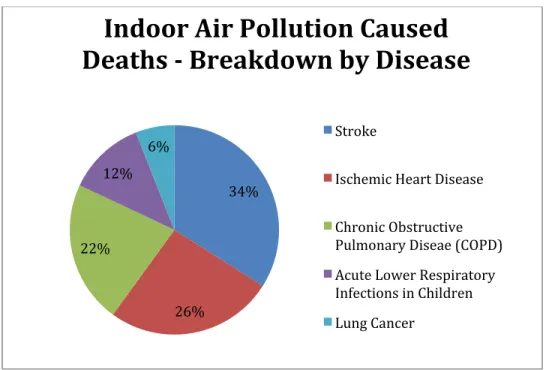
Figure 1: Chart created using WHO data. (WHO, 2014)
A considerable number of scientific studies have reported adverse health effects associated with air pollution. The effects range from cardiac disease, adverse pregnancy and birth outcomes, respiratory symptoms and illness and impaired lung function (Kaufman et.al., 2012; Vinikoor-Imler LC et.al., 2014; Boy et.al., 2002; Brunekeef and Holgate, 2002; Smith et.al., 2004).
Nearly half of all pneumonia deaths among children under the age of five occurs as a result of cookstove smoke exposure (Smith et.al., 2011). A study in Guatemala showed that rates of severe childhood pneumonia and carbon monoxide exposure can be significantly reduced in children less than 18 months of age, in households using a wood stove connected to a chimney, compared with homes where open, indoor wood cooking fires were used (Smith et.al., 2011).
34%
26% 22%
12% 6%
Indoor Air Pollution Caused
Deaths -‐ Breakdown by Disease
Stroke
Ischemic Heart Disease
Chronic Obstructive Pulmonary Diseae (COPD)
Acute Lower Respiratory Infections in Children
Additionally, the time between conception and birth – one of the most vulnerable life stages – is a time during which the impact of environmental exposures on fetal development may be far-reaching. Evidence suggests that growth and developmental delays in utero influence the risk for heart disease and diabetes in adulthood (Boekelheide et.al., 2012). Early childhood is also a critical period for the continued development and maturation of several biological systems such as the brain, lung, and immune system and air toxics can impair lung function and
neurodevelopment, or exacerbate existing conditions, such as asthma. Infants who are born premature or growth-retarded may be particularly vulnerable to environmental insults from indoor air pollutants due to immaturity of the lungs at birth (Moss, 2005).
Gender and Livelihood Impacts
Reliance on inefficient cookstoves and solid fuels leads to enormous burden on livelihood, especially for women and girls. Cooking is primarily the responsibility of the woman in the developing world, and women bear the burden of not only cooking but also gathering fuel. Inefficient stoves require more time to cook and gather fuel, a burden usually borne by women and children, which diverts their time from education and income producing activities (Lewis, 2012). Women and girls can spend up to 20 or more hours per week on fuel collection traveling long distances in search of fuel, away from the security of their villages and often, especially in conflict-prone regions, at the risk of gender-based violence.
“My awakening moment was being in Darfur,
meeting with the women, and realizing they’re getting raped trying to cook the food we bring them.”
Not only does fuel collection affect the safety and security of women, time spent collecting fuel leaves little time to pursue employment opportunities that can help bring in much needed money to the household. Girls more than boys help around the house and the duty of gathering fuel means they do not get to attend school. This missed opportunity to get an education or generate income is lost opportunity for women and girls to break out of the poverty cycle.
Environmental Impacts
Outside of affecting health and safety, consequences of cooking with biomass also extend to the global environment. Reliance on biomass fuels and coal contributes to local and regional
environmental degradation affecting local forest ecosystems due to unsustainable harvesting of firewood. Deforestation also leads to damage or loss of wildlife habitat, affects the watershed functions and consequently water quality, and has an impact on income generating potential of rural communities (Smith, 1994; Jagger, 2012).
these rivers for fresh water.
Awareness Gap
More people die each day from diseases such as those associated with use of biomass burning cookstoves, which are entirely preventable just by using clean burning cookstoves and fuels (WHO, 2010). Extensive attention of the global community to issues like malaria, tuberculosis, HIV/AIDS has meant a steady decline in death rates from these diseases. Despite its enormous global health burden, exposure to cookstove smoke and its impact has received little global attention in the past, even though estimates predict that the number of deaths from diseases related to cookstove smoke will surpass those from malaria, HIV/AIDS, and tuberculosis by 2030 (WHO, 2010; Lozano et.al., 2012). While international and country-specific programs exist to promote the use of cleaner cookstoves and fuels, until recently, the sector was largely a
collection of small, donor-initiated efforts operating in isolation with a lack of strategic focus, regional coordination, or ability to scale to ensure sustained adoption. Adding to the challenge has been the relatively low level of global awareness about this wide-reaching health and
Figure 2: Report to Congress - USAID FY 2013 Health Budget
The Intervention and Barriers to Adoption
addition these efficiencies benefit the local environment and climate change because of reductions in fuel consumption and particulate and black carbon emissions.
Figure 4: Range of ICS in use in the field. (Photo credit: Jim Jetter, US EPA)
Besides ICS, the cookstove replacement programs across the world have also been
experimenting with the use of alternative cleaner burning fuels. There are a wide variety of fuels currently employed around the world for household cooking purposes. Liquid petroleum gas is an attractive alternative, one that people would be willing to adopt but for its price and
availability. Other fuels in use include biogas, charcoal, coal, kerosene, and solar.
Biogas is another viable alternative to biomass. Generated primarily from animal and kitchen
wastes, it can be used directly in conventional low-pressure gas burners. In rural communities,
small- and large-scale digesters can provide biogas for single-household cooking and lighting or
plant installation can significantly reduce respiratory diseases, asthma, and decreases in eye
infection (GACC, 2014). Biogas production and use does not contribute to climate change, in
fact it helps mitigate climate change. Methane capture from animal manure to burn and create
energy makes biogas production eligible for carbon credits that can pay for the operation costs of
the biogas plant (GACC, 2014). One primary reason for lack of widespread use of biogas around
the world is the high initial investment for putting in a biogas facility and a steady supply of
animal manure. Even so, there are many biogas plants in use around the world, 42.8 million in
China and 4.4 million in India alone (GACC, 2014).
Despite decades of efforts to implement ICS or clean burning fuels, the adoption of new and improved cookstoves has been limited. The potential of ICS —to save millions of lives, reduce harmful effects on the environment, empower women, create economic opportunities for the poor — remains elusive. So why, despite efforts of non-profits and government institutions, hasn't there been a greater adoption of clean cookstoves? Why hasn’t the “tipping point” reached for mass adoption of clean cookstoves as seen with products like Coca-Cola or cell phones?
low-income consumers. Financing can help people living in urban areas, but for people living on $1-$2 a day, even financing is not an option especially when firewood collected is free. Risk-averse tendencies of rural populations also make it hard to justify out of pocket costs for investment in ICS. Lack of a steady distribution of cookstoves and cleaner fuels, and servicing facilities also have been major challenges in meeting the needs of communities willing to adopt ICS and clean fuel technologies (UNDP, 2010). In a study conducted in rural India, researchers found the major challenge is the lack of a supply chain in the region. The villages are spread out, and many are
far away from markets where cookstoves could be sold. Many people don’t trust door-to-door
salesmen, who have a reputation for selling faulty products. Although purchase of stoves
increases when they’re sold by respected community members or representatives from
well-known community organizations, individuals are still reluctant because they don’t have
anywhere to go if the stove breaks or needs maintenance (unpublished data, Duke Traction
Study).
Though education and subsidies have been effective with public health interventions such as vaccination, adoption of ICS is significantly different from receiving a vaccine. Traditional social and cultural norms around cooking practices have been a major barrier to adoption. Cooking is a social practice with underlying cultural nuances that require significant lifestyle changes. Cooking is an integral part of the day-to-day life of the women in communities that use biomass burning stoves and therefore has many social and cultural implications. Gathering wood is a social activity. Food cooked on ICS taste different than when cooked on traditional stoves making adoption of cleaner cooking stoves less attractive for communities (Barnes et al., 1994).
to be aware of the benefits. With the balance of power skewed towards the men in rural communities, the decision to purchase a clean stove often resides with the men making it necessary that user (women) and purchaser (men) are aware of the benefits. Additionally, given the fact that men spend a limited or no time around a stove, their motivation to invest in a cookstove despite its benefits can be low (Miller and Mobarak, 2013).
The emphasis on the technology with the desire to create more efficient burning stoves has left the end-user out of the consideration from the design of the ICS. Cookstoves designed and tested in labs in a controlled environment and in donor countries with no input from the end-users have not met the field requirements. An efficient low- or no-emission stove, even when free or
subsidized is undesirable if the food cooked on it does not taste like it is supposed to (World Bank, 2011). Field studies show that even when people get a clean cookstove for their home, they often abandon it in favor of their old stove within a short time. A study in Mexico found that when users were consulted in the design, 70% used the stove regularly, compared with 50% of women who abandoned their improved stove in favor of their old stoves when they were not consulted (Barnes et.al., 1994). Furthermore, not one size fits all. Even within the same community, the characteristics of an ideal stove vary among households.
Though exclusive use is the desired goal, the cookstove adoption community should recognize that this is not a realistic goal. Evidence from Mexico, Botswana, Guatemala, China and
incomes rise, and they do not immediately abandon the use of fuel wood. Other factors, such as reliability of supply and safety of stoves are additional barriers to exclusive use by households (Rehfuess et.al., 2014).
Clean burning stoves have the potential to substantially reduce air pollution emissions and exposures. The first personal exposure from cookstoves was measured in India in 1981. Three decades later, although the adverse health impacts of IAP are well established, it remains unclear just how much emissions must be reduced to provide substantial health benefits. Several studies that measured particulate matter concentrations in kitchens or personal exposures before and after the introduction of ICS found that in most instances, substantial reductions were observed compared with baseline; however, the concentrations reported post intervention continue to remain well above WHO guideline values (Clark, et.al., 2013). In the face of the many barriers to sustainable and effective cookstove interventions, for this effort to meaningfully improve health, the fundamental question remains “How clean is clean enough?”
There is no doubt that clean cooking technologies offer a great opportunity to determine whether interventions that reduce IAP can prevent its many adverse health effects (Martin et.al., 2011). However, there is debate on how to proceed with understanding these adverse health effects. Some argue that the health benefits need to be well documented before major implementation programs move forward. Others think that cookstove and fuel implementation programs by NGOs, multinational companies, and governments under way should continue to move forward whether or not research is available to document the health benefits of the intervention (Martin et.al., 2013). The lack of robust evidence on the health impacts of clean cookstoves and fuel interventions has resulted in a lack of commitment on part of governments to support this
for implementation affecting the many components of the supply chain. The absence of
internationally recognized clean cookstove standards and limited in-country testing capabilities has also affected scale-up efforts and has led to false claims of health benefits and heating efficiency by manufacturers (GACC, 2011).
A year-long observational study in Kenya found lower, but not statistically significant, changes
in percentage of children with observed cough and severe pneumonia in households using
improved stoves (Foote et.al., 2013). It is not known if other health risks require such a marked
reduction in exposures. Trials to determine health benefits from cookstove interventions need to be long-term to achieve enough exposure reductions to manifest health benefits. One of the challenges to implementing such programs will be to maintain long-term sustainable use of the ICS and its affordability. A cross-sectional survey, air monitoring, and respiratory and
pulmonary function testing of 79 Honduran women cooking with traditional or improved cookstoves revealed that the use of improved stoves was associated with significantly improved levels of personal PM2.5, lower levels of indoor PM2.5, and lower levels of indoor carbon
monoxide as compared to traditional stoves. Women using traditional stoves reported symptoms more frequently than those using improved stoves. There was no evidence of associations between cookstove type or air quality measures with lung function or CRP (Clark et.al., 2009).
Study results from yet another randomized evaluation of an improved cooking stove program to date found that the ICS did not lead to long-term improvements in health and fuel use remained unchanged through four years of follow up (J-PAL, 2012). The cookstoves used in the study were inexpensive and performed well in the laboratory. Reduced indoor air pollution exposure for women was observed during the first year only. Many households did not regularly use their new stoves, and did not invest enough in their maintenance to keep them in working condition over the long-term. The study participants did not value the improvements in health enough to get the potential benefits (J-PAL, 2012).
It is important to note that a research study can only offer temporary short-term interventions, and fails to build local capacity for sustainability of the intervention. Continuous monitoring throughout the study is necessary to ensure continued proper use of the ICs. Most short-term interventions also fail to adequately research demographics, current events, and culture of the communities they enter and this can also be an impediment for the sustainability of their efforts.
What does this all mean? Certainly not that the global health community should abandon all hope to reduce dependence on traditional cooking fuels. Rather, that closer attention needs to be paid to the end-user. Improved cookstoves should be designed with user input so that people actually want to acquire, use, and maintain them. Additionally, specifications for manufacturers should be set to meet guidelines and standards for emission reduction, efficiency, and
can improve the general acceptance of the stoves; and trials to document the amount of reduction in IAP necessary to improve health. Training the end user communities on the benefits of ICS; on proper use and maintenance of stoves; identifying strategies to facilitate behavior change among members of the community to increase stove adoption; and evaluating which strategies are most effective should be considered.
A systematic review conducted to understand the determinants of fuel and stove choice found a relationship between socioeconomic status and urban location and adoption of ICS and clean fuels (Lewis and Pattanayak, 2012). The authors suggest that instead of focusing singularly on the health impacts of clean cookstoves, there is need to investigate the role of household drivers such as education and attitudes as they are modified by socio-psychological drivers such as peer pressure, risk aversion, subsidy programs, market-based product commercialization, supply chain strengthening; and capacity of local governments and NGOs to implement clean cooking programs.
Last but not least is the primary misconception in global health work that any action is better than inaction (Unite for Sight, 2013). The ethical call-to-action in the face of poverty and destitution can often lead to interventions that are poorly researched and ineffectively implemented. The field of public health is littered with examples of failed interventions
designed to improve human health (Racioppi et.al., 2004). Primary among these are interventions that require substantial changes in human behavior to be successful (USAID, 2004). Unless households adopt and use ICS and fuels that are capable of delivering sufficient exposure reductions, their health benefits will not be realized. Despite the best intentions, interventions to improve health can be unsuccessful with unintended, catastrophic consequences. An example is the wells installed in south Asia to provide access to clean groundwater and prevent the spread of cholera; they did not prevent cholera but did lead to widespread arsenic poisoning (Smith et.al., 2000). Reducing IAP will not have adverse impacts, however, the commonly held belief that indoor smoke wards off mosquitoes and can prevent malaria can be difficult to overcome (Brian et.al., 2007).
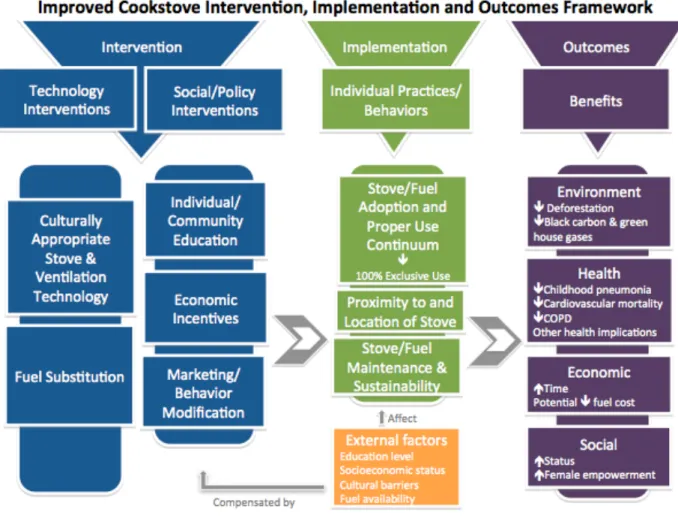
Figure 5: A framework depicting the current state of knowledge about clean cookstove adoption.
The objective of this public-private partnership is to address the gaps in adoption by creating a global market for clean and efficient cookstoves and fuels in the developing world.
Cookstoves and India: A Case Study
In a country of 1.2 billion people, where 67% households (166 million households) rely on solid fuels as their primary source of fuel for cooking, the health and environmental impacts of biomass burning are immense. While urban populations are converting to modern fuels, populations in rural areas remain wedded to solid fuel use. With ~ 35% of India’s population living on less than $1.25 a day, access to clean energy remains a challenge for majority of India’s population (Balakrishnan et.al., 2014).
Approximately, 400 million people (90% women) are exposed to the negative health impacts of biomass burning. Estimates from the comparative risk assessment conducted as part of the global burden of disease report of 2010 show that the burden in India of approximately 1.04 million premature deaths and 31.4 million disability-adjusted years (DALYs) can be attributed to
household air pollution resulting from solid cooking fuels (Balakrishnan et.al., 2014). In addition to health impacts, inefficient cooking methods and practices require women to spend up to 5-8 hours per day on cooking activities, with ~20% of that time devoted to collection of fuel.
The Indian government realized the enormity of this problem as early as 1985, when it launched a program to provide low-smoke stoves to poor families. In the following 17 years, the
terminated in 2002. Even as more and more Indians bought liquid petroleum gas stoves (there are 122 million gas connections in the country now), a substantial part of the country still depended on biomass stoves – chulhas – for which the government needed to evolve a separate solution and it had to be viable and market-based.
In 2009, the ministry of new and renewable energy (MNRE) launched the National Biomass Cookstoves Initiative (NBCI) to explore public-private partnership to take cleaner stoves to those millions. The government wanted to work with those who could help it scale up the project to meet India’s gigantic needs – the overall market size of ~235 million households is more than the total market size of many other countries combined. It also needed a lot of money. Inspite of that, the Indian goverment rejected the alliance’s proposal to partner (India is the only country where the government has not yet partnered with the alliance) because it perceived the alliance’s agenda to have implications far beyond fixing the village woman’s kitchen. According to Indian government sources, it was symbolic of the developed world’s efforts to shift the burden of climate change to the developing world and absolve itself of primary responsibility for controlling emissions (Thomas and Ramnath, 2011). Whether this is true or not, is anybody’s guess, but this scenario highlights how international policy agendas can interfere with the successful implementation of public health interventions at the expense of the beneficiaries, often the most vulnerable of society. Cookstove work by independent organizations and US institutions continues in India, but large-scale Indo-US ICS implementation efforts have been stalled.
researchers found a cautious interest in new ICS technologies, and observed that preferences for ICS were positively related to perceptions of health and time savings (Bhojvaid et.al., 2014). Analysis of survey responses from a sample of 2,120 rural households in the two states found that higher economic status, education, and smaller family size is associated with owning an ICS (mostly LPG). Households had a strong preference for traditional stoves and were willing to spend 10 and 5% of average household monthly expenditure on ICS. These observations suggest that ICS scale up will need more than changes to the policy agenda. Market strategies will need to pay attention to stove pricing, and community characteristics like gender, education, socio- economic status, prior experience with clean stoves, and social norms as perceived through the actions of neighbors, as these were all important in the decision-making to purchase an ICS (Jeuland et.al., submitted).
Implementation of the Clean Cookstove and Fuel Intervention
The failure of large-scale adoption by end users of ICS due to the barriers that have been identified suggests that more attention needs to be paid to the design of implementation efforts on the ground. Unlike other interventions such as smoking cessation or obesity control, there are no vested commercial interests that oppose the adoption of clean cooking technologies. In fact, it is just the opposite. The manufacturing and distribution of ICS has immense market potential especially given the sheer number of end users. Despite these enabling factors, it has been difficult to implement what appears to be a seemingly simple intervention. The magnitude of behavior change required to adopt ICS is not trivial. Making adoption of clean cooking
can the implementation community best address them?
To prevent disease people are increasingly asked to do things that they have not done previously, to stop doing things they have been doing for years, and to do more of some things and less of other things…it is unreasonable to expect that people will change their behavior easily when so many forces in the social, cultural, and physical environment conspire against such change (IOM, 2000).
Taking into consideration the key concepts of the health behavior change models – the Health Belief Model, Social-Cognitive Theory, Theory of Reasoned Action, and the Transtheoritical model (TTM) of change – for a successful health promotion and prevention program to enable behavior change, a person must: have a strong predisposition or desire to perform a behavior; face a minimum of information processing and physical, social, and logistical barriers to performing the behavior; perceive him/herself as having the requisite skills for the behavior; believe that material and social reinforcement will follow the behavior; believe that there is normative pressure to perform the behavior and none sanctioning it; believe behavior is
consistent with person’s self-image; have a positive effect regarding the behavior; and encounter enablers or cues to engage in the behavior at the right time and place (Westmaas et.al., 2007). Further, individual behavior change is not as an event but rather a process. According to TTM, at any given time, a person is in one of five stages of change: pre-contemplation, contemplation, preparation, action, or maintenance. People move from one stage to the next and each stage happens sequentially, requiring its own strategy and there are no short cuts (Prochaska et.al., 1995)
strategies, while neglecting the environmental/ecological underpinnings of health and illness (Stokols, 1996). Individual behavior changes and choices are critical to addressing the burden of chronic disease but they alone are not sufficient. The shift from person-focused to ecological focused behavior change stems from the recognition that most public health challenges are too complex to be understood and implemented from the individual perspective. Rather, they require more comprehensive approaches that integrate social, cultural, psychological, organizational, and regulatory perspectives. Additionally, individual behavior change is also often not feasible when forces in social, cultural, and physical environments enable unhealthy behaviors (Stokols, 1996).
The Health Impact Pyramid addresses the social determinants of health with the greatest potential public health benefit (Frieden, 2010). According to Frieden, interventions that change the context for individual behavior are generally the most effective public health actions. The risk factors that most greatly impact a community and an individual’s health can be lessened through policy, systems, and environmental interventions increasing healthy options for
communities and making healthy choice easier for individuals. Figure 6 describes what a health impact pyramid may look like for the clean cookstove intervention. The bottom tiers of the pyramid, which represents change in socioeconomic factors include efforts to reduce poverty and to make access to clean air a basic human right. The second tier of the pyramid represents
interventions that change the environmental context to make healthy options the default choice. The defining characteristic of this tier of intervention is that individuals would benefit from these efforts of education, income, or other societal factors. Making access to cookstove easy, and making employment opportunities in the sector would increase buy in of the intervention, thus making it easy to adopt. The third level of the pyramid represents infrequent protective
individuals easy access to credit and alternate solutions to ICS would help redirect behavior and sway preferences to a healthier option of adopting clean cookstoves or fuels. Community health workers (CHWs) would provide clinical intervention to households for prevention of IAP exposure related symptoms, and raise education and awareness of the health benefits of a clean cookstove. They could also be trained to become advocates for clean cooking technologies to change behaviors of individuals and communities.
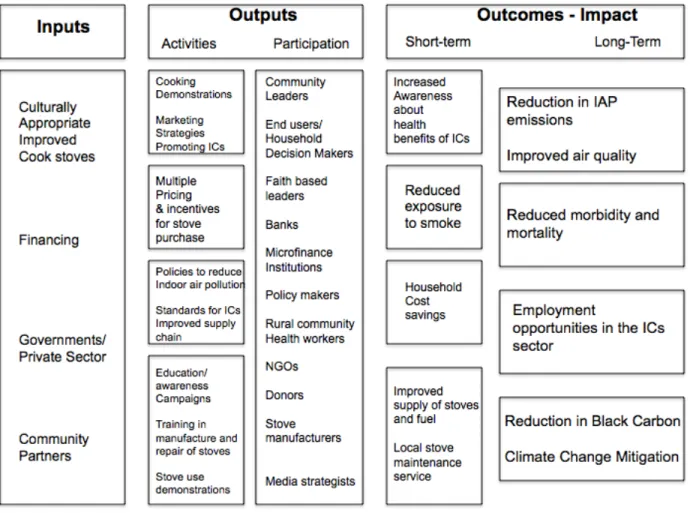
Figure 7: A logic model to support the health impact framework for clean cookstove implementation program.
Stakeholder Engagement and Cookstove Adoption
There is a fundamental lack of demand for ICS product in target low-income populations living on $2 per day. This weak demand is likely driven by a lack of perceived value of the stoves’ health, efficiency, productivity, and environmental benefits and a misalignment with cultural and taste preferences. Some have argued that without addressing demand generation, cookstove programs will continue to miss the mark (GACC, 2011).
A successful strategy to enable poor individuals or households to adopt stoves or fuels requires the creation of market demand (Levine et.al., 2013). Social marketing, the use of marketing to design and implement programs to promote socially beneficial behavior change, has grown in popularity and usage within the public health community. It is important to understand the needs of the target population when designing campaign messages. Ideally, a market in improved stoves and fuels would spur local economic development and provide local supply chains to meet the demand and maintenance for clean stoves. The present global strategy for achieving universal adoption of clean cookstoves and fuels spearheaded by the Global Alliance is market based - enhance demand; strengthen supply; and foster an enabling environment for the market-based strategies to succeed. Taking the lead from marketing of other socially beneficial consumer products like water filters, electric stoves, there is a shift in cookstove adoption strategies from those oriented to aiding beneficiaries to ones that target customers. But there are challenges in creating sufficient demand.
than education about the health improvements through elimination of indoor air pollution – a factor that rarely ranks high in the calculation of the end user. This is counter to expectations that outside observers including health focused researchers and donor agencies deem paramount.
Targeting early adopters to build a critical consumer demand has also worked in the past (O’Dell et.al., 2013). Can shifting the message from health and environmental benefits to other socially sensitive variables like modernity, sophistication or wealth lead to increase consumer demand? Recruiting enterprises in the community such as restaurants/food stalls or other enterprises held in high esteem can also help with adoption. Utilizing creative social marketing techniques and awareness building campaigns based on social values and tailored messages should be
emphasized. Understanding how messages travel across rural communities will be important. A social network analysis of active community members (ACM) in Honduras found that ACMs heard about the stove twice before sharing the information or introducing the stoves to their communities; both men and women were critical to the diffusion process; women communicated over short-distances whereas men were more likely to communicate over long-distances;
government officials were also crucial in the diffusion process (Ramirez et.al., 2014).
Co-branding with a recognized consumer brand to gain consumer trust; engaging community leaders and leveraging local popular culture to help with product buy-in; leveraging existing trusted distribution networks to generate demand for the product have worked previously to increase demand. Use of celebrities as spokespersons could also spark consumer demand. Julia Roberts is the celebrity spokesperson for the alliance. Identifying influential celebrities in individual
countries to become advocates of the intervention could be a viable strategy.
Interventions in Panama and Guatemala focused on instigating community discussions about
fuel-efficient cook stoves through community-performed skits with talk-back sessions led by a
community leader have proven to be effective for engaging the community in a lively discussion
(Osnes, 2013)
The challenge for the cookstove market is that along with stimulating initial demand, there is the need to maintain interest in the product throughout its lifetime to achieve the intended health and environmental benefits. It is not clear that the cookstove intervention can be sustained purely through market-based private sector initiatives. Given its significance for public health and environmental benefits, the public sectors’ continued support is important for sustaining the intervention until there is marked change in behavior of the end user community.
Scaling-up the use of improved cookstoves is another central component of this effort. Failure of consumers to adopt a product with benefits far greater than its costs – has consistently challenged improved cookstove programs. Such behavior explained by issues of liquidity constraints and present bias where consumers have difficulty coming up with a lump sum for cookstove purchase, poor information on fuel and time savings, and stove durability can be countered by innovative financing options such as combining free trail, time payments, and the right to return the stove. Availability of financing options have been shown to dramatically increase uptake of improved stoves in Uganda (Martin et.al., 2013). Data from a survey of households in India also found a preference for stove purchase decisions related to access to rebates (Jeuland, unpublished data)
study found that women in rural Bangladesh do not perceive indoor air pollution as a significant health hazard, prioritize other basic developmental needs over nontraditional cookstoves, and overwhelmingly rely on a free traditional cookstove technology and are therefore not willing to pay much for a new nontraditional cookstove (Mobarak et.al., 2012). Efforts to improve health and abate environmental harm by promoting nontraditional cookstoves may be more successful by designing and disseminating nontraditional cookstoves with features valued more highly by users, such as reduction of operating costs, even when those features are not directly related to the cookstoves’ health and environmental impacts (Lambe and Atteridge, 2012).
An important related need is for continued technology advancements in exposure assessment. Virtually all of the proposed research studies require access to personal, household, and outdoor exposure monitoring instruments that are accurate for monitoring air pollutants associated with disease risk. Field-testing of these monitors to measure the very high exposure levels from IAP is needed. Often these exposure monitors and the monitoring process are complex and require trained staff, usually men, to go in to kitchens and take measurements (Figure 8a). If these monitoring devices could be designed so that the local women can be trained to use them, then this would present an opportunity not only for interaction and exchange of information with the cook, but also employment opportunities for women and girls. Such informal exchanges can play a role in changing perceptions and eventually behaviors towards use of clean cookstoves.
Additionally, designing simple personal exposure monitors that are easy and attractive to wear can also play a role in actively engaging communities in the process of monitoring and
Figure 8a: Invasion of a kitchen with complex exposure monitoring device leaves little options for interactions with the cook (A field-emissions measurement project in Karnataka, India. Photo credit: Andy Grieshop of NC State University)
wearing these monitors thus affecting collection of exposure data (unpublished data).
Figure 8c: Silicone wristbands that can detect over 1,000 chemicals in the environment are being being field tested in Latin America to measure exposure to cookstove emissions (O’Connell et.al., 2014). These bright colored wristbands offer an attractive alternative to cumbersome gadgets to be carried on person at all times. These wristbands can also help to recruit community members (especially children) in exposure studies.
Biogas provides clean cooking energy, contributes to health improvement and reduces the time
needed for biomass collection. Many national programs are already in place to implement
domestic biogas in a number of countries. The barriers to biogas adoption include the initial set
up cost and lack of raw materials. The financial barrier can be overcome by financing
mechanisms similar to those being offered for the clean cookstove programs. Building
community-based biogas plants instead of individual plants can also alleviate the problem of
financing and availability of raw materials for the plant. The slurry that is generated post creation
of the methane can be treated to make high quality manure, which can be used in the fields and
also sold in the market. Biogas plants are also eligible to get carbon credits in the form of cash
carbon credits and sale of manure provides the necessary cash flow to repay loans and
maintenance of the plant. Adding human waste together with the animal waste in the biogas
plants also takes care of another major global health crisis – spread of infectious disease from
poor hygiene and sanitation. Previous campaigns for increasing toilet usage have focused on
health promotion messages, which similar to the cookstove intervention, failed to motivate people to use the intervention, in this case toilets. The monetary incentives of biogas generation encourage behavior change, sustainability of the product and the project. Given the existing barriers in adoption of clean burning cookstoves, the uncertainty of improved biomass burning
stoves in improving health outcomes, and the desire of the target communities to move up the
energy ladder, Alliance and the global cookstove community will need to pay more attention to
and invest in biogas as a renewable and clean fuel to alleviate the problem of IAP.
Role of Women as the Primary Stakeholder in Clean Cookstove Adoption
A literature search of community-based interventions in cookstove adoption returned limited information. Though foreign research teams and donor agencies recruit local groups and NGOs to help with field research and implementation, there is not much in the published literature about the role of women in these efforts. In instances, where local women who use improved stoves have been recruited to act as spokesperson for intervention – the strategy has proven to be succesful (Gallagher, 2014). In a community in Darfur ravaged by civil war, women members of the regional development association help sell stoves; they have been trained in finance
leading to more sustainable solutions to IAP. Extensive community participation and involvement in stove design, testing, and manufacture has shown to be valuable in ensuring effectiveness, suitability, and sustainability of a stove program in India (Rouse, 2002).
To improve the health of women and children per the Millennium Development Goals (MDGs), strong community investment and formal investments in national health systems have been deemed necessary. There is overwhelming evidence to the effectiveness of community
interventions in improving health outcomes under the MDGs. Community Health Workers have been deemed essential to the attainment of these goals worldwide (Millenium Village Project, 2014 ). CHWs have proven crucial in settings where the overall primarily health care system is weak, particularly in improving child and neonatal health. In recent years, many countries across the world have expanded their primary health care delivery system by training CHWs, who can be either paid or voluntary workers. They are either part of the national healthcare system or trained by non-profit organizations.
Women from the poorest communities are selected and undergo training to perform basic healthcare delivery services, often related to maternal and child health. The program aims to increase access to basic healthcare services for members of the most underserved communities, and at the same time improve the socioeconomic conditions of women from these communities. CHWs are crucial to the success of global health efforts because of their unique understanding of local problems. Their close community ties allow them to identify areas of need and to
familiarity, but they are often external entities run and operated by city folks.
Review of the published literature reveals that few interventions have considered engaging CHWs. Whenever research studies engaged local NGOs with closer ties with the community or CHWs as part of the intervention, the success rates of adoption have been impressive (ref). Community health workers can be useful to cookstove implementation programs in multiple ways. Given their increased understanding of health in comparison to their communities, CHWs can potentially become early adopters, and field testers. Community health workers (CHWs) can play a critical role in creating demand for, implementing facilitation and delivery of, and
monitoring these cookstoves and related services, thus making improved cookstoves an
appealing, available, and sustainable option for the rural poor (Lim et.al., 2013). They can also be recruited to raise awareness of the benefits of clean burning cookstoves, perform
demonstrations, and can also make effective sales agents.
Recent literature suggests that exposure to air pollution during pregnancy can cause adverse birth outcomes and health problems for the mother and child (Wylie et.al., 2014; Thompson et.a., 2011). Women of child bearing age, pregnant women, new mothers and their families should therefore be made aware of the potential hazards of indoor and outdoor air pollution to
developing fetuses and small children. Pollutants from coal-burning stoves have been strongly associated with miscarriages in Mongolia (Enkhmaa et.al., 2014). Given that CHWs are trained specifically to address maternal and child health outcomes, it would not be a far-fetched idea to incorporate cookstove related training into the CHW program. The CHWs are perfectly poised to share this information with their communities.
ICS and knowledge of health benefits, it is difficult to assess whether more detailed adverse health information will lead to increased adoption of ICS. But it is the public health
community’s obligation to share the research evidence along with the other maternal and child health information that CHWs share with their clients such as reproductive health and family planning, TB care, malaria control and HIV/AIDS care (WHO 2007, CHW report).
The constitution of the WHO states that “the enjoyment of the highest attainable standard of health is one of the fundamental rights of every human being” (WHO, 2011). In the past 20 years, this perspective on access to health care as a public good, guaranteed as an essential right of every person, has gained traction in the field of global health. Some have proposed
considering clean air as a human right (Lim et.al., 2013). Access to clean air, just like access to clean water should be a fundamental right. Framing the global crisis of indoor air pollution as a human right also ensures that the state’s role in providing access to clean air for its citizens is an obligation, one that may not be easily overlooked. Given that poor women in the developing world are the most marginalized, this would not be an out-of-world idea.
Cost-effective technological solutions have addressed many different problems encountered in developing countries. But technology alone has rarely been enough to eliminate these problems. In the case of cookstoves, there is wide acceptance that technologically improved stoves have great potential to reduce sickness, lessen harm to the environment, and open up economic opportunities for those living in poverty. But that potential will remain unmet if the realities of the end-users – unreachable ICS markets, lack of information about ICS, difficulty in
that these programs require to succeed and provide a mechanism to enforce equality and accountability, key aspects of the rights-based approach. By strengthening and scaling up the CHW programs through reform in support, resources, management, and incentives, governments can address the human rights framework of access to clean air for all. The CHW program
established under the Alma Ata Declaration of 1978 is a universal approach for delivery of primary health care across the world, especially in remote parts of developing countries, which is where biomass burning is also most prevalent. Therefore, there is the possibility that CHW programs successful in cookstove adoption efforts in Nepal can be adapted for the CHW programs in Kenya without the need to reinvent the wheel.
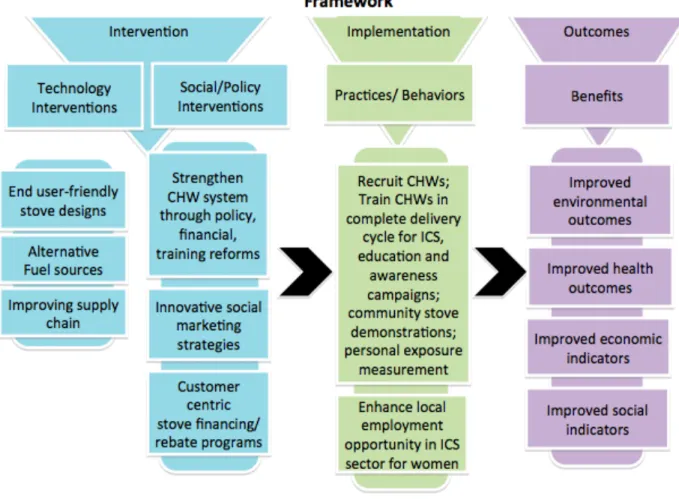
A framework to support the cookstove intervention highlighting an active role of women is
Figure 9: A woman-centric framework for cookstove adoption intervention
Next Steps
The global community faces a critical moment in the fight against indoor air pollution. There is global consensus, awareness, and mobilization around the need to act. National and international collaboration platforms have been established. Partnerships across civil society groups, service delivery organizations, donors, and governments are being forged.
evidence of what does not work but limited evidence of what may work. One would hope that the research community will be open to innovative approaches to addressing this issue. Rather than focusing on their area of expertise and interest, the focus will need to be on the public health concern. Anecdotal evidence suggests that researchers go where there is funding. This may be good for the researcher, but not necessarily for the communities on the ground and the
intervention in question. Funding agencies also need to pay attention to this and need to fund solutions rather than individual researchers. For example, if biogas facilities in lieu of newer cookstove designs will help resolve this issue, maybe that is where the efforts need to focus. The global health community will need to deploy a combination of complimentary social and market-based strategies to address the many institutional and individual changes needed to address the IAP crisis in a successful and sustainable solution. Women as end-users, most at risk population, champions of this cause - have not yet been engaged to the fullest extent possible in this effort.
REFERENCES:
1. World Health Organization (2011) WHO Public Health and Environment. Global Health Strategy. Geneva. World Health Organization.
2. Prüss-Üstün, A., & Corvalan, C. (2006) Preventing Disease through Healthy
Environments. Towards and Estimate of the Environmental Burden of Disease. Geneva. World Health Organization. Retrieved from
http://www.who.int/quantifying_ehimpacts/publications/preventingdisease.pdf?ua=1 3. Lozano R et.al. (2012) Global and regional mortality from 235 causes of death for 20 age
groups in 1990 and 2010: a systematic analysis for the Global Burden of Disease Study 2010. The Lancet, 380 (9859):2095 - 2128. doi:10.1016/S0140-6736(12)61728-0 4. Institute for Health Metrics and Evaluation (2014). Retrieved at
http://www.healthdata.org/gbd
5. Ezzati M, Lopez AD, Rodgers A, Vander Hoorn S, Murray CJ. (2002) Selected Major Risk Factors and Global and Regional Burden of Disease. Lancet. 2;360(9343):1347-60. 6. Smith K, Mehta S, Maeusezahl-Feuz, M (2004) The Global Burden of Disease from
Household Use of Solid Fuels: A Source of Indoor Air Pollution. In: Comparative Quantification of Health Risks: The Global Burden of Disease due to Selected Risk Factors. Geneva. World Health Organization
7. WHO (2014) Burden of Disease from Household Air Pollution for 2012. Geneva. World Health Organization
8. Balakrishnan K, Parikh J, Sankar S, Padmavathi R, Srividya K, Vidhya V, et al. (2002) Daily average exposures to respirable particulate matter from combustion of biomass fuels in rural households of Southern India. Environ Health Perspect 110:1069–75. 9. Baumgartner J, Schauer JJ, Ezzati M, Lu L, Cheng C, Patz JA, et al. (2011) Patterns and
predictors of personal exposure to indoor air pollution from biomass combustion among women and children in rural China. Indoor Air 21:471–488.
10. Rehfuess E. Fuel for life: household energy and health. (2006) Geneva, WHO.
11. Fullerton DG, Bruce N, and Gordon SB (2008) Indoor air pollution from biomass fuel smoke is a major health concern in the developing world. Trans R Soc Trop Med Hyg. Sep 2008; 102(9): 843–851. doi: 10.1016/j.trstmh.2008.05.028
12. Kaufman JD, et.al. (2012) Prospective study of particulate air pollution exposures, subclinical atherosclerosis, and clinical cardiovascular disease: The Multi-Ethnic Study of Atherosclerosis and Air Pollution (MESA Air). Am J Epidemiol.176(9):825-37. doi: 10.1093/aje/kws169
13. Vinikoor-Imler LC, Davis JA, Meyer RE, Messer LC, and Luben TJ.(2014) Associations between prenatal exposure to air pollution, small for gestational age, and term low birthweight in a state-wide birth cohort. Environ Res.132:132-9. doi:
10.1016/j.envres.2014.03.040
14. Brunkeef, B. and Holgate ST. (2002). Air Pollution and Health. The Lancet, 360 (9341):1233 – 1242. doi:10.1016/S0140-6736(02)11274-8
15. Boy E., Bruce N., Delgado H. Birth weight and exposure to kitchen wood smoke during pregnancy in rural Guatemala. Environ. Health Perspect. 2002;110:109–114.
16. Boekelheide, K, et.al. (2012) Predicting Later-Life Outcomes of Early-Life Exposures. Environ Health Perspect; doi:10.1289/ehp.1204934
Australian Physiological Society. 36: 23-28.
18. Jagger, P. (2012). Environmental Income, Rural Livelihoods and Income Inequality in Western Uganda. Forests, Trees and Livelihoods. 21(2): 1-15.
18. Smith KR, McCracken JP, Weber MW, Hubbard A, Jenny A, Thompson LM, Balmes J, Diaz A, Arana B, Bruce N. (2011). Effect of reduction in household air pollution on childhood pneumonia in Guatemala (RESPIRE): a randomized controlled trial. Lancet 378(9804):1717-1726.
19. Lewis JJ, Pattanayak SK. (2012) Who adopts improved fuels and cookstoves? A systematic review. Environ Health Perspect.120(5):637- 45.
20. Smith KR. (1994) Health, energy, and greenhouse-gas impacts of biomass combustion in household stoves. Energy for Sustainable Development 1(4):23-29.
21. Adler T (2010) Better Burning, Better Breathing: Improving Health with Cleaner Cook Stoves. Environ Health Perspect 118:a124-a129 (2010).
http://dx.doi.org/10.1289/ehp.118-a124
22. NASA News (2009) Black Carbon Deposits on Himalayan Ice Threaten Earth’s "Third Pole." Retrieved from http://www.nasa.gov/topics/earth/features/carbon-pole_prt.htm 23. World Health Statistics (2010) Rep. France: World Health Organization, 2010
24. Smith KR (2002). Indoor air pollution in developing countries: recommendations for research. Indoor air 12(3):198–207
25. Global Alliance for Clean Cookstoves (2014) The Solutions. Cookstove Fuels. Global Alliance for Clean Cookstoves. Retrieved from http://www.cleancookstoves.org/our-work/the-solutions/cookstove-fuels.html
26. Slasky, Xander, and Mark Thurber. (2009) Cookstoves and Obstacles to Technology Adoption by the Poor. Working Paper. Stanford: Program on Energy and Sustainable Development, Stanford University.
27. UNDP (2010) Household Cooking: Scaling up and Carbon Markets. Working Paper. Earth Institute. Millenium Promise. United Nations Development Programme.
28. Barnes DF, Openshaw K, Smith KR, van der Plas R. (1994). What makes people cook with improved biomass stoves?: A Comparative International Review of Stove Programs. World Bank technical paper; no. 242. Energy series. Washington, DC : The World Bank. 29. Miller G and Mobarak AM (2013) Gender Differences in Preferences, Intra-Household
Externalities, and Low Demand for Improved Cookstoves. Working Paper. National Bureau of Economic Research. Cambridge, Massachussets.
30. World bank (2011) Household Cookstoves, Environment, Health, and Climate Change: A New look at an Old Problem. Working Paper. World Bank.
31. Redman A (2011) Stove Staking: The integration of the Justa cookstove in one rural EL Salvadorian Community. ETHOS Conference Presentation. Retrieved from
http://www.vrac.iastate.edu/ethos/files/ethos2011/Redman_StoveStacking.pdf 32. Rehfuess EA, Puzzolo E, Stanistreet D, Pope D, and Bruce NG (2014) Enablers and
Barriers to Large-Scale Uptake of Improved Solid Fuel Stoves: A Systematic Review. Environ Health Perspect 122:120–130; http://dx.doi.org/10.1289/ehp.1306639
34. Global Alliance for Clean Cookstoves (2011) Igniting Change: A Strategy for Universal Adoption of Clean Cookstoves and Fuels. Washington DC, GACC.
35. Martin WJ 2nd, Glass RI, Balbus JM, Collins FS. (2011) Public health. A major
environmental cause of death. Science 334(6053):180-1. doi: 10.1126/science.1213088. 36. Martin WJ 2nd, Glass RI, Araj H, Balbus J, Collins FS, Curtis S, Diette GB, Elwood
WN, Falk H, Hibberd PL, Keown SE, Mehta S, Patrick E, Rosenbaum J, Sapkota A, Tolunay HE, Bruce NG. (2013) Household air pollution in low- and middle-income countries: health risks and research priorities. PLoS Med. 10(6):e1001455. doi: 10.1371/journal.pmed.1001455.
37. Foote EM, Gieraltowski L, Ayers T, Sadumah I, Faith SH, Silk BJ, Cohen AL, Were V, Hughes JM and Quick RE. (2013). Impact of locally-produced, ceramic cookstoves on respiratory disease in children in rural western Kenya. American Journal of Tropical Medicine and Hygiene 88: 132-137.
38. Clark ML, Peel JL, Burch JB, Nelson TL, Robinson MM, Conway S, Bachand AM and Reynolds SJ. (2009). Impact of improved cookstoves on indoor air pollution and adverse health effects among Honduran women. International Journal of
Environmental Health Research 19: 357-36
39. J-PAL Policy Briefcase (2012) Up In Smoke. Cambridge, MA. Abdul Latif Jameel poverty Action Lab.
40. Albalak R, Bruce N, McCracken JP, Smith KR, de Gallardo T. (2001) Indoor respirable particulate matter concentrations from an open fire, improved cookstove, and LPG/open fire combination in a rural Guatemalan community. Environ Sci Technol 35:2650–2655. 41. Ramsey, KM and Weijer C. (2007) Ethics of Surgical Training in Developing Countries.
World Journal of Surgery.31.11: 2070-2071.
42. Unite for Sight (2013) Pitfalls in Global Health. Retrieved from
http://www.uniteforsight.org/pitfalls-in-development/pitfalls-in-global-health
43. Racioppi F, Bertollini R, Taylor Gee V (2004) Catastrophic failures of public health. Lancet 363: 1552–1553. doi: 10.1016/s0140-6736(04)16160-6
44. USAID (2004) The hygiene improvement framework: A comprehensive approach for preventing childhood diarrhea. Office of Health, Infections Diseases and Nutrition, Bureau for Global Health, USAID.
45. Smith AH, Lingas EO, Rahman M (2000) Contamination of drinking-water by arsenic in Bangledesh: A public health emergency. Bull World Health Organ 78: 1093–1103 46. Biran A, Smith L, Lines J, Ensink J, Cameron M (2007) Smoke and malaria: Are
interventions to reduce exposure to indoor air pollution likely to increase exposure to mosquitos? Trans R Soc Trop Med Hyg 101: 1065–1071. doi:
10.1016/j.trstmh.2007.07.010
47. Balakrishnan K, Cohen A, Smith KR. 2014. Addressing the burden of disease attributable to air pollution in India: the need to integrate across household and ambient air pollution exposures. Environ Health Perspect 122:A6–A7; http://dx.doi.org/10.1289/ehp.1307822 48. Thomas MP and Ramnath NS (2011) Why Is Hillary Clinton Peeping Into Indian
Kitchens? Forbes India. Retrieved from http://www.forbes.com/2011/04/12/forbes-india-hillary-clinton-black-carbon-stoves-indian-kitchens.html.
Environmental Research and Public Health 11(2), 1341-1358
50. Jeuland, M, Bhojvaid V, Kar A, Lewis J, Patange O, Pattanayak S, Ramanathan N, Rehman I, Tan Soo J, and Ramanathan V. (2013) Preferences for improved cookstoves: Evidence from rural villages in north India. Submitted. Retrieved from
http://www.dukeenergyhealth.org/papers/preferences-for-improved-cookstoves-evidence-from-rural-villages-in-north-india
51. Institute of Medicine Report (2000) Promoting Health: Intervention Strategies from Social and Behavioral Research. Brian D. Smedley and S. Leonard Syme, Editors; Committee on Capitalizing on Social Science and Behavioral Research to Improve the Public's Health, Division of Health Promotion and Disease Prevention. National Academies of Science, Washington DC, page 4
52. Westmaas JL, Gil-Rivas V, and Cohne Silver R (2007) Designing and Implementing Interventions to Promote Health and Prevent Illness. In HS Friedman and RC Silver (Eds), Foundations of Health Pshycology (pp 52-70) New York, NY. Oxford University Press
53. Prochaska JO, Diclemente CC, and Norcross JC (1992) In Search of How People Change. American Psychologist (Sept. 1992), Vol. 27, No. 9, pp. 1102–1114
54. Stokols D (1996) Translating Social Ecological theory into Guidelines for Community Health Promtion. Am J Health Promotion. 10 (4): 282-298
55. Freiden TR (2010) A Framework for Public Health Action: The Health Impact Pyramid. Am J Public Health.100(4): 590–595. doi: 10.2105/AJPH.2009.185652
56. Levine, DI, Beltramo T, Blalock G, and Cotterman C. (2013) What Impedes Efficient Adoption of Products? Evidence from Randomized Variation in Sales Offers for Improved Cookstoves in Uganda, Center for Effective Global Action (CEGA) working papers.
57. O'Dell K, Irish O, Maxted SJ and Peters S. (2013) Generating consumer demand for clean cookstoves in base-of-pyramid markets..Insights for donors and charitable organizations. A Point of View – Deloitte Consulting LLP. Deloitte University Press. 58. RamirezS, DwivediP, GhilardiA, and Bailis R (2014). Diffusion of non-traditional
cookstoves across western Honduras: A social network analysis. Energy Policy. Volume 66, Pages 379–389. http://dx.doi.org/10.1016/j.enpol.2013.11.008
59. Osnes, B (2013) Engaging women’s voices through theatre for energy development. Renewable Energy. Volume 49, Pages 185–187.
http://dx.doi.org/10.1016/j.renene.2012.01.036
60. Martin SL, Arney JK, Mueller LM, Kumakech E, Walugembe F and Mugisha E. (2013) Using Formative Research to Design a Behavior Change Strategy to Increase the Use of Improved Cookstoves in Peri-Urban Kampala, Uganda. Int. J. Environ. Res. Public Health. 10, 6920-6938; doi:10.3390/ijerph10126920
61. Mobarak AM, Dwivedi P, Bailis R, Hildemann L, and Miller G. (2012). Low demand for nontraditional cookstove technologies. Proc Natl Acad Sci U S A. 109(27).
10815-20. doi: 10.1073/pnas.1115571109
62. Lambe F, and Atteridge A. (2012) Putting the cook before the stove: A user-centred approach to understanding household energy decision-making A case study of Haryana State, northern India. Stockholm Environment Institute, Working Paper.
http://www.rti.org/newsroom/news.cfm?obj=AE291A37-5056-B100-0CFB5126DADAFB6D
64. O’Connell SG, Kincl LD, Anderson KA. 2014. Silicone wristbands as personal passive samplers. Environ Sci Technol 48(6): 3327-3335
65. Gallagher M (2014). Meet the women trading Sudan's first carbon credits. Cleaner stoves have saved Sudan over 36,000 tonnes of carbon dioxide emissions and earned the country its first carbon credits. The Guardian. Retrieved from http://www.theguardian.com/ global-development-professionals-network/2014/apr/17/women-darfur-sudan-carbon-credits
66. Rouse J (2002) Community Participation in household energy programmes: a case study from India. Energy for Sustainable Development. 6(2): 28 -36.
67. Millenium Village Project (2014) Community Health Workers at the Millennium Villages Project increase access to the health workforce. World Health Organization 68. Lim J, Petersen S, Schwarz D, Schwarz R, Maru D (2013) A rights-based approach to
indoor air pollutionHealth and Human Rights, 15/2. Retrieved from
http://www.hhrjournal.org/2013/12/10/a-rights-based-approach-to-indoor-air-pollution/ 69. Wylie BJ, Coull BA, Hamer DH, Singh MP, Jack D, Yeboah-Antwi K, Sabin N,
SinghN, and MacLeod WB. (2014). Impact of biomass fuels on pregnancy outcomes in central East India. Environmental Health 13:1 doi:10.1186/1476-069X-13-1
70. Thompson LM, Bruce N, Eskenazi B, Diaz A, Pope D, and Smith KR (2011). Impact of Reduced Maternal Exposures to Wood Smoke from an Introduced Chimney Stove on Newborn Birth Weight in Rural Guatemala. Environ Health Perspect 119:1489-1494 (2011). http://dx.doi.org/10.1289/ehp.1002928
71. Enkhmaa D, Warburton N, Javzandulam B, Uyanga J, Khishigsuren Y, Lodoysamba S, Enkhtur S and Warburton D (2014). Seasonal ambient air pollution correlates strongly with spontaneous abortion in Mongolia. BMC Pregnancy and Childbirth 2014,
14:146 doi:10.1186/1471-2393-14-146