FORMATIVE EVALUATION OF A FOOD ACCESS ENHANCED NUTRITION EDUCATION PROGRAM
Jared Thomas McGuirt
A dissertation submitted to the faculty at the University of North Carolina at Chapel Hill in partial fulfillment of the requirements for the degree of Doctor of Philosophy in the Department
of Nutrition in the Gillings School of Global Public Health.
Chapel Hill 2016
Approved by: Alice Ammerman
Peggy Bentley Tom Crawford Molly DeMarco Mark Holmes
ii © 2016
iii ABSTRACT
Jared Thomas McGuirt: Formative Evaluation of a Food Access Enhanced Nutrition Education Program
(Under the direction of Alice Ammerman)
Many low-income populations have limited access to healthful foods, which is associated with poor health outcomes. Federal nutrition education programs often do not address access to healthier foods. Integrating an affordable Community Supported Agriculture (CSA) program within these nutrition education programs may increase program impact. There is a need to understand how this program should be designed to meet customer needs and be successfully delivered through existing federal nutrition education programming.
As part of a larger randomized trial testing a CSA program delivered through an
Extension model in four US states, this mixed-methods formative evaluation included: 1) survey of low income adults (n=262) participating in federal nutrition programs across North Carolina, 2) choice experiment to determine program preferences among a low income population (n= 42) in four US states, and 3) in-depth interviews of Extension community nutrition educators (n=20) in four states followed by focus groups to understand perceived barriers and facilitators to
implementing the proposed program.
iv
no more than 20% more expensive than supermarket prices. There were statistically significant differences in willingness to participate given certain program scenarios across race and household size. The survey indicated high overall interest (85%), and more interest in the nutrition education program if there was a CSA (84%). There were statistically significant differences in willingness to participate by Race (p=.03), but not by Age (p=.70) or BMI (p=.057).
Adaptations of the typical CSA disbursement frequency and price points may be needed to be attractive to low income populations. Results of this research were used to inform the larger randomized trial of CSA program impact on dietary intake and economic opportunity for
v
ACKNOWLEDGEMENTS
God is first, I am Second. To Him be the glory for this. I foremost would like to thank God for giving me the opportunity to do this work, and for using me to help make the world a better place. I would like to thank my savior Jesus for taking my place on the cross, and for making me into a new creation with a desire to serve him and others. I would like to thank my family and friends, especially my incredibly awesome wife Brooke, for their support during the completion of this Dissertation. I want to thank my baby boy Inman for allowing me to work on this when he really wanted to me to play with him. I would like to thank my Dissertation
committee for all their guidance, feedback, and mentorship during this process. I would
especially like to thank my Dissertation Chair and primary mentor Alice Ammerman, who gave me the opportunity to obtain a PhD and be her mentee, and who gave me tremendous
mentorship, guidance, and training along the way.
I would also like to thank the USDA AFRI Cost Offset CSA team for their help with my research, and Lorelei Jones and the NC EFNEP and SNAP-Ed programs for their help in
disseminating surveys across North Carolina.
vi
TABLE OF CONTENTS
LIST OF TABLES...viii
LIST OF FIGURES...ix
LIST OF ABBREVIATIONS……….……….x
CHAPTER 1: OVERVIEW………...…………..1
Introduction………....…..1
Background and Significance……….………...…..3
Approach………...…...9
References..………22
CHAPTER 2: PERSPECTIVES ON A LOCAL FOOD ACCESS AND NUTRITION EDUCATION PROGRAM FROM COOPERATIVE EXTENSION NUTRITION EDUCATORS………...………25
Overview..……….….25
Introduction………....26
Methods……….…...28
Results……….……….…..30
Discussion………...37
Tables and Figures ………..………..…40
vii
CHAPTER 3: A CHOICE EXPERIMENT TO EXAMINE FACTORS INFLUENCING WILLINGNESS TO PARTICIPATE IN A COMMUNITY SUPPORTED AGRICULTURE (CSA) PROGRAM AMONG LOW INCOME
PARENTS………...60
Overview..………..…60
Introduction………...……….…61
Methods………..…....62
Results………..…...….65
Discussion………....….….77
References……….…...81
CHAPTER 4: FEDERAL NUTRITION PROGRAM PARTICIPANT INTEREST IN AN INTEGRATED EDUCATION PLUS COMMUNITY SUPPORTED AGRICULTURE PROGRAM………...………..…...84
Overview..………...84
Introduction………...……….85
Methods………...87
Results………..…..90
Discussion………...96
References……..………...….…99
CHAPTER 5: SYNTHESIS AND DISCUSSION...101
APPENDIX 1: EXTENSION EDUCATOR IN-DEPTH INTERVIEW GUIDE…………...…107
APPENDIX 2: EXTENSION EDUCATOR FOCUS GROUP GUIDE...109
APPENDIX 3: CHOICE EXPERIMENT FOR LOW INCOME ADULTS………...…110
viii
LIST OF TABLES
Table 1 - Nutrition Educator Characteristics……….40
Table 2 - Nutrition Educators perceived facilitators and barriers to low-income individual’s participation in a Cost-offset Community Supported Agriculture program from Interviews………...41
Table 3 - Summary of Thoughts on Incorporating a Cost Offset-CSA program into Extension………....45
Table 4 - Summary of Focus Group Feedback………..49
Table 5 - Relation of findings to Diffusion of Innovations model and RE-AIM framework……51
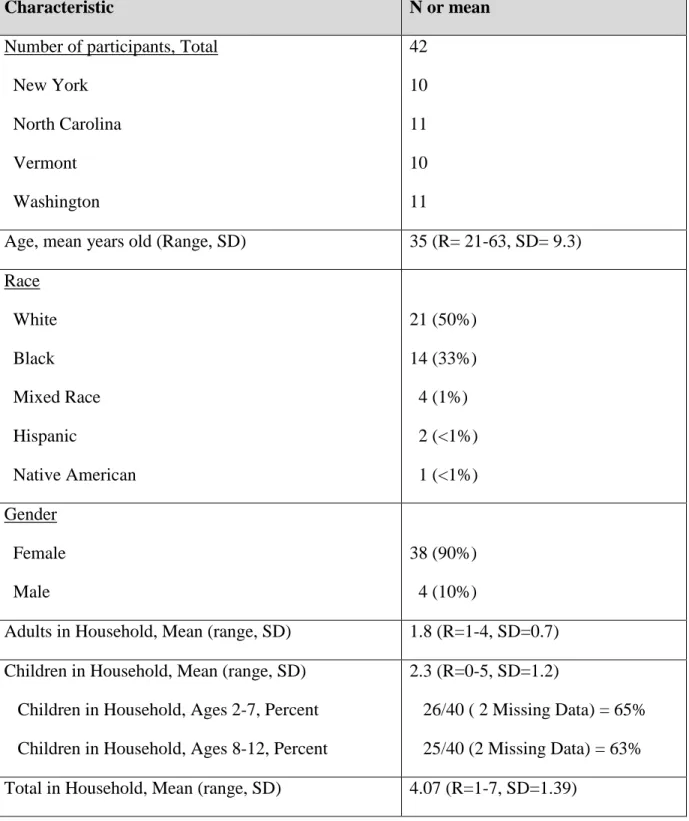
Table 6 - Demographic Characteristics of Participants Completing the Choice Experiment (N=42)………66
Table 7 - Participant Defined Price Willing to Pay by Share Size (n=41)………67
Table 8 - Ideal box requested items and amounts……….………….73
Table 9 - Differences by Household Characteristics……….77
Table 10 - Demographic characteristics of n=262 North Carolina EFNEP and SNAP-Ed Participants……….91
ix
LIST OF FIGURES
Figure 1 - Logic Model for the Formative Evaluation………...11
Figure 2 - Highest Price Willing to Pay CSA Box Example………..………...13
Figure 3 - Amount Willing to Receive Each Week………..……….13
Figure 4 - CSA Share Examples from Exercises………..……….19
Figure 5 - Conceptual diagram linking findings to RE-AIM……….56
Figure 6 - Summary of CSA Price and Share Size………68
Figure 7 - CSA Price and Distance………69
Figure 8 - CSA Share Frequency and Price………...70
Figure 9 - CSA Share Frequency and Amount………..72
Figure 10 - CSA Less Expensive than the Supermarket………74
Figure 11 - CSA More Expensive than the Supermarket………..75
x
LIST OF ABBREVIATIONS AFRI Agriculture, Food, and Research Initiative CSA Community Supported Agriculture
CO-CSA Cost-Offset Community Supported Agriculture EFNEP Expanded Foods and Nutrition Education Program F&V Fruit and Vegetable
GIS Geographic Information Systems
M-RFEI Modified Retail Food Environment Index NC North Carolina
NY New York
SNAP-Ed Supplemental Nutrition Assistance Program- Education USDA United States Department of Agriculture
VT Vermont
1
CHAPTER 1: OVERVIEW Introduction
Many low-income populations have limited access to healthful foods, and may lack the self-efficacy and perceived benefits needed to create healthy behavior change. Together, these factors likely contribute to the disproportionately worse health outcomes experienced by these population groups, including high rates of obesity, cardiovascular disease, diabetes, cancer, and lower life expectancy. Fruit and vegetable (F&V) consumption lowers the risk for many of these negative health outcomes. Without access to affordable fruits and vegetables, improving the dietary patterns among low-income populations remains challenging.
Two of the largest nation-wide nutrition education programs, the USDA funded Expanded Foods and Nutrition Education Program (commonly known as EFNEP) and Supplemental Nutrition Assistance Program-Education (SNAP-Ed), represent important resources to help overcome these challenges. These programs are integrated into county level Cooperative Extension programs, and include nutrition education available to limited resource audiences, reaching a total national audience of hundreds of thousands of people per year. While these programs impact individual level factors (e.g. knowledge and self-efficacy) they do not directly address the problem of limited access to healthier foods, a problem many EFNEP or SNAP-Ed participants face. Without access to the healthy foods needed to support the diet being promoted in the EFNEP or SNAP-Ed curriculum, the program’s potential effectiveness is
2
produce box (e.g. weekly cost-offset produce boxes). We propose the integration of a produce box distribution system (cost offset customer purchase, where low income customers boxes are subsidized to make them more financially accessible) within the existing EFNEP or SNAP-Ed infrastructure, an approach which will address multiple levels of the social ecological model in order to maximize program impact. An added benefit of these programs is to provide market opportunities for smaller scale farmers in the region.
In order for this innovative integration to succeed, several questions must first be
answered, including how the program should be designed in order to ensure that it is: 1) meeting customer needs and preferences, 2) is administratively feasible and aligned with Extension program structure and goals, and 3) is designed in a way to maximize utilization and effectiveness at increasing fruit and vegetable access and consumption.
The proposed study was a formative evaluation, ancillary to a larger multisite USDA-funded Agriculture, Food, and Research Initiative (AFRI) study (NY, NC, WA, VT) examining cost offset CSAs. In Year 1, the larger study included a formative evaluation phase to inform the implementation phase in Years 2-4, which include a cluster randomized trial to evaluate a cost offset CSA model as a way to reach low income consumers. For the current formative ancillary study, Aim 1 focuses only on North Carolina, while Aims 2, 3, and 4 includes the other study locations.
The following Aims guided this study:
Aim 1: Determine interest in the CSA approach using a survey of North Carolina EFNEP participants disseminated through the North Carolina EFNEP and SNAP-Ed program.
3
Aim 3: Identify factors influencing willingness to participate in a cost-offset community supported agriculture (CSA) program among low income populations, across four states participating in the larger AFRI grant, using a mixed methods approach.
Background and Significance Burden of chronic disease
The continued burden of diet related chronic disease in low-income populations in the United States (US) is of great public health concern.1,2 High rates of obesity, cardiovascular disease, diabetes, cancer, and lower life expectancy are experienced by these populations, with rates disproportionately higher than their higher income counterparts.1,2 These disparities in chronic disease prevalence and negative health outcomes are partially due to inadequate fruit and vegetable (F&V) consumption3 and physical activity (PA) rates4. Low income populations have particularly low levels of fruit and vegetable consumption and physical activity rates compared to their more affluent counterparts5, which is problematic when considering that few US adults meet dietary recommendations.6-8
Individual and Environmental level Factors
4
populations, which has been attributed to limitations in community food sources and
transportation.14-17 Limited access to healthier foods has also been shown to be related to overall decreased fruit and vegetable purchase and consumption.18,19 Given this, there is a need to develop an effective intervention that sustainably addresses multiple levels of the sociological model: both the environmental (food access) as well as individual-level determinants. Individual Level Intervention
Two of the largest nation-wide nutrition education programs, the USDA funded Expanded Foods and Nutrition Education Program (commonly known as EFNEP)20 and
Supplemental Nutrition Assistance Program-Education (SNAP-Ed),21 may be strong resources to address the important individual level factors that influence diet and PA in limited income audiences in both the rural and urban setting. These programs are funded by the United States Department of Agriculture (USDA) and integrated into county level Cooperative Extension programs,20,21 reaching hundreds of thousands of adults per year.21,22 The programs provide nutrition education led by peer educators to limited resource audiences.20,21 The programs are administered at community sites like churches, non-profits, educational facilities, and local Cooperative Extension Offices.
The participants of these programs learn how to make food choices, increase their ability to select and buy food that meets the nutritional needs of their family, learn skills in food
5
components are in these education curriculums, without improving access to affordable healthy foods to support the knowledge and skills being learned, the potential effectiveness of these programs will be limited.
Environmental Level Intervention: Improved Food Access through the produce box model A produce box approach may be an effective strategy to improve healthy food access in the EFNEP and SNAP-ED. Due to the relative cost inefficiency of placing new food stores in areas with limited access to healthy foods, recent efforts have focused on more cost efficient, less resource intensive local food aggregation and distribution systems to increase fruit and vegetable access, including produce box style (Community Supported Agriculture(CSA)) models. In this model, fruits and vegetables are collected from local farmers, packed into boxes, and
sold/distributed to households. Few CSA programs have been conducted that are designed to reach lower income populations, and most have had inadequate evaluation approaches.23, 24 In the most strongly designed study to date, Quandt et al 201323 completed a randomized study of a CSA program in an under-resourced urban community in North Carolina. This intervention lasted for 16 weeks, with 5 education and skill-building sessions conducted by local NC
Cooperative Extension staff. The intervention resulted in a significant increase in the number of fruits and vegetables in the household inventory in the intervention group compared to the control group, and greater increases in fruit and vegetable consumption in the intervention group, although it did not reach significance. A limited sample size and inadequate evaluation
6
The potential benefits of this coordinated approach are clear: 1) it gives participants increased access to the fruits and vegetables they currently lack access to, enabling them to incorporate the foods being stressed in the class sessions into their diets, and 2) gives participants the tools (through the nutrition classes) needed to prepare the foods acquired through the cost-offset CSA. While addressing the access problem is important, having the supporting educational component is equally important, as simply making available a food product that they do not see the benefits of eating and which they do not know how to prepare, will not likely lead to
increased consumption. Thus, this coordinated model is ideal. Developing a more comprehensive model
Consumer Preferences
While this innovative approach appears promising, it remains unclear what this model should look like in order to be most effective in a low income population. No published peer reviewed literature has been found which has done a broad or in-depth formative evaluation to gain a better understanding of the preferences of potential participants regarding a cost offset CSA program. Without understanding the needs of potential participants, the program will likely lack uptake, effectiveness, and long term success. Quandt et al23, based on their process
7 Extension Staff
Also, it is not clear how this type of program might be viewed by Extension staff, who will likely be the primary implementers of such a program if it is deemed effective. It is
important to get in-depth feedback from Extension staff on perceptions of the program, the role of extension in conducting these types of programs, potential barriers and facilitators to
implementation and sustainability, and how to best integrate it into existing Extension systems. Without this information, the program might be designed in a way that would inhibit its ability to be adequately implemented, resulting in both lost fidelity and effectiveness. A few studies have attempted to ask Extension staff about their needs and thoughts on programming. A study by Murphy et al (1999) conducted in-depth interviews with Extension staff to determine needs to obtain information to drive decision making for programs, resources and training.25 Dickin et al found that program effectiveness was increased when Extension educators believed in the value of the program.26 A study by McClelland (1997) conducted interviews with Extension field staff on their role in program evaluation, learning about facilitators and barriers to program
8
Ensuring access: Determining intervention site locations for a cost offset CSA program
EFNEP and SNAP-ED are currently administered at community sites like churches, non-profits, educational facilities, and local Cooperative Extension Offices. Given that a central aim of a cost offset distribution program is to improve healthy food access, it is important to
determine the appropriate locations of distributions sites for this program to ensure that
participants will be willing to participate, as well as sustain participation. Even if the program is implemented successfully, if participants aren’t able to access the program, the goal of increasing access to and improving consumption of fruit and vegetables will not be met. As with any successful business and program plan, proper site selection is important. Factors like reach, accessibility, and infrastructure are important in site selection, particularly with this new comprehensive model with a produce distribution system component. Rogers (2005) noted that there are multiple important reasons to develop and utilize sound location methods, including avoiding costly locational mistakes and assessing accurately whether there are enough people with the right demographic characteristics for the business.28
9
supermarket given certain conditions. That study found that willingness varied given certain conditions. A similar study has not been conducted for a CSA produce box program.29 The PI of this study developed a method based using these techniques for the purpose of understanding consumers' ‘‘stated preference’’ for participating in an CSA style produce box program, given particular price, food amount, and accessibility conditions.
Approach
The proposed study was a formative evaluation, ancillary to a larger multisite USDA-funded Agriculture, Food, and Research Initiative (AFRI) study (NY, NC, WA, VT) examining cost offset CSAs. The following are the project objectives of the larger study:
Examine whether CO-CSAs coupled with tailored nutrition education improve dietary intake and quality among children aged 2-19 in low-income households;
Examine the influence of CO-CSAs and tailored education on attitudes and behaviors related to nutrition, meal planning, and meal preparation;
Contrast CSA models to understand if and how variability in operational characteristics affect participation and intervention effectiveness in low-income families with children;
Estimate the economic impact of a CO-CSA program on the local economy;
Evaluate options for farmers to sustain the CO-CSA, and work with an advisory board, extension, and other stakeholders (e.g. CSA networks) to disseminate findings through development of a tool kit and related electronic resources to maximize impact; and
10
In Year 1, the larger study included a formative evaluation phase to inform the
intervention implementation phase in Years 2-4, a cluster randomized trial to evaluate the impact of a CO-CSA intervention on dietary intake and weight status among low-income families with children in rural and micropolitan (populations <50,000) communities in the four geographically diverse states. This ancillary study is built into the larger formative work of the parent multi-site study, which includes interviews with farmers, potential participants, adults and children from low-income households, CSA farmers, current CSA members, and cooperative extension educators. For the current formative ancillary study, Aim 1 focused only on North Carolina independent of the larger study, while Aims 2, and 3 included the other study locations as part of the larger study. All Aims were independently designed, implemented and evaluated by the Principal Investigator (McGuirt), with assistance from his Dissertation Committee and the larger AFRI study team.
For this ancillary study, formative data collection included an EFNEP and SNAP-Ed participant survey in NC, as well as semi-structured interviews with low-income, EFNEP eligible participants, which included a choice experiment to determine program preferences as well as spatial and non-spatial facilitators and barriers to program participation across the four states. There was also an in-depth qualitative interview of Cooperative Extension staff to understand their interest in the proposed program, understanding their perceptions, getting feedback on the components, and understanding the barriers and facilitators of integrating the proposed CSA program (educational component and the integration of the CSA boxes) into Extension.
11
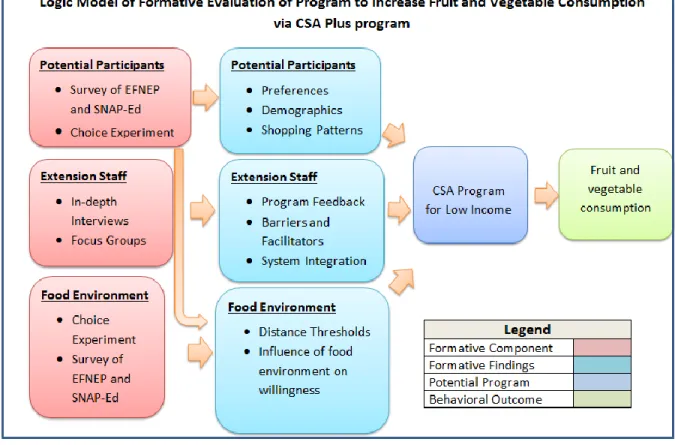
each, which will help inform the development of the proposed produce box/CSA program, which will lead to increased fruit and vegetable consumption through increased access in low income populations.
FIGURE 1: Logic Model for the Formative Evaluation
Aim 1. : Determine interest in the CSA approach using a survey of North Carolina EFNEP participants disseminated through the North Carolina EFNEP and SNAP-Ed program.
Study setting and participants
12
Questionnaires (Appendix 4) were distributed to current participants in EFNEP or SNAP-Ed within North Carolina. Eligible participants were those that were 18 years of age, English speaking, and were participants in the EFNEP or SNAP-Ed. Surveys were distributed out to local program staffs (n=10 counties) that were trained in administering the survey, who then
distributed to their classes. Participants were entered into a drawing based on chance in which each subject has equal odds of receiving one of three $15 gift cards in order to incentivize participation. Informed consent was obtained for all participants. The study procedures and the interview guide received approval from the Institutional Review Board (IRB) at the University of North Carolina at Chapel Hill.
Methods
13
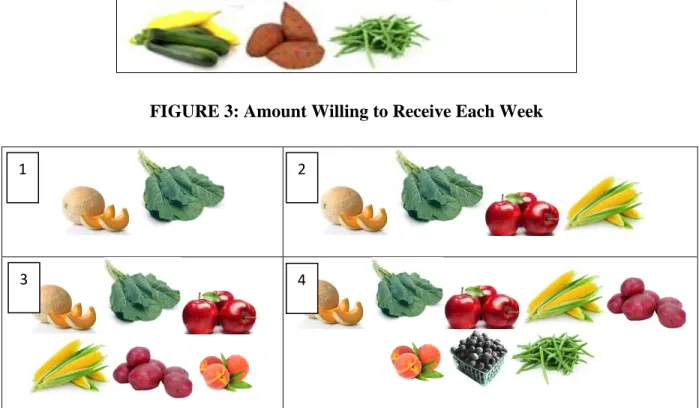
FIGURE 2: Highest Price Willing to Pay CSA Box Example
FIGURE 3: Amount Willing to Receive Each Week
Quantifying access to supermarket of choice and EFNEP or SNAP-Ed
A total of 135 (out of 262; 51.5%) participants had complete home address information. Data on distance to supermarket and EFNEP or SNAP-ED location was obtained using
information from the survey, a batch geocoder (Batch Geo), and ArcGIS mapping software. The location of the supermarket that participants usually shop at was verified using the Reference USA Business database. For both the class location and supermarket location, if participants were missing or had incomplete street address or city information, and it could not otherwise be determined, it was coded as missing data. The Google API was used to generate values for
1 2
14
distances, and locations and a 10% sample of distances were verified using internet listings and Google Maps.
Determining Modified Retail Food Environment Index (M-RFEI) and Urban/Rural Residence The M-RFEI24 is an index that indicates the ratio of healthy to less healthy food retailers within census tracts based on typical food offerings of specific types of stores. The mRFEI is calculated by dividing the number of healthy food retailers (supermarkets, large grocery stores, supercenters, and produce stores) by the number of health food retailers plus the number of less healthy food retailers (fast food restaurants, small grocery stores, and convenience stores). The mRFEI score for each participant with a complete residential address was determined by spatially linking geocoded participant addresses with census tract level mRFEI values from a shapefile obtained from the US Centers for Disease Control (CDC) using ArcGIS. Urban/Rural classification was determined by spatially joining participant points with a 2010 US Census Bureau urban-rural classification shapefile.
Analysis
Questionnaire data was analyzed using descriptive statistics, bivariate statistics, and linear modeling. Fisher’s Exact Tests were used to willingness (yes versus no/maybe) by Race (white versus non-white), Gender (Male/Female), and Household Income (<$30,000 versus ≥ $30,000). T-tests and the Mann-Whitney-Wilcoxon Test (non-normal distributions) were used to assess for differences in Willingness (yes vs. no/maybe) by Age, BMI, M-RFEI, and
Urban/Rural, and for differences in Highest Price Willing to Pay for Standard Box by Household Income level. One-way ANOVA (with effect coding) was used to test for differences in ‘Amount Wanted’ by ‘Age’ and ‘Household Size’, with assumptions of normality, homogeneity of
15
Logistic regression was used to understand the factors that predicted willingness to participate in the program (Yes/No), but a random effects model to account for clustering at the county level was not used given sample size issues. For the logistic regression, the primary outcome of interest was willingness to participate in the proposed fruit and vegetable box
program. Independent variables of interest included self-reported BMI (derived from participant reported height and weight; height was rounded up to the closest whole inch.), Age, Ease of purchasing fresh fruits and vegetables (Easy/ Hard), and Race (Non-white vs. White). Spatial variables, including distance to supermarket shopped and the MRFEI for each participant, was not included given the amount of missing data creating a sample size that was too small for analysis (n=96), especially given the low variance in the dependent variable.
Aim 2. Understand the perceived barriers and facilitators of the proposed CSA program among Extension staff in 4 states using in-depth qualitative interviews and focus groups.
Study setting and participants
e-16
mail to participate in the qualitative research, and indicated willingness by completing an online pre-interview survey. The pre-interview survey asked demographic questions (age, race, gender, title), as well as questions regarding years of experience in extension, their direct involvement in educational programming, whether they personally advocate for local foods, and whether they think that local foods should be a priority for extension. Individual in-depth qualitative
interviews and focus groups were conducted over the phone,20,21 with each approach asking distinct questions to elicit answers to questions seeking either individual or group feedback involving an interchange of ideas. The Cornell University Institutional Review and the Vermont University Review Board reviewed and approved the study; the other institutional worked under an official authorization agreement with Cornell as the acting IRB. Informed consent was obtained from all participants.
Methods
In-depth Interviews
Interviews were conducted by phone with extension educators by trained interviewers in November 2015. Topics included their perceptions of a CO-CSA enhanced nutrition education program, the role of extension in conducting these types of programs, potential barriers and facilitators to implementation and sustainability, and how to best integrate a hypothetical CO-CSA program into existing extension systems. The interviews lasted 30-45 minutes.
Focus Groups
17
participation strategies. Questions were sent to the participants in advance of the focus group to ensure understanding of the goals of the research and willingness to answer questions, and allow for thoughtful preparation of responses. The focus groups lasted 30-45 minutes.
Analysis
The interviews and focus groups were audio-recorded, supplemented with detailed hand written notes, transcribed verbatim, independently double coded using a detailed codebook in NVivo11 (QSR International Pty Ltd, 2015), and analyzed for themes and salient quotes. Data rich transcripts were reviewed to develop a codebook for both the interviews and the focus groups, with operational definitions. Transcripts were coded independently using the codebook. Coders (n=2) met to revise the codebook and to resolve disagreements on how to apply the codes, as well as adding and deleting codes. Transcripts were then coded to identify relevant themes and salient quotes. Data reduction was accomplished with deductive (based on study questions) and inductive analysis (on emerging observations), and a code matrix was used for cross tabulation across characteristics (Region (SE, NE1, NE2, NW1) and years of experience (5 or more years; 5 or less years). Summary tables including illustrative quotes were developed to present findings on themes.
Aim 3. Identify factors influencing willingness to participate in a cost-offset community supported agriculture (CSA) program among low income populations, across four states participating in the larger AFRI grant, using a mixed methods approach.
Study setting and participants
18
person interviews were conducted with low-income adults (10-11 per state, total = 42).
Eligibility criteria included: 1) primary caregiver of a child in the household between the ages of 2-19 years, and 2) self-reported income 185% federal poverty level (FPL) or Expanded Food and Nutrition Education Program (EFNEP) eligible. Participants were opportunistically recruited from schools, local health departments and/or social service departments (or similar agencies). This study was approved by the university Institutional Review Board and all participants provided written informed consent.
Methods
To examine willingness to travel to and participate in the CSA program given
19
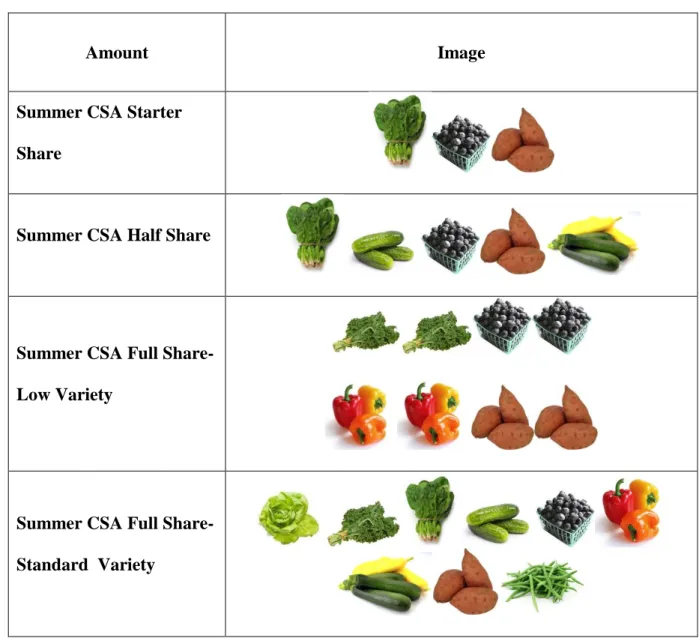
The four CSA example share sizes were constructed based on a typical 6-8 item large CSA share (see Figure 4).15 Four prices were offered ($8, $10, $15, and $20) similar to or less than typical weekly CSA share prices.15 For the “Share Type and Price” scenario, participants were first asked for the price they were willing to pay for each share type. Participants were also asked which share they found “most appealing” for each type, frequency, and price group
scenario. For the “Distance willing to travel”, and “Distance and Price” scenarios, the Full Share-Standard Variety share was the example.
FIGURE 4. CSA Share Examples from Exercises
Amount Image
Summer CSA Starter Share
Summer CSA Half Share
Summer CSA Full Share-Low Variety
20
Participants were asked to create an ideal share from a sample of produce items available across all study regions, identifying the items they generally wanted, the amount of items they wanted (in units or pounds), and the price they were willing to pay for the share. Amounts were totaled and the mean calculated for each produce type. Probing questions were asked as part of the exercise, including the reasons why certain items and quantities were chosen, whether they could eat all items in one week without them spoiling, and which items they would want that were not pictured.
Interviewers were trained on how to use the instrument across study sites via webinar, and both test takers and interviewers were provided with detailed instructions for completing the exercise. The exercise was audio-recorded with detailed hand written notes and transcribed verbatim. All surveys were independently double tabulated, and researchers met to resolve discrepancies. All audio transcripts were coded using a detailed codebook with inductively and deductively derived codes.
Analysis
For each scenario, the number of participants willing to participate in the CSA program was summed to obtain a total number of participants interested. “Maybe” was classified as being willing. Percentages of participants willing to participate in the CSA for each price/accessibility situation were generated. Values from nominal and dichotomous categorical variables from the ‘Ideal share’ scenario and ‘Most appealing share option’ were generated.
21
22
REFERENCES
1. Freeman, HP. Cancer in the socioeconomically disadvantaged. CA. 1989;39:266-288. 2. Winkleby MA, Jatulis DE, Frank E, Fortmann SP. Socioeconomic status and health: how
education, income, and occupation contribute to risk factors for cardiovascular disease. Am J Public Health. 1992;82:816-820.
3. Chiuve SE, Sampson L, Willett WC. The association between a nutritional quality index and risk of chronic disease. American Journal of Preventive Medicine. May
2011;40(5):505-513.
4. U.S. Department of Health and Human Services. 2008 Physical Activity Guidelines for Americans. 2008; http://www.health.gov/paguidelines/guidelines/chapter3.aspx. Accessed January 22, 2013
5. Dong, Diansheng, and Biing-Hwang Lin. Fruit and Vegetable Consumption by Low- Income Americans: Would a Price Reduction Make a Difference? Economic Research Report No. 70, U.S. Department of Agriculture, Economic Research Service, January 2009.
6. Tucker JM, Welk GJ, Beyler NK. Physical activity in U.S.: adults compliance with the Physical Activity Guidelines for Americans. American Journal of Preventive Medicine. Apr 2011;40(4):454-461.
7. Bachman JL, Reedy J, Subar AF, Krebs-Smith SM. Sources of food group intakes among the US population, 2001-2002. Journal of the American Dietetic Association. May
2008;108(5):804-814.
8. Fraz~ao, E. “High Costs of Poor Eating Patterns in the United States,”America’s Eating Habits: Changes and Consequences, E. Fraz~ao, (Ed.), Agriculture Information Bulletin No. 750, U.S. Department of Agriculture, Economic Research Service, April 1999. 9. Havas S et al. Factors associated with Fruit and Vegetable Consumption among Women
participating in WIC. Journal of the American Dietetic Association. Vol. 98 (10); 1141-1148. 1998.
10. Larson NI, Story MT, Nelson MC. Neighborhood environments: disparities in access to health foods in the US. Am J Prev Med 2009;36(1):74–81.
11. Hosler AS, Rajulu DT, Fredrick BL, Ronsani AE. Assessing retail fruit and vegetable availability in urban and rural underserved communities. Prev Chronic Dis
2008;5(4):A123. PubMed
23
13. Bertoni AG, Foy CG, Hunter JC, Quandt SA, Vitolins MZ, Whitt-Glover MC. A multilevel assessment of barriers to adoption of Dietary Approaches to Stop
Hypertension (DASH) among African Americans of low socioeconomic status. J Health Care Poor Underserved 2011; 22(4):1205–20.
14. Ver Ploeg M, Breneman V, Farrigan T, Hamrick K, Hopkins D, Kaufman P, et al. Access to affordable and nutritious food (USDA administrative publication no. AP-036). United States Department of Agriculture Economic Research Service; 2009.
http://www.ers.usda.gov/publications/ap/ap036.
15. Antin TM, Hora MT. Distance and beyond: variables influencing conceptions of food store accessibility in Baltimore, MD. Practicing Anthropology 2005;27(2):15–7. 16. Wiig K, Smith C. The art of grocery shopping on a food stamp budget: factors
influencing the food choices of low-income women as they try to make ends meet. Public Health Nutr 2009;12(10):1726–34.
17. Franco M, Diez Roux AV, Glass TA, Caballero B, Brancati FL. Neighborhood characteristics and availability of healthy foods in Baltimore. Am J Prev Med 2008;35(6):561–7. CrossRef PubMed
18. Michimi A, Wimberly M. Associations of supermarket accessibility with obesity and fruit and vegetable consumption in the conterminous United States. International Journal of Health Geographics.Vol. 9 2010.
19. Bodor J, Rose D, Farley T, Swalm C, Scott S. Neighborhood fruit and vegetable availability and consumption: the role of small food stroes in an urban environment. Public Health Nutrition. 11(4); 413-420. 2007
20. “About EFNEP". USDA, 2009. Web.
http://www.nifa.usda.gov/nea/food/efnep/about.html
21. Supplemental Nutrition Assistance Program Education (SNAP-Ed) Facts. USDA, 2013. Web. https://snaped.fns.usda.gov/snap/SNAP-EdFactsheet2012.pdf
22. "Expanded Food and Nutrition Education Program Impacts." EFNEP Impacts. USDA.
http://nifa.usda.gov/sites/default/files/resource/2006%20Impact%20Report_0.pdf
23. Quandt SA, Dupuis J, Fish C, D’Agostino RB Jr. Feasibility of Using a Community-Supported Agriculture Program to Improve Fruit and Vegetable Inventories and Consumption in an Underresourced Urban Community. Prev Chronic Dis 2013;10:130053
24
25. Murphy, A., Coleman, G., Hammerschmidt, P., Majewski, K., & Slonim, A. (1999). Taking the time to ask: An assessment of Home Economics Agents' resource and training needs. Journal of Extension, 37(6).
26. Dickin, K., & Dollahite, J. Better EFNEP outcomes where Community Nutrition Educators believe in the value of EFNEP and rate their supervisors highly.
27. McClelland, J. (1997). Evaluating evaluation--What we've learned. Journal of Extension, 35(1), n1.
28. Rogers, David S. "Developing a location research methodology." Journal of Targeting, Measurement and Analysis for Marketing 13.3 (2005): 201-208.
25
CHAPTER 2: PERSPECTIVES ON A LOCAL FOOD ACCESS AND NUTRITION EDUCATION PROGRAM FROM COOPERATIVE EXTENSION NUTRITION
EDUCATORS Overview
Introduction: Innovative programming is needed to improve healthy eating behaviors of low-income individuals given disparities in access, knowledge, and skills. Cooperative Extension Educators (herein educators) may be uniquely positioned to inform the development of
programming aimed at overcoming these obstacles. Aim: Understand extension educators’ perspectives on reduced price (cost-offset) Community Supported Agriculture (CSA)
membership paired with tailored educational programming. Methods: Educators (n=20) across four states (1 southeastern, 2 northeastern, and 1 northwestern) participated in both in-depth interviews and focus groups. The interviews and focus groups were audio-recorded with detailed hand written notes, transcribed verbatim, independently double coded using a detailed codebook, and analyzed for themes and salient quotes. Results: Educators had mostly positive initial
26
approaches to program implementation. Conclusion: The results of this study could be used to inform the development of food access programming within community nutrition education programs.
Introduction
Low-income individuals have comparatively low levels of financial and physical access to fresh produce, and may lack the knowledge and skills needed to successfully integrate these foods into typical food preparation.1-5 These disparities highlight a need for innovative
programming to improve healthy eating behaviors. Community nutrition educators who work with these populations may be uniquely positioned to inform the development of new
programming aimed at overcoming these obstacles.
Two of the largest nation-wide nutrition education programs, the USDA funded Expanded Foods and Nutrition Education Program6 (commonly known as EFNEP) and
Supplemental Nutrition Assistance Program-Education (SNAP-Ed),7 utilize National Institute of Food and Agriculture (NIFA) Cooperative Extension staff as nutrition educators to deliver a series of interactive lessons of evidenced based messages.8 Unfortunately the effectiveness of these programs is limited by the fact that most programs are not able to address the issue of access to affordable healthy foods, which may prevent the adoption of healthier lifestyles by their participants. 9-12 Thus, there is a need for new approaches that complement the knowledge and skills being learned in the classroom with improved access to fresh fruits and vegetables. One approach may be to link these established educational programs with the local food system, including the use of a Community Supported Agriculture (CSA) model. In this model, members of the CSA pay for the whole season upfront, and receive a weekly share (or portion) of
27
participants would include (1) a weekly or monthly payment rather than paying in full at the beginning of the season, (2) the ability to use SNAP benefits, and (3) having a cost subsidy or “offset” to make the produce more affordable.
It is not clear how this type of program might be viewed by extension educators who may be strategic partners in facilitating access to such a program or helping publicize it. Thus, having their input early during program development may improve uptake, fidelity, and effectiveness. This approach is based on the Diffusion of Innovations model,13,14 where innovation
development is based on market input in order to design and implement a new program based on the needs and current attitudes of potential adopters. The important characteristics of innovation that determine diffusion, and their relation to this project, include: 1) relative advantage (is the nutrition education plus CSA program perceived as better than current education-only options?), 2) compatibility (does the new program fill a need for low-income individuals and fit the
organizations’ values?), and 3) complexity (is the new CSA plus education program easy to use with participants and implement by the organization?). Our approach is also informed by the RE-AIM framework15 for public health planning to improve program implementation and
sustainability, including the steps of ‘Reach’ (What will get the population of interest to participate in the program?), ‘Effectiveness’ (What is the impact on participants and program implementers?), ‘Adoption’ ( How do we develop organizational support to adopt this
program?), Implementation (Can the program be implemented with fidelity, and what is the time and cost?), and ‘Maintenance’ (Can the program become institutionalized, and create long term change in participant behavior?).
28
have sought nutrition educators’ perspectives to inform a new food access intervention. Thus, this research aimed to better understand the interests and opinions of extension educators on a proposed cost-offset CSA program that may partner with community nutrition educators on promotion and linkages for participants.
Methods
An a priori, purposive heterogeneous sample of extension educators (n=5 per state, total=20) from non-metropolitan areas of four US states (one in the southeast (SE), two in the northeast (NE1 and NE2), and one in the northwest (NW)) were recruited as part of a larger research project to develop and evaluate the impact of a cost-offset community supported agriculture (CO-CSA) intervention on dietary intake and weight status among low-income families with children in non-metropolitan (populations <50,000) communities.19 Educators were recruited from each of the four study sites in order to gain a broad understanding from different geographical and cultural perspectives. The goal was to recruit the educator/paraprofessionals who would deliver the educational component of the CO-CSA intervention in each state, plus 2-3 others in different geographic regions of each state. Educators were recruited by phone and e-mail to participate in the qualitative research, and indicated willingness by completing an online pre-interview survey. The pre-interview survey asked demographic questions (age, race, gender, title), as well as questions regarding years of experience in extension, their direct involvement in educational programming, whether they personally advocate for local foods, and whether they think that local foods should be a priority for extension. Individual in-depth qualitative
29
University Review Board reviewed and approved the study; the other institutional worked under an official authorization agreement with Cornell as the acting IRB. Informed consent was obtained from all participants.
In-depth Interviews
Interviews were conducted by phone with extension educators by trained interviewers in November 2015. Topics included their perceptions of a CO-CSA enhanced nutrition education program, the role of extension in conducting these types of programs, potential barriers and facilitators to implementation and sustainability, and how to best integrate a hypothetical CO-CSA program into existing extension systems. The interviews lasted 30-45 minutes.
Focus Groups
In February 2016, four focus group discussions were conducted over the telephone (5 per group, n=20) among the same sample participating in the interviews, with representation from each state. A trained moderator and note taker led each of the groups. Topics included thoughts on the program, the role of extension in these types of programs, and potential recruitment and participation strategies. Questions were sent to the participants in advance of the focus group to ensure understanding of the goals of the research and willingness to answer questions, and allow for thoughtful preparation of responses. The focus groups lasted 30-45 minutes.
Analysis
30
Coders (n=2) met to revise the codebook and to resolve disagreements on how to apply the codes, as well as adding and deleting codes. Transcripts were then coded to identify relevant themes and salient quotes. Data reduction was accomplished with deductive (based on study questions) and inductive analysis (on emerging observations), and a code matrix was used for cross tabulation across characteristics (Region (SE, NE1, NE2, NW1) and years of experience (5 or more years; 5 or less years). Summary tables including illustrative quotes were developed to present findings on themes.
Results
Participant Characteristics
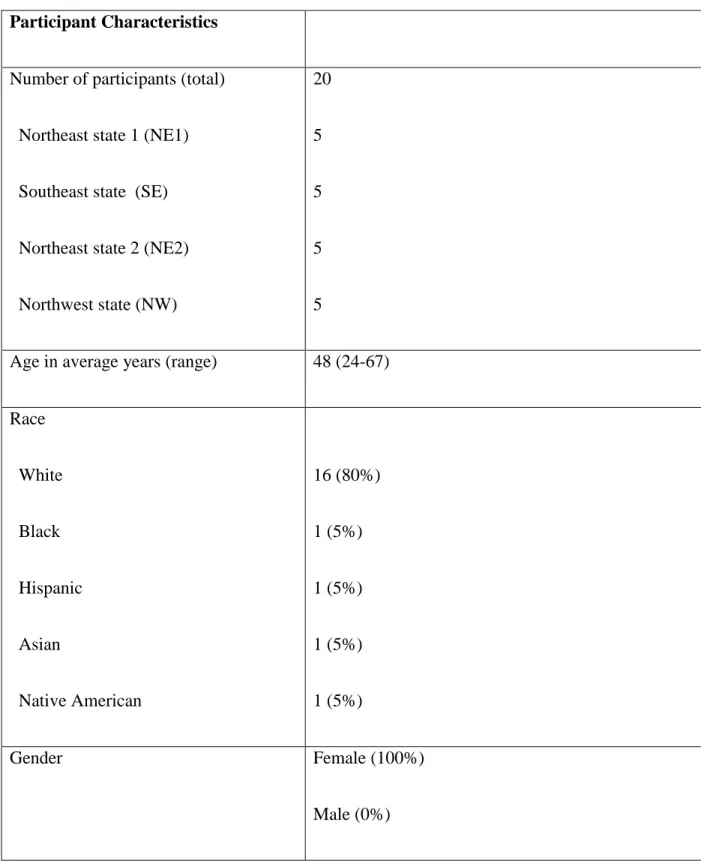
Characteristics of the participants are displayed in Table 1. The average age was 48 years, with a range of 24-67 years. All were female and most were white (16/20=80%). Participants had, on average, 9 years of experience in extension. Two (2/20=10%) participants did not currently deliver programs directly but acted in a supervisory role. Two (2/19=11%) of the participants did not personally advocate for local foods, and two (2/19=11%) did not believe that the promotion of local foods should be a priority for extension.
In-Depth Interviews
Initial thoughts about the CO-CSA program concept
31
SE PT6- “I think that will fit into what we're already doing…because I think it's important for people to eat healthier and to eat fresh fruits and vegetables. If we can provide a way to get that, and get local, then I think that's great…I'm super excited...”
Educators were also intrigued by the thought of connecting program participants to local foods and eating seasonally: NE2 PT1- “I think it's wonderful…People don't know what's grown locally sometimes. And they don't know how to use it...”. The educators did share some initial concerns about participation due to lack of interest and attendance: NE2 PT3- “More difficult than anything is getting people to attend {these types of programs}...”.
Perceptions on whether low-income clients would be interested in the CO-CSA program
Most educators thought the low-income participants would be interested in the program because of a general increase in interest in healthier and local foods, interest in fresh produce, and the potential price savings on produce. NE2 PT1: “I think a lot of people are paying more attention to having fresh local foods…the cost-offset part of it is wonderful. They're gonna be getting the fresh, local items at a deal.”
The educators often qualified their answers by saying that this interest would be conditional, based on factors like having the program at a convenient location, the cost of the boxes being affordable: SE PT5-“If that's somethin' that they could afford. Because some folks around here, really they are counting their pennies.” They also mentioned that while there might be interest, getting them to actually utilize the program might be the challenge: NE1 PT1: “Yeah, I think so…it's just a matter of getting those folks to commit, and then to actually follow
32
Perception of factors believed to make low income participation easier
The top factors that extension educators mentioned to make participation easier for low-income clients were (Table 2): ‘convenient location for pick-ups’, ‘learning preparation skills’, ‘learning new recipes’, ‘offering education on healthy eating’, and ‘SNAP-EBT acceptance’. ‘Convenient location’ was the top factor in every state but NE2, where ‘preparation skills’ was most important. Those with less experience were much more likely to suggest that the program needed to be ‘approachable’ and ‘providing education’, but those with more experience focused more on factors like convenient location and affordability.
Perception of factors that make participation difficult for low-income clients
The most frequently mentioned factors that would make participation in the CO-CSA program difficult for low-income participants were (Table 2): ‘not having enough money/limited finances’, ‘transportation issues’, ‘spoilage of produce’, ‘chaos/unpredictability of life’, and ‘unfamiliar Produce’: SE PT4-“Yeah, most of the folks live…week to week. So having a large amount of cash that they would be investing in for the future would be really difficult.” Limited financial resources and transportation issues were frequently mentioned across all states. Those with 5 years or less experience were much more likely to cite ‘unpredictability of life’ and ‘time’ as a factor, and those with 5 or more years of experience were more likely to cite ‘money’ and ‘transportation issues’.
Similar existing programs
33
bring samples and then we would talk about it…Later on in the year when we had the CSA…they would see that and just get excited.”
Incorporating a CO-CSA Program into Extension
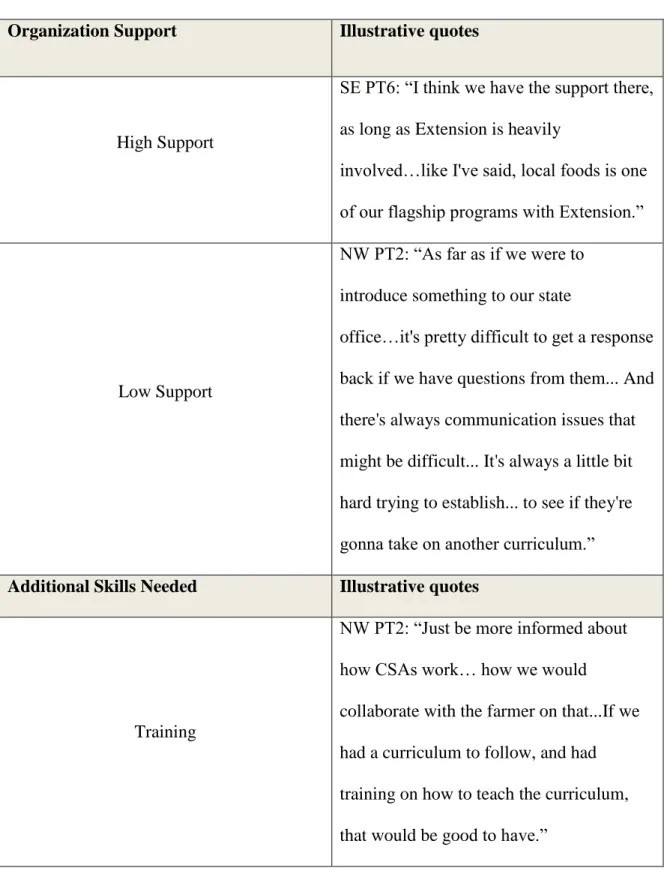
A summary of quotations to illustrate themes for incorporating a CO-CSA program into Extension can be found in Table 3. Participants overwhelmingly expressed that they had a high level of organizational support from higher level extension staff for programs like this, including support from supervisors, directors, and state-level staff. The only comments suggesting low organizational support had to do “with having to start the program from scratch”, and
‘communication issues with the state extension office’.
The most commonly mentioned existing extension resources that could enhance the proposed program included the ‘other staff within extension’, the ‘facilities and equipment’ available for use, ‘existing connections with farmers’, and ‘knowledge and experience with nutrition education programs’. Extension educators identified several types of staff members that they thought would be most helpful, including those inside and outside of family and consumer sciences: SE PT6-“…{Having} not just the FCS agent being involved in that piece, but if the county has a horticulture agent, or the ag agent, or small farms agent...Because I could see this being an integrated program for Extension…”
Additional Skills Needed by Extension Educators to Implement a CO-CSA program
34
implementation, and ‘access to new recipes’ to match the new foods participants were being exposed to in the boxes.
Perceived advantages of running the CO-CSA program within extension
The ‘current programming being implemented through Extension’ was by far the most frequently mentioned advantage of running the program within Extension. NE2 PT1: “I think it's a continuation of what we're already doing…We're doing nutrition education where we support our farmers. Let's put the two together with our low-income families… it's a natural progression to me.” Other advantages were the ‘existing relationships with farmers and low-income
clientele’, and the ‘availability of trained and experienced nutrition educators’.
Perceived disadvantages of running the CO-CSA program within extension
The main factors that were stated as disadvantages of running the program within Extension were ‘logistics of running the program’ ‘staff time and availability’, ‘working within the parameters of current federally funded programming’, ‘recruitment’, and ‘attendance’. Educators spoke of the many responsibilities extension staff members have given budget cuts that have reduced the workforce, and that adding another program could be “challenging” and “time consuming”, and they might lack the time and resources required.
35 Focus Groups
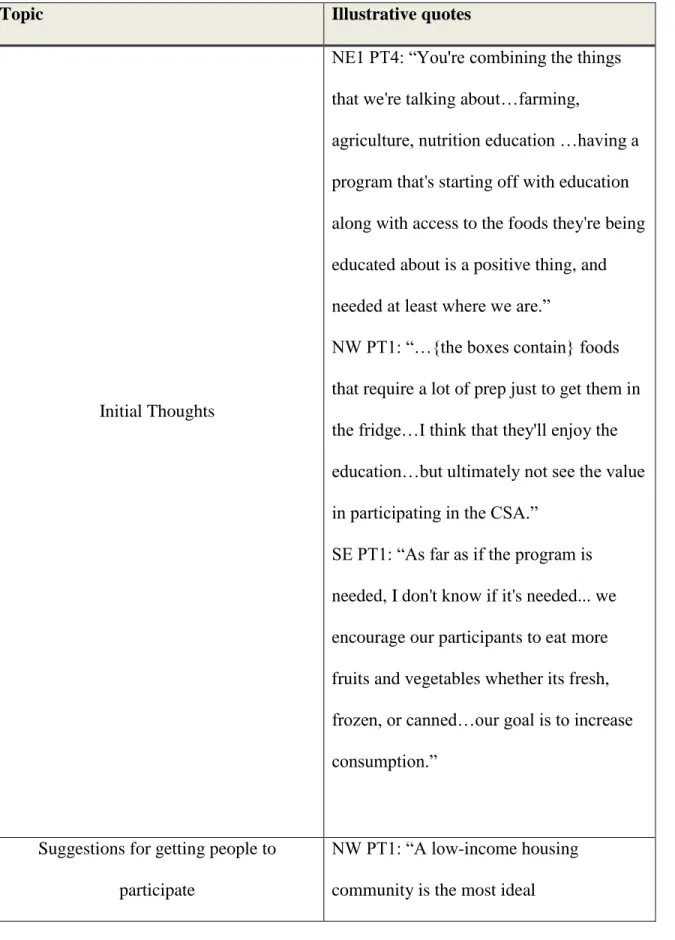
A summary of focus group feedback can be found in Table 4. Thoughts on a CO-CSA program
There were mixed reactions when educators were asked their initial thoughts on the program in the focus group setting. Many liked the idea calling it ‘positive’ and ‘needed’, but a few were concerned that the participants might be overwhelmed by the CSA share, and some thought that the program was nice but not necessarily needed in light of other goals.
Suggestions for getting people to participate
The top suggestions for getting people to participate in the program were the program being ‘accessible or convenient’ with low-income housing communities as “ideal”, ‘child involvement or childcare being provided’ to help parents attend, and ‘surveying potential
participants to learn of their interests and desires’ so that we learn what participants want and not what others want for them.
Long term sustainability of the CO-CSA program
36
Potential community partners seen as important by extension educators
The educators mentioned several community partners who they thought could help the program, including food banks, community centers, health department, housing projects, and community development councils. They also stressed the importance of collaborating as an interagency team: NW PT2- “Get everyone to be on board and everyone to promote it, everyone to help educate."
Involvement of children in the program: perspectives from both interviews and focus groups
Educators frequently mentioned the value of children being involved in the process, or the importance of childcare being provided so that the parents can participate in the educational classes. NW PT1: “…if you can get the children really engaged so that they're nagging their parents to attend and are clearly getting a lot out of the programming, I think that would be really good.”
Relation to Behavioral Frameworks
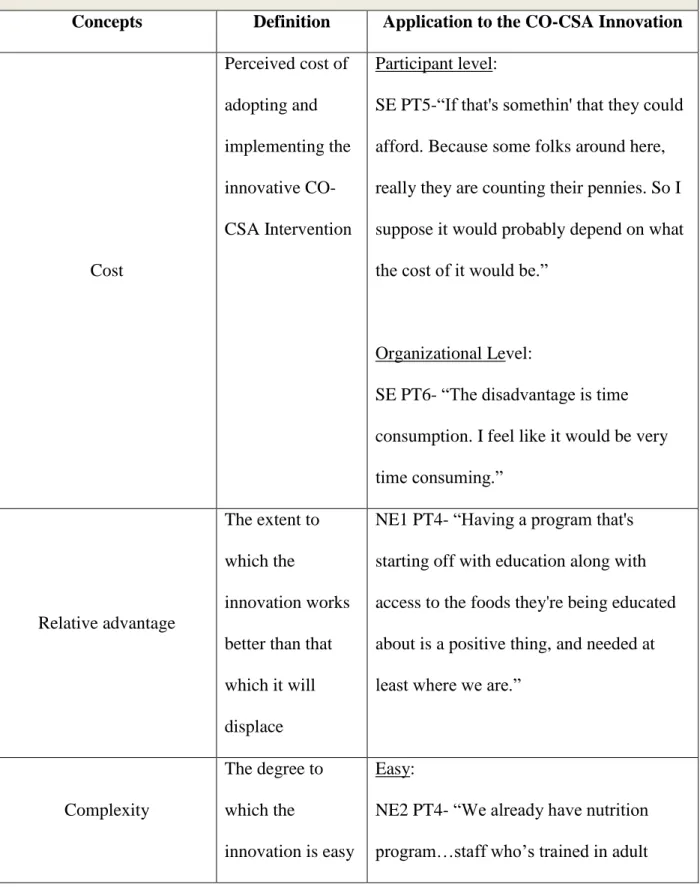
A summary of how findings address the concepts and components in the Diffusion of Innovations model and RE-AIM framework is found in Table 5, and a conceptual diagram linking findings to RE-AIM is found in Figure 5. In relation to the Diffusion of Innovations model, educators mentioned that the program needed to be affordable for participants and not overly time consuming for Extension staff (cost), that the new program would enhance existing programming (relative advantage), that the program needed to utilize existing resources to help with program logistics (complexity), and that the program fit well with their current
37
(reach), that it would address participant’s need for access to healthier foods (effectiveness), that uptake and fidelity would be enhanced through training and having the right people in place (adoption and implementation), and that the program could be sustainable under the right conditions and support (maintenance).
Discussion
Several findings were similar to the existing literature, including common barriers to healthy eating for low-income individuals.3-5 In terms of specifically accessing local foods, educators mentioned inconvenient locations and times for purchasing food, and the inability to use SNAP-EBT, which is similar to previous findings 3,4,22,23 In the few studies looking participation of low-income consumers in CSAs, financial and physical access were also commonly cited factors.24-26 Interestingly, in the Quandt et al26 intervention, items that may have been unfamiliar to participants were emphasized, which was something the nutrition educators in our study discouraged. Overall, the similarities and differences in perceived factors influencing program participation and implementation across geographic areas support the usefulness of both broad and localized programmatic approaches.
38
Given the strong initial interest of educator’s and possibly their participants in the proposed program, work should be done to critically examine the integration of this type of program into current Extension programming. Linking the feedback provided by Extension nutrition educators (along with other relevant data) with the Diffusion of Innovations modelto understand what is needed to achieve widespread dissemination, as well as development and evaluation models such as RE-AIM, should help inform that examination and guide the thinking on design and implementation of such a program (as shown in Table 5). Working with the potential community partners mentioned by the educators, who can assist with program recruitment, implementation, and logistics, will be critical to the success of any efforts given Extension staff and resource constraints.
Strengths
The use of both in-depth interviews and focus groups allowed for a more complete
understanding of the topic, including identifying more skepticism about the program in the focus groups compare to the interviews. The educators were diverse in age, experience, and location. The use of phone focus group potentially created more independent answers and allowed for greater participation.31,32 In terms of the analysis, the use of thematic matrices allowed for cross-tabulation of ideas across different factors. Linking findings to behavioral theory and
frameworks helped frame results to best inform future program implementation.
Limitations
39
geographically diverse, may not capture all experiences and opinions from this nationwide program.
Implications for theory, policy, and/or practice
40
TABLES AND FIGURES
TABLE 1. Nutrition Educator Characteristics Participant Characteristics
Number of participants (total)
Northeast state 1 (NE1)
Southeast state (SE)
Northeast state 2 (NE2)
Northwest state (NW)
20
5
5
5
5
Age in average years (range) 48 (24-67)
Race
White
Black
Hispanic
Asian
Native American
16 (80%)
1 (5%)
1 (5%)
1 (5%)
1 (5%)
Gender Female (100%)
41
Experience in Extension, Years (avg) 9 years (0.5-40 )
Local Foods Advocate 17/19 (out of 20, with 1 No Answer)
Local Foods a Priority 17/19 (out of 20, with 1 No Answer)
Deliver Educational Program 2/20
TABLE 2. Nutrition Educators perceived facilitators and barriers to low-income individual’s participation in a Cost-offset Community Supported Agriculture program
from Interviews
CO-CSA Facilitators Illustrative quotes
Convenient Location
NW PT1:“The drop-off point is the most important thing. Getting in your car to pick up a box during a limited time window on a specific day, week after week, definitely gets to be a little bit of an
inconvenience…make it extremely convenient….”
Learning preparation skills
42
up. What am I supposed to do with this thing?"
Learning new recipes
NE1 PT5: “If they had recipes that would help them use what they are getting, [recipes] that are very simple, have very few ingredients.”
Offering Education on healthy eating
NE2 PT2: “People feel more and more these days uncertain about how to cook food at home, so if we can address that through the education…with the
educational component, with some added support to help them identify the things that they're gonna find in their CSA box”
SNAP-EBT Acceptance
SE PT4: “It might be very important for them to use their SNAP benefits…I think that it needs to be a possibility for folks.” CO-CSA Barriers Illustrative quotes
Not having enough Money/Limited finances
43 Transportation issues
NE1 PT1:“Transportation in a lot of different ways impacts people. A lot of people live rurally and it's really hard to get in from somewhere.”
Spoilage of produce
NW PT2: “Possibly a lot of food going to waste especially if people aren't able to utilize the fruits and vegetables that are given to them... And also I would worry about the quality of it if it's going to spoil fast...”
Chaos/Unpredictability of Life
SE PT4: “Many of my participants don't even know where they'll be living in a couple months... Or what their
circumstance might be... If they will have a job. So planning that far ahead is
something that is really challenging for my participants.”
Unfamiliar Produce
44
having or cooking or eating year round…I think that could be an issue.”
Time and Commitment
45
TABLE 3. Summary of Thoughts on Incorporating a Cost Offset-CSA program into Extension
Organization Support Illustrative quotes
High Support
SE PT6: “I think we have the support there, as long as Extension is heavily
involved…like I've said, local foods is one of our flagship programs with Extension.”
Low Support
NW PT2: “As far as if we were to introduce something to our state
office…it's pretty difficult to get a response back if we have questions from them... And there's always communication issues that might be difficult... It's always a little bit hard trying to establish... to see if they're gonna take on another curriculum.” Additional Skills Needed Illustrative quotes
Training
NW PT2: “Just be more informed about how CSAs work… how we would
46 Manual/curriculum
NW PT2: “Definitely all of the components of the curriculum that we would need to conduct the program successfully... And having it in an organized manner that's easy to follow.”
Access to new recipes
SE PT4: “It's always great to have a good resource for lots of different recipes, so that if you do have different ethnic groups or dietary needs or requirements... You can pull from that. It's also pretty important for those recipes to have few ingredients, or at least have common ingredients that are inexpensive. So developing that I think is going to be key.”
Advantages of Extension Illustrative quotes
Current programming
NE2 PT1: “I think it's a continuation of what we're already doing…We're doing nutrition education where we support our farmers. Let's put the two together with our low-income families…I mean it's a natural progression to me.”
Existing relationships with farmers and low-income clientele
SE PT4: “We already have a lot of
47
farmers... We also have relationships with the client base, with the limited resources... So in a lot of ways, it is really easy to connect the provider with the consumer... because we know both”
Trained and experienced nutrition educators
NE2 PT4: “We already have federally funded nutrition education programs, so that's huge. We have the staff who is trained in facilitated dialogue and adult education and nutrition basics, and so that's a huge advantage that we have.”
Disadvantages of Extension Illustrative quotes
Staff time and availability
SE PT6: “I feel like it would be very time consuming…that could be a huge
disadvantage…not being able to put enough of the time into this program that may be required… Starting next year, it's just gonna be one {nutrition educator} for every two counties…{the}need for maybe a program assistant....
Logistics of running the program
48
…We'd have to think about how we would connect something with the farmer
…there's a lot of things to nutrition programming in our county.”
Working within the parameters of current federally funded programming
NW PT3: “I have one program where I've got pretty strict parameters, {it is} harder to make sure I fall within all those
49
TABLE 4. Summary of Focus Group Feedback
Topic Illustrative quotes
Initial Thoughts
NE1 PT4: “You're combining the things that we're talking about…farming,
agriculture, nutrition education …having a program that's starting off with education along with access to the foods they're being educated about is a positive thing, and needed at least where we are.”
NW PT1: “…{the boxes contain} foods that require a lot of prep just to get them in the fridge…I think that they'll enjoy the education…but ultimately not see the value in participating in the CSA.”
SE PT1: “As far as if the program is needed, I don't know if it's needed... we encourage our participants to eat more fruits and vegetables whether its fresh, frozen, or canned…our goal is to increase consumption.”
Suggestions for getting people to participate
50
location…because you have to meet people where they are...you have to make it as drop-dead easy as you can.”
Potential community partners
51
TABLE 5. Relation of findings to Diffusion of Innovations model and RE-AIM framework Diffusion of Innovations
Concepts Definition Application to the CO-CSA Innovation
Cost
Perceived cost of adopting and implementing the innovative CO-CSA Intervention
Participant level:
SE PT5-“If that's somethin' that they could afford. Because some folks around here, really they are counting their pennies. So I suppose it would probably depend on what the cost of it would be.”
Organizational Level:
SE PT6- “The disadvantage is time consumption. I feel like it would be very time consuming.”
Relative advantage
The extent to which the
innovation works better than that which it will displace
NE1 PT4- “Having a program that's starting off with education along with access to the foods they're being educated about is a positive thing, and needed at least where we are.”
Complexity
The degree to which the
innovation is easy
Easy:
52
to use education and nutrition basics...our agricultural program help people get connected to local foods, so we have a lot of resources in place”
Not Easy
NE2 PT 3-It might be a little
challenging…there are a lot of things…It would take resources and commitment beyond what most associations would have.
Compatibility
The fit of the innovation with the intended audience in order to accomplish desired goal (s)
SE PT6- “I think it fits nicely…it’s an extension of what we are already doing…we teach people this is what we need to be eating, and here is an
opportunity for us to actually provide access to those healthy foods.” RE-AIM
Reach
What will get the population of
interest to participate in the
program?
NW PT1- “You have to meet people where they are...you have to make it as drop-dead easy as you can.”
NW PT3- “I would say it's also