“DOING THE BEST WE CAN”. BLACK PARENTING COUPLES’ DISCUSSIONS OF THE RACIAL SOCIALIZATION PROCESS: A MIXED METHODS ANALYSIS
Shawn C.T. Jones
A dissertation submitted to the faculty of the University of North Carolina at Chapel Hill in partial fulfillment of the requirements for the degree of Doctorate of Philosophy in the Department of
Psychology (Clinical).
Chapel Hill 2016
Approved By:
Enrique W. Neblett Jr. Don Baucom
ii © 2016 Shawn C.T. Jones
iii
ABSTRACT
SHAWN C.T. JONES: “Doing the best we can”. Black parenting couples’ discussions of the racial socialization process: A mixed-methods analysis
(Under the direction of Enrique Neblett)
Racial socialization is one of the most important parenting practices Black parents undertake as a means of promoting the well-being of Black children (McAdoo, 2002). Prior research has identified several types of messages parents may convey to youth, as well as a number of individual and contextual factors that may impact the content, frequency, and delivery of these messages. However, the extant literature has not yet examined the ways in which Black coparents socialize around race together. Moreover, much of the work examining parental racial socialization has focused on quantitative survey methods, limiting our ability to truly understand these processes. Integrating key principles from the racial socialization and family systems (i.e., coparenting) literatures, this convergent (Qual + Quan) mixed methods investigation sought to understand the ways in which Black parenting couples navigate the racial socialization process by: a) investigating the nature of parental communications about racial socialization; b) understanding and
iv
and observer reported methods. Results from a series of actor-partner interdependence models (APIM) revealed significant actor and partner effects for all factor types (i.e., individual, couple, contextual). A 10-couple subsample was also interviewed and asked questions about how they communicate and co-parent around race. A number of relevant subthemes emerged relating to the nature of dyadic conversations, determinants of decisions to deliver messages, division of labor, and coparenting dynamics specific to racial socialization. Data from the two strands were integrated, with emerging themes being compared and contrasted with the quantitative findings. Implications, strengths and limitations of the current study are discussed, and areas of future research for
deepening our understanding of how parents traverse this important and often challenging process are presented.
v
vi
ACKNOWLEDGEMENTS
I would first like to give whatever glory and honor is due this work to God, who has instilled me with wisdom and a heart for this work, and has endowed me with favor and resilience. To my village—blood and chosen family, friends and colleagues---I am eternally grateful for all the
vii
TABLE OF CONTENTS
List of Tables………...x
List of Figures……….xi
Chapter I. Introduction, Overview, and Statement of the Problem………...……1
Coparenting as a Framework for Understanding Couples’ Communications about Racial Socialization………...3
The Present Study………...……5
Philosophical Assumptions………6
Definition of Terms………...….7
Organization of this Document………..………8
II. Literature Review..………..…...10
Racial Socialization: Philosophic and Prescriptive Definitions…...………..…..11
Expression, Intent, and Dynamism of Racial Socialization Messages………...13
Parental Correlates of Racial Socialization………..………...…...15
Couple-level Correlates of Racial Socialization………...20
Conceptual Model………...23
Making the Case for a Mixed Methods Approach to Studying Black Parenting Couples………...25
The Current Study………....28
viii
III.Method………...……..…...33
Overview of Research Design....……….……….33
Quantitative Phase Data Collection and Procedures.……….…...…36
Quantitative Phase Measures……….…………...38
Quantitative Phase Data Analytic Plan………...…49
Qualitative Phase Data Collection and Procedures….………...……..53
Qualitative Phase Data Analytic Plan………..…..55
Mixed Methods Data Analytic Plan………..……….59
IV.Quantitative Results.………..……60
Occurrence of Dyadic Racial Socialization Conversations………..………...….61
Self-reported Success of Racial Socialization Conversations………..63
Behaviorally Coded Success of Racial Socialization Conversations….…………...65
Quantitative Discussion……….…………...…69
V. Qualitative Results………...…73
The Nature of Black Parenting Couples’ Conversations………..…...73
Deciding Through Action: Parents’ Processes for Enacting Racial Socialization………...…78
Context and Considerations………...…...80
Leads, Deference, and Roles: Dividing the Labor of Parental Racial Socialization……….90
Support and Compromise in Coparenting around Race………...……93
ix
Qualitative Discussion………..…...98
VI.Integrative Discussion and Conclusions………...…...102
Limitations and Additional Future Directions………...107
Strengths of the Study………...…….110
Implications………...……….110
Conclusion………...…...113
Tables………....…...114
Appendix A: Black parenting couple decision-making vignettes………...….135
Appendix B: UNC Black Parenting Couple Project (BPCP) Coding and Scoring Procedures………...……136
Appendix C: Black Parenting Couple Dyadic Interview Guide……….…………..…..138
Appendix D: BPCRS Project Questionnaire………...….141
Appendix E: Sample Transcript Template………...157
Appendix F: Sample Memos………...……...158
x
LIST OF TABLES
Table
1. Intercoder Reliability (ICCs) for the Iowa Family Interaction Rating Scales……...…114 2. Tests of Nonindependence of Outcome and Predictor Variables………...115
3. Bivariate Correlations of Study Variables………116
4. Poisson Actor-Partner Interdependence Model Predicting
Occurrence of Dyadic Racial Socialization Conversations Individual level…………....117 5. Poisson Actor-Partner Interdependence Model Predicting
Occurrence of Dyadic Racial Socialization Conversations-Contextual level……..……119 6. Poisson Actor-Partner Interdependence Model Predicting
Occurrence of Dyadic Racial Socialization Conversations-Couple level………....120 7. Linear Actor-Partner Interdependence Model Predicting
Self-Reported Success Individual level..………...…...121 8. Actor and Partner Effect by Gender for
Racial Identity (Self-reported Success)………....123 9. Linear Actor-Partner Interdependence Model Predicting Self-Reported
Success-Couple-level………124 10.Linear Actor-Partner Interdependence Model Predicting Self-Reported
Success-Contextual-level……….125 11.Linear Actor-Partner Interdependence Model Predicting
Behaviorally Coded Success-Individual-level……….……....126 12.Actor and Partner Effect by Gender for Racial Identity (Observed Success)…………..128 13.Linear Actor-Partner Interdependence Model Predicting
Behaviorally Coded Success-Couple-level………..129 14.Linear Actor-Partner Interdependence Model Predicting
Behaviorally Coded Success-Contextual-level………130 15.Descriptive Statistics of Dyadic Interview Sample………..131
xi
LIST OF FIGURES
Figure
CHAPTER 1
INTRODUCTION, OVERVIEW, AND STATEMENT OF PROBLEM
The well-being of Black children in the United States is a matter of paramount significance. As Keniston (1978) asserted, they are “the most endangered children in our society… Although our national creed insists that all children should have equal chances, from the start, the deck is
systematically stacked against [them]” (pp. xiii-xiv). By the time of Keniston’s proclamation, the compromised self-esteem of Black children had already been the subject of the well-known Clarks’ (1939) doll experiments, calling attention to the deleterious impact of segregation on the welfare of Black youth. Thirteen years prior to Keniston’s assertion, Daniel Moynihan’s (1965) report
2
Philandro Castile’s partner), Kodi (5-year old son of Korryn Gaines), and Cameron (15-year old son of Alton Sterling) have occupied as literal and extended witnesses to the killing of parental figures drives this point home further.
Taking the various examples of the threatened well-being of Black youth into consideration, the utility and necessity of racial socialization – “the process through which caregivers convey implicit and explicit messages about the significance and meaning of race and ethnicity, teach
children about what it means to be a member of a racial and/or ethnic minority group, and help youth learn to cope with discrimination” (Neblett, Rivas-Drake, & Umaña-Taylor, 2012, p. 296) – is clear. Racial socialization is a parenting practice that Black mothers and fathers must undertake, a process of “affection, protection, and correction” (Stevenson, 2013) they must navigate to safeguard the mental, physical, and emotional well-being of their offspring. Fortunately, both cross-sectional and longitudinal research on racial socialization has noted that parental racial socialization is generally associated with positive outcomes for youth (e.g., positive racial identity, academic and civic engagement, positive well-being and prosocial behavior; Grills et al., 2016; Hughes et al., 2006). At the same time, these findings have been mixed with some studies finding that certain messages are associated with less optimal outcomes (e.g., Smith, Atkins, & Connell, 2003). In an effort to crystallize our understanding of the racial socialization process and understand these differential outcomes, research over the past three decades has highlighted both the prevalence and content of racial socialization messages that parents give to their children (Hughes et al., 2006). In addition, these messages have been framed by a number of constitutional and contextual parental factors (e.g., age, racial identity, experiences with discrimination) that influence the racial socialization process.
Identifying individual parental correlates of racial socialization messages has been
3
positive youth outcomes. However, one aspect of the racial socialization process that we know almost nothing about is whether parents communicate with one another about the process of
delivering a pattern of messages (a “racial socialization agenda”). Missing from the extant literature is an exploration of whether parents decide when and how racial socialization will occur in the home. Moreover, should parents have these conversations, what are the processes by which such decisions are made? Additionally, what is a picture for understanding successful navigation of the racial socialization process from the perspective of parents? Finally, are the same parenting factors that impact the types of messages parents communicate also related to the occurrence of parents’ discussions or the success of these conversations? Given the equivocal findings regarding the link between racial socialization and youth outcomes, addressing these questions is vital to understanding how parents might best maximize the strengths inherent in racial socialization as a means of
optimizing the psychological well-being of their children. Moreover, taking inventory of how Black parents discuss and decide on a racial socialization agenda will assist in understanding both how that agenda is enacted and the success of the agenda – laying the foundation for working with Black parents to optimize their socialization agenda and, in turn, their children’s well-being.
Coparenting as a Framework for Understanding Couples’ Communications about Racial Socialization
One lens through which to address the questions related to how Black parents might communicate around the establishment of a racial socialization agenda and how they may
4
The key mechanisms for achieving effective coparenting appear to be open communication, mutual support, and accommodation (McHale & Fivaz-Depeursinge, 2010). With regard to open
communication, coparenting scholars contend that discussions around aspirations and parenting styles allow parents to move “onto the same page” (McHale & Fivaz-Depeursinge, 2010, p.117), thus creating an optimally consistent parenting agenda. Understanding how this agenda is
established may assist Black parents in optimizing this plan. The coparenting literature also suggests that mutual understanding, support and trust, and an ability to accommodate or resolve inevitable differences about how to raise their children, are vital to child’s outcomes (McHale & Irace, 2011). Taken together, the extent to which parents talk about and the success with which they enact a "game plan" for race-related socialization may necessarily influence the content, prevalence, and internalization of the racial socialization messages youth receive, which will in turn impact the extent to which this process predicts optimal well-being.
How might the coparenting framework be applied to a specific example of parents’
communications and decision making about racial socialization? Imagine that a mother tells her son that George Washington Carver was a great man and someone to be emulated. The boy’s father later undermines this message, stating that Carver “wasn’t really that important.” While the content of the messages may be clear, less apparent is how Mom and Dad arrived at enacting the particular
messages they delivered. How have Mom and Dad worked together in the past, or, in this instance, to decide how to convey messages that might help their son feel proud of his heritage? In discussing how to help their son feel proud about his heritage, did they support and back each other up?
5
differences regarding George Washington Carver and assist the couple in being more consistent and supportive in future communications about race?
The coparenting framework also highlights the importance of examining factors that may influence communication, support, and accommodation (McHale & Irace, 2011). In the scenario above, what factors should we expect to influence the ways parents communicate around race? Given that a number of parental factors such as gender, racial identity, and socioeconomic status have been related to specific racial socialization messages, it is possible that these factors also influence the occurrence and success of these conversations between parents. It may be the case that the parents in the scenario above had intentional conversations because of the racially integrated neighborhood in which they live. At the same time, Dad may have been less than optimally
supportive due to his jaded outlook after being inexplicably passed over for yet another promotion. Exploring the extent to which these and other factors play a role in the aforementioned processes will provide even more feedback for optimizing the racial socialization agenda.
The Present Study
6
racial socialization. Owing to a number of scholars (e.g., Lesane-Brown, 2006; Neblett et al., 2012; Smalls, 2010) that have argued for an emphasis on the processes underpinning parental racial socialization, such an investigation will do much to enrich our current understanding of racial socialization. More importantly, understanding how parents currently approach talking with their children about race should support efforts to develop interventions for assisting Black parents in navigating the racial socialization process.
Philosophical Assumptions: The Case for Mixed Methods
This study and its investigator (S. Jones) operate from a pragmatist worldview. Pragmatism’s epistemology centers on using the best method(s) to address the research questions at hand (see Creswell & Plano Clark, 2011). One major limitation of the extant literature on racial socialization is that while its origins were centered on understanding how this parenting process unfolds from the perspective of parents (a constructivist worldview), more recent investigations have adopted
7
between parents, as this is a common approach undertaken in studies of coparenting. Finally, defining how successful racial socialization discussions take shape requires both quantitative techniques (e.g., survey data and behavioral coding) and qualitative analytic techniques (e.g., interview data), as neither method is sufficient alone. An in-depth explanation, provided via interview, may challenge (or confirm) the conclusions one might draw based simply on numerical significance.
Definitions of Terms
As noted above, racial socialization refers to both implicit and explicit messages designed to communicate racial group membership, values, behaviors, beliefs, and intergroup relationships (Neblett, Smalls, Ford, Nguyen, & Sellers, 2009). However, it is important to also briefly define the primary participants of interest (Black parenting couples), as well as the primary outcomes of interest (occurrence and success).
Participants included “Black parenting couples”. It is important to operationalize each word in turn. Black refers to individuals who self-identify as Black or African American. This can include the range of ethnicities of peoples of African descent (e.g., Caribbean, continental African etc.). Couples refer to a mutually defined romantic relationship. In addition, there are two primary civil definitions: marriage and cohabitation. Recent demographic information (U.S. Census Bureau 2012) suggests that roughly 43% of Black men and 36% of Black women over age 18 are married.
Notably, rates of cohabitation have increased over the last several years (National Survey for Family Growth, 2012), and cohabitation as an alternative to marriage is generally more common among Blacks (McAdoo & Younge, 2009). Thus, for the purposes of the current study, couples included partners who are married or cohabiting and define themselves as in a romantic relationship.
8
are legally married, but do not define themselves as a couple (i.e. separated). For this study,
parenting refers to both partners being the biological parent of the target child(ren). Couples wherein one partner is a step-parent (or equivalent in case of cohabitation) and those wherein a child is adopted were ineligible for participation in the study.
Given that the concepts of occurrence and success related to Black parenting couples’ racial socialization conversations underlie this work, it is important to define what is meant by each term. Occurrence simply refers to whether or not Black parents have conversations about the various aspects of racial socialization (e.g., preparing their child for bias). In addition to understanding whether these conversations happen, the content and nature of such conversations (e.g., how are decisions made; who initiates conversations) is also important, and falls under occurrence. Success draws on the coparenting framework which highlights open and effective communication, support and accommodation as core elements of an effective co-created environment (McHale & Irace, 2011). In this study, success is defined in three ways. First, success is defined by parents’ ratings of how well dyadic conversations around racial socialization have gone. Second, Black parenting couples’ ability to communicate openly and effectively, show mutual accommodation for one another’s desires and styles related to racial socialization, and to do both in a warm and supportive manner were observed and assessed. Third, parents were asked to define coparenting around race “in their own words”. In this way, occurrence answers the questions “does this happen?” and “what does it look like?” while success answers the questions “how well does this play out?”
Organization of this Document
9
10
CHAPTER 2
LITERATURE REVIEW
Introduction
Racial socialization is one of the most important parenting practices Black parents undertake as a means of promoting the well-being of Black children (McAdoo, 2002). Prior research has identified several types of messages parents may convey to youth, as well as a number of individual and contextual factors that may impact the content, frequency, and delivery of these messages. However, the extant literature has not yet examined the ways in which coparents communicate and collaborate around racial socialization—or if these conversations occur at all. Moreover, questions regarding how couples might successfully navigate this process from the perspective of Black parents, and what individual, couple-level, and contextual factors shape the occurrence and success of discussions about racial socialization are underexplored. Much of the work examining these important questions has focused upon quantitative survey methods. I argue, however, that a mixed methods approach is essential to best understanding Black coparents’ communications about racial socialization and the individual, coparenting, and contextual influences that shape their occurrence and success.
11
conversations; and 3) a discussion of limitations with regard to dyadic (i.e., coparenting)
considerations in the context of racial socialization, and how principles of coparenting can shed light in understanding couple-level correlates of parental communication, support, and accommodation around racial socialization. Following a hypothetical scenario on how success is defined in the coparenting context, these various research strands are integrated into a conceptual framework for understanding the role of Black parenting couples’ communication around racial socialization. In the final section of the chapter, I make a pragmatic argument, with supporting literature, for the use of a mixed methods approach to studying these processes.
Racial Socialization: Philosophic and Prescriptive Definitions
Before we can understand the processes by which Black parenting couples’ conversations around racial socialization might unfold and how success related to these conversations might take shape, it is important to first understand what racial socialization is and the ways in which scholars have conceptualized it. This is especially pertinent as racial socialization has been described as a “complex, multidimensional construct” that has been conceptualized in a number of ways, defined and redefined. While an in-depth, historical overview is beyond the scope of the current work (see Brown & Lesane-Brown, 2006; Hughes et al., 2006; Lesane-Brown, 2006 for such treatment), I explore definitions of racial socialization as a parenting practice and outline the various types of messages parents employ.
One of the earliest conceptualizations of racial socialization was the triple quandary model offered by Boykin and Toms (1985). They argued that Black parents have to navigate three
12
and coping styles related to being a racial minority). Said another way, Black parents in this society are tasked with raising their children to be African American, American, and ethnic minority all at once. Boykin and Toms (1985) and other scholars (e.g., Peters, 1985; Thornton, Chatters, Taylor, and Allen, 1990) provide what I term philosophic definitions of racial socialization. These
definitions offer overarching worldviews from which to approach racial socialization.
In contrast, reviews by both Hughes and colleagues (2006) and Lesane-Brown (2006), aggregating the extant research on racial and ethnic1 socialization, offer more prescriptive
definitions. These definitions are more concerned with the specific messages parents report, as well as the mechanisms of transmission of these messages. For example, Hughes et al. (2006) categorize messages into four primary types, as originally conceptualized by Hughes and Chen (1997, 1999). Cultural Socialization messages are those primarily concerned with teaching about the heritage and history of African Americans, sharing and clarifying customs and traditions, and emphasizing pride in being African American (Boykin & Toms, 1985; Hughes, Bachman, Ruble & Fuligni, 2006; Hughes & Chen, 1999; Thornton et al., 1990). Preparation for bias messages highlight the inequalities that exist among ethnic groups and provide ways to cope with the behavioral
manifestation of these inequalities (i.e. discrimination). Promotion of mistrust messages encourage wariness of other cultures, especially the White majority, but importantly do not offer strategies for coping with interracial interaction (Hughes & Chen, 1997). Egalitarian messages emphasize
individual traits rather than traits related to African American membership2 or espouse the harmony and equality that can exist among racial groups. Finally, silence about race has been used to describe
1 Hughes and colleagues (2006) distinguish between racial socialization (which has been traditionally conceptualized as
concerning the aforementioned processes specifically for African Americans) and ethnic socialization, which covers multiple ethnic groups, including African Americans (p. 748).
13
a lack of explicit racial socialization messages (Gaskin, Jones, Lee, & Neblett, 2013; Gaylord-Harden, Burrow, & Cunningham, 2012; Hughes et al., 2006).
Lesane-Brown (2006) organized messages using the broad goals (e.g., cultural, minority, mainstream) from the aforementioned triple quandary model (Boykin & Toms, 1985). Within the minority messages category are messages that help children recognize discrimination (racism awareness) and those that actually provide ways for dealing with such racism (cultural coping with antagonism) (Stevenson, 1994; Stevenson, Cameron, Herrero-Taylor, & Davis, 2002). Subcategories within the mainstream message domain are those that focus on individual attributes
(self-development) and those that emphasize commonalities across racial groups (egalitarian) (Lesane-Brown, 2006). Notably, these sub-dimensions are subsumed with the term “Egalitarian” utilized by Hughes et al. Finally, though not covered formally in either review, scholars have also noted that parents can deliver negative messages about African Americans (e.g., “Black politicians cannot be trusted”) (Gaskin et al., 2013). Taken together, scholars have elucidated the myriad messages conveyed to Black youth by their parents. The decision to employ some or all of these messages represents a portion of the dialogue Black parenting couples may undertake regarding the socialization of their children.
Expression, Intent, and Dynamism of Racial Socialization Messages
In addition to the content of racial socialization messages, Black coparents’ discussions about racial socialization may also center on the ways in which these socialization messages are
transmitted, as parents make decisions around both message expression and message intent (Lesane-Brown, 2006). Expression refers to whether parents deliver messages verbally or non-verbally (Boykin & Toms, 1985; Hughes & Chen, 1999; Thornton et al., 1990). Notably, non-verbal
14
Coard et al. (2004) found that in addition to oral communication, mothers also described utilizing modeling (e.g., not using derogating language about Black people), exposure (e.g., watching Doc McStuffins, a Disney show with a Black child female protagonist), and role-play (e.g., practicing how to respond to police officers’ requests). Importantly, non-verbal or behavioral messages can be delivered across the aforementioned message categories (e.g., preparation for bias; Hughes et al., 2006). Thus, in addition to conversing about the messages they will deliver, parents’ dyadic
discussions may also include how these messages will be articulated, as well as who may articulate what.
Intent refers to the purpose or goal of racial socialization messages (Lesane-Brown, 2006). It is understood that a great many African American parents are deliberate or purposeful about
15
transmitting. As such, the study focuses primarily on Black parenting couples’ deliberate racial socialization messages. However, it is feasible that parents may plan for how they will handle their children’s questions about or experiences with regard to racial topics (e.g., “the talk”). Therefore, while the project will focus primarily on proactive approaches to racial socialization, assessing how parents navigate unanticipated discussions around race is an invaluable consideration.
A recent model, the Process Model of Ethnic-Racial Socialization (PMERS), developed by Miwa Yasui (2015), does a wonderful job of integrating both the content and the aforementioned underlying issues of expression, intention, and dynamism (as well as including parents’ implicit attitudes and the role of affect. A more intentional discussion of these aspects is provided when addressing the conceptual framework informing the current study.
Parental Correlates of Racial Socialization: Individual and Contextual Factors
16
levels of correlates with regard to messages, followed by a discussion of how these factors may be related to the occurrence and success of Black parenting dyadic discussions (for an overview of child correlates of racial socialization, see Hughes et al., 2006).
Individual factors. The most commonly explored individual parental factors are gender, socioeconomic status, and racial identity. With regard to gender, studies generally support the notion that mothers more frequently provide racial socialization messages to their children, relative to fathers (Brown, Linver, & Evans, 2010; Hughes & Chen, 1997; Thornton et al., 1990). In addition to the frequency of messages, the quality, mode, and content are also assumed to vary as a function of parent gender (Lesane-Brown, 2006; White-Johnson, Ford, & Sellers, 2010). Socioeconomic status has also been found to impact race socialization practices. Of those studies that have reported differences by SES, most find that Black parents with higher socioeconomic standing (e.g., higher income, greater educational attainment), report transmitting more cultural socialization and preparation for bias messages (Crouter, Baril, Davis, & McHale, 2008; Hughes & Chen, 1997; McHale et al., 2006; Thornton et al., 1990). Additionally, there have been some studies that have found that those with middle/moderate SES report some racial socialization messages (e.g., racial pride, preparation for bias) with the greatest frequency, suggesting a curvilinear association (e.g., Caughy, O’Campo, Randolph, & Nickerson, 2002; Thornton, 1997).
17
frequent and most varied approach to racial socialization had significantly higher levels of several racial identity dimensions (e.g. centrality, nationalist ideology, private regard).
In addition to the aforementioned factors, age and parents’ own racial socialization
experiences have been associated with differential racial socialization practices. With regard to age, findings generally suggest that older parents provide more messages than their younger counterparts. Scholars have also noted that parents’ racial socialization messages (or lack thereof) may be
influenced by the racial socialization messages they received as youth (Hughes & Chen, 1997; White-Johnson et al., 2010). For instance, received socialization related to cultural socialization (promoting positive aspects of being Black) was in turn associated with parents’ own cultural
socialization practices (Hughes & Chen). In addition, mothers’ reports of more frequent socialization as a child were associated with a racial socialization agenda highlighted by more varied messages (White-Johnson et al., 2010). This is consistent with other parenting practices that show
intergenerational transmission properties (e.g., discipline; Mangelsdorf, Laxman, and Jessee, 2011). How might these individual correlates of the frequency and content of racial socialization messages influence the occurrence (including the tone) and success (including indicators of open communication, support, and accommodation) of parents’ communications about race? With regard to the former, the racial socialization messages that parents receive as a youth are a subset of that parent’s broader family of origin experience, a factor associated with communicating about
parenting tasks (Mangelsdorf, Laxman, and Jessee, 2011). Thus, we might expect the conversations around racial socialization to be influenced by received socialization such that a father may be more or less likely to communicate with his partner about race simply as a result of whether such
18
primary providers of racial socialization messages, but they are also considered the “architects” of the coparenting alliance. Thus, we might expect gender to impact these discussions such that these conversations are initiated and/or dominated by mothers.
Individual correlates of racial socialization messages may also impact the success of racial socialization discussions (Mangelsdorf, Laxman, and Jessee, 2011). For example, a strong
connection to one’s race (an aspect of racial identity) has been associated with supportiveness in African American relationships (Bell, Bouie, and Baldwin, 1990). Thus, a positive racial identity may not only impact the types of messages that parents decide to deliver and whether they converse about delivering them, but also may positively influence how parents support one another throughout the process.
Contextual/Environmental factors. Developmental theory supports the importance and influence of contextual factors on parenting (e.g., Bronfenbrenner, 1979) and African American parenting, in particular (e.g., Garcia-Coll et al., 1996). One such factor is neighborhood composition. Preparation for bias messages have been found to be more prevalent in racially integrated
neighborhoods (e.g., Thornton et al., 1990) relative to those that are more racially homogenous (Caughy, Nettles, O’Campo, & Lohrfink, 2006; Stevenson et al., 2002). Thornton et al. (1990) also found differences in socialization practices as a function of geographic region (Thornton et al., 1990). Importantly, these investigations have indicated that such differences in racial socialization messages may be reflective of processes that may operate in racially diverse contexts (e.g., social conflict, community involvement; Caughy et al., 2006; Caughy, Nettles, & Lima, 2011).
19
bias messages were associated with interpersonal (Hughes & Chen, 1997) and community-based discrimination (Hughes, 2003); promotion of mistrust messages were associated with institutional racism (Hughes & Chen, 1997); and cultural socialization messages were associated with
adolescents’ experiences of vicarious discrimination (i.e., racial discrimination experienced by a family member; Stevenson et al., 2002). Other work has found similar relationships when using broader indices of race-related stress (e.g., Thomas, Speight, & Witherspoon, 2010) as well as multidimensional investigations (i.e., message profiles) of racial socialization (e.g., White-Johnson et al., 2010). A recent exemplar of this relationship is McNeil Smith and colleagues’ (2016)
exploration of the role that parent’s own experiences of racial discrimination as well as their partners’ played in both cultural socialization and preparation for bias racial socialization. This study was particularly relevant in that it highlighted that parents’ report of their individual RS practices were influenced not only by their own experiences with racism, but with their partner’s as well.
In the same way that factors such as racial discrimination or neighborhood dynamics can impact racial socialization messages, such stressors may also impact the occurrence and success of conversations between African American mothers and fathers about racial socialization (e.g., LaTaillade, Baucom, and Jacobson, 2000). For example, experiences with discrimination may make the need to socialize a child around bias more salient (Hughes & Chen, 1997), increasing the
20
these conversations occur. In contrast, other contextual factors such as Afrocentric worldview and spirituality have been associated with more positive relational qualities such as trust and support (LaTaillade, 2006; Kelly & Floyd, 2006), which may in turn foster effective communication with regard to racial socialization, while also influencing the racial socialization agenda itself. It is important to note that due to the dearth of empirical evidence related to parents’ communication around racial socialization, many of the aforementioned links are hypothetical in nature. Thus, the absence of such studies further highlights the need for exploring these factors in the context of Black parenting couples’ discussions about racial socialization.
Couple-level Parental Correlates of Racial Socialization
21
dyadic dynamic between African American mothers and fathers impacts the racial socialization process still remains a glaring limitation.
22
couples may generally be more apt to share the responsibilities related to socializing their children around race, which may be associated with a greater proclivity to accommodate.
Successful Coparenting Discussions around Racial Socialization: Example and Extensions
In the previous chapter, the concepts of the occurrence and success were defined. Now that the potential individual, couple-level, and contextual correlates have been discussed, it is useful to provide a specific example to help clarify how occurrence and success of racial socialization discussions play out in the coparenting context. Imagine that it is nearly February, Black History Month is swiftly approaching, and Mom and Dad have an explicit discussion about family activities for their daughter and sons during this time of jubilee and reflection (occurrence). The conversation occurs with both parents expressing their viewpoints in a positive manner. It is ultimately decided that taking the children to the local African American history museum is the primary activity for Black History Month, that Dad should be the one to make the trip, and that Mom will identify the top exhibits (mutual support). After the conversation, Dad watches a sobering news clip and decides it is important to warn his children about racism. Mom is initially hesitant about this approach, but agrees with Dad that he can talk about this most recent news story on the way to the museum, but only to the boys (mutual accommodation).
In my hypothetical coparenting example, two points are worth noting in conceptualizing what constitutes success. First, communication, support, and accommodation are operationalized not only in the presence of positive verbal and non-verbal behavior, but also in the absence of
antagonistic or negative behavior. Therefore, it may be equally important for the discussions
23
the coparenting framework may not map onto what constitutes success from the parents’
perspectives. It may be that some parents view occurrence (simply having a conversation at all) as success, while other parents may feel that success comes from not talking about something, but simply “doing it.” As such, it is important that the concept of successful navigation of this important process be extended to include subjective markers as well as relatively objective ones.
Conceptual Model
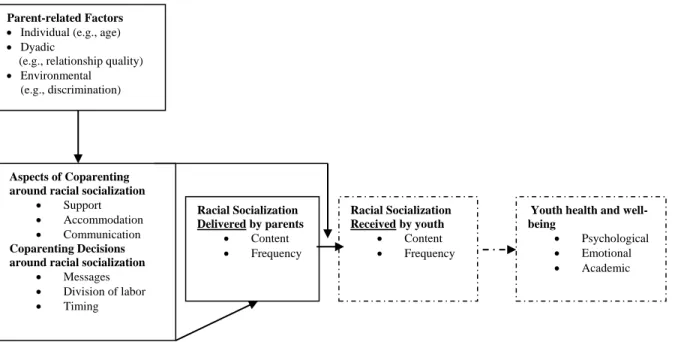
Figure 1 provides a conceptual framework for situating Black couples’ coparenting
discussions and negotiation of the racial socialization process in the context of racial socialization. The framework integrates aspects of cultural ecological theory (García-Coll et al., 1996); family systems perspectives—and particularly theories on coparenting (McHale & Lindahl, 2011;
Whitchurch & Constaintine, 1993); and of course the extant understanding of the research on racial socialization. Specifically, I include the recent work by Yasui’s PMERS as a comparison to the terms I have outlined in my model. Though it is important to recognize both the heterogeneity in family structure in the African American community and the myriad socializing agents, I contend that parenting dyads are a primary conduit through which Black parents establish a racial
24
vary for older versus younger parents (individual), for those who already communicate regularly about their romantic relationship (couple-level), or parents who live in racially diverse
neighborhoods (contextual). Some of these factors are articulated in the PMERS as External Influences and her triad of belief factors (see Yasui, 2015, p. 4).
25
Making the Case for a Mixed Methods Approach to Studying Black Parenting Couples
The model above provides a visual representation of the complex, multidimensional nature of the racial socialization process. As articulated by Hughes and colleagues (2008) “trying to
empirically capture the richness, depth, and complexity that characterizes [racial] socialization as it unfolds in daily life is akin to ‘trying to catch a moonbeam’”(p.228). I argue here that the
exploration of the ways in which Black parenting couples navigate the racial socialization process is not only amenable to, but also requires a mixed methods analytic approach. This is a similar
argument to that articulated by Hughes et al. (2008) and is consistent with my pragmatist worldview surrounding research. Mixed-methods research “focuses on the collecting, analyzing, and mixing of both quantitative and qualitative data in a single study or series of studies” (Creswell & Plano Clark, 2011 p.5). This area of research argues that the combination of both approaches provides an optimal
Parent-related Factors
Individual (e.g., age)
Dyadic
(e.g., relationship quality)
Environmental (e.g., discrimination)
Aspects of Coparenting around racial socialization
Support
Accommodation
Communication Coparenting Decisions around racial socialization
Messages
Division of labor
Timing
Racial Socialization Received by youth
Content
Frequency Racial Socialization
Delivered by parents
Content
Frequency
Youth health and well-being
Psychological
Emotional
Academic
Figure 1. Conceptual model for understanding coparenting in the context of racial socialization
26
understanding of the research question(s), an understanding that is better than either approach in isolation. There are four main research problems that are addressed by mixed methods designs: (1) when one form of data is insufficient to explain the research problem; (2) when one form of data is needed to enhance the study; (3) when quantitative findings are inadequate by themselves; or (4) when qualitative results are inadequate alone (Creswell & Plano Clark, 2011). Understanding whether and, if so, how successfully Black parenting couples communicate with one another about the racial socialization agenda for their child represents a research aim for which one form of data (i.e. quantitative) is insufficient.
27
using open-ended methods will allow for a more thorough exploration of this largely uninvestigated aspect of the racial socialization process. Moreover, conducting interviews with both parents
together literally provides an opportunity to see this process unfold, as couples talk through questions together.
Qualitative methods for assessing parental communications about race extend beyond open-ended items on a survey or conducting in-depth interviews. Moreover, racial socialization scholars have also been charged with broadening the assessment of racial socialization through “holistic and culturally anchored methods” (Hughes et al., 2006 p.765). Observational methods are one such approach that has been employed (albeit on a limited case) in the study of racial socialization (Caughy et al., 2002; Lewis, 1999). For example, Lewis’ (1999) observation of mother-child
discussions during hair combing and Caughy et al.’s assessment of the presence of ten markers of an Afrocentric home environment underscore the possibilities of additional ways to measure racial socialization. Lewis combined aspects of attachment theory to develop a naturalistic observation procedure through which to understand the exchange of racial socialization between mothers and daughters. Caughy and colleagues (2002) naturally observed Black families’ homes for the presence of items (e.g., presence of Black periodicals, clothes, or toys) during two home visits, as a proxy of racial socialization. A recent investigation has expanded and extended such observational methods, using an ethnographic approach to study two African American families in their homes over a period of six years (Bracey, 2010). While neither of these investigations focused on observations between parents, they highlight that certain aspects of the racial socialization process may be best assessed through observational means.
28
“rule” for assessing dimensions of effective coparenting (McHale, 2011). A number of coparenting tasks (e.g., concentrated family play) have been identified from which interactions can be observed and dynamics (e.g., mutual involvement, collaboration, dissonance) coded (see Fivaz-Depeursinge & Coeboz-Warnery, 1999; McHale & Fivaz-Depeursinge, 2010 for examples). Conceptually,
coparenting observations are concerned with triadic (or larger) interactions, including coparents and child. However, there have also been observational assessments of dyadic coparenting discussions (e.g., Baker, McHale, Strozier, and Cecil, 2010; Elliston, McHale, Talbot, Parmley, and Kuersten-Hogan, 2008). While the conceptual framework guiding the current work certainly identifies the child as an active agent in the racial socialization process, and clearly expects that child factors (e.g., age, gender) may impact the occurrence and success of parents’ conversations, the focus here is on understanding how these coparenting discussions play out between the couple. Finally, in addition to promoting qualitative methods for addressing the phenomena of interest, coparenting scholars also advocate the use of multiple sources of culturally relevant data (McHale, 2011), further supporting a mixed methods approach to exploring racial socialization from a coparenting perspective.
29
Although not the focus of the current study, this work is also unique in that the voices of the youth, including their perceptions of their parents’ racial socialization agendas, were captured. Both
research projects have exciting implications for the present study, not only by demonstrating the use of mixed methods in the context of racial socialization, but also in exploring racial socialization in a manner that assesses the dyadic processes.
The Current Study
Racial socialization is one of the most challenging and crucial parenting practices for African Americans. Research on racial socialization has outlined a number of messages that parents may give to their children, as well as a number of individual and contextual factors that may impact how these messages are delivered. Yet, the extant literature has not yet examined the ways in which these coparents communicate and collaborate around racial socialization. Moreover, the question of successful navigation of this process from the perspective of Black parents remains largely unanswered. Finally, the extent to which the individual, couple, and contextual-level factors
associated with racial socialization messages are similarly relevant to the occurrence and success of parental discussions is an empirical unknown. The current mixed methods study addresses these limitations and explores the nature of how Black parenting couples communicate and make decisions around the establishment of a racial socialization agenda.
In this investigation, survey data (i.e., questionnaires) were used to measure the relationship between the occurrence and parent-rated success of coparenting discussions about racial
30
the observational coding of Johnson and in-depth interviews on (Hughes et al., 2006) race
socialization related topics to Black parenting couples. The observational portion of the study makes an important methodological departure from Johnson’s racial coping work: while the RST focused specifically on racial socialization messages that would be categorized as preparation for bias, the present study addresses a broader racial socialization agenda (i.e., cultural socialization and
preparation for bias). In addition, as Johnson (2005) bravely admits, her approach to mixed methods is less conventional: namely she uses a single instrument (e.g., RST) to assess racial coping across multiple studies and samples. The current study takes a more traditional approach—similar to the work by Hughes and colleagues (2008)—and assesses dyadic racial socialization discussions using multiple classes of measures (e.g., questionnaires, interviews, observation.
The current investigation sought to answer the following research questions:
Quantitative Research Questions:
1. What individual-level, couple-level, and contextual-level factors are associated with the occurrence of racial socialization decision-making conversations?
31
reported delivering more frequent and more varied messages to their children. In addition, the increased salience of race associated with more positive racial identity or living in a racially diverse neighborhood, should be associated with a greater likelihood of
conversations around racial socialization. Moreover, the salience of injustice associated with experiences with discrimination should lead to a greater likelihood of conversations around these messages. Lastly, though exploratory, the frequency of racial socialization messages themselves should be associated with a greater likelihood of having dyadic conversations around racial socialization, as parents may discuss these topics before, after, or in the process of delivering these messages to their youth.
2. What individual-level, couple-level, and contextual-level factors are associated with “successful” racial socialization coparenting conversations (as defined using behavioral observation)?
32
socialization messages to their children more consistently will feel (and be) more adept at handling racial-socialization based conversations with their partner.
Qualitative Research Questions:
1. What is the nature of Black parenting couples’ conversations around racial socialization? 2. How do Black parenting couples decide which socialization messages they will transmit to
children?3
a. What factors go into determining these decisions?
3. How do Black parenting couples discuss the “division of labor” for racial socialization? a. Who delivers messages? Which messages/behaviors? When (timing)?
4. How do Black parenting couples navigate coparenting dynamics (e.g., communication, support, and accommodation)?4
5. What are Black parenting couples’ definitions of successful racial socialization conversations?
Mixed Method Questions:
1. How do the findings from the qualitative data and qualitative data compare?
3 Note that this question was formerly a subset of question 1. However, it became clear that the questions, while not
unrelated sought to address different elements of overall research aims.
4 Note that this question was not present when the study was initially proposed. However, it was developed consistent
33
CHAPTER 3
METHOD
Overview of Research Design
The study followed a mixed methods convergent parallel design (Creswell & Plano Clark, 2011). In this design, a researcher collects both quantitative (i.e., survey, behavioral observation) and qualitative (i.e., interviews) data at the same time and both are given an equal emphasis with regard to the overall findings. The qualitative and quantitative findings were collected and analyzed concurrently, and the findings (see Results section) were compared and contrasted to provide a complete interpretation of the data. The purpose of this approach is to obtain information that is complimentary, but distinct relative to addressing the research problem. Furthermore, this design combines the strengths and non-overlapping weaknesses of both quantitative and qualitative methods (Creswell & Plano Clark, 2011; Morse, 1991; Patton, 1990). A model of this approach is shown in Figure 2.
34
35
structure; however, the findings from this initial investigation may well inform future investigations that consider the fuller experience of the Black family.
Sampling Design and Sampling Scheme
Sampling determinations for the current project were made using Onwuegbuzie and Collins’ (2007) seven-step framework. With regard to sampling design, two criteria—time orientation and relationship of qualitative and quantitative samples—were considered. As previously stated, the research design was current: both data types were collected at the same time. With regard to the relationship between the samples, the current study employed a nested relationship, wherein sample members for one facet (here the qualitative strand) were a subset of those from the other (see Onwuegbuzie & Collins, 2007). A subsample of the couples that completed the survey data and observational task completed in-depth, dyadic interviews. Thus, the sampling design for the study represents a concurrent, nested design.
Sample schemes represent one of two categories: random (i.e., probabilistic) or non-random (i.e., purposive). Probabilistic sampling involves randomly choosing individuals based on a
36
Quantitative Phase Data Collection and Procedures
Participants. The sample consisted of 44 Black parenting couples (40 married, 4
cohabiting). The mean length of relationship across couples was 14.46 years (SD = 5.40). Among married couples, the mean length of marriage was 11.43 years (SD = 5.20). Interestingly, 61% of married couples reported cohabiting (i.e., living together) prior to marriage. The sociodemographic characteristics of the sample are worth a brief overview. First, although all participants indicated they were Black, participants also identified as White (n= 3), American Indian (n= 1) and
Latino/Hispanic (n= 1). Furthermore, 13 participants endorsed Caribbean heritage and 4 continental African heritage. Notably, 8% of the sample was not U.S born, with time in the U.S. ranging from 5-31 years. With regard to SES, this was a highly educated set of parents, with nearly three-quarters (72.7%) of the participants indicating that they had at least a 4-year college degree. The sample also reported a median annual household income of “$100-$250K”. Notably, married couples were significantly higher on SES proxy variables than their cohabiting counterparts. Finally, half the sample reported living in neighborhoods wherein Blacks were a numerical minority (i.e., “More people of other races than Black people”).
37
Recruitment Procedure. Following Institutional Review Board approval, couples for the study were recruited through a number of local university and community venues. With regard to university venues, research informational emails were delivered to students, faculty, and staff. A number of community sources (e.g., community centers, local school districts, churches,
barbershops) were contacted and provided with information and fliers for the study. In addition, the research team also attended a prominent annual conference in the area. An ad was also placed in a local newspaper that largely catered to the target demographic of the study. In addition to local recruitment, the research team also advertised on national listservs (e.g., Association of Black Psychologists; Ford Foundation Fellows listserv; National Council on Family Relations; SRCD Black Caucus), and a second newspaper ad was placed in geographic region where a consultant and expert in racial socialization data collection (Dr. Mia Smith-Bynum), had previous success recruiting similar target samples. Lastly, both local and non-local participants were invited to pass information about the study along to their respective social networks. This multi-method recruitment approach has been suggested by other scholars investigating similar research questions in similar demographic settings (Smith-Bynum, 2014). This recruitment strategy resulted in 27 couples from the state
wherein the research team was based, with the remaining couples being recruited and enrolled from ten other states (see subsequent session for details on inclusion of non-local families).
Administration of Survey. Prior to completion of the study questionnaire, study procedures and guidelines (e.g., maintaining confidentiality) were explained through an informed consent process. Consent for the study was provided electronically5.Each member of the couple was asked to complete individual questionnaires, and instructed to answer for and about themselves.” On average, participants completed the survey in 30 minutes.
5Given considerations regarding completion of demographic questionnaires with African American families (i.e., certain modes of data collection are
38
Behavioral Observation of Racial Socialization Discussion Scenarios. Following both partners’ completion of the survey questionnaire, couples were invited to complete the observational task. The task was captured using one of three methods: 1) in the university clinic (n = 6); 2) using a camera in the couples’ home (n = 3); and 3) using IRB-approved videoconferencing software (i.e., Skype, Google Hangouts; n = 31). In each case, the requirements of the task were thoroughly explained to the couple. Moreover, given that this mode of data collection has been found to be less desirable for many families of color (Johnson, 2005), the specific purpose of videotaping as well as the procedures to protect confidentiality were explained. Once couples felt comfortable with the task, they were asked to spend 7 minutes discussing how they would work through two scenarios, each with their child in mind. The first scenario centered on cultural socialization (e.g., deciding how to celebrate Black history month in the home) and the other on preparation for bias (e.g., deciding what to tell a child following a news story showing the killing of a Black youth). In each scenario, the possibility of verbal and behavioral messages (e.g., going to the museum; teaching a neutral stance) were invited. See Appendix A for complete instructions and scenarios. Regardless of method, the researcher removed himself from the couple (either physically or by blacking out his camera) during the discussions. Couples were notified by the researcher when it was time to move to the next scenario. The two scenarios were counterbalanced, such that roughly half of the couples were presented with the one scenario (e.g., “Black History Month”) first. Couples received
remuneration in the amount of $50 (cash or Amazon gift card; per dyad) for completion of both the survey and observational task.
Quantitative Phase Measures6
Parents’ racial socialization. In order to assess specific messages parents have used, the Racial Socialization Questionnaire-Parent Version (RSQ-P; Lesane-Brown, Scottham, Nguyên, &
39
Sellers, 2009) was used. The RSQ-P is a 26-item, parental self-report measure that assesses the frequency with which parents give the target child race-related messages. Participants were asked to respond to each item using a 3-point rating scale (0 = never to 2 = more than twice) to indicate how often they have communicated each message or behavior to the target child in the past year. Six subscales were created by averaging across each of the items such that higher scores indicated a greater frequency of the particular message or behavior. The Racial Pride subscale measures (4 items; α =.75) the extent to which primary caregivers emphasize Black unity, teachings about heritage, and instilling positive feelings toward Blacks (e.g., “Told the target child that s/he should be proud to be Black”). The Racial Barriers subscale consists of 4 items measuring the extent to which an awareness of racial inequities and coping strategies is emphasized (e.g., “Told the target child that some people try to keep Black people from being successful”) (α = .86). The Egalitarian subscale consists of 4 items measuring the extent to which messages regarding interracial equality and coexistence are emphasized (e.g., “Told the target child that Blacks and Whites should try to understand each other so they can get along”) (α = .72). The Self-Worth subscale assesses the extent to which messages emphasizing positive messages about the self are conveyed (e.g., “Told the target child that s/he is somebody special, no matter what anyone says”) (4 items; α = .53). Given this low reliability, exploration of the item-level correlations was conducted, and one item was removed. The resulting 3-item self-worth subscale showed improved reliability (α = .73). The Socialization
40
the Negative messages subscale could not be determined, and this subscale was dropped from further analysis.
The RSQ-P was used in two ways. First, the subscale scores were utilized in bivariate correlational analysis. Second, a composite score was created averaging five message types (excluding negative messages), such that a higher score indicated higher levels of parental racial socialization. This composite score was created as a data reduction approach after determining significant moderate correlations among the subscales. The composite score was found to be reliable (α = .79) and was used in addressing the quantitative aims of the study.
Potential individual correlates. A number of individual factors were explored for their relationship to the occurrence and success of dyadic discussions around race.
Sociodemographic information. Mothers and fathers were asked to complete several sociodemographic items including age, sex, race/ethnicity, immigration status, and marital status (i.e., married or cohabiting). Finally, couples were asked to provide the age(s) and sex(es) of their child(ren).
Socioeconomic status. SES was assessed using a number of indicators. Level of educational attainment was measured using a 7-point scale (1 = Elementary School/Junior High School to 7 = Advanced graduate or professional degree). Occupation was asked using an open-ended question. Yearly individual income was assessed using a 10-point scale (1 = Less than $5,000 to 10 =
$250,000 and over).
41
who raised you talk about race, racism or other groups?”, 2) “Not including your parents or the people who raised you, how often did other close relatives such as your brothers, sisters, aunts, uncles, and grandparents talk with you about race, racism or other groups?”, 3) “How often did your friends talk about race, racism or other groups?”, and 4) “How often did other adults such as church members, your teachers, or neighbors talk to you about race, racism or other groups?”. Participants responded to the items using a 5-point Likert-type rating scale (1= Never to 5 = Very Often). Items were averaged to create a scale in which higher scores indicate a higher frequency of racial
socialization messages (α = .77). Additionally, three questions from Hughes and Chen (1997) were administered to assess the extent to which participants’ parents a) encouraged racial pride, b) taught about Black history and culture, and c) taught about racial bias against Blacks. These items are rated on a 4-point Likert scale (1= Almost Never to 4= Very Often). Consistent with Hughes and Chen’s (1997) investigation, the first two items were combined to represent Received Cultural Socialization (α = .85) and the remaining item represented Received Preparation for Bias.
42
Disagree Strongly to 7= Agree Strongly). Racial Centrality assesses the degree to which race is a central aspect of the individual’s identity (e.g., “Being Black is an important reflection of who I am”) (4 items; α = .68). Racial regard assesses the degree of positive feelings towards one’s racial group (e.g., “I’m happy that I am Black”; Private regard) (3 items; α = .77) and how individuals feel others view Blacks (e.g., “Overall, Blacks are considered good by others”; Public regard) (4 items; α = .82). Assimilationist ideology assesses the view that Blacks should become more like Whites and emphasize mainstream American identity over a Black identity (e.g., “Blacks should strive to be full members of the American political system”) (4 items; α = .61). Humanist ideology assesses the belief that people should be viewed in light of their similarities with all human beings instead of social identities such as race (e.g., “Blacks should judge Whites as individuals and not as members of the White race”) (3 items; α = .63). Minority ideology assesses the extent to which individuals view the similarities between Blacks and other oppressed minority groups (e.g., “The racism Blacks have experienced is similar to that of other minority groups”) (3 items; α = .74). Nationalist ideology highlights the uniqueness of Blacks’ experiences as an oppressed group in the United States (e.g., “Whenever possible, Blacks should buy from other Black businesses”) (4 items; α = .65).
43
individually oriented (Boykin et al., 1997). The scale also had good internal consistency with
Cronbach’s alpha ranging from .83-.87 in the initial study that included multiple samples (Boykin et al., 1997). Internal consistency was also found to be particularly good for the analytic sample (α = .90). Communalism’s relationship to success was considered in exploratory analyses.
Religiosity/Spirituality. Religiosity was assessed using two indicators. First, participants were asked to indicate their religious affiliation (e.g., Protestant, Islamic). In addition, participants were asked, “Overall, how religious (or active in the practice of your faith) would you say you are?” (1 =Not at all to 7 = Very). Spirituality was assessed using a similar question (e.g., “Overall, how spiritual would you say you are”). Both religiosity and spirituality were explored in exploratory analyses.
Potential couple-level correlates. Several couple-level factors were assessed to evaluate the relation between couple-level variables and the occurrence and success of racial socialization
communications.
Relationship history. Couples were asked about the number of years they have been romantically involved and married (if applicable). Married couples were also asked whether they previously cohabitated.
44
Communication quality. Five items to assess positive communication quality and six items to assess negative communication quality from The Communication Skills Test (CST; Saiz & Jenkins, 1996) were administered. Example items for positive and negative communication quality include, ‘‘When our talks begin to get out of hand, we agree to stop them and talk later’’ and ‘‘we have arguments that erupt over minor events,’’ respectively. These items are rated on a seven-point scale (1= Strongly disagree to 7= Strongly agree), with higher scores indicating more positive (for the first five items) and negative communications (for the last six items). Variations of this measure have been used in a number of studies with couples, with evidence of both reliability and validity (e.g., Owen et al., 2012; Stanley et al., 2005). Among the current sample, reliability was good for both positive (α = .79) and negative (α =.82) communication.
Coparenting quality. The Coparenting Relationship Scale (CRS) (Feinberg, Brown, & Kan, 2012) is a comprehensive self-report measure of the quality of coparenting in a family. The original scale is comprised of 35 items and seven subscales. For the purposes of this study, the first 30 items, which are concerned with the extent to which a particular statement about coparenting (e.g., “My partner and I have the same goals for our child”) is true (0 = Not at all true to 6= Very true) were asked. The CRS Brief subscale was computed by averaging responses to twelve of these items, and used to assess overall coparenting quality (averaging scores 12 of these items) was created (α = .65).
Potential environmental/contextual correlates. Similar to individual and couple-level factors, four contextual factors were assessed for their relationship to the occurrence and success of coparenting discussions.