COMMUNITY-BASED APPROACHES TO PREVENTION: LINKING COALITION CAPACITY, COMMUNITY READINESS, AND IMPLEMENTATION TO REDUCTIONS IN ADOLESCENT ALCOHOL USE
Sean M. Hanley
A dissertation submitted to the faculty at the University of North Carolina at Chapel Hill in partial fulfillment of the requirements for the degree of Doctor of Philosophy in the Department of Health
Behavior in the Gillings School of Global Public Health.
Chapel Hill 2014
iii ABSTRACT
Sean M. Hanley: Community-based Approaches to Prevention: Linking Coalition Capacity, Community Readiness, and Implementation to Reductions in Adolescent Alcohol Use
(Under the direction of J. Michael Bowling)
Background: The adverse consequences of adolescent alcohol use are substantial and varied. Community-based approaches to prevention have gained favor over the past 30 years, and the use of coalitions has become a popular model by which to plan and implement interventions. Although theory suggests that coalition capacity and community readiness are likely to affect the quality of implementation and the efficacy of the interventions, empirical work in this regard is lacking. Methods: Using data from an evaluation of the Vermont Strategic Framework State Incentive Grant, a theory-based multiple mediation model was tested that examined the direct effects of coalition capacity and community readiness, and the mediated effects of intervention
comprehensiveness, evidence base, and fidelity of implementation, on past-month alcohol use and binge alcohol use among high school students in 24 intervention communities. Coalition and community member surveys were used to collect data on coalition characteristics and community readiness, data from progress reports were abstracted to measure implementation characteristics, and Youth Risk Behavioral Surveillance System survey data was used to measure past-month use. It was hypothesized that greater levels of coalition capacity and community readiness would lead to greater reductions in alcohol and binge alcohol use over time and that implementation
characteristics would mediate these relationships.
iv
v
TABLE OF CONTENTS
LIST OF TABLES ... vii
LIST OF FIGURES ... viii
LIST OF ABBREVIATIONS ... ix
Specific Aims ... 5
Conceptual Model ... 5
Hypotheses ... 6
CHAPTER 2: BACKGROUND AND SIGNIFICANCE ... 9
Previous Approaches to Preventing Adolescent Alcohol Use ... 10
School-based Interventions ... 11
Family-based Interventions ... 12
Community-based Interventions ... 14
Features of Community-based Interventions ... 21
The Role of Coalition Capacity ... 24
The Role of Community Readiness ... 26
The Role of Intervention Implementation ... 29
CHAPTER 3: METHODS ... 33
Study Design ... 33
Intervention ... 34
Data Collection ... 36
Sample ... 38
Measures ... 39
Alcohol use outcomes ... 39
Coalition capacity... 40
Community readiness ... 41
Comprehensiveness ... 44
Effectiveness ... 44
Implementation fidelity ... 46
Analysis Plan ... 47
CHAPTER 4: RESULTS ... 50
vi
CHAPTER 5: DISCUSSION ... 68
APPENDIX A: COALITION CAPACITY INSTRUMENT ... 76
APPENDIX B: COMMUNITY READINESS INSTRUMENT ... 82
vii LIST OF TABLES
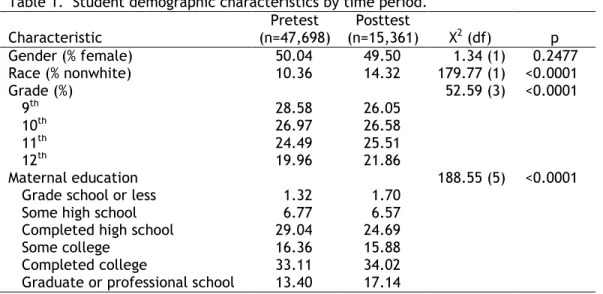
Table 1. Student demographic characteristics by time period... 39
Table 2. YRBS alcohol use outcome measures... 40
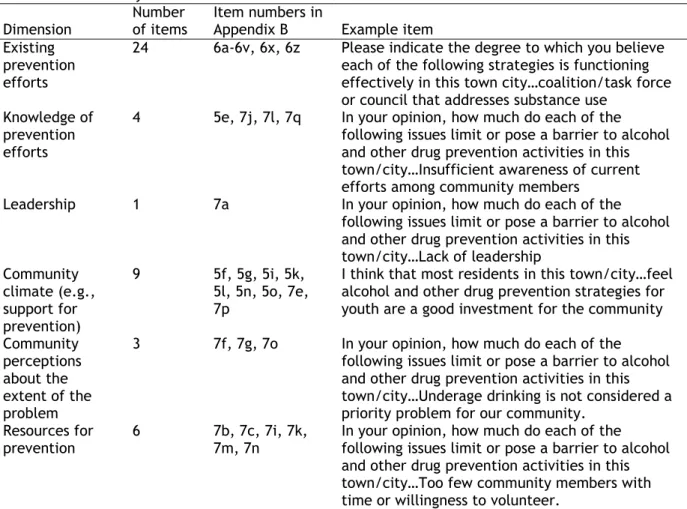
Table 3. Coalition capacity dimensions and items... 42
Table 4. Community readiness dimensions and items... 43
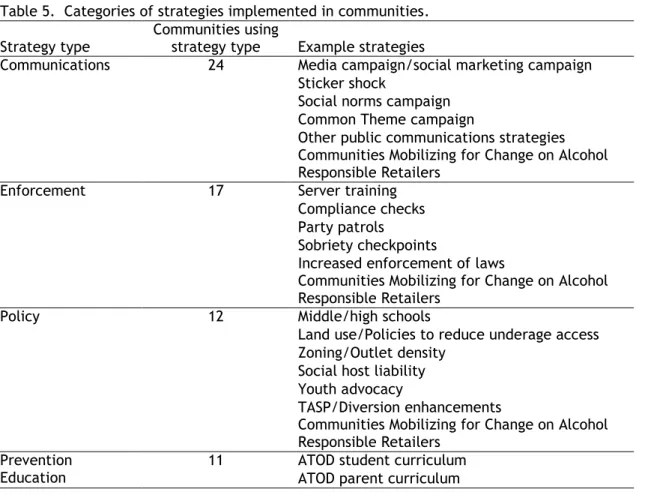
Table 5. Categories of strategies implemented in communities... 45
Table 6. Ratings of effectiveness of research support by intervention strategy... 46
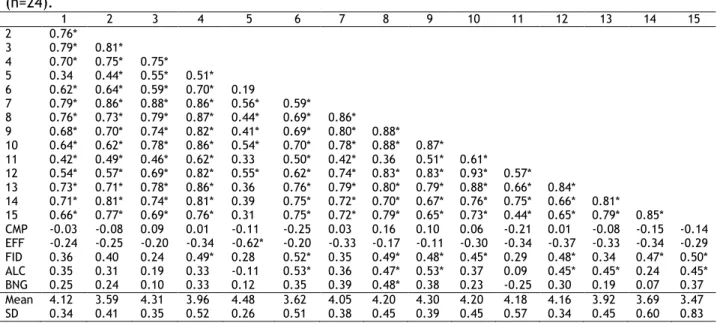
Table 7. Bivariate correlations, means, and standard deviations of coalition capacity variables... 51
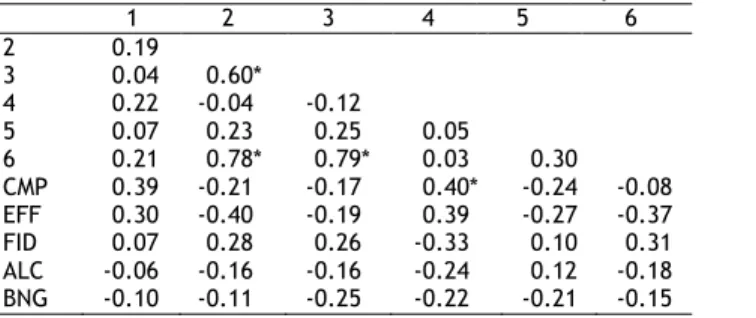
Table 8. Bivariate correlations of community readiness variables... 52
Table 9. Bivariate correlations, means, and standard deviations of mediators and outcomes... 52
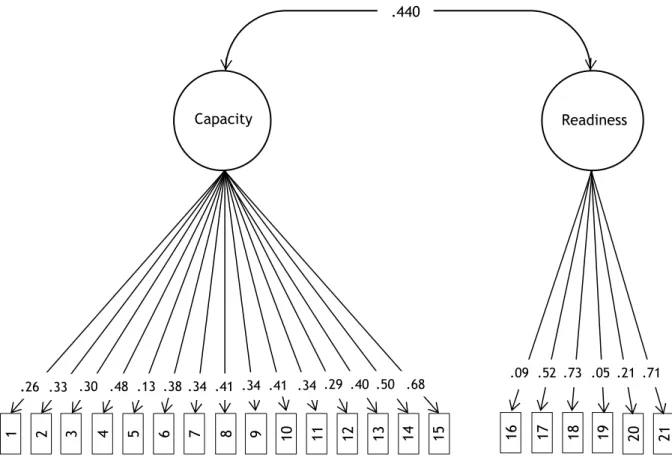
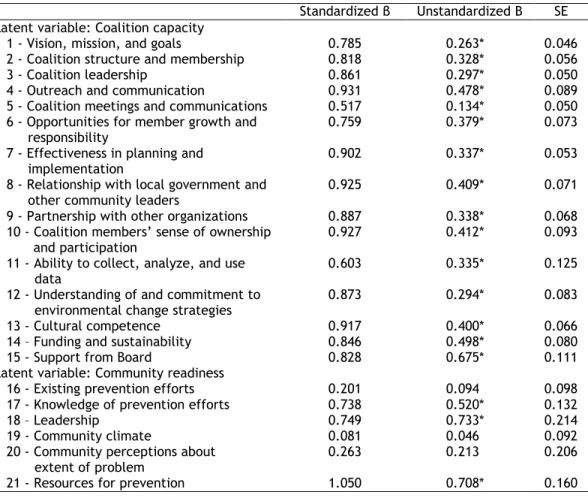
Table 10. Measurement model factor loadings... 54
Table 11. Results for simple bivariate predictor-mediator models... 54
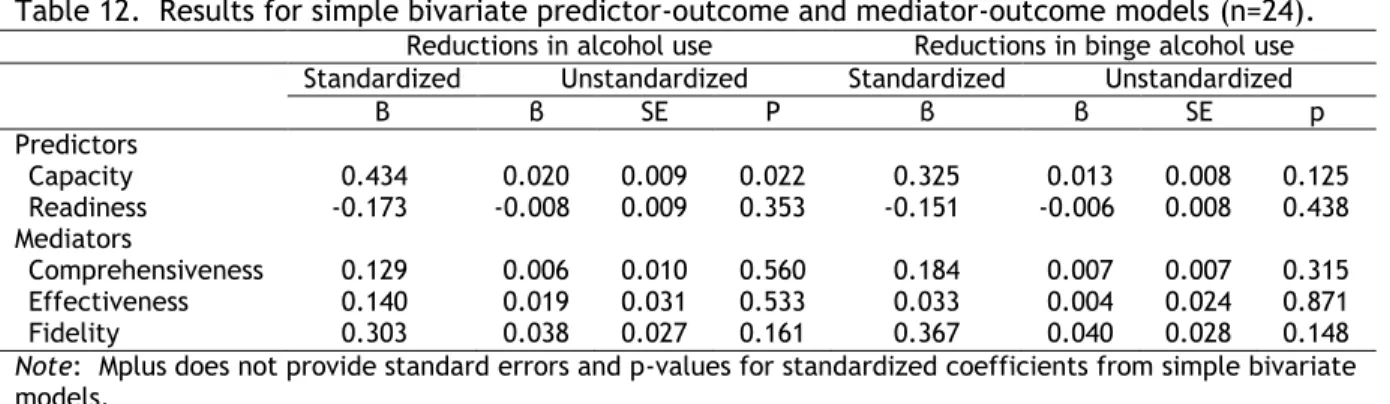
Table 12. Results for simple bivariate predictor-outcome and mediator-outcome models... 55
Table 13. Results for capacity-alcohol use mediation models... 56
Table 14. Results for capacity-binge alcohol use mediation models... 57
Table 15. Results for readiness-alcohol use mediation models... 57
Table 16. Results for readiness-binge alcohol use mediation models... 58
Table 17. Results for full model – alcohol use... 59
Table 18. Results for full model – binge alcohol use... 59
Table 19. Results for simple models with total interventions mediator - alcohol use... 63
Table 20. Results for simple models with total interventions mediator - binge alcohol use... 64
Table 21. Results for multiple mediator models with total interventions – alcohol use... 65
Table 22. Results for multiple mediator models with total interventions – binge alcohol use... 66
viii LIST OF FIGURES
Figure 1. Conceptual model... 6
Figure 2. Intervention and data collection activities timeline... 34
Figure 3. Measurement model... 53
Figure 4. Results for full model – alcohol use... 60
ix
LIST OF ABBREVIATIONS ADAP Alcohol and Drug Abuse Programs
CBO Community-based organization
CDC Centers for Disease Control and Prevention CE&F Comprehensiveness, effectiveness, and fidelity
CRM Community Readiness Model
CSAP Center for Substance Abuse Prevention
CTC Communities That Care
MLDA Minimum legal drinking age
MPP Midwestern Prevention Project
RWJF Robert Wood Johnson Foundation
SAMHSA Substance Abuse and Mental Health Services Administration
SEM Structural equation modeling
SEW State Epidemiology Workgroup
SIG State Incentive Grant
SPF Strategic Prevention Framework
SPF SIG Strategic Prevention Framework State Incentive Grant
1
CHAPTER 1: INTRODUCTION
Alcohol continues to be the most widely used substance by adolescents in the United States. According to 2013 data from Monitoring the Future, about 26% and 39% of 10th and 12th grade students, respectively, reported using alcohol in the past 30 days, while about 14% and 22% reported binge drinking in the past two weeks (Monitoring the Future 2013a; Monitoring the Future 2013b). By the time they reach 12th grade, nearly 70% have initiated alcohol use (Monitoring the Future 2013c). Although the overall trend in adolescent alcohol use has been declining over the past two decades, these figures nonetheless represent reasons for concern.
The adverse consequences of adolescent alcohol use are substantial and varied. It is estimated that the economic cost of underage alcohol use in the U.S., as measured by medical costs, lost work productivity, and pain and suffering, totaled $62 billion in 2010, or $1.29 per drink consumed. The majority of these costs are attributable to violence and crime perpetration, motor vehicle crashes, and risky sexual behavior. In 2009, nearly one million violent crimes, 38,000 motor vehicle fatalities and injuries, and 28,000 unplanned pregnancies resulted from underage alcohol use (UDETC 2011). The consequences of underage alcohol use, however, are not confined to adolescence. Those who initiate use before the age of 15 are four to five times as likely to develop alcohol dependency in adulthood compared to those who wait until age 21 (Grant and Dawson 1997; SAMHSA 2004). Preventing alcohol use and its attendant consequences in adolescence, therefore, remains an important public health priority. This study examines the effectiveness of efforts to prevent adolescent alcohol use in the context of community-based environmental interventions implemented throughout the state of Vermont.
2
favor over the past 30 years for both practical and theoretical reasons. In the case of the former, communities have seen the burden of alcohol use prevention fall largely on their shoulders as funding and priorities have shifted in the face of alcohol deregulation (e.g., alcohol retail privatization) at the state and federal levels (Roussos and Fawcett 2000; Giesbrecht and Haydon 2006; Giesbrecht 2007). Communities, as a result, began to seek local solutions for problems occurring within the community. In the case of the latter, the use of community-based approaches has been driven by theoretical assumptions that, while intuitively appealing, have not been well explicated and remain largely untested. The use of coalitions, for example, is a common approach used in community-based prevention efforts because it brings together multiple sectors of the community whose collective resources can be harnessed to address a common purpose, providing leverage that would otherwise be unavailable to a single community organization (Flewelling, Austin et al. 2005). The empirical evidence in support of coalition efforts, however, is equivocal with respect to changes in health behavior and outcomes. What is even less understood are the characteristics of coalitions that are associated with changes in health behavior and the
mechanisms by which these characteristics affect change. One such characteristic is capacity, which has been defined by some as the ability of the coalition to identify, mobilize, and address health or social issues within the community (Goodman et al. 1998).
3
mechanisms by which it affects changes in health behavior is even less understood than that of coalition capacity. Few empirical studies have examined its relationship to outcomes, and those that have done so have been hampered by methodological shortcomings (Feinberg, Greenberg et al. 2004; Parker, Alcaraz et al. 2011) and a focus on proximal outcomes (e.g., perceived coalition functioning) (Hays, Hays et al. 2000; Feinberg, Greenberg et al. 2004) rather than changes in health behavior. There also appear to be no empirical studies that propose and test the mechanisms by which readiness may affect outcomes.
Most of the work on coalition capacity and community readiness thus far has focused on “upstream” relationships. The literature, for example, is replete with studies that identify factors that enhance coalition capacity or community readiness (Kegler, Steckler et al. 1998; Bowen, Martin et al. 2000; Hays, Hays et al. 2000; Nargiso, Friend et al. 2013). Capacity and readiness are, therefore, conceptualized in these instances as the dependent variable or the outcome of interest. Far fewer, however, have examined them as predictors of outcomes, particularly health behavioral outcomes (Zakocs and Edwards 2006), in a methodologically rigorous manner that allows for causal relationships to be implied.
4
program in Pennsylvania. It shares conceptual similarities with the Community Problem-Solving and Change Framework, but it moves the field forward by suggesting that the selection and quality of implementation of interventions also mediates the community readiness-outcomes relationship.
The current study empirically tests these relationships. Specifically, the
comprehensiveness and effectiveness (i.e., evidence base) of strategies implemented in the community are two mediators examined. Strategies that address multiple levels of influence on behavior are more likely to affect changes than are those that are more limited in scope (Roussos and Fawcett 2000; Hingson, Zakocs et al. 2005; Yang, Foster-Fishman et al. 2012). Likewise, those strategies that have prior evidence of their effectiveness can reasonably be expected to affect change more so than those that do not. A vast body of literature related to the development and evaluation of interventions designed to prevent a wide variety of health problems has emerged, including adolescent alcohol use (Spoth, Greenberg et al. 2009), and many compendia now exist that attempt to describe the strength of the evidence supporting their effectiveness (Anderson, Chisholm et al. 2009; Babor, Caetano et al. 2010; Administration 2013; CDC 2013b; Center for the Study and Prevention of Violence 2013; Nelson, Xuan et al. 2013).
The third dimension that will be examined as a mediator is the fidelity with which
strategies are implemented. Fidelity has been defined in various ways in the prevention literature, but is generally understood to be the degree to which the intervention was implemented as
intended by the developers (Mihalic 2004; Carroll, Patterson et al. 2007; Breitenstein, Gross et al. 2010). The underlying assumption is that intervention activities that are implemented with greater fidelity will lead to more favorable outcomes than those that are implemented with less fidelity.
The data for the current study come from the Strategic Prevention Framework State Incentive Grant in Vermont, which was a 5-year community-based intervention implemented in 24 communities throughout the state designed to prevent substance use and its consequences among youth and young adults. Communities implemented a wide variety of intervention activities during the course of the project, many of which were environmental strategies designed to affect
5
interest for the current study, specifically coalition capacity, community readiness, and implementation comprehensiveness, effectiveness, and fidelity.
Specific Aims
The study’s specific aims, which are presented below, address some of the existing gaps in our understanding of community-based substance use prevention approaches. Note that not all grantees in the current project were coalitions, but in some instances were community-based organizations (CBOs). For ease of discussion, the term “coalition” is used to describe both coalitions and CBOs.
Aim 1: Examine whether coalition capacity and community readiness are related to changes over time in current and binge alcohol use among adolescents.
Aim 2: Examine whether any observed relationships between coalition capacity, community readiness, and changes over time in adolescent current and binge alcohol use are mediated by the comprehensiveness, effectiveness, and fidelity of implementation of the chosen strategies.
Conceptual Model
Figure 1 below presents the conceptual model that guides the current study. It integrates elements of both the Community Problem-Solving and Change Framework and the Model of
6 Figure 1. Conceptual model.
Hypotheses
The specific aims and conceptual model give rise to the study’s hypotheses, which are presented below.
Hypothesis 1: There will be larger relative reductions over time in the prevalence of current and binge alcohol use in communities with coalitions that have higher levels of capacity compared to communities with coalitions that have lower levels of capacity.
Hypothesis 2: There will be larger relative reductions over time in the prevalence of current and binge alcohol use in communities characterized by higher levels of readiness compared to
communities characterized by lower levels of readiness.
Hypothesis 3: The relationship between capacity and reductions in current and binge alcohol use will be mediated by the comprehensiveness, effectiveness, and fidelity (CE&F) of strategies, such that capacity will be positively associated with CE&F, and CE&F will, in turn, be associated with greater relative reductions in prevalence of use.
Hypothesis 4: The relationship between readiness and reductions in current and binge alcohol use will be mediated by the CE&F of strategies, such that readiness will be positively associated with CE&F, and CE&F will, in turn, be associated with greater relative reductions in prevalence of use.
Change in binge alcohol use
Coalition
capacity
Fidelity of
implementation
Change in alcoholuse
Community
readiness
Comprehensiveness of
selected strategies
7
The Vermont Strategic Framework State Incentive Grant (VT SPF SIG), the project from which data for the current project are drawn, provides a valuable opportunity to test these hypotheses and consequently make significant contributions to our understanding of how
8
allow for the examination of changes in the prevalence of current and binge alcohol use over time. Furthermore, the measures of coalition capacity, community readiness, and intervention
comprehensiveness, effectiveness, and implementation fidelity precede the measurement of the change in prevalence of use, allowing the temporality of the relationships between the
9
CHAPTER 2: BACKGROUND AND SIGNIFICANCE
Communities are well-justified in implementing prevention efforts to curb adolescent alcohol use. It is estimated that nearly 10 million underage youth report drinking alcohol in the past month (Brewer 2013). Those who do are at an increased risk for use of other drugs (Kirby and Barry 2012), violence perpetration and victimization (Waller, Iritani et al. 2012), unintentional injury (Hingson and Winter 2003), unsafe sexual behaviors (Dunn, Bartee et al. 2003), poor school performance (Miller, Naimi et al. 2007), and dependency in adulthood (Hingson, Heeren et al. 2006).
Excessive alcohol use is largely responsible for the health and social consequences associated with alcohol use. Excessive use refers to either heavy drinking, defined as more than one drink per day for women and more than two drinks per day for men, or binge drinking, defined as four or more drinks on one occasion for women and five or more drinks on one occasion for men. According to estimates from the Centers for Disease Control and Prevention, 80,000 deaths per year in the United States can be attributed to excessive alcohol use, nearly 5,000 of which are among those under the age of 21. These figures translate to 2.4 million and 280,000 potential years of life lost, respectively (CDC 2013a). Excessive drinking was responsible for $223 billion in costs in 2006, a 50% increase since 1992 (Brewer 2013). This total is higher than the costs associated with both smoking ($193.5 billion) and physical inactivity ($150 billion) (Bouchery, Harwood et al. 2011).
10
Previous Approaches to Preventing Adolescent Alcohol Use
A variety of approaches have been used to address adolescent alcohol use in the U.S., dating as far back as the post-Prohibition era in the 1930’s in which the authority to set alcohol policy rested with individual states. In an effort to regulate the consumption of alcohol, many states established minimum legal drinking age (MLDA) laws, which are still today among the most visible and successful efforts to prevent underage alcohol use (Maisto and Rachal 1980). By the 1970’s, however, many states began to lower the MLDA to 18 years of age. In response to the resulting increases in alcohol-related traffic fatalities and other adverse consequences, the federal government passed the National Minimum Drinking Age Act of 1984, which required states to set their minimum drinking age at 21 or face a 10% decrease in their federal highway dollars. By 1988, all 50 states and the District of Columbia had adopted the minimum legal drinking age of 21. Reductions in alcohol use prevalence and alcohol-related traffic fatalities followed, but by the early 1990’s, these gains began to abate (IOM 2004), necessitating the development of novel prevention approaches.
A number of prevention efforts aimed at adolescent alcohol use have emerged over the past two decades. Although no comprehensive taxonomy currently exists, these approaches may be differentiated by the setting in which they are implemented (e.g., school, family, community), the socioecological level of influence targeted (e.g., intrapersonal, interpersonal, environmental), the nature of the intervention components implemented (e.g., curricula, policy), or even
intervention targets specific to market-based considerations (e.g., supply- or demand-side economics). The evidence for the effectiveness of these approaches varies greatly, however, and may be partially due to a lack of consensus on appropriate outcome measures (Feinberg, Greenberg et al. 2004; Flewelling, Paschall et al. 2004), study designs that do not rule out competing
11
Johnson et al. 2007), or simply not being subjected to rigorous evaluation. Although a
comprehensive review of alcohol use interventions for adolescents is outside the purview of the current study, a brief discussion of common types of approaches, differentiated by the setting in which they are implemented, follows, along with a description of the available evidence supporting their effectiveness.
School-based Interventions
Schools comprise one of the most common settings in which underage alcohol use interventions are delivered, particularly in the form of classroom curricula. This setting is attractive for prevention efforts because the target audience is readily accessible and captive, implementation of prevention curricula can be standardized and incorporated into existing health education classes thereby promoting sustained use of the curriculum, training of teachers and other school personnel can be standardized, and evaluation activities such as student surveys and randomization of classrooms or schools can be readily carried out.
Schools are also a logical setting in which to conduct prevention efforts because of the strong influence of peer use and assessments of social norms on adolescents’ alcohol use (Ennett 2006; Simons-Morton 2007). In their social network analysis of 5,000 students in three public school systems, for example, Ennett and colleagues (2006) found that those adolescents whose best friend was a current alcohol user were 3-4 times as likely to be current users themselves as those whose best friend was not a current user. There is also emerging evidence that school context can affect alcohol use independent of the effect of peers or norms (Ennett, Flewelling et al. 1997; Aveyard, Markham et al. 2004; Aveyard, Markham et al. 2004; O’Malley, Johnston et al. 2006; Bisset, Markham et al. 2007). Bisset, Markham, and Aveyard (2007), for example, found that students in schools with school cultures characterized by appropriate levels of student support and control were 13% less likely to report current alcohol use in 7th grade compared to those in schools characterized by cultures with less support and control.
12
and meta-analyses of the school-based prevention literature have identified a variety of
characteristics that differentiate curricula with varying degrees of effectiveness. One of the most common characteristics of effective curricula are those that employ a “social influences” approach by targeting students’ normative beliefs, skills for resisting offers to use, and beliefs about the social consequences of use (Botvin, Baker et al. 1990; Tobler and Stratton 1997; Wilson, Gottfredson et al. 2001; Cuijpers 2002; Gottfredson and Wilson 2003; Catalano, Berglund et al. 2004). Although there is general agreement that such curricula can be effective in preventing adolescent alcohol use (Tobler and Stratton 1997; Gottfredson and Wilson 2003), the effect sizes are often small (Wilson, Gottfredson et al. 2001). There also exist many curricula that solely target knowledge and attitudes, an approach that has largely been shown to be ineffective but in wide use nonetheless (Ringwalt, Vincus et al. 2009). The effectiveness of school-based curricula may also be hampered by attrition and disengagement of substance-using adolescents, thereby inhibiting the ability of curricula to reach those most in need (Grube 1997). Furthermore, the evidence base surrounding curricula previously thought to be effective has had to be reconsidered in some cases because of null or transient effects found in subsequent evaluations (Komro, Perry et al. 2008; Center for the Study and Prevention of Violence 2009; Ringwalt, Clark et al. 2010). In short, although school-based curricula have perhaps been subjected to evaluation more so than any other substance use prevention approach, it is difficult to draw definitive conclusions about their effectiveness in preventing underage alcohol use. The body of evidence, however, suggests a modest positive effect.
Family-based Interventions
13
Matters program, Bauman and colleagues (2001) found that families receiving the intervention, which consisted of four activity booklets mailed to the home and follow-up telephone discussions with health educators after completion of each booklet, had 16% fewer adolescents who initiated smoking at one-year follow up compared to control families. Although the effect size of d=0.15 was modest, it is comparable to those found in rigorously-evaluated school-based substance use prevention programs. Spoth and colleagues (2004) conducted a controlled trial of two other family-based programs, the Iowa Strengthening Families Program and Preparing for the Drug Free Years, and assessed the effects of the two programs against a control condition. Both programs had previously been found to have positive effects on adolescent substance use (NIDA 1998; Molgaard and Spoth 2001) and were again found to have effects, even at follow-up intervals of 2.5 years (Spoth, Reyes et al. 1999), 4 years (Spoth, Redmond et al. 2001), and 6 years (Spoth, Redmond et al. 2004) past baseline. A controlled trial conducted by the developers of Familias Unidas, a parent-centered intervention aimed at preventing substance use and risky sexual
behavior among Hispanic adolescents, found a significant decrease in past 30-day substance use for those in the intervention group compared to a control group (Pantin, Prado et al. 2009).
14
parental anti-use attitudes (Kumpfer, Alvarado et al. 2003). Kumpfer and colleagues (2003) also note that those prevention programs that change ongoing family dynamics have proven to be the most effective, while others have observed that interventions targeting the whole family are more effective than those simply focusing on a single adult or child (NIDA 1998).
As with many public health interventions, family-based substance use prevention programs have been plagued by difficulties in dissemination (NIDA 1998). The potential reach of such programs has also been hampered by low participation rates (Bauman, Ennett et al. 2001). Their potential to reduce substance use and their cost effectiveness (Bauman, Foshee et al. 2001), however, have made them a significant part of the adolescent substance use prevention agenda (NIDA 1998).
Community-based Interventions
A third class of interventions used to prevent adolescent alcohol use is those that are implemented in community settings and involve the coordinated efforts of multiple sectors of the community. This type of intervention is the crux of the current study. Modern community-based interventions targeting health outcomes can be traced back to the cardiovascular health trials of the 1970’s and 1980’s, including the Stanford Three-Community (Stern, Farquhar et al. 1976) and Five-City (Farquhar, Fortmann et al. 1990) projects, the North Karelia Project (Puska, Nissinen et al. 1985), the Minnesota Heart Health program (Luepker, Murray et al. 1994) and the Pawtucket Heart Health program (Carleton, Lasater et al. 1995). These projects demonstrated that multicomponent interventions implemented in broad segments of the community could have measureable and sustained impacts on population health, including physiological markers such as mean serum cholesterol level, blood pressure and body mass index, and behavioral outcomes such as smoking prevalence (Puska, Nissinen et al. 1985; Carleton, Lasater et al. 1995; Winkleby, Taylor et al. 1996).
15
investigators, lessons learned from these trials gave rise to subsequent community trials that were characterized by collaborative partnerships between researchers and communities (Roussos and Fawcett 2000; Wandersman and Florin 2003). Recent reviews and meta-analyses of community-based approaches to an array of health outcomes including physical activity (Plotnikoff, Costigan et al. 2013), mental health (Farahmand, Duffy et al. 2012), cancer screening (Morrow, Dallo et al. 2010), HIV (Pinkerton, Kahn et al. 2002) and tuberculosis prevention (Kangovi, Mukherjee et al. 2009), and injury prevention (Roen, Arai et al. 2006) point to the popularity and continued reliance on this strategy.
The popularity of community-based interventions extends to substance use prevention as well. A number of such interventions have been implemented in the past few decades, often with mixed results. One of the first was the Midwestern Prevention Project (MPP), which was initially implemented in 1984 in 50 middle schools in the Kansas City area using a quasi-experimental design (Pentz, Dwyer et al. 1989). Intervention components targeted multiple socioecological levels of influence and included a school-based curriculum, a parent education program, media advocacy, and community organizing activities. Results indicated a 30% decrease in past month alcohol use at one year follow-up for intervention compared to control students, as well as significant reductions in past month cigarette and marijuana use. The project was replicated 3 years later with 57 schools in 12 communities in the Indianapolis area, this time using an experimental design (Chou, Montgomery et al. 1998). Significant effects in favor of the intervention were again found for past month alcohol use at 6- and 18-month follow-up periods, although effects did not persist beyond this timeframe.
Shortly thereafter, Perry and colleagues (1996) implemented a similar program, Project Northland, with middle school students in 24 communities in northeast Minnesota beginning in 1991. Like MPP, Project Northland targeted multiple levels of influence via a school-based
16
use in intervention versus control students after 2.5 years. In a replication study conducted in Chicago with an urban and high minority sample of students, however, Komro and colleagues (2008) reported no significant effects of the intervention on any of the main outcomes examined,
including alcohol use.
Around the same time the original Project Northland was conducted, the Robert Wood Johnson Foundation (RWJF) began funding community-based substance use prevention efforts through its Fighting Back initiative. Fourteen sites were originally funded in 1990, with
implementation continuing through 2002. As with MPP and Project Northland, the emphasis of the Fighting Back initiate was on demand reduction; that is, reducing the demand for drugs and alcohol through intervention activities that target, for example, normative beliefs, perceptions of
consequences, and resistance skills. In their report on findings from the main outcome evaluation, Saxe and colleagues (2006) reported a significant favorable effect on risk of alcohol dependence among 16-44 year olds, but no other effects on any of the other seven substance use outcomes examined. The authors concluded that, despite 10 years of implementation and $88 million in funding, the initiative had no measureable impact on use of the targeted substances.
17
Given the disappointing results of these early community-based substance use prevention trials, which largely focused on demand reduction strategies aimed at individual behavior, two projects were initiated in the early 1990’s that relied heavily upon a supply-side approach; that is, reducing the availability of substances. The first of these, the Community Trials Project conducted by Holder and colleagues (2000), was a 5-year study conducted in two communities in California and one in South Carolina, with matched communities serving as comparisons. The project included community mobilization efforts, responsible beverage service training for clerks and servers in the community, and enhanced enforcement of underage drinking and driving laws. Unlike the school- and family-based interventions used in previous projects, these environmental approaches were designed to limit the availability of alcohol and to increase the visibility and perceptions of consequences of alcohol use among underage drinkers in the community. These strategies proved effective insofar as 8 of the 11 outcomes examined, including past year alcohol use and alcohol-related motor vehicle crashed, showed effects in favor of the intervention. A subsequent sub-study conducted by Grube (1997) examining compliance with laws concerning alcohol sales to minors indicated that off-premise sites (e.g., retail outlets) in experimental communities were about half as likely to sell to decoys as were sites in comparison communities.
18
interpersonal strategies that characterized earlier community-based interventions. Environmental strategies are those that are designed to affect the context in which substance use takes place and may include, for example, changes in policies or increases in law enforcement activities (Holder, Gruenewald et al. 2000; Wagenaar, Murray et al. 2000; Treno and Lee 2002) that aim to reduce the social acceptability of use (Florin, Friend et al. 2012).
Reflecting this shift toward environmental strategies, the Enforcing Underage Drinking Laws program, sponsored by the Office of Juvenile Justice and Delinquency Prevention, was initiated in 1997 and represented the first national comprehensive approach to underage drinking. Each state was awarded $360,000 in grant money to enact efforts designed to prevent consumption and prohibit the sale of alcohol to minors, while funds were also made available through
discretionary grants to support local efforts (Wolfson, Patterson et al. 2002). In an evaluation using the first wave of data collected after the initiation of the program, Wolfson and colleagues (2001) found no effects on behaviors such as past month and binge use, but reported some indications of increased enforcement such as the number of arrests made for purchasing and possessing alcohol.
In 1997, CSAP continued its support of community-based substance use prevention
initiatives through its State Incentive Grant (SIG) program, funding from which was made available to states through a competitive application process. States, in turn, made funds available to local communities through competitive grants programs. In an evaluation of the Vermont SIG, Flewelling and colleagues (2005) report findings of a statewide evaluation of 23 communities that
implemented a comprehensive array of evidence-based strategies that were designed to reduce adolescent substance use. These strategies included student assistance programs in schools, universal school-based curricula, programs for high-risk youth, and to a lesser extent,
19
environmental or otherwise, in community settings can be effective in reducing substance use behaviors among adolescents.
Following in the footsteps of the SIG was CSAP’s Strategic Prevention Framework State Incentive Grant (SPF SIG) program. Like the SIG, the SPF SIG was designed to strengthen the prevention infrastructure in states and to support community development and prevention
programming at the local level. Begun in 2004, the SPF SIG funded 77 states, territories, and tribal organizations to fund local communities who adhere to a 5-step model designed to foster the identification of needs and strengths within the community, develop capacity to plan prevention programming, and implement and evaluate evidence-based interventions. A particular emphasis of the SPF SIG program was the use of environmental strategies to address substance use in the community. To this end, communities were required to implement interventions that included strategies such as policy development, increased enforcement, and media advocacy (SAMHSA 2009). In one of the few evaluations of the SPF SIG currently available, Eddy and colleagues (2012) report outcomes from one community funded through the Wisconsin SPF SIG. Intervention
activities included two school-based curricula for middle school students (Life Skills Training and All Stars), two family-based programs (Guiding Good Choices and Staying Connected with Your Teen), and the aforementioned Communities Mobilizing for Change on Alcohol environmental intervention designed to restrict youth access to alcohol. Results showed favorable trends over time for past month alcohol use, binge use, and average age of alcohol initiation among middle and high school students, although lack of sufficient controls or suitable comparison data temper the conclusions that can be drawn from the data. Florin and colleagues (2012) also report findings from the SPF SIG program implemented in 14 Rhode Island communities. Preliminary results
suggest that the statewide prevalence of adolescent alcohol use declined significantly over the first 21 months of implementation as compared to the US as a whole, although methodological
20
The Communities That Care (CTC) model shares similarities with the SPF SIG framework in that it guides communities through a needs assessment process to identify risk and protective factors associated with adolescent substance use and delinquency behaviors, as well as the process of selecting evidence-based programs designed to address those factors. Designed by Hawkins, Catalano, and Arthur (2002), the model has been used extensively throughout the United States but has only recently been subjected to an evaluation under controlled conditions (Hawkins, Oesterle et al. 2009). In this randomized controlled trial, 24 communities in 7 states were randomly assigned to condition, with the 12 intervention communities implementing the CTC model. Over the course of 4 years, communities received training in needs assessment and evidence-based program selection and implemented a variety of school- and family-based interventions. After 4 years, the prevalence of alcohol use in the past month and binge drinking in the past two weeks among 8th grade students were lower in intervention versus control communities, with the magnitude of effect ranging between 25%-40% greater use in control communities.
In one of the more recent community-based interventions designed to prevent adolescent alcohol use, Flewelling and colleagues (2012) conducted a randomized controlled trial of a variety of environmental interventions implemented in 18 communities in Oregon called Reducing Youth Access to Alcohol. Intervention components included community mobilization activities, reward and reminder visits to alcohol outlets, media advocacy, enhanced enforcement of underage drinking laws, and community outreach efforts, all of which were designed to reduce the amount of alcohol available to youth in the community. No effects were found for past month or binge alcohol use, which highlights the difficulty in affecting these behaviors at a population level. Positive effects were found, however, for the likelihood that alcohol outlets would sell to
underage-looking operatives, suggesting that the activities did elicit behavioral changes among one of the proximal targets of the intervention.
21
Control Strategy, the Office of National Drug Control Policy identifies a national prevention strategy grounded at the community level as its primary overarching principle (ONDCP 2013). Given the prominent role community approaches hold within the national prevention landscape (IOM 2004; ONDCP 2013), and given the millions of scarce federal, state, and local dollars invested in them annually, it is imperative we investigate the conditions under which their effects can be optimized and the mechanisms by which they can reduce population-level substance use. The current study addresses these issues by examining the role of coalition capacity, community readiness, intervention comprehensiveness and effectiveness, and fidelity of implementation on reducing adolescent alcohol use throughout the state of Vermont.
Features of Community-based Interventions
Community-based interventions designed to address community health are characterized by some common elements. The obvious commonality is the fact that the interventions are
implemented in community settings. Defining “community” is a complex task but can generally be described as a group of people who share geography, interests or goals, or a common history (NAS 2012). In the context of community-based alcohol prevention interventions, community has most typically been conceptualized in terms of shared geography, such as a town or neighborhood.
22
1990; McLeroy, Norton et al. 2003; NAS 2012). Community-based interventions characterized by the latter are more limited in their ability to affect population health (NAS 2012).
Another common, although not necessarily defining characteristic of community-based interventions is the use of environmental strategies (Treno and Lee 2002). Some of the earliest community-based substance use interventions cited earlier, for example, relied heavily upon curricula, whereas more recent interventions have taken an environmental approach. Unlike school- or family-based curricula that are often individually-focused and take a “demand side” approach (i.e., reduce demand for substances), environmental approaches are inherently population-focused and often take a supply-side approach (i.e., restrict supply of substances) to prevention (Holder, Gruenewald et al. 2000; Treno and Lee 2002). Because alcohol use is most often a social behavior, environmental strategies may be particularly effective insofar as they attempt to change community structure and the context in which alcohol use takes place (Holder, Gruenewald et al. 2000; Wagenaar, Murray et al. 2000; Treno and Lee 2002). In this way,
environmental strategies take an ecological approach to prevention by targeting influences at the upper levels of the socioecological framework. That is, they attempt to alter community-level factors that contribute to, for example, the consumption of alcohol by adolescents. The Community Trials Project (Holder, Gruenewald et al. 2000) is an example of a successful intervention that specifically targeted environmental-level influences through such means as community mobilization and enforcement of underage drinking laws.
23
laws, party dispersal patrols, and media advocacy (Holder, Gruenewald et al. 2000; Flewelling, Grube et al. 2012).
A third common characteristic of community-based interventions is their use of
multicomponent strategies (Zakocs and Edwards 2006; Fagan, Hawkins et al. 2011) that involve multiple sectors of the community and target multiple levels of influence on behavior. The rise of community-level approaches to prevention in the 1970’s and 1980’s not coincidentally
corresponded with the development of ecological theories of behavior and life course development advanced by Bronfenbrenner (1977) and others. These theories suggest that behavior is a function of multiple levels of influence, including intrapersonal, interpersonal, organizational (e.g., school), and community factors that, if collectively modified, are more likely to affect behavior change than when only a limited number of levels of influence are addressed (Roussos and Fawcett 2000; Wandersman and Florin 2003; NAS 2012). Indeed, some of the most effective community-based interventions cited earlier were those that incorporated school, family, and environmental components (Pentz, Dwyer et al. 1989; Perry, Williams et al. 1996). Empirical evidence from Kumpfer and colleagues (2003) suggests that the effect of each individual component included in multicomponent interventions may, in fact, be additive.
The implementation of complex, multicomponent interventions that characterize community-based prevention strategies requires a shared vision (Saxe, Kadushin et al. 2006) and engagement across multiple sectors of the community (Roussos and Fawcett 2000). A fourth common characteristic of community-based interventions, therefore, is the use of community partnership such as coalitions (Fagan, Hawkins et al. 2011). Coalitions foster a shared vision and engagement of multiple sectors by bringing together representatives from organizations throughout the community that have a vested interest in the issue the coalition is designed to address.
Common coalition partners in the field of alcohol prevention have included health service providers, local law enforcement, governmental agencies, and schools, and may even include representatives from the alcohol industry.
24
doing so, the coalition is able to leverage information and resources that would otherwise be unavailable to a single organization (Hays, Hays et al. 2000; Fagan, Hawkins et al. 2011; NAS 2012). The confluence of multiple sectors of the community also minimizes duplication of services and helps ensure a more efficient use of scarce resources (Butterfoss, Goodman et al. 1993; Fagan, Hawkins et al. 2011). It may also increase buy-in, promote a sense of legitimacy among community members, and reinforce the notion of addressing community issues with community solutions (Saxe, Kadushin et al. 2006). Although empirical evidence for their effectiveness in producing
community-level change is limited (Bowen, Martin et al. 2000; Chaskin 2001; Granner and Sharpe 2004; Collins, Johnson et al. 2007), they nonetheless are the most common structure through which community-based interventions are implemented.
The Role of Coalition Capacity
As Wandersman, Goodman, and Butterfoss (2005) note, because coalitions require
resources, structure, and leadership to function, they can best be conceptualized as organizations. As such, organizational theory has often been applied to the study of their functioning. Most theoretical treatments of coalition functioning have focused on the capacity of the coalition to effectively address the health or social issue of interest (O'Neill, Lemieux et al. 1997; Butterfoss and Kegler 2002; Wandersman, Duffy et al. 2008). This may include the ability to conduct a needs assessment, develop a strategic plan for addressing issues identified in the needs assessment, harness resources and personnel, implement the intervention activities, and monitor and evaluate the activities throughout the life of the project.
25
maintain the coalition. This latter definition perhaps better reflects much of the research on coalition capacity up to this point. That is, most of the existing theoretical and empirical work on coalition capacity has focused on coalition functioning rather than on examining the relationship between capacity and outcomes. Much research concerning the identification of dimensions of capacity (Goodman et al. 1998), the measurement of these dimensions (Granner and Sharpe 2004), and ways by which to enhance capacity (Bowen, Martin et al. 2000; Mancini, Nelson et al. 2006) has been published. Far less, however, has examined the extent to which higher levels of capacity are related to improvements in outcomes. Those studies that have done so have often focused on proximal outcomes such as perceived effectiveness (Allen 2005), functioning (Zakocs and Edwards 2006), or institutionalized changes occurring within the community (Allen, Javdani et al. 2012). Very few have examined the effects on distal outcomes such as health behaviors or indicators of population-level health. In their review of the literature on coalition effectiveness, for example, Zakocs and Edwards (2006) identified articles published between 1980 and 2004 that examined the effects of coalition activities in the context of health outcomes. Of the 26 that met the inclusion criteria, 19 measured coalition functioning as an outcome, while only 3 examined changes in community-wide health behaviors. This is perhaps not surprising. As disappointing results from early community-based trials began to emerge, calls came to examine relationships further up the causal chain (Kreuter et al. 2000; Berkowitz 2001). Rather than continuing to pour resources into community-based interventions that were not yielding intended or sustained effects, researchers began turning their attention to ways to develop coalitions and enhance their capacity. In so doing, coalitions became the outcome of interest in much of the literature. As more positive findings from community trials have begun to emerge over the past 5-10 years, however, there is now an opportunity to utilize the research done on defining and measuring capacity and shift some of the focus back on capacity as a predictor of community-level outcomes. Doing so will allow us to better understand how and why community-based interventions are or are not successful in affecting health outcomes.
26
expert panel convened in 1995 by the CDC’s Division of Chronic Disease Control and Community Intervention undertook this task and identified nine such dimensions: participation and leadership, skills, resources, social and inter-organizational networks, sense of community, understanding of community history, community power, community values, and critical reflection (Goodman et al, 1998). In a review of the literature, Chaskin (2001) offers four dimensions, many of which overlap with the CDC workgroup’s dimensions: sense of community, commitment, ability to solve
problems, and access to resources. In a similar review, Zakocs and Edwards (2006) identified 55 characteristics of coalition capacity that were linked to indicators of effectiveness, six of which were identified in five or more articles: formalization of rules and procedures, leadership style, member participation, membership diversity, agency collaboration, and group cohesion. In an analysis of 43 domestic violence coalitions, Allen (2005) found that those coalitions characterized by an inclusive climate and a diverse active membership were more likely to be rated as effective. The difficulty in drawing definitive conclusions about these proposed dimensions of capacity and their relationship to outcomes, however, lies in the fact that a multitude of definitions and measures have been used (Chaskin, 2001). More empirical work is needed so that meaningful guidance can be provided to community coalitions to enhance their capacity for addressing health issues. The current study attempts to build the empirical base by relating one proposed set of dimensions to reductions in adolescent alcohol use.
The Role of Community Readiness
Like coalition capacity, community readiness has a long history in the field of community-based research. Unfortunately, it also shares the some of the same shortcomings with respect to conceptual ambiguity and lack of empirical support for its relationship to community-level outcomes. Chilenski and colleagues (2007) define readiness as the ecological context and
27
efforts. Weiner and colleagues (2008), in their review of the organizational change literature, conclude that it encompasses both psychological and behavioral dimensions. Not only must organizations (or communities) be willing to implement change, they must also be behaviorally capable. One could argue, however, that this latter dimension is more in keeping with notions of capacity rather than readiness. This overlap between capacity and readiness is just one example of the ambiguity that exists in the literature. In the same review of organizational readiness, for example, Weiner and colleagues found little consistency in conceptualization or terminology associated with readiness across106 articles reviewed.
Given this ambiguity, a variety of dimensions of readiness have been identified. Chelinski and colleagues (2007) identify four dimensions including community attachment, initiative, efficacy, and leadership. Community attachment refers to the psychological and emotional ties residents have to their community. They theorize that those residents who feel stronger attachments to their communities will be more likely to join other residents in addressing community issues compared to those who feel less attachment. Similarly, initiative refers to the level of engagement of community residents. Those communities with residents who have previously engaged in implementing collaborative initiatives such as community-based
interventions are more likely to engage in future initiatives. Efficacy refers to the community’s past success in implementing initiatives and their collective belief in their ability to implement successful initiatives in the future. Past success is thought to predict future success in this regard. Leadership refers to the effectiveness and consensus-building skills of local leaders. This implies that the success of the given initiative is not only dependent upon the presence of a leader, but also on the quality of the leadership. These same dimensions are reflected in the readiness measures used by Feinberg and colleagues (2004) in their evaluation of the Communities That Care model in Pennsylvania.
28
to increase readiness. Consistent with theories such as Diffusion of Innovation (Rogers 2003) and the Transtheoretical Model (Prochaska and DiClemente 1983), they place readiness in the context of a stage-based model in which communities progress through nine stages of readiness ranging from community tolerance (i.e., acceptance of behavior) to professionalization (existence of sophisticated intervention activities, training, and evaluation) (Edwards, Jumper-Thurman et al. 2000). To assess a community’s stage of readiness, assessments are made across six dimensions, some of which share similarities to those proposed by Chelinski and colleagues (2007) and Feinberg and colleagues (2004). Leadership, for example, is present among all three conceptualizations. The CRM also includes a community climate dimension, which refers to the “personality” of the community and can be thought to be similar in some ways to the attachment and initiative dimensions proposed by Chelinski and colleagues. The CRM, however, makes some unique contributions. More so than the other models, it explicitly includes psychological dimensions including knowledge about the problem and community knowledge of prevention efforts. It also makes an assessment of the community’s material resources for prevention (e.g., people and funding) and prevention efforts already in place.
Research in the area of readiness has used the CRM for various purposes. Carlson and Harper (2011) used the model to assess a long-term care facility’s readiness to offer specialized services to LGBT residents. Parker and colleagues (2011) used the model to retroactively describe why a violence prevention intervention previously found to be effective was not implemented successfully in a replication trial. In a similar manner, Sliwa and colleagues (2011) used it as a basis by which to identify communities for an obesity prevention replication trial. Ogilvie and colleagues (2008) investigated whether readiness as assessed by the CRM could be enhanced throughout the course of an inhalant prevention project implemented in four rural Alaskan communities.
29
implementation and ultimately better outcomes. This assumption, however, remains largely untested. In one of the few empirical investigations of the effect of readiness on outcomes, Feinberg and colleagues (2004) found readiness to be strongly related to perceived effectiveness of coalitions implementing the Communities That Care model. This study makes important
contributions to the readiness literature in a few other ways. First, it is explicitly guided by a theoretical model that proposes how the investigators perceive readiness to affect outcomes. Secondly, it proposes a mediator – internal and external functioning – in the readiness-outcome relationship. This is important because few studies of readiness have suggested a mechanism by which readiness operates to affect outcomes. Third, the study was undertaken with a
predominantly rural sample whereas many community-based prevention studies have been conducted in urban areas. This has particular relevance for the current study insofar as much of the state of Vermont is rural.
This study, however, has a couple of important limitations that future research can
address. One is that, like many studies in this area, a cross-sectional design was used, which limits causal inferences that can be made between readiness and outcomes. As the authors note,
longitudinal designs in which the measurement of readiness precedes the measurement of outcomes will greatly add to our understanding of the role the former plays in community-based interventions. The study also relied on perceived effectiveness as the outcome of interest, but did not assess the relationship between readiness and more distal outcomes such as changes in
behavior or indicators of health. Although examination of proximal outcomes such as perceptions may yield important clues, it is ultimately changes in behavior and health indicators that are the goal of community-based prevention. The current study addresses both of these limitations by utilizing a longitudinal design and measuring underage alcohol use behaviors.
The Role of Intervention Implementation
30
less work has been done to identify mediators of the relationship. One potential class of mediators of the effect of coalition capacity and community readiness on outcomes relates to the attributes of the intervention activities that are implemented. As conceptualized for this study,
implementation involves three dimensions: comprehensiveness, effectiveness, and fidelity. The Community Problem-Solving and Change Framework (Yang, Foster-Fishman et al. 2012), which serves as a basis of the conceptual model for the current study, proposes that the
comprehensiveness of strategies mediates the relationship between capacity and outcomes. In their evaluation of the framework with 551 coalitions, Yang and colleagues (2012) found that those coalitions with greater levels of capacity pursued more comprehensive strategies than those with lower levels of capacity, and those that pursued such strategies reported more favorable outcomes such as the implementation of new programs and policies and the number of community sectors affected. They also found that the use of a comprehensive array of strategies significantly mediated the capacity-outcomes relationship. Although empirical evidence other than that provided by Yang and colleagues is largely lacking, comprehensiveness is nonetheless championed as a necessary component of an effective prevention program. Federal guidance provided to states and communities, such as the CDC’s Community Guide (CDC 2013b, 2014), states that
comprehensive approaches with varied and mutually-reinforcing components are more likely to be successful than those that are more limited in scope, and the requirements of several federal funding mechanisms such as the SPF SIG are specifically designed to elicit comprehensive prevention programming. Thus, given that practice is in front of research in this regard, it is necessary to examine these relationships to determine whether such guidance is warranted.
The second potential mediator, intervention effectiveness, refers to the demonstrated efficacy of the selected strategies. Those interventions that have shown evidence of their
effectiveness in prior evaluations can be expected to subsequently illicit more favorable outcomes than those with weaker evidence bases. A substantial body of literature has emerged that
attempts to describe the evidence base of various interventions, including a review from Anderson and colleagues (2009) and a compendium from Nelson and colleagues (2013) that focus on
31
effectiveness-outcomes relationship, therefore, has substantial support and indeed is the very basis for the determination of an intervention’s effectiveness. The coalition capacity-effectiveness and community readiness-effectiveness relationships, however, have less empirical support. In their evaluation of the Rhode Island SPF SIG, Florin and colleagues (2012) found that training and
technical assistance were associated with coalition members’ confidence in their ability to consider evidence of effectiveness when choosing environmental interventions. The authors, however, conceptualized this as an increase in capacity but did not examine whether this increased capacity lead to implementation of more evidence-based interventions. Given this evidence, though, it stands to reason that increases in capacity may facilitate selection of more effect strategies and/or higher quality implementation of those strategies. As for the community readiness-effectiveness relationship, there appear to be no data currently available that indicate that communities exhibiting greater readiness are more likely to select and implement interventions with greater prior evidence of their effectiveness than those communities exhibiting less readiness. However, given that evidence-based interventions, particularly environmental interventions, are often complex and involve multiple components, it is logical to suggest that those communities with greater readiness will be more ready to accept and support such complex interventions compared to those with less readiness.
Fidelity refers to the degree to which an intervention is implemented as planned by the developer or as prescribed by guidelines (Mihalic 2004; Carroll, Patterson et al. 2007; Breitenstein, Gross et al. 2010). There is mounting evidence from the past two decades of prevention research that implementation fidelity is central to achieving favorable outcomes (Botvin, Baker et al. 1995; Harachi, Abbott et al. 1999; Hallfors et al. 2002; Wolfson, Patterson et al. 2002; Wilson, Lipsey et al. 2003; IOM 2004; Durlak and DuPre 2008; Flewelling, Grube et al. 2012). There is also, however, a debate in the field about the relative contributions of fidelity and adaption to outcomes, with some arguing for close adherence to program guidelines and others advocating for modifications made to suit the needs of the recipients (Castro, Barrera et al. 2004; Elliott and Mihalic 2004). The Institute of Medicine’s 2012 report, “An Integrated Framework for Assessing the Value of
32
context facilitates community ownership and buy-in, which may in turn lead to enhanced outcomes.
33
CHAPTER 3: METHODS Study Design
SPF SIG funds were awarded by CSAP to the first cohort of 21 states, territories, and recognized tribes (“grantees” hereafter) in 2004, with a second cohort of 5 grantees following in 2005. An additional 16 grantees comprised the third cohort, which was funded in 2006, and a final 25 grantees comprised the fourth cohort, funded in 2009. The state of Vermont was funded as a member of the second cohort.
Upon receiving federal funding, Vermont awarded funds to communities throughout the state through a competitive process initiated in the fall of 2007, with all communities funded in November 2007. For the purposes of the project, community was defined as, at a minimum, an area served by an educational supervisory union (i.e., school district), although communities serving multiple supervisory unions were also allowed to apply for funding. In all, 24 communities in the state were funded, with the remaining serving as comparison communities, thus yielding a quasi-experimental study design. Each of the 24 intervention communities comprised multiple towns such that 194 of the 255 towns within the state were contained within intervention communities. The remaining 61 towns comprised the comparison communities. Schools in each community, regardless of intervention assignment, participated in the CDC’s Youth Risk Behavior Surveillance System (YRBS) biennial school survey so outcome measures could be tracked
throughout the life of the project.
34
of the model (needs assessment, capacity building, strategic plan development) and upon
successful completion of these steps and approval of their strategic plan by the state, were eligible for up to an additional $120,000 to implement the latter two steps (implementation and monitoring and evaluation). The SPF SIG program was administered throughout the state by the Division of Alcohol and Drug Abuse Programs (ADAP) in the Vermont Department of Health.
Because intervention communities varied at the start of the project with respect to their capacity to implement the SPF model, they were funded as either capacity building or
implementation grantees. Those funded as capacity grantees were expected to focus their initial efforts on the first three steps of the SPF model before transitioning to the last two steps, while implementation grantees were funded as such based on their capacity to progress more quickly through the first three steps. Eleven communities were funded as the former while 13 were funded as the latter.
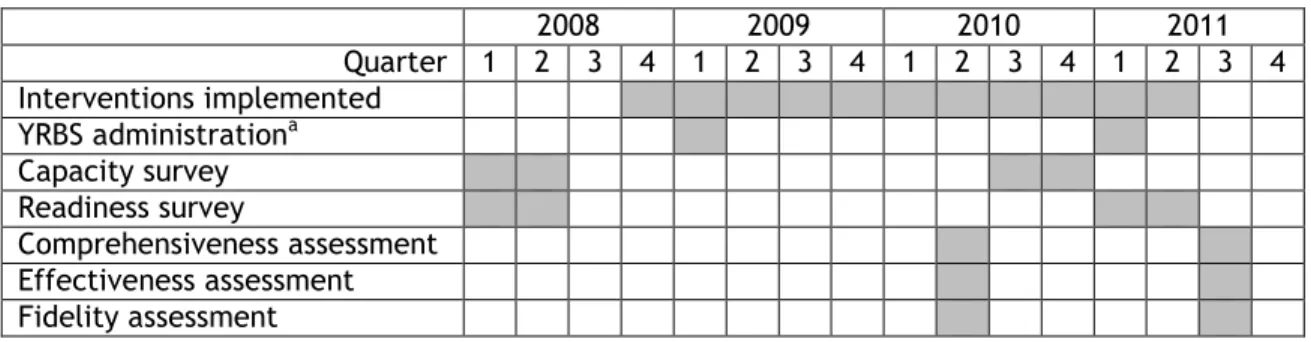
Figure 2 provides a Gantt chart of intervention and data collection activities by quarter and year. Each activity is described more fully in the sections that follow.
2008 2009 2010 2011
Quarter 1 2 3 4 1 2 3 4 1 2 3 4 1 2 3 4 Interventions implemented
YRBS administrationa Capacity survey Readiness survey
Comprehensiveness assessment Effectiveness assessment
Fidelity assessment
Figure 2. Intervention and data collection activities timeline. aYRBS also administered in first quarter of 2003, 2005, and 2007.
Intervention
35
alcohol use as the primary priority, and either high risk alcohol use or marijuana use among young adults (i.e., age 18-25) as a secondary priority. Communities identified their secondary priority based on the results of their individual needs assessment that was conducted as part of the SPF SIG process. Twenty of the 24 intervention communities chose to focus on high risk alcohol use among young adults as a secondary priority while the remaining four focused on marijuana use among young adults. The outcomes of interest for the present study, however, are restricted to those that relate to underage alcohol use given that all funded communities were required to address this outcome with their intervention activities.
The SPF SIG program is conceptualized as an environmental approach to substance use prevention and, as such, funded communities were required to implement prevention strategies that addressed the context in which substance use occurs in the community. Communities were provided with a list of 22 environmental strategies for addressing substance use, along with the core components of each to facilitate fidelity of implementation. These strategies took a variety of forms but were broadly characterized as communication (e.g., media campaigns), enforcement (e.g., alcohol sale compliance checks), policy (e.g., zoning and outlet density ordinances), or comprehensive strategies (e.g., strategies which potentially involve multiple diverse components based on the community assessment and community organizing activities, such as Communities Mobilizing for Change on Alcohol). The 22 strategies were selected because each had an evidence base supporting their effectiveness, although the strength of the evidence varied considerably between strategies. Many communities also complemented these strategies with an array of prevention education activities including classroom prevention curricula and parenting programs.
36
Six communities complemented their environmental strategies with prevention education activities.
The populations that communities targeted with intervention activities varied as a function of the findings of their needs assessment. Because the SPF SIG program required a primary focus on underage alcohol, each of the 24 funded communities targeted youth under age 21. Each community was also required to address young adult use regardless of secondary priority, and as such, each targeted 18-25 year olds with at least one intervention strategy. Parents were also targeted by each of the 24 communities with at least one strategy. Communities varied, however, in the ways in which they targeted these different populations, with some intervention activities aimed at specific age groups and others aimed at all ages. The population of interest for the present study is those under the age of 21 given that all funded communities were required to address underage alcohol use.
Communities also differed considerably in the timing of their prevention activities, with some activities beginning as early as October 2008. All communities began implementation by April 2010, and all completed implementation by June 2011 when funding from the state ended. As such, the statewide pre-intervention period is defined as November 2007 through September 2008, with the intervention period defined as October 2008 through June 2011.
Data Collection
37
The pretest period in the current study is defined as 2003-2007 and the posttest period is defined as 2011. Data from 2009 are excluded from the analyses for a couple of reasons. First, an underage drinking media campaign was implemented statewide throughout much of 2008.
Communities funded by the SPF SIG were asked to provide additional support to the media campaign in their communities, whereas unfunded communities were not. Although the support activities undertaken by funded communities were not particularly intense and likely did not contribute measurably to changes in outcomes, it is still the case that a modest level of
intervention activities began in funded communities as early as 2008. Second, three communities began intervention activities in earnest in late 2008 and an additional two began in early 2009 before the YRBS was administered that year. The remaining 19 communities began activities after the 2009 survey administration. As a result, the designation of 2009 as a pretest or posttest year becomes problematic. Data from the main outcome evaluation (unpublished data) indicate a similar pattern of results when 2009 is included as a posttest year versus when it is excluded altogether. The 2009 data, therefore, are excluded from the current study for conceptual simplicity.
The coalition capacity survey was administered with a paper and pencil questionnaire in Spring 2008, before intervention activities began, and again in Fall 2010 via paper and pencil and online questionnaires. The capacity survey was conducted with the coordinator and other members of the funded coalition in each of the 24 intervention communities. Surveys were attempted with all members of the coalition when membership was ten or fewer. When greater than ten, a random sample of members was selected. Where possible, the same members were surveyed in both administrations, with replacements randomly selected for the 2010 administration to account for member turnover. A total of 219 respondents across the 24 intervention
communities completed the survey in 2008, with 258 completing it in 2010. The number of participants in each wave was roughly equivalent between capacity building and implementation grantees.