MOBILE ACTIVISM AND PSYCHOGEOGRAPHIC INSPIRATIONS: A QUALITATIVE STUDY ON iOS APP MAKING WITH COLLEGE STUDENTS
Joseph D. Hooper
A dissertation submitted to the faculty of the University of North Carolina at Chapel Hill in partial fulfillment of the requirements for the degree of Doctorate of Philosophy in the School of
Education (Cultural Studies and Literacies)
Chapel Hill 2020
Approved by: James Trier
ABSTRACT
Joseph D. Hooper: Mobile Activism and Psychogeographic Inspirations: A Qualitative Study on iOS App Making with College Students
(Under the direction James Trier)
A significant portion of scholarly literature explores the ways that youth activists (aged 15-24 years old) appropriate mobile apps—compact software designed and developed to run on a smartphone or tablet—to address social issues. However, there is a paucity of research literature that reveals the ways that they engage in the production of socially useful mobile apps. As a way to address the lack of research on this area of mobile app making, this project draws on a
participatory media research design to explore the experience of co-producing an iOS mobile phone app with college students working toward social change in their campus community. The project collects qualitative data from semi-structured interviews and design artifacts. The data is analyzed using the Situationist International’s concept of psychogeography, which ordinarily focuses on place-based investigations. As a means of analysis, psychogeography facilitates a creative method of moving throughout the data corpus while mapping recurring patterns, themes, and ideas that relate to the production of app making with participants. The findings in this study are marked by a disruptive event that caused the project to rupture before ending as
methodologically planned. Nevertheless, what appeared as a moment of rupture became an opportunity for capture as the participatory media research project revealed variations on modes of ethico-political praxis that oriented the production of a mobile app that serves local
ACKNOWLEDGEMENTS
First, I would like to thank the members of my dissertation committee. I cannot express enough my sincere gratitude for your guidance and support throughout this personal and
intellectual journey. To Jim, thank you for your unwavering support. Your motivation, patience, and immense knowledge made each phase of researching and writing this dissertation an
enriching experience. You allowed me the freedom and flexibility to contribute to the building of the “hacienda.” I could not have imagined having a better advisor and mentor. To Cheryl, thank you for supporting my academic endeavors in cultural studies and all things digital. Your encouragement and intellectual guidance provided me the confidence and inspiration to do my best work. I cannot thank you enough. To Sherick, your scholarly leadership and counsel emboldened my ability to produce this dissertation. Also, thank you for welcoming me into the Qualitative Studies certificate program and allowing me to participate with your research team in the Bruce A. Carter Qualitative Thought Laboratory. You made me a better qualitative
researcher. To Mark, I greatly appreciate your guidance and mentorship during the assembly of this dissertation. Your insight and advice greatly informed and shaped my intellectual curiosity and scholarly interests in ways that I am still recognizing. I will also always appreciate the opportunity to participate in your computational media and visualization courses and to learn from you during our programming and app making sessions. To George, I am immensely
Next, I want to acknowledge the encouragement and support from those who have helped me to navigate the terrains of the academy and make this journey a valuable experience. To Janice Anderson, I appreciate your consistent support. You always welcomed me into your office to discuss and enrich my work. To Anne Bryan, thank you for taking the time to shepherd me through the doctoral process. You always answered my questions with patience and clarity. To Victoria Szabo at Duke University, thank you for allowing me to participate in the Information Science + Studies certificate program and the PhD Lab in Digital Knowledge. I learned so much from this experience. I want to thank all of my PhD colleagues, with whom I have shared
moments of anxiety but also excitement. I am also thankful for having the opportunity to teach a talented group of undergraduates while pursuing and completing the PhD program. I am very appreciative of the experience of learning from each of you.
TABLE OF CONTENTS
LIST OF TABLES ... xii
LIST OF FIGURES ...xiii
CHAPTER 1: INTRODUCTION ... 1
Overview... 1
An Emergent Process and Product: In Past and Present Tense ... 2
Assigning Pseudonyms ... 10
Individual Pseudonyms ... 12
Group Pseudonym ... 13
Why Mobile App Making? ... 15
App Appropriation ... 17
App Development ... 21
Research Questions ... 24
Organization of The Dissertation ... 25
CHAPTER 2: FIRST ENCOUNTERS ... 28
Routines of Gilles Hall ... 28
Trained Perspectives... 29
First Evening in Gilles Hall ... 31
Workplace Disruption ... 34
Preparation ... 42
Next Evening in Gilles Hall ... 44
Insubordination ... 48
Next Steps ... 49
CHAPTER 3: SITUATIONIST IMAGININGS ... 50
Passageways ... 50
The Situationist International ... 52
The May ‘68 Enragés ... 58
The Millennial Enragés ... 64
Memes and Meme Making ... 68
Next Steps ... 76
CHAPTER 4: METHODOLOGY ... 77
Introduction ... 77
Toward Participatory Media Research ... 79
Participatory Research Approaches ... 81
Participatory Media Production as Research ... 83
The Meaning of Participation ... 86
Data Collection ... 87
Interviews ... 87
Artifact Collection ... 90
Data Analysis ... 91
Situationist Critique and Construction ... 92
Limitations of the Study ... 100
CHAPTER 5: GENERATING IDEAS ... 104
Phase I: Segment I ... 104
Conversations, Demonstrations, and Ideations ... 104
The Meaning of Activism ... 105
Locating a Specific Issue ... 117
Addressing an Issue ... 120
Envisioning Functionality and Aesthetics ... 122
Other Features and Elements ... 129
Google and Economic Surveillance ... 131
Next Steps ... 133
CHAPTER 6: CRITICAL CODE REMIX ... 135
Introduction ... 135
Overview of Remix ... 138
Antecedents of Remix: From Homer to Debord ... 139
Remix: Turntablism to Digitalism ... 149
The Affordance of Cut-Copy-Paste ... 151
Critical Code Remix in Practice... 154
Locating Source Code ... 154
Assemblies and UI Panels ... 157
Next Steps ... 160
CHAPTER 7: DESIGNS, DISURPTIONS, AND DETOURS ... 161
Review of User Interface ... 163
Review of Features and Elements ... 166
Addressing the Social Issue... 168
Updating the Mobile App ... 171
The Twists of Disruption ... 176
Moments of Vacillation ... 177
Breakthroughs and Adjustments ... 180
CHAPTER 8: CONCLUSIONS OF ONGOING TRANSIENCE ... 185
Introduction ... 185
A New Mobile App: An Unusual Metaphor ... 185
The Traversals of a Praxial Intervention ... 190
Closing Remarks ... 203
LIST OF TABLES
Table
LIST OF FIGURES
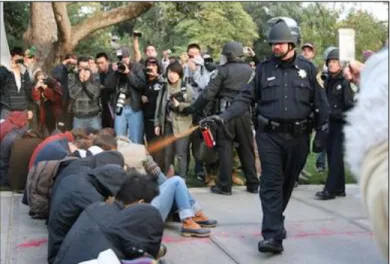
Figure 3.1: Pike Pepper-Spraying Protesters ... 71
Figure 3.2: Meme of Pike peppering spraying Snoopy ... 71
Figure 3.3: Meme of Pike peppering spraying Yoda ... 72
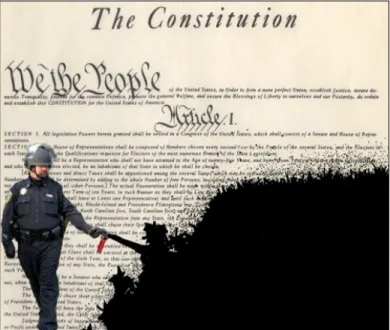
Figure 3.4: Meme of Pike peppering spraying Constitution ... 72
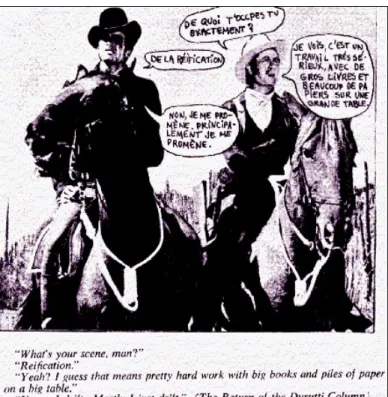
Figure 3.5: “The Return of the Durutti Column” ... 73
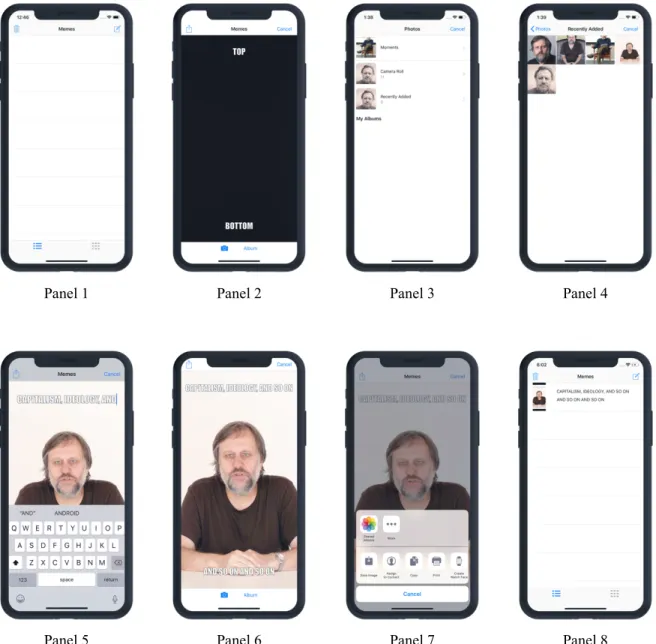
Figure 3.6: Demonstration of an iOS meme-making App ... 75
Figure 4.1: Psychogeographic map of Paris, 1955 ... 96
Figure 4.2: The Naked City, 1957 ... 97
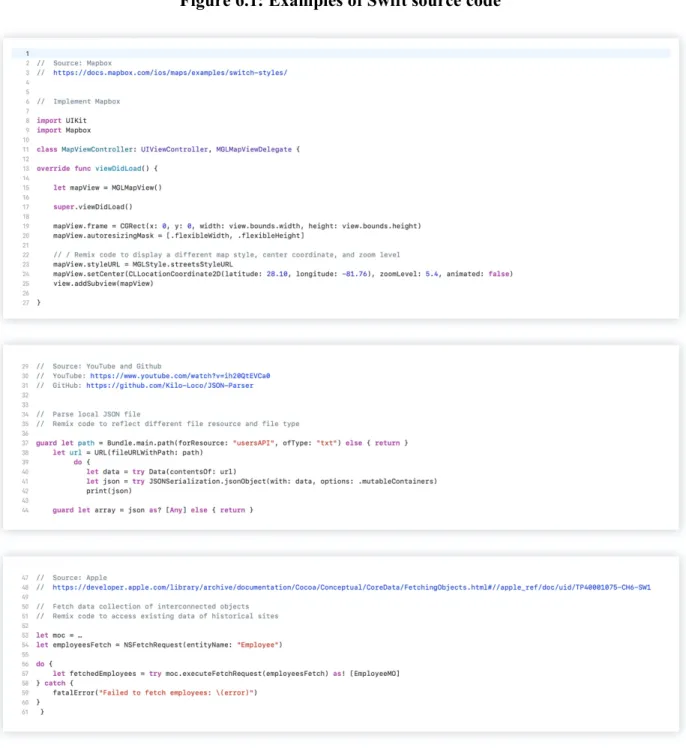
Figure 6.1: Examples of Swift source code... 156
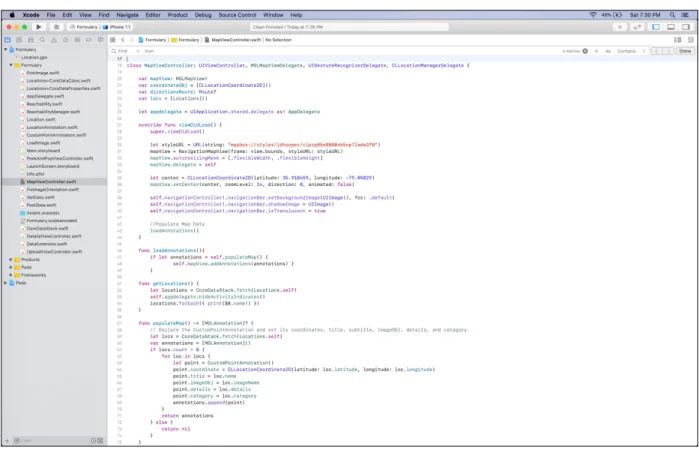
Figure 6.2: Examples of Xcode source code ... 158
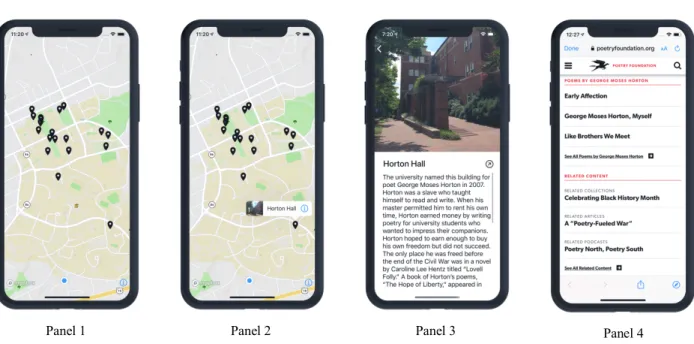
Figure 6.3: Demonstration of campus map and site information ... 159
Figure 7.1: Additions and updates to the mobile app ... 173
Figure 7.2: Geolocate, upload, and download data ... 175
Figure 8.1: All-Gender bathroom app ... 190
CHAPTER 1: INTRODUCTION Overview
Radical Lifer: When I’m walking around campus it would be really cool if I had an app that tells me about the racial histories embedded in spaces and buildings that I walk by on a daily basis. We don’t really learn these histories when we arrive on campus or really much at all from the university, not in my experience. I think if we created an app like this it could help raise consciousness […] and could be really important in disrupting the school’s image as an ivy-like university and showing students […] that there are other people who contributed to the university.
Making a mobile app—compact software designed and developed to run on a smartphone or tablet—that fosters goals such as raising consciousness and disrupting the status quo is a local effort. In other words, people at the local level think about what matters most to them and, depending on the social and economic context in which they live, determine why and how a mobile app could be used and then make it accordingly (Ekine, 2010).
ends, and new beginnings. These circumstances and outcomes are highlighted in this representation as well.
An especially critical disruption occurred near the end of the second stage of the
participatory media research project, when the study participants, who I refer to as the Millennial Enragés, stopped participating in the co-production of a mobile app, and for reasons that I never entirely understood. This disruptive occurrence impeded me from gathering and analyzing data across the three stages of the research project as initially methodologically planned. It also prevented me from learning about their experiences as they engaged in the co-production of an app that addresses a social concern in their campus community. In essence, they sought to intervene and transform the dominant narrative of their predominantly white institution by creating a mobile app that expands and educates others about the histories of African-American experiences at University College, a university in the Southeast. Despite not learning their reasons or obtaining their final articulations about the app making experience, the disruption and its impact on the trajectory of the project allowed me the opportunity to reflect critically on the ephemeral journey with the Millennial Enrages and to discover new insights about the
production of socially useful mobile apps, as I took what I learned and pivoted down a different pathway in light of the interruption. Coincidently, this pathway led to the creative production of a new, socially beneficial mobile app for marginalized members of a local community, which I explain in more detail in the last two chapters of the dissertation.
An Emergent Process and Product: In Past and Present Tense
fundamental level, a participatory methodological approach entails carrying out research activities with local stakeholders with the aim of co-creating knowledge specific to locally situated issues impacting their lives. Specific to media production, it involves working with local stakeholders to co-create media texts that are relevant to their interests, ideas, and concerns, and serve as interventions for change and transformation in their lives and others. The completed media products also have the potential to lend themselves to the public as a catalyst for conversation and consciousness-raising.
In the context of this participatory media research project, I set out to co-produce a mobile app with college students working toward the intervention in and transformation of issues impacting them and other members of their campus community and then share with the scholarly community what “both” the participants and I learned from our experience of making an app for the social good. I aimed to collect data from semi-structured interviews and design-based
artifacts, and then compose in-depth notes, in the form of reflective commentaries on salient aspects of the data, over three phases of the participatory media research project. To examine the data, I planned to use the Situationist International’s (or the Situationists) concept of
discovery, in which I would traverse throughout the data while allowing myself the flexibility to be drawn to significant elements and features that relate to the collective app making experience and how I understand it. The Situationists would refer to these elements as “unities of
ambiance,” the main attractions or areas discovered during a psychogeographic journey through an urban space. As it pertains here, the psychogeographic procedure consists of moving
throughout the interview notes, design artifacts, and reflective commentaries, reading and re-reading them while charting, in the form of progress notes, the situations and the events
perceived as shaping significant moments within the context of the app making enterprise. From there, I would move back and forth between the collected data and the research questions, notating recurring patterns, themes, and ideas that relate to the collective production of app making, while keeping in mind, that what may appear as significant in one interpretative session might become transformable in another as I engaged in the process of erasure and rewriting until the narrative reached crystallization. From there, I planned to organize and link data into a meaningful whole.
For the final product—the written portion—of the participatory media research project, I initially planned to present findings and generate discussions in a kind of textualized cartogram format, in which the thematic variables would be the moments of interest and discovery that emerged from the collected data. Under each theme, I would include critical findings that illustrate those moments and the situations and events that shaped and pulled them in one
direction or another. To explain these findings, I intended to provide an evocative account of the conversational exchanges with the Millennial Enragés and include pieces of my reflective
of dialogue I could obtain in situ. Providing an evocative account would provide a release from the demands of qualitative research convention and afford the space in which to express
articulations that evoke multiple associations, allusions, foreshadowing moments, ideas,
memories, emotions, and unexplored possibilities (Gergen, 2018). In conjunction with presenting the key findings, I planned to discuss and reference them with existing research studies and theories. Again, the key findings, which I intended to capture during my investigative journey through the data materials, and the subsequent discussions, would have made up the textually-oriented cartographic interpretation of the participatory app making process.
As I explained, the initially-planned process and product fractured as a result of the Millennial Enragés deciding to end the participatory media project prematurely. I was unable to procure the necessary data from all three stages of the research project, and with that, I never learned their final articulations about the experience of making an app that addresses a social issue impacting their campus community. Nonetheless, the project continued after this disruption. What appeared like a dead-end eventually became an opportunity for pivoting my attention toward the discovery of new lines of inquiry and the production on a new app that addresses a social issue impacting marginalized members of a local community, which I explain in more detail in the last two chapters of the dissertation.
To account for the rupture and capture of the disruptive event, such as the situations and events that occurred within critical moments, and the things learned as a consequence, I needed to reassess the product and process of the participatory media research project. I decided to circle back to the very beginning of the project in an attempt to determine which data I would analyze and how I would present findings in light of the pivotal moments that emerged from the
produce a coherent and cohesive narrative, qualitatively accounting for the disruption and what came after, I needed to include what came before. In the context of this project, that meant beginning when I met the Millennial Enragés in Gilles Hall, a campus building located on the university campus where they attended, and I worked as an academic coach (the building
designation is a pseudonym named after the French Situationist Gilles Ivain, also known as Ivan Chtcheglov). Coincidently, as I reflectively turned my attention back toward myself and the group members, before we were researcher and participant, the disruption in the second stage parallels the one in Gilles Hall. That is, when the group entered the building and disrupted my work routine, and, led by qualitative curiosity, I deviated from my habitual circumstances to travel into “the cracks and lost spaces” of the university building (Providence Initiative for Psychogeographic Studies, n.d., as quoted in Kuhlman, 2017, p. 158) and to learn more about them and discover their willingness to co-produce a mobile app. Both led to novel opportunities and approaches for understanding the experience of co-producing an app for the social good.
Millennial Enragés after a disruptive encounter in Gilles Hall and agreed to collaborate on the mobile app project, and the ones that came after their disruptive departure and subsequent fracture to the project, as well as other critical moments of attention consisting of situations and events that pushed and pulled the directional flow of the research project, which I map out in the chapters of this dissertation.
The Millennial Enragés
These participants are undergraduates at a university in the Southeast (referred to here as University College) and are members of a radical student group that engages in challenging institutions that exert authoritarian power and oppression on marginalized populations. Some of their undertakings include protesting incarceration practices, demonstrating against racist campus building names and monuments, disrupting campus events and lectures, and circulating literature and conducting workshops that raise awareness, to name a few. Because of their radical
activities, I decided to refer to them as the Millennial Enragés, named after another group of college radicals from the 1960s, and as individuals, I refer to them as Captain Non-Leader, Conrad Anarchist, Max Justice, and Radical Lifer. I explain how I devised these pseudonyms
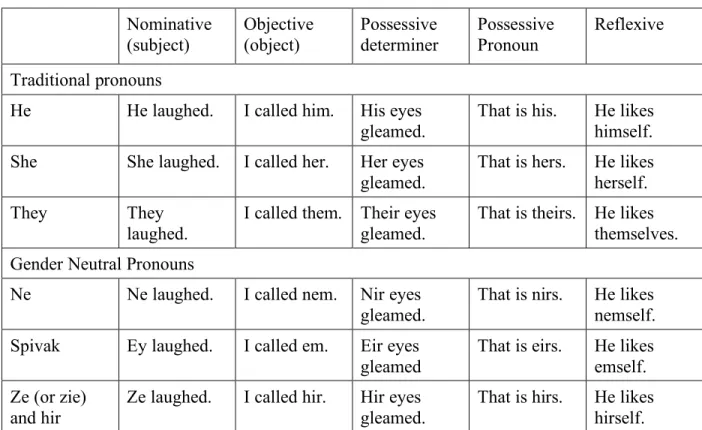
Table 1: Examples of Pronoun Usage Nominative (subject) Objective (object) Possessive determiner Possessive Pronoun Reflexive Traditional pronouns
He He laughed. I called him. His eyes gleamed.
That is his. He likes himself. She She laughed. I called her. Her eyes
gleamed.
That is hers. He likes herself.
They They
laughed.
I called them. Their eyes gleamed.
That is theirs. He likes themselves. Gender Neutral Pronouns
Ne Ne laughed. I called nem. Nir eyes gleamed.
That is nirs. He likes nemself. Spivak Ey laughed. I called em. Eir eyes
gleamed
That is eirs. He likes emself. Ze (or zie)
and hir
Ze laughed. I called hir. Hir eyes gleamed.
in the next section. Also, the participants are in their early twenties and prefer the “ze” and “hir” gender-neutral pronouns. Captain Non-Leader is the only exception, preferring “she” and “her” instead (Table 1.1). When I refer to them in this text, I use their preferred pronouns accordingly. Assigning Pseudonyms
Because the participants are members of a radical student group that engages in a mode of activity grounded in direct action, I made sure to keep their names confidential. Atkinson (2017) maintains that researchers working in this context can ask participants to come up with their own pseudonyms, or they can assign them based on traits or characteristics that the participants possess. Either of these approaches can result in “interesting and engaging” pseudonyms. However, researchers need to be extra mindful when working with participants engaged in radical forms of action and activism-related activity (p. 56). These approaches can potentially disclose clues about the participants’ true identity to members of other communities. As Atkinson explains, even the slightest disclosure can be problematic because participants’ activities may be illegal or challenging to traditional norms, and, as a consequence, they could become targets of arrest or reprisal. He concludes that researchers must, therefore, remain grounded in their ethical framework and “make educated decisions about what is in the best interest of the activists involved in the research” (p. 56).
ask them. Hindsight reveals I could have avoided this methodological difficulty by collectively assigning pseudonyms with the participants during the first phase of the project.
Second, Saunders, Kitzinger, and Kitzinger (2015) maintain that concealing identities can be impossible at times and “anyone closely tied to a particular research setting will likely be able to recognize participants and places” (p. 618). When coupling their assertions with Atkinson’s claims, I recognized the need to be extra mindful about making educated decisions that keep group members’ best interests in mind. Therefore, I set out to assign pseudonyms that were protective enough to avoid implicating them from past or current acts against the university or non-university sectors. To add extra precaution, I aimed to avoid using pseudonyms that captured their personal traits or characteristics, fearing that names imbued with those qualities could potentially breach confidentiality and foster reprisal. I even went so far to justify and obtain IRB approval for obtaining verbal consent to keep their names unknown.
With these precautions in mind, I initially considered using pseudonyms like “Enragé 1,” “Enragé 2,” “Enragé 3,” and so forth. After reading the aliases within the context of my
captures the significance of a film’s content and appears within a central piece of dialogue, thereby suggesting a sense of importance and novelty. The difference is that I devised
pseudonyms, as best as my creative ability would allow, instead of movie titles, and I captured nonfictional moments and spontaneous exchanges instead of fictional ones.
Individual Pseudonyms
First, the pseudonym Captain Non-Leader encapsulated our initial exchange within a campus building where I worked. She was hanging up flyers about the student group in the hallways, and I was providing academic coaching to undergraduates. I was immediately intrigued upon reading the flyers’ content, so I put my coaching responsibilities on pause and engaged her in conversation. Without hesitation, she answered my questions and guided our conversation with compelling and meaningful details about the group and its activities.
Impressed by her presentation, I asked if she were the group leader. She explained that the group does not have one because it embraces a non-hierarchical leadership model. While she may have a prominent voice in the group at times, hers was only one of many within what she described as a “non-leader centered” collective. It was in that moment and that phrase that impressed upon me to refer to her as Captain Non-Leader.
anarchy” had been influential on both the group and its allies. As I reviewed our conversational moments to generate a pseudonym, I remembered the impact that this one originally had on me. I had highlighted it in my notes, commenting that as ze described these forms of resistance, I simultaneously recalled tenets of anarchism and the student revolts of May 1968. Thus, it seemed fitting to refer to this participant as Conrad Anarchist throughout the text to preserve the shared moment of thought and the dialogue that made it impactful.
Finally, the pseudonyms Radical Lifer and Max Justice encapsulated a moment in which we discussed the meaning of activism. The first participant articulated that activism means being committed to social issues. More specifically, ze referred to this type of commitment as living a “radical life.” It begins with individuals letting go of an ordered life and taking on a radical one. Then, as a consequence of this shift in perspective, they will start to see the world as an object of social change and themselves as agents of that change. Correspondingly, the latter participant followed up with the assertion that activism involves countering issues of injustice to alter society. To carry out that aim fully, ze explained, individuals must provide “maximum effort.” As one can see, I formulated pseudonyms for these participants the same way I did for Captain Non-Leader and Conrad Anarchist: identifying a distinctive moment and the commentary that made it so, and then capturing it within a character name or in this case a pseudonym. Devising stronger pseudonyms or establishing a more robust plan for creating them was limited by my creative ability. Nonetheless, what I came up with reflects my goal to protect the participants and, at the same time, establish an air of evocative narrative appeal and coherence.
Group Pseudonym
pseudonym. However, in this instance, I assigned a pseudonym that symbolically encapsulated the content of our discussions. The pseudonym took shape when reflecting on the various
activities in which the group members were engaged: protesting incarnation practices, disrupting campus speakers, challenging university authority and its racist past, carrying out workshops, and disseminating literature to name a few. From my perspective, their actions and their spirit were reminiscent of Les Enragés, a group of radical students who attended the University of Paris-Nanterre in 1968.
For readers unaware of this small group of 1960s radicals, the Enragés were a conflation of progressive experiments related to the politics of past and current movements in France. They borrowed their namesake from a group of radicals who advocated for the poor during the French Revolution, and they drew on the work of the Situationists, a Parisian-based collective of
with a minor modification. I refer to these study participants as the Millennial Enragés, a pseudonym that articulates the radical activities and practices of the past and present. Why Mobile App Making?
Communication through mobile phones has become an everyday activity for the majority of the world’s population (Wei, 2016). Data from the International Telecommunications Union (2018) reveal that mobile phone subscriptions now exceed the number of human beings on the planet, which implies that “nearly everyone is interacting or working in ways that are mitigated by mobile devices” (Garcia, 2012, p. 120). The advent of smartphones like Apple and Android— mobile phones with advanced computing features and digital network connectivity that enable users to do more than make calls and send texts—contributed to this growth. According to 2018 data, these devices account for 60% of all mobile phone subscriptions and expect a steady increase worldwide (The Ericsson Mobility Report, 2018).
smartphones for their primary internet and communication needs and do so more regularly than other age groups (Jiang, 2018; Pew Research Center, 2018).
The rise of smartphones also ushered in the age of mobile apps, one that created more opportunities for connectedness and harnessing resistant energies of broader social and political movements to address issues and affect social change (Alehegn & Mentor, 2016). Before smartphones, personal computers provided a variety of applications (e.g., online blogs, social networks, video sharing sites, etc.) for users to access through the internet and use for activist purposes. In contrast, mobile phones were limited to SMS (Smart Messaging Service) and calling. Then, with the release of smartphones and the “app store” ecosystem, the differences between these mechanisms became blurred. Mobile phones started to become more like computers, both smarter and powerful enough to harness the computational capacity to stay connected and generate information and content through apps that were once only available on the computer. And the advancements in smartphones have only continued to grow, resulting in “more powerful and cheaper devices for activists and thus a greater capacity to use digital infrastructure for their goals of political and social change” (Joyce, 2010, p. 4). In particular, activist-oriented youth have increasingly taken advantage of the computing power of the smartphone and its software. By “youth,” I mean people between the ages of 15 and 24 years (United Nations, n.d.), which includes the age demographic of the Millennial Enragés; and by activism, I mean youth who alternate between direct forms of activism, a broad term
characterized as the participation in political or community events, and various kinds of pro-social activities. I would learn that the Millennial Enragés do not identify with the word
appropriated social media apps like Twitter and even develop new ones to foster activist-oriented goals relevant to their life experiences and pertinent to addressing social issues (Alehegn & Mentor, 2016). It is within the latter context that I sought to collaboratively work with the Millennial Enragés to produce a mobile app that addresses a social concern in their campus community.
App Appropriation
Cases of youth appropriating apps make up a significant portion of scholarly research. Most notably, youth utilized mobile social media apps like Twitter during popular social
movements. For example, the 2011 Occupy Wall Street Movement in New York City’s Zuccotti Park was a youth-led demonstration that represented frustration against existing political
structures and economic systems (Reimer, 2012). Researchers of this political movement explain that many Zuccotti Park protesters used Twitter on their smartphones to bolster solidarity with occupiers and sympathizers and to communicate political ideas to broader publics (Campbell, 2018; Epstein, 2015; Gerbaudo, 2012). When threatened with police repression in and around the park, protesters used Twitter to coordinate tactical movements against the authoritative forces trying to suppress and control the space (Gerbaudo, 2012).
Also, members of the Black Lives Matter movement used Twitter's mobile app to advance their cause. The movement began as a hashtag in 2013 after the Florida court system acquitted George Zimmerman of killing Trayvon Martin, an African-American teenager, and it gained momentum after two separate incidents in which white police officers killed African-Americans Eric Garner and Michael Brown in 2014. Researchers explain that youth-led
the Black Lives Matter movement, the youth groups helped lead the way for encouraging activism against systematic racial oppression and violence (Wellington, 2015). They took to streets, campuses, and presidential forums to protest and raise public awareness about racial inequalities (Campbell, 2018; Hollander, 2017). And, they often relied on Twitter to mobilize collective action, using its sociotechnical conveniences to organize groups, coordinate events, and intervene in mass-mediated narratives by documenting happenings on the ground for dispersed publics (Sharma, 2013; Sossi, 2018). Moreover, these youth organizations, similar to the youth occupiers, appropriated the Twittersphere from a corporatist space to one of protest, where marginalized persons could engage in the practice of knowledge sharing and the acknowledgment of collective awareness (Tierney, 2017).
positively impacted Taiwan’s long-term development of democracy, and 82.96% of respondents expressed dissatisfaction with how the government dealt with the Sunflower Student Movement. Next, during the mostly student-led Umbrella Movement in Hong Kong, the FireChat app was realized as a protest tool (Rawnsley & Ma, 2018). This movement consisted of sit-in street protests aimed at enacting universal suffrage (i.e., the right to elect their leaders) and contesting social and political issues that threatened citizens’ way of life. At the beginning of the protests, WhatsApp was a popular peer-to-peer messaging app that provided a local means of
communicating and networking on the ground. When the Chinese government blocked access to Hong Kong’s mobile and internet connections, demonstrators downloaded FireChat to thwart China’s censoring. That resulted in over 460,000 downloads, which then led to 5.1 million chat sessions, one million chat rooms, and up to 37,000 people accessing the local mesh network at once (Smith, 2014). These instances of connectivity allowed protesters to stay connected and maintain solidarity with one another and to disseminate information and galvanize shared awareness (Lee & Ting, 2015).
In addition to youth activists utilizing mobile social media and peer-to-peer messaging apps to support their causes, there are cases in which they used smartphones to capture videos and live-streaming apps to broadcast media to a networked public. For example, the 2013 June Protests in Brazil were multi-city demonstrations initiated by the Free Fare Movement: a group of activists made up of professors, undergraduates, and high school students who resist
media failed to broadcast the brutality, choosing instead to portray protesters as delinquents and lawbreakers and show images of broken storefronts and burned buses. As a way to counteract the media coverage, Mídia NINJA, a network of young protest journalists, employed smartphones and sophisticated cameras to broadcast raw videos of the protest using the live-streaming app TwitCasting (Landesman & Stuart, 2018). By providing unedited and uncensored narratives of the protests, Mídia NINJA was able to hold the state accountable for its illegal activities and to bolster group resistance and mobilization.
were censored by the state, making it difficult for them to provide accounts of the events,
protesters subverted state censorship by using mobile apps to capture and publish video accounts of the happenings as they occurred on the ground. That allowed media outlets to re-broadcast “viral” information to broader publics. Moreover, these video-based counternarratives helped to reframe the movement from the bottom up, influence public consciousness, and effect the removal of President Mubarak, the authoritarian leader of Egypt for nearly 30 years.
It is important to note that all of these movements are nuanced and intricate. What I described in no way captures their historicity in full, as many of the actors involved in each movement utilized a variety of mobile technologies that fit their needs and literacies. Moreover, I do not suggest that the outcomes of these movements—no matter how directly or peripherally successful to the original intent—are the result of mobile technology. As Ekine (2010) mentions, the success of a social movement depends on the local efforts of those who are involved;
technology is just a tool for helping them meet their aims. In essence, these examples
demonstrate Ekine’s point. That is, local youth groups decided to address social issues and then appropriated the right smartphone apps to help meet their aims. As shown in the next section, they also engaged in determining why and how a mobile app might challenge social concerns at the local level and then decided to create it accordingly.
App Development
the phone’s Global Positioning System (GPS) to track networked members and send out alerts if someone uses a phone while driving. Also, the app is playful. Users can send barking noises to an offending member until she stops using the phone while driving. Alehegn and Mentor (2016) maintain that Walker is a participatory-citizen, and the app is an extension of her advocacy for social responsibility and situational awareness among teen drivers.
A social justice example encompasses the work of the Boston Student Advisory Council (BSAC). The BSAC is co-administered by the Boston Public Schools and the Youth on Board organization—an association of young people of color who leverage spaces and tools to
dismantle political and economic structures that reinforce inequity. In 2015, the council produced a mobile app that informs students, parents, and teachers about student rights and school
discipline. According to BSAC (2015), low-income communities of color inequitably face high rates of suspension and expulsion and are victims of the school-to-prison pipeline. Thus, it developed and viewed the app as a way to decrease incidents of inappropriate discipline using salient information that can reduce conflict situations as they happen and, at the same time, increase utilization of restorative justice practices with links to resources and informational materials. As a result, the app has been downloaded thousands of times and prevented numerous inappropriate disciplinary measures.
Likewise, Trisha Prabhu developed the ReThink app to prevent cyberbullying. She recognized that young people use smartphones to interact socially and to engage in
detected. If any are, the mobile app advises the user to rethink the message before sending it, which the user can decline or accept to do. After testing the app on 300 students, Prabhu
discovered that a willingness to post offensive language dropped from 71% to 4%. Alehegn and Mentor point out that multiple methods to prevent cyberbullying are available, such as creating awareness, educating others, and providing resources to victims. The most effective measure, however, may be to stop young people from being bullies in the first place, which Prabhu’s app seeks to do.
Along the same lines, in 2017, Amanda Southworth created the Verena app for the LGBTQ+ community and other minority groups. Concerned that members of these communities may feel threatened by a hostile political climate, Southworth created the app so that they can locate hospitals, shelters, and police stations if an emergency arises. It also provides them with instructions on how to remain safe in their community, and it alerts pre-selected contacts in case of an emergency. Moreover, the app triggers social interactions and responses to ongoing social justice issues, such as abuse, bullying, racism, etc. (Southworth, 2017). Quite innovatively, the app includes an “incognito” function. If users do not want others to know they are members of the LGBTQ+ community, they can switch on the incognito mode and disguise the app with a math-based interface (Bell, 2017).
As these examples illustrate, activist-oriented youth utilize mobile apps for many reasons. These range from the appropriation of Twitter and peer networking apps to the burgeoning area of app creation. Also shown is that a surfeit of research reveals why these youth leverage apps or what the apps do in situ, but a lack of research that explains the experience of how they make them. To fill this scholarly void, researchers must seek out spaces where youth generate
fully understand the experience of making mobile media for the social good. As a qualitative researcher and mobile app programming enthusiast, I am drawn to those spaces and to the opportunity of participating with activist-oriented youth on such mobile media projects.
Moreover, I maintain that social research benefits and helps others to address social problems when researchers work in collaboration with the researched (Lather, 1986b, 1988). The dialogically driven encounter between the researcher and the researched can assist participants in understanding and changing their situations within social, historical, political, and cultural contexts (De Vecchi et al., 2017). At the same time, participants can help the researcher in investigating a phenomenon and understanding her knowledge of it. Thus, the purpose of this qualitative project is to use a participatory media research design to explore the experience of working with a small group of activist-oriented radical youth (i.e. the Millennial Enragés) on the creation of a mobile application that addresses a social issue impacting their campus community. Research Questions
Initially, two interrelated research questions framed this dissertation and its methodology: 1. What is the experience of activist-oriented youth who are engaged in making a
mobile application that addresses a social issue?
2. What is the experience of collaborating with activist-oriented youth on making a mobile application that addresses a social issue?
making a mobile application that addresses a social issue. The use of the word “experience” in the context of this project refers to the emergence of insights gained from a particular situation in question. In this case, it is the co-production of a mobile app that addresses a social issue.
It is important to note that even though this dissertation asks a research question, it does not contain answers. In other words, answers about the experience of app making remain elusive. One reason for this elusiveness is that disruption occurred at various stages of the project,
making the collective design and production of the mobile app a capricious process. Another reason, and in part the reason for the first, is that I did not intend the project to arrive at
diagnostic conclusions or to serve as a means for replication. That kind of proposal would be a dismissal of cultural studies practices, which reject instrumental motives and attitudes for researching and making discoveries about how things are. I, therefore, designed the research project to be open-ended and mutable instead, with the hope of locating unfamiliar phenomena, which tend to progress under both normal and, as I discovered, disruptive circumstances, and articulating the discoveries and experiences—not codifications or classifications—that emerged along the way. What I share in this text is an evocative account of a dissertation without a finite ending. Hopefully, it can offer insights within the larger body of literature on activist-oriented app making. Perhaps, it can even serve as a malleable product that social and cultural
researchers, digital humanists, critical makers, artists, and educators can reuse and modify when creating future projects that include entering into youth spaces to work with them on making mobile apps that address social issues.
Organization of The Dissertation
showcases my coding abilities and connects to the radical vision of the Situationists and, through iterations of that vision, the progressive ethos of the Millennial Enragés. Chapter 4 explains my methodological approach, which includes participatory media research methods and
psychogeographic analysis. Customarily, psychogeography refers to the explorative study of geographical space. However, I reimagined it as a framework for analyzing data. This chapter also presents three phases around which I initially organized the app making project with the Millennial Enragés. I labeled them as follows: generating ideas, testing the prototype, and finalizing articulations. Even though the project did not end as initially planned, the methodological approach outlined in the chapter remains intact according to its original intention, as part of the sequence of episodes that make up the larger narrative. Because phase one of the project involves many moving parts, I broke it up into two segments. Chapter 5 details the first segment of the first phase of the project. It consists of discussions about the meaning of activism, the group’s radical activities, a mobile app that addresses a social concern, and the meme-making app discussed in Chapter 3. It also involves wireframing and generating design notes that centered around the purpose of the mobile media project. Chapter 6 continues with the second segment of the first phase by describing the process of transposing the app wireframes and design notes into a coded app. I refer to this process as “critical code remix,” a concept that converges remix studies and the Situationist tactic of détournement. Chapter 7 presents the second phase of the project. This phase entails discussions about the coded app and the next steps for design and development. It also describes the disruptive event that fragmented the project and subsequently launched it into new directions. Chapter 8 concludes with the
CHAPTER 2: FIRST ENCOUNTERS Routines of Gilles Hall
Every Monday and Wednesday evening during the fall and spring semesters at University College, undergraduates pour into the foyer of Gilles Hall for peer tutoring, a student-led service coordinated through the university’s Academic Learning Hub. The purpose is to pair them with advanced students who have performed well in courses where tutoring is needed and who understood the best strategies for completing assignments. The service is quite popular among undergraduates, given its convenience. It operates on a first-come, first-serve basis, which means students do not need to make an appointment to receive instruction in one of the many course offerings at University College. When students arrive at Gilles Hall, they check-in at the front desk, and then a tutoring coordinator directs them to the appropriate tutor. Upon meeting with a tutor, the students have approximately thirty minutes to review any material they want.
range from history and physics to Spanish and discrete mathematics. At the same time, we clarify that the latter provides tried and tested practices for balancing the social and academic demands at a large research university, such as time management and habit-forming skills, test-taking tips and preparations, and note-test-taking and reading strategies, to name a few. When taken together, the services form a toolbox filled with a variety of instruments that, when applied with essential skills and qualities, could be used to build a successful collegiate experience.
The sales pitch typically results in students taking up the offer to receive academic coaching, as they hope to gain as much of an academic advantage as possible. Some of them chose to meet after their tutoring sessions, but most meet beforehand, especially when we inform them that we save their places in line while receiving coaching. In either case, the activity in the hallways flows over into the adjacent classrooms, where students learn methods for meeting the demands of being a college student in one room and understanding the specific subject matter in another. All the actors involved—the students, peer tutors, and academic coaches—repeat this process throughout the evening.
Trained Perspectives
The administrators of the Student Learning Hub decided to offer academic coaching in Gilles Hall to increase the availability and improve the visibility of the learning service. The service had not been available as long as peer tutoring and thus lacked recognition among students. The administrators wanted to change that. They recognized Gilles Hall as a reasonable location to publicly demonstrate the service and its benefits, and they hired extra academic coaches (including me) as a way to help them meet those objectives.
responsibilities and expectations of the position. During the training week, we examined
techniques and methods for conducting coaching sessions with effectiveness and efficiency. We devised protocols and open-ended questions for greeting and selling students on the coaching services. We ended training days with live coaching sessions with actual students, which the training coordinators and other well-seasoned coaches supervised, recorded, and evaluated.
learning. Setting this distinction aside, I was eager to work alongside tutors in Gilles Hall and help make academic coaching as widely used as peer tutoring. I was also curious to experience the activity of Gilles Hall firsthand—and that is just what I did and more.
First Evening in Gilles Hall
The first evening of working in Gilles Hall seemed like a bustling sequence of events. In one moment, I stood in a quiet foyer of the building and waited for students to arrive. In another, I found myself surrounded by a stream of students flowing around me as if I were an obstacle impeding their path to the tutoring coordinators. Almost all of them had the same noticeable look of anxious inquiry upon their faces. That made me doubt if they ever saw me standing there watching and listening to the quiet space fill up with syncopated sounds of bodies shuffling into the building, hard heels clicking and sneakers squeaking across the linoleum floor, and
After about fifteen minutes of working the hall, I noticed many students flowing out of the conversation-filled tutoring sessions. And the anxiety that once filled their countenance appeared supplanted by a look of relief and confidence. The tutors seemed to have had allayed the tutees’ concerns and readied them to apply new understanding to their educational
circumstances. It was at that moment I observed firsthand the positive outcomes of peer tutoring, and I resolved myself to helping students in the same way.
However, my contemplative moment was interrupted by an unusual occurrence. A group of students entered Gilles Hall, walking with a firm determination and wearing what appeared to be black bloc garb, minus the masks. They zoomed past the front desk coordinators and through the crowd of students waiting in the hallway and then headed up the stairwell located on the far-right side of the building. I asked one of the coordinators standing nearby if she knew why that group of students was heading up to the second floor. She did not know, saying that in the past, the building typically consisted of tutors and tutees only. Worried that the students might be confused about where to sign up for tutoring, I thought about going up to the second floor to investigate further. Because it was my first night of coaching and students continued to fill up the hallways, I decided to give the group some time to figure out that tutoring was offered
downstairs before heading up there to point them in the right direction.
graphs, developing pre-reading questions, notating in the margins, and discussing the material, to name a few. When the sessions concluded, the students conveyed an eagerness to apply these newly learned reading strategies in all of their courses, not just the ones that we reviewed. They also expressed a sense of relief, similar to the tutees I observed earlier. Reading and
comprehending large amounts of course material, in a short amount of time, seemed less stressful and more doable, and they were now readily prepared to move forward in their academic
pursuits. Admittedly, I experienced a similar sense of relief. I finally completed not one but two coaching sessions before the evening ended, and I did it just as trained.
Workplace Disruption
The next evening of working in Gilles Hall involved the same bustling activity as before. Crowds of students arrived for peer tutoring and stood in the hallways until it was their turn to meet with a tutor, and I greeted and offered them academic coaching as they waited. A difference this time around was that I felt better prepared to navigate the activities of the hall, evidenced by the way my first evening of coaching ended, and the second one began. The very first student I greeted agreed to academic coaching, and we spent the session exploring strategies for
developing effective study habits in his chemistry course. We discussed how to study in small bursts, organize to-do lists, set designated study times, use reminders, and avoid technological distractions, to name a few. We also created an action plan that encourages study habits and academic success, and we scheduled a time to visit the Student Learning Hub during daytime hours to report back on the effectiveness of the plan.
After the session ended, I led the student back to his original place in line. We then shook hands, and I returned to my routine of meeting students and pitching academic coaching. As soon as I did, the same students from the first evening entered Gilles Hall. Wearing the same black bloc style of clothing and walking with the same determination, they weaved through the crowded hallway and headed up the stairwell to the second floor. It was clear the students were in their intended location, but it was unclear if they were in Gilles Hall for peer tutoring.
Determined to find out and assist them (and satisfy my curiosity), I paused my coaching routine and walked toward the stairwell. I noticed that one student from the group stopped in front of the stairway entrance and started to hang up flyers on the wall. Eager to know what the flyer
anarchists, anti-capitalists, anti-authoritarians, and radical allies fighting against hierarchy and domination.” In the background of the flyer, a tinted black and white photo of police in combat gear marched toward a group of people standing in defiance. A statement underneath that photo read: “We shall always march forward until the revolution, which is the goal of our efforts, finally arrives to crown our work with the creation of a free world.” After reading the flyer, it was clear the students may have intended to be in Gilles Hall, but they were not there for peer tutoring. They were there to meet and explore topics much different than the ones discussed in the peer tutoring and academic classrooms, and I was eager to learn more about what those topics might be.
Meeting Captain Non-Leader
read any of their writings?” She nodded and explained that she was familiar with them and the other writers, as well as the likes of Henry and Herzen, having read their works in past courses. While she appreciated their contributions to radical thought, she explained that her interests and those of the other Millennial Enragés were focused more on action and less on theory. She then started describing the Millennial Enragés’ mission and providing what appeared to be a well-rehearsed info session on radical activism. She highlighted the group’s on-the-ground efforts to bring about social change in and around campus. Her presentation was impressive, especially given the short amount of time she had to deliver it.
She started off describing who the Millennial Enragés are and what they do. She
conditions cause them to attempt suicide to avoid the mental and physical stress of being in lockback. Confining human beings like this, she opined, is an injustice that needs to end, and the Millennial Enragés and their political allies are actively engaged in helping end this inhumane practice. They have marched to and rallied in front of the North Town County Jail to raise awareness about lockback, which she described as state-supported domination and oppression. They have also invited persons directly impacted by lockback to speak at their rallies and in their workshops like the ones conducted on the second floor of Gilles Hall.
After learning about the lockback system and the workshops happening upstairs, I was eager to follow up with questions of my own, but Captain Non-Leader quickly segued into the next phase of her presentation: an explanation on the group’s involvement in protesting forms of racial oppression and discrimination on campus. She began by questioning what I knew about Alexander Hall. I stated that it was a former university building and named after a former alumnus and member of the Ku Klux Klan. However, the building recently underwent a name change to University Hall. She responded with a firm “that’s right,” and then immediately inquired into the extent of my understanding of events surrounding the change, asking, “do you know how it went down—about the delay in voting and the moratorium on removing names of racists from campus buildings?” Before I could respond, Captain Non-Leader began describing the ins and outs of the call and response to renaming the building something other than
Alexander Hall.
However, she admonished anyone who applauded their decision because school leaders engaged in what she described as an “unethical avoidance of responsibility” to students. I asked, “how so?” She told me that university officials deliberated for a year before ever balloting on the name change. Even though they acknowledged that previous administrators should not have named the building after a divisive figure, they worried that changing the name could potentially erase a piece of history from the university landscape. Thus, they needed to deliberate with caution to ensure they made the right decision. To the students, the proper resolution should have been to rename the building without much of any deliberation. She questioned how university officials could even debate, in good conscience, the merits of keeping Alexander’s name affixed to the campus building, saying that he belonged to “a terrorist organization…[and] imposed hatred and violence on African-Americans” and his namesake perpetuated a culture of racial intimidation and degradation for students of color who passed by and took classes in the building daily. She lamented that university officials could claim that despite year-long deliberations, they ultimately made the right decision in removing the honor of the Alexander namesake. However, the
Millennial Enragés believed that officials delayed voting for other reasons. One, they could debate the historical significance of keeping the Alexander name as they claimed. Two, and perhaps more importantly, they could come to a behind-closed-door agreement on a new name that was ideologically pleasing to themselves and big money donors if a change was indeed imminent. Consequently, the university officials’ plan worked.
Going one step further in her explanation, Captain Non-Leader revealed that most
moniker: University Hall. For Captain Non-Leader, going with that name was neither
nonpartisan nor unifying. She stated that it was nothing more than an underhanded attempt to placate university administrators and big-money donors who wanted to keep the original name intact and the students and faculty members who desired a name change but did not offer specific requirements. Satisfying the former group meant circumventing the students’ demand of titling the building after someone who resonated with the African-American community, a community that has been directly and continually impacted by the racist legacy of Alexander Hall and a university that honored him for so long. Then, what made the situation even more underhanded, she exclaimed, was that the school officials issued a moratorium on changing building names for sixteen years. That meant they could abstain from having to respond to future protests in
opposition to other campus buildings honoring benefactors associated with white supremacy. To Captain Non-Leader, the implementation of the new policy was unsurprising. She stated that the university has a history of “deceitful avoidance,” and pointed out that sitting at the front of the university is a Civil War monument that symbolizes the lasting culture of inequality and racism. Ironically, university officials claimed they cannot remove the statue because of bureaucratic tape created by their predecessors and other state officials (it is important to note that a group of courageous civil activists since removed the monument against the will of the university).
that even though the Millennial Enragés and its allies did not change the minds of the school administrators, they would always refer to the building as Hurston Hall and encourage others to do the same. They would do that in everyday communication and notably during workshops and outreach programs aimed at reorienting thinking away from the dominant understanding of the campus and the names fixed to buildings and spaces.
Captain Non-Leader explained other instances in which the Millennial Enragés worked with student allies to protest campus issues. For example, she stated that they worked with Latinx student groups to publicly demand that the state general assembly and university officials provide undocumented students with in-state tuition. She argued that undocumented students are legal state residents and deserve affordable tuition, saying “they live here and pay taxes and deserve access to affordable education.” Until they receive a just tuition, the Millennial Enragés will continue to “disrupt and demand access for everyone.” She then segued into other examples of protest and disruption. Explaining at a speedy pace, since we had spent much time chatting, she highlighted their public demonstrations against the raising of college tuition, the lack of minority faculty members at University College, and the hiring of leading university
administrators with a history of neo-liberalizing education policy.
line growing in the hallway. She let me know the group would meet at the same time next week in case I might be available.
Before Captain Non-Leader turned to head upstairs, I asked how the Millennial Enragés promoted events like the one on the second floor. She said they hang up fliers and posters. They also passed out pamphlets that let students know what the Millennial Enragés stand for and to inform them of the ways to get involved with other groups who share a similar spirit of resistance. I asked if the Millennial Enragés had an active social media presence. She said the group actively communicated on Facebook and Twitter, sharing relevant news, events, photos, and videos, and she noted that the group also used social media to mobilize protest and capture events. I quickly took that opportunity to segue into my academic background and pitch a mobile media project. I explained my interest in learning what the experience is like for youth who develop mobile apps to address social issues impacting their lives and the lives of the others within their communities. I pointed out that most of my work has been conceptual and
theoretical—derived from scholarly literature—up to this point. My next step would be to work closely with a group of activist-leaning students, like the Millennial Enragés, on the creation of an actual app that addresses a social issue on campus and learning what that experience is like for them and me, as the researcher involved in the collaborative activity. She asked, “when you say apps, you mean like an iPhone app?” I said, “exactly.” She intimated that designing a mobile app seems interesting, but the group members have never participated in a project like that, especially one that involves coding. I explained that I would do all of the programming, but we would work together to generate ideas that lead to the creation of a mobile app that the
community. With a nodding look of inquisitiveness, Captain Non-Leader explained that she would discuss it with the other group members to gauge their interest, and we could meet in Gilles Hall around the same time next week to relay what they determined. Then in an
unexpected gesture, she offered to introduce me to some of the other Millennial Enragés the next time we met, suggesting that an introduction could help gauge interest before committing to the project. I told her that sounded great, and I would be sure to hold off on coaching around that time. We then returned to our prospective locations. For me, that involved coaching students on the first floor, and for her, that meant inculcating students about enacting experiments of radical action and creating social justice on the second.
Preparation
As soon as I completed my coaching responsibilities for the evening, I hurried home to begin preparing for meeting with the other members of the Millennial Enragés. I wanted to make a good impression, which meant getting prepared to articulate, in a short amount of time within the corridor of Gilles Hall, my interest in mobile media studies and activism, and my background in mobile app programming and development. I trusted that a well-articulated description of these aspects would build credibility with the group members and bolster the possibility of collaborating with them on the creation of a mobile app that addresses a social concern within the University College community.
To meet those aims, I decided to document my conversation with Captain Non-Leader. We had a highly verbal and spontaneous exchange, and I wanted to transpose it into a written text while still fresh in my mind. More than putting words to paper, having a documented account of our conversation would allow me to continually revisit Captain Non-Leader’s
and activities. The more I could speak to the Millennial Enragés’ ethos, as captured by our interaction, the better I could articulate linkages between our interests in direct action and activism, broadly speaking, whether carried out on the ground or researched through the literature, as is in my case.
In addition to documenting our conversation, I re-read a literature review that I conducted a few months beforehand to generate talking points for our meeting. As outlined in Chapter 1, the purpose of the literature review was to explore what is known—and not known—about the extent that youth use mobile apps to foster activism. It exhibited, on the one hand, a sundry of studies that illustrate why activist-oriented youth leverage apps in certain situations and what the apps do in the contexts for which they were appropriated or made. On the other, it revealed a lack of research existed on the experience of how youth produce apps that address social
concerns impacting their lives and the lives of others. After re-reading the review, working with these students to help fill the scholarly void seemed appropriate, especially since their radical intent and social media practices resembled youth groups involved in the Occupy, Black Lives Matter, and Sunflower movements, to name a few. I made a note to highlight these aspects of the scholarly scene when meeting with the Millennial Enragés and to impress upon them that this project could lead to a real-world application and significant research findings. Also, given the groups’ suspicion of state institutions, I planned to explain that my scholarly aim does not
involve examining the group members. It consists instead of attaining insights into mobile media activism through the making of a mobile app that addresses a social issue they consider
intention of making a good impression and subsequently collaborating with the young radicals on a mobile media project.
Next Evening in Gilles Hall
During the next evening of working in Gilles Hall, much of the same activity transpired as before. Students poured into the building seeking peer tutoring, and academic coaches offered them additional services as they waited for a tutor. This time around, the bustling activity seemed less intimidating. The initial shock of jumping into cold water had seemingly worn off,
metaphorically speaking. However, my increased confidence did not meet the same level of excitement. I was too preoccupied with the opportunity to meet Captain Non-Leader and other members of the Millennial Enragés and to learn if they would be willing to work together on the mobile app project. I was also concerned that the coordinator at the front desk or student might ask me to conduct a coaching session as the Millennial Enragés arrived. To avoid a mishap, I stalled my coaching responsibilities by hiding out amongst the activity in Gilles Hall. I drifted from one end of the hallway to the other, weaving through students, making occasional glances into the classrooms, and surveying the foyer where students entered the building. After
approximately thirty minutes, the Millennial Enragés arrived at Gilles Hall. Just like before, they wore black bloc garb and walked past the coordinators at the front desk and through the crowd of students standing in the hallway. However, this time around, Captain Non-Leader and three Millennial Enragés stood in the hallway and signaled for me to come over and meet them.
chatting first was a good plan. We need to be sure that we shared the same commitment and mindset before deciding to move forward with the project. They felt the same way.
Then, Conrad Anarchist started the conversation with an inquiry about my background. Ze specifically wanted to learn more about my interest in mobile apps. I was ready for this line of inquiry because, as highlighted in the previous section, I had prepared to describe my interests and computational abilities to the group. Hence, I explained that my research interests included activist-oriented mobile app appropriation and development, particularly on the experience of youth, people in their teens or early twenties, who develop apps to address social issues impacting their lives and the lives of others. This focus included the application of critical theories and practices, many of the same ones that informed the progressive experiments that the group spoke about in its campus workshops, to elicit reflection on the successes and failures of these experiences. Also, I explained that much of the literature focused on why and how activist-oriented youth leveraged apps in certain situations, but it lacked studies that focused on what is the experience of actually creating them. Given my background in programming, which included undergraduate and graduate courses in information science and iOS development, which focused on making apps for the iPhone, what better way to explore the experience of creating an app for socially-beneficial ends than to work with students like the Millennial Enragés who are the front lines advocating for justice and change at the local level. Not only could this project engender understanding about direct action and activism in relation to mobile media, but it could also lead to a real-world mobile application that addresses a local issue in their campus community.
Speaking on behalf of the others, Conrad Anarchist expressed interest in the mobile app project but voiced concern about what the group could offer because none of them were
the state and university force students into routines that sustain a normative order of repression, such as pressing them to accept symbols of white supremacy and preparing them to become malleable workers within the machinery of capitalism and neoliberalism. Their modes of resistance were direct, simple, and fun, such as passing out radical pamphlets and flyers, engaging in public protest, and conducting workshops. They also disrupted the presence of police on campus by chanting countercultural song lyrics in their vicinity and conservative campus speakers by yelling out disruptive words and phrases each time the speaker made
statements they deemed as repressive. Their goal was to undermine the authority of state officials and expose the preposterousness of the speech content. However, as Conrad Anarchist