ABSTRACT
RUPARD, MELINDA DENISE. Development and Validation of a Measure of Social Support for School Consultation. (Under the direction of William P. Erchul).
Consultation is a process whereby school psychologists assist teachers in developing effective strategies for solving student problems while helping teachers to develop skills themselves to solve student issues. The purpose of this dissertation was to construct a reliable and valid instrument to assess social support within consultation.
Erchul and Marten’s (2002) model of school consultation consists of three interrelated tasks: problem solving, social influence, and support and development. However, to date no research has directly investigated the role of support within school consultation. Various methods exist to assess support; however, most are not applicable to consultation.
Items on the School Consultation Support Scale (SCSS) were designed to assess four dimensions of support based on House’s (1981) conceptualization (i.e., emotional,
informational, instrumental, and appraisal). One thousand elementary school teachers were mailed a questionnaire that consisted of the Consultant Evaluation Form (CEF; Erchul, 1987), SCSS, Interpersonal Skills factor of the Consultation Effectiveness Scale (CES; Knoff, McKenna, & Riser, 1991), and demographic questions. Of these, 110 usable surveys were returned and analyzed.
informational, .92; and instrumental, .90). Factor analytic results, however, showed that the data did not fit House’s (1981) four-factor conceptualization; instead, EFA yielded three factors that represented emotional, informational, and instrumental support. Correlation coefficients between the CES and each factor were: emotional (.78), informational, (.59), and instrumental (.40). These correlations offered some support for the SCSS’s criterion-related concurrent validity. Correlations between the CEF and each factor were: emotional (.47), informational (.26), and instrumental (.26) and did not support the construct validity of the SCSS.
Development and Validation of a Measure of Social Support for School Consultation
by
Melinda D. Rupard
A dissertation submitted to the Graduate Faculty of North Carolina State University
in partial fulfillment of the requirements for the Degree of
Doctor of Philosophy
Psychology Raleigh, North Carolina
2008
Approved By:
_____________________________ _______________________________
Dr. Ann C. Schulte Dr. Susan S. Osborne
_____________________________ _______________________________ Dr. William P. Erchul Dr. Mary E. Haskett
BIOGRAPHY
ACKNOWLEDGEMENTS
I would like to thank first and foremost my advisor William P. Erchul for his
unlimited patience, guidance, and dedication towards my progress in the doctoral program. His willingness to share his knowledge and his support to the development and conduction of this dissertation research is especially appreciated. I would also like to thank my doctoral committee members Mary Haskett, Susan Osborne, and Ann Schulte for their valuable suggestions and contributions to this project. Thank you to the research team and the research assistants who provided comments and devoted their time to assist with the data collection and analysis for this project.
TABLE OF CONTENTS
LIST OF TABLES………. vii
LIST OF FIGURES………viii
INTRODUCTION………. 1
REVIEW OF THE LITERATURE………... 3
Overview……….... 3
Fundamental Concepts………... 5
Consultation………... 6
Mental Health Consultation………... 7
Behavioral Consultation………... 9
Integrated Model of Consultation………... 10
Empirical Support for School Consultation………... 14
The Conceptual Link between Consultation and Social Support………...17
Psychotherapy ………... 21
Parallels to Consultation……….... 22
Importance of the Therapeutic Bond………... 23
Relevance of Social Support to Psychotherapy………... 25
Social Support Overview………... 27
Importance of Social Support to Psychological Research………... 27
Importance of Social Support to Teacher Work-Related Stress………….... 29
Social Support Conceptualized………... 29
Traditional Theory………... 34
Intrapersonal Perspective………... 34
Stress and Coping Theory………... 35
Social Constructionist Perspective………... 35
Main Effect Model………... 36
Stress-Buffering Model………... 36
Social Support and Health………... 40
Research on Effects of Social Support on Physical Health………... 40
Social Support, Stress, and Well-Being………... 41
Mental Health………...41
Conceptual Distinction between Perceived and Enacted Support………... 44
Importance of Perceived Social Support……….... 47
Positive Effects of Support on Problem Solving………... 48
Social Support Measurement………... 50
Importance of Validity and Reliability………... 51
Common Weaknesses of Support Measures………... 52
Support Measurement Categories………... 53
Distinction Between Available and Received Support………... 56
The Inventory of Social Supportive Behaviors (ISSB)………... 56
The Social Support Behavior Scale (SSB)………... 58
Conclusion………... 61
HYPOTHESES AND RATIONALES………... 65
METHOD………... 68
Pilot Study………... 68
Participants………... 68
Instrumentation………... 69
Procedure………... 69
Generation of items for the SCSS………... 69
Procedure………... 70
Statistical Procedures………... 70
Full Study………... 72
Participants………... 72
Instrumentation………... 72
Consultant Information………... 72
Consultant Evaluation Form (CEF)………... 72
School Consultation Support Scale (SCSS)………... 73
Consultation Effectiveness Scale (CES)……….... 74
Demographic Information Section………... 76
Procedure………... 77
Data Collection Procedures……….... 77
RESULTS………... 78
Participants………... 78
Preliminary Data Analysis………... 79
Data Screening………... 79
Missing Values……….. 80
Descriptive Statistics………... 80
Testing Normality of the Distribution………... 80
Identifying Univariate Outliers………... 84
Identifying Multivariate Outliers………... 84
Testing for Multicollinearity………... 85
Transforming the SCSS Dataset……….... 85
SCSS Scale Analyses and Characteristics………... 86
Reliability………... 86
Fit of Factor Structure……….... 86
Exploratory Factor Analysis and Interpretation………... 87
Criterion-related Concurrent Validity ………... 90
Construct Validity………... 90
Qualitative Analysis………... 90
DISCUSSION……….... 92
Preliminary Analyses………... 92
Individual Hypothesis Testing………... 93
Internal Consistency of the SCSS………... 93
Construct Validity and Factor Analysis……….... 94
Concurrent Criterion-related Validity……….…... 102
Theoretical Construct Validity………... 103
Importance of Social Support to Effective Consultation………... 105
Limitations………... 105
Directions for Future Research………... 108
Conclusions………... 111
REFERENCES………... 112
APPENDICES Appendix A. Frequency of Social Support Measures Referenced in Seven Review Articles………... 136
Appendix B. Description of Selected Social Support Measures……… ... 144
Appendix C. School Consultation Support Scale (SCSS)………... 155
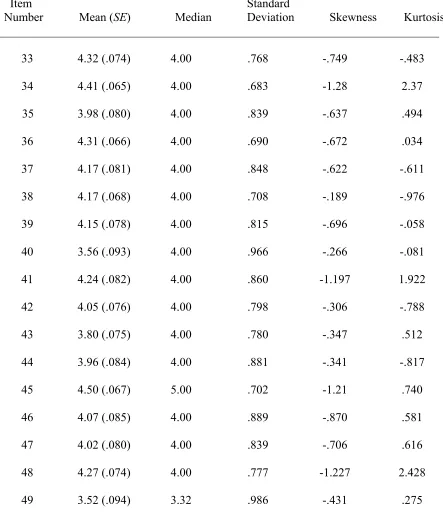
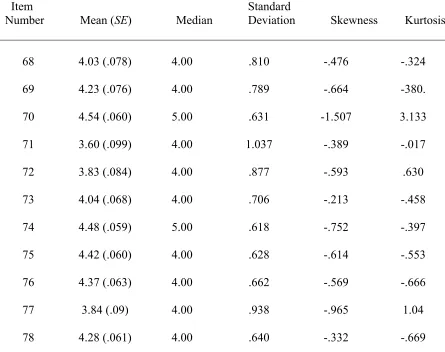
Appendix D. Table A: Descriptive Statistics by Item for the SCSS………... 165
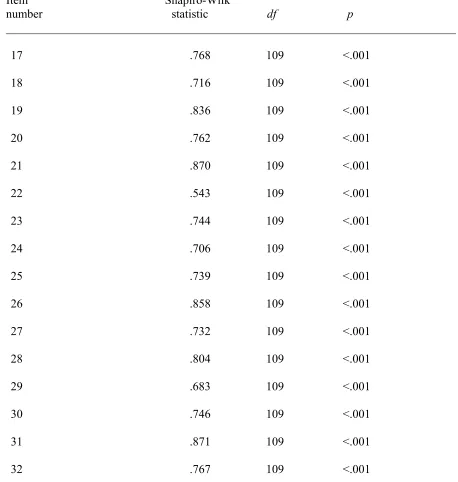
Appendix E. Table B: Univariate Test of Normality for Each Item of the SCSS………... 170
Appendix F. Table C: Results of Data Transformations………... 175
Appendix G. Table D: Pattern Matrix for Forced Three Factor Exploratory Factor Analysis………... 179
LIST OF TABLES
Table 1. Commonalities across Support and Mental Health Review Articles…………... 43
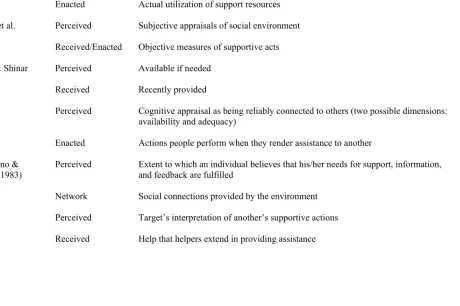
Table 2. Terminology uses within the Perceived and Enacted Support Literature……... 45
Table 3. Vaux’s (1988) Categories of Social Support Measures………... 55
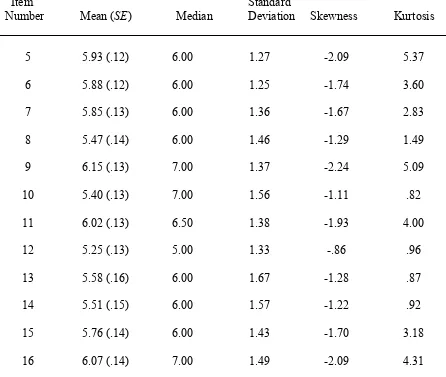
Table 4. Descriptive Statistics by Item for the CEF………... 81
LIST OF FIGURES
Introduction
Consultation is a process whereby school psychologists not only can provide strategies to teachers for solving student problems but also help teachers to develop skills themselves to effectively solve and manage student issues. Consultees typically retain responsibility for strategy implementation and, during implementation, the consultant’s role involves providing support and assistance. Consultation is generally recognized for its potential as a prevention strategy and its potential to create change at the organizational level (Brown, Pryzwansky, & Schulte, 2001).
Opportunities to engage in consultation in the school setting occur frequently. In fact, it has been reported that school psychologists spend approximately 20% of their time in consultation services, and that they would prefer an even greater percentage devoted to consultation (Fagan & Wise, 2000). Some advantages of consultation include that consultants can provide services to a greater number of clients through consultees, and interventions may be implemented more quickly relative to traditional special education services (Frank & Kratochwill, 2008; Zins & Erchul, 2002).
consultation, suggests that consultation may become a bigger component of the school psychologist’s role.
School consultation research has examined a number of factors that may influence outcomes of consultation (Gresham & Noell, 1993). These factors include characteristics of the consultant, consultee, consultation process, and environment. However, one factor that has not been examined systematically in relation to consultation outcomes is social support. This is surprising, given the historical link between consultation and social support and the extensive literature on the positive impact of social support across a number of mental, physical, and stress outcomes. The type of support and degree to which it is perceived by the consultee is likely to have an influence on consultation outcomes.
Review of the Literature Overview
This dissertation investigates the role of social support within school consultation. School consultation research has increased greatly during the past 20 years; however, no studies have directly investigated the role of social support in school consultation. Thus, this dissertation research culminates in an experimental investigation based on the conceptual link between school consultation and social support. This review will cover relevant research in the areas of consultation and social support as well as the conceptual link between these two constructs. The first section of this review will present preliminary definitions of each construct as well as an overview of the conceptual link between them. In the second section, consultation will be described in depth. Within the consultation section, commonalties across various models will first be highlighted. This will be followed by a description of consultation models that have been most often associated with application to the school environment: the mental health consultation model and the behavioral consultation model. Weaknesses associated with each model will then be described, followed by a description of Erchul and Martens’ (2002) integrated model of school consultation.
The consultation section will continue with an emphasis on the importance of interpersonal skills in the consultation process. The final section in the consultation description will provide a review of the effectiveness of school consultation.
Next, the role of social support in school consultation will be described. Caplan (1970, 1974) was the first author to form a conceptual link between social support and consultation and his influence on school consultation will be presented. Parallels between psychotherapy and consultation will be reviewed as well as similarities of the therapeutic bond across consultation and psychotherapy. Given that consultation and psychotherapy have some common elements, it can be reasoned that effects of social support that have been reported in the psychotherapy research may be extended to form hypotheses about the effects of support in consultation.
A social support construct section will follow the description of the role of social support in school consultation. This section will focus on research pertaining to the social support construct. Social support theory and models will first be described. Next, research on the positive effects of social support on physical health, well-being, and mental health will be described. Effects of social support have been found to vary depending on whether an objective or subjective measure of support was utilized. Research regarding effects of support on problem-solving tasks will be reviewed.
Fundamental Concepts
This review begins with a presentation of definitions of school consultation and social support. In addition, the conceptual link between school consultation and social support is briefly described. School consultation is a process that occurs when a consultant
(psychologist) works with a consultee (teacher) to develop and implement strategies to solve learning, behavioral, or adjustment difficulties of a client (student) in the classroom (Erchul & Martens, 2002). The dissertation research to be described is based on Erchul and Marten’s integrated model of school consultation, and the conceptual link between school consultation and social support is an important variable in this research.
Social support has been conceptualized in a number of ways by various authors. For example, Cobb (1976) defined support as “information leading the subject to believe that he is cared for and loved, esteemed, and a member of a network of mutual obligations” (p. 300). Barrera, Sandler, and Ramsey (1981) provided a broader definition of support: tangible forms of assistance such as the provision of goods and services as well as intangible forms such as guidance and expressions of esteem. A number of other conceptualizations of social support exist in the literature. Broadly speaking, the term generally applies to the provision of care and esteem by others in tangible and/or intangible form.
Caplan (1970) was the first author to develop a conceptual link between consultation and social support. Caplan described consultation as one method that could be utilized by mental health professionals to promote levels of social support in the community. In addition, Caplan described the role of consultant social support in his mental health
support during the consultation process. Along these lines, Erchul and Martens (2002) included social support as an important component in their integrated model of school consultation.
Consultation
Although there are a variety of different approaches to consultation (Henning-Stout, 1993), there are underlying commonalities across the recognized models (Gutkin, 1996). Gutkin described four elements that are common to most, if not all, school based consultation models. For example, consultation is conceptualized as an indirect service model in which the consultant works with a consultee who delivers services to the client. A second
commonality among models is the provision of services that are consistent with a two-fold goal. The first goal is to determine an effective solution to the immediate situation. The second goal is to improve the consultant’s coping skills so that he or she will better be able to solve or prevent similar problems that might occur in the future. An additional common component is the problem-solving process. Consultation models generally outline specific stages or phases for developing solutions to presenting problems. A final commonality is that models of consultation necessitate the development of an interpersonal consultant-consultee relationship that is often described as collaborative, voluntary, and confidential.
health consultation (MHC) and behavioral consultation (BC) have been the two most often utilized by school psychologists (Bramlett & Murphy).
Mental Health Consultation
Gerald Caplan’s approach to consultation has been referred to as mental health consultation (Brown et al., 2001). Caplan (1970) defined mental health consultation as a problem-solving process that occurs between two professionals where one (consultee) seeks help with a work-related problem that falls within the other’s (consultant) area of expertise. The work-related problem typically revolves around a particular individual (client).
Caplan began early work in mental health consultation in 1949 at the Lasker Mental Hygiene and Child Guidance Center in Jerusalem, Israel. While there, he and his staff were faced with an overwhelming number of children who were referred for various emotional health issues. Caplan and his team began to visit the institutions where the children were housed and they began exchanging information with the caretakers. Through his
observations of the beneficial effects of this system, Caplan began to form ideas for his mental health consultation model.
Mental health consultation is grounded in psychoanalytic theory (Bramlett &
Murphy, 1998). One of the two major goals is to address the immediate problem by helping the consultee develop an understanding of personal thoughts and behaviors that may
Brown and colleagues (2001) described the five stages of the mental health
consultation model: (a) building a relationship with a consultee institution, (b) establishing relationships with consultees (c) assessing, (d) implementing an intervention, and (e) following-up and evaluating. Building a positive working relationship with the institution and consultees is an important initial step for developing consultation services. Caplan (1970) stated three goals of initial institutional visits: (a) developing positive relationships with administrators, (b) working in congruence with the institution’s polices, and (c)
developing an understanding of the working system at the organizational and social level. In addition, the consultant must work to establish a reputation of honesty, trustworthiness, and competency. The goal for stage two requires the development of a non-hierarchical
coordinate working relationship between the consultant and consultee. In other words, the relationship should have equal status and power, and both parties must provide and accept information.
Behavioral Consultation
The development of behavioral consultation stemmed from research in behaviorism and social learning theory (Gutkin & Curtis, 1999). Behavioral consultation is influenced by the positivism approach to research, which reduces phenomena into its most basic, discrete parts for scientific investigation (Henning-Stout, 1993). The model was largely developed from writings by Bergan and Kratochwill (Bergan, 1977; Bergan & Kratochwill, 1990; Kratochwill & Bergan, 1990). This approach to consultation focuses on the interaction of organism, behavior, and environment (Gutkin & Curtis).
As with all consultation models, the goals of BC include producing a change in the client and the consultee. Client changes may include those that are behavioral and academic related, while consultee changes may include enhancement of knowledge, skill, confidence, and/or ability. Behavioral consultation may also focus on change at the organizational level, which may include communication or problem-solving skills (Kratochwill & Bergan, 1990).
There are four phases of the behavioral consultation model: (a) problem identification, (b) problem analysis, (c) treatment implementation, and (d) treatment
evaluation (Kratochwill & Bergan, 1990). The goal of the problem identification phase is to specify and develop an operational definition of the problem(s). Problem analysis consists of identification of factors that may influence problem resolution and development of a plan to address the problem(s) specified in the first phase. In the third phase, treatment
implementation, the consultee carries out the intervention plan and the consultant utilizes strategies to support treatment integrity. In the final phase, the effectiveness of the
If goals are not met, however, participants may revert back to the second phase and cycle through the remaining ones.
Although these two models (i.e., MHC, BC) have been frequently referred to in the school psychology literature, several weaknesses have been documented concerning their application to school settings. For example, Erchul and Martens (2002) cited the
psychodynamic approach, lack of specificity, and limited empirical support as weaknesses of the MHC model. Weaknesses of BC include the assumption that teachers rarely will be persuaded to change when provided with only solution-focused information, and the model’s failure to place adequate emphasis on consultee support and development (Erchul &
Martens).
Given the weaknesses associated with the traditional models of school consultation, Erchul and Martens (2002) developed an integrated model that combines the strengths of MHC and BC models. The integrated model outlines three consultation tasks and describes the nature of the consultant-consultee relationship.
Integrated Model of Consultation
The integrated model of school consultation (Erchul & Martens, 2002) is based on research across a number of disciplines, including crisis response, mental health consultation, behavioral consultation, social support, applied behavior analysis, social power, and
interpersonal influence. As with most consultation models, the goals are two-fold and consist of developing a solution to the immediate problem and developing skills in the
consultee role is to choose and implement appropriate intervention(s) for the problem situation.
Erchul and Martens (2002) defined consultation as it applies to the school setting: School consultation is a process for providing psychological and educational services in which a specialist (consultant) works cooperatively with a staff member (consultee) to improve the learning and adjustment of a student (client) or group of students. During face-to-face interactions, the consultant helps the consultee through systematic problem solving, social influence, and professional support. In turn, the consultee helps the client(s) through
selecting and implementing effective school-based interventions. In all cases, school consultation serves a remedial function and has the potential to serve a preventive function. (pp. 13 – 14)
As noted, Erchul and Martens’s (2002) model consists of three interrelated tasks: (a) problem solving, (b) social influence, and (c) support and development. Each task is
dependent on the others. The effectiveness of the problem-solving task depends in part on the social influence task and, in many cases, the support task. For example, a consultant might suggest the use of a daily self-monitoring chart for a student’s out-of-seat behavior. A resistant teacher may “forget” to provide the student with a new monitoring sheet at the beginning of each school day. The consultant may respond by providing pre-made monitoring sheets directly to the student each morning (instrumental support) and compliment the teacher when he or she collects each sheet at the end of the day (social influence). An additional important component in this model is the consultant-consultee working relationship, which is characterized by cooperation, voluntary consultee
participation, confidentiality, and social influence.
interview, (b) problem analysis interview, (c) intervention implementation, (d) problem evaluation interview. Each stage consists of specific goals focused on defining the problem, planning an intervention, implementing the intervention, and determining the effectiveness of the intervention.
The social influence task is the next component of Erchul and Martens’ (2002)
integrated model. The consultation process requires that the consultee gain knowledge, skills and often modify his or her own behavior in order to benefit the client. In other words, consultees are often required to change their own behavior to solve the problem. In many cases, consultees may be resistant to these types of changes (Tingstrom, Little, & Stewart, 1990). One way that the consultant acts to accomplish the goals of consultation is through the exercise of social influence. The social influence task of the integrated consultation model focuses on the use of strategies to influence consultee perceptions to promote consultee change (Erchul & Martens, 2002). This component of the model is necessary to achieve the goal of altering the behavior and attitudes of the consultee.
Caplan’s concept of the importance of the interpersonal relationship to effective consultation has been extended recently by others. For example, Brown et al. (2001) described the consultation relationship as egalitarian in nature and characterized it as being open, warm, and genuine. Brown et al. emphasized the importance of this relationship for promoting consultee change. Further support stems from Carkhuff’s (1983) model of general helping relationships. According to this model, provision of information is not sufficient to promote change within a helping relationship. Instead, certain conditions must be established before change will occur. The helping professional must have certain interpersonal skills to facilitate change. These skills include responsive skills (e.g., empathy, warmth, respect, concreteness) and initiating skills (e.g., advanced levels of empathy, genuineness, self-disclosure, confrontation, immediacy).
Although no studies have directly examined the effects of social support behaviors on school consultation process or outcome, a few have considered the relationship’s impact on teacher satisfaction and perceptions. For example, Maitland, Fine, and Tracy (1985) reported that the consultant’s facilitative interpersonal skills were significantly associated with teacher satisfaction (r = .56), teacher perception that the problem was being resolved (r = .52), and professional growth (r = .43). Also, Horton and Brown (1990) reviewed studies regarding consultants’ interpersonal skills. Overall results showed that when conditions of empathy, warmth, and positive regard are perceived, consultees report higher satisfaction, report experiencing professional growth, and make advances toward problem resolution.
Hughes and DeForest (1993) examined the relationship between consultants’
consultation interviews were coded with regard to whether statements were supportive, non-supportive, or neither. Following termination of the consultation situation, consultees completed the Consultant Evaluation Form (CEF; Erchul, 1987), which assesses perceived consultant effectiveness. Results showed that consultants who provided more verbally supportive messages were rated by consultees as more effective.
In sum, only a few studies have investigated the relationship between social support and school consultation outcomes or processes. Results of these studies suggest that support has a positive impact on consultee reported satisfaction, consultee progress toward problem resolution, and consultee perception of consultant effectiveness. Clearly, further research is needed to replicate and extend these findings.
School consultation research has examined the influence of a variety of factors on the consultation outcome as well as the overall effectiveness of consultation. In the next section, typical research paradigms for school consultation research will be described and research on the effectiveness and efficacy of school consultation will be reviewed.
Empirical Support for School Consultation
Consultation research designs typically are based on group experimental designs, single-case experimental designs, and case study designs. Consultation research usually comprises univariate, nonexperimental designs and often involves comparing a single outcome measure across two different consultation methods (Gresham & Noell, 1993). Variables that have been found to influence consultation outcome include consultant
gender); consultation plan variables (e. g., acceptability, time commitment, type of
treatment); and ecological variables (e.g., classroom variables, school variables) (Gresham & Kendell, 1987).
Finally, Sheridan et al. (1996) reviewed and critiqued published articles from 1985-1995 that dealt with consultation outcome studies. General findings showed a positive effect for 76% of the studies reviewed. These results are consistent with previous reviews of consultation effectiveness (Mannino & Shore, 1975; Medway, 1979). For example, Mannino and Shore reviewed 35 consultation outcome studies that were published between 1958 and 1972. Results of this review showed positive changes occurring for 74% of consultees and 58% of clients. Medway reviewed consultation outcomes studies that were published between 1972 and 1977, and positive outcomes were reported in 78% of the studies reviewed.
Although research shows positive effects of school consultation, researchers have consistently reported a number of methodological flaws of empirical research studies that limit conclusions regarding efficacy (Fuchs, Fuchs, Dulan, Roberts, & Fernstrom, 1992; Gutkin, 1993; Sheridan et al., 1996). Lewis and Newcomer (2002) described a number of difficulties found in school consultation efficacy research, including the diversity in
evidence suggests the effectiveness of school consultation on facilitating change in consultee and client outcomes. However, conclusions regarding effectiveness should be interpreted with caution due to methodological weaknesses in school consultation efficacy research. This dissertation is an exploratory investigation of a measure of consultant social support provided for the consultee during the school consultation process. Given the exploratory nature of this research, it is important to clarify its conceptual underpinnings. The link between consultation and social support has been briefly highlighted in previous sections of this review, and the next section will provide an in-depth description of this relationship.
The Conceptual Link between Consultation and Social Support
Caplan (1970) developed an early model of consultation, the mental health
consultation (MHC) model, which was described earlier in this review. The role of social support within this model will be presented next. Although mental health consultation is not the model selected for this dissertation research, it is important because, to some extent, it has influenced all other consultation models (Erchul & Martens, 2002), including Erchul and Martens’ (2002) integrated model of school consultation.
Caplan (1970) provided a detailed description of the MHC model and the professional relationship that occurs between the consultant and the consultee. One important component of the consultant-consultee relationship is the provision of emotional support by the
consultant to the consultee. Caplan described the role of the consultee as one of dependence on the consultant, such that the consultant provides “emotional support and cognitive
issues. According to Caplan, in MHC, both participants benefit from “mutual emotional support” that results from working together to achieve a common goal. Caplan further stated that as the consultation progresses, the consultee gains a greater understanding of the case while simultaneously, he or she experiences a feeling of support that results from consultant working cooperatively with him or her in a combined effort to develop an understanding of the case.
Caplan noted two possible mechanisms/roles of support in consultation. In his earlier writings, Caplan (1970) characterized support as a passive, by-product of consultation that functions to benefit the consultant’s feelings of accomplishment and cognitive clarity. Caplan reasoned that the feeling of consultee support results from the consultant working actively with the consultee in a combined effort to understand the work-related problem. Caplan further reasoned that this process offers the consultee expert help while simultaneously emphasizing the consultee’s own specialized professional role and the importance of his contribution to the consultation process upon which an understanding of the case is developed. The result is improved professional and personal consultee self-respect. This type of support that should be provided by the consultant is most closely related to assisting someone with problem solving or task completion.
issue). According to Caplan, emotional arousal interferes with normal cognitive operations, thus preventing rational problem solving. The role of the consultant is to provide emotional support for the consultee to express concerns and be able to regain cognitive objectivity. Although this is a psychoanalytic interpretation, it also can be interpreted to mean that, at some level, the consultant should consider himself or herself responsible for addressing the consultee’s emotional discord.
Caplan’s (1970, 1993) descriptions of social support appear to have changed over time. Specifically, at some point, it seems that support has encompassed two related but separate meanings. The idea of multiple meanings of support foreshadows later research on social support that conceptualizes social support as a multi-dimensional construct.
Regardless of the nature of the support, Caplan (1974) characterized supportive relationships as consisting of three key elements: (a) the provision of help for the individual to mobilize his or her psychological resources and manage emotional burdens; (b) sharing of his or her tasks; and (c) the provision of extra supplies of money, materials, tools, skills, and cognitive guidance to improve his or her ability to manage difficult or stressful situations. Overall, social support as characterized by Caplan involves the provision of assistance to an individual that improves his or her ability to manage stress.
work at Lasker Mental Hygiene and Child Guidance Center of Hadassah in Jerusalem in 1949).
Erchul and Marten’s (2002) integrated model of school consultation was introduced earlier in this review. As noted, this model consists of three interrelated tasks of consultation, which are problem solving, social influence, and support and development. To date, no research has directly investigated the role of social support in school consultation. According to Erchul and Martens, the consultant typically provides instrumental support (i.e., tangible support) in the form of supplying the consultee with information to assist in the development of solutions to work-related problems. In cases where the consultee lacks the skills needed, the consultant guides the consultee to acquire a better understanding of the relevant issues involved. Additionally, instrumental support is evident in the consultant’s guidance of the consultee through the steps of the problem-solving task (Erchul & Martens).
Emotional support in the integrated model is indirectly provided by the creation of a safe, nonjudgmental relationship in which the consultee is able to express his or her concerns and difficulties with a work-related problem (Erchul & Martens, 2002). Additionally,
The role of social support in consultation has in part been based on observational and empirical research rooted in related areas of research such as social support (Cassell, 1976), mental health consultation (Caplan, 1970), helping relationships (Carkhuff, 1983),
interpersonal skills (Brown et al., 2001; Maitland et al., 1985), and social support systems (Caplan, 1974, 1976). To date, no research has directly examined the importance of social support within the school consultation literature (Erchul & Martens, 2002).
Due to the lack of direct empirical research regarding the role of social support in school consultation, empirical research on the impact of support in related areas of
psychology will be examined. Research on the affect of social support across a wide variety of contexts indicates that it has a robust, consistent, beneficial influence on individuals experiencing stress and/or difficult situations. It can be reasoned that support may have a similar positive influence on consultee and client outcomes in school consultation. The therapist-client relationship that occurs in psychotherapy has some parallels to the consultant-consultee relationship in consultation, and the psychotherapy literature has investigated the role of support in the therapist-client relationship. Given the parallels between these two types of helping relationships, results from research on the role of support in the
psychotherapy literature may provide some basis for developing hypotheses as to the role of support in consultation. The next section describes the relevance of psychotherapy to school consultation and social support.
Psychotherapy
psychotherapy process have several parallels (e.g., therapeutic operations, therapeutic bond, sequential flow). Therefore, it can be reasoned that factors that have been shown to influence the psychotherapeutic process may also influence the consultation process. The next section will explore commonalities of consultation and the therapeutic process. Psychotherapy effectiveness and importance of the therapeutic bond and support will be highlighted. Parallels to Consultation
Orlinsky, Grawe, and Parks (1994) identified six process variables that are generally found in all forms of therapy. These processes are: (a) therapeutic contract, (b) therapeutic operations, (c) therapeutic bond, (d) self-relatedness, (e) in-session impact, and (f) sequential flow. The therapeutic contract is the agreement of the conditions under which therapy will take place and the roles of client and therapist. Therapeutic operations refer to the technical operations that the therapist and client engage in. Therapeutic bond is the interpersonal relationship that develops as a result of engaging in therapy. Self-relatedness describes the ways that clients as well as therapists experience and react to emotions, insights, desires, and intentions. In-session impacts are results of therapeutic operations that occur and may involve insights, hope, improved self-efficacy, etc. Sequential flow refers to orderly nature of developments across sessions and the time-limited nature of the therapeutic process.
processes necessitate the development of an interpersonal relationship that is characterized by empathy, warmth, and support. The relationship is described as collaborative, voluntary, and confidential in nature. Both are time limited, have specific outcome goals, and are process-oriented. Various schools and approaches are found in both areas. Empirical evidence has established the effectiveness of consultation and psychotherapy (Lambert & Bergin, 1994; Wills 1982). Finally, in both processes, the psychologist assumes a
facilitative, expert role.
There are also a few differences between psychotherapy and consultation. For example, psychotherapy generally targets solely the client for behavior and/or cognitive change. In contrast, the goal of consultation is two-fold in that the aim is to promote change in the consultee, who will then promote change in the client. Thus, consultation targets the client and the consultee, while psychotherapy targets only the client. Another difference is the type of helping model that is utilized in psychotherapy and consultation. Psychotherapy promotes change for the client by means of a direct helping model, while consultation promotes change for the client by an indirect pathway (through the consultee). A final difference is the role of the individual who interacts with the psychologist/consultant. In psychotherapy, the role of the client is not necessarily viewed as an expert one. However, in consultation, the consultee is considered an expert in his or her field and is expected to contribute relevant and critical information to the process.
Importance of the Therapeutic Bond
reviewed conceptualizations of the therapeutic bond (i.e., interpersonal relationship) and reported three common themes: (a) collaborative nature of the therapist-client relationship, (b) therapist-client affective bond, and (c) therapist-client agreement on treatment goals and tasks. The components of the therapeutic alliance are considered to be necessary for client change to take place (Greenberg & Pinsof, 1986).
The therapist-client relationship that occurs in psychotherapy has some
commonalities with the consultant-consultee relationship that occurs in consultation. Both are a type of helping relationship where a problem-solving process takes place in order to reach a goal. Empirical research investigating the importance of this bond is less well developed in the consultation literature. Therefore, research that has been conducted regarding the importance of the interpersonal relationship between therapist and client will next be described, with the intent of providing a basis for the importance of the interpersonal relationship that occurs in consultation.
There is a general consensus throughout the psychotherapy literature that the quality of the client-therapist relationship has a central role in the change process (Beutler, Machado, & Neufeldt, 1994; Martin et al., 2000). In his conclusion, Patterson (1984) indicated that the relationship between therapeutic bond and outcomes was a strong one that necessarily
of the alliance may be equated to some aspects of the consultant-consultee relationship and social support. For example, Caplan (1970) and Erchul and Martens (2002) described the importance of consultant respect, empathy, expressions of concern, and a nonjudgmental attitude toward the consultee in consultation. When extended to the school consultation model, these results suggest a significant association between these aspects of the consultant-consultee relationship and consultation outcome.
Relevance of Social Support to Psychotherapy
Empirical evidence has suggested that support influences the therapeutic process. Orlinsky et al. (1994) compiled research regarding the contributions of a number of component processes and reported effect sizes for each individual study. Support (i.e., encouragement, reassurance, assistance) was included as a component variable. Findings showed effect sizes that ranged from .00 to .53. Support was significantly, positively related to outcomes for six out of the nine studies reviewed, and two studies reported ESs above .40. Overall, few researchers have investigated the relationship of the subcomponents of the therapeutic relationship on client outcomes. Of the studies that included social support as a variable, inconsistent strengths of the relationship that ranged from zero to moderate (.53) were reported (Orlinsky et al., 1994). However, some researchers have indicated that social support has a positive impact on outcomes in psychotherapy (Winefield, 1987) and, taken together, results provide some evidence for this conclusion.
Given the parallels between psychotherapy and consultation, findings from the former body of literature can be used as a basis for formulating hypotheses for the latter. In other words, findings from psychotherapy indicate the importance of the therapist-client bond and to a lesser extent, the positive influence of support; therefore, it is reasonable to suggest that support may have a beneficial effect on consultation processes and outcomes.
explored in the literature, this review has attempted to bridge relevant research from the consultation, psychotherapy, and social support literature.
The following section will provide an overview and summary of related research in the social support literature. The importance of support as a potential intervention for reducing teacher occupational stress will be described. This is important given that school consultation typically involves teachers as consultees. The conceptualization of social
support selected for this research will then be reviewed. The definition of the types of support described by House (1981) will be compared to the role of support in MHC model and
Erchul and Marten’s (2002) model of integrated school consultation. Next, social support theory and models will be described. After that, a summary of the literature that has
documented the beneficial, buffering, protective factor associated with the provision of social support will be provided. Only a couple of empirical investigations have documented the effect of support on cognitive problem solving tasks and results of these studies will be described. Finally, social support measurement will be reviewed.
Social Support Overview Importance of Social Support to Psychological Research
One of the strengths of social support as a construct is that it has been shown to have effects across a variety of contexts. For example, researchers have reported positive
1994). In addition, positive social support has been associated with better adherence to prescribed medical regimes (Stewart, 1993).
Another strength of the social support construct is that it can potentially be
manipulated and applied in a constructive manner by teachers, psychologists, therapists, and other helping professionals. Researchers have determined that, in general, having positive social support is beneficial for individuals in a variety of settings. Social support can be incorporated into therapeutic relationships to further enhance positive outcomes for
individuals. Social support can also be provided by health care professionals (e.g., nurses) to improve outcome, recovery, and health care for patients (Stewart, 1993).
Additionally, the social support construct holds promise for interventions in that individuals can be taught strategies for initiating, developing, and maintaining a positive social support network (Turner & Turner, 1999). For example, individuals can be taught social skills that can lead to more positive interactions with others who can provide social support. Individuals who report concern over having small social support networks can be encouraged to increase network size by joining local organizations or clubs. Additionally, individuals who perceive little social support from their network members can be taught skills for eliciting social support (Turner & Turner).
Importance of Social Support to Teacher Work-Related Stress
Teachers have reported experiencing high levels of work-related stress (Johnson et al., 2005; Littrell, Billingsley, & Cross, 1994). Special education teachers may be especially at risk for experiencing job-related stress (Fore, Martin, & Bender, 2002; Nelson, Maculan, Roberts, & Ohlund, 2001). Teacher stress has been defined as “the experience by a teacher of unpleasant, negative emotions, such as anger, anxiety, tension, frustration or depression, resulting from some aspect of their work” (Kyriacou, 2001, p. 28). Research has suggested that a supportive working environment that includes support availability to help problem solve and make management decisions based on consultation may help reduce teacher stress (Kyriacou). The consultation process provides a one-on-one opportunity in which a
consultant can provide a teacher with support that may function to alleviate feelings of stress. As stated previously, support is viewed as a protective factor within the support and psychology literature. However, differences exist in the literature as to the conceptualization and interpretation of the meaning of social support. In the next section, a comprehensive definition of support will be detailed.
Social Support Conceptualized
Social support has been defined and measured in a variety of ways (Barrera, 2000; Cohen, Gottlieb, & Underwood, 2000; Turner, 1999; Veiel & Baumann, 1992). The literature abounds with differences in meanings and operational definitions. The varied
researchers in the field. His comprehensive approach to support conceptualization includes (a) direction, (b) disposition, (c) description/evaluation, (d) content, and (e) network.
Direction refers to whether support is received by or provided by a particular individual. Within school consultation, social support is generally given by the consultant (school psychologist) to the consultee (teacher). The purpose of the present study is to create and validate an instrument that assesses social support primarily from the view of the
consultee. Therefore, in this context, direction will be considered to be perceived social support from the perspective of the consultee.
The second component that Tardy (1985) indicated as important is disposition. This term refers to the social support that a respondent views as being available to him/her when needed (availability) compared to the social support that the respondent seeks out and elicits (enacted). Relatedly, within the Erchul and Martens’ (2002) integrated model of school consultation, one of the consultant’s tasks is to provide support to the consultee.
The third component of Tardy’s (1985) definition is the respondents’ description of the social support versus his or her evaluation (satisfaction level) of the support received. These components are considered to be distinct parts of social support. Along those lines, the intent of this research was to develop a measure of social support that will tap both descriptive and evaluative responses in terms of received social support.
it is assumed that there are different types of supportive functions provided through social relationships, and it is posited that these functions may be differentially useful for various types of problems or stressors.
Tardy (1985) suggested that the most “useful” descriptors of social support content stems from House’s (1981) publication on social support and work stress (p. 189). House reviewed several published typologies of support and found four common types of support: (a) emotional, (b) instrumental, (c) informational, and (d) appraisal. Emotional support is defined as the provision of empathy, caring, love, and trust. This is the type of support that most people think about when asked about supportive behaviors and appears to be the most important type. Instrumental support is practical help, such as assistance with transportation, help with household chores and child care, and providing tangible aid such as lending money. This type of support is most easily distinguished from the other types of support.
Informational support is described as providing knowledge that is useful for coping and for solving problems, such as information about resources and services, advice, and guidance. Appraisal support is similar to informational support in that it consists of providing one with information. The difference is that appraisal support specifically refers to information that is relevant to self-evaluation. Appraisal support can be explicit or implicit. House described an example in which a work supervisor either directly tells a worker that he or she is doing a good or bad job (explicit) or describes the work patterns of a good employee leaving the worker to make his or her own evaluation (implicit).
listening by the consultant. Instrumental support may come into play if the consultant provides materials for the consultee, such as a behavior monitoring chart or a homework contract for the client. Informational support corresponds to describing local resources such as teacher support groups. Appraisal support pertains to providing evaluative feedback regarding the consultee’s performance of his or her tasks. Further, each type may have a varying degree of relevance when considered across each stage of the consultation process. For example, informational support may have greater relevance for the first two stages of consultation. Appraisal support may have greater relevance for the last two stages of treatment implementation and treatment evaluation.
House’s (1981) types of support relate to Erchul and Martens’ (2002) model of school consultation. Erchul and Martens describe two types of support that are relevant to the integrated model of school consultation. These types were described earlier in this review. Briefly, according to Erchul and Martens, the consultant provides instrumental support (i.e., tangible support) in the form of supplying the consultee with information to assist in the development of solutions to work-related problems. In cases where the consultee lacks skills needed, the consultant guides the consultee to acquire a better understanding of the relevant issues involved. Additionally, instrumental support is evident in the consultant’s guidance of the consultee through the steps of the problem-solving task (Erchul & Martens). This
support is provided in the case that the consultee appears to lack confidence or is emotionally distraught by the case (Caplan, 1970). In this type of situation, the consultant provides what Caplan refers to as “ego support” (p. 88). Erchul and Martens (2002) have interpreted this as the provision of basic support and encouragement to the consultee. This description of support most closely parallels House’s (1981) description of emotional support.
The usefulness of instrumental and emotional support with regard to school consultation seems clear, with the other two a little less clear. Given the influence of
House’s model within the social support literature and the exploratory nature of this proposed research, each of his types of support are considered in this research. Given the clear
emphasis on social support in this research, the underlying theory and models of support will be reviewed next.
Social Support Theory and Models
Thoits, 1982). Although the literature lacks a sound theoretical clarification or consensus, several useful perspectives and models have been described.
Traditional Theory
The traditional theories of support make the assumption that perceived support accurately reflects the actual support that is received and that actual support directly
influences the coping process (Lakey & Drew, 1997). Multiple studies have since shown the inadequacy of this over-simplified theory of support and health (Pierce et al., 1997). More recent theories take into account the discrepancy that typically occurs between effects of perceived and actual support. Many of the presently accepted models (e.g., intrapersonal perspective, social constructionist perspective, stress and coping theory) acknowledge the potential impact of intrapersonal influences on perceptions of support.
Intrapersonal Perspective
Stress and Coping Theory
The stress and coping perspective is the most influential perspective in the social support literature (Lakey & Cohen, 2000). This theory hypothesizes that social support exerts a beneficial effect during times of stress by a direct (supportive actions of others) or indirect (the belief that support is available if needed) mechanism. Lakey and Cohen
concluded that measures of perceived support are the most appropriate for hypothesis testing based on this theoretical perspective.
The stress and coping perspective posits that support functions to reduce the negative effects of stress through either the supportive actions of others (e.g., advice, reassurance) or the belief that support is available (Lakey & Cohen, 2000). Actions are hypothesized to improve coping efforts while perceptions of available support influence appraisals of
stressful events so that they seem less threatening. Studies of effects of supportive actions are best conducted with measures of received support due to its emphasis on actual assistance provided to another (Lakey & Cohen).
Social Constructionist Perspective
This perspective is based on the assumption that individuals are closely linked to their social world and social network (Lakey & Cohen, 2000). It is derived from social cognition research, which holds that support exerts its effect through the social network by
In summary, theoretical perspectives that link social support to health are quite
limited. Furthermore, most studies of social support have failed to specify a theoretical basis. In contrast, researchers have been more active with regard to conceptual models of social support and health benefits. In particular, there has been debate over the importance of the main effect versus the stress-buffering models of support.
Main Effect Model
The main effect model suggests that support has a generalized beneficial effect where social networks provide positive experiences, stability, and rewards for its members (Cohen & Wills, 1985). On the individual level, this support results in a sense of well-being and generalized positive affect. In addition, social interaction may protect one from negative experiences such as economic strain and engagement in risky behavior. The main effect model posits that social resources have a beneficial effect regardless of whether a person is experiencing low or high levels of stress. Support for this model comes from results that show a statistical main effect of support on outcomes without a significant interaction effect (Cohen & Wills). Evidence for this model has primarily been found with measures of network support (House et al., 1988)
Stress-Buffering Model
of others or through the belief that support will be available if needed (Lakey & Cohen, 2000). According to this model, persons with a strong support system should be better able to cope with stressful experiences than those with weak support systems. A useful aspect of this theoretical approach is that the function of social support can be examined with regard to particular situations and problems (Wills & Shinar, 2000). This perspective corresponds to writings by Cassel (1976), Cobb (1976), and Caplan (1970), who emphasized buffering effects.
The buffering effect is thought to have two possible pathways: cognitive and/or behavioral (Cohen & Wills, 1985; Thoits, 1982). In the cognitive pathway, support functions by influencing the appraisal of a situation, thereby reducing the perceived threat or by
increasing the person’s perceived ability to cope with the threat. Alternatively, according to the behavioral mechanism, support may intervene between the appraisal of stress and the onset of negative outcomes. Others may provide solutions to problems, reducing the perceived importance of the problem or improving stress-reducing behaviors (House, Umberson, & Landis, 1981).
against the stress-buffering model (Turner & Turner, 1999), currently there is some
consensus regarding the contribution of both models to research (Cutrona & Russell, 1990; House, Umberson, et al., 1988; Wills & Shinar).
Cutrona and Russell (1990) proposed a model of optimal matching of support and stress. This model was based on theoretical and empirical research in the area of coping and is an extension of the stress-buffering model. The model suggests that effectiveness of support for alleviating stress depends on the fit between support dimension and the nature of the stress situation. For example, monetary assistance (instrumental support) would be most effective for someone who was unemployed. Provision of sympathetic listening (emotional support) would be effective for someone who lost a loved one. Some types of support are hypothesized to be applicable to almost every situation (Cutrona & Russell). Cohen and Wills (1985) have stated that informational and esteem support (i.e., information that a person is highly regarded and accepted) are two such dimensions.
coping perspective. The stress buffering model is consistent with seminal articles regarding effects of social support and health and can be examined with regard to specific contexts or problems. The stress buffering model is consistent with Caplan’s conceptualization of the mechanism of support’s protective effects. School consultation is a specific context in which the consultee utilizes an available resource (consultant) for assistance with solving a problem situation. Thus, the stress-buffering model of social support has the most relevance for this study.
Caplan’s concept of social support is based on a relatively small collection of empirical data. Caplan (1974) predicted that empirical research documenting the positive influence of social support on physical and mental health would be a primary focus for researchers across the next decade. In fact, his prediction did materialize. To date, the positive effect of social support on physical health, mental health, and stress and well-being is well established in the literature by numerous research studies. In particular, participants who report having high levels of support generally have better health and well-being status than those who indicate low levels of support. Findings from experimental studies also have shown a positive impact of support on problem-solving abilities. Given the consistent, positive influence of support on a variety of outcomes, it can be reasoned that support is likely to be associated with important processes and outcomes of consultation.
regarding the effects of support on physical health, stress and well-being, and mental health will be reviewed. The distinction between perceived and actual support and the importance of perceived support will then be detailed.
Social Support and Health
Although general interest in the relationship of support to health has a long history (Turner, 1999), research has gained momentum only during the past 20 years. In particular, seminal articles by Cassell (1976) and Cobb (1976) have spurred research efforts in this area. Cassell and Cobb independently reported results of extensive literature reviews on the
positive effects of support on health. Both authors reviewed a variety of research designs, populations, and health outcomes and concluded that there is a positive relationship between support and health. Their articles indicated the importance of support as a protective factor against a number of physical and mental health disorders, including hospitalization, recovery from illness, arthritis, and depression. Both authors characterized support as a protective factor that buffered or “cushioned” individuals from negative consequences of stress and emphasized the potential usefulness of support as a prevention variable. A final noteworthy aspect of these reviews is that Cobb suggested the importance of supportive conditions for acquiring new skills and learning new tasks.
Research on Effects of Social Support on Physical Health
(Berkman & Syme, 1979; House, Robbins, & Metzner, 1982). House et al. reviewed a number of epidemiological and experimental studies of support and physical health and concluded that the information indicated lack of social support as a cause or risk factor of mortality across various diseases. More recent reviews of the effects of social support on physical health have confirmed earlier findings regarding a positive relationship between those variables (e.g. Berkman, Vaccarino, & Seeman, 1993; Reifman, 1995).
Social Support, Stress, and Well-Being
Social support has been positively associated with measures of well-being. Support is considered a stress reducing or buffering factor in studies of support, stress, and well-being (Letvak, 2002; Mitchell, Billings, & Moos, 1982). It has generally been recognized by health care professionals as an influential factor for reduced stress and enhanced coping skills (Letvak). Research has shown that individuals who report having high levels of support perceive less stress and have better coping skills (Turner, 1999). The buffering hypothesis of social support is based on evidence that has shown an interaction effect of stress, social support, and outcomes (Cohen & Wills, 1985). This model posits that support’s beneficial effect is a result of a protective influence that occurs when a person is experiencing a stressful event. This model was described in more detail earlier in this literature review. Mental Health
Sarason, 1986; Tardy, 1992). Overall, there are several commonalities regarding the effects of social support on mental health across these reviews. For example, authors have
recognized the potential effectiveness of support as a protective (Broadhead et al., 1983) and intervention factor (Cohen et al., 2000; Greenblatt et al., 1982; Hobfoll & Parris-Stephens, 1990). These and several other commonalities are listed in Table 1 along with the
corresponding sources.
The literature on support and health illustrates the protective factor of this construct. This idea is consistent with Caplan’s (1974, 1976) notions that support functions to improve physical and mental health of individuals. Caplan considered the role of the consultant to provide support to the consultee in order to alleviate his or her anxieties and emotional concerns related to the presenting case. This action would result in improved problem solving and better outcomes.
There is a documented discrepancy between effects of the perception of support and actual support behaviors (Barrera, 1986; Turner, 1999; Turner & Turner, 1999). That is, the perception of support is commonly assessed by self-report measures and is consistently positively related to outcome measures; actual (i.e., enacted) support is assessed by experimental observation and has failed to show a consistent relationship to positive
Table 1
Commonalities across Support and Mental Health Review Articles
___________________________________________________________________________ Reference Primary Findings___________________________________________ Barker & Pistrang Support positively associated with indices of mental and physical health
(2002)
___________________________________________________________________________ Broadhead et al. Support consistently, positively associated with mental health
(1983) Support potential intervention variable Support potential protective variable
Support quality better predictor than quantity
Evidence for main effect and stress-buffering models Support causal contributor to mental health
Support conceptualized as multi-dimensional construct
___________________________________________________________________________ Cohen et al. Support viewed as protective factor
(2000) Support viewed as potential intervention variable Evidence for main effect and stress-buffering models
___________________________________________________________________________ Cohen & Wills Support causal contributor to psychological well-being
(1985) Support quality better predictor than quantity
Support effective for coping only when mode matches situation Evidence for both main effect and stress-buffering models Support potential protective variable
Support conceptualized as multidimensional in nature
___________________________________________________________________________ Corrigan & Phelan Support potential intervention variable
(2004)
___________________________________________________________________________ Greenblatt et al. Support potential intervention variable
(1982) Support quality better predictor than quantity
Beneficial effect of support reported from variety of sources
Table 1 (continued). Commonalities across Support and Mental Health Review Articles ___________________________________________________________________________ Leavy Support positively associated with mental health
(1983) Support quality better predictor than quantity
___________________________________________________________________________ Mitchell, Billings, Support consistently, positively associated with mental health
& Moos (1982) Support potential intervention variable Support potential protective variable
Support has causal effect on functioning
___________________________________________________________________________ Tardy (1992) Beneficial effect of support reported from a variety of sources
___________________________________________________________________________ Sarason & Sarason Beneficial effect of support reported from a variety of sources
(1986)
___________________________________________________________________________ Conceptual Distinction between Perceived and Enacted Support
As previously stated, the social support literature has a number of weaknesses,
including lack of clear conceptualization of the support construct. This situation has resulted in inconsistencies throughout the literature, and one such issue relates to the use of
terminology. Specifically, authors have tended to create their own definitions of terms. Thus, similar terms often refer to distinct and different concepts depending on the author of the work. For example, the term perceived support has been associated with different