Scholarship at UWindsor
Scholarship at UWindsor
Electronic Theses and Dissertations Theses, Dissertations, and Major Papers
10-19-2015
A task constraint framework for the attentional focus effect in
A task constraint framework for the attentional focus effect in
sensorimotor tasks: A systematic review and meta-analyses
sensorimotor tasks: A systematic review and meta-analyses
Benjamin Franklin Phalavong University of Windsor
Follow this and additional works at: https://scholar.uwindsor.ca/etd
Recommended Citation Recommended Citation
Phalavong, Benjamin Franklin, "A task constraint framework for the attentional focus effect in sensorimotor tasks: A systematic review and meta-analyses" (2015). Electronic Theses and Dissertations. 5478.
https://scholar.uwindsor.ca/etd/5478
This online database contains the full-text of PhD dissertations and Masters’ theses of University of Windsor students from 1954 forward. These documents are made available for personal study and research purposes only, in accordance with the Canadian Copyright Act and the Creative Commons license—CC BY-NC-ND (Attribution, Non-Commercial, No Derivative Works). Under this license, works must always be attributed to the copyright holder (original author), cannot be used for any commercial purposes, and may not be altered. Any other use would require the permission of the copyright holder. Students may inquire about withdrawing their dissertation and/or thesis from this database. For additional inquiries, please contact the repository administrator via email
A Task Constraint Framework for the Attentional Focus Effect in Sensorimotor Tasks: A Systematic Review and Meta-Analyses
By
Benjamin Phalavong
A Thesis
Submitted to the Faculty of Graduate Studies Through The Faculty of Human Kinetics
in Partial Fulfillment of the Requirements for the Degree of Master of Human Kinetics
at the University of Windsor
Windsor, Ontario, Canada
2015
A Task Constraint Framework for the Attentional Focus Effect in Sensorimotor Tasks: A Systematic Review and Meta-Analyses
by
Benjamin Phalavong
APPROVED BY:
______________________________________________ Dr. Lori Buchanan
Department of Psychology
______________________________________________ Dr. Paula van Wyk
Department of Kinesiology
______________________________________________ Dr. Nancy McNevin
Department of Kinesiology
iii
DECLARATION OF ORIGINALITY
I hereby certify that I am the sole author of this thesis and that no part of this
thesis has been published or submitted for publication.
I certify that, to the best of my knowledge, my thesis does not infringe upon
anyone’s copyright nor violate any proprietary rights and that any ideas, techniques,
quotations, or any other material from the work of other people included in my thesis,
published or otherwise, are fully acknowledged in accordance with the standard
referencing practices. Furthermore, to the extent that I have included copyrighted
material that surpasses the bounds of fair dealing within the meaning of the Canada
Copyright Act, I certify that I have obtained a written permission from the copyright
owner(s) to include such material(s) in my thesis and have included copies of such
copyright clearances to my appendix.
I declare that this is a true copy of my thesis, including any final revisions, as
approved by my thesis committee and the Graduate Studies office, and that this thesis has
iv
ABSTRACT
A systematic search of English articles in electronic databases (i.e. PubMed, CINAHL,
Proquest Nursing and Allied Health Source, PsychINFO, and SPORTDiscus) was
implemented using search terms (i.e. attentional focus, focus of attention, motor learning,
motor performance, external foc*, internal foc*, constrained action hypothesis,
instructions, movement effects, and body movements).Three separate meta-analyses
yielded Hedge’s gs of adopting an external focus relative to an internal focus in the
acquisition of tasks of 0.409 (n = 64; 95% confidence interval [CI], 0.295-0.522), in
retention of learning of 0.569 (n = 28; 95% CI, 0.404-0.733), and in transfer of learning
of 0.556 (n = 15; 95% CI, 0.233-0.879). Heterogeneity was observed for the acquisition
and transfer phases, I2 = 59.984 and 58.815, respectively. Subgroup analyses between
discrete and continuous task dimensions revealed heterogeneity only in the acquisition
v
ACKNOWLEDGEMENTS
First and foremost, I would like to thank my parents (their dogs too!) and sisters
for their unconditional support and encouragement. To my small potato: Sarah Hanik,
thank you for being there for me with your out-of-this-world support, motivation, and
companionship throughout this whole journey. You are wonderful! To Nancy, thank you
allowing me the freedom to undertake this project. Because of that, my understanding
about the nature of things and myself is so much more profound. I owe you a large debt
of gratitude for everything that you have done for me over the past two years. To Paula,
thank you for all the impromptu meetings and re-assurance that this project could be
undertaken. Your keen sense of detail has allowed me to develop my systematic and
procedural approach towards everything in life. Thank you to Lori, for the time,
commitment and contributions towards this project. It is much appreciated! Finally, a big
thank you goes out to all of the fellow graduate students I had the opportunity to share
vi
TABLE OF CONTENTS
DECLARATION OF ORIGINALITY ... iii
ABSTRACT ... iv
ACKNOWLEDGEMENTS ...v
LIST OF FIGURES ... viii
LIST OF TABLES ... ix
LIST OF APPENDICES ...x
GLOSSARY ... xi
CHAPTER 1 INTRODUCTION ...1
1.1 Attention and Motor Performance ... 1
1.2 Use of Explicit Instructional Cues ... 3
1.3 Effect of Attentional Focus on Feedback... 4
1.4 Mechanism of Action - Constrained Action Hypothesis ... 6
1.5 Evidence Supporting the Constrained Action Hypothesis ... 7
1.5.1 Dual Task Methodology ... 7
1.5.2 Movement Related Measures ... 8
1.5.3 Within-Trial Movement Variability ... 10
1.6 Attentional Focus Effect Observed in a Variety of Tasks ... 11
1.6.1 Movement Effectiveness Studies ... 12
1.6.2 Movement Efficiency Studies ... 13
1.6.3 Movement Kinematic Studies ... 14
CHAPTER 2 CONFLICTING FINDINGS AND POTENTIAL INTERACTIONS ...16
2.1 Null Results ... 16
2.2 Interaction with Differential Task Dimensions ... 19
CHAPTER 3 PROPOSING THE ATTENTIONAL FOCUS EFFECT IN MOTOR PERFORMANCE AND LEARNING: A CONSTRAINTS-LED MODEL ...24
3.1 Developmental Systems Theory ... 24
vii
3.3 Purpose of the Study ... 27
CHAPTER 4 METHODS ...30
4.1 Eligibility Criteria ... 30
4.2 Data Sources and Search Methods ... 31
4.3 Article Screening and Selection ... 32
4.4 Data Extraction ... 33
4.5 Data Analysis and Synthesis ... 34
4.5.1 Estimating Effect Sizes of Individual Studies ... 34
4.5.2 Overall Summary Effect ... 39
4.5.3 Reporting Bias Analyses ... 41
4.5.4 Assessing Heterogeneity ... 43
4.5.5 Subgroup Analyses ... 44
CHAPTER 5 RESULTS ...47
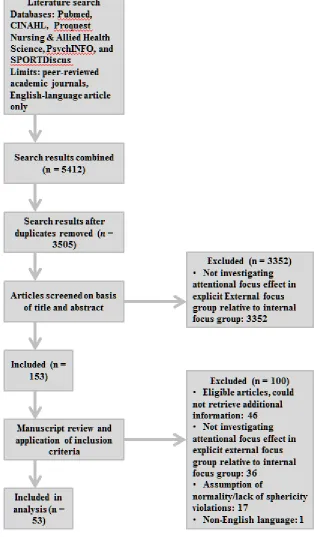
5.1 Study Selection ... 47
5.2 Syntheses of Results ... 67
5.3 Reporting Bias Analyses ... 79
5.4 Subgroup Analyses ... 83
CHAPTER 6 DISCUSSION ...87
6.1 Reporting Bias Analyses ... 87
6.2 Synthesis of Results ... 90
6.3 Subgroup Analyses ... 91
6.4 Limitations ... 97
6.5 Practical Implications and Future Directions ... 99
6.6 Moving Towards an Established Framework ... 101
6.7 Summary ... 103
REFERENCES ...105
APPENDICES ...123
viii
LIST OF FIGURES
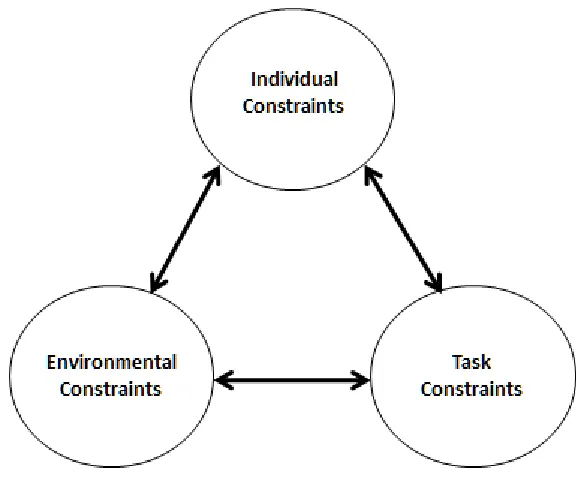
Figure 1. Newell’s (1986) constraints-led model of development of coordination. ... 25
Figure 2. Flow of studies throughout the identification, screening, eligibility, and included phases of the systematic review. ... 48
Figure 3. Synthesis of results: Acquisition phase forest plot. ... 72
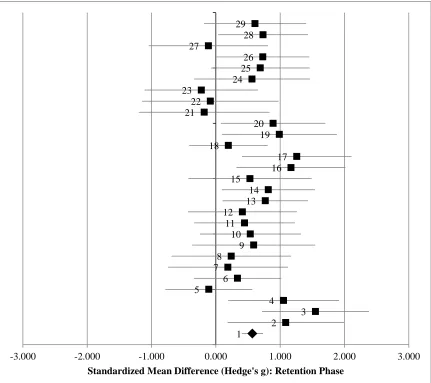
Figure 4. Synthesis of results: Retention phase forest plot. ... 75
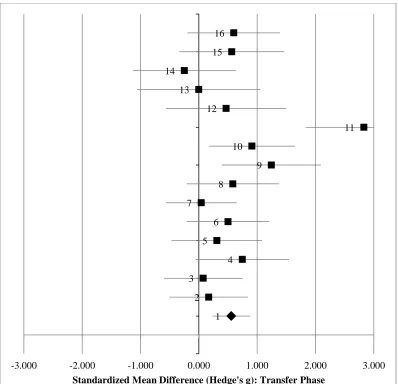
Figure 5. Synthesis of results: Transfer phase forest plot. ... 78
Figure 6. Acquisition phase funnel plot. ... 79
Figure 7. Acquisition phase funnel plot with trim and fill studies imputed. ... 80
Figure 8. Retention phase funnel plot. ... 81
Figure 9. Transfer phase funnel plot. ... 82
Figure 10. Transfer phase funnel plot with trim and fill studies imputed. ... 83
Figure 11. The proposed constraints-led model for the attentional focus effect in sensorimotor task performance and learning. ... 101
ix
LIST OF TABLES
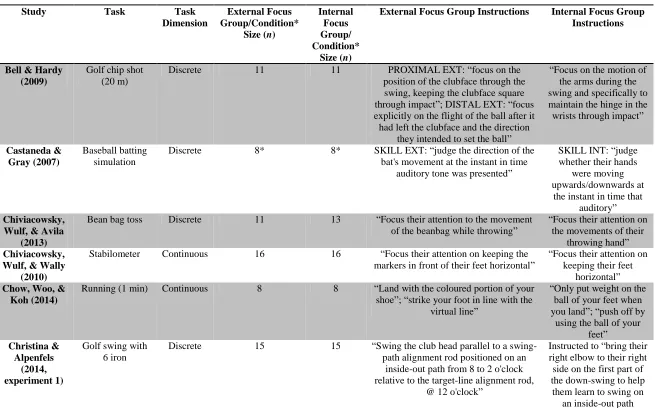
Table 1. Included studies descriptive characteristics I. ... 49
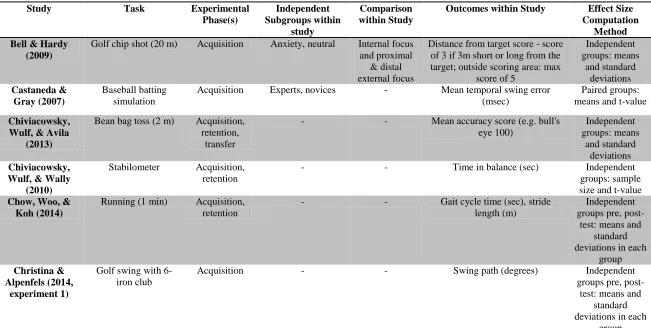
Table 2. Included studies descriptive characteristics II. ... 59
Table 3. Summary of syntheses of results. ... 68
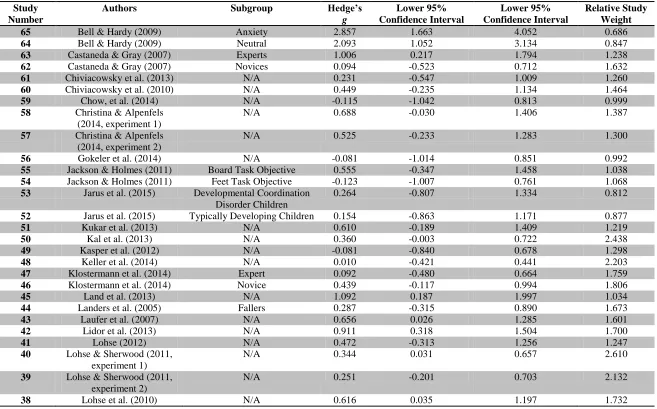
Table 4. Synthesis of results: Acquisition Phase. ... 69
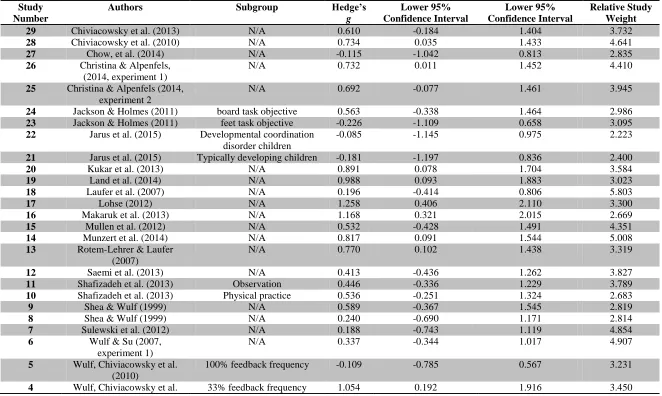
Table 5: Synthesis of results: Retention Phase ... 73
Table 6: Synthesis of results: Transfer Phase ... 76
Table 7. Summary of acquisition phase subgroup analysis. ... 84
Table 8. Summary of retention phase subgroup analysis. ... 85
x
LIST OF APPENDICES
Appendix I: Electronic Search Strategy ...123
Appendix II: Kappa Statistic Calculations ...124
xi
GLOSSARY
acquisition phase: Identified as the segment of the experimental phase in which the
individual receives the experimental intervention (i.e. attentional focus instructional
cues/feedback); where learning of the experimental task/skill occurs; reflects transient
learning of the task/skill
attentional focus: The method of focusing ones attention, or concentration on particular
instructional or feedback cues
external focus: Directing ones’ attention to ‘technique-related’ movement effects during
motor task execution
internal focus: Directing ones’ attention to body-related aspects of movement during
motor task execution
overall summary effect: Used to describe the weighted mean effect size of all the studies
included within a meta-analysis
the PICOS approach: An acronym referring to the structured approach of formulating
relevant and precise research questions that can be addressed from a systematic review;
highlights the various components addressed by the research question: population,
intervention, comparator group, the outcomes measured, and study design (Liberati et
xii
retention phase: Identified as the segment of the experimental phase in which the
preservation of the original learning (i.e. acquisition) of the task/skill occurs; reflects the
relatively permanent learning of the task/skill
transfer phase: Identified as the segment of the experimental phase in which the transfer
of the original learned (i.e. acquisition) task/skill occurs with a task/skill of high degree
of similarity
true effect (τ2
): The effect size underlying the population. In other words, it is the effect
size that would be observed if the sample size was infinite (i.e. sample error approaching
1
CHAPTER 1
INTRODUCTION
1.1 Attention and Motor Performance
The association between attention and motor performance is a familiar discourse
among the motor control and learning literature. As an anecdotal statement – providing
instructions to performers that encourage attention-demanding, consciously controlled
processing has a detrimental effect on performance has long been present (e.g.
Bliss-Boder hypothesis – Bliss, 1892). Accordingly, research interest has focused on the effects
of attention on performance. One of the aspects of attention, attentional focus, has been
investigated initially as associative (i.e. accentuating attention on bodily sensations when
performing a movement) or dissociative (i.e. attenuating attention on bodily sensations
when performing a movement) (Morgan, 1978; Weinberg, Smith, Jackson & Gould,
1984), and in terms of breadth (i.e. narrow and broad width) (Moran, 1996; Nideffer &
Sagel, 1998). Another aspect of attention, directional attention (i.e. internal and external),
has arisen over the past two decades as a potential moderator for influencing motor skill
performance and learning.
The differences between internal and external attention of foci were first
thoroughly examined by Wulf, Höß, & Prinz (1998). In their first experiment,
participants were given instructions while attempting to learn slalom-type movements on
a ski simulator. In a between-subjects design, both groups were told as a standardization
that the objective of the task was to, “move with as large an amplitude as possible” (Wulf
et al., 1998, p. 172). Instructions provided to each group differed whereby one was asked
2
direction” (i.e. external focus) (Wulf et al., 1998, p. 172), while the second group (i.e.
internal focus) was asked to “try to exert force out the outer foot as long as the platform
moved in the respective direction” (Wulf et al., 1998, p. 172). The third group was given
no additional instructions (i.e. control group). The three groups performed during practice
periods of two consecutive days. During acquisition training, the external focus group
yielded superior performance (i.e. greater amplitudes of slalom movements) relative to
both internal and control groups, p <.05. In addition, the internal focus group was less
effective than the control group, suggesting that the ‘body-related’ instructions degraded
performance (p <.05). To test for effective learning, a retention test was performed on
day three, where no attentional focus instructions were given. Again, results revealed that
the external focus group produced statistically greater movement amplitudes versus the
internal focus of attention and control groups, whereas the former and latter groups did
not differ from each other (p >.05). In a subsequent experiment, Wulf et al. (1998)
required participants to learn how to balance on an apparatus called a stabilometer. Using
a similar experimental procedure (except for the exclusion of a control group), directing
the participants’ attention to keeping the markers on the platform horizontal (i.e. external
focus) versus directing their attention to keeping their feet on the platform horizontal (i.e.
internal focus) led to superior performance after the two practice days and enhanced
learning as measured via retention test. Ultimately, Wulf et al. (1998) revealed that
individuals who were given instructional cues prior to movement execution to focus on
the effect of their movement (i.e. adopting an external focus of attention) experienced
3
focus on their body movements that produced the effect (i.e. adopting an internal focus of
attention).
1.2 Use of Explicit Instructional Cues
As shown by the initial study conducted by Wulf et al. (1998) and in other
subsequent attentional focus studies (e.g. see Wulf et al., 2013, for a review), it is critical
that instructions be phrased in a manner that induces the effect. These instructional cues
differ subtly, enabling the performer to direct their attention to their own movements or
to the effects of their movements on a particular aspect of the task. But what does it mean
to adopt a focus of attention that regards the ‘effect of their movements’? Since an
external focus refers to any instructional cues to focus on aspects outside of the body,
Wulf, McNevin, Fuchs, Ritter, & Toole (2000) sought to determine the nature of the
external focus and if different variations of instructional cues were more effective relative
to each other. In their first experiment, they wanted to determine whether the effect of
focusing on the antecedent aspects of the movement (i.e. the trajectory of the ball moving
towards the learners) was different than focusing on the movement outcome (i.e.
trajectory of the ball moving away from the racket) while hitting tennis balls at a target.
The results indicated that the group focusing on the effects of their movements (i.e.
movement outcome) experienced greater learning as shown by a greater target score (i.e.
accuracy) in the retention period. While both conditions induced an external focus, only
the one directly related to the consequences of their action resulted in a learning
advantage. This observation was followed in their subsequent experiment investigating
whether the external focus on the effect of the movement was associated with direct
4
task. While hitting golf balls at a target, one group was instructed to externally focus their
attention on the club (i.e. technique related) while the other group externally focused their
attention to the ball trajectory (i.e. outcome related). The results showed that the group
focusing on the technique-related effects experienced statistically greater learning. Taken
together, Wulf et al. (2000) revealed the beneficial effect of adopting an external focus of
attention on both learning and performance that focuses on technique-related movement
effects. The idea of technique-related movement effect lends itself to the fact that it is not
so much technique that an external focus lends an advantage to; but the idea of not
attending to movement actions, the body ‘self-organizes’ in a way that a better technique
is used (a detailed explanation is provided below).
1.3 Effect of Attentional Focus on Feedback
As an extension of using the instructional cues paradigm, several studies have
utilized explicit feedback information (i.e. to induce the attentional focus effect) (Shea &
Wulf, 1999; Wulf, McConnel, Gärtner, & Schwarz, 2002; Wulf, Chiviacowsky, Schiller,
& Avila, 2010). More specifically, these studies investigated whether instructions given
to the performer prior to task execution in regards to eliciting an attentional focus effect
would hold true for feedback information given during task execution. In Shea & Wulf's
(1999) study, participants were given feedback in the form of watching a video display of
their mirrored movements while performing a balancing task on a stabilometer.
Participants were informed that the concurrent feedback they were viewing corresponded
to either external or internal focus perspectives. That is, the internal focus group was told
the images represented movements of their feet, while the external focus group was told
5
that the external focus group produced statistically greater performance (as measured by
Root Mean Square Error of the horizontal position of the platform from 0 degrees) during
the retention period than the internal focus group; indicative of a performance advantage.
In another study, Wulf et al. (2002) looked at the generalization of attentional focus
feedback cues on a complex skill and its effects on expertise. Utilizing two experiments,
they sought to determine which type of feedback (i.e. external versus internal) was more
effective and how much feedback was appropriate to give. In experiment 1, the
investigators presented a set of four internal focus-related feedback comments to one
group, while the other group received a set of four external focus-related feedback
comments. Presented after every 5th trial, the experimenters issued feedback statements to
participants performing a volleyball ‘tennis serve’. Results indicated that the external
focus group displayed statistically greater accuracy than the internal focus group
irrespective of expertise and subtype of feedback. In experiment 2, external focus
feedback yielded statistically greater accuracy than internal focus feedback for
experienced soccer players performing lofted soccer passes in both feedback intervals of
every third trial and every trial. In fact, Wulf et al. (2010) replicated Wulf et al.’s (2002,
experiment 2) methodology using a soccer throw-in task and found similar results in
children aged 10-12. Taken collectively, these studies provide evidence that receiving
intermittent feedback that is externally focused between trials is just as effective as giving
6
1.4 Mechanism of Action - Constrained Action Hypothesis
To identify a mechanism of action that could explain the effects of attentional
focus, Prinz’s common-coding theory provided initial insight. Prinz’s common-coding
theory (Prinz, 1990, 1997) links both action and perception together suggesting that,
actions are programmed in recognition of the effects they produce in the environment
(Land, Tenenbaum, Ward, & Marquardt, 2013). In other words, perception of an event
would activate the associated action with that event and vice versa (Prinz, 1984). Based
on this theory, actions are more effective if they are coded, or planned in terms of their
movement effects as opposed to their movement patterns (Wulf & Prinz, 2001). Although
the different attentional foci conditions fit the mold of the common-coding theory, it is
abstract, and thus, lacks empirical evidence to support it. The theory also fails to allude to
the differential effects between external and internal attentional foci and its mechanism of
action (Wulf, 2013).
To provide an explanation, the constrained action hypothesis (CAH) was
proposed (McNevin, Shea, & Wulf, 2003; Wulf, McNevin, & Shea, 2001; Wulf, Shea, &
Park, 2001). According to this hypothesis, focusing attention on the movement effects
(i.e. external focus) promotes a more automatic type of movement control by using
movement control processes that are considered ‘unconscious, fast, and reflexive’ (Wulf,
2013). In contrast, adopting a focus that refers to the body movements itself (i.e. internal
focus) contributes to a more conscious type of movement control, by intervening in the
coordination regulation processes of movement control that would self-regulate. This
results in a restriction of the motor system functionality (Wulf, 2007). In addition, the
7
attention is assumed to be responsible for the performance and learning advantages
(McNevin, Weir, & Quinn, 2013).
1.5 Evidence Supporting the Constrained Action Hypothesis
1.5.1 Dual Task Methodology
Initial support for the CAH comes from Wulf et al. (2001) who utilized a
dual-task methodology to assess the automaticity of movement under the different attentional
foci conditions. Dual-task methodology is used to investigate the effects of secondary
task loading on primary task performance. It functions under the assumption of
attentional resource limitation (i.e. consciously controlled movements require a higher
demand of working memory than automatized movements) suggesting that execution of a
secondary task is assumed to interfere with performance on a consciously controlled
motor task but not, or to a lesser extent, interfere with performance of an automatized
motor task (Abernethy, 1988). In their study, Wulf et al. (2001) had participants who
were subjected to either internal or external attentional focus instructions learn a dynamic
balance task on a stabilometer (primary task), while concurrently performing a probe
reaction task to an auditory tone (secondary task). The results indicated that adopting an
external focus of attention was associated with a better balance performance (low
amplitude and high frequency movement adjustments associated with automatic control)
as well as a faster reaction time to the secondary task (auditory stimuli) than adopting an
internal focus of attention. The finding that more attentional resources were available to
perform the secondary task of balancing under external focus conditions (based on the
faster reaction times to the probe) led to the conclusion that performance was mediated
8
task under internal focus conditions appeared to lead to a competition for limited
attentional resources. Consequently, performance on both tasks suffered.
1.5.2 Movement Related Measures
Studies that provide additional evidence lending support for the CAH are studies
that directly assess movement execution-related measures. These measures give
indication of whether movements are consciously or subconsciously (i.e. automatic)
controlled. Examples of these measures include: electromyography (EMG), movement
fluidity, and movement regularity.
Vance, Wulf, Töllner, McNevin, & Mercer (2004) were the first to investigate the
effects of attention foci conditions at a neuromuscular level. Over two experiments,
participants were required to flex and extend their forearm to perform a biceps curl, in
order to analyze the effect of adopting either an external (i.e. focusing on the movement
of the bar) or internal focus (i.e. focusing on the movement of the arm) on integrated
electromyogram (iEMG) activity of the biceps brachii and triceps brachii. The results
indicated that when the weight lifted was standardized for each participant as a
percentage of maximum voluntary contraction (MVC) and remained constant across the
attentional focus groups, iEMG activity was statistically lower and movement time was
significantly faster with an external focus (i.e. experiment 1); and in experiment 2, when
movement time was controlled for via having participants synchronize their movements
with a metronome (i.e. constant range of motion), iEMG activity was still lower with the
external focus group, p < .05. The reduction in iEMG activity during task execution
suggested a greater movement economy in the external focus group, allowing the
9
Several other studies have confirmed this assumption as each of the internal focus
groups/conditions led to statistically higher EMG activity levels than adopting an external
focus in each of their respective tasks (e.g. Zachry, Wulf, Mercer, & Bezodis, 2005;
Lohse, Sherwood, & Healy, 2010; Wulf, Dufek, Lozano, & Pettigrew, 2010).
More recently, Kal et al. (2013) sought to assess and quantify the CAH and
confirm the processes occurring upon adopting an external focus during task execution.
This was accomplished by utilizing two previous methods to measure automaticity of
movement (i.e. dual-task methodology and EMG activity) along with two other measures
of automaticity that have not been used in the context of the CAH. These measures
included fluency of movement and movement regularity. The fluency of movement is
represented during the process of skill acquisition; an individual’s movement pattern can
be witnessed as transitioning between appearing rigid to a more fluent, smooth movement
pattern. In addition, this shift is indicative of a more automatic type of movement control
(Hreljac, 2000; Shemmell, Tresilian, Riek, Barry, & Carson, 2005; Thomas, Yan, &
Stelmach, 2000). Movement regularity is a measure derived from stochastic dynamics
which assesses the sample entropy (i.e. measure of movement disorder/disorganization)
(Richman & Moorman, 2000). It has differential interpretations depending on whether
the task is discrete (i.e. having a recognizable beginning and end) or continuous (i.e.
continuous pattern; not having a recognizable beginning and end) (Schmidt and Lee,
2005). That is, discrete tasks display lower movement regularity when the task is
considered automatic, and continuous tasks display higher movement regularity when the
task is considered automatic. Utilizing a cyclic one-leg extension-flexion task along with
10
the CAH: cognitive dual tasks costs were statistically higher in the internal focus
condition. EMG activity did not differ statistically between attentional focus conditions.
However, an external focus led to statistically shorter movement duration, which Kal et
al. (2013) interpreted as a more efficient movement pattern. Lastly, the external focus
group experienced a more fluent and more regular movement execution than internal
focus.
1.5.3 Within-Trial Movement Variability
When plotted on a displacement-time graph, the within-trial movement variability
resembles a funnel shape suggesting more variability is present at the initiation or
proximal segments of movement, while less variability is present near the point of contact
or release (distal segments of the movement) (Bootsma & Wieringen, 1990). This finding
is in line with the idea of ‘functional variability’ (e.g. Müller & Loosch, 1999) or
‘compensatory variability’ (e.g. Hossner & Ehrlenspiel, 2010) which proposes that in
order to preserve the outcome of a task, the motor system assumes synchronicity of the
various degrees of freedoms that are associated with skilled movement on an automatic
(i.e. unconscious) level (Wulf et al., 2001). Davids, Button, & Bennett (2008) add another
perspective, arguing that this type of movement variability is representative of constant
adjustment of the motor system to continuous perturbations of perceptual information
residing in an individual’s environment (Land et al., 2013). In other words, the
constraints of the task, environment and the individual interact in a cyclic fashion in order
for an individual to successfully negotiate (i.e. produce an effect from their movement)
11
The notion that external focus facilitates this phenomenon is possible as Wulf &
Prinz (2001) suggested that it enables compensatory variability within numerous
movement parameters to ensure that movement is executed properly. Within an
attentional focus context, Lohse et al. (2010) measured within-trial movement variability
in individuals performing a dart-throwing task and revealed the external focus group
yielded greater variability in release angle at the shoulder than at the arm compared to the
internal focus group and control. In another study, Land et al. (2013) found reduced
within-trial movement variability approaching club head-ball impact during a golf putt in
both an external focus group and an irrelevant focus (counting audible tones that occurred
during putting) compared with a control group; whose identity resembled an internal
focus group based on manipulation checks.
Taken collectively, there is a large evidence based that supports the CAH as the
mechanism of action for the attentional focus effect. Previous studies have formally
investigated its claim through the utilization of the dual task methodology experimental
paradigm; movement related measures such as EMG, movement fluidity, and movement
regularity; and within-trial movement variability to assess differences in automaticity of
movement between an external and internal attentional focus.
1.6 Attentional Focus Effect Observed in a Variety of Tasks
The attentional focus effect has been investigated in a wide variety of tasks. As a
generalization, the tasks can be categorized into the following classifications: movement
12
1.6.1 Movement Effectiveness Studies
Movement effectiveness can be characterized by accuracy, consistency, and
reliability of achieving a movement goal (Wulf, 2013). Studies related to movement
effectiveness and primarily utilize balance as an outcome measure include: balancing on a
stabiliometer (Wulf et al., 1998; Shea & Wulf, 1999; Wulf, McNevin, & Shea, 2001;
Wulf, Shea, & Park, 2001; Wulf & McNevin, 2003; McNevin, Shea, & Wulf, 2003;
Wulf, Weigelt, Poulter, & McNevin, 2003; Chiviacowsky et al., 2010; Jackson &
Holmes, 2011), an inflated disk (Wulf, Mercer, McNevin, & Guadagnoli, 2004; Wulf,
2008; Wulf, Landers, Lewthwaite, Töllner, & To, 2009), and a Biodex apparatus to
assess posture and balance parameters (de Bruin, Swanenburg, Betschon, & Murer, 2009;
Rotem-Lehrer & Laufer, 2007; Laufer, Rotem-Lehrer, Ronen, Khayutin, & Rozenberg,
2007). Studies measuring movement effectiveness in terms of accuracy in a wide range of
sport-specific or related tasks includes: various golf shots (i.e. pitching, driving) (Wulf &
Su, 2007; An, Wulf, & Kim, 2013; Bell & Hardy, 2009) and golf putts (Poolton,
Maxwell, Masters, & Raab, 2006, Experiment 1), volleyball serves (Wulf et al., 2002,
Experiment 1), soccer kicks (Wulf et al., 2002, Experiment 2) and soccer throw-ins
(Wulf, Chiviacowsky, Schiller, & Ávila, 2010), beanbag tosses (Chiviacowsky, Wulf, &
Avila, 2012), tennis ball tosses (Saemi, Porter, Ghotbi-Varzaneh, Zarghami, & Maleki,
2012) Frisbee throwing (Ong, Bowcock, & Hodges, 2010), and dart throwing (Marchant,
Clough, & Crawshaw, 2007; Marchant, Clough, Crawshaw, & Levy, 2009; Lohse et al.,
13
1.6.2 Movement Efficiency Studies
Movement efficiency can be characterized by the fluency, automaticity and
economy of achieving a movement goal (Wulf, 2013). Studies related to movement
efficiency primarily utilized muscle activity, maximum force production, speed and
endurance as outcome measures. Studies that measured movement efficiency in terms of
muscle activity observed decreased muscle activity as measured via Electromyography
(EMG) in groups and/or conditions of external focus of attention instruction cues versus
groups and/or conditions of internal focus of attention instruction cues or control group
(where no instruction cues were given) (Wulf, 2013). Such tasks include: bicep curls
(Vance et al., 2004; Marchant et al., 2007), wall-sits (Lohse & Sherwood, 2011), and an
isokinetic elbow flexion force production task (Marchant, Greig, & Scott, 2009). Studies
that measured movement efficiency in terms of maximum force production witnessed a
greater force production with individuals in an external focus of attention group/condition
versus an internal focus of attention group/condition and control. Such tasks included: an
isometric planter flexion force production task (Lohse, 2012), an isokinetic elbow flexion
force production task (Marchant, Grieg, & Scott, 2009), a jump and reach (Wulf,
Zachry, Granados, & Dufek, 2007, experiment 2; Wulf & Dufek, 2009; (Wulf, Dufek, et
al., 2010), standing long-jump (Porter, Ostrowski, Nolan, & Wu, 2010; Wu, Porter, &
Brown, 2012), and discus throwing (Zarghami, Saemi, & Fathi, 2012). Studies that used a
measure of speed to define movement efficiency revealed greater speed when adopting an
external focus of attention versus internal focus of attention and control group in tasks
such as: standing long-jump (Porter, Anton, & Wu, 2012), and an agility ‘L’ run (Porter,
14
terms of endurance witnessed greater endurance in tasks when adopting an external focus
of attention. Such tasks include: bench press and free squat weightlifting (Marchant,
Greig, Bullough, & Hitchen, 2011), wall-sits (Lohse & Sherwood, 2011) running
(Schücker, Hagemann, Strauss, & Völker, 2009), and sit-ups (Neumann & Brown, 2013).
1.6.3 Movement Kinematic Studies
Several studies have investigated changes in movement kinematics or whole-body
coordination such that whole-body coordination patterns are optimized with an external
focus (Wulf, 2013). For instance, a study conducted by Lohse et al., (2010) examined
sEMG (surface electromyography) along with motion analysis and performance outcome
(accuracy of hitting bull’s-eye) of a dart-throwing task. Results replicated previous
studies that utilized the similar economy movement measures; namely, that an external
focus led to significantly better performance, an increase in movement efficiency, as
measured via decreased preparatory time between throws, and reduced EMG activity of
the agonist muscle (triceps brachii). More importantly, their kinematic analyses revealed
a statistically greater variability in release angle at the shoulder (2.3 degrees) than at the
arm (1.9 degrees) when the external focus group was instructed to focus on the flight of
the dart. A study conducted by Porter, Nolan, et al. (2010) showed that in a
jump-and-reach task joint moments around various joints such as the ankle and knee were
correlated with each other when an internal focus to pay attention to the finger was
present/adopted. In contrast, the external focus group did not reveal such a correlation.
Moreover, Wulf & Dufek (2009) identified the correlated semi-independent body
segments as being characteristic to ‘freezing’ of degrees of freedom that is commonly
15
individuals who perform a novel skill. Thus, it could be argued that internal focus could
have the effect of constraining the motor system and the external focus could have the
effect of liberating the motor system. Lastly, a study conducted by Parr & Button (2009)
examined novice learners while practicing a rowing technique known as the ‘catch’,
which is defined as the instant the blade makes contact with the water and ‘locks it’. The
learners had a six-week training period and received retention and transfer tests seven
weeks later. Kinematic analysis revealed that performers who were instructed to focus on
the oar blade (e.g. external focus) as opposed to focus on their movements (e.g. internal
focus) showed greater improvements in technique (Parr & Button, 2009).
In summary, the empirical evidence amassed throughout the years has
overwhelmingly supported an external focus advantage in sensorimotor performance,
learning, and transfer over internal focus and/or control groups/conditions where no focus
16
CHAPTER 2
CONFLICTING FINDINGS AND POTENTIAL INTERACTIONS
The general consensus within the attentional focus literature suggest learning and
performance advantages for an individual who adopts an external focus of attention
compared to an internal focus of attention (Wulf, 2013). This concept holds true across
the variety of tasks used in previous studies. However, based on the results of a several
studies and variations of the magnitude of effect across studies, the external focus
advantage currently fails to become universally accepted in the motor control literature.
The following section will discuss these studies in detail and provide plausible
explanations for the contrary results.
2.1 Null Results
Several studies have reported null effects (i.e. showing no difference between
external and internal focus groups) of attentional focus (e.g. Poolton, Maxwell, Masters,
& Raab, 2006b; Castaneda & Gray, 2007; Emanuel, Jarus, & Bart, 2008; de Bruin et al.,
2009; Lawrence, Gottwald, Hardy, & Khan, 2011; Schorer, Jaitner, Wollny, Fath, &
Baker, 2012). Although these studies report effects that contradict the majority of the
results in the literature, these results can lend explanations from confounds that exist
within them.
In the two experiments conducted by Poolton et al. (2006), they found no
differences in mean putting score of novices performing a golf putt (derived from
concentric absolute error scores from the centre target) between internal and external
focus groups. In addition, Emanuel et al. (2008) found adults that adopted an external
17
not replicate this finding in children. According to Wulf (2013), methodological concerns
shared between these two studies can explain for the null results. More specifically, the
sheer amount of information contained in each of the attentional focus
instructional/feedback cues may have confound the attentional focus effect by making it
difficult for the individual to choose which task-relevant focus to adhere to during
execution.
Castaneda & Gray (2007) investigated the effects of attentional focus on batting
performance of highly skilled and novice baseball hitters in a baseball batting simulation
task and a secondary response task to an auditory tone (making a judgment of
movement). The attentional focus conditions consisted of four groups: an
‘environmental’ focus and external focus (e.g. flight of the ball leaving the bat), an
‘environmental’ focus and irrelevant focus (e.g. secondary task – responding to an
auditory tone), a ‘skilled’ focus and internal focus (e.g. attending to the movement of
their hands), and a ‘skilled’ focus and external focus (e.g. attending to the movement of
the bat). Although Castaneda & Gray (2007) reported statistically higher batting
performance in both highly skilled and novice batters who adopted a focus of the flight of
the ball (e.g. environmental/external condition); and in the highly skilled batters who
adopted the skilled/external focus, the novices showed no significant difference between
the latter two conditions. Castaneda & Gray (2007) concluded that the dual task design of
the experiment posed an attentional resource overload on the novice performers, such that
it may have ‘cancelled-out’ any existing attentional focus effects.
A study conducted by de Bruin et al. (2009) reported no differences between
18
older adults who were training a functional balance task over a five week period. While
performing the task with their respective attentional focus, they were asked to follow a
visual target on a screen in front of them with a cursor that represented their shift in
weight. It can be argued that the visual feedback given to the participants obscured the
focus of attention instructions (Wulf, 2013). In other words, the effect of visual feedback
overpowered and confounded the attentional focus manipulation resulting in a null effect.
The null effects of some studies can also be explained or attributed to the outcome
measures utilized. For instance, Lawrence et al. (2011) revealed no differences between
attentional focus conditions in performance (as measured by a criteria-check list) of a
short gymnastics routine. Based on the results, Lawrence et al. (2011) concluded that the
attentional focus effect could not be applied to sports that emphasized form of movement
as a performance measure. As reported by Wulf (2013), the Lawrence et al. (2011) study
appeared to have several methodological concerns. These include having too many
criteria in the scoring system (at least 30 to evaluate movement form), implementing a
task that was too demanding for the novice performers, and the focus instructions were
irrelevant to the task itself consisting of a lunge, arabesque, full-turn etc. (i.e. external
focus: on the movement pathway exerting even pressure on the support surface; internal
focus: on exerting an equal force on their feet).
Schorer et al. (2012) investigated the effects of adopting attentional foci on
throwing accuracy of novices and experts dart throwers. Although they reported
differences between novices and experts in their throwing performance (i.e. radial error
from the central target), no clear differences in throwing performance and discrete
19
extension phases of the dart throwing movements) between attentional focus conditions
within experts and novices emerged. It can be argued that the discrete movement (i.e.
temporal) characteristics that were used as an outcome measure have little merit towards
the actual task of dart throwing since it is a self-directed task (i.e. individual can perform
at own pace). Thus, the validity of implementing discrete movement characteristics in
this study is questioned.
Taken collectively, the studies that report null difference between external and
internal focus groups/conditions contain methodological concerns that can explain for
these results. As a generalization, they include the amount of information residing within
an instructional/feedback cue and the use of visual feedback confounding the attention
focus effect, the design of the experiment ‘cancelling’ of the attentional focus effect, and
using an inappropriate outcome measure to measure performance of a task.
2.2 Interaction with Differential Task Dimensions
Throughout the motor control and learning literature, sensorimotor tasks have
been classified into multiple dimensions including the discrete/continuous dimension
representing movement characteristics of the task and the open/closed dimension
representing perceptual characteristics of the task (Schmidt & Lee, 2005).Within the
former dimension, discrete tasks are described as having a recognizable start and finish,
can occur very rapidly but can require a sizable amount of time for completion, and can
be fairly cognitive in nature (Chambaron, Berberian, Delbecque, Ginhac, & Cleeremans,
2009). Such examples of these types of task include: soccer kicks, throwing a baseball,
and shooting a free-throw. In contrast, continuous tasks do not have the feature of a
20
these types of task typically have longer movement times than discrete tasks (Chambaron
et al., 2009). Examples of continuous tasks include: balancing, running, and swimming.
The inherent differences between discrete and continuous tasks transcend far past
its superficial distinctions. Discrete tasks can invoke greater informational processing in
regards to movement control processing. This statement is substantiated by the study
conducted by Spencer, Verstynen, Brett, and Ivry (2007). In their study, they utilized
functional Magnetic Resonance Imaging (fMRI) to observe cerebellar activity during
discrete and continuous rhythmic timed movements. The discrete movement participants
produced was characterized by a rhythmic index finger flexion and extension with a brief
pause before each flexion; whereas, the continuous task featured a smooth, continuous
transition between flexion and extension. The results revealed greater activation in the
superior vermis (i.e. a region within the cerebellum affiliated with the timing of events) in
discrete movements versus continuous movements. Spencer et al., (2007) also stated that
continuous movements do not invoke any involvement with the cerebellum as control
parameters (i.e. timing) reside outside the body and can be manipulated through an
external variable, such as angular velocity. In addition, there is evidence to suggest
differential performance effects based on discrete and continuous tasks. For instance, in
Leibovich & Henik’s (2013) study, participants performed a discrimination task (i.e.
responding to the perceptual stimulus via pressing a key that corresponded to the side of
the larger magnitude) and were asked as quickly and accurately as possible to determine
which array out of two contained the most dots for the discrete task and which square had
21
response time (i.e. reaction time) and the accuracy rates; such that, the continuous task
was faster and more accurate in discrimination versus the discrete task.
Within the dimension of representing perceptual characteristics of the task, open
tasks are defined by having an unpredictable environment in which the task is performed;
whereas closed tasks are defined by having a predictable environment in which the task is
performed (Poulton, 1957; Gentile, 2000). Based on this definition, it can be argued that
open tasks relative to closed tasks invoke a greater perceptual response because they
require prompt adaptations to perturbations occurring in the environment. Examples of
open tasks include driving along a busy highway and taking a penalty shot in soccer.
Examples of closed tasks include dart throwing and bowling.
As prerequisite to establishing their challenge point framework, Guadagnoli and
Lee (2004) provided a useful definition of task difficulty into two distinctions. The first
distinction is functional task difficulty, referring to how challenging the task is relative to
conditions under which the task being performed and the skill level of the individual. For
example, a task that features a novice performing a baseball catch on the run would be
considered a task with high functional task difficulty. On the contrary, an expert
performing a baseball catch while stationary would have low level of functional task
difficulty. The second distinction is nominal task difficulty, which reflects a constant
amount of task difficulty, irrespective of the participants and the conditions under which
the task is being performed. This type of task difficulty lends itself from the perceptual
and motor performance requirements inherent within the task. In context to the
discrete/continuous task dimension and due the level of perceptual-motor requirements, it
22
to continuous tasks. Likewise, in context to open/closed task dimension, due to the
unpredictable environmental conditions and relatively higher perceptual requirements, it
can be argued that open tasks hold greater levels of both functional and nominal task
difficulties.
The notion of differential task difficulty between these two task dimensions holds
important ramifications in the context of attentional focus studies. Most studies of the
attentional focus effect on task learning and performance have involved novices
performing relatively difficult tasks. Wulf, Töllner, & Shea (2007) suggested an inherent
difficulty level of the task is necessary in order for the attentional focus effect to emerge.
In their two experiments, they asked participants to maintain a steady posture on a force
platform of various surfaces (experiment 1: bare platform and foam; experiment 2:
inflatable rubber disk) and postures (experiment 1: standing on two legs; experiment 2:
standing on both one and two legs) while adopting either an internal, external or control
focus of attention. The results indicated a non-statistical effect of attentional focus on
balance posture (measured via Root Mean Square Error of centre of pressure vector
magnitude) in experiment 1. It was argued that both the tasks were relatively easy for the
young adults who performed it (Wulf et al., 2007). However, in experiment 2, a
statistically more stable posture arose in the external focus condition versus the internal
and control conditions during both one leg and two leg balancing conditions. Taken
collectively, the beneficial effects of adopting an external focus of attention may have the
potential to increase with task difficulty. However, Wulf et al. (2007) made no distinction
of which type of task difficulty as they did not elaborate further on this term. This raises
23
and functional dimensions due to differences between task dimensions. In other words, is
it possible for the magnitude of the attentional focus effect to change based on whether
the performed task is discrete/continuous and open/closed in nature?
In Summary, the above studies highlight a need to systematically quantify the
attentional focus effect. This is to formally verify that the null results (i.e. that can
explained by confounding variables or ineffective outcome measures) are indeed artifacts
of methodological inconsistencies such as confounding the attentional focus effect and
utilizing ineffective outcome measures. In addition, there is evidence to suggest
differential effects of attentional focus based on the diversity of tasks that differ in terms
of varying task dimension classifications. To date, there have been no attempts to address
this concern. Thus, a proposition of a theoretical framework aimed at addressing key
characteristics of this effect was brought forth. More specifically, the framework is
designed to obtain a sense of how the attentional focus effect can vary under the variety
24
CHAPTER 3
PROPOSING THE ATTENTIONAL FOCUS EFFECT IN MOTOR PERFORMANCE
AND LEARNING: A CONSTRAINTS-LED MODEL
3.1 Developmental Systems Theory
According to Davids, Button, & Bennett (2008), traditional theories of motor skill
acquisition generally fall under five approaches: association theories, neuro-maturational
theories (e.g. Gesell, 1928; McGraw, 1943), Fitts’ (1964) stage theory of motor learning,
information-processing theories (e.g. Keele’s (1968) Motor Program conceptualization;
Schmidt’s (1975) Schema Theory, and neuro-computational theories (e.g. Willingham’s
(1998) Control-Based Learning Theory). In contrast to the traditional theoretical models
of understanding movement coordination and control, the Developmental Systems
Theory (DST) provides an approach that views the learner as a complex, open, and
dynamical biological systems comprised of many independent yet interacting subsystems
(Davids et al., 2008). Of these subsystems lies the concept of constraints. Constraints
function as a boundary of the coordination and pattern of a movement that is observed
(Patterson, 2001). The interacting constraints (i.e. as depicted by the bi-directional
arrows) change over time, which can allow for different stable patterns of coordination to
emerge from continued experience and exposure of that goal-directed movement (i.e.
practice) (Davids et al., 2008). Newell (1984) originally recognized the significance of
these constraints that influence skill development later identified three in his theoretical
framework: individual, environmental, and task (Newell, 1986). This framework is often
conceptualized as a triangle such that the subsystems/constraints can interact
25
movement or performance) during goal-directed behavior (Wattie, Schorer, & Baker,
2015). It is important to note that any change with the constraints can affect a change in a
specific outcome (Newell, 1986).
Figure 1. Newell’s (1986) constraints-led model of development of coordination.
The organismic constraints can be represented by factors that relate to an
individual’s intrinsic qualities or characteristics. For instance, Newell (1986) coherently
described these as tangible measures such as height, weight, age, and sex; or qualitative
measures of the individual such as motivation and emotional state. The environmental
constraints can be referred to physical features that are external to the individual and can
include examples such as ambient lighting, climate, and gravity. Lastly, the task
constraints can include specific characteristics such as the objective of the action, rules,
26
3.2 Applications of the Developmental Systems Theoretical Framework
The applications of the developmental systems’ theoretical framework have been
successfully employed with slight modifications to explain and organize the large amount
of factors affecting athlete development and talent identification in sport (e.g. Phillips,
Davids, Renshaw, & Portus, 2010; Renshaw, Davids, Phillips, & Kerhervé, 2012). More
recently, Wattie et al. (2015) applied a modified Newell’s (1986) model to heuristically
account for possible factors contributing to the relative age effect (RAE). According to
Wattie et al. (2015), the RAE ascribes significant advantages and disadvantages through
the usage of age cohorts to categorize individuals in the arenas of youth sport and
education. Based on a multitude of studies, Wattie et al. (2015) was able to postulate key
characteristics that can be attributed to the RAE. These characteristics were structured
within Newell’s (1986) developmental systems theoretical framework where they were
categorized into either three main constraints (e.g. intrinsic, task, environmental). These
key-identified characteristics would then be seen as sub-constraints, or a proportion of a
particular main constraint. Based on the dynamic nature of many of the key
characteristics identified within the three constraints, Wattie et al. (2015) hypothesized
using a probabilistic causal component, such that each of the three main constraints adopt
the characteristic of a ‘causal pie’. The causal pie approach is utilized extensively in the
field of epidemiology to model causation and causal inference of various ailments and
diseases (e.g. Rothman, 1976). This causal pie can be broken down into each individual
pie ‘pieces’ which represent a single causational component within the broader constraint
27
within the broader constraint level with the ultimate goal of addressing accountability of
that constraint to a particular effect (Wattie et al., 2015).
3.3 Purpose of the Study
It can be argued that a similar approach adopted by Wattie et al., (2015) can be
applied to address causation and casual inference of the attentional focus effect. A
method to organize and classify the contributing factors of the attentional focus effect in a
coherent manner would be to utilize a theoretical model that essentially conceptualizes
explained variance of the effect. Although the majority of the attentional focus studies
have reported the ubiquitous external focus advantage for motor performance and
learning, the mechanisms of this effect are not fully known. Moreover, what is not fully
known is if and how the effect could potentially fluctuate under certain conditions or
complexities of each study.
Thus, the purpose of this study was to establish a portion of this theoretical
framework of the attentional focus effect that can explain for the changes in the
magnitude of effect. This theoretical framework is based on Newell’s (1986)
constraints-led framework of skill acquisition and development. Due to the variety of tasks used
across studies, initial investigation of the task constraint portion of the framework and its
interaction with the attentional focus effect was warranted. More specifically, this
particular constraint can be broken down into sub-constraints identified as the task
dimensions previously discussed: discrete/continuous and closed/open. These
characteristics could then be subjected to statistical analyses to establish their validity or
relation to the attentional focus effect. Despite the fact that individual and environmental
28
identified as age, sex and level of skill; whereas, environmental constraints included
characteristics pertaining to the conditions in which the individual performed the task
under.
Attempts to establish a portion of the proposed framework involved similar
approaches that are utilized within healthcare to provide research synthesis on the
summative and evaluative information of pathology interventions. These approaches
include systematic reviews and meta-analyses. To date and to the author’s knowledge, the
body of attentional focus literature has not been subject to a comprehensive systematic
review and/or meta-analyses. According to Liberati, Altman, Tetzlaff, Mulrow, Gøtzsche,
Ioannidis et al. (2009), systematic reviews attempt to gather all empirical evidence that
fits pre-specified eligibility criteria in order to address a specific research question.
Systematic reviews have key characteristics including: a clear, explicit methodology that
is reproducible and follows a set of objectives; an eligibility criteria that used to identify
all relevant studies; a validity assessment of the results of included studies; and
presentation of the characteristics of included studies in a systematic approach (Liberati
et al., 2009). The meta-analyses that were used functioned as an additional step for the
systematic review as it quantified the results of individual studies in a standardized metric
in order to synthesize results of the included studies. This meant calculating a weighted,
mean effect size (i.e. overall summary effect), as well as describing and accounting for
differences between included studies.
To provide a specific scope regarding the main purpose of the study, the research
question was developed with the PICOS approach (e.g. Liberati et al., 2009) utilized as a
29
focus relative to an internal focus vary across randomized trial studies with varying task
dimensions (i.e. discrete versus continuous and closed versus open task dimensions) in
the acquisition (i.e. immediate performance), retention (i.e. learning), and transfer of
motor skills? In order to address this research question, primary and secondary
hypotheses were developed. As the secondary hypothesis (which was assessed first to
assess the viability of the primary hypothesis), it was hypothesized that the relative
advantage of adopting an external focus over an internal focus would hold true across the
variety of studies with different tasks and across the learning, the retention of the
learning, and the transfer of those tasks. Finally as the primary hypothesis, it was
hypothesized that this advantage would vary across studies with different task dimensions
in the acquisition, retention, and transfer of motor skills; such that this study-level
characteristic could account for a proportion of the dispersion in each of the experimental
30
CHAPTER 4
METHODS
4.1 Eligibility Criteria
Publications that reported the following were considered for inclusion: an
examination of attentional focus effect with explicit internal and external focus groups or
conditions on sensorimotor task performance and learning in either or all of acquisition,
retention, and transfer experimental phases.
In context to motor learning studies, the acquisition phase includes participants
being tested with the experimental variable in place. This ‘practice’ phase per se, occurs
over a period of trials. In the analysis for the acquisition phase, studies that explicitly
reported an acquisition phase were combined with the studies that had no retention or
transfer phases; thus, no explicit designation. This was done because these two types of
study phases were systematically similar to each other as they both investigated the
transient effects of the experimental variable (i.e. the attentional focus instructions). The
test for learning of a task in motor learning experiments is the assessment of the
individual in a retention or transfer test. Under this paradigm, a skill is considered to be
learned only if it is retained (Schmidt & Lee, 2005). More specifically, retention is the
persistence of, or lack thereof performance at the behavioural level. In other words, it
represents relatively permanent gains or losses in performance gained through practice
(i.e. the acquisition phase). On the other hand, transfer can be defined as the ability or
measure to perform a highly similar, yet different skill of the original learned skill
(Schmidt & Lee, 2005). The retention and transfer phases within a motor learning
31
transient and relatively permanent effects an experimental variable has on outcome
measure(s) of a skill.
The only fundamental difference between retention and transfer tests in these
experiments is that transfer tests require the participant to test with different, yet related
tasks or conditions (e.g. changing throwing hands, increasing pace while running etc.).
Search limits to English articles as well as full text, peer-reviewed journal articles were
imposed for each database. No publication date limitations were imposed to allow
inclusion of the studies that conducted experiments pertaining to the attentional focus
effect, but did not explicitly state it (i.e. identifying external or internal focus
groups/conditions). Participants of any age, sex, skill level, and health status were
considered. Finally, all sensorimotor tasks were considered in the review, as well as their
outcomes; however, kinematic outcome measures were excluded due to the high task
specificity and complexity of these types of outcomes.
4.2 Data Sources and Search Methods
A comprehensive literature search, identification, and retrieval of primary studies
pertaining to the attentional focus effect were conducted by the guidance, structure, and
key characteristics of a systematic review. The procedures of the literature search
followed methods that are adopted from the Cochrane Handbook for Systematic Reviews
of Intervention (Higgins & Green, Eds, 2008). This search was applied to databases
relevant to the motor learning literature: PubMed (1971-Present), CINAHL
(1976-Present), Proquest Nursing and Allied Health Source (1973-(1976-Present), PsychINFO
(2006-Present), and SPORTDiscus (1934-Present) electronic databases. The first and only
32
is, seeking out possible unpublished work (i.e. Master’s theses, dissertations) in
university databases as well as contacting authors of included papers or experts in the
field to request possible unpublished work. The search strategy included a combination of
keywords such as ‘attentional focus’, ‘focus of attention’, ‘motor learning’, ‘motor
performance’, ‘external foc*’, ‘internal foc*’, ‘constrained action hypothesis’,
‘instructions’, ‘movement effects’, and ‘body movements’ (see appendix I).
4.3 Article Screening and Selection
To mitigate article selection bias, eligibility assessment of the studies was
performed by independent two reviewers. One reviewer has extensive knowledge
regarding the area of literature and the other reviewer was a compensated graduate
student who had some prior knowledge of the research field. Working independently and
in an un-blinded standardized manner, the reviewers initially screened the titles and
abstracts of the articles gathered from the electronic databases. To quantify the agreement
between the reviewers in this stage to ensure adequate inter-rater reliability for the article
screening and selection, a Kappa statistic was calculated. Developed by Orwin (1994),
the Kappa statistic measures the agreement between two reviewers with the benchmarks
of 0.49-0.59, 0.60-0.74, and 0.75 and above signifying fair, good, and excellent
agreement, respectively. For this initial screening reliability test, the 100 articles from the
study identification stage were used. The computations revealed a Kappa statistic of 0.75,
which indicated excellent inter-rater reliability (see appendix II). Because of the excellent
inter-rater reliability, the articles to be screened were subsequently divided equally
33
4.4 Data Extraction
A developed extraction form adapted from Sheri Parks’ Meta-Analysis of Sport
Expertise (e.g. Thomas, et al., 2011) was employed to obtain data regarding descriptive
information about each study, information about the motor task performed, the
experimental design, the independent and dependent variables used in each task(s) of
each study, and the participants in each study (see appendix III). The form was
electronically transformed into MS Access for ease of use and storage of information.
This form was pilot-tested on three randomly-selected included studies and refined
accordingly. The two reviewers extracted the data independently, and then combined
their databases into a consensus database. Disagreements between reviewers that arose
when combining the databases into a consensus database were resolved via consensus. If
the reporting of included studies appeared to be incomplete (i.e. missing group/condition
means and standard deviations, effect sizes that could be readily transformed into
Cohen’s d, and exact p-values), the corresponding primary authors were contacted for
appropriate data retrieval.
The quality assessment of individual studies was addressed within the extraction
form. That is, for each included study, the external and internal focus instructions were
examined closely to ensure they fit the inclusion criteria. In addition, this assessment
addressed if studies implemented techniques to control for threats to internal validity.
These techniques include random placement of participants in independent groups design
or counterbalancing participants in dependent groups design (i.e. controlling for history
and maturation) and random ordering or presentation of tasks (i.e. order and learning