Scholarship@Western
Scholarship@Western
Electronic Thesis and Dissertation Repository
7-25-2014 12:00 AM
Risk Scores for Predicting Mortality in Flail Chest
Risk Scores for Predicting Mortality in Flail Chest
Meaghan Zehr
The University of Western Ontario
Supervisor
Dr. Richard Malthaner
The University of Western Ontario
Graduate Program in Epidemiology and Biostatistics
A thesis submitted in partial fulfillment of the requirements for the degree in Master of Science © Meaghan Zehr 2014
Follow this and additional works at: https://ir.lib.uwo.ca/etd
Recommended Citation Recommended Citation
Zehr, Meaghan, "Risk Scores for Predicting Mortality in Flail Chest" (2014). Electronic Thesis and Dissertation Repository. 2354.
https://ir.lib.uwo.ca/etd/2354
This Dissertation/Thesis is brought to you for free and open access by Scholarship@Western. It has been accepted for inclusion in Electronic Thesis and Dissertation Repository by an authorized administrator of
(Thesis format: Integrated Article)
by
Meaghan ZEHR
Graduate Program in Epidemiology and Biostatistics
A thesis submitted in partial fulfillment of the requirements for the degree of
Master of Science
The School of Graduate and Postdoctoral Studies Western University
London, Ontario, Canada
ii
Abstract
The objective of this thesis was to develop two risk scores which could predict the individual
risk of in-hospital mortality for patients with flail chest using data from the Ontario Trauma
Registry. The first study describes the univariate analyses conducted to identify mortality
predictors. The second study details the logistic regression analysis that generated a risk
score. Finally, the third study describes the decision tree analysis that produced the second
risk score. The two risk scores were then compared.
In summary, these three studies show that a minority of flail chest patients are currently
receiving operative repair and that a risk score may be a useful adjunct for surgeons to
determine the individual risk of in-hospital mortality in patients requiring operative repair for
flail chest.
Keywords
Flail chest, risk score, operative repair, mortality, prediction model, logistic regression,
iii
Co-Authorship Statement
The three studies described here were designed and executed by Meaghan Zehr. This
includes but is not limited to study conception, data analysis and interpretation. Regular
feedback was provided by the supervisory committee. Each of the manuscripts was authored
iv
Acknowledgments
I would like to thank my supervisor, Dr. Richard Malthaner for his support. Despite his busy
schedule he always made time to meet with me and was very supportive whenever a
challenge presented itself. His invitation of attending clinical meetings and observing
operative procedures provided the inspiration for this project.
I would also like to thank Dr. Neil Klar for his support. Among all his many contributions,
his direction, planning, insight and constructive criticism helped this project evolve from an
v
Table of Contents
Abstract ... ii
Keywords ... ii
Co-Authorship Statement... iii
Acknowledgments... iv
Table of Contents ... v
List of Tables ... viii
List of Figures ... ix
List of Appendices ... x
List of Abbreviations ... xi
Chapter 1 ... 1
1 Introduction ... 1
1.1 Description of flail chest ... 1
1.2 Epidemiology of flail chest ... 2
1.3 Standard treatment of flail chest ... 2
1.4 Operative repair of flail chest ... 3
1.4.1 Unclear indications for operative repair ... 5
1.5 Trauma scoring systems ... 6
1.5.1 Advantages and disadvantages ... 6
1.5.2 Examples of trauma scoring systems ... 7
1.5.3 Methods used to develop risk scores ... 8
1.5.4 Logistic regression ... 8
1.5.5 Decision trees ... 9
1.5.6 Artificial neural networks ... 9
vi
1.6.1 Ontario Trauma Registry ... 10
1.6.2 National Trauma Registry ... 11
1.6.3 National Trauma Data Bank ... 11
1.7 Research rationale ... 11
1.8 References ... 13
Chapter 2 ... 21
2 Operative repair of flail chest in Ontario, Canada: Who’s getting picked? ... 21
2.1 Introduction ... 21
2.1 Methods... 22
2.1.1 Data collection and processing ... 22
2.1.2 Statistical analyses ... 23
2.2 Results ... 23
2.3 Discussion ... 24
2.4 Conclusions ... 26
2.5 References ... 28
Chapter 3 ... 39
3 Logistic regression risk score for in-hospital mortality in 1,082 flail chest patients ... 39
3.1 Introduction ... 39
3.2 Methods... 40
3.3 Results ... 42
3.4 Discussion ... 44
3.5 Conclusions ... 46
3.6 References ... 47
Chapter 4 ... 57
vii
4.1 Introduction ... 57
4.2 Methods... 57
4.3 Results ... 60
4.4 Discussion ... 61
4.5 Conclusions ... 64
4.6 References ... 65
Chapter 5 ... 74
5 Discussion ... 74
5.1 Characteristics of flail chest patients operatively repaired in Ontario, Canada .... 74
5.2 Logistic regression model for predicting in-hospital mortality in flail chest patients ... 75
5.3 Decision tree model for predicting in-hospital mortality in flail chest patients ... 75
5.4 Ontario Trauma Registry ... 76
5.5 Role of risk scores in clinical practice ... 77
5.6 Implications for research... 79
5.7 Implications for clinical practice ... 80
5.8 Conclusions ... 80
5.9 References ... 81
Appendices ... 84
viii
List of Tables
Table 2-1: List of the 9 lead trauma hospitals and geographical location in Ontario ... 32
Table 2-2: Characteristics of OTR flail chest patients who survived >24 hours by operative
repair group ... 33
Table 2-3: Characteristics of OTR flail chest patients who survived >24 hours by hospital
discharge status ... 36
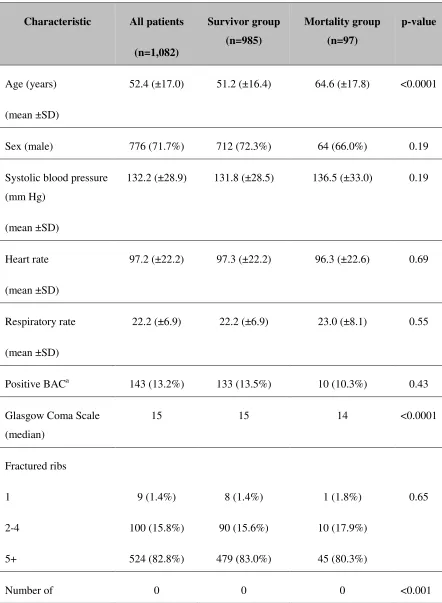
Table 3-1: Characteristics of OTR flail chest patients who survived >24 hours by hospital
discharge status ... 53
Table 3-2: Odds ratios and points for Model 1 predictors ... 55
Table 3-3: Odds ratios (95% CI) and model performances for three missing values models 56
Table 4-1: Characteristics of OTR flail chest patients who survived >24 hours by hospital
discharge status ... 70
ix
List of Figures
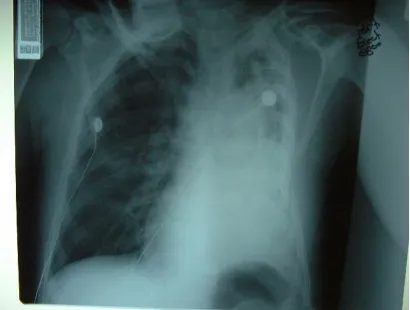
Figure 1: Unfixed flail chest on left side with collapsed lung ... 19
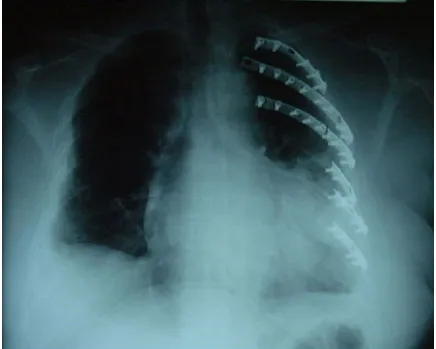
Figure 2: Operative repair of flail chest using plates and screws ... 20
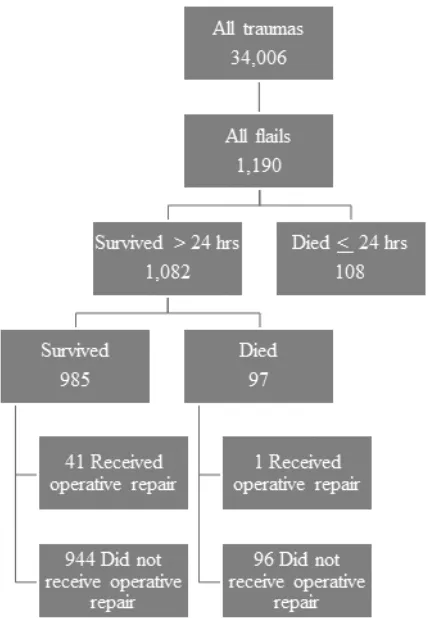
Figure 3: Patient outcome flow chart ... 31
Figure 4: Receiver operating characteristic curve for Model 1 ... 50
Figure 5: Observed and predicted mortality in flail chest... 51
Figure 6: Observed mortality by risk score in flail chest ... 52
Figure 7: Decision tree analysis for in-hospital mortality of flail chest ... 68
x
List of Appendices
Appendix A: Randomized controlled trials evaluating efficacy of flail chest ... 84
Appendix B: Cohort studies evaluating markers of injury severity in thoracic trauma ... 86
Appendix C: Cohort studies evaluating mortality risk factors in flail chest ... 88
Appendix D: Cohort and case-control studies evaluating mortality risk factors in thoracic trauma ... 89
Appendix E: Meta-analysis of studies evaluating mortality risk factors in thoracic trauma .. 90
Appendix F: Validation study of scoring systems as predictors of mortality in thoracic trauma ... 92
Appendix G: List of the 9 lead trauma hospitals and geographical location in Ontario ... 93
Appendix H: Excel formulas* for logistic regression scoring calculator ... 94
Appendix I: Decision trees ... 95
xi
List of Abbreviations
Description Abbreviation
Abbreviated Injury Scale AIS
Acute Physiology And Chronic Health
Evaluation scale APACHE
Cardiopulmonary resuscitation CPR
Charlson Comorbidity Index CCI
Computed Tomography scan CT scan
Glasgow Coma Scale GCS
Injury Severity Score ISS
Intensive Care Unit ICU
Maximum Abbreviated Injury Scale MAIS
National Trauma Data Bank NTDB
National Trauma Registry NTR
Ontario Trauma Registry OTR
Receiver Operating Characteristic curve ROC curve
Revised Trauma Score RTS
Revised Trauma Score and Injury Severity
Chapter 1
1
Introduction
Flail chest is a condition where two or more ribs are fractured in at least two places
resulting in a section of the thoracic cage separating from the remainder of the chest wall
(1). Occurring roughly in 20% of all rib fracture cases, it is frequently associated with
long term pain, disability and mortality (1-4). Operative repair of the rib fractures may
improve patient outcomes although many questions still need to be answered, including
which patients would benefit the most from operative repair. The objective of this thesis
is to create a risk score which can predict individual risk of in-hospital mortality to help
surgeons identify which patients may benefit the most from operative repair.
This chapter will describe flail chest and introduce the role of operative repair as an
adjunct to the current standard of care. The need for a risk score to identify individual
risk of mortality in flail chest patients is explained. Afterwards, chapters two to four
recount the analyses conducted to create the models. Chapter two describes the univariate
analyses conducted to identify mortality predictors. Chapter three details the logistic
regression analysis that generated a risk scoring system. Chapter four relates the decision
tree analysis which produced a risk score. Finally, chapter five explains and interprets the
study results and their implications to clinical practice and future research.
1.1
Description of flail chest
Flail chest patients typically present with severe pain, impaired respiratory function, and
paradoxical motion of the chest wall with respiration (5). Diagnosis is confirmed by a
chest radiograph or CT scan (5). Approximately one third of blunt trauma victims sustain
rib fractures and most often from a motor vehicle collision although in an elderly,
osteoporotic patient the force from a fall may be sufficient (1, 6). It is important to note
that because of the sheer force of the injury, a flail chest is often associated with other
life-threatening injuries (6). The mortality rate following flail chest is estimated to be
(3-4). Flail chest is associated with several complications including severe pain, reduced
lung volume and respiratory failure necessitating long term ventilation, ICU and hospital
stays (5, 7). Mechanical ventilation, while potentially lifesaving, carries risks of
pneumonia, septicemia, lung injury, lung collapse and tracheostomy (2, 8). Long term
pain and disability are common after rib fractures (9). Landercasper et al. (10) found that
five years after their injuries, only 43% of flail chest patients returned to work and 49%
reported chest wall pain.
1.2
Epidemiology of flail chest
A recent 2014 epidemiology study used data from the National Trauma Data Bank of the
United States and Canada and described 3,467 flail chest patients: the largest sample size
of flail chest patients to date (11). Flail chest patients were on average 53 years of age
and 77% were male (11). Moreover, approximately 80% of flail chest patients were
admitted to intensive care (11). Injury characteristics included significant head injury in
15% of cases and lung contusion in 54% of cases (11). Nonoperative procedures included
ventilation in 59% of cases, chest tubes in 44% of cases and tracheostomy in 21% of
cases (11). In-hospital adverse events included pneumonia in 21% of cases, adult
respiratory distress syndrome in 14% of cases, sepsis in 7% of cases, and death in 16% of
cases (11).
1.3
Standard treatment of flail chest
The standard treatment of flail chest includes pulmonary toilet, pain control (i.e. oral
analgesia, intercostal blocks, pleural infusion catheters, epidural analgesia) and
ventilation when needed (6). Analgesia allows for adequate respiration however no
significant differences in the length of stay in the intensive care unit or incidence of
complications have been found between analgesic techniques (8). Prior to the 1975
seminal paper by Trinkle et al. (12), mechanical ventilation was used until the chest wall
had fully healed, whether or not patients’ respiratory function was compromised. Trinkle
et al. (12) showed that by focusing efforts on the underlying pulmonary contusion and
thirty-one to nine days (p=0.005) and complication rates were reduced from 100% to
20% (p=0.005). Now it is recognized that mechanical ventilation should only be used in
cases of respiratory failure (3). Nonoperative treatment avoids potential surgical
complications (i.e. infection, lung injury, future operations to remove implants) but
requires constant pain control and in rare cases can result in malunion or nonunion which
requires surgical correction (7).
1.4
Operative repair of flail chest
There is growing interest in operative repair as an adjunct to standard treatment: the
National Institute for Health and Clinical Excellence (NICE) in the United Kingdom
issued a recommendation for operative repair of flail chest in 2010 (13). This
organization has advocated operative repair in flail chest patients stating that although the
quantity of evidence supporting operative repair is limited, it is consistent in efficacy and
that no major safety concerns exist in the context of patients with severe trauma and
impaired pulmonary function (13). However, there is still controversy regarding the
benefits and risks of operative repair in flail chest (6). As a result, there is no absolute
treatment protocol in North America: some surgeons support operative repair and others
do not (7, 14). The basic methodology for surgical fixation is to stabilize the fracture after
open reduction to normalize the shape of the chest wall to restore respiratory function
(15). There are several techniques which can be used for rib fracture fixation: Kirschner
wires, suture and traction, struts, Osteosynthesis implants, nails, and plates (7, 16).
Figures 1-2 show examples of flail chest before and after operative fixation. It is
unknown which, if any, fixation technique is best although Kirschner wires used alone
are not recommended by NICE (7, 13). The best time to perform operative repair is also
controversial: most authors have reported repairs two to five days after lead trauma
hospital admission (17-19).
To date there have been three randomized controlled trials evaluating the efficacy of
operative repair in flail chest which are summarized in Appendix A. The randomized
controlled trials were unblinded and sample sizes ranged from 37 to 46 patients. Two of
on ventilation (seven to ten fewer days) and were 40% to 53% less likely to experience
pneumonia (17-18). All trials reported that operatively repaired patients required
significantly fewer days in intensive care (a difference ranging from five to ten days)
(17-19). None of the trials found evidence of a significant difference in mortality between
treatment groups suggesting that operative repair may not be a life-saving procedure
(17-19).
Two recent meta-analyses, both conducted in 2013, including nine and eleven studies
respectively (each including only two of the three RCTs: Tanaka and Granetzny) found
that patients who underwent operative repair had significantly fewer days on mechanical
ventilation (4.5 to 7.5 days, p<0.05), significantly fewer days in intensive care (3.4 to 4.8
days, p<0.05), significantly fewer days in hospital (3.8 to 4.0 days, p<0.05), significantly
reduced risk of mortality (RR 0.43, OR 0.31, p<0.05), significantly reduced risk of
pneumonia (RR 0.45, OR 0.18, p<0.05) and significantly reduced need for tracheostomy
(RR 0.25, OR 0.12, p<0.05) (7, 16).
Operative repair has also been shown to be more cost-effective than standard of care by
an average of $1,541 per incremental quality of life unit (20). Furthermore, operative
repair may reduce long term morbidity and pain almost to the level experienced by the
general population (21). Six months after the injury, significantly more operatively
repaired patients than non-operatively repaired patients were able to return to work
(61.1% vs 5.3%, p<0.05) (17). Additionally, operatively repaired patients had lower
reports of persistent pain six months after injury than non-operatively repaired patients
reported five years after injury (35% vs 49% for operatively repaired and non-operatively
repaired patients respectively) (10, 22).
Nevertheless, surgical complications can occur including infection, lung injury and need
for future operations to remove implants (7). Complication rates following surgery have
not been well documented; however, Granetzny et al. found no evidence of a significant
difference between treatment groups when comparing the number of complication-free
1.4.1
Unclear indications for operative repair
Operative repair is considered an effective procedure that is currently underused (4, 23).
In their retrospective review, Cannon et al. (5) found that of the 164 patients admitted to
their facility over a ten year period, only 1.3% underwent operative repair. A 2009 survey
of American trauma, orthopaedic and thoracic surgeons conducted by Mayberry et al (14)
identified lack of experience with the surgical techniques and need for refining operative
indications as barriers to performing operative repair. Potential indications of operative
repair include failure to wean from ventilation, paradoxical movement of the chest wall
during ventilation, persistent pain, progressive decline in pulmonary function, no severe
pulmonary contusion, and no significant brain injury (24, 25). Other candidates include
patients with chest deformities too severe to heal on their own or patients who require
thoracotomy for concomitant injuries (24). Also, cases of shock, multiple injuries, severe
head injury, history of lung disease, ≥8 rib fractures, and over 65 years of age are less
likely to undergo operative repair (2). The cause of respiratory dysfunction, supporting
muscle strength, and cardiopulmonary condition may also need to be considered when
determining who should undergo operative repair (26). Cases of flail chest involving
more than four ribs where the two points of fracture are separated by at least 25% of rib
length often require longer time on ventilation and may benefit from operative repair the
most (26). The randomized controlled trials used various operative indications including
need for mechanical ventilation, number and location of rib fractures (≥6, lower ribs
only); excluding severe head injury (head AIS >3, “disturbed conscious level”, GCS
<10), age (<14 years, >80 years), comorbidity, spinal injury and sepsis (17-19).
There are clearly numerous considerations when answering who benefits from operative
repair. These indications are also somewhat dependent upon clinical judgment: how
many days requiring ventilation is “failure to wean”, what is considered “severe”
pulmonary contusion, what is “significant” brain injury. Researchers have attempted to
identify markers of injury severity and risk factors for mortality to help guide clinical
decision making. These studies are summarized in Appendixes B-F. The studies show
that mortality may be related to number of rib fractures, age, multiple injuries,
transfusion and PaO2/FIO2 ratio (27-37). While these studies provide insight into which
factors may influence mortality risk, the findings can conflict, the cut points vary, some
information is not available before surgery (i.e. trauma scoring systems), some terms are
too broadly defined (i.e. shock), and the clinical applications are unclear.
1.5
Trauma scoring systems
Trauma scores are designed to help physicians make diagnostic and therapeutic decisions
at the bedside (38). They are developed from mathematical models that quantify injury
severity and predict mortality in individuals (39). Stiell, the primary author of the Ottawa
Ankle Rules, has suggested there are six stages in the formation of a mature clinical risk
scoring system: justification for the risk score, calculation of the model, prospective
validation of the model and refining it as necessary, implementation of the risk score into
clinical practice, determination of cost-effectiveness of the risk score, and the widespread
dissemination and implementation of the risk score (38). According to this paradigm, the
models calculated in our thesis are in stage two of development and will need to be
validated prospectively before they can be implemented into clinical practice. A risk
score is more likely to be useful if the clinical condition is common, if there is significant
variability in current practice among similar physicians or institutions, and if physicians
strongly support the development of a risk score (38). In the case of flail chest, although
it may be considered a rare condition, there is widespread variability in current surgical
practice and surgeons have indicated that refinement of surgical indications is needed (5,
14).
1.5.1
Advantages and disadvantages
Risk scores have several advantages over human decision making: theoretically there is
no upper limit to the number of factors they can account for, they always provide the
same result to a given problem (although this may not be the correct result), and several
studies have shown they may be more accurate than clinical judgment alone in some
cases (40). However, with the increasing volume of risk scores it can be difficult to
Therefore when coming to a decision, physicians should recall the principles of
evidence-based medicine: to integrate research evidence, clinical expertise, patients’ values and
preferences, and clinical circumstances (41). The intent of a risk score is to inform
physicians and support them in coming to an appropriate solution for the patient.
1.5.2
Examples of trauma scoring systems
Physiological trauma severity scoring systems include the Glasgow Coma Scale (GCS),
the Revised Trauma Score (RTS) and the Acute Physiology And Chronic Health
Evaluation scale (APACHE) (42). Anatomical scoring systems include the Abbreviated
Injury Scale (AIS) and the Injury Severity Score (ISS) (42). There are also combined
anatomical/physiological systems such as the Revised Trauma Score and Injury Severity
Score (TRISS) (42).
1.5.2.1
Glasgow Coma ScaleThe GCS was developed to provide a standardized assessment of patient consciousness
(43). It has motor, verbal and eye-opening behavioral response components (43). The
scale ranges from three to fifteen where higher scores indicate improved consciousness
(43). The GCS is simple to apply and can be assessed at the scene of injury, at the
primary hospital or at the lead trauma hospital and as such it is available before operative
repair but has limited ability to predict mortality on its own (42).
1.5.2.2
Other trauma scoring systemsThe RTS and APACHE are very sensitive and are strong predictors of mortality but are
difficult to calculate and are not available before operative repair (42). The AIS assigns a
weighting to each patient injury and the maximum AIS (MAIS) of a body region is an
excellent marker of injury severity but it is cumbersome to apply since each injury must
be looked up in a dictionary manual which makes it unavailable before operative repair
(42). The ISS is a strong predictor of mortality but it requires each injury be coded by the
AIS system and as such is not available before operative repair (42). The TRISS is
likewise an excellent predictor of mortality but makes use of the ISS and RTS and
1.5.3
Methods used to develop risk scores
The nature of the outcome of interest determines which modeling techniques may be
employed. For a binary outcome such as mortality, there are several modeling techniques
available including but not limited to logistic regression, artificial neural networks and
decision trees (44). There are also hybrid approaches that make use of multiple
techniques to generate a single model (45). We used logistic regression and decision tree
prediction models.
1.5.4
Logistic regression
Logistic regression estimates the natural logarithm of the odds of a binary outcome given
the linear combination of predictors (46). Certain considerations for logistic regression
include the additivity and linearity assumptions (46). One form of the additivity
assumption refers to situations where the effect of a predictor is independent of the effect
of other predictors and can be assessed by the inclusion of interaction terms in the model
(often between two variables although higher-order interactions are possible) (46). The
linearity assumption refers to the log odds of the outcome being linearly related to
continuous predictors and can be assessed graphically, using dummy variables, or by
adding polynomial terms to the model (46). One example of a mortality risk prediction
model which used logistic regression is the Berg et al. study which evaluated adult
patients undergoing open-heart surgery at their institution over a seven year period (47).
The study followed the modelling strategy outlined by Harrell et al. which is essentially a
15-step guide where the entire sample is used to train the model, the full model is used
(or a pre-specified subset is tested) and the model is validated using bootstrapping (48).
Bootstrapping is simply an internal validation method whereby a model is tested
repeatedly on many subsets drawn with replacement from the original sample (48). This
strategy is preferred over cross-validation techniques since it allows the analyst to make
1.5.5
Decision trees
A decision tree uses an approach called “recursive partitioning” to divide data into
similar risk groups (49). When a split occurs two groups are formed where a case with
the input value less than the split would fall into one group and a case with an input value
greater than the split would fall into the other group (50). The two groups and the binary
outcome (i.e. mortality) form a 2x2 contingency table and a test (such as the logworth)
measures the difference in outcome proportion between the two groups (50). The bigger
the difference in outcome proportion, the better the split (50). A test is performed for
each possible split point so Bonferroni corrections can be applied to account for any
accidentally large logworth which can occur with multiple testing (50). If there are
subjects that are missing values for the splitting variable, then these subjects are added to
the risk group that creates the best split (46). The splitting process is performed for each
of the inputs and the biggest logworth is taken as the first split (50). Predictors may be
used multiple times in a decision tree. Recursive partitioning continues until a pre-set
stopping criterion ends the splitting process which may include all the end groups are of
only one outcome type, the minimum number of observations is reached, or a threshold
of impurity is met (50). Decision trees have several advantages including ease of
interpretation, ability to be trained on small data samples, direct derivation of risk scores,
robustness to irrelevant information (i.e. predictors that do not improve model
performance will not be used to create risk groups), and usage of all data (including
missing values) (44).
1.5.6
Artificial neural networks
Artificial neural networks consist of many interconnected processing elements each of
which assigns weights to inputs where inputs are defined as the number of other
connecting neurons and the weights represent the strength of the inter-neuronal
connections (44). Each neuron has a threshold which will produce an output if the
threshold is exceeded by the sum of the products of the inputs and weights (44). The goal
is to classify an object into one of two classes based on feedback from of the error
include their ability to detect complex non-linear relations between the outcome and
predictors as well as all possible interactions between predictors (42). Disadvantages of
neural networks include limited ability to detect causal relationships, difficulty in
applying at bedside, and tendency to overfit the data (42). We chose not to perform
neural network analysis due to time constraints and because this type of model may be
overly optimistic (42).
1.6
Database registries in thoracic trauma
A trauma registry is a comprehensive data repository usually run by a hospital containing
information about patient injury, demographics, pre-hospital care, in-hospital treatment
and outcomes (51). Regional trauma registries contain information for multiple hospitals
in a state or province and are frequently used for policy making (51). However, trauma
registry data usually contains some missing information; especially physiological
variables such as the GCS (52).
In Canada there is a provincial trauma registry for Ontario known as the Ontario Trauma
Registry (OTR) and a federal trauma registry called the National Trauma Registry
(NTR). The epidemiology of flail chest study described earlier made use of the National
Trauma Data Bank (NTDB) which is the federal trauma registry of the United States.
1.6.1
Ontario Trauma Registry
The OTR was established in May 1992 by the Ontario Ministry of Health and Long-Term
Care (53). The OTR is composed of three data sets: the Comprehensive Data Set, the
subset of the NTR, and the Death Data Set (53). Our project made use of the
Comprehensive Data Set of the OTR. This data set includes major trauma
hospitalizations in the 11 lead trauma hospitals in Ontario (for the complete list of lead
trauma hospitals in Ontario please refer to Appendix G) (53). To be included in this data
set patients must have had an ISS greater than 12 and have been admitted to a lead
trauma hospital or have been treated in the emergency department of a lead trauma
receiving treatment (53). In 2009 to 2010 there were 4,235 injury cases and 455
in-hospital deaths which represents 10.7% mortality for all included trauma cases in Ontario
(53).
1.6.2
National Trauma Registry
The NTR was established in 1997 and is composed of two data sets: the Minimum Data
Set and the Comprehensive Data Set (54). It closed on March 31, 2014 partly due to its
limited use by jurisdictions (54). The Comprehensive Data Set includes patients
hospitalized for major trauma in British Columbia, Alberta, Saskatchewan, Manitoba,
Ontario, Quebec, New Brunswick, Nova Scotia and Newfoundland and Labrador (54).
The sources of this data set are the 108 facilities equipped for major trauma across nine
provinces (in some provinces these facilities are designated lead trauma hospitals and in
other provinces trauma care is integrated into primary hospitals) (54). To be included in
this data set, patients must have had an ISS greater than 12, have had an external cause of
injury consistent with trauma, and have been admitted to a lead trauma hospital or have
been treated in the emergency department of a lead trauma hospital or have died in the
emergency department of a lead trauma hospital after receiving treatment (54).
1.6.3
National Trauma Data Bank
The NTDB was established in 1989 and includes 805 trauma facilities in the United
States (55, 56). Also, it has recently expanded to include St. Michael’s Hospital in
Toronto, Ontario. It contains over five million patient records (55). Its mandate is to
inform medical practitioners, the public, and decision-makers about the current state of
care for injuries (55).
1.7
Research rationale
There is a need to identify which flail chest patients would benefit the most from
operative repair (14). A risk score including preoperative covariates could be used to
determine individual risk of mortality thus identifying potentially unfavorable surgical
decision tree methodologies were both selected. The models were trained on ten years of
data from the Ontario Trauma Registry to form risk scores. These methodologies are
appropriate for a binary outcome such as in-hospital mortality and each has a different
approach of estimating risk. Logistic regression can quantify the strength of predictors
through odds ratios while decision trees assign importance based on the variable
placement in the tree hierarchy (48). Both decision trees and logistic regression (using the
Harrell et al. strategy) can be trained on small data sets (42, 46). The Ontario Trauma
Registry is well-established and contains comprehensive data on all lead trauma
hospitalizations for flail chest (52). The results of these analyses will provide two risk
scores each calculating individual risk of mortality. The model performances can then be
1.8
References
1. Ranasinghe AM, Hyde JA, Graham TR. Management of flail chest. Trauma.
2001;3: 235-47.
2. Gunduz M, Unlugenc H, Ozalevli M, Inanoglu K, Akman H. A comparative study
of continuous positive airway pressure (CPAP) and intermittent positive pressure
ventilation (IPPV) in patients with flail chest. Emerg Med J. 2005;22(5):325-9.
3. Qasim Z, Gwinnutt C. Flail chest: pathophysiology and management. Trauma.
2009;11: 63-70.
4. Fitzpatrick DC, Denard PJ, Phelan D, Long WB, Madey SM, Bottlang M.
Operative stabilization of flail chest injuries: review of literature and fixation
options. Eur J Trauma Emerg Surg. 2010;36(5):427-433.
5. Zegg M, Kammerlander C, Schmid S, Roth T, Kammerlander-Knauer U, Gosch
M, et al. Multidisciplinary approach to lifesaving measures in the elderly
individuals with flail chest injury with ORIF of rib fractures: a report of 2 cases.
Geriatr Orthop Surg Rehabil. 2012;3(4):164-6.
6. Cannon RM, Smith JW, Franklin GA, Harbrecht BG, Miller FB, Richardson JD.
Flail chest injury: are we making any progress? Am Surg. 2012;78(4):398-402.
7. Leinicke JA, Elmore L, Freeman BD, Colditz GA. Operative management of rib
fractures in the setting of flail chest: a systematic review and meta-analysis. Ann
Surg. 2013;258(6):914-21.
8. Lafferty PM, Anavian J, Will RE, Cole PA. Operative treatment of chest wall
injuries: indications, technique, and outcomes. J Bone Joint Surg Am.
2011;93(1):97-110.
9. Fabricant L, Ham B, Mullins R, Mayberry J. Prolonged pain and disability are
common after rib fractures. Am J Surg. 2013;205(5):511-6.
10.Landercasper J, Cogbill TH, Lindesmith LA. Long-term disability after flail chest
11.Dehghan N, de Mestral C, McKee MD, Schemitsch EH, Nathens A. Flail chest
injuries: A review of outcomes and treatment practices from the National Trauma
Data Bank. J Trauma Acute Care Surg. 2014;76(2):462-8.
12.Trinkle JK, Richardson JD, Franz JL. Management of flail chest without
mechanical ventilation. Ann Thorac Surg. 1975;19: 355–63.
13.NICE: National Institute for Health and Clinical Excellence. Insertion of metal rib
reinforcements to stabilise a flail chest wall [Internet]; 2010. [last cited April 1,
2014]. Available from: http://egap.evidence.nhs.uk/IPG361.
14.Mayberry JC, Ham LB, Schipper PH, Ellis TJ, Mullins RJ. Surveyed opinion of
american trauma, orthopedic, and thoracic surgeons on rib and sternal fracture
repair. J Trauma. 2009;66(3):875-9.
15.Bemelman M, Poeze M, Blokhuis TJ, Leenen LP. Historic overview of treatment
techniques for rib fractures and flail chest. Eur J Trauma Emerg Surg. 2010;
36(5):407-415.
16.Slobogean GP, MacPherson CA, Sun T, Pelletier ME, Hameed SM. Surgical
fixation vs nonoperative management of flail chest: a meta-analysis. J Am Coll
Surg. 2013; 216(2):302-11.
17.Tanaka H, Yukioka T, Yamaguti Y, Shimizu S, Goto H, Matsuda H, Shimazaki S.
Surgical stabilization of internal pneumatic stabilization? a prospective
randomized study of management of severe flail chest patients. J
Trauma. 2002;52(4):727-32.
18.Granetzny A, Abd El-Aal M, Emam E, Shalaby A, Boseila A. Surgical versus
conservative treatment of flail chest evaluation of the pulmonary status. Interact
Cardiovasc Thorac Surg. 2005; 4(6):583-7.
19.Marasco SF, Davies AR, Cooper J, Varma D, Bennett V, Nevill R, Lee G, Bailey
M, Fitzgerald M. Prospective randomized controlled trial of operative rib fixation
in traumatic flail chest. J Am Coll Surg. 2013; 216(5):924-32.
20.Bhatnagar A, Mayberry J, Nirula R. Rib fracture fixation for flail chest: what is
21.Mayberry JC, Kroeker AD, Ham LB, Mullins RJ, Trunkey DD. Long-term
morbidity, pain, and disability after repair of severe chest wall injuries. Am
Surg. 2009;75(5):389-94.
22.Olsen MF, Pazooki D, Granhed H. Recovery after stabilising surgery for 'flail
chest'. Eur J Trauma Emerg Surg. 2013; 39:501–506.
23.Richardson JD, Franklin GA, Heffley S, Seligson D. Operative fixation of chest
wall fractures: an underused procedure? Am Surg. 2007;73(6):591-7.
24.Nirula R, Diaz JJ Jr, Trunkey DD, Mayberry JC. Rib fracture repair: indications,
technical Issues, and future directions. World J Surg. 2009;33(1):14-22.
25.Pettiford BL, Luketich JD, Landreneau RJ. The management of flail chest.
Thorac Surg Clin. 2007;17(1):25-33.
26.Paydar S, Mousavi SM, Niakan H, Abbasi HR, Bolandparvaz S. Appropriate
management of flail chest needs proper injury classification. J Am Coll
Surg. 2012;215(5):743-4.
27.Sirmali M, Türüt H, Topçu S, Gülhan E, Yazici U, Kaya S, Taştepe I. A
comprehensive analysis of traumatic rib fractures: morbidity, mortality, and
management. Eur J Cardiothorac Surg. 2003;24(1):133-8.
28.Freixinet J, Beltrán J, Rodríguez PM, Juliá G, Hussein M, Gil R, Herrero J.
Indicators of severity in chest trauma. Arch Bronconeumol. 2008;44(5):257-62.
29.Perna V, Morera R. Prognostic factors in chest traumas: a prospective study of
500 patients. Cir Esp. 2010;87(3):165-70.
30.Freedland M, Wilson RF, Bender JS, Levison MA. The management of flail
chest injury: factors affecting outcome. J Trauma. 1990; 30(12):1460-8.
31.Athanassiadi K, Gerazounis M, Theakos N. Management of 150 flail chest
injuries: analysis of risk factors affecting outcome. Eur J Cardiothorac Surg.
2004; 26(2):373-6.
32.Bulger EM, Arneson MA, Mock CN, Jurkovich GJ. Rib fractures in the elderly. J
Trauma. 2000; 48(6):1040-1047.
33.Flagel BT, Luchette FA, Reed RL, Esposito TJ, Davis KA, Santaniello
JM, Gamelli RL. Half-a-dozen ribs: the breakpoint for mortality.
34.Wang SH, Wei TS, Chen CP. Prognostic analysis of patients with blunt chest
trauma admitted to an intensive care unit. J Formos Med Assoc.
2007;106(6):444-51.
35.Lien YC, Chen CH, Lin HC. Risk factors for 24-hour mortality after traumatic rib
fractures owing to motor vehicle accidents: a nationwide population-based study.
Ann Thorac Surg. 2009;88(4):1124-30.
36.Battle CE, Hutchings H, Evans PA. Risk factors that predict mortality in patients
with blunt chest wall trauma: a systematic review and meta-analysis.
Injury. 2012;43(1):8-17.
37.Esme H, Solak O, Yurumez Y, Yavuz Y, Terzi Y, Sezer M, Kucuker H. The
prognostic importance of trauma scoring systems for blunt thoracic trauma.
Thorac Cardiovasc Surg. 2007;55(3):190-5.
38.Stiell IG, Wells GA. Methodologic standards for the development of clinical
decision rules in emergency medicine. Ann Emerg Med. 1999;33(4):437-47.
39.Fani-Salek MH, Totten VY, Terezakis SA. Trauma scoring systems explained.
Emerg Med. 1999;11(3):155-66.
40.Adams ST, Leveson SH. Clinical prediction rules. BMJ. 2012;344:d8312.
41.Bhandari M, Joensson A, editors. Clinical research for surgeons. 1st ed. Stuttgart:
Thieme; 2009.
42.Committee on Medical Aspects of Automotive Safety. Rating the severity of
tissue damage: the abbreviated scale. JAMA 1971; 215: 277–80.
43.Moore L, Lavoie A, Camden S, Le Sage N, Sampalis JS, Bergeron E, Abdous B.
Statistical validation of the Glasgow Coma Score. J Trauma. 2006;
60(6):1238-44.
44.Gorunescu, Florin. Data mining: concepts, models and techniques. 1st ed. Berlin
(Heidelberg): Springer; 2011.
45.Abu-Hanna A, de Keizer N. Integrating classification trees with local logistic
regression in intensive care prognosis. Artif Intell Med. 2003;29(1-2):5-23.
46.Steyerberg E, Gail M, Krickeberg K, Sarnet J, Tsiatis A, Wong W. Clinical
prediction models: a practical approach to development, validation, and updating.
47.Berg KS, Stenseth R, Pleym H, Wahba A, Videm V. Mortality risk prediction in
cardiac surgery: comparing a novel model with the EuroSCORE. Acta
Anaesthesiol Scand. 2011;55(3):313-21.
48.Harrell FE, Lee KL, Mark DB. Multivariable prognostic models: issues in
developing models, evaluating assumptions and adequacy, and measuring and
reducing errors. Stat Med. 1996;15(4):361-87.
49.Strobl C, Malley J, Tutz G. An introduction to recursive partitioning: rationale,
application, and characteristics of classification and regression trees, bagging, and
random forests. Psychol Methods. 2009;14(4):323-48.
50.SAS Institute Incorporated. Applied analytics using SAS® Enterprise Miner™
[Internet]. Cary, North Carolina: SAS Institute Incorporated; 2013 [last cited
January 27, 2014]. Available from:
https://support.sas.com/edu/viewmyelearn.html
51.Tohira H, Jacobs I, Mountain D, Gibson N, Yeo A. International comparison of
regional trauma registries. Injury. 2012;43(11):1924-30.
52.O'Reilly GM, Cameron PA, Jolley DJ. Which patients have missing data? an
analysis of missingness in a trauma registry. Injury. 2012;43(11):1917-23.
53.Poon V, Sidhom P, Fortim CM (2011). Ontario trauma registry 2011 report:
major injury in ontario, 2009-2010 data. Retrieved from the Canadian Institute for
Health Information website:
https://secure.cihi.ca/free_products/OTR_CDS_2009_2010_Annual_Report.pdf .
54.Canadian Institute for Health information (2013). National trauma registry report
2013: hospitalizations for major injury in canada, 2010-2011 data. Retrieved from
the Canadian Institute for Health Information website:
http://www.cihi.ca/CIHI-
ext-portal/internet/EN/TabbedContent/types+of+care/specialized+services/trauma+an
d+injuries/cihi010639 .
55.American College of Surgeons (2013). National trauma data bank 2013 annual
report. Retrieved from the American College of Surgeons website:
56.National Trauma Data Standard [homepage on the internet]. Salt Lake City:
Intermountain Injury Control Research Center; 2007 [cited 2014 February 19].
Figure 1: Unfixed flail chest on left side with collapsed lung
Chapter 2
2
Operative repair of flail chest in Ontario, Canada: Who’s
getting picked?
2.1
Introduction
Flail chest is a severe type of rib fracture with an estimated mortality rate of 10% to 36%
(1-4). Several studies including two meta-analyses and three randomized controlled trials
have shown that operative repair, when compared to standard of care practice, restores
normal ventilation earlier among cases of respiratory failure; decreases overall length of
stay in the intensive care unit and hospital; reduces the total cost of care; and reduces the
rates of ventilator-associated pneumonia, tracheostomy, sepsis, barotrauma and mortality
(5-10). Despite these benefits to patients, operative repair remains an underused
procedure (11, 12).
One reason for the paucity of operative repairs is the uncertainty of what characterizes a
suitable flail chest for operative repair (13). Potential indications include failure to wean
from ventilation, paradoxical movement of the chest wall during ventilation, persistent
pain, progressive decline in pulmonary function, no severe pulmonary contusion, and no
significant brain injury (14-15). Although more severe cases are easily assessed, less
severe patients may be more difficult to classify.
Researchers have attempted to identify markers of injury severity and risk factors for
mortality to help guide clinical decision making. Several studies show that mortality may
be related to number of rib fractures, age, multiple injuries, comorbidities, lung
contusion, ventilation, shock, trauma scoring system scores, blood transfusion and
PaO2/FIO2 ratio (16-22). While these studies identify factors that may influence
mortality risk, the findings can conflict, the cut points vary, some information is not
available before surgery (i.e. trauma scoring systems), some terms are too broadly
The study objective was to identify characteristics of flail chest patients selected for
operative repair in Ontario, Canada and if these indicate improved survival.
2.1
Methods
2.1.1
Data collection and processing
All adult flail chest patients who survived at least 24 hours after hospital admission were
identified in the Comprehensive Data Set of the Ontario Trauma Registry (OTR) from
January 1, 1999, to March 31, 2009. The OTR was established in 1992 and its direct
sources are the 11 lead trauma facilities in Ontario. They are mandated to report
demographic, pre-hospital and hospital care, and patient outcomes on all adult
hospitalizations due to major trauma (23). Two lead trauma facilities which are children’s
hospitals (Hospital for Sick Children, Children’s Hospital of Eastern Ontario) did not
treat any adult flail chest cases. The nine remaining facilities are listed in Table 2-1.
Cases of flail chest that may not be captured by the OTR would include isolated single
system injuries and untreated cases of mortality (dead on arrival or dead at the scene).
The data quality of the OTR is maintained by the Canadian Institute for Health
Information (23). The OTR has patient-level information on demographics, up to 27
injuries, procedures and outcomes (23).
Twenty-three patient characteristics were analyzed including age, sex, number of
comorbidities, number of fractured ribs, Injury Severity Score, Glasgow Coma Score,
Maximum Abbreviated Injury Score in the head/neck region, first recorded heart rate at
lead trauma hospital (bpm), first recorded unassisted respiratory rate per minute at lead
trauma hospital, first recorded systolic blood pressure at lead trauma hospital (mm Hg),
first recorded blood alcohol concentration at lead trauma hospital (mmol/L),
non-operative procedures performed at primary or lead trauma hospitals, total length of stay in
special care units and in lead trauma hospital and discharge status from lead trauma
hospital as dead or alive. The Ontario Trauma Registry defines special care units as
were identified using the Quan et al. (2005) coding algorithms for Charlson and
Elixhauser comorbidities (24). Lead trauma hospitals were de-identified.
2.1.2
Statistical analyses
All analysis was conducted using SAS software, version 9.4 (SAS Institute, Inc, Cary,
NC). All tests were two-sided and the Bonferroni correction was applied to account for
multiple testing (i.e. p-value of 0.05 divided by 23 variable comparisons results in
significance level of p<0.002). Skewness was assessed somewhat subjectively for each
group using Q-Q plots. If skewness was graphically indicated, medians and
distribution-free confidence intervals were reported instead (25). P-values for skewed variables were
calculated using the Wilcoxon rank sum test. Continuous normally-distributed variables
were analyzed using an independent t test assuming unequal variances. Categorical and
binary variables were analyzed using the Fisher’s exact test.
2.2
Results
Figure 3 shows the breakdown of flail chest patient outcomes. There were 34,006 adult
trauma cases in the Ontario Trauma Registry from January 1, 1999, to March 31, 2009 of
which 1,190 (3.5%) were flail chests. One hundred and eight flail chest patients (9.1%)
died within the first twenty-four hours in hospital and an additional 97 flail chest patients
(8.2%) died afterwards. There were 42 operative repairs performed. Eight of the nine lead
trauma hospitals in Ontario performed at least one operative repair of flail chest.
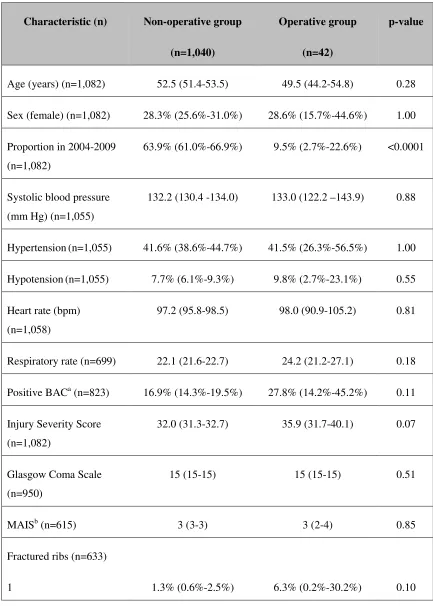
Table 2-2 compares operatively and non-operatively repaired flail chest patients who
survived at least 24 hours in hospital. There was no evidence of any statistically
significant differences between patients who underwent operative repairunderwent
operative repair and those who did not with regards to age, sex, blood pressure, heart rate,
respiratory rate, blood alcohol content, ISS, GCS, MAIS, number of fractured ribs,
comorbidities, blood transfusion, definitive airways, ventilation, chest tubes,
thoracotomies, and CPR. Interestingly, of those patients who underwent operative repair,
there seems to be fewer treated in later years (p<0.0001). It is not readily apparent why
unit 7.5 more days on average than patients who did not undergo operative repair
(p=0.0005). Operatively repaired patients tended to stay in the hospital for eight days
longer than non-operatively repaired patients although this did not reach statistical
significance after correcting for multiple testing (p>0.002). There was no evidence of a
statistically significant difference in mortality between operatively and non-operatively
repaired patients (p=0.17).
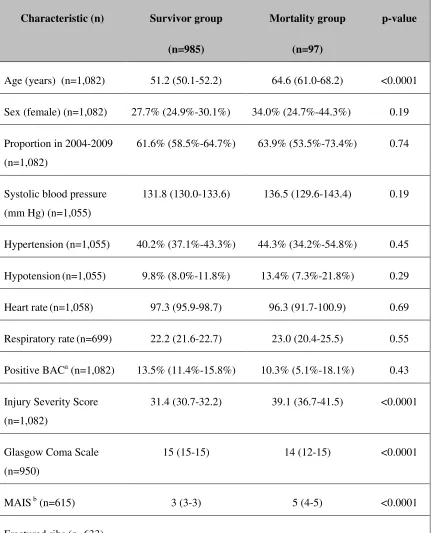
Table 2-3 summarizes the characteristics of flail chest patients who survived at least 24
hours in hospital by discharge status. On average survivors were over ten years younger
than mortality cases (p<0.0001), had less severe injuries (p<0.0001), had a higher
Glasgow Coma Scale (GCS) score (p<0.0001), had a lower Maximum Abbreviated
Injury Severity (MAIS) in head/neck region score (p<0.0001), had fewer or no
comorbidities (p<0.001), did not require a definitive airway (p<0.0001), tended not to
have respiratory failure and therefore did not require mechanical ventilation (p<0.0001),
and tended not to require cardiopulmonary resuscitation (p<0.001). The survivors spent
significantly more time in hospital, an average of eight more days, and had a shorter stay
in special care unit although this did not reach statistical significance (p<0.001 and
p<0.0051 respectively).
Table 2-3 suggests possible predictors of survivorship include a mean age in low fifties,
ISS in low thirties, GCS of 15, MAIS in head/neck region of 3, did not receive CPR,
without a definitive airway, without ventilation and without comorbidity. Table 2-2
shows that both operatively repaired patients and non-operatively repaired patients were
on average approximately 50 years of age, ISS of 32 to 36, GCS of 15, MAIS in
head/neck region of 3, did not receive CPR and without comorbidity. Operatively
repaired patients had a higher percentage of definitive airway and ventilation use than
survivors.
2.3
Discussion
Our study was the second largest study of flail chest patients to date. It examined 23
characteristics of 1,082 flail chest patients who survived at least 24 hours in
operative repair then described differences in patients who survived or died in
hospital. We found no evidence of any significant difference between operatively
repaired patients and non-operatively repaired patients with regards to
demographics, injuries, procedures and mortality. Our results showed that there
have been fewer operative repairs performed in recent years (p<0.0001). Possible
explanations for this could be budget costs in hospital where operative repair is
perceived as more expensive than standard of care (despite the evidence of a recent
cost-effectiveness study suggesting the opposite is true), lack of surgical training,
lack of awareness of randomized controlled trials, limited operating room time
resources, or that current surgeons prefer not to operatively repair their patients (10).
The reasons are not clear. Additionally, our study found that patients who underwent
operative repair stayed in the special care unit 7.5 more days on average than
patients who did not undergo operative repair (p=0.0005) which contrasts sharply
with what was reported by two meta-analyses and three randomized controlled trials
(5-9). This may be because Canadian surgeons consider the time duration for failure
to wean off ventilation as approximately one week or that the operative repair
procedure itself results in longer recovery times.
There were several similarities between flail chest patients recorded in the Ontario
Trauma Registry and those recorded in the National Trauma Data Bank including
age, sex and number of chest tube procedures (26). Some differences included
lower rates of ventilation in Ontario (33% vs 59%), lower rates of tracheotomies in
Ontario (<1% vs 21%) and lower rates of mortality in Ontario (9% vs 16%) (21).
Our results identified several potential mortality risk factors including age, ISS,
GCS, MAIS, number of comorbidities, definitive airway, ventilation, and CPR.
Similar to what has already been reported by the literature, we found that age, Injury
Severity Score, Glasgow Coma Scale, number of comorbidities and ventilation
appeared to be risk factors for mortality in flail chest patients (16-19). We found no
evidence that number of rib fractures or blood transfusion were significantly
associated with mortality but that CPR and definitive airway could be such (1,
fractures influences risk of mortality is particularly significant since several studies
have documented this effect (16, 18-22). This was most likely observed because
over 80% of flail chest patients have at least five broken ribs and so there was not
enough variation in this cohort to observe a difference in mortality risk.
One limitation of our study was that only 42 of 1,082 flail chest patients who
survived at least 24 hours after hospital admission underwent operative repair which
limited our statistical power to detect differences between operative and
non-operative repair groups. However, this limitation reflects the fact that few surgeons
currently perform them (11, 12). In fact, we observed that one institution did not
perform any operative repairs of flail chest at all. Our study analysis was further
limited by which parameters were available in the OTR. There are other important
survival factors such as pulmonary contusion or shock which we chose not to
analyze because the extent of these was not adequately captured in the database.
Furthermore, our study only considered survival as an outcome and there may be
other outcomes of interest to surgeons when evaluating flail chest patients for
operative repair such as quality of life. However, all-cause mortality is a hard
outcome and is perhaps the most patient-important outcome for consideration.
The strength of our study was that it included a large number of flail chest patients
which was important so that an accurate classification of what characteristics were
selected for operative repair in Ontario, Canada could be made. Furthermore, to our
knowledge this was the first study to examine the characteristics of flail chest
patients selected for operative repair and if these characteristics are associated with
improved survival. The results of our analysis could be used as part of a risk score to
assist surgeons considering operative repair for their flail chest patients.
2.4
Conclusions
Our study found that operative repair is performed in only a minority of patients that
could benefit from it and that it did not appear to influence risk of mortality. Our
study’s results found that mortality risk factors for flail chest include age, Injury
and definitive airway. Additionally, it is unclear how flail chest patients are selected
for operative repair since there does not appear to be any difference between
treatment groups with respect to the mortality risk factors observed in our study.
Further research should identify how strongly these risk factors are associated with
mortality. Using these predictors in a risk score has the potential to quantify the
individual risk of mortality and may be a useful tool in identifying a greater pool of
2.5
References
1. Ranasinghe AM, Hyde JA, Graham TR. Management of flail chest. Trauma.
2001; 3: 235-47.
2. Lafferty PM, Anavian J, Will RE, Cole PA. Operative treatment of Chest Wall
Injuries: Indications, Technique, Outcome. JBJS. 2011;93:97-110.
3. Qasim Z, Gwinnutt C. Flail chest: pathophysiology and management. Trauma.
2009;11:63-70.
4. Dehghan N, de Mestral C, McKee MD, Schemitsch EH, Nathens A. Flail chest
injuries: A review of outcomes and treatment practices from the National Trauma
Data Bank. J Trauma Acute Care Surg. 2014;76(2):462-8.
5. Tanaka H, Yukioka T, Yamaguti Y, Shimizu S, Goto H, Matsuda H, et al.
Surgical stabilization of internal pneumatic stabilization? a prospective
randomized study of management of severe flail chest patients. J
Trauma. 2002;52:727-32.
6. Granetzny A, Abd El-Aal M, Emam E, Shalaby A, Boseila A. Surgical versus
conservative treatment of flail chest evaluation of the pulmonary status. Interact
Cardiovasc Thorac Surg. 2005;4:583-7.
7. Marasco SF, Davies AR, Cooper J, Varma D, Bennett V, Nevill R, et al.
Prospective randomized controlled trial of operative rib fixation in traumatic flail
chest. J Am Coll Surg. 2013;216:924-32.
8. Leinicke JA, Elmore L, Freeman BD, Colditz GA. Operative management of rib
fractures in the setting of flail chest: a systematic review and meta-analysis. Ann
Surg. 2013;258(6):914-21.
9. Slobogean GP, MacPherson CA, Sun T, Pelletier ME, Hameed SM. Surgical
fixation vs nonoperative management of flail chest: a meta-analysis. J Am Coll
Surg. 2013;216(2):302-11.
10.Bhatnagar A, Mayberry J, Nirula R. Rib fracture fixation for flail chest: what is
11.Fitzpatrick DC, Denard PJ, Phelan D, Long WB, Madey SM, Bottlang M.
Operative stabilization of flail chest injuries: review of literature and fixation
options. Eur J Trauma Emerg Surg. 2010;36:427-433.
12.Richardson JD, Franklin GA, Heffley S, Seligson D. Operative fixation of chest
wall fractures: an underused procedure? Am Surg. 2007;73(6):591-7.
13.Mayberry JC, Ham LB, Schipper PH, Ellis TJ, Mullins RJ. Surveyed opinion of
american trauma, orthopedic, and thoracic surgeons on rib and sternal fracture
repair. J Trauma. 2009;66(3):875-9.
14.Nirula R, Diaz JJ Jr, Trunkey DD, Mayberry JC. Rib fracture repair: indications,
technical Issues, and future directions. World J Surg. 2009;33(1):14-22.
15.Pettiford BL, Luketich JD, Landreneau RJ. The management of flail chest.
Thorac Surg Clin. 2007;17(1):25-33.
16.Freedland M, Wilson RF, Bender JS, Levison MA. The management of flail
chest injury: factors affecting outcome. J Trauma. 1990; 30(12):1460-8.
17.Athanassiadi K, Gerazounis M, Theakos N.
Management of 150 flail chest injuries: analysis of risk factors affecting outcome.
Eur J Cardiothorac Surg. 2004; 26(2):373-6.
18.Bulger EM, Arneson MA, Mock CN, Jurkovich GJ. Rib fractures in the elderly. J
Trauma. 2000; 48(6):1040-1047.
19.Flagel BT, Luchette FA, Reed RL, Esposito TJ, Davis KA, Santaniello
JM, Gamelli RL. Half-a-dozen ribs: the breakpoint for mortality.
Surgery. 2005;138(4):717-25.
20.Wang SH, Wei TS, Chen CP. Prognostic analysis of patients with blunt chest
trauma admitted to an intensive care unit. J Formos Med Assoc.
2007;106(6):444-51.
21.Lien YC, Chen CH, Lin HC. Risk factors for 24-hour mortality after traumatic rib
fractures owing to motor vehicle accidents: a nationwide population-based study.
Ann Thorac Surg. 2009;88(4):1124-30.
22.Battle CE, Hutchings H, Evans PA. Risk factors that predict mortality in patients
with blunt chest wall trauma: a systematic review and meta-analysis.
23.Poon V, Sidhom P, Fortim CM (2011). Ontario trauma registry 2011 report:
major injury in ontario, 2009-2010 data. Retrieved from the Canadian Institute for
Health Information website:
https://secure.cihi.ca/free_products/OTR_CDS_2009_2010_Annual_Report.pdf
24.Quan H, Sundararajan V, Halfon P, Fong A, Burnand B, Luthi JC, et al. Coding
algorithms for defining comorbidities in ICD-9-CM and ICD-10 administrative
data. Med Care. 2005;43(11):1130-9.
25.Hahn GJ, Meeker WQ. (1991), Statistical Intervals: A Guide for Practitioners,
New York: John Wiley & Sons.
26.Dehghan N, de Mestral C, McKee MD, Schemitsch EH, Nathens A. Flail chest
injuries: A review of outcomes and treatment practices from the National Trauma
Table 2-1: List of the 9 lead trauma hospitals and geographical location in Ontario
Facility City
Hamilton Health Sciences Corporation Hamilton
Hotel Dieu-Grace Hospital Windsor
Kingston General Hospital Kingston
London Health Sciences Centre London
St. Michael's Hospital Toronto
Sudbury Regional Hospital Sudbury
Sunnybrook Health Sciences Centre Toronto
The Ottawa Hospital Ottawa
Table 2-2: Characteristics of OTR flail chest patients who survived >24 hours by
operative repair group
Characteristic (n) Non-operative group
(n=1,040)
Operative group
(n=42)
p-value
Age (years) (n=1,082) 52.5 (51.4-53.5) 49.5 (44.2-54.8) 0.28
Sex (female) (n=1,082) 28.3% (25.6%-31.0%) 28.6% (15.7%-44.6%) 1.00
Proportion in 2004-2009
(n=1,082)
63.9% (61.0%-66.9%) 9.5% (2.7%-22.6%) <0.0001
Systolic blood pressure
(mm Hg) (n=1,055)
132.2 (130.4 -134.0) 133.0 (122.2 –143.9) 0.88
Hypertension(n=1,055) 41.6% (38.6%-44.7%) 41.5% (26.3%-56.5%) 1.00
Hypotension(n=1,055) 7.7% (6.1%-9.3%) 9.8% (2.7%-23.1%) 0.55
Heart rate (bpm)
(n=1,058)
97.2 (95.8-98.5) 98.0 (90.9-105.2) 0.81
Respiratory rate (n=699) 22.1 (21.6-22.7) 24.2 (21.2-27.1) 0.18
Positive BACa (n=823) 16.9% (14.3%-19.5%) 27.8% (14.2%-45.2%) 0.11
Injury Severity Score
(n=1,082)
32.0 (31.3-32.7) 35.9 (31.7-40.1) 0.07
Glasgow Coma Scale
(n=950)
15 (15-15) 15 (15-15) 0.51
MAISb (n=615) 3 (3-3) 3 (2-4) 0.85
Fractured ribs (n=633)
2-4 5+ 15.6% (12.8%-18.7%) 83.1% (80.0%-86.0%) 25.0% (7.3%-52.4%) 68.8% (41.3%-89.0%)
Comorbidities c (n=1,082)
0 1-2 ≥3 81.9% (79.5%-84.2%) 16.1% (13.9%-18.4%) 2.0% (1.3%-3.1%) 83.3% (68.6%-93.0%) 14.3% (5.4%-28.5%) 2.4% (0.1%-12.6%) 0.86
Transfusion(n=1,082) 11.0% (9.1%-13.0%) 2.4% (0.1%-12.6%) 0.12
Definitive airwayd
(n=1,082)
40.7% (37.7%-43.7%) 54.8% (38.7%-70.2%) 0.08
Ventilation(n=1,082) 33.1% (30.2%-36.0%) 45.2% (29.9%-61.3%) 0.13
Chest tubes(n=1,082) 45.8% (42.7%-48.9%) 57.1% (41.0%-72.3%) 0.16
Thoracotomy(n=1,082) 0.7% (0.3%-1.4%) 0.0% (0.0%-0.0%) 1.00
CPR performed(n=1,082) 1.0% (0.5%-1.8%) 0.0% (0.0%-0.0%) 1.00
Days in special care units
(n=1,082)
6 (5-6) 13.5 (7-19) 0.0005
Days in lead trauma
hospital (n=1,073)
14 (13-16) 22 (12-38) 0.0125
Proportion survived
(n=1,082)
90.8% (88.8%-92.5%) 97.6% (87.4%-99.9%) 0.17
a
Patient exceeded maximum legal blood alcohol limit for drivers in Ontario (i.e. 17.4
b
Maximum Abbreviated Injury Score for the head and neck region.
c
Charlson and Elixhauser comorbidities were extracted from the ICD-9-CM and ICD-10
administrative codes using the Quan et al. (2005) coding algorithms. Comorbidities
accounted for by both Charlson and Elixhauser methods were only counted once.
Table 2-3: Characteristics of OTR flail chest patients who survived >24 hours by
hospital discharge status
Characteristic (n) Survivor group
(n=985)
Mortality group
(n=97)
p-value
Age (years) (n=1,082) 51.2 (50.1-52.2) 64.6 (61.0-68.2) <0.0001
Sex (female) (n=1,082) 27.7% (24.9%-30.1%) 34.0% (24.7%-44.3%) 0.19
Proportion in 2004-2009
(n=1,082)
61.6% (58.5%-64.7%) 63.9% (53.5%-73.4%) 0.74
Systolic blood pressure
(mm Hg) (n=1,055)
131.8 (130.0-133.6) 136.5 (129.6-143.4) 0.19
Hypertension (n=1,055) 40.2% (37.1%-43.3%) 44.3% (34.2%-54.8%) 0.45
Hypotension(n=1,055) 9.8% (8.0%-11.8%) 13.4% (7.3%-21.8%) 0.29
Heart rate(n=1,058) 97.3 (95.9-98.7) 96.3 (91.7-100.9) 0.69
Respiratory rate(n=699) 22.2 (21.6-22.7) 23.0 (20.4-25.5) 0.55
Positive BACa (n=1,082) 13.5% (11.4%-15.8%) 10.3% (5.1%-18.1%) 0.43
Injury Severity Score
(n=1,082)
31.4 (30.7-32.2) 39.1 (36.7-41.5) <0.0001
Glasgow Coma Scale
(n=950)
15 (15-15) 14 (12-15) <0.0001
MAIS b (n=615) 3 (3-3) 5 (4-5) <0.0001
1 2-4 5+ 1.4% (0.6%-2.7%) 15.6% (12.7%-18.8%) 83.0% (79.7%-86.0%) 1.8% (0.1%-9.6%) 17.9% (8.9%-30.4%) 80.4% (67.6%-89.8%) 0.65
Comorbidities c (n=1,082)
0 1-2 ≥3 83.3% (80.8%-85.5%) 15.2% (13.0%-17.6%) 1.5% (0.9%-2.5%) 69.1% (58.9%-78.1%) 23.7% (15.7%-33.4%) 7.2% (3.0%-14.3%) <0.001
Transfusion (n=1,082) 6.0% (4.6%-7.7%) 8.3% (3.6%-15.6%) 0.38
Definitive airwayd
(n=1,082)
38.4% (35.3%-41.5%) 70.1% (60.0%-79.0%) <0.0001
Ventilation (n=1,082) 31.0% (28.1%-34.0%) 59.8% (49.4%-69.6%) <0.0001
Chest tubes (n=1,082) 46.5% (43.4%-50.0%) 43.3% (33.3%-53.8%) 0.59
Thoracotomy (n=1,082) 0.5% (0.0%-0.1%) 2.1% (0.3%-7.3%) 0.12
CPR(n=1,082) 0.5% (0.0%-0.1%) 5.2% (1.7%-11.6%) <0.001
Length of stay in special
care unit (n=1,082)
6 (5-7) 7 (5-12) <0.0051
Length of stay in hospital
(n=1,073)
15 (14-16) 7 (6-15) <0.001
a
Patient exceeded maximum legal blood alcohol limit for drivers in Ontario (i.e. 17.4
mmol/L or 0.08%).
b
c
Charlson and Elixhauser comorbidities were extracted from the ICD-9-CM and ICD-10
administrative codes using the Quan et al. (2005) coding algorithms. Comorbidities
accounted for by both Charlson and Elixhauser methods were only counted once.
d