R E S E A R C H A R T I C L E
Open Access
Laparoscopic surgery for Crohn
’
s disease: a
meta-analysis of perioperative complications and
long term outcomes compared with open surgery
Sunil V Patel
1,2*, Sanjay VB Patel
1, Sreeram V Ramagopalan
2,3,4and Michael C Ott
1Abstract
Background:Previous meta-analyses have had conflicting conclusions regarding the differences between laparoscopic and open techniques in patients with Crohn’s Disease. The objective of this meta-analysis was to compare outcomes in patients with Crohn’s disease undergoing laparoscopic or open surgical resection.
Methods:A literature search of EMBASE, MEDLINE, The Cochrane Central Register of Controlled Trials and the US National Institute of Health’s Clinical Trials Registry was completed. Randomized clinical trials and non-randomized comparative studies were included if laparoscopic and open surgical resections were compared. Primary outcomes assessed included perioperative complications, recurrence requiring surgery, small bowel obstruction and incisional hernia.
Results:34 studies were included in the analysis, and represented 2,519 patients. Pooled analysis showed reduced perioperative complications in patients undergoing laparoscopic resection vs. open resection (Risk Ratio 0.71, 95% CI 0.58–0.86, P = 0.001). There was no evidence of a difference in the rate of surgical recurrence (Rate Ratio 0.78, 95% CI 0.54–1.11, P = 0.17) or small bowel obstruction (Rate Ratio 0.63, 95% CI 0.28–1.45, P = 0.28) between techniques. There was evidence of a decrease in incisional hernia following laparoscopic surgery (Rate Ratio 0.24, 95% CI 0.07– 0.82, P = 0.02).
Conclusions:This is the largest review in this topic. The results of this analysis are based primarily on non-randomized studies and thus have significant limitations in regards to selection bias, confounding, lack of blinding and potential publication bias. Although we found evidence of decreased perioperative complications and incisional hernia in the laparoscopic group, further randomized controlled trials, with adequate follow up, are needed before strong recommendations can be made.
Keywords:Laparoscopy, Crohn’s disease, Perioperative complications, Surgical recurrence, Hernia, Small bowel obstruction
Background
Despite many advances in the medical management of Crohn’s disease, there is still a significant risk of surgical resection during the lifetime of a patient. Over 80% of patients diagnosed with primary ileocolic Crohn’s disease have a surgical resection within 10 years of their diagno-sis [1]. In patients undergoing initial surgical resection,
over one quarter will require subsequent surgical resec-tions for recurrent disease within five years of the initial resection [1]. Bernell et al., found that the median age of the first surgical resection in Crohn’s disease is in the third decade. Given the young age of the patient popula-tion and the recurrent nature of the disease process, this patient population seems ideally suited for a laparo-scopic approach to resection.
A Cochrane Review [2] on this topic was recently pub-lished. It focused on randomized controlled trials only. This review included 120 patients from 2 trials, and found no significant differences in perioperative complications * Correspondence:[email protected]
1
Divisions of General Surgery, The University of Western Ontario London, Ontario, ON, Canada
2
Department of Epidemiology, London School of Hygiene and Tropical Medicine, London, United Kingdom
Full list of author information is available at the end of the article
© 2013 Patel et al.; licensee BioMed Central Ltd. This is an Open Access article distributed under the terms of the Creative Commons Attribution License (http://creativecommons.org/licenses/by/2.0), which permits unrestricted use, distribution, and reproduction in any medium, provided the original work is properly cited.
Patelet al. BMC Surgery2013,13:14
or long-term outcomes. The pooled results were likely underpowered to detect a difference in the long term out-comes. For recurrences requiring reoperation, a sample size of over 2800 patients per group would be needed to detect the difference seen in this review (for a power of 80% and anαof 0.05).
Previous meta-analyses [3-6] have been completed comparing laparoscopic and open surgery for Crohn’s disease. The focus of these analyses was primarily on perioperative factors such as operating time, length of stay, return to diet and time to bowel movement. There were conflicting conclusions on the effects of laparo-scopic surgery on perioperative complications and in the rate of recurrence. Only one of the analyses assessed the effect of small bowel obstruction [3] and found a benefit to laparoscopic surgery.
Since the publication of the most recent meta-analysis, there have been 13 publications exploring both peri-operative complications and long-term outcomes in patients undergoing laparoscopic resection of Crohn’s disease. This new data may help to clarify the inconclu-sive findings of prior meta-analyses, and warrants an up to date analysis.
This study assesses the risk of perioperative complica-tions and long-term outcomes in patients undergoing re-section for Crohn’s disease either by laparoscopic or open surgery.
Methods
This Meta-Analysis adheres to the MOOSE reporting guidelines [7].
Eligibility criteria
Both randomized clinical trials and non-randomized studies were included. The population of interest were patients undergoing bowel resection for Crohn’s disease. The intervention was laparoscopic surgical resection (in-cluding hand assisted laparoscopic resection), compared with open surgical resection.
Primary outcomes included both perioperative cations and long-term outcomes. Perioperative compli-cations were defined as complicompli-cations occurring within 30 days of surgery including wound infection, urinary tract infections, respiratory complications, anastomotic leak, intra abdominal abscess, bowel obstruction or prolonged ileus and reoperation for any reason. Long-term outcomes included recurrence of Crohn’s disease requiring surgical intervention, small bowel obstruction and incisional hernia.
Publications comparing laparoscopic to open colorec-tal surgery were also included if data for patients under-going resection for Crohn’s disease could be extracted separately. Studies were excluded if there was no open surgery control group for comparison. Only the most
861 Records identified through database search
650 Records after duplicates remove
523 Studies excluded from title and abstract screening
127 Studies selected for full text review
93 Full text articles excluded, with reasons
34 Studies included in qualitative analysis
1 Study not included in Long-term outcome (follow
up period not specified)
33 Studies included in quantitative analysis
(meta-analysis)
Figure 1Flow Diagram of search results, and trial inclusion.
Patelet al. BMC Surgery2013,13:14 Page 2 of 13
Table 1 Summary of included studies: NR non-randomized, RCT randomized control trial, IC Ileocecal, PO perioperative complications, LT long term outcomes,
a
Median displayed
Study Patient No. Methods Participants Intervention Outcomes Long term follow
up (Mean, months)
Notes
Alabaz et al. 2000 [10] 74 NR CD patients IC resection PO, LT Study mean = 30
Allesandroni 2010 [11] 200 NR CD patients IC resection PO, LT Lap = 52; Open = 60
Bemelman et al. 2000 [12] 78 NR CD patients IC resection PO
Benoist et al. 2003 [13] 56 NR CD patients IC resection PO Cases and controls
matched
Bergamaschi et al. 2003 [14] 92 NR CD patients IC resection PO, LT Lap = 60; Open = 60
Broquet et al. 2010 [15] 62 NR CD patients IC resection PO Patients with at least 1
previous resection
Courtney et al. 2011 [16] 13 NR Adolescent patients with IBD
Any bowel resection and anastomosis
PO
da Luz Moreira et al. 2007 [17] 54 NR Crohn’s colitis patients Colectomy for Crohn’s colitis
PO, LT Lap = 12; Open = 40a Cases and controls
matched
Diamond et al. 2001 [18] 23 NR Adolescent patients with CD
IC resection PO
Duepree et al. 2002 [19] 45 NR CD patients IC resection PO
Dunker et al. 1998 [20] 22 NR CD patients IC resection PO,
El Gazaaz et al. 2010 [21] 456 NR Patients undergoing bowel anastomosis
Any bowel resection and anastomosis
Anastamotic leak rate Cases and controls
matched
Eshuis et al. 2008 [22] 71 NR CD patients IC resection LT Lap = 104; Open = 103a Long-term follow up to
study by Bemelman 2000
Eshuis et al. 2010 [23] 55 RCT CD patients IC resection LT Lap = 78; Open = 82a Follow up report on the
RCT completed by Maartense et al. 2006
Fichera et al. 2007 [24] 146 NR CD patients IC resection PO, LT Lap = 26, Open = 15
Huilgol et al. 2004 [25] 40 NR CD patients IC resection PO
Kishi et al. 2000 [26] 35 NR Stenotic lesions in CD patients
IC resection PO
Lauro et al. 2004 [27] 51 NR CD patients Any bowel resection and
anastomosis
PO
Lowney et al. 2006 [28] 113 NR CD patients IC resection PO, LT Lap = 60; Open = 81
Luan et al. 2000 [29] 40 NR CD patients Any bowel resection and
anastomosis
PO
Maartense et al. 2006 [30] 60 RCT CD patients IC resection PO
Milsom et al. 2001 [31] 60 RCT CD patients IC resection PO
Patel
et
al.
BMC
Surgery
2013,
13
:14
Page
3
o
f
1
3
http://ww
w.biomedce
ntral.com/1
Table 1 Summary of included studies: NR non-randomized, RCT randomized control trial, IC Ileocecal, PO perioperative complications, LT long term outcomes, a
Median displayed(Continued)
Msika et al. 2001 [32] 46 NR CD patients Any bowel resection and
anastomosis
PO
Nakajima et al. 2010 [33] 38 NR Crohn’s colitis Colectomy or subtotal colectomy
PO Hand assisted and
laparoscopic assisted groups analyzed together
Shore et al. 2003 [34] 40 NR CD patients IC resection PO
Sica et al. 2008 [35] 28 NR CD patients IC resection PO
Stocchi et al. 2008 [36] 56 RCT CD patients IC resection LT Lap = 120;
Open = 132
Follow up report on the RCT completed by Milsom et al. 2001
Tabet et al. 2001 [37] 61 NR CD patients Any bowel resection and
anastomosis
PO, LT Lap = 39;
Open = 42
Tanaka et al. 2008 [38] 48 NR CD patients Any bowel resection and anastomosis
PO, LT Unknown
Thaler et al. 2005 [39] 37 NR CD patients IC resection LT
Uchikoshi et al. 2004 [40] 43 NR Recurrent CD Bowel resection and anastomosis
PO, LT Lap = 29.6,
Open = 71.9
Hand assisted and laparoscopic assited groups analyed together
Umanskiy et al. 2010 [41] 125 NR Crohn’s colitis patients Colectomy for Crohn’s colitis
PO, LT Lap = 20;
Open = 29
Von Allmen et al. 2003 [42] 28 NR CD patients Any bowel resection and anastomosis
PO
Wu et al. 1997 [43] 123 NR CD patients IC resection PO
NRNon-randomized,RCTrandomized control trial,ICIleocecal,POperioperative complications,LTLong Term Outcomes,a
Median displayed.
Patel
et
al.
BMC
Surgery
2013,
13
:14
Page
4
o
f
1
3
http://ww
w.biomedce
ntral.com/1
recent publication data was included for analysis if there was duplication of patient data across multiple studies.
Information sources and search
The search was completed by two of the authors (SVP, SVBP), with input for search strategy from the institu-tions librarian. A search was completed in December, 2011 using EMBASE (1980–2011), MEDLINE (1948 – 2011), The Cochrane Central Register of Controlled Tri-als and the US National Institute of Health’s Clinical Trials Registry. Bibliographies of related studies were searched. Search terms included “Crohn’s Disease”, “in-flammatory bowel disease”, “Laparoscopy” and “laparo-scopic surgery”. Terms were combined with Boolean expressions to limit the search. The study was not lim-ited to English language journals. Non-english language articles were translated into English.
Two independent reviewers assessed titles and abstracts for relevant articles. Full text review was performed on identified studies. Both reviewers assessed each study, to determine if it met the inclusion criteria. The kappa statis-tic was used to assess inter-rater agreement.
Data was extracted by two independent reviewers using standardized forms. Study details, patient charac-teristics, follow up periods and outcomes were extracted.
Risk of bias assessment
Study quality was assessed using two methods. Non-randomized comparative trials were assessed using the
Newcastle – Ottawa quality assessment scale, [8] as recommended in the Cochrane Handbook [9]. This scale assigns a star rating based on pre-specified criteria. A maximum of one star can be attained for each category, except comparability which has a maximum of 2 stars. The more stars a study obtains, the higher the quality. Randomized controlled trials were assessed as discussed in the Cochrane Handbook [9].
Statistical analysis
Data was analyzed using STATA 12 (StataCorp LP, College Station Texas, 2011). For short- term complica-tions, risk ratios and 95% confidence intervals were cal-culated. Rate ratios and 95% confidence intervals, using patient years, were calculated for long-term outcomes. Using rates instead of risk allows for comparison be-tween groups with unequal follow up duration.
The fixed effect model using the inverse variance method was used for these calculations. Risk difference and 95% confidence intervals were calculated for con-tinuous variables, using the fixed effect model with the inverse variance method. A fixed effect model was se-lected because of the large number of trials and large variation in study size. This allows for larger trials to be weighted more strongly in the pooled estimate. I2values were used to determine heterogeneity between studies.
Publication bias was assessed using funnel plots. Stat-istical test for funnel plot asymmetry was completed as recommended in the Cochrane Handbook.
Table 3 Risk of bias of randomized controlled trials
Study Randomization Allocation
concealment
Blinding Incomplete
outcome data
Selective reporting
Other potential sources of bias
Risk of bias
Milsom 2001 [31]
Unclear method of randomization
Unclear: not discussed
High risk: unable to blind due to type of
intervention
Low risk Low risk Unclear risk: not intention to treat analysis. Patients
randomized after laparoscopy
High
Maartense 2006 [30]
Unclear method of randomization
Low risk: sealed envelopes
High risk: unable to blind due to type of
intervention
Low risk Low risk None High
Table 2 Differences between laparoscopic and open surgery patients,aMean differencebRisk ratio
No. studies Mean difference or risk ratio (95% CI) P Value
Age, yr 24 (n = 2011) −1.41 (−2.71 to−0.11)a 0.03
BMI, kg/m2 14 (n = 1359) −0.65 (−1.94 to 0.65)a 0.32
Length of disease, years 14 (n = 974) −0.94 (−3.02 to 1.15)a 0.38
Previous surgery 16 (n = 1201) 0.80 (0.64 to 1.01)b 0.06
Preoperative steroids 13 (n = 921) 1.06 (0.95 to 1.17)b 0.33
Length of stay, days 17 (n = 1005) −2.24 (−2.50 to−1.98)a <0.001
Return to solid diet, days 9 (n = 442) −1.29 (−1.59 to−0.98)a <0.001
Time to flatus, days 8 (n = 465) −0.80 (−1.05 to−0.55)a <0.001
Time to bowel movement, days 6 (n = 378) −0.68 (−0.94 to−0.43)a <0.001
Patelet al. BMC Surgery2013,13:14 Page 5 of 13
Table 4 Quality assessment of non-randomized controlled trials
Selection Outcome
Study Representativeness
of the exposed cohort
Selection of the non exposed cohort
Ascertainment of exposure
Outcome(s) absent at start of study
Comparability of cohorts
Assessment of outcome
Adequate follow up
time
Adequacy of follow up
Alabaz 2000 [10]
* * * * * * *
Allesandroni 2010 [11]
* * * * * * *
Bemelman 2000 [12]
* * * * * * *
Benoist 2003 [13]
* * * ** * * *
Bergamaschi 2003 [14]
* * * * * * *
Broquet 2010 [15]
* * * * * * * *
Courtney 2011 [16]
* * * * * *
da Luz Moreira 2007 [17]
* * * * ** * *
Diamond 2001 [18]
* * * * * * * *
Duepree 2002 [19]
* * * * * * *
Dunker 1998 [20]
* * * * * *
El Gazaaz 2010 [21]
* * * * ** * * *
Eshuis 2008 [22]
* * * * * * * *
Fichera 2007 [24]
* * * * * *
Huilgol 2004 [25]
* * * * * *
Kishi 2000 [26] * * * * * * *
Lauro 2004 [27]
* * * * * * * *
Lowney 2006 [28]
* * * * * *
Luan 2000 [29] * * * * *
Msika 2001 [32]
* * * * * * * *
Nakajima 2010 [33]
* * * * * * *
Shore 2003 [34]
* * * * * * *
Sica 2008 [35] * * * * * * * *
Tabet 2001 [37]
* * * * * * * *
Tanaka 2008 [38]
* * * * * * *
Thaler 2005 [39]
* * * * * * *
Patelet al. BMC Surgery2013,13:14 Page 6 of 13
Additional analysis
A priorisubgroup analysis was planned to assess differ-ences in perioperative complications between random-ized controlled trials and non-randomrandom-ized comparative trials. Subgroup analysis was also planned to determine if the type of resection affected the long term outcomes. The test of interaction was used to assess heterogeneity between subgroups.
Sensitivity analysis was completed for rates of long-term outcomes. For our analysis, rate ratios were calculated using studies with known follow up duration in both
groups. A sensitivity analysis was completed, including studies with incomplete follow up data, to assess the effect these studies had on the rate ratio. In this analysis, it was assumed that follow up duration was the same between groups and equal to the duration given for the entire study population. The test of interaction was used to assess the heterogeneity between these rate ratios.
Results
A literature search found 861 articles. After eliminating duplicates and identifying relevant studies, 127 articles
Table 4 Quality assessment of non-randomized controlled trials(Continued)
Uchikoshi 2004 [40]
* * * * * *
Umanskiy 2010 [41]
* * * * * * *
Von Allmen 2003 [42]
* * * * * * * *
Wu 1997 [43] * * * * * * *
A study can be awarded a maximum of 1 star (*) in each of the selection and outcome categories, and a maximum of 2 stars (**) in the comparability section.
Overall (I−squared = 0.0%, p = 0.875) Diamond 2001
von Allmen 2003 ID Tabet 2001 Milsom 2001 Tanaka 2008 Uchikoshi 2004 Umanskiy 2010 Duepree 2002 Sica 2008 Nakajima 2010 Msika 2001 Lowney 2006 Brouquet 2010 Kishi 2000 Bemelman 2000 Lauro 2004 Wu 1997 Huilgol 2004 Dunker 1998 El−Gazzaz 2010 Maartense 2006 Benoist 2003 Shore 2003 Courtney 2011 Luan 2000 Bergamaschi 2003 Alessandroni 2010
da Luz Moreira 2007 Fichera 2007 Alabaz 2000 Study
0.71 (0.58, 0.86) 0.46 (0.05, 4.38)
0.67 (0.07, 6.52) RR (95% CI)
0.30 (0.11, 0.83) 0.52 (0.20, 1.37)
0.35 (0.08, 1.48) 0.52 (0.14, 1.91) 0.64 (0.29, 1.38) 0.86 (0.22, 3.40)
0.87 (0.14, 5.32) 0.88 (0.17, 4.62) 0.52 (0.11, 2.41) 0.56 (0.30, 1.06) 1.25 (0.62, 2.51)
1.57 (0.44, 5.60) 0.80 (0.22, 2.96)
0.52 (0.29, 0.94)
0.33 (0.10, 1.09) 1.21 (0.31, 4.71) 1.00 (0.07, 14.05) 0.90 (0.37, 2.17)
0.30 (0.09, 0.98) 2.22 (0.59, 8.40)
0.33 (0.01, 7.72) 0.44 (0.04, 5.46)
0.68 (0.14, 3.28) 1.09 (0.31, 3.79) 0.75 (0.27, 2.08)
0.78 (0.34, 1.79) 1.21 (0.53, 2.73) 0.92 (0.31, 2.78)
100.00 0.77 0.76 Weight 3.84 4.20 1.90 2.33 6.62 2.08 1.20 1.43 1.68 9.66 8.14 2.45 2.30 11.20 2.81 2.13 0.56 5.08 2.80 2.23 0.40 0.63 1.59 2.53 3.78 5.71 5.92 3.25 % 1 .1 10
Favours Laparoscopic Surgery Favours Open Surgery
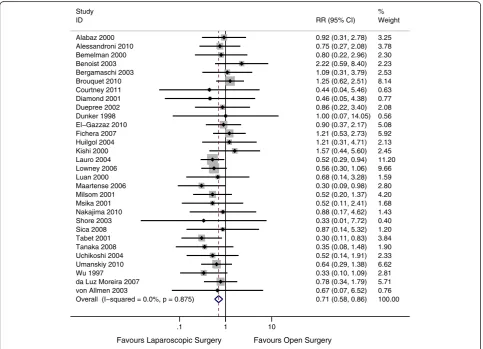
Figure 2Forest plot of perioperative complications, risk ratio 0.71 (95% CI 0.58–0.86, P = 0.001).
Patelet al. BMC Surgery2013,13:14 Page 7 of 13
were selected for full text review. Of these, 34 articles were included in the study (Figure 1). A total of 2,519 patients were included in our analysis. Two independent reviewers assessed articles for inclusion. The weighted kappa statistic was 0.92, which indicated very good agreement between the two reviewers. Disagreements were resolved through discussion and consensus.
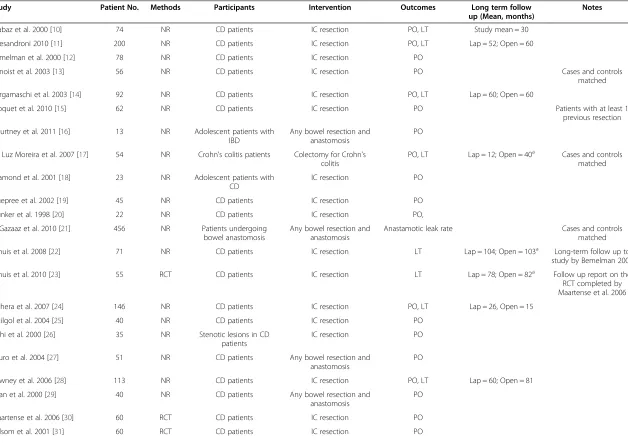
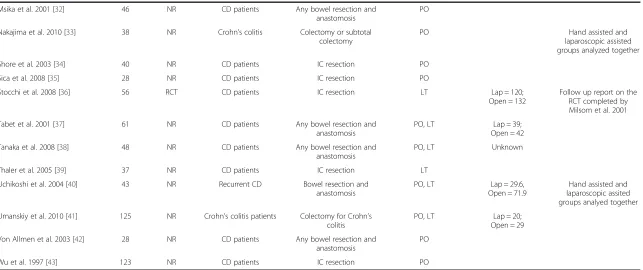
A summary of included articles can be found in Table 1. Included studies were published from 1997– 2011, and included both randomized controlled trials and non-randomized studies. The number of patients in these stud-ies ranged from 13–456. Weighted Mean Differences in age, BMI, length of disease, length of stay, and time to diet, flatus and bowel movement can be found in Table 2. Risk ratio of preoperative steroid use and previous surgery can also be found in Table 2. Laparoscopic patients were younger (P = 0.03), while other characteristics were similar between groups. Shorter length of stay, earlier return to solid diet, time to flatus and time to bowel movement were seen in the laparoscopic group.
There were four articles which included data from two randomized controlled trials [23,30,31,36]. The studies by
Eshius [23] and Stocchi [36] included long-term outcomes from the initial studies by Maartense [30] and Milsom [31], respectively. The risk of bias of these studies can be found in Table 3. In both cases the risk of bias was deemed to be high. Neither study had adequate blinding of study personnel or patients. As well, in the study by Milsom et al., the decision for randomization did not occur until after a diagnostic laparoscopy was completed and the pa-tient deemed appropriate for laparoscopic resection.
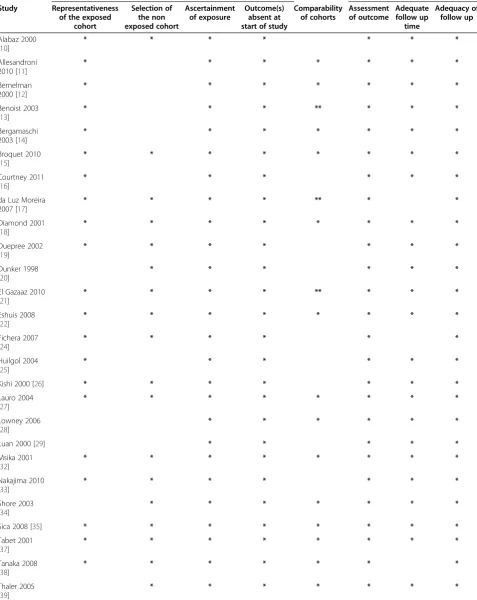
The quality assessment of the non-randomized trials can be found in Table 4. Thirty observational trials [10-22, 24-29,32-35,37-43] were included in this analysis. Twenty four of the 30 trials (80%) used consecutive patients over a specified time period in selecting laparoscopic patients. These are likely representative of Crohn’s patients requir-ing surgical intervention. The other six studies did not use consecutive patients, and did not describe how the in-cluded laparoscopic patients were selected. Twenty one of the studies (70%) selected open surgical patients from the same population as the laparoscopic patients. The other 9 studies selected the open surgical patients from historic pe-riods. The laparoscopic and open groups were comparable for at least age and gender in 20 studies (67%). Three of the studies matched the open group to the laparoscopic group on several different factors, including age, gender, body mass index, disease severity or steroid use. Adequate follow up duration was seen in all studies looking at short term outcomes. Of the 12 observation studies looking at long term outcomes [10,11,14,17,22,24,28,37-41], 3 studies [17,24,41] had less than 2 years of follow up in one of the groups, while one [38] did not specify the follow up duration at all.
Two studies [33,40] included patients undergoing both hand assisted laparoscopic surgery and laparoscopic assisted surgery. These two groups were analyzed to-gether in the laparoscopic surgery group. All other stud-ies compared laparoscopic surgery to open surgery.
The majority of studies looked at patients undergoing ileocecal resection only. Nine studies [16,21,27,29,32, 37,38,40,42] included patients with any bowel resection.
Table 5 Pooled risk ratios of complications in Crohn’s patients undergoing resection by laparoscopic or open technique
Perioperative complication Number of
studies
Total number of patients
Laparoscopic Open
surgery
Risk ratio 95% Confidence
interval
P Value I2
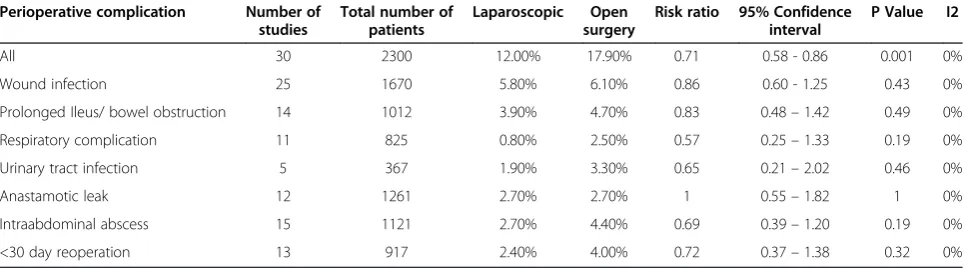
All 30 2300 12.00% 17.90% 0.71 0.58 - 0.86 0.001 0%
Wound infection 25 1670 5.80% 6.10% 0.86 0.60 - 1.25 0.43 0%
Prolonged Ileus/ bowel obstruction 14 1012 3.90% 4.70% 0.83 0.48–1.42 0.49 0%
Respiratory complication 11 825 0.80% 2.50% 0.57 0.25–1.33 0.19 0%
Urinary tract infection 5 367 1.90% 3.30% 0.65 0.21–2.02 0.46 0%
Anastamotic leak 12 1261 2.70% 2.70% 1 0.55–1.82 1 0%
Intraabdominal abscess 15 1121 2.70% 4.40% 0.69 0.39–1.20 0.19 0%
<30 day reoperation 13 917 2.40% 4.00% 0.72 0.37–1.38 0.32 0%
0
.5
1
1.
5
2
s.e. of logor
−4 −2 0 2 4
logor
Figure 3Funnel plot from perioperative complications.Test for assymetry, P = 0.75.
Patelet al. BMC Surgery2013,13:14 Page 8 of 13
These resections included ileocecal resection, other small bowel resections, segmental colectomy and sub-total colectomy. Three studies [17,33,41] (20, 32, 39) looked exclusively at patients undergoing colectomy for Crohn’s colitis.
The study by El-Gazaaz et al. [21] looked at patients undergoing bowel resection and anastomosis. These in-cluded colorectal cancer patients, Crohn’s disease pa-tients and papa-tients with diverticular disease. The primary outcome in this study was anastomotic leak rate and
Crohn’s disease patients were analyzed independently, and matched to an open surgery control group. One study [16] included both Crohn’s disease and ulcerative colitis patients, and included data for the subset of Crohn’s disease patients. All other studies looked exclu-sively at Crohn’s disease patients.
Perioperative complications
Thirty studies [10-21,24-35,37,38,40-43] addressed the perioperative complication risk in the two groups. This Overall (I−squared = 0.0%, p = 0.890)
da Luz Moreira 2007 Stocchi 2008 Eshuis 2008 Study
Lowney 2006
Umanskiy 2010 Uchikoshi 2004 Tabet 2001 ID
Bergamaschi 2003 Alessandroni 2010
Eshuis 2010
0.78 (0.54, 1.11) 0.56 (0.07, 4.61) 1.18 (0.44, 3.15) 0.94 (0.34, 2.59)
0.53 (0.20, 1.42)
0.38 (0.02, 7.91) 1.53 (0.37, 6.37) 0.39 (0.12, 1.25) RR (95% CI)
0.95 (0.42, 2.14) 0.71 (0.29, 1.71)
0.57 (0.10, 3.42)
100.00 2.88 13.44 12.60 %
13.44
1.40 6.31 9.62 Weight
19.65 16.63
4.03
1
.1 1 10
Favours Laparoscopic Favours Open
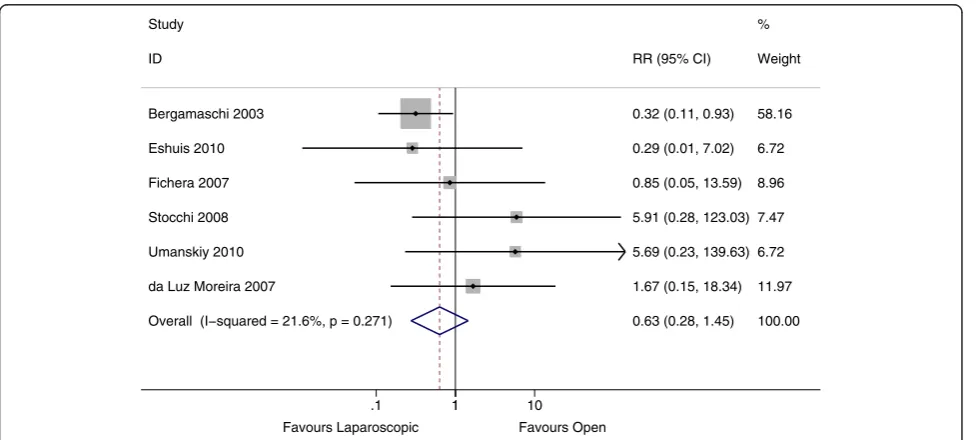
Figure 4Forest plot of surgical recurrence, rate ratio 0.78, (95% CI 0.54–1.11, P = 0.17).
Overall (I−squared = 21.6%, p = 0.271) Umanskiy 2010
Bergamaschi 2003 Study
Eshuis 2010
Fichera 2007 ID
Stocchi 2008
da Luz Moreira 2007
0.63 (0.28, 1.45) 5.69 (0.23, 139.63) 0.32 (0.11, 0.93)
0.29 (0.01, 7.02)
0.85 (0.05, 13.59) RR (95% CI)
5.91 (0.28, 123.03)
1.67 (0.15, 18.34)
100.00 6.72 58.16 %
6.72
8.96 Weight
7.47
11.97
1
.1 1 10
Favours Laparoscopic Favours Open
Figure 5Forest Plot of small bowel obstruction, rate ratio 0.63 (95% CI 0.28–1.45, P = 0.28).
Patelet al. BMC Surgery2013,13:14 Page 9 of 13
included 1079 laparoscopic patients and 1221 open sur-gery patients. The perioperative complication risk in the laparoscopic group was 12% compared with 18% in the open group. There is very strong evidence of a reduced risk of perioperative complications in the laparoscopic group (Risk Ratio 0.71, 95% CI 0.58 – 0.86, P = 0.001). There was statistical homogeneity in this outcome, with an I2 of 0% (P = 0.87) (Figure 2). Publication bias was assessed by funnel plot (Figure 3) There was no evidence of assymetry seen in the funnel plot (P = 0.75).
A subgroup analysis was completed evaluating the two randomized controlled trials. This subgroup showed a significant decrease in perioperative complications in laparoscopic surgery patients compared with open sur-gery patients (Risk Ratio 0.42; 95% CI 0.20 – 0.88; p = 0.02). The test of interaction between this subgroup and the non-randomized trials showed no evidence of a subgroup effect (p = 0.16), indicating that the findings between the randomized controlled trials and non-randomized trials were compatible.
All assessed complications were consistent with a reduc-tion in the laparoscopic group. Due to the lack of power, none of these measures reached significance. We found no evidence of a difference in risk of intraabdominal ab-scess (P = 0.19), risk of prolonged ileus or perioperative bowel obstruction (P = 0.49), risk of wound infection (P = 0.43), risk of anastomotic leak rate (P = 1.00), risk of 30 day re-operation rate (P = 0.32), risk of urinary tract in-fection (P = 0.46) or risk of respiratory complications (P = 0.19) (Table 5).
Long–term outcomes
Long-term outcomes included surgical recurrence, small bowel obstruction and incisional hernia. A total of 14
studies [10,11,14,17,22-24,28,36-41] assessed at least one of these outcomes. The duration of follow up was vari-able between studies and ranged from 12 to 132 months. To negate the variability in the follow up period between groups, rates of long term outcomes were assessed based on person years of follow up. Follow up duration by intervention was included in 11 studies, and incomplete in 3 studies. The study by Tanaka et al. [38] did not specifically address the duration of the follow up period and was excluded from further analysis. The studies by Alabaz et al. [10] and Thaler et al. [39] did not specify follow up duration by individual group, but instead gave the average follow up of all patients.
Surgical recurrence was discussed in 12 studies, 10 of which included follow up duration by group. These 10 studies represented a total of 4,323 person years. Only two of the studies [22,28] discussed the use of chemo-prophylaxis post operatively to prevent recurrence. Nei-ther study found a difference in rates of chemoprophylaxis between groups.
The rate of surgical recurrence in the laparoscopic group was 25 per 1000 person years compared with 34 per 1000 person years in the open group. This difference was not significant (Rate Ratio 0.78, 95% CI 0.54 –1.11, P = 0.17, I2= 0%) (Figure 4). There was no evidence of publication bias from the funnel plot (P = 0.65).
Including the studies by Alabaz et al. and Thaler et al., showed a similar rate ratio with no significant difference be-tween these estimates (P = 1.00). Subgroup analysis by type of resection was performed. There was no evidence of a dif-ference in recurrence rates between patients undergoing ileocolic resection, colectomy or other resection (P = 0.45).
Small bowel obstruction was assessed in 7 studies, 6 of which included follow up duration by group. These 6
Overall (I−squared = 0.0%, p = 0.972) Stocchi 2008
ID
Eshuis 2010
Lowney 2006 Eshuis 2008 Study
da Luz Moreira 2007
0.24 (0.07, 0.82) 0.30 (0.03, 2.65) RR (95% CI
0.17 (0.01, 3.57)
0.12 (0.01, 2.21) 0.22 (0.01, 4.35)
0.48 (0.02, 9.22)
100.00 31.47 Weight
16.39
17.70 17.21 %
17.23
1
.1 1 10
Favours Laparoscopic Favours Open
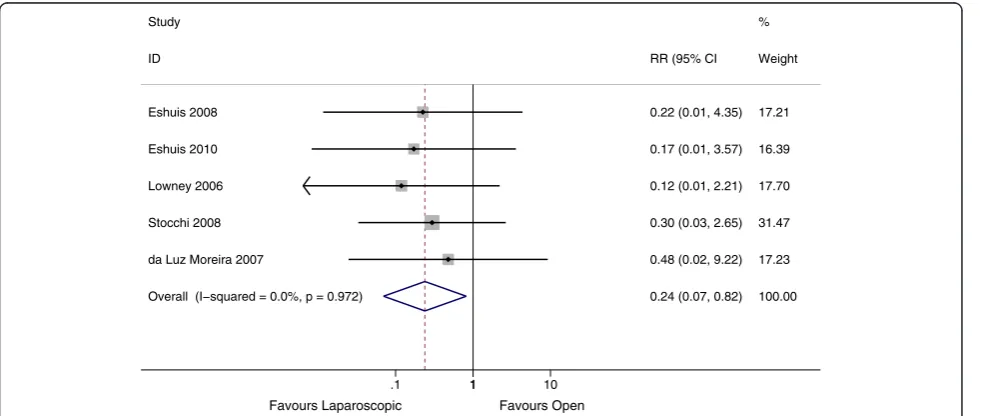
Figure 6Forest plot of incisional hernia, rate ratio 0.24 (95% CI 0.07–0.82, P =0.02).
Patelet al. BMC Surgery2013,13:14 Page 10 of 13
studies represented a total of 1991 person years. The rate of small bowel obstruction was 10 per 1000 person years in the laparoscopic group compared with 19 per 1000 person years in the open group. There was no evi-dence of a difference between groups (Rate Ratio 0.63, 95% CI 0.28 – 1.45, P = 0.28, I2= 26%) (Figure 5). No publication bias was appreciated from the funnel plot (P = 0.15). Including the study by Alabaz et al. in this analysis showed a similar rate ratio (P = 0.69).
Incisional hernia was evaluated in 6 studies, 5 of which included follow up by group. There were a total of 2329 person years in these 5 studies. The rate of incisional hernia in the laparoscopic group was 1 per 1000 person years, compared with 12 per 1000 person years in the open group (Rate Ratio 0.24, 95% CI 0.07–0.82, P = 0.02, I2= 0%) (Figure 6). Including the study by Thaler et al. in the analysis, showed a similar effect estimate, with no dif-ference between estimates (P = 0.91).
Discussion
An updated meta-analysis of laparoscopic surgery in Crohn’s disease was performed. This analysis includes more than double the number of trials of previous meta-analyses and to our knowledge represents the largest and most complete collection of published data on this topic.
Previous meta-analyses have had conflicting results re-garding the benefits of laparoscopic surgery in reducing perioperative complications. The studies by Dasari et al. [2], Polle et al. [6] and Tilney et al. [5] found no evidence of a difference in perioperative complications while Rosman et al. [3] and Tan et al. [4] did find a significant difference. Through the inclusion of an additional 13 stud-ies and over 1300 patients compared with the previous meta-analyses, we were able to show evidence of a de-crease in total perioperative complications in the laparo-scopic group. In all assessed complications, the Risk Ratio favoured laparoscopic surgery, but due to the imprecision in the estimate, this effect did not reach statistical signifi-cance. The lack of imprecision is related to the pooled estimate being underpowered to detect a difference in in-dividual complications. Due to the infrequency of compli-cations (~5% per individual complication) seen in the open group, a study size of close to 14,000 subjects would be required to detect a 20% reduction in complication risk, with 80% power and 5% significance.
Whilst the majority of the trials were observational and have their clear limitations as discussed below, a subgroup analysis of RCTs also provided evidence of benefit of laproscopic surgery. The summary effect estimate of the RCTs was greater than that of all studies combined further highlighting the imprecision of the currently available data. We found no evidence of a difference in rates of surgi-cal recurrence or rates of small bowel obstruction, after pooled analysis. A previous meta-analysis [3] found a
significant reduction in surgical recurrence with laparo-scopic surgery (OR 0.51, 95% CI 0.27–0.80). This ana-lysis included 6 studies. [10,14,32,34,36,37] Our study included an additional 7 studies [11,17,22,23,28,40,41] and excluded 2 of the trials used in the previous meta-analysis because [32,34] neither of these two trials de-scribed surgical recurrence as an outcome. The prior result was limited by not accounting for the difference in follow up period between groups. Our results were based on rates, which allowed us to compare surgical re-currence between laparoscopic and open groups directly, and more accurately than the previous review.
Strengths and limitations
The strengths of this review include the thorough search of eligible studies, using explicit eligibility criteria, and the assessment of study quality. The breadth of this search allowed inclusion of over 30 studies and 2,510 pa-tients, which corresponds to the largest, most compre-hensive meta-analysis in this subject to date. We were also able to compare our results to those reported in previous meta-analyses.
Limitations of this analysis include the large number of non-randomized studies and limited number of randomized controlled trials. Unfortunately, only 2 ran-domized controlled trials exist, and included only 120 patients in total. These RCTs were also of poor quality with high risk of bias.
Although many of the included observational studies had similar baseline characteristics in the two groups, we did see a younger age in the laparoscopic group. In addition, these observation studies likely suffered from selection bias. Choosing healthier patients, with lower BMI and less comorbidities was likely more frequent in the laparoscopic group. These types of patients would be less likely to suffer post operative complications and in-cisional hernias.
Additionally, confounders (both known and unknown) are likely to exist within these observation studies. None of the included studies attempted to adjust for known con-founders (such as immune suppression, age, comorbidities, BMI). Adjusting for these variable may have resulted in a different pooled result. The use of chemoprophylaxis for preventing recurrence was discussed in only two of the 12 trials evaluating surgical recurrence, and differences may have an impacted our findings on recurrence.
A third limitation of the included observational stud-ies, is the likely bias of the authors. In many cases, the authors were advocates of the laparoscopic technique and were more experienced in this technique than the majority of surgeons treating this condition. This may skew their results towards favouring laparoscopic tech-niques. Non-experts may not have the same results as in the publications.
Patelet al. BMC Surgery2013,13:14 Page 11 of 13
There was also no attempt at blinding patients in the included study. With the adoption of laparoscopic sur-gery as state of the art, there is a strong possibility of placebo effect.
Conclusions
Based primarily on non-randomized trials, laparoscopic surgery appears to reduce the risk of perioperative com-plications and the rate of incisional hernia in patients with Crohn’s disease. There was no significant difference in long term outcomes between laparoscopic and open surgery, in terms of surgical recurrence or small bowel obstruction.
There is clearly a continued interest in assessing and reporting experience with laparoscopic surgery in Crohn’s disease. We have shown that most of the evi-dence of outcomes surrounding this technique is based on non-randomized studies, which suffer from selection bias, detection bias, confounding and a lack of blinding. Laparoscopic technique has been widely adopted despite the lack of evidence. As such, we would recommend that any further studies in this area address current limita-tions and be appropriately powered randomized con-trolled trials, with adequate follow up duration.
Competing interests
The author’s declare no competing interests in the publication of this manuscript.
Authors’contributions
SVP, MCO designed the study. SVP, SVBP completed the search and data extraction. SVP, SVBP, MCO, SVR completed the introduction, analysis and discussion.
Funding
This study was partially funded through the Wellcome Trust [075491/Z/04].
Author details
1Divisions of General Surgery, The University of Western Ontario London, Ontario, ON, Canada.2Department of Epidemiology, London School of Hygiene and Tropical Medicine, London, United Kingdom.3Wellcome Trust Centre for Human Genetics, University of Oxford, Oxford, United Kingdom. 4Nuffield Department of Clinical Neurosciences, University of Oxford, Oxford, United Kingdom.
Received: 22 May 2012 Accepted: 20 May 2013 Published: 24 May 2013
References
1. Bernell O, Lapidus A, Hellers G:Risk factors for surgery and recurrence in 907 patients with primary ileocaecal Crohn’s disease.Br J Surg2000, 87:1697–1701.
2. Dasari BV, McKay D, Gardiner K:Laparoscopic versus Open surgery for small bowel Crohn’s disease.Cochrane Database Syst Rev2011, (1):CD006956 doi:10.1002/14651858.CD006956.pub2.
3. Rosman AS, Melis M, Fichera A:Metaanalysis of trials comparing laparoscopic and open surgery for Crohn’s disease.Surg Endosc2005, 19:1549–1555.
4. Tan JJY, Tjandra JJ:Laparoscopic surgery for Crohn’s disease: A meta-analysis.Dis Colon Rectum2007,50:576–585.
5. Tilney HS, Constantinides VA, Heriot AG, Nicolaou M, Athanasiou T, Ziprin P, Darzi AW, Tekkis PP:Comparison of laparoscopic and open ileocecal resection for Crohn’s disease: A metaanalysis.Surg Endosc2006,20:1036–1044.
6. Polle SW, Wind J, Ubbink DT, Hommes DW, Gouma DJ, Bemelman WA: Short-term outcomes after laparoscopic ileocolic resection for Crohn’s disease: A Systematic review.Dig Surg2006,23:346–357.
7. Stroup DF, Berlin JA, Morton SC, Olkin I, Williamson GD, Rennie D, Moher D, Becker BJ, Sipe TA, Thacker SB:Meta-analysis of Observational Studies in Epidemiology: A Proposal for Reporting.JAMA2000,283:2008–2012. 8. The Newcastle-Ottawa Scale (NOS) for assessing the quality of nonrandomised
studies in meta-analyses.http://www.ohri.ca/programs/ clinical_epidemiology/oxford.htm.
9. Higgins JPT, Green S:Cochrane Handbook for Systematic Reviews of Interventions.In Book Cochrane Handbook for Systematic Reviews of Interventions.City: The Cochrane Collaboration; 2011.
10. Alabaz O, Iroatulam AJN, Nessim A, Weiss EG, Nogueras JJ, Wexner SD: Comparison of laparoscopically assisted and conventional ileocolic resection for Crohn’s disease.Eur J Surg2000,166:213–217.
11. Alessandroni L, Bertolini R, Campanelli A, Di Castro A, Natuzzi G, Saraco E, Scotti A, Tersigni R:Video-assisted versus open ileocolic resection in primary Crohn’s disease: a comparative case-matched study. Updates Surg2010,62:35–40.
12. Bemelman WA, Slors JFM, Dunker MS, Van Hogezand RA, Van Deventer SJH, Ringers J, Griffioen G, Gouma DJ:Laparoscopic-assisted vs open ileocolic resection for Crohn’s disease. A comparative study.Surg Endosc2000, 14:721–725.
13. Benoist S, Panis Y, Beaufour A, Bouhnik Y, Matuchansky C, Valleur P: Laparoscopic ileocecal resection in Crohn’s disease: A case-matched comparison with open resection.Surg Endosc2003,17:814–818. 14. Bergamaschi R, Pessaux P, Arnaud JP:Comparison of conventional and
laparoscopic ileocolic resection for Crohn’s disease.Dis Colon Rectum 2003,46:1129–1133.
15. Brouquet A, Bretagnol F, Soprani A, Valleur P, Bouhnik Y, Panis Y:A laparoscopic approach to iterative ileocolonic resection for the recurrence of Crohn’s disease.Surgical Endoscopy and Other Interventional Techniques2010,24:879–887.
16. Courtney ED, Brennan M, Noble-Jamieson G, Heuschkel R, Davies RJ: Laparoscopic adult colorectal surgeon and adolescents with inflammatory bowel disease: A safe combination?Int J Colorectal Dis2011,26:357–360. 17. Da Luz MA, Stocchi L, Remzi FH, Geisler D, Hammel J, Fazio VW:
Laparoscopic surgery for patients with crohn’s colitis: A case-matched study.J Gastrointest Surg2007,11:1529–1533.
18. Diamond IR, Langer JC:Laparoscopic-assisted versus open ileocolic resection for adolescent Crohn disease.J Pediatr Gastroenterol Nutr2001, 33:543–547.
19. Duepree HJ, Senagore AJ, Delaney CP, Brady KM, Fazio VW:Advantages of laparoscopic resection for ileocecal Crohn’s disease.Dis Colon Rectum 2002,45:605–610.
20. Dunker MS, Stiggelbout AM, van Hogezand RA, Ringers J, Griffioen G, Bemelman WA:Cosmesis and body image after laparoscopic-assisted and open ileocolic resection for Crohn’s disease.Surg Endosc1998, 12:1334–1340.
21. El-Gazzaz G, Geisler D, Hull T:Risk of clinical leak after laparoscopic versus open bowel anastomosis.Surgical Endoscopy and Other Interventional Techniques2010,24:1898–1903.
22. Eshuis EJ, Polle SW, Slors JF, Hommes DW, Sprangers MAG, Gouma DJ, Bemelman WA:Long-term surgical recurrence, morbidity, quality of life, and body image of laparoscopic-assisted vs. open ileocolic resection for Crohn’s disease: A comparative study.Dis Colon Rectum2008,51:858–867. 23. Eshuis EJ, Slors JFM, Stokkers PCF, Sprangers MAG, Ubbink DT, Cuesta MA,
Pierik EGJM, Bemelman WA:Long-term outcomes following laparoscopically assisted versus open ileocolic resection for Crohn’s disease.Br J Surg2010,97:563–568.
24. Fichera A, Peng SL, Elisseou NM, Rubin MA, Hurst RD:Laparoscopy or conventional open surgery for patients with ileocolonic Crohn’s disease? A prospective study.Surgery2007,142:566–571.
25. Huilgol RL, Wright CM, Solomon MJ:Laparoscopic versus Open Ileocolic Resection for Crohn’s Disease.J Laparoendosc Adv Surg Tech A2004, 14:61–65.
26. Kishi D, Nezu R, Ito T, Taniguchi E, Momiyama T, Obunai S, Ohashi S, Matsuda H:Laparoscopic-assisted surgery for Crohn’s disease: Reduced surgical stress following ileocolectomy.Surg Today2000,30:219–222. 27. Lauro A, Hamel C, Cirocchi R, Alonso-Poza A, Gervaz P, Doria C, Gruttadauria
S, Giustozzi G, Wexner SD:Laparoscopic treatment for Crohn’s disease.
Patelet al. BMC Surgery2013,13:14 Page 12 of 13
[Italian] Trattamento laparoscopico del morbo di Crohn.Minerva Chir 2004,59:537–545.
28. Lowney JK, Dietz DW, Birnbaum EH, Kodner IJ, Mutch MG, Fleshman JW:Is there any difference in recurrence rates in laparoscopic ileocolic resection for Crohn’s disease compared with conventional surgery? A long-term, follow-up study.Dis Colon Rectum2006,49:58–63. 29. Luan X, Gross E:Laparoscopic assisted surgery for Crohn’s disease an
initial experience and results.Journal of Tongji Medical University = Tong ji yi ke da xue xue bao2000,20:332–335.
30. Maartense S, Dunker MS, Slors JFM, Cuesta MA, Pierik EGJM, Gouma DJ, Hommes DW, Sprangers MA, Bemelman WA:Laparoscopic-assisted versus open ileocolic resection for Crohn’s disease: A randomized trial.Ann Surg 2006,243:143–149.
31. Milsom JW, Hammerhofer KA, Bohm B, Marcello P, Elson P, Fazio VW, Fleshman JW:Prospective, randomized trial comparing laparoscopic vs. conventional surgery for refractory ileocolic Crohn’s disease.Dis Colon Rectum2001,44:1–9.
32. Msika S, Iannelli A, Deroide G, Jouet P, Soule JC, Kianmanesh R, Perez N, Flamant Y, Fingerhut A, Hay JM:Can laparoscopy reduce hospital stay in the treatment of Crohn’s disease?Dis Colon Rectum2001,44:1661–1666. 33. Nakajima K, Nezu R, Hirota M, Nishida T:The role of hand-assisted
laparoscopic surgery in subtotal and total colectomy for Crohn’s colitis. Surgical Endoscopy and Other Interventional Techniques2010,24:2713–2717. 34. Shore G, Gonzalez QH, Bondora A, Vickers SM:Laparoscopic vs
conventional ileocolectomy for primary Crohn disease.Arch Surg2003, 138:76–79.
35. Sica GS, Iaculli E, Benavoli D, Biancone L, Calabrese E, Onali S, Gaspari AL: Laparoscopic versus open ileo-colonic resection in crohn’s disease: Short- and long-term results from a prospective longitudinal study. J Gastrointest Surg2008,12:1094–1102.
36. Stocchi L, Milsom JW, Fazio VW:Long-term outcomes of laparoscopic versus open ileocolic resection for Crohn’s disease: Follow-up of a prospective randomized trial.Surgery2008,144:622–628.
37. Tabet J, Hong D, Kim CW, Wong J, Goodacre R, Anvari M:Laparoscopic versus open bowel resection for Crohn’s disease.Can J Gastroenterol 2001,15:237–242.
38. Tanaka S, Matsuo K, Sasaki T, Nakano M, Shimura H, Yamashita Y:Clinical outcomes and advantages of laparoscopic surgery for primary crohn’s disease: Are they significant?Hepatogastroenterology2009,56:416–420. 39. Thaler K, Dinnewitzer A, Oberwalder M, Weiss EG, Nogueras JJ, Wexner SD:
Assessment of long-term quality of life after laparoscopic and open surgery for Crohn’s disease.Colorectal Dis2005,7:375–381. 40. Uchikoshi F, Ito T, Nezu R, Tanemura M, Kai Y, Mizushima T, Nakajima K,
Tamagawa H, Matsuda C, Matsuda H:Advantages of laparoscope-assisted surgery for recurrent Crohn’s disease.Surg Endosc2004,18:1675–1679. 41. Umanskiy K, Malhotra G, Chase A, Rubin MA, Hurst RD, Fichera A:
Laparoscopic colectomy for crohn’s colitis. A large prospective comparative study.J Gastrointest Surg2010,14:658–663.
42. Von Allmen D, Markowitz JE, York A, Mamula P, Shepanski M, Baldassano R: Laparoscopic-assisted bowel resection offers advantages over open surgery for treatment of segmental Crohn’s disease in children.J Pediatr Surg2003,38:963–965.
43. Wu JS, Birnbaum EH, Kodner IJ, Fry RD, Read TE, Fleshman JW: Laparoscopic-assisted ileocolic resections in patients with Crohn’s disease: Are abscesses, phlegmons, or recurrent disease contraindications?Surgery1997,122:682–689.
doi:10.1186/1471-2482-13-14
Cite this article as:Patelet al.:Laparoscopic surgery for Crohn’s Disease: a meta-analysis of perioperative complications and long term outcomes compared with open surgery.BMC Surgery201313:14.
Submit your next manuscript to BioMed Central and take full advantage of:
• Convenient online submission
• Thorough peer review
• No space constraints or color figure charges
• Immediate publication on acceptance
• Inclusion in PubMed, CAS, Scopus and Google Scholar
• Research which is freely available for redistribution
Submit your manuscript at www.biomedcentral.com/submit
Patelet al. BMC Surgery2013,13:14 Page 13 of 13