University of Pennsylvania
ScholarlyCommons
Publicly Accessible Penn Dissertations
2016
Nurses As Knowledge Work Agents: Measuring
The Impact Of A Clinical Decision Support System
On Nurses' Perceptions Of Their Practice And The
Work Environment
Sandra Gayle Jost
University of Pennsylvania, [email protected]
Follow this and additional works at:
https://repository.upenn.edu/edissertations
Part of the
Databases and Information Systems Commons
, and the
Nursing Commons
This paper is posted at ScholarlyCommons.https://repository.upenn.edu/edissertations/2375 For more information, please [email protected].
Recommended Citation
Jost, Sandra Gayle, "Nurses As Knowledge Work Agents: Measuring The Impact Of A Clinical Decision Support System On Nurses' Perceptions Of Their Practice And The Work Environment" (2016).Publicly Accessible Penn Dissertations. 2375.
Nurses As Knowledge Work Agents: Measuring The Impact Of A Clinical
Decision Support System On Nurses' Perceptions Of Their Practice And
The Work Environment
Abstract
Background: The HITECH act's financial incentives and meaningful use mandates have resulted in
unprecedented rates of EHR and CDSS adoption. These systems are premised on evidenced-based guidelines, the standardization of care, and the reduction of subjective clinical decisions. They are designed to record clinical events, synchronize the efforts of care teams, facilitate the exchange of information, and improve the control and design of clinical processes. Knowledge workers are challenged to assimilate these changes into a deliberative and autonomous style of practice.
Aims: The study examined the impact of a CDSS implementation on nurses' perceptions of their ability to perform aspects of knowledge work and on the nursing practice environment. Nurse and clinical unit characteristics were examined to identify those that predicted outcome variance.
Methods: This study used The Impact of Health Information Technology (I-HIT) and The Essentials of Magnetism II (EOM II) instruments. Guided by the Quality Health Outcomes Model, this pre-post, quasi-experimental study includes t-tests, repeated measure and univariate general linear model regression analyses. Two groups comprised the convenience sample of 1,045 nurses: a paired (n=458) and independent (n=587).
Results: The functionality of the CDSS was perceived to reduce nurses' ability to efficiently practice,
communicate, share information, and interfered with workflow in ways that depersonalized care. Perceptions of the practice environment, interestingly, remained essentially unchanged, with slight improvements and no statistically significant declines. This included perceptions about autonomy, patient-centered values,
professional satisfaction and quality care. Even though the CDSS's functionality interfered with practice, and may be poised to deemphasize subjective judgment and autonomy, nurses did not seem to reject the CDSS's ability to standardize aspects of care. This study also found that nurse and clinical unit characteristics such as clinical unit type, shift, expertise, race, and whether or not nurse education was obtained outside of the USA, explained more variance than years of experience, institutional tenure, and level of education.
Conclusion: Results suggest that nursing science needs to investigate and advise the design of CDSSs, as well as, develop tactics to reap the benefits of processes and guidelines, while preserving knowledge works' emphasis on expertise, intuition, and holistic care.
Degree Type Dissertation
Degree Name
Doctor of Philosophy (PhD)
Graduate Group Nursing
First Advisor Kathryn H. Bowles
Keywords
Clinical Decision Support, Electronic Medical Record, Knowledge Work, Nurse, Nursing Practice, Work Environment
Subject Categories
Databases and Information Systems | Nursing
NURSES AS KNOWLEDGE WORK AGENTS:
MEASURING THE IMPACT OF A CLINICAL DECISION SUPPORT SYSTEM ON
NURSES' PERCEPTIONS OF THEIR PRACTICE AND THE WORK ENVIRONMENT
Sandra Gayle Jost
A DISSERTATION
in
Nursing
Presented to the Faculties of the University of Pennsylvania
in
Partial Fulfillment of the Requirements for the
Degree of Doctor of Philosophy
2016
Supervisor of Dissertation:
_____________________________
Kathryn H. Bowles, PhD, RN, FAAN
van Ameringen Chair in Nursing Excellence; Professor of Nursing
Graduate Group Chairperson:
____________________ __________ Eileen Lake, PhD, RN, FAAN
Jessie M. Scott Endowed Term Chair in Nursing and Health Policy, Associate Professor of Sociology, and Associate Director of the Center for Health Outcomes and Policy Research
Dissertation Committee:
Kathleen McCauley, PhD, RN, FAAN Professor of Cardiovascular Nursing
Rosemary C. Polomano, PhD, RN, FAAN
Professor of Pain Practice; Associate Dean for Practice
NURSES AS KNOWLEDGE WORK AGENTS:
MEASURING THE IMPACT OF A CLINICAL DECISION SUPPORT SYSTEM ON
NURSES' PERCEPTIONS OF THEIR PRACTICE AND THE WORK ENVIRONMENT
COPYRIGHT
2016
Sandra Gayle Jost
This work is licensed under the Creative Commons Attribution- NonCommercial-ShareAlike 3.0 License
To view a copy of this license, visit
iii
This work is dedicated to:
Bill
&
iv
ACKNOWLEDGMENT
I would like to thank my dissertation chair, Dr. Kathryn Bowles, and committee
members, Drs. Rosemary Polomano, Kathleen McCauley, and Kelly Wiltse-Nicely for their
mentoring and insight during the course of my studies.
I would like to sincerely thank Dr. Victoria Rich who encouraged me to pursue a doctoral
degree, and nurtured my professional and academic aspirations. My sincerest thanks are also
extended to trusted HUP mentors and colleagues: Garry Scheib, Pat Wren, Dr. Pat Sullivan, and
Dr. Regina Cunningham. Through the years, I have appreciated your support and wisdom.
I want to thank Joan Doyle for her vision and generosity, and the support of the entire
Penn HomeCare and Hospice Services leadership team. For shouldering an inordinate amount of
my work responsibilities over the past year, I want to thank Dr. Anne Norris, Deirdre Francis, and
Danielle Flynn. Your tireless efforts afforded me the time to complete my degree and you have
my deepest thanks. I would also like to recognize and thank the Penn Homecare and Hospice
Directors: Michelle Brooks, Mary Denno, Evelyn Desmond, Susan Foster, Kerry Lenahan,
Katherine Major, Rebecca McCarron, and Scott Rushanan. You are a wonderful group of
dedicated leaders; I have been so fortunate to have your support and encouragement through the
last four years. Alice Glover-Hinds, my executive assistant, has also been exceptionally patient,
flexible and supportive.
I would like to acknowledge Dr. Patricia Dykes for granting access to the Impact of
Health Information Technology (I-HIT) scale, and to Dr. Marlene Kramer and Claudia
Schmalenberg for the permission to use Essentials of Magnetism II (EOM II) instrument for my
research, and for their willingness to clarify and answer my questions through the years.
Finally, I would like to thank my dedicated family. Your support, patience, perseverance,
encouragement and understanding have been steadfast. You are all very special. I am eternally
v
ABSTRACT
NURSES AS KNOWLEDGE WORK AGENTS:
MEASURING THE IMPACT OF A CLINICAL DECISION SUPPORT SYSTEM ON
NURSES' PERCEPTIONS OF THEIR PRACTICE AND THE WORK ENVIRONMENT
Sandra G. Jost
Kathryn H. Bowles
Background: The HITECH act's financial incentives and meaningful use mandates have resulted
in unprecedented rates of EHR and CDSS adoption. These systems are premised on
evidenced-based guidelines, the standardization of care, and the reduction of subjective clinical decisions.
They are designed to record clinical events, synchronize the efforts of care teams, facilitate the
exchange of information, and improve the control and design of clinical processes. Knowledge
workers are challenged to assimilate these changes into a deliberative and autonomous style of
practice.
Aims: The study examined the impact of a CDSS implementation on nurses' perceptions of their
ability to perform aspects of knowledge work and on the nursing practice environment. Nurse and
clinical unit characteristics were examined to identify those that predicted outcome variance.
Methods: This study used The Impact of Health Information Technology (I-HIT) and The
Essentials of Magnetism II (EOM II) instruments. Guided by the Quality Health Outcomes
Model, this pre-post, quasi-experimental study includes t-tests, repeated measure and univariate
general linear model regression analyses. Two groups comprised the convenience sample of
1,045 nurses: a paired (n=458) and independent (n=587).
Results: The functionality of the CDSS was perceived to reduce nurses' ability to efficiently
practice, communicate, share information, and interfered with workflow in ways that
vi
unchanged, with slight improvements and no statistically significant declines. This included
perceptions about autonomy, patient-centered values, professional satisfaction and quality care.
Even though the CDSS's functionality interfered with practice, and may be poised to deemphasize
subjective judgment and autonomy, nurses did not seem to reject the CDSS's ability to
standardize aspects of care. This study also found that nurse and clinical unit characteristics such
as clinical unit type, shift, expertise, race, and whether or not nurse education was obtained
outside of the USA, explained more variance than years of experience, institutional tenure, and
level of education.
Conclusion: Results suggest that nursing science needs to investigate and advise the design of
CDSSs, as well as, develop tactics to reap the benefits of processes and guidelines, while
vii
TABLE OF CONTENTS
ACKNOWLEDGMENT ... IV
ABSTRACT ... V
TABLE OF CONTENTS ... VII
LIST OF TABLES ... XI
LIST OF ILLUSTRATIONS ... XIV
LIST OF APPENDICES ... XV
CHAPTER 1: INTRODUCTION AND STUDY OVERVIEW ... 1
Background and Significance ... 1
Statement of the Problem ... 4
Specific Aims ... 5
CHAPTER 2: REVIEW OF THE LITERATURE ... 8
Healthcare System Complexity ... 8
Knowledge Work ... 9
Knowledge Work: Concept Introduction and Evolution ... 9
Knowledge Work: The Popular Usage ... 10
Knowledge Work: Reducing the Complexity of Systems ... 11
Knowledge Work and Nursing ... 12
Conceptual Definition ... 15
Attributes ... 15
Clinical Decision Support Systems ... 17
Technology and the Practice Environment ... 18
Conceptual Framework ... 19
CHAPTER 3: STUDY DESIGN AND METHODS... 22
viii
Study Site ... 23
Study Site Clinical Decision Support System Description ... 24
Power Analysis ... 24
Sampling Method ... 25
Registered Nurse Enrollment and Data Collection ... 26
Instruments... 29
Data Analysis Plan ... 34
Human Subject Considerations... 38
CHAPTER 4: RESULTS ... 41
Introduction ... 41
Survey Response Rate ... 41
Characteristics of the Study Sample ... 42
Psychometric Evaluation ... 46
Impact of Health Information Technology (I-HIT) Scale ... 46
Instrument Description ... 46
Description of the Sample ... 46
*HUP = Hospital of the University of Pennsylvania ... 47
Factor Analysis ... 47
Reliability Analysis ... 51
I-HIT Subscale Intercorrelations ... 52
I-HIT Item Descriptive Statistics: Pre-and-Post Implementation Mean Difference Scores ... 53
Specific Aim 1 ... 54
Nurse Perceptions of their Ability to Perform Aspects of Knowledge Work ... 54
Analysis for Differences in Mean Subscale Scores for the Paired Sample ... 54
Analysis for Differences in Mean Subscale Scores for the Independent Sample... 56
Nurses' Perceptions of the Effect of the CDSS Implementation on the Nursing Practice Environment ... 61
Essentials of Magnetism (EOM II) Instrument Description ... 61
Analysis for Differences in Mean Subscale Scores for the Paired Sample ... 62
EOM II Subscale Intercorrelations... 70
Essentials of Magnetism II Reliability Analysis ... 70
Summary of Specific Aim 1 ... 72
Overall Results ... 72
Aim 1: Nurse Perceptions of their Ability to Perform Aspects of Knowledge Work ... 72
Impact of Health Information Technology (I-HIT) ... 72
Aim 1: Nurses' Perceptions of their Nursing Practice Work Environment ... 74
Summary of Results for Essentials of Magnetism (EOM II) ... 74
Specific Aim 2 ... 76
Potentially Confounding Operational Variable Analysis ... 76
ix
Repeated Measures GLM Models for I-HIT for the Paired Sample ... 79
Univariate GLM Models for I-HIT for the Independent Sample ... 88
Repeated Measures GLM Models for EOM II for the Paired Sample ... 97
Univariate GLM Models for the EOM II for the Independent Sample ... 108
Summary of Variable Effect Size and Frequency in GLM Regression Models ... 121
Pairwise Comparisons and Estimated Marginal Means ... 123
Between-Subjects: Main Effect Variables ... 123
Within-Subjects Effects: Interaction Variables ... 124
Summary of Specific Aim 2 ... 126
CHAPTER 5: DISCUSSION ... 134
Introduction ... 134
Summary of Study Findings ... 134
Paired and Independent Sample Differences ... 135
Discussion and Implications of Main Findings ... 136
Specific Aim 1 ... 138
Nurses' Perceptions of their Ability to Perform Aspects of Knowledge Work and the Practice Environment Post CDSS Implementation ... 138
Information and Communication ... 138
Clinical Workflow ... 141
Depersonalization of Patient Care ... 145
Clinical Autonomy ... 146
Control over Nursing Practice ... 148
Evidence-Based Clinical Practice Guidelines, CDSSs and Knowledge Work ... 149
Specific Aim 2 ... 154
Nurse and Patient Care Unit Attributes that Explain Differences in Nurse Perceptions ... 154
Discussion of the Conceptual Model ... 160
Study Limitations ... 161
Recommendations for Future Research ... 164
System Factors ... 165
Intervention ... 166
Outcomes ... 167
Conclusion ... 168
APPENDIX A: PRE-STUDY E-MAIL COMMUNICATION ... 170
APPENDIX B: REDCap GREETING ... 171
x
APPENDIX D: IMPACT OF HEALTH INFORMATION TECHNOLOGY (I-HIT)© ... 174
APPENDIX E: ESSENTIALS OF MAGNETISM II (EOM II) © ... 175
APPENDIX F: RN DEMOGRAPHIC DATA TOOL ... 179
APPENDIX G: ITEM ANALYSIS FOR I-HIT ... 183
APPENDIX H: I-HIT SUBSCALE INTERCORRELATION MATRIXES ... 189
APPENDIX I: PRE- and- POST MEAN DIFFERENCE SCORES FOR I-HIT ITEMS ... 193
APPENDIX J: PRE- and -POST MEAN DIFFERENCE SCORES FOR EOM II ITEMS ... 197
APPENDIX K: EOM II SUBSCALE INTERCORRELATION MATRIXES ... 205
APPENDIX L: ITEM ANALYSIS FOR EOM II ... 209
APPENDIX M: ANALYSIS OF POTENTIALLY CONFOUNDING OPERATIONAL DATA: DCHPPD AND TURNOVER ... 221
APPENDIX N: REGRESSION MODELS--BACKWARD ELIMINATION OF INDEPENDENT VARIABLES... 229
xi
LIST OF TABLES
Table 2.1 Study Variable Alignment with Conceptual Model………... 21
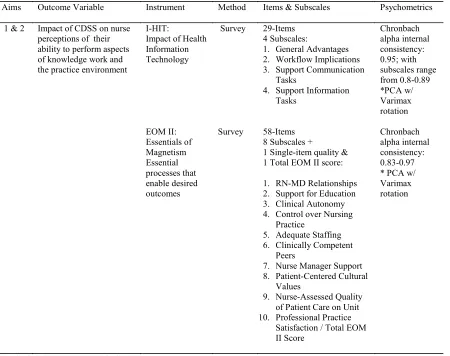
Table 3.1 Instrumentation Detail……….. 33
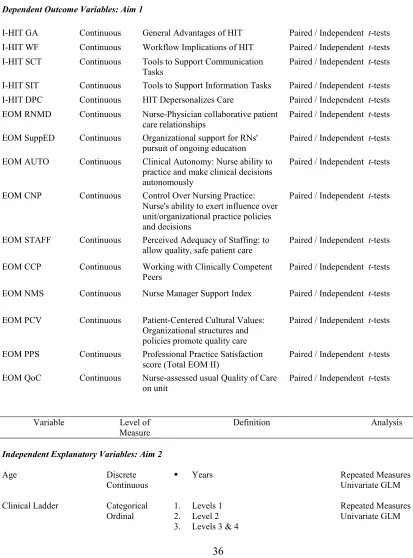
Table 3.2 Variable Definitions and Data Analysis Plan………... 36
Table 3.3 Targeted Registered Nurse Participation: Ethnicity, Race & Gender…………. 39
Table 4.1 Categorical Registered Nurse (RN) Demographic Characteristics……… 42
Table 4.2 Sample Characteristic Comparison: HUP and Dykes et al.2007 Psychometric
Analysis……….. 46
Table 4.3 Principal Component Analysis for the Impact of Health Information
Technology (I-HIT) Scale……….. 48
Table 4.4 Intercorrelation Matrix of Subscales for Pre-Implementation Sample…...……. 50
Table 4.5 Descriptive Statistics for the Impact of Health Information Technology (I-HIT)
Scale for the Paired Sample……….. 54
Table 4.6 Paired Differences Test for the Impact of Health Information Technology
(I-HIT) Scale……….. 55
Table 4.7 Descriptive Statistics Two- Sample Independent t-test for the Technology
(I-HIT)……….. 57
Table 4.8 Two- Sample Independent t-test for the Impact of Health Information
Technology (I-HIT) Scale……….. 59
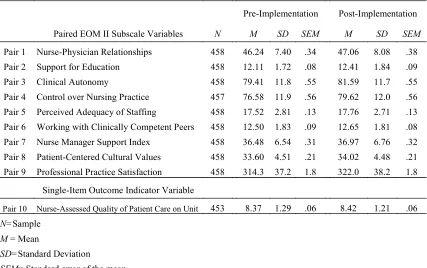
Table 4.9 Descriptive Statistics of Essentials of Magnetism II (EOM II)………. 62
Table 4.10 Test of Paired Differences for the Essentials of Magnetism II (EOM II)……….. 64
Table 4.11 Descriptive Statistics of Essentials of Magnetism II (EOM II) for the
Independent Sample………... 66
xii
Table 4.13 Comparison of I-HIT Paired and Independent Sample Mean Subscale
Differences……… 72
Table 4.14 Effect Size for I-HIT Paired and Independent Samples t-tests……….. 72
Table 4.15 Comparison of EOM II Paired and Independent Sample Mean Subscale
Differences………. 73
Table 4.16 Effect Size for EOM II Paired and Independent Samples t-tests………... 74
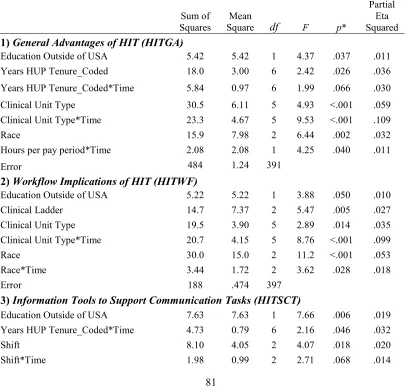
Table 4.17 Final Repeated Measures GLM Model Summary for I-HIT for the Paired
Sample………... 80
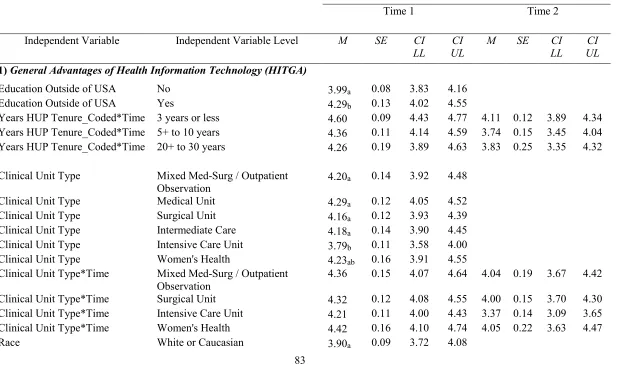
Table 4.18 Estimated Marginal Means and Pairwise Comparisons for Impact of Health
Information Technology (I-HIT) for the Paired Sample………... 82
Table 4.19 Parameter Estimates for Final Repeated Measures GLM Models for Impact of Health Information Technology (I-HIT) for the Paired Sample………... 86
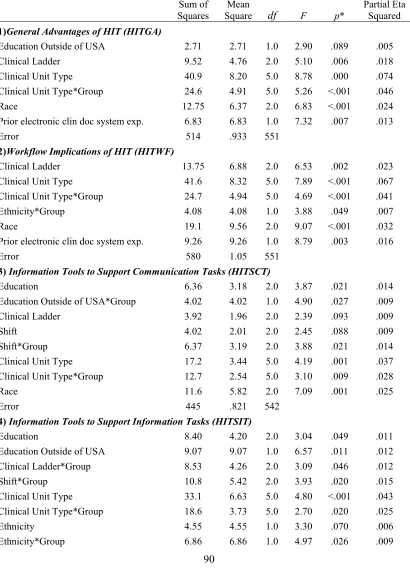
Table 4.20 Final Univariate GLM Model Summary for I-HIT for the Independent Sample.. 89
Table 4.21 Estimated Marginal Means and Pairwise Comparisons for Impact of Health
Information Technology (I-HIT) for the Independent Sample……….. 91
Table 4.22 Parameter Estimates for Final Univariate GLM Models for Impact of Health Information Technology (I-HIT) for the Independent Sample………. 95
Table 4.23 Final Repeated Measures GLM Model Summary for EOM II
Paired Sample………... 98
Table 4.24 Estimated Marginal Means and Pairwise Comparisons for Essentials of
Magnetism II (EOM II) for the Paired Sample………. 100
Table 4.25 Parameter Estimates for Final Repeated Measures GLM Models for Essentials of Magnetism (EOM II) for the Paired Sample………. 106
Table 4.26 Final Univariate GLM Model Summary for EOM II
Independent Sample………... 109
Table 4.27 Estimated Marginal Means and Pairwise Comparisons for Essentials of
Magnetism II (EOM II) for the Independent Sample………. 112
Table 4.28 Parameter Estimates for Final Univariate GLM Models for Essentials of
xiii
Table 4.29 Summary of Independent Variable Frequency for Inclusion in Final GLM
Regression Models………. 121
Table 4.30 Independent Variables in Final Repeated Measures GLM Models (p = 0.1 or
less) for I-HIT for the Paired Sample………
127
Table 4.31 Independent Variables in Final Univariate GLM Models (p = 0.1 or less) for
I-HIT for the Independent Sample………
128
Table 4.32 Independent Variables in Final Repeated Measures GLM Models (p = 0.1 or
less) for EOM II for the Paired Sample……….
129
Table 4.33 Independent Variables in Final Univariate GLM Models (p = 0.1 or less) for
xiv
LIST OF ILLUSTRATIONS
Figure 2.1 Quality Health Outcomes Model (QHOM)……….. 20
Figure 3.1 Research Study Design………. 23
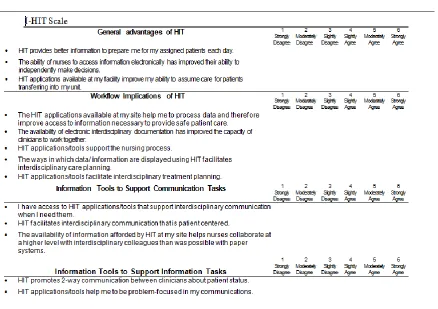
Figure 3.2 Example Impact of Health Information Technology (I-HIT) © Scale
Items... 30
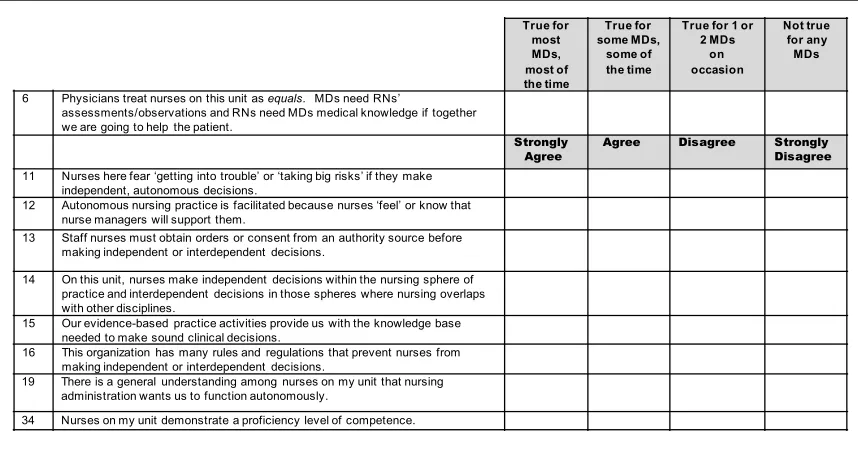
Figure 3.3 Example Essentials of Magnetism II (EOM II)© Items...
xv
LIST OF APPENDICES
Appendix A Pre-Study E-mail Communication to Potential RN Participants………. 169
Appendix B REDCap Greeting……… 170
Appendix C Informed Consent………. 171
Appendix D Impact of Health Information Technology (I-HIT)© Scale……….. 173
Appendix E Essentials of Magnetism II (EOM II)©……… 174
Appendix F RN Demographic Data Collection Tool………... 178
Appendix G Reliability Item Analysis for the I-HIT……… 182 Appendix H Subscale Intercorrelation Matrixes for I-HIT……….. 188
Appendix I Pre- and –Post Mean Difference Scores for I-HIT Items………. 192
Appendix J Pre- and –Post Mean Difference Scores for EOM II Items………. 196
Appendix K Subscale Intercorrelation Matrixes for EOM II………... 204
Appendix L Reliability Item Analysis for the EOM II………. 208
Appendix M Analysis of Potentially Confounding Operational Data: DCHPPD and Turnover……… 220
1
CHAPTER 1: INTRODUCTION AND STUDY OVERVIEW
Background and Significance
Healthcare institutions are hindered by thin margins and restrictive capital budgets, and
tend to shy away from expenditures that cannot be associated with known returns on investment
and proven streams of revenue (Chaiken, 2003; Japsen, 2011). Clinical Decision Support Systems
(CDSSs), which represent major capital outlays have, consequently, found implementation at less
than two percent of hospitals (DesRoches et al., 2010; Jha, DesRoches, & Rosenbaum, 2009; Jha,
DesRoches, Kralovec, & Joshi, 2010).
Three major incentives are converging, however, to compel unprecedented rates of CDSS
adoption: 1) The Health Information Technology for Economic and Clinical Health Act
(HITECH), designed to modernize healthcare’s information systems, and move it across the
digital divide, contains tens of billions of dollars in incentives, penalties and deadlines, and forces
healthcare systems to comply with minimal standards of meaningful use (Blumenthal, 2011;
Mcbride, Delaney, & Tietze, 2012); 2) Healthcare administrators are besieged with complexity
(Plsek & Wilson, 2001; Porter-O'Grady & Malloch, 2007; Porter-O'Grady & Malloch, 2009),
including the threat of liability; increased regulatory scrutiny (Institute of Medicine, 2012); pay
for performance (Kruse, Polsky, Stuart, & Werner, 2012); and the impact of healthcare reform
(Chaudhry et al., 2006). They are, as such, motivated to implement CDSSs to impose best
practice assessments at the point-of-care, with the objective of streamlining clinical interactions,
and eliminating variability and errors (Garg et al., 2005; Goth, 2009); and 3) The processing
power and software necessary to accommodate the clinical setting is now quite mature. Modern
CDSSs are engineered as modules that compliment comprehensive suites of software, designed to
2
Nurses are positioned to be disproportionately impacted by increasing numbers of CDSSs
in the clinical setting (Kutney-Lee & Kelly, 2011). Nurses comprise healthcare’s largest clinical
workforce: 2.9 million (Bureau of Labor Statistics, U.S. Department of Labor, 2010-2011; Robert
Wood Johnson (RWJ)/ Institute of Medicine (IOM), 2010), and it is nurses who spend the
majority of time at the bedside, charged with performing and documenting assessments,
interventions, and therapy (Kim, Dykes, Thomas, Winfield, & Rocha, 2011). The CDSSs that
nurses will encounter are not passive standalone systems, or simply databases of translated paper
documents and electronic medical histories. Modern CDSSs analyze information from nearly all
aspects of clinical workflow (McGonigle & Mastrian, 2012). They are designed to assess patient
status, and push recommended interventions and order entry steps—derived from databases of
evidence based practice—to the bedside nurse (Bakken et al., 2008; Berner, 2016; Bowles, 2004).
The modern CDSS is also designed and integrated into the workflow to provide an
intuitive and immersive experience. This is more possible than it ever has been, because CDSSs
have benefited from a cultural and technological shift, derived from ubiquitous mobile devices.
CDSSs have, in other words, found a conduit to more seamlessly collect data from nurses, as well
as extemporaneously inform and advise them. Until just a few years ago it would have seemed
unnatural, even disruptive to expect that nurses would pay attention to a mobile device during the
performance of their activities. Yet, devices such as the iPad and smart phone have captured the
spirit of the age, and are able to render attractive, friendly, and familiar interfaces. Consider that
nurses interact with smart phones as they wait in line for coffee, use iPads as they relax in cafés,
and that such devices are used routinely to narrate and broadcast mundane experiences as they
occur. Nurses, similar to the rest of society, have become accustomed to using their tablets and
smart phones as ready repositories of knowledge.
It is essential, in light of these technological, legislative, and cultural trends, that nursing
3
dissertation aspired to answer this need and was the first to examine the influence of a CDSS, on
perceptions that nurses have about their practice and work environment.
This dissertation was also innovative because it marked a first step towards establishing a
program of research, designed to study nursing knowledge work. Nursing knowledge work
acknowledges that clinical environments have become exceptionally complex, and dependent on
the use and the availability of information and knowledge. It also acknowledges that, in response
to this imperative, nursing “work” will deemphasize aspects that can be defined explicitly and
executed by paraprofessionals—and more concerned with using knowledge to attenuate clinical
complexity.
While nursing knowledge work has increasingly been used to express knowledge as
central to practice, the concept lacks a guiding theory and body of research. My research
aspiration is to address this deficit. Specifically, to explicate the means by which institutional and
individual characteristics—believed associated with the deployment of knowledge—may be
effectively and reliably matched. The implementation of a CDSS at a major academic research
center was an opportune venue to initiate this work. This is because CDSSs are believed to
enhance many of the attributes that facilitate nursing knowledge work. This pre and post survey
looked for relationships between the CDSS, and elements of practice that rely on professional
deliberation, communication, and autonomy.
Nurse knowledge workers inhabit complex healthcare systems, and in an aggregate sense,
can be conceptualized as a reservoir of deliberative thought (Jost, 2012). This reservoir of
deliberation is deployed in unpredictable ways, and at unpredictable times. For example, to
anticipate and resolve problems, settle emergent indeterminacies, deal with competing and
conflicting demands (Porter-O'Grady, 2003), and to discern salient patterns and subtle clues—
often on the basis of only scant evidence (Gigerenzer, Todd, & ABC Research Group, 1999;
4
The capacity to perform knowledge work is dependent on intelligence, education, pattern
recognition, and a tacit understanding of evidence-based best practice procedures (Jost, 2012).
The most important determinants of nursing knowledge work, however, are derived from the
experience, expertise, and the confidence that accrues from autonomous and deliberative practice
(Antrobus, 1997; Benner & Tanner, 1987; Benner, 1984).
Statement of the Problem
There is an urgent need to learn, before CDSSs proliferate, what the impact of this
technology will have on nursing knowledge work. The first steps should seek to understand if
CDSSs generally promote environments of nurse empowerment and autonomy, or if they
encourage reflexive compliance.
CDSS vendors emphasize the ability to deliver evidence based practice protocols and
standards (Sackett, Straus, Richardson, Rosenberg, & Haynes, 2000) in a timely and contextually
appropriate way (Chaudhry, 2008; Harrington, Kennerly, & Johnson, 2011; Lee, 2014). It is
critical that nursing study the impact that this will have on nurses, and on the development of
nurse knowledge workers. Nurses may become accustomed to responding to the CDSS's
recommendations in an algorithmic fashion, absent deliberation and professional self-reflection.
That is, without the stream of consciousness that nurse knowledge workers engage in—thinking
about the efficacy of their clinical thinking and interventions—even as they are engaged in the
midst of practice (Johns, 1999). Should CDSSs promote reliance, it may serve to preempt
professional maturation, and it may leave the complex system of healthcare less provisioned to
respond to atypical scenarios. These atypical situations are emergent and unpredictable, and defy
clear standards and protocols, to which knowledge workers respond.
Alternatively, nursing needs to understand how CDSSs may complement nurse expertise
5
(Benner, Tanner, & Chesla, 1997) to allow nurses to attain expertise more quickly and fully.
CDSSs may also facilitate the right information at the right time to allow nurses to improvise
(Quinlan, 2009; Thomas, Bostrom, & Gouge, 2007), and resolve complex problems with great
efficacy.
Existing studies that address the impact of CDSSs on the clinical setting are of limited
value with respect to nursing knowledge work. The majority of these tend to focus on provider
acceptance (Ammenwerth, Iller, & Mahler, 2006; El-Kareh et al., 2009; Im & Chee, 2006;
Sockolow, Lehmann, & Weiner, 2009; Sockolow, Weiner, Bowles, Abbott, & Lehmann, 2011),
neglect the influence of CDSSs on workflow and patient outcomes (Randell & Dowding, 2010;
Shojania et al., 2009), underemphasize bedside nursing generally, and spotlight select diagnosis
and specific care delivery environments (Cleveringa, Gorter, & Rutten, 2008; Ludwick &
Doucette, 2009; Lyerla, LeRouge, Cooke, Turpin, & Wilson, 2010; Tierney et al., 2005).
Specific Aims
This dissertation sought to leverage a natural experimental condition, where the study site
chose to implement a CDSS. This implementation of a CDSS was an expansion of the previously
implemented electronic medical record comprised of a fully integrated computerized provider
order entry (CPOE), electronic medication administration record (eMAR), lab, and radiology.
The study site had been fully functional on these technologies since 1996. The addition of the
CDSS component to the well-established suite of electronic solutions at this site was of interest
because it introduced evidence-based order sets and over 200 clinical practice guidelines, along
with their associated standardized documentation templates. The implementation of this system’s
type of broad clinical decision support of the entire interdisciplinary team represented an
important first step in moving CDSS functionality away from narrowly defined, disease-specific,
6
Jemielniak, 2009). This type of system is intended to support practice through integration of the
most current research evidence with the clinical expertise of the entire care delivery team
(Bergstrand, 2009; Berner, 2016; Straus, 2005).
This dissertation measured direct care nurses’ perceptions of their knowledge work, prior
and subsequent to implementation of a CDSS integration into the existing EHR. The instruments
utilized for measurement, the Impact of Health Information Technology Scale©(I-HIT) (Dykes,
Hurley, Cashen, Bakken, & Duffy, 2007; Weaver, 2006) and the Essentials of Magnetism II©
(EOM II) (Schmalenberg & Kramer, 2008), were selected because they inquire about attributes of
autonomous decision-making, communication, and collaboration associated with nursing
knowledge work. Such attributes include the ability to self-organize; synthesize information;
evaluate novel solutions; reconcile multiple and simultaneous demands; deal with
indeterminacies; and continually reassess and reprioritize. This study also measured nurses’
perceptions of the larger clinical environment pre and post system implementation. This includes
nurses’ perceptions of peer competency; the nature of nurse-physician interactions; and the
impact on patient-centered culture.
The CDSS is innovative because of its integration into the minute-to-minute workflow
(assessment, decision-making, and intervention) and practice environment (coordination and
communication of care with the interdisciplinary team and family). It also extends more
“traditional” narrowly-defined rule and reminder CDS functionality by providing a singular
electronic space for all care providers to enter, view, analyze, and synthesize patient
data--creating transparency across care provider disciplines (Yan, 2005). In this CDSS, physicians,
nurses, therapists, and social workers have access to view one another’s assessments and
interventions supporting a virtual workspace for collaboration (Penn Medicine, 2012).
7
Aim 1: Examine the impact of a CDSS implementation on nurses' perceptions of their
ability to perform aspects of knowledge work and on the nursing practice environment.
H0: There will be no change in the nurses' perceptions of their ability to perform aspects
of knowledge work or their nursing practice environment, measured by the I-HIT and EOM II
respectively, from baseline (pre-implementation) to eight months post-implementation.
Aim 2: Examine a set of nurse and patient care unit characteristic variables and the
corresponding explained variance associated with nurses' perceptions of their ability to perform
aspects of knowledge work and the nursing practice environment (measured by each I-HIT and
8
CHAPTER 2: REVIEW OF THE LITERATURE
Healthcare System Complexity
Today’s healthcare delivery system is undergoing a radical transformation. The Patient
Protection and Affordable Care Act (PPACA), commonly called Obamacare, extended healthcare
to approximately 32 million nonelderly, uninsured, and underinsured citizens (Wilensky, 2012).
These demands combined with those of an aging society, an obesity epidemic, a trend toward
patient consumerism, nursing shortages (Needleman, Buerhaus, Stewart, Zelevinsky, & Mattke,
2006; Unruh & Fottler, 2005; The forum of state nursing state workforce center.), and a desire for
state-of-the-art services will compound the challenges of healthcare delivery. Healthcare
administrators are highly motivated to reign in this complexity, and are naturally attracted to
technologies that promise to streamline redundancies, and promote efficacy.
Health information technologies, inclusive of CDSSs, are considered by health care
experts, policymakers, payers, and consumers critical to lowering the cost (Bright et al., 2012;
Hillestad et al., 2005) and increasing the efficiency of healthcare (Chaudhry et al., 2006;
Chaudhry, 2008; Hillestad et al., 2005). The American Recovery and Reinvestment Act (AARA)
was passed in response to these concerns. ARRA included 19.2 billion dollars allocated to the
Health Information Technology for Economic and Clinical Health act (HITECH). HITECH also
specifies "meaningful use" of interoperable EHR adoption in the health care system. Coordination
of care is one of five categories specified as meaningful use. Considering the forces impelling the
industry toward EHR implementation, it is alarming how little is known about information
system effectiveness in supporting nurses to contend with the multiple factors associated with the
9
Knowledge Work
Knowledge Work: Concept Introduction and Evolution
Peter Drucker, renowned expert in the field of business management, introduced the
concept of knowledge work in his book Landmarks of Tomorrow (1959). He was impressed by an
emergent class of educated and self-directed workers concerned with the pursuit and application
of knowledge. Princeton economist Fritz Machlup, at about the same time, published The
Production and Distribution of Knowledge in the United States (1962). In it, Machlup predicted
the knowledge industry and differentiated brain work from manual labor. His book represented a
serious and seminal attempt to understand knowledge as a commodity, and to measure the
production and application of knowledge in terms of economic statistics, and percentage of gross
domestic product (Davenport, 2005; Wallace, 2007).
In the decades since the introduction of the term, Drucker published prolifically. He
explained that instant communications, the World Wide Web, and increases in the availability of
information, devalued the previously dominant economic determinants: land, natural resources,
and capital (Drucker, 2001; Drucker, 2002). He promulgated knowledge work as an engine of
societal progress, poised to untangle some of humanities’ most enduring and perplexing
problems. He asserted that this realization depended on empowering knowledge workers to
explore innovation in volitional fashion. Best-selling futurists and popular management gurus
would similarly espouse Drucker’s optimism and endorse his admonitions (Bell, 1976; Toffler,
1981).
Drucker, near the end-of-life, conceded that even after four decades, little was known
about how to increase the productivity of knowledge work. He considered the resolution of this
problem to be management’s next frontier (Davenport, 2005; Davenport, 2011; Drucker, 2004).
10
one can predict which exertions might result in new knowledge, or reliably predict when—and
under what circumstances—existing knowledge might be deployed.
The academic literature has primarily focused on frameworks designed to refine the
concept, and with theories related to the effective promotion of knowledge work. For example,
knowledge worker-management control theory (R. Mitchell & Meacheam, 2011), frameworks for
understanding knowledge worker fulfillment (Moon, 2009; Tampoe, 1993), work environment
models supportive of efficient information access (Davenport, 2011), knowledge work team
interaction (Beyerlein, Johnson, & Beyerlein, 1995), and rapid information exchange
(Holtshouse, 2009a; Holtshouse, 2009b; Matson & Prusak, 2010; Tampoe, 1993). Frenkel,
Korczynski, Donoghue, and Shire (1995) proposed a three-dimensional framework to define
knowledge work as requiring: a) a high level of creativity, b) extensive use of intellective skills,
and c) a theoretical rather than a contextual knowledge base. Davenport (2005) advanced a
framework to identify knowledge intensive work on the basis of autonomy, training, interaction,
routine, and professional judgment.
Knowledge Work: The Popular Usage
Knowledge work, in the years since its introduction, became a fixture of managerial
discourse. Employees were extolled, by virtue of the knowledge they possessed and applied, as
the most valuable business resource. They were also considered the sole means by which to
establish and maintain competitive differentials (Drucker, 1992; Stewart, 1995a; Stewart, 1995b).
Knowledge work was used often to mollify and frame apprehensions about globalism and
outsourcing (Crawford, 2009; Drucker, 1998; Garson, 1988; Reich, 2005; Sennett, 2008; Toffler,
1981; Toffler, 1990). It provided context to discussions about job losses in steel, rubber, auto, and
other heavy manufacturing industries. In this context, knowledge work was juxtaposed against
11
implementation of information systems and programmable automation (Bloch, Frosch, &
National Academy of Engineering, 1985; Cornish, 1985).
In addition to explaining job losses, knowledge work was used to encourage displaced
workers to participate in occupational retraining programs (Ravnik, 1984). It became
synonymous with the jobs of tomorrow, and conflated with terms such as information revolution
and computer literacy (Bell, 1976). The potency of this affiliation waned as computers became
increasingly ubiquitous and intuitive.
Knowledge work is commonly used to delineate intellectually demanding jobs from those
regarded as physical, prescriptive, and repetitive (Adhikari & Sales, 2001; Brint, 2001; Fuller,
2001; Smith, 1977). In this sense, it furnishes part of a popular occupational vocabulary offering
easy but meaningful distinctions between work of the body and work of the brain (Rose, 2004).
The strength of this distinction helps to explain why so many service sector jobs are
mischaracterized as knowledge work, despite that many of them are highly scripted and absent
the need for meaningful deliberation and creativity (Crawford, 2009; Ehrenreich, 2011; Garson,
1988; Sennett, 2008).
Knowledge Work: Reducing the Complexity of Systems
Reducing ambiguity, redundancies, and other inefficiencies is fundamental to the modern
economy (Costa, 2010; Tainter, 1988). This is explained by the fact that society has, by virtue of
accrued understandings and technology, pushed through a number of rate limiting factors, and is
now precariously dependent on myriad and interdependent systems (Malthus & Gilbert, 1999).
Over 99% of humanity, for example, depends on agriculture, which in turn depends on
infrastructures of energy, transportation, refrigeration, engineering, manufacturing, and irrigation
(Sagan, 1977). The demands on a complex system are not static. They are continuously taxed by
12
variables which quickly exhaust the state-of-the-art (Garreau, 2005; Gates, Myhrvold, &
Rinearson, 1996; Kaku, 1997; Kauffman, 1995; Kurzweil, 2005; Sagan, 1977; Tainter, 1988;
Wilson, 2002). Knowledge workers are, as such, charged with simplifying complex systems,
rendering them more efficient, and less vulnerable to unforeseen contingencies and disruptions
(Bar-Yam, Ramalingam, Burlingame, & Ogata, 2004). Whitehead observed that, “Civilization
advances only by extending the number of important operations that can be performed without
thinking about them” (1958, p. 61). Paradoxically, this involves, using extraordinary human
ingenuity to eliminate the need for human ingenuity (Garson, 1988). Knowledge work is
concerned, then, with finding complex work amenable to reengineering. That is, breaking the
work of experts into discrete steps, and distributing them to coordinated arrays of
paraprofessionals, clerks, and technology (Crawford, 2009; Ehrenreich, 2011; Garson, 1988).
This trend is reflected in the nursing domain by increased numbers of Licensed Practical Nurses,
Certified Nursing Assistants, and technologists (Florida, 2004; Glaeser, 2011; Harper, 1987).
Knowledge Work and Nursing
Drucker referred to nurses as knowledge workers, citing the deliberative nature of their
work, and the complex and demanding environment in which they practiced. In the 1980s,
Benner researched clinical decision-making and skills acquisition. Her work, along with that of
other researchers, explored the role of tacit knowledge, which is internal to the practitioner, and
explicit knowledge which could be formally articulated and precisely executed (Benner, 1984;
Klein, 1996; Klein, 1997; Klein, 2008; Klein, 2009). Benner explicated the concept of Intuitive
Grasp, which describes the ability of expert practitioners to fluidly render time sensitive decisions
on the basis of incomplete evidence. It also accounts for the ability of seasoned workers to
recognize subtle, but critical cues on the basis of scant evidence (Quirk, 2006). Expert nurses
13
their own practice; to leverage what they have seen before; and imagine forward into a patient’s
indeterminate future (Klein, 1997; Klein, 2009; Schon, 1983; Sennett, 2008). In the clinical
setting, knowledge work involves nurses discerning salient patterns from myriad sources of
information.
Benner’s From Novice to Expert (1984) marked an important and influential work, but
the emphasis on intuition—given the predominant gender of nursing—left it susceptible to
charges of “irrational guessing” (Correnti, 1992; Gigerenzer, 2000; Gigerenzer, 2002; Gigerenzer,
2007). Researchers were compelled, consequently, to emphasize the expert’s reliance on
professional knowledge, judgment, and clinical reasoning (Andrews, 1996; Benner & Tanner,
1987; Benner, 1984; Bonis, 2009; Lynn & McConkey, 1998; Simmons, 2010). Benner too would
subsequently conjecture that intuitive grasp might stem from rational but unconscious processes
that “…develop when the clinician tests and refines propositions and principles based on
expectations in actual practice situations” (Benner & Tanner, 1987; Benner, 1984; Rolfe, 1996, p.
52).
Studies aimed at demystifying professional judgment have become increasingly common.
Pilots, chess grandmasters, nurses, paramedics, firefighters and other professionals have been
subjects of research to explain the root of expertness (Benner, 1984; Dismukes, Berman, &
Loukopoulos, 2007; Dreyfus & Dreyfus, 2011; Klein, 1997; Klein, 2008). Some scientists
theorize that intuition and professional insight represent non-computational rationality. The
assertion follows: “…that true intelligence cannot be attained–or even adequately simulated–
strictly by computational means” (Penrose, 1994, p. vi). Others argue that intuition is the result of
algorithmic processes that will, eventually, be emulated by artificial intelligence (Hofstadter,
2007). There is, however, some agreement that the set of abilities ascribed to professional
14
and pattern recognition. All of these processes rely on substantial appropriations of knowledge
acquired from formal education, informal training, and experience in practice (Antrobus, 1997).
Nursing literature has used knowledge work in ways that tend toward the casual and the
imprecise; often knowledge work is used reflexively as an affirmation of nursing professionalism
(Brennan & Crawford, 2009; Cody, 2001; Grinspun, 2009; Kim, 2000; Pesut, 2000). In the late
1990s, it was advanced that knowledge work should, more appropriately, be thought of as an
attribute of advanced practice and senior nurses (Sorrells-Jones, 1999). It was argued that health
care organizations were transforming into knowledge intensive organizations, and that nurses
would contribute essential and sophisticated skills to interdisciplinary teams (Sorrells-Jones &
Weaver, 1999a; Sorrells-Jones & Weaver, 1999b; Weaver & Sorrells-Jones, 1999).
The nursing literature increasingly acknowledges the complexity of healthcare systems.
It asserts that nursing derives its professional value less from the performance of explicit tasks,
and more from the ability to gather, synthesize, coordinate, and communicate information
essential to critical operations. Snyder-Halpern, Corcoran-Perry, and Narayan (2001) delineated
four roles nurses fulfill in knowledge-intensive work environments: data-gatherer,
information-user, knowledge-information-user, and knowledge-builder. This work implored nursing administrators to
understand, and prepare the practice environment for the increasingly complex demands nursing
would fulfill (Sorrells-Jones, 1999).
The recent Robert Wood Johnson/Institute of Medicine (RWJ/IOM) report: “The Future
of Nursing” featured a number of assertive themes that exemplify nursing’s use of knowledge.
These advocated full partnership with physicians and other health professionals in redesigning
aspects of care; educational infrastructures in support of seamless development; and hospital
information systems commensurate with informed practice (Robert Wood Johnson (RWJ)/
Institute of Medicine (IOM), 2010). This trend is also marked by the proliferation of
15
and deliberation with patient values, and rejects “direct and control” management models that
stifle.
Conceptual Definition
The inductive analysis conducted for this study resulted in the following conceptual
definition. The concept of knowledge work can be defined as a cultural response to complexity
that occurs when a civilization’s systems and processes become ubiquitously interdependent, and
derivative of sophisticated principles and theory. The nature of work, under these circumstances,
outstrips informal modes of cognition, for example, intuition, mechanical aptitude, trial and error,
chance discovery, common sense, and even cultural adaptations such as the apprenticeship
model—designed to facilitate the transfer of vocational knowledge. In order to maintain,
improve, and understand the systems on which it relies, society must recruit, educate, and train a
class of experts able to master and deploy the attributes of knowledge work. These include: tacit
knowledge, heuristics, bounded rationality, pattern recognition, and meta-cognition (Jost, 2012).
Attributes
Tacit knowledge. Tacit knowledge refers to the internalization of explicit knowledge in
ways that defy articulation. A person, for example, may be quite adept at riding a bicycle, but
unable to express the physics and mathematics that govern the action. In the context of
knowledge work, tacit knowledge describes the synthesis of formal rules and experiential
understandings, often regarded as professional intuition (Nonaka, 1991; Polanyi, 1967). Nurses in
neonatal intensive care units, for example, have demonstrated an ability to detect sepsis in babies
before lab results confirm the presence of infection. When questioned, these nurses could explain
their predictive ability only as a product of “experience” (Crandall & Getchell-Reiter, 1993;
16
Heuristics or rules of thumb. Heuristics are action scripts and tacit statements that serve
to guide inspection rather than to prescribe it (Shirlina, Howard, Vetere, & Skov, 2004). They are
used when a problem has been identified, but where an exhaustive search is impractical.
Heuristics can be thought of as a shortcut, used to reduce the size of a problem space when
seeking a solution (Gorman, 1998; Miller et al., 2015).
Bounded rationality. The expert recognizes that they possess limited capacity to
evaluate options, for example, to render choices in urgent situations. In healthcare, expert nurses
deal with this uncertainty by selecting a sufficiently good solution instead the single best one
(Érdi, 2008; Thompson & Dowding, 2001).
Pattern recognition
.
Experts evaluate and anticipate by identifying distinctive features,or configurations of characteristics, that suggest a phenomenon (Miller et al., 2015; National
Academies Press, 2006). Pattern recognition evaluates a circumstance, and assigns it salience,
based on what has previously experienced. In a professional domain, pattern recognition
necessitates a large body of directing knowledge (Gobet, de Voogt, & Retschitzki, 2004) and is a
critical component of fluid expertise, because it precedes actions (Klein, 2008).
Introspection meta-cognition. The expert has developed the ability to subject his or her
practice to self-scrutiny, even as it is being performed. This represents a sort of uncoupling or
critical self-inspection about the adequacy of understanding. Meta-cognition means thinking
about thinking. Nursing uses the concept reflective practice to express this attribute (Benner,
Stannard, & Hooper, 1996; Johns, 1999; Schon, 1983).
It is incorrect to assume that nurse knowledge workers can be identified in blanket
fashion, on metrics such as experience and education. Rather, nursing knowledge work should be
thought of as the aggregate of understanding, education, experience, pattern recognition, tacit
knowledge, and other skills possessed by nurses who inhabit the healthcare system (Jost, 2012).
17
thought, available to supply the healthcare system at unpredictable times and in unpredictable
ways (Jost, 2012). This research construct alleviates the need to predict when knowledge workers
might deploy expertise. Thinking of knowledge work as an aggregate property, possessed by
inhabitants of a complex system, helps conceptualize other confounders as well. For example,
knowledge work is not static. Even jobs that are heavily dependent on novel deliberations are
subject to the reengineering efforts of other knowledge workers. This results in cognitive
stratification because cognitively rich jobs are constantly deconstructed into simpler processes,
and distributed to technologies and paraprofessionals.
Clinical Decision Support Systems
Care providers are required to synthesize voluminous amounts of information—
predominantly fragmented by discipline and medium (paper and electronic). This information
overload is particularly true for acute care nurses, who are at the bedside 24 hours a day and
expected to recognize patterns, communicate across the interdisciplinary team, and perform
interventions prompted by collaborative decisions.
CDSSs are designed to support practitioners in their activities, by providing timely,
seamless access to information, and guidance in the form actionable knowledge. More formally,
CDSSs provide clinicians, staff, patients or other individuals with knowledge and person-specific
information, intelligently filtered, and presented expediently (Harrington et al., 2011; Lee, 2014).
Clinical decision support systems (CDSSs) encompass a variety of tools, such as computerized
alerts and reminders, guidelines, order sets, patient data reports and dashboards, documentation
templates, diagnostic support, and clinical workflow tools (Berner, 2016; Osheroff et al., 2006).
CDSSs, which synthesize large amounts of patient information, are considered essential
to healthcare transformation and are presupposed to support clinical practice decisions
18
are primarily concerned with user satisfaction (Ammenwerth et al., 2006; El-Kareh et al., 2009;
Sockolow et al., 2009; Sockolow et al., 2011), and factors that promote or inhibit adoption
(Ludwick & Doucette, 2009; Randell & Dowding, 2010; Russ et al., 2010; Saleem et al., 2009;
Whittaker, Aufdenkamp, & Tinley, 2009a). Many studies have been focused on select diagnoses
and specific care delivery environments (Cleveringa et al., 2008; Lyerla et al., 2010; Romano &
Stafford, 2011). The findings from these studies have provided a mixed understanding CDSS
impact on clinician performance and/or patient outcomes. Systematic reviews of CDSSs have
yielded similar results (Bright et al., 2012; Garg et al., 2005; Jaspers, Smeulers, Vermeulen, &
Peute, 2011). The limited focus of this research restricts generalizability—and contributes
marginally to understanding how knowledge workers use systems in the clinical setting. Notably,
there is also evidence that CDSS tools are not always used when available, with up to 96% of
alerts being disregarded by physicians (Eccles et al., 2002). Equivalent studies examining CDSS
in nursing workflow are lacking.
Technology and the Practice Environment
The practice environment is defined as the aggregate of the conditions, influences, forces,
and cultural values that influence or modify an individual’s life in a community such as a clinical
unit. Magnet® designated facility research has correlated positive nurse perceptions of their work
environment with better satisfaction, retention, and professional development (Kramer &
Schmalenberg, 2004a; Kramer & Schmalenberg, 2004b; Kramer, Schmalenberg, & Maguire,
2004c; McClure, Poulin, Sovie, & Wandelt, 1983). Positive nurse reports of the practice
environment have also been associated with lower patient mortality and failure-to-rescue (Aiken,
Clarke, Sloane, Lake, & Cheney, 2008). From the literature, we know that knowledge workers
often create knowledge, not in isolation, but through dialogue with others who may have differing
perspectives (Benner et al., 1997). Qualitative studies have shown that knowledge workers use
19
dialogue which often spurs unexpected innovation (Brooks & Scott, 2006; Kogan & Muller,
2006; Quinlan, 2009; Swarts, 2008; Thomas et al., 2007; Yan, 2005). The impact of introducing
an EHR and CDSS into the clinical practice environment is unknown and in urgent need of study.
Additional research is needed to determine whether CDSS effectively promote collaboration,
in-person or virtual, and how to most naturally integrate the technology into the practice
environment. This integration must be viewed through a more nuanced lens than solely device
placement and user acceptance. Instead, research should focus on whether these systems create
virtual space for shared decision-making that generates novel solutions to complex clinical
problems. The instruments used in this study, the Impact of Health Information Technology
(I-HIT) and Essentials of Magnetism II (EOM II) enquire about and quantify, using Likert scales,
nurses' perceptions about how technology impacts their autonomous decision-making,
interdisciplinary relationships, and processes for virtual collaboration and communication. The
results from this study provide a starting point from where this science can be further developed.
Conceptual Framework
This study was guided by Mitchell and colleagues' Quality Health Outcomes Model
(QHOM) (Mitchell, Ferketich, & Jennings, 1998). The QHOM model, presented in Figure 2.1,
seeks to explain relationships between the system, client, interventions, and outcomes by
evaluating the characteristics of model concepts. For example, when considering System,
hospitals would be evaluated with respect to size, location, academic affiliation, Magnet®
designation status, staffing metrics, and technological sophistication. Nurses would be evaluated
by experience, expertise, level of education attained, as well as other demographic considerations.
The QHOM represents an expansion of Donabedian's linear structure, process, and
outcome model by recognizing the dynamic, multidirectional nature of the healthcare
20
lens offered by the QHOM, benefited this dissertation because it framed not only the relationship
between the study intervention (CDSS implementation) and the outcome (nurses' perceptions of
their knowledge work and the practice environment), but also included the potentially influential
contextual factors, System and Client for consideration. Inasmuch as patient outcomes were not
directly measured in this study, Client was, nonetheless, germane and provided guidance to this
study. Specifically, patients and their families are inextricably tied to nursing practice and the
healthcare delivery work environment. Patients are the de facto subject of all CPGs,
documentation, interventions, and interdisciplinary communication contained within, and
facilitated by, the CDSS; and nurses consider patients and families when evaluating interventions,
such as a CDSS implementation, that impact on their ability to perform aspects of knowledge
work and on their practice environment.
21
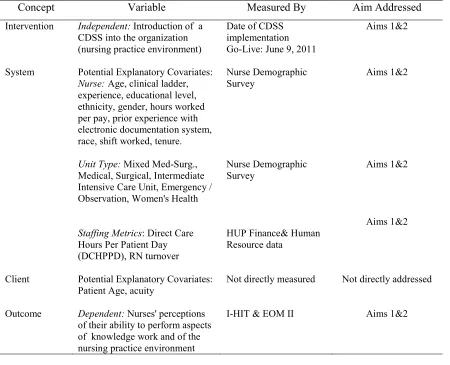
Table 2.1 specifies the relationship between each QHOM concept, the associated study variable(s), the source of measurement, and the corresponding specific aims.
Table 2.1
Study Variable Alignment with Conceptual Model
Concept Variable Measured By Aim Addressed
Intervention Independent: Introduction of a CDSS into the organization (nursing practice environment)
Date of CDSS implementation Go-Live: June 9, 2011
Aims 1&2
System Potential Explanatory Covariates:
Nurse: Age, clinical ladder, experience, educational level, ethnicity, gender, hours worked per pay, prior experience with electronic documentation system, race, shift worked, tenure.
Unit Type: Mixed Med-Surg.,
Medical, Surgical, Intermediate Intensive Care Unit, Emergency / Observation, Women's Health
Staffing Metrics: Direct Care Hours Per Patient Day (DCHPPD), RN turnover
Nurse Demographic Survey
Nurse Demographic Survey
HUP Finance& Human Resource data
Aims 1&2
Aims 1&2
Aims 1&2
Client Potential Explanatory Covariates:
Patient Age, acuity Not directly measured Not directly addressed
Outcome Dependent: Nurses' perceptions of their ability to perform aspects of knowledge work and of the nursing practice environment
22
CHAPTER 3: STUDY DESIGN AND METHODS
Overview of the Study Design
A quasi experimental, pre-post research design was used to study the impact of a CDSS
on nurses’ perceptions of their ability to perform aspects of knowledge work, and on their
perceptions of the clinical practice environment. Two valid and reliable survey instruments, the
Impact of Health Information Technology Scale© (I-HIT) and the Essentials of Magnetism II©
(EOM II) were used to measure nurses' perceptions of their ability to perform aspects of
knowledge work and of the practice environment, respectively.
Studying implementation of information technology in a healthcare setting is inherently
complex secondary to the researcher’s inability to randomize direct care nurses or hospitalized
patients to groups with or without the implemented CDSS. The tremendous variability between
healthcare organization systems and structures (size, location, for-profit status, academic
affiliation, workforce characteristics, institutional policies, and technology systems), often make
it impractical or not feasible to identify organizations to serve as meaningful control groups.
These variables, compounded with rapidly advancing technology, make achieving true
experimental design when comparing information technology systems particularly challenging.
Many healthcare information technology systems are integrated with a patient database—
allowing historical control (pre- post- design) to be a widely accepted evaluation method
(Friedman & Wyatt, 2006).
A baseline nurse perception measurement was obtained via electronic survey one month
prior to CDSS implementation. A second measure was obtained at eight months
implementation. The literature has demonstrated that measurement six month
post-implementation is the minimum time required for the environment to stabilize, and also to be the
23
research on CDSS support of knowledge work is nascent, optimal measurement timing and
expected effect size were extremely challenging to predict.
The strength of this design was that for nurses who completed both phases of the survey,
(the paired sample), each nurse served as his/her own control. Nurses completing both the pre-
and post- observations were matched—allowing some of the potential limitations of inherent
variation in individual nurse perceptions to be addressed. A unique numeric identifier was
assigned to every potential participant prior to survey distribution. In order to match participants,
this unique identifier was correlated with each individual’s response during both the pre- and
post- survey administrations (see Registered Nurse Enrollment and Data Collection for a full
description of the participant matching procedure). The research study design is illustrated in
Figure 3.1.
Figure 3.1. Research Study Design
Study Site
The study was conducted at the Hospital of the University of Pennsylvania (HUP). HUP
is a 704-bed, academic, quaternary acute care Level 1 trauma center located in Philadelphia, PA.
HUP serves adult patients and provides high end specialty care, including cardiovascular,
transplant, neurology /neurosurgery and trauma. HUP has been a Magnet® designated institution
24
Study Site Clinical Decision Support System Description
This study examined the implementation of a CDSS system produced by a leading
healthcare software vendor. The CDSS is comprised of an integrated suite of computerized
provider order entry (CPOE), laboratory, interdisciplinary clinical documentation, and a
medication management module, all embedded with clinical decision support content and
functionality. The system is designed to coordinate care across locations and departments, support
critical decision-making, and automate processes for accuracy and safety. The systems' decision
support is provided through practice knowledge in the form of evidence-based order sets and
clinical practice guidelines (CPGs), reminders, and alerts incorporated into the interdisciplinary
clinical documentation and order-entry content.
Power Analysis
Sample size was calculated using Power Analysis and Sample Size Software (PASS)
(Hintze, 2011) for each specific aim. Statistical power for the required RN sample was estimated
for Aim 1 and 2, which specified paired and independent samples t-tests for specific aim 1, and
repeated measure and univariate general model regression (GLM) to predict differences in nurse
perception related to fifteen theoretically predictive variables for specific aim 2. General Linear
Model regression was used to test each variable’s ability to predict for variance in the outcomes,
while controlling for the other independent variables. A sample size of 406 achieved a power of
0.8 to detect an R2 of 0.02 attributed to 1 independent variable using an F statistic with a
significance level of 0.004. The novel nature of this proposed research precluded using
preliminary, pilot or preexisting study data to establish effect size. In such cases, selection of a
conservative effect size of 0.2 was considered prudent (Polit & Beck, 2010).
To address the threat of significant attrition due to the eight month time lapse between the