EJBRAT 7(2) 2017
Volume 7
Number 2
April-June 2017
European Journal
of Biological Research
MNiSW points 2016:
11
Index Copernicus 2015:
93.39
European Journal of Biological Research, Volume 7, Issue 2, April-June 2017 European Journal of Biological Research
ISSN 2449-8955
Editor-in-Chief
Tomasz M. Karpiński
Poznań University of Medical Sciences, Poznań, Poland
Co-Editor
Artur Adamczak
Institute of Natural Fibres and Medicinal Plants, Poznań, Poland
Editorial Secretary
Joanna Bródka, Poznań, Poland
Statistical Editor
Paweł Zaprawa, Lublin, Poland
Language Editor
Jan Nowacki, London, UK
Scientific Editorial Board
Tamara Bayanova, Apatity, Russia
Payam Behzadi, Tehran, Iran
Alexander Ereskovsky, Marseille, France
Agnieszka Gałuszka, Kielce, Poland
Vittorio Gentile, Naples, Italy
Stanisław Hałas, Lublin, Poland
Fadi Hage Chehade, Beirut, Lebanon
Afaf M. Hamada, Stockholm, Sweden
Sven Herzog, Tharandt, Germany
Liviu Holonec, Cluj-Napoca, Romania
Miłosz A. Huber, Lublin, Poland
Shri Mohan Jain, Helsinki, Finland
Wouter Kalle, Wagga Wagga, Australia
Tomasz Klepka, Lublin, Poland
Nikolaos Labrou, Athens, Greece
Igor Loskutov, Sankt Petersburg, Russia
Ákos Máthé, Sopron, Hungary
Ahmed El-Mekabaty, Mansoura, Egypt
Artem V. Mokrushin, Apatity, Russia
Shahid M. Mukhtar, Birmingham, USA
Robert Pal, Pécs, Hungary
Amal K. Paul, Kolkata, India
Rajiv Ranjan, Narkatia Ganj, India
Antonio Tiezzi, Viterbo, Italy
Timotej Verbovšek, Ljubljana, Slovenia
Vladimir K. Zhirov, Apatity, Russia
List of Peer-Reviewers
http://www.journals.tmkarpinski.com/index.php/ejbr/pages /view/reviewers
Author Guidelines
http://www.journals.tmkarpinski.com/index.php/ejbr/about /submissions
More information
www.journals.tmkarpinski.com/index.php/ejbr
DISCLAIMER
The Publisher and Editors cannot be held responsible for errors and any consequences arising from the use of information contained in this journal; the views and opinions expressed do not necessarily reflect those of the Publisher and Editors, neither does the publication of advertisements constitute any endorsement by the Publisher and Editors of the products advertised.
Cover: http://openwalls.com/image?id=20115, Licence Creative Commons Attribution 3.0 Unported (CC BY 3.0)
Copyright: © The Author(s) 2017. European Journal of Biological Research © 2017 T.M.Karpiński. All articles and abstracts are open-access, distributed under the terms of the Creative Commons Attribution Non-Commercial 4.0 International License, which permits unrestricted, non-commercial use, distribution and reproduction in any medium, provided the work is properly cited.
European Journal of Biological Research, Volume 7, Issue 2, April-June 2017
Contents
86-96
97-107
108-123
124-130
131-138
139-147
148-153
Raspberry pomace – composition, properties and application
Agnieszka Joanna Brodowska
Efficiency of consortium for in-situ bioremediation and CO2 evolution method of
refines petroleum oil in microcosms study
Shreyasri Dutta, Padma Singh
Natural flavonoids: classification, potential role, and application of flavonoid analogues
Katarzyna Małgorzata Brodowska
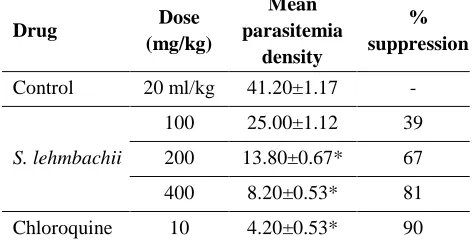
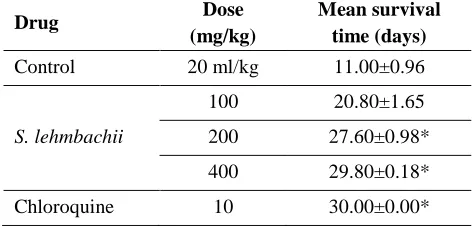
Evaluation of antiplasmodial effects of the ethanolic leaf extract of Salacia lehmbachii on Plasmodium berghei infected mice
Augustine Dick Essien, Grace Akanimo Essiet, Godwin Christian Akuodor, Nwobodo Ndubuisi Nwobodo, Joseph Linus Akpan, Simon John Utsalo
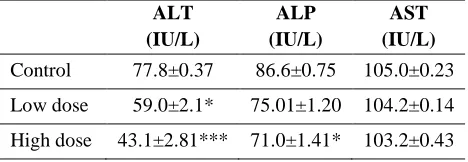
Alteration in biochemical indices following administration of seafood (Thais coronata) extract
Archibong Nsa Archibong, Ada A. Akwari, Ofem Effiong Ofem, Irene O. Bassey, S. U. Ukweni, Asim Ekaha Eno
Occurrence and characteristics of the migrating myoelectric complex in ovine gallbladder and its relationships to the small intestinal motility
Krzysztof W. Romański
In silico sequence analysis of predicted beta-amylase 7-like protein in Juglans regia L.
of Biological Research
European Journal of Biological Research 2017; 7 (2): 86-96
Raspberry pomace - composition, properties
and application
Agnieszka Joanna Brodowska
Institute of General Food Chemistry, Faculty of Biotechnology and Food Sciences, Łódź University of Technology,
Stefanowskiego 4/10, 90-924 Łódź, Poland
* Corresponding author: Agnieszka Brodowska; E-mail: [email protected]
ABSTRACT
Raspberry pomace can be valorised due to its nutritionally favourable effect on human health. It is an important source of polyphenols, ellagic acid, ellagitannins, tocopherols, unsaturated fatty acids, and dietary fibre. Thus, raspberry pomace can be considered as a potential raw material to receive products rich in polyphenols or dietary fibre, which can provide healthy properties to food when used as an additive. This review presents the chemical composition and antioxidant properties of raspberry pomace. The possibilities of its usage in industry are also briefly reviewed.
Keywords: Raspberry; Pomace; Fruit; Antioxidant
activities; Bioactive substances; Waste disposal.
1. INTRODUCTION
Nowadays, because of the rising interest in functional food, especially bioactive compounds, food producers are looking for new sources and carriers of those substances. Due to their health properties, consumers search for products that allow them to maintain a proper physical and mental fitness and also well-being [1]. Raspberry pomace is the residue that remains after the extraction of juice from raspberry. Dried raspberry pomace, a fruit
industry by-product, is considered as a potential food ingredient. Its pomace contains plenty of valuable components such as carbohydrates, proteins, fats, fibre, flavours, pectins, vitamins, similar to the composition of whole raspberries [2]. Moreover, raspberry pomace is rich in a large group of various phenolics especially ellagitannins, proanthocyanidins, anthocyanins, flavonols, and phenolic acids (especially, ellagic acid) which are also predominant in berries [3]. It has been reported [4] that these compounds have beneficial properties for human like antioxidant and antimicrobial activities and a wide range of physiological properties, such as anti-allergenic, anti-atherogenic, anti-inflammatory, antimicrobial, antioxidant, antithrombotic, cardioprotective and vasodilatory effects. The antioxidant activity of phenolics is provided by the hydroxyl groups and phenolic hydrogen for donation [3].
The aim of this review is to collect recent data on chemical composition and antioxidant properties of raspberry pomace and to present a great potential of usage of raspberry pomace in various fields of industry.
2. CHEMICAL COMPOSITION
Raspberry pomace, a fruit waste, received during pressing raspberries during juice production
Received: 19 February 2017; Revised submission: 24 March 2017; Accepted: 03 April 2017
Copyright: © The Author(s) 2017. European Journal of Biological Research © T.M.Karpiński 2017. This is an open access article licensed under the terms of the Creative Commons Attribution Non-Commercial 4.0 International License, which permits
unrestricted, non-commercial use, distribution and reproduction in any medium, provided the work is properly cited.
European Journal of Biological Research 2017; 7 (2): 86-96 consists, mainly of seeds and pulps. On average,
raspberry pomace is characterized by a high content of total dietary fibre 59.5%, acid detergent fibre 46%, cellulose about 27%, crude fat about 11%, crude protein 10%, lignin 11.7%, cutin 6%, acid detergent ash 2.2% (Table 1) [5].
Table 1. Approximate composition of raspberry pomace
(dry matter basis).
Parameters (%)
Crude fat 11.1 Crude protein 10.0 Total dietary fiber (TDF) 59.5 Acid detergent fiber 46.0
Lignin 11.7
Cutin 6.0
Acid detergent ash 2.2 Cellulose 26.9
On the other hand, results obtained by Laroze et al. (2010) show that raspberry residue composition consists mainly of crude fibre (59.76%) and nitrogen free extract (31.02%). The high content of crude fibre suggests that raspberry pomace is a source of antioxidants. Crude fibre contains polyphenols which are associated with non starch polysaccharides such as pectin, cellulose, β-glucans, hemicellulose, gums, and lignin. Moreover, raspberry residue shows low protein, ash and oil content (1.87%; 5.97%; 1.38%, respectively). Due to the fact that raspberry residue ash contains a low percentage of minerals and heavy metals, from which it is known that it can act as pro-oxidants like iron, a positive impact on the antioxidant capacity of raspberry waste is likely [6].
Furthermore, raspberry pomace contains small amounts of vitamins (E, C), but only vitamin C is presented at a significant level and responsible for anti-inflammatory activity [7, 8]. In addition, a lot of volatile compounds are found in raspberry pomace (Fig. 1) such as alcohols, esters, acids, ketones and carbonyls [9]. Additionally, raspberry pomace is an important source of unsaturated fatty acids and tocopherols.
Besides, the main sugars in raspberry pomace are glucose, fructose and sucrose. Raspberry pomace is also a source of sodium, potassium, calcium, phosphorus and magnesium [7].
Figure 1. Simplified schematic representation of the
remarkable components of raspberry pomace.
3. OCCURRENCE OF BIOACTIVE COMPO-NENTS IN RASPBERRY POMACE
Bioactive compounds (often called anti-oxidants) are defined as chemical substances which in small quantities have an ability to prevent or reduce the oxidation of easily oxidisable molecules [10].
Antioxidant activity is closely associated with antioxidants which have antimicrobial activities against human pathogens [11]. More specific, the function of these compounds is to slow down or to stop damaging cellular DNA, lipids, and proteins caused by reactive oxygen species (ROS) [12].
Raspberry pomace, in particular, is a rich source of antioxidants. The biological activity of those compounds is mainly exercised by dietary fibre, tocopherols, unsaturated fatty acids, carote-noids, vitamin C and polyphenols such as tannins (especially ellagitannins), anthocyanins, flavanols, flavonols and phenolic acids [13, 14].
3.1. Dietary fibre
European Journal of Biological Research 2017; 7 (2): 86-96 desirable for dietary purposes [16]. The content of
total dietary fibre (TDF) in raspberry pomace is very high, about 60% [5]. Its composition demonstrates the high content of lignin (63.16%), which means a presence of phenolics. There are also other components, but in less amounts, namely pectin (15.38%), hemicellulose (14.89%) and cellulose (5.36%) [6].
Due to the nutritional benefits of dietary fibre, producers are keen on using by-products as food ingredients. For instance, enriched cookies with 50% of a non-crumbled raspberry pomace resulted in the desired high content of dietary fibre. It has been noticed that differences in a flavour in such kind of cookies depend on the quantity and form of pomace used [17].
The addition of raspberry pomace to shortcrust cookies caused an increase of their fruity smell and taste, as well as an increased sour taste while the sweet taste was less perceptible (Fig. 2). It was confirmed that the more raspberry pomace is added, the stronger the fruity smell, fruity taste and sour taste. An increased crumbliness of cookies was reported after adding a 50% of whole seed raspberry pomace [1].
3.2. Fatty acids and tocopherols
Raspberry seed oil from raspberry by-product has a unique fatty acid profile [18, 19]. Dimić et al. reported that the oil content of raspberry pomace was about 14% on dry basis. It had a dark yellowish-orange colour due to lower chlorophyll content (about 200 mg/kg). The total content of carotenoids was around 40 mg/kg [20].
Oil from raspberry seeds possesses an important nutritional profile. It is a rich source of fatty acids, vitamin A, vitamin E and α-, γ-,
σ-tocopherols. Raspberry seed oil is abundant in unsaturated fatty acids such as linoleic,
α-linolenic, and oleic acid (96% of the total fatty acids). The extraction of raspberry seed oil with chloroform resulted in a fatty acid composition as follows: C16:0, 2.7%; C18:0, 0.2%; C18:1, 18.7%; C18:2, 55.5%; and C18:3, 32.6%. Oomah et al. investigated that raspberry seed oil contains neutral lipids, free fatty acids, and phospholipids with 93.8, 3.5, 2.7%,
respectively. Additionally, raspberry seed oil is a superior source of tocopherols, mainly
γ-tocopherol (137-272 mg/100 g). The ratio of the tocopherol isomers (α, γ, σ) in raspberry seed oil was 20:75:5. The high γ-tocopherol content can indicate the prevention of degene-rative diseases [9].
Figure 2. The influence of adding crumbled (ME) and
non-crumbled (NM) raspberry pomace on the sensory qualities of shortcrust cookies (based on [1]).
3.3. Carotenoids
Carotenoids belong to the class of natural pigments, occurring in plant materials including fruits and vegetables. They are responsible for the yellow to red colour of those plants. Some of them demonstrate provitamin A activity. Carotenoids are polyenoicterpenoids having conjugated trans double bonds, including carotenes (β-carotene, lycopene). These compounds are polyene hydrocarbons, and xanthophylls (lutein, zeaxanthin, capsanthin, canthaxanthin, astaxanthin, and violaxanthin)
which means that they have oxygen in the form of hydroxyl-, oxo-, and epoxy groups [16].
European Journal of Biological Research 2017; 7 (2): 86-96
3.4. Vitamin C
Vitamin C, also known as ascorbic acid and dehydroascorbic acid, is widely used as a food additive for humans and other animal species. The deficiency of vitamin C causes the disease called scurvy in human organisms. Dehydroascorbic acid is the minor part of vitamin C content and the oxidised form of ascorbic acid. Ascorbic acid possesses antioxidant activity and prevents oxidative stress-related diseases. Thus, it can be considered as a scavenger of reactive oxygen species. However, humans are not able to synthesise
ascorbic acid because of the lack of enzyme L-gluconolactone oxidase. Therefore, plants appear
to be able to synthesise ascorbic acid from D-glucose or D-galactose [22].
3.5. Phenolic compounds
Numerous studies show that raspberry pomace is a superior source of phenolics. The results of the quantitative analysis of antioxidant components are shown in Table 2.
The study conducted by Vulić et al. (2011) indicates that raspberry pomace extracts contain a high amount of total flavonoids: 591.65 mg per 100 g of fresh pomace. Besides, the total
anthocyanin content appeared to be 65.21 mg per 100 g of fresh pomace [23]. Regarding another study, the total phenolic content of raspberry was higher (234 ± 5.1 mg gallic acid per 100 g of fresh fruit) [24]. It has also been reported that the total anthocyanin content of raspberry pomace extract is 68.0 mg per 100 g fresh fruit [23].
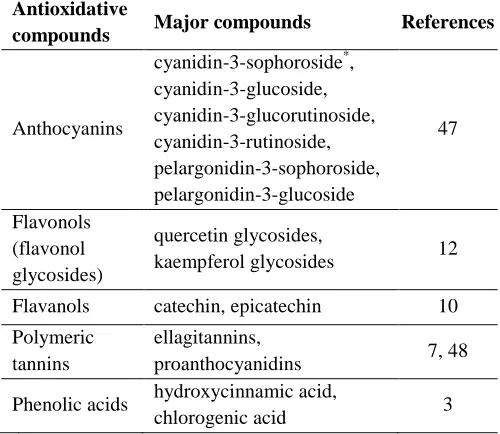
The antioxidant composition commonly occurring in raspberry pomace is presented in Table 3.
3.5.1. Flavonoids
Flavonoids represent the largest group of plant phenolics, accounting for over half of the eight thousand naturally occurring phenolic compounds. Flavonoids consist of classes like: anthocyanins, flavones, flavanols, flavanones, flavans, isoflavones and flavonols. Furthermore, flavonoid compounds are classified in bioflavonoids, chalcones, flavono-lignans, prenylflavonoids, glycoflavons, aurones
[25]. In raspberry pomace was noticed the dominant presence of flavonol glycosides, namely quercetin and kaempferol glycosides [12].
Table 2. Total anthocyanins, flavonoids and
poly-phenolics in berry pomace extracts [based on Vulić et al. 2011].
Berrypomace extracts
Antioxidant compounds content (mg/100 g fresh pomace)
Total anthocyanins
Total flavonoids
Total polyphenolics Raspberry 65.21 591.65 637.77 Blackberry 149.12 245.48 804.50 Strawberry 19.48 296.11 488.12 Bilberry 1279.49 1047.39 1116.24
Table 3. Antioxidant compounds identified in raspberry
pomace.
Antioxidative
compounds Major compounds References
Anthocyanins
cyanidin-3-sophoroside*, cyanidin-3-glucoside, cyanidin-3-glucorutinoside, cyanidin-3-rutinoside, pelargonidin-3-sophoroside, pelargonidin-3-glucoside
47
Flavonols (flavonol glycosides)
quercetin glycosides,
kaempferol glycosides 12 Flavanols catechin, epicatechin 10 Polymeric
tannins
ellagitannins,
proanthocyanidins 7, 48 Phenolic acids hydroxycinnamic acid,
chlorogenic acid 3
*Anthocyanin dominant
European Journal of Biological Research 2017; 7 (2): 86-96 is estimated that on average one person eats in a day
about 1 g flavonoid compounds [26].
3.5.2. Anthocyanins
Anthocyanins, which are classified as pigment compounds in the tissues of berries, constitute one of the major groups of polyphenols in berry pomaces [23, 27]. The basic structures of anthocyanins are the anthocyanidins (or aglycons). When anthocyanidins are bound to sugar molecules, anthocyanins are obtained. The most common sugar substitutes on the anthocyanidins are glucose, fructose, galactose, rhamnose, xylose, and arabinose [22, 28].
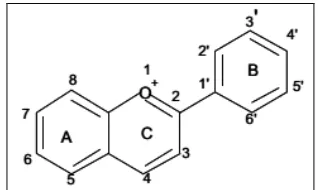
Anthocyanins are usually presented in coloured flavylium cation form, which depends on the pH [3]. Therefore, at pH 1, the flavylium cation (red colour) is the predominant species and contributes to the purple and red colours of raspberries.
Anthocyanins belong to compounds which are easy to oxidise, thus they are usually the best antioxidants. Several studies have suggested that the anthocyanin content and their corresponding antioxidant activity, contribute to the fruits protective effect against degenerative and chronic diseases [28]. It has also been reported that they characterize anticarcinogenic activity. It has been proven that the antioxidant activity of berries is directly proportional (linear correlation) to the anthocyanins content [29]. The results received by Soto Rodriguez Gil demonstrated that the main anthocyanins found in black raspberry pomace extract were cyanidins (95% of the anthocyanins), namely rutinoside (68.8%), sambubioside-5-rhamnoside (18.2%), cyanidin-3-glucoside (7.1%) and pelargonidin-3-cyanidin-3-glucoside (6%). In addition, in the study by Soto Rodriguez Gil anthocyanin content was 3800 mg per kg of black raspberry pomace [30].
3.5.3. Polymeric tannins
Proanthocyanidins, regarded as condensed tannins, are dimers, oligomers, and polymers of catechins which are bound together by C-C links. Catechins are monomer form of flavan-3-ols and proanthocyanidins are the polymer form of those
compounds [22, 31, 32]. Proanthocyanidins have, similar as flavan-3-ols, the C6-C3-C6 flavonoid skeleton and give a characteristic bitter taste to many berries. Flavan-3-ols commonly occurring include: (+)-catechin, (-)-epicatechin, gallocatechin, and epigallocatechin. Procyanidins and prodel-phinidins are made of epicatechin units and epigallocatechins, respectively [33]. There were found prominent amounts of proanthocyanidins in berries [3]. In raspberry residue proanthocyanidins are formed of procyanidins and propelargonidins [13].
Ellagitannins with gallotannins form the group of hydrolyzable tannins. Ellagitannins are presented especially in the family Rosaceae, genus Rubus, namely raspberries, cloudberries, and blackberries [34]. These berries as well as its pomace produce ellagitannins based on stable glucose conformation [11]. The ellagitannin monomers often form dimers, trimers and even higher oligomers via phenolic oxidative coupling reactions [34, 35].
The major ellagitannins which have been identified in raspberries (Rubus idaeus L.) and raspberry pomace are the dimeric sanguiin H-6 and the trimeric lambertianin C (Fig. 3) and comprising 81% of the total ellagitannins in raspberries. Also, raspberries contain ellagitannins such as monomeric casuarictin, potentillin, pedunculagin, sanguiin H-10, dimeric nobotanin A, and tetrameric lambertianin D [3, 11, 34].
Moreover, ellagitannins are complex derivatives of ellagic acid. They contain one or more hexahydroxydiphenic acid (HHDP) moieties esterified usually to glucose. Hydrolysis of ellagitannins with acids or bases yields that HHDP is lactonized to ellagic acid (Fig. 4) [36].
It has been reported that free ellagic acid was detected in berries. The highest level was found in cloudberries and wild red raspberries, whereas ellagic acid glycosides were detected only in raspberries, of which wild raspberries contained the highest level [36].
3.5.4. Phenolic acids
European Journal of Biological Research 2017; 7 (2): 86-96 in raspberry pomace, consist of salicylic acid,
p-hydroxybenzoic acid, gallic acid, and ellagic acid. The last one, ellagic acid, is predominant in raspberry pomace and is presented in the free form or esterified to glucose. Hydroxycinnamic acids, which are widely distributed in berry pomaces, include p-coumaric, caffeic, sinapic, and ferulic
acids. Hydroxycinnamic acids are commonly found as derivatives of caffeic acid. Chlorogenic acid, which is an ester of caffeic and quinic acid (5-O-caffeoylquinic acid), belongs to the one of the main hydroxycinnamates found in plants [22, 37].
Figure 3. Structures of the major ellagitannins in raspberries and raspberries
pomace: casuarictin (a), sanguiin H-6 (b), lambertianin C (c).
Figure 4. Ellagic acid - the hydrolysis product of
ellagitannins.
4. ANTIOXIDANT ACTIVITY
European Journal of Biological Research 2017; 7 (2): 86-96 berry pomace extracts (bilberry, strawberry,
raspberry and blackberry) using methods such as DPPH free radical scavenging assay and reducing power. The IC50 values were determined using the
RSCDPPH. The IC50 value is a parameter used to
measure the free radical scavenging activity, and can be defined as the extract concentration required for 50% inhibition of DPPH radicals under experimental conditions. The results show that the IC50 of the obtained raspberry pomace
extract was 0.040 mg/ml. Also, there was observed
a high linear correlation between the IC50 and
the content of anthocyanins, polyphenols and flavonoids. Thus, there is a great importance of phenolic compounds in the radical scavenging activities [23]. The results obtained by Vulić et al. indicate that the reducing power of berry pomace extracts increased with increasing concentration. Berry fruits pomaces are a good source of antioxidant compounds and can be used as a potential value-added ingredient in the food, cosmetic and pharmaceutical industry [23].
4. GENERATION OF RASPBERRY POMACE
In the horticulture, there has been observed a growth in acreage as well as in agricultural production to fulfill the requirements of global food demand. It is estimated that the average worldwide production of fresh fruits and vegetables is 800,000 tons per year [21, 38]. However, in Poland annually about 1.5 million tons of fruit are being produced. Most of them (around 60%) is used for wine, juice and beverage production, 15% for frozen products, and around 15% for marmalade and jams production [39].
During processing of plant materials basic products and by-products are obtained. The latter can be divided into wastes generated during storage, production and manufacturing. A disposal of raspberry pomace, as well as other fruit pomaces, usually represent a serious ecological and environmental problem due to the low pH value. Other emergingproblems are the legal waste stream restrictions which must not be exceeded. Wastes can impede the proper conduct of production due to spoilage, which has to be avoided because of the possibility of microbiological contamination of the process. In the processing of raspberry juice or
wines, the pomace becomes a by-product which is currently underexploited. Raspberry waste is prone to microbial spoilage; therefore, drying is necessary before further exploitation. However, the cost of drying, storage, and transport posses- ses additional economical limitations to waste utilization. Thus, agroindustrial waste is very often utilized as feed or fertilizer [5]. However, there appears some new aspects concerning the use of berry wastes.
5. POSSIBLE USES OF RASPBERRY POMACE IN THE VARIOUS FIELDS OF INDUSTRY
Several potential uses can be considered for raspberry by-products, covering various fields of industry: food, pharmaceutical, medical, cosmetic, composting as well as chemical industry [21].
5.1. Raspberry pomace as antimicrobial agent
In the past few years, due to concerns regarding the safety of synthetic antimicrobial agents, an increase in consumer demand for naturally processed food is observed. It has resulted in a huge increase in the use of naturally derived compounds such as plant extracts as antimicrobials in food. What is more, natural antimicrobial compounds can be an alternative to food preser-vation [21]. Studies confirmed that phenolics (ellagitannins) which occur in berry pomace, including raspberry, display a very effective role in inhibiting the growth of the pathogenic bacteria: Clostridium, Enterococcus, Escherichia, Mycobac-terium, Salmonella and Staphylococcus species as well as some Gram-positive and Gram-negative bacteria [22, 40]. Puupponen-Pimiä et al. reported that isolated ellagitannin fractions from raspberry were highly efficient against Gram-negative bacteria such as Staphylococcus aureus and Salmonella, but with no effect on Gram-positive lactic acid bacteria. Raspberry anthocyanins were found to exhibit the strong inhibiting effects on the growth of L. acidophilus, a Gram-positive bacterium. It can be important when raspberry anthocyanins are consumed in high concentrations because L. acidophilusis is commonly used in fermented
European Journal of Biological Research 2017; 7 (2): 86-96 the growth of Bacillus subtilis and Micrococcus
luteus [41].
Also, it has been reported that solidstate bioprocessing of cranberry pomace, using food-grade fungus results in an enrichment of the total soluble phenolics and of ellagic acid. Also, it has been confirmed that bioprocessing improved the antimicrobial activities of the extracts against important foodborne pathogens L. monocytogenes, Vibrio parahaemolyticus and E. coli O157:H7. Microorganisms, used in studies, showed different sensitivities to various functional properties of the extracts, which may indicate that different mechanisms of action in the antimicrobial activity exist. Therefore, bioprocessing of berry pomace may offer an innovative solution to produce a broad spectrum of antimicrobials against important pathogens [11].
In this context, raspberry by-products are promising new sources of phenolic antimicrobial compounds [21].
5.2. Raspberry pomace as dietary fibre additive
Until recently, people believed that non-digestible components of plant products belonged to ballast substances. Nowadays beneficial physio-logical properties of these substances on human health are appreciated. Numerous studies on dietary fibre proved that this component can prevent and treat some diseases. Diet enrichment in fibre reduces risk of certain cancers (large intestine), coronary heart disease (CHD), atherosclerosis, diabetes and obesity. Additionally, dietary fibre increases the faecal bulk, and stimulates intestinal peristalsis, lowers the levels of total cholesterol and low-density lipoprotein cholesterol in the serum. Due to that fact the addition of dietary fibres to food becomes more and more popular [17]. It is well-known that fruit processing waste (raspberry pomace) represents an important source of dietary fibre [42]. Dietary fibre is not only desirable for its technological properties, but also for its nutritional and functional properties. It can be used in order to modify the texture and enhance the stability of the food during production and storage, and to upgrade agricultural products and by-products for the use as a food ingredient [17]. The investigations by Górecka et al. show that the addition of raspberry
pomace to shortcrust cookies increase their fruity smell and taste, as well as crumbliness [1].
Due to numerous health benefits of dietary fibre, it can be used for many applications in food and pharmaceutical industry. Dietary fibre fractions from raspberry processing waste can create functional food products. A wide range of fibre-enriched foods included, for instance bakery products, biscuits, cereals, snacks, sauces, dairy products, meat products, drinks [17].
Moreover, it may supplement the daily diet as a prebiotic which is defined as a non-digestible food ingredient that beneficially affects the host by selectively stimulating the growth and/or activity of one or a limited number of bacteria in the colon, and thus improves host health [43]. There are dietary fibre supplements available on the market, both fruit- and vegetable-based, but these mostly contain apple, peach or carrot fibre rather than raspberry fibre. Raspberry pomace fibre may be of a great interest to food technologists. According to literature the exotic fruits such as guava, carambola, mamey, mango, sapodilla and raspberries possess a significant dietary fibre content. Besides, fibre from raspberry waste can be incorporated into food products as inexpensive, non-caloric bulking agents for partial replacement of flour, fat or sugar, as enhancers of water and oil retention and to improve emulsion or oxidative stabilities [21].
5.3. Raspberry pomace as a source of natural colorants
European Journal of Biological Research 2017; 7 (2): 86-96
5.4. Raspberry pomace as cosmetic and pharmaceutical component
Raspberry seed oil from raspberry by-product is very important for its potential application in food, pharmaceutical as well as cosmetic products. The addition of raspberry seed oil in cosmetics and pharmaceutical products has been patented. Therefore, the unique fatty acid composition and the high tocopherol content, as well as the protective effect against oxidative stress and relatively good shelf life makes oil of raspberry pomace desirable for uses as dietary supplements, in toothpastes, bath oil, shampoos, creams for prevention of skin irritations, aftershave cream, lipsticks, antiper-spirants, etc. [9].
5.5. Raspberry pomace as metal-binding agent
It has been noticed that fruit pomaces have the potential for binding heavy metal ions. In particular, fractions from dietary fibre of pomace are able to bind heavy metals [42, 44]. According to literature, hemicellulose and pectins have better binding capacity than cellulose and lignin. Studies report that the stability of metal-dietary fibre complexes differs according to the metal involved and fibre source [45, 46]. In the study conducted by Nawirska pectins were found to be the most effective metal ion binders, and lignins the least effective metal ion binders. As it has been mentioned before, dietary fibre of raspberry
pomace consists of 63.16% of lignins, thus has a smaller binding ability. However, it has been
noticed that polyphenols bind considerable amounts of lead ions in chokeberry, pear, apple, and rosehip pomace (34.8, 34.0, 35.2, and 26.5%, respectively) [44]. Therefore, raspberry pomace may also be an effective ion binder due to the rich source of polyphenols. It was also reported that tannin compounds (proanthocyanidins or the galloyl ester of glucose) of Rubus berries are chelating agents for metal ions such as alumi- nium, iron, and cooper. These polyphenols at neutral pH form complexes with metal ions and precipitate easily at neutral pH through the gut barrier [22].
6. CONCLUSIONS
To conclude this review, raspberry pomace represents a potential source of natural food ingredients. No major exploitation of this source is happening today, although there is a great opportunity for the food industry in this area.
The exploitation of raspberry pomace during fruit processing as a source of functional compounds and their application in food is a promising field which requires interdisciplinary research. Due to the high nutritional value of raspberry by-products, it can be exploited as food additives or supplements providing the high-valuable products which may be economically attractive for consumers. Raspberry pomace has a great potential as a source of antioxidants and may have important applications in the future. By presenting antibacterial activity, it can be used as a natural antimicrobial agent in the future. Some components of raspberry pomace can be isolated and may be the goal of prospective findings in medicine (therapy) as well as in the food industry.
ACKNOWLEDGMENTS
This work was financially support by Statute Funds No. I28/DzS/9184.
TRANSPARENCY DECLARATION
The author declares no conflicts of interest.
REFERENCES
1. Górecka D, Pachołek B, Dziedzic K, Górecka M. Raspberry pomace as a potential fiber source for cookies enrichment. Acta Sci Pol Technol Aliment. 2010; 9: 451-462.
2. Djilas S, Canadanović-Brunet J, Cetkovic G. By-products of fruits processing as a source of phytochemicals. CI CEQ. 2009; 15: 191-202. 3. Kylli P. Berry phenolics: isolation, analysis,
identification, and antioxidant properties. PhD thesis, University of Helsinki, Helsinki, Finland, 2011.
anti-European Journal of Biological Research 2017; 7 (2): 86-96
microbial activities of hawthorn berries ethanol extract. J Agric Food Chem. 2008; 56: 7700-7709. 5. McDougall NR, Beames RM. Composition of
raspberry pomace and its nutritive value for monogastric animals. Anim Feed Sci Tech. 1994; 45: 139-148.
6. Laroze L, Soto C, Zúñiga ME. Phenolic antioxidants extraction from raspberry wastes assisted by enzymes. EJB. 2010; 13: 1-11.
7. Dheeraj S, Sashi B, Wangchu L, Kavita A, Moond SK. Natural antioxidant phytochemicals in fruits, berries and vegetables and their degradation status during processing. In: Gupta VK, Verma AK, Taneja SC, Gupta BD, eds. Comprehensive bioactive natural products. India, Studium Press, 2010; 4: 99-131.
8. Ali L, Svensson B, Alsanius BW, Olsson ME. Late season harvest and storage of Rubus berries - major antioxidant and sugar levels. Sci Hortic. 2011; 129: 376-381.
9. Oomah BD, Ladet S, Godfrey DV, Liang J, Girard B. Characteristics of raspberry (Rubus idaeus L.) seed oil. Food Chem. 2000; 69: 187-193.
10. De B, Banerjee A. Antioxidant activity of the phytochemicals. In: Gupta VK, Verma AK, Taneja SC, Gupta BD, eds. Comprehensive bioactive natural products. India, Studium Press, 2010; 4: 37-66.
11. Puupponen-Pimiä R, Nohynek L, Alakomi HL, Oksman-Caldentey KM. Bioactive berry com-pounds - novel tools against human pathogens. Appl Microbiol Biotechnol. 2005; 67: 8-18.
12. Bradish CM, Perkins-Veazie P, Fernandez GE, Xie G, Jia W. Comparison of flavonoid composition of red raspberries (Rubus idaeus L.) grown in the southern United States. J Agric Food Chem. 2012; 60(23): 5779-5786.
13. Laroze LE, Diaz-Reinoso B, Moure A, Zúñiga ME, Dominguez H. Extraction of antioxidants from several berries pressing wastes using conventional and supercritical solvents. Eur Food Res Technol. 2010; 231: 669-677.
14. Remberg SF, Sønsteby A, Aaby K, Heide OM. Influence of postflowering temperature on fruit size and chemical composition of glen ample raspberry (Rubus idaeus L.). J Agric Food Chem. 2010; 58: 9120-9128.
15. Nawirska A, Sokół-Łętowska A, Kucharska AZ. Antioxidant properties of marc from selected colored fruits [in Polish]. ŻNTJ. 2007; 4: 120-125.
16. Viuda-Martos M, Lopez-Marcos MC, Fernandez-Lopez J, Sendra E, Fernandez-Lopez-Vargas JH, Perez-Alvarez JA. Role of fiber in cardiovascular diseases: a review. CRFSFS. 2010; 9: 240-258.
17. Thebaudin JY, Lefebvre AC, Harrington M, Bourgeois CM. Dietary fibres: nutritional and technological interest. Trends Food Sci Tech. 1997; 8: 41-48.
18. Godjevac D, Tesevic V, Vajs V, Milosavljevic S, Stankovic M. Blackberry seed extracts and isolated polyphenolic compounds showing protective effect on human lymphocytes DNA. J Food Sci. 2011; 76: 1039-1044.
19. Van Hoed V, De Clercq N, Echim C, Andjelkovic M, Leber E, Dewettinck K, Verhe R. Berry seeds: a source of specialty oils with high nutritional value. J Food Lipids. 2009; 16: 33-49.
20. Dimić EB, Vujasinović VB, Radocaj OF, Pastor OP. Characteristics of blackberry and raspberry seeds and oils. APTEFF. 2012; 43: 1-342.
21. Ayala-Zavala JF, Vega-Vega V, Rosas-Domínguez C, Palafox-Carlos H, Villa-Rodriguez JA, Wasim Siddiqui MD, et al. Agro-industrial potential of exotic fruit byproducts as a source of food additives. Food Res. Int. 2011; 44: 1866-1874.
22. Ali L. Pre-harvest factors affecting quality and shelf-life in raspberries and blackberries (Rubus spp. L.). PhD thesis, Swedish University of Agricultural Sciences, Alnarp, Sweden, 2012.
23. Vulić JJ, Tumbas VT, Savatović SM, Đilas SM, Ćetković GS, Ĉanadanović-Brunet JM. Polyphe-nolic content and antioxidant activity of the four berry fruits pomace extracts. APTEFF. 2011; 42: 271-279.
24. Wang SY, Lin H. Antioxidant activity in fruits and leaves of blackberry, raspberry, and strawberry varies with cultivar and developmental stage. J Agric Food Chem. 2000; 48: 140-146.
25. Majewska M, Czeczot H. Flavonoids in prevention and therapy [in Polish]. Farm Pol. 2009; 65: 369-377.
26. Wiczkowski W, Piskuła MK. Food flavonoids. Pol J Food Nutr Sci. 2004; 13: 101-114.
27. White BL, Howard LR, Prior RL. Polyphenolic composition and antioxidant capacity of extruded cranberry pomace. J Agric Food Chem. 2010; 58: 4037-4042.
European Journal of Biological Research 2017; 7 (2): 86-96
29. Heinonen M, Meyer AS, Frankel EN. Antioxidant activity of berry phenolics on human low-density lipoprotein and liposome oxidation. J Agric Food Chem. 1998; 46: 4107-4112.
30. Soto Rodriguez Gil A. Potential influence of blueberry and black raspberry pomace phenolics on inflammatory cytokines in coronary cells. PhD thesis, Zamorano University, Zamorano, Honduras, 2013.
31. Ignat I, Volf I, Popa VI. A critical review of methods for characterisation of polyphenolic compounds in fruits and vegetables. Food Chem. 2011; 126: 1821-1835.
32. Hellstrom JK, Torronen AR, Mattila PH. Proantho-cyanidins in common food products of plant origin. J Agric Food Chem. 2009; 57: 7899-7906.
33. McDougall G, Martinussen I, Stewart D. Towards fruitful metabolomics: high throughput analyses of polyphenol composition in berries using direct infusion mass spectrometry. J Chromatogr B. 2008; 871: 362-379.
34. Kähkönen M, Kylli P, Ollilainen V, Salminen JP, Heinonen M. Antioxidant activity of isolated ellagitannins from red raspberries and cloudberries. J Agric Food Chem. 2012; 60: 1167-1174.
35. Tomas-Barberan FA, Espin JC, Garcia-Conesa MT. Bioavailability and metabolism of ellagic acid and ellagitannins. In: Quideau S, ed. Chemistry and biology of ellagitannins: an underestimated class of bioactive plant polyphenols. Singapore: World Scientific, 2009: 273-297.
36. Törrönen R. Sources and health effects of dietary ellagitannins. In: Quideau S, ed. Chemistry and biology of ellagitannins: an underestimated class of bioactive plant polyphenols. Singapore: World Scientific, 2009: 298-319.
37. Ho CT. Phenolic compounds in food an overview. In: Huang MT, Ho CT, Lee CY, eds. Phenolic compounds in food and their effects on health II. USA: American Chemical Society; 1992; 507: 2-7.
38. Kroyer GT. Impact of food processing on the environment - an overview. Lebensm Wiss Technol. 1995; 28: 547-552.
39. Fronc A, Nawirska A. Possibilities of using waste from fruit processing [in Polish]. Ochrona Środ. 1994; 2: 31-42.
40. Velićanski AS, Cvetković DD, Markov SL. Screening of antibacterial activity of raspberry (Rubus idaeus L.) fruit and pomace extracts. APTEFF. 2012; 43: 305-313.
41. Vuorela S, Kreander K, Karonen M, Nieminen R, Hämäläinen M, Galkin A, et al. Preclinical evaluation of rapeseed, raspberry, and pine bark phenolics for health related effects. J Agric Food Chem. 2005; 53: 5922-5931.
42. Nawirska A, Kwaśniewska M. Dietary fibre fractions from fruit and vegetable processing waste. Food Chem. 2005; 91: 221-225.
43. Buttriss JL, Stokes CS. Dietary fibre and health: an overview. Nutr Bull. 2008; 33: 186-200.
44. Nawirska A. Binding of heavy metals to pomace fibers. Food Chem. 2005; 90: 395-400.
45. Bingham SA, Day NE, Luben R, Ferrari P, Slimani N, Norat T, et al. Dietary fiber in food and protection against colorectal cancer in the European prospective investigation into cancer and nutrition (EPIC): an observational study. Lancet 2003; 361: 1496-1509.
46. Borycka B, Zuchowski J. Metal sorption capacity of fibre preparation from fruit pomace. Pol J Food Nat Sci. 1998; 1: 67-76.
47. Szajdek A, Borowska EJ. Bioactive compounds and health-promoting properties of berry fruits: a review. Plant Foods Hum Nutr. 2008; 63: 147-156. 48. Pleszczyńska M, Szczodrak J. Tannins and their
of Biological Research
European Journal of Biological Research 2017; 7 (2): 97-107
Efficiency of consortium for
in-situ
bioremediation
and CO
2
evolution method of refines petroleum oil
in microcosms study
Shreyasri Dutta*, Padma Singh
Department of Microbiology, Gurukul Kangri University (KGC), Haridwar, Uttrakhand-249404, India *Corresponding author: Shreyasri Dutta; E-mail: [email protected]
ABSTRACT
An in-situ bioremediation study was conducted in a laboratory by using mixed microbial consortium. An indigenous microbial consortium was developed by assemble of two Pseudomonas spp. and two Aspergillus spp. which were isolated from various oil contaminated sites of India. The laboratory feasibility study was conducted in a 225 m2 block. Six treatment options: Oil alone, Oil+Best remediater, Oil+Bacterial consortium, Oil+Fungal consortium, Oil+Mixed microbial consortium, Oil+Indigenous microflora. Out of five treatments, the mixed microbial consortium (Block 5) degraded 55.12% refine petroleum oil compare to degradation of bacterial (Block 3) and Fungal consortium (Block 4) (i.e, degradation rate were 19.88% and 18.07% correspondingly) after the end of treatment (60 days). Bioremediation ability of this consortium was confirmed by CO2 evolution method. The result
showed that 136.36 % CO2 release after 12 days
incubation. 16r DNA sequencing showed that two bacterial species were Pseudomonas aeruginosa and morph taxonomical examination of fungus were Aspergillus terrus (At) and Aspergillus flavus (Af).The ability of degradation of synthetic mixture of refine petroleum oils makes the consortium potentially useful for bioremediation and microbial
enhanced oil recovery.
Keywords: In-situ bioremediation; CO2 evolution
method; Microbial consortium; Pseudomonas aeruginosa; Aspergillus terrus; Aspergillus flavus.
1. INTRODUCTION
Large amounts of hydrocarbon contaminants are released into environment as a result of human activities. While release like industrial emission can be controlled and carefully regulated, catastrophic release like major spillage from tankers, pipelines and storage tanks are largely accidental and unavoidable and occur frequently in present times [1]. Oil sludge is carcinogenic and a potent immune-toxicant. Due to industrialization and over use of petroleum hydrocarbon based refinery products are one of the most prevalent pollutants. Oil contamination is a severe threat for our environ-ment and therefore invites general concern. Consequently, the remediation of oil-polluted sites has become an important issue worldwide [2] Bioremediation, the degradation or stabilization of contaminants by microorganisms, is claimed as a safe, effective and economic alternative method of environmental clean-up [3]. In biological treat-ments it is always necessary to perform laboratory
Received: 18 January 2017; Revised submission: 07 April 2017; Accepted: 10 April 2017
Copyright: © The Author(s) 2017. European Journal of Biological Research © T.M.Karpiński 2017. This is an open access article licensed under the terms of the Creative Commons Attribution Non-Commercial 4.0 International License, which permits
unrestricted, non-commercial use, distribution and reproduction in any medium, provided the work is properly cited.
European Journal of Biological Research 2017; 7 (2): 97-107
feasibility tests to determine the microbial potential to degrade the pollutants and to evaluate strategies to optimize the degradation rates before the design of real scale in-situ or ex-situ (bioreactors, land farming and others) treatments [4, 5]. Thus, the purpose of the present study was to investigate possible methods to enhance the rate of aerobic biodegradation (ex-situ treatments) of refines petroleum oil. In this work, the bioremediation processes were applied to a sandy loam soil of Haridwar region, India contaminated by Synthetic Mixture of Refine Petroleum Oil (SMRP Oil) and biodegradation was performed by bioaugmentation (treatment with inoculation of mixed microbial consortium) and study the efficiency of that consortium.
2. MATERIAL AND METHOD
2.1. Source of soil sample
Soil samples were obtained from depths of 0.5 and 1 m as well as form ground surface in a contaminated area close to the storage and Distribution Centre of Oily Products in Indian Oil Refinary, Haldia. (West Bengal) and local garages, refinery waste, petrol pumps, service stations of Kolkata, West Bengal as well as Haridwar city, Uttrakhjand.The petroleum contaminated soil samples were collected in duly labelled sterile container from the depth of 0.5 to 1.0 cm surface and subsurface. Then all samples were transported in ice to the laboratory and stored at 40C for further analysis.
2.2. Isolation and screening of indigenous microorganisms
Soil sample were sieved moist using a 2 mm mesh screen and thoroughly mixed. 10 g of soil was added to 95 ml deionised water containing 2 drops of Tween 80 and then was incubated and shake (150 rpm) for 30 min at room temperature. The mixture prepared was called soil solution. A 100 ml Erlenmeyer flask (flask 1) was prepared containing 2.5 ml soil solution and 95 ml of MSM (Mineral Salt Medium) and 2.5 ml of synthetic mixture of refine petroleum hydrocarbons (SMRP) (Petrol, Diesel and Kerosene; 1:1:1) as a sole source of
carbon. The flask was incubated at 370C. After 15 days, 2.5 ml of Flask 1 was transferred to a second flask (flask 2) with same condition as flask 1. The incubating-transferring were repeated 4 times and at final stage (fourth period) pure hydrocarbon degrading strains were isolated on petroleum agarose plates. In the preparation of petroleum agarose plates 1-2 drops of sterile SMRP oil was evenly spread with glass spreader, so that a film of SMRP oil got absorb over the entire agarose surface of mineral medium in the petriplate and then inoculums was spread on the medium. The plate was incubated at 370 C for one week in an incubator. Pure and representative colonies were transferred to slant for preservation.
2.3. Preservation and subculture of the strains
The isolated strains were preserved in 25% v/v glycerol solution at -700C. For day-to-day experimentation strains were maintained on nutrient agar slants at 40 C in refrigerator and sub-cultured at an interval of 30 days.
2.4. Preparation of consortia inoculum
The bacterial isolates were grown separately in NB and processed to yield separate suspension with an absorbance reading of 0.5 at 550nm. Specific aliquots of bacterial inoculums were then separately added into normal saline solution to give final combined inoculums concentration of 10% (v/v) according to Mukred et al. [6] and used as bacterium consortium. The fungal isolates were cultivated in slant tubes at 300C for 6-7 days. The conidia of each strain were suspended in sterile distilled water according to Lemos et al. [7], and produced fungal consortium. All combined bacterial inoculums and conidia-suspension of fungal isolate were thoroughly mixed to prepare final combined inoculums concentration was 10% v/v according to Malik et al. [8].
2.5. In-situ microcosms studies
2.5.1. Bioremediation setup
European Journal of Biological Research 2017; 7 (2): 97-107
for each treatment and one block was remain undisturbed to check the physic-chemical properties of soil) of a tin vessel. 5 kg of soil (sieved with 2 mm mesh size) from Kanya Gurukula Campus was taken as a normal soil without oil and added 200 g soil in each block separately. In each block 2% SMRP oil was added, thoroughly mixed and left undisturbed for 24 hours to allow the volatilization of the oil. The initial soil pH, temperature, moisture level, organic carbon were
also determined over a period of 60 days. The soil used for microcosm study had a pH of 7.78,
which was well within the range of optimal degradation. Therefore, no treatment for pH control was needed. The experiment was conducted in the premises of Kanya Gurukul Campus, Gurukul kangri University, Haridwar. The experiment was conducted during March to May months, in the year 2014 and followed the method of Pritchard & Bourquin [9] and Mittal & Singh [10].
2.5.2. Experimental design
The experimental design chosen was a completely randomized block design. The treatment were as follows: (i) oil alone; control where no treatment was done, (ii) Oil+Bacterial consortium, (iv) Oil+Fungal consortium, (v) Oil+Developed consortium, (vi) Oil+Indigenous micro flora.
2.5.3. Extraction of SMRP oil sample
For extraction of SMRP oil broth culture was first taken out and the culture activities were stopped by adding 1% 1N HCl and then the extracted SMRP oil broth was mixed with 50 mL petroleum ether: acetone (1:1) in a separating funnel and was shaken vigorously to get a single emulsified layer. Acetone was then added and shaken gently to break the emulsification, which resulted in three layers. Top layer was a mixture of petroleum ether, SMRP oil and acetone; clumping cells make the middle layer and the
bottom aqueous layer contains acetone, water in soluble form. The lower two layers were
separated out while top layer containing petro- leum ether mixed with SMRP oil and acetone was taken out in a clean bottle.
2.5.4. To assess the hydrocarbon degradation
To assess the rate at which the SMRP oil was being degraded, sample were collected at time zero (just before initiating the bioremediation), 15 days later, 30 days later, 45 days later and at the end of the study (60 days after initiating the process). After evaporation the residual oil content was determined by the absorbance of the extract at 420 nm in a spectrophotometer.
2.5.5. Fraction of SMRP oil and analysis of fractions
For isolation of various compound class fractions (saturate, aromatic and NSOs), column chromatographic technique was used. The separation was carried out on packed activated silica-gel columns by successive elution with petroleum ether for saturates, benzene for aromatics and methanol for NSO compounds. Silica gel (60-120 mesh) was activated at 1500C for 24 hours and cooled in desiccators. The glass column (Internal diameter 1.1 cm, length 65 cm and reservoir capacity 100 ml) was packed by placing a thin cotton plug at the bottom. The slurry of 20 g activated silica gel was filled. The column was washed with petroleum ether. The extracted oil sample was dissolved in chloroform, absorbed on silica gel. The adsorbed sample was charged at the top and eluted saturates with 10 ml of petroleum ether (400-600C), aromatics with 10 ml benzene and NSO with 10 mL methanol, respectively. Each fraction was transferred in air tight bottle and taking O.D at 420 nm in a spectrophotometer [11].
2.6. Laboratory scale experiment on the bioreme-diation of refined petroleum hydrocarbon by using CO2 evolution method (Standardized Biodegradability Tests-ASTM D-5864)
A specially equipped 150 ml Erlenmeyer flask contains 50 ml of optimized BH broth and 5 ml of SMRP oil. A reservoir holding 10 ml of barium hydroxide solution was suspended out of the flask to trap CO2. After inoculation(10% v/v), the
test flasks were sparged with CO2 free air (flasks
European Journal of Biological Research 2017; 7 (2): 97-107
three 250 ml bottles each containing 200 ml of 5N NaOH) to ensure aerobic conditions and that CO2 was trapped only from microorganism’s
metabolizing the test substrate. The flasks were sealed and incubated with shaking in a dark room for 0, 4, 8, 12, 16, 20, 24, 28 days under normal temperature (32 to 370C), pH (7) condition because as per ASTM method [12], the test shall continue for at least 28 days or until the CO2 evolution has
reached a plateau. Non inoculated flasks were included as control for abiotic losses [13].
2.7. Measurement of CO2 evolution
Periodically, the 10 ml of Ba(OH)2 a plus 10
ml rinsing water (DW) was removed for CO2
measurement by titration with 0.1 N HCl to the phenolphthalein end point. All the samples were analyzed at time zero and at least a 28 day time period to allow for a smooth biodegradation plot for test system (ASTM D-5864). 3 ml of 20% H2SO4,
were added on the day prior to terminating periodically.
The percentage CO2 evolution-was based on the
following formula:
% CO2 evolution =
TF-CF
x 100% C
Where,
TF = ml of 0.1 N HCI required to titrate Ba (OH)2,
samples from the test flask;
CF = ml of 0.1 N HCl required to titrate Ba (OH)2
samples from the control flask;
C = A constant which is equal to the theoretical amount of 0.1N HCl required to titrate the CO2
evolved from metabolizing total carbons in the test substrate by bacteria. For example, for 10 mg carbon: C = 16.67 ml of 0.1N HCl.
2.8. Molecular characterization of best petroleum remediating microorganisms
Bacterial strains of the consortium were identified by 16S rDNA sequence structure performed by Royal Life Sciences Pvt. Ltd. (Affiliated to MIDI Sherlock, USA) and fungal cultures were identified as morph taxonomically from Agharkar Research Institute, Pune, India (National Fungal Culture Collection of India).
3. RESULT AND DISCUSSION
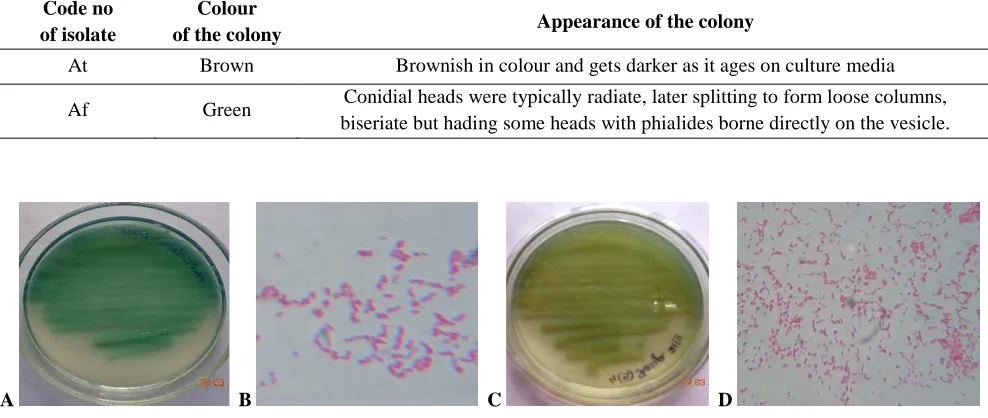
The first and foremost criterion for designing a bioremediation program was to study the native micro flora of the system and to analyses the physico-chemical composition of soil. The soil sample taken for feasibility study (garden soil of Kanya Gurukula Mahavidyalaya, Haridwar) was analysed for detection of different treatment boxes. The soil contains 6x10⁸/ g of total heterotrophs and 1.2x10³/ g of fungi. The pure hydrocarbon utilizing bacteria as well as fungus were identified in presence of SMRP Oil as a carbon source. Two bacterial and fungal strains were identified by using standard procedures. The experimental outcome of cultural, morphological and biochemical characte-rization proved that both bacterial species were Pseudomonas aeruginosa (Ps-I and Ps-II) (Tables 1 and 2, Fig. 1) and two fungal species were identified as Aspergillus flavus (Af) and Aspergillus terrus (At) (Table 3, Fig. 2). All were used to make the consortium. In situ bioremediation approach was adopted in laboratory conditions. Physical and chemical properties of soil sample taken were analysed for pH, temperature, and moisture level, organic carbon (Table 4) in remaining block at zero time intervals i.e, initially and after 60 days of optimal value of pH was 7 and temperature 320C to 350C for maximum degradation.The soil used was sandy loam in texture and its pH was 7.78. Moisture content of soil was 5 %, while water holding capacity was 50. The temperature recorded during the study varied from 320C to 350C.
European Journal of Biological Research 2017; 7 (2): 97-107
Table 1. Cultural and morphological characteristics of selected bacterial isolates. Code no
of isolate Size Shape Elevation Margin Opacity Texture Pigment
Gram’s
reaction Motility
Ps-I Big Irregular Slightly
raised Irregular Opaque Smooth
Deep
Green -ve rod motile Ps-II Big Irregular Slightly
raised Irregular Opaque Smooth
Brownish
green -ve rod motile
Table 2. Biochemical characterisation of bacteria.
Name of biochemical test Code number of isolates
Ps-I Ps-II
Citrate utilization + +
Urease production + +
Nitrate reduction + +
Oxidase + +
Catalase production + + Gelatin Utilization + +
Starch Hydrolysis - -
Indole production - -
M.R test + +
V.P test - -
Lipid hydrolysis + +
Glucose utilization + + Sucrose utilization _ _ Mannitol utilization + + Lactose utilization + + Maltose utilization + +
Table 3. Cultural and size and shape of spore of fungal isolates. Code no
of isolate
Colour
of the colony Appearance of the colony
At Brown Brownish in colour and gets darker as it ages on culture media Af Green Conidial heads were typically radiate, later splitting to form loose columns,
biseriate but hading some heads with phialides borne directly on the vesicle.
A B C D
European Journal of Biological Research 2017; 7 (2): 97-107
A B C D
Figure 2. Macroscopic and microscopic appearance of At (A and B) and Af (C and D).
Table 4. Physico-chemical parameters of soil of in situ
bioremediation process.
Days Time zero* After 60 days* Temperature 320C to 350C 320C to 350C
pH 7.7 7.30
Moisture contain 5% 5.6
Organic carbon 2.35 2.43 *= Average of triplicates
SMRP Oil was extracted from six treatment boxes-Oil alone, boxes-Oil and best remediating microorganisms, Oil+ bacterial consortia, Oil+fungal consortia, Oil+microbial consortium, Oil+indegenious micro-flora and assessment the degradation rate.
3.1. Block 1: Oil alone
The hydrocarbon utilizing bacteria count during the study was also found nil, though some heterotrophic bacterial activity in an open environment was not possible. It was because the soil was sterilized and 2% HgCl2 treatment also
arrested the soil microbial activity. The minimum loss of SMRP Oil (6.02%) can be attributed to the abiotic losses like evaporation of low volatile fraction of SMRP Oil and photo-oxidation etc. (Table 5).
3.2. Block 2: Oil+ best remediater
The Box 2 which shows the bioremediation of best remediater (Ps-I). The absorbance of SMRP Oil decreases from 0.332+0.002 to 0.292+0.004 O.D value which means 12.05% extracted SMRP Oil was degraded within 60 days. Initially within 15 days rapid degradation was occurred (i.e 6.93%), then degradation rate was decreased (Table 5).
3.3. Block 3: Oil+Bacterial consortium
The Box 3 containing bacterial species of Ps-I +Ps-II. Both Pseudomonas spp. degraded extracted SMRP oil 19.88% within 60 days which means that presence of Ps-II enhanced the degradation rate. After 30 days degradation rate was moderately increased (Table 5).
3.4. Block 4: Oil+ Fungal consortium
At and Af were formed fungal consortium; they degrade extracted SMRP Oil near about same as bacteria consortium. They degraded extracted SMRP Oil 18.07% within 60 days. But in case of fungal consortium till 45 days degradation rate was increased equal proportion but after 45 days (12.65) degradation rate was increased rapidly (18.07) (Table 5).
3.5. Block 5: Oil+ Mixed consortium
Both fungus and bacteria degraded extracted SMRP Oil 55.12% within 60 days which means mixed microbial consortium degrade more, than individual consortium. (Table 5) In case of mixed microbial consortium rapid degradation occurred within very short period of time (i.e 15 days) (43.07%) but after then the degradation rate moderately increased.
3.6. Block 6: Oil+ Indigenous microflora
European Journal of Biological Research 2017; 7 (2): 97-107
needed for effective bioremediation (Table 5).
3.7. Fraction of SMRP Oil and analysis of fractions
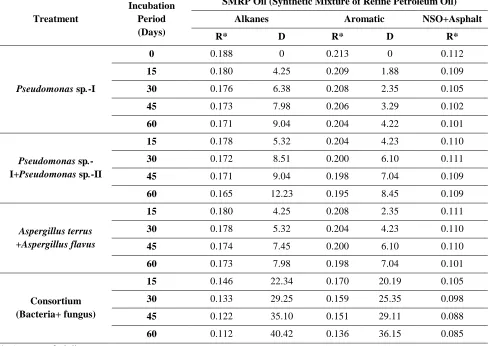
Effect of biodegradation on alkane, aromatics and NSO = asphaltene fractions by best remediator, bacterial consortium and fungal consortium and mixed microbial consortium had been studied for 60 days. Effect was seen at time interval of 15 days (Table 6). These fractions were separated by column chromatography. At the end of 60 days it was observed that mixed microbial consortium metabolized 40.42% alkanes, 36.15% aromatics fraction whereas Ps-I degraded 9.04% alkane and 4.22% aromatic hydrocarbon, Bacterial consortium degraded 12.23% alkane and 8.45% aromatic hydrocarbon and fungal consortium degraded 7.98% alkane and 7.04 % aromatic fraction. From above result it was cleared that fungal consortium degraded near about equal proportion of alkane and aromatic fraction as bacterial consortium.
Assessment of CO2 production by consortium
confirmed that the utilization of refine petroleum
hydrocarbon fraction as a source of carbon and energy by the microbial community. It was a Standardized biodegradability test (ASTM 5864) which also previously used by various scientists to calculate biodegradation efficiency [5, 13, 16]. Carbon di oxide production in SMRP oil of the control ranged from 0% to 30.30% while % of CO2 evolves in SMRP oil ranged from 0.05% to
136.36% shown in Table 7. There was a progressive increase in the amount of CO2 produced for the first
12 days, after which CO2 production decreased.
Large amounts of CO2 were liberated in SMRP oil
than in control oil. The progressive increased in the amount of CO2 evolved in the incubated oil in the
first 12 days was an indication of the utilization of petroleum hydrocarbon fractions as a source of carbon and energy by the microbial community. Respiration of microbes occurred very rapidly during the initial period of incubation when the lighter and more readily degraded fractions were degraded but slowed down as the residue become more difficult to degrade on account of the increase of the heavier fractions.
Table 5. Percent (%) of degradation of SMRP Oil through microcosms study.
Treatment
SMRP Oil (Synthetic Mixture of Refine Petroleum Oil)
P-value Prob> F$ Initial O.D
at 420 n.m Final O.D at 420 n.m
0 15* 30* 45* 60*
O.D %
of D O.D
%
of D O.D
%
of D O.D
%
of D O.D
% of D
Control 0.332 +0.002 0
0.325
+0.007 2.10
0.322
+0.012 3.61
0.314
+0.018 5.42
0.312
+0.02 6.02 0.0029 Ps-I
(Best remediator)
0.332 +0.002 0
0.309
+0.002 6.93
0.302
+0.003 9.04
0.299
+0.002 9.94
0.292
+0.004 12.05 0.0001
Ps-I+Ps-II (Bacterial Consortium)
0.332 +0.002 0
0.298
+0.003 10.24
0.292
+0.002 12.05
0.276
+0.052 16.87
0.266
+0.002 19.88 0.0005
At+Af (Fungal consortium)
0.332 +0.002 0
0.302
+0.007 9.04
0.297
+0.001 10.54
0.290
+0.002 12.65
0.272
+0.006 18.07 0.0007
Ps-I+Ps-II+At+Af (Mixed Microbial Consortium) 0.332
+0.002 0 0.189 43.07
0.172
+0.008 48.19
0.166 +0.107 50
0.149
+0.002 55.12
1.0952e-06
Ind Microbs. 0.332 +0.002 0
0.323
+0.004 2.71
0.260
+0.005 4.22
0.25
+0.10 6.02
0.242
+0.002 6.63 0.0140
*= Average of triplicate, $= significant only when the calculated F value was greater than the table F value at P is less than
![Figure 2. The influence of adding crumbled (ME) and non-crumbled (NM) raspberry pomace on the sensory qualities of shortcrust cookies (based on [1])](https://thumb-us.123doks.com/thumbv2/123dok_us/8754852.1749655/6.595.309.547.203.405/figure-influence-crumbled-crumbled-raspberry-sensory-qualities-shortcrust.webp)