Learning Environment (SEIPCLE):
Nurturing Collaborative Practice
Vaughan Byrnes, BA, MSc; Anne O’Riordan, BScOT, OT Reg(Ont); Corinne Schroder, MD, Med; Christine Chapman, BEd, Med; Jennifer Medves, PhD, RN; Margo Paterson, PhD, OT Reg (Ont);
& Robyn Grigg, HBSc, MScOT
Abstract
Background:There has been tremendous pressure on Canada’s healthcare system to respond to the increasingly complex health needs of the population despite worsening constraints in financial and human resources. Interprofessional collab-orative practice has been seen as an enabler for improving patient care and meet-ing the current demands on the healthcare system.
Methods: The South Eastern Interprofessional Collaborative Learning Environment (SEIPCLE) project, funded by HealthForceOntario, focused on the development and evaluation of the collaborative practice care model in three clin-ical settings in Southeastern Ontario, Canada. The project was exploratory in nature and used a quasi-experimental design with pre- and post-tests matched with non-equivalent control groups. Several different measures were used, includ-ing the Collaborative Practice Assessment Tool (CPAT), an Interprofessional Clinical Education Survey, and a Patient Participation Survey. Quantitative out-come measures were derived from these instruments using factor analysis, and analyzed using regression modelling with co-variates. Focus groups, interviews, and questionnaires provided qualitative data that was coded conceptually and used to complement the results of analyses using quantitative measures. Intervention teams participated in educational components that addressed identi-fied weaknesses in their collaborative practice. Educational components included online modules, workshops, and real-time activities.
Findings: Implementation of educational components in the clinical setting posed a number of challenges to reducing the exposure time for some of the interven-tion teams. Barriers to and enablers of the development of collaborative practice in the healthcare system were identified.
Conclusion:Overall, all three intervention teams demonstrated an increase in per-ceived levels of collaborative practice. Although the results were not statistically significant, the effect, size, and magnitude of change were considered substantial.
Keywords: Collaborative practice; Education; Interprofessional; Healthcare
Introduction
There has been tremendous pressure on Canada’s healthcare system to respond to a growing patient population with increasingly complex health needs in the midst of limited resources. Healthcare teams currently face increased workloads and chal-lenging work environments due to difficulties in recruiting and retaining qualified healthcare professionals [1]. This situation has led to problems in providing timely access to appropriate and ongoing care, a challenge that affects both healthcare providers and patients. Patients often experience poorly co-ordinated care, leading
Journal of Research in Interprofessional Practice and Education
Vol. 2.2 February, 2012
Journal of Research in Interprofessional Practice and Education (JRIPE) Vol. 2.2
© 2012
to gaps and/or duplication in the provision of care, and lengthening times between diagnosis and treatment. Healthcare providers are pressured to care for more patients, reduce wait times, and achieve the same or better clinical outcomes while working within current financial and human resource constraints [2]. Numerous efforts and investments have been made to address these issues. One such response has been to improve the co-ordination of care and workplace cultures through inte-grated interprofessional care.
Interprofessional care and collaborative practice
As a model of care, collaborative practice is an interprofessional process for commu-nication and decision-making that enables the separate and shared knowledge and skills of the care providers to synergistically influence the client/patient care being provided while retaining the integrity of each profession [3]. It is this process of col-laboration that is most often discussed when talking about teamwork in healthcare. Collaborative practice occurs when healthcare providers from diverse backgrounds actively work together to optimize patient care outcomes that reflect patient and fam-ily-centred goals and values [3]. It provides mechanisms for continuous communica-tion among care providers and optimizes staff participacommunica-tion in clinical decision-making (within and across disciplines) to ensure that patients receive care from the right person at the right time, and to avoid duplication and gaps in care [4]. Respect and trust between team members are enhanced when healthcare providers develop a deeper understanding of each other’s roles and responsibilities, with bene-fits to workplace cultures and morale [5]. The culmination of these factors leads to improved clinical efficiencies and patient/client outcomes, as well as greater levels of workplace satisfaction and higher rates of staff recruitment and retention [4].
Interprofessional collaborative practice has been seen as an enabler for improv-ing patient care and meetimprov-ing the current demands placed on the healthcare system [6,7]. This approach to healthcare has been found to:
reduce errors and costs [8,9];
improve quality of care and patient outcomes [10–15]; reduce healthcare workloads [16,17];
increase job satisfaction [16,17]; and improve staff retention [18].
In Canada, federal and provincial government funders have targeted a transition to this model of care through the development of strategic reports [4,19–23]. This has been paralleled internationally in countries including the United Kingdom [24] and the United States [25].
However, placing healthcare providers of different professions or backgrounds in a team does not mean that they will have the knowledge and skills necessary to work together collaboratively to enhance patient care [26]. Professionals who have been educated and trained in practice settings modelled on traditional siloed approaches require education on how to work together collaboratively [6,26,27,28].
Journal of Research in Interprofessional Practice and Education
Vol. 2.2 February, 2012
169
SEIPCLE : Nurturing Collaborative Practice
The South Eastern Interprofessional Collaborative Learning Environment (SEIPCLE) project
The SEIPCLE project was an intervention study funded by HealthForceOntario to further the development and evaluation of the collaborative practice model in clin-ical settings in Southeastern Ontario. The project received ethclin-ical approval from the Queen’s Research Ethics Board in March 2008 (SMED-030-08) and from the partic-ipating clinical sites in March and May 2008. The project’s stakeholders included the Office of Interprofessional Education and Practice (OIPEP) at Queen’s University (Lead Stakeholder), the Office of Education in the Queen’s University Faculty of Health Sciences, the Southeastern Ontario Palliative and End-of-Life Care Network, three participating clinical sites, and patient representatives. The main goal of the project was to enhance collaborative practice within one clinical team at each of the three participating sites. As the project was exploratory in nature, this goal emphasized learning about the barriers to and enablers of collabo-rative practice faced by each team in its clinical setting, and the development of innovative educational interventions to increase levels of collaborative practice among the professional and support staff on each team. The project’s second goal was to further the development of the collaborative practice model among pre-licensure students by offering them placements with the three participating sites, where they could learn about interprofessional care and see it modelled in the care setting. Specifically, students were given the opportunity to shadow multiple precep-tors from a variety of professional backgrounds, with time to observe and learn about their roles and scopes of practice. A third goal of the project was to validate a tool for assessing team collaboration previously developed at Queen’s and to make it available to other teams and future projects.
Over the course of the project, each of the three intervention teams focused on developing into a Collaborative Learning Unit (CLU) [29], where collaborative care was practised among healthcare professionals and support staff to improve patient outcomes and work environments. The CLU provided an interprofessional model of care for future healthcare professionals through interprofessional placement opportunities. The SEIPCLE project was distinct in its application of the CLU model as it expanded the core definition to include a wider group of participants. First, it extended membership in the healthcare team beyond the traditional regu-lated and non-reguregu-lated healthcare providers to support staff including porters, ward clerks, therapy assistants, and housekeeping/environmental services workers so that all staff with close patient contact and involvement in patients’ day-to-day care became part of the CLU. Second, the project sought to strengthen the role of the patient. In particular, patients were included in the model as a member of their healthcare team to intentionally support active participation in information-shar-ing and decision-makinformation-shar-ing about their healthcare planninformation-shar-ing.
The project was overseen by an active steering committee composed of represen-tatives of the stakeholders in the project, ensuring a voice at the table from researchers, educators, healthcare providers, and patients. The steering committee met monthly and worked together to understand the current clinical environment,
Journal of Research in Interprofessional Practice and Education
Vol. 2.2 February, 2012
170
SEIPCLE : Nurturing Collaborative Practice
experience the advantages and barriers inherent in the processes of team-building and collaboration, and contribute to the scholarship and clinical application of the project. Key to the project’s implementation was the recruitment of a clinical site co-ordinator for each of the three teams, a person from within the organization who was known and trusted by the team. They provided liaison between the research team and clinical sites, helped with logistics, and detailed the specific content for interventions required and requested by CLU members.
Evaluation design
The SEIPCLE project was evaluated using a quasi-experimental design including pre- and post-tests matched with non-equivalent control groups [30]. Two teams were selected from each of the three participating institutions for a total of six teams. Administration from each clinical site recommended which two teams from their institution should participate; the Project Manager then issued an invitation and met with the teams to provide detailed information about the project.
Several different pre- and post-test measures were used to measure outcomes that were indicators of collaborative practice, student preceptoring, and patient involvement. The main outcome measure was the Collaborative Practice Assessment Tool (CPAT), which was first developed by the Queen’s University Inter-Professional Patient-Centred Education Direction (QUIPPED) project through a review of the literature, existing instruments, and the gathering of expert opinion. The CPAT is a survey tool that asks respondents about their level of agreement with 56 closed-ended questions that cover eight aspects of collaborative practice: Mission, Meaningful Purpose, and Goals; General Relationships; Team Leadership; General Role Responsibilities and Autonomy; Communication and Information Exchange; Community Linkages and Coordination of Care; Decision-Making and Conflict Management; and Patient Involvement. It also includes three open-ended questions that ask respondents about their team’s greatest strengths, challenges, and needs in regards to collaborative practice. The CPAT was vali-dated through two piloting phases prior to its use in the SEIPCLE project. The first pilot-ing was done with a sample of 42 respondents and the use of exploratory factor analysis to further refine the instrument’s questions and structure. The results showed that factors measuring the eight aspects of collaborative practice had eigenvalues of roughly 3.0, explained approximately 50% of the variation in respondents’ answers, and had Cronbach’s
α
of between 0.70 and 0.90. The second pilot test included 111 respondents and employed confirmatory factor analysis to establish the validity and reliability of the instrument in its final format. The results showed that the eight factors had ideal NFI, CFI, and TLI scores (between 0.90 and 0.95) and low RMSEA scores. Both pilot samples included healthcare teams from a variety of fields as well as individuals from a wide range of professional and non-professional backgrounds [31]. The CPAT not only served as the main outcome measure for levels of collaborative practice, but its results also helped to identify the teams’ major challenges to collaborative practice and guided the develop-ment of educational components within the intervention.A second survey, the Interprofessional Clinical Education Survey (ICES), was given to team members pre- and post-intervention. This survey was shorter, with
Journal of Research in Interprofessional Practice and Education
Vol. 2.2 February, 2012
171
SEIPCLE : Nurturing Collaborative Practice
only 16 closed-ended items, and measured respondents’ attitudes toward clinical education, interprofessional education, and preceptorship of student learners. A third survey, the Patient Participation Survey (PPS), was given to patient volunteers under the care of each team, pre- and post-intervention, to measure their self-reported levels of involvement in their own care planning and to assess any changes in those levels possibly due to the interventions. The ICES and PPS were developed specifically for the SEIPCLE project and not tested. The three surveys—the CPAT, ICES, and PPS—were later coded and used as quantitative measures for the primary analysis of the intervention and any effect it may have had in developing interpro-fessional care among the intervention teams.
The design also utilized qualitative data—focus groups, interviews, and question-naires—to complement the quantitative analyses. Most important were the focus groups conducted with the three teams prior to the intervention. These focus groups were based upon the pre-intervention CPAT assessment of each team, and were used to explore in greater detail the challenges they reported and to assist in tailoring the educational interventions to best suit each team’s unique context and needs. Interviews were conducted with patient volunteers to elucidate their relation-ship to caregivers and involvement in their own care. Questionnaires were given to students who participated in placements with the intervention teams to learn their opinions on multi-preceptor placements. Although the focus groups, patient inter-views, and student questionnaires were completed only with the intervention teams, throughout the project each site co-ordinator developed and maintained a CLU Profile for both the intervention and control teams at their site. The CLU Profiles documented their members, background, institution, patient population, communi-cation methods, working environments, and staff stability. This detailed informa-tion about the context of each team helped to develop the educainforma-tional components of the intervention, and later to interpret the results.
After completing the pre-intervention surveys and focus groups, the interven-tion teams participated in educainterven-tional components that were developed based upon prior knowledge and theory of collaborative practice, and reflected the results of each team’s pre-assessment. The components were an initial online module that introduced a collaborative practice model and established common language and terminology for participants to use; an online module to assist with the planning and preparation of interprofessional student placements that was matched with a face-to-face workshop on the same topic; an online module about the patient per-spective and patient-centred care that was matched with a face-to-face workshop; a real-time activity integrated within the team’s daily clinical practice that docu-mented each team member’s interactions with selected patients (frequency of inter-actions, type of involvement) to increase understanding of the roles and scopes of practice of each CLU member; and a face-to-face workshop on compassion fatigue. As the educational components of the intervention were developed in response to each team’s CPAT results and designed to address their specific needs, there was some variability in the intervention completed at each site.
Journal of Research in Interprofessional Practice and Education
Vol. 2.2 February, 2012
172
SEIPCLE : Nurturing Collaborative Practice
Journal of Research in Interprofessional Practice and Education
Vol. 2.2 February, 2012
173
SEIPCLE : Nurturing Collaborative Practice
Byrnes, O’Riordan, Schroder, Chapman, Medves, Paterson, & Grigg
Sample
The three participating sites were located in Kingston, which is the principal city in Southeastern Ontario, Canada. With a population of approximately 120,000 people, it serves as the regional centre for medical services for the larger surrounding area and rural population of more than 500,000 people. All three institutions were teach-ing hospitals affiliated with Queen’s University and St. Lawrence College.
One site was a mental health services facility providing treatment and rehabilita-tion to adults diagnosed with mood and/or anxiety disorders, schizophrenia, per-sonality disorders, and dual diagnosis, as well as providing forensic services and geriatric psychiatry. The site included inpatient units, outpatient clinics, therapeutic groups, outreach programs, and consultation. The intervention team was an inpa-tient mood disorder unit with 20 beds and approximately 28 staff members. The intervention team was described by its members as a unit that followed a traditional medical model of care led by the unit’s psychiatrist. The control team facilitated the transition of longer-stay inpatients to community care, offering rehabilitation and support to clients who had been discharged and were at risk of re-admission. It was a relatively new team of about 15 staff members described as operating in a highly collaborative manner, with regular team process meetings, and blending of different members’ roles and responsibilities. Student placements with this team already included interprofessional shadowing and preceptorship with staff members from different professions.
The third site was an acute tertiary care hospital with high caseloads for staff. The intervention team included approximately 29 staff members serving 37 inpa-tient beds divided between oncology and palliative care painpa-tients. It was a very new team, with most staff having been together for only one year due partially to a num-ber of recent hires, and also to a recent reorganization of the bed plan for the larger hospital. The intervention team members had no formal experience with either col-laborative practice or multi-preceptor student placements. The control team was perhaps the best match of the three sites. The control team comprised approxi-mately 23 staff serving 34 inpatients in a general medicine unit. Similar to the inter-vention team, the control team had also been formed relatively recently and had no formal training in collaborative practice.
Table 1
Participant demographics
Across the three sites, participation was voluntary. Not all team members partic-ipated due to high caseloads, leaves of absence, retirements, and turnover. In total, 82 staff members from the six teams completed both pre- and post-intervention CPAT surveys, and 76 completed both pre- and post-ICES surveys. Table 1 com-pares available demographic data between the intervention and control teams. Statistically significant differences between the two groups (P<.05) include a higher proportion of women among the intervention teams, as well as significantly greater levels of experience within intervention teams, both in terms of years spent in their given profession and years spent working with their participating project team.
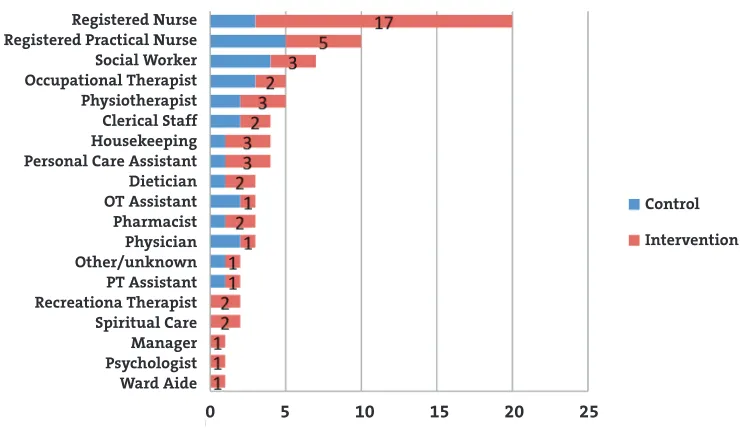
Figure 1 shows the wide variety of professional backgrounds of participants included in the project.
Beyond the participating teams, 41 patients voluntarily completed patient partic-ipation surveys before their healthcare teams began the intervention (Site A–23; Site B–10; Site C–8), and another 33 patients completed post-intervention surveys (Site A–18; Site B–10; Site C–5). Due to anonymity and patient turnover, the same patients could not be asked to complete the PPS both pre- and post-intervention.
Journal of Research in Interprofessional Practice and Education
Vol. 2.2 February, 2012
174
SEIPCLE : Nurturing Collaborative Practice
Byrnes, O’Riordan, Schroder, Chapman, Medves, Paterson, & Grigg
Intervention (N=53)
Control
(N=29) P-Value
% Female 85% 59% .017*
% Full-Time 60% 76% .147
Average Hours/Week Worked Total 36 hrs 41 hrs .062
Average Hours/Week For Project Team 27 hrs 29 hrs .569
% Nurses 43% 28% .152
Average Years in Given Profession 16 yrs 10 yrs .012*
Finally, a total of 22 students who participated in multi-preceptor placements with the intervention teams anonymously completed pre- and/or post-placement ques-tionnaires about their experiences. The students who participated in the placements were from nursing, occupational therapy, physiotherapy, and recreation therapy educational programs.
Implementation
Due to staff turnover and high caseloads, many team members were not able to par-ticipate fully in either the surveys and focus groups or the educational intervention; therefore, only a portion of any one team participated in all of the activities associ-ated with the project. The time available for the project team to work with the inter-vention team members was also reduced due to logistical issues. The necessary administrative organization of the project, the identification of candidate teams, and the recruitment of clinical site co-ordinators reduced the period of time over which interventions could take place from 15 months to 7 months at Site A, and 4 months at Sites B and C. The result was a shorter implementation time frame than desired, but one reflective of the realities when working within the clinical practice environment.
As previously mentioned, the intervention also varied in scope from one team to another because of identified individual team needs. Components of the interven-tion were designed with different teams in mind, as the educainterven-tional materials were shaped in part from what each team reported as their greatest challenges in practis-ing from an interprofessional perspective. Dependpractis-ing on their particular histories, contexts, service areas, and institutions, each team experienced somewhat different challenges; however, common themes were evident across the three intervention
Journal of Research in Interprofessional Practice and Education
Vol. 2.2 February, 2012
175
SEIPCLE : Nurturing Collaborative Practice
Byrnes, O’Riordan, Schroder, Chapman, Medves, Paterson, & Grigg
Figure 1
Occupational backgrounds of participants
Registered Nurse Registered Practical Nurse Social Worker Occupational Therapist Physiotherapist Clerical Staff Housekeeping Personal Care Assistant Dietician OT Assistant Pharmacist Physician Other/unknown PT Assistant Recreationa Therapist Spiritual Care Manager Psychologist Ward Aide
Control Intervention
teams and the various educational components developed had merit for all teams. At Sites B and C, where the project was reduced to only four months of implemen-tation, fewer components were completed.
Site A experienced the fullest implementation with three more months to work on the project than either of the other two sites. It was also the site with the highest rate of participation among those staff members originally identified to be part of the intervention team. Through their responses to the CPAT and the focus groups that followed, the key challenge that emerged was a lack of knowledge about differ-ent professions and their scopes of practice. In the words of one staff member,
being fairly new to the hospital as a whole … I don’t even know what half the professions do to be honest. I want to learn but … you really don’t have time to go and figure out what you do or exactly what nurses do. You know, all the time you just assume what’s done.
Another staff member said,
I get a lot of referrals for kitchen [assessment] and it’s okay, that’s fine, that’s something I do, but I feel like that’s all I get sometimes, and that’s frustrating because it’s only a very small piece of what occupational therapy is. That’s frustrating. People don’t know what I do.
Other issues were related to communication (between different professions) as well as conflict resolution; however, a lack of understanding about other disciplines seemed the most central, and was itself a factor in the communication and conflict issues. As one staff member explained, “I think the key for all of us is to recognize … scopes of practice, understanding each one’s discipline and how that all fits.” In direct response to these concerns, the project team developed what was coined a real-time activity, a learning experience for staff that was integrated into their daily practice to minimize the time required to participate. In the real-time activity, all members of the interven-tion team were asked to record the time spent in direct or indirect contact with three identified patients on the unit: one patient who had been recently admitted, one patient who was mid-stay, and one patient who was close to discharge. The intent of the intervention was to integrate an educational opportunity related to learning about various team members’ activities, roles, and scopes of practice within the con-text of the usual daily patient care. The results were summarized and displayed graphically on a poster board and in a PowerPoint presentation. A summary of the findings from this activity was presented to the team at a one-hour face-to-face meet-ing facilitated by the project team. The results demonstrated how various team mem-bers interacted with each patient, when they were involved, and their main activities. The real-time activity was central to the intervention at Site A and, at their request, the team completed the activity a second time to engage more fully and accurately, and to deepen their understanding.
The intervention team at Site B perceived themselves to be a highly collaborative team at the outset. Through discussion of the CPAT and ICES results, they
high-Journal of Research in Interprofessional Practice and Education
Vol. 2.2 February, 2012
176
SEIPCLE : Nurturing Collaborative Practice
lighted a focus on student learners and identified offering students an environment in which they could observe interprofessional care being modelled and learn about different professions as the most valued project intervention. Thus, after completing the introductory online module to Collaborative Practice that all teams completed first, they requested participation in the student placement workshop in order to plan for as many student placements as possible in the limited time available within the project.
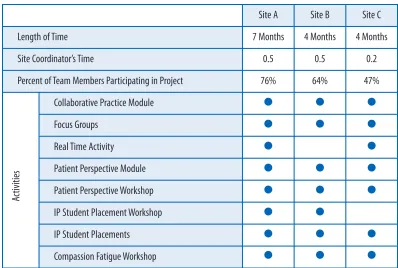
Site C proved to have the most challenges to implementation, and the interven-tion team experienced the lowest level of implementainterven-tion. They were only able to participate in the project for four months, in part because of the delay in recruiting a clinical site co-ordinator related to issues with patient care coverage. Once hired, the site co-ordinator was only able to dedicate 1 day per week to the project, as com-pared to 2.5 days at sites A and B. Given that the co-ordinator’s role was so central to the project in liaising between the healthcare team and the research team, the lim-ited time at Site C greatly reduced the implementation of the project. Furthermore, fewer than half of those invited were able to dedicate time to participate in the proj-ect and those who did participate did not have the time to prepare for and take on student learners from other professions in addition to those currently preceptored from their own profession. Therefore, the intervention team at Site C did not under-take any of the student placement components of the intervention. Table 2 shows a summary of the implementation across the three sites.
Statistical methods
Quantitative measures of main outcomes were derived from the three surveys administered to study participants, the CPAT, ICES, and PPS. Respondents’ answers to multiple survey items in Likert scale format were used to generate summative scores through factor analysis for each of the eight aspects of collaborative practice as well as three aspects of interprofessional clinical education and one measure of patient participation. These main outcome measures are analyzed below through regression models testing for differences in outcome by treatment group, and con-trolling for several intermediate variables that were additionally captured through the CPAT. These additional factors included each respondent’s gender, the number of years of experience in their profession, whether or not they were in the sion of nursing (since nurses predominated in the sample and most other profes-sions were represented by only one to three members), full-time or part-time status, and the site of employment.
As mentioned above, supplementary qualitative data was also collected through focus groups, interviews, and questionnaires conducted with team members, student learners, and patients. Research staff conducting the study reviewed transcripts and questionnaires coding excerpts into categories that matched each of the quantitative outcome measures, as well as those that touched on more general study impacts. Selected quotes are included in the analysis below to complement quantitative analy-ses and to place the results in the context of the healthcare teams, their practical work environment, and the real-world settings in which implementation tales place.
Journal of Research in Interprofessional Practice and Education
Vol. 2.2 February, 2012
177
SEIPCLE : Nurturing Collaborative Practice
Analysis and results
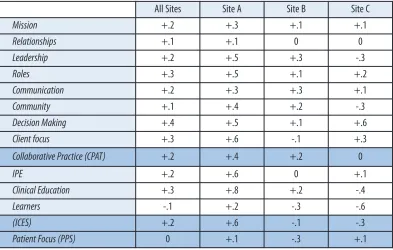
The quantitative analyses of the survey data strongly reflect the pattern of imple-mentation described above. Table 3 shows a descriptive summary of the changes experienced for the intervention teams. Aggregated results from the Collaborative Practice Assessment Tool (CPAT) for the three teams demonstrated an overall increase in perceived levels of collaborative practice (+0.2 based on a scale from 1 to 7); however, when disaggregated, the changes varied substantially between sites. Site A, which experienced all components of the intervention, demonstrated the most improvement (+0.4). Site B experienced somewhat less overall growth (+0.2), while site C, which had only minimal implementation, experienced no change.
Attitudes toward student learners and multi-preceptor placements showed Site A had the largest overall growth (+0.6 based on a scale from 1 to 7) according to the results of the Interprofessional Clinical Education Survey (ICES). This change was captured in the qualitative data of interviews and observations gathered by the clin-ical site co-ordinator:
I found that with the project there had been a huge difference in how the students see our ward and lots of positive feedback and even requests to come to our unit, and we have our first nursing student consolidating on our unit in history, which is fantastic.
The intervention team at Site B experienced a minimal overall decrease in the ICES measures; however, their initial scores were already very high (mean of 5.8) and so
Journal of Research in Interprofessional Practice and Education
Vol. 2.2 February, 2012
178
SEIPCLE : Nurturing Collaborative Practice
Byrnes, O’Riordan, Schroder, Chapman, Medves, Paterson, & Grigg
Table 2
Implementation summary
Site A Site B Site C
Length of Time 7 Months 4 Months 4 Months
Site Coordinator’s Time 0.5 0.5 0.2
Percent of Team Members Participating in Project 76% 64% 47%
Collaborative Practice Module ● ● ●
Focus Groups ● ● ●
Real Time Activity ● ●
Patient Perspective Module ● ● ●
Patient Perspective Workshop ● ● ●
IP Student Placement Workshop ● ●
IP Student Placements ● ● ●
Compassion Fatigue Workshop ● ● ●
Ac
tiv
iti
this may represent a ceiling effect. That the intervention team at Site C showed a decreasing score is likely unrelated to the project as they neither participated in the two educational components on interprofessional student placements nor offered any placements during the course of the project. While helping preceptor students from other professional backgrounds required more time and effort on the part of staff, the multi-preceptor placements were highly valued by students who were eager to engage and were unanimously appreciative of the opportunities provided. In the words of some of the students who completed questionnaires following an interprofessional placement with one of the CLUs:
By understanding the roles of other professionals, one can bet-ter understand what an inbet-terprofessional team is supposed to look like and how we can work together.
I will feel more comfortable interacting with other team bers and I am more inclined to learn the role of other mem-bers of the multi-disciplinary team. My collaboration abilities have begun to develop.
The activity was educational and makes me feel more confi-dent in asking other healthcare professionals for input on care. I also realize how important this can be for patient care.
The results from the Patient Participation Survey (PPS) were not as reliable as those from the CPAT or ICES for two reasons. First, the results from the patient survey
Journal of Research in Interprofessional Practice and Education
Vol. 2.2 February, 2012
179
SEIPCLE : Nurturing Collaborative Practice
Byrnes, O’Riordan, Schroder, Chapman, Medves, Paterson, & Grigg
Table 3
Descriptive results summary
Note: Increase on a scale of 1 (weakest) to 7 (strongest)
All Sites Site A Site B Site C
Mission +.2 +.3 +.1 +.1
Relationships +.1 +.1 0 0
Leadership +.2 +.5 +.3 -.3
Roles +.3 +.5 +.1 +.2
Communication +.2 +.3 +.3 +.1
Community +.1 +.4 +.2 -.3
Decision Making +.4 +.5 +.1 +.6
Client focus +.3 +.6 -.1 +.3
Collaborative Practice (CPAT) +.2 +.4 +.2 0
IPE +.2 +.6 0 +.1
Clinical Education +.3 +.8 +.2 -.4
Learners -.1 +.2 -.3 -.6
(ICES) +.2 +.6 -.1 -.3
were based on smaller sample sizes, given that patients had to both volunteer and also be physically and mentally capable of completing the survey. Second, since patient respondents were anonymous and the time between pre- and post-surveys was several months, the sample of patients who responded post-intervention was not the same as those at pre-intervention, thus the changes do not directly represent longitudinal growth. Although the quantitative data from the PPS was not as reli-able, patients did provide useful comments through the open-ended question on the PPS and individual interviews including the following:
I feel confident in participating in my own healthcare where maybe others would not be re: shyness.
It would be beneficial to have my assigned nurse for the day set up a time to talk, co-ordinating the same nurse/patient pairing as possible.
Sometimes people forget you are a person.
Finally, the results from the CPAT sub-score of “Patient Focus” showed stronger results, including greater change among CLU participants than among control participants.
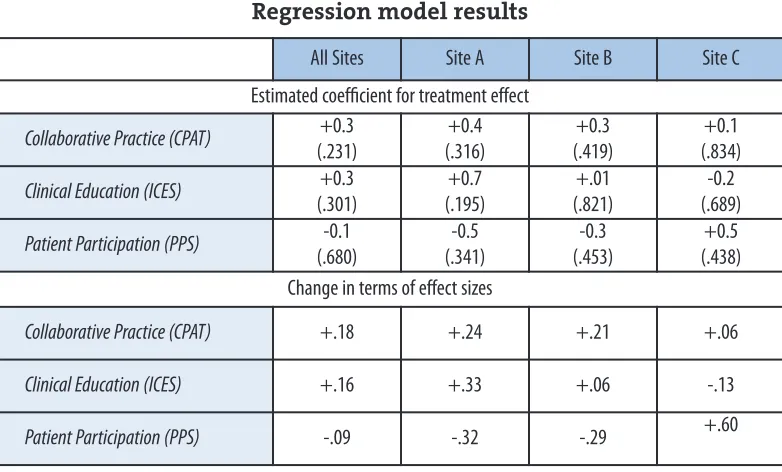
Table 4 displays the estimated effects of treatment on growth in collaborative practice in comparison to the control teams and according to the results of the regression models including selected control measures. The effect of adding the control teams’ data and several covariates slightly increased the comparative growth of the intervention teams for both the CPAT and the ICES, both overall and for each individual team. The results for the PPS continued to prove inconsistent with the added data increasing the effect at one site, decreasing it at another, and having no effect at the third.
None of the intervention effects were statistically significant according to the model results; however, they were consistently in the positive direction and follow-ing the pattern of implementation, this lends evidential support to the intervention’s effect. Further, while the results were not statistically significant, the changes (see Table 4) were still of an effect, size, and magnitude to be considered relevant and worth replicating in terms of educational effect and growth [32].
One unintentional effect of the project was that the procedural time required for meeting with the teams to discuss the project and conduct focus groups was per-ceived by team members to be valuable as team process issues were addressed. One site co-ordinator stated that
the CLU I think benefitted from ongoing team building with this type of thing. Whenever there were face-to-face activities I think it really encouraged some of that team. … They’re getting to know each other a little bit better … that was a benefit I can see … it gave them other opportunities to get together that aren’t always so formal.
The pamphlet developed by one intervention team listing the healthcare profession-als on the team and their roles is now being distributed to new staff, residents, and
Journal of Research in Interprofessional Practice and Education
Vol. 2.2 February, 2012
180
SEIPCLE : Nurturing Collaborative Practice
patients to improve their understanding of how each can improve patient care. One intervention team began holding regular CLU meetings to discuss the functioning of the group in providing healthcare. The site co-ordinator commented:
I do feel that our team turned into a CLU and why I say that is we have started a CLU meeting as a result of this, even adopting the term CLU means that there was some mark left from the project. I think this CLU meeting that we have scheduled every 6 weeks allows the interdisciplinary team to get together to talk about team processes … and activities going on on the ward. …this is an oppor-tunity for the team to get together where everybody has a chance to talk, where everybody has their input in what can be improved on the unit, what do we need to attend to, what’s upcoming, do we have any conflicts that need to be resolved, that’s sort of why I found our team has turned into a CLU. I think that the collaboration and com-munication has improved due to the increased contact. So I feel that it’s a unit now.
Also as result of involvement in the SEIPCLE project, one of the intervention teams reassessed their communication specifically related to patient appointment infor-mation. Finally, the online modules remain accessible to team members who were unable to participate during the project or who newly join the teams, and the guide to interprofessional student placements remains as a resource supporting teams interested in providing these experiences to future healthcare providers.
Discussion
The SEIPCLE project was exploratory in nature, and while one goal was to test the
Journal of Research in Interprofessional Practice and Education
Vol. 2.2 February, 2012
181
SEIPCLE : Nurturing Collaborative Practice
Byrnes, O’Riordan, Schroder, Chapman, Medves, Paterson, & Grigg
Table 4
Regression model results
Note: P-values in parentheses
All Sites Site A Site B Site C
Estimated coefficient for treatment effect
Collaborative Practice (CPAT) +0.3 (.231)
+0.4 (.316)
+0.3 (.419)
+0.1 (.834)
Clinical Education (ICES) +0.3 (.301)
+0.7 (.195)
+.01 (.821)
-0.2 (.689)
Patient Participation (PPS) -0.1 (.680)
-0.5 (.341)
-0.3 (.453)
+0.5 (.438) Change in terms of effect sizes
Collaborative Practice (CPAT) +.18 +.24 +.21 +.06
Clinical Education (ICES) +.16 +.33 +.06 -.13
effectiveness of educational interventions to enhance collaborative practice, another was to learn about the barriers to and enablers of the development of col-laborative practice in the healthcare system. It was evident from the beginning of the project that focusing on existing teams within three different clinical sites would be challenging. Despite this, and although the results were not statistically signifi-cant, they were in the positive direction and followed the pattern of implementation lending evidential support to the intervention’s effect.
Enablers of and barriers to collaborative practice often vary between practice set-tings and can be categorized into organizational or work-setting variables (e.g., poli-cies and procedures, communication and co-ordination mechanisms, staffing), systemic variables (e.g., professional legislation and licensure, funding mechanisms external to the organization, medico-legal), provider variables (e.g., personal and professional maturity, willingness to collaborate), and patient variables (e.g., health needs, willingness to receive care from teams) [3]. In this project, organizational variables were noted to be significant barriers, whereas patient and provider vari-ables were enablers.
Engaging administration at each of the sites was considered essential to the suc-cessful implementation of the project. Administration from each site was asked to recommend two teams from their institution to participate in SEIPCLE. Unfortunately, this led to delays in the identification of the control and intervention teams at some sites and the concomitant shortening of time available for interven-tions. Institutional realities, such as unions and limited staff, also contributed to delays in hiring the site ordinators, along with the inability of one of the site co-ordinators to work more than one day per week on the project. As mentioned pre-viously, the co-ordinator role was integral to the project and needed to be filled by an individual within the intervention team who could motivate the clinical team and liaise with the research team.
Scheduling of team meetings to introduce the project, focus groups, and face-to-face components of the intervention were difficult given the need for some care providers to always be present on the unit, busy and diverse work schedules, and high caseloads. For staff who provided care to patients in several programs across an institution, worked night shifts, or were not traditionally considered part of the interprofessional team, this was especially problematic. Prior to the SEIPCLE proj-ect, while all the teams scheduled regular meetings to discuss patient care issues, only one was able to hold meetings dedicated purely to discussing the functioning of the team and its care provision, an important element in building collaborative teams [33]. Although administration at the three sites valued the project, they were able to provide little support in terms of flexible scheduling or clinical coverage to allow team members to participate fully. Team members who participated outside of their work hours did so at their own costs.
The CPAT and focus groups identified two common barriers to developing col-laborative practice. The first was that team members noted a lack of full understand-ing of colleagues’ roles and scopes of practice. Awareness of each team member’s contribution to patient care is essential to enhance respect and trust between team
Journal of Research in Interprofessional Practice and Education
Vol. 2.2 February, 2012
182
SEIPCLE : Nurturing Collaborative Practice
members [5] and optimize patient care outcomes [3]. As a response to this lack of knowledge, one intervention team developed a pamphlet that listed each profession on their healthcare team with a description of that profession’s role in patient care. The second common barrier identified was related to communication between members of different professions. Open, timely, respectful communication is an essential element of collaborative practice [3]. Communication challenges existed between staff who remained on the same unit throughout their work hours and staff who worked in multiple locations of the institution. It was also a problem for staff members who worked night shifts, and in the context of information transfer between shifts and transitions in care. Miscommunication was noted to be partially related to the lack of understanding of each profession’s scope of practice, but was also due to practical issues. Verbal communication has been described as preferable when discussing patient care issues, including informal chats between team mem-bers and regular team meetings [34].
The participants in the project, including the steering committee members, site co-ordinators, patients, students, and healthcare providers, were the enablers of the development of collaborative practice. In particular, the site co-ordinators were the “cheerleaders” for their teams, motivating and ensuring that interventions were
rel-evant to the clinical context, and despite scheduling difficulties, team members demonstrated willingness to remain engaged in the project, recognizing the value to patient care and the work environment.
As discussed, most of the barriers encountered were organizational or work-set-ting related, and unfortunately resulted in some sites experiencing less of the inter-vention. Flexibility with timelines, creativity with interventions, and promoting “in-house” solutions helped to mitigate some of these. The inclusion of online and real-time educational activities provided team members who were unable to attend face-to-face activities with opportunities to benefit from some of the intervention. In particular, the real-time activity provided a specific focus on collaborative prac-tice for the team in the context of their clinical setting. Although not all team mem-bers were able to participate in the group debrief, a visual summary encouraged ongoing discussion.
Methodologically, the study has some limitations that are common to exploratory studies where small sample sizes and the non-random selection of par-ticipating sites leads to selection biases that can limit the generalization of results. The small number of participating teams and practical realities also meant a limited implementation and one that varied between sites; however, that the results fol-lowed the patterns of implementation was an encouraging sign supportive of the findings. Similarly, at the team member level, the sample was predominated by female staff members and those working as nurses (both typical to most healthcare settings), but both factors were controlled for in regression models of outcomes lim-iting this bias as a threat to the validity of the results.
Conclusion
The SEIPCLE project was successful in providing relevant educational
interven-Journal of Research in Interprofessional Practice and Education
Vol. 2.2 February, 2012
183
SEIPCLE : Nurturing Collaborative Practice
tions focused on improving collaborative practice to three existing clinical teams within the context of their busy clinical work environment, despite difficulties encountered in the implementation. Organizational or work-setting variables, such as communication and scheduling, were identified as barriers to collaborative prac-tice, and provider and patient variables, most notably willingness to collaborate, were enablers. The project produced three online educational modules, a guide for interprofessional student placements, and three workshops. It also provided further validation of the Collaborative Practice Assessment Tool. Because of the small sam-ple size and non-random assignment of the intervention, the results are sensitive to selection bias and do not provide conclusive evidence of improvement in collabora-tive practice; however, as an exploratory study, the results are a reflection of what was practical and possible within the reality of clinical healthcare settings where caseloads are high, resources are often limited, and, therefore, engagement of team members may be a challenge.
Acknowledgements
The authors would like to thank HealthForceOntario for providing funding for the SEIPCLE project, an intervention study to further the development and evaluation of the collaborative practice model in clinical settings in Southeastern Ontario.
Abbreviations
CLU: Collaborative Learning Unit
CPAT: Collaborative Practice Assessment Tool ICES: Interprofessional Clinical Education Survey
OIPEP: Office of Interprofessional Education and Practice PPS: Patient Participation Survey
QUIPPED: University Inter-Professional Patient-Centred Education Direction SEIPCLE: South Eastern Interprofessional Collaborative Learning Environment
References
1. Lowe, G. (2002). High-quality health care workplaces: A vision and action plan, Hospital Quarterly,
Summer 2002, 49-56.
2. Jenkins-Clarke, S., & Carr-Hill, R. (2001). Changes, challenges and choices for the primary health care workforce: Looking to the future. Journal of Advanced Nursing, 34(6), 842-849.
3. Way, D., Jones, L., & Busing, N. (2000). Implementation Strategies: Collaboration in Primary Care – Family Doctors & Nurse Practitioners Delivering Shared Care. Discussion paper written for the Ontario College of Family Physicians. URL: http://www.eicp.ca/en/toolkit/hhr/ocfp-paper-handout.pdf [February 28, 2009].
4. HealthForceOntario. (2007). Interprofessional care: A blueprint for action. URL: http://www.health-forceontario.ca/upload/en/whatishfo/ipc%20blueprint%20final.pdf [February 28, 2009]. 5. Suter, E., Arndt, J., Arthur, N., Parboosingh, J., Taylor, E., & Deutschlander, S. (2009). Role
under-standing and effective communication as core competencies for collaborative practice. Journal of Interprofessional Care, 23(1), 41-51.
6. Canadian Health Services Research Foundation. (2006). Teamwork in healthcare: Promoting effective teamwork in healthcare in Canada. Policy Synthesis and Recommendations. Ottawa, ON: Canadian Health Services Research Foundation. URL: http://www.chsrf.ca/Migrated/PDF /ResearchReports/CommissionedResearch/teamwork-synthesis-report_e.pdf [February 28, 2009]. 7. Lemieux-Charles, L., & McGuire, W. (2006). What do we know about heath care team effectiveness?
A review of the literature. Medical Care Research and Review, 63(3), 263-300. Journal of Research in
Interprofessional Practice and Education
Vol. 2.2 February, 2012
184
SEIPCLE : Nurturing Collaborative Practice
8. Morey, J.C., Simon, R., & Jay, G.D. (2002). Error reduction and performance improvement in the emergency department through formal teamwork training: Evaluation results of the MedTeams project. Health Services Research, 37(6), 1553-1581.
9. Barrett, J., Gifford, C., Morey, J., Risser, D., & Salisbury, M. (2001). Enhancing patient safety through teamwork training. Journal of Healthcare Risk Management, 21(4), 61-69.
10. Buist, M.D., Moore, G.E., Bernard, S.A., et al. (2002). Effects of a medical emergency team on reduc-tion of incidence of and mortality from unexpected cardiac arrests in hospital: Preliminary study.
British Medical Journal, 324(7334), 387-390.
11. Boult, C., Boult, L., Morishita, L., Dowd, B., Kane, R., & Urdangarin, C. (2001). A randomized clini-cal trial of outpatient geriatric evaluation and management. Journal of the American Geriatrics Society, 49(4), 351-359.
12. Saltvedt, I., Opdahl Mo, E., Fayers, P., Kaasa, S., & Sletvold, O. (2002). Reduced mortality in treating acutely sick, frail older patients in a geriatric evaluation and management unit. A prospective ran-domized trial. Journal of the American Geriatrics Society, 50(5), 792-798.
13. Horbar, J., Rogowski, J., Plsek, P., Baker, L., Deterding, J., Edwards, W., et al. (2001). Economic impli-cations of neonatal intensive care unit collaborative quality improvement. Pediatrics, 107(1), 23-29.
14. Langhorne, P., & Duncan, P. (2001). Does the organization of postacute stroke care really matter?
Stroke, 32(1), 268-274.
15. Litaker, D., Mion, L., Planavsky, L., Kippes, C., Mehta, N., & Frolkis, J. (2003). Physician-nurse prac-titioner teams in chronic disease management: The impact on costs, clinical effectiveness, and patients’ perception of care. Journal of Interprofessional Care, 17(3), 223-237.
16. Borrill, C., West. M. A., Shapiro, D., & Rees, A. (2000). Team working and effectiveness in health care.
British Journal of Health Care Management, 6(8), 364-371.
17. British Columbia. Office of the Auditor General. (2004). In sickness and in health: Healthy work-places for British Columbia's health care workers. Victoria, BC: Office of the Auditor General of British Columbia.
18. Charles, G., Bainbridge, L., Copeman-Stewart, K., Tiffin Art, S., & Kassam, R. (2006). The interpro-fessional program of British Columbia (IRPbc). Journal of Interprofessional Care, 20(1), 40-50. 19. Commission of the Future of Health Care in Canada. (2002, November). Building on values: The
future of healthcare in Canada: Final report. [Chair: R.J. Romanow]. Saskatoon, SK; Commission on the Future of Health Care in Canada.
20. Parliament of Canada. (2002). The health of Canadians: The federal role. Final report on the state of the health care system of Canada. [Chair: M.J.L. Kirby]. Ottawa, ON: The Standing Senate Committee on Social Affairs, Science and Technology.
21. Health Canada. (2003). First ministers’ accord on health care renewal. Ottawa, ON: Health Canada. 22. Health Canada. (2004). First ministers’ meeting on the future of health care: A 10-year plan to
strengthen health care. Ottawa, ON: Health Canada.
23. D’Amour, D., & Oandasan, I. (2005). Interprofessionality as the field of interprofessional practice and interprofessional education: an emerging concept. Journal of Interprofessional Care, 19(1), 8-20. 24. Department of Health (1999). Continuing professional development quality in the new NHS. URL:
http://www.dh.gov.uk/en/Publicationsandstatistics/Lettersandcirculars/Healthservicecirculars/ DH_4004315 [February 28, 2009].
25. O’Neil, F.H., & The Pew Health Professions Commission. (1998). Recreating health professional prac-tice for a new century. San Francisco: Pew Health Professions Commission.
26. Miller, C., Ross, N., & Freeman, M. (1999). Shared learning and clinical teamwork: New directions in education for multiprofessional practice. London, UK: English National Board for Nursing, Midwifery and Health Visiting.
27. Ferlie, E.B., & Shortell, S.M. (2001). Improving the quality of health care in the United Kingdom and the United States. A framework for change. The Millbank Quarterly, 79(2), 281-315.
28. Werrett, J.A., Helm, R.H., & Carnwell, R. (2001). The primary and secondary care interface: The edu-cational needs of nursing staff for the provision of seamless care. Journal of Advanced Nursing, 34(5), 629-638.
29. Lougheed, M., & Galloway Ford, A. The Collaborative Learning Units model of practice education for nursing: A summary. (2005). Prepared for The Collaborative Learning Units Provincial Group (British Columbia).
30. Shadish, W.R., Cook, T.D., & Campbell, D. . (2002). Experimental and quasi-experimental designs for generalized causal inference. New York, NY: Houghton Mifflin.
Journal of Research in Interprofessional Practice and Education
Vol. 2.2 February, 2012
185
SEIPCLE : Nurturing Collaborative Practice
31. Schroder, C., Medves, J.M., Paterson, M., Byrnes, V., Chapman, C., O’Riordan, A., Pichora, D., & Turner, C. (In review). Development and pilot testing of the Collaborative Practice Assessment Tool
(CPAT).
32. Borman, G., Hewes, G.M., & Overman, L.T. (2003). Comprehensive school reforms and achieve-ment: A meta-analysis. Review of Educational Research, 73(2), 125-230.
33. Molyneux, J. (2001) Interprofessional teamworking: What makes teams work well? Journal of Interprofessional Care, 15(1), 29-35.
34. Brown, J., Lewis, L., Ellis, K., Stewart, M., Freeman, T., & Kasperski, J. (2009). Mechanisms for com-municating within primary health care teams. Canadian Family Physician, 55(12), 1216-1222.
Journal of Research in Interprofessional Practice and Education
Vol. 2.2 February, 2012
186
SEIPCLE : Nurturing Collaborative Practice