Georgia State University Georgia State University
ScholarWorks @ Georgia State University
ScholarWorks @ Georgia State University
Public Health Theses School of Public Health
12-20-2013
Investigating the Health Profile and Quality of Life of Adult
Investigating the Health Profile and Quality of Life of Adult
Marijuana Users in the United States: Analysis of Self-reported
Marijuana Users in the United States: Analysis of Self-reported
NHANES 2007-2010 Data
NHANES 2007-2010 Data
Crystal A. Lane
Georgia State University
Follow this and additional works at: https://scholarworks.gsu.edu/iph_theses
Recommended Citation Recommended Citation
Lane, Crystal A., "Investigating the Health Profile and Quality of Life of Adult Marijuana Users in the United States: Analysis of Self-reported NHANES 2007-2010 Data." Thesis, Georgia State University, 2013. https://scholarworks.gsu.edu/iph_theses/311
ABSTRACT
Thesis Title:
Investigating the health profile and quality of life of adult marijuana users in the United States: Analysis of self-reported NHANES 2007-2010 data.
Student’s Name: Crystal A. Lane, MS
Thesis Chair:
Ike Solomon Okosun, MS, MPH, PhD, FTOS, FACE
Background: Marijuana is the most widely used illicit substance in the United States. Public approval of marijuana has driven its legalization in twenty states and the District of Columbia for medical use; and, this year alone (2013), two states have legalized recreational use of the drug. Despite the nation’s growing trend towards marijuana acceptance, the evidence regarding the health effects of its use remains vague. This study was designed to evaluate the health profile of marijuana users by determining the association of marijuana use with quality of life, defined in terms of perceived overall health and as self-reported medical conditions.
Methods: The 2007-2010 National Health and Nutrition Examination Survey data was used to evaluate the health profile and quality of life of marijuana smokers. Chi-square and one-way ANOVA analyses were respectively used to compare prevalence and mean differences of select characteristics across different categories grouped by marijuana use. Logistic regression analyses were then performed to determine the association between the reported number of unhealthy days or medical conditions and marijuana use in the past month. All analyses were performed with SAS 9.2 software using weighted data, while 95% confidence intervals were used to determine statistical significance.
Results: In total, 7716 cases were included in the study analysis. The prevalence of lifetime marijuana use was 59% (N = 3632), while the prevalence of current (past month) marijuana use was 12.6% (N = 861). Current marijuana users differed significantly from never users with respect to age, gender, income-to-poverty ratio, cigarette smoking, and alcohol and drug use. Current marijuana users also reported more unhealthy days per month, but less frequently reported diagnosis of a medical condition. Results of logistic regression analysis demonstrated that after controlling for confounders, there was no significant association between unhealthy days and current marijuana use, but there was an inverse association with reporting 3+ medical
conditions and current marijuana use.
Conclusions: This study shows that marijuana users are more likely to engage in health risk behaviors, and report lower quality of life when compared to individuals who have never used marijuana. However, after controlling for confounders, marijuana use was not found to be associated with poor health outcomes.
Investigating the Health Profile and Quality of Life of Adult
Marijuana Users in the United States: Analysis of Self-
r
eported
NHANES 2007-2010 Data.
by
Crystal A. Lane
B.S., University Of Rochester
M.S., Emory University
A Thesis Submitted to the Graduate Faculty of Georgia State University in Partial Fulfillment
of the
Requirements for the Degree
MASTER OF PUBLIC HEALTH
APPROVAL PAGE
Investigating the Health Profile and Quality of Life of Adult
Marijuana Users in the United States: Analysis of Self-
r
eported
NHANES 2007-2010 Data.
by
Crystal A. Lane, MS
Approved:
Dr. Ike Okosun Committee Chair
Dr. Kymberle Sterling Committee Member
DEDICATION
The following thesis is dedicated to the 70,000+ young adults diagnosed with cancer each year in the United States.
ACKNOWLEDGEMENTS
I would like to thank my committee members Dr. Okosun and Dr. Sterling for all of their inspiration and support with the completion of my thesis project; and, I would like to thank Francis Annor for helping me to improve my analytical skills.
AUTHOR’S STATEMENT
In presenting this thesis as a partial fulfillment of the requirements for an advanced degree from Georgia State University, I agree that the Library of the University shall make it available for inspection and circulation in accordance with its regulations governing materials of this type. I agree that permission to quote from, to copy from, or to publish this thesis may be granted by the author or, in his/her absence, by the professor under whose direction it was written, or in his/her absence, by the Associate Dean, School of Public Health. Such quoting, copying, or publishing must be solely for scholarly purposes and will not involve potential financial gain. It is understood that any copying from or publication of this dissertation which involves potential financial gain will not be allowed without written permission of the author.
NOTICE TO BORROWERS PAGE
All theses deposited in the Georgia State University Library must be used in accordance with the stipulations prescribed by the author in the preceding statement.
The author of this thesis is:
Student’s Name: Crystal A. Lane, MS
Street Address: 429 Pleasantdale Crossing
City, State, and Zip Code: Doraville, GA 30340
The Chair of the committee for this thesis is:
Professor’s Name: Dr. Ike Okosun
Department: Epidemiology & Biostatistics
College: School of Public Health
Georgia State University School of Public Health P.O. Box 3995
Atlanta, Georgia 30302-3995
Users of this thesis who not regularly enrolled as students at Georgia State University are required to attest acceptance of the preceding stipulation by signing below. Libraries borrowing this thesis for the use of their patrons are required to see that each user records here the information
requested.
NAME OF USER
ADDRESS DATE TYPE OF USE
CURRICULUM VITAE
CRYSTAL LANE, MS, MPH
429 Pleasantdale Xing, Doraville, GA 30340 | 404-709-8147 | [email protected]
EDUCATION
Georgia State University, Atlanta, GA 12/2013
Master of Public Health: Prevention Sciences
Emory University, Atlanta, GA 8/2010
Master of Science: Immunology and Molecular Pathogenesis
University of Rochester, Rochester, NY 5/2007
Bachelor of Science: Microbiology and Immunology
PUBLIC HEALTH EXPERIENCE
Centers for Disease Control and Prevention, Atlanta, GA
Epidemiology Fellow (ORISE) 12/12 – 8/13
Provided data management and technical assistance with a large-scale health studies survey and a male breast cancer case-control study of individuals who were exposed to contaminated drinking water.
Centers for Disease Control and Prevention, Atlanta, GA
Epidemiology Assistant 6/12 – 9/12
Assisted with data entry and quality assurance of a population-based birth defects surveillance system.
Georgia State University School of Public Health, Atlanta, GA
Graduate Research Assistant 8/11 – 5/12
Assisted with qualitative data analysis of non-traditional tobacco use themes in social media targeting young-adults.
DeKalb County Board of Health, Decatur, GA
Intern 7/10 – 12/10
Provided technical assistance with community transformation projects including data collection, data management, and disseminating health education materials to the community.
SKILLS
TABLE OF CONTENTS
Approval Page ... ii
Dedication ... iii
Acknowledgements ... iv
Table of Contents ...v
List of Tables ... vii
Introduction ...1
1a.Overview ...1
1b.Prevalence of marijuana use in the United States ...1
1c.Purpose of study ...3
1d.Research questions ...3
Literature review ...4
2a.Forms of marijuana ...4
2b.Biological mode of action ...4
2c.Health effects of marijuana use ...5
2d.Social-behavioral consequences of marijuana use ...9
2e.Medicinal marijuana ...10
Methods ...12
3a.Data source ...12
3b.Inclusion and exclusion criteria ...12
3c.Variables ...12
3d.Statistical procedures ...14
Results ...15
4a.Socio-demographic characteristics ...15
4b.Prevalence of marijuana use ...16
4c.Perceived health and quality of life ...18
4d.Self-reported medical conditions ...20
Discussion and Conclusion ...24
5a.Discussion ...24
5b.Limitations ...26
5c.Implications...26
5d.Conclusions ...27
References ...28
Appendices ...35
A1. Descriptive analysis of demographic and social characteristics of adults aged 20-59 who participated in NHANES 2007-2010 grouped by never, past, or current marijuana use. ...35
B1 .Prevalence of marijuana use among adults aged 20-59 who participated in NHANES
2007-2010... ...36
C1.Self-perceived health of adults aged 20-59 who participated in NHANES 2007-2010
grouped by never, past, or current marijuana use. ...37
D1. Self-reported quality of life in adults aged 20-59 who participated in NHANES
2007-2010 grouped by never, past, or current marijuana use. ...38
E1.Frequency of unhealthy days reported by adults aged 20-59 who participated in
NHANES 2007-2010 grouped by never, past, or current marijuana use. ...39
F1. Logistic regression analysis to determine the association between number of unhealthy days and current marijuana use in adults aged 20-59 who participated in NHANES
2007-2010...40
G1. Frequency of self-reported medical conditions in adults aged 20-59 who participated in NHANES 2007-2010 grouped by never, past, or current marijuana use ...41
H1. Prevalence of select medical conditions reported by adults aged 20-59 who participated in NHANES 2007-2010 grouped by never, past, or current marijuana use ...42
I1. Logistic regression analysis to determine the association between number of medical conditions reported and current marijuana use in adults aged 20-59 who participated in
NHANES 2007-2010. ...43
LIST OF TABLES
Table 1. Descriptive analysis of demographic and social characteristics of adults aged 20-59 who participated in NHANES 2007-2010 grouped by never, past, or current marijuana use. ...16
Table 2. Prevalence of marijuana use among adults aged 20-59 who participated in NHANES 2007-2010. ...17
Table 3.Self-perceived health of adults aged 20-59 who participated in NHANES 2007-2010 grouped by never, past, or current marijuana use. ...18
Table 4. Self-reported quality of life in adults aged 20-59 who participated in NHANES
2007-2010 grouped by never, past, or current marijuana use. ...19
Table 5.Frequency of unhealthy days reported by adults aged 20-59 who participated in
NHANES 2007-2010 grouped by never, past, or current marijuana use. ...19
Table 6. Logistic regression analysis to determine the association between number of
unhealthy days and current marijuana use in adults aged 20-59 who participated in NHANES 2007-2010. ...20
Table 7. Frequency of self-reported medical conditions in adults aged 20-59 who participated in NHANES 2007-2010 grouped by never, past, or current marijuana use. ...21
Table 8. Prevalence of select medical conditions reported by adults aged 20-59 who
participated in NHANES 2007-2010 grouped by never, past, or current marijuana use. ...22
Table 9. Logistic regression analysis to determine the association between number of medical conditions reported and current marijuana use in adults aged 20-59 who participated in
NHANES 2007-2010. ...23
CHAPTER I
INTRODUCTION
1a. Overview
For millennia, the marijuana plant Cannabis has been used throughout the world for the
production of hemp-based products and alternative medicines. In the United States it was
prescribed by physicians and sold openly in pharmacies to treat a variety of illnesses up until the
1930s (Bostwick, 2012). In 1970, the United States’ Congress classified marijuana as a Schedule
I substance with no medical use and a high potential for abuse (United States Drug Enforcement
Administration, n.d.). Concurrent with this prohibition, marijuana became the United States’
most widely used illicit drug since it was regarded as pleasurable without the addictive
characteristic of recreational drugs (Bostwick, 2012).
Recreational marijuana use continues to be endemic, and the demand for its
decriminalization and legalization is growing in the United States (Bostwick, 2012). Advocates
of marijuana use propose that it is a harmless natural substance that improves the quality of life
for individuals suffering from chronic health diseases (Grotenhermen & Müller-Vahl, 2012;
Mendizabal & Adler-Graschinsky, 2007). However, marijuana use has been linked to adverse
physical health effects as well as addiction (Bostwick, 2012; Lamarine, 2012; National Institute
on Drug Abuse, 2012; Reece, 2009; Vandrey, Umbricht, & Strain, 2011). By and large, the
scientific literature regarding the safety of marijuana use remains divided.
1b. Prevalence of marijuana use in the United States
The Controlled Substances Act bans the farming, distribution, and possession of
marijuana with the exception of federally sanctioned research (Garvey & Yeh, 2013). Currently,
20 states and the District of Columbia exempt qualified users of medicinal marijuana from
penalties. In 2013, Colorado and Washington became the first states to legalize, regulate, and tax
small amounts of marijuana for recreational use by individuals over the age of 21 (Garvey &
Yeh, 2013).
According to the 2012 National Survey on Drug Use and Health (NSDUH), marijuana is
the most commonly used illicit drug in the United States (2013). Between 2007 and 2012, the
number of individuals reporting marijuana use in the past month increased from 14.5 million to
18.9 million. Moreover, it is estimated that marijuana is used by 79% of current illicit drug users,
and is the only drug used by 63% of illicit drug users (Substance Abuse and Mental Health
Services Administration, 2013).
Marijuana use is widespread among adolescents and young adults, with the 2012
NSDUH estimating that 57.3% of new marijuana users initiated use prior to the age of 18
(Substance Abuse and Mental Health Services Administration, 2013) . There is also evidence
that the prevalence of marijuana use among older adults is increasing (DiNitto & Choi, 2010;
Han, Gfroerer, & Colliver, 2009a; Substance Abuse and Mental Health Services Administration,
2013).
The prevalence of medicinal marijuana use in the United States is unknown due to
variations in state registration laws. ProCon.org, a non-profit organization, estimated the
nationwide prevalence of medical marijuana users based on available data from state registries,
the Marijuana Policy Project, and the 2011 United States Census Bureau (2012). Publicly
available data from 16 states indicated that there were approximately 1 million registered
medical marijuana users in 2012 (Procon.org, 2012). When this number was extrapolated to the
United States population, it projected approximately 2.4 billion medical marijuana users in 2012.
1c. Purpose of study
The widespread recreational use of marijuana in the United States has raised many
concerns over its health effects. As an increasing number of states continue to approve the
medicinal use of marijuana, the demand for the legalization of recreational use will continue to
rise as well. The scientific evidence surrounding the health effects of marijuana use has not
irrefutably supported or unsubstantiated the federal prohibition of marijuana use. However, legal
barriers to research make it difficult to obtain reliable data on marijuana’s use and long-term
health effects. There is a need for large-scale epidemiological studies to examine the overall
health of recreational marijuana users. Therefore, the aim of this study is to examine the
self-reported health status and quality of life of adult marijuana users who participated in the
cross-sectional National Health and Nutrition Examination Survey 2007-2008 and 2009-2010 cohorts.
1d. Research questions
Question #1: Is the perceived health and quality of life different among participants of NHANES 2007-2010 with respect to marijuana use?
Null hypothesis #1: There is no difference in perceived health and quality of life among NHANES participants with respect to marijuana use.
Alternative hypothesis #1: There is a difference in perceived health and quality of life among NHANES participants with respect to their marijuana use.
Question #2: Is the number of self-reported medical conditions different among participants of NHANES 2007-2010 with respect to marijuana use?
Null hypothesis #1: There is no difference in the self-reported number of medical conditions among NHANES participants with respect to their marijuana use.
Alternative hypothesis #1: There is a difference in the number of self-reported medical conditions among NHANES participants with respect to their marijuana use.
CHAPTER II
LITERATURE REVIEW
2a. Forms of marijuana
Marijuana is a mixture of the dried, shredded plant of the genus Cannabis. This mixture
is a common preparation for the recreational use of the plant to achieve a temporary feeling of
euphoria or “high”. Marijuana is often referred to as pot, hash, reefer, weed, herb, or Mary Jane.
It can be ingested multiple ways such as smoke inhalation or mixed into foods. Popular methods
for smoking marijuana include hand-rolled cigarettes or cigars, called joint and blunts
respectively, and the use of pipes or water pipes called bongs (National Institute on Drug Abuse,
2012). The medicinal form of marijuana is available in herbal form or as oil capsules of
synthetic marijuana extracts (Grotenhermen & Müller-Vahl, 2012; Lamarine, 2012).
2b. Biological mode of action
Garden grown Cannabis has been termed a “crude drug”, with the smoke containing
more than 2000 chemical compounds (Bostwick, 2012). Tetrahydrocannabinol (THC) is the
main chemical component of marijuana and is responsible for the drug’s psychotropic effects
(National Institute on Drug Abuse, 2012). Smoked marijuana is reported to be the preferred
method of ingestion because it rapidly delivers more abundant THC levels into the bloodstream
than eating or drinking the drug (Grotenhermen & Müller-Vahl, 2012). In the body, THC binds
to cannabinoid receptors found on the surface of nerve cells (Bostwick, 2012; National Institute
on Drug Abuse, 2012). These receptors are part of the widely-distributed endocannabinoid
system, which plays a critical role in brain development and function. THC acts as an agonist to
naturally occurring chemical found in the body called endogenous cannabinoids (National
Institute on Drug Abuse, 2012). When marijuana is smoked, THC overstimulates the body’s
cannabinoid receptors; and this produces the marijuana “high” (National Institute on Drug
Abuse, 2012).
2c. Health effects of marijuana use
Acute effects
Within minutes of smoking marijuana an individual may experience acute psychotropic
and physical effects (National Institute on Drug Abuse, 2012). Reported psychotropic effects
include euphoria, heightened sensory perception, altered perception of time, and reductions in
psychomotor performance. Occasionally, the user may experience anxiety, fear, panic, or
hallucinations. Physical effects of marijuana smoking include vasodilation of blood vessels in the
eye, increase in heart rate by 20-50 beats per minute, increase in blood pressure, and relaxation
of bronchial passages. Well known side effects also include muscle relaxation, sleepiness,
dizziness, and an increase in appetite (Bostwick, 2012; Lamarine, 2012; National Institute on
Drug Abuse, 2012).
Lung damage
Marijuana smoke has been found to contain many of the same toxins as tobacco smoke
except for nicotine (Bostwick, 2012; Moore, Augustson, Moser, & Budney, 2005); and, it is
well-known that tobacco and marijuana co-use is common (Ramo & Prochaska, 2012). Scientific
investigations have shown that smoking marijuana produces higher levels of inhaled and retained
tar in the lungs when compared to cigarette smoking (Bowles, O’Bryant, Camidge, & Jimeno,
2012). Furthermore, observational studies have shown that the smoking practices of marijuana
are different from cigarette smoking (Lamarine, 2012; Lee & Hancox, 2011; Pletcher et al.,
2012). Marijuana smoking is characteristic of deep inhalation, greater smoke volume, and longer
duration of breath holding as compared to tobacco smoking.
It is estimated that marijuana smoking causes respiratory symptoms in approximately
20-33% of users including cough, increased sputum production, and wheezing (Lee & Hancox,
2011). The toxic effects of marijuana smoking on the bronchial mucosa are also associated with
hoarsening of the voice, pharyngitis, and exacerbations of asthma. Moreover, it has been shown
that smoking few marijuana joints per day may have the same degree of airway damage as
smoking 20-30 cigarettes per day (Lee & Hancox, 2011).
Although marijuana smoking may cause respiratory symptoms, the evidence linking
marijuana smoking to more serious lung diseases is inconclusive. A recent systematic review of
observational studies concluded that there was no strong evidence that smoking marijuana causes
airflow obstruction, increased risk for chronic obstructive pulmonary disease (COPD),
emphysema, or lung cancer after accounting for tobacco use (Lee & Hancox, 2011). Moreover,
Pletcher et al. (2012) utilized 20-year longitudinal data from the Coronary Artery Risk
Development in Young Adults (CARDIA) research study and concluded that occasional and low
cumulative marijuana use is not associated with adverse effects on pulmonary function. In
contrast, numerous case reports of bullous lung disease suggest that heavy marijuana smokers
may be susceptible to bullous emphysema (Lee & Hancox, 2011).
Body mass index and obesity
Early studies have shown that dietary intake differed significantly between marijuana
users and non-users, with users reporting lower nutrient intake and increased consumption of
sodas, beer, pork, cheese, and salty foods (Smit & Crespo, 2001). Despite the presence high
caloric diet among marijuana users, recent studies have shown that users are less likely to be
obese or to report diseases such as diabetes mellitus than non-users (Le Strat & Le Foll, 2011;
Rajavashisth et al., 2012). The mechanism underlying this phenomenon is not well-understood;
but it has been hypothesized that addictive substances can compete with food for brain “reward
sites” and subsequent pleasure (Warren, Frost-Pineda, & Gold, 2005).
Cardiovascular health
There is a growing concern for the risk of cardiovascular disease among the expanding
population of middle-aged and older adults who use marijuana in the United States (Mukamal,
Maclure, Muller, & Mittleman, 2008). Marijuana use is known to be associated with increase
heart rate and blood pressure, and potentially limit oxygen uptake (Lamarine, 2012).
Furthermore, studies have shown that marijuana use leads to elevated levels of blood carbon
monoxide and carboxyhemoglobin as compared to tobacco use (Lamarine, 2012; National
Institute on Drug Abuse, 2012; Rodondi, Pletcher, Liu, Hulley, & Sidney, 2006). Although case
reports have linked marijuana use to cardiovascular events such as heart attack, marijuana use
has not been linked to mortality among the general population (Bostwick, 2012; Mukamal et al.,
2008). A report utilizing 20-year longitudinal data from the CARDIA study demonstrated that
marijuana use was not independently associated with cardiovascular risk factors. However, the
study found that marijuana use was associated with such as tobacco use, illicit drug use, and high
caloric diet which are cardiovascular risk factors (Rodondi et al., 2006). Thus the above studies
fails to demonstrate negative effects of marijuana use, as it relates to cardiovascular disease risk
factors.
Cancer
Marijuana contains many of the same carcinogens as tobacco and at higher
concentrations (Lamarine, 2012; Ramo & Prochaska, 2012). However, the carcinogenic effect of
marijuana is not clearly understood. A review by Bowles et al. (2012) summarized that
laboratory studies fail to demonstrate that THC alone is carcinogenic; however, marijuana smoke
is carcinogenic in rodents (Bowles et al., 2012). Some studies show that occasional marijuana
use is not associated with increased risk for head-and-neck cancers, cervical cancer, or lung
cancer (Berthiller et al., 2009; D’Souza et al., 2010; Lee & Hancox, 2011). In contrast, a recent
case-control study by Lacson et al. (2012) indicated an elevated risk of testicular germ cell
tumors among marijuana users.
Addiction
The classification of marijuana as an addictive substance remains controversial, but
significant evidence shows that a small percentage of users will show signs of dependence. It is
estimated that 9 % of people who use marijuana will develop dependence; and the risk for
dependency increases almost 2-fold among individuals who initiated use in their teens and up to
5-fold among daily users. Moreover, marijuana is touted as a “gateway” drug where regular use
during adolescence is associated with an increased risk for abuse and dependence on other illicit
drugs as well as nicotine (Bostwick, 2012; Lamarine, 2012; National Institute on Drug Abuse,
2012).
According to the 2012 NSDUH, 7.3 million people age 12 or older are classified as illicit
drug abusers or drug dependent, of which 4.3 million (58.9%) people reported marijuana
dependency (Substance Abuse and Mental Health Services Administration, 2013).. Individuals
who attempt to quit marijuana use are likely to experience withdrawal syndrome, which
increases the likelihood of relapse. Withdrawal symptoms include anxiety, depression, increased
aggression and irritability, sleeping difficulties, changes in appetite, and headaches. The severity
of withdrawal syndrome is likely associated with the frequency and duration of marijuana use
(Lamarine, 2012; National Institute on Drug Abuse, 2012).
Psychosis
Marijuana use has been shown to be highly prevalent among individuals suffering from
mental health disorders; however, the directionality of the relationship remains elusive (National
Institute on Drug Abuse, 2012). Several studies provide evidence that adolescent marijuana use
is associated with subsequent development of anxiety and depressive disorders in adulthood
(Pacek, Malcolm, & Martins, 2012). A recent review by Bostwick (2012) demonstrated that
marijuana use advanced the onset of psychosis in vulnerable individuals and worsened the course
of illness in established patients. Additionally, the association between marijuana use and major
psychosis, such as schizophrenia, was found to be bi-directional (Bostwick, 2012). Marijuana
smokers had worse psychosis, while psychotic individuals were more likely to smoke marijuana.
Interestingly, heavy marijuana smokers have long been stereotyped as “stoners”, characterized
by sluggishness and apathy even when not using the drug. This “stoner” typecast was found to be
a negative symptom complex of schizophrenia called amotivational syndrome rather than a
characteristic of marijuana use (Bostwick, 2012; Reece, 2009).
2d. Social-behavioral consequences of marijuana use
The general public’s perspective of marijuana use remains divided. When compared to
other illicit drugs, marijuana has a reputation as being “harmless and non-addicting” and for this
reason marijuana use typically starts at an earlier age (Substance Abuse and Mental Health
Services Administration, 2013). In contrast, heavy or long-term use of marijuana is associated
with a negative stigma in society, believed to cause psycho-social problems. Evidence suggests
that marijuana users are at risk for negative cognitive functioning, lower educational attainment,
delinquency, multiple sex partners, drug and alcohol use, and increased injury (Berger, Khan, &
Hemberg, 2012; Lamarine, 2012; National Institute on Drug Abuse, 2012; Pacek et al., 2012).
2e. Medicinal marijuana
Marijuana-based medicines have been used to treat a variety of illnesses such as pain,
spasms, sleeping disorders, loss of appetite, cough, and sexual dysfunction (Bostwick, 2012;
Grotenhermen & Müller-Vahl, 2012; Lamarine, 2012). Currently, medicinal marijuana exists in
either botanical form (i.e. dried plant) or as synthetic versions of cannabinoid extracts, such as
THC, in an oil capsule. The botanical form is perceived to be more desirable because it provides
rapid and predictable onset of desired effects, while oral ingestion is more likely to cause
prolonged adverse side effects (Bostwick, 2012; Lamarine, 2012).
In the United States, dronabinol was the first marijuana-based medicine licensed for use
in 1985 to treat nausea, vomiting, and loss of appetite in cancer patients and in 1992 for
HIV/AIDs patients (Bostwick, 2012; Bowles et al., 2012; Grotenhermen & Müller-Vahl, 2012).
In 2011, Germany became the first country to approve medical marijuana for treatment of
spasticity in multiple sclerosis (MS) patients. Cannabinoid extracts was found to significantly
reduce spasticity as well as improve sleep quality in MS patients. Furthermore, small
controlled-trials have demonstrated that marijuana-based medicine was effective in treating chronic pain,
tics in Tourette's syndrome, dyskinesia in Parkinson's disease, and bladder dysfunction in
multiple sclerosis patients (Grotenhermen & Müller-Vahl, 2012). Despite evidence for the
therapeutic potential of medicinal marijuana, the licensed use of these products remains
restricted.
The side effects and health risks of medical marijuana are similar to those reported during
recreational marijuana use. Patients may experience acute psychoactive and physical effects;
however, it has been demonstrated that tolerance to these acute effects can develop over time
(Grotenhermen & Müller-Vahl, 2012). Some observational studies suggest that medical users
actually consume less smoked marijuana than recreational users, thereby minimizing the
potential for negative long-term health effects. Furthermore, the growing field of synthetic
cannabinoids has the potential to treat a wide range of illnesses while circumventing the health
concerns of smoked marijuana (Bostwick, 2012).
CHAPTER III
METHODS
3a. Data source
The study subjects came from the National Health and Nutrition Examination Survey
(NHANES) 2007-2008 and 2009-2010. NHANES is a major program by the National Center for
Health Statistics of the Centers for Disease Control and Prevention, designed to assess the health
and nutritional status of civilian, non-institutionalized adults and children in the United States.
The survey questionnaires are administered to participants both at home and in mobile
examination centers (MEC). For this study, data from the combined NHANES 2007-2010
demographics, questionnaire, and examination files were used.
3b. Inclusion and exclusion criteria
The analysis was limited to adults aged 20-59 who were eligible to complete the Drug
Use questionnaire. Pregnant women were not excluded in analysis due to their low number in the
study population (N = 125). The resulting study population included 7716 adults.
3c. Variables
Marijuana use
Classification of marijuana use was based on how the following questions were
answered: “have you ever used marijuana/hashish” and “last time used marijuana/hashish”.
Participants who reported marijuana smoking within the past 30 days were classified as "current
users", while those who reported lifetime use of marijuana, but not within the past 30 days were
classified as "past users". Additional analyses were performed with a modified classification of
marijuana use due to variations in previous studies: current marijuana use was defined as using
marijuana in the past 12 months, while past use was defined as lifetime marijuana use but not in
the past 12 months (Lev-Ran et al., 2012; Warren et al., 2005). The Appendices demonstrate
tables were identical analyses were performed using the modified classification of marijuana use.
Demographic variables
Demographic variables chosen for analysis included age, gender, race/ethnicity,
income-to-poverty ratio, and education-level. Select behavioral variables chosen for analysis included
current cigarette smoking, regular (≥ 12 drinks) alcohol use for any one year, ever trying illicit
drugs, and the number of fast food meals eaten per week. NHANES defines illicit drugs as
cocaine, crack-cocaine, heroin, or methamphetamine.
Perceived health and quality of life
Perceived health and quality of life were determined by questions from the Current
Health Status and Diet Behavior and Nutrition Questionnaires. Participants were asked to rate the
healthiness of their diet and their general health on a Likert scale of 1 to 5 (1 = excellent, 2 =
very good, 3 = good, 4 = fair, and 5 = poor). Participants were also asked a series of questions
regarding the number of days in the past month they experienced poor mental or physical health,
anxiety, or poor physical functioning. The number of “unhealthy days” was calculated from the
sum of poor physical health and poor mental health days reported in the past month as
recommended by the Centers for Disease for Control and Prevention (Moriarty, Zack, & Kobau,
2003). The frequency of 15 or more unhealthy days per month was classified as having fair/poor
health (Whitaker, Becker, Herman, & Gooze, 2013).
Medical conditions
Self-reported medical conditions were determined by the Medical Conditions
Questionnaire and Body Measures component. Participants were asked a series of questions to
determine if a doctor “ever said” he/she had a particular medical condition. Twelve medical
conditions were of interest for this study and included: current asthma, current chronic
bronchitis, emphysema, high blood pressure, high cholesterol, diabetes, heart attack (in the past
year), stroke, heart failure, coronary heart disease, cancer, and obesity (BMI ≥ 30). BMI was
measured by survey technicians during the physical examination portion of the survey. The sum
of “yes” responses to the medical conditions of interest was then used to classify participants as
having “none”, “1 or 2”, or “3 or more” medical conditions.
3d. Statistical procedures
SAS 9.2 survey procedures were used to account for the complex, multistage, probability
sampling design used to select participants. Tables report unweighted sample sizes “N” and
weighted frequency or mean. All analyses were performed using weighted data, and 95%
confidence intervals were used to determine statistical significance. Results were rounded up to
the nearest tenth (or hundredth when necessary).
Chi-square analysis was used to compare rate differences across selected categorical
variables between groups of participants with respect to marijuana use. One-way analysis of
variance (ANOVA) was used to compare mean values of selected continuous variables between
groups of participants with respect to marijuana use. Univariate and multivariate logistic
regression analysis was used to determine the association between the number of unhealthy days
as well as the number of reported medical conditions and marijuana use in the past 30 days.
Three models were used to estimate odds ratios:
Model 1 (unadjusted): crude
Model 2 (demographics): Model 1 + adjustment for age, race, gender, education, and
income-to-poverty ratio
Model 3 (social-demographics): Model 2 + adjustment for cigarette smoking and alcohol use
CHAPTER IV
RESULTS
4a. Socio-demographic characteristics
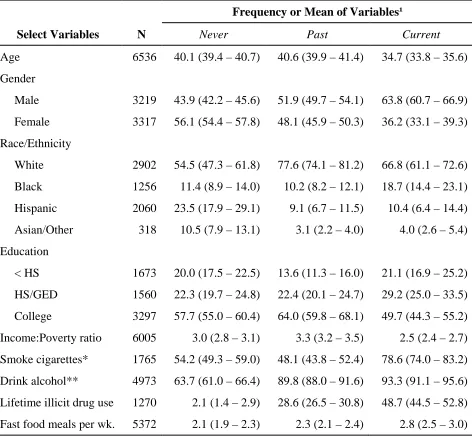
Table 1 shows the basic socio-demographic characteristics of the study population. As
shown, the study population was predominantly non-Hispanic white, making up 66.8% of
current users. When compared to never users, current users were predominately male (63.8% of
current users versus 43.9% of never users) and on average younger (34.7 years old in current
users versus 40.1 years old in never users). Although current users reported the lowest
income-to-poverty ratios (statistically significant), there was no difference in post-secondary educational
attainment between current and never users. Moreover, current users reported higher frequencies
of fast food meal intake, cigarette smoking, alcohol drinking, and lifetime illicit drug use when
compared to never users. Marijuana use was also stratified by race/ethnicity; Asians and other
mixed races reported the lowest frequency of marijuana use.
Past marijuana users were similar to current users across race/ethnicity, gender, and
alcohol and illicit drug use; however, they were similar to never users with respect to age. Past
users were more likely to have a college degree (statistically significant compared to current
users only) and the highest income-to-poverty ratio across all groups (statistically significant).
Moreover, past users were less likely to report cigarette use and eating fast food meals when
compared to current users (statistically significant) but not participants who never used
marijuana (Table 1).
Table 1. Descriptive analysis of demographic and social characteristics of adults aged 20-59 who participated in NHANES 2007-2010 grouped by never, past, or current marijuana use.
Frequency or Mean of Variables¹
Select Variables N Never Past Current
Age 6536 40.1 (39.4 – 40.7) 40.6 (39.9 – 41.4) 34.7 (33.8 – 35.6)
Gender
Male 3219 43.9 (42.2 – 45.6) 51.9 (49.7 – 54.1) 63.8 (60.7 – 66.9)
Female 3317 56.1 (54.4 – 57.8) 48.1 (45.9 – 50.3) 36.2 (33.1 – 39.3)
Race/Ethnicity
White 2902 54.5 (47.3 – 61.8) 77.6 (74.1 – 81.2) 66.8 (61.1 – 72.6)
Black 1256 11.4 (8.9 – 14.0) 10.2 (8.2 – 12.1) 18.7 (14.4 – 23.1)
Hispanic 2060 23.5 (17.9 – 29.1) 9.1 (6.7 – 11.5) 10.4 (6.4 – 14.4)
Asian/Other 318 10.5 (7.9 – 13.1) 3.1 (2.2 – 4.0) 4.0 (2.6 – 5.4)
Education
< HS 1673 20.0 (17.5 – 22.5) 13.6 (11.3 – 16.0) 21.1 (16.9 – 25.2)
HS/GED 1560 22.3 (19.7 – 24.8) 22.4 (20.1 – 24.7) 29.2 (25.0 – 33.5)
College 3297 57.7 (55.0 – 60.4) 64.0 (59.8 – 68.1) 49.7 (44.3 – 55.2)
Income:Poverty ratio 6005 3.0 (2.8 – 3.1) 3.3 (3.2 – 3.5) 2.5 (2.4 – 2.7)
Smoke cigarettes* 1765 54.2 (49.3 – 59.0) 48.1 (43.8 – 52.4) 78.6 (74.0 – 83.2)
Drink alcohol** 4973 63.7 (61.0 – 66.4) 89.8 (88.0 – 91.6) 93.3 (91.1 – 95.6)
Lifetime illicit drug use 1270 2.1 (1.4 – 2.9) 28.6 (26.5 – 30.8) 48.7 (44.5 – 52.8)
Fast food meals per wk. 5372 2.1 (1.9 – 2.3) 2.3 (2.1 – 2.4) 2.8 (2.5 – 3.0)
¹Reported as % for categorical variables and mean for continuous variables *Current cigarette smoking
**Alcohol use refers to having at least 12 alcohol drinks in any one year
4b. Prevalence of marijuana use
Table 2 shows the prevalence of marijuana use among the study population. Among
individuals who participated in the Drug Use Questionnaire, 59.1% reported to have used
marijuana in their lifetime, while 12.6% of participants were current marijuana users. The rate of
past marijuana use was significantly higher than non-use with values of 45.4% and 42.0%,
respectively. To determine the degree of marijuana use, the number of days participants were
engaged in drug use during the past month was assessed. Participants were classified as light
users if they reported marijuana use 1-8 days or heavy users if they reported marijuana use for at
least 9 days in the past month. Among participates who provided information on past month use,
[image:29.612.104.500.285.440.2]54.4% were classified as light users, while 45.6% were classified as heavy users.
Table 2. Prevalence of marijuana use among adults aged 20-59 who participated in the NHANES 2007-2010 survey (N = 6729).
Marijuana Use N Prevalence (%)
Never user 3097 42.0
Lifetime user 3632 59.1
Past user 2578 45.4
Current user 861 12.6
Light user 457 54.4
Heavy user 398 45.6
Notes: Lifetime use refers to having ever used marijuana at least once. Past users have used
marijuana, but not in the past 30 days. Current users reported marijuana use within the past 30
days. Light users reported using marijuana 1-8 days in the past month. Heavy users reported
using marijuana 9+ days in the past month.
4c. Perceived health and quality of life
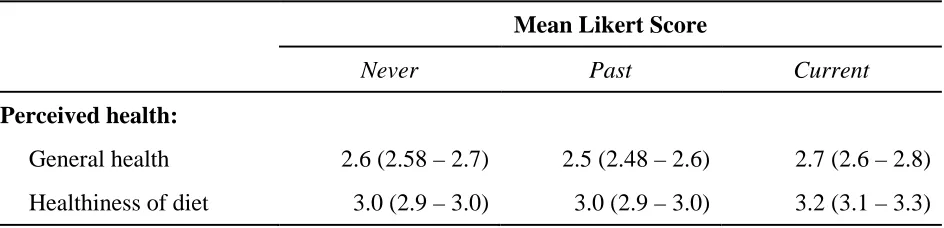
Table 3 describes self-perceived health as rated by study participants on a Likert scale of
1 to 5, (1 = excellent, 2 = very good, 3 = good, 4 = fair, and 5 = poor). The result of the analysis
shows no difference in perceived general health between current marijuana users and never
users. However, current users rated their diet poorer when compared to past or never users
[image:30.612.72.544.291.405.2](statistically significant).
Table 3. Self-perceived health of adults aged 20-59 who participated in NHANES 2007-2010 grouped by never, past, or current marijuana use (N = 6534).
Mean Likert Score
Never Past Current
Perceived health:
General health 2.6 (2.58 – 2.7) 2.5 (2.48 – 2.6) 2.7 (2.6 – 2.8)
Healthiness of diet 3.0 (2.9 – 3.0) 3.0 (2.9 – 3.0) 3.2 (3.1 – 3.3)
Notes: Based on a Likert scale of 1 to 5 (1 = excellent, 2 = very good, 3 = good, 4 = fair, 5 = poor)
Table 4 describes the quality of life as indicated by the mean number of days in the
past-month that study participants experienced various physical and mental health symptoms.
Participants who reported at least 15 unhealthy days in the past month were considered to have
fair/poor health. Current users reported poorer physical functioning and more unhealthy days
than past and never users (statistically significant). Furthermore, past users reported more
favorable perceived health and quality of life than current users. However, when compared to
never users, past users reported poorer mental health including more days of experiencing
anxiety (statistically significant).
Table 4. Self-reported quality of life in adults aged 20-59 who participated in NHANES 2007-2010 grouped by never, past, or current marijuana use (N = 6534).
Mean number of days in the past 30 days
Never Past Current
Physical health not good 3.0 (2.6 – 3.4) 3.3 (2.9 – 3.8) 4.1 (3.43 – 4.9)
Mental health not good 3.9 (3.5 – 4.2) 4.7 (4.23 – 5.2) 6.4 (5.6 – 7.1)
Inactive due to poor health 1.5 (1.2 – 1.7) 1.8 (1.5 – 2.1) 2.4 (2.0 – 2.8)
Pain interfered with activities 2.4 (2.1 – 2.7) 3.5 (2.9 – 4.0) 4.1 (3.5 – 4.7)
Felt anxious 5.5 (5.2 – 5.9) 6.8 (6.3 – 7.3) 8.6 (7.6 – 9.5)
Unhealthy Days 6.2 (5.8 – 6.6) 7.2 (6.6 – 7.7) 9.4 (8.6 – 10.3)
Notes: Unhealthy days = sum of days physical and mental health is not good (max. 30 days).
Table 5. Frequency of unhealthy days reported by adults aged 20-59 who participated in NHANES 2007-2010 grouped by never, past, or current marijuana use (N = 6534).
Frequency of unhealthy days in past 30 days
Never Past Current
0-14 days 83.4 (81.7 – 85.0) 80.0 (78.0 – 82.7) 73.5 (69.4 – 77.5)
15+ days 16.6 (15.0 – 18.3) 19.7 (17.3 – 22.0) 26.5 (22.5 – 30.6)
Notes: 15+ unhealthy days defined as fair/poor health
Given that current users reported a lower quality of life with respect to unhealthy days
(Table 5), logistic regression was then used to determine the association between fair/poor health
and past month marijuana use (Table 6). Model 1 (unadjusted odds ratios) shows that
participants who reported “15+ unhealthy days” were 80% more likely to have used marijuana in
the past month compared to participants who reported “0-14 unhealthy days” (OR = 1.8; 95% CI
= 1.5-2.2).
[image:31.612.68.544.374.458.2]After controlling for demographic variables (age, sex, race/ethnicity, education, and
income-to-poverty ratio) in Model 2, the association between “15+ unhealthy days” and
marijuana use was reduced but still statistically significant (OR=1.50; 95% CI= 1.0-2.2).
Model 3 controlled for demographic variables and current cigarette and alcohol use. As shown in
Table 6, adjusting for demographic variables and current cigarette and alcohol use was
attenuating; and, participants who reported “15+ unhealthy days” were found to be 30% more
likely to have used marijuana in the past month compared to participants who reported “0-14
[image:32.612.81.542.348.414.2]unhealthy days. However, the association was not statistically significant.
Table 6. Logistic regression analysis to determine the association between number of unhealthy days and current marijuana use in adults aged 20-59 who participated in NHANES 2007-2010.
Model 1 Model 2 Model 3
# of Unhealthy Days OR (95% CI) OR (95% CI) OR (95% CI)
15+ days versus 0-14 days 1.8 (1.5 – 2.2) 1.5 (1.0 – 2.2) 1.3 (.9 – 2.0)
Model 1: unadjusted
Model 2: adjusted for age, gender, race/ethnicity, income-to-poverty ratio, education Model 3: Model 2 + adjusted for cigarette and alcohol use
4d. Self-reported medical conditions
Table 7 shows the number of medical conditions reported by study participants with
respect to marijuana use. In total, 41.9% of participants did not report a medical condition,
46.2% reported diagnosis of 1 or 2 medical conditions, and 11.9% reported diagnosis of 3 or
more medical conditions. When marijuana use was stratified by current and past use, 38.8% of
current users reported having 1 or 2 medical conditions (compared to 47.8% of past users) while
8.8% of current users reported diagnosis of 3 or more medical conditions (compared to 12.1% of
past users). Similarly, 40.7% of never users did not report a medical condition, 46.7% reported
diagnosis of 1 or 2 conditions, and 12.6% reported diagnosis of 3 or more medical conditions.
Current users had statistically significant lower rates of reporting 1 or 2 medical conditions when
compared to both past and never users of marijuana. There was no difference in rates of 3 or
[image:33.612.83.522.230.362.2]more medical conditions across groups.
Table 7. Frequency of self-reported medical conditions in adults aged 20-59 who participated in NHANES 2007-2010 grouped by never, past, or current marijuana use (N = 6536).
Number of Medical Conditions Reported (%)
None 1 or 2 3+
Current 52.4 (48.3 – 56.6) 38.8 (35.9 – 41.7) 8.8 (6.2 – 11.4)
Past 40.1 (36.9 – 43.4) 47.8 (44.9 – 50.8) 12.1 (10.4 – 13.7)
Never 40.7 (38.2 – 43.1) 46.7 (44.5 – 48.8) 12.6 (11.4 – 13.9)
Total 41.9 (39.7 – 44.1) 46.2 (44.5 – 48.0) 11.9 (10.7 – 13.1)
Notes: A total of 12 medical conditions were of interest in this analysis
The prevalence rates of select medical conditions among marijuana users and never users
are shown in Table 8. When compared to never users, current users were less likely to have a
BMI ≥ 30 (27.3% of current users versus 40.7% of never users), high blood pressure (15.9% of
current users versus 22.7% of never users), or diabetes (3.1% of current users versus 6.1% of
never users). These differences were statistically significant.
Current users on average reported the highest rate of respiratory symptoms across all
groups, including chronic bronchitis, emphysema, and asthma attack in the past year. However,
these results were not statistically significant. Additionally, when compared to never users,
current users reported higher rates of stroke, heart failure, and heart attack in the past year but
these results were not statistically significant (Table 8).
Table 8. Prevalence of select medical conditions reported by adults aged 20-59 who participated in NHANES 2007-2010 grouped by never, past, or current marijuana use.
Prevalence of Medical Conditions (%)
Medical Condition (yes) N Never Past Current
Obese (BMI ≥ 30) 2434 40.7 (37.8 – 43.6) 35.5 (32.9 – 38.2) 27.3 (23.4 – 31.1)
High blood pressure 1464 22.7 (20.1 – 25.3) 22.6 (20.5 – 24.7) 15.9 (12.6 – 19.2)
High cholesterol 1439 35.8 (33.2 – 38.4) 36.6 (33.7 – 39.6) 29.9 (23.1 – 36.7)
Diabetes 429 6.1 (5.2 – 6.9) 4.6 (3.6 – 5.6) 3.1 (1.6 – 4.5)
Current asthma 513 53.5 (46.0 – 61.0) 52.4 (46.1 – 58.7) 49.1 (38.2 – 60.0)
Asthma attack in past year 281 47.1 (38.7 – 55.4) 57.0 (48.0 – 65.9) 60.0 (42.9 – 77.2)
Current bronchitis 146 45.8 (33.9 – 57.6) 40.3 (31.6 – 49.1) 46.9 (32.9 – 60.9)
Emphysema 78 .7 (.3 – 1.1) 1.1 (.6 – 1.5) 1.8 (.7 – 2.8)
Cancer 278 4.3 (3.1 – 5.6) 6.0 (4.5 – 7.6) 4.3 (2.8 – 5.8)
Stroke 100 .8 (.5 – 1.1) 1.6 (1.0 – 2.2) 1.8 (.7 – 2.9)
Heart failure 68 .8 (.5 – 1.1) .6 (.3 – .9) 1.0 (.2 – 1.9)
Heart attack in past year 114 1.5 (1.0 – 1.9) 1.5 (1.0 – 2.0) 1.7 (.7 – 2.8)
Coronary heart disease 72 1.2 (.7 – 1.6) 1.2 (.8 – 1.6) .3 (0.0 – .8)
Given that current marijuana users had a lower rate of reporting any medical condition
(Table 7); logistic regression was then used to determine the association between the number of
medical conditions reported and past month marijuana use (Table 9). Model 1 (unadjusted odds
ratios) shows that participants who reported “1 or 2 medical conditions” were 36% (OR=.64;
95% CI=.55-.76) less likely to have used marijuana in the past month compared to participants
who reported no medical conditions), while participants who reported 3 or more medical
conditions were 46% (OR=.54; 95% CI=.38-.77) less likely to have used marijuana in the past
month compared to participants who reported no medical conditions
After controlling for demographic characteristics (age, sex, race/ethnicity, education, and
income-to-poverty ratio) in Model 2, participants who reported “1 or 2 medical conditions” were
33% (OR=.67; 95% CI=.46-.99) less likely to have used marijuana in the past month compared
to participants who reported no medical conditions. Participants who reported 3 or more medical
conditions were 52% (OR=.48; 95% CI=.30-.78) less likely to have used marijuana in the past
month compared to participants who reported no medical conditions.
Model 3 controlled for demographic characteristics and current cigarette and alcohol use.
Participants who reported “1 or 2 medical conditions” were 27% (OR=.73; 95% CI=.49-1.1) less
likely to have used marijuana in the past month compared to participants who reported no
medical conditions. Participants who reported 3 or more medical conditions were 42% (OR=.58;
95% CI=.35-.98) less likely to have used marijuana in the past month compared to participants
[image:35.612.69.545.473.562.2]who reported no medical conditions.
Table 9. Logistic regression analysis to determine the association between numbers of reported medical conditions and current marijuana use in adults aged 20-59 who participated in NHANES 2007-2010.
Model 1 Model 2 Model 3
# of Medical Conditions OR (95% CI) OR (95% CI) OR (95% CI)
1-2 versus None .64 (.55 – .76) .67 (.46 – .99) .73 (.49 – 1.1)
3+ versus None .54 (.38 – .77) .48 (.30 – .78) .58 (.35 – .98)
Model 1: unadjusted
Model 2: adjusted for age, gender, race/ethnicity, income-to-poverty, education Model 3: Model 2 + adjusted for cigarette and alcohol use
CHAPTER V
DISCUSSION AND CONCLUSION
The objective of the current study was to examine the health profile and quality of life of
marijuana users who participated in NHANES 2007-2010. In this study, more than 50% of
participants reported lifetime use of marijuana, while almost 13% of the participants reported to
have used marijuana in the past month. No difference in the prevalence of light and heavy
marijuana use was observed in this nationally representative sample of marijuana users.
When participants were asked to rate their general health and diet, current marijuana
users on average rated their diet but not general health poorer than never users. This finding is
consistent with previous studies have shown that marijuana use was associated with low nutrition
and high caloric diets (Smit & Crespo, 2001). The result of this study also indicates that
marijuana users experience poorer mental health, poorer physical functioning and health, and
more unhealthy days per month when compared to never users; thus, indicating a lower quality
of life. These results are consistent with previous studies that show an increased prevalence of
mental health symptoms among marijuana users (Bostwick, 2012; Pacek et al., 2012). However
Lev-Ran et al. (2012) demonstrated that marijuana users, who tend to be younger than non-users,
report increased physical well-being; and, this finding is inconsistent with the results from the
current study. After controlling for demographics and tobacco and alcohol use, this study
demonstrates that there was no association between fair/poor health (as indicated by “unhealthy
days”) and current marijuana use.
When evaluating the prevalence of medical conditions among marijuana users, this study
showed that there was a lower rate of reporting any medical condition among current marijuana
users when compared to never users (statistically significant). After controlling for confounders,
logistic regression analysis showed that there was a inverse association between reporting 3+
medical conditions and using marijuana in the past month (statistically significant).
When assessing the prevalence of select medical conditions, the lowest prevalence rate of
obesity and diabetes among current users was consistent with published reports (Le Strat & Le
Foll, 2011; Rajavashisth et al., 2012; Rodondi et al., 2006; Warren et al., 2005). Results of this
study also demonstrated the lowest prevalence rate of high blood pressure among current
marijuana users. This finding may be related to previous reports whereby long-term marijuana
use led to a sustained decrease in blood pressure and marijuana cessation led to an increase in
blood pressure (Katsiki, Papadopoulou, Fachantidou, & Mikhailidis, 2013; Vandrey et al., 2011).
However, the NHANES 2007-2008 questionnaire did not assess the duration of marijuana use;
and, this study cannot conclude that long-term marijuana use was a potential factor in the
decreased prevalence of high blood pressure among current users (Mendizabal &
Adler-Graschinsky, 2007). Moreover current users had a higher prevalence rate of respiratory
symptoms and certain cardiovascular events when compared to never users, but these results
were statistically insignificant.
Furthermore, identical analyses were performed where current marijuana use was defined
as having used marijuana at least once in the past 12 months. Additional analyses were
performed because there is no standardization of marijuana use in the scientific literature.
Previous studies have defined current marijuana use as both past-month and past-year use. The
results showed that past year users were similar to past month users across social-demographic
variables, quality of life measures, and medical conditions reported. Conversely, past year users
were more likely to report a history of stroke when compared to never users (statistically
significant), and this result is consistent with previous reports that identified marijuana use as a
risk factor for stroke (de los Rios et al., 2012; Katsiki et al., 2013). In contrast to past-month use,
there was no statistically significant association between reporting any medical conditions and
using marijuana in the past year.
Limitations
The NHANES study has several limitations. The cross-sectional design only provides a
snapshot of marijuana use and health at a single point in time, therefore the data does not allow
for determination of directionality or causation. The nature of this study was largely dependent
upon self-report of drug use and medical conditions, which is subject to recall bias. Moreover,
the legal consequences and societal stigma of marijuana use may cause underreporting of drug
use. Even if participants were to correctly report marijuana use, the NHANES 2007-2008 survey
did not capture information pertaining to the amount of drug use nor the route of consumption.
Subsequent NHANES cycles incorporate more detailed questions regarding drug use; however,
these questions cannot be used when combining data sets prior to the NHANES 2009-2010
cycle. Furthermore, as with any cross-sectional study, the limitations would best be addressed in
a longitudinal prospective study design.
Implications
Given the societal pressures for acceptance of marijuana, there is a critical need for
cohesive evidence regarding the risks and benefits of its use. Generally speaking, reclassification
of marijuana from a Schedule I substance to a Schedule III, IV, or V substance may allow for
advancements in research that will improve scientific knowledge of marijuana usage and its
health effects. There is also a need for improved standardization of marijuana use in
epidemiologic studies including dosage, length of use, and route of consumption. Based on the
results of this study, public health programs should increase drug use prevention and intervention
initiatives geared towards young men, which is consistent with previously reported trends in
gender differences among marijuana users (Substance Abuse and Mental Health Services
Administration, 2013). Moreover, marijuana use should continue to be considered as a potential
health risk despite the lack of statistically significant evidence from this study.
Conclusion
The current study is important because there are only few nationally representative
epidemiologic studies that examine the relationship between marijuana use and overall health.
To the best of our knowledge, this is the first study describing a comprehensive health profile of
adult marijuana users in the United States. The use of NHANES data has some advantages
including generality, representativeness, and credibility. The majority of marijuana research is
based on small-scale studies to investigate medicinal marijuana use or single facets of health.
This study found that marijuana users are more likely to engage in health risk behaviors and
report a lower quality of life; however, marijuana was not associated with poorer health
outcomes. Furthermore, strong evidence linking marijuana use to chronic health conditions, as is
the case with tobacco and alcohol use, is lacking strength. Further studies are needed to
accurately assess the long-term health consequences of marijuana use.
REFERENCES
Berger, A. T., Khan, M. R., & Hemberg, J. L. (2012). Race Differences in Longitudinal
Associations Between Adolescent Personal and Peer Marijuana Use and Adulthood
Sexually Transmitted Infection Risk. Journal of Addictive Diseases, 31(2), 130–142.
doi:10.1080/10550887.2012.665691
Berthiller, J., Lee, Y. A., Boffetta, P., Wei, Q., Sturgis, E. M., Greenland, S., … Hashibe, M.
(2009). Marijuana Smoking and the Risk of Head and Neck Cancer: Pooled Analysis in
the INHANCE Consortium. Cancer Epidemiology Biomarkers & Prevention, 18(5),
1544–1551. doi:10.1158/1055-9965.EPI-08-0845
Bostwick, J. M. (2012). Blurred Boundaries: The Therapeutics and Politics of Medical
Marijuana. Mayo Clinic Proceedings, 87(2), 172–186.
doi:10.1016/j.mayocp.2011.10.003
Bowles, D., O’Bryant, C., Camidge, D., & Jimeno, A. (2012). The intersection between cannabis
and cancer in the United States. Critical Reviews in Oncology Hematology, 83, 1–10.
D’Souza, G., Palefsky, J. M., Zhong, Y., Minkoff, H., Massad, L. S., Anastos, K., … Strickler,
H. D. (2010). Marijuana Use is Not Associated with Cervical Human Papillomavirus
Natural History or Cervical Neoplasia in HIV-Seropositive or HIV-Seronegative Women.
Cancer Epidemiology Biomarkers & Prevention, 19(3), 869–872.
doi:10.1158/1055-9965.EPI-09-1053
De los Rios, F., Kleindorfer, D. O., Khoury, J., Broderick, J. P., Moomaw, C. J., Adeoye, O., …
Kissela, B. M. (2012). Trends in Substance Abuse Preceding Stroke Among Young
Adults: A Population-Based Study. Stroke, 43(12), 3179–3183.
doi:10.1161/STROKEAHA.112.667808
DiNitto, D. M., & Choi, N. G. (2010). Marijuana use among older adults in the U.S.A.: user
characteristics, patterns of use, and implications for intervention. International
Psychogeriatrics, 23(05), 732–741. doi:10.1017/S1041610210002176
Garvey, T., & Yeh, B. (2013). State Legalization of Recreational Marijuana: Selected Legal
Issues. In Congressional Research Service Report for Congress. Retrieved from
http://brian.carnell.com/wp-content/uploads/2013/05/ddbdc9e7fc44f0c30cefa14643d7fd7c.pdf
Grotenhermen, F., & Müller-Vahl, K. (2012). The therapeutic potential of cannabis and
cannabinoids. Deutsches Ärzteblatt International, 109(29-30), 495.
Han, B., Gfroerer, J. C., Colliver, J. D., & Penne, M. A. (2009). Substance use disorder among
older adults in the United States in 2020. Addiction, 104(1), 88–96.
doi:10.1111/j.1360-0443.2008.02411.x
Han, B., Gfroerer, J., & Colliver, J. (2009a). An Examination of Trends in Illicit Drug Use
among Adults Ages 50 to 59 in the United States. Office of Applied Studies: Substance
Abuse and Mental Health Services Administration. Retrieved from
https://www.chanvre-info.ch/info/de/IMG/pdf/OAS_data_review_OlderAdults.pdf
Han, B., Gfroerer, J., & Colliver, J. (2009b). SAMHSA REVIEW. Office of Applied Studies:
Substance Abuse and Mental Health Services Administration. Retrieved from
https://www.chanvre-info.ch/info/de/IMG/pdf/OAS_data_review_OlderAdults.pdf
Jager, J., Schulenberg, J. E., O’Malley, P. M., & Bachman, J. G. (2013). Historical variation in
drug use trajectories across the transition to adulthood: The trend toward lower intercepts
and steeper, ascending slopes. Development and Psychopathology, 25(02), 527–543.
doi:10.1017/S0954579412001228
Katsiki, N., Papadopoulou, S. K., Fachantidou, A. I., & Mikhailidis, D. P. (2013). Smoking and
vascular risk: are all forms of smoking harmful to all types of vascular disease? Public
Health, 127(5), 435–441. doi:10.1016/j.puhe.2012.12.021
Lacson, J. C. A., Carroll, J. D., Tuazon, E., Castelao, E. J., Bernstein, L., & Cortessis, V. K.
(2012). Population-based case-control study of recreational drug use and testis cancer risk
confirms an association between marijuana use and nonseminoma risk. Cancer, 118(21),
5374–5383. doi:10.1002/cncr.27554
Lamarine, R. (2012). Marijuana: Modern Medical Chimera. Journal of Drug Education, 42(1),
1–11.
Le Strat, Y., & Le Foll, B. (2011). Obesity and Cannabis Use: Results From 2 Representative
National Surveys. American Journal of Epidemiology, 174(8), 929–933.
doi:10.1093/aje/kwr200
Lee, M. H., & Hancox, R. J. (2011). Effects of smoking cannabis on lung function. Expert
Review of Respiratory Medicine, 5(4), 537–547. doi:10.1586/ers.11.40
Lev-Ran, S., Imtiaz, S., Taylor, B. J., Shield, K. D., Rehm, J., & Le Foll, B. (2012). Gender
differences in health-related quality of life among cannabis users: Results from the
national epidemiologic survey on alcohol and related conditions. Drug and Alcohol
Dependence, 123(1-3), 190–200. doi:10.1016/j.drugalcdep.2011.11.010
Mendizabal, V. E., & Adler-Graschinsky, E. (2007). Cannabinoids as therapeutic agents in
cardiovascular disease: a tale of passions and illusions. British Journal of Pharmacology,
151(4), 427–440.
Miech, R., & Koester, S. (2012). Trends in U.S., past-year marijuana use from 1985 to 2009: An
age–period–cohort analysis. Drug and Alcohol Dependence, 124(3), 259–267.
doi:10.1016/j.drugalcdep.2012.01.020
Moore, B. A., Augustson, E. M., Moser, R. P., & Budney, A. J. (2005). Respiratory effects of
marijuana and tobacco use in a U.S. sample. Journal of General Internal Medicine, 20(1),
33–37. doi:10.1111/j.1525-1497.2004.40081.x
Moriarty, D., Zack, M., & Kobau, R. (2003). The Centers for Disease Control and Prevention’s
Healthy Days Measures–Population tracking of perceived physical and mental health
over time. Health and Quality of Life Outcomes, 1(1), 37.
Mukamal, K. J., Maclure, M., Muller, J. E., & Mittleman, M. A. (2008). An exploratory
prospective study of marijuana use and mortality following acute myocardial infarction.
American Heart Journal, 155(3), 465–470.
National Institute on Drug Abuse. (2012). Marijuana Abuse (No. 12-3859) (p. 12).
O’Keefe, K., Earleywine, M., Mirken, B., Riffle, D., & Zawidzki, K. (2011). Marijuana use by
young people: the impact of state medical marijuana laws. Marijuana Policy Project.
Retrieved from http://phillynorml.com/documents/legis_files/TeenUseReport_0608.pdf
Pacek, L. R., Malcolm, R. J., & Martins, S. S. (2012). Race/Ethnicity Differences between
Alcohol, Marijuana, and Co-occurring Alcohol and Marijuana Use Disorders and Their
Association with Public Health and Social Problems Using a National Sample:
Differences in Co-occurring Use Disorders by Race. The American Journal on
Addictions, 21(5), 435–444. doi:10.1111/j.1521-0391.2012.00249.x