Conference programme & proceedings
SPARC,
Title
Conference programme & proceedings
Authors
SPARC,
Type
Conference or Workshop Item
URL
This version is available at: http://usir.salford.ac.uk/15905/
Published Date
2009
USIR is a digital collection of the research output of the University of Salford. Where copyright
permits, full text material held in the repository is made freely available online and can be read,
downloaded and copied for noncommercial private study or research purposes. Please check the
manuscript for any further copyright restrictions.
Salford Postgraduate Annual Research Conference 7-8 May 2009
Programme
Thursday 7th May
9.30am – 10.15 am Registration, tea & coffee, ground floor, Faraday House
10.15am – 10.30am Opening Speech: Prof Jocelyn Evans (Director of Graduate Studies), Council Chamber, Old Fire Station
10.30am – 11.30am Keynote Address: Prof Ghassan Aouad (Pro-Vice-Chancellor Research & Innovation), ‘How to Succeed in doing a PhD), Council Chamber, Old Fire Station
11.30am – 11.45 am Tea and coffee, Old Fire Station
Session 1 11.45am – 1pm
Panel 1A
Gaskell Room, Faraday House Chair tbc
Krishanthi Seneviratne, Post conflict reconstruction: research directions Taufika Ophiyandri, Managing disaster in Indonesia
Nuwami Siriwardena, Identifying and classifying stakeholders of post-disaster housing reconstruction projects in Sri Lanka
Panel 1B
Pankhurst Room, Faraday House Chair: Prof Allan Boardman
Rhiannon Mitchell-Thomas, Metamaterials, negative refraction and the fascinating application of cloaking
Tim Ashcroft Kaleidoscope lasers -complexity in simple linear optical systems
Yevhen Suprunenko (Lancaster), Excitonic condensation in double-layer graphene systems: order parameter and strong coupling unit
Ihssan Abdul-Kareem (Liverpool),Comparison of scanning at different field strengths & pulse sequences using voxel-based morphometry
Panel 1C
Bronte Room, Faraday House Chair: Dr Carlos Frade
Suryia Nayak (MMU), Lorde removes the epistemological anchors
Neil Robinson When in Rome, Kill Me. A conceptual review of the problems faced by researchers when carrying out research in conjunction with dark subject matter. The ethical dilemma
William Jackson, Liberalism, exception and the balance between liberty and security
Panel 1D
Pamela Savic-Jabrow From where do counsellors in private practice receive their support?
David Menendez Alvarez-Hevia (MMU), Researching the emotional world of education professionals working in "special" schools
Rowena Saunderson (Bolton), Enhancing the psychological resiliency of practitioners at risk of secondary traumatisation
Crystal Cao (Liverpool), Control of medical performance: the doctors’ response to the appraisal process
1pm – 2pm Buffet Lunch, Old Fire Station
Session 2 2pm – 3.15pm
Panel 2A
Gaskell Room, Faraday House Chair: Dr Udayangani Kulatunga
Norbaya Ab Rahim, Issues of selection of support for services for outsourcing Siti Uzairiah Mohd Tobi, Social enterprise applications in an urban facilities Management Setting
Elham Sfandyarifard, Childrens’ preferences on hospital environment
Panel 2B
Bronte Room, Faraday House Chair: Dr Saad Yousif
William Hinojosa, Probabilistic fuzzy-reinforcement learning for mobile robots Jalal Al-Obaedi, Calibration of visual angle car following model based on real site traffic data
Hamid Al-Jameel, Examining and improving the limitations of Gazi-Herman-Rothery car following model
Panel 2C
Pankhurst Room, Faraday House Chair: Dr Maria Burke
Farhana Khan, Interviewing British South Asian Muslim female consumers
Ugochukwu Digwo (Bolton), E-business adoption as a form of management strategy: an e-retailing perspective
Paul Oliver (Bolton), Self sufficiency in local music scenes: the DIY musicology model Changsu Kim, Applying warfare principles to design strategy
Panel 2D
Room G04, Old Fire Station Chair: Prof Brian Dangerfield
Michael Quigley, The economics of education: is it profitable to be ignorant? Lloyd Scott, Towards a research design to investigate assessment practices in built environment undergraduate education
Janine Carroll (Manchester), An investigation into medical students' perceptions and engagement in personal and professional development activities
3.15pm – 3.30pm, Tea and Coffee, Faraday House
Session 3
3.30pm – 4.45pm
Panel 3A
Pankhurst Room, Faraday House Chair: Dr Nancy Lee
Elizabeth Collier, Methodological Issues in biographical research Nick Cantlay (Cumbria), Breaking bad news in prenatal ultrasound
Sharon Barlow, The fear of recommendation 54: an exploration of casework allocation in children's field social work
Panel 3B
Gaskell Room, Faraday House Chair Dr Ela Beaumont
Mastura Adam, The identification of quality criteria for pedestrian places and its networks in the city
Victoria Henshaw, A sense of place? The role of smell in the design of sustainable urban environments
Ian Cushing, Speech level discrepancy around the head of a talker
Panel 3C
Room G04, Old Fire Station Chair: Prof George McKay
Tom Sykes, Remediated Swing and the Celestial Jukebox: new 'friends' for jazz? Nico Meissner, It's not all about the money: defining "sustainability" in terms of independent filmmaking
Jennifer Shryane (Chester), Unterstützer not Anhänger: a small utopia
Panel 3D
Room G02/3, Old Fire Station Chair: Prof Jocelyn Evans
Gerald Sundaraj, The significance and co-dependency of "Robustness" in a PPP (PFI) project environment from the perspective of the granting authority
Humaida Samsudin, The determinants for run-off non-life insurance companies in the UK
Anis Bakri, Improving integration in construction industry through knowledge management in relational contracting setting: a critical success factors approach
Panel 3E
Bronte Room, Faraday House Chair: Dr Jim Wilkinson
Nicole Dodd, An investigation into the prevelance of Toxoplasma gondii infection in apodemus sylvaticus in North Yorkshire
6pm – 8pm: Conference Dinner, The Bryans Suite, Allerton Building A bar will be open in The Bryans Suite from 5pm.
Friday 8th May
Session 4 9am – 10.15am
Panel 4A
Pankhurst Room, Faraday House Chair: Orla Flannery
Kim Langtree, Understanding Teenage Motherhood in France and the UK: a narrative construction identity
Christina Kennedy (LJMU), Childhood obesity and maternal hunger for affirmation Valerie Todd (LJMU), Mood regulation in obesity surgery patients: a qualitative study Ruth Strudwick An ethnographic study of the culture in a Diagnostic Imaging
Department
Panel 4B
G02/03, Old Fire Station Chair: Chris Procter
John Effah, Actor-Network theory: a better approach to researching e-business in SMEs
Alice Shemi, Understanding key factors affecting electronic commerce adoption by SMEs in developing countries: a literature review
Mohamed Abukhzam, E-banking technology as a technological innovation in banking: advantages & disadvantages
Hussain Azham, Current usability metric for mobile computing evaluation
Panel 4C
Bronte Room, Faraday House Chair: Dr Sandro Jung
Lucy Winrow, An introduction to the poetry of Selima Hill
Christine Simon (Chester), Heaven, hell and complementarity: opposition and duality in late Georgian and Regency England
Mike Parker (UCLan), The retrospective iconicity of 'Guerrillero Heroico'
Panel 4D
Room G04, Old Fire Station Chair: Cristina Mendes-da-Costa
Abdulbasit Khashkhush, The challenges and benefits of adopting e-learning in developing countries
Najim Ussiph, Using VLE to support teaching and learning in rural communities and bridging digital divide in Ghana
Dumebi Oderinde & Ugochukwu Digwo (Bolton), E-learning adoption in organisations: a review of existing models and practices
10.15am – 10.30am, Tea and coffee, Old Fire Station
Session 5
10.30am – 11.45am
Panel 5A
Pankhurst Room, Faraday House Chair: Prof Myriam Salama-Carr
Ines Radionovas, A Clockwork Orange - a unique challenge for the translator Mohammed El Haj Ahmed, Investigating lexical, grammatical and cultural problems in English/Arabic translation among Palestinian EFL students at the Islamic University of Gaza-Palestine
Maria Nader, Translators as bridge builders between cultures: fact or fiction?
Panel 5B
Gaskell Room, Faraday House Chair tbc
Nicola Wallbank, An uncertain future for urban vegetation
Kathleen Radford, Quantifying urban ecosystem services at the local scale Luke Beesley (LJMU), Recycling greenwaste to sequester carbon in city soils
Panel 5C
Bronte Room, Faraday House Chair: Dr Ghasem Nasr
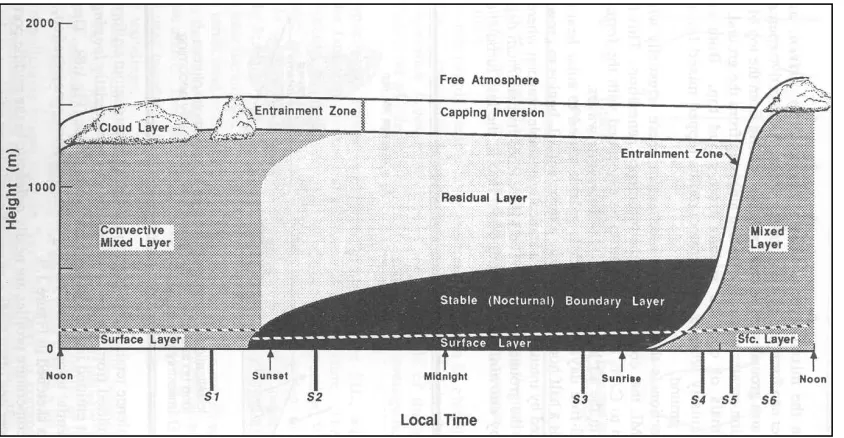
Vera Bachtiar, Prediction of atmospheric boundary layer depth using ADMS4 and LiDAR data
Musa Bashire Abuhesa, 'Zero' gas flaring
Mariusz Pietrzyk (Cumbria), Implications of the initial overt decisions on the lung nodule detection from chest radiographs
Panel 5D
Room G02/3, Old Fire Station Chair: Dr Laurence Kenney
Elizabeth Fowler, Can the passive slump test predict hamstring injury?
Abdulla Rafiu, Importance of quantifying orthotic correction of adolescent idiopathic scoliosis (AIS): A retrospective study
Andrew Fisher (Liverpool), Study of intra and inter-individual variability of myosin heavy chain isoforms within a rat population
Panel 5E
Room G04, Old Fire Station Chair: Georgios Kapogiannis
Seng Kok (LJMU), Performance of Shariah-compliant indexes in London and NY stock markets and their potential for diversification
Mohamed Zakari (LJMU), The sufficiency and appropriateness of evidence obtained by Libyan auditors
11.45am – 1pm
Panel 6A
Pankhurst Room, Faraday House Chair tbc
Norzamni Salleh, A framework for sharing geo-spatial data
Alsedig Abdalgadr, Standardization of Raven's standard progressive matrices test for a Libyan sample
Nagat Elmsallati, An investigation of the level of implementation of Hazard Analysis Critical Control Point (HACCP) system in the fisheries industry
Panel 6B
Bronte Room, Faraday House Chair: Dr Sudi Sharifi
Salh Bezweek, The effect of organisational structure on communication behaviour in Libyan Public Organisations
Hawa Ahmad, A study of achieving high-quality non-discretionary use of information system in the organisation
Faiza Zitouni, The role of communication during a major change
Panel 6C
Gaskell Room, Faraday House Chair: Dr Pascal Venier
Isabelle Avila The Manchester geographical society and imperialism, 1885-1914 Nancy Walbank (Cumbria), Catholic schools in a country of many faiths
Panel 6D
Room G02/3, Old Fire Station Chair: Dr Karl Dayson
Paul Missa, Caught in a Maze: Barriers to ethnic minority migrants' employment in construction
Susan Taylor (Bolton), Graduate entry into the UK labour market: demographic differences in anticipated difficulty
Bob Jeffery Mobility, Space & Deserts: Urban areas in need of precipitation?
Panel 6E:
Room G04, Old Fire Station Chair: Dr Jacques Rangasamy
Badar Al Mamari, Ceramics as a possible contribution to existing schemas for creating national Omani identity
Panni Poh Yoke Loh (MMU), 'East-West, Spirit, Earth' - practice based research
Richard Hooper (Chester), Sculpture against the odds: strategies of making in the 21st century
Vicki Maguire (LJMU), Jamie Reid: From the Sex Pistols to Stonehenge
Poster Session, prize presentation and buffet lunch 1pm – 2.30, Council Chamber, Old Fire Station
Barbara Hastings-Asatourian, Managing director of Contraception Education Ltd, lecturer in Nursing (Salford)
Social Activity: Urbis trip 2.30 – 5.30
Coach leaves from outside the Old Fire Station at 2.30pm
Poster Session
Council Chamber, Old Fire Station, Friday 8 May
Poster Competition Judges
Iain Watson, Godliman-Watson Homes, Salford Business Partnership Chrissie Gibson, Managing director of Connectivity Associates Ltd
Barbara Hastings-Asatourian, Managing director of Contraception Education Ltd, lecturer in Nursing (Salford)
Number Name Poster Title
1. Nor Intan Sulaiman A pilot study on knowledge sharing among
Malaysian undergraduate students
2. Abdoalhakim Almalhuf Perceptions of Libyan external auditor
independence
3. Khadijah Mohamed Border enforcement in combating trademark
counterfeiting
4. Nick Cantlay Breaking bad news in prenatal ultrasound
5. David Zsolt Manrique Chiral current in Gold Nanotube
6. Aisha Al Mansuri Climatic design as a tool to create comfortable,
energy-efficient and environmentally wise built environment (Tripoli, Libya)
7. Roman Lagoutte Design, synthesis and biological evaluation of
small heparin mimics as potential inhibitors of the complex HGF/SF-cMet
8. Samina Farooqi Development of social skills and social networks
in captive infant and juvenile chimpanzees (pan troglodytes)
9. Steven Walmsley Development of the Salford Rheumatoid Arthritis
Foot Evaluation Instrument (SRAFEI)
10. Panni Poh Yoke Loh East-West, Spirit, Earth' - practice based research
11. Mohammad Hasan
Babaie
Enquiry in health: developing a needs-based resource allocation formula for the public health care system of Iran
12. Saleh Abida Evaluating the efficiency of Libyan commercial
banks using data envelopment analysis
13. Yevhen Suprunenko Excitonic condensation in double-layer
graphene systems: order parameter and strong coupling unit
14. Mariusz Pietrzyk Implications of the initial overt decisions on the
lung nodule detection from chest radiographs
adolescent idiopathic scoliosis (AIS): A retrospective study
16. Firas Massadeh Intellectual property enforcement and its effect
upon human rights
17. Norain Ismail Intellectual property rights and nanotechnology
18. Claire Wylie Laminitis in the new millennium: frequency, risk
factors and assessing a potential new therapy
19. Rhiannon
Mitchell-Thomas Metamaterials, negative refraction and the fascinating application of cloaking
20. Valerie Todd Mood regulation in obesity surgery patients: a
qualitative study
21. Rosilah Ab Aziz Occurrence of the swimbladder nematode
Anguillicola crassus in European Eels within the UK
22. Nor Erne Nazira Bazin Policy goal dynamics and their effects in push,
pull and hybrid production systems
23. Nor Azah Samat Relative risk estimation of dengue disease
mapping in Malaysia based on Susceptible-Infective-Removed (S-I-R) models in human populations
24. Alsedig Abdalgadr Meta-analysis of standard progressive matrices
test
25. Lisa Simmons Structural characterisation of metallic glasses
using synchroton radiation
26. Georgette Kluiters Surveillance of equine grass sickness in Great
Britain: confirming a spatially relevant sampling frame of equine veterinary practices'
27. Mohamed El kamkhi The characterisation of overlapping flat sprays
for descaling oil and gas wells
28. Hasen Ben Taher The determinants of foreign direct investment: a
panel study for the AMU countries
29. Sharon Barlow The fear of recommendation 54: an exploration
of casework allocation in children's field social work
30. Norhaslinda Zainal
Abidin The impact of the imbalance of energy on childhood average body weight
31. Faziawati Abdul Aziz The investigation of safe city programme for
high-risk neighbourhoods in Malaysia
32. Safiq ur Rheman The relationship between capital structure and
33. Faiza Zitouni The role of communication during a major change
34. Fahad Alkandari The transformation of the Islamic architecture
arts and design in Kuwait in the 21st century
35. Maria Nader Translators as bridge builders between cultures:
fact or fiction?
36. Muftah Abushahma Use of molecular tools to investigate the vertical
transmission routes of toxoplasma gondii parasite in humans in Libya
37. Musa Bashire Abuhesa ‘Zero' gas flaring
38. Nedal Sawan An investigation into Perception of Oil
Proceedings of the
Salford Postgraduate Annual
Research Conference
(SPARC)
2009
Proceedings of the Salford Postgraduate Annual Research Conference (SPARC) 2009
This work is licensed under a Creative Commons Attribution-Non-Commercial-No Derivative Works 2.0 UK: England & Wales
You are free to copy and distribute this work or any part of it under the conditions that you give the original author(s) credit, that the work is not used for any commercial purposes, and that you do not change the work in any way.
For full details of this license, go to http://creativecommons.org/licenses/by-nc-nd/2.0/uk/
ISBN: 978-1-905732-88-3
Published by
The University of Salford Salford
Greater Manchester M5 4WT
Preface
Postgraduate research is the dynamo that drives innovative new
work at good universities, and we are particularly proud of the
work of our postgraduate students. SPARC brings together the
best of this research across key fields that well express our
university’s strong themes of enquiry. The annual SPARC
conference provides a dynamic forum for research students and
supervisors to present and discuss new knowledge, fostering
connections across disciplines that will open up areas for the
future
.
Professor Martin Hall
Vice-Chancellor, University of Salford
Welcome to the 2009 proceedings of the Salford Postgraduate Annual Research Conference (SPARC). This selection of papers provides an excellent indication of the scope and scale of the two day interdisciplinary conference, and testifies to the quality and intellectual rigour of the research projects showcased there.
One of the defining characteristics of SPARC is its openness to all disciplines and research topics. This enables the participants to set the priorities of the conference, and allows for natural themes to emerge. This process has been carried through into this publication, which represents just under half of the papers given at the conference. This broad-ranging selection of thirty nine papers spans a wealth of disciplines – from health, medical sciences, management, finance, computing, education, and the built environment through to sociology, languages, literature, media, art history and cultural studies. But across the disciplinary boundaries of the papers certain themes are clearly identifiable – social inequality, community empowerment, changing organisational cultures, new kinds of creative economies, and the impact of digital technologies on learning, finance, business and cultural consumption to name but a few.
In developing the conference presentations into full papers for this publication, the contributors have expanded upon their research questions and findings in more detail, allowing readers privileged insight into a whole host of exciting and, in many cases, very new projects. The aim is for the proceedings to extend conversations well beyond the conference itself, by opening up new audiences and readerships for this emerging research. We are pleased to make the proceedings freely available online, and believe that the open access ethos of the unrestricted sharing of knowledge is very much in keeping with the spirit of the conference.
If you would like to find out more information about the annual conference and details other support for early career researchers offered by Salford’s Graduate Studies team, please visit
our website at http://www.pg.salford.ac.uk
Dr Victoria Sheppard
Contents
Issues in the Selection of Support Services for Outsourcing
Norbaya Ab Rahim, David Baldry, and Dilanthi Amaratunga………. 8
1.5 T versus 3.0 T and 3D MPRAGE versus 3D MDEFT compared using Voxel-Based Morphometry
Ihssan Abdul-Kareem……… 16
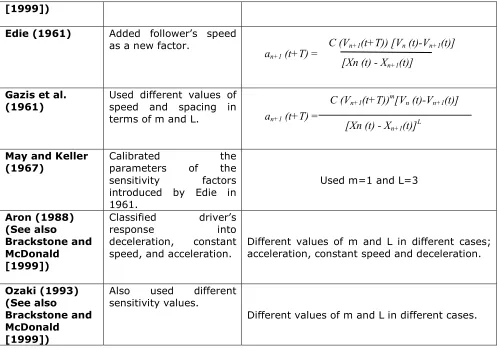
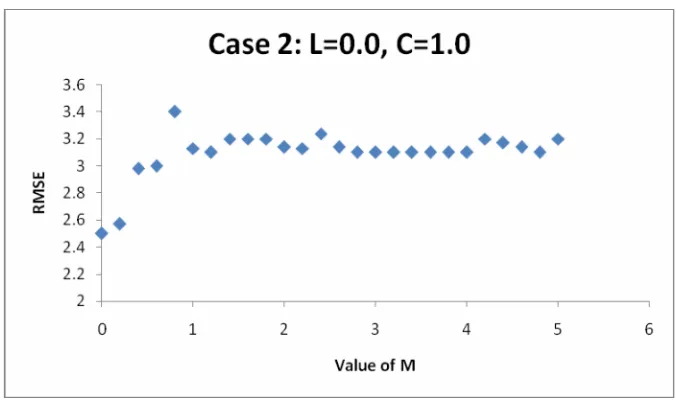
Examining and Improving the Limitations of the Gazis-Herman-Rothery Car-following Model
Hamid Al-Jameel………. 32
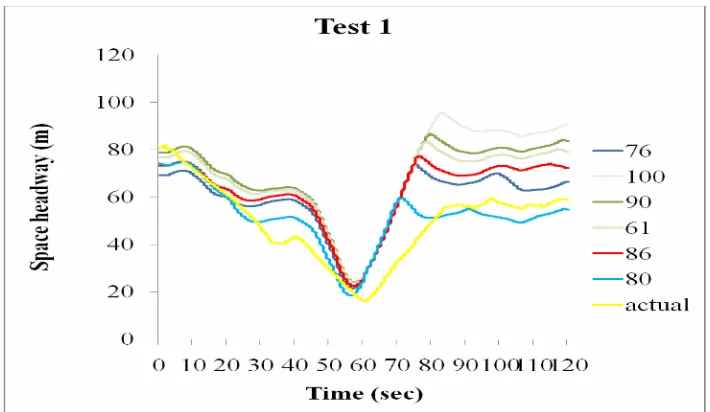
Calibration of visual angle car following model based on real site traffic data
Jalal Al-Obaedi……… 45
Changing Understanding of Emotion in an Educational Context
David Menendez Alvarez-Hevia……… 57
Comparison of ADMS 4 and LiDAR in the Prediction of Atmospheric Boundary Layer
Vera Bachtiar, Chris Collier, Fay Davies……… 64
Improving Integration in the Construction Industry through Knowledge Management in a Relational Contracting Setting: A Critical Success Factors Approach
Anis Sazira Bakri, Bingunath Ingirige, & Dilanthi Amaratunga………. 74
The Effect of Organisational Structure on Communication Behaviour in Libyan Public Organisations
Salh Bezweek and Charles Egbu………. 87
E-Learning Adoption in Organisations: A Review of Existing Models and Practices
Ugochukwu C. Digwo, Dumebi O. Oderinde & Mildred Brown-Houston………. 93
E-business Adoption as a Form of Management Strategy: An e-Retailing Perspective
Ugochukwu C. Digwo & Mildred Brown-Houston……… 107
An investigation into the prevalence of Toxoplasma gondii infection in
Apodemus sylvaticus in North Yorkshire
Nicole Dodd, Denise Thomasson, Elizabeth Wright, Jacqueline Hughes, &
Geoff Hide………. 124
Exploration Study of the Fishing Industry of Libya
Nagat Elmsallati, Prof. David Eaton………. 147
The Impact of Contingent Factors on the Use of Performance Measurement Systems in the Banking Industry: The Case of Libya
Gumma Fakhri, Roger Pegum, Karim Menacere………... 153
Appraisal for NHS doctors: a political wand or window dressing? (working paper)
Cao Fang, Frank Worthington & Elain Eades……… 170
Current Usability Metrics for Mobile Computing Evaluation
Azham Hussain and Maria Kutar………. 185
Mobility, Space, and Deserts: Urban Areas in Need of Precipitation
Bob Jeffery……… 191
Factors hindering the adoption of E-learning in developing countries: Libya a case study - Methodological Perspectives
Abdulbasit S. Khashkhush, Professor David Eaton………. 204
Time for Magic: An Investigation into Jamie Reid’s Druid Ancestry
Vicki Maguire……… 211
Defining Sustainability in Terms of Independent Filmmaking
Nico Meissner………. 221
Social Enterprise Applications in an Urban Facilities Management Setting: Research Methodological Perspectives
Siti Uzairiah Mohd Tobi, Dilanthi Amaratunga………. 238
Translators as Bridge-Builders between Cultures: Fact or Fiction?
Maria Nader………. 252
Identifying and classifying stakeholders of post-disaster housing reconstruction projects in Sri Lanka
Nuwani Siriwardena, Richard Haigh & Bingunath Ingirige……… 261
Managing Disaster in Indonesia
Taufika Ophiyandri, Dilanthi Amaratunga & Chaminda Pathirage……….. 278
The Retrospective Iconicity of ‘Guerrillero Heroico’
Mike Parker……… 292
Implications of the initial overt decisions on lung nodule detection from chest radiographs
A Clockwork Orange: A Unique Challenge for the Translator
Ines Radionovas……… 316
Importance of quantifying orthotic correction of Adolescent Idiopathic Scoliosis: a retrospective study
Abdulla Rafiu, Stephen Hutchins………. 325
A Framework for Geo-Spatial Data Sharing
Norzamni Salleh & Professor Farzad
Khosrowshahi………... 332
Towards a Research Design to Investigate Assessment Practices in Built Environment Undergraduate Education
Lloyd Scott and Christopher Fortune……….. 344
The hospital as a physical space: accommodating children’s needs
Elham Sfandyarifard, Patricia Tzortzopoulos & Monty Sutrisna……… 353
Heaven, Hell and Complementarity: Opposition and Duality in late-Georgian and Regency England
Christine Simon………. 358
An ethnographic study of the culture in a Diagnostic Imaging department (DID) – some initial findings
Ruth Strudwick………. 364
The significance and co-dependency of ‘Robustness’ from the perspective of the Granting Authority in a PFI project environment
Gerald Sundaraj, Prof. David Eaton………. 374
Remediated Swing and the Celestial Jukebox: new ‘friends’ for jazz?
Tom Sykes………. 390
Using Virtual Learning Environment: Supporting Teaching and Learning,) and
Bridging the Digital Divide in Rural Communities in Ghana
Najim Ussiph……… 396
An Uncertain Future for Urban Vegetation
Nicola Jane Wallbank & Philip James……… 409
A Voice for the People: the role of Social Media technologies in Community Empowerment and Regeneration
Eileen Wattam……… 417
An Introduction to the Poetry of Selima Hill
Issues in the Selection of Support Services for Outsourcing
Norbaya Ab Rahim, David Baldry, and Dilanthi Amaratunga, School of the Built and
Human Environment, University of Salford
Abstract
Outsourcing of support services (non-core activities) has now become an established trend for many UK organisations, both in the private and public sectors. The public healthcare sector is not excluded from this. Outsourcing, once used as a means to reduce costs, has now acquired strategic significance in organisations. Very little research has been carried out on the decision-making process of outsourcing in the public sector, particularly in healthcare. For many years, organisations have outsourced their support services to best-in-class service providers. This paper reviews the available literature on critical decision making in outsourcing support services, with particular emphasis on the selection process. It can be concluded that not only support services (non-core activities) are candidates for outsourcing; there are proposals to outsource core activities under certain circumstances. Understanding among staff about which activities in the organisation are core and non-core is also important. Therefore, it is crucial for organisations to make correct decisions when deciding which activities to outsource, as they have a substantial effect upon the future of the organisations.
Keywords: Decision making, outsourcing, selection, support services
Introduction
Outsourcing is not a new concept (Russell and Taylor, 2003; Yang and Huang, 2000; Yang et al., 2007; Winkleman et al., 1993). For years businesses outsourced non-core services such as catering, accounting, information technology, and payroll, or used external consultants for these services. Even the type of decision that outsourcing represents is the same as the make-or-buy decision about products, processes, and facilities that organisations have been utilising for many years (Russell and Taylor, 2003). What has changed is the type and range of services being outsourced and the extent to which outsourcing has moved from a tactical to a strategic decision (Fill and Viser, 2000; Schniederjans and Zuckweiler, 2004). Outsourcing is increasingly becoming a strategic tool for many organisations, as this engages the unique talents of highly skilled suppliers in strategically important activities (Sanders et al., 2007). Momme and Hvolby (2002) argue that outsourcing should be considered as a dynamic process, and that any decisions concerning outsourcing should be in line with the strategic direction of the organisation.
Many studies on outsourcing decision-making have focused mainly on the private sector, especially manufacturing (Momme and Hvolby, 2002; McIvor, 2000; Fill and Visser, 2000; Schniederjans and Zuckweiler, 2004; Van de Water and van Peet, 2006; Barragan et al., 2003; Canez et al., 2000; Dekkers, 2000; Sislan and Satir, 2000; Venkatesan, 1992; Welch and Nayak, 1992). This paper proceeds from the premise that there is a lack of research on outsourcing decision making in the public sector, particularly in healthcare. Its analysis is part of the authors’ doctoral research, which examines issues in the selection of support services for outsourcing in the public healthcare sector.
Outsourcing
Chase et al. (2004: 372) define outsourcing as “an act of moving some of a firm’s internal activities and decision responsibilities to outside providers’’. In the same vein, outsourcing is described as “the process by which a user employs the supplier, under a contract, to perform a function, which had previously been carried out in-house; and transfers to that supplier assets, including people and management responsibility” (Barrett and Baldry, 2003: 124). Furthermore, Lankford and Parsa (1999: 310) state that outsourcing is defined “as the procurement of products or services from sources that are external to the organisation”. In the
literature, the term outsourcing has been used interchangeably with the term make-or-buy
1996). Make-or-buy is defined as “outsourcing the production process or parts of it” (Van de Water and Van Peet, 2006: 258). Outsourcing issues have been studied for many years by using nomenclature such as make-or-buy, vertical integration, or transaction cost analysis (Sanders et al., 2007). Outsourcing can be considered as a continuum. Mylott (1995) views outsourcing in terms of full outsourcing, selective outsourcing, and everything-in-between outsourcing.
Core and non-core activities
Core activity is defined as “an activity central to the company successfully serving the needs of potential customers in each market. The activity is perceived by the customers as adding value and therefore being a major determinant of competitive advantage” (McIvor, 2000: 22). Meanwhile Hassanain (2005: 73) defines core activities as “those that are essential for achieving the objectives of the organisation”. On the other hand, non-core activities are those that are not critical to competitive advantage (Lonsdale, 1999: 176). In the same vein, Hassanain (2005: 73) adds that “non-core activities represent support services which are not part of core and are routinely performed.” As stressed by Quinn and Hilmer (1994), core competencies are those activities that offer long-term competitive advantage, whereas non-core activities are those that are not critical to the organisation’s competitive edge.
Although organisations possess their own core competencies, there exist inconsistencies and lack of clarity in the way in which the personnel within the organisation interpret these capacities (McIvor, 2003). McIvor further notes that the competencies that an organisation currently has may not be competitive in the future. This happens when the demands of customers change or when competitors are more capable in a particular activity. Similarly, activities that were not core in the past may become core in the future. For example, IT (Information Technology) was perceived as a non-core activity. However, with the emergence of computerised physician and electronic health records, IT is as core to patient care as any other hospital department (Ciotti and Pagnotta, 2005).
Hamel and Prahalad (1994) assert that it is dangerous for organisations to measure their competitiveness through price factor only, as this will lead to the erosion of their core competencies. Billi et al. (2004) point out that innovation, reputation, and strategic goals can all serve as a base in determining an organisation’s unique capabilities. It is not easy to differentiate between core and non-core activities (Jennings, 1997), and determining core competencies can be tricky and risky (Lankford and Parsa, 1999). A study carried by Lacity et al. (1995) suggests that not all activities considered strategic by an organisation are strategic in reality. Therefore, it is crucial for the organisation to carefully identify which activities are core and which activities are not.
In the healthcare sector, examples of core (also known as clinical) activities are pathology, radiology, physiotherapy, and pharmaceutical. Examples of non-core (non-clinical) activities are cleaning, security, cafeteria, laundry, car parking, landscape, and waste management.
Drivers for outsourcing
There are numerous factors that encourage organisations to outsource. These include cost reduction (Fan, 2000; McIvor, 2003; Canez et al., 2000; Sanders et al., 2007; Fill and Visser, 2000; Gottschalk and Soli-Saether, 2005; Dole and Pinkard, 1993; Blumberg, 1998; Karyda et al. 2006); focus on core competencies (Fan, 2000; Hendry, 1995); improving quality (Fan, 2000; Canez et al., 2000); lack of internal skills, expertise, or capacity (Fan, 2000; Canez et el.,2000; Sanders et al., 2007; Fill and Visser, 2000); reduced time to market (Canez et al.,
2000; McIvor, 2003); bandwagon effect of competitors’ outsourcing (Marshall et al., 2005);
to outsource can stem from policies created by government (Young, 2005); the requirements of managed care organisation or mergers (Moschuris and Kondylis, 2006); and agendas of elected officials (Young, 2005; Avery, 2000).
Although it can be argued that cost may not be the main driver for outsourcing in the public sector, there are studies that reveal that outsourcing in the public healthcare sector is motivated mainly by a desire to decrease costs, increase flexibility, share risks, focus on core competency, and increase the quality of services rendered (Yigit et al., 2007; Young, 2005). Yigit et al. (2007) further argue that outsourcing, when applied judiciously through cost and risk analysis, is a cost-effective approach that can be used by most hospitals. It should be noted that savings do not only occur through wage reductions, but also through changing work processes, rosters, and technology (Young, 2005). Although there are differences in the drivers of outsourcing between the private and public sectors, the desired benefits are nonetheless often similar (Kremic et al., 2006).
Advantages and disadvantages of outsourcing
Yang and Huang (2000) emphasise that the most important considerations for any organisations contemplating outsourcing are the potential benefits to be gained. Amongst its key advantages, outsourcing allows organisations to concentrate on core activities (Fill and Visser, 2000; Hassanain and Al-Saadi, 2005; Yang et al., 2007; Welch and Nayak, 1992; Harland et al., 2005; Hendry, 1995; Moschuris and Kondylis, 2006); improve quality of service and performance (Hassanain and Al-Saadi, 2005; Fan, 2000; Moschuris and Kondylis, 2006); have flexibility in management (Yang et al., 2007; Welch and Nayak, 1992; Fan, 2000); reduce costs (Hassanain and Al-Saadi, 2005; Welch and Nayak, 1992; Harland et al., 2005;
Fan, 2000; Moschuris and Kondylis, 2006); and provide creativity and innovation (Hassanain
and Al-Saadi, 2005; Welch and Nayak, 1992). Outsourcing may therefore be an attractive method of improving an organisation’s financial performance, especially in the short run (Gilley and Rasheed, 2000). However, precautions have to be taken, as long-term outsourcing contracts that have a feature of short-term savings can prove to be very expensive in the later stages (Okoroh et. al., 2001; Arminas, 2009). Outsourcing in the healthcare sector can be a cost-effective way to provide health services because it brings in additional knowledge, expertise, and infrastructure. It can also render healthcare organisations more competitive and allow them to focus on their main goal of health service provision for patients (Mackey et al., 2004; Neil, 2004; Colona and McFaul, 2004). In sum, outsourcing can become a strategic tool used by healthcare management to control costs without affecting patient care (Colona and McFaul 2004).
On the other hand, outsourcing also has drawbacks. It can lead to low employee morale (Momme and Hvolby, 2002; Yang et al., 2007; Jennings, 2002; Young, 2005); loss of management control (Hassanain and Al-Saadi, 2005; Yang et al., 2007; Quinn and Hilmer, 1994); loss of critical skills and knowledge (Quinn and Hilmer, 1994; Jennings, 2002; Young, 2005); leakage of information security and confidentiality (Momme and Hvolby, 2002; Yang et al., 2007; Jennings, 2002; Young, 2005); imitation by service providers (Momme and Hvolby, 2002); weakening of innovative capability (Hassanain and Al-Saadi, 2005); and increased monitoring and management costs (Jennings, 2002; Young, 2005). In the same vein, it was reported by the Public Accounts Committee that mismanagement of government contracts with service providers could be costing taxpayers £290 million annually. In 2007–2008 alone, £12 billion was spent on service contracts, which cost approximately £240 million to manage (McNestrie, 2009). One of the most serious threats resulting from reliance on outsourcing is declining innovation by the outsourcer (Gilley and Rasheed, 2000). In addition, as suppliers gain knowledge of the product being manufactured, they may use that knowledge to begin marketing the product on their own (Prahalad and Hamel, 1990).
Selection of activities for outsourcing
especially those that will affect the organisation’s strategic core (Lonsdale, 1999) or those that share synergies with core activities (Tadelis, 2007). However, Beaumont and Sohal (2004) postulate that if the unique activities do not possess strategic advantage, an outsourcing partnership could be considered by the organisation. On the other hand, if the organisation manages to obtain specific access and skills related to those activities, they can be kept in-house.
A survey carried out by Fan (2000) reveals that most outsourced activities are peripheral in nature. Activities that have minimal or no impact on the competitive strategy (Sislan and Satir, 2000; Lankford and Parsa, 1999) can be outsourced. Activities with non-distinct capabilities are suitable candidates for outsourcing, as are matured, commodity-like, peripheral, tedious, and monotonous activities (Welch and Nayak, 1992; Venkatesan, 1992; Karyda et al., 2006; Bertolini et al., 2004; Beaumont and Sohal, 2004). Blumberg (1998) suggests outsourcing those activities that are not on par with those of the service providers in terms of productivity and efficiency. Moreover, McIvor (2009) claims that par-performance activities can also be considered for outsourcing when service providers can obtain a similar level of performance and no competitive advantage is created by the internal provider.
In the healthcare sector, outsourcing support (non-clinical) services is more common than outsourcing the core (clinical) functions (Sunseri, 1999). The decision regarding which activities to outsource in the healthcare sector can be difficult and politically charged (Billi et al., 2004).
On the basis of the core competency theory, Gordon and Zimmerman (2007) assert that outsourcing of core competency will not be acceptable. However, there are literatures that support the outsourcing of core activities. Van de Water and Van Peet (2006) argue that core activities will qualify for some form of outsourcing if the organisation lacks important strategic knowledge or skills. Hence, they suggest that organisations develop strategic alliances with the service providers. If the benchmarking exercise indicates that the organisation is not performing, the core activity should be strategically outsourced (McIvor, 1997).
Lacity and Hirschheim (1993) caution organisations to be extra vigilant when deciding which activities to outsource. This is because the perceived non-core or commodity activities may be very important to the running of the business; thus, extra care must be undertaken when deciding to outsource. On the other hand, the perceived strategic activities may become non-core or commodity services in the near future.
Any activities that have the potential of being competitively advantageous in the future must be considered seriously. Furthermore, the organisation should build this capability, even if outsourcing seems to be a very inviting option at that point in time (Sanders et al, 2007). Activities that do not furnish the organisation with a sustainable advantage and support its core activities directly should not be outsourced.
Whilst the existing literature suggests that non-core (support) activities are best suited for outsourcing, some authors maintain that organisations should outsource core activities under certain circumstances, such as when the organisation lacks important strategic knowledge or skills for a particular activity.
How to select these activities?
Venkatesan (1992) suggests linking product differentiation, component families analysis, and manufacturing capability as a route to deciding which activities to outsource. Welch and Nayak (1992) adopt Venkatesan’s work and develop a generic framework for outsourcing decision making. They argue that in addition to the issue of costing, organisations must consider strategic and technological factors when making outsourcing decisions. Pandey and Bansal (2003) propose three criteria for selecting which activities to outsource: criticality (strategic importance), stability (volatility), and simplicity (capability).
1. What is the potential for obtaining a competitive advantage in this activity, taking account of transaction costs?
2. What is the potential vulnerability that could arise from market failure if the activity is
outsourced?
3. What can be done to alleviate the vulnerability by structuring arrangements with
suppliers to provide appropriate controls and allowing for necessary flexibilities in demand?
Conclusions
This paper has highlighted issues in the selection of support services for outsourcing. It has noted that differentiating core and non-core activities is not an easy task for an organisation. Organisations have to be very careful when deciding which activities to retain in-house and which to outsource. There must be a consistent understanding amongst an organisation’s staff regarding which activities are considered core and non-core. Therefore, a thorough decision-making exercise needs to be carried out to assure that outsourcing decisions do not result in a loss of competence in the near future.
References
Arminas, D. (2009) ‘Bringing it in-house made good returns,’ FM World 6 (7), p. 29.
Avery, G. (2000) ‘Outsourcing public health laboratory services: a blueprint for determining
whether to privatize and how,’ Administration Review 60 (4), pp. 330–337.
Barragan, S., Cappellion, C., Dempsey, N., and Rothenberg, S. (2003) ‘A framework for
sourcing product development services,’ Supply Chain Management: An International
Journal (8) 3, pp. 271–280.
Barrett, P. and Baldry, D. (2003) Facilities Management: Towards Best Practice, 2nd ed.
Oxford: Blackwell Publishing.
Beaumont, N. and Sohal, A. (2004) ‘Outsourcing in Australia,’ International Journal of
Operations and Production Management 24 (7), pp. 688–700.
Bertolini, M., Bevilacqua, M., Braglia, M., and Frosolini, M. (2004) ‘An analytical method for
maintenance outsourcing service selection, International Journal of Quality and Reliability
Management 21 (7), pp. 772–788.
Billi, J.E., Pai, C.-W., and Spahlinger, D.A. (2004) ‘Strategic outsourcing of clinical services: a
model for volume-stressed academic medical centres,’ Health Care Management Review
29 (4), pp. 291–297.
Blumberg, D.F. (1998) ‘Strategic assessment of outsourcing and downsizing in the service
market,’ Managing Service Quality 8 (1), pp. 5–18.
Canez, L.E., Platts, K.W., and Probert, D.R. (2000) ‘Developing a framework for make-or-buy
decisions,’ International Journal of Operations and Production Management 20 (11), pp.
1313–1329.
Chase, R.B., Jacobs, F.R., and Aquilano, N.J. (2004) Operations Management for Competitive
Advantage, 10th Edition. Boston: Irwin/McGraw-Hill.
Ciotti, V. and Pagnotta, B. (2005) ‘The other side of outsourcing,’ Healthcare Financial
Management 59 (2), pp. 38–41.
Colona, J. and McFaul, W. (2004) ‘Hospitals reconsider outsourcing key support and clinical
departments, Health Care Strategic Management 22 (7), pp. 11–14.
Dekkers, R. (2000) ‘Decision model for outsourcing and core competencies in manufacturing,’
International Journal Production Research 38 (17), pp. 4085–4096.
Dole, D. and Pinkard, L. (1993) ‘The outsourcing source book,’ Journal of Business Strategy 14
(3), pp. 52–56.
Edgell, J., Meister, G.E., and Stamp, N. (2008) ‘Global sourcing trends in 2008,’ Strategic
Fan, Y. (2000) ‘Strategic outsourcing: evidence from British Companies,’ Marketing Intelligence and Planning 18 (4), pp. 213–219.
Fill, C. and Visser, E. (2000) ‘The outsourcing dilemma: a composite approach to the make or
buy decision,’ Management Decision 38 (1), pp. 43–50.
Gilley, K.M. and Rasheed, A. (2000) ‘Making more by doing less: an analysis of outsourcing
and its effects on firm performance,’ Journal of Management 26 (4), pp. 763–790.
Gordon, C. and Zimmerman, A. (2007) ‘High-tech outsourcing: a benefit-cost framework,’ The
American Economist 51 (1), pp. 97–105.
Gottfredson, M., Puryear, R., and Phillips, S. (2005) ‘Strategic sourcing: from periphery to the
core,’ Harvard Business Review 83 (2), pp. 132–139.
Gottschalk, P. and Solli-Saether, H. (2005) ‘Critical success factors from IT outsourcing
theories: an empirical study,’ Industrial Management and Data Systems 105 (6), pp.
685–702.
Hamel, G. and Prahalad, C.K. (1994) Competing for the Future. Boston: Harvard Business
Press.
Harland, C., Knight, L., Lamming, R., and Walker, H. (2005) ‘Outsourcing: assessing the risks
and benefits for organisations, sectors and nations,’ International Journal of Operation
and Production Management 25 (9), pp. 831–850.
Hassanain, M.A. and Al-Saadi, S. (2005) ‘A framework model for outsourcing asset
management services,’ Facilities 23 (1/2), pp. 73–81.
Hendry, J. (1995) ‘Outsourcing culture, community and networks: the hidden cost of
outsourcing,’ European Management Journal 13 (12), pp. 193–200.
Jennings D. (2002) ‘Strategic sourcing: benefits, problems and a contextual model,’
Management Decision 40 (1), pp. 26–34.
Karyda, M., Mitrou, E., and Quirchmayr, G. (2006) ‘A framework for outsourcing IS/IT security
services,’ Information Management and Computer Security 14 (5), pp. 402–415.
Kremic, T., Tukel, O.I., and Rom, W.O. (2006) ‘Outsourcing decision support: a survey of
benefits, risks and decision factors,’ Supply Chain Management: An International Journal
11 (6), pp. 467–482.
Lacity, M.C. and Hirschheim, R. (1993) ‘The information systems outsourcing bandwagon,’
Sloan Management Review 35 (1), pp. 73–86.
Lacity, M.C., Willcocks, L.P., and Feeny, D.F. (1995) ‘IT outsourcing: maximize flexibility and
control,’ Harvard Business Review May–June, pp. 94–93.
Lankford, W.M. and Parsa, F. (1999) ‘Outsourcing: a premier,’ Management Decision 37 pp.
310–316.
Lonsdale, C. (1999) ‘Effectively managing vertical supply relationships: a risk management
model for outsourcing,’ Supply Chain Management: An International Journal 4 (4), pp.
176–183.
Mackey, T.A., McNiel, N.O., and Klingensmith, K. (2004) ‘Outsourcing issues for nurse
practitioner practices,’ Nursing Economics 22 (1), pp. 21–32.
Marshall, D., Lamming, R., Fynes, B., and de Burca, S. (2005) ‘The development of an
outsourcing process model,’ International Journal of Logistics: Research and Applications
8 (4), pp. 347–359.
McIvor, R.T. (2000) ‘A practical framework for understanding the outsourcing process,’ Supply
Chain Management: An International Journal 5 (1), pp. 22–36.
McIvor, R.T. (2003) ‘Outsourcing: insights from the telecommunications industries,’ Supply
Chain Management: An International Journal, 8(4) p380-394.
McIvor, R.T., Humphreys, P.K., and McAleer, W.E. (1997) ‘A strategic model for the
formulation of an effective make or buy decision,’ Management Decision 35 (2), pp. 169–
178.
McNestrie, A. (2009) ‘Government slated over contract management,’ FM World 6 (9), p. 6.
Momme, J. and Hvolby, H. (2002) ‘An outsourcing framework: action research in the heavy
industry sector,’ European Journal of Purchasing and Supply Management 8, pp. 185–
196.
Moschuris, S.J. and Kondylis, M.N. (2006) ‘Outsourcing in public hospitals: a Greek
perspective,’ Journal of Health Organization and Management 20 (1), pp. 4–14.
Mylott, T.R., III (1995) Computer Outsourcing: Managing the Transfer of Information Systems.
Englewood Cliffs, NJ: Prentice Hall.
Neil, R. (2004) ‘Outsourcing that can work for your organisation,’ Material Management in
Health Care 13 (6), pp. 21–23.
Okoroh, M.I., Gombera, P.P., John, E., and Wagstaff, M. (2001) ‘Adding value to the
healthcare sector: a facilities management partnering arrangement case study,’ Facilities
19 (3/4), pp. 157–163.
Pandey, V. and Bansal, V. (2004) ‘A decision-making framework for IT outsourcing using the
analytic hierarchy process,’ International Conference on Systemics, Cybernetics and
Informatics, Hyderabad, India.
Prahalad, C.K. and Hamel, G. (1990) ‘The core competence of the corporation,’ Harvard
Business Review July–August, pp. 79–91.
Probert, D.R. (1996) ‘The practical development of a make or buy strategy: the issue of
process positioning,’ Integrated Manufacturing Systems 7 (2), pp. 44–51.
Quinn, J.B. and Hilmer F.G. (1994) ‘Strategic outsourcing,’ Sloan Management Review 35 (4),
pp. 43–55.
Russell, R.S. and Taylor, B.W. (2003) Operations Management, 4th ed. Upper Saddle River, NJ:
Prentice-Hall.
Sanders, N.R., Locke, A., Moore, C.B., and Autry, C.W. (2007) ‘A multidimensional framework
for understanding outsourcing arrangements,’ The Journal of Supply Chain Management:
A Global Review of Purchasing and Supply 43 (4), pp. 3–15.
Schniederjans, M.J. and Zuckweiler, K.M. (2004) ‘A quantitative approach to the
outsourcing-insourcing decision in an international context,’ Management Decision 42 (8), pp. 974–
986.
Sislan, E. and Satir, A. (2000) ‘Strategic sourcing: a framework and a case study,’ The Journal
of Supply Chain Management: A Global Review of Purchasing and Supply 36 (3), pp. 4– 11.
Sunseri, R. (1999) ‘Outsourcing on the outs,’ Hospitals and Health Networks 73 (10), pp. 46,
48, 50–52.
Tadelis, S. (2007) ‘The innovative organization: creating value through outsourcing,’ California
Management Review 50 (1), pp. 261–277.
Van de Water, H. and van Peet, H.P. (2006) ‘A decision support model based on the analytic
hierarchy process for the make or buy decision in manufacturing,’ Journal of Purchasing
and Supply Management (12) 5, pp. 258–271.
Venkatesan, R. (1992) ‘Strategic outsourcing: to make or not to make,’ Harvard Business
Review 70 (6), pp. 98–107.
Welch, J.A. and Nayak, P.R. (1992) ‘Strategic sourcing: a progressive approach to make or
buy decision,’ Academy of Management Executive 6 (1), pp. 23–30.
Williamson, O. (1979) ‘Transaction cost economics: the governance of contractual relations,’
Journal of Law and Economics 22 (2), pp. 233–261.
Winkleman, M., Dole D., Pinkard, L., and Molloy, J. (1993) ‘The outsourcing source book,’
Yang, C. and Huang, J.B. (2000) ‘A decision model for IS outsourcing,’ International Journal of Information Management 20 (3), pp. 225–239.
Yang, D-H., Kim S. Nam, C., and Min, J.-W. (2007) ‘Developing a decision model for business
process outsourcing,’ Computers and Operations Research 34 (12), pp. 3769–3778.
Yigit, V., Tengilimoglu, D., Kisa, A., and Younis, M.Z. (2007) ‘Outsourcing and its implications
for hospital organizations in Turkey,’ Journal of Health Care Finance 33 (4), pp. 86–92.
Young, S. (2005) ‘Outsourcing in the health sector: the interplay of economics and politics,’
1.5 T versus 3.0 T and 3D MPRAGE versus 3D MDEFT compared using
Voxel-Based Morphometry
Ihssan Abdul-Kareem, School of Health Sciences, Division of Medical Imaging and
Radiotherapy, University of Liverpool
Abstract
Objective using VBM to unveil whether scanning same subjects at different field strengths or
with different pulse protocols may or may not introduce gray and white matter brain differences that may be falsely interpreted as biological ones.
Subjects and Methods 10 healthy adults (5 males and 5 females) with an average age of 31
years were scanned thrice, once at 1.5T using MPRAGE and twice at 3.0T using MPRAGE and MDEFT pulse sequences. Two VBM comparisons of gray and white matter were made using SPM5: 1.5T MPRAGE versus 3.0T MPRAGE and 3.0T MPRAGE versus 3.0T MDEFT.
Results several gray and white matter differences were detected over the whole brain in both
comparisons. These differences were more prevalent in 1.5T versus 3.0T comparison as well as in 3.0T less than 1.5T and MDEFT less than MPRAGE contrasts.
Conclusions as we compared same subjects in both comparisons, these gray and white
differences observed in our study are technical non-biological differences that are due to differences in signal to noise ratio, contrast to noise ratio and artefacts. We propose that combining scans obtained at different field strengths or with different pulse sequences in MR studies is not without the bias of introducing technical variabilities that might adversely affect validity and reliability of these studies. The same precaution should be considered when comparing results obtained from studies using different field strengths and/or different pulse sequences.
Key words: Scanner comparison, 1.5 Tesla, 3.0 Tesla, MPRAGE, MDEFT, VBM.
1.0 Introduction
With the increase use of MRI scanners operating at field strength higher than 1.5 Tesla- such as 3.0 Tesla- in research and clinical fields, there is an increasing demand to unveil whether the results obtained from a 3.0 T scanner are comparable to those of a 1.5 T scanner. From the ‘MR physics’ point of view, there are many differences between scans obtained at these field strengths. The shift to a higher field strength [1-4] offer the advantages of shorter examination times, improved chemical selectivity, increased signal to noise ratio (SNR) and higher image contrast which together with the improved SNR lead to higher contrast to noise ratio (CNR). However, it has the disadvantages of decreasing T1 tissue contrast as well as increasing acoustic noise, chemical shift artefacts and susceptibility-induced geometric distortion inversely affecting image quality. These latter effects have been used to advantage in MR spectroscopy and fMRI[5, 6], respectively. Finally, the use of high field strengths increases the likelihood of exceeding regulatory limits of specific absorption rate beside the uncertainty of MR compatibility and safety profiles when using these field strengths.
was found that imaging at 3.0 T would permit more lesion detection in acute optic neuritis[10], multiple sclerosis[11] and produce higher contrast between tumor and normal brain following the administration of gadolinium as compared to 1.5 T[12, 13].
Combining structural images obtained from scanners of different field strengths may be justified as a time saving procedure allowing researchers to obtain large number of images in a short time. However, variations in imaging parameters through the use of different field strengths can result in changes in contrast properties of resulting images that are independent of the underlying tissue but rather reflect the physics of the imaging process[14]. It is, therefore, of extreme importance to know whether these changes in contrasts properties may introduce differences and variability in morphometric brain measures that do not reflect biological effects but rather technological ones and thus should be minimized. This is especially true for scanners operating at 1.5T and 3.0T field strengths as they are the most commonly used scanners in clinical MRI centres.
Apart from field strength, it is also important to rule out whether the use of different pulse protocols may introduce non-biological variations in scans. The dramatic development in the field of neuroimaging both in research and clinical fields led to an increase demand of obtaining three dimensional (3D) T1-weighted structural brain scans with high resolution, CNR, SNR and a short acquisition time. Such structural scans are widely used in research and clinical practices. The most commonly used pulse sequences for obtaining scans with such characteristics are MPRAGE (Magnetization-Prepared Rapid Gradient-Echo imaging)[15, 16] and the relatively new, MDEFT (Modified Driven Equilibrium Fourier Transform) [17, 18]. MPRAGE sequence has been optimized for structural brain imaging at field strengths of 1.5 T[19], 2.0T[20] and 3.0 T[21]. MDEFT sequence, on the other hand, has been widely used for T1 weighted structural brain imaging especially at high field strengths[17] as it is suggested to provide a good contrast between gray matter (GM) and white matter (WM). Basically, It has been used for anatomical brain imaging at 4.0T[18], 8.0T[22] and, more recently, optimized
for 1.5 T and 3.0 T field strengths[23]. Both MPRAGE and MDEFT are gradient echo sequences
that use 3D (FLASH) (Fast Low Angle Shot) imaging technique for data acquisition[24] with very short repetition time, echo time and very low flip angle. Both were used in fMRI studies as a reference for functional scans (which usually display low spatial resolution and reduced tissue contrast)[25, 26], in volumetric studies[27], and – particularly relevant to our study - both MPRAGE[28-30] and MDEFT[31-33] had been widely used in morphometric studies such as voxel-based morphometry (VBM) as the excellent GM/WM contrast and high spatial resolution they provide cam be used to advantage allowing accurate voxel-wise comparison. In clinical practice, the rapidity of acquisition and the capability of 3D rendering make MPRAGE an ideal sequence[34]. It has been shown to be effective in improving the sensitivity of lesion detection in patients with multiple sclerosis[10, 35], brain tumors[12, 13, 36], as a complementary sequence to improve inner ear and facial nerve imaging[37, 38], as the technique of choice for the examination of ENT tumors near the base of skull[39] and in simplifying and enhancing brain tissue segmentation[40].
To date, the previously published studies pointed out that MPRAGE is less favourable than MDEFT in high field strengths: at lower field strengths (<3.0 T), MPRAGE provide good GM/WM contrast; however, it performs more poorly at higher field strengths due to the longer T1 values and here the MDEFT was proposed to have advantage[17, 45]. Another advantage of
MDEFT over MPRAGE is its relative insensitivity to inhomogenities in B1 field[3]. A study
interpreted as biological ones, we use VBM technique[48] as it provides an objective examination of the whole brain. We perform two comparisons: first, we use VBM to compare scans of healthy subjects obtained at two field strengths (1.5 T and 3.0 T) using identical pulse protocol (T1-3D MPRAGE). In the second, we use same technique for comparing scans of same subjects but obtained using two different pulse protocols (T1-3D MPRAGE and T1-3D MDEFT) both at a field strength of 3.0 T.
2.0 Materials and methods
2.1 Subjects
10 right handed subjects of both sexes (5 males and 5 females) with a mean age of 31 years and a standard deviation of 6 years were participated in this study. All subjects were in good neurological and psychological health as assessed by a complete medical questionnaire including medical history. All subjects have given fully informed written consent to participate in this study that was approved by the local research ethics committee.
2.2 MRI data acquisition
High resolution 3D T1-weighted MR images were acquired on a SYMPHONY 1.5 T and TRIO 3.0 T whole body MRI imaging system (SIEMENS, MAGNETOM, GERMANY). Each subject was scanned three times, once on the 1.5 T scanner and twice on the 3.0 T scanner. In five subjects, all three scans were conducted at the same day and in the rest, scanning was conducted at two separate days with an average of one month duration between examinations during which subjects have not suffered from any neurological or psychological illness and have not taken any specific drug or underwent surgical operations.
On the 1.5 T scanner, subjects were examined using a 3D MPRAGE pulse sequence (TR = 2040
ms, TE = 3.93 ms, TI = 1100 ms, flip angle = 15○) using 8 channels –receive only-head coil
and a bandwidth of 130 Hz/Px. A field of view (FOV) of 25.6 cm was used with an acquisition matrix of 256 X 224 producing 176 contiguous T1-weighted sagittal slices with slice thickness of 1 mm. Acquired images were of voxel size 1.0 X 1.0 X 1.0 mm, the acquisition time was 7 minutes and 38 seconds and the number of excitations was 1.0.
On the 3.0 T scanner, subjects were examined using 3D MPRAGE and 3D MDEFT pulse sequences. All images were obtained using 8 channels –receive only-head coil and whole body transmit coil. For the 3D MPRAGE sequence, the parameters were (TR = 2300 ms, TE = 4.37
ms, TI = 1100 ms, flip angle = 8○) with a bandwidth of 190 Hz/Px. The FOV was 20 cm with an
acquisition matrix of 320 X 320 producing 192 contiguous sagittal slices with slice thickness of 1 mm. Acquired images were of voxel size 0.6 X 0.6 X 1.0 mm, the acquisition time was 12 min and 18 s and the number of excitations was 1.0. For the 3D MDEFT sequence, the
parameters were (TR = 7.92 ms, TE = 2.48 ms, TI = 910 ms, flip angle = 16○) with a
bandwidth of 195 Hz/Px. A FOV of 25.6 cm with an acquisition matrix of 256 X 240 producing 176 contiguous sagittal slices with slice thickness of 1 mm. Acquired images were of voxel size 1.0 X 1.0 X 1.0 mm, the acquisition time was 12 minutes and 51 seconds and the number of excitations was 1.0.
In short, the 3D MPRAGE pulse sequence consists of a three-step cycle [15]: (a) magnetization
preparation for contrast control (a 180○ inversion pulse inverts the magnetization yielding the
T1 contrast); (b) data acquisition using a FLASH sequence[24] with very short repetition time, echo time and very low flip angle; and (c) magnetization recovery for additional contrast control. An additional phase-encoding gradient in the slice selection direction is applied for 3D Fourier transform imaging.
For the 3D MDEFT sequence, we used the optimized method described by [23]. It also consist of 3 step cycle: (a) a global saturation pulse to null both the longitudinal and transverse
magnetization; (b) after a recovery time delay, a 180○ pulse is applied to invert the
longitudinal magnetization; (c) after an inversion recovery delay, a 3D imaging technique (3D FLASH) (Fast Low Angle Shot) is used to acquire image data. The sequence is repeated a number of times in order to build up the whole imaging data matrix, with each repeat
2.3 VBM analysis
Voxel-based morphometric analysis of data was performed using SPM5 software (Statistical Parametric Mapping, Wellcome Department of Imaging Neuroscience, University College London, UK; available at http://www.fil.ion.ucl.ac.uk/spm) implemented in MATLAB & SIMULINK, version 7.4.0.287 - R2007a., The MathWorks, Inc., Natick, MA, USA.
Generally speaking, VBM technique is based on four main steps: first, spatial normalization of
structural images to the same stereotactic space which involves estimating the optimum
12-parameter affine transformation that maps individual MRI images to a template and correcting for global nonlinear shape differences, which are modeled by a linear combination of smooth spatial basis functions. This method does not attempt to match every cortical feature exactly, but merely corrects for global brain shape differences. Second, segmentation of the normalized images into tissue types (GM and WM). this is achieved by combining a priori probability maps or “Bayesian priors” with a mixture model cluster analysis which identifies voxel intensity distributions of particular tissue types. The segmentation step also incorporates an image intensity non-uniformity correction to account for smooth intensity variations caused by different positions of cranial structures within the MRI coil. Third, smoothing segmented images which is done by convolving with a 3D Gaussian kernel defined by its full-width-at-half-maximum (FWHM). This step has the advantages of (a) ensuring that each voxel in the images contains the average amount of GM or WM from around the voxel, (b) rendering the data more normally distributed thus increasing the validity of parametric statistical tests (c) potentially increasing SNR and (d) compensating for the inexact nature of the spatial normalization thus reduces the effective number of statistical comparisons. Fourth, performing a statistical analysis to localize significant differences between experimental groups that will be displayed in a statistical parametric map (SPM).
Unlike older versions of SPM such as SPM99 and SPM2, the spatial normalization step is not required in SPM5 in which the segment button allows this step to be achieved using a different objective function which does not rely on a simple relationship between the intensities of a pair of images. By using unified segmentation, tissue classification, bias correction and non-linear warping could be combined within the same framework[49]. Prior to segmentation, images were realigned to the anterior commissure to achieve better registration. Images were then segmented into two tissue classes: GM and WM and then smoothed using an isotropic Gausian Kernel with FWHM of 10 mm. Finally, the smoothed images were statistically analyzed using
an SPM5 group comparison. We performed a paired t-test to test for regional differences in GM
and WM between two conditions (brain scans generated at 1.5 T versus those generated at 3.0 T, both obtained using MPRAGE sequence) and (brain scans obtained using MPRAGE versus those obtained using MDEFT pulse sequences, both generated at 3.0T field strength). We assumed that scans have equal variance as we compared scans of same subjects. Results were thresholded at P (FDR- corrected) < 0.05.
3.0 Results
For each comparison, we defined two contrasts: a) 3.0T greater than 1.5T and 3.0T less than 1.5T and b) MDEFT greater than MPRAGE and MDEFT less than MPRAGE. We applied these contrasts for GM and WM comparisons which ultimately resulted in having eight (SPM. mat) files being analyzed. We used the Talairach client available online at http://www.talairach.org/client.html to delineate the location of each significant cluster. For GM differences, localization of regions was according to the nearest gray matter voxel while for WM differences, localization was restricted to a single point.
Figure 1. Statistical parametric maps, in sagittal, coronal and axial projections, showing clusters of increased gray matter in 3.0 Tesla MPRAGE scans relative to 1.5 Tesla MPRAGE scans.
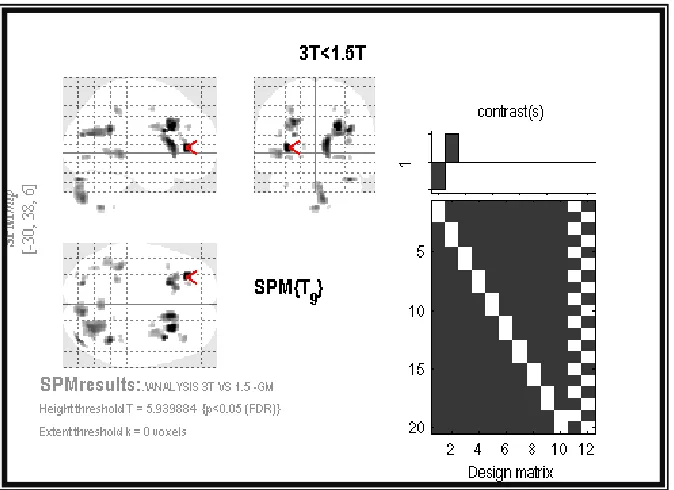
[image:31.595.126.463.374.619.2]Figure 3. Statistical parametric maps, in sagittal, coronal and axial projections, showing clusters of decreased white matter in 3.0 Tesla MPRAGE scans relative to 1.5 Tesla MPRAGE scans.
Figure 5. Statistical parametric maps, in sagittal, coronal and axial projections, showing clusters of decreased white matter in
[image:33.595.82.450.49.315.2]3.0 Tesla MDEFT scans relative to 3.0 Tesla MDEFT scans
Figure 6. Susceptibility artefacts in the regions of nasal cavity and paranasal air sinuses (dotted box) in midline sagittal images of the same subject. A. 3.0T MDEFT sequence. B. 3.0T MPRAGE sequence. The artefacts are more prominent with the MPRAGE sequence.