Author
Examination Committee
T.D. Pham (s1620339)
Master Business Administration
1
stSupervisor: Dr A.H. (Rik) van Reekum
2
ndSupervisor: Dr. E. Constantinides
MASTER THESIS
DETERMINANTS OF ELECTRONIC WORD
OF MOUTH PERCEIVED CREDIBILITY
A study of Cosmetic Purchasing Behaviour
Page 1 PREFACE
PREFACE
I am deeply grateful to my supervisors, Dr. Van Reekum and Dr. Constantinides, without who I could not have completed my master dissertation. I am particularly thankful that you agreed to supervising my thesis under such tight time constraints. Thank you for giving me guidance throughout my research and helping me with many fundamental problems.
This research would not have been possible without the survey participants, members of MakeupValley.com. To all the 396 ladies and gentlemen, allow me to express my full appreciation for your time, feedbacks and support.
I would like to thank my family, especially my sister, for their unconditional love and inspirations in every steps of my life.
Last but certainly not least, my sincere gratitude to Mr. Florian Winter, I am thankful for all the encouragement and patience you have showed me along this journey. Your continuous support gave me strength to finish this research.
Page 2 ABSTRACT
ABSTRACT
With the advent of eWOM phenomenon, the understanding of what makes an online review believable has attracted growing attention from both academics and practitioners. Drawing on the Dual Process Theory, this study examines four informational cues (Review Strength, Review Valance, Source credibility, Confirmation Prior Knowledge) and two normative cues (Review Consistency, Review Rating) which potentially used by consumers to evaluate the credibility of eWOM. The study is conducted with an online survey that involved members of Makeupalley.com, a popular online consumer review website for cosmetic products. Consistent with previous research, the findings of this study show that that informational cues, was the primary factors affecting review credibility. However, although existing studies also support the influences of normative factors, the analysis shows no significant relationship between the tested of normative factors and the consumer´s perception of online review credibility. Besides, the effects of informational based determinants on individual attitude toward the online cosmetic review also differs for participants from different age groups. Based on the research results, the study limitations, theoretical and practical implications is discussed
Master’s Thesis in Business Administration Institution: University of Twente
Faculty: Behavioral, Management and Social Sciences (BMS)
Title: Determinants of Electronic Word of Mouth Perceived Credibility A study of Cosmetic Purchasing Behavior
Author: Pham, Thuy Duong (s1620339)
Date: August 2016
Page 3 TABLE OF CONTENT
TABLE OF CONTENT
PREFACE ... 1
ABSTRACT ... 2
TABLE OF CONTENT ... 3
FIGURES AND TABLES ... 4
CHAPTER 1 INTRODUCTION ... 5
1.1. Research Background... 5
1.2. Research Objective ... 6
CHAPTER 2 LITERATURE REVIEW ... 7
2.1. Electronic Word of Mouth (eWOM) ... 7
2.2. Cosmetic Products ... 9
2.3. The Concept of Credibility ... 11
CHAPTER 3 HYPOTHESIS DEVELOPMENT ... 18
3.1. Theoretical Framework ... 18
3.2. Hypotheses Development ... 19
CHAPTER 4 METHODOLOGY ... 27
4.1. Research Model ... 27
4.2. Quantitative Research Method ... 27
4.3. Data Sampling and Collection ... 31
4.4. Data Analysis ... 32
CHAPTER 5 QUANTITATIVE RESULTS ... 33
5.1. General descriptive Characteristics of Respondents ... 33
5.2. Construct Measurements ... 35
5.3. Hypotheses Testing ... 37
5.4. Result Summary ... 41
CHAPTER 6 CONCLUSION ... 43
CHAPTER 7 DISCUSSION ... 48
7.1. Implications ... 48
7.2. Limitations and Suggestions for Further Work ... 49
APPENDIX ... 50
APPENDIX 1: Online Survey ... 50
APPENDIX 2: MANOVA Outputs ... 2
Page 4 FIGURES AND TABLES
FIGURES AND TABLES
Figure 2-1: Proposed model for how users judge the credibility of on-line information ... 15
Figure 4-1: Research Model (adapted from Chueng, 2009 and Lis, 2013) ... 27
Figure 4-2:Makeupalley.com ... 32
Table 3-1: Theoretical Foundation of Previous eWOM Studies ... 18
Table 4-1: Operationalization of Constructs ... 30
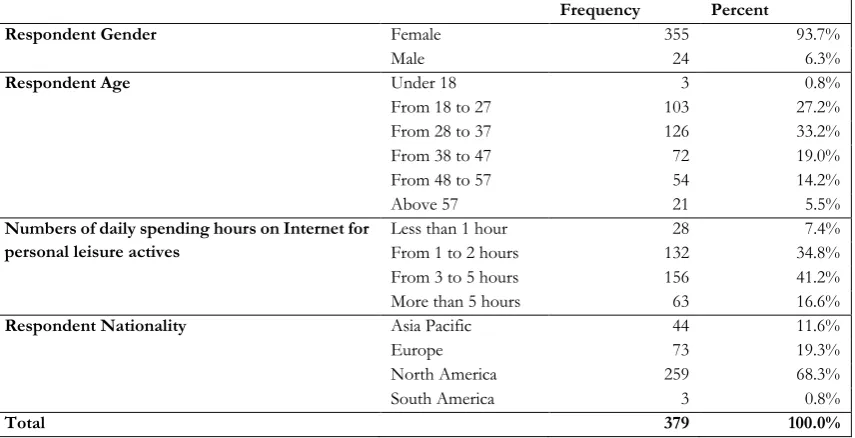
Table 5-1: General descriptive Characteristics of Respondents ... 33
Table 5-2: Genders & Consultation of Online Review Site When Buying Cosmetics ... 34
Table 5-3:Gender & Online Review As Critical Source of Information for Cosmetics ... 34
Table 5-4: Age Group & Consultation of Online Review Site When Buying Cosmetics ... 34
Table 5-5: Age Group & Online Review As Critical Source of Information for Cosmetics ... 34
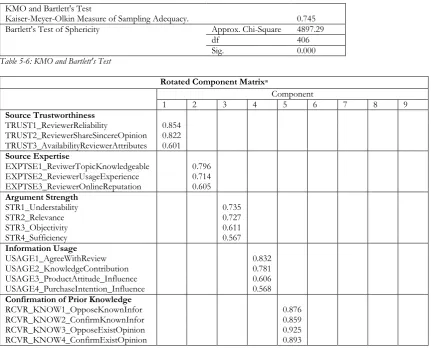
Table 5-6: KMO and Bartlett's Test ... 35
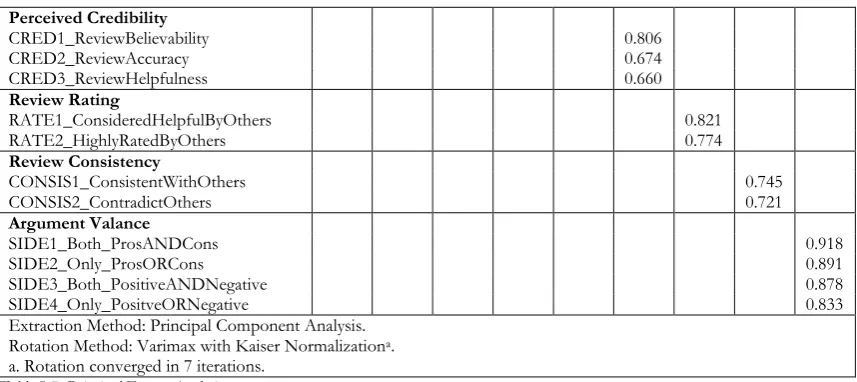
Table 5-7: Principal Factor Analysis ... 36
Table 5-8: Convergent Validity ... 37
Table 5-9: Collinearity Diagnostics ... 37
Table 5-10: Regression Model Outputs (Hypotheses H1, H2, H3, H4a, H4b, H5, and H6)... 38
Table 5-11: Regression Model Outputs (Hypotheses H7) ... 39
Table 5-12: MANOVA Outputs Summary ... 40
Page 5 INTRODUCTION
CHAPTER 1
INTRODUCTION
The introduction gives readers general understanding of the overall research topic. This chapter starts with presenting the practical and theoretical background of this study. Next, the research problem and its significance will be discussed. Finally, the chapter also presents the objective of this study and research questions to answer.
1.1. Research Background
Nowadays, online product reviews have become one of the most influential information sources for potential buyers. Internet has transformed the way consumers gather information for their purchasing decisions. The advent of new media and online communication channels, such as blogs, emails, virtual communities, social media platforms, empowers consumers to easily interact and exchange product information and experiences with other users (Hennig-Thurau, et al., 2010). Online product review is one type of eWOM (Electronic Word of Mouth), where third parties share their experiences and opinions regarding product features and performance. Consumers perceive online reviews as more trustworthy and reliable than traditional media (Bickart & Schindler, 2001; Rodgers & Esther, 2000; Li & Zhan, 2011; Kaplan & Haenlein, 2010). 71% of respondents in a recent consumer survey would consult online reviews prior to purchasing a product or service (Nielsen, 2014).
The growing popularity and importance of online reviews has received substantial attention from both practitioners and scholars. From a managerial perspective, the eWOM phenomenon helps businesses to better capture consumer buying behavior, shopping experiences and expectations, then develop optimal business strategies (Constantinides & Fountain, 2008). Online reviews are considered as a “new element in the marketing communications mix and work as free sales assistants” (Chen & Xie, 2008, p. 477). This role is even more critical in case of experience goods such as cosmetic products, of which product performance evaluation is difficult prior to purchasing (Park & Lee, Information Direction, Website Reputation, and eWOM Effect; A moderating role of product types, 2009; Mudambi & Schuff, 2010). A recent research shows that sixty % of consumers reply on beauty blogs and online consumer reviews when buying cosmetics (Euromonitor, 2015). Accordingly, many companies in the cosmetic industry, such as L’Oréal, Unilever, and Sephora, have integrated user-provide review systems in attempt to improve sale and product popularity (Hennig-Thurau, et al., 2010; Chen & Xie, 2008).
Page 6 INTRODUCTION
consumer´s perception of eWOM credibility can significantly and positively influence the information usage, and subsequently impact purchase intention. Compared with other purchase attitude dimensions, unravelling how consumers construct eWOM credibility would be a significant topic for understanding the process of eWOM usage. A number of current studies consider the multiple influencing factors of online review credibility including argument quality, argument quantity, argument valance and source credibility in measuring relationship outcomes; yet, the findings remain somewhat ambiguous and inconsistent, possibly due to varying measurement approaches (Hennig-Thurau, et al., 2010). Up to now, an integrated view of the measures that consumers depend on to evaluate reliable and trustworthy information is lacking in this area. Therefore, this study aims to explore and identify the related message and contextual features which consumers consider in assessing the credibility of online reviews of cosmetics. Moreover, the intention is also to verify the effect of perceived credibility of eWOM on the consumer´s usage of eWOM-based recommendations in making purchase decision regarding cosmetics.
1.2. Research Objective
Given the fact that information credibility plays a crucial role in affecting consumers´ attitudes, it is vital to understand the triggering factors of consumers’ perceptions of credibility. This study focuses on the related message and contextual features of written online reviews. The purpose is to gain more understanding about the consumer decision making process, specifically examining the effects of online information credibility toward consumer information usage in the purchasing process of cosmetic products. The determinants are explored that influence a consumer’s perceived online review credibility as predictors of online reviews influence on purchase intention. These purposes lead to the following research questions:
(1) What are the relevant determinants influencing consumer’s perceived credibility of online cosmetic review?
Page 7 LITERATURE REVIEW
CHAPTER 2
LITERATURE REVIEW
This chapter reviews the important concepts and relevant previous literature on the research topic. In particular, the literature review is divided into three main parts. The first part (section 2.1) presents the concepts of word of mouth (WOM) and electronic word of mouth (eWOM). Then, in the second part (section 2.2) discuss the current trends of cosmetics market, cosmetics purchasing behavior and the effect of eWOM on cosmetics purchase decision. At last, the third part (section 2.3) clarifies the concept of credibility including the information credibility and perceived credibility of eWOM. This section also reviews the main determinants of eWOMs´ perceived credibility in existing literature.
2.1.Electronic Word of Mouth (eWOM)
In this section, the concepts of WOM and eWOM are presented in order to clarify the research context. This section also discussed the advantages and disadvantages of eWOM over the traditional WOM, and the important role on eWOM in consumers´ buying behavior as argued in the previous studies.
2.1.1. Word of Mouth (WOM)
Word of Mouth (WOM) is defined as an oral form of information passing between a non-commercial communicator and a receiver concerning a brand, a product, or service (Dichter, 1966). Kotler and colleagues (2008) emphasized the interpersonal aspect and defined WOM as “personal communication about a product between target buyers and neighbors, friends, family members and associates” (p. 272). In another definition, Dwyer (2007) described WOM as a network phenomenon in which people create bonds to others by exchanging of units disclosed (information/messages).
The importance of WOM in marketing communication has been widely recognized in existing literatures (Duan et al., 2008; Hennig-Thurau, et al., 2010) and is even considered as “one of the most influential resources of information transmission since the beginning of society” (Lee et al., 2008, p. 341). WOM information are driven from consumer´s perspective, and it reflects the products experience of users. Therefore, WOM results in more interactive, complete and relevant information for consumers (Lazarsfeld & Katz, 1955; Bickart & Schindler, 2001). Consumers consult WOM to reduce risk and uncertainty in making purchase decision (Silverman, 1997).
Page 8 LITERATURE REVIEW
2.1.2. Electronic Word of Mouth (eWOM)
While the WOM has always had a significant role in forming consumer opinions, the rapid development of Internet and Web 2.0 applications has created a new powerful form of information transmission, the electronic word of mouth (eWOM). eWOM is defined as “any positive or negative statement made by potential, actual, or former customers about a product or company, which is made available to a multitude of people and institutions via the Internet” (Henning-Thurau, Gwinner, Walsh, & Gremler, 2004, p. 39). eWOM is closely associated to the application of user-generated content (UGC), and it mostly occurs on online review websites (e.g. IMDb.com), ecommerce websites (e.g. Amazon.com), blogs, electronic discussion board, online communities (e.g. Makeupalley.com), and online social networking platforms (e.g. Facebook, Twitter or YouTube) (Henning-Thurau et al., 2004).
Online consumer reviews (OCR) are one type of eWOM, which provide opinions and feedbacks of consumers about products or service. Mudambi and Schuff (2010) define online consumer reviews as “peer-generated product evaluations posted on company or third-party websites” (p. 186). Like other forms of eWOM, online reviews give consumers opportunities to evaluate price-quality performance and investigate and exchange product or brand experiences with their peers. Earlier studies show the great advantage of eWOM over the traditional WOM. “Internet lowers the cost of gathering and sharing information” (Huang et al., 2009, p. 56), and the UGC , such as online consumer reviews, allows consumer to somewhat experience and learn about target products in a more comprehensive way – before purchase (Lynch & Ariely, 2000). These pre-purchase experiences are often rather limited in offline setting. While traditional WOM communication is often constrained within certain social or geographical boundaries and time frame, eWOM features fast and extensive spreading information with large volume of transmitted messages, anonymous sources, and transcending space and time (Henning-Thurau et al., 2004). The effectiveness and convenience of eWOM communication encourages consumers to engage in digital social interaction, and more comfortably exchange opinions or express concerns for others.
Page 9 LITERATURE REVIEW
reports that more approximately 71% of respondents would consult online reviews prior purchasing a product or service (Nielsen, 2014).
The effect of eWOM on consumer purchase decision has been studied intensively among existing literatures. Numerous empirical studies show that online reviews greatly influence consumer behavior and purchase decision (Chen & Xie, 2008). In an experimental study with 248 Korean college students, Lee and colleagues (2008) highlight the effects of online review sentiment on products’ attitudes. In addition, a research of Chevlier and Mayzlin (2006), based on the data from Amazon.com and BN.com, find that online book reviews have a strong impact on book sales. Similarly, Duan et al. (2008) investigate the effect of movie reviews on Yahoo! Movie and BoxOfficeMojo, and discover the remarkable influence of these reviews on box office revenue. However, while many studies, as mentioned above focus on the success of eWOM, some question consumers’ perceived credibility of online user generated content due to the absence of Internet source cues (Smith, Menon, & Sivakumar, 2005; Lis, 2013). The process of how consumers process and evaluate the credibility of eWOM in the digital context somewhat remains a gap among current literatures.
2.2. Cosmetic Products
This section presents the definition of cosmetics, and discuss the development of the cosmetic global market. Additionally, the categorization of cosmetics as experiences goods is discussed to explain the cosmetic purchasing behavior and the role of eWOM in cosmetics purchasing process.
2.2.1. Global Cosmetic Market
The European Union Cosmetics Regulation (Article 2-Regulation (EC) No. 1223/2009) defines cosmetic as “any substance or mixture intended to be placed in contact with the various parts of the human body … with a view exclusively or mainly to cleaning them, perfuming them, changing their appearance and/or correcting body odors and/or protecting them or keeping them in good condition.” (EUR-Lex, 2009)
Page 10 LITERATURE REVIEW
continue to strive and generate strong growth rates for the upcoming years (Lopaciuk & Loboda, 2013). ‘Based on the characteristics of the cosmetic industry described above, it is an interesting industry to investigate the effects of eWOM’s perceived credibility.
2.2.2.The Effect of eWOM on Cosmetic Purchase Behavior
This study focuses on the effect of eWOM on consumer purchase decision regarding cosmetics. As in many other industries, the digital revolution changes the face of the cosmetics world. It has never been easier for consumers to go online and find all kinds of information about their interested cosmetic products, such as product attributes, consumer feedbacks, distribution outlets and price comparison. The Internet connects consumers from all over the world, it empowers them to exchange different beauty trends, tips, products reviews and recommendations with almost no constraint. The more consumers gain information about product alternatives, the more knowledge they require to cope with the increased complexity of the choice selection and purchasing process (Euromonitor, 2015). As a result, eWOM becomes one of the most important sources of information to purchase decisions regarding cosmetics.
Kotler et al. (2009) mentioned that peer opinions provide an indicative value to the consumer purchase process. This process consists of five main stages: (1) need recognition, (2) information search, (3) evaluation of alternatives, (4) purchase decision, (5) purchase and (6) post-purchase evaluation. Peer opinions serve as an external stimulus, which affects interests and awareness during the need recognition stage (Sheth, 1971). In addition, peer reviews also influence product expectations and perceptions during the information stages (Webster, 1991), and influences attitude during the evaluation of alternatives and purchase decision stages (Lynn, 1987; Woodside, Wilson, & Milner, 1992).
Page 11 LITERATURE REVIEW
websites provide product reviews made by previous customers, some cosmetic brands even sponsor popular beauty bloggers to write about their products.
The effects of eWOM in purchasing cosmetics is explained in previous literatures in regard to product types. Based on the ability of consumers to discover the product quality prior purchase, Nelson (1970; 1974) classifies two main types of products: (1) search goods and (2) experience goods. While search goods are products with characteristics that are relatively easy to observe before purchase, the characteristics of experience goods are difficult to evaluate in advance. Based on Nelson’s classification, cosmetic, in essence, is a classic example of experience good (Table 1, Nelson, 1974, p. 739).
Many researchers suggest the instrumental role of product types with the way consumers perceive eWOM. Huang el al. (2009) mentions the differences in consumer´s attitudes toward online reviews of a search good (e.g. laptop) and of an experience good (e.g. holiday destination). Consumers play a more active role in researching experience goods as they tend to spend more time to deeply scan the review information. This statement is supported by Park & Lee (2009) and Mudambi and Schuff, (2010). According to Park and Lee (2009), eWOM has higher impact on consumer´s purchasing decision for experience goods than for search goods. Experience goods, such as cosmetics, are commonly purchased based upon reputation and recommendation due to the difficulty to assess product quality before usage. As consumers perceived great uncertainty about product attributes, they need to seek more information to minimize the initial risks.
In addition, compared with reviews for search goods, reviews for experience goods are likely to be highly ambiguous, personal and subjective, since is based on individual judgments (Nelson, 1974). Consumers have to combine and compare information from different sources to evaluate and determine the true product value (Park & Lee, 2009; Huang et al., 2009; Mudambi & Schuff, 2010). The more consumers perceive an online review as reliable and trustworthy, the more likely they might follow the opinions suggested by the online messages. In other words, for experience goods such as cosmetics, the consumer’s perceived credibility of eWOM influences the probability of the consumer to follow eWOM’s message (Lis, 2013).
2.3. The Concept of Credibility
Page 12 LITERATURE REVIEW
2.3.1. Information Credibility
As mentioned above, peer information is an indispensable factor of the cosmetic industry. Credible information bolsters the market and financial success of cosmetic products. It also fulfills the need to “reduce information asymmetry” (Tan & Chang, 2012, p. 579), lower uncertainty (Huang et al., 2009) and improve the purchase experiences of buyers (Chen & Xie, 2008). However, the extravagant amount of available and accessible information on the Internet calls the question of credibility (Metzger, 2007). Credibility is an important aspect of information quality, as it is helpful in assessing experience properties (Jain & Posavac, 2001) and mitigate performance skepticism, especially in case of experience goods (Weathers, Sharma, & Wood, 2007).
Information credibility is a complex concept, which has been widely discussed in research literatures. In a study about media credibility, Hovland & Weiss (1951) defined credibility as perceived trustworthiness, and perceived expertise of the information source, as interpreted by the receiver(s). Self (1996) describes credibility as a combination of several different concepts such as believability, trust, and perceived reliability (p. 421). More recently, Metzger (2007) explains credibility as compose of multidimensional factors, including expertise, trustworthiness, source attractiveness and dynamism (p. 2078). Although there is no universal agreement on the definition of credibility, it commonly represents the perceived believability of information and/or information source. (Kaye & Johnson, 2011). The concept of credibility associates closely with the concept of trust, related to individual confidence or belief (Flanagin & Metzger, 2000). Existing literatures consider credibility as a subjective perception, rather than an objective assessment of information (Gunther, 1992, p. 148; Fogg et al., 2001, p. 80). As credibility is determined by the receiver’s judgments (Kaye & Johnson, 2011), it is not necessarily corresponding with the true quality of the message (e.g. accuracy). Therefore, in the context of this research, the term credibility will be referred to as perception of credibility of received information instead of direct evaluation of information practical quality.
2.3.2.The perception of eWOMs´ Credibility
Page 13 LITERATURE REVIEW
communication, the anonymity of information sources, as well as the ease of content publication and distribution in the digital environment (Walther, 1992, Wathen & Burkell, 2002; Chueng et al., 2009). The social information processing theory of Walther (1992) explains the impact of the computer mediated communication setting on readers' perceptions of the credibility of eWOM. According to Walther (1992), in face to face setting, audiences use many visual and vocal displays of non-verbal communication (e.g. eye contact, facial impression, body language, intonation, etc.) as leading indicators of communicator´s honesty and dependability. Online written communication, on the contrary, inhibits the physical interaction between different parties during information exchange. Consequently, the limited or absence of the non-verbal cues makes it difficult for the recipients to evaluate the reliability and trustworthiness of the online information sources (Lim & Van Der Heide, 2015).
The classic WOM communication features direct links between the informant and the receiver, thus, the information transmission, in an offline setting, is interpersonal and mainly active within a certain communal network (Henning-Thurau et al., 2004). In other words, in traditional WOM communication exists a prior social relationship or interpersonal tie between sender and receiver. Granovetter (1973), in a study about social networks, indicates that the strength of this interpersonal tie is signified by (1) the emotional intensity and intimacy level, (2) the amount of time engaging in mutual interactions in different contexts, (3) the reciprocal service which characterizes the relationship (p. 1361). It is believed that strong interpersonal ties associate closely with the issues of source trustworthiness which is noted earlier in cited literatures (Hovland & Weiss, 1951; Self, 1996; Metzger, 2007). As the recipient knows the sender, the credibility of the sender and the message is known to the receiver. People tend to trust and agree people that they are acquainted with, before, rather than complete strangers (Silverman, 1997).
Unlike WOM, eWOM is indirect and public communication with weak tie contacts (Henning-Thurau et al., 2004). The Internet enables consumers to share and receive different recommendations from all over the world at the convenience of their time; the evaluation of online reviews, nevertheless, is evident to be challenging (Smith et al., 2007; Lis, 2013). In eWOM communication, the sender and receiver are virtually stranger with little or no previous relationship or connection with each other. Although the anonymous communication certainly encourages comfortable exchange of opinions and experiences (Goldsmith & Horowitz, 2006), the hidden identity makes it difficult for consumers to shape perception about the senders and their competences (e.g. expertise level) (Schindler & Bickart, 2005; Lee & Youn, 2009). Ultimately, this also eliminates the ability of the receiver to determine the authenticity, credibility and quality of online recommendations.
Page 14 LITERATURE REVIEW
information production and sharing, anyone can publish anything they like on Internet. Consequently, consumers face an excessive amount of available and accessible information online with little content filter or editorial review. Moreover, current literatures also highlight the lack of universal standards for posting and sharing information online (Metzger, 2007; Lee & Youn, 2009). Accordingly, online information can be falsely modified, plagiarized, manipulated, or construct anonymously under false identities (Johnson & Kaye, 2002; Metzger, 2007, p. 2078). This also accentuates the issue of distributing unreliable information from unreliable sources (Metzger, 2007).
Undoubtedly, the nature of digital communication makes it necessary for people to deliberate on assessing online recommendation. Because social media mostly lacks the role of professional gatekeepers to control information quality, it is the responsibility of consumers to evaluate the usefulness of eWOM and the credibility of its (unknown) sources. Accordingly, in attempt to compensate for the missing of non-verbal and interpersonal cues used in traditional WOM, people either pay greater attention to the remaining text-based cues or employ substitute cues provided by the Internet based platform to evaluate eWOMs´ credibility (Walther, 1992). Given the significant effect of eWOM s´ credibility on consumer´s eWOM usage, and the challenges in judging eWOM credibility, it would be a central subject in the learning process of eWOM usage to know how consumers construct online WOM credibility.
2.3.3.Antecedents of eWOM Credibility in Past Literature
Page 15 LITERATURE REVIEW
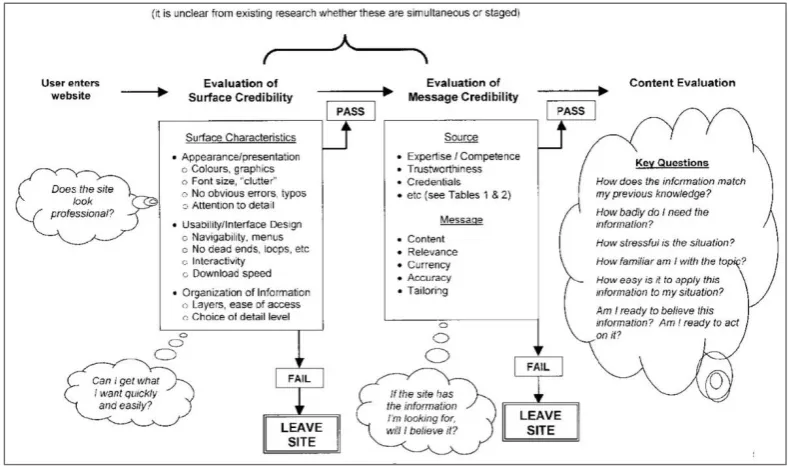
Based on existing theory in the field of psychology and communication, Wathen and Burkell (2002) proposed an early conceptual model for how receivers assess the credibility of online information (see Figure 2-1). The authors indicate that the perception of credibility is the outcome of interactions between source characteristics, message characteristics and receiver characteristics. Such interactions happen in three stages: (1) evaluation of surface credibility of the website based on its surface characteristics including appearance and presentation, usability and interface design, and organization of information; (2) evaluation of message credibility based on characteristics of the source and
message; (3) content evaluation involving the receiver's cognitive state at the time of evaluation. The authors also posit (but do not test) that if a receiver perceives that an online source is not credibly qualified at any stage, then he or she will exit the site without further evaluation (Wathen & Burkell, 2002). Accordingly, the model of Wathen and Burkell includes the significant aspects of the information receiver to the assessment process, and emphasizes the dependence of credibility rating on individual and situational factors (Metzger, 2007)
[image:16.595.113.508.223.456.2]Brown, Broderick, & Lee (2007) argue that the interpersonal communication theories might be insufficient to explain eWOM behavior, due to missing face-to-face interaction (p. 3). Brown and colleagues adopt social network theory and describe online WOM as “the exchange of (tangible and intangible) resources between social actors (…), each kind of resource exchange is considered a social exchange relation, and individuals who maintain the relation are said to maintain a tie” (Brown et al., 2007, p. 4). Accordingly, the authors propose three key influential variables with the assessment of online information, namely: (1) tie strength, (2) homophily, and (3) source credibility. These three factors were examined by a field research consisting of thirty in-depth qualitative interviews followed by a social network analysis of an online community. The findings offer several significant theoretical
Page 16 LITERATURE REVIEW
distinctions between online and offline conceptualizations of tie strength, homophily, and source credibility (Brown et al., 2007, p. 15). However, the determinants of eWOM´s credibility have not been specifically identified.
In a research of Mackiewicz (2008), the scholar analyzed 640 online reviews on four websites: Epinons.com, Allrecipes.com, Amazon.com and RateItALL.com. The review analysis emphasized on the motivations of reviewers; reviewer´s credibility assessment, and the language of the reviews. Based on the research results, Mackiewicz (2008) concludes that the linguistic characteristics of online reviews (e.g. content structure, grammar, vocabulary, punctuation and spelling) serve as proxy measures, signaling the experience and expertise of reviewers (p. 258, p. 262). Hence, because of the anonymity in the eWOM context, the perceived credibility of online reviews might be explained solely by the linguistic quality of the written recommendations. This notion is also supported by the research of Li and Zhan (2011). Li and Zhan (2011) study the persuasion effects of eWOM based on a data set of 1793 reviews of the Amazon Kindle (posted on Amazon.com in 2007 and 2008). The results confirm the association between the language intensity of the message with the perceived trustworthiness of the source. The authors suggest that although social cues about the source are less visible in online communication, consumers can derive source credibility from the linguistic features of the messages itself (Li & Zhan, 2011, p. 242).
In a qualitative study, O’Reilly and Marx (2011) investigate the credibility assessment mainly against technical background knowledge. They conducted semi-structure interviews with a group of young male consumers to examine the effect of eWOM among technically savvy online consumers. All chosen interviewees have good technical understanding about the Internet. According to the authors, they relatively represent the average knowledge level of the future generation of Internet users (O'Reilly & Marx, 2011). The research reveals that the assessment of the credibility of eWOM is based on four factors: (1) the polarity and quantity of posts, (2) the logic and articulation of posts, (3) the ability to find corroborating sources, and (4) the previous experience of participants with particular sellers (O'Reilly & Marx, 2011, p. 330). Among these four factors, O’Reilly and Marx (2011) highlight the effects of prior product experience on the information credibility rating. Specifically, when an individual is knowledgeable about the product, he/she is also more comfortable in evaluating the online advice and making purchasing decision. Additionally, the authors also suggest that beside apprising message and source features, an alternative to assess review credibility is to compare reviews of the same product/ service on other review websites (O'Reilly & Marx, 2011).
Page 17 LITERATURE REVIEW
Page 18 HYPOTHESIS DEVELOPMENT
CHAPTER 3
HYPOTHESIS DEVELOPMENT
This chapter starts with present the theoretical framework which is used in this study. Based on the chosen framework, the research variables and hypotheses about the relationships between these variables are defined. This chapter also provide general structure to later develop research strategy and support data analysis.
3.1. Theoretical Framework
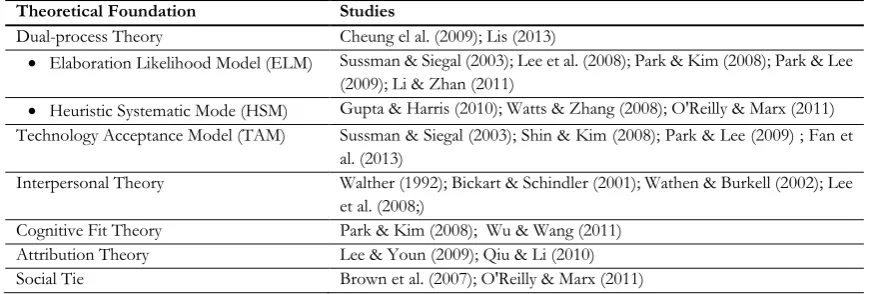
Previously mentioned, published researches have adopted a number of different theories to study how consumers are influenced by the received online information (Table 3-1). Among them, the dual-process theory of information dual-processing (Deutsch & Gerrard, 1955) and the technology acceptance model (Davis, 1989) were commonly used as theoretical base in the study of eWOM communication (Cheung & Thadani, 2012; Lis, 2013).
The dual-process theory is a persuasion theory originally formulated under the principle of psychology. It analyzes how different types of determinants affect the persuasiveness and credibility of information. It is believed that the dual-process theory provides powerful foundation to explain the information persuasion process and its influence on consumer attitude change (Cheung & Thadani, 2012; Lis, 2013). Therefore, this research adopts this theory as the theoretical framework to investigate the credibility determinants of eWOM, and the effect of eWOM´s perceived credibility on the recommendation usage of cosmetic product buyers.
Theoretical Foundation Studies
Dual-process Theory Cheung el al. (2009); Lis (2013)
Elaboration Likelihood Model (ELM) Sussman & Siegal (2003); Lee et al. (2008); Park & Kim (2008); Park & Lee (2009); Li & Zhan (2011)
Heuristic Systematic Mode (HSM) Gupta & Harris (2010); Watts & Zhang (2008); O'Reilly & Marx (2011) Technology Acceptance Model (TAM) Sussman & Siegal (2003); Shin & Kim (2008); Park & Lee (2009) ; Fan et
al. (2013)
Interpersonal Theory Walther (1992); Bickart & Schindler (2001); Wathen & Burkell (2002); Lee et al. (2008;)
Cognitive Fit Theory Park & Kim (2008); Wu & Wang (2011)
Attribution Theory Lee & Youn (2009); Qiu & Li (2010)
[image:19.595.91.527.459.606.2]Social Tie Brown et al. (2007); O'Reilly & Marx (2011)
Table 3-1: Theoretical Foundation of Previous eWOM Studies (adapted from Cheung & Thadani, 2012; Lis, 2013)
3.1.1. Dual-process Theory
Page 19 HYPOTHESIS DEVELOPMENT
various environment settings such as neighborhoods, university, and workplace community, online community. Number of researches confirm the Dual-process is useful in explaining how effective communication is in both face to face and anonymous situations (Cheung et al. 2009; Lis, 2013). Hence, the Dual-process theory can be considered fitting in eWOM research, as eWOM communication involve the opinion exchange and discussion between anonymous parties.
Deutsch and Gerard explicated that influence is a social process which direct information receivers to conform the expectations of others and be affected by provided information. This reflects on two psychological needs of people in socialization which are the need to be right and the need to be liked (Deutsch & Gerrard, 1955). Accordingly, the authors posit the communication influence model via two distinct categories: (1) Informational based influences and (2) Normative based influences; both of which affect the way receivers perceive credibility and persuasiveness of received messages. Informational influence is an effect to conform information from others as “evidence about reality” (Cheung et al., 2009, p.32). It refers to the factual content of the received message, which obtained by receiver´s self-judgments. Existing studies highlight the role of informational influence when individual faces uncertainty due to the ambiguous stimuli or social controversy (Kelman, 1958; Deutsch & Gerrard, 1955). Additionally, as the informational influence is based on the self-judgment of receivers of given information, the relevant components such as the message content, characteristics of the information source and receivers are essential for credibility evaluation (Hovland et al., 1953). Normative influence, on the other hand, refers to the influence to conform to the norms/ expectations of others. There expectations implicitly or explicitly represent the preferences of the majority in a group or community. While informational influence focuses the content of the received information, normative influences emphasize the role of other´s opinion. According to Kelman (1958), informational influence associate with personal acceptance, whereas normative influences lead to public compliance.
In short, the dual-process theory provides the foundation to investigate the shaping of consumer´s perception about information credibility. Apply the dual-process theory in eWOM context, it expects that informational and normative factors simultaneously shape up the recipient’s credibility judgment of online consumer review. Therefore, this study follows the framework of the dual-process theory and research both informational and normative determinants in eWOM communication.
3.2.Hypotheses Development
Page 20 HYPOTHESIS DEVELOPMENT
3.2.1. Informational determinants
Informational influence arises the self-judgement of receivers about the content of the messages. Earlier mentioned, under informational influence, the recipient evaluates the received recommendation through relevant components which clarify the information attribute to receiver. Among previous literatures, four informational determinants have been studied widely in eWOM communication researches, including: (1) Argument Strength, (2) Argument Valance, (3) Confirmation of receivers ‘prior belief, and (4) Source Credibility (Wathen & Burkell, 2002; Chueng et al., 2009; Li & Zhan, 2011).
Argument Strength
Argument Strength refers to the quality of the received information. Generally, it indicates the extent to which receivers considers the message argument as valid, comprehensive, and persuasive in conveying a certain opinion or preference. Existing studies have acknowledged the significant effects of argument strengths towards the attitudes of the recipients. Perceived strong arguments generate positive attitude of receivers towards the given information, and subsequently improve its perceived credibility. Perceived weak or invalid arguments lead to negative attitude towards the information and most likely consider it as unrealizable (Cheung et al., 2009).
Moreover, numerous researches have also proven the association between the argument strength and the perceived credibility in both physical and virtual communication setting. Especially in online context, argument strength is confirmed to be essential determinant in convincing the receivers (Petty & Cacioppo, 1986; Cheung et al., 2009). According to cited literatures, due to the hidden identity of digital information source, consumer turns to the content quality of the online message to evaluate the credibility and usefulness of the provided information (Mackiewicz, 2008; Li & Zhan, 2011). Park, Lee, and Han (2007) also investigates the eWOM acceptance of receivers and conclude that messages with strong arguments are believed as more objective and logical and hence more effective in changing reader´s attitudes toward reviewed products. Another argument by Lee (2009) state that strong reviews with factual objective arguments are more persuasive than weak reviews expressing subjective feelings and emotional comments. Therefore, one believes that in eWOM environment, ´the argument strength of the online message has an influencing role for how consumers judge the credibility of online product recommendations. Accordingly, the first hypothesis is formulated:
H1: Argument strength positively effects the perceived eWOM review credibility.
Argument Valence
Page 21 HYPOTHESIS DEVELOPMENT
on its weakness (Ketelaar et al., 2015). Furthermore, beside positive and negative messages, online consumer reviews also can be framed as two-sided. Intrinsically, one-sided messages present solely one matter´s perspective to a matter, while two-side provide different opposing viewpoints. In case of eWOM, a two-sided review cover both the strong and week attributes of the products.
Argument valence takes form of numerical ratings (e.g. 5-point star recommendation) or by written content. Regardless of presented form, it is believed that argument valence signals the product quality or performance (Ketelaar et al., 2015). Given the signaling function for product quality, argument valence has been widely studied in eWOM´s literatures. The findings suggest that argument valence can have powerful influence in altering consumer´ attitudes, including purchase intention (Bickart & Schindler, 2001). This so called framing effect has been shown for numerous outcomes including brand evaluations, alternatives choice, buying behavior, and especially credibility perception (Cheung & Thadani, 2012).
Among published studies, there are conflicting notions on the asymmetrical effects of one-sided (positive or negative) reviews versus mixed (positive–negative) reviews on consumer´s perception. On one hand, several researchers question the helpfulness of mixed reviews, as they do not express definite opinion or clear preferences. The information inconsistences in mixed reviews may limited their value to receivers (Li & Zhan, 2011; Hartman, Hunt, & Childers, 2013). On the other hand, researches have also mentioned that two-sided reviews may be perceived as more credible than one-sided reviews (Mudambi & Schuff, 2010). Empirical findings reveal that the presence of both negative and positive comments in eWOM messages may beneficial, since it elevates consumers´ belief that the message claims reflect the actual features of products, rather than advertising content. One plausible explanation for this multilateral information is perceived as more credible and helpful than unilateral information by virtue of rarity (Ketelaar et al., 2015, p. 653). Given the dominance of positive product information, negative information is much rare, and less commonly observed by consumers. According to Fiske (1980), the negative cues draw more attention since our social setting is dominated by positive cues. Certainly, the presence of both positivity and negativity increases the credibility of the review. Moreover, Cheung and colleagues. (2009) explain that, from the consumer´s perspectives, a review, which mentions both positive and negative product aspects, does usually not originate from marketers or companies’ personnel. Two-sided messages also indicate to some extent the risks involved in purchasing a certain product; and thus consumers consider them more useful in advoiding bad purchase decisions. Agreeing with this statement of Cheung and colleagues. (2009), Teng colleagues add that a two sided valence helps the receivers to be more confident that they understand the product better.
Page 22 HYPOTHESIS DEVELOPMENT
reviews to have higher credibility than positive-only or negative-only reviews. Accordingly, the following hypothesis is formulated:
H2: Two-sided reviews are perceived to be more credible than one-sided reviews.
Confirmation of Receivers’ Prior Knowledge
Confirmation of receivers ‘prior knowledge/beliefs refers to the degree to which the online product reviews confirm or disconfirm the consumer´s prior belief of the product. In other words, this informational determinant reflects how congruent the message is with the current product knowledge and experiences of the recipients (Cheung et al., 2009). Prior beliefs are captured from the previous experiences or perception of individuals; and hence, they represent highly useful and reliable source of information based on which individual judgment is made.
Empirical findings have shown that when receivers detect that the received information is consistent with their current knowledge of the reviewed product, they feel more confident to accept that information and subsequently comply with it in decision making (Fogg, et al., 2001; Park & Kim, 2008; Cheung et al, 2009). On the other hand, if the product review deviates from the consumer´s previous beliefs, (s)he may take a more skeptical attitude towards the received messages (Cheung et al., 2009). This determinant relates to the confirmation bias, which arises from the general tendency of people to seek affirmative supports to accommodate thoughts and preferences (Klayman & Ha, 1987). Cheung and colleagues (2009) study the effect of confirmation of receivers´ prior belief on credibility of the received information. Based on the research results, the authors suggested that confirmation or disconfirmation of receivers ‘prior belief have crucial influence on the way consumers evaluate the credibility of the product review. If the online review confirms the consumer´s existing expectations, consumers tend to believe and follow the information. Nevertheless, if the review objects the prior belief, the consumer is likely to discount its trustworthiness (Cheung et al., 2009). Thus, the following hypothesis is formulated:
H3: Confirmation of receivers ‘prior knowledge positively effects the perceived eWOM review credibility.
Source Credibility
Page 23 HYPOTHESIS DEVELOPMENT
1951; Chaiken, 1980). According to Ba and Pavlou (2002, cited in Cheung et al., 2009), the similar effect could also be found in online communication between the virtual source credential and the credibility perception of eWOM messages, despite the anonymity effect. This was supported by Cheung and colleagues (2009; 2012), who mention that information originated from an online source with high credibility is more trust worthy and acceptable than one given by a low credible online source. Similarly, Li and Zhan (2011) conclude from their experimental study about the persuasiveness of eWOM that the credibility of the source influences how convincing the online message is to the receivers. Therefore, source credibility is expected to be an important determinant of the perceived trustworthiness of online reviews.
Existing literatures commonly identify two main constructs of source credibility including (1) source expertise and (2) source trustworthiness (Hovland & Weiss, 1951; Ohanian, 1990; Dou et. al, 2012). These two components are highly interrelated and jointly shape the receiver’s perception of the message source credibility (Hovland & Weiss, 1951; 1953). Source expertise refers to the perceived knowledge, skills or experiences of a sender which signal the capability to provide accurate information (Ohanian, 1990). Source trustworthiness, on the other hand, regards the receiver´s confidences about the objectivity and honesty of the provided message (Hovland et al., 1953)
Regarding the source, expertise here relates to the understanding of the reviewed product or service is obtained by formal education and training, professional experiences, or actual product usage (Li & Zhan, 2011). In eWOM communication, as the identities of message sources are usually hidden, information receivers evaluate the expertise level of the source through more salient cues, such as profile information and online reputation of the senders (Chueng et al, 2009). By checking reviewer´s profile information, the quantity and quality of reviewer´s past recommendations, and his or her product usage experience, receivers approximate the virtual credentials (Mackiewicz, 2008). Previous researches have shown that information from high expertise sources has considerable influence on the audience (Cheung et al., 2009; 2012). People tend to value high expertise sources since they believe to receive high quality information. According to Wathen and Burkell (2002), the perception of high expertise minimizes the recipient´s doubt toward the accuracy and validity of the given information; hence a knowledgeable communicator is considered more credible. Moreover, the research of Li and Zhan (2011) suggests that due to their substantial knowledge and experiences, experts are more likely to provide stronger and more convincing arguments. Hence:
H4a: Source expertise positively effects the perceived credibility of eWOM review.
Page 24 HYPOTHESIS DEVELOPMENT
the message. If receivers perceive the message sender as trustworthy, they are more likely to value the recommendation validity and credibility (Cheung et al., 2009). However, since the reviewer identity commonly stays hidden, it is hard for consumers to assess the construct of source trustworthiness. Consequently, similar with the case of source expertise, reviewers adopt indirect methods to judge the objectivity and sincerity of message source (Lis, 2013) Li and Zhan (2011) argues that conventional measures for offline source quality is not suitable for investigate online reviews. They propose to apply the parameter of language intensity to examine the source trustworthiness (p. 241). However, the operationalization of language intensity by Li and Zhan (2011) seems to overlap with the operationalization of argument quality suggested by other researchers, such as Mackiewicz (2008); Brown et al. (2007). According to Mackiewicz (2008), the presence of a reviewer´s personal information may elevate a receiver´s trust. The authors mentioned that receivers also often extract personal characteristics from the sender´s profile as provided by online platforms. This information serves as a cue for recipients, supporting their emotional and rational evaluation of source trustworthiness (Mackiewicz, 2008; Dou et al., 2012). The more recipients know about the identity of the sender, the more confident they are about the senders ‘trustworthiness and expertise (Mackiewicz, 2008). Moreover, the personal information of reviewers (e.g. physical appearance, geographical location, demographic and social attributes) helps consumers to better relate with the recommendation, especially when the reviewers appear to share similar characteristics with the consumers. Brown et al. (2007) and Lis (2013) discussed this notion in their research under the concept of social homophile. Hence, based on the cited studies, the following hypothesis is formulated: H4b: Source trustworthiness effects the perceived credibility of eWOM review.
3.2.2. Normative determinants
While informational based determinants explain how receivers evaluate the credibility of eWOM based on receivers´ self-judgment, normative based determinants consider the crucial effect of others´ preferences in the credibility perception of eWOM. According to Cheung and colleagues (2009), the majority opinion or expectation of a product significantly influences the evaluation of eWOM credibility. Previous studies on eWOM´s perceived credibility have identified two major normative indicators: (1) Review consistency and (2) Aggregated review rating (Chueng et al, 2009; Lis, 2013).
Review Consistency
Page 25 HYPOTHESIS DEVELOPMENT
to each other. Agreeing with this statement, O'Reilly and Marx (2011) concluded from their research that beside judging the actual content of the review, another way to assess review credibility is to compare reviews of the same product/ service on other review websites. The more congruent the review is compared with the majority´s preferences, the more credible the review is perceived by consumers.
A plausible explanation for the effect of review consistency may be that people tend to comply with norms or standards since they are widely accepted by others (Kelman, 1958). When the given message is somewhat consistent with the opinions of the crowd, receivers feel more comfortable and certain to trust and follow it. In contrast, if the recommendation is inconsistent with the normative opinions, receivers may be confused and more likely to discount the credibility of the provided information (Chueng et al, 2009). Thus, one expects the determining role of review consistency on the way consumers assess the credibility of online reviews. The next hypothesis, therefore, is:
H5: Review consistency positively effects the perceived credibility of eWOM review.
Aggregated Review Rating
Along with review consistency, aggregated review rating is another normative determinant of eWOM perceived credibility. Commonly, aggregated review rating is the average rating or score given by the audiences on a particular online review. As previously discussed, many e-commerce websites, and online review sites nowadays enable viewers to rate the online recommendation they have read (e.g. by scoring on a range from 1 to 5 stars). These ratings convey the viewer´s judgement on the helpfulness and credibility of the recommendation. Accordingly, the overall highly rated messages are relatively conformed and trusted by the majority of viewers, their contents reflect the preferences of the crowed. Conversely, the overall low rated reviews are deviating from the majority belief, hence their contents are either insufficient or not representative for the product attributes.
Similar to the determinant of review consistency, aggregated review demonstrates the attitudinal effect of the crowd´s opinion. Many researchers have stated the influence of overall review rating on credibility evaluation of consumers (Chueng et al, 2009; Lis, 2013). If a review is highly rated by most readers, it is presumably considered more credible than a low-rated review. Therefore, agreement among users´ perspectives is an essential factor concerning reviews´ credibility. Thus, the next hypothesis is:
H6: Aggregated review rating positively effects the perceived credibility of eWOM review.
3.2.3.Information Usage
Page 26 HYPOTHESIS DEVELOPMENT
knowledge transfer, where the receiver conveys explicit information into internalized understandings. In accordance, Li and Zhan (2011) describe the usage of WOM could alter the attitude of a WOM receiver as a result of accepting what the communicator advocates. The authors also emphasize the usage decision of WOM as effective measure for WOM credibility and persuasiveness.
Prior researches have attempted to identify the elements that contribute to consumer WOM usage in purchasing process since it is challenge to verify the authenticity and source of WOM, especially in an online communication (Cheung et al., 2009; McKnight & Kacmar, 2006). Wathen and Burkell (2002) indicate the reader´s assessment of the message credibility as the vital early stage in an information using process in computer based communication. It directly decides to what extent a message receiver subsequently accepts to a follow the provided information. Therefore, if individuals perceive online information as credible, they are more confident to accept the online recommendations and apply them in making a buying decision (Wathen& Burkell, 2002; Chueng et al, 2009). This is related to the issue of trust in online communication. According to McKnight and colleagues (2002) information credibility, as an underlying dimension of trust, is a key elements influencing online consumer activities, for example the acceptance of another´s opinions. The empirical findings from their studies suggest the positive association between information credibility and consumers´ will to follow any given information from a website (McKnight et al., 2002). Similarly, Watts and Zhang (2008) describe the online information usage as the outcome of online review screening, which indicates positive credibility judgement. More recently, Chueng and colleagues (2009) took a different approach in their study when they investigated the informational and normative influences in consumer´s decision of using online information. Their findings, however, still confirm the positive effects of online review information credibility on the consumer´s acceptance of advocated advices.
In essence, despite the different research approaches, previous studies widely agree on the significant role of information credibility in information acceptance of consumers. Generally speaking, if consumers believes online information to be credible, they tend to agree and follow it. Conversely, less credible information poses more potential threats, hence it is unlikely to be valued by consumers (Cheung et al., 2009). In the light of cited studies, the last hypothesis is formulated as:
Page 27 METHODOLOGY
CHAPTER 4
METHODOLOGY
This chapter presents the research model and the strategy for data collection and analysis. This includes the details of research method, sampling technique, operationalization of research variables and how the questionnaire was created based on each variable from the theoretical framework.
4.1.Research Model
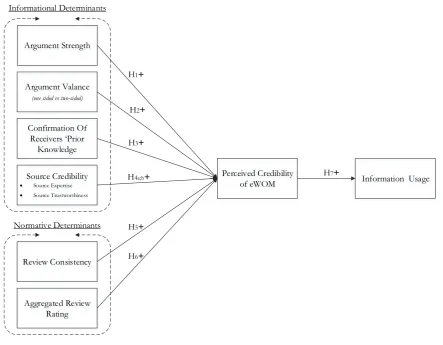
The research model is formed based on the seven formulated hypotheses above (Figure 4-1). From left to right the model presents the variables of the proposed determinants (informational and normative), the perceived credibility of eWOM, and the information usage. The arrows between the variables symbolize the relation of the hypotheses, and the plus symbols (+) indicate positive effects.
Argument Strength
Argument Valance
(one sided vs two-sided)
Source Credibility
Source Expertise
Source Trustworthiness Confirmation Of Receivers Prior
Knowledge
Review Consistency
Aggregated Review Rating
Perceived Credibility
of eWOM Information Usage
Informational Determinants
Normative Determinants
H1+
H2+
H3+
H4a;b+
H5+
H6+
[image:28.595.95.539.283.628.2]H7+
Figure 4-1: Research Model (adapted from Chueng, 2009 and Lis, 2013)
4.2.Quantitative Research Method
Page 28 METHODOLOGY
eWOM credibility and eWOM usage. The selected literatures include journal articles, books and statistic reports which are collected on scientific search engines: ScienceDirect ( sciencedirect.com), Google Scholar (scholar.google.nl), and the Web of Science (webofscience.com) by some key words: “eWOM credibility”, “online review”, “consumer behaviors”, and “ eWOM usage”. Based on the literature review, this research identifies seven possible determinants for eWOM information credibility and information usage as research variables. Subsequently, the eight hypotheses about causal relationship between these variables have been developed, as described and explained in the previous chapter. In order to empirically test the proposed hypotheses, this research adopts questionnaire instrument of quantitative method.
A quantitative approach is well suitable for the given deductive nature of this study. Questionnaire instruments provide a relatively effective way of obtaining vast number of data from a substantial population and the collected data can be translated in to numerical information for statistical analysis (Saunders et al., 2009), which is considered relevant for the generalizability of this research. Besides the preponderance of quantitative research methods, within the field of business research, this study also requires to obtain valuations for psychological and behavioral variables such as trust, belief and attitude (Bryman & Bell, 2007). This is critical to capture the intrinsic complexity of the field phenomenon of eWOM. Compared with other types of instruments, questionnaires require relatively less cost and effort. Moreover, obtained by using a questionnaire, the data are standardized, allowing easy comparison and compliance (Saunders et al., 2009). Because of the time and resource constraints of this research, a survey questionnaire is suitable option for the researcher to collect data and test hypotheses about correlations between various research variables through statistical analysis.
4.2.1. Questionnaire Design
This section explains the operationalization of the research constructs into measureable items. Based on the defined items, the questionnaire is designed and pre-tested with a pilot test to assess the overall quality of the questionnaire in term of content, structure and presentation.
4.2.2.Operationalization of Constructs
Page 29 METHODOLOGY
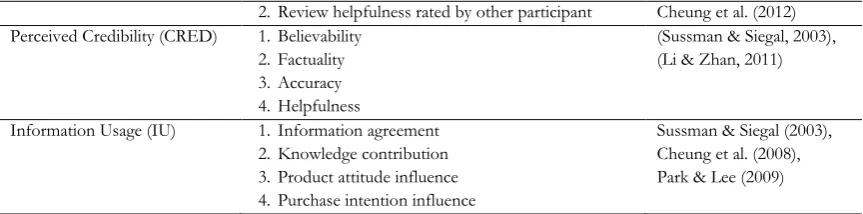
subscale adapted from Sussman and Siegal (2003), which involves the confirmation or disconfirmation of review information with the previous knowledge of receivers, and the confirmation or disconfirmation of review suggestions with the existing product impression of receivers. Based on a subscale of three items adapted from Sussman and Siegal (2003) and Cheung and colleagues (2008), the effect of source expertise is measured by the reviewer´s perceived topic knowledge, the reviewer´s product actual usage experience and the online reputation of the reviewer. From the measure of source trustworthiness, three items are adapted from Cheung and colleagues (2008), Mackiewicz (2008), and Lis (2013) respectively, including the perceived reliability of reviewer, the sincerity level of reviewer´s shared opinion, and the availability of reviewer’s personal information. Next, the effect of review consistency is measured on subscale with two items, which are the consistency or contradict of the overall review suggestions with the suggested information by other reviews, adapted from Cheung and colleagues (2008, 2012). Also following the operationalization of Cheung and colleagues (2008, 2012), the impact of the review rating is measure on a subscale involving two items the review rating given by other participants, and the review helpfulness rated by other participants. Items for measuring Perceived Credibility are from Sussman and Siegal (2003), and Li and Zhan (2011), including the believability of the review, the factuality of the review, and the accuracy of the review, and the helpfulness of the review. Finally, the information usage construct is operationalized into a four items subscale, adapted from Sussman and Siegal (2003) and Cheung and colleagues (2008), which involves the receiver´s agreement with suggested information by the review, the knowledge contribution of the review with the receiver, the influence on receiver´s product attitude, and the influence on receiver´s purchase intention.
These operationalizing items are measured by having the participants specify their agreement level with a series of provided statement, based on a 5- point Likert scale. Table 4-1 presents the operationalized measures of research variables and their measuring statements in the questionnaire.
Construct Measures Source
Argument Strength (ARG) 1.Relevance
2.Objectivity 3.Understandability
4.Sufficient supporting evident
Park et al (2007)
Argument Valance (SIDE) 1.Overall tendency of evaluation
2.Evaluation content
Cheung et al. (2012), Li & Zhan (2011) Confirmation of Prior
Knowledge (KNOW)
1.Confirm/oppose pervious beliefs/knowledge 2.Confirm/oppose existing product impression
Sussman & Siegal (2003)
Source Expertise (EXPE) 1.Reviewer´s perceived topic knowledge
2.Product Usage experience 3.Rated online reputation
Sussman & Siegal (2003), Cheung et al. (2008)
Source Trustworthiness (TRUS)
1.Reviewer´s perceived reliability 2.Sincerity of reviewer´s shared opinion 3.Information availability of reviewer’s
Cheung et al. (2008), Mackiewicz (2008), Lis (2013) Review Consistency (CONSIS) 1.Consistent with other reviews
2.Contradicting with other reviews
Cheung et al. (2008), Cheung et al. (2012)
Page 30 METHODOLOGY
4.2.3. Questionnaire Design
The questionnaire is divided into three parts (Appendix 1). The first section is the explanation of the purpose of this research and a general appreciation for the participants. The second part contains questions about the personal demographic information and the daily Internet usage of the respondent. Questions in this section are designed as dichotomous question (e.g. gender), multiple-choice questions (e.g. age, time spending online).
Finally, in the third section, respondents are asked to answer the questions regarding their assessment and attitude over the online review of cosmetic/cosmetic products. This part consists of 34 statements, each of which is related to a specific hypothesized correlation between eWOM assessment determinants, eWOM credibility and information usage. Respondents are asked to retrieve an actual review they read on Makeupvalley.com, then indicate their agreement with the shown statements using a 5- point Likert scale (ranging from (1) as strongly disagree to (5) as strongly agree) (Likert, 1931). In this section, six items (belong to Argument Valance, Confirmation of Prior Knowledge, and Review Consistency) are designed with negatively reversed wording to minimized the threat of straight-lining effects. Straight-lining basically describes the situation where survey respondents answer a series of questions by the same value of rating scale (Malhotra, 2008). Straight-lining occurs when respondents lose their motivation to engage with a survey due to various causes. The reserved formulated items statements, for example “The advocated comment(s) in the review is consistent with other reviews” and “the advocated comment(s) in the review is contradict other reviews”, serve as data quality check in order to identify unreliable or biased responses. The responses, which have the same answer for more than 2 reversed items, except all the answers were neural (3), will be excluded. This procedure has been done in order to improve the reliability of research outcomes.
4.2.4.Pilot test
In order to validate the developed measures, the questionnaire is pre-tested with a small-scale pilot study. The survey is administered to a convenient sample of 20 respondents with experience of online consumer reviews. They were invited to fill in the questionnaires and to provide necessary comments afterwards.
2.Review helpfulness rated by other participant Cheung et al. (2012) Perceived Credibility (CRED) 1.Believability
2.Factuality 3.Accuracy 4.Helpfulness
(Sussman & Siegal, 2003), (Li & Zhan, 2011)
Information Usage (IU) 1.Information agreement
2.Knowledge contribution 3.Product attitude influence 4.Purchase intention influence
[image:31.595.94.526.86.193.2]Sussman & Siegal (2003), Cheung et al. (2008), Park & Lee (2009)
Page 31 METHODOLOGY
The pilot results reflect adequate construct reliability and validity. The respondents could understand the content of the questionnaire clearly. However, there are several feedbacks from respondents that need to be considered. Firstly, the language of the invitation email was reported as overly academic, this may hesitate potential respondents to carry out the survey. Secondly, some respondents commented that the section of the personal demographic information should come first. This allows respondents some time to process the survey without being overwhelmed by answering to complex statements at the beginning. Taking into account all feedbacks, the questionnaire has been adjusted accordingly.
4.3.Data Sampling and Collection
The primary data is collected through questionnaire based survey. The target respondents are cosmetics buyers who are experienced with online consumer reviews. Therefore, the scope of this study is focused on online cosmetic review sites. In particular, the chosen site for this study is Makeupvalley.com.
4.3.1. About Makeupalley.com
The MakeupAlley.com (referred to colloquially as MUA) is online review site dedicated to providing consumer to consumer cosmetic product information and beauty solution. It was launched in 1999 by a small New York based online community of devoted cosmetic consumers. Since then it has developed into a world-renowned social network and information exchange portal for cosmetic and lifestyle products all over the world. Ttill summer 2016, MakeupAlley.com has over 2 million registered members, features more than 2.5 million reviews of 150,000 cosmetic products written by beauty enthusiasts worldwide (Makeupalley.com, 2016). Ranked as one of top ten most influential cosmetic review sites by several reputable magazines, e.g. the New Work Times, the Harvard Business Review, Vogue and Cosmopolitan, MUA recorded 11 million daily unique visits in June 2016 with more than 45,000 posts daily (Louis, 2016).
In MUA, product reviews are posted by registered members. Figure 4-2 shows the current interface of the website. Product reviews contain product opinions, product rating (1 to 5), repurchase possibility. Besides that, other visitors can vote as to whether a review has been helpful to them or not. Products can be sorted in a variety of ways: by most reviewed, most popular or newest. Based on the number of their posted review and the review helpfulness rating, registered members could be promoted as top reviewers.
4.3.2.Data Collection