MASTER THESIS
Technology screening framework and its application in the state of
Ceará, Brazil
RONALDO NOVAES FERREIRA
MASTER OF ENVIRONMENTAL AND ENERGY MANAGEMENT
PROGRAM
UNIVERSITY OF TWENTE
ACADEMIC YEAR 2018/2019
Acknowledgements
First of all, I would like to thank the University of Twente, for giving me the opportunity of entering this master’s programme and providing me with a scholarship, without which I could not follow the programme and sustain my living costs in the Netherlands.
Secondly, I would like to thank my family, my mother Tonya, my sister Roberta, and my girlfriend Débora. They all believed in me and made this accomplishment possible, and I will forever love them. I would like to thank my other relatives as well, my grandmothers, my uncles, my aunts, my cousins, my godmother, and Sara, who is a member of my family as well. I am very lucky to have such wonderful relatives.
I would also like to thank all of my friends in Brazil for their companionship in all these years, they are the family that I choose and I miss them all very much. In addition to those, I would like to thank all the new friends that I made in Leeuwarden, they were so nice, we had such amazing moments together and I will forever treasure our memories here.
I will never forget the person that made this all possible, which was Luewton Agostinho. He gave me such a wonderful opportunity to participate in a project that I learn so much and that enables my professional growth to be aligned with topics and goals that I really care about. Sérgio also is an amazing person that is constantly helping me, I will forever be grateful as well. To the people from FUNCEME, especially Eduardo, Julien, and Hoílton, that also made it possible for me to be a part of this project and provided me with knowledge and experience. And also, the people from Isle, Bart and Ioanna, for their participation and advises on a field of study that was new for me and their professionalism.
All my teachers in the programme that gave me so much knowledge in this past year, they provided me with distinct insights about various environmental fields and those will be very important in my career.
i ABSTRACT
In a globalized world with various technological options, it is normal to face the situation where many options can be used (implemented) to tackle a single problem. It can be, thus, difficult to consider and assess the relevant one(s) for a certain objective. Therefore, a process that can compile and categorize different technologies, according to established parameters, and provide a visually clear representation of the best options that a client or a decision-maker can select, could be valuable. This process exists, and it is known as technology screening. This research proposes a framework, based on different technology screening methods, that can be applied for selecting technologies s applied for surface water treatment and alternative water sources. The technology screening concept was applied as a case study at Ceará state, which is a semi-arid state situated in Brazil that often faces prolonged periods of drought, resulting in water scarcity and the depreciation of the available surface water quality used as intake by part of the population. In this location, the big urban regions are well supported with water treatment plants. However, a number of rural communities do not have access to these infrastructures, and they are obliged to rely in old and inefficient systems that often also compromise the quality of the supplied water. This research considers both technological (e.g. production capacity of the technology) and socioeconomical (e.g. human capacity for equipment maintenance and operationalization) parameters, as well as water treatment and air-to-water technologies. Several drinking water technologies were considered in this research, which were ranked based on the results of the technology screening process. The technologies that received the highest scores, in order, were: nanofiltration, reverse osmosis, sand filtration, and an air-to-water technology provided by a company called Watergen.
ii
TABLE OF CONTENTS
1 Introduction ... 1
1.1 Technology Screening background ... 1
1.2 Case study area background ... 2
1.3 Problem statement ... 5
1.4 Research objective ... 6
2 Literature Review ... 6
2.1 Technology screening ... 6
2.1.1 The technology screening process concept ... 6
2.1.2 The technology screening frameworks ... 7
2.1.3 The technology screening opportunities ... 15
2.1.4 The technology screening challenges ... 16
2.1.5 The following steps after the technology screening process ... 17
2.2 Application on future scenarios ... 18
2.3 Background and water technologies in rural areas at Ceará, Brazil ... 18
3 Research Design ... 21
3.1 Research question ... 21
3.2 Sub-Research questions ... 21
3.3. Material and methods ... 21
3.4. Research boundaries ... 21
4 Case Study Definitions ... 22
4.1 Area definition ... 22
4.2 Water quality parameters ... 23
4.3 Meteorological parameters ... 26
5 Technology Screening ... 27
5.1 The filtering stage... 28
5.2 The technology selection procedure stage ... 29
5.3 The considered technologies on the case study ... 31
5.3.1 Reverse osmosis ... 31
5.3.2 Nanofiltration ... 32
5.3.3 Ultrafiltration ... 33
5.3.4 Sand filtration ... 33
5.3.5 The Dutch Rainmaker ... 34
iii
5.3.7 Watergen ... 35
6 Results and discussion ... 35
6.1 Application of the filtering stage ... 35
6.2 Application of the technology selection procedure stage ... 36
7 Conclusion and Recommendations ... 39
iv
LIST OF FIGURES
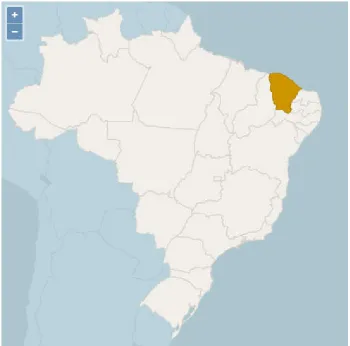
Figure 1 - Map of Brazil and the localization of Ceará (IBGE, 2019). ... 3
Figure 2 – Map of Ceará, with the divisions of all the water basins in the state. The Banabuiú Water Basin is colored in orange, in the center of the state (IPECE, 2007). ... 4
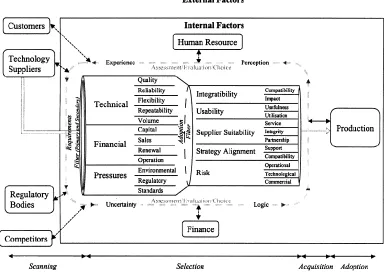
Figure 3 - A technology screening framework (Shehabuddeen et al., 2006). ... 8
Figure 4 - ADH opportunities (Farooq & o'Brien, 2009). ... 9
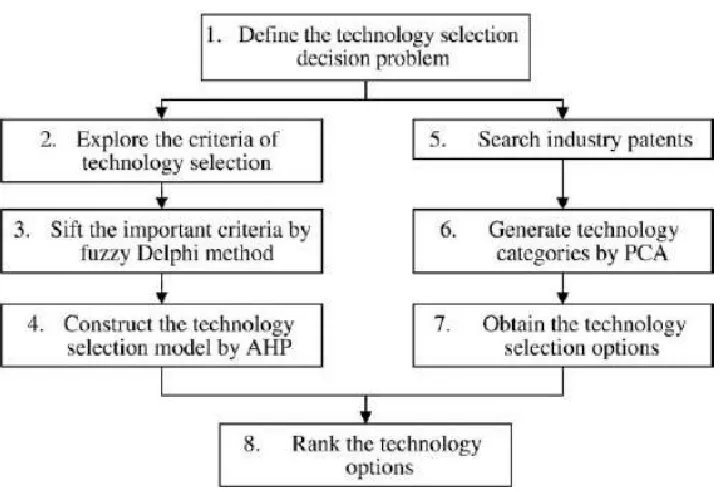
Figure 5 – The combined technology selection process (Shen et al., 2010). ... 9
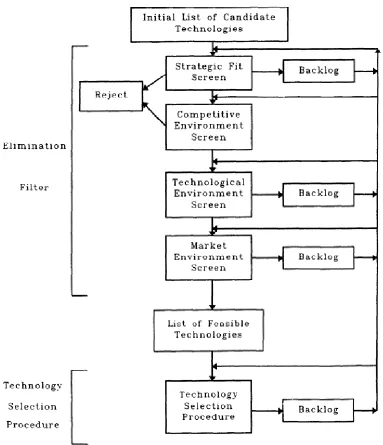
Figure 6 - Phases and steps of the technology screening framework (Yap & Souder, 1993). .... 11
Figure 7 - Filtering stage example and the utilized scale (Yap & Souder, 1993). ... 13
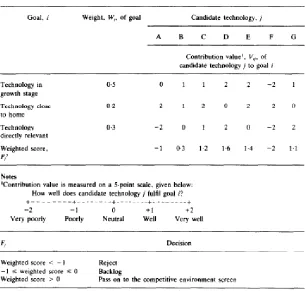
Figure 8 - Technology selection procedure, with weighting values, the utilized scale and the decisions according to the final score (Yap & Souder, 1993). This decision will differ in this research, as explained on section 5.2. ... 14
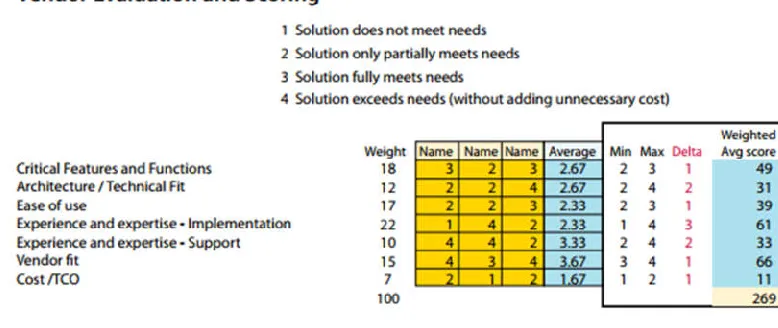
Figure 9 - Average weighting concept application in a screening process. The columns colored in yellow represent the weights given by the interested parties, and the blue ones, the average values that will be applied during the screening process (Bocklund, 2011). ... 15
Figure 10 - SWOT analysis of the technology screening process. ....Erro! Indicador não definido. Figure 11 - Plaque Tank or "Cisterna", common type of water reservoir used in rural communities in Ceará (H. Barbosa, 2017). ... 20
Figure 12 - Location of the Banabuiú weir (highlighted by the pink arrow). The triangles of different colors correspond to different eutrophication stages (or trophic states, explained in the following paragraphs) (COGERH, 2019). ... 25
Figure 13 - Average minimum relative humidity and wind velocity after one year of measurements within the Banabuiú Water Basin. Credits: Civil engineer and PhD José Sérgio dos Santos. ... 27
v
LIST OF TABLES
Table 1 - Measured parameters at the Banabuiú weir and the guidelines range for each
parameter used in this research (Agency, 1976; Alam et al., 2007; COGERH, 2011; Organization, 2004). ... 24 Table 2 - Classification of different levels of trophic states, with their respective water
parameters limits (Paulino et al., 2013). ... 25 Table 3 - Classification of different levels of trophic states according to the count of
vi
LIST OF APPENDICES
Appendix 1. Tables with drought information on the Banabuiú Water Basin from 2013 until 2018 (Source: FUNCEME). ... 45 Appendix 2. Table with measurements of water quality parameters at the Banabuiú weir made by COGERH, used for trophic state classification (Source: COGERH,
http://www.hidro.ce.gov.br/acude/eutrofizacao) . ... 47 Appendix 3. Table with measurements of temperature at the Banabuiú weir made by
vii
ACRONYMS LIST
AHP Analytical Hierarchy Process
CE Ceará
COGERH Companhia de Gestão dos Recursos Hídricos CONAMA Conselho Nacional do Meio Ambiente DHP Delphic Hierarchy Process
EPA Environmental Protection Agency FUNCEME Fundação Cearense de Meteorologia
HDI Human Development Index
IPCC Intergovernmental Panel on Climate Change SISAR Sistema Integrado de Saneamento Rural TRL Technology Readiness Level
TSI Trophic State Index
1
1
Introduction
1.1
Technology Screening background
The effectiveness of a decision-making process can determine the success or failure of a new project. Therefore, a decision based on solid background information and a proper targeted process not only increases the chances of a successful venture, but also supports the responsible for the decision in the eyes of other interested parties, i.e. either a public (when there are governmental decisions) or a private institute (when there is a service being provided by a company) (Rausch, van Riel, Semeijn, Hammedi, & Henseler, 2011). The selection of technologies, also known as “technology screening” process, is a recurring process in various opportunities, both for public and private organizations. This consists in investigating the available technological options and categorizing those according to some pre-established parameters and some weights established by the decision-maker. This process enables the end users to choose the best one that adequately suits their interests (Karsak* & Ahiska, 2005).
With diverse technologies options currently on the market, a proper technology selection (or screening) process can be rather difficult, long, and exhaustive, yet it is essential for selecting one (or more) that is adequate and fulfills the end user’s expectations. This applies to various technological fields, ranging from manufacturing, health, aeronautics, urban drainage systems and water technology, from small to large scale, from private companies to public corporations. In addition to this, there are distinct criteria for each particular case, which require specific parameters in order to work, so a thorough technology screening procedure can avoid problems (e.g. a company losing its competitive advantage), back up a decision when necessary (for instance, when a governmental institute has to explain the taken decision to the congress or to the public) and deliver better results (Torkkeli & Tuominen, 2002).
As described above, theoretically, the concept of technology screening could be applied in a number of distinct projects and case studies in different research fields. However, what has been noticed is that this concept has been mostly applied by manufacturing and industrial organizations in their processes. Within those processes, various methodologies and frameworks have been developed and their applications and results have been shared. There has been a gap when considering other research fields, such as the environmental one and, more specifically, water related technologies. This will be explained in more detail in Section 2.1.
2
and flow, and the technologies’ price, operation requirements, maintenance needs, cost of the liter of water treated produced, among other parameters that could be of interest. Consequently, the development of such method that could aid in a situation where the decision of which water related technology would be the best option, could start filling this gap up, alongside examples of applications.
Aligned with this, this research aims to apply concepts of technology screening seen in other research fields’ to water technology, and starts to develop a methodology that can assist decision-makers into selecting the appropriate technology for their specific situation. For this, a case study evolving the state of Ceará, in Brazil, will be used as an application of that methodology.
1.2
Case study area background
Brazil occupies currently the 5th position among the countries with the largest areas in the
3 Figure 1 - Map of Brazil and the localization of Ceará (IBGE, 2019).
The state is in a vulnerable situation regarding hydrological conditions. There have been studies on its climate conditions since the 16th century, divided into periods (J. N. B. Campos, 2014). Water retained by dams is the source of more than 90% of the water supply in the state, since the majority of its rivers are intermittent and there are limitations on its aquifers, i.e. representing approximately 10% of the water supply of the state (C. Barbosa, 2000; J. N. B. Campos, 1996).
4
Figure 2 – Map of Ceará, with the divisions of all the water basins in the state. The Banabuiú Water Basin is colored in
orange, in the center of the state (IPECE, 2007).
5
country’s Environmental Ministry, through an ordinance made by the Conselho Nacional do Meio Ambiente (or CONAMA, the National Environmental Council). Ordinance 430/2011, which alters and complements Ordinance 357/2005, give certain requirements based on the use of the water body, for both freshwater and saline water (CONAMA, 2011). In Ceará, even touristic places present environmental risks regarding water, for instance, the Praia do Futuro (Future Beach, in Portuguese), which attracts visitors throughout the year (Magini, Gomes, Veríssimoa, Antônio Neto, & Freire, 2007). An improvement on the management of water offer, demand, and quality are necessary to attend current legislation and the growing demand (de Araújo et al., 2005), as Brazilian population and specifically in Ceará, is increasing (de Carvalho, 2004; IBGE, 2019).
1.3
Problem statement
The lack of guidelines and a well-established methodology to systematically evaluate and categorize technological options regarding drinking water production and water treatment (amongst an elevated number of new technologies being brought to the market each day) indicates a requirement of developing a framework that could assist in that, helping decision-makers to save resources and better structure and support their choices.
In that sense, the government of the state of Ceará has concerns regarding the current situation of the water distribution within the state. Consequently, to assist in the current and future scenarios, the government seeks to evaluate the possibility of bringing innovative solutions which might create a sustainable scenario for the state regarding water availability. . Therefore, the Fundação Cearense de Meteorologia (FUNCEME, or the Cearense Foundation for Meteorology and Water Resources), which is a particular organization within the government of the state, aims to know about those technologies on the field of water catchment systems and water treatment and about the possibilities of testing those in situ to verify their performance when applied on local condition in real scale.
6
The considered technologies that were submitted to the screening process were required to have at least aTechnology Readiness Level (TRL) 6, meaning that the technologies already underwent a prototype experiment in real conditions or a relevant environment (Mankins, 1995, 2009). This also assures that the risks related to the performance of these technologies in real scale are not so high and are rather manageable (Moorhouse, 2002).
1.4
Research objective
The government of Ceará and FUNCEME require assistance in identifying, categorizing, and selecting possible european water technologies that can be suitable for the state’s necessities, especially in rural (diffuse) communities presenting water scarcity related problems. This research aims to contribute to that. Firstly by defining the area of the Banabuiú Water Basin as a targeted area. As explained before, it contains various examples of such diffuse communities, which would make it suitable for the application of the concepts developed in this research. This will be achieved by creating a clear assessing tool (in this case, a framework) for water technology selection and applicability on the semi-arid state. This tool can then be used in similar regions and, hopefully, canbe adapted to other regions’ specificities and necessities.
On section 2, a literature review on the technology screening process, its frameworks and opportunities, and background information on the state of Ceará and how the residents deal with water is done. Section 3 has information on how this research was done, the research and sub-research questions, and boundaries. Section 4 elaborates on the definition of the case study area and gathers information about water quality and meteorological parameters. On section 5, there is the explanation on the entire technology screening process utilized in this research, as well as the parameters and weights used, and the considered technologies. The results and discussion can be found on section 6, where the technology screening process is performed. Section 7 presents the conclusions and recommendations of this research and indicates a path for future studies.
2
Literature Review
2.1
Technology screening
2.1.1 The technology screening process concept
7
parameters, and applicability at a selected location. In order to better comprehend this concept and achieve the specified objectives, a careful analysis of existing screening methods is required to know about technology selection (or screening) processes, techniques, and frameworks to provide a more accurate outcome.
In order to create a systematic and reliable process, it is recommended to establish and follow a framework that gathers factors from the literature, assesses and refines those by applying them in the selected case study, without forgetting the relationship between factors (Shehabuddeen, Probert, & Phaal, 2006). The most widely use of technology screening methods and frameworks is in industrial, production and manufacturing organizations. There have been studies and application of technology screening processes for example in the collection and transport of rain and residual water in urban drainage systems (Montaña, 2010), health and diseases research field in developing countries (Chan & Kaufman, 2010), and aeronautics design (Kirby, 2001). There has been also calls for subsidies that performed such screening, in the health research field, by the World Health Organization (WHO) (Organization, 2010).
More relevant to the case study selected for this research, the WHO and the IRC Water and Sanitation Centre in Geneva, Switzerland, have published a booklet on the selection of water supply and sanitation technologies, focusing on operation and maintenance needs at a community level (Brikké, Bredero, Supply, & Network, 2003). The document discusses about factors that have to be considered in a technology screening process (such as technical, environmental, institutional, managerial, and financial), gathers various technologies that are related to the distribution of water and sanitation and give scores, based on the operational complexity of the technology, the operational and maintenance requirements, the people that are necessary to play a role when operating such technology, and the skills that are essential for an adequate performance of those roles. The document is clear and simple to comprehend, which demonstrates that this way of transmitting information could be adequate and utilized in a technology screening framework. However, on its water treatment section, it gathers only water technology solutions that has basic principles and utilizes simple materials that can be operated and maintained in small communities, and does not expand into more advanced technological options (such as a number of options considered in this research).
2.1.2 The technology screening frameworks
8
[image:17.612.104.491.125.403.2]in other situations (Shehabuddeen et al., 2006). The framework’s idea could be used by selecting the most relevant elements and narrowing them down to the specificities of the case.
Figure 3 - A technology screening framework (Shehabuddeen et al., 2006).
Probably the most known technology selection framework is the Analytical Hierarchy Process (AHP) widely applied in manufacturing technologies processes, due to the fact that it addresses cost and time dimensions, and captures intangible information and benefits (Ragavan & Punniyamoorthy, 2003). Although it has been extensively used in the manufacturing industry, it is possible to observe opportunities for using this process outside its original scope (Figure 4) (Farooq & o'Brien, 2009). However, it has disadvantages, for instance the lack of a theoretical framework for applying the hierarchy, the lack of risk assessment, and the subjectivity used on some decisions and comparisons (Choudhury, Shankar, & Tiwari, 2006).
9 Figure 4 - ADH opportunities (Farooq & o'Brien, 2009).
[image:18.612.113.473.414.660.2]10
Despite being valid options and propose significant concepts, the frameworks mentioned above could be hard to be successfully implemented in this project, mainly due their subjectively values and parameters. For instance, Shehabuddeen’s framework is complete and accounts for technical, financial, social, environmental and regulatory parameters, it includes opportunities, external factors. However, it does not present a clear interface nor a systematic manner in which the user could apply its concepts.
11
Figure 6 - Phases and steps of the technology screening framework (Yap & Souder, 1993).
12
considered, and each of these parameters will receive a certain weight that is representative to their importance.
On the first stage of the technology screening, the considered technologies undergo a first elimination step. There is a numerical value given to each technology, based on their performance according to the established parameters or factors. This value ranges from 1 to 5, the higher number representing the best performance of the considered technology according to that factor. After all the values are given, they are summed up and this final value is then divided by the number of factors used on this stage, which will result in a final score. That score represents the probability of technical success using that specific technology, which means the higher the score, the higher the chance the technology has to be successfully implemented in the region of study and of delivering satisfactory results. As previously mentioned, if this final score is higher than 60% (or 0.6), the considered technology has passed the filtering stage and will go to the second stage. In this stage, the technologies that receive the higher scores not necessarily are the best choice for the case study; the goal of this stage is only shortlist and reduce the technologies that are possibly a good match for the case study. There is an example of the first stage on Figure 7, in which it can be noticed that the sum of the factors on each column (representing the performance of each shortlisted technology) is then divided by the number of used factors in that case, which was five.
After successfully passing the filtering stage the technologies will be submitted to the second stage, in which the parameters that are relevant to the research are given weights according to their importance: the more important the parameter is for the scope of the study, the higher the weight; the contribution to the goal (the case study) of each technology receive a value (Vij). In total, all the
weights (Wi) summed together has to be equal to 1. In the end of the technology selection stage, the
user will obtain a weighted score (Fi) after adding the results and applying Equation 1, which will be
used to rank the technologies in this stage according to their performance. The score also ranges from 1 to 5, and the scores given in the first stage are carried over to this one. The technology that receives the higher score has higher chances of succeeding on its implementation on the analyzed area. The application of this stage of the framework is represented by an example on Figure 8.
13
14
Figure 8 - Technology selection procedure, with weighting values, the utilized scale and the decisions according to the final
score (Yap & Souder, 1993). This decision will differ in this research, as explained on section 5.2.
15
Figure 9 - Average weighting concept application in a screening process. The columns colored in yellow represent the
weights given by the interested parties, and the blue ones, the average values that will be applied during the screening
process (Bocklund, 2011).
The idea of the case study is to consider innovative technologies that are suitable for the semi-arid region and have not been tested yet. With a wide variety of technologies in the market, there should be a focus on certain types of technology, depending mostly on the source of water. For instance, there are already technologies installed to treat groundwater in Ceará for years (R. T. Campos, 2007), therefore the chosen other water sources technologies were:
Air-to-water technologies, which utilizes the air humidity to produce water;
Surface water treatment, as in a number of cases in Ceará there are water available in weirs and reservoirs, however not suitable for drinking purposes.
Those two kinds of technologies are going to be categorized together in one process for the screening. There will be a specific parameter that weights differently technologies that utilize distinct sources of water, as explained on section 5.1.
2.1.3 The technology screening opportunities
The technology screening process enables a range of different applications, and provides more reliability on the choices taken by the decision-makers. Those opportunities apply not only in the public sector, but also in and the private one as well. Those cases will be further discussed on the following paragraphs.
16
service or to buy product (e.g. equipment, technologies), the government has to publish a bidding process, in which interested vendors, contractors or companies can apply and submit their planning, products, execution of services, and budget estimative. After the application period has expired, the government will select the winner of the bidding process and the selected one can start their work (Ferraz, 2009). The choice of the winning service or product provider has to be based on technical and financial parameters; the reasons have to be clear for the public. However, in a country like Brazil where corruption is widely spread in various political and institutional sectors (Power & Taylor, 2011), the bidding processes are also an opportunity for favoring companies in exchange of money and political power (Herrmann, 1998). To prevent such cases, a well-structured and clear screening process could be applied, in which a service or a product (in the case of this research, a water treatment technology) can be selected based on sound and concrete reasons, explaining to the public and accounting for the motives of the taken choice, favoring the politicians that want to be correct and transparent with his or hers electors.
The technology screening process could also represent a business opportunity for companies, which could specialize themselves in providing technology options based on the end user’s requests and budget, and taking into account all the important factors in each case. The company could not only shortlist technology options, but provide the entire process of selecting the proper technology, contacting the manufacturer, accompany the negotiations between the end user and manufacturer, and ask for feedback from both sides to further improve their services. Certain companies already perform similar activities; they maintain a database with various water technology providers throughout the world and attempt to match the goals and expectations of their clients with the best suitable technology (Worm, 2018) . However, their specific methodology of technology selection or scouting is usually not shared due to privacy and competition issues, therefore there is an opportunity of expanding on this subject on the academic field.
Another business opportunity for such companies is that the government could also simply hire them (after submission of a bidding process) to perform a technology screening for a situation that demands it, and the company would ultimately present the best solution for that specific situation, which could, in the end, save time and resources from the government.
2.1.4 The technology screening challenges
17
overcome other problems, such as the increasing options, the rapid distribution, and the costs of technology (Shen et al., 2010).
As it requires detailed and technologically-specific data, the technology screening process is improved and more reliable if the gathered information is obtained directly from the technology providers. This ensures having to assume items and wrongfully accounting for a number of parameters. However, this activity demands time and if the number of considered technologies is high, this could mean a lengthier screening process.
[image:26.612.162.481.268.592.2]A brief SWOT analysis chart highlighting the main advantages and disadvantages of the technology screening process can be seen on Figure 10.
Figure 10 - SWOT analysis of the technology screening process.
2.1.5 The following steps after the technology screening process
18
A successful technology implementation demands synergy with the team responsible for installing the technology and the customers (in this case study, the people from the community). After the technology is operating, it is advisable to show how to operate and teach how to perform maintenance on the equipment to local people that can be responsible for those activities. Registering and monitoring the performance of the technology is also important to verify its performance in different situations and at distinct areas (Wilson, 2019). If pilot operations were conducted or if the team already has experience on the technology implementation step, this operation has higher chances of success (Leonard-Barton, 1985) .
2.2 Application on future scenarios
Following the last Intergovernmental Panel on Climate Change (IPCC) report (Olsson et al., 2019), released on August 8 of 2019, it declares that land use and planning plays a critical role in the future of mankind. If the pressure on this resource keeps increasing, a series of consequences can be triggered, such as the decreasing efficiency of food production and the spread of desertification on more parts of the world.
In addition to this, if deforestation does not cease and the use of harmful chemicals (e.g. fertilizers) on the soil is not reduced, the global climate could be seriously affected, as more events of soil erosion, droughts, and spread of wildfires happen more often (Carrington, 2019).
The technology screening process could assist in this scenario, by attributing higher scores and selecting technologies that uses less resources, utilize renewable energy, and are more environmentally friendly in general.
Within the scope of this case study, the state of Ceará faces an increasing problem of desertification (Sá & Angelotti, 2009; Sales, 2002), which could worsen based on the IPCC’s report. In this future scenario, Ceará could have even more severe drought periods, which will cause several complications to the people living there. In this research, the parameters “source of water” and “energy/electricity use” are applied to provide technologies that has better environmental performance with higher scores, as seen on section 5.2.
2.3 Background and water technologies in rural areas at Ceará, Brazil
19
The government is responsible for providing water for the population. In most cities, there are water treatment plants in operation that has to comply with certain regulations and deliver the water to the population in adequate quality, and attend to the legislation. However, in remote locations and small cities, there is no water treatment plant in place. In those areas, smaller water treatment systems are utilized, with its majority applying the upflow direct filtration technique, which is basically a disinfection process and does not match the required efficiency when comparing with water treatment systems in most of the cities in Ceará (Ponte, Moreira, do Vale Sales, & Neto, 2013).
As mentioned in section 2.1.2, there have been projects in Ceará which implemented desalinators in communities. The groundwater across the state normally has high levels of salt, so this technology should be appropriate to attend the defined water quality standards (CONAMA, 2011). In spite of being an alternative solution that helped various families in Ceará (Paiva, 2019) and presenting an innovative solution for the water-related problems in the state (just as the current project aims to do), there have been also problems alongside them. Most of problems consists on poor management of the technology, lack of maintenance and struggle with operation (Frischkorn, 2016; Pinheiro & Callado, 2005). In addition to this, economic feasibility of this apparatus is also questionable (R. T. Campos, 2007). From meetings in Ceará, it was also mentioned that security is highly important in small and rural communities, as some parts of the equipment could be stolen or damaged by the residents. All this information is relevant for the current project, learning by past mistakes.
There are also communities (mostly rural) that need to rely on water trucks (“caminhões-pipa” in Portuguese) to bring water to them. This is an overpriced option that presents water with questionable quality. Consequently, it also represents an opportunity to bring new technologies to change this scenario (de Araújo et al., 2005). In addition to this, homemade water catchment systems are utilized in order to survive during dry periods. Most of these systems were originated centuries ago by traditional populations, whose environmental dependency resulted in the development of techniques to satisfy basic necessities, accordingly with the region’s conditions and characteristics (Lima, da Silva, & Sampaio, 2011). Examples of those systems are:
20
“Cacimba” or “Poço Amazonas”, which is a shallow well, most of the times made of stone, with an opening up until 2 meters and a wooden or a cement lid that runs with a reel or a manual pump to retrieve water. It can be used for human and animal consumption, as well as for agriculture. In certain occasions, these wells can be contaminated by neighboring residences that do not have sewage collection and treatment systems (Gnadlinger, 2006);
Caldron or Stone Tank (“Caldeirão ou Tanque de Pedra”), which is an excavated natural cave that can store water from the rain for human and animal consumption, and for agriculture. This technique relies on natural aspects and process, only deepened by the community, which unblocks the deepest part (Schistek, 2002);
[image:29.612.125.526.315.591.2] Subterranean dams (“Barragens Subterrâneas”), which are reservoirs for water storage in the soil, usually in riverbeds that were barred by the construction of a subterranean wall. This wall can be made of stones, tarpaulin, or compacted clay, and it is mostly used in agriculture (Silva & Brito, 2006);
Figure 11 - Plaque Tank or "Cisterna", common type of water reservoir used in rural communities in Ceará (H. Barbosa, 2017).
21
3
Research Design
This chapter presents the research question and sub-questions, explains the research methods, and define the boundaries within the scope of the research.
3.1 Research question
How to evaluate and categorize drinking water technologies to be applied in the semi-arid area, such as the Banabuiú Water Basin in the state of Ceará, Brazil?
3.2 Sub-Research questions
1. Which framework(s) can be used or adapted for the assessment of water technologies within the context of the research?
2. Which parameters should be considered within the scope of drinking water production and water treatment technologies?
3.3. Material and methods
In order to assess the various available technologies, this research consisted of analysis of various water-related technologies, and using software to establish a clear graphic illustration and evaluation of the considered technologies. This result enables FUNCEME and the government of Ceará to make a sound decision on which technology can be tested at the Banabuiú Water Basin, considering the local climate and environment.
In order to obtain the necessary information, a desk research was conducted throughout the entire period of the project, to obtain relevant information regarding various technology screening processes, water treatment and air-to-water processes, how the technologies operate, and collecting data from the Banabuiú Water Basin in Ceará that will enable the application of the screening. In addition to this, two organizations from the state of Ceará were contacted: FUNCEME, which provided information regarding drought information on the Banabuiú Water Basin (this can be seen on Appendix 1), and SISAR, which provided expertise on the case study area (this is explained on section 4).
3.4. Research boundaries
The boundaries of the research are the following:
The analyzed locations have to be inside the state of Ceará, in Brazil, and they should be in a vulnerable region regarding water availability. The chosen region is the Banabuiú Water Basin;
22
The considered technologies should have a TRL of at least 6, as mentioned in Chapter 1.3;
Only water treatment and air-to-water technologies were considered.
4
Case Study Definitions
4.1 Area definition
For this case study, after researching, it was found that inside Brazil, the state of Ceará is one of the states that suffers the most with the lack of rain, as explained on section 1.2. In addition to this, it was showed that the region of the Banabuiú Water Basin represents one of the most critical areas within the state and it is constantly suffering with lack of water. This critical region is known as “Sertão Central” (as mentioned on Chapter 1.2). Aside from being located within that region, there was an interest of having synergy with the new Malha d’Água project. This project aims to bring water to various (and even remote) locations inside the Banabuiú Water Basin, and the water would be pre-treated in water treatment plants at collections sites and then transported through pipes to attend many communities. However, not all communities would be contemplated by this project, and that would cause the need for water trucks to continue. Therefore, there will be a need for assisting in the water scarcity in the region of the Banabuiú and try to eliminate (or at least reduce) the necessity of water trucks.
23
with projects in the region already, and suggested a number of communities within the region of the Banabuiú Water Basin that could be used for representation in this case study. Those are:
1. Volta dos Germanos: 74 families (Municipality of Pedra Branca); 2. Barra do Riachão: 75 families (Municipality of Pedra Branca); 3. Cachoeira: 59 families (Municipality of Piquet Carneiro); 4. Boa Esperança: 69 families (Municipality of Pedra Branca); 5. Bom Jesus: 61 families (Municipality of Pedra Branca);
6. Ema dos Marinheiros: 96 families (Municipality of Piquet Carneiro).
Small, rural, and remote locations such as the ones suggested are the often more difficult to be attended, as the government normally tends to prioritize more populated regions and areas economically more important. For this case study, an average value of 75 families will be utilized (based on the suggested locations), each family containing on average 5 people (based on the knowledge from the coordinator of SISAR on those communities) and requiring 20 liters of drinking water per day per person, as established by the WHO as the minimum water per capita per day for drinking and hygiene purposes (Reed et al., 2013) . Consequently, the considered minimum capacity per day will be:
= 75 5 20
= 7,500
= 7.5 m³
4.2 Water quality parameters
24
Table 1 - Measured parameters at the Banabuiú weir and the guidelines range for each parameter used in this research
(Agency, 1976; Alam et al., 2007; COGERH, 2011; Organization, 2004).
Variable Unity Measured value Guideline Recommendation
pH - 7.63 WHO 6.50 - 8.00
Total dissolved solids mg/L 217.00 WHO 1000.00
Turbidity NTU 5.66 WHO 5.00
Nitrate (NO3) mg/L, NO3-N 0.14 WHO 50.00
Dissolved oxygen mg/L, O2 5.34 EPA 5.00 - 6.00
Thermotolerant coliforms NMP/100
mL 2.00 WHO 0.00
Biochemical oxygen demand mg/L, O2 3.66 (Alam et al.,
2007) 0.2
Temperature °C 29.00 WHO
No specific range, however higher temperatures enable
25
Figure 12 - Location of the Banabuiú weir (highlighted by the pink arrow). The triangles of different colors correspond to
different eutrophication stages (or trophic states, explained in the following paragraphs) (COGERH, 2019).
[image:34.612.125.527.66.325.2]In addition to the above parameters, it was analyzed more parameters that are related to trophic stages. Each of these stages represent different eutrophication levels and are defined by the quantity of total phosphorus, chlorophyll a, transparency, and number of cyanobacteria. Those levels have been adapted to the semi-arid climate of Ceará (Paulino, Oliveira, & Avelino, 2013). Table 2 contains the limits of total phosphorus, chlorophyll a, and transparency for each trophic state, which also correspond to a numeric value called as Trophic State Index (TSI), while Table 3 shows the trophic states according to the number of cyanobacteria.
Table 2 - Classification of different levels of trophic states, with their respective water parameters limits (Paulino et al.,
2013).
Trophic State Total Phosphorus (mg/L) Chlorophyll a (µg/L) Transparency (m)
Oligotrophic ≤ 0.026 ≤ 3.81 > 1.7
Mesotrophic 0.027 - 0.052 3.82 - 10.34 1.1 - 1.7
Eutrophic 0.053 - 0.211 10.35 - 76.06 0.8 - 1.1
[image:34.612.91.476.561.659.2]26
Table 3 - Classification of different levels of trophic states according to the count of cyanobacteria (Paulino et al., 2013).
Order Trophic State Count (cells/mL) Description
1 Oligotrophic < 20,000 Low number of cyanobacteria 2 Mesotrophic 20,000 - 80,000 Medium number of cyanobacteria 3 Eutrophic 80 - 400,000 High number of cyanobacteria 4 Hypereutrophic > 400,000 Very high number of cyanobacteria
Appendix 2 exhibits a table with the measurements of water quality information from the Banabuiú weir, as well as its correspondent trophic state (COGERH, 2019). From this last table, an average value from the measured parameters was calculated and will be used for reference on the technology screening section. The average values are:
Total phosphorus: 0.091 mg/L; Chlorophyll a: 26.031 µg/L; Transparency: 0.92 m;
Cyanobacteria count: 118,531.027 cells/mL.
The above averaged values are correspondent to an eutrophic state, according to the utilized limits (Paulino et al., 2013).
Based on the measurements and the defined limits, it can be concluded that the problems regarding the water quality at the Banabuiú weir are related to the presence organic components, such as phosphates and high BOD, which usually leads to eutrophication.
4.3 Meteorological parameters
In order to properly evaluate the technologies that extract water from the air, it is necessary to verify if their operating conditions can be fulfilled. Their operation range (exhibited on sections 5.3.5 and 5.3.6.) are related to the area’s climate, more specifically, to the wind velocity, humidity of the air and temperature. Due to this reason, those parameters from a region of Banabuiú Water Basin were analyzed and are presented in this section.
27
data series was calculated, and the maximum and minimum values were obtained in order to validate if the considered technologies could operate within those temperature values. Those values are:
[image:36.612.125.524.208.486.2] Average temperature: 27.5 °C; Minimum temperature: 22.5 °C; Maximum temperature: 30.6 °C.
Figure 13 - Average minimum relative humidity and wind velocity after one year of measurements within the Banabuiú Water
Basin. Credits: Civil engineer and PhD José Sérgio dos Santos.
From the image above, it can be seen that the average of minimum relative humidity is above 50% in the whole region, while the average of the wind velocity is between 2.0 and 3.3 m/s. Those values, alongside the temperature values mentioned above, will be used for the technology screening of air-to-water technologies seen on sections 5.3.5 and 5.3.6.
5
Technology Screening
28
specificities (in this case, climate and water quality). To increase the probability of a successful selection and implementation of technology, the parameters included in the framework have to be relevant for the objectives of the final user. In this chapter, it will be shown the technology screening process and will be explained the considered parameters in this case study, as well as the application of the framework itself. This will be divided into three separate sections: the first regarding the filtering process, the second regarding the technology selection procedure (further explanation on these concepts can be found on section 2.1.2), and the third will include the entire technology screening process for the presented case study.
5.1
The filtering stage
The goal of this filtering stage is to shortlist a number of technologies that exhibit potential for being selected in the end among several other options that do not have the same potential, which will be discarded in this stage. In this stage, only the parameters that have the most relevance to the case study are included (this can be also verified by their weights on the second stage, seen on section 5.2), as they contribute the most for the selection of technologies. As mentioned on section 2.1.2, each technology will receive a score that ranges from 1 to 5, which will be summed and then divided by the number of parameters (will be 5 parameters) used on this stage, resulting in a final score. The higher this score, the probability of a technological success will also be higher. To pass to the next stage of the technology screening process, the minimum final score should be above 60% (or 0.6). After this stage, new parameters will also be included to assist in the analysis of the considered technologies. The parameters of the filtering stage are:
Efficiency of the water treatment or production: one of the most crucial parameters, this one considers if the technology can adapt to the area of installation, as well as if its operation range matches with the climate values of the location or the quality of the water to be treated, in order to guarantee proper functionality;
29
(Pinnau, 2008), which will be divided by their initial investment and by their capacity, resulting in a value in euros per liter as well;
Maintenance needs: the maintenance of an equipment is the required service after its installation. This results in costs, time spent, often needing a specialized technician, and if it is not done properly and in time, it can drastically reduce the efficiency of the system. Therefore, if a technology requires a high amount of maintenance, its feasibility can be reduced;
Capacity: the capacity of a technology in this case is how much water can be treated or produced within a timeframe (for example, used units are liters per hour and cubic meters per day). This means that the higher the capacity the technology has, the bigger the community that will receive the technology can be. In determined occasions, if the capacity surpasses the community drinking water needs, they could utilize the exceed water for other purposes, for instance irrigation and drinking water for cattle. As seen on section 4.1, a minimum of 7.5 m³/d is considered for the community;
Source of water: this parameter regards the source of water utilized by the technology. There are several options of water technologies related to the source of water it uses, such as groundwater, surface water, and even water deriving from the humidity of the air. Consequently, some technologies can obtain an advantage over others if the source of the used water is plentiful or if it utilizes fewer resources. As mentioned on section 2.1.2, the considered technologies in this research will not include technologies that uses groundwater;
5.2
The technology selection procedure stage
After being submitted to the filtering stage and successfully being shortlisted by it, the remaining technologies will undergo the second stage of the screening: the technology selection procedure. In this stage, each parameter receives a weight that demonstrates its relevance within the framework and the case study, and the sum of all weights has to be 100% (or 1) in the end. All the parameters of the first stage are included again, alongside new ones. The repeated parameters from the first stage are explained in the section above, and the new ones will be explained in this section. The respective weight of each parameter will also be presented, in a decreasing order of importance.
The repeated parameters scores are:
30
Cost of water treated or produced: The weight of this parameter is 20% of the overall score;
Maintenance needs: As well as the parameter above, this one has also a weight of 14% of the overall score;
Capacity: This parameter has a weight of 12% of the overall score;
Source of water: This parameter has also a weight of 11% of the overall score; The new parameters and their respective scores are:
Complexity of operation: this parameter is directly connected to the area of this case study and the people involved in it. Considering the subject area of rural communities found inside the Banabuiú Water Basin in the semi-arid region of Ceará, Brazil, this parameter has gained relevance, in the sense that if the residents of the community cannot operate the technology or if it is too complex, the technology could be left abandoned by the residents, leading to an unsuccessful technology implementation. The weight of this parameter is 8%;
Energy/electricity use: in times of climate change and the urge of reducing fossil fuels use, there is an appreciation on technologies that utilize renewable sources of energy or at least are highly energy efficient. If the technology is completely powered by renewable energy, it receives the highest score. This parameter represents 8% of the overall score.
31
5.3 The considered technologies on the case study
In this section, a number of technologies are considered to be submitted to the screening process. Those are based on possibility of application in the region of interest (the Banabuiú Water Basin, in the state of Ceará) and availability of information. In this section, each considered technology will be given a brief explanation on its operation, alongside comments regarding the considered parameters of the filtering stage and on section 5.4, they will receive scores on the technology screening process according to the established parameters above.
5.3.1 Reverse osmosis
Reverse osmosis is a water treatment process based on membranes, which receive pressure in order for the water to pass the membranes, which retains contaminants. This process can separate particles in the range from 0.1 to 1.0 nm, which is shown in Figure 14. It is highly effective when treating water that contains organic matter, nutrients (for instance phosphates and nitrates), harmful microorganisms (such as viruses, bacteria, algae, and protozoa), metals, and inorganic salts (EMIS, 2015b). Therefore, it should deliver water of drinking quality after the treatment of the water at the Banabuiú weir. It is considered a system of 6 membranes for this research.
Efficiency of the water treatment or production: highly efficient treatment, operating conditions consists of a pH range between 3 and 10 and water temperature range between 13 and 30°C. Those values are within the considered limits seen on section 4.2;
Capacity: 40 m³/d;
Cost of water treated or produced: €15,000 as an initial investment, considering a 5-year lifespan and 40 m³/d will result in € 0.21 per m³;
Maintenance needs: membrane fouling can be a problem that requires a specialized professional. Other than this, maintenance needs are occasional;
32
Figure 14 - Ultrafiltration (UF), Nanofiltration (NF), and Reverse Osmosis (RO) pore sizes of the membranes, necessary pressure
range and retained contaminants (EMIS, 2015d). The higher the pressure, the more energy the process consume, and the
smaller the pores, the more contaminants it is likely to retain. Microfiltration (MF) is not included in this analysis.
5.3.2 Nanofiltration
The operation principle of the nanofiltration is the same as the reverse osmosis, with the difference that the pores of the membranes are usually bigger (above 1.0 nm) and it requires higher pressure values, as seen on Figure 14. It has lower treatment efficiency when comparing with the same parameters seen on reverse osmosis, especially dissolved and organic matter, viruses, metals and salts (EMIS, 2015a). It should treat the organic matter found in the Banabuiú weir with less efficiency than the reverse osmosis process. A system consisting of 76 nanofiltration membranes is considered in this research.
Efficiency of the water treatment or production: less efficient than reverse osmosis, but still a high-efficient treatment. Operating conditions consists of a pH range between 3 and 10, and a water temperature range between 13 and 30°C, which are normally achieved at the Banabuiú weir;
Capacity: 2,400 m³/d;
Cost of water treated or produced: €300,000 as an initial investment, considering a 5-year lifespan and 2,400 m³/d will result in€ 0.068 per m³;
33
Source of water: uses surface water treatment, which could be scarce in some periods of the year.
5.3.3 Ultrafiltration
Similar to the other two membrane-based processes mentioned above, ultrafiltration membranes require even less pressure than the other two (meaning it also consumes less energy) and are found within the range of 20 nm and 0.1 µm. It can effectively remove suspended matter, a number of microorganisms (such as bacteria, protozoa, fungi, and algae), and polycyclic aromatic hydrocarbon (PAH) (EMIS, 2015d). For the Banabuiú weir water, it should be used alongside a coagulant and a sedimentation process, otherwise the treatment of that specific water quality could be less efficient (Nir, Arkhangelsky, Levitsky, & Gitis, 2009; Tian et al., 2018).
Efficiency of the water treatment or production: by itself it can have difficulties treating the contaminated water, it is often considered a preliminary step of the water treatment;
Capacity: 64 m³/d;
Cost of water treated or produced: €56,000 as an initial investment, considering a 5-year lifespan and 64 m³/d will result in€ 0.48 per m³;
Maintenance needs: membrane fouling can be a problem that requires a specialized professional. Other than this, maintenance needs are occasional;
Source of water: uses surface water treatment, which could be scarce in some periods of the year.
5.3.4 Sand filtration
Sand filtration is a gravity-based water and wastewater treatment process that consists on water passing through a filter made of sand particles. This filter retains suspended matter, floating and sedimentable particles. From time to time, the filter needs to be rinsed, otherwise its treatment efficiency is reduced, and this rinsing produces a polluted water that has to be treated aside before discard or reuse (EMIS, 2015c). This option has difficulty in removing dissolved particles, as this process is more used for bigger and suspended particles due to the pores between the sand particles. There are ways to improve the efficiency of sand filtration regarding phosphates, however it requires further steps, which are at experimental level (Erickson, Gulliver, & Weiss, 2012).
Efficiency of the water treatment or production: similar to the ultrafiltration, it can face problems when treating the contaminated water, being normally considered a preliminary step of the water treatment;
34
Cost of water treated or produced: €600 as an initial investment, considering a 5-year lifespan and 288 m³/d will result in€ 0.00114 per m³;
Maintenance needs: the filter often needs rinsing and cleaning, otherwise it loses treatment efficiency;
Source of water: uses surface water treatment, which could be scarce in some periods of the year.
5.3.5 The Dutch Rainmaker
Different from the water treatment systems presented above, the Dutch Rainmaker uses the humidity found in the atmospheric air to produce water. The air goes through a heat exchanger, where it cools and condensates. When the temperature falls beneath the temperature dew point, water droplets are formed, then collected and stored. Since it does not use surface water, but extracts water from the air, it has already drinking properties. It uses a wind turbine to power up the system, therefore not using grid connections (although the company offers a solution that uses grid connection as well, it will not be considered in this research) (Rainmaker, 2018).
Efficiency of the water treatment or production: it requires a minimum of 15°C and a wind velocity within the range of 3 and 18 m/s. The minimum temperature is achievable, based on the considered temperatures seen on section 4.3. However, the minimum wind requirement could be a problem for the area of the Banabuiú Water Basin, as it can be seen on Figure 13;
Capacity: 20 m³/d;
Cost of water treated or produced: €45 per m³;
Maintenance needs: service and maintenance are minimal, estimating a 20-year lifespan;
Source of water: uses atmospheric air to extract water. As seen on Figure 13, the minimum average relative humidity is above 50%, which means there is constantly humidity in the air that can be used for the Dutch Rainmaker.
5.3.6 Hogen Systems
35
Efficiency of the water treatment or production: details are scarce regarding operating conditions, but the manufacturer states it operates anywhere without infrastructure required (aside from grid connection or a different power source);
Capacity: 5 m³/d;
Cost of water treated or produced: €45 per liter;
Maintenance needs: service and maintenance are expected to be occasional;
Source of water: it also uses the humidity found in the air to produce water, therefore not relying on surface water.
5.3.7 Watergen
Watergen also is an air-to-water based technology, which utilizes a heat exchanger to cool the air and a series of filtration steps, requiring electricity in order to operate (Watergen, 2016).
Efficiency of the water treatment or production: its optimal operation conditions are 30°C and 70% of relative humidity, which are values often found on the region, as seen on section 4.3;
Capacity: 5 m³/d;
Cost of water treated or produced: €25 per liter;
Maintenance needs: service and maintenance are expected to be occasional;
Source of water: since this technology also does not rely on surface water, it should operate constantly.
6
Results and discussion
In this section, the considered technologies shown above will be submitted to the screening process.
6.1 Application of the filtering stage
36 Table 4 - Filtering stage application of the technology screening.
Parameters Reverse Osmosis
Nano-
filtration
Ultra-
filtration
Sand
Filtration
Dutch
Rainmaker
Hogen
Systems Watergen
Efficiency of the water
treatment or production 5 4 2 2 2 3 4
Capacity 4 5 4 5 4 2 2
Cost of water
treated or produced 4 5 4 5 1 1 2
Maintenance needs 3 3 3 2 4 4 4
Source of water 2 2 2 2 4 4 4
Chance of
technological success 0,72 0,76 0,6 0,64 0,6 0,56 0,64
As it can be seen from Table 4, the technologies ultrafiltration, Dutch Rainmaker and Hogen Systems did not pass the filtering stage, as their chance of technological success are not above 0.6. This could be explained due to the air-to-water technologies not being completely adaptable to the conditions of the case study (due to wind velocity values), aside from the price of the produced water. Watergen performed above the other air-to-water technologies due to its optimal operation range matching with the climate conditions at the Banabuiú Water Basin, and, even with lower capacity than the required, it can be used more systems in sequence to provide higher water production. As for the ultrafiltration technology, its requirement of further treatment steps represents its main weakness in this case. Although the sand filtration technology also requires that, it compensates with a high treatment capacity and reduced costs, making it possible to invest in complementary treatment stages.
6.2 Application of the technology selection procedure stage
37
Table 5 - Comparison of the technologies regarding the new parameters that are implemented in this stage.
Parameters Reverse Osmosis
Nano-
filtration
Sand
Filtration Watergen
Complexity of operation Almost completely automated, requires manual replacement of membranes Almost completely automated, requires manual replacement of
membranes Low complexity, does not require specialized knowledge Almost entirely automated, occasional
manual input and maintenance Energy/
Electricity use > 1 kWh/m³ 1 kWh/m³ Approximately 0 350 kWh/m³
TRL 9, well-known technology
9, utilization spread around the world
9, being widely used for decades
7, prototype operating on real scale
38
Table 6 – Application of the technology selection procedure stage of the technology screening.
Parameters Weight Reverse Osmosis
Nano-
filtration
Sand
Filtration Watergen
Efficiency of the water
treatment or production 0,22 5 4 2 4
Cost of water
treated or produced 0,2 4 5 5 2
Maintenance needs 0,14 3 3 2 4
Capacity 0,12 4 5 5 2
Source of water 0,11 2 2 2 4
Complexity of operation 0,08 3 3 5 4
Energy/Electricity use 0,08 3 4 5 1
TRL 0,05 5 5 5 3
Sum 1
Final score 3,75 3,93 3,59 3,07
Analyzing Table 6, it can be observed that the nanofiltration technology received the highest score among the others. This can be explained for the following reasons:
Although Watergen is a valid and innovative option that fits the climate of the Banabuiú Water Basin, it is still a maturing technology with high energy use and costs, and low capacity, making it a less attractive option;
Sand filtration yields high capacities of water for small costs, and only require electricity to clean the filter (or if a pumping process is required). However, its treatment efficiency is limited when considering the Banabuiú weir, which is the highest weighted parameter;
Despite being an adequate option as its treatment capabilities that fits the necessary for the Banabuiú weir, reverse osmosis is less attractive than nanofiltration, due to its higher costs and energy use and lower capacity.
39
7
Conclusion and Recommendations
The technology screening is a process which ranks different technological options that are related to a specific subject and goal. In this research, water treatment and air-to-water technologies were considered. This process is resource-efficient, could create and expand business opportunities, and is applicable on the public sector.
For this research, a technology screening process was performed for the semi-arid state of Ceará, in Brazil, more specifically, inside the Banabuiú Water Basin. This is a sensitive region regarding extended dry periods and water-related struggle. There are weirs and reservoirs, however, often with contaminated water. It was obtained water quality and meteorological parameters in order to analyze which technologies would deliver the best performance, tailored to the region’s requirements.
The technology screening process performed in this research was mainly adapted from a framework developed by Yap and Souder that applied the concepts of the technology screening, assigned weights to highlight the relevance of certain parameters, and give scores for each technology based on their performance according to the process and established parameters (Yap & Souder, 1993).
The utilized parameters for this research attempted to reflect the most important technical aspects and to be in accordance with the case study area’s necessities. Those parameters include the efficiency of the water treatment or production processes, the cost of the produced or treated water, the maintenance needs, the yielding capacity of the technologies, the source of water used, the operational complexity of the technologies, the energy or electricity use, and the TRL.
The technology screening process was divided in two stages: a filtering stage, in which a number of technologies that obtained lower values were eliminated, and the technology selection procedure stage, in which the remaining technologies were analyzed in more detail, with different weights for each parameter, according to its relevance to the goal. A number of parameters concerning technological, operational, and environmental conditions were considered for the technology screening, which are described above.
The considered technologies for this research were:
Reverse osmosis, nanofiltration, ultrafiltration, and sand filtration as water treatment technologies;
40
After the application of the concepts presented in this research, it was concluded that the nanofiltration technology has received the highest score amongst the considered technologies, according to the specified parameters and weights. This means that there is a significant chance of this technology being successfully implemented and operational at the Banabuiú Water Basin. This result can be explained by its performance on more relevant parameters, such as the treatment efficiency, the costs, and the treatment capacity, over other considered treatment technologies (e.g. reverse osmosis, which is more expensive, and sand filtration, which is not as effective) and air-to-water technologies, which are still expensive and do not produce as much water.