Guernsey Voluntary and Charitable Sector
Study
Sarah Cemlyn, Demi Patsios, Karen Bell, Pauline
Heslop, David Gordon, LynnMarie Sardinha
August 2011
Commissioned by the
i
Acknowledgements
The research team would like to thank all the participants in this study for their extensive contributions, ideas and commitment. We hope this report does justice to the data they provided.
ii
Table of Contents Page number
Acknowledgements ... i
Research Team Members ... ix
Guernsey Community Foundation Advisory Group Members ... x
Glossary and Note on terminology ... xi
Executive Summary ... 1
Chapter 1: Introduction ... 5
1.1 Background ... 5
1.2 Project Aims ... 5
1.3 Shape of this report ... 7
Chapter 2: Literature Review ... 8
2.1 Introduction ... 8
2.2 The VCS in the United Kingdom and Europe ... 8
2.2.1 The growing importance of the VCS ... 8
2.2.2 Reforms to the public sector ... 10
2.2.3 Changes in the structures and methods of the VCS ... 11
2.2.4 The relationship between the state and the VCS ... 14
2.2.5 Relations between horizontal and vertical ... 16
2.2.6 Relationships with business ... 17
2.2.7 Need for capacity building and infrastructure in the VCS... 17
2.3 Social Inclusion ... 19
2.4 The VCS and Social Inclusion ... 21
2.4.1 The importance of the VCS for promoting social inclusion ... 21
2.5 Background Information on Guernsey ... 22
2.6 The Public Sector in Guernsey... 24
2.7 The VCS in Guernsey ... 26
2.8 Social Exclusion in Guernsey ... 27
2.9 Social Inclusion Policy in Guernsey ... 29
2.10 Conclusion ... 33
Chapter 3: Methodology ... 34
3.1 Introduction ... 34
3.2 Literature Review ... 34
3.3 Matrix of charitable organisations ... 34
3.4 Focus groups: Reasons for choosing focus groups ... 36
3.5 Development of focus group samples ... 36
3.6 Contacting potential participants ... 39
3.7 Conducting the focus groups... 40
iii
3.9 Limitations of the focus group methodology ... 44
3.10 Background to the questionnaire ... 44
3.11 Amendments to the questionnaire arising from the focus ... 45
3.12 Maximising the response rate ... 45
3.13 Design of the questionnaire ... 46
3.14 Postal questionnaire ... 46
3.15 Electronic survey (e-survey) ... 46
3.16 Questionnaire / e-survey response rates ... 47
3.17 Data coding and analysis ... 48
3.18 Advisory Group ... 49
3.19 Ethical considerations ... 49
Chapter 4 Analysis of Focus Group Data ... 51
Part 1: The Role and Characteristics of the VCS ... 51
4.1 Introduction ... 51
4.2 The role of Guernsey‘s voluntary / charitable sector in relation to the promotion of social inclusion ... 52
4.2.1 Understandings of social inclusion and social exclusion ... 52
4.2.2 How Guernsey‘s VCS promotes social inclusion ... 54
4.2.2.1 Groups that the VCS works with ... 55
4.2.2.2 Range of services and activities ... 55
4.2.2.3 Information to inform choice ... 55
4.2.2.4 Emotional support ... 56
4.2.2.5 Practical support ... 57
4.2.2.6 Health and social care provision ... 57
4.2.2.7 Reducing isolation, strengthening community ... 57
4.2.2.8 Building confidence, increasing involvement and awareness ... 58
4.2.2.9 Fund-raising ... 59
4.2.2.10 Benefits for volunteers ... 59
4.2.2.11 Liaison, consultation, advocacy with statutory sector ... 59
4.2.2.12 Challenging stigma and discrimination ... 60
4.3 Particular strengths of the VCS in Guernsey in promoting social inclusion . 61 4.3.1 Flexibility, creativity and responsiveness ... 61
4.3.2 Accessibility, reducing stigma and reaching out ... 62
4.3.3 Free or low cost services ... 65
4.3.4 Rooted in communities, identifying gaps ... 65
iv
4.3.6 Mobilising volunteers ... 67
4.3.7 Accessing funding ... 68
4.4 Difficulties of the work of the VCS in relation to promoting social inclusion . 69 4.4.1 Co-ordination problems ... 70
4.4.1.1 Overlap ... 71
4.4.1.2 Need for improved coordination infrastructure ... 72
4.4.1.3 Attitudinal change... 72
4.4.1.4 Role of States in supporting strategic development and coordination 73 4.4.2 Information and data ... 74
4.4.3 Inclusion and inclusiveness ... 75
4.4.3.1 Inclusiveness ... 75
4.4.3.2 Inclusion in relation to minority ethnic groups ... 77
4.4.3.3 Inclusion / exclusion in relation to other marginalised groups ... 79
4.4.3.4 Non-inclusive language ... 82
4.4.3.5 Stereotyping and prejudice ... 82
4.4.3.6 Barriers to involvement ... 82
4.4.3.7 Historical traditions ... 83
4.4.3.8 Influence of the media ... 83
4.4.4 Increasing professionalisation of the sector ... 85
4.4.4.1 Background to increasing professionalization ... 85
4.4.4.2 Impact of performance measurement on VCS organisations ... 86
4.4.4.3 Health and safety and risk management ... 86
4.4.5 Funding ... 89
4.4.5.1 Sources of funding ... 89
4.4.5.2 Short-term and insecure funding ... 91
4.4.5.3 ‗Deserving‘ and ‗undeserving‘ causes ... 93
4.4.5.4 Broader economic situation and States expenditure reductions .... 94
4.4.6 Staffing Issues (paid workers) ... 94
4.4.6.1 Recruitment and retention of paid staff ... 94
4.4.6.2 The impact of organisational size ... 96
4.4.7 Staffing issues (voluntary workers) ... 96
4.4.7.1 Difficulties recruiting volunteers ... 97
4.4.7.2 The business sector as a source of volunteers ... 99
4.4.7.3 Recruiting younger people ... 99
v
4.4.7.5 Coordination of volunteering ... 101
Part 2: VCS Relationships with the States and with Parent Bodies ... 102
4.5 Relationships between the VCS and the States in Guernsey ... 102
4.5.1 Variety of relationships between the voluntary /charitable and statutory sectors 102 4.5.2 Positive aspects of the relationship between the voluntary/ charitable and statutory sectors ... 103
4.5.2.1 Communication, liaison, support and joint work ... 103
4.5.2.2 Strategies and Commissions ... 105
4.5.3 Difficulties in the relationships between the voluntary/ charitable and statutory sectors ... 107
4.5.3.1 Power and autonomy ... 107
4.5.3.2 Increased regulatory procedures and standards ... 108
4.5.3.3 Funding and resources ... 110
4.5.3.4 Communication between the sectors ... 113
4.5.3.5 Trust ... 116
4.5.3.6 Voluntary / charitable sector involvement in policy ... 117
4.5.3.7 Harmonisation ... 117
4.6 Ways of alleviating or addressing tensions and enhancing collaboration between the sectors in promoting social inclusion ... 120
4.7 Relationships between parent organisations and local branches of the voluntary / charitable sector ... 122
4.7.1 Variety of relationships with parent bodies ... 122
4.7.2 The advantages of affiliation with a parent body ... 123
4.7.3 The disadvantages of affiliation with a parent body ... 125
Part 3: Gaps in Provision and Infrastructural Resources and How to Fill Them . 130 4.8 Gaps in provision and legislation to promote social inclusion as perceived by focus group participants ... 130
4.9 The infrastructure, support and training considered to be needed by VCS organisations in promoting social inclusion ... 137
4.10 Concluding comments ... 141
Chapter 5 Analysis of Survey Data... 142
Part 1: The Structure and Resources of the VCS ... 142
5.1 Introduction ... 142
5.2 Section A: Background information about VCS organisations... 142
5.2.1 Purpose of the organisation ... 142
5.2.2 Beneficiaries of the organisation ... 144
vi
5.2.4 Staffing ... 147
5.2.5 Organisational status ... 148
5.2.6 Organisational registration ... 148
5.2.7 Management arrangements ... 149
5.2.8 Premises ... 150
5.2.8.1 a) Premise arrangements ... 150
5.2.8.2 b) Payment for premises and problems paying for premises ... 152
5.2.8.3 c) Sharing of premises ... 153
5.2.9 Rooms / kitchen / equipment store for exclusive use ... 153
5.2.10 Organisational income (including grants / fees)... 154
5.2.11 Sources of organisational income ... 155
5.2.12 Computing and internet ... 157
5.2.12.1 a) Computers (including laptops) ... 157
5.2.12.2 b) Internet access ... 158
5.3 Section B: Organisational views about resources ... 159
5.3.1 Funding sufficient? ... 159
5.3.2 Premises sufficient? ... 162
5.3.3 Paid staff sufficient? ... 165
5.3.4 Volunteers sufficient? ... 167
5.3.5 Information technology / computers ... 171
5.3.6 Other practical issues that might affect the work of the organisation .. 173
Part 2: VCS Internal and External Relationships ... 176
5.4 Section C: Organisational views about the VCS in Guernsey ... 176
5.4.1 Links with other VCS organisations inGuernsey ... 176
5.4.1.1 Improving links with other VCS organisations in Guernsey? ... 177
5.4.2 Links with other VCS organisations outside Guernsey ... 181
5.4.2.1 Improving links with other VCS organisations outside Guernsey? 181 5.4.3 Links with parent body ... 183
5.4.3.1 Improving links with parent body? ... 184
5.5 Section D: Organisational views about areas of important linkages with other VCS organisations in Guernsey ... 187
5.6 Section E: Organisational views about the relationships between the VCS and the States of Guernsey ... 190
5.6.1 Organisational relationship(s) with the States ... 190
5.6.2 Rating of link with the States ... 192
vii
5.7 Section F: Organisational views about gaps in service provision in the VCS
needed to address ‗social exclusion‘ ... 199
5.7.1 Socially excluded groups of people ... 199
5.7.1.1 Coding socially excluded groups of older people ... 204
5.7.2 Gaps in service provision to socially excluded groups of people ... 206
5.7.3 Who should fill these service gaps? ... 214
5.7.4 Reasons for choosing who should best fill any service gaps? ... 215
5.7.4.1 Reasons for choosing both the VCS and the States working in partnership to fill service gaps ... 215
5.7.4.2 Reasons for choosing the VCS working alone to fill service gaps 222 5.7.4.3 Reasons for choosing the States working alone to fill service gaps 222 Chapter 6: Discussion and Conclusion ... 223
6.1 Introduction ... 223
6.2 Social exclusion, social inclusion and the work of the VCS ... 223
6.3 Strengths of the VCS in promoting social inclusion ... 226
6.4 Difficulties of the VCS in promoting social inclusion and areas for development ... 227
6.5 Relationships between the VCS and the States ... 235
6.6 Relationships between parent organisations and local VCS ... 238
6.7 Gaps in provision and legislation ... 239
6.8 Ideas for development of infrastructure, support and training ... 243
6.9 Future directions and reasons for recommendations ... 248
Chapter 7: Recommendations ... 256
7.1 Introduction ... 256
7.2 Recommendations relating to service provision ... 256
7.3 Recommendations relating to the interface between the VCS and the States 258 7.4 Recommendations relating to the interface between the VCS and the private sector ... 260
7.5 Recommendations relating to research ... 260
7.6 Recommendations relating to the VCS ... 260
References ... 263
Appendices ... 280
Appendix 1: Literature Review ... 280
Appendix 2.1: Outline of sampling frames for VCS focus groups ... 285
Appendix 2.2: Outline of departments for States focus groups ... 286
viii
Appendix 2.4: Information about the Project for Focus Group Participants ... 290
Appendix 2.5: Voluntary and charitable sector focus group topic guide... 294
Appendix 2.6: Participation in focus group reply / consent form ... 295
Appendix 2.7: Outline of the Research Study ... 299
Appendix 2.8: Invitation letter to States focus groups ... 303
Appendix 2.9: Background Information about the Project ... 306
Appendix 2.10: Statutory sector focus group topic guide ... 311
Appendix 2.11: Participation in focus group reply / consent form ... 312
Appendix 3: Thematic categories of data developed using MAXQDA ... 316
ix
Research Team Members
The research team members were all based in the School for Policy Studies, University of Bristol. The team consisted of:
x
Guernsey Community Foundation Advisory Group Members
Stuart Falla Chairperson
David Farrimond Shelaine Green Jonathan Le Tocq Laurel Le Tocq Nigel de la Rue Peter Roffey
Carrie Birch Administrator until February 2011
xi
Glossary and Note on terminology
AGC Association of Guernsey Charities
BITC Business in the Community
CAF Charities Aid Foundation
CAMHS Child and Adolescent Mental Health Services
CAPP Corporate Anti-Poverty Programme
ESV Employer Supported Volunteering
GCF Guernsey Community Foundation
GDA Guernsey Disability Alliance
HSSD Health and Social Services Department
JAVO Jersey Association of Voluntary Organisations
JRF Joseph Rowntree Foundation
KPI Key Performance Indicator
LGBT Lesbian, Gay, Bisexual and Transgender
NAPSI National Action Plans for Social Inclusion
NCVO National Council of Voluntary Organisations
NPO Not for Profit Organisation
MAXQDA This is a package for Qualitative Data Analysis
OCM Open Method of Coordination
OECD Organisation for Economic Co-operation and
Development
ONS Office for National Statistics
SSP States Strategic Plan
SPSS Statistical Package for the Social Sciences
VCS Voluntary and Community Sector
xii
Voluntary and Charitable Sector
1
Guernsey Voluntary and Charitable Sector Research Study Executive Summary
The following is a brief summary of a report on Guernsey‘s voluntary and charitable sector (VCS), that was conducted for the Guernsey Community Foundation during 2010 and 2011. The detailed findings and list of recommendations of the Bristol University School for Policy Studies are published in the final report which is available online.
1. The study‘s focus was on social inclusion, and how voluntary and charitable organisations try to overcome the barriers and inequalities which prevent people participating on equal terms in society. Its aim was to identify gaps in provision and ways to fill them. Its methodology included a literature review, focus groups and a questionnaire.
2. The report reviews literature and research, from the UK and Europe as well as Guernsey, on social exclusion, social inclusion, the voluntary sector and its changing relationship with the statutory sector. Some of the themes of this broader review are reflected in the findings of the study of the VCS in Guernsey. 3. Most households in Guernsey are not at risk of becoming poor in the near future,
but the 2007 Household Expenditure Survey indicated that 16.6% of respondents lived in households with an income below 60% of median income. Those most affected by poverty are lone parent households, single pensioner households and households with children. This means poorer diet, worse health and housing, greater vulnerability to crime and less social support.
4. The States has a social inclusion policy, laid out in 2009 in its Social Policy Plan (part of the island‘s overall Strategic Plan), and updated in the 2010 to 2015 States Strategic Plan. It is originally based on the Corporate Anti-Poverty Programme of 2002. Financial restrictions have required prioritisation within this Plan. Moreover the Health and Social Services Department, setting out its 2020 Vision in May this year, asserted that cost, changing demographics and inefficiencies in provision mean that ―the current model of health and social care cannot be sustained‖ and that ―partnership and joint working with ..the third sector ..needs to be developed and strengthened‖.
5. Guernsey‘s voluntary and charitable sector is not regulated in detail. However charitable organisations above certain levels of income and assets must register with the Income Tax Department, and organisations can also register with the Association of Guernsey Charities.
2
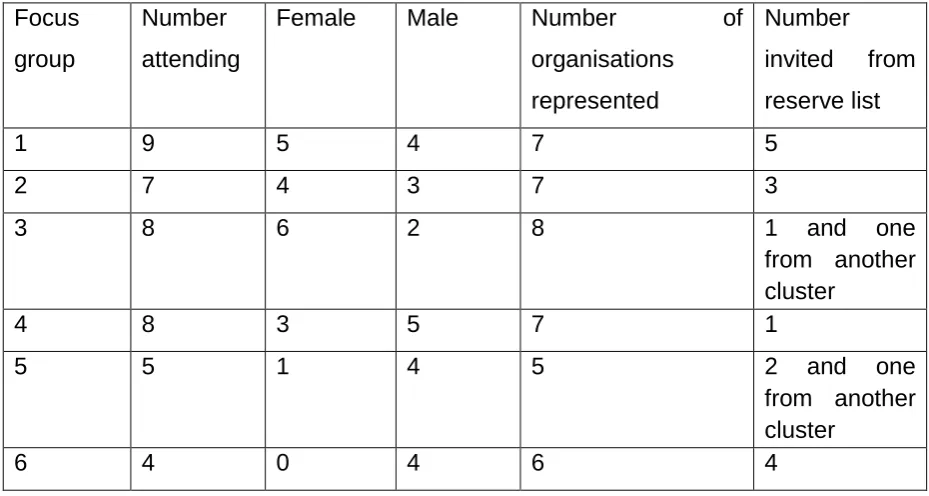
from which were sampled six focus groups each comprising up to 10 potential participants, with average attendance of 7 participants. With the help of the States Social Policy Group, a further three focus groups were developed for the statutory sector, each comprising some 15 potential participants, with average attendance of 9 participants.
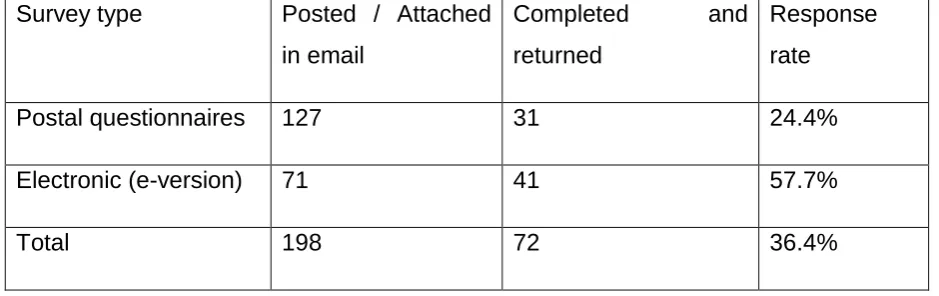
7. To gauge the opinions of the sector more widely, a questionnaire was sent to all the voluntary and charitable sector organisations on the matrix, either by post or electronically. Of the 198 approached, 31 completed and returned the postal version and 41 completed and returned the electronic version, an overall response rate for the survey of 36.4%.
8. Based on the focus groups‘ discussions, the report notes that ―There was generally an acceptance and acknowledgement that Guernsey, despite its image as a prosperous jurisdiction, does have problems regarding equality and inclusion.‖ The groups generally considered vulnerable to social exclusion by participants in the focus groups and the survey include disabled people, disadvantaged young people and children, low income families and individuals, people with serious illness, people with mental health difficulties older people, carers, people involved in the criminal justice system, drug users, unemployed people, homeless people, those experiencing domestic abuse, people from minority ethnic groups, and migrant workers.
9. The barriers to inclusion are numerous: restricted mobility, lack of access to information, limited ability to engage in activities independently, unmet support needs, limited choices, loss of confidence, increased stress, social isolation, difficulties obtaining suitable housing, poverty, increased crime and so forth. Prejudice, stigma and lack of understanding are felt to be key problems. 10. To help counter this, Guernsey‘s voluntary and charitable sector covers many of the affected groups, providing a wide range of direct services, campaigning and awareness raising, and generally ―plugging what would otherwise be substantial gaps in provision.‖ The sector helps people make informed choices about their circumstances, offers emotional and practical support in cases of illness and bereavement or for victims of crime, provides skills and equipment to those in need, and offers health and social care services. Particular strengths of the sector include its ‗grass roots‘ connections and accessibility, flexible and creative responses to need, and its ability to mobilise volunteers and funding.
3
professionalisation in the sector can cause difficulty for under-resourced and under-staffed organisations, whether in the form of enhanced financial accountability and auditing, conforming to tighter health and safety regulations, or meeting and monitoring best practice standards. Insufficient resources and training can cause problems for voluntary organisations responding to increasingly complex needs.
12. The questionnaire reveals additional data on the sector‘s main areas of activity, main beneficiaries and types of organisation, plus information about their premises, equipment, income sources and IT support. Some 61% of respondents said their funding was sufficient for their work, 64% said their premises were sufficient , and 56% said volunteer levels were sufficient. But insufficient funding and other assets including IT and premises are key factors limiting the work of Guernsey‘s voluntary organisations. The lack of volunteers, training and transport also remain central resource issues. Although respondents described their links with other VCS organisations as good, many agree these could be improved. The most important existing linkages involve sharing information, joint forums and joint projects.
13. The relationship between Guernsey‘s voluntary and charitable sector and the statutory sector is also analysed. Positive aspects discussed in the focus groups include a variety of funding, referral-based and more strategic policy relationships, mutual respect, and accessible States deputies and officials. Specific examples of good practice in partnership working include the Domestic Abuse Strategy, the Drug and Alcohol Strategy, the Sports Commission and the Arts Commission. But the involvement of voluntary organisations in States policy development is underdeveloped. There can be difficulties for organisations to retain their independence and flexibility when bound by funding guidelines and by increasingly stifling regulations and police checks. Twenty-two percent of questionnaire respondents said their organisations received States funding. Some respondents said the links with the States had been affected by the lack of an overall strategy and could be improved if the States acknowledged the skills and expertise found in some organisations.
14. On the issue of funding, the report finds that the sector recognises the need to be held accountable, but there is unease that the States chooses not to fund some services knowing the voluntary sector will pick them up. A lack of transparent communication and liaison mechanisms between the sector and the States is said to create an over-reliance on personal relationships, and difficulties for smaller organisations to make effective contact, while a lack of trust is another problem. The division of responsibility between the two reflects broader political questions about public finance and taxation policy.
4
training off the island, and the need to adapt or ‗Guernsify‘ imported policies and literature.
16. Among the groups for whom there is insufficient provision, a clear focus of concern is a lack of suitable accommodation, employment and support for disabled people. Young people who are disadvantaged through family difficulties, poverty, marginalisation from education or employment, and mental health difficulties require further provision, as do young and low income families in problematic housing situations, carers, isolated older people, and minority groups including minority ethnic groups, and lesbian, gay, bisexual and transgender young people.
17. Other identified gaps in provision include housing inadequacies, a shortage of locally based community centres and play facilities, with community development support for the most excluded communities, and accessible information for incomers and migrant workers. One proposal in the study is for a young people‘s advice and counselling service, which could also provide a basis for support groups. There is also a significant legislative gap in relation to a comprehensive framework of equality legislation and training.
18. The study found a commitment amongst the majority of participants in the study from both sectors to enhanced joint working between the voluntary and charitable sector and the States. Of the forty six respondents to a question about who should fill the identified gaps in provision, 89% see the solution to be partnership between the VCS and the States rather than either acting alone.
19. The report outlines a number of conclusions and recommendations. Guernsey‘s voluntary and charitable sector is rooted in the local community and uniquely able to mobilise volunteers. But it lacks an overall mechanism to communicate with itself or with the States, and statistical data is lacking. Funding is a problem, and the pressure on volunteers is growing. The result is that it is under-resourced. 20. There is a range of functions which could be shared to provide additional support
to the sector. These include volunteer recruitment and training, policy and research resources, IT and media support, community capacity building, information about the sector and about funding sources, and opportunities for enhanced networking amongst organisations working in similar areas of provision.
5
Guernsey Voluntary and Charitable Sector Research Study Chapter 1: Introduction
1.1 Background
Guernsey Community Foundation approached Bristol University early in 2010 with a view to setting up a study ‗to evaluate the role that the charitable sector plays in social policy provision in the Island, how this might be improved and how the tension between public and charitable provision might be resolved‘. At a meeting between the Guernsey Community Foundation Advisory Group and Sarah Cemlyn of Bristol University in March 2010, it was decided that the project would focus on voluntary and charitable organisations that promote social inclusion. A brief working definition of this concept was agreed as ‗social inclusion is focused on overcoming barriers and inequalities that prevent people participating on equal terms in society‘.
Following this meeting, a project proposal was developed by Bristol University, and after feedback and revisions this proposal was agreed in June 2010. The Project started in August 2010.
1.2 Project Aims
The project has had the following aims:
To draw together information about the shape and scope of the voluntary sector in Guernsey
To investigate the role of the sector in relation to the promotion of social inclusion
To explore gaps in provision to promote social inclusion as perceived by voluntary sector organisations and statutory partners
6
To explore the relationship and balance between voluntary and statutory provision in promoting social inclusion, and between parent organisations and local branches, including any tensions in these relationships and in the balance between sectors and organisational levels
To explore ways of alleviating these tensions and enhancing collaboration between the sectors and organisational levels in promoting social inclusion
To develop proposals about how identified problems and tensions might be addressed
To develop proposals about where additional resources might best be targeted
These aims have been central to the development of the project. They reflect the aims and philosophy of the Foundation, as illustrated in the initial brief for the research project.
―The Guernsey Community Foundation has been set up to bring about real improvements to the community and to the lives of the people most in need. It is an outcomes funder meaning that the focus is on the difference funding makes, rather than on which organisations receive the funding. ..it recognises the vital and important role that the charitable sector has in helping achieve certain outcomes….A strong, well-resourced charitable sector is crucial to a healthy and well-functioning society….As a foundation for social entrepreneurship, it will divide its efforts into two main parts:
1] Researching, educating, influencing, and working with established organisations.
2] Raising funds and awarding grants to local organisations (Guernsey Community Foundation 2010).‖
7
Foundation‘s Advisory Group, as discussed in chapter 3, the process of the study has been determined entirely by the academic team.
1.3 Shape of this report
This report is structured as follows. The next chapter comprises a review of policy, theory and research concerning the voluntary sector in Guernsey and in the UK, with some reference to broader European literature; a discussion of the concepts of social inclusion and exclusion; and a review of social policy relating to social inclusion in Guernsey. This chapter also includes discussion of the methods used to search for and select relevant literature.
The third chapter discusses the overall methodology of the rest of the project, which included six focus groups with representatives of voluntary sector agencies and three focus groups with representatives of statutory sector agencies; a questionnaire sent to nearly 200 agencies in the voluntary sector; analysis of the various data sources to present the findings and compile this report; and liaison with the Guernsey Community Foundation (GCF) advisory group.
The fourth and fifth chapters present the findings from the focus groups and from the questionnaire respectively. The sixth chapter draws overall conclusions from the study and explains the background to the recommendations, which are presented in chapter seven.
8
Chapter 2: Literature Review
2.1 Introduction
This chapter provides a review of the literature on the voluntary and charitable Sector and the promotion of social inclusion in Guernsey. The term ‗voluntary and charitable sector‘ or ‗VCS‘ is used to describe the sphere of activity in Guernsey made up of organisations which are non-governmental, self-governing and not run for the purposes of profit making1. This review begins by setting Guernsey‘s VCS situation in a broader context, by outlining the development of the voluntary and charitable sector, and the notion of ‗social inclusion‘ in Europe and the UK. Following this, information on Guernsey‘s social provision is drawn together, focussing on the role of the state and the VCS in relation to the promotion of social inclusion on the island. The search strategy used to identify relevant studies is provided in Appendix 1.
2.2 The VCS in the United Kingdom and Europe
2.2.1 The growing importance of the VCS
The importance of voluntary agencies for enhancing and complementing public social provision has long been acknowledged in Europe and the UK (e.g. Beveridge, 1948), though the VCS has particularly gained prominence in these countries over the last 25 to 30 years (European Commission, 1997, 2000; Salamon et al., 1999; Anheier, 2002). As well as being called upon to represent communities in consultations and partnerships, the sector has also increasingly been drawn upon to deliver services which had been previously managed by local or national
9
Government. Some organisations have now become very large. For example, the largest private employer in Germany is Caritas, a Catholic welfare association and, in France, not-for-profit providers, such as Sécours populaires, are not far behind in size. Thus, voluntary services are now often seen as an alternative to public provision, rather than an adjunct (Spratt et al., 2007).
Across Europe, including the UK, a number of similar, as well as country-specific factors have driven this expansion. First, is the general expansion of the service economy as a result of a change from industrial to post-industrial societies in the European countries. The growth of the VCS has also been reinforced by demographic developments, in particular, an increasing demand for services as a result of the rise in the numbers of older people of the ‗baby boomer‘ generation.
An increasing recognition of the value of the VCS has also played a significant role. In the UK, successive Conservative and Labour Governments saw the VCS as having a potential role and contribution across a wide range of welfare and social functions, though not necessarily for the same reasons. The previous Conservative Government (1979-1997) was keen to exploit the potential of the VCS as a more economic means to deliver services (Clarke et al., 2000), whilst New Labour (1997-2010), pursuing a ‗neo-communitarian‘ strategy, emphasised the usefulness of the VCS as mediating between the state and citizens (Spratt et al., 2007). Most recently, the ‗Big Society‘ flagship policy of the Conservative Party (2010) also seems to place a high value on the VCS, encouraging people to take an active role in their communities (Downing Street, 2010). This is to be achieved through supporting co-operatives, mutuals, charities and social enterprises; setting up a ‗Big Society Bank‘ and introducing a national citizen service (Third Sector Online, 2010). Supporters of the policy have said that it addresses ‗…an unmet demand in our nation to do good‘
(Blond, 2010), allows voluntary organisations to compete with the large providers, and gives people a stake in society and the economy.
10
2.2.2 Reforms to the public sector
Generally speaking, the VCS has increased in size and reach at the same time that the functions, structures and role of the public sector have undergone profound change. Throughout Europe, this has been particularly apparent over the last thirty years, with increasing privatisation of state services according to the philosophy of the emergent realm of ‗New Public Management‘ (Ferlie, 1996). For example, during this time, successive UK Governments have set out to ‗modernise‘ and reduce the public sector, albeit using different rationale. The Conservative Government of the 1980s set out to develop a ‗mixed economy‘ to deliver welfare services, often on the grounds that the public sector was dysfunctional and inefficient (Clarke et al., 2000; Harris et al., 2001). New Labour continued with this trend, though preferred to describe a ‗third way‘2
of restructuring public services, sidestepping the state versus market dichotomy (Giddens, 1998; 2002). Now, the new Conservative and Liberal Democrat Coalition Government is carrying out the deepest cuts to public services for 60 years (Institute of Fiscal Studies, 2010) on the grounds that it is unavoidable and necessary to repair a financial deficit (Telegraph, 2010).
The reduction of the public sector has also often been justified on the grounds that the quality of service provision does not depend on whether services are managed or funded by the public, private or voluntary sectors (Toping, 2008). Furthermore, the VCS is often seen to have positive advantages over the other sectors, in terms of being more user-focused; more able to connect with 'hard-to-reach' user groups; more innovative; less bureaucratic; more cost-effective; offering greater choice; and being more responsive and appropriate to local solutions (Leadbeater, 1997; Giddens, 2000; Scottish Executive, 2005). The sector has also increasingly gained credibility as providing a ‗voice‘ to local communities and residents, particularly in promoting ‗alternative voices‘ (Diamond, 2010: 11). Thus, replacing or augmenting large state agencies with locally responsive voluntary organisations has been widely seen to be in the public interest (Giddens, 2002).
2 The ‗third way‘ refers to an attempt to synthesise right-wing economic policies and left-wing social
11
However, some argue that the VCS has grown as a result of an ‗anti-statist‘ drive (e.g. Harris et al., 2001) and/or a neoliberal agenda (e.g. Harvey, 2000; 2005)3. Whether or not this is the case, from this perspective, the current cuts to public services are seen to be ideological, rather than necessary (e.g. Serwotka, 2010). In the UK, this critical view has meant that the Big Society policy has generally met with a sceptical response by most of the UK national press, opposition parties and unions, as well as the VCS (Charity Urban Forum, 2010). For example, Ed Milliband, now the Labour Party leader, said the Conservative Party was ‗…cynically attempting to dignify its cuts agenda, by dressing up the withdrawal of support with the language of reinvigorating civic society‘ (in Watt, 2010), and the national officer
for the community and non-profit sector of the trade union, Unite, Rachael Maskell, called the policy ‗…smoke and mirrors for an avalanche of privatisation‘ (Maskell, 2010).
2.2.3 Changes in the structures and methods of the VCS
The situation whereby the state and VCS, to some extent, compete with each other, yet are also interdependent, inevitability causes tensions. The VCS is often dependent on the state for support, either in terms of direct funding from national or local Government, or indirect support through tax advantages and so on, and for inclusion in decision-making partnerships. This support has enabled voluntary organisations to grow and develop, and may have increased their influence, but some have argued that this has come at a cost. It is alleged that the increasing reliance on state-controlled funding has meant that the nature of the VCS has now altered (e.g. Fyfe, 2005).
In particular, it is argued that the need for Government funding and support can undermine the VCS‘s traditional independence from the state. The VCS needs to be close to Government to gain influence and support but sufficiently distant to be, or
3
12
appear to be, independent. This is a delicate balance and sometimes state requirements for accountability have been interpreted by the VCS as insensitive or interfering (Kendall and Knapp, 1996). The state, as the more powerful partner may, at times, challenge the values of the community organisation and, in some cases, it may be that VCS groups are '…pressurised to conform to the practices and
demands of the statutory sector' (Milbourne et al., 2003). It is said that the VCS can be ‗captured‘ by those who want to promote their own agenda, including state actors, who tend to co-opt local leaders and listen to the voices which are most congruent with their needs (Diamond, 2010). There are especially difficulties when a group‘s campaign is at odds with Government policy or if it is seen to be engaging in political activity4 (Kendall and Knapp, 1996). However, some analysts argue that the state tries hard to respect the autonomy of the funded organisation (ibid.)
In addition, VCS organisations may find themselves becoming more bureaucratic as the need to prove their worth as partners and funding recipients has meant the emergence of a number of management systems more usually associated with large public sector organisations such as mission statements, target setting, performance indicators, business plans and detailed monitoring (Clarke et al., 2000; Ling, 2000). These structures, however, may undermine the VCS‘s usefulness, in terms of its flexibility and responsiveness to individual circumstances as they arise (Spratt et al., 2007). Contracts have been an attempt to formalise Government support for the sector, although, whilst they can be seen to provide security and clarity, on some occasions the limitations and duties can be burdensome to VCS groups (Kendall and Knapp, 1996). Whelan (1999) argues that these types of arrangements allow the statutory partners control without direct responsibility, leaving the VCS partner to shoulder any risk.
13
Consequently, a number of commentators have noted a split within the VCS, between the larger contracted service deliverers and smaller, grassroots initiatives (Milligan and Fyfe, 2005). The larger organisations are associated with professional staff, formal management, and service delivery to 'passive' user groups. By contrast, the smaller organisations are less formal, more responsive to local need, often client-led, and more likely to be concerned with reinvigorating civil society (Spratt et al., 2007). However, generally, the VCS remains diverse and varied with many organisations not following this trend (Fyfe, 2005).
14
2.2.4 The relationship between the state and the VCS
Relationships between the state and the VCS vary across Europe. Anheier (2002) identifies five different overall models. Firstly, the French notion of the ‗economie sociale‘, emphasises economic mutualism and the economic importance of the non-profit organisations (Archambault, 1996); in Italy, local ‗associationalism‘ is seen as a countervailing force against church and state powers (Barbetta, 1997); in Germany, the principle of ‗subsidiarity‘ favours local, decentralised services and places primary responsibility for welfare in the hands of the VCS, but with substantial state support (Anheier and Seibel, 2001; Zimmer, 2001); in Sweden the VCS tends to take the shape of democratic social movements who make demands of the state (Lundstrom and Wijkstrom, 1997); whilst, in the UK, a ‗pragmatic‘ approach of a nationalised health care system exists alongside a decentralised, non-state system of charities providing much social service provision (Kendall and Knapp, 1996).
Some authors (e.g. Morison, 2000; Fyfe 2005; Spratt et al., 2007), see the relationship between the VCS, the state and the private sector in terms of three corners of a triangle, between which there are significant 'tension fields'. Each partner evaluates how its interests can best be served by engaging with the other and negotiates within the power relations that occur.
15
(Grotz, 2007) shows that some voluntary organisations are reluctant to use Compact principles to challenge unfair practices because of fear of losing future funding. Another programme, ChangeUp, set up in 20045, also intended to improve relations between the sectors by delivering more effective support to voluntary agencies (Home Office, 2004). This was a ten year strategy for meeting the support and development needs of the VCS in the UK, through helping with financial procedures, information technology, capacity and governance. However, the ChangeUp programme, recently withdrawn, has also been criticised in that it focused primarily on specific themes and did not help with enabling greater collaboration within the sector (NCVO, 2010).
In addition to these programmes, ‗partnerships‘ between the voluntary sector and the state have become an established approach for managing relations between the sectors in many European countries (Benington and Harvey, 1998; OECD, 2001; Andersen and van Kempen, 2003). Such partnerships have been built around varying frameworks, including the principle of subsidiarity in Germany (Sachβe, 1994), the system of ‗verzuiling‘6
in the Netherlands (Dekker, 2001), as well as the Compact in the UK. In Jersey, the States has sought to engage more fully with Jersey citizens in policy development, especially young people (Gilchrist, 2005). Partnerships have been considered useful to ensure co-ordination in the setting of priorities and alignment of services; overcoming social divisions; addressing complex, cross-cutting policy issues, such as social exclusion; as well as providing improvements in the quality, cost-effectiveness and efficiency of public services through the pooling of resources (Ling, 2002; Cowell and Martin, 2003; Lowndes and Sullivan, 2004).
However, the process of developing local partnerships is extremely important. In particular, it is important to be aware of and address the disparities of power between partners (Geddes, 1997; Craig and Manthorpe, 1999; Gordon et al., 2002b;
5
In 2006, the management of the ChangeUp programme was taken over by Capacitybuilders.
6
16
Entwistle et al., 2007). In addition, it is essential to ensure they are sufficiently inclusive. Partnerships have typically been dominated by state actors, such as local authorities, with business and voluntary and community sector involvement very weak (Taylor, 2000; Gibbs et al., 2001; Davies, 2002). Furthermore, many local partnerships have been dominated by a small group of elite local actors, who may not be representative of the constituencies they are deemed to serve and who may use their partnership membership, opportunistically, for self-interest (Olsson, 2003; Lowndes and Sullivan, 2004; Geddes, 2006). A unique approach to the governance of local partnerships has been adopted by the Welsh Assembly Government. In a serious attempt to be more inclusive, the Assembly has placed a statutory obligation on local partnerships to ensure equal representation for the public, private and voluntary sectors — the so-called ‗three-thirds‘ principle. They also stipulate that at least 40% of members should be women (Welsh Affairs Committee, 2002). The three-thirds principle has improved the involvement of the VCS in the policy process and has encouraged new groups to get involved in voluntary networks (Chaney, 2002). However, partnerships continue to be dominated by local government because it has greater resources to service partnership meetings. Furthermore, grass-roots community groups have tended to be overlooked in favour of ―safe‖ representatives of the voluntary sector umbrella organisations. Therefore, it is still necessary to address the unequal capacities within and between sectors (Olsson, 2003; Lowndes and Sullivan, 2004).
2.2.5 Relations between horizontal and vertical
17
With reference to the EU, the ‗Open Method of Communication‘ framework (see section 2.2.7) to tackle poverty and social exclusion has been a key instrument in terms of supporting vertical integration as it combines European-level objectives and evaluation with the production of National Action Plans on Social Inclusion (Pemberton, 2008). These, in turn, should be informed by groups and people with direct experience of social exclusion (ibid.).
2.2.6 Relationships with business
With public spending cuts now being implemented throughout Europe, it is likely that relationships with business will become more important to VCS organisations including new sub-contracting and partnering arrangements (NCVO, 2010). Partnerships between business and the VCS take many forms, including corporate donations and sponsorship; as well as non financial support, such as employer-supported volunteering (ESV), or the free use of equipment or premises. Businesses also benefit from these relationships with the VCS, as association with a ‗good cause‘ can enhance their public image. In addition, ESV can create personal and professional development opportunities for employees. However, the Funding Commission in the UK (2010) identified a need for better brokerage of the relationship between the business and voluntary sectors, in order to match needs and skills and bridge the gap between their different cultures. The organisation emphasises that this would help to overcome barriers in the communication and understanding between the sectors7.
2.2.7 Need for capacity building and infrastructure in the VCS
In the UK, research shows the need for capacity building in the VCS: i.e. developing knowledge, skills (especially financial literacy, demonstrating impact and good
7
18
governance/trusteeship), resources (human and financial), power and networks within the sector (NCVO, 2010). Infrastructure organisations (i.e. voluntary sector umbrella support organisations) are well placed to provide capacity building services. Such organisations provide a strong voice on issues of common concern; help to shape government policy; enable access to information; give advice and support; build connections between organisations; and create opportunities for mutual learning. They also play a key role in brokering relationships with other stakeholders within the private and public sector. The need for and potential of an organisation fulfilling these functions in Jersey was investigated in a study in 2007 (JAVO 2007). However, it is very important that these organisations develop their outreach potential carefully. In the UK, only 18% of voluntary and charitable groups receive support from infrastructure organisations (Third Sector Online, 2011b).
Information technology and social media have also been highlighted as means of developing and improving the VCS (NCVO, 2010). There is scope for making greater use of these media, to provide on-line support and advice; build connections, disseminate information on policy, standards, good practice and funding; and provide diagnostic tools that enable VCS organisations to make informed decisions (e.g. Funding Central, in the UK). However, it is important to be aware of the ‗digital divide‘ and ensure marginalised groups and individuals are not missing out.
19 2.3 Social Inclusion
The concepts of ‗social inclusion‘ and ‗social exclusion‘ are now fundamental to both British and European Government policy (Levitas, 2006). There are different national traditions in thinking about these terms which relate to their origins (Silver, 1995). European policy focuses on social exclusion as a relational issue involving a lack of social integration and power, with individuals becoming detached from a broader moral order (Room, 1995), while in Britain there has been a tendency to include, or focus on, exclusion resulting from poverty (Gordon, 2006; Levitas, 2006). This emphasis in Britain can be traced to Peter Townsend‘s work on poverty which proposed a relative definition in terms of lacking ‗…the resources to obtain the types of diet, participate in the activities and have the living conditions and amenities which are customary, or at least widely encouraged and approved, in the society to which they belong‘ (Townsend, 1979: 31). This definition of poverty, based on a
distributional analysis, moves beyond income to resources and also includes an element of social participation.
The previous UK Government‘s definition recognised the varied uses of the term and opted for the following statement:
Social exclusion is a complex and multi-dimensional process. It involves the lack or denial of resources, rights, goods and services, and the inability to participate in the normal relationships and activities, available to the majority of people in a society, whether in economic, social, cultural or political arenas. It affects both the quality of life of individuals and the equity and cohesion of society as a whole (Cabinet Office, 2009).
20
European approach referred to above, focused on a lack of labour market participation) and MUD (a moral underclass discourse, focused on moral and cultural deficiencies of ‗problem‘ groups, such as single mothers and unemployed young men). While MUD directly blames poor people for their situation, SID also includes a focus on moral integration (as discussed by Jordan, 2000).
Critics argue that MUD and SID are particularly problematic because they obscure the inequalities of income, wealth and other resources that exist, not only between the included and excluded, but also among those who are included (Levitas, 2005; Gough et al., 2006). Social exclusion both results from and causes inequality, in wealth, power, status, resources and access to services. Although discussions of ‗inequality‘ focus primarily on inequalities of income and wealth (Held and Kaya, 2007; Ridge and Wright, 2008), wider dimensions of inequality, for example in relation to education, health and ethnicity, are also important to consider (Hills et al., 2009).
As a result of these divergent understandings, it is not surprising to find that various sets of indicators have been used to measure ‗exclusion‘. In the UK the Department of Social Security (DSS) published Opportunity for All: Tackling Poverty and Social Exclusion (DSS, 1999) which set out 40 indicators on which the annual assessment of the Government‘s progress in tackling poverty and social exclusion would be based. In 2000, the EU launched an ‗Open Method of Coordination‘ (OMC) on Social Inclusion, emphasising the need to reduce poverty and social exclusion by 2010 through National Action Plans for Social Inclusion (NAPSI) (Pemberton, 2008). Recent NAPSIs have included a set of common EU indicators (the 18 ‗Laeken indicators‘) espousing a RED/SID interpretation of exclusion to monitor progress across EU member states and to exchange best practice (Armstrong, 2006).
21
‗Social inclusion is focussed on overcoming barriers and inequalities that prevent people participating on equal terms in society‘.
2.4 The VCS and Social Inclusion
2.4.1 The importance of the VCS for promoting social inclusion
The importance of VCS groups or alliances of community organisations (including faith-based groups) for facilitating social inclusion and cohesive communities was identified in recent research for the Joseph Rowntree Foundation (Blake et al., 2008). By dint of its reputation for grassroots local development and community engagement, the VCS is considered to be well placed to offer services to socially excluded people, where needs are differentiated, or have been unacknowledged or previously unmet (Scottish Executive, 2005; Spratt et al., 2007). These local and minority issues were considered to be difficult to identify and engage through large bureaucratic state-controlled organisations and of little interest to the private sector (Morison, 2000). Voluntary organisations are seen to be especially able to engage with the most excluded people in society because there may be distrust of state provision or the market amongst such groups (Kendall, 2000).
2.4.2 Community Development
Community development has been defined as ‗a set of values and practices which plays a special role in overcoming poverty and disadvantage, knitting society together at the grass roots and deepening democracy‘ (Community Development
22
deprived neighbourhoods, rather than long-term qualitative community work (Alcock
et al., 1999). Assisting local people to come together to develop groups and activities on the issues they identify as important is key to developing ‗community capacity‘ (Mayo, 1994; Taylor, 1994; Popple, 1995) and can enable disadvantaged groups to take up services targeted towards them, develop community based solutions to shared problems, and increase their ability to engage with statutory partners and others in the VCS and advocate on behalf of their communities. Yet, if ‗community involvement‘ is to genuinely empower poor communities, professional or skilled community development work is a necessity (Cemlyn et al., 2005). However, this requires long-term core funding and the strategic support and commitment of partnership bodies (bid.).
2.5 Background Information on Guernsey
Guernsey is located in the English Channel, roughly 30 miles from the French coast and 70 miles from England. The Island has an area of approximately 24 square miles and a resident population of 62,274 (Policy Council, 2010a: 7). The Bailiwick of Guernsey includes a number of other islands in addition to Guernsey - Alderney, Sark, Herm, Jethou, Brecqhou and Lihou. These other islands are mainly self-governing and so this report applies principally to the island of Guernsey itself. Although Guernsey is geographically closer to France, it is a dependency of the British Crown and the UK Government is responsible for its international representation and defence. However, Guernsey is not represented in the UK Parliament and Acts of Parliament do not apply in the islands unless they are also passed by the Bailiwick‘s Parliament. Special terms were negotiated for the Channel Islands on the UK‘s accession to the European Economic Community so that, though Guernsey can trade with the European Union, as it is now termed, without tariff barriers, other EU rules do not apply, for example in relation to equality directives developed under the 1999 Treaty of Amsterdam.
23
parties. Executive work is carried out by the Policy Council and ten geographically based Departments, each of which has a Committee with a Minister and four elected board members (Policy Council, 2010a). The States Committees are organised on an almost federal basis, with virtually complete control over the areas they supervise (Massey, 2004). The agenda for States meetings, the Billet d‘État, is usually based on State Reports, submitted by the Departments. Occasionally Requêtes are put forward, which are in effect Private Members Motions. For some time, the Government of Guernsey has come under pressure to modernise the political structures. This led to the publication in 2000 of the Harwood Report which included recommendations for better co-ordination of policy, governmental reform into more executive-led systems and a dramatic reduction in the number of civil service structures (Harwood, 2000). Some changes have now been implemented, and more strategic overall planning is currently in progress (Policy Council, 2009b, 2010b) but the recommendation to change to executive Government remains contentious (Ogier, 2009).
Guernsey‘s economy mainly depends on the financial services industry - banking, fund management, insurance etc – which accounts for about 23% of employment and about 55% of total income. This sector has grown while tourism, manufacturing, and horticulture (mainly tomatoes and cut flowers), once the mainstay of the island‘s economy, have been declining (CIA, 2010). Low taxes mean that Guernsey and Jersey are often perceived as offshore ‗tax havens‘ for wealthy individuals and companies (Massey, 2004). However, the Bailiwicks took action to address criticism of their role as tax havens, agreeing in 2002 to adopt OECD principles of exchange of information and transparency in relation to tax information. By 2009, the OECD recognised that Guernsey had substantially implemented the OECD tax standards (Policy Council, 2009a).
24
2009a: 20). Using the International Labour Office definition, unemployment increased slightly over the ten years to 2009, but remains very low, at 1.1% in March 2010 compared to 7.6% in the UK (Policy Council, 2010a: 25). The Guernsey Quarterly Labour Market Bulletin (Policy Council, 2011a) showed a slight annual decrease in unemployment at the end of March 2011, and a 1.8% increase in numbers of people employed, standing at 32,186.
There has been an emphasis on controlling population growth in the islands as the population is already considered to be dense (Massey, 2004, Policy Council, 2010b) and there is a high rate of immigration (Guernsey has the 26th highest rate in the world) (CIA, 2010). This objective has been generally pursued though controlling housing availability and the right to work (Massey, 2004). However the States has recently been consulting on a revised population policy on the basis that housing control and immigration regimes are insufficient for a comprehensive population policy (Policy Council, 2011b). As elsewhere, the age profile of the population is changing, with a higher proportion of older people (Policy Council, 2011b). The last census in Guernsey was in 2001 (States of Guernsey, 2001). According to a study in 2002, the resident population comprises 58% of people who were born in Guernsey, 34% in the UK, 2.5% in Europe, 4% in other parts of the world and 1.5% in other Channel Islands (Gordon et al., 2002a). There is no detailed information available on the ethnicity of those from other parts of the world.
2.6 The Public Sector in Guernsey
25
enforced cuts in the public sector in a manner akin to the type of reforms implemented in the UK. The SNLP controlled the total number of permanent posts in the public sector, with a view to a reduction in the long term, and encouraged an increase in ‗outsourcing‘ (ibid.). The policy was replaced by budgetary control in January 2008 (Policy Council, 2007c).
In 2009 the Policy Council of Guernsey published the first ‗States Strategic Plan, 2009-2013‘, setting out the medium term policy and planning for the States of Guernsey (Policy Council, 2009b). This replaced the Business Plan 2004-2008, and linked public finances to policy priorities for the first time. The States Strategic Plan (SSP) includes the Fiscal and Economic Plan, Social Policy Plan and Environmental Plan, and is reviewed annually. The first such review was in 2010 (Policy Council, 2010b). The intention is to provide clear direction for the States and to make the Government more accountable (Policy Council, 2009b). In order to strengthen accountability, the SSP introduced key performance indicators (KPIs) to show whether the States are meeting their objectives. These are published in ‗Sustainable Guernsey, 2009‘ (Policy Council, 2009a).
The 2009 States Strategic Plan flagged up impending financial difficulties, anticipating a structural deficit of, approximately, £110m from 2010-2013. It warned that ‗The medium term fiscal position is highly volatile, and more uncertain than for many years. However, one fact is beyond dispute. The States faces tighter constraints on expenditure than it has faced for many years‘ (Policy Council, 2009a:
2269). Efficiency savings would be used to fund some new service developments, but ‗…only the most essential initiatives will be able to proceed in 2010...the prioritisation process will continue to be tough‘ (Policy Council, 2009b: 2264). The
26
The 2010 updated States Strategic Plan (Policy Council, 2010b) reported a deficit of £39.1m, with uncertainty about the speed of further reducing the deficit, a continued need for financial stringency and therefore continued reliance on efficiency savings to fund new developments. The priority initiatives for development listed in 2010 included services in the areas of mental health, disability, domestic abuse, children and young people, criminal justice, housing, obesity and employment law (Policy Council, 2010b: 1160).
2.7 The VCS in Guernsey
There is no known study of the VCS in Guernsey, although a study of the VCS in Jersey raised some parallel themes (JAVO 2007). The UK Charity Commission does not cover Guernsey. The Association of Guernsey Charities performs some similar functions, in terms of providing information to its members and the broader public, though it lacks the regulatory capacity of the UK organisation. The website of the Association of Guernsey Charities provides details of local charities, with links to their websites. There are currently 279 members of the Association (Association of Guernsey Charities 2011a). Organisations range from substantial grant making charities, through charitable institutions and service providing organisations, to numerous small fundraising and social groups. Three types of charitable organisation are recognised in Guernsey: a Charitable Trust (small groups, or groups that do not have a general membership, but are covered by a trust deed); a Charitable Company (usually a Company Limited by Guarantee); and an Unincorporated Charitable Association (neither a Trust nor a Company) (Association of Guernsey Charities, 2011b).
27
that the scheme should be introduced only after extensive local consultation and careful consideration of the local impacts.
As a result of this, all charities and non-profit organisations in Guernsey, with £5,000 or more annual turnover or £10,000 or more assets, are now required to register locally with the States of Guernsey Income Tax Department on an annual basis. There is, therefore, also a list of charities and voluntary organisations on the Income Tax page of the States of Guernsey website.
2.8 Social Exclusion in Guernsey
Most households in Guernsey are not living in poverty and are not at risk of becoming poor in the near future (Gordon et al., 2002a)8. Furthermore, Guernsey‘s social performance indicators are broadly positive, with the majority of the Strategic Plan targets being met (Policy Council, 2009a: 9).
However, over 3,000 households in 2002 (16%) were found to be poor, according to an accepted definition of relative poverty (i.e. they have a low income and do not have at least four of the necessities of life due to a lack of money (Gordon et al., 2002b)9. This relative poverty rate does not seem to have substantially changed in the years immediately following this report, as the most recent Guernsey Household Expenditure Survey (Policy Council, 2007b) (data 2005/2006) indicated that 16.6% of respondents lived in households with an income below 60% of median income. Furthermore, 11.1% lived in households with an income below 50% of median income and 7.6% lived in households with an income below 40% of median income, indicating the depth of poverty. In Guernsey, as is the case in all countries, poverty affects particular groups. The 2002 study showed lone parent households (63%);
8
According to this report, people are defined as living in poverty if they have a low income and are unable to afford four or more of the ‗necessities of life‘ as defined by the majority of islanders (see Gordon et al., 2002a).
28
single pensioner households (43%); and large households with children (26%) were the most affected (Gordon et al., 2002a). Over three years later, the Guernsey Household Expenditure Survey (2005/2006) showed a similar pattern with lone parent households (53.4%), single pensioner households (64.2%) and households with children (18%) the most affected by poverty (Policy Council, 2007b). It should be noted that these surveys are not directly comparable as they use different definitions of poverty but, even so, it is evident that they show a similar pattern. In Gordon et al.‘s study (2002a), poor people in Guernsey were particularly affected
by difficulties in keeping their homes free of damp, keeping warm in winter and affording the higher cost of clothes and medical care. In addition, 35% said that they had an inadequate diet by today‘s standards and 9% said they could not afford to feed their children adequately (Gordon et al., 2002a). The high cost, and often inferior quality, of housing in Guernsey was a major issue in general, but particularly for the poorer sections of society. Poor people in Guernsey had worse health than those who are more affluent. There was also an unequal risk of experiencing socially harmful events, with poor people significantly more likely to suffer from crime and other harmful events: 91% of poor people had experienced a harmful event, compared to 73% of those not living in poverty (ibid.).
Poverty contributes to social isolation. Gordon et al.‘s study showed that, though
29
dentists and cinema/theatres etc.) because they are either too expensive or not available where they live. In addition, the majority of people felt that there was an inadequate bus service in many areas. Though people may be socially excluded in Guernsey on the basis of factors other than poverty, such as race or disability, currently there is only data available on economic factors in relation to social exclusion.
2.9 Social Inclusion Policy in Guernsey
It has been noted that ‗Guernsey has a long history of effective anti-poverty policies‘